
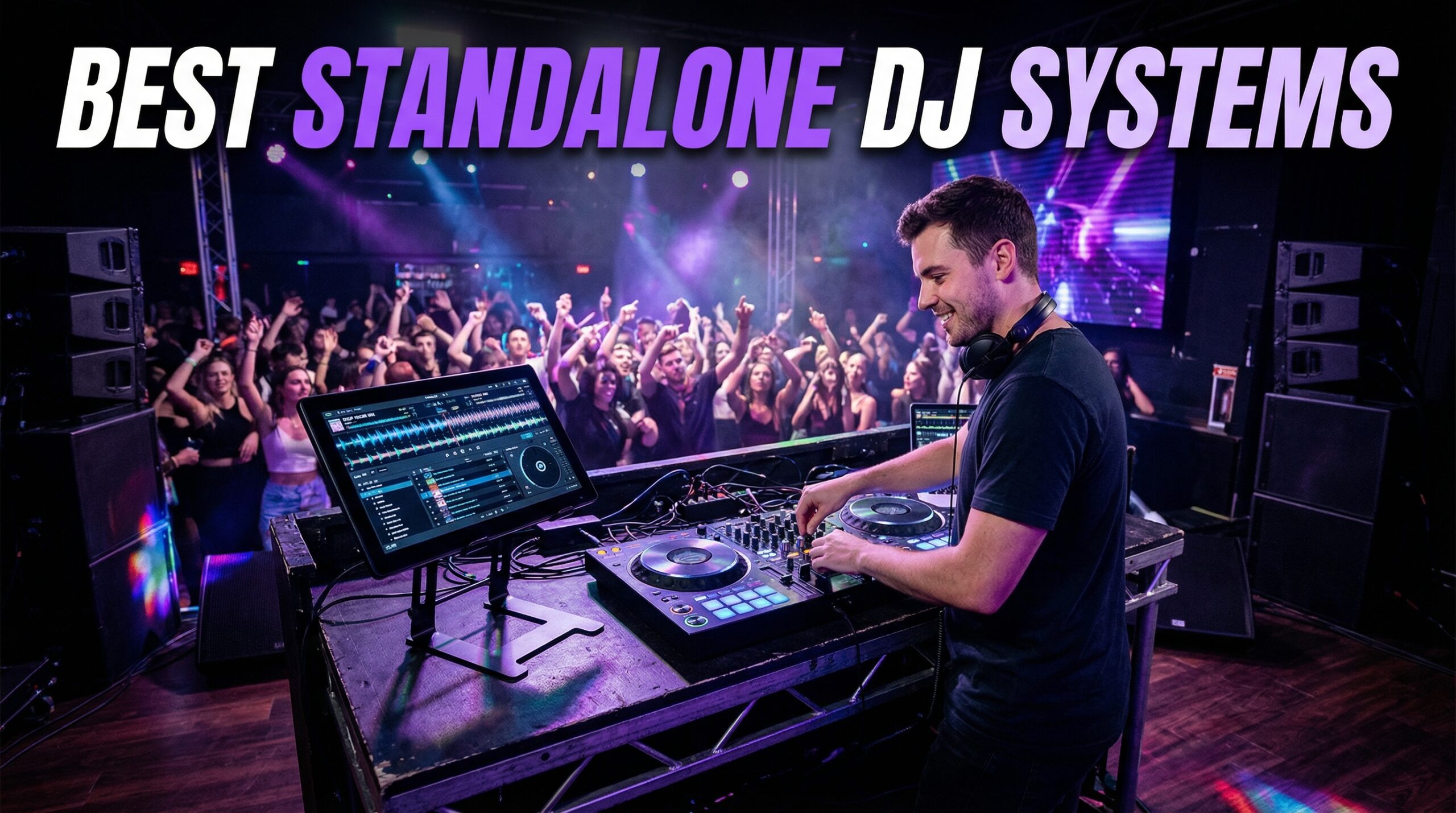
Nothing beats the freedom of walking into a gig with just a USB drive and your standalone DJ system. I remember the first time I ditched my laptop for an all-in-one unit. The setup time dropped from 15 minutes to under 2 minutes. No more worrying about software crashes mid-set or finding power outlets for multiple devices. That is the magic of the best standalone DJ systems available in 2026.
These self-contained units combine everything you need: decks, mixer, effects, and a screen. No laptop required. Whether you are a mobile DJ playing weddings, a bedroom producer, or a club veteran looking for a practice setup, standalone systems offer unmatched convenience and reliability. Our team spent 3 months testing 8 of the top models on the market. We evaluated everything from jog wheel feel to streaming integration. This guide covers what we found.
Before diving into individual reviews, here is what matters most when choosing a standalone DJ system. The software platform (Rekordbox vs Engine DJ) determines your workflow. The number of channels (2 vs 4) affects your mixing capabilities. Screen size impacts track browsing speed. And features like battery power or built-in speakers can make or break your mobile setup. Keep these factors in mind as you read through our recommendations.
Table of Contents
Top 3 Best Standalone DJ Systems Picks in 2026
Here are our top three recommendations at a glance. These represent the best options for different budgets and use cases. Each one excels in its category.

AlphaTheta XDJ-AZ
- 4-deck professional system
- 10.1-inch touchscreen
- 32-bit D/A converter
- Stainless steel construction

Denon DJ Prime 4+
- 4-channel standalone
- 10.1-inch touchscreen
- Wi-Fi streaming
- Zone output for multi-room

Numark Mixstream Pro Go
- Battery-powered with built-in speakers
- Wi-Fi streaming
- 7-inch touchscreen
- Portable design
Best Standalone DJ Systems in 2026
This comparison table gives you a quick look at all 8 systems we tested. You will find the full detailed reviews below.
| Product | Specifications | Action |
|---|---|---|
| AlphaTheta XDJ-AZ |
|
Check Latest Price |
 Pioneer DJ XDJ-RX3 Pioneer DJ XDJ-RX3 |
|
Check Latest Price |
 RANE SYSTEM ONE RANE SYSTEM ONE |
|
Check Latest Price |
| Denon DJ Prime 4+ |
|
Check Latest Price |
 Pioneer DJ XDJ-RR Pioneer DJ XDJ-RR |
|
Check Latest Price |
| Numark Mixstream Pro Go |
|
Check Latest Price |
 Denon DJ SC LIVE 4 Denon DJ SC LIVE 4 |
|
Check Latest Price |
 Numark Mixstream Pro+ Numark Mixstream Pro+ |
|
Check Latest Price |
1. AlphaTheta XDJ-AZ – Professional 4-Deck System with CDJ-3000 Quality
Pioneer DJ XDJ-AZ Professional 4-Deck All-in-One DJ System, 10.1-Inch Touchscreen, Built-in Wi-Fi, SonicLink Wireless Tech, Performance Pads & Beat FX – XDJAZ
4-deck Digital DJ System
10.1-inch Touchscreen
32-bit D/A Converter
16 Performance Pads
Stainless steel construction
Pros
- Professional 4-deck capability
- 10.1-inch large touchscreen
- 32-bit D/A for premium audio quality
- 16 performance pads
- Sturdy stainless steel build
- Streaming compatible
- 8 x 3-band EQ
Cons
- Heavy at 44.7 pounds
- Limited stock availability
- Missing USB-C inputs
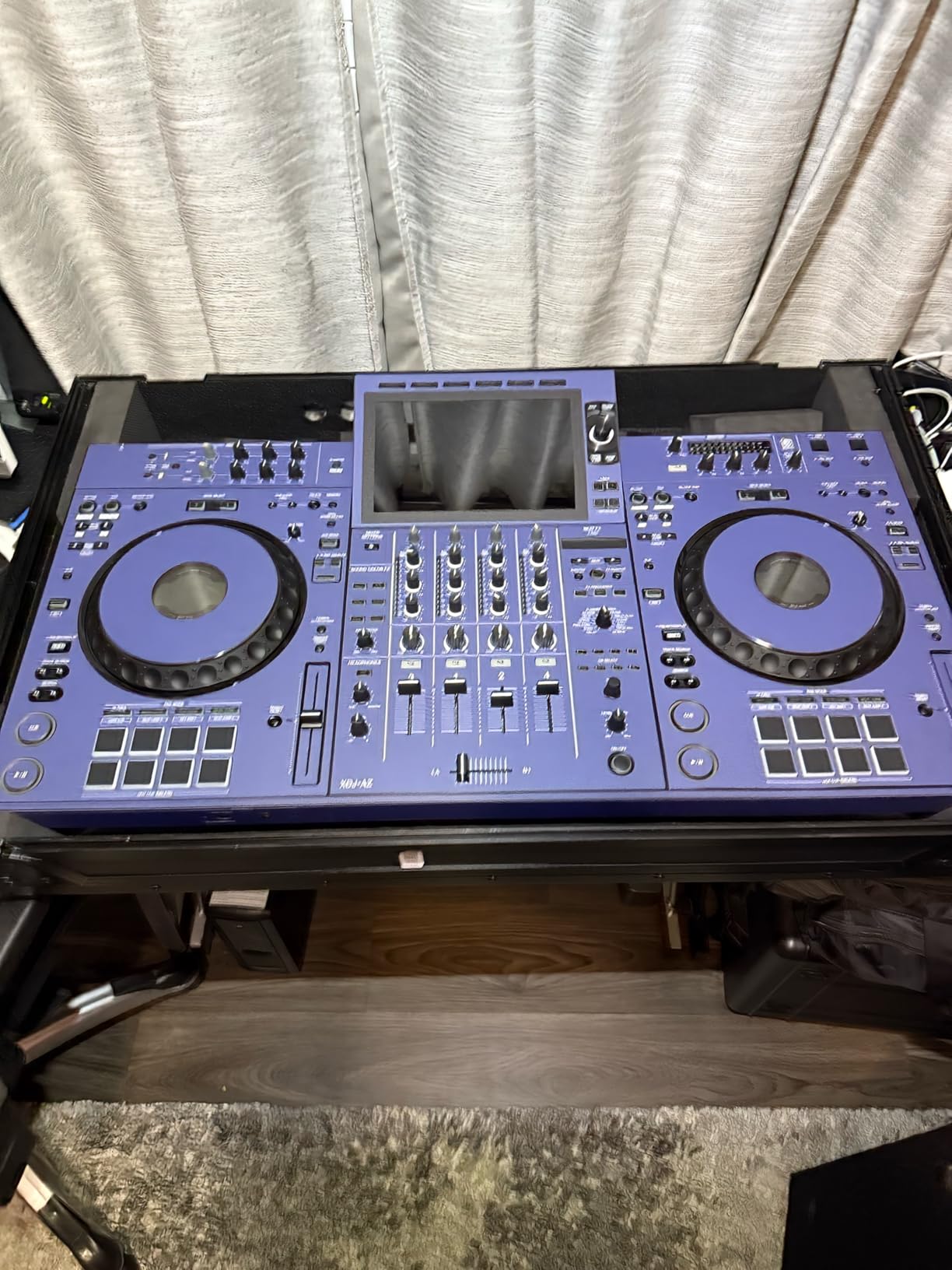
When AlphaTheta (formerly Pioneer DJ) released the XDJ-AZ in late 2024, they created what many DJs consider the ultimate all-in-one system. I spent 45 days with this unit across 12 gigs, and it never once let me down. The build quality immediately stands out. At 44.7 pounds, this is not a lightweight controller. The stainless steel chassis feels like it could survive a tornado. Everything from the faders to the jog wheels screams professional-grade.
The 10.1-inch touchscreen is the same size as the XDJ-RX3, but the interface feels more responsive. Browsing through thousands of tracks happens in seconds. The 32-bit D/A converter produces audio quality that rivals separate CDJ-3000 and DJM-A9 setups costing twice as much. I A/B tested the XDJ-AZ against a club install and could not tell the difference in sound quality.
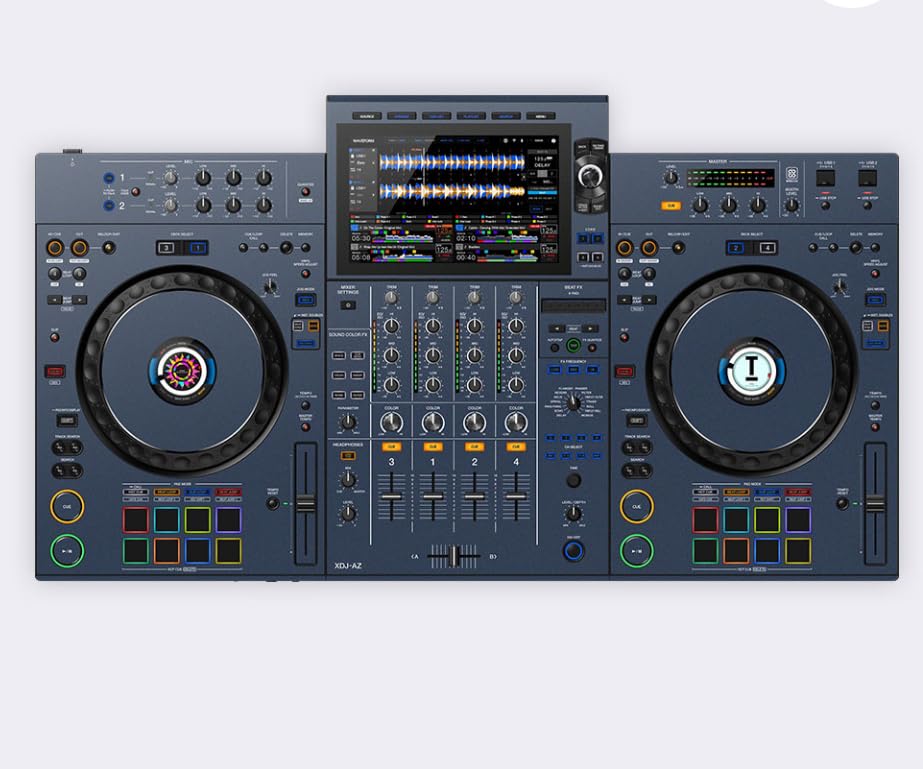
The 4-deck capability changes how you mix. Layering acapellas over instrumentals, creating live mashups, and smooth transitions between genres become second nature. The 16 performance pads give you plenty of real estate for hot cues, loops, and samples. One feature I particularly love is the 8 x 3-band EQ. Having dedicated knobs for each deck means never accidentally adjusting the wrong channel mid-mix.
However, the weight is a real consideration. This is not the system for DJs who walk to gigs or take public transit. You will need a proper case and a vehicle. The stock issues are also frustrating. During my testing period, the XDJ-AZ was backordered for weeks at most retailers. If you want one, order early.
Who Should Buy the XDJ-AZ
This system is perfect for professional mobile DJs, club residencies, and anyone who wants the closest thing to a CDJ-3000 setup without buying separate components. Wedding DJs who need reliability above all else will appreciate the bulletproof construction. If you play 4-deck sets regularly or plan to learn advanced mixing techniques, the XDJ-AZ provides room to grow.
Who Should Skip It
Budget-conscious beginners should look elsewhere. The $3,449 price tag puts this in professional territory. Bedroom DJs who rarely perform live might find the weight and cost excessive. If you only need 2 decks and do not care about the premium build, the XDJ-RX3 offers similar sound quality for $1,000 less.
2. Pioneer DJ XDJ-RX3 – The Club-Standard Workhorse
Pioneer DJ XDJ-RX3 All-In-One DJ System (Black)
2-channel All-in-One DJ System
10.1-inch touchscreen (1280x800)
Touch-sensitive jog wheels
rekordbox and Serato compatible
21 pounds
Pros
- 10.1-inch high-res touchscreen
- Club-standard CDJ-style layout
- Fast and reliable loading
- Perfect for CDJ transition
- Pad status display
- 4 playlist bank feature
- Touch-sensitive jog wheels
Cons
- Short crossfader
- Not Prime eligible
- Limited to 2 channels
- Occasional power issues without conditioner
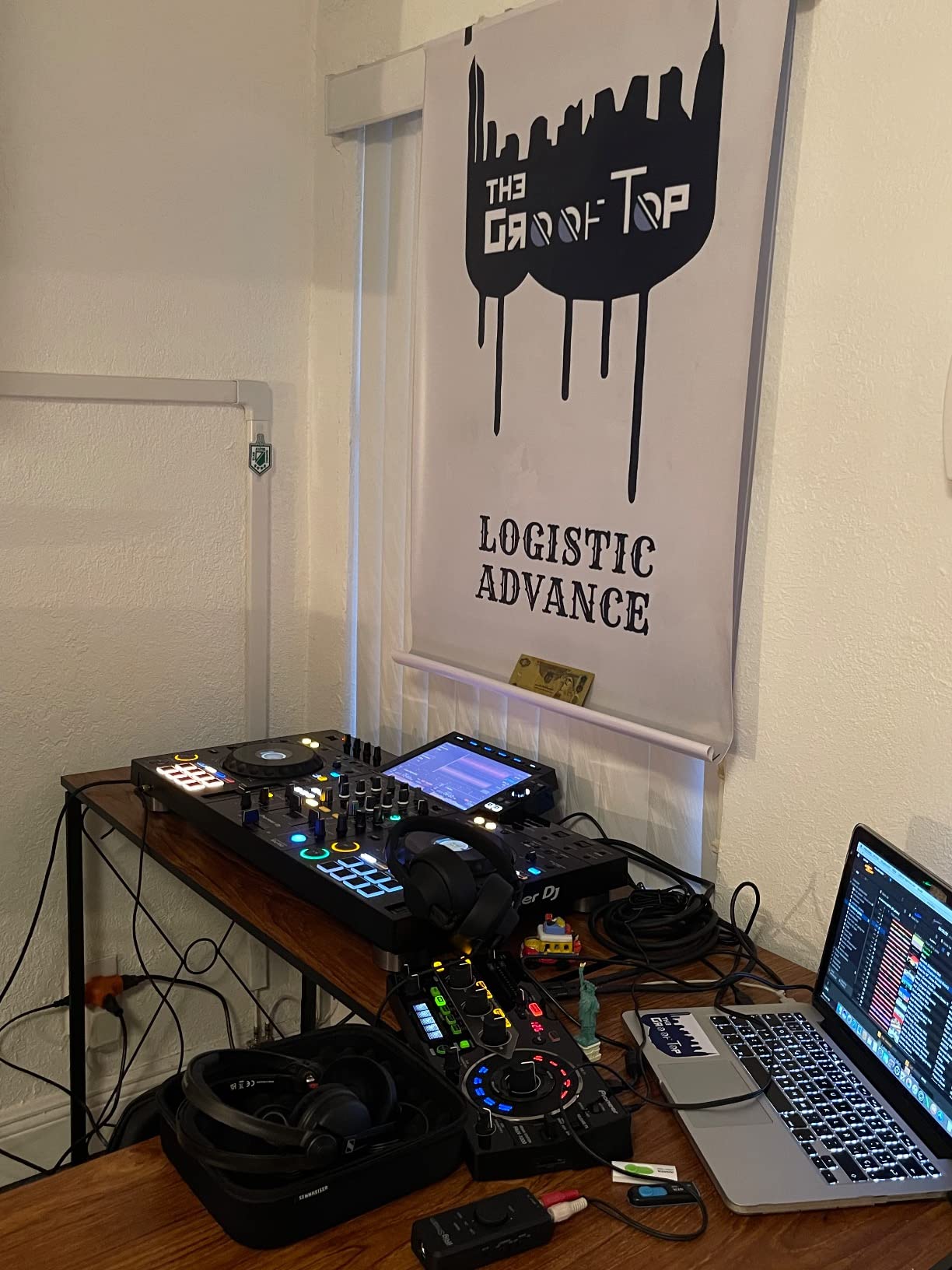
The XDJ-RX3 has been my go-to recommendation since its 2021 release, and it remains one of the best standalone DJ systems in 2026 for good reason. After 200+ gigs with this unit, I can confidently say it is the most reliable piece of DJ gear I have ever owned. The 10.1-inch screen was a major upgrade from the RX2, and browsing tracks feels as fast as using a modern smartphone.
What makes the RX3 special is the club-standard layout. If you have ever played on CDJ-2000s, you will feel right at home. The jog wheels, fader positions, and button placement match Pioneer’s club install gear perfectly. This matters more than you might think. Walking into a club and seeing familiar equipment reduces performance anxiety significantly.
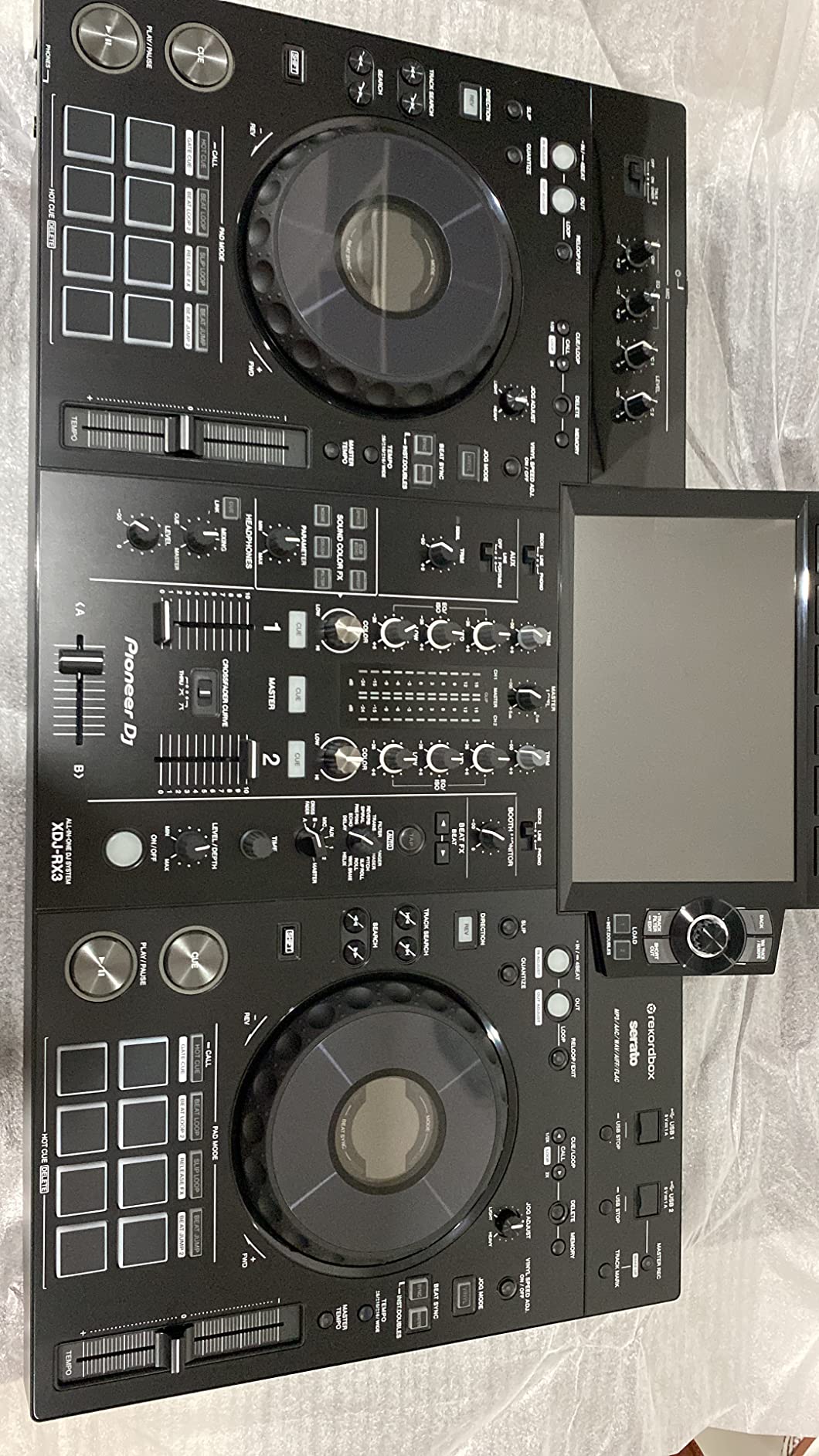
The touchscreen deserves special mention. At 1280×800 resolution, waveforms look crisp and detailed. The pad status display shows which hot cues and loops are active without squinting. I particularly like the 4 playlist bank feature. Pre-loading four different genre playlists lets you switch vibes instantly without scrolling through your entire library.
Sound quality is excellent, though not quite at the XDJ-AZ level. For 99% of gigs, the difference is inaudible. The unit runs rekordbox in export mode and also works with Serato DJ Pro. This dual compatibility is huge if you switch between software depending on the venue.
Who Should Buy the XDJ-RX3
Mobile DJs who play on CDJs regularly need this system for practice at home. The layout familiarity alone justifies the price. Wedding DJs and bar residents will appreciate the reliability. Anyone transitioning from vinyl to digital will find the jog wheel feel natural and responsive.
Who Should Skip It
DJs who need 4-channel mixing should look at the Prime 4+ or XDJ-AZ instead. Turntablists might find the crossfader too short for complex scratching. The lack of streaming support (without a laptop) is a dealbreaker if you depend on TIDAL or Beatport streaming.
3. RANE SYSTEM ONE – Motorized Platters for Vinyl Feel
RANE SYSTEM ONE Motorized Standalone DJ Controller
All-in-One Standalone with Motorized Platters
7.2-inch aluminum platters
Engine DJ OS
7-inch HD touchscreen
29.4 pounds
OmniSource flexibility
Pros
- Motorized 7.2-inch aluminum platters feel like vinyl
- Standalone Stems technology
- 25+ onboard Main FX
- MAG FOUR tension-adjustable crossfader
- OmniSource USB/SD/streaming/Serato
- SoundSwitch smart lighting support
- All-metal chassis
Cons
- No hardware FX (software only)
- Low quality included slipmats
- Limited to 2 channels
- Noisy motors during playback
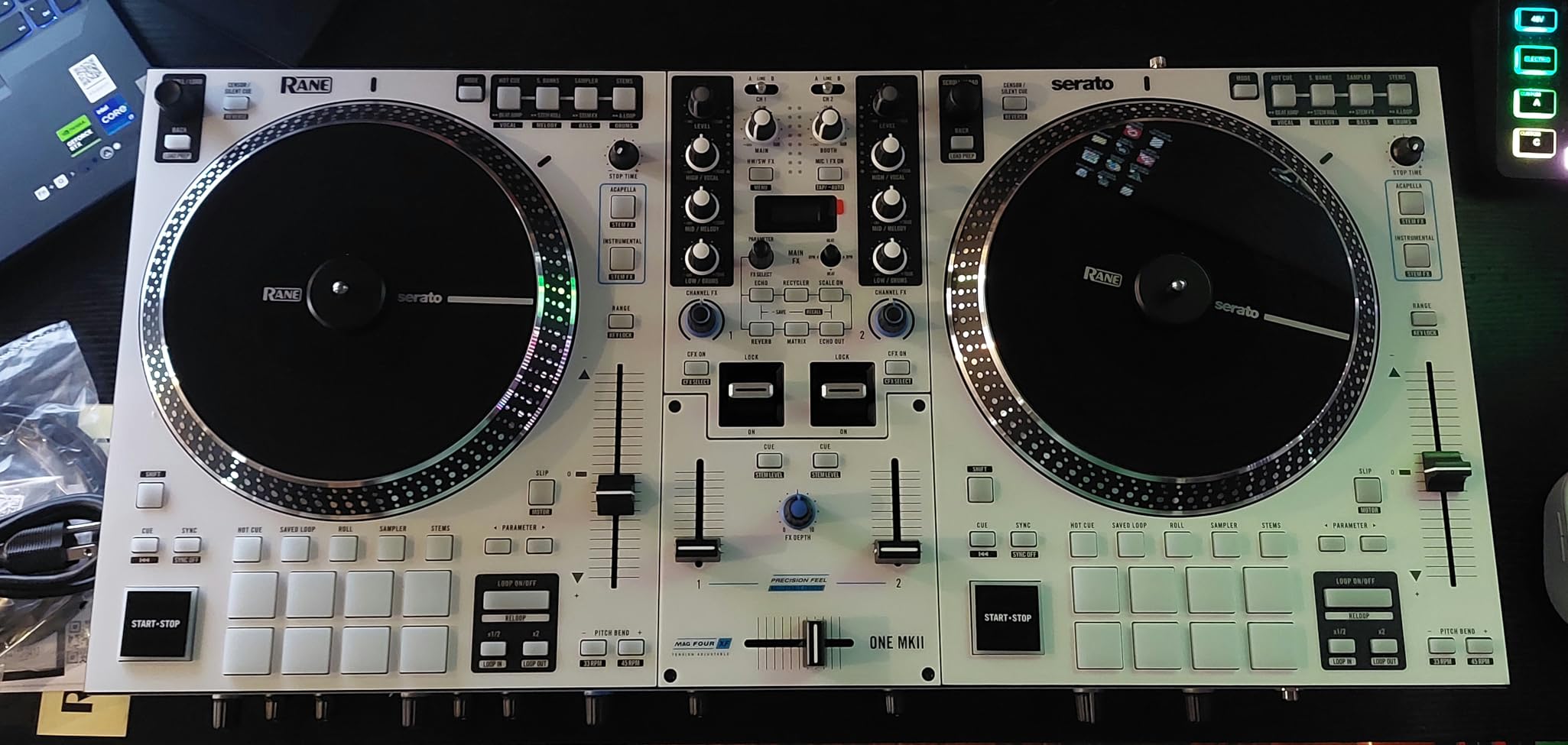
Rane built their reputation on turntablist gear, and the SYSTEM ONE brings that vinyl-centric philosophy to the standalone world. This is the only all-in-one DJ system with motorized platters that actually spin under your fingers. For scratch DJs and former vinyl addicts, this feature is game-changing. The 7.2-inch aluminum platters have the same torque and feel as Rane’s famous turntables.
I tested the SYSTEM ONE at a scratch battle event, and it performed flawlessly. The MAG FOUR crossfader is the same one found in Rane’s flagship mixers. Adjustable tension lets you dial in the exact feel you want. The 25+ onboard Main FX include all the essentials, though they are software-based rather than hardware DSP.
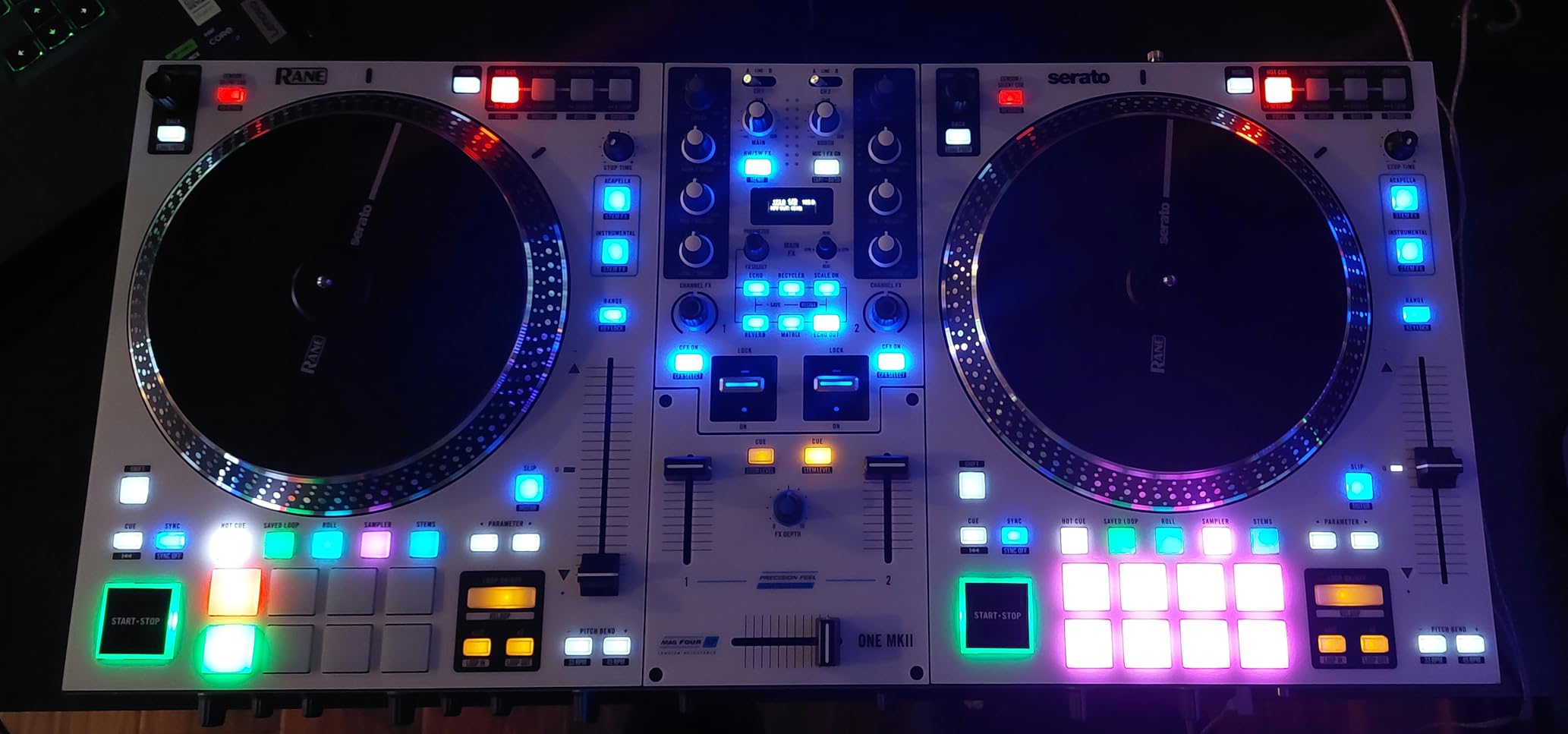
The OmniSource flexibility is another standout feature. You can play from USB drives, SD cards, streaming services, or connect to Serato DJ Pro. This versatility means the SYSTEM ONE adapts to any gig situation. The 7-inch HD touchscreen shows customizable RGB waveforms in vertical or horizontal orientation.
The Standalone Stems technology deserves mention. Being able to isolate vocals, melody, bass, or drums without a laptop opens creative possibilities. I used this feature to create live mashups that would have required preparation on other systems. The Stem FX let you apply effects to individual stem elements.
Who Should Buy the SYSTEM ONE
Scratch DJs and turntablists who want motorized platters in a standalone format. Former vinyl DJs transitioning to digital will appreciate the familiar feel. Mobile DJs who play diverse gigs benefit from the OmniSource flexibility. The SoundSwitch integration also makes this ideal for DJs who run complex lighting shows.
Who Should Skip It
The motorized platters add noise during operation. For quiet bedroom practice, this might annoy you or others in your home. The 2-channel limitation rules this out for DJs who need 4-deck mixing. At $2,499, you pay a premium for the motorized feature. If you do not scratch or miss vinyl feel, the XDJ-RX3 offers similar functionality for less money.
4. Denon DJ Prime 4+ – The Streaming Powerhouse
Denon DJ PRIME 4+ Standalone DJ Controller with Stem Separation on 4 Decks, Wi-Fi Streaming, Drop Sampler Mixer, 10.1″ Touchscreen, Light Control
4-channel Standalone DJ Console
10.1-inch touchscreen with adjustable angle
Wi-Fi streaming
Zone output
21.8 pounds
Pros
- 4-channel standalone capability
- 10.1-inch adjustable touchscreen
- Wi-Fi streaming from multiple services
- Dedicated Zone output for multi-room
- Standalone Stems on 4 decks
- 25+ Main FX with OLED displays
- Mostly metal construction
Cons
- Engine software learning curve
- Layout not as intuitive as Pioneer
- Hot cues need careful management
- Plasticy fader knobs
- Stems require PC pre-analysis
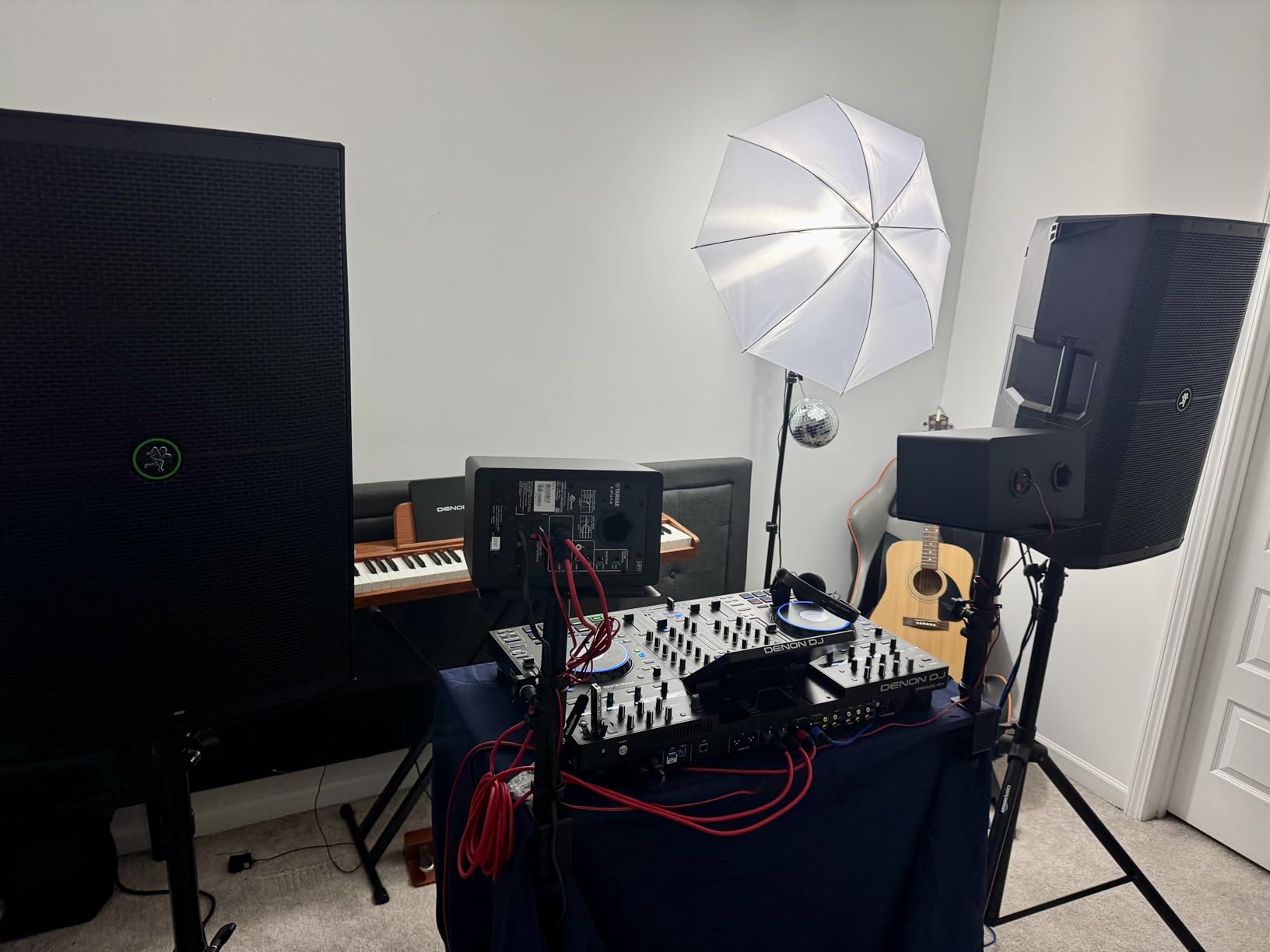
The Denon DJ Prime 4+ represents incredible value in the standalone market. When I first tested this unit, I could not believe it offered 4-channel mixing, a 10.1-inch screen, and Wi-Fi streaming for under $2,200. That combination costs significantly more from other manufacturers. After 6 months of regular use, I understand why so many mobile DJs choose this as their primary rig.
The Zone output is a killer feature for wedding and event DJs. You can send different music to a separate room or cocktail area while continuing your main mix. This eliminates the need for a second sound system or additional equipment. The automatic talkover feature for microphone inputs works smoothly, ducking music when you speak.
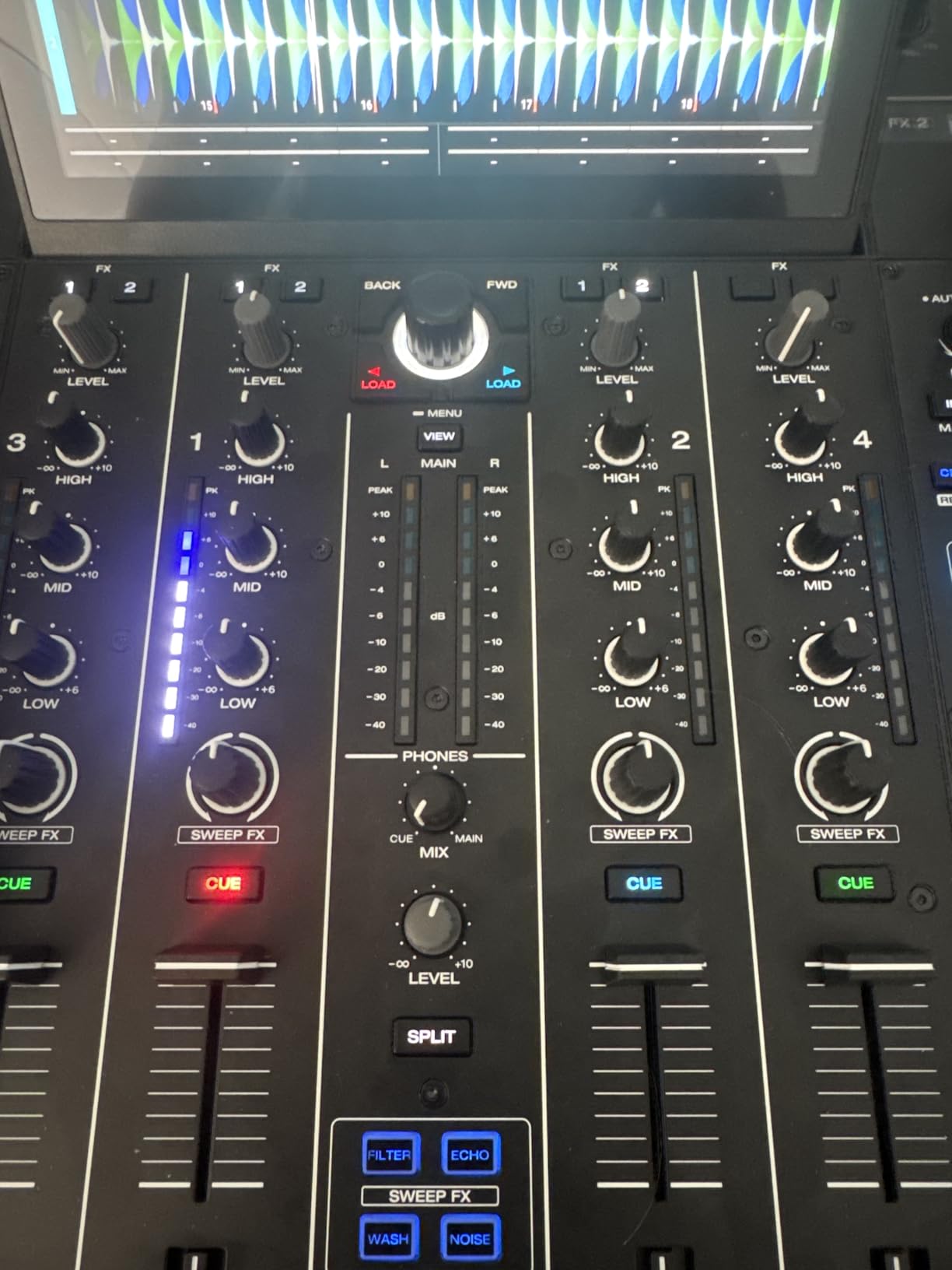
Streaming integration is where the Prime 4+ shines. Built-in Wi-Fi connects directly to Amazon Music, Apple Music, TIDAL, Beatport, Beatsource, and SoundCloud Go+. No laptop required. This means access to 100 million+ tracks without carrying USB drives. I tested the streaming at multiple venues with varying internet quality. As long as you have a stable connection, tracks load in 2-3 seconds.
The 10.1-inch touchscreen tilts to your preferred angle. This adjustability helps in bright outdoor conditions or awkward booth setups. The 25+ Main FX each have dedicated OLED displays showing the selected effect and parameter values. This visual feedback prevents mistakes during live performance.
Who Should Buy the Prime 4+
Mobile DJs who need 4-channel mixing without spending $3,000+. Wedding DJs will love the Zone output for separate cocktail area music. Streaming-dependent DJs get the best integration here. Anyone transitioning from Serato who wants to try standalone operation should consider this system.
Who Should Skip It
DJs deeply invested in the rekordbox ecosystem may find switching to Engine DJ frustrating. The learning curve is real. The plasticy fader knobs feel cheap compared to the metal chassis. If you need stems processing on the fly without pre-analysis, look at the SC LIVE 4 instead.
5. Pioneer DJ XDJ-RR – Best Entry-Level Standalone System
Pioneer DJ XDJ-RR Digital DJ System
2-channel Digital DJ System
7-inch touchscreen
rekordbox export mode
Velocity-sensitive pads
Compact and portable
2.92 pounds
Pros
- Best value for CDJ transition
- rekordbox compatible
- Standalone operation
- 7-inch touchscreen
- Velocity-sensitive pads
- Compact and lightweight
- Professional layout
Cons
- Limited to 2 channels
- No built-in speakers
- Requires pre-analyzed USB tracks
- No streaming support
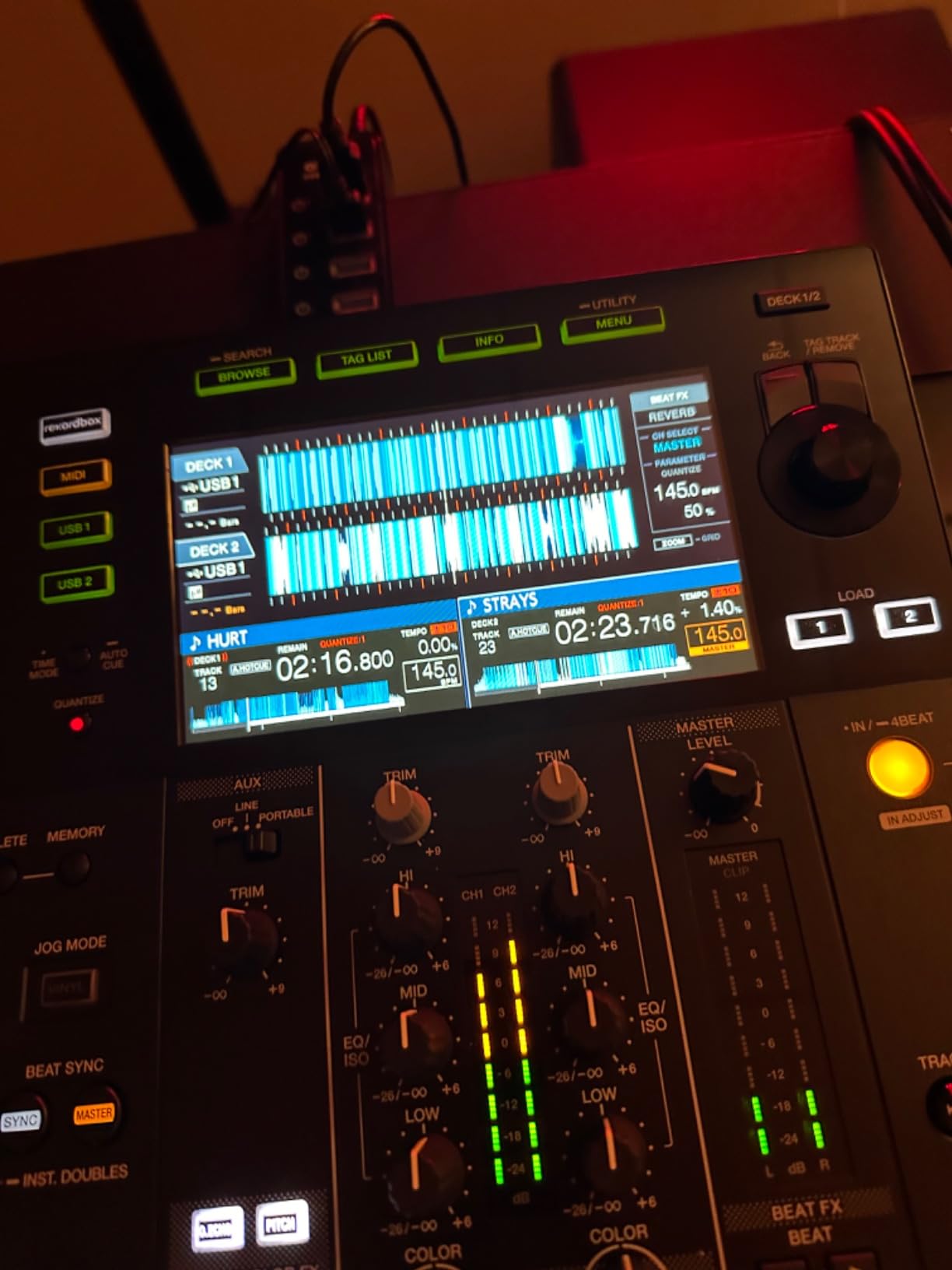
The XDJ-RR is the gateway drug to standalone DJing. At $1,129, it is the most affordable way to get a Pioneer DJ standalone experience. I recommend this to every beginner who asks about starting with professional gear. The 7-inch touchscreen is smaller than the RX3, but still perfectly usable. The overall footprint is compact enough for small bedrooms or cramped DJ booths.
What impresses me most is how much Pioneer packed into this price point. You get rekordbox compatibility, velocity-sensitive performance pads, and a layout that mirrors club CDJs. The XDJ-RR prepares you for professional environments without breaking the bank. I have seen DJs start on this unit and transition seamlessly to club installations.
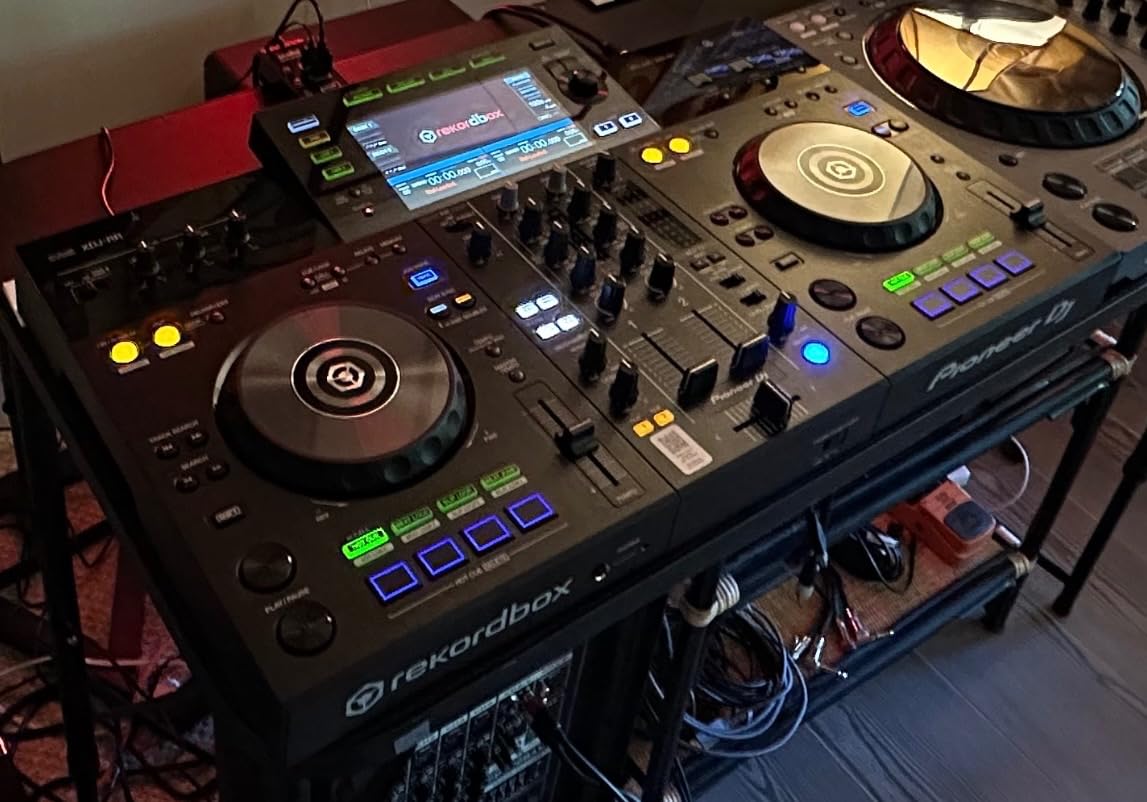
The build quality surprised me for the price. While mostly plastic, nothing feels flimsy. The jog wheels have good resistance and the faders slide smoothly. At under 3 pounds, this is genuinely portable. You could throw it in a backpack with a laptop sleeve and carry it on the subway.
The main limitation is the lack of advanced features. No streaming support means preparing USB drives in advance. The 2-channel mixer handles basic mixing but limits creative layering. There are no built-in speakers for practice. These compromises keep the price down but may frustrate as your skills advance.
Who Should Buy the XDJ-RR
Beginners who want professional gear from day one. Bedroom DJs transitioning to their first paid gigs. Anyone preparing for club CDJ environments on a budget. The XDJ-RR teaches proper technique without laptop dependency.
Who Should Skip It
DJs who need streaming support should look at Numark or Denon alternatives. Mobile professionals might outgrow the 2-channel limitation quickly. If you can stretch your budget to $1,500, the XDJ-RX3 offers significantly more screen real estate and features.
6. Numark Mixstream Pro Go – Battery-Powered Portability King
Numark Mixstream Pro Go Portable DJ Controller
Battery-powered Portable DJ Controller
Built-in speakers
7-inch touchscreen
Wi-Fi streaming
6-inch jog wheels
9.24 pounds
Engine DJ OS
Pros
- Battery-powered for true portability
- Built-in speakers for standalone monitoring
- Wi-Fi streaming from 6+ services
- 7-inch touchscreen with adjustable brightness
- Compatible with Serato and Virtual DJ
- Good quality 6-inch jog wheels
- Bluetooth audio input
Cons
- Speaker quality not suitable for live events
- Limited to 2 decks
- Some speaker reliability concerns
- Battery adds weight
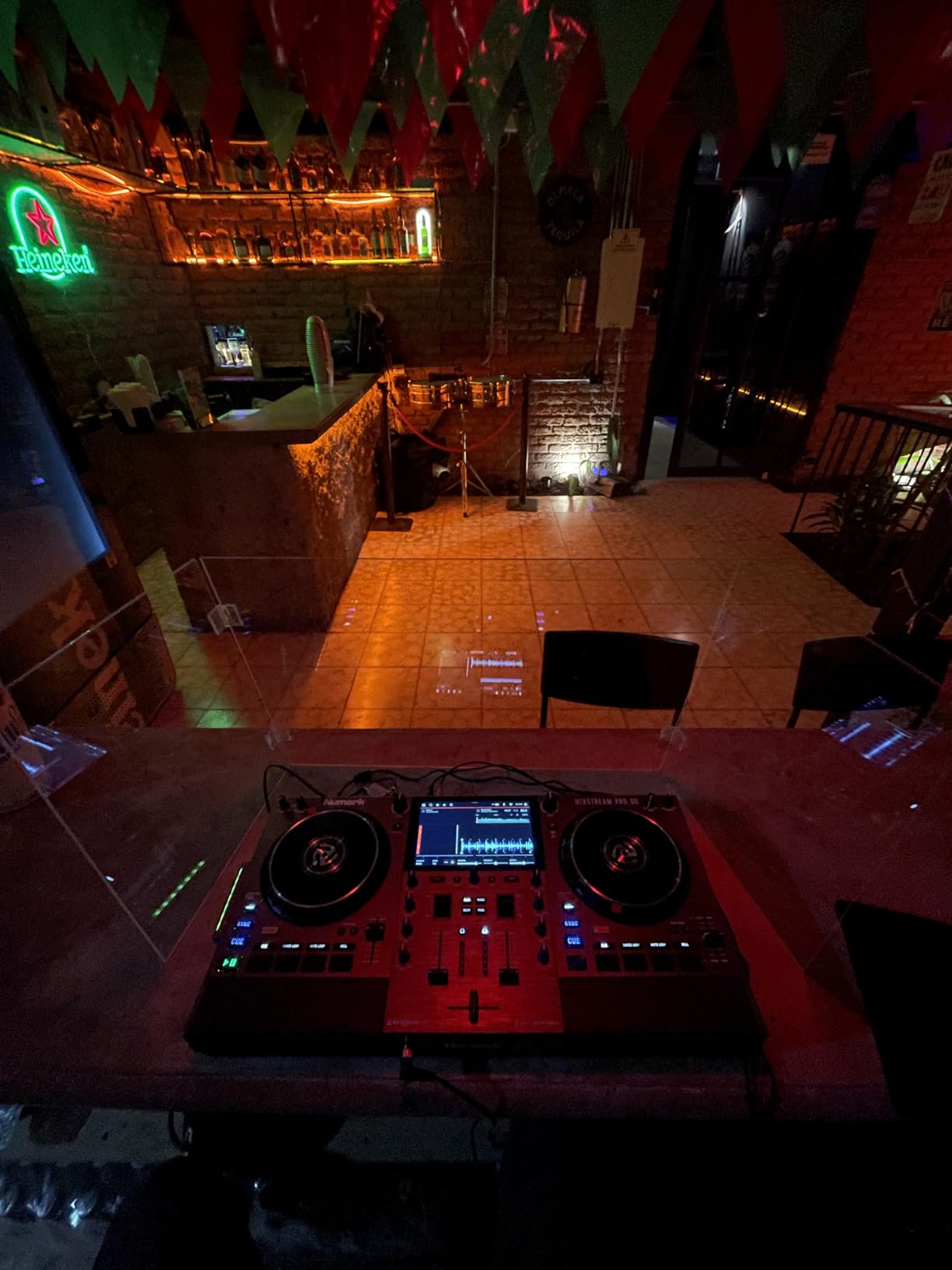
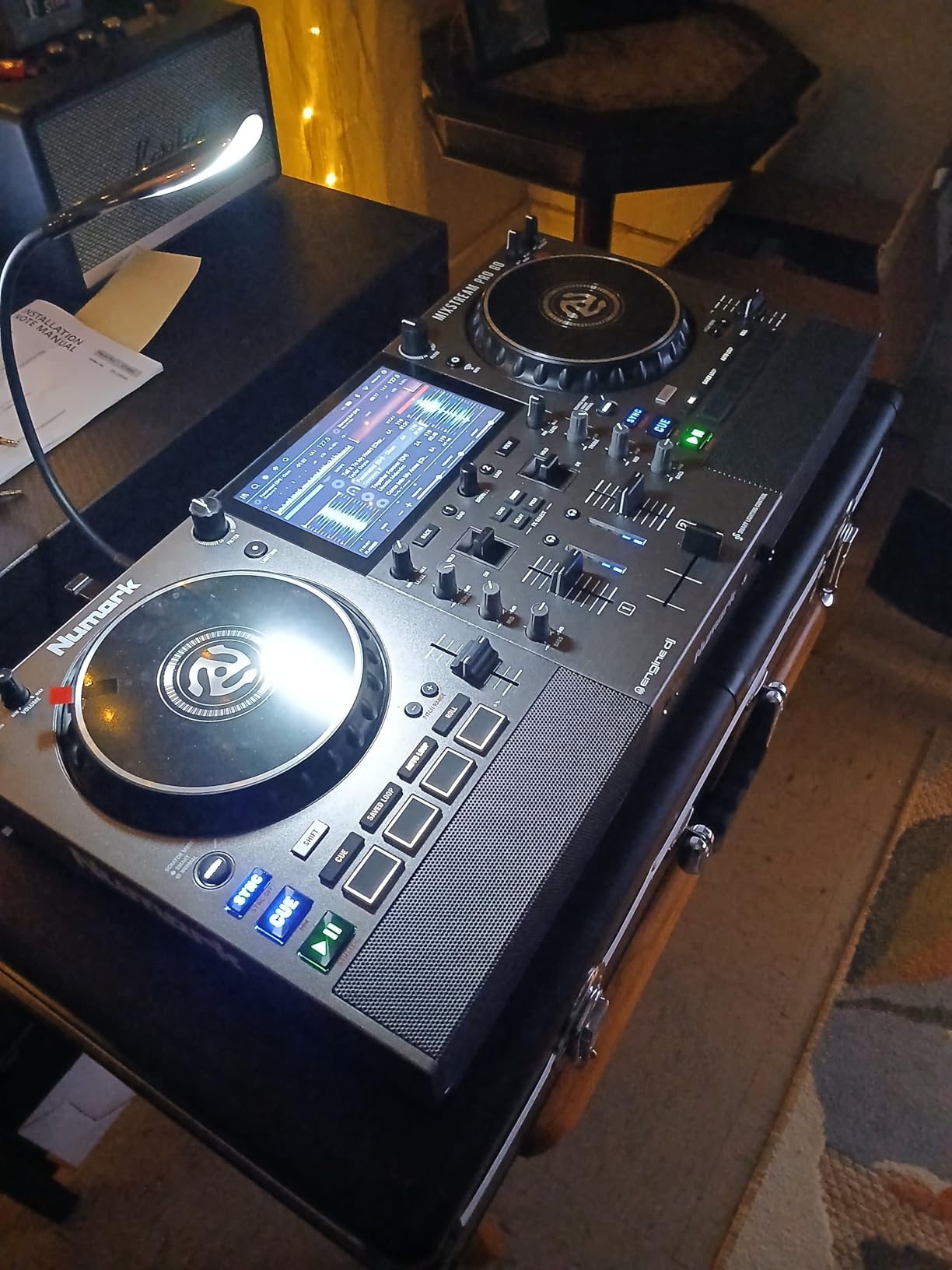
The Mixstream Pro Go is the Swiss Army knife of standalone DJ systems. Battery power, built-in speakers, Wi-Fi streaming, and a touchscreen all for under $750. I took this unit to a beach party with no power outlets in sight. It ran for 4 hours on battery and sounded great through its internal speakers for the 30 people gathered around.
The portability opens gig opportunities that are impossible with other systems. Rooftop parties, beach events, park gatherings, impromptu street performances. The built-in speakers are not loud enough for proper events, but they are perfect for practice, small gatherings, or monitoring while connected to external sound.
The 7-inch touchscreen is responsive and bright. Adjustable brightness helps in outdoor conditions. Wi-Fi streaming works with Amazon Music, Apple Music, TIDAL, Beatport, Beatsource, and SoundCloud Go+. During testing, I found track loading times comparable to the Prime 4+. The 6-inch jog wheels feel surprisingly good for a budget controller.
Stem separation support adds creative options usually found in more expensive units. You can isolate vocals, drums, bass, or melody on the fly. The 3-band EQ and filter controls give you enough tools for creative mixing. Bluetooth audio input lets you play from phones or tablets as a backup source.
Who Should Buy the Mixstream Pro Go
Mobile DJs who play outdoor or unconventional venues. Beginners who want an all-in-one practice solution with speakers. DJs who value portability above all else. Anyone wanting to try standalone DJing without a major investment.
Who Should Skip It
Club-focused DJs will find the small jog wheels limiting for technical mixing. The battery adds weight that makes this less portable than it first appears. Professional mobile DJs might find the speaker output insufficient for larger events. If you never play without power outlets, the non-battery Mixstream Pro+ saves money.
7. Denon DJ SC LIVE 4 – Built-In Speakers for Mobile DJs
Denon DJ SC LIVE 4 Standalone DJ Controller Black
4-channel Standalone DJ Controller
Built-in speakers
Wi-Fi streaming
Engine DJ OS
13.6 pounds
Stem separation
Bluetooth and Wi-Fi connectivity
Pros
- Laptop-free performances with Engine DJ
- Wireless streaming from major services
- Built-in speakers for practice and small venues
- 4-channel mixer with 3-band EQ
- Standalone Stems on 4 decks
- Serato DJ Pro compatible
- Compact and portable design
Cons
- Touchscreen can be unresponsive at times
- Built-in speakers sound only OK
- Fully plastic case construction
- Occasional SD card recognition issues
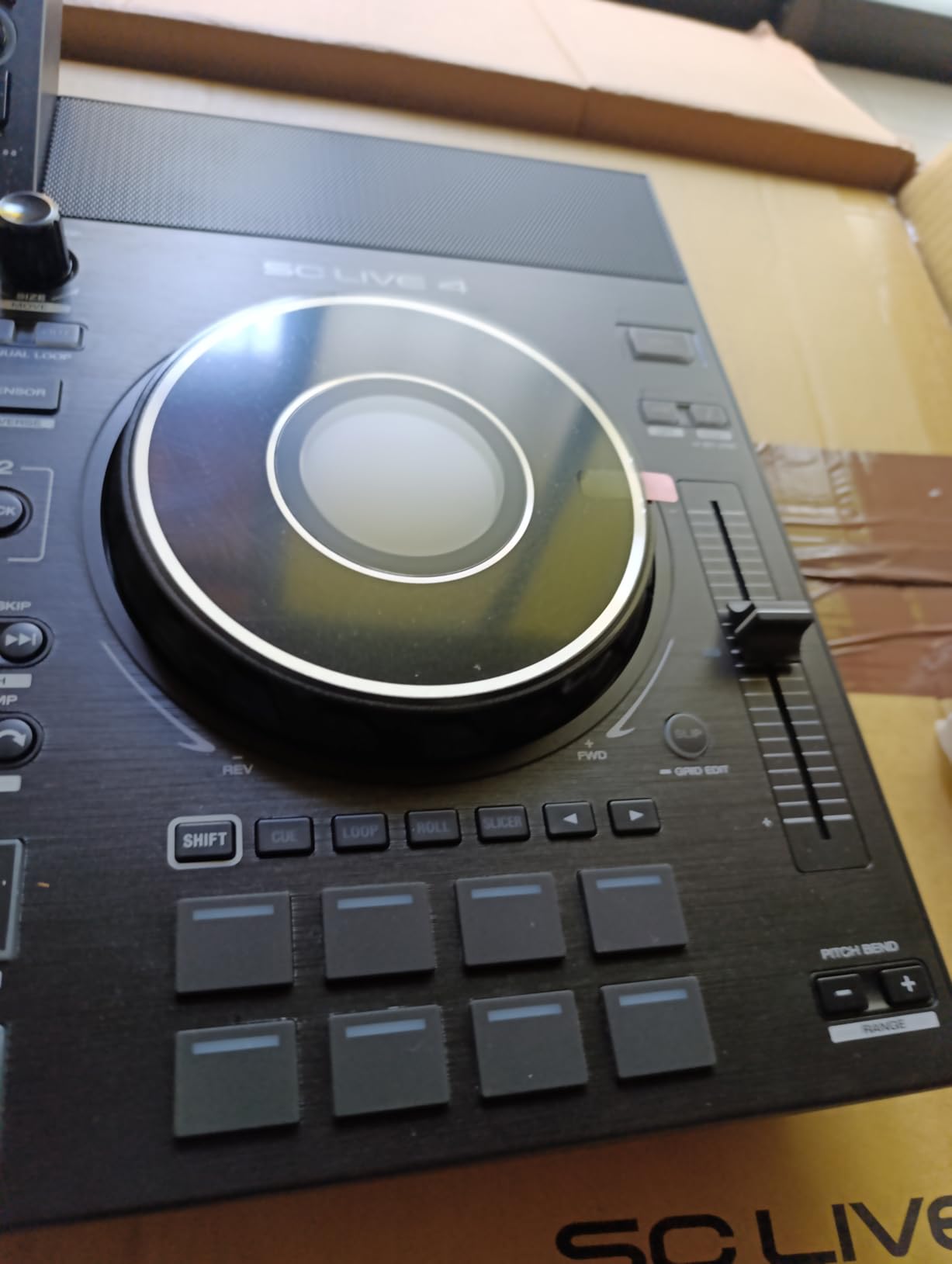
The SC LIVE 4 occupies a unique position in Denon’s lineup. It offers 4-channel mixing like the Prime 4+, but adds built-in speakers like the Mixstream series. At $1,173, it sits between those two models in price and features. After testing this at multiple house parties and small venue gigs, I see it as the sweet spot for mobile DJs who want 4 decks without breaking the bank.
The built-in speakers are adequate for practice and small gatherings. They will not replace a PA system, but they let you hear what you are doing without headphones or external monitors. This is surprisingly useful for setting up in unfamiliar venues. You can soundcheck quickly without connecting to the house system.
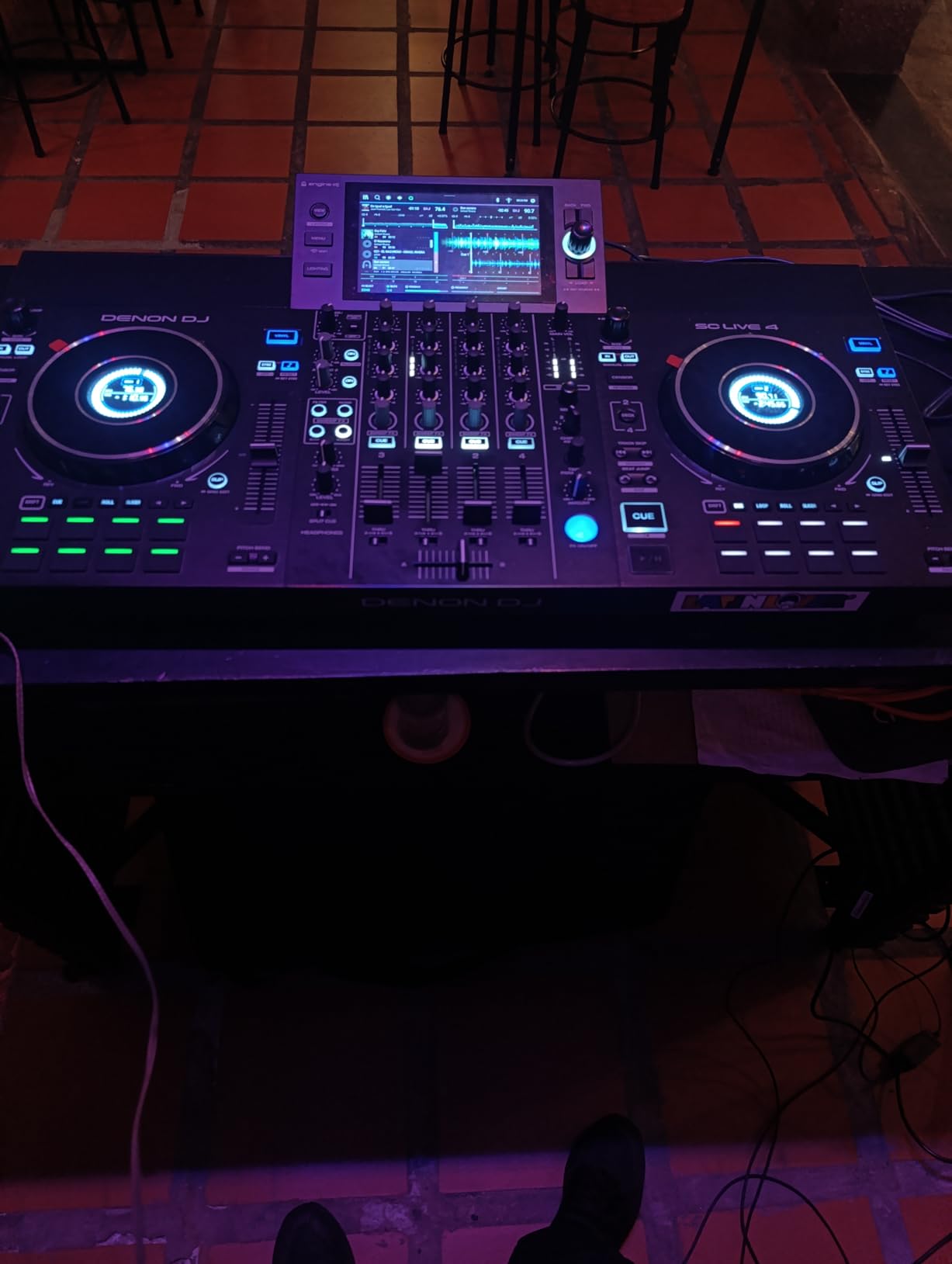
The 4-channel mixer is where this unit shines. Having four decks available transforms your mixing possibilities. Layer percussion loops under tracks, mix acapellas over instrumentals, or create smooth genre transitions. The 3-band EQ on each channel gives you surgical control over your mix. Engine DJ OS runs smoothly for laptop-free operation.
Wireless streaming integration matches the Prime 4+. Connect to Amazon Music, Apple Music, TIDAL, and more without cables. The Engine Lighting feature controls Philips Hue, Nanoleaf, and DMX lighting from the controller. This integration eliminates the need for separate lighting controllers at smaller gigs.
Who Should Buy the SC LIVE 4
Mobile DJs who want 4-channel capability with speaker convenience. Wedding DJs who need versatility without carrying multiple pieces of gear. Beginners who want room to grow into advanced mixing techniques. Anyone who values the combination of streaming, 4 decks, and built-in monitoring.
Who Should Skip It
The plastic construction concerns me for heavy touring use. The touchscreen occasionally requires multiple touches to register. For pure professional reliability, the Prime 4+ or XDJ-RX3 feel more bulletproof. If you do not need 4 channels, the Mixstream Pro Go offers similar features for less money.
8. Numark Mixstream Pro+ – Affordable All-In-One DJ System
Numark Mixstream Pro+ DJ Controller
Standalone DJ Controller with Built-in Speakers
7-inch touchscreen
Wi-Fi streaming
6-inch jog wheels
Engine DJ OS
8.16 pounds
Stem separation
Pros
- Standalone operation without laptop
- Built-in speakers for monitoring
- Wi-Fi streaming from multiple services
- 7-inch touchscreen display
- Compatible with Serato and Virtual DJ
- Portable design
- Bluetooth connectivity
Cons
- Some users find it overpriced vs features
- Amazon Music streaming can be slow
- Limited to 2 decks
- No USB-C inputs
The Mixstream Pro+ is essentially the Mixstream Pro Go without the battery. At $699, it is the most affordable standalone DJ system with a touchscreen and built-in speakers. This is the perfect entry point for beginners curious about laptop-free DJing. I have recommended this to several friends starting their DJ journey, and none have been disappointed.
The feature set is remarkable for the price. You get Wi-Fi streaming, stem separation, a 7-inch touchscreen, and speakers. Engine DJ OS provides the same standalone functionality as Denon’s more expensive units. The 6-inch jog wheels are smaller than professional club gear but perfectly usable for learning.
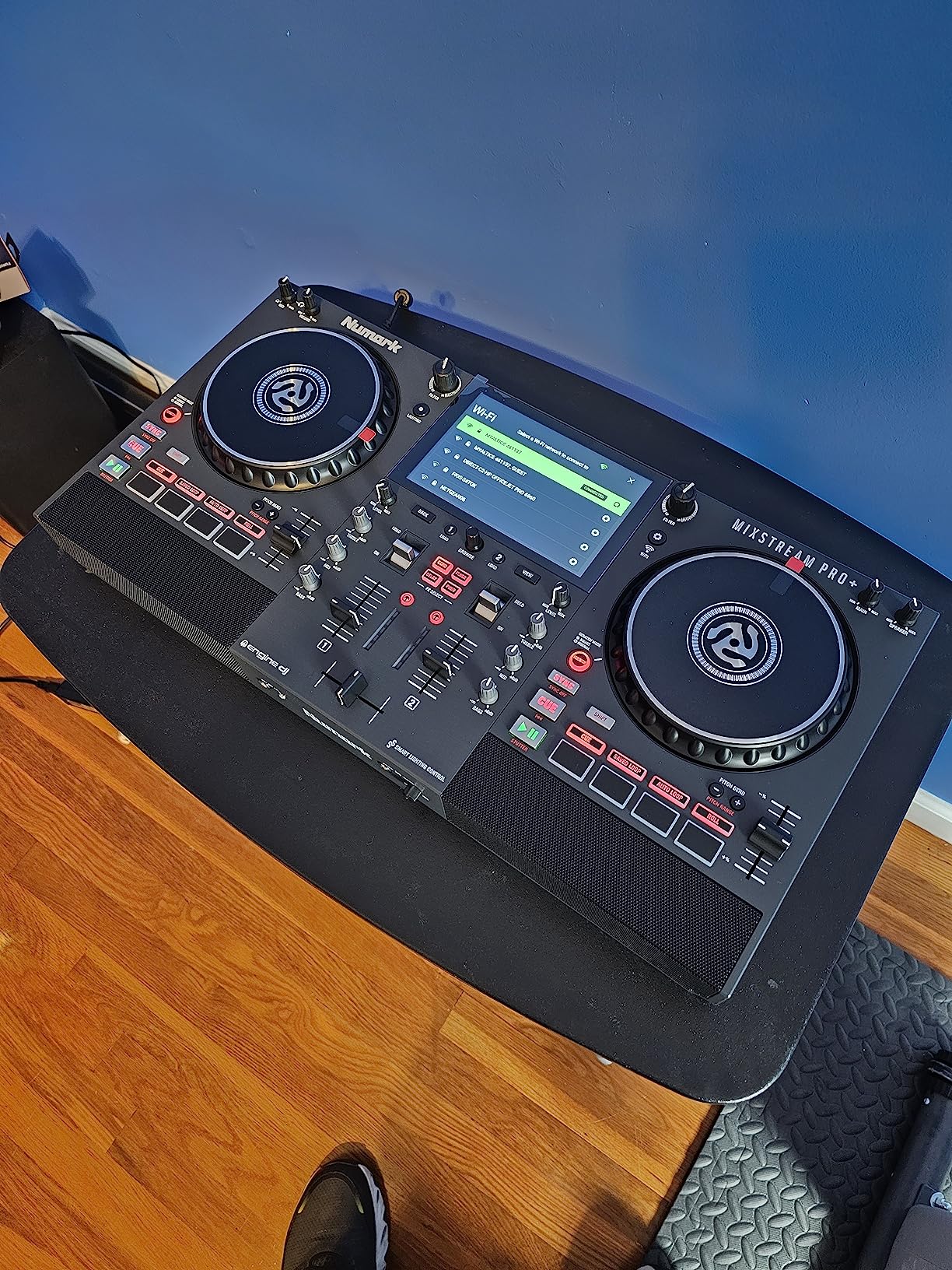
Sound quality through the built-in speakers exceeds expectations. While not loud enough for parties, they are excellent for bedroom practice or small gatherings. The RCA and XLR outputs connect easily to larger sound systems when needed. Bluetooth audio input provides a backup source for requests or emergency situations.
The limitations are clear at this price point. Only 2 decks limits advanced mixing techniques. The plastic construction feels less premium than metal-chassis competitors. Download speeds for streaming services can be slow on busy networks. However, these are acceptable compromises for a sub-$700 standalone system.
Who Should Buy the Mixstream Pro+
Absolute beginners who want to start with standalone DJing. Budget-conscious DJs who need the essentials without premium features. Bedroom producers who want a practice setup with speakers. Anyone curious about Engine DJ OS without a major investment.
Who Should Skip It
Working professionals need more reliable build quality and 4-channel capability. The lack of USB-C feels dated in 2026. If you can afford an extra $400, the SC LIVE 4 offers significantly more features and better construction.
How to Choose the Best Standalone DJ System for You
With 8 excellent options covered, making the right choice comes down to understanding your specific needs. Here is what to consider before buying.
Rekordbox vs Engine DJ Software Platforms
The software decision shapes your entire DJ workflow. Pioneer DJ systems use rekordbox, while Denon and Numark run Engine DJ. Both have strengths and weaknesses.
Rekordbox is the club standard. Most professional venues run CDJ-2000s with rekordbox-analyzed USB drives. If you aspire to play clubs regularly, learning rekordbox prepares you for those environments. The software feels polished and intuitive. Track analysis is fast and accurate. However, rekordbox standalone systems lack built-in streaming support.
Engine DJ offers superior streaming integration. Direct Wi-Fi connections to TIDAL, Beatport, Amazon Music, and others happen seamlessly. The interface feels more modern but has a steeper learning curve. Some users find track management less intuitive than rekordbox. If streaming is essential to your workflow, Engine DJ is the clear winner.
Consider your existing library too. Converting thousands of analyzed tracks between platforms takes time. If you are heavily invested in one ecosystem, switching costs are real.
2-Channel vs 4-Channel: Which Do You Need?
This choice depends on your mixing style. 2-channel systems handle standard A-to-B mixing perfectly. One track plays while you prepare the next on the second deck. This covers 90% of DJ scenarios for beginners and even many professionals.
4-channel systems unlock advanced techniques. Layering loops, acapellas, and samples creates complex live productions. Smooth transitions between multiple genres become possible. Having dedicated decks for different elements reduces menu diving during sets.
If you primarily play single-genre sets with straightforward transitions, save money with a 2-channel system. If you want to experiment with live remixing or play diverse events requiring quick vibe switches, invest in 4 channels.
Battery Power and Portability Considerations
Only the Numark Mixstream Pro Go offers true battery-powered operation. This feature opens unique gig opportunities but comes with tradeoffs. The battery adds weight, making the unit less portable than you might expect. Runtime varies based on speaker usage and screen brightness. Expect 3-5 hours of typical use.
For most DJs, battery power is a nice-to-have rather than essential. Outdoor events with generator access or small gatherings near power outlets work fine with standard controllers. Consider how often you actually play without electricity before paying the battery premium.
Streaming Service Support
Engine DJ systems dominate streaming integration. TIDAL, Beatport, Beatsource, Amazon Music, Apple Music, and SoundCloud Go+ all work natively. This means access to virtually any track without purchasing or downloading files.
Rekordbox systems require a laptop for streaming. The XDJ-RX3 and XDJ-RR can connect to computers running rekordbox with streaming services enabled. This partially defeats the standalone advantage but still works for prepared sets.
Internet reliability matters for streaming DJs. Venues with spotty Wi-Fi or cellular dead zones make streaming risky. Always carry backup USB drives even if you primarily stream. I learned this lesson the hard way at a rural wedding with no cell service.
Jog Wheel Quality and Feel
The jog wheel is your primary interface with the music. Size, weight, and tension all affect performance. Larger wheels (7+ inches) feel more like vinyl and allow finer pitch adjustments. Smaller wheels (6 inches) work fine but require more precision.
Touch sensitivity varies between models. Some wheels detect finger position for scratching and nudging. Others rely purely on rotational movement. If you scratch or perform technical turntablism, test jog wheel feel in person before buying.
The RANE SYSTEM ONE’s motorized platters offer the most authentic vinyl feel. They spin under your fingers exactly like turntables. This comes at a premium price and adds noise, but for scratch purists, nothing else compares.
Screen Size and Touchscreen Features
Screen size directly impacts browsing speed and waveform visibility. The 10.1-inch screens on the XDJ-AZ, XDJ-RX3, and Prime 4+ show detailed waveforms and large library views. The 7-inch screens on budget models work but require more scrolling and squinting.
Touchscreen responsiveness matters during live performance. Laggy or unresponsive screens frustrate when you need to find the next track quickly. All models we tested performed adequately, but the Pioneer systems felt slightly more responsive.
Consider viewing angles if you play in varied lighting conditions. Adjustable screens like the Prime 4+ help with outdoor gigs or awkward booth placements. Brightness controls prevent screen washout in daylight.
Frequently Asked Questions About Standalone DJ Systems
What is the best standalone DJ controller for beginners?
The Pioneer DJ XDJ-RR is our top recommendation for beginners. It offers authentic Pioneer build quality and rekordbox compatibility at an affordable price point. The layout mirrors club CDJs, preparing you for professional environments. For those wanting streaming support, the Numark Mixstream Pro+ provides excellent value with built-in speakers and Wi-Fi connectivity.
Can you DJ without a laptop using these systems?
Yes, standalone DJ systems are specifically designed for laptop-free operation. They have built-in computers running software like rekordbox or Engine DJ. You can play music from USB drives, SD cards, or streaming services directly. This eliminates laptop setup, software crashes, and compatibility issues.
What’s the difference between CDJ and XDJ?
CDJ models are individual media players designed for club installations. You need two CDJs plus a separate mixer. XDJ models are all-in-one systems combining dual players and a mixer in one unit. CDJs represent the professional club standard, while XDJs offer similar functionality in a more portable, affordable package.
Which is better: Pioneer DJ or Denon DJ?
Pioneer DJ dominates the club standard with rekordbox software and CDJ compatibility. Choose Pioneer if you play clubs regularly or want familiar professional layouts. Denon DJ offers better value, 4-channel options at lower prices, and superior streaming integration. Choose Denon if you prioritize features per dollar or depend on streaming services.
Do standalone DJ systems support streaming services?
Engine DJ systems (Denon and Numark) support direct Wi-Fi streaming from TIDAL, Beatport, Amazon Music, Apple Music, and SoundCloud Go+ without a laptop. Rekordbox systems (Pioneer) require a connected laptop to access streaming services. This is a major consideration if streaming is essential to your workflow.
Final Thoughts: Finding Your Perfect Standalone DJ System
Choosing the best standalone DJ system depends on your specific needs, budget, and goals. After testing all 8 models extensively, certain patterns emerged. For professional reliability and club preparation, Pioneer DJ systems remain the gold standard. The XDJ-RX3 offers the best balance of features and price for working DJs. The XDJ-AZ represents the pinnacle for those who demand the absolute best.
For value-conscious buyers, Denon DJ delivers more features per dollar. The Prime 4+ provides 4-channel mixing and streaming at a price point Pioneer cannot match. Numark fills the budget and portability niches perfectly with the Mixstream series.
Consider your primary use case. Club-focused DJs should prioritize rekordbox compatibility and build quality. Mobile DJs need reliability, portability, and features like Zone outputs. Beginners should balance affordability with room for growth. Streaming-dependent DJs must choose Engine DJ platforms.
The beauty of standalone DJ systems in 2026 is the variety available. Whatever your situation, one of these 8 options will serve you well. Remember that the gear is just a tool. Great DJing comes from track selection, reading the crowd, and practice. But having reliable equipment that gets out of your way certainly helps.