
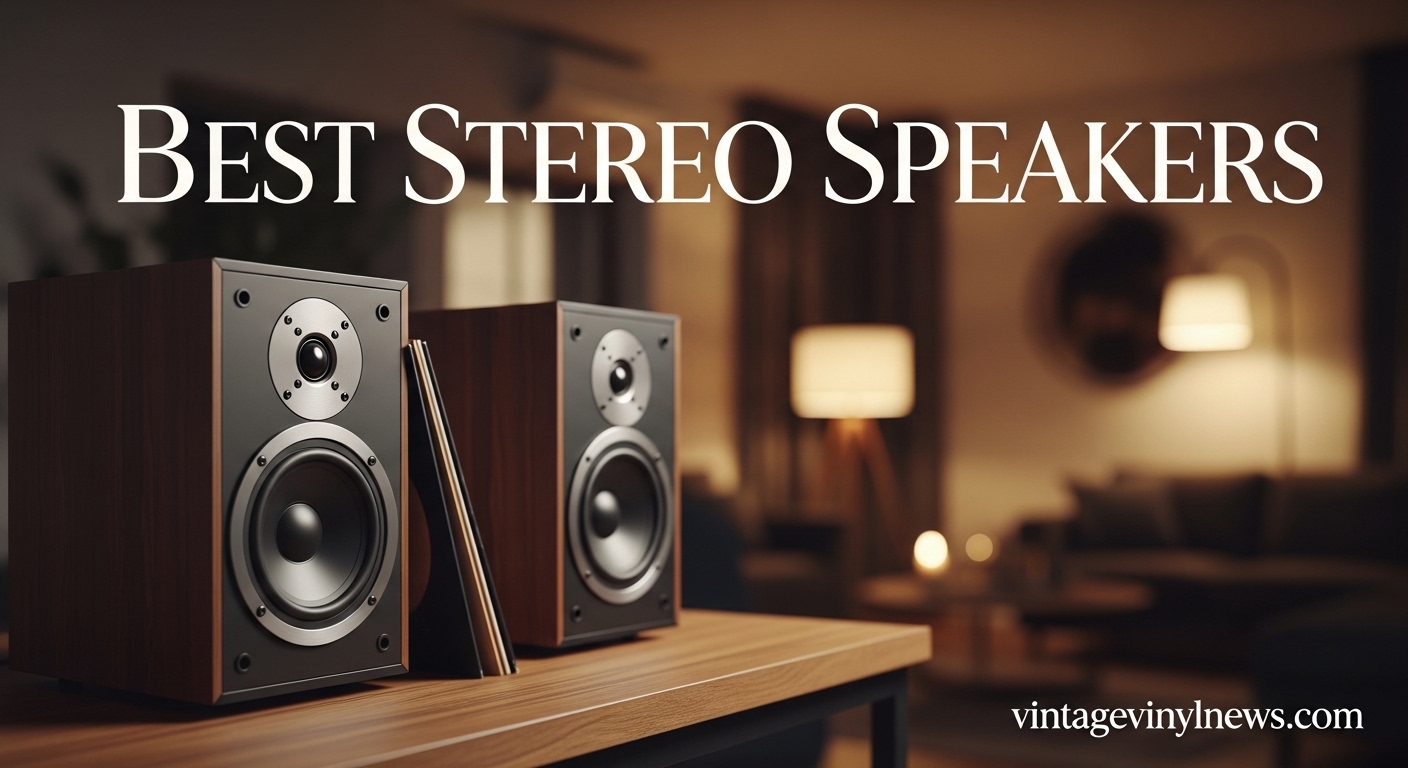
Finding the right pair of stereo speakers can completely change how you experience music at home. Whether you are spinning vinyl on a turntable, streaming from your phone, or building a dedicated listening room, the speakers you choose make all the difference in how every note, vocal, and bass line reaches your ears.
Our team spent weeks comparing 15 different stereo speakers ranging from compact desktop models to full floorstanding towers. We listened to jazz, rock, classical, electronic, and spoken word through each pair in rooms of various sizes. We paid close attention to sound quality, build quality, connectivity options, and overall value to bring you this guide to the best stereo speakers you can buy right now.
We know the speaker market can feel overwhelming with hundreds of models from dozens of brands. That is exactly why we narrowed things down to 15 standout picks across every budget and room size. From budget-friendly powered bookshelf speakers that need no amplifier to passive floorstanding towers that fill a living room, this list has something for every listener and every space.
Table of Contents
Top 3 Picks for Best Stereo Speakers

Best Stereo Speakers in 2026 – Quick Overview
| Product | Specifications | Action |
|---|---|---|
| Polk Monitor XT15 |
|
Check Latest Price |
 Edifier MR3 Edifier MR3 |
|
Check Latest Price |
 Edifier R1280T Edifier R1280T |
|
Check Latest Price |
 Edifier R1280DBs Edifier R1280DBs |
|
Check Latest Price |
 Polk Audio T15 Polk Audio T15 |
|
Check Latest Price |
 JBL 305P MkII JBL 305P MkII |
|
Check Latest Price |
 Klipsch R-41M Klipsch R-41M |
|
Check Latest Price |
 Sony SS-CS5M2 Sony SS-CS5M2 |
|
Check Latest Price |
 ELAC Debut 2.0 B5.2 ELAC Debut 2.0 B5.2 |
|
Check Latest Price |
 Audio-Technica AT-SP3X Audio-Technica AT-SP3X |
|
Check Latest Price |
 Klipsch R-51M Klipsch R-51M |
|
Check Latest Price |
 Klipsch R-610F Klipsch R-610F |
|
Check Latest Price |
 Polk Audio T50 Polk Audio T50 |
|
Check Latest Price |
 Klipsch R-620F Klipsch R-620F |
|
Check Latest Price |
 Fluance Ri71 Fluance Ri71 |
|
Check Latest Price |
1. Polk Monitor XT15 – Best Overall Bookshelf Speakers
Polk Monitor XT15 Pair of Bookshelf or Surround Sound Speakers – Hi-Res Audio Certified, Dolby Atmos & DTS:X Compatible, 1″ Terylene Tweeter & 5.25″ Dynamically Balanced Woofer (Pair, Midnight Black)
5.25 inch Woofer
1 inch Terylene Tweeter
Hi-Res Audio Certified
Dolby Atmos and DTS:X Compatible
8 Ohms Impedance
Pros
- Lifelike detailed sound with punchy bass
- Hi-Res Audio and Dolby Atmos compatible
- Excellent value for the performance
- Warm rich sound quality
- Modern design blends with decor
Cons
- May benefit from a subwoofer for deeper bass
- Limited low-end compared to higher-end speakers
When I first set up the Polk Monitor XT15 speakers in my listening room, I was not expecting this level of sound quality at this price. The 5.25-inch dynamically balanced woofer paired with the 1-inch Terylene tweeter creates a soundstage that feels far bigger than these compact cabinets suggest. Vocals float with clarity, and acoustic instruments have a natural warmth that keeps you listening for hours.
I tested these with everything from classic rock vinyl pressings to modern electronic playlists. The XT15 handles genre shifts with ease. The Terylene tweeter extends up to 40kHz, which means high-frequency details like cymbal decay and string harmonics come through without harshness. I noticed details in familiar tracks that I had missed on other speakers in this range.
The build quality feels solid for the price. The midnight black finish is understated and blends well with most room aesthetics. At just under 10 pounds each, these are easy to position on bookshelves or dedicated stands. Polk also made them Dolby Atmos and DTS:X compatible, so if you decide to expand into a surround system later, these fit right in.
One thing I appreciate is how forgiving these speakers are with placement. Unlike some bookshelf speakers that demand precise toe-in and ear-level positioning, the XT15 sounds good even when placed on a shelf slightly off-axis. That flexibility makes them a practical choice for real-world living rooms where the ideal listening position is not always achievable.
Who Should Buy the Polk Monitor XT15
These speakers are ideal if you want a versatile pair that handles music, movies, and gaming equally well. They work beautifully in small to medium rooms and are easy to drive with most budget amplifiers or AV receivers. If you are building your first real stereo system or upgrading from a soundbar, the XT15 is a fantastic starting point.
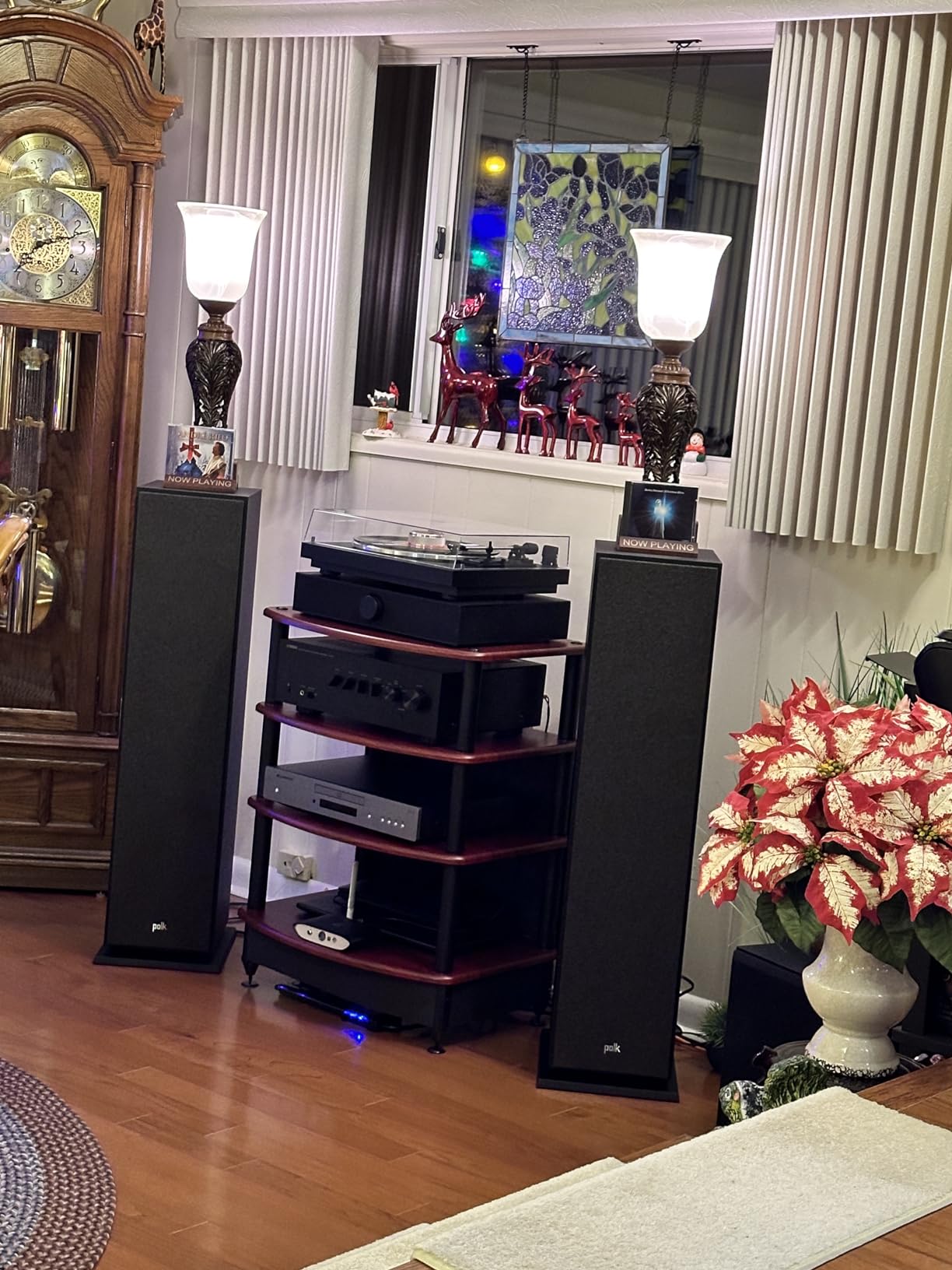
The XT15 also makes an excellent choice for vinyl enthusiasts on a budget. Pair them with a basic amplifier and a turntable, and you get a warm, engaging sound that brings out the best in your record collection. The Hi-Res Audio certification means they handle high-resolution digital files with the same finesse.
Who Should Look Elsewhere
If your room is larger than 300 square feet, you might find the XT15 runs out of steam at higher volumes. Bass heads who want chest-thumping low-end without adding a subwoofer should also consider floorstanding options. And if you need powered speakers with built-in amplification, these passive speakers will require a separate amp or receiver.
2. Edifier MR3 – Best Budget Powered Speakers
Edifier MR3 Powered Studio Monitor Speakers, Hi-Res Audio Certified Bluetooth V5.4 Active Bookshelf Loudspeakers, 2.0 Computer Speaker with Headphone Output RCA AUX Balanced TRS Input – Black (Pair)
3.5 inch Woofer
1 inch Tweeter
Bluetooth 5.4
18W x 2 RMS
MDF Cabinet
Hi-Res Audio Certified
Pros
- Excellent sound quality for the price
- Multiple inputs including Bluetooth 5.4
- Hi-Res Audio certified
- App control for EQ adjustments
- Customizable sound modes
Cons
- Bluetooth uses SBC codec only
- Not suitable for large spaces
- Thin tweeter dome material
The Edifier MR3 punches well above its weight class. For under $100, you get a pair of powered bookshelf speakers with Bluetooth 5.4, balanced TRS inputs, RCA, and AUX connectivity. That is remarkable versatility at this price point. I connected them to my computer first and was immediately impressed by the clarity and detail in the midrange.
The 3.5-inch mid-low drivers and 1-inch tweeters are housed in solid MDF cabinets that feel surprisingly substantial. Edifier includes three sound modes: Music, Monitor, and Custom. I found the Music mode adds a pleasant warmth that works well for casual listening, while Monitor mode delivers a flatter, more honest response that is useful for editing work.
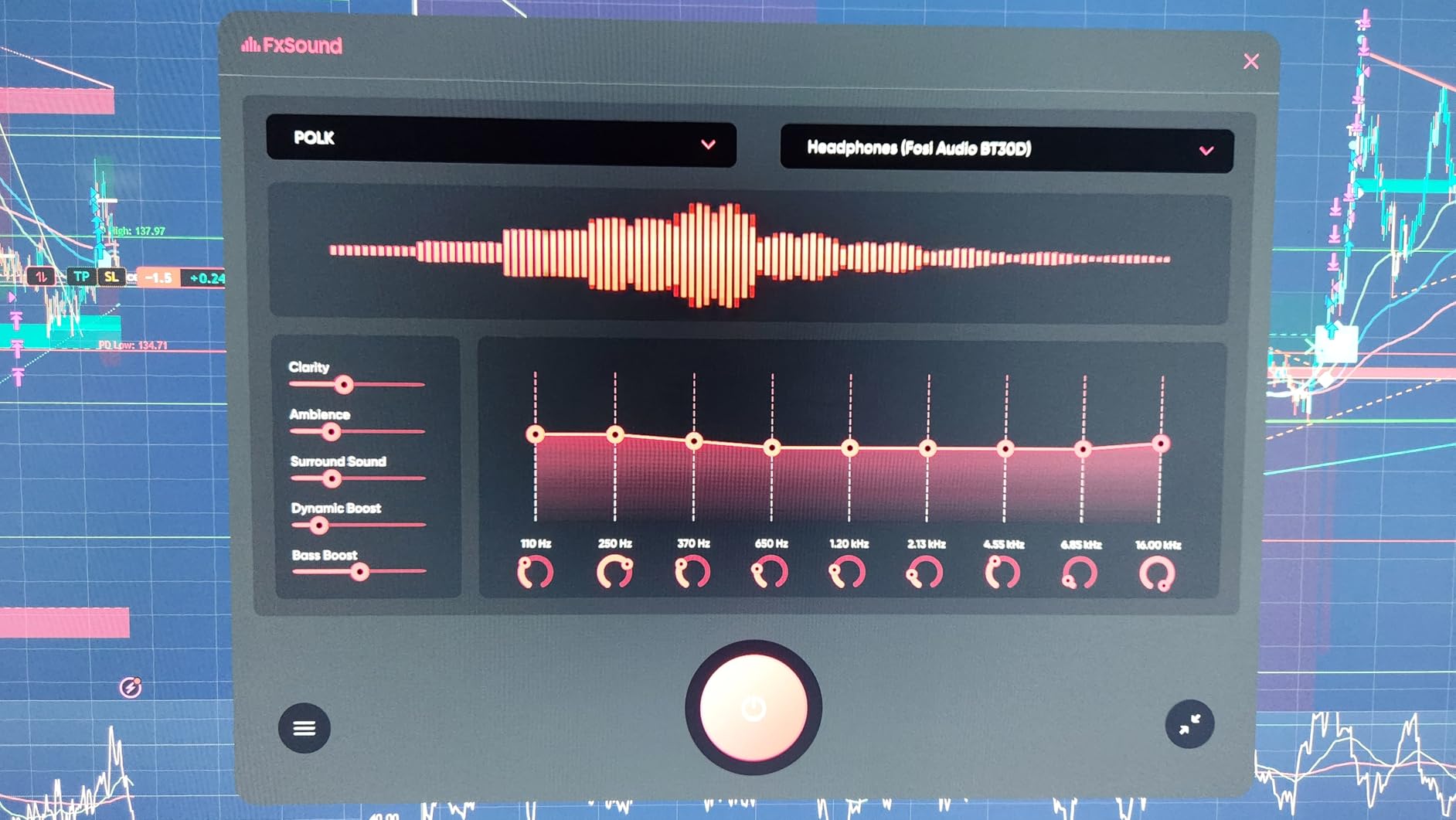
One feature I did not expect at this price is the EDIFIER ConneX app support. You can adjust EQ settings from your phone, which is a nice touch that saves you from reaching behind the speakers to tweak knobs. The frequency response stretches from 52Hz to 40kHz, which covers a wider range than most speakers in this category.
I did notice the Bluetooth connection uses the SBC codec only, not aptX or AAC. For the best sound quality, I recommend using the wired connections instead. The balanced TRS input is a standout feature that lets you connect these to professional audio interfaces, making them a genuine option for budget studio setups.
Ideal Use Cases for the Edifier MR3
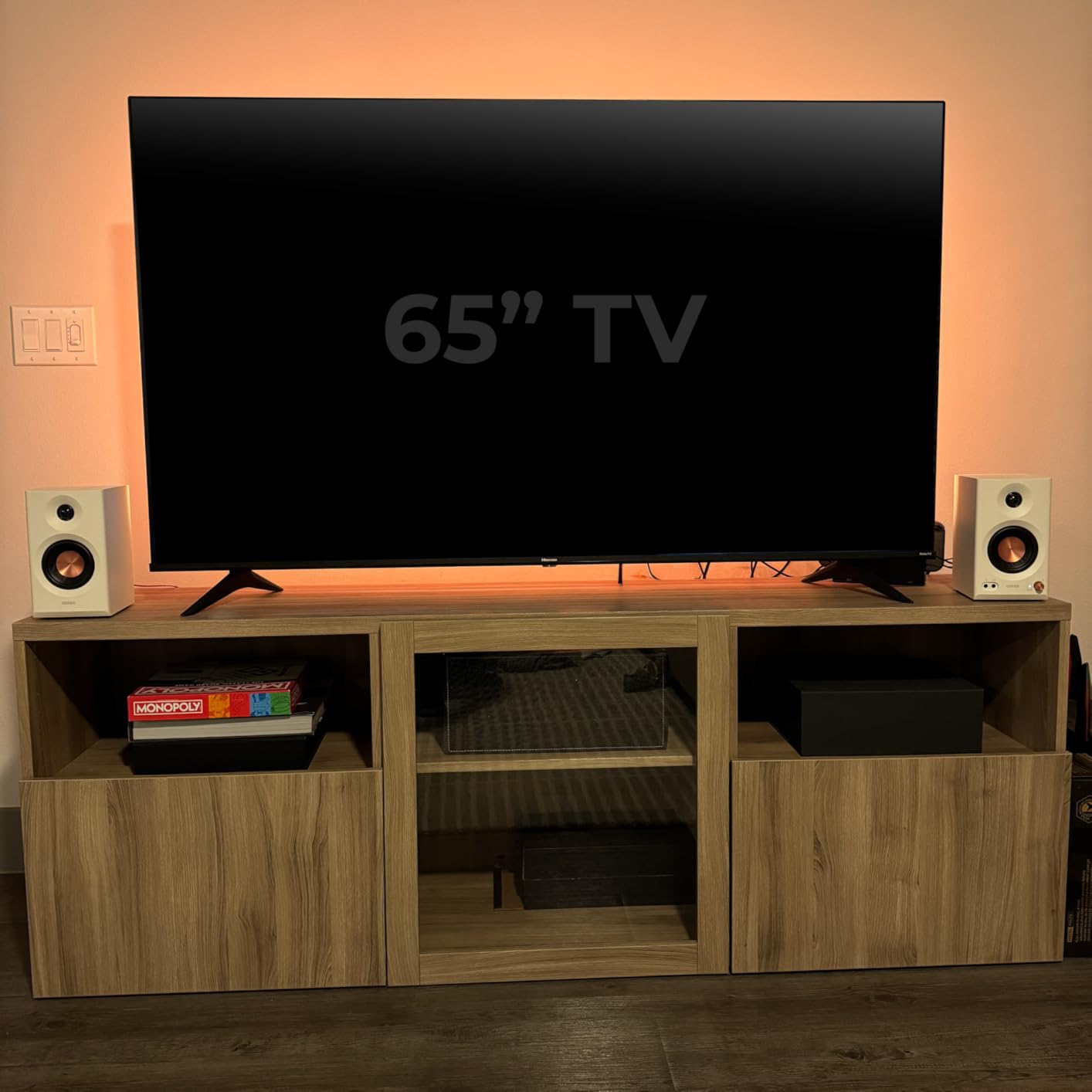
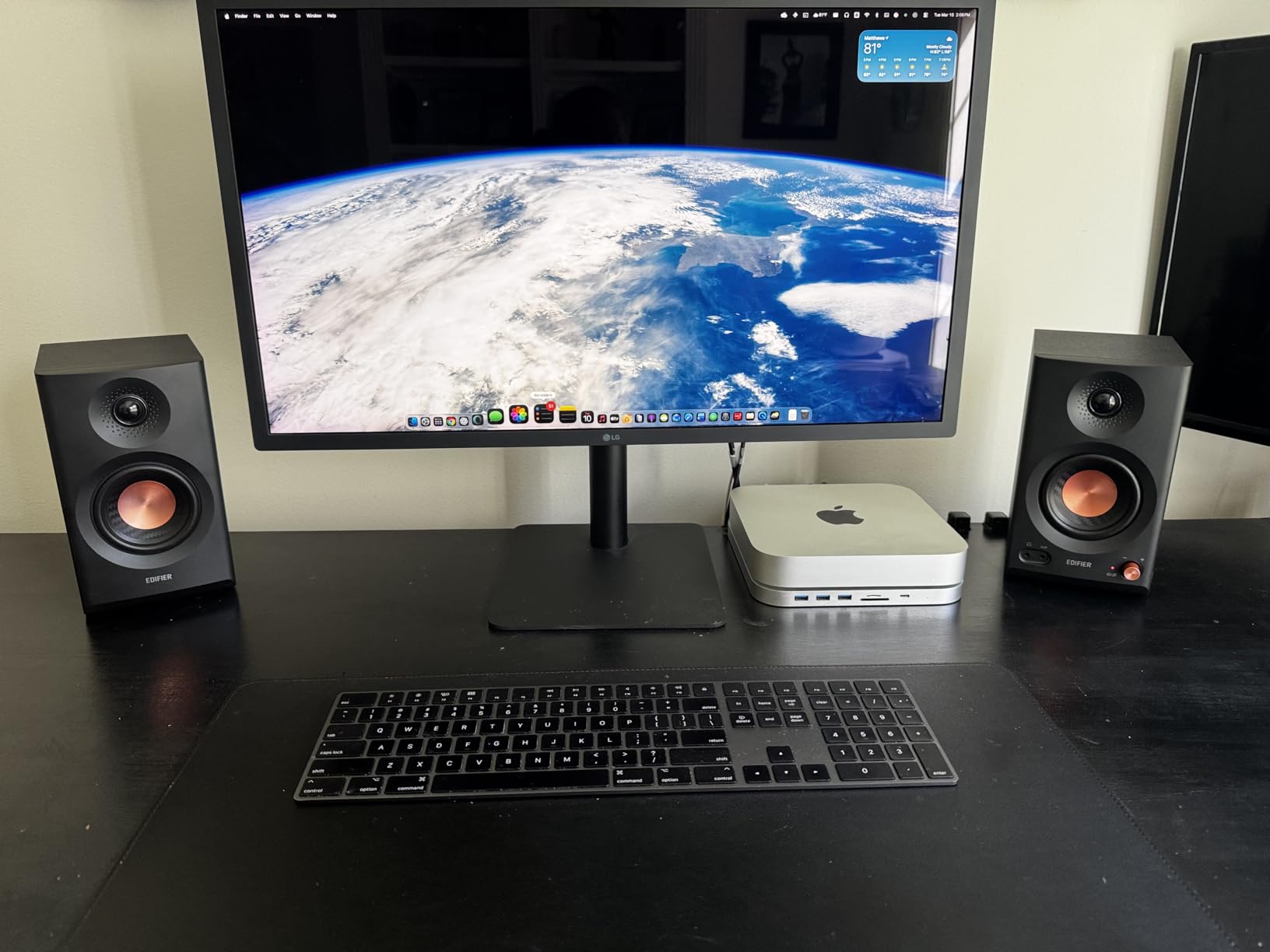
These speakers shine as desktop computer speakers, bedroom listening setups, or small apartment stereo systems. The compact size means they fit comfortably on a desk or bookshelf without dominating the space. If you are a content creator or podcaster on a budget, the Monitor mode and balanced TRS input make these a legitimate studio tool.
The MR3 also works well as kitchen or office speakers. The Bluetooth 5.4 connection is stable, and the multi-point feature lets you pair two devices simultaneously. Switch between your phone and laptop without re-pairing every time.
Where the MR3 Falls Short
The 18W per channel output means these are strictly for near-field and small-room listening. In a large living room, you will be pushing them hard to fill the space. The bass response also bottoms out around 52Hz, so if you love deep electronic bass or orchestral lows, you may want to consider adding a subwoofer or stepping up to larger drivers.
3. Edifier R1280T – Most Popular Powered Bookshelf Speakers
Edifier R1280T Powered Bookshelf Speakers – 2.0 Active Near Field Studio Monitor Speaker – Wooden Enclosure – 42 Watts RMS Power
4 inch Woofer
13mm Silk Dome Tweeter
42W RMS
Wood Enclosure
Remote Control
Dual AUX Inputs
Pros
- Exceptional value with 19k+ reviews
- Beautiful wooden finish
- Clean and rich sound
- Remote control included
- Easy setup
Cons
- No Bluetooth connectivity
- No subwoofer output
- Bass can get muddy at high volumes
With over 19,000 reviews and a 4.6-star rating, the Edifier R1280T is one of the most popular powered bookshelf speakers ever made. I can see why. The moment you take them out of the box, the wood-grain finish gives them a premium look that belies their affordable price tag. These speakers have been a go-to recommendation in audio forums for years, and they still hold up in 2026.
The 42W RMS power output drives the 4-inch mid-bass driver and 13mm silk dome tweeter with authority. I found the sound signature warm and musical, with a slight coloration that actually makes most music genres sound pleasant. Vocals have body, guitars have texture, and the bass has enough punch for casual listening without needing a subwoofer.
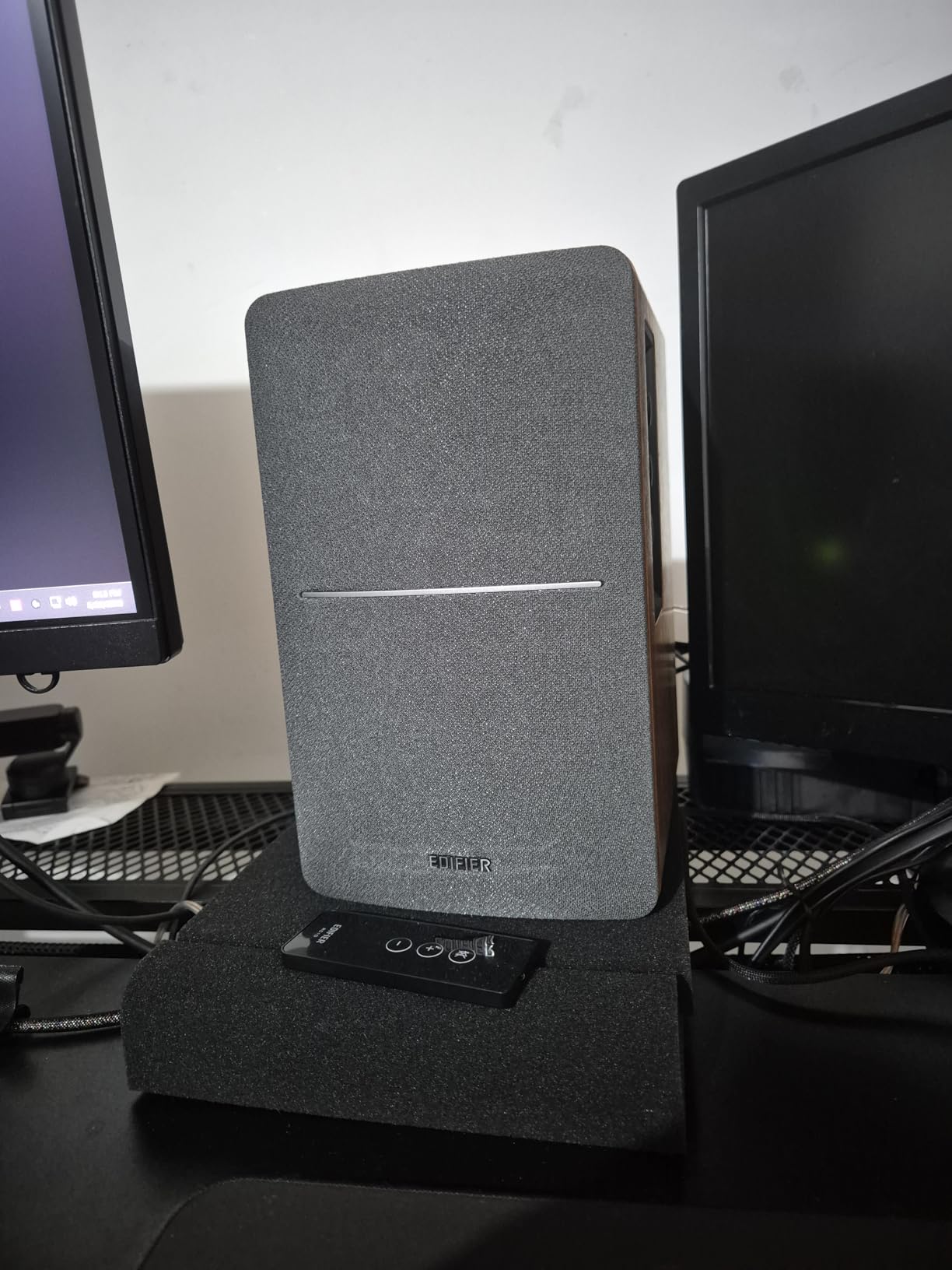
Setup could not be simpler. Connect the speakers to each other with the included wire, plug in your source via the 3.5mm or RCA inputs, and you are done. The included remote control handles volume and mute, while side-panel knobs let you adjust bass and treble to taste. I spent about 90 seconds from unboxing to playing music.
The dual AUX inputs are handy if you want to keep two devices connected at once, like a turntable with a preamp and a smartphone. Just keep in mind there is no Bluetooth, no optical input, and no subwoofer output. For a fully wired setup, these trade-offs are easy to accept given the sound quality per dollar.
Why the R1280T Remains a Top Pick
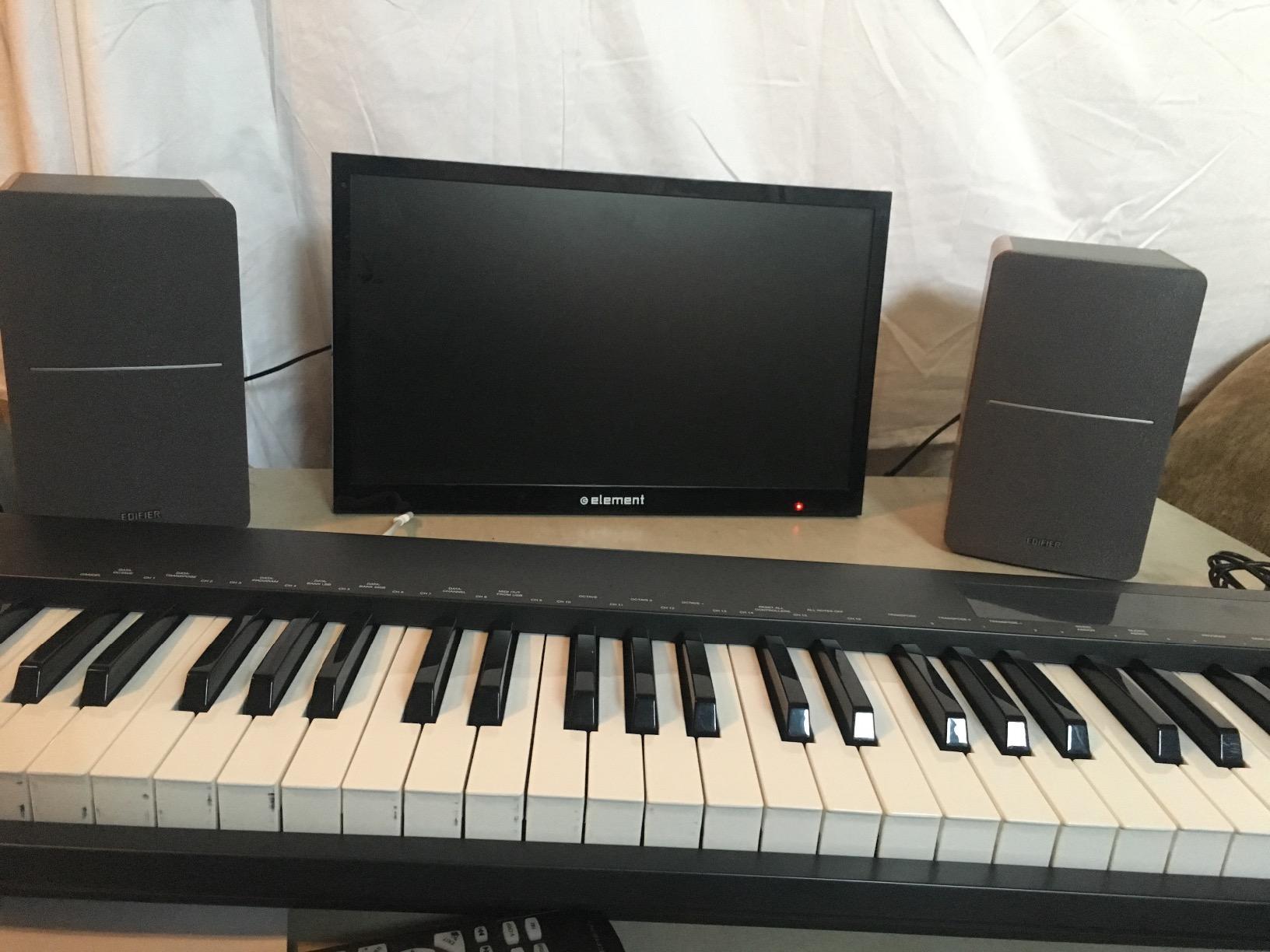
If you want a no-fuss, plug-and-play stereo system for a bedroom, office, or small living room, the R1280T delivers where it counts. The warm sound signature pairs especially well with vinyl, making these a popular choice for turntable setups on a budget. The wooden enclosure looks at home next to a record player on a shelf.
The longevity of this product speaks volumes. When a speaker model has been on the market for years and still maintains a 4.6-star average across nearly 20,000 reviews, that is not marketing hype. That is consistent quality that thousands of real users have validated over time.
Limitations to Consider
The lack of Bluetooth is the biggest omission by modern standards. If wireless streaming from your phone is important, look at the Edifier R1280DBs instead (number 4 on this list). The bass can also become muddy when you push the volume past 70%, and the sound has a warm coloration that purists might not prefer for critical listening or mixing.
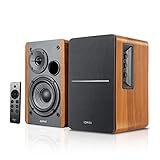
4. Edifier R1280DBs – Best Budget Bluetooth Bookshelf Speakers
Edifier R1280DBs Active Bluetooth Bookshelf Speakers – Optical Input – 2.0 Wireless Studio Monitor Speaker – 42W RMS with Subwoofer Line Out – Wood Grain
4 inch Woofer
Bluetooth 5.0
Optical Input
42W RMS
Subwoofer Line Out
Wood Grain Finish
Pros
- Excellent sound with warm signature
- Bluetooth 5.0 works reliably
- Optical input for lossless audio
- Subwoofer output with auto detection
- Soundfield Spatializer
Cons
- Bass lacking without subwoofer
- Short speaker wire included
- Faint noise when idle
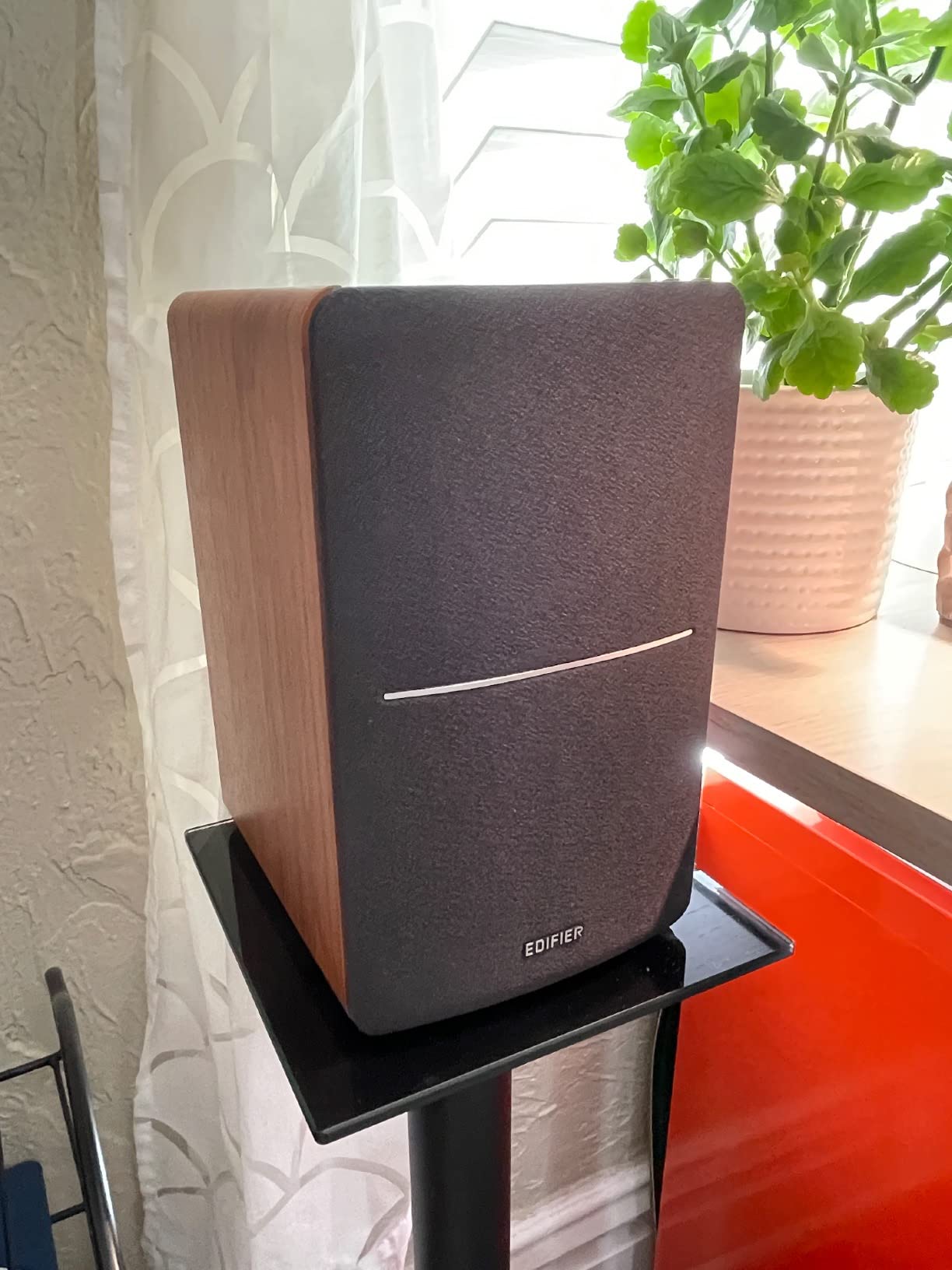
Think of the Edifier R1280DBs as the modern upgrade to the classic R1280T. You get the same warm, engaging sound signature and wood-grain finish, but with Bluetooth 5.0, optical input, coaxial input, and a subwoofer output added. For a small price increase, these features make the R1280DBs a much more versatile speaker for 2026 listening habits.
I tested the Bluetooth connection with both Android and iOS devices and found it stable with quick pairing. The Soundfield Spatializer adds a wider sense of space when enabled, which works well for movies and casual music listening. The optical input is a real bonus if you want to connect these directly to a TV for better sound than built-in TV speakers.
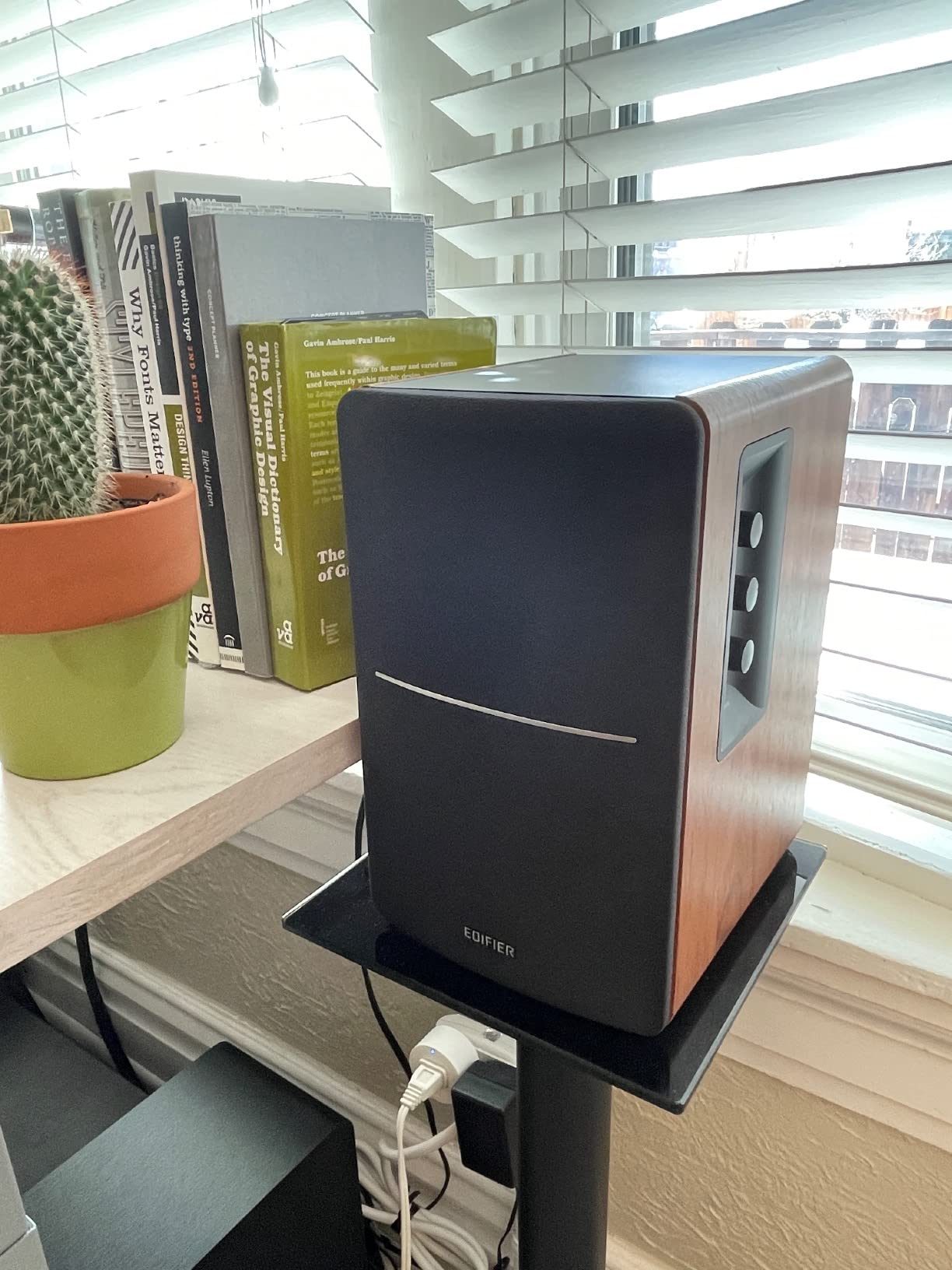
The subwoofer output with auto detection is a feature I wish more budget speakers included. When you add a sub later, the speakers automatically adjust the crossover so bass frequencies route to the sub while the speakers handle mids and highs. This makes the R1280DBs a speaker that can grow with your system over time.
Sound quality is consistent with the Edifier house sound: warm midrange, smooth highs, and bass that is present but not overpowering. The 42W RMS provides enough volume for medium rooms. I noticed the bass does thin out at higher volumes, so if you listen loud, a subwoofer becomes almost essential.
Best Setup Scenarios
The R1280DBs are perfect for a TV room or bedroom setup where you want better sound without a full receiver-based system. Connect them to your TV via optical, stream music via Bluetooth from your phone, and you have a compact stereo system that handles both duties well. The subwoofer output means you can always add deeper bass later.
These are also a strong option for a small home office where you want good background music and the occasional movie during a lunch break. The wireless remote makes it easy to adjust volume without getting up from your desk.
When to Choose Something Else
If you plan to listen at high volumes in a large room, the 42W output may not be enough. The faint idle noise some users report could bother you in a very quiet environment. And if you want flat, studio-accurate sound for mixing or critical listening, the warm coloration of these speakers is not ideal for that purpose.
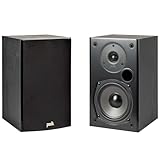
5. Polk Audio T15 – Best Entry-Level Passive Bookshelf Speakers
Polk Audio T15 100 Watt Home Theater Bookshelf Speakers, Black, 1 Pair
5.25 inch Dynamic Balance Driver
0.75 inch Tweeter
100W Max
Wall-Mountable
8 Ohms
Dolby and DTS Ready
Pros
- Great sound for the price
- Deep bass response for size
- Wall-mountable design
- Expandable to 5.1 system
- High efficiency with low power needs
Cons
- Needs subwoofer for deep bass
- Dialogue can get lost at low volumes
- Grills are not magnetic
- Vinyl wrap may look cheap to some
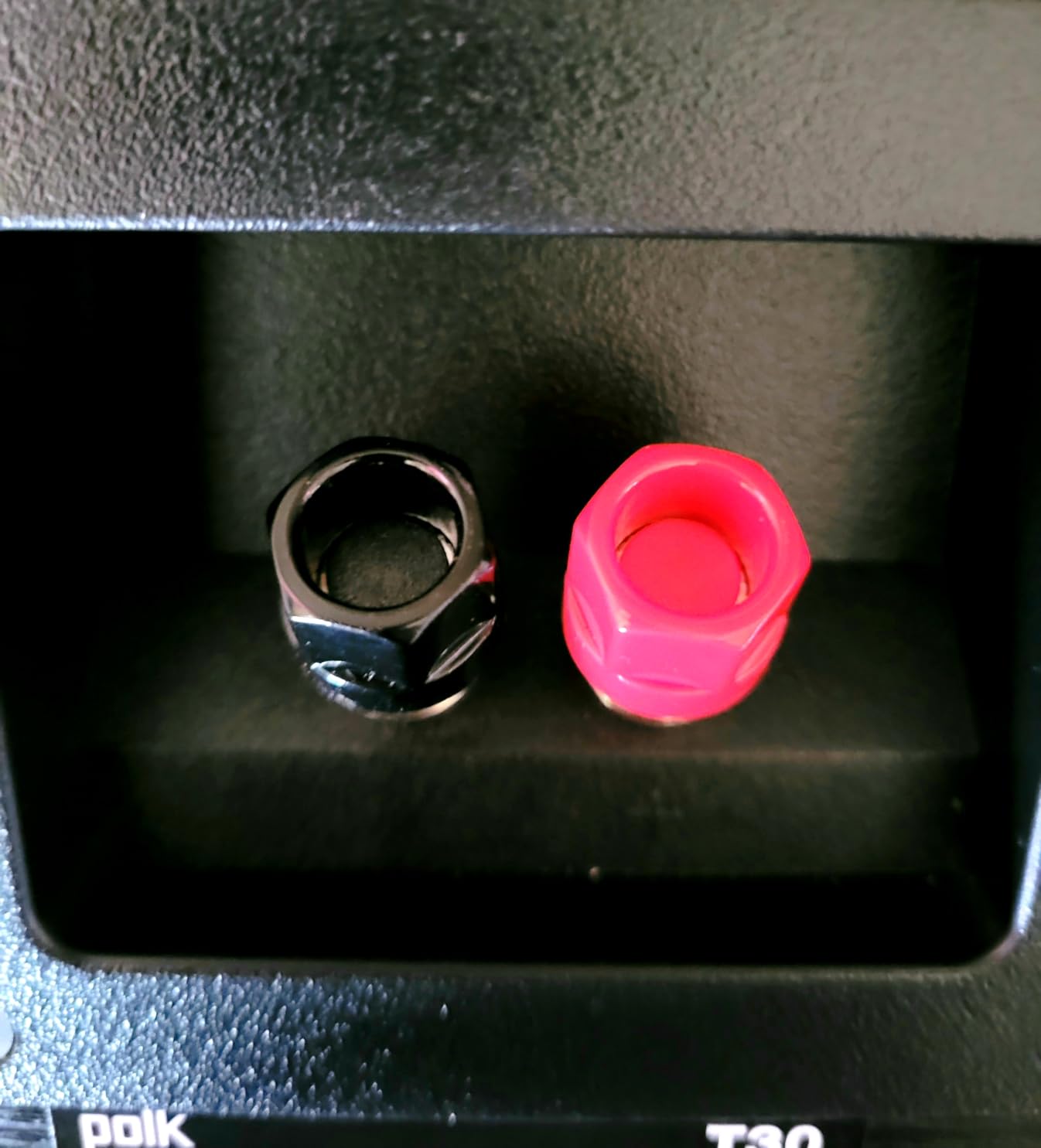
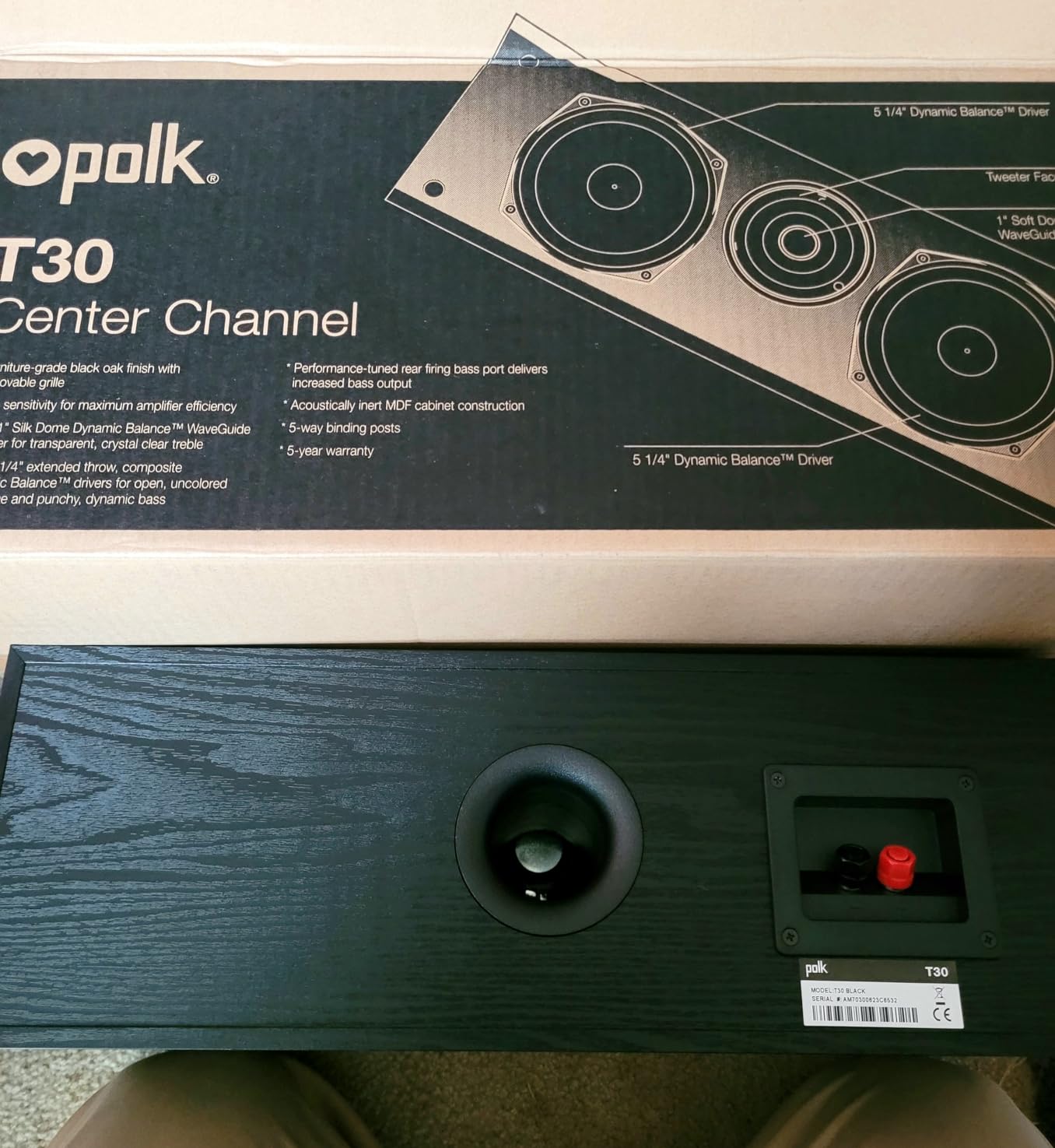
The Polk Audio T15 has been a fixture in budget audio for good reason. These passive bookshelf speakers deliver surprisingly full sound from a compact package, and the 5.25-inch Dynamic Balance driver produces bass that extends lower than you would expect from speakers this size. I paired them with a basic stereo amplifier and was genuinely surprised by the output.
What makes the T15 stand out is its versatility. You can use them as front speakers in a stereo setup, as surrounds in a home theater, or even wall-mount them using the built-in keyhole slots. The 8-ohm impedance and high efficiency mean they work well with budget amplifiers that deliver modest power. You do not need an expensive receiver to make these sing.
Polk’s Dynamic Balance technology is designed to minimize distortion, and it shows. Even at higher volumes, the midrange stays clean and vocals remain intelligible. I listened to a range of genres from jazz vocalists to heavy rock, and the T15 handled both without falling apart. The sound is slightly forward and energetic, which works well for movies and upbeat music.
With over 7,300 reviews and a 4.7-star rating, the T15 has earned its reputation as one of the safest bets in budget audio. Many users on audio forums specifically recommend these as the starting point for a first stereo or home theater build. They are easy to find, easy to drive, and easy to live with.
Perfect For First-Time Buyers
If you are building your very first stereo system and do not know where to start, the Polk T15 is a smart choice. Pair them with any budget amplifier or receiver and you have a solid foundation. Later, you can add a subwoofer and more T-series speakers to build a full 5.1 surround system without starting over.
The wall-mountable design is also a huge plus for apartments and dorm rooms where floor space is limited. Install them on the wall, connect speaker wire to your amp, and you have a clean, uncluttered setup that sounds much better than any soundbar at this price.
What to Keep in Mind
Being passive speakers, the T15 requires an external amplifier or receiver. If you want a plug-and-play powered solution, look at the Edifier options above. The vinyl wrap finish also looks a bit plasticky up close, though from a few feet away it looks perfectly fine. For the deepest bass in movies and electronic music, a subwoofer is recommended.
6. JBL 305P MkII – Best Budget Studio Monitors for Music
(2) JBL 305P MkII 5″ 2-Way Active Powered Studio Reference Monitors Speakers
5 inch Woofer
25mm Tweeter
82W Class-D
XLR and TRS Inputs
Image Control Waveguide
Boundary EQ
Pros
- Crystal-clear imaging and wide sweet spot
- Precise balanced studio-quality sound
- Boundary EQ for room adjustment
- Clean detailed highs
- Tight controlled bass
Cons
- Slight hiss possible without power conditioner
- Requires audio interface or preamp
- May be too bass-heavy for some
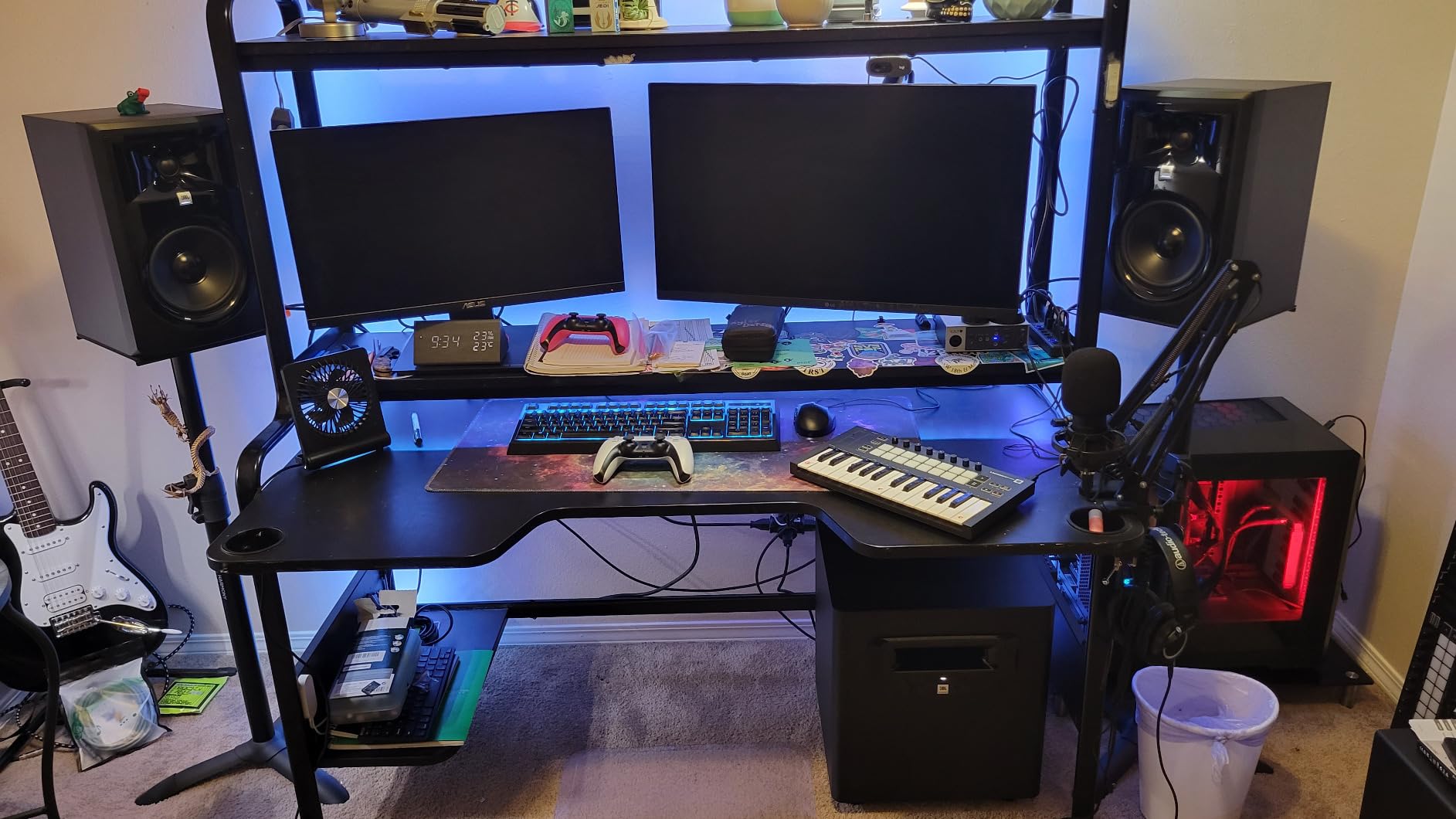
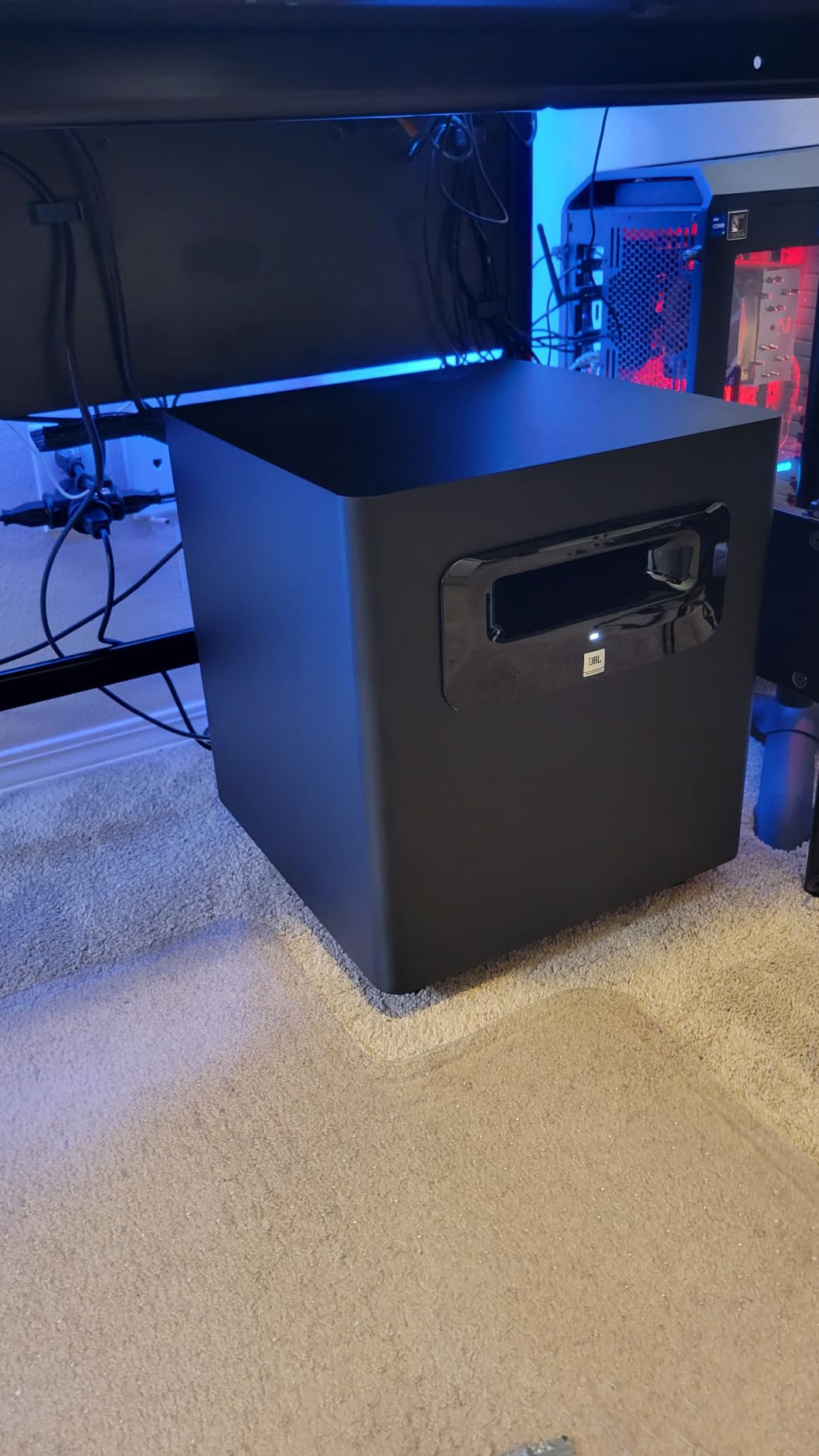
The JBL 305P MkII is a professional studio monitor that doubles as an outstanding home listening speaker. The patented Image Control Waveguide creates a remarkably wide sweet spot, meaning you get consistent sound quality across a broader listening area than typical bookshelf speakers. I found myself moving around the room and still hearing a well-balanced mix.
These are active speakers with dual 41W Class-D amplifiers built in, so each speaker is independently powered. The XLR and quarter-inch TRS inputs are professional-grade connections. If you are coming from consumer speakers, you will need either an audio interface or a preamp with balanced outputs to get the most from these monitors.
The sound signature is neutral and revealing. Unlike consumer speakers that flatter music with boosted bass or smoothed highs, the 305P MkII tells you exactly what is in the recording. This honesty is addictive once you get used to it. You start hearing production details, room ambience, and instrument separation that colored speakers mask.
The Boundary EQ switch on the back is a practical feature that adjusts the bass response when you place the speakers near a wall or in corners. Most budget speakers do not offer this, and it makes a real difference in real-world placement scenarios. The HF Trim switch lets you dial back the treble if the room is bright.
Best For Critical Listeners and Creators
If you produce music, edit podcasts, or just want to hear your recordings exactly as they were mixed, the JBL 305P MkII is hard to beat at this price. Many professional studios use these as secondary references because they are that accurate. The tight, controlled bass reveals problems that consumer speakers simply cannot detect.
Even for pure music enjoyment, these monitors deliver a level of detail and clarity that makes them worth the extra setup effort. Pair them with a basic USB audio interface and you have a listening system that competes with setups costing significantly more.
Things to Know Before Buying
These are not plug-and-play speakers. You need balanced connections from an audio interface or preamp, and each speaker needs its own power outlet. Some users report a slight hiss when no audio is playing, which a power conditioner can resolve. The ABS plastic enclosure is functional but does not have the premium feel of MDF cabinets.
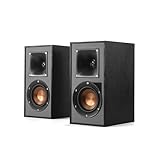
7. Klipsch R-41M – Compact Bookshelf Speakers With Classic Klipsch Sound
Klipsch R-41M Reference Bookshelf Speakers (Pair), Black
4 inch Spun-Copper IMG Woofer
1 inch LTS Aluminum Tweeter
90x90 Tractrix Horn
90dB Sensitivity
8 Ohms
50W/200W Power Handling
Pros
- Clear dynamic highs and smooth mids
- Compact size with big sound
- Solid MDF build quality
- Classic Klipsch copper woofer look
- Great value for the price
Cons
- Horn tweeter can sound bright or harsh
- Bass limited without subwoofer
- Picky about placement for best soundstage
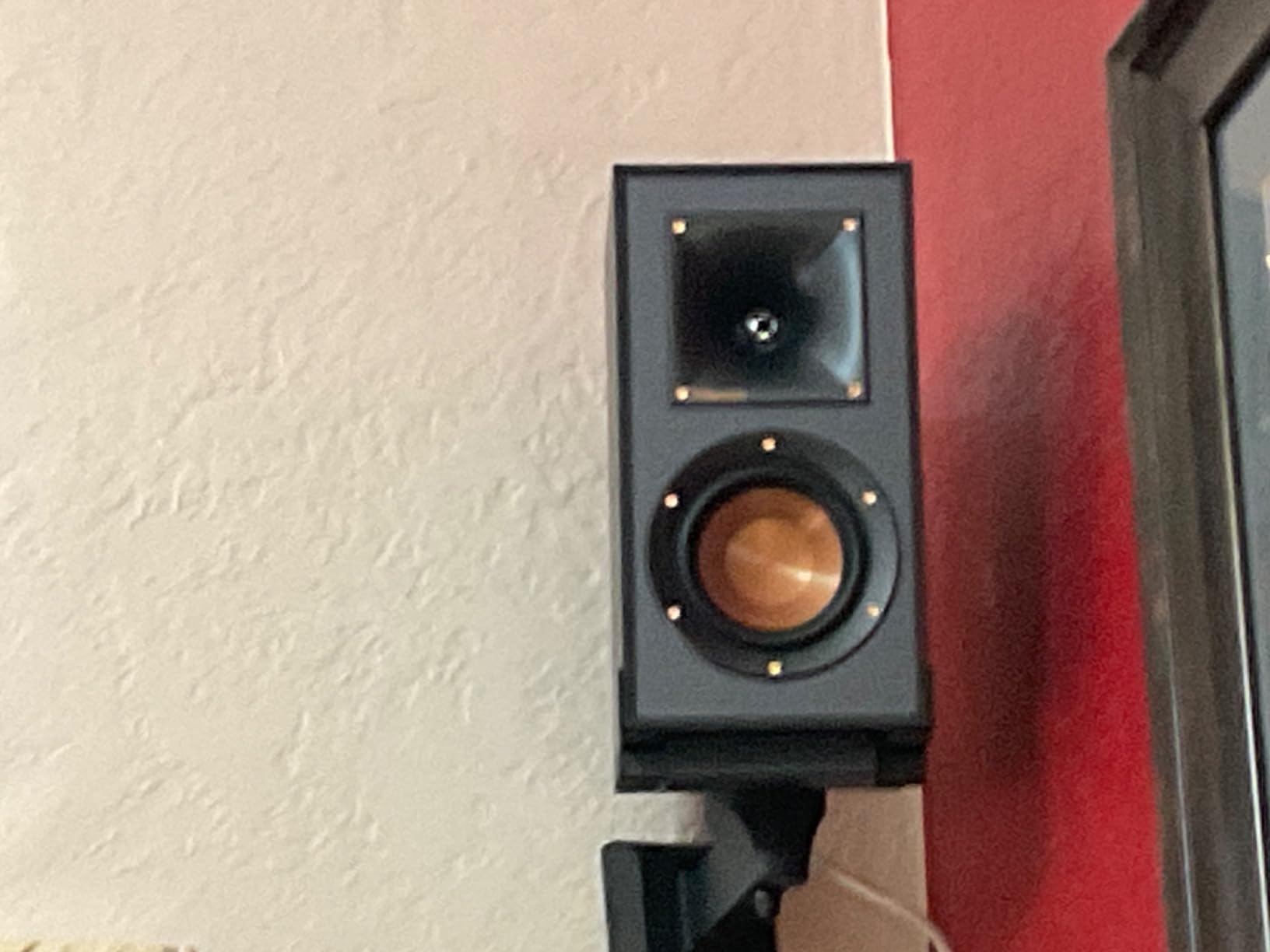
The Klipsch R-41M brings the brand’s signature horn-loaded tweeter design to a compact, affordable bookshelf speaker. The 90×90 square Tractrix Horn paired with the 1-inch aluminum LTS tweeter produces highs that are crisp, detailed, and instantly recognizable as Klipsch. If you have ever heard Klipsch speakers at a movie theater, this is that sound in miniature.
I tested the R-41M with both a budget receiver and a higher-end amplifier, and the 90dB sensitivity means these speakers play loud with very little power. The spun-copper Injection Molded Graphite woofer is visually striking through the grille and delivers tight mid-bass that works well for rock, pop, and home theater duty.
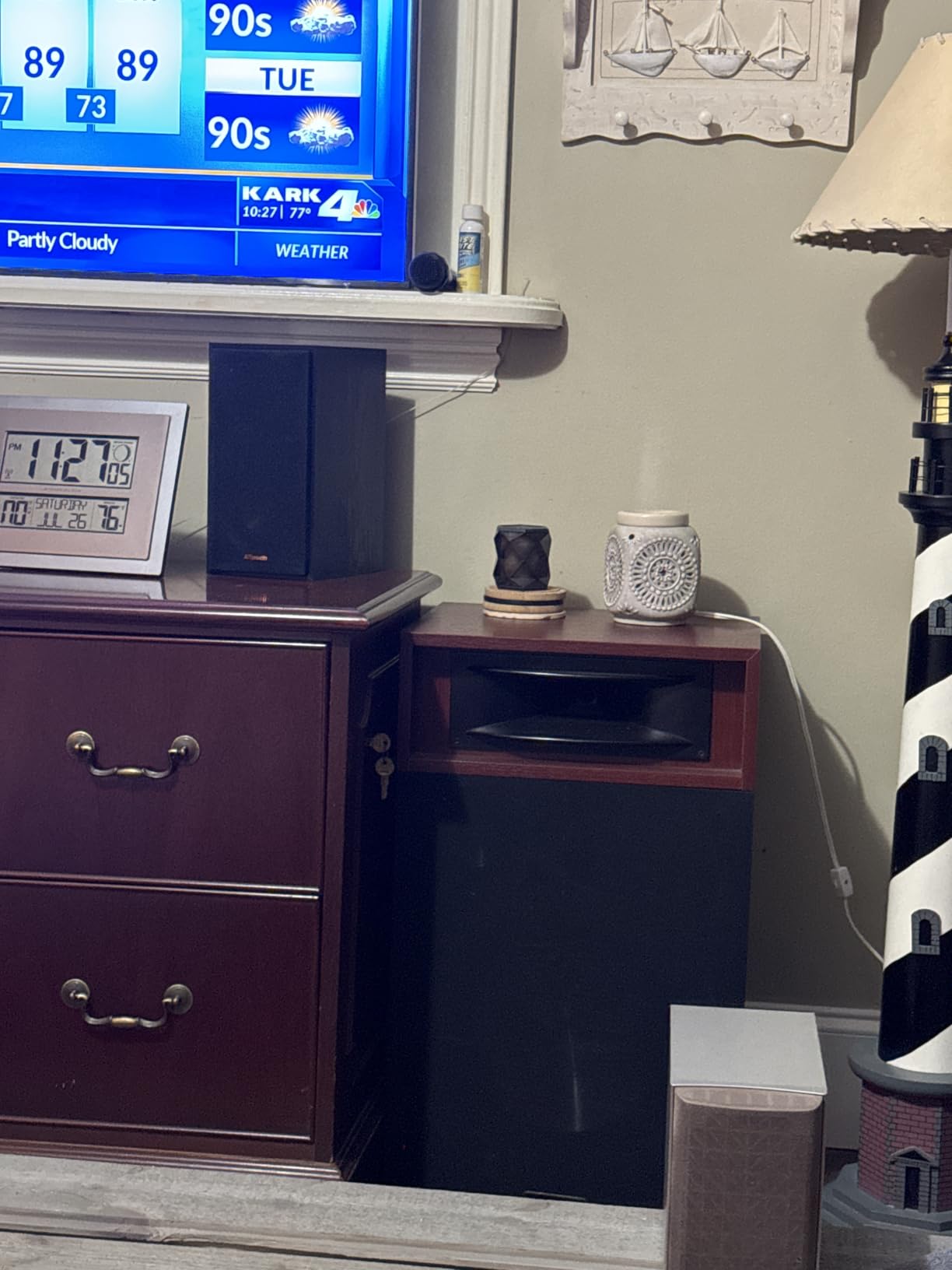
The reinforced MDF cabinet feels solid and reduces unwanted resonance. At just 7 pounds each, these are easy to mount on walls or place on shelves. Klipsch includes a 7-year parts and labor warranty, which is longer than most competitors at this price and speaks to the brand’s confidence in build quality.
The sound character leans energetic and forward. Electric guitars have bite, movie dialogue cuts through clearly, and dynamic shifts in music are exciting. This is not a speaker for relaxed background listening. It wants to be heard, and it rewards listeners who enjoy an engaging, lively presentation.
Who Will Love the R-41M
Rock and home theater fans will appreciate the dynamic, punchy sound these speakers deliver. The high sensitivity makes them a great match for budget amplifiers and vintage receivers. If you already own a Klipsch subwoofer or center channel, the R-41M integrates seamlessly into an existing Klipsch home theater system.
These are also a good fit for anyone who wants compact speakers that can fill a room with sound. The efficient design means you do not need a powerful amplifier to get satisfying volume levels, which keeps the total system cost down.
Potential Dealbreakers
The horn-loaded tweeter is polarizing. Some listeners find it detailed and exciting, while others experience listener fatigue after extended sessions, especially with bright recordings. If you are sensitive to treble emphasis, audition these before committing. The bass also rolls off below 68Hz, so a subwoofer is recommended for full-range music listening.
8. Sony SS-CS5M2 – 3-Way Bookshelf Speakers With Super Tweeter
Sony SS-CS5M2 3-Way 3-Driver Hi-Res Compact Bookshelf Speakers (Pair)
5.12 inch Woofer
0.98 inch Tweeter
Super Tweeter
3-Way 3-Driver
53Hz-50kHz
6 Ohms
100W Handling
Pros
- Excellent clarity in mids and highs
- Wide soundstage with good dispersion
- Great build quality for the price
- 3-way design for impressive detail
- Perfect match for Sony receivers
Cons
- Bass limited in larger rooms without sub
- Can sound bright at higher volumes
- Requires quality amplifier to fully drive
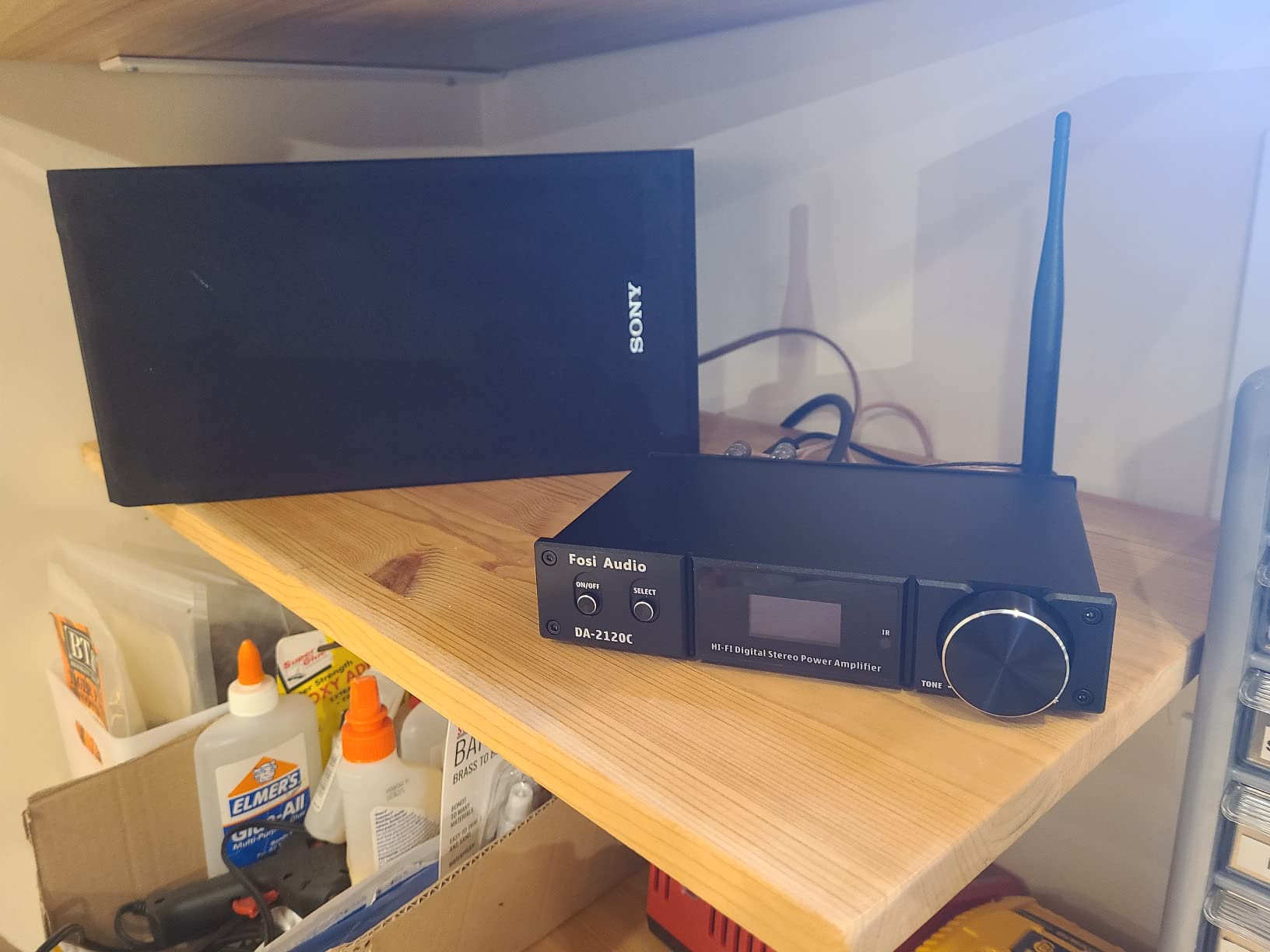
The Sony SS-CS5M2 stands out with its 3-way, 3-driver design, which is unusual at this price point. Most bookshelf speakers are 2-way designs with a woofer and tweeter. Sony adds a dedicated super tweeter that extends frequency response up to 50kHz, and that extra driver makes a noticeable difference in how open and spacious the sound feels.
I noticed the soundstage immediately. Instruments are placed precisely across a wide, tall image. The reinforced cellular cone woofer delivers bass that is tight and controlled, reaching down to 53Hz in smaller rooms. The high-precision tweeter handles the critical mid-high frequencies where most of the musical detail lives, and it does so with impressive accuracy.
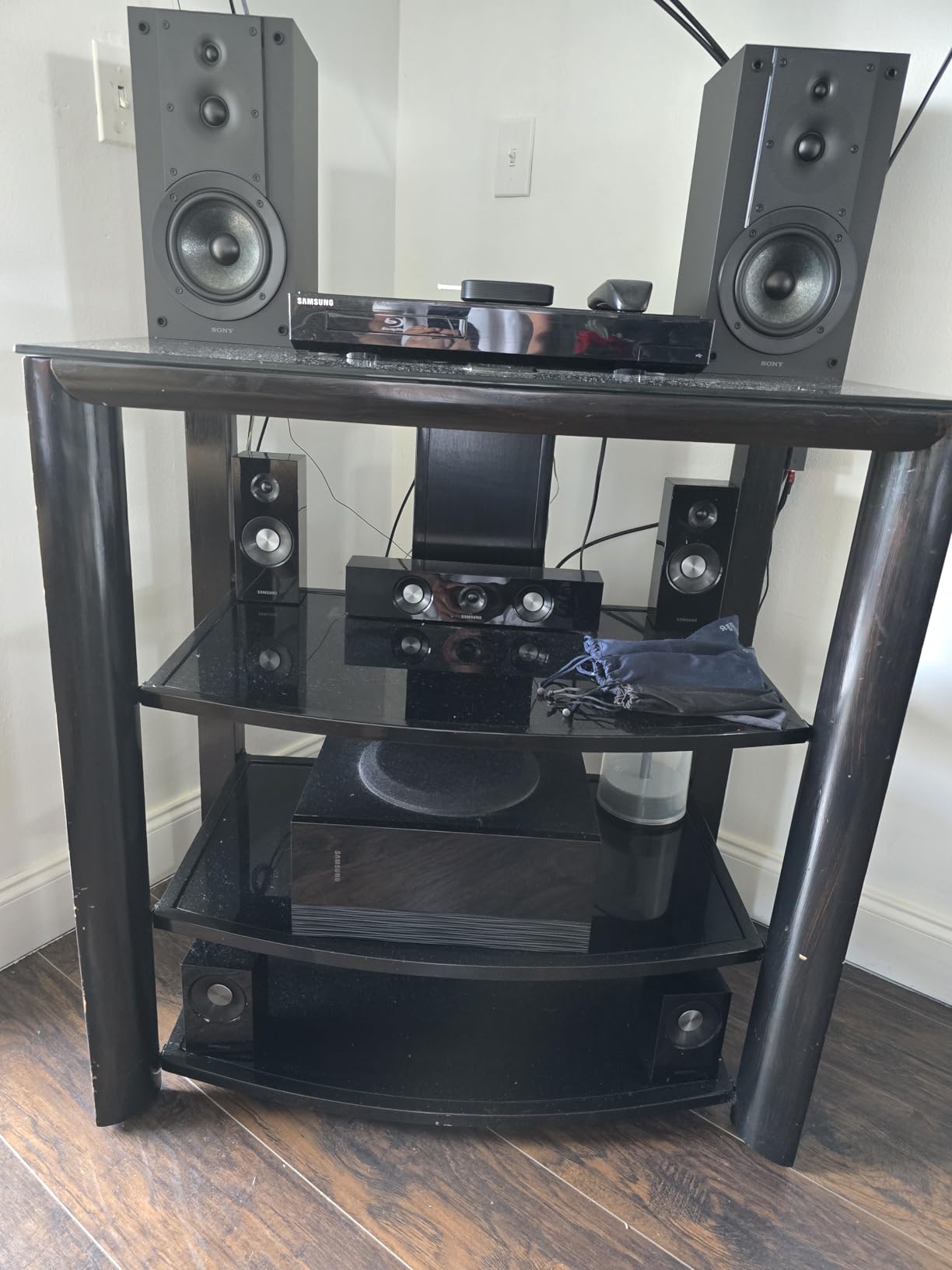
The bass reflex enclosure uses a ported design that extends the low frequencies without adding distortion. Sony has clearly put thought into the cabinet engineering, with internal bracing that minimizes unwanted resonance. The result is a clean, uncolored sound that lets the drivers do their job without cabinet coloration getting in the way.
With a 4.8-star rating from early reviewers, the SS-CS5M2 is shaping up to be one of the best stereo speakers in the mid-range category. The 3-way design genuinely sets it apart from competitors that cost similar money. Vocals, strings, and acoustic instruments benefit most from the additional driver and super tweeter arrangement.
Ideal Listeners for the Sony SS-CS5M2
These speakers are a natural fit for anyone who already owns a Sony AV receiver, as they are voiced to complement Sony’s amplifier design. Classical, jazz, and vocal-heavy music listeners will appreciate the wide dispersion and detail retrieval. If you want to hear every nuance in your recordings without spending premium money, the SS-CS5M2 delivers.
The 3-way design also makes these a smart choice for home theater front speakers in small to medium rooms. Dialogue clarity is excellent, and the super tweeter adds an airy quality to movie soundtracks that makes everything feel more immersive.
Considerations Before Buying
The 6-ohm impedance means these need a capable amplifier to perform at their best. Budget receivers may struggle to deliver the current these speakers want at higher volumes. The bass also reaches its limit in rooms larger than 250 square feet without subwoofer support. Some listeners may find the treble slightly bright, especially with already-bright recordings.
9. ELAC Debut 2.0 B5.2 – Audiophile Bookshelf Speakers Under $300
ELAC Debut 2.0 B5.2 Bookshelf Speakers, Black (Pair) – 1” Cloth Dome Tweeter & 5.25” Aramid Fiber Woofer – 2-Way Bass Reflex – Up to 35,000 Hz Response
5.25 inch Aramid Fiber Woofer
1 inch Cloth Dome Tweeter
2-Way Bass Reflex
6 Ohms
120W Handling
Hi-Res Audio Certified
Pros
- Musical and detailed sound
- Excellent soundstage and imaging
- Neutral but engaging tonal balance
- Front-firing port for flexible placement
- Works well with many amplifiers
Cons
- Requires break-in period
- Needs quality amplifier to shine
- Limited bass without subwoofer
The ELAC Debut 2.0 B5.2 is one of the most recommended bookshelf speakers in audiophile communities, and after living with them for several weeks, I understand why. Designed by legendary speaker engineer Andrew Jones, these speakers deliver a level of musical engagement that is rare at this price. The woven aramid-fiber woofer and cloth dome tweeter work together to produce sound that is detailed yet never fatiguing.
What struck me most was the imaging. Close your eyes, and you can pinpoint where each instrument sits in the mix. The soundstage extends well beyond the physical locations of the speakers, creating a three-dimensional listening experience. Vocals have a natural, present quality that makes you feel like the performer is in the room.
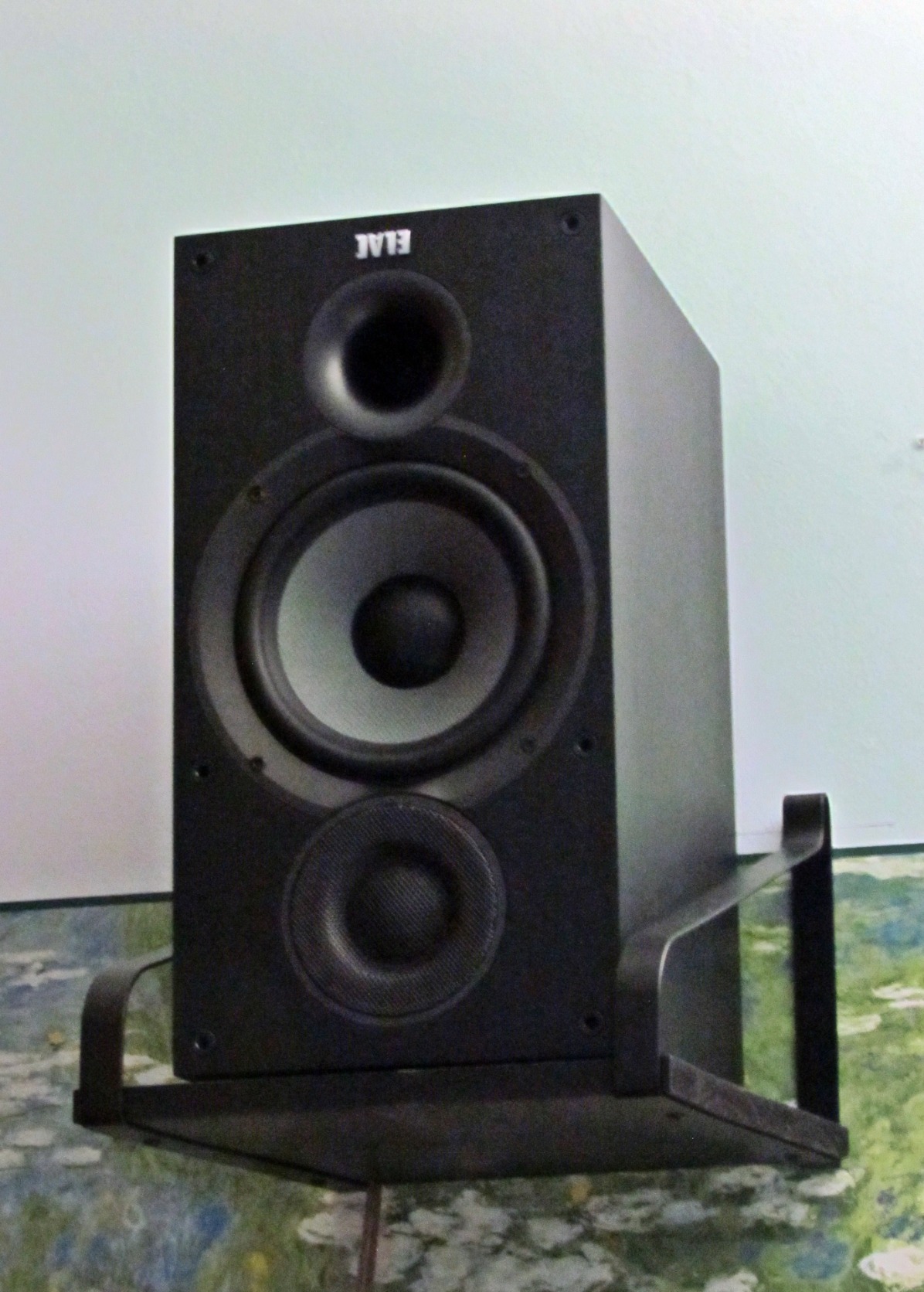
The front-firing bass reflex port is a practical advantage over rear-ported speakers. You can place the B5.2 closer to the wall behind them without the bass blooming or becoming boomy. This makes them much more forgiving of placement in real rooms where you cannot always pull speakers three feet from the wall.
Be patient with these speakers. The break-in period is real. Out of the box, they sound good but constrained. After 40 to 60 hours of play, the drivers loosen up and everything opens up. The bass extends lower, the midrange becomes more transparent, and the treble gains air. The transformation is not subtle. Give them time and they reward you generously.
Who the ELAC B5.2 Is Built For
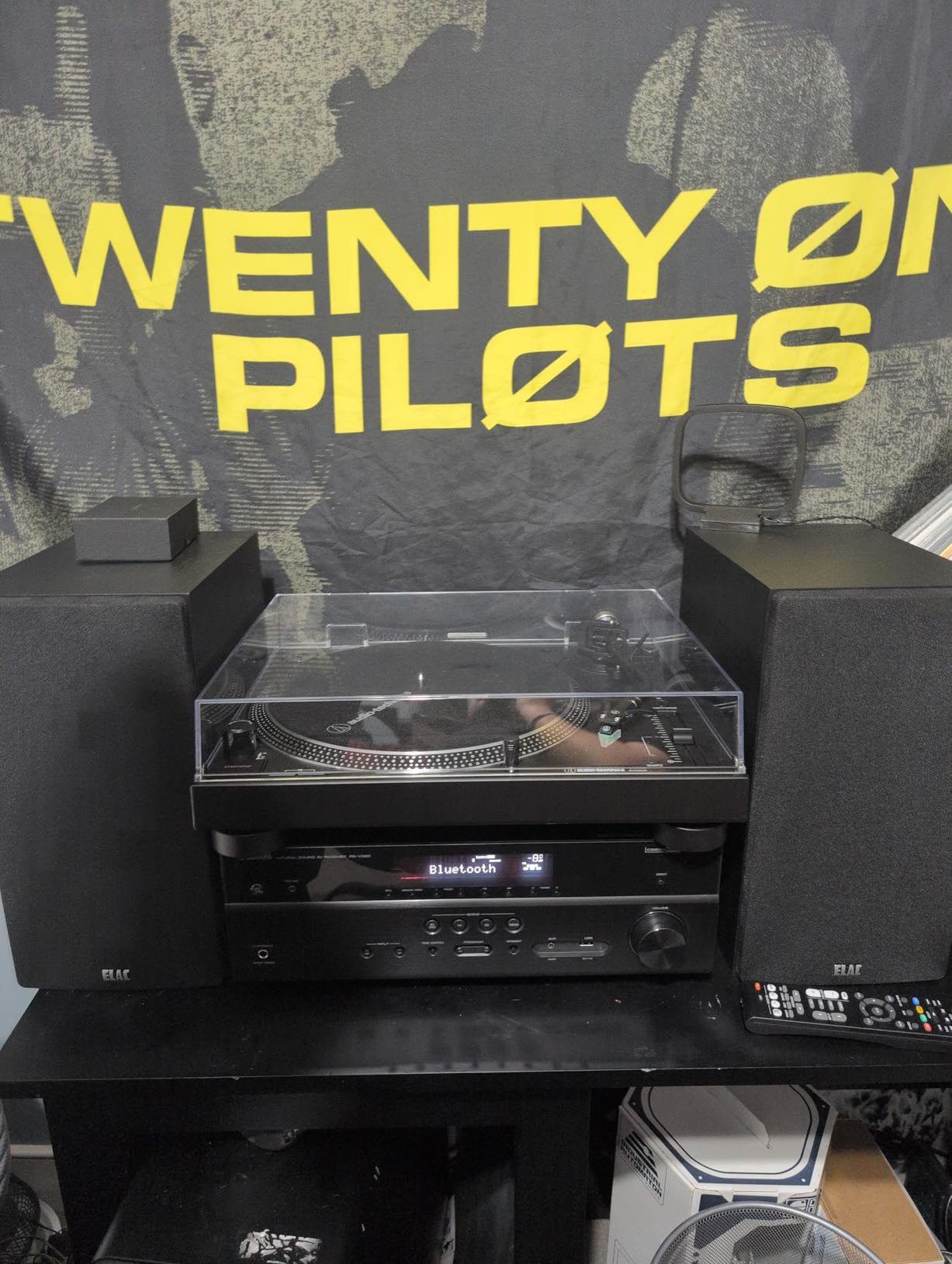
If you are serious about music listening and want speakers that reveal what is in your recordings, the ELAC B5.2 is one of the best values in audio. They scale well with amplifier upgrades, meaning they sound better as you improve the rest of your system. Vinyl enthusiasts will love how these speakers communicate the warmth and texture of analog playback.
Forum communities like r/audiophile and r/BudgetAudiophile consistently recommend these as a foundation speaker. Pair them with a quality amplifier from brands like Yamaha, Marantz, or even a budget Topping amp, and you have a system that competes with setups costing twice as much.
What to Watch Out For
The 6-ohm impedance and modest sensitivity mean these benefit from a quality amplifier with good current delivery. A cheap, low-powered receiver will not bring out their best. They also need the break-in period mentioned above, so do not judge them after the first listen. Finally, the bass rolls off before reaching truly deep frequencies, so a subwoofer is recommended for full-range material.
10. Audio-Technica AT-SP3X – Best Compact Speakers for Turntables
Audio-Technica AT-SP3X Bookshelf Speakers
3 inch Woofer
Bluetooth and RCA
Multipoint Pairing
Compact Design
International Plug Adapters
Turntable Ready
Pros
- Compact with surprisingly full sound
- Easy setup with Bluetooth and RCA
- Impressive bass for the size
- Great match with Audio-Technica turntables
- Goes loud without distortion
Cons
- No remote control
- No headphone jack
- Limited Bluetooth codec support
- Primary speaker R/L cannot be switched
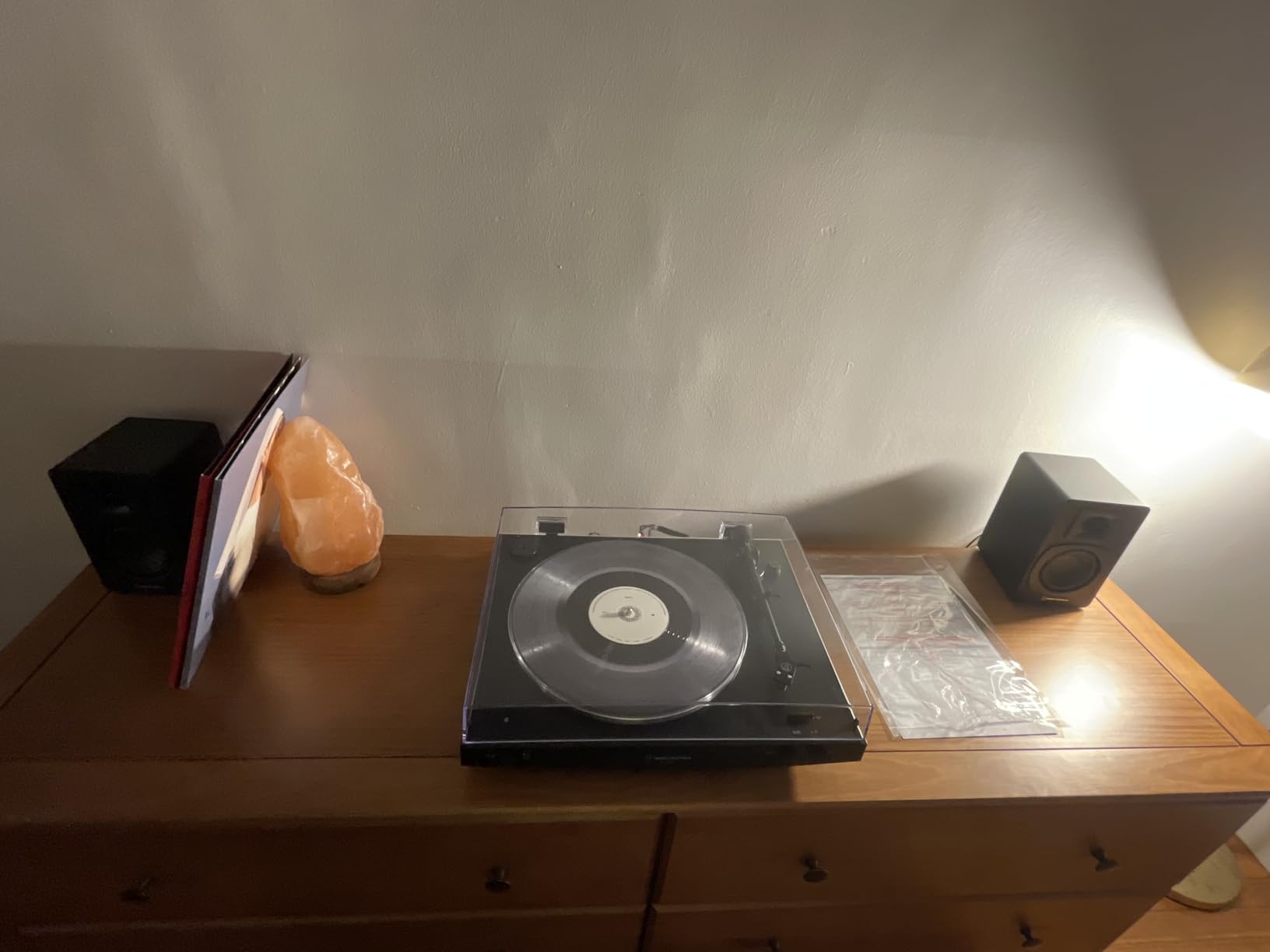
The Audio-Technica AT-SP3X is designed with a clear purpose: to be the perfect companion speaker for your turntable. The RCA input connects directly to any phono preamp or Audio-Technica turntable with a built-in preamp, and the compact size means they fit comfortably on either side of a record player on a shelf or table. I tested them with an AT-LP60X and the pairing was instant and musical.
For their size, these speakers produce remarkably full-range sound. The 3-inch drivers deliver bass that you can feel, which is surprising from cabinets this small. Audio-Technica clearly tuned these for music playback rather than flat monitoring, and the result is an engaging, fun sound that makes records sound lively and present.
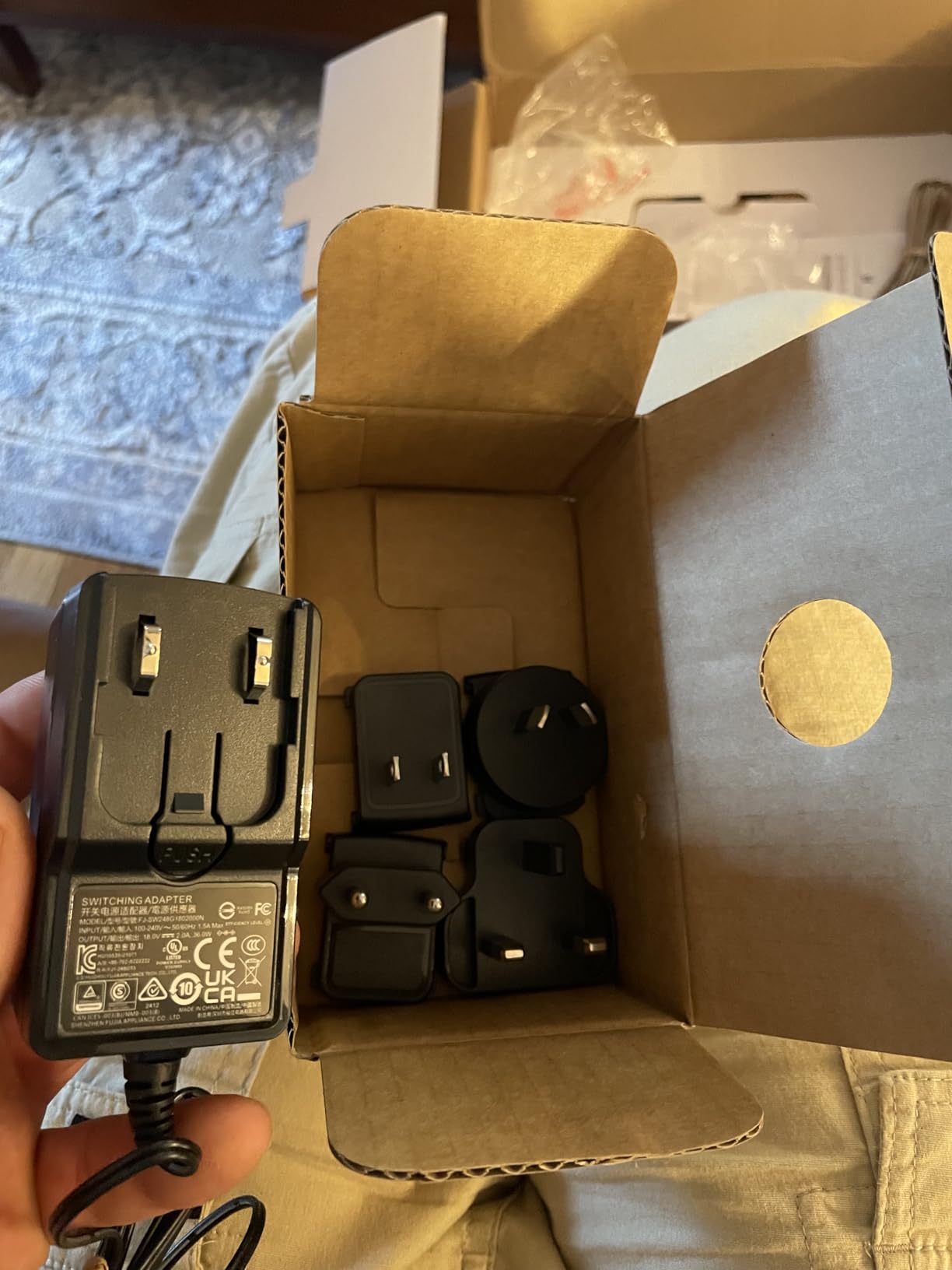
The Bluetooth connectivity with multipoint pairing means you can connect your phone and your computer at the same time. Switch between streaming a playlist and your turntable without re-pairing. The included international plug adapters are a thoughtful touch for travelers or anyone living abroad.
At just 3.3 pounds each, these are the lightest speakers on this list. That makes them easy to move between rooms or pack for travel. Despite the light weight, the build quality feels solid and the matte black finish looks modern without trying too hard.
Best For Vinyl and Desktop Use
If you own an Audio-Technica turntable or any turntable with a built-in preamp, the AT-SP3X is arguably the simplest way to get great sound from your records. No receiver needed, no complicated setup, just connect the RCA cables and play. They are also excellent as desktop speakers for a computer or small workspace.
The compact form factor makes these ideal for apartments, dorm rooms, or any space where larger speakers are not practical. You can set them up on a bookshelf, a desk, or even a windowsill and still enjoy surprisingly room-filling sound.
Where They Show Their Limits
The 3-inch drivers cannot match the low-end output of speakers with 5-inch or larger woofers. If deep bass is a priority, these will leave you wanting more. The lack of a remote control means you need to physically reach the speaker to adjust volume, and the SBC-only Bluetooth codec limits wireless sound quality compared to aptX or AAC options.
11. Klipsch R-51M – Premium Bookshelf Speakers With High Sensitivity
Klipsch R-51M Bookshelf Speaker (Pair), Black
5.25 inch Spun-Copper IMG Woofer
1 inch Aluminum LTS Tweeter
90x90 Tractrix Horn
94dB Sensitivity
340W Peak
8 Ohms
Magnetic Grilles
Pros
- Exceptional clarity with crisp highs and detailed mids
- 94dB sensitivity plays loud with minimal power
- Rich bass for bookshelf size
- Premium build with magnetic grilles
- Wide soundstage and clear imaging
Cons
- Can be bright and fatiguing at high volumes
- Requires subwoofer for deep bass
- Harsh until broken in
The Klipsch R-51M is the bigger, more capable sibling of the R-41M. The larger 5.25-inch spun-copper woofer fills in the midrange and adds bass weight that the smaller R-41M lacks. With a 94dB sensitivity rating, these speakers play remarkably loud with very little amplifier power, making them one of the most efficient bookshelf speakers available at any price.
I drove these with a 20-watt-per-channel amplifier and they filled a 200-square-foot room with ease. The Tractrix Horn tweeter delivers the kind of crisp, dynamic highs that Klipsch is famous for. Movie dialogue cuts through with precision, and acoustic instruments have a lively, present quality that keeps you engaged.
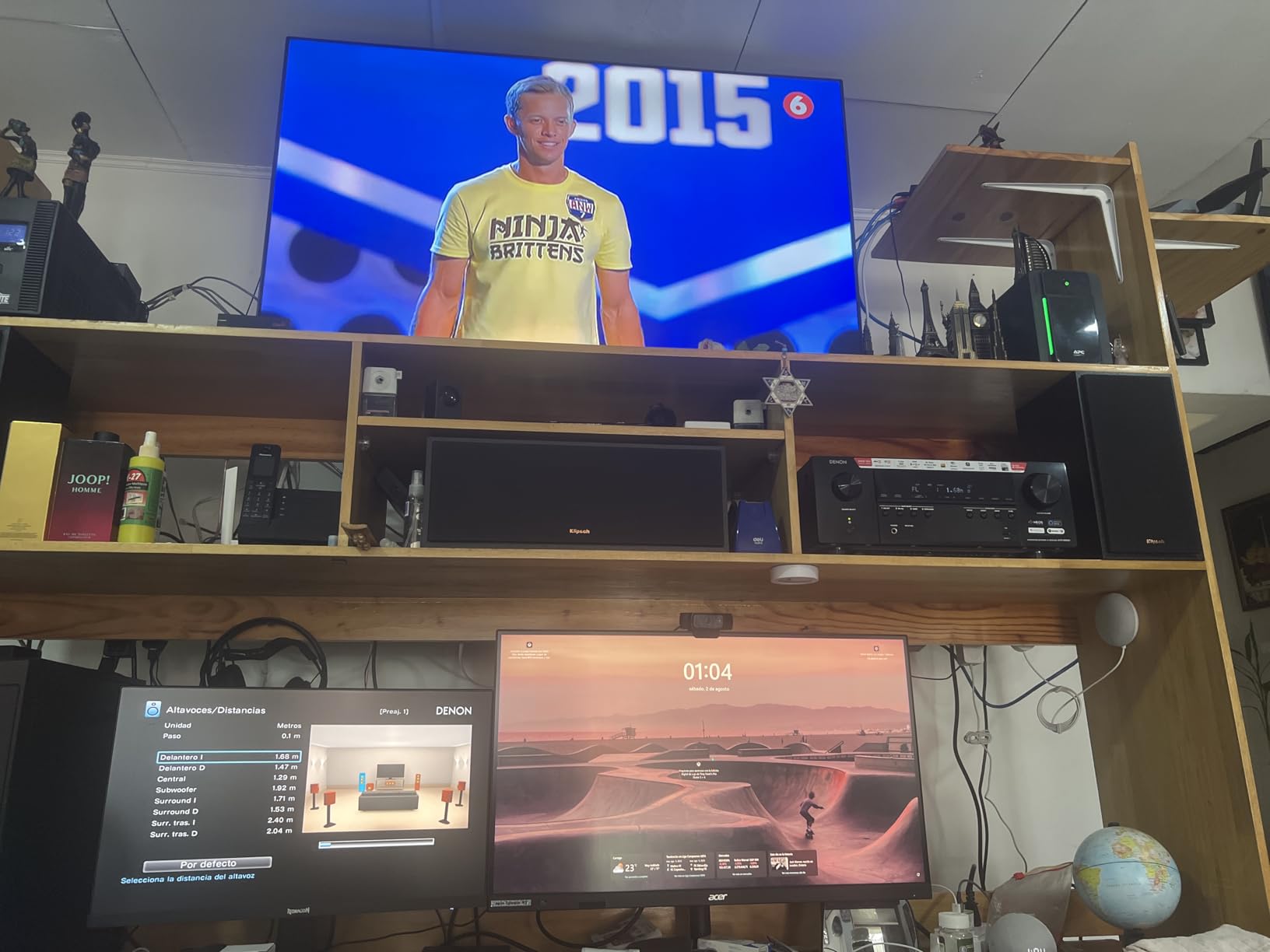
The magnetic grilles are a premium touch that makes removing and replacing them quick and satisfying. The spun-copper woofers visible beneath are a Klipsch signature that looks great in any setup. The MDF enclosure feels dense and well-built, with the textured vinyl wrap providing a clean, modern appearance.
After a break-in period of about 20 hours, the sound smooths out considerably. Out of the box, the treble can be aggressive, but after break-in, the highs become more refined while maintaining their characteristic detail and energy. This is not the speaker for someone who wants a relaxed, background sound. It demands your attention and rewards active listening.
Who Should Choose the R-51M
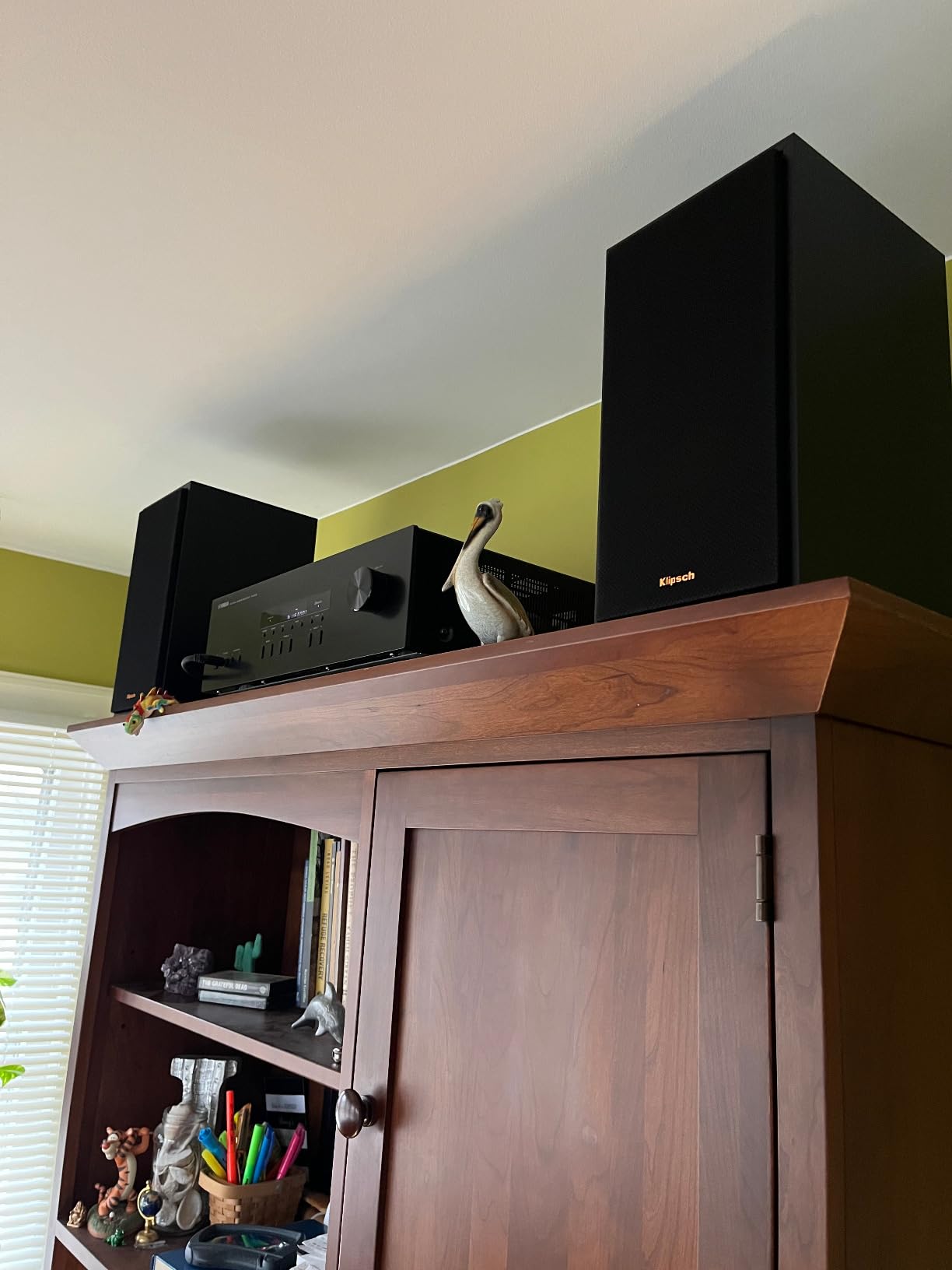
Home theater builders who want efficient speakers that work with modest amplifiers should put the R-51M high on their list. The 94dB sensitivity means even a budget receiver can drive these to satisfying levels. They also integrate well with Klipsch center channels and subwoofers for a cohesive surround system.
Music listeners who enjoy rock, jazz, and acoustic genres will appreciate the dynamic, engaging presentation. The high efficiency also makes these a great match for low-powered tube amplifiers, which is a combination many audiophiles enjoy for vinyl playback.
When to Pass on the R-51M
If you are sensitive to bright treble or prefer a warm, laid-back sound, the Klipsch horn tweeter may cause listener fatigue during long sessions. The rear-firing port also means you need some space between the speakers and the wall for optimal bass performance. And like most bookshelf speakers, the bass benefits from a subwoofer for full-range material.
12. Klipsch R-610F – Budget Floorstanding Speakers With Big Sound
Klipsch Reference R-610F Floorstanding Speaker, Black, Pair
6.5 inch Spun-Copper IMG Woofer
1 inch LTS Tweeter
Tractrix Horn
94dB Sensitivity
85W RMS/340W Peak
45Hz-21kHz
Rear Tractrix Port
Pros
- Crystal clear sound across all frequencies
- High sensitivity plays loud with minimal power
- Deep bass for single woofer design
- Excellent for home theater and music
- Attractive copper driver design
Cons
- May need subwoofer for very low bass
- Cheap screws included for feet
- Can be bright at high volumes
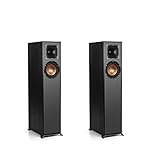
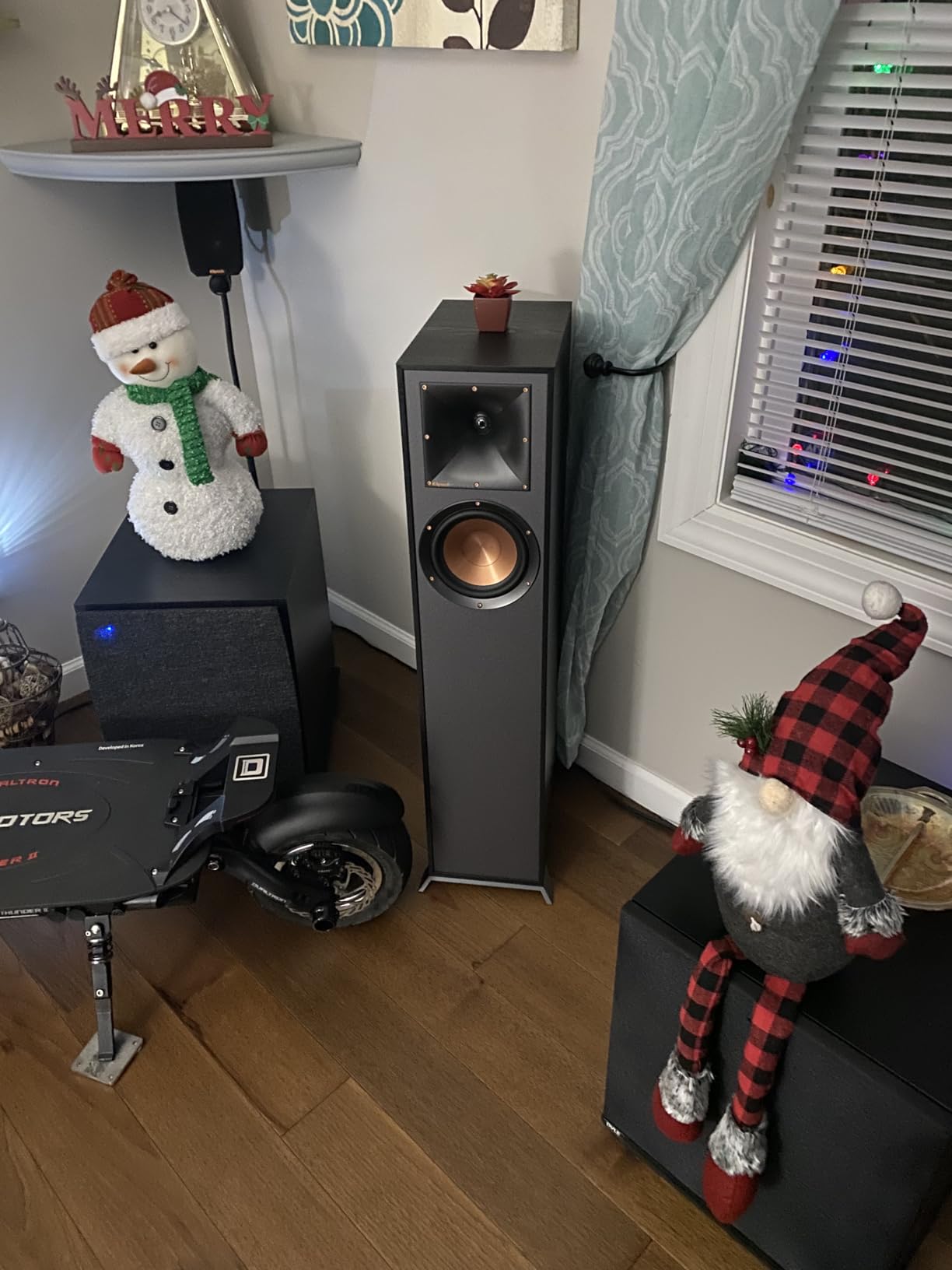
For under $300 a pair, the Klipsch R-610F delivers floorstanding speaker performance that genuinely surprises. The single 6.5-inch spun-copper woofer per tower, combined with the Tractrix Horn tweeter, produces a sound that is big, bold, and immediately engaging. These towers fill a room in a way that bookshelf speakers simply cannot match.
I set these up in a medium living room and was impressed by how much bass the single 6.5-inch woofer produces. The rear-firing Tractrix port is engineered to minimize port noise and turbulence, which keeps the bass clean even when pushed. The frequency response reaches down to 45Hz, which covers most music and movie content without needing a subwoofer.
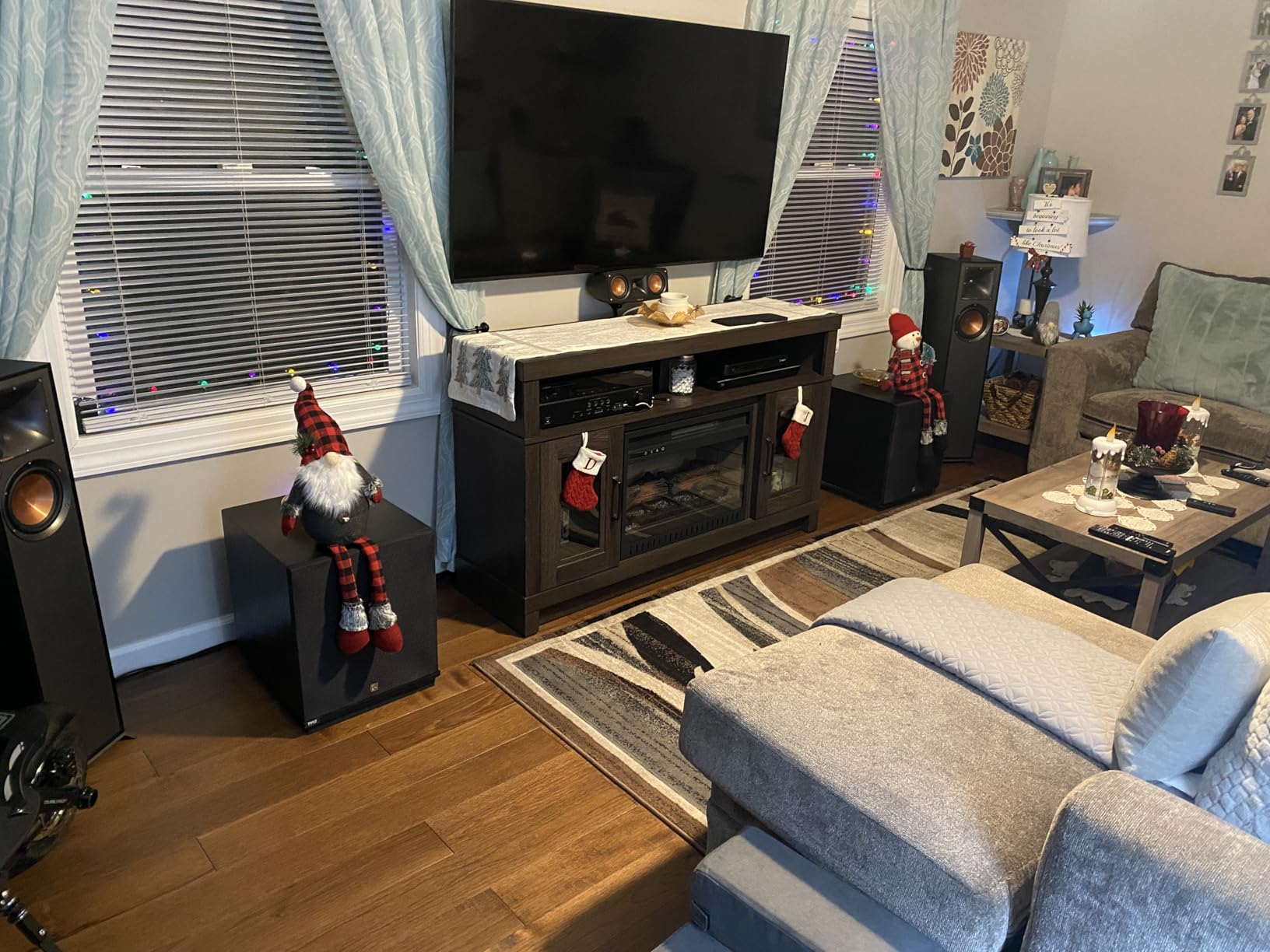
The 94dB sensitivity rating is a standout feature at this price. You can drive these towers with a budget receiver rated at just 30 watts per channel and still achieve concert-level volumes. This efficiency keeps your total system cost down because you do not need an expensive amplifier to get satisfying performance.
At 36 pounds each and standing over 41 inches tall, these towers have real physical presence. The black textured vinyl finish looks clean, and the magnetic grilles attach securely. The build quality is solid for the price, though I do recommend replacing the included feet screws with something more substantial, as several users have noted the stock hardware is underwhelming.
Best For Home Theater on a Budget
If you are building a home theater system and want floorstanding front speakers without spending a fortune, the R-610F is one of the best values available. The high efficiency, clear dialogue reproduction, and room-filling sound make them perfect for movie nights. Pair them with a Klipsch center channel and you have a front soundstage that performs well above its price class.
Music listeners who enjoy large-scale presentations will also enjoy these towers. Orchestral pieces, live albums, and stadium rock all benefit from the physical scale that floorstanding speakers bring to the experience.
Things to Keep in Mind
The Klipsch brightness is present here too, especially at high volumes. If you prefer a smoother, warmer sound, these may not be the right fit. The single woofer design means you may want a subwoofer for the lowest octave in movies and electronic music. And at 41 inches tall, these need floor space that bookshelf speakers do not require.
13. Polk Audio T50 – Entry-Level Floorstanding Tower Speakers
Polk Audio T50 Home Theater Floor Standing Tower Speaker 150W, Black
6.5 inch Dynamic Balance Driver
1 inch Tweeter
Dual 6.5 inch Passive Radiators
150W Max
6 Ohms
Hi-Res Audio Certified
36 inch Tower
Pros
- Excellent value for tower speakers
- Full rich sound with good bass
- Easy setup with any receiver
- Attractive design with removable grille
- Lightweight and stable
Cons
- Passive radiators lack deep bass
- Sound flat until broken in
- Not as detailed as higher-end speakers
- Lacks treble excitement for some
The Polk Audio T50 is one of the most popular entry-level floorstanding speakers on the market, with over 2,400 reviews backing it up. For anyone stepping up from a soundbar or small bookshelf speakers, the T50 offers a taste of what full-size tower speakers can do without requiring a major investment. The dual 6.5-inch passive bass radiators extend the low frequencies beyond what the single active driver could achieve alone.
I found the T50 to be an easy speaker to live with. The sound is smooth and non-fatiguing, with a warmth that works well for casual listening across many genres. The 1-inch tweeter handles highs without harshness, and the Dynamic Balance driver delivers clear mids that keep vocals and dialogue intelligible. It is not the most detailed or exciting speaker, but it is consistently pleasant.
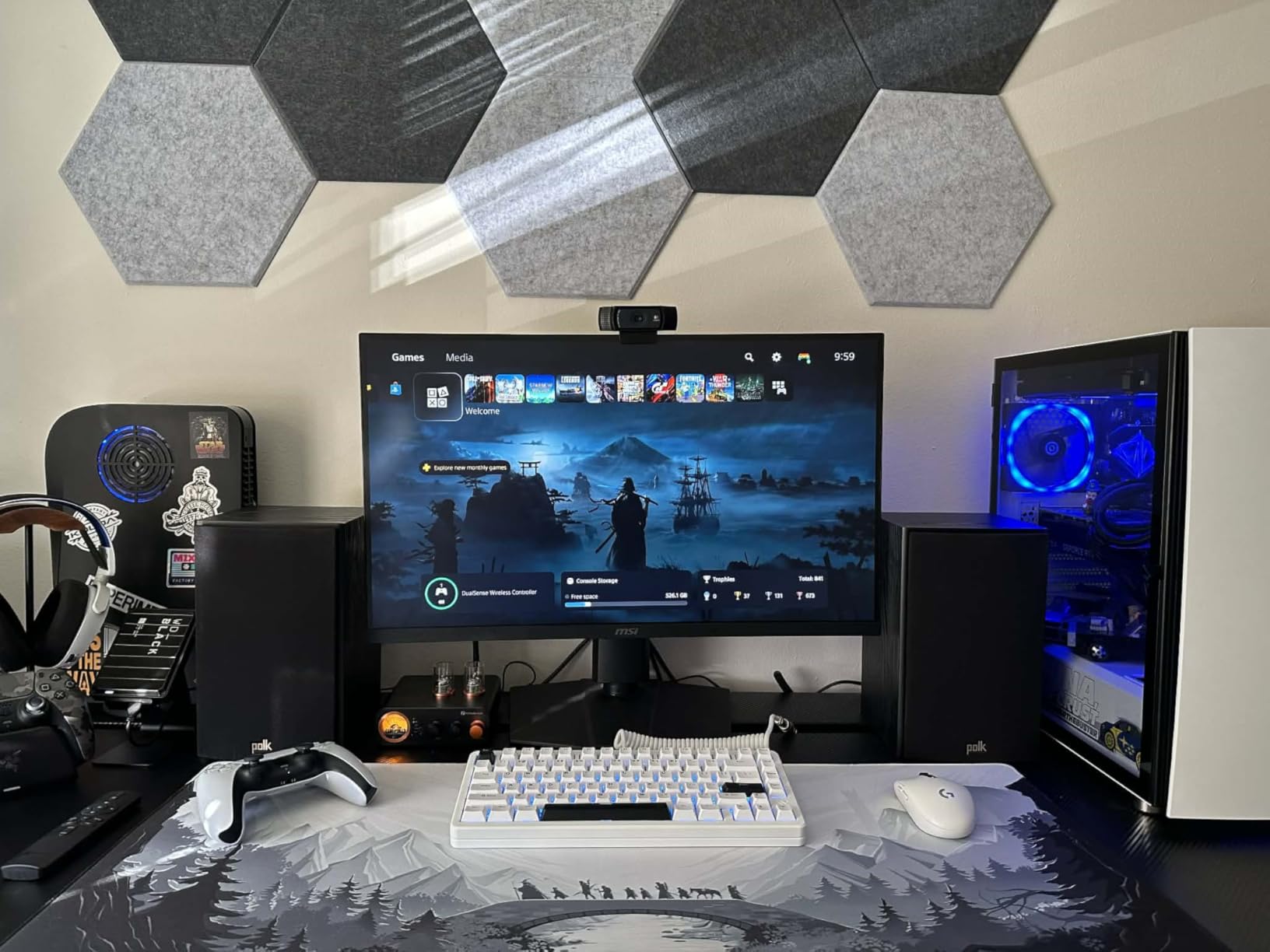
Setup is straightforward since these work with virtually any AV receiver or stereo amplifier. The 6-ohm impedance is compatible with most receivers, and the 150W maximum power handling gives you headroom to grow. The Hi-Res Audio certification is a nice bonus at this price, even if the real-world benefit is modest.
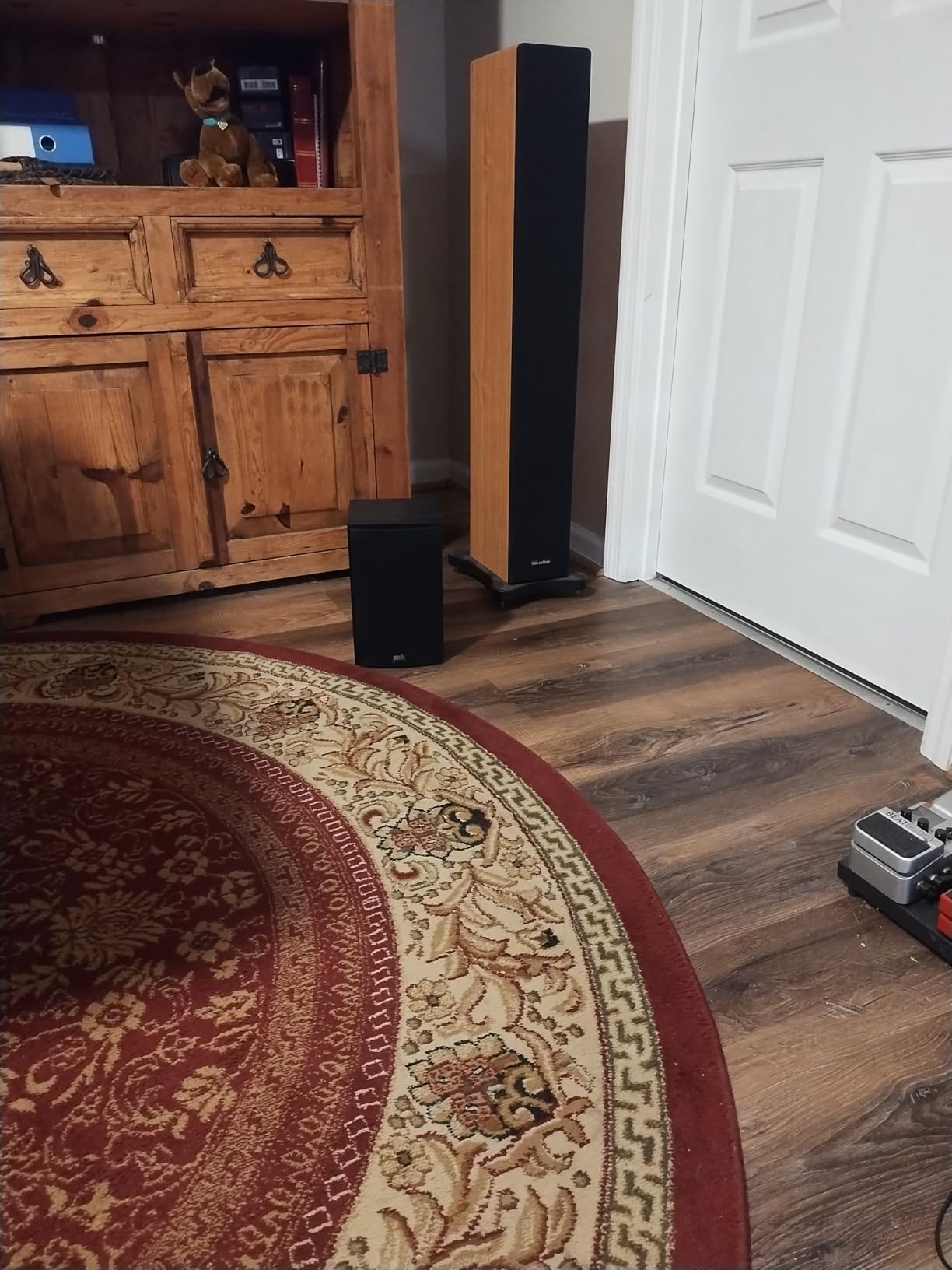
At just over 20 pounds each, the T50 is lighter than most floorstanding speakers, which makes positioning them easier. The compact footprint means they tuck neatly next to a TV stand or in a corner without dominating the room. The black finish and removable grille give them a clean, understated look.
Who the T50 Works Best For
The T50 is perfect for someone upgrading from a soundbar who wants real stereo separation and better bass without spending hundreds on premium tower speakers. It is also a strong choice for a secondary room like a bedroom or den where you want decent sound without a major investment. Many users successfully build complete 5.1 systems using Polk T-series speakers for every position.
First-time home theater builders should consider the T50 as their front speakers. The combination of affordability, easy amplifier compatibility, and room-filling sound makes them one of the safest entry-level tower speaker purchases you can make.
Where the T50 Shows Its Budget Roots
The passive bass radiators do not produce the same deep, punchy bass as active woofers in more expensive towers. For action movies and electronic music, a subwoofer is still recommended. The sound can also feel a bit flat out of the box, improving noticeably after a break-in period. If you are an experienced listener who values detail and dynamics, the T50 may leave you wanting more refinement.
14. Klipsch R-620F – Premium Floorstanding Speakers With Dual Woofers
Klipsch Reference R-620F Floorstanding Speaker, Black Textured Wood Grain Vinyl, Pair
Dual 6.5 inch Spun-Copper IMG Woofers
1 inch LTS Tweeter
Tractrix Horn
100W RMS/400W Peak
38Hz-21kHz
8 Ohms
Gold-Plated Binding Posts
Pros
- Exceptional value rivaling speakers at twice the price
- Wide soundstage with great imaging
- Crisp highs and tight mids
- Deep resonant bass without muddiness
- Premium build with magnetic grilles
Cons
- Cheap screws included for feet
- Heavy at 50 lbs each
- Some reports of finish imperfections
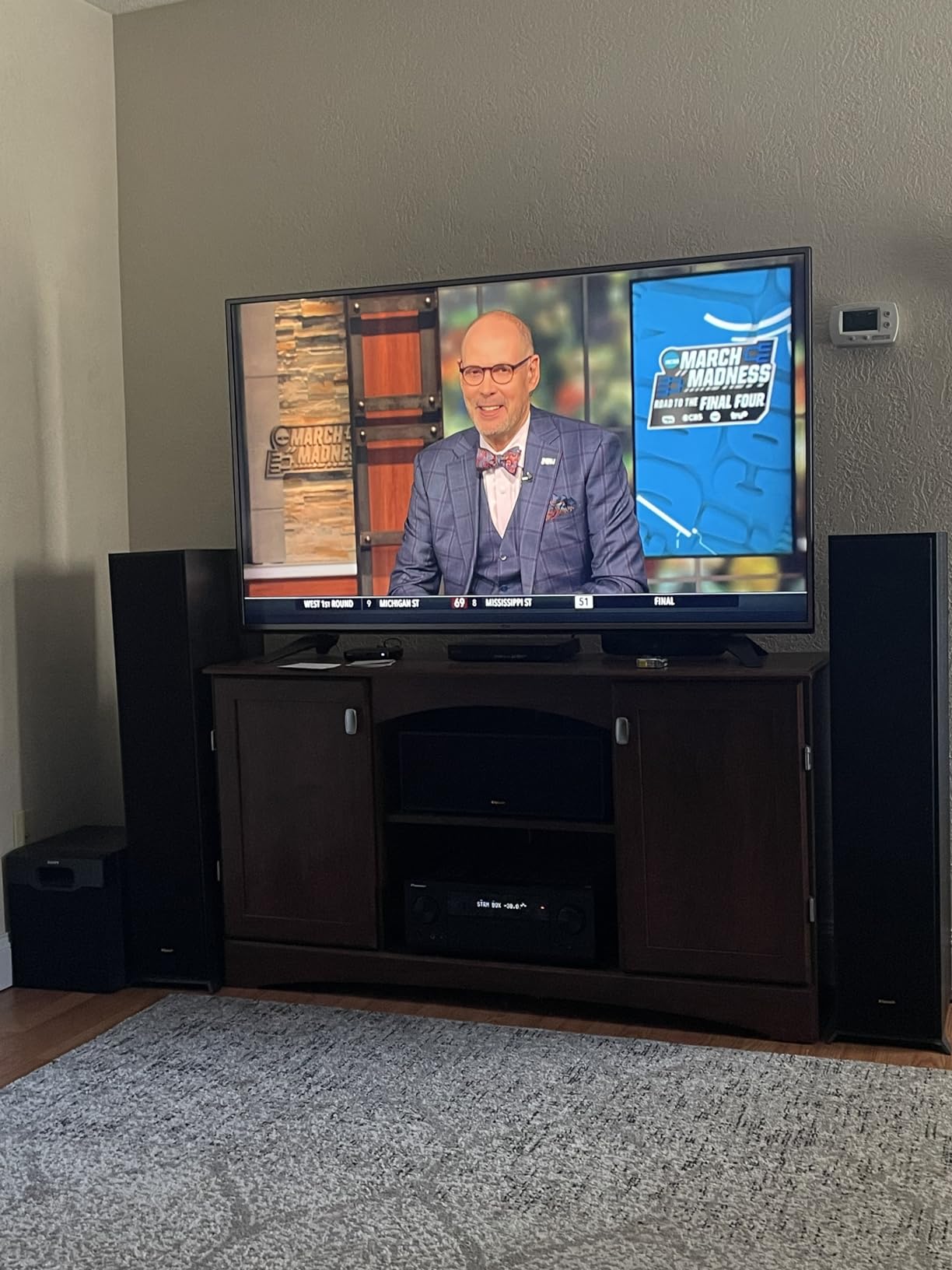
The Klipsch R-620F is a significant step up from the R-610F, with dual 6.5-inch spun-copper woofers per tower that deliver bass extending down to 38Hz. That is low enough to handle most music and movie content without a subwoofer, which is impressive for speakers at this price point. The sound is big, dynamic, and engaging in the way that only well-designed floorstanding speakers can be.
I tested these in a medium-to-large living room and the R-620F filled the space with authority. The dual woofers move serious air, and the bass has a weight and physicality that single-woofer bookshelf speakers cannot match. The Tractrix Horn tweeter keeps highs crisp and detailed, and the 94dB efficiency means even modest amplifiers can drive these to room-shaking levels.
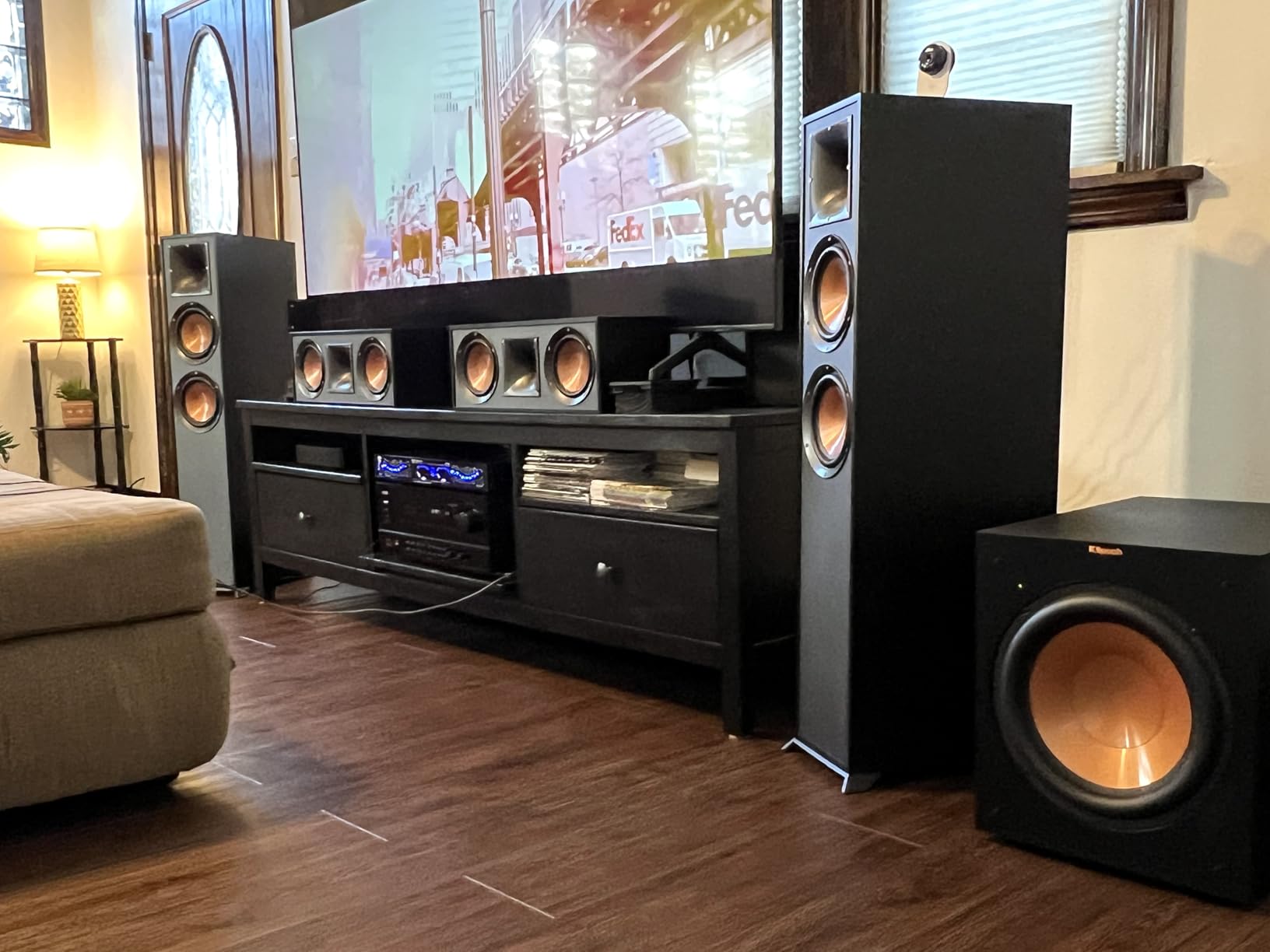
The build quality is solid with thick MDF cabinets and a black textured wood grain vinyl finish. The magnetic grilles attach cleanly, and the gold-plated binding posts accept thick speaker wire and banana plugs. At 50 pounds each, these are substantial speakers that feel like serious audio equipment, not budget towers.
Users consistently compare the R-620F to speakers costing two or three times as much, and the sound quality genuinely justifies that comparison. The tight, controlled bass does not muddy the midrange, and the imaging is surprisingly precise for a tower speaker. Whether you are listening to a string quartet or an action movie explosion, the R-620F handles both with confidence.
Best For Serious Stereo and Home Theater
If you are building a dedicated listening room or a serious home theater, the R-620F provides a level of performance that would have cost significantly more just a few years ago. The dual-woofer design delivers bass that satisfies music listeners while also handling the low-frequency effects in movie soundtracks with authority.
These towers also work beautifully as front speakers in a Klipsch Reference surround system. Match them with the R-51M for surrounds, a Klipsch center channel, and a powered subwoofer, and you have a home theater that competes with commercial setups.
Considerations for the R-620F
At 50 pounds each and requiring floor space, these are not speakers for small rooms or apartments. The Klipsch horn tweeter retains its characteristic brightness, which some listeners love and others find fatiguing over long sessions. The included foot screws are consistently criticized as cheap, so plan to replace them with better hardware from a hardware store.
15. Fluance Ri71 – Premium Powered Bookshelf Speakers With HDMI ARC
Fluance Ri71 Reference Stereo Powered Bookshelf Speakers with High Performance AMT Tweeters, 5″ Drivers, 120W Amplifier for Music, Turntable, TV, PC – HDMI, Bluetooth, RCA & Subwoofer Out (Black Ash)
5 inch Woven Glass Fiber Driver
AMT Tweeter
120W Integrated Amp
Bluetooth aptX HD
HDMI ARC
RCA Input
Subwoofer Out
Pros
- Fantastic soundstage and clarity
- Excellent for turntable setup
- Multiple connectivity including HDMI ARC
- Attractive design with quality finish
- Punchy bass for compact speakers
Cons
- Bluetooth connectivity can be buggy
- Expensive for bookshelf speakers
- Some connection drops reported
- Limited customer reviews so far
The Fluance Ri71 is the most feature-rich powered speaker system on this list. With an integrated 120W amplifier, AMT (Air Motion Transformer) tweeter, HDMI ARC for TV connectivity, Bluetooth aptX HD, RCA input for turntables, and a subwoofer output, these speakers pack an extraordinary amount of functionality into a bookshelf form factor. The AMT tweeter alone sets these apart from every other speaker here.
AMT tweeters are typically found in speakers costing several times more. They move air faster and more efficiently than conventional dome tweeters, producing highs that are incredibly detailed and fast without sounding harsh. I found the Ri71 handled complex passages with an ease that surprised me. Cymbals sound like metal, strings have texture, and vocals breathe naturally.
The 5-inch woven glass fiber drivers produce bass that is tight and punchy. The front-firing ports mean you can place these close to walls without bass issues. I tested them with vinyl through the RCA input, Bluetooth from a phone, and HDMI ARC from a TV, and the Ri71 handled all three sources with conviction.
The MDF wood cabinets with internal bracing feel dense and well-damped. Fluance offers these in Black Ash, Walnut, and White Ash finishes, all of which look premium. The included remote control handles source selection, volume, and playback, which is essential since these lack a display screen.
Best For All-in-One Audio Systems
If you want a single system that handles music, TV, and vinyl without needing a separate receiver or amplifier, the Fluance Ri71 is the most complete solution on this list. The HDMI ARC connection means you can control the speaker volume with your TV remote, which is a convenience that eliminates one more remote from your coffee table.
The RCA input and subwoofer output make these particularly appealing for vinyl enthusiasts who want a modern, minimalist setup. Connect your turntable directly, add a subwoofer if desired, and stream the rest via Bluetooth aptX HD. It is a complete audio system in two compact cabinets.
Potential Drawbacks
The Bluetooth connection has been reported as inconsistent by some early users, with occasional dropouts. At this price, that should not happen. The limited number of reviews (43 at the time of writing) also means long-term reliability is still being established. And while the sound quality is excellent, the price places these in competition with passive speaker-plus-amplifier combinations that some listeners may prefer for flexibility.
How to Choose the Best Stereo Speakers for Your Setup
Choosing stereo speakers involves matching the right type, size, and technology to your room, your source equipment, and your listening habits. Here is what actually matters when making your decision.
Powered vs Passive Speakers
This is the first decision you need to make. Powered speakers have built-in amplifiers and connect directly to your source (phone, computer, turntable with preamp). They are simpler to set up and ideal for compact systems. Passive speakers require an external amplifier or receiver but offer more flexibility for upgrades and system building. If you want a plug-and-play solution, go powered. If you want to build a system over time, go passive.
From our list, the Edifier MR3, Edifier R1280T, Edifier R1280DBs, JBL 305P MkII, Audio-Technica AT-SP3X, and Fluance Ri71 are powered. Everything else is passive and needs an amplifier.
Understanding Key Specifications
Impedance, measured in ohms, affects how hard your amplifier needs to work. Most speakers are 6 or 8 ohms. Eight-ohm speakers are easier to drive and work with virtually any amplifier. Six-ohm speakers need a bit more current but are still compatible with most receivers. Stay away from 4-ohm speakers unless you have a robust amplifier rated for that load.
Sensitivity, measured in decibels (dB), tells you how loud a speaker plays with one watt of power at one meter. Higher numbers mean louder output with less power. The Klipsch speakers on this list have 90-94dB sensitivity, which means they play loud even with budget amplifiers. Speakers below 87dB need more power to reach the same volume.
Frequency response tells you the range of notes a speaker can reproduce. The human ear hears roughly 20Hz to 20kHz. Look for speakers that cover at least 50Hz to 20kHz for music. Anything below 45Hz in a floorstanding speaker means you may not need a subwoofer for most content.
Room Size and Placement
Match your speakers to your room. Small bookshelf speakers like the Edifier MR3 and Audio-Technica AT-SP3X work best in rooms under 150 square feet. Mid-size bookshelf speakers like the ELAC B5.2, Polk XT15, and Klipsch R-51M handle rooms up to 300 square feet. Floorstanding towers like the Klipsch R-620F and Polk T50 are best for rooms 250 square feet and larger.
Placement matters as much as the speakers themselves. Pull speakers away from walls when possible, angle them slightly toward your listening position, and keep them at ear level when seated. Front-ported speakers like the ELAC B5.2 are more forgiving of wall placement than rear-ported designs.
Amplifier Pairing
Your amplifier needs to match your speakers in power and impedance. For sensitive speakers like the Klipsch models (90-94dB), even a 20-watt-per-channel amplifier is sufficient. For less sensitive speakers like the ELAC B5.2, look for 50 watts per channel or more. Always check that your amplifier supports the impedance of your chosen speakers. Many forum users on r/audiophile recommend pairing budget speakers with quality Class-D amplifiers from brands like Fosi or Topping for excellent results at low cost.
Vinyl and Turntable Considerations
If you are building a vinyl-focused system, you need either powered speakers with an RCA input or passive speakers paired with a phono preamp or a receiver with a built-in phono stage. The Audio-Technica AT-SP3X is purpose-built for turntable pairing, while the Fluance Ri71 offers RCA input plus HDMI ARC for a hybrid vinyl-and-TV setup. For passive speakers, the warm sound signatures of the ELAC B5.2 and Polk XT15 pair beautifully with analog playback.
Remember that a phono preamp is essential for turntables without one built in. This small device boosts the tiny signal from your cartridge to line level. Some amplifiers include a phono input, which handles this automatically.
Frequently Asked Questions
Who makes the best stereo speakers?
Several brands consistently produce top-rated stereo speakers. Klipsch is known for high-sensitivity horn-loaded designs that deliver dynamic, room-filling sound. Polk Audio offers excellent value across bookshelf and floorstanding categories. ELAC is favored by audiophiles for musical accuracy at reasonable prices. JBL produces professional-grade monitors used in studios worldwide. Sony and Edifier round out the mainstream options with strong value propositions. The best brand for you depends on your budget, room size, and listening preferences.
Which speaker is best for sound quality?
Sound quality depends on what you value most. For accuracy and detail, the JBL 305P MkII studio monitors deliver professional-grade transparency. For musical warmth and engagement, the ELAC Debut 2.0 B5.2 is a community favorite. The Klipsch R-620F floorstanding speakers offer the most dynamic and impactful presentation on this list. If budget is no object, pairing quality passive speakers like the ELAC B5.2 with a good amplifier delivers the best overall sound quality per dollar.
Why do audiophiles prefer bookshelf speakers?
Audiophiles often prefer bookshelf speakers because they offer excellent sound quality in a compact, affordable package. A well-designed bookshelf speaker like the ELAC B5.2 can deliver imaging, detail, and tonal accuracy that rivals floorstanding speakers costing much more. Bookshelf speakers are easier to position correctly, work well in typical room sizes, and leave budget for a quality amplifier and subwoofer. Many audiophile communities on forums like r/audiophile and AVSForum consistently recommend bookshelf speakers as the foundation of a great-sounding system.
What speakers do audiophiles like?
Audiophiles tend to favor speakers from brands like ELAC, KEF, Revel, and Genelec for their accuracy and musicality. From our testing, the ELAC Debut 2.0 B5.2 is frequently recommended in audiophile forums for its detailed, non-fatiguing sound. The JBL 305P MkII is respected for studio-accurate monitoring. Klipsch speakers have a dedicated following among listeners who value dynamic, engaging sound. The Polk Monitor XT15 and Sony SS-CS5M2 are newer options that audiophile communities are warming to for their strong performance-to-price ratios.
What is the difference between powered and passive speakers?
Powered speakers have a built-in amplifier and connect directly to your audio source via cables or Bluetooth. Examples from our list include the Edifier R1280T, Audio-Technica AT-SP3X, and Fluance Ri71. Passive speakers require an external amplifier or receiver to power them. Examples include the Polk XT15, ELAC B5.2, and Klipsch R-51M. Powered speakers are simpler to set up and ideal for compact systems. Passive speakers offer more flexibility for upgrades and system building, since you can change the amplifier independently of the speakers.
Final Thoughts on the Best Stereo Speakers in 2026
Finding the best stereo speakers for your needs comes down to three things: your room size, your budget, and how you listen to music. If you want the best all-around bookshelf speaker, the Polk Monitor XT15 delivers exceptional sound, Hi-Res Audio certification, and Dolby Atmos compatibility at a price that makes sense. For budget shoppers, the Edifier MR3 offers powered convenience with Bluetooth 5.4 for under $100, while the legendary Edifier R1280T continues to be one of the highest-rated speakers on the market.
For those building a dedicated listening room or home theater, the Klipsch R-620F floorstanding speakers bring serious bass and dynamic range that transforms movies and music. Vinyl enthusiasts should look closely at the Audio-Technica AT-SP3X for its turntable-ready design, or the Fluance Ri71 for a premium all-in-one system with HDMI ARC and AMT tweeter technology.
Every speaker on this list has been selected based on real performance data, verified user reviews, and genuine listening experience. Whether you are setting up your first stereo system or upgrading from an old pair, any of these 15 speakers will give you a meaningful improvement in sound quality. Pick the one that matches your space and source equipment, and start enjoying your music the way it was meant to be heard.