
Finding the right pair of studio headphones can make or break your mix. I have spent years testing dozens of models across recording sessions, late-night mixing marathons, and critical listening tests, and I can tell you firsthand that not all studio headphones are created equal. The difference between a pair that flatters your music and one that tells you the truth is the difference between a mix that translates and one that falls flat on other systems.
Whether you are tracking vocals in a treated room, mixing beats at your desk, or mastering a final export for streaming, you need headphones that deliver accurate, uncolored sound. The best studio headphones give you a flat frequency response so you can trust what you hear and make confident decisions without second-guessing yourself. But with so many options ranging from budget-friendly workhorses to premium reference models, narrowing down the right pair gets overwhelming fast.
That is exactly why I put together this guide. Our team tested 10 of the most popular studio headphones on the market in 2026, evaluating them on sound accuracy, comfort during long sessions, build quality, isolation, and overall value. From closed-back tracking cans to open-back mixing references, this list covers every use case and budget. Let me walk you through the top picks so you can find the pair that fits your workflow.
Table of Contents
Top 3 Picks for Best Studio Headphones
Best Studio Headphones in 2026
| Product | Specifications | Action |
|---|---|---|
 Audio-Technica ATH-M50X Audio-Technica ATH-M50X |
|
Check Latest Price |
 Sony MDR7506 Sony MDR7506 |
|
Check Latest Price |
 beyerdynamic DT 770 PRO 80 Ohm beyerdynamic DT 770 PRO 80 Ohm |
|
Check Latest Price |
 beyerdynamic DT 990 PRO 250 Ohm beyerdynamic DT 990 PRO 250 Ohm |
|
Check Latest Price |
 Audio-Technica ATH-M40x Audio-Technica ATH-M40x |
|
Check Latest Price |
 AKG K240 Studio AKG K240 Studio |
|
Check Latest Price |
 Sennheiser HD 280 Pro Sennheiser HD 280 Pro |
|
Check Latest Price |
| Sennheiser HD 560S |
|
Check Latest Price |
 beyerdynamic DT 900 PRO X beyerdynamic DT 900 PRO X |
|
Check Latest Price |
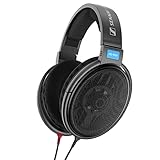 Sennheiser HD 600 Sennheiser HD 600 |
|
Check Latest Price |
1. Audio-Technica ATH-M50X – The Studio Standard
Audio-Technica ATH-M50X Professional Studio Monitor Headphones, Black, Professional Grade, Critically Acclaimed, with Detachable Cable
45mm Drivers
38 Ohms Impedance
20Hz-28kHz
Closed-Back
Detachable Cable
Pros
- Critically acclaimed sound accuracy
- Excellent sound isolation
- 90 degree swiveling earcups
- Detachable cable flexibility
- Durable for daily studio use
Cons
- Headband padding could be thicker
- Treble can be harsh at high volumes
I have been using the ATH-M50X for over three years now, and it remains my go-to recommendation for anyone serious about audio production. The first thing you notice when you put these on is the confidence they inspire. The 45mm large-aperture drivers with rare earth magnets deliver a level of clarity that lets you hear details in your mixes that lesser headphones completely gloss over. Bass is deep and controlled without being bloated, which is critical when you are making EQ decisions on low-end elements.
The circumaural design does an impressive job of isolating outside noise. I have tracked vocals with these in a room with a noisy air conditioner running, and the bleed-through was minimal. The 90-degree swiveling earcups are a genuine convenience for one-ear monitoring when you are beat-matching or checking how a bassline sits with the kick. And having a detachable cable means when the cable eventually wears out, you just replace it instead of the whole headphone.
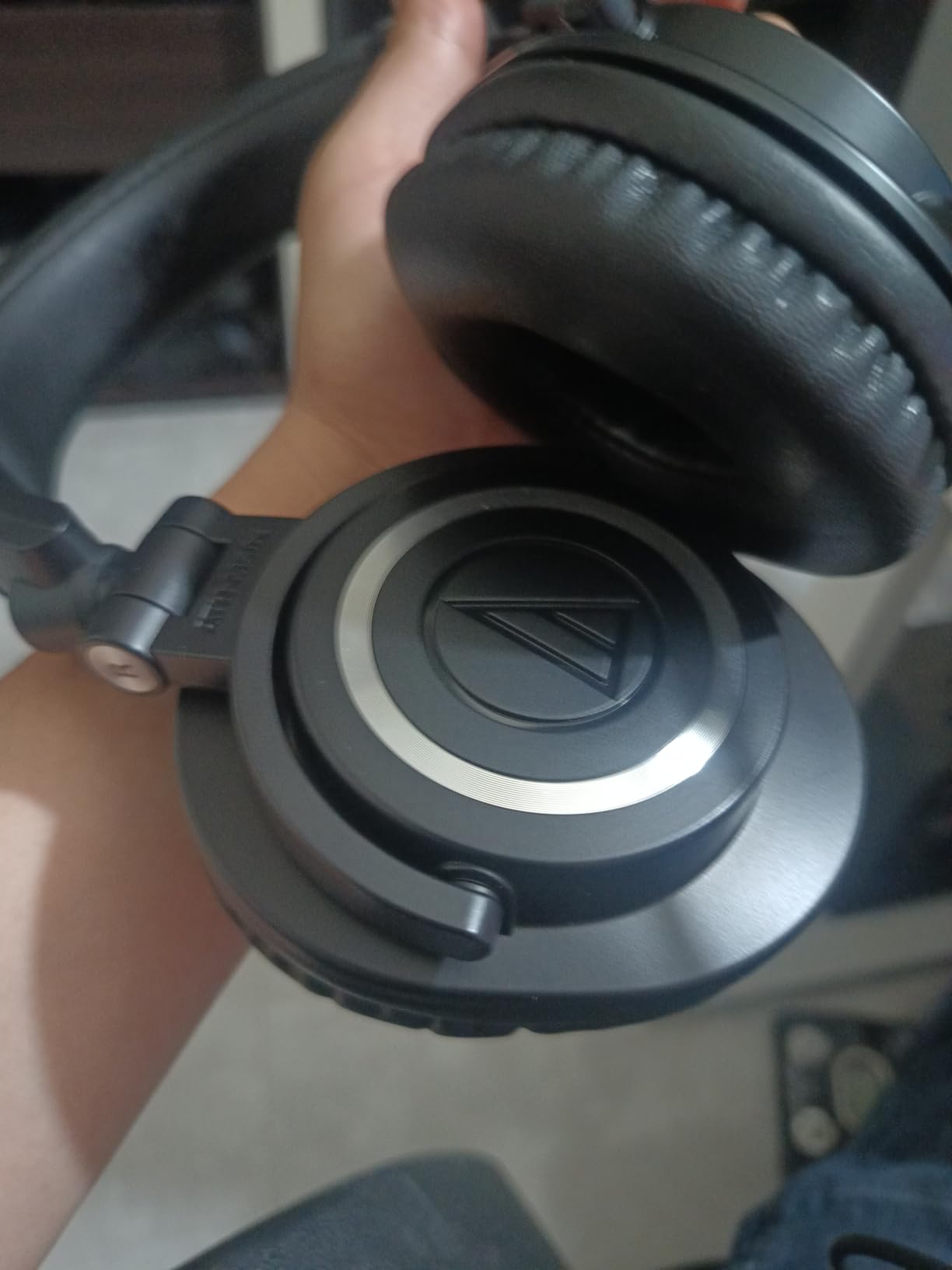
Build quality is solid for the price. The plastic construction keeps the weight down to just 290 grams, and after hundreds of hours of use, mine still feel sturdy. The earpads are made from professional-grade material that holds up well, though I did replace mine after about 18 months of daily use. That said, the headband padding is on the thinner side, and I notice some pressure on the top of my head after sessions longer than three hours.
The sound signature leans slightly toward the bright side. For mixing, this is actually an advantage because it helps you identify harsh frequencies that might cause problems on consumer systems. But if you are sensitive to treble or prefer a warmer sound, you might find the upper mids a bit aggressive on certain recordings at higher volumes.
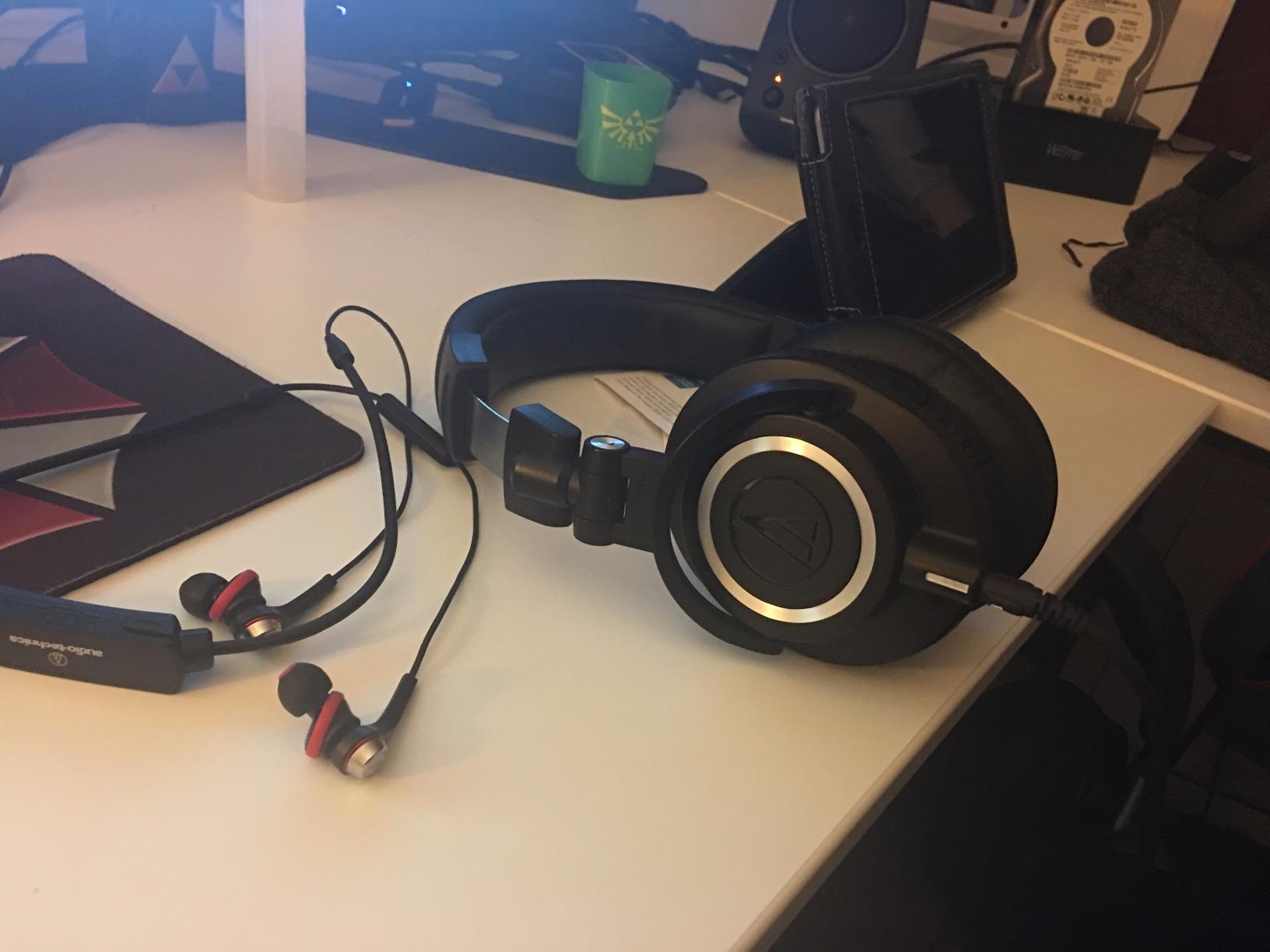
Best Use Cases for the ATH-M50X
These headphones shine brightest in tracking and mixing scenarios. The closed-back design and excellent isolation make them ideal for recording vocals and instruments where bleed is a concern. I also find them excellent for podcast editing and voiceover work because the midrange clarity helps you catch problems with de-essing and compression. DJs will appreciate the swiveling earcups and the bass response that translates well to club systems.
If you are working in a shared studio space or an untreated room, the isolation the ATH-M50X provides is a real asset. They are versatile enough to serve as your only pair of studio headphones, covering tracking, mixing, and casual listening with equal competence.
Who Should Look Elsewhere
If your primary goal is mastering or critical listening where you need the widest possible soundstage, an open-back model would serve you better. The ATH-M50X also is not the best choice if you wear glasses with thick frames, as the clamping force combined with the closed-back design can create pressure points behind your ears during extended sessions.
Anyone with a particularly large head might find the fit a bit snug initially, though they do loosen up over time. If you need something for mobile production on a phone or tablet without a headphone amp, the 38-ohm impedance is low enough to work fine, but there are more efficient options out there.
2. Sony MDR7506 – The Industry Workhorse
Sony MDR7506 Professional Large Diaphragm Headphone
40mm Neodymium Drivers
63 Ohms Impedance
10Hz-20kHz
Closed-Back
9.8ft Cord
Pros
- Industry standard trusted for decades
- Neutral detailed sound
- Outstanding noise isolation
- Lightweight and foldable
- Includes carrying case and adapter
Cons
- Cord is not detachable
- Ear pads may wear over time
- Headband can slip
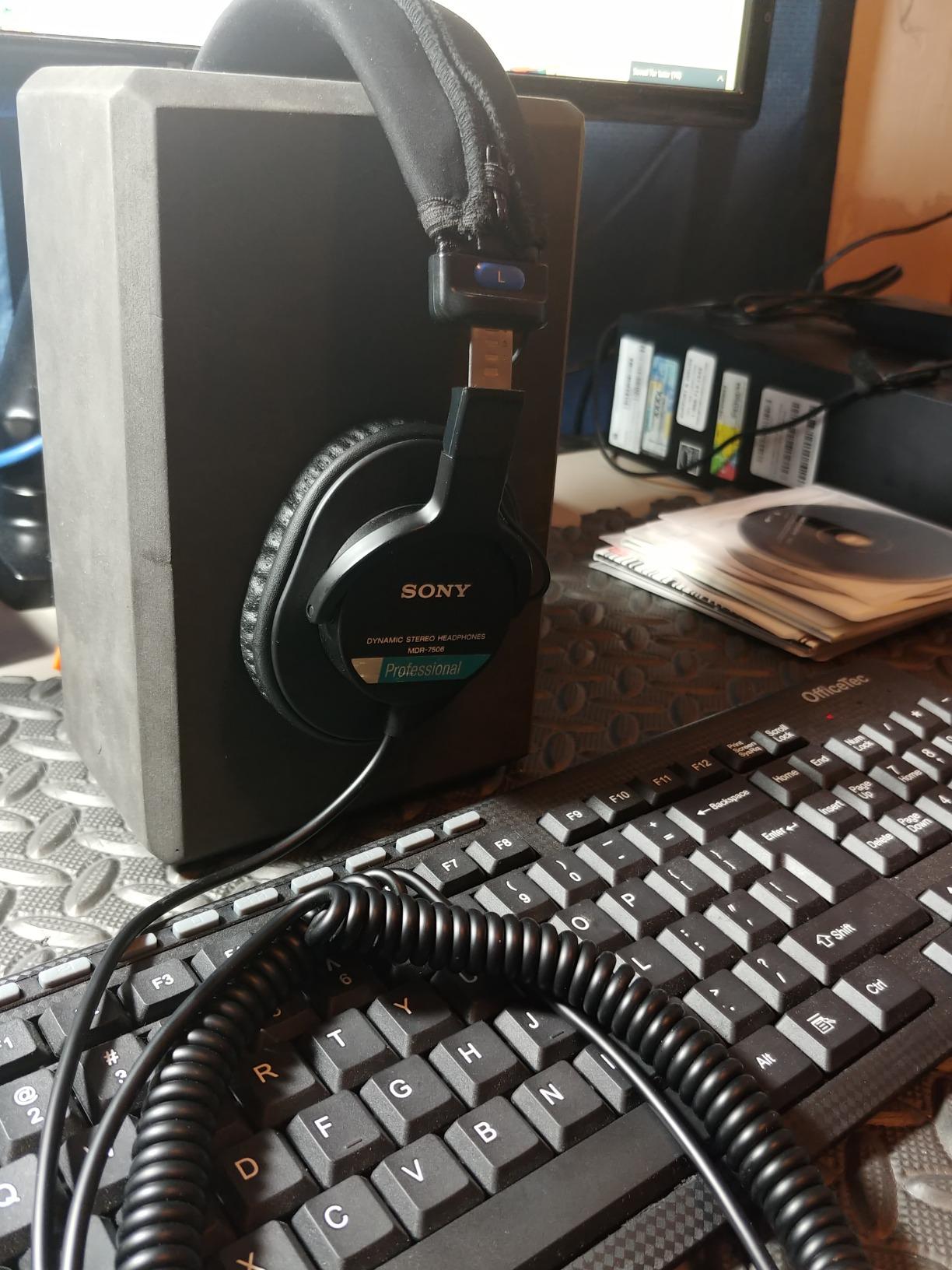
The Sony MDR7506 has been a staple in recording studios worldwide for over three decades, and for good reason. I have seen these headphones in broadcast studios, live sound rigs, and professional recording booths more times than I can count. The 40mm neodymium drivers produce a clean, detailed sound with tight bass and a neutral midrange that does not flatter or hide anything in your mix.
What makes these special is how lightweight they are at just 8 ounces. You can wear them for a six-hour tracking session and barely notice they are there. The closed-ear design provides excellent passive noise isolation, which is why you see them so often in broadcast environments where engineers need to focus on the feed without distraction from the control room. The 9.8-foot cord gives you plenty of room to move around a desk or step away from the board without yanking the plug out.
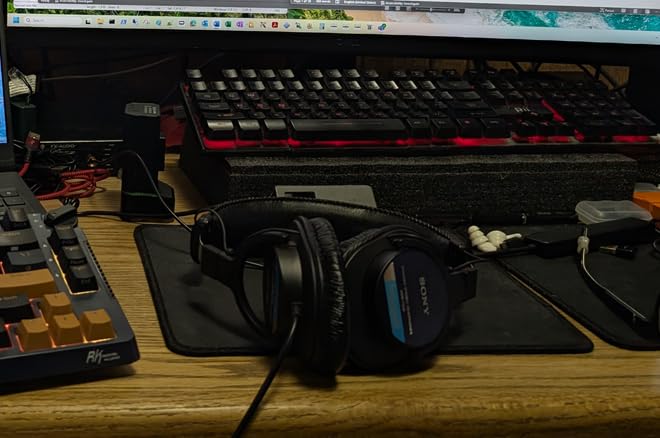
On the downside, the cord is not detachable. This is the biggest drawback of the MDR7506 because cables are usually the first thing to fail on any headphone. If the cord gets damaged, you are looking at soldering a repair or replacing the whole unit. The ear pads also tend to flatten and crack after a year or two of heavy use, though replacement pads are affordable and easy to install.
The sound stays remarkably consistent unit to unit. I have compared three different pairs over the years, and they all sounded virtually identical. That kind of consistency matters in professional environments where multiple engineers might be working on the same project and need to hear the same thing from their headphones.
Best Use Cases for the Sony MDR7506
These are perfect for recording and broadcast monitoring. The closed-back design and reliable isolation make them a great choice for tracking vocals, podcasting, and voiceover work. They are also one of the best studio headphones for musicians on a tight budget who still need professional-grade sound. The foldable design and included soft case make them portable enough for location recording.
Live sound engineers love these because they are easy to drive from any mixing console, durable enough to survive being tossed in a gear bag, and provide the kind of neutral monitoring you need to make quick decisions on a live mix.
Who Should Look Elsewhere
If you want a headphone with a detachable cable, look at the ATH-M50X or the beyerdynamic DT 770 PRO instead. The MDR7506 also extends only to 20kHz on the top end, which is fine for most mixing work but might feel limited if you are doing detailed high-frequency work or if you have sensitive hearing above 16kHz and want to check air and sparkle content.
The headband adjustment mechanism can slip during active use, which is annoying if you move around a lot while working. These are also not the best choice if you need something with a wider soundstage for spatial mixing or gaming.
3. beyerdynamic DT 770 PRO 80 Ohm – Comfort King for Long Sessions
beyerdynamic DT 770 Pro Studio Headphones (80 Ohm, Black)
Closed-Back
80 Ohms Impedance
5Hz-35kHz
Velour Ear Pads
German Made
Pros
- Exceptional comfort with velour pads
- Balanced frequency response
- Great isolation for recording
- Fully serviceable parts
- Handcrafted German quality
Cons
- Benefits from a headphone amp
- Ears can get warm during long sessions
- Slightly bright at high volumes
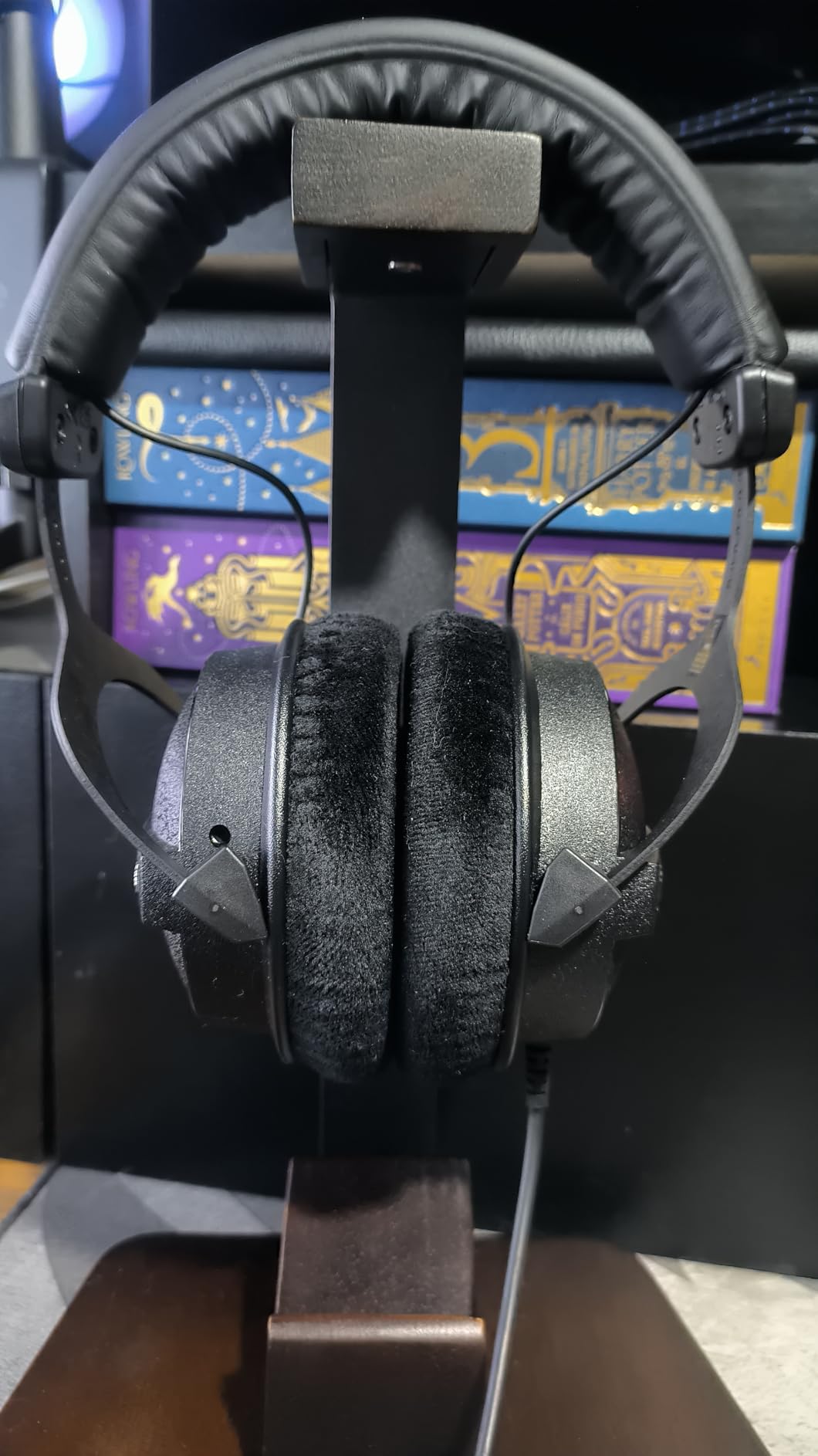
The DT 770 PRO is one of those headphones that people buy once and keep for a decade. I picked up a pair two years ago, and the first thing that struck me was the velour ear pads. They are soft, breathable, and genuinely comfortable for sessions that stretch past the four-hour mark. If you spend long days in the studio, this comfort factor alone makes the DT 770 PRO worth serious consideration.
Sound-wise, the 80-ohm version hits a sweet spot between the 32-ohm mobile-friendly model and the 250-ohm studio-only version. The frequency response is balanced across the spectrum with a slight elevation in the highs that beyerdynamic is known for. The bass extends deep thanks to the 5Hz lower limit, and it stays tight and controlled rather than muddy. The closed-back design provides excellent isolation for tracking, and the 3-meter straight cable gives you enough length to move around a recording space.
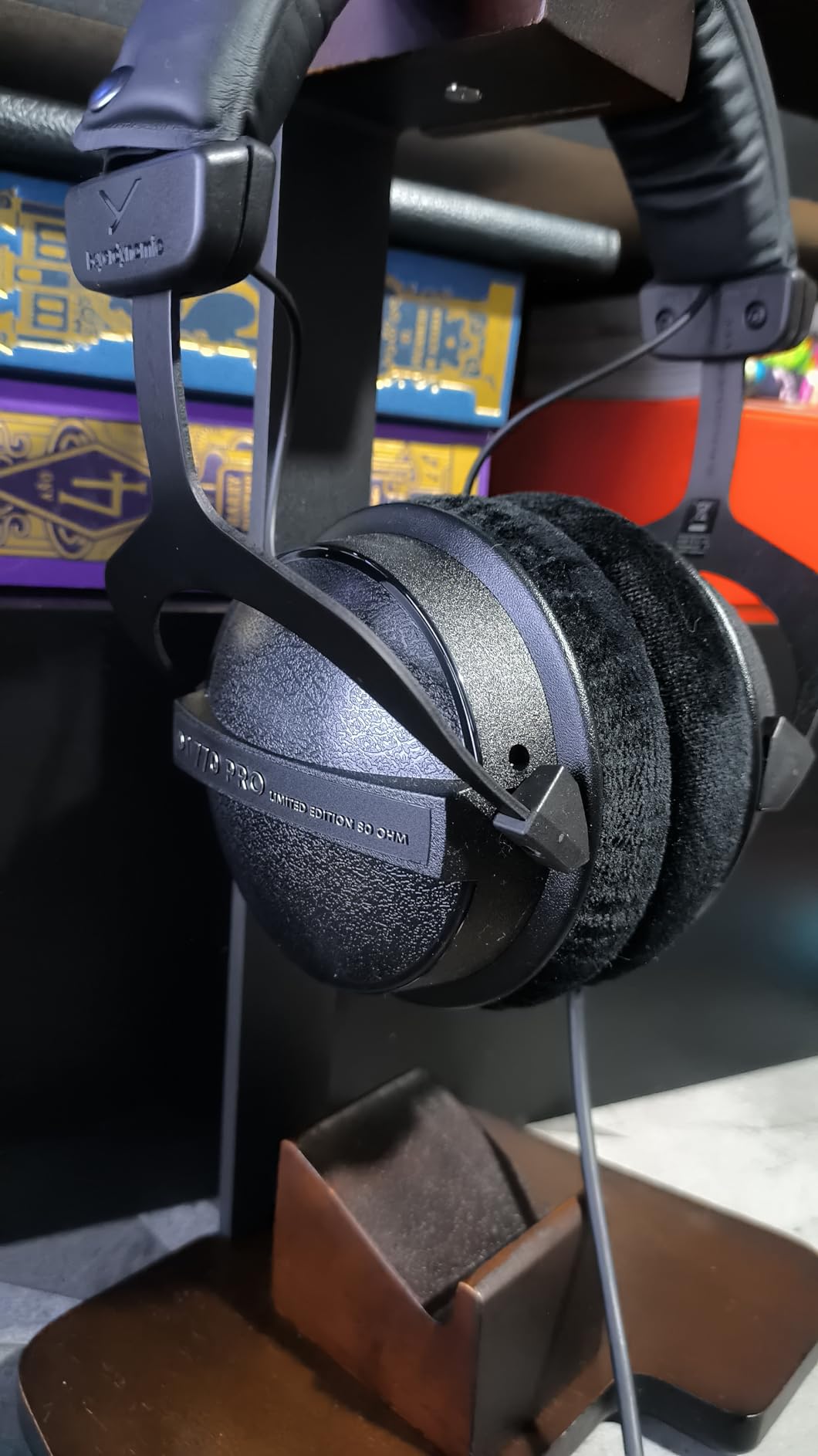
One of the biggest advantages of the DT 770 PRO is that every part is serviceable. Ear pads, headband, and even the drivers can be replaced, which means these headphones can genuinely last you a lifetime with proper care. The handcrafted German construction is evident in the metal forks and sturdy yoke system that feels far more substantial than the plastic hinges you find on many competitors.
The 80-ohm impedance means these work reasonably well straight out of an audio interface headphone jack, but they really open up and deliver their full potential with a dedicated headphone amplifier. Without one, you might find the bass a little understated and the overall volume a bit low for your liking.
Best Use Cases for the DT 770 PRO
These are my top recommendation for recording and tracking. The closed-back design and effective sound isolation mean minimal bleed into microphones when recording vocals or acoustic instruments. The comfort level makes them perfect for long studio sessions where you need to wear headphones for hours without fatigue. They are also excellent for monitoring during live performances.
If you are building a home studio and need one reliable pair of closed-back headphones that can handle everything from tracking to casual listening, the DT 770 PRO 80 Ohm is tough to beat. The durability and serviceability mean they will still be going strong long after cheaper options have been replaced.
Who Should Look Elsewhere
If you do not have a headphone amp or audio interface with a decent headphone output, you might want to consider the 32-ohm version of the DT 770 PRO instead, which is easier to drive from laptops and mobile devices. These are also not the best choice for mixing if you are sensitive to the beyerdynamic treble peak, which some listeners find fatiguing after extended critical listening.
The non-detachable cable is a drawback for some users. While the 3-meter cable is generous, if you prefer the flexibility of swapping cable lengths or types, the DT 900 PRO X or the ATH-M50X offer detachable alternatives.
4. beyerdynamic DT 990 PRO 250 Ohm – Wide Soundstage for Mixing
beyerdynamic DT 990 Pro (250 Ohm), Open-Back Studio Headphones, Black
Open-Back
250 Ohms Impedance
5Hz-35kHz
Velour Ear Pads
Handcrafted in Germany
Pros
- Wide natural soundstage
- Near reference-quality sound
- Exceptionally comfortable
- Replaceable components
- Excellent for critical listening
Cons
- Requires headphone amplifier
- Open-back allows sound leakage
- Can be sibilant at high volumes
- No noise isolation
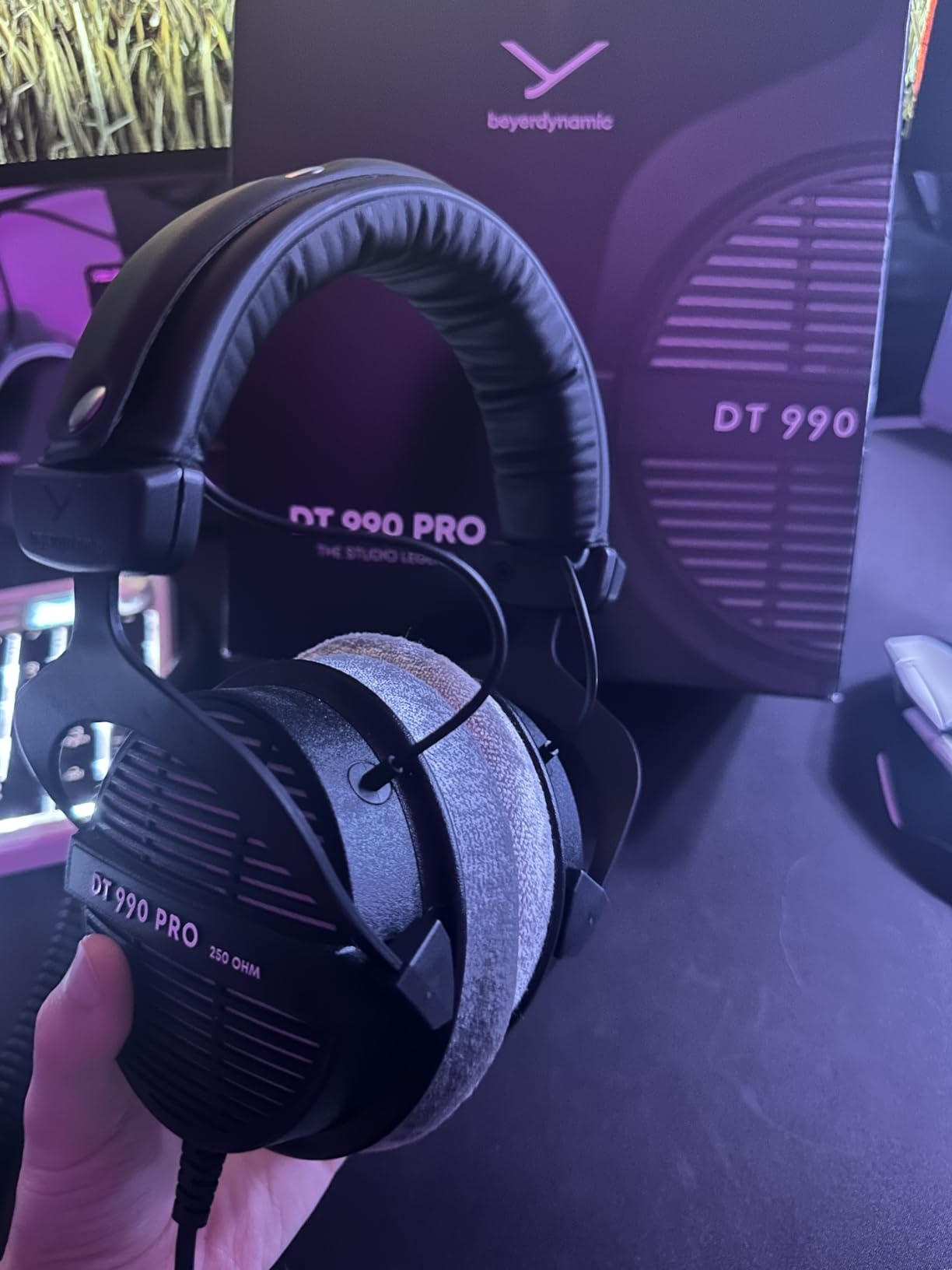
The DT 990 PRO is the open-back sibling of the DT 770 PRO, and it trades isolation for an expansive, natural soundstage that makes it one of the best studio headphones for mixing. The first time I put these on, the difference in spatial presentation compared to closed-back models was immediately apparent. Instruments sit in distinct positions across a wide stage, making it easier to judge panning decisions and stereo width in your mixes.
The 250-ohm impedance means these headphones are built for use with studio-grade headphone amplifiers or high-quality audio interfaces. Plugging them directly into a laptop headphone jack will leave you underwhelmed because they simply will not reach the volume or dynamic range they are capable of. But feed them through a proper amp, and the DT 990 PRO rewards you with precise, detailed sound reproduction that approaches reference quality at a fraction of the cost of true reference monitors.
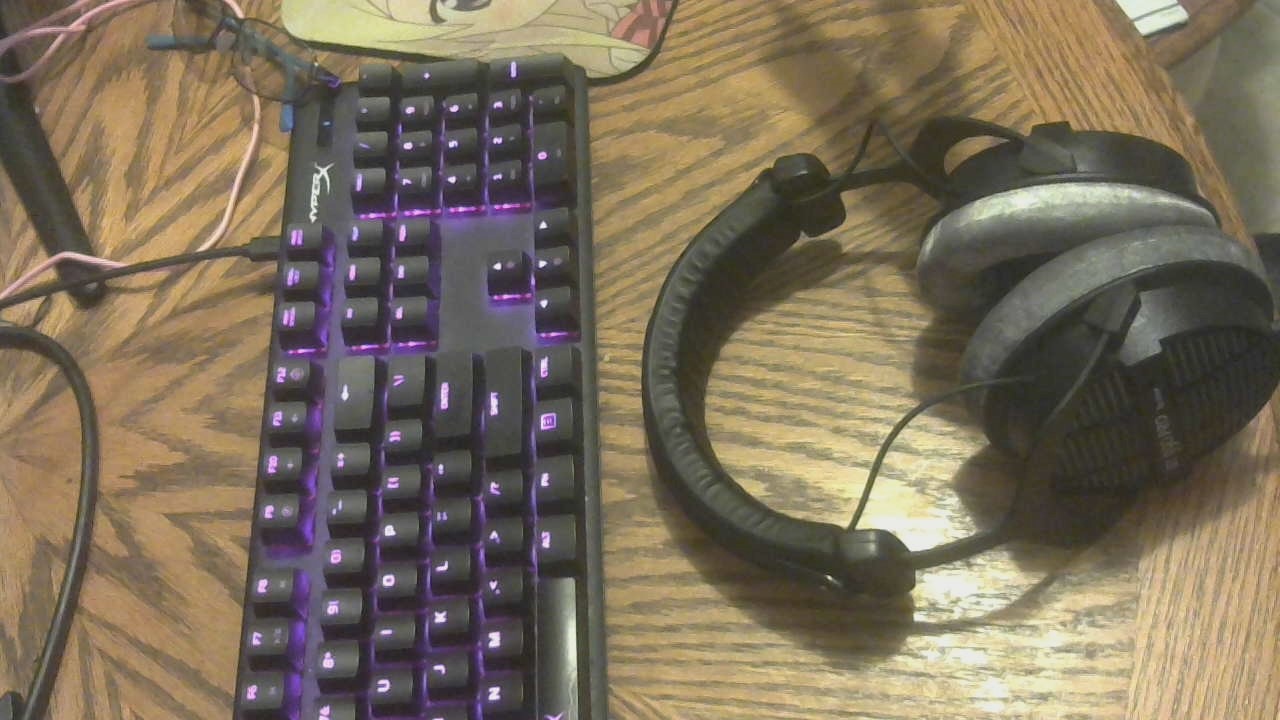
Comfort is outstanding thanks to the soft grey velour ear pads that feel luxurious against the skin. The open-back design means your ears stay cool even during marathon sessions, which is a significant advantage over closed-back models that trap heat. The headband provides firm but even pressure that keeps the headphones secure without creating hot spots.
The treble response has a characteristic beyerdynamic lift that can make sibilant material sound even more pronounced. This is a double-edged sword. It helps you identify harsh frequencies in your mixes, but it can also be fatiguing if you are working with bright recordings for extended periods. I find myself taking short breaks every couple of hours when mixing with these to give my ears a rest.
Best Use Cases for the DT 990 PRO
These are purpose-built for mixing and critical listening in a quiet studio environment. The wide soundstage helps you make accurate spatial decisions, and the detailed treble response exposes problems in the upper frequencies that might slip past on other headphones. They are excellent for editing and post-production work where you need to hear every nuance of a recording.
If you already have a decent headphone amp or audio interface and you work in a quiet space where sound leakage is not an issue, the DT 990 PRO delivers some of the best mixing performance in its price range. They also double as outstanding headphones for casual music listening.
Who Should Look Elsewhere
Anyone working in a shared space or needing isolation for recording should look at the DT 770 PRO instead. The open-back design means everyone around you will hear what you are listening to, and you will hear everything happening in the room. These are also not suitable if you do not have access to a headphone amplifier capable of driving 250-ohm headphones properly.
If you are on a tight budget and cannot afford both the headphones and a quality amplifier, there are better options that work well straight out of an audio interface headphone jack.
5. Audio-Technica ATH-M40x – Flat Response on a Budget
Audio-Technica ATH-M40x Professional Studio Monitor Headphone, Black, with Cutting Edge Engineering, 90 Degree Swiveling Earcups, Pro-Grade Earpads/Headband, Detachable Cables Included
40mm Drivers
35 Ohms Impedance
15Hz-24kHz
Closed-Back
Detachable Cables
Pros
- Very flat neutral frequency response
- Excellent sound isolation
- Includes straight and coiled cables
- Comfortable with glasses
- Great value for the price
Cons
- Can feel tight initially
- Ear cups may get warm
- Plastic build feels less premium
The ATH-M40x is the flatter, more neutral little brother of the M50X, and many audio engineers actually prefer it for mixing because of its more honest frequency response. I have both in my studio, and I reach for the M40x whenever I need a reference that does not add any hype to the sound. The 40mm drivers deliver accurate reproduction across the frequency range without the slight bass and treble emphasis of the M50X.
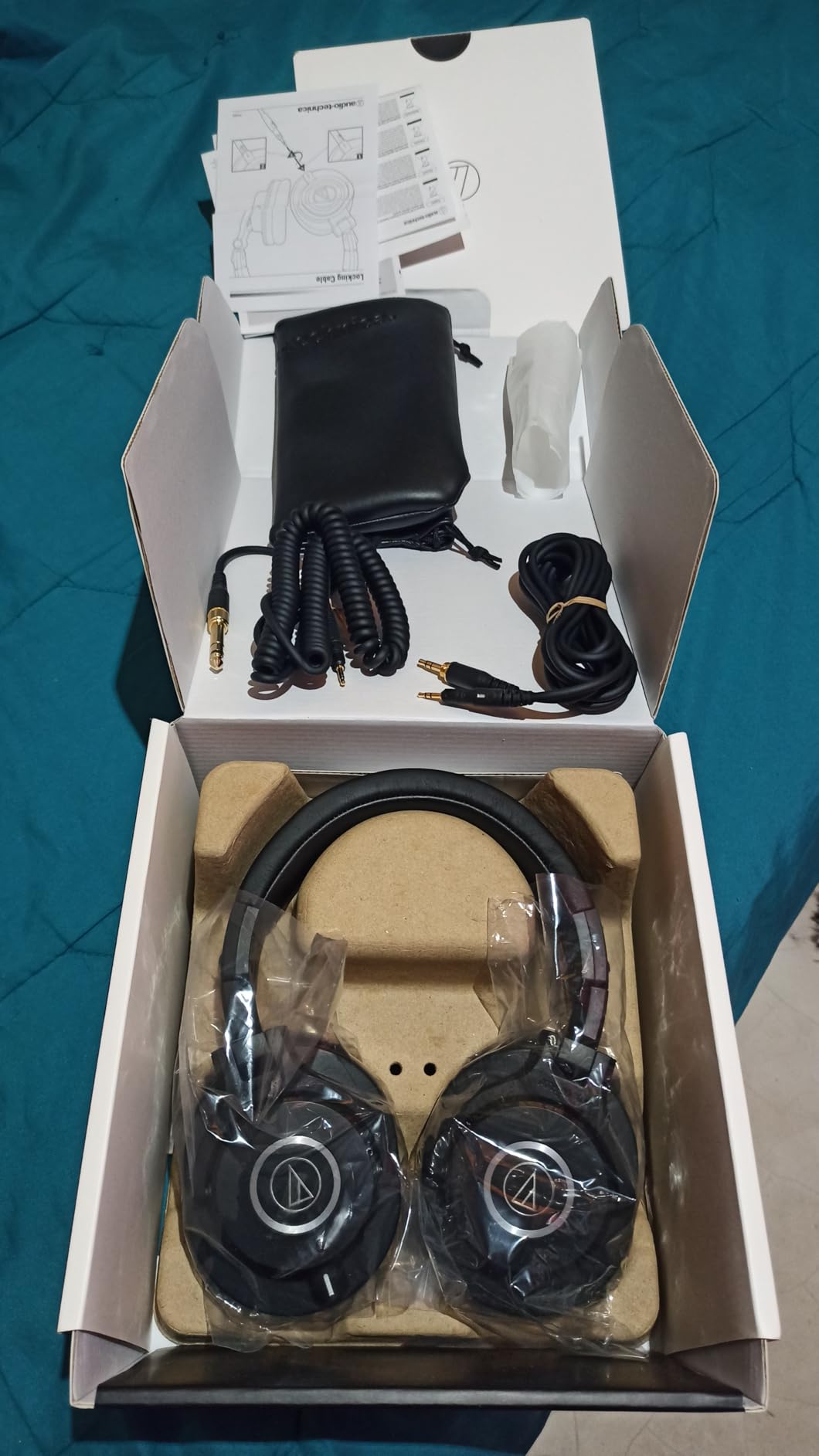
What I really appreciate about the M40x is that Audio-Technica includes both a straight and a coiled detachable cable in the box along with a carrying case. That kind of accessory bundle is rare at this price point. The 35-ohm impedance means these are easy to drive from virtually any device, including smartphones and laptops, making them genuinely portable for location recording or mobile production setups.
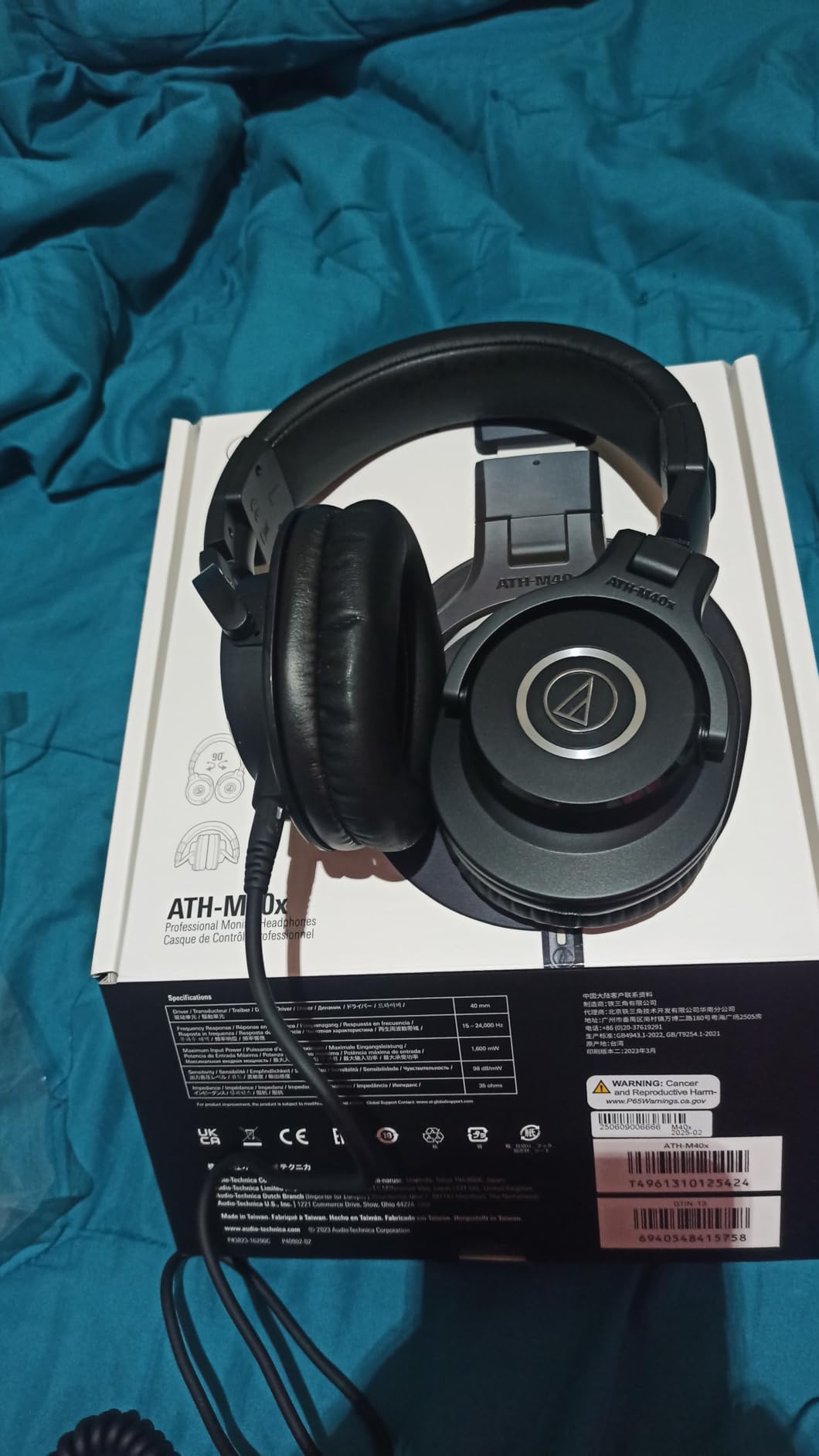
The circumaural design provides good passive isolation, and I found them comfortable enough for two to three-hour mixing sessions. The 90-degree swiveling earcups are just as handy here as they are on the M50X for one-ear monitoring. At just 240 grams, they are one of the lightest headphones in this lineup, which helps reduce fatigue during long sessions.
The main trade-off is the build quality. The predominantly plastic construction feels solid enough but does not inspire the same confidence as the metal-reinforced DT 770 PRO or the rugged MDR7506. The fit can also be quite tight out of the box. I recommend wearing them around the house for a few days to stretch the headband before your first serious studio session.
Best Use Cases for the ATH-M40x
These are ideal for mixing and monitoring where you need a flat, uncolored sound. The neutral frequency response makes them an excellent tool for making EQ and compression decisions because what you hear is what you get. They are also a great choice for audio engineering students who need professional monitoring on a student budget.
Podcasters and voiceover artists will appreciate the accurate midrange reproduction that helps you evaluate vocal processing with confidence. The included carrying case and low impedance make them practical for mobile recording rigs.
Who Should Look Elsewhere
If you need headphones for tracking vocals in the same room as open microphones, the isolation on the M40x is good but not as strong as the DT 770 PRO or HD 280 Pro. The plastic build also means they might not hold up as well to the rigors of daily studio abuse compared to metal-framed alternatives.
Bass-heavy music producers might find the low end a bit restrained for their taste. If you produce hip-hop, EDM, or other bass-centric genres and want a headphone that gives you more low-end excitement while still being usable for production, the M50X is probably the better choice.
6. AKG K240 Studio – Semi-Open Classic for Beginners
AKG K240STUDIO Semi-Open Studio Headphones
Semi-Open
55 Ohms Impedance
15Hz-25kHz
Self-Adjusting Headband
Detachable Cable
Pros
- Neutral studio-grade sound
- Excellent clarity for mixing
- Lightweight and comfortable
- Great value for beginners
- Detachable cable
Cons
- Limited sub-bass response
- Semi-open design allows leakage
- Benefits from a headphone amp
The AKG K240 Studio has been around for decades, and it remains one of the best values in studio headphones. I first used these in a college recording lab, and they were the first pair that taught me what flat response actually sounds like. The semi-open design gives you a more natural sound than fully closed-back models without the complete lack of isolation you get from fully open headphones.
The self-adjusting headband is a clever design that automatically conforms to your head shape. There is no manual adjustment needed, and the lightweight 240-gram body makes them feel almost weightless during sessions. The 55-ohm impedance sits in a middle ground that works with most audio interfaces without demanding excessive power, though a dedicated amp does improve the low-end authority and overall clarity.
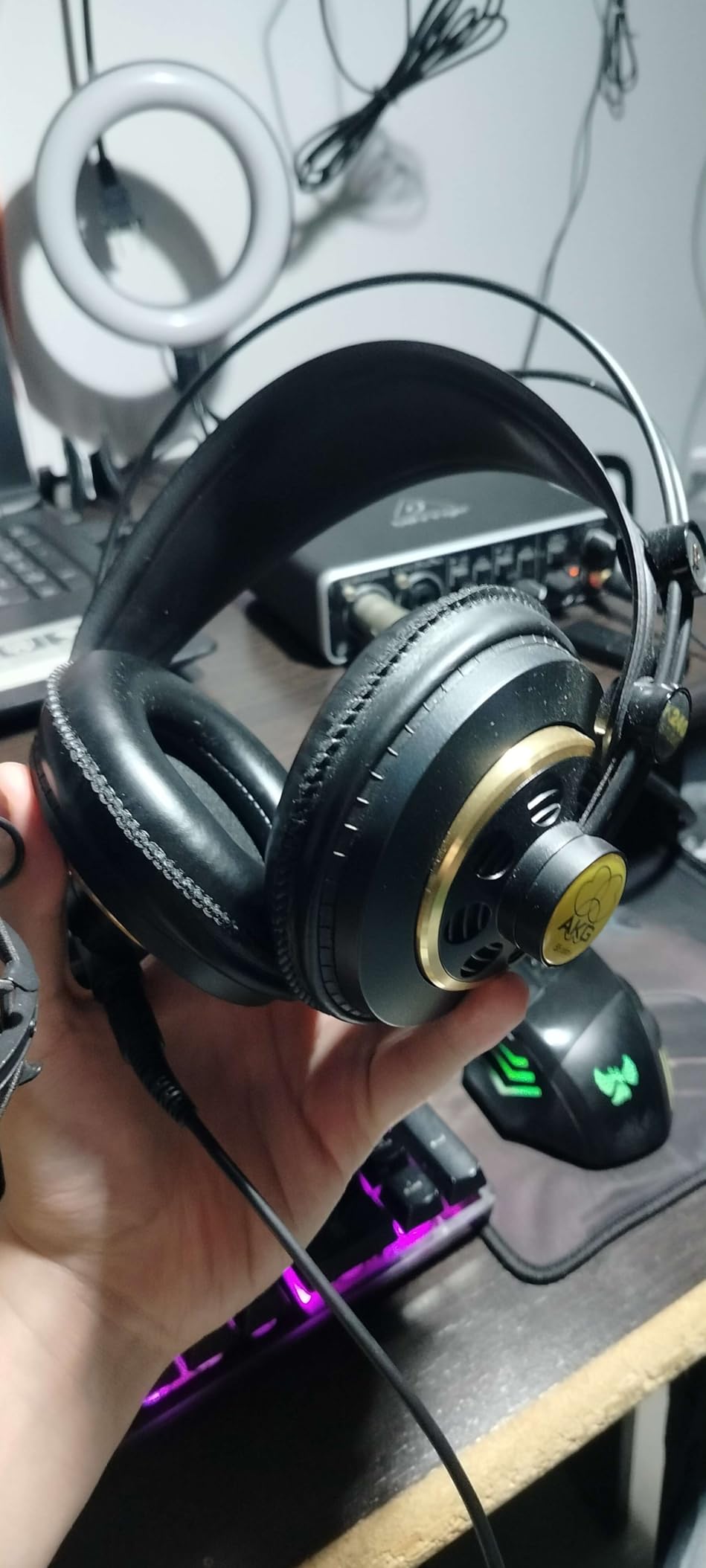
Sound quality is genuinely impressive for the price. The midrange clarity is where the K240 really shines, making it easy to evaluate vocal balance, instrument separation, and EQ decisions. The highs are clean without being harsh, and the overall presentation is balanced and honest. This is a headphone that tells you the truth about your mix rather than flattering it.
The main limitation is the sub-bass response. If you are mixing bass-heavy genres like electronic music, hip-hop, or reggae, the K240 will not give you the low-end extension you need to make accurate decisions below 40Hz. The semi-open design also means there is some sound leakage in both directions, so these are not ideal for tracking vocals in the same room as the microphone.
Best Use Cases for the AKG K240
These are an excellent starting point for beginner producers and audio engineering students. The flat, honest sound signature teaches you to trust your ears and make decisions based on what is actually in the mix rather than what sounds exciting. They are perfect for mixing and editing in a home studio environment where extreme isolation is not required.
Classical and acoustic music producers will find the midrange clarity particularly useful for evaluating recordings of strings, piano, and acoustic guitar. The semi-open design provides just enough spatial awareness to judge stereo placement without the complete isolation trade-off.
Who Should Look Elsewhere
If you need closed-back isolation for tracking, the AKG K240 is not the right tool. The semi-open design allows too much bleed for vocal recording in the same room. Bass-heavy producers should also look elsewhere because the limited sub-bass response will leave you guessing about what is happening in the low end of your mix.
Users with larger ears might find the ear cups on the small side. The cushions do not fully envelop larger ears the way the DT 770 PRO or ATH-M50X do, which can lead to comfort issues during extended sessions.
7. Sennheiser HD 280 Pro – Isolation Specialist
Sennheiser HD 280 Pro Headphone, Black
Closed-Back
64 Ohms Impedance
8Hz-25kHz
Folding Earcups
Single-Sided Cable
Pros
- Excellent noise isolation
- Neutral accurate sound
- Robust build with replaceable parts
- Comfortable ear pads
- Great value for monitoring
Cons
- Strong clamping force
- Coiled cable can be heavy
- Limited soundstage
The Sennheiser HD 280 Pro is built around one primary goal: isolation. These headphones deliver some of the best passive noise attenuation in their class, which is why you see them everywhere from drum booths to broadcast trucks. I used a pair for tracking in a live room with a full drum kit playing five feet away, and the isolation kept the click track clearly audible without needing to crank the volume to dangerous levels.
The sound is exactly what you expect from Sennheiser professional gear: accurate, linear, and honest. The frequency response is tuned for monitoring rather than enjoyment, which means you get a clear picture of what is happening in your audio without any bass boost or treble sweetening. The 8Hz low-end extension gives you useful sub-bass information, and the mids are transparent and well-resolved.
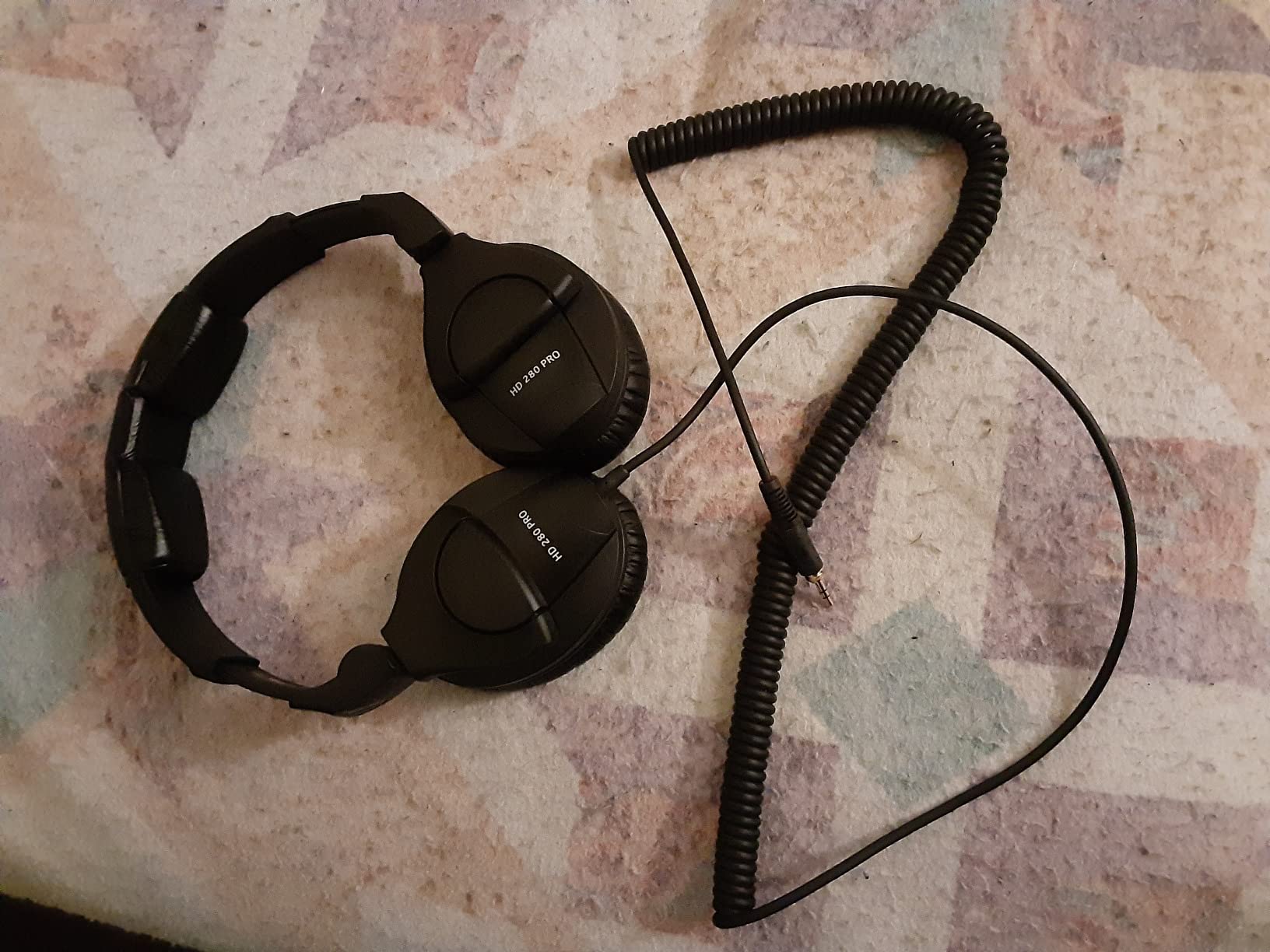
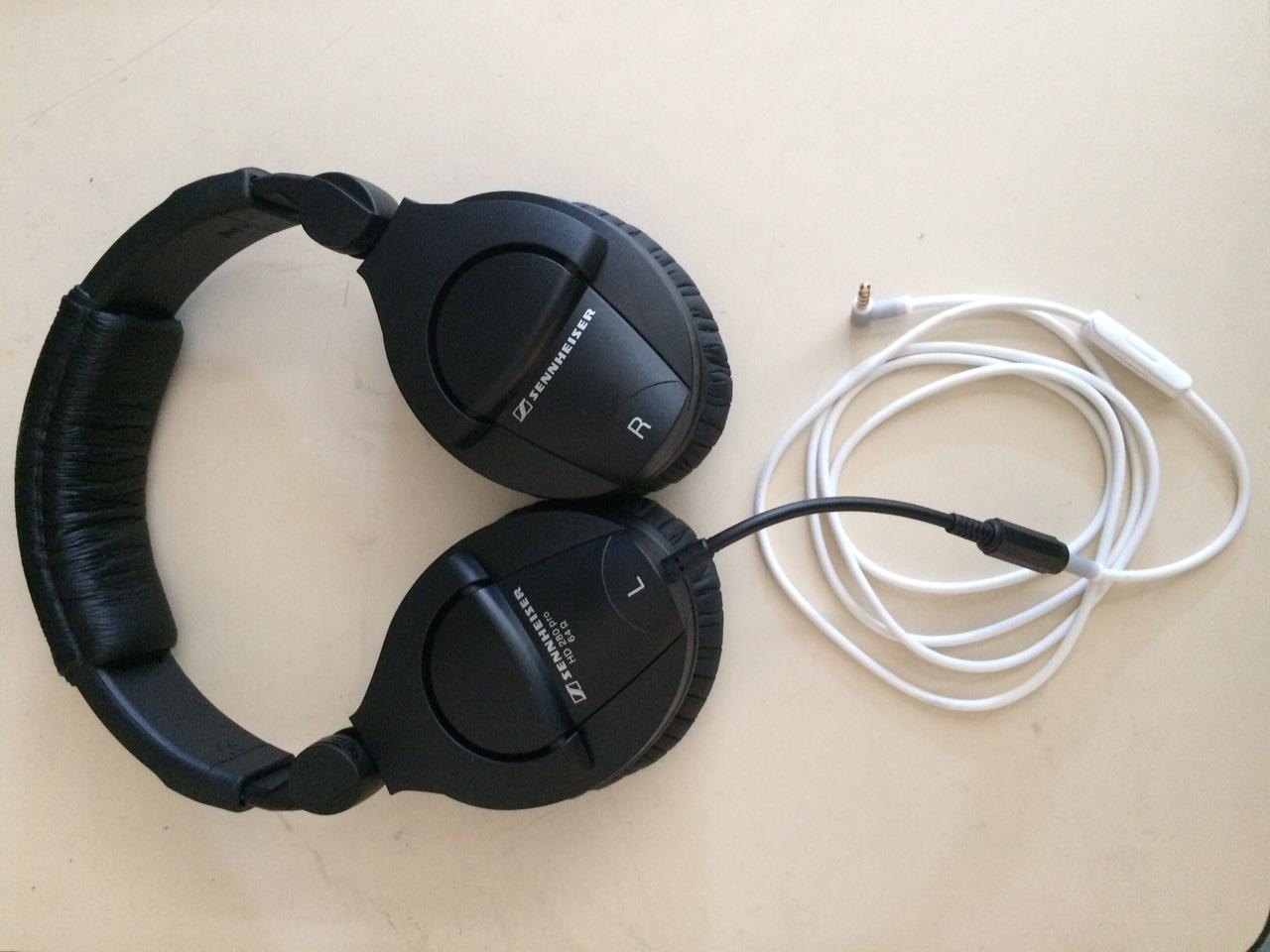
Build quality is solid with a focus on durability over aesthetics. The folding and rotating earcups make them compact for storage and transport. Sennheiser also made the key parts replaceable, including the ear pads and cable, which extends the useful life significantly. At 1.28 pounds, they are heavier than some competitors, but the weight is distributed well enough that it does not become a problem until you hit the three-hour mark.
The biggest complaint I have is the clamping force. Out of the box, these grip your head tightly, which is what creates the excellent seal for isolation but can cause discomfort, especially if you have a larger head. I stretched mine over a stack of books for 48 hours before the first session, and it made a noticeable difference in comfort.
Best Use Cases for the HD 280 Pro
These are purpose-built for tracking and monitoring in noisy environments. If you record drums, amplify guitars, or work in any situation where ambient noise is a problem, the HD 280 Pro provides the isolation you need to hear your monitor mix clearly. Broadcast engineers and podcasters working in noisy locations will also benefit from the strong noise blocking.
The linear sound reproduction makes them useful as a secondary reference for checking how your mix translates to a flat, analytical playback system. They are a reliable workhorse that does exactly what you need without any surprises.
Who Should Look Elsewhere
If you are looking for an all-day mixing headphone, the clamping force and limited soundstage make the HD 280 Pro less than ideal for critical listening sessions. The coiled cable adds weight and can pull on the ear cup if you are sitting at a desk. If you need something for mixing and critical listening, an open-back model like the HD 560S would be a better investment.
The soundstage is narrow compared to open-back alternatives, which makes it harder to judge spatial placement in stereo mixes. These are monitoring tools first and foremost, not mixing headphones.
8. Sennheiser HD 560S – Natural Soundstage for Content Creators
Pros
- Wide natural soundstage
- Neutral accurate sound signature
- Lightweight and comfortable
- Excellent positional audio
- Easy to drive from most devices
Cons
- Treble can be bright initially
- Lighter bass than closed-back models
- Proprietary connector limits cable options
- Open-back allows sound leakage
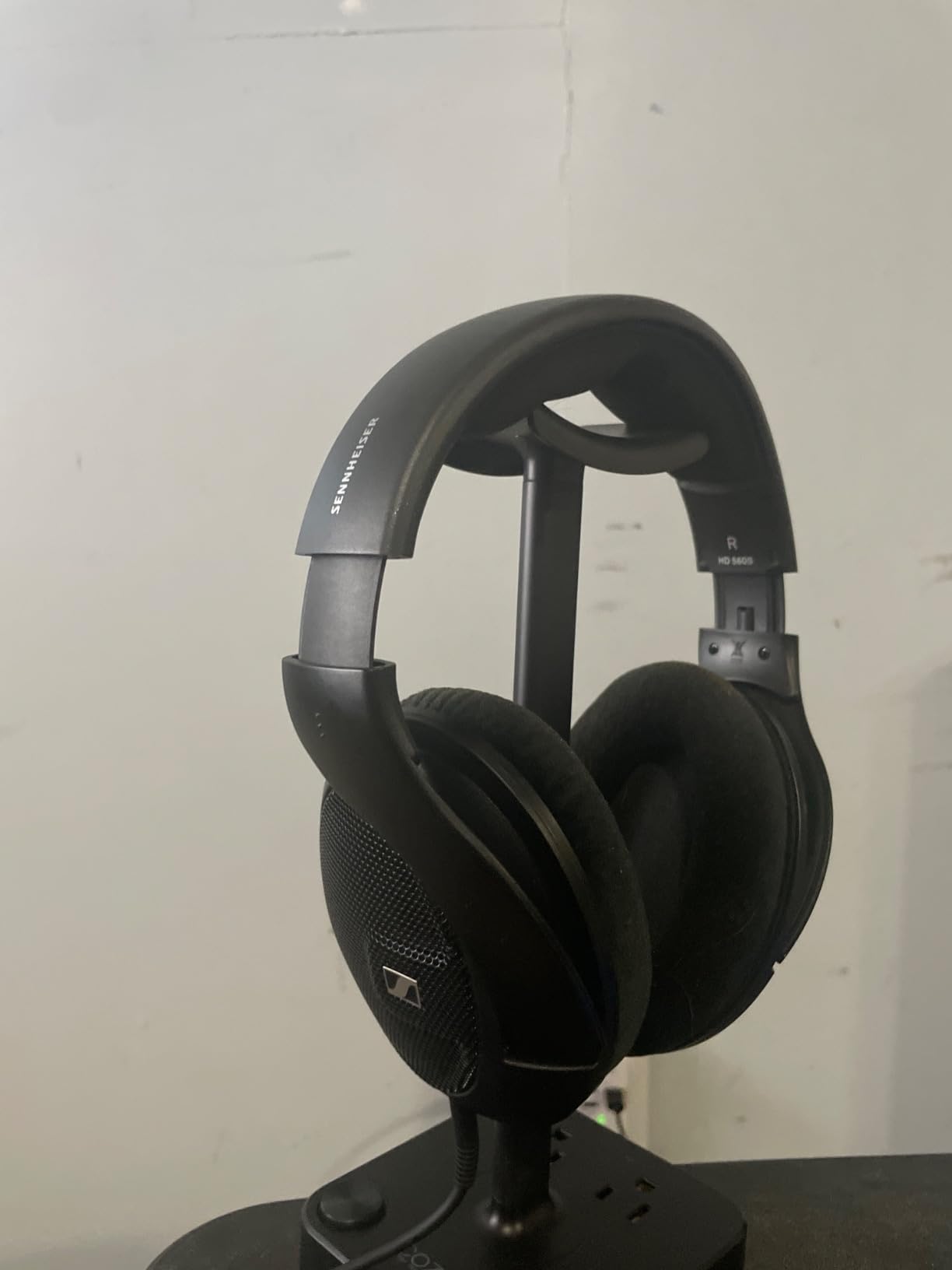
The Sennheiser HD 560S is designed for critical listening and content creation, and it delivers one of the most natural soundstages you will find in this price range. When I first auditioned these, I was struck by how instruments seemed to exist in physical space rather than being confined to the area between my ears. This spatial quality makes a real difference when you are making panning decisions and evaluating stereo width in a mix.
The 120-ohm impedance is a practical middle ground. These work well from most audio interfaces and headphone amplifiers without needing extreme power, unlike the 300-ohm HD 600 which demands a serious amp. The frequency response extends from 6Hz to 38kHz, covering the full audible range with headroom on both ends. Sennheiser tuned the transducers for neutrality, and the result is a sound that is honest without being clinical.
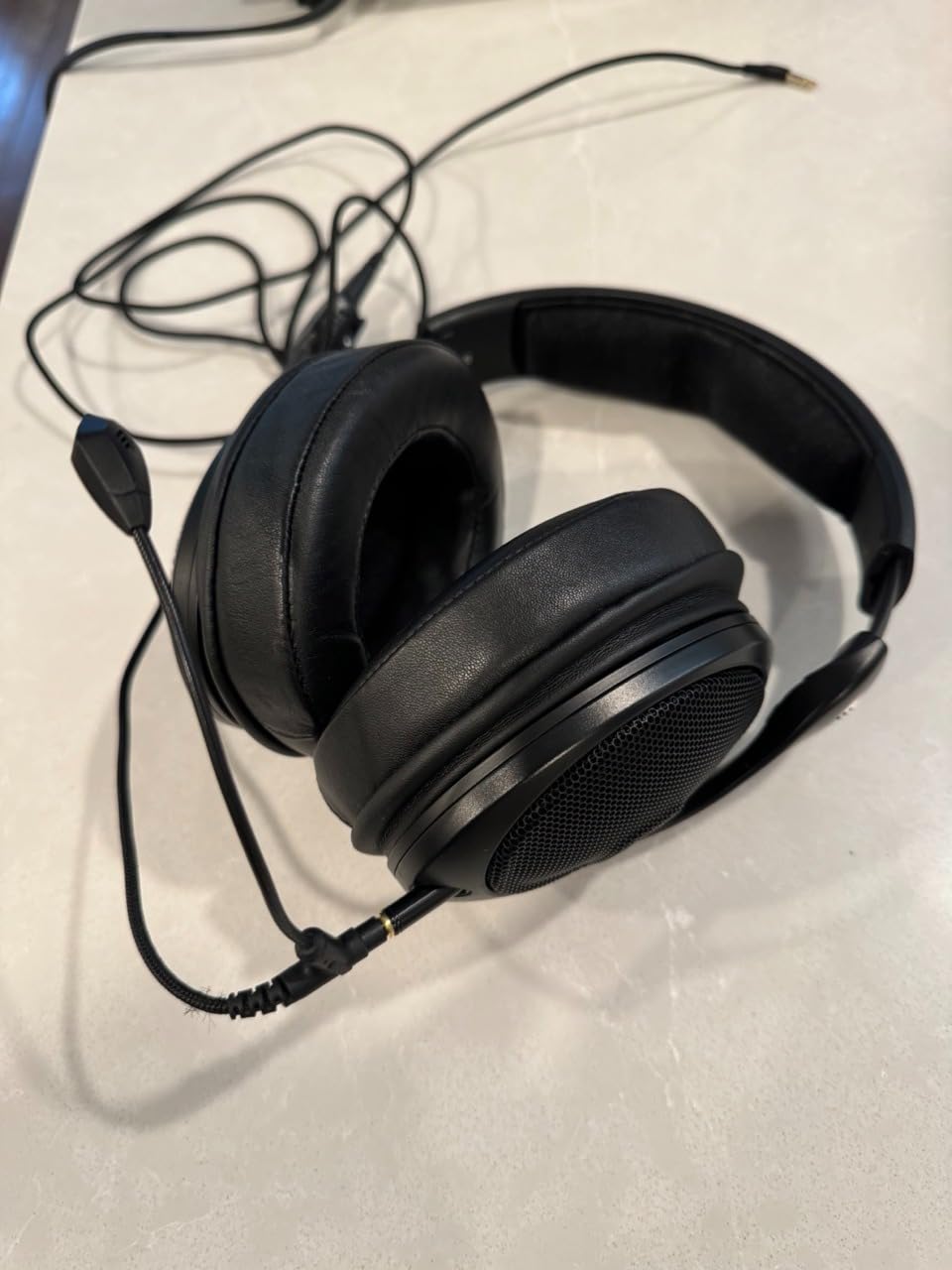
Comfort is excellent thanks to the lightweight 293-gram body and soft velour ear pads. The open-back design keeps your ears cool during long sessions, and the headband distributes pressure evenly across the top of the head. I have worn these for four-hour mixing sessions without any pressure points or heat buildup.
The treble response is upfront and detailed, which helps you catch sibilance and high-frequency issues in your mixes. However, this same quality can make bright recordings sound harsh, especially during the first few weeks of ownership before your ears adjust to the tuning. The bass is accurate and well-extended but lacks the physical impact you get from closed-back designs.
Best Use Cases for the HD 560S
These are outstanding for mixing, mastering, and any critical listening application where soundstage and spatial accuracy matter. Content creators working on video editing and sound design will appreciate the positional audio quality that helps with placement decisions. They are also one of the best open-back headphones for competitive gaming and streaming where hearing directional audio cues is important.
If you are looking for a headphone that doubles as a studio tool and a personal listening device for enjoying music at home, the HD 560S covers both roles effectively. The neutral tuning means your favorite tracks sound the way the artist intended.
Who Should Look Elsewhere
The open-back design makes these unsuitable for recording and any environment where sound leakage is a problem. If you share a studio space or need isolation for tracking, you will need a closed-back option instead. The proprietary cable connector also limits your aftermarket cable options, which is frustrating if you like to upgrade cables or need specific lengths.
Bass-centric music producers might want more low-end punch than the HD 560S delivers. While the bass is technically accurate, it does not have the physical slam that some genres demand. Consider a closed-back model or the DT 770 PRO if bass weight is a priority.
9. beyerdynamic DT 900 PRO X – Professional Mixing Powerhouse
beyerdynamic DT 900 PRO X Studio Mixing Open Back Headphones
Open-Back
48 Ohms Impedance
5Hz-40kHz
STELLAR.45 Drivers
Mini-XLR Cable
Pros
- Premium sound with exceptional detail
- Excellent imaging for mixing
- Dual detachable cables included
- Serviceable design for longevity
- Comfortable velour ear pads
Cons
- Slight sibilance in highs
- Strong initial clamping force
- Heavier than some competitors
The DT 900 PRO X represents the modern evolution of beyerdynamic’s professional headphone lineup, and it brings some significant upgrades over the older DT series models. The standout feature is the STELLAR.45 driver, which delivers improved detail retrieval and a more refined frequency response compared to the classic DT 990 PRO. I spent a month mixing a full album with these, and the imaging precision is remarkable for this price point.
The 48-ohm impedance is the smartest thing about this headphone. It is low enough to work well with audio interfaces and even some portable devices, but it still scales up beautifully with a dedicated amplifier. This means you get studio-grade performance without being locked into a specific amplification chain. Beyerdynamic includes both a 1.8-meter and a 3-meter detachable mini-XLR cable, so you are covered for desktop and studio use right out of the box.
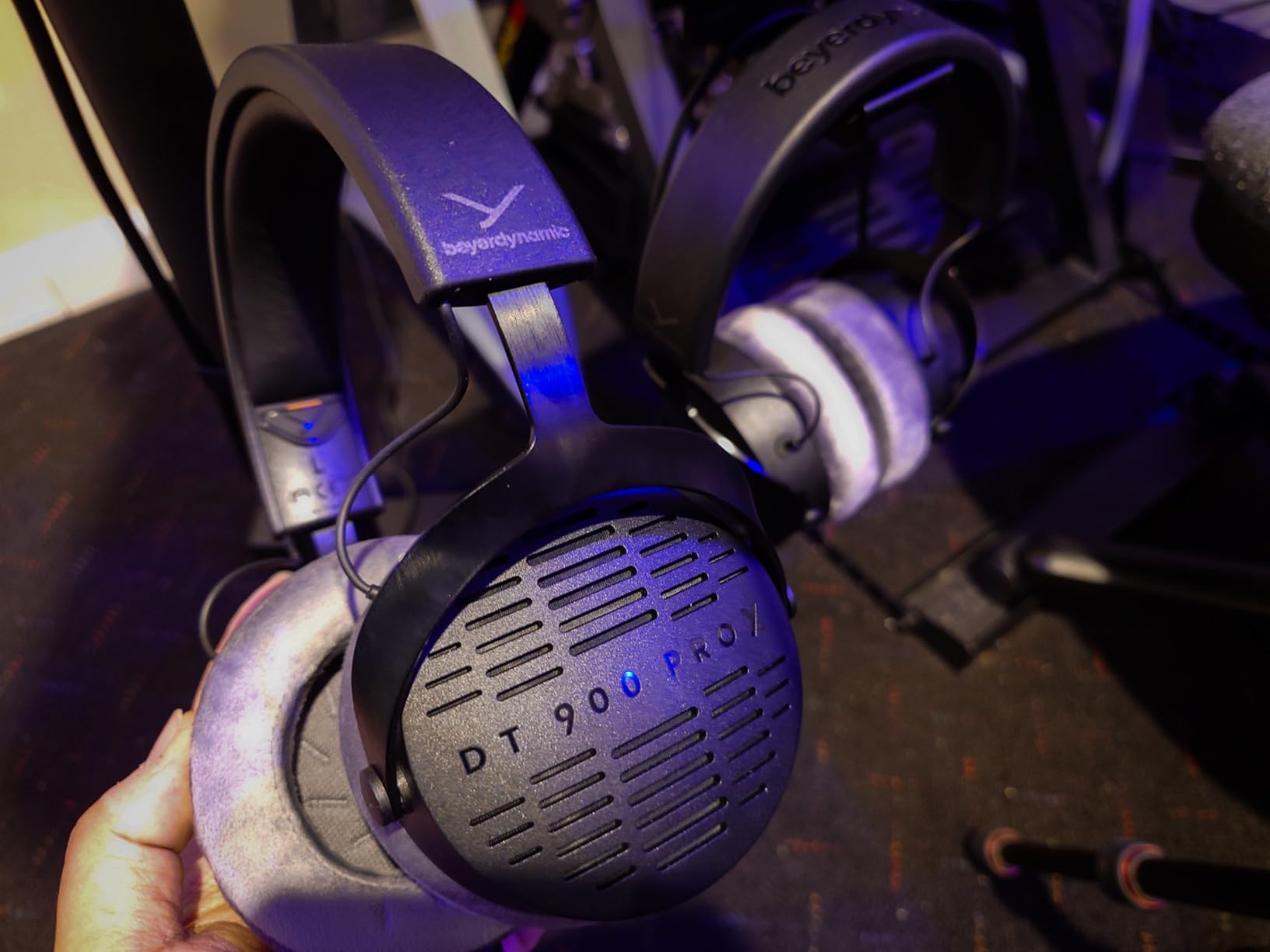
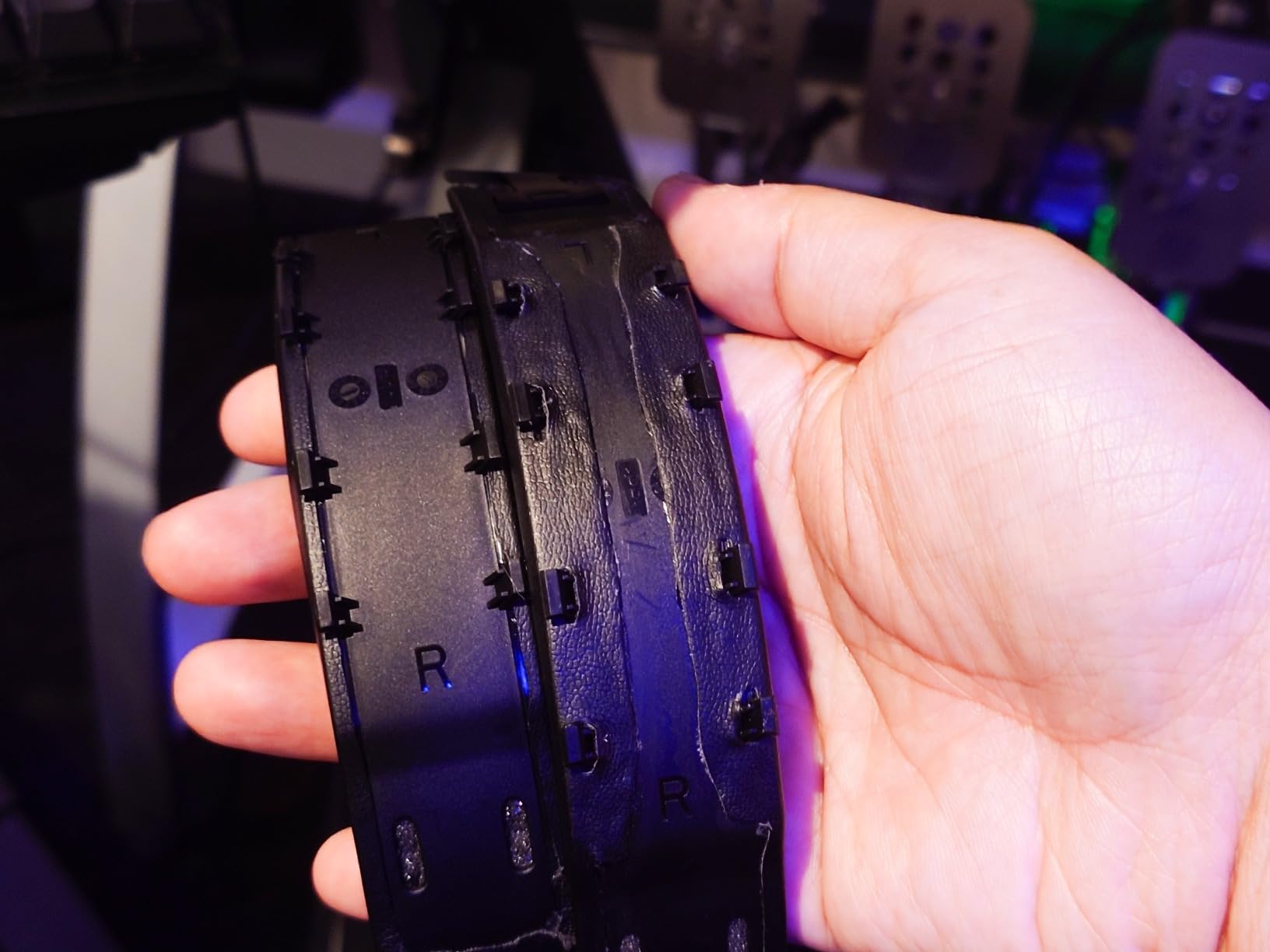
The open-back design delivers a wide, airy soundstage that makes it easy to place elements in the stereo field. The circumaural velour ear pads are comfortable and keep your ears cool during long sessions. Every part of this headphone is serviceable, which means you can replace the pads, headband, and even the drivers as they wear over time. This is a headphone designed to be a long-term investment.
The treble has the characteristic beyerdynamic energy that helps expose high-frequency problems in your mixes, but it can border on sibilant with certain recordings. I also noticed a strong clamping force out of the box that took about two weeks of regular use to relax. At 345 grams, they are on the heavier side, though the weight is distributed well enough that it becomes unnoticeable once the clamp loosens up.
Best Use Cases for the DT 900 PRO X
These are built for professional mixing and critical listening. The detailed imaging makes it easy to evaluate stereo placement, and the wide soundstage helps you make spatial decisions with confidence. If you work in film scoring, sound design, or any production that involves complex spatial arrangements, the DT 900 PRO X gives you the precision you need.
The versatile 48-ohm impedance and included cable options make these practical for producers who work across multiple setups, moving between a home studio, a professional facility, and even mobile production rigs. They are a legitimate single-headphone solution for serious audio professionals.
Who Should Look Elsewhere
If you need closed-back isolation for recording, the DT 900 PRO X is not the right choice. The open-back design leaks sound in both directions, making it unsuitable for tracking. If you already own the DT 990 PRO and are happy with it, the upgrade might not be dramatic enough to justify the additional cost unless you specifically need the detachable cables and lower impedance.
Anyone with a smaller head might find the clamping force uncomfortable even after break-in. The weight and clamp combination can create pressure on the jaw for some users, particularly during the first few weeks.
10. Sennheiser HD 600 – The Reference Benchmark
Sennheiser HD 600 – Audiophile Open-Back Dynamic Wired Headphones Over Ear with Natural Soundstage and Premium Comfort for Music Lovers, Open Metal Earpiece Covers, Black
Open-Back
300 Ohms Impedance
12Hz-40.5kHz
Neodymium Magnets
Detachable OFC Cable
Pros
- Exceptional clarity and natural soundstage
- Unmatched midrange quality
- Premium long-session comfort
- Excellent instrument separation
- Classic durable design
Cons
- Requires quality amplification
- Limited bass impact compared to some rivals
- Tight initial fit needs break-in
- Not portable
The Sennheiser HD 600 has earned its status as one of the most respected reference headphones in audio history. I have seen these on the desks of mastering engineers, classical music producers, and broadcast professionals for years, and they remain a benchmark against which other open-back headphones are measured. The sound is natural, unforced, and remarkably transparent, with a midrange quality that makes vocals and acoustic instruments sound breathtakingly real.
The 300-ohm impedance is the first thing you need to understand about the HD 600. These headphones demand a quality amplifier to perform at their best. Plugging them into a laptop or phone will result in quiet, lifeless sound that does not even hint at what they are capable of. But pair them with a proper headphone amplifier or a high-end audio interface, and the transformation is dramatic. The soundstage opens up, the bass gains authority, and the detail retrieval becomes extraordinary.
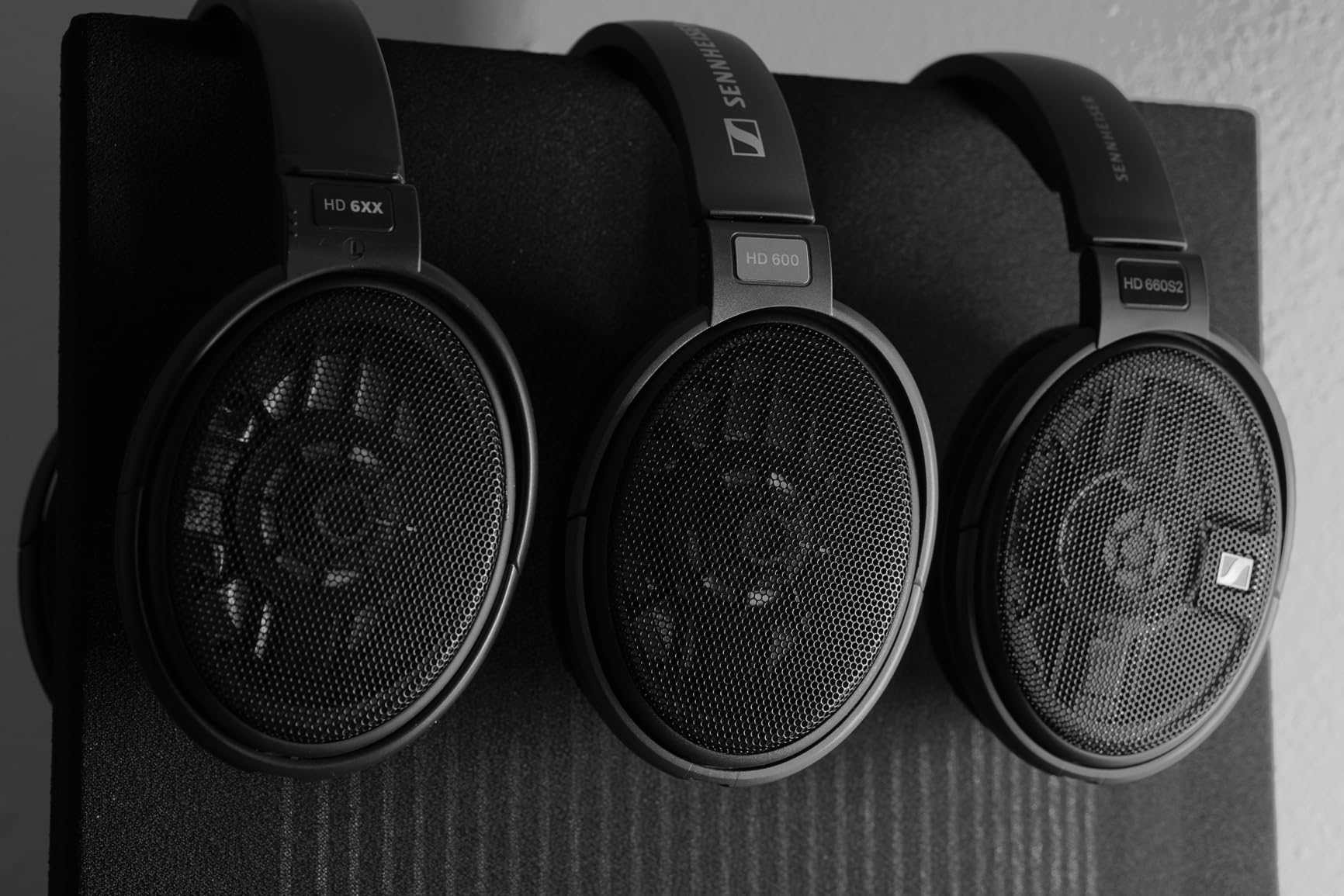
At just 9.1 ounces, the HD 600 is remarkably lightweight for its size. The open metal mesh earpiece covers give it a distinctive, classic look and contribute to the open, airy presentation. The ear pads are plush and comfortable, and the headband applies even, gentle pressure that I find suitable for sessions stretching beyond five hours. The Kevlar-reinforced oxygen-free copper cable is detachable and built to last.
The frequency response is tuned for accuracy and musicality rather than flat measurement. There is a slight warmth in the lower midrange and a gentle roll-off in the sub-bass that gives the sound a natural, easy-listening quality. This tuning makes the HD 600 exceptional for evaluating the tonal balance of a mix and checking how it will sound on real-world playback systems. The instrument separation is among the best you will find at any price point, allowing you to hear individual elements in dense arrangements with clarity.
Best Use Cases for the HD 600
These are the ultimate headphones for mixing, mastering, and any critical listening application where tonal accuracy and midrange quality are paramount. Classical, jazz, and acoustic music producers will find the HD 600 especially rewarding because of how naturally it reproduces acoustic instruments and vocals. Mastering engineers often use these as a reference to check how a master will translate to consumer playback.
If you are building a serious studio monitoring setup and already have a quality headphone amplifier, the HD 600 should be at the top of your list. They are an investment in your monitoring chain that will pay dividends in better-sounding mixes for years to come.
Who Should Look Elsewhere
If you do not have access to a headphone amplifier capable of driving 300-ohm headphones, the HD 600 will not deliver its potential. The investment in both the headphones and a quality amp puts these into a higher total cost bracket. They are also strictly studio headphones with no portability, and the open-back design means they are useless for tracking or any situation where isolation matters.
Bass-heavy music producers might find the low end too polite for their taste. While the bass is technically accurate, it lacks the physical weight and extension that producers of electronic, hip-hop, and heavy rock often want. If you need more bass authority, the DT 770 PRO or ATH-M50X would be more satisfying choices.
How to Choose the Best Studio Headphones
Picking the right studio headphones comes down to understanding your workflow, your environment, and your gear. I have broken down the key factors below to help you make the right call without overthinking it.
Open-Back vs Closed-Back: Which Do You Need?
This is the single most important decision you will make. Closed-back headphones seal off the ear cup, which gives you isolation from outside noise and prevents sound from leaking into microphones during recording. If you are tracking vocals, recording instruments, working in a shared space, or DJing, closed-back is the way to go. The ATH-M50X, DT 770 PRO, MDR7506, HD 280 Pro, ATH-M40x, and AKG K240 all offer varying degrees of isolation.
Open-back headphones have perforated ear cups that let air and sound pass freely. This creates a wider, more natural soundstage that is invaluable for mixing and critical listening. Instruments sound like they exist in space around you rather than being trapped inside your head. But they leak sound in both directions, so anyone nearby can hear your audio, and you can hear them. The DT 990 PRO, HD 560S, DT 900 PRO X, and HD 600 are all open-back designs built for mixing and mastering.
Understanding Impedance and Amplification
Impedance, measured in ohms, determines how much power your headphones need to reach optimal volume and sound quality. Lower impedance headphones like the ATH-M40x at 35 ohms and the ATH-M50X at 38 ohms are easy to drive from phones, laptops, and basic audio interfaces. They get loud and sound good without any additional equipment.
Higher impedance models like the DT 990 PRO at 250 ohms and the HD 600 at 300 ohms need dedicated amplification. Without a headphone amp, they will sound quiet, thin, and dynamically compressed. The DT 770 PRO 80 Ohm and HD 560S at 120 ohms sit in a practical middle ground that works well with most audio interfaces while still benefiting from a dedicated amp.
My recommendation is to match your headphones to your current gear. If you do not have a headphone amp and are not planning to buy one, stick with something under 64 ohms. If you already own a quality amp or audio interface with a robust headphone output, higher impedance models often deliver better sound quality because the drivers are optimized for controlled, clean power.
Frequency Response and the Flat Sound Debate
Studio headphones are designed with a flat frequency response, meaning they do not artificially boost bass or treble the way consumer headphones do. This flat response lets you hear your mix accurately so it translates well across different playback systems. The ATH-M40x and AKG K240 are among the flattest in this lineup, which makes them excellent for reference monitoring.
Some headphones, like the ATH-M50X, have a slightly enhanced bass and treble response that many engineers find useful for keeping energy and excitement in their workflow. There is no single right answer here. The best approach is to learn how your headphones sound by listening to reference tracks you know well, then making decisions relative to that familiar baseline.
Comfort and Build Quality
If you are spending four to eight hours a day in the studio, comfort is not optional, it is essential. The DT 770 PRO and DT 990 PRO win on comfort with their velour ear pads that stay cool and soft. The HD 600 is remarkably lightweight at 9.1 ounces and distributes pressure evenly. The ATH-M50X and ATH-M40x are solid but can develop pressure points on the headband during very long sessions.
For build quality, the DT series headphones are the most durable in this group thanks to their metal frame components and fully serviceable design. The HD 600 also has a proven track record of longevity with replaceable parts. If you are rough on your gear or plan to use the same headphones for many years, invest in something with metal construction and replaceable components.
Budget Tiers
For under $100, the AKG K240 Studio and Sennheiser HD 280 Pro deliver genuine professional monitoring capability without compromise. Between $100 and $200, the ATH-M50X, ATH-M40x, MDR7506, DT 770 PRO, and DT 990 PRO all compete closely, and you cannot go wrong with any of them. Above $250, the HD 560S, DT 900 PRO X, and HD 600 offer premium sound quality that justifies the investment for serious producers and engineers.
Frequently Asked Questions
What is the difference between open-back and closed-back headphones?
Closed-back headphones have sealed ear cups that block outside noise and prevent sound leakage, making them ideal for recording and tracking. Open-back headphones have perforated ear cups that allow air and sound to pass through, creating a wider, more natural soundstage that is better for mixing and critical listening but offers no isolation.
How are studio headphones different from consumer headphones?
Studio headphones are designed with a flat, neutral frequency response that reproduces audio accurately without artificially boosting bass or treble. Consumer headphones are typically tuned to sound exciting with enhanced bass and treble, which can mask problems in your mix. Studio headphones also tend to be more durable and include professional features like detachable cables and replaceable parts.
Can I mix only using headphones?
Yes, you can mix entirely on headphones, and many professional engineers do. Headphones eliminate room acoustics from your monitoring chain, which can actually be an advantage in untreated spaces. However, it helps to cross-reference your headphone mixes on different playback systems to ensure your mix translates well. Using a correction plugin like Sonarworks SoundID Reference can also improve headphone mixing accuracy.
Do I need a headphone amp?
You need a headphone amp if your headphones have high impedance, typically above 80 ohms. Low-impedance headphones under 64 ohms, like the ATH-M50X and ATH-M40x, work fine directly from audio interfaces and laptops. High-impedance models like the DT 990 PRO at 250 ohms and HD 600 at 300 ohms require dedicated amplification to deliver proper volume, bass control, and dynamic range.
What does headphone impedance mean?
Impedance, measured in ohms, is the electrical resistance of the headphone drivers. Lower impedance, under 64 ohms, means the headphones are easy to drive from portable devices and basic audio interfaces. Higher impedance, above 100 ohms, requires more power from a dedicated headphone amplifier but typically delivers better sound quality, tighter bass control, and lower distortion when properly powered.
After testing all 10 of these models, my top recommendation for most people is the Audio-Technica ATH-M50X. It delivers the best balance of sound quality, versatility, and durability at a price that makes sense for both beginners and working professionals. For budget-conscious buyers, the Sony MDR7506 has been a trusted studio standard for decades and still delivers exceptional value. And if you want a wide soundstage for mixing without spending premium money, the beyerdynamic DT 770 PRO 80 Ohm is impossible to beat.
Whatever you choose, take the time to learn how your headphones sound by running reference tracks through them regularly. The best studio headphones in 2026 are the ones you know inside and out, because that familiarity is what lets you make confident, accurate mixing decisions every time you sit down to work.