
I have spent the better part of two years testing synth pedals on guitar, bass, and keyboards, running them through loopers, into PA systems, and alongside full pedalboards. What I discovered is that the right synth pedal can completely change how you approach your instrument. A simple guitar riff becomes a swirling pad. A bass line transforms into a pulsing analog sequence. The best synth pedals do not just add an effect to your signal chain — they give you an entirely new instrument to play.
This guide covers 13 of the best synth pedals available right now, from budget-friendly options under $60 to professional-grade units with MIDI control and preset storage. Whether you want vintage analog warmth, aggressive fuzz-wave textures, or modern polyphonic tracking, I have tested each one and broken down exactly what it does well and where it falls short.
Our team evaluated these pedals based on tracking accuracy, sound variety, build quality, ease of use, and overall value. I played each one through clean amps, into audio interfaces for recording, and alongside other effects to see how they hold up in real musical contexts. If you are looking for the best synth pedals for your rig, this guide has you covered.
Table of Contents
Top 3 Picks for Best Synth Pedals

Best Synth Pedals in 2026
Here is a full comparison of all 13 synth pedals we reviewed. Use this table to quickly compare features and find the right pedal for your setup and playing style.
1. BOSS SY-1 – Best Overall Guitar/Bass Synthesizer
BOSS SY-1 Guitar/Bass Synthesizer Guitar Pedal (SY-1)
171 Synth Sounds
Polyphonic Tracking
Send/Return Loop
Expression Input
1.2 lbs
Pros
- Polyphonic tracking works great with chords
- 171 sounds with instant access
- Works with both guitar and bass
- Durable Boss build quality
Cons
- No MIDI connectivity
- No presets - must set knobs manually
- Limited sound shaping beyond tone and rate
The BOSS SY-1 is the pedal I reach for most often when I need synth sounds fast. It packs 171 different synth tones into a standard Boss compact enclosure, which means it fits on any pedalboard without eating up valuable real estate. I ran it through a Fender Twin and directly into an audio interface, and the polyphonic tracking impressed me immediately. Chords track cleanly without the glitchy artifacts you get from cheaper pedals.
What surprised me most is how well it handles bass guitar. I plugged in a Precision Bass and got deep, rumbling synth tones that sat perfectly in a mix. The hold function is one of those features you do not think you need until you use it — you can sustain a synth voice and play your normal guitar signal over the top, creating instant layered textures for live performance.
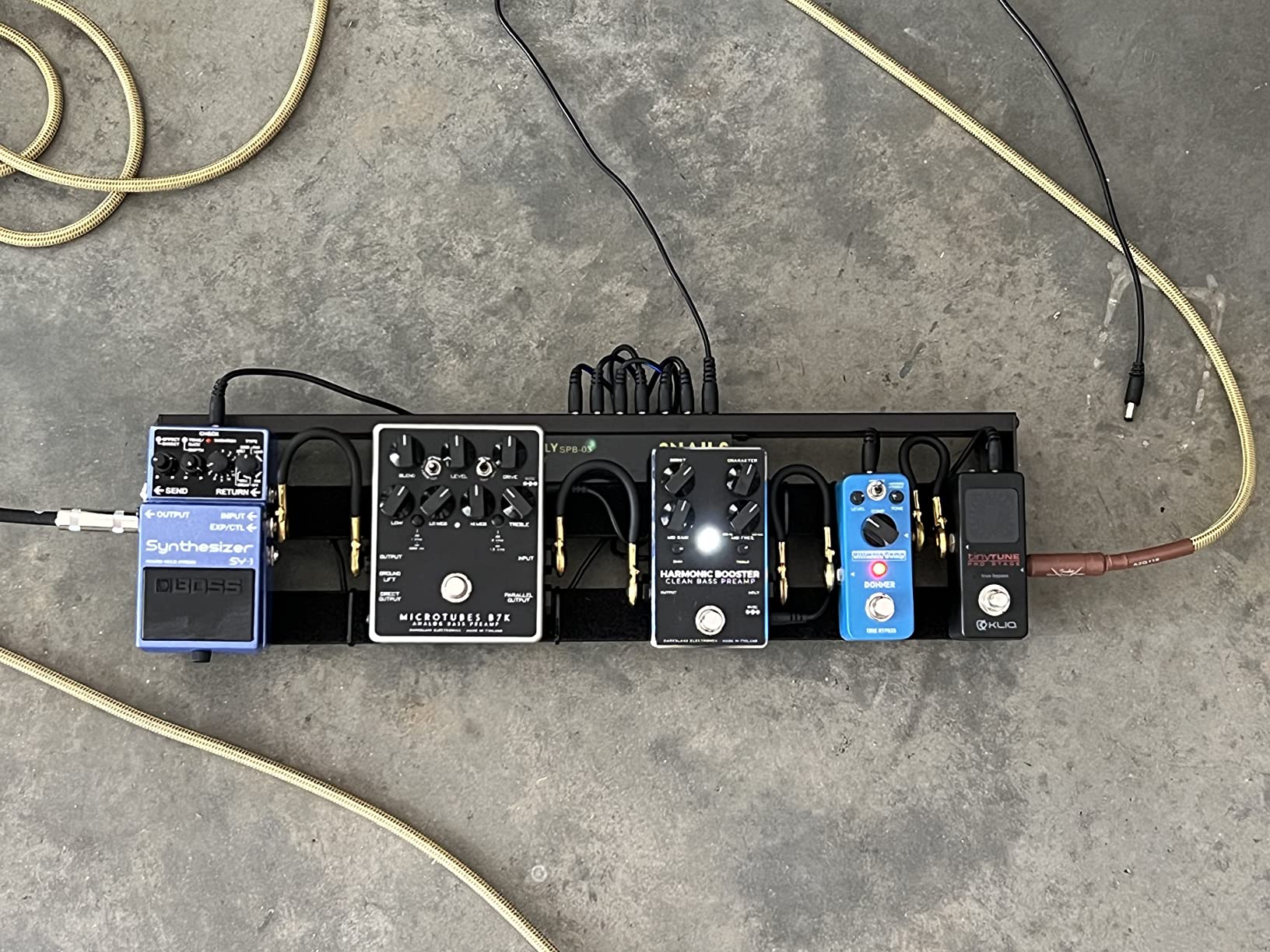
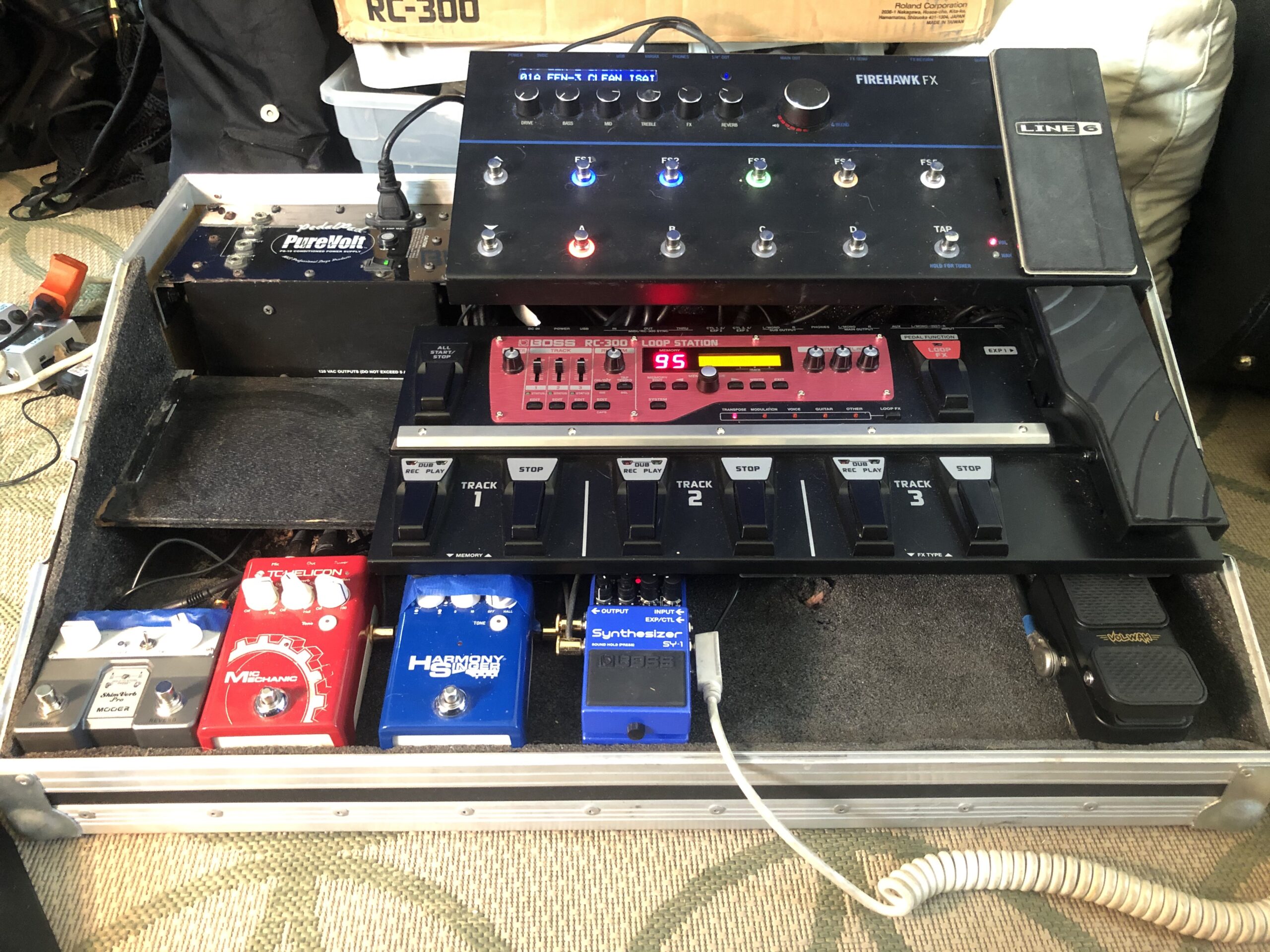
The send/return loop is where this pedal gets really interesting for experimental players. I ran a delay pedal into the loop and was able to create synth pads with trailing echoes that sounded massive. The sound hold feature locks in and sustains tones indefinitely, which works great for ambient passages and worship music setups.
Where the SY-1 falls short is the lack of presets and MIDI. If you are a live player who needs to switch between different synth tones mid-song, you have to physically bend down and turn knobs. There is also no way to adjust the attack and release characteristics of the built-in sounds, which limits how much you can shape the envelope. For studio work and casual use, these are minor complaints, but they matter more for gigging musicians.
Who Should Buy the BOSS SY-1
Guitarists and bassists who want the most synth tones in the smallest package will love the SY-1. It is ideal for ambient players, worship musicians, and anyone who wants polyphonic tracking without special pickups or complex setups. If you play live and need quick access to a wide palette of synth sounds, this is your pedal.
Who Should Look Elsewhere
Players who need MIDI integration, preset switching, or deep sound design control should step up to the BOSS SY-200 or a more advanced unit. If you need to change sounds mid-song without bending down, the lack of presets will frustrate you in a live setting.
2. BOSS SY-200 – Best Advanced Synth with MIDI and Presets

BOSS SY-200 SYNTHESIZER EFFECTS PEDAL – Advanced BOSS Polyphonic Guitar Synth Technology in a Streamlined 200 Series Pedal for any Guitar or Bass – Full MIDI I/O – 128 Memories – 171 Synth Sounds
171 Synth Sounds
128 Preset Memories
Full MIDI I/O
Two Footswitches
16 oz
Pros
- 128 preset memories for storing custom sounds
- Full MIDI I/O for integration
- Built like a tank with solid construction
- Works with standard guitar cable
Cons
- Many sounds can be tacky rather than practical
- Limited customization vs higher-end models
- Slight latency with fast playing
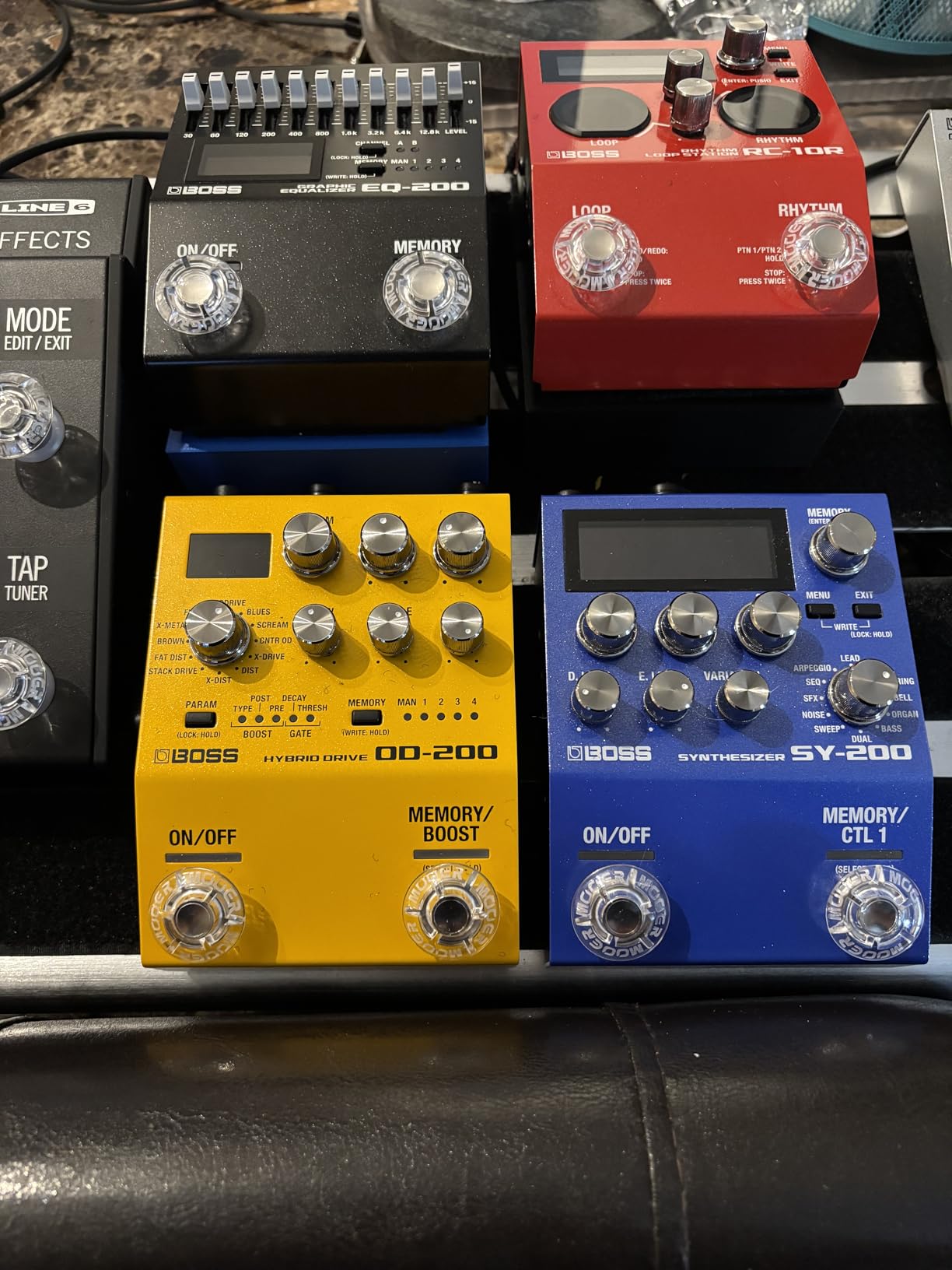
The BOSS SY-200 takes everything great about the SY-1 and adds the two features players asked for most: presets and MIDI. With 128 memory slots, you can save and recall your favorite sounds instantly using the two onboard footswitches. I spent an afternoon programming a set list’s worth of tones, and being able to tap-dance between them during rehearsal was a game changer compared to the preset-free SY-1.
The MIDI implementation is what sets this pedal apart for serious players. I connected it to a MIDI controller and was able to switch sounds remotely, which opens up possibilities for complex live setups. The 12 analog-style synth categories cover everything from warm pads to aggressive leads, and while not all 171 sounds are winners, there are more than enough usable tones to justify the pedal.
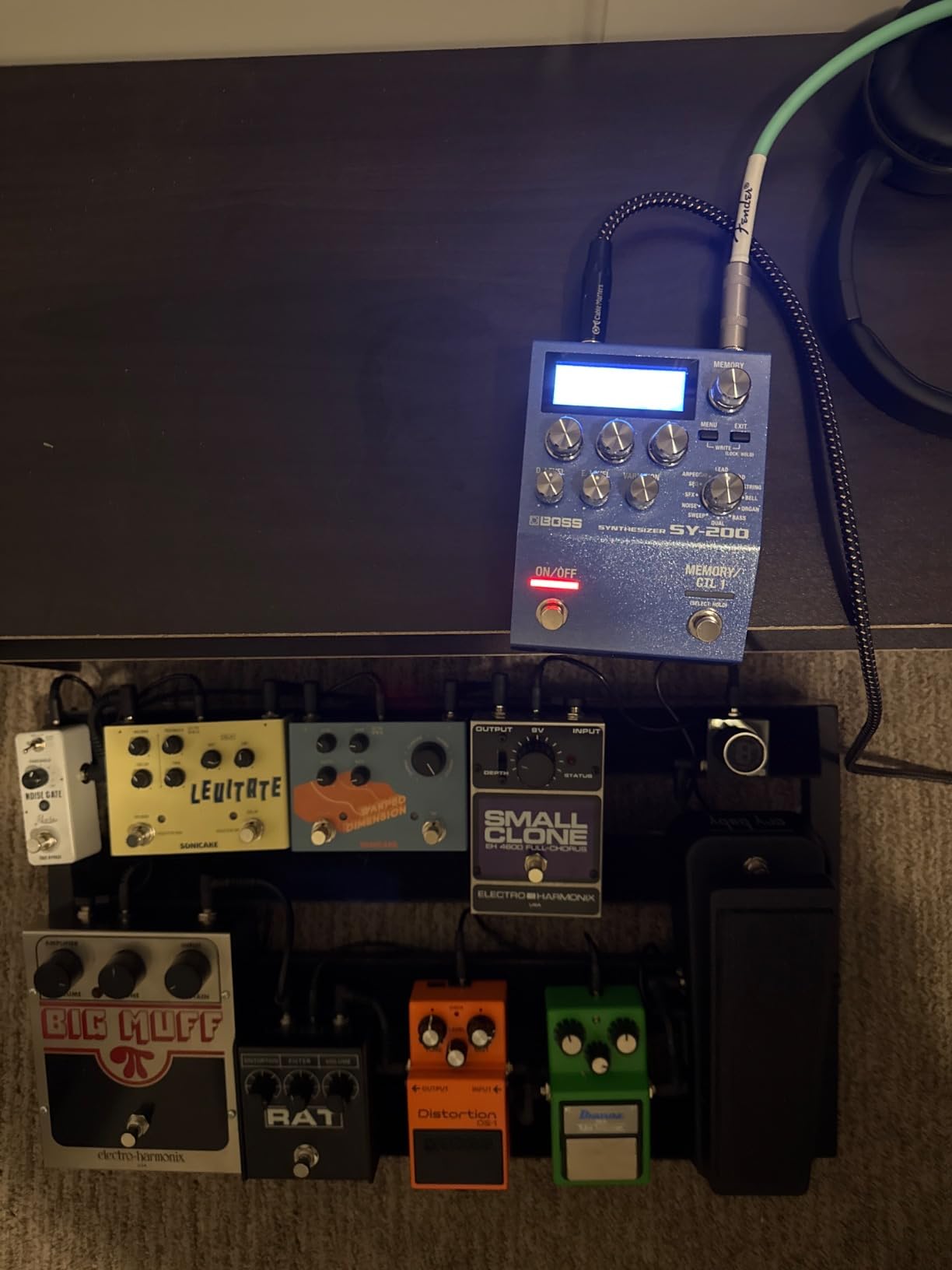
I tested the tracking extensively with both single notes and chords. The polyphonic mode handles chords well on most settings, though some of the more complex synth algorithms introduce slight latency when you play fast runs. The large display makes it easy to see what sound you are on, even on dark stages. It is worth noting that an external expression pedal unlocks the full potential of this unit — without one, you are missing out on real-time parameter control.
The build quality is exactly what you expect from Boss. This thing feels like it could survive a fall down a flight of stairs. The micro USB jack is for firmware updates only, not for audio, so do not expect to run it into your computer directly. At 7.85 x 6.75 x 4.35 inches, it takes up more pedalboard space than the SY-1, but the two footswitches and display make the extra footprint worth it.
Who Should Buy the BOSS SY-200
Live performers who need preset switching and MIDI control will get the most from the SY-200. It is also a strong choice for recording musicians who want to program specific tones and recall them later. If you have outgrown the SY-1 and need more control, this is the logical upgrade.
Who Should Look Elsewhere
Players on a tight budget should consider the SY-1 or MOOER E7, which offer similar sounds at lower prices. If you need deep sound design with custom oscillators and filters, a dedicated synthesizer or the Boss SY-300 might be a better fit.
3. MOOER E7 – Best Budget Polyphonic Synth Pedal
Pros
- Pocket-sized and ultra compact
- 7 synth tones with individual arpeggiator
- 7 preset slots for user customization
- Very affordable entry point for guitar synth
Cons
- Some reported reliability issues after short use
- Customer service can be difficult
- Small print instruction manual
The MOOER E7 is the pedal I recommend to anyone who wants to try synth sounds without making a big investment. At roughly the size of a lemon, this thing fits literally anywhere on a pedalboard. I was skeptical that something this small could deliver real synth tones, but the seven built-in sounds cover a surprising range — from trumpet and organ emulations to 8-bit chiptune and EDM-style pads.
Each of the seven tones has its own dedicated arpeggiator, which is a feature normally reserved for pedals costing three times as much. I dialed in the EDM pad with the arpeggiator running and was genuinely surprised at how musical it sounded. The attack, speed, and frequency cutoff controls give you enough tweaking room to shape each sound to your liking, and the seven preset slots mean you can save your favorite configurations.
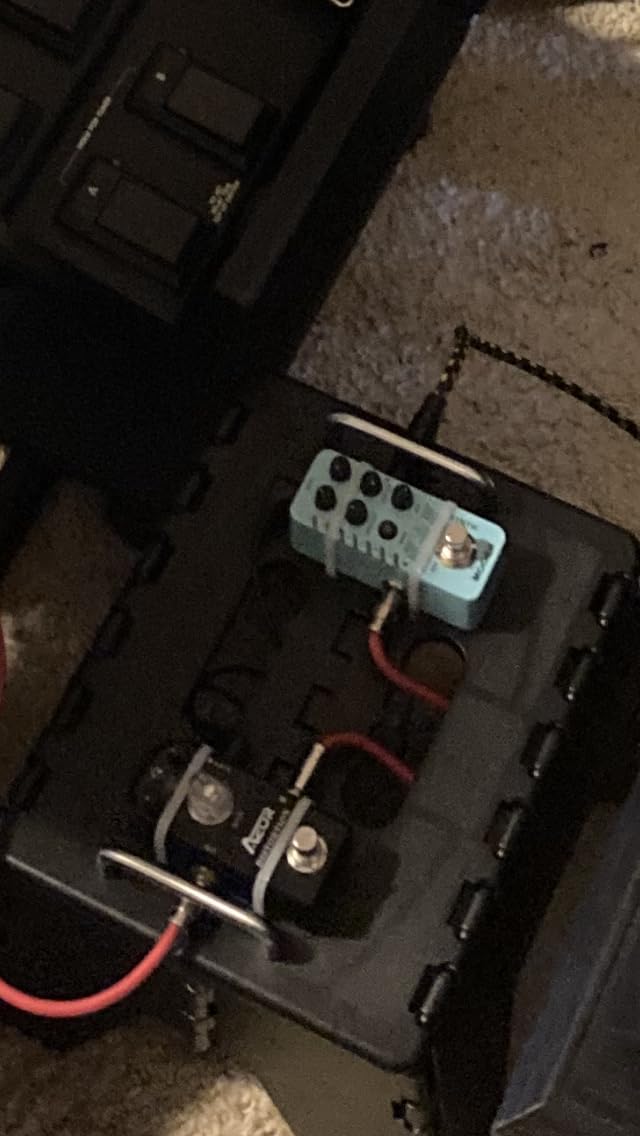
The tracking is decent for the price but not perfect. Single notes track well on most settings, and the pedal handles simple chords without too much glitching. Where it struggles is with fast, complex passages — there is noticeable latency and occasional note misfires when you push the tempo. For ambient textures, slow melodic lines, and experimental sound design, it works great. For shredding lead lines, not so much.
I do need to address the reliability concerns. A meaningful number of users report units failing after a month or two. MOOER’s customer service has also been called out as difficult to work with for returns. The build quality is acceptable for the price but does not feel as solid as Boss or Electro-Harmonix units. I would recommend buying from a retailer with a good return policy just in case.
Who Should Buy the MOOER E7
Beginners and curious players who want to experiment with synth tones without spending much will find the E7 hard to beat. It is also a great choice for musicians who need a compact synth pedal for a travel board or a small gig setup where space is limited.
Who Should Look Elsewhere
Gigging musicians who need rock-solid reliability and consistent tracking should invest in the BOSS SY-1 or SY-200. If you need more than seven sounds or want MIDI integration, the E7’s limitations will become apparent quickly.
4. SONICAKE Wave Crush – Best Lo-Fi Bitcrusher Synth Pedal

SONICAKE Bitcrusher Guitar Pedal Wave Crush Bitcrush Digital Bitcrusher Reducer Guitar Effects Pedal Synth Synthesizer LoFi True Bypass
Bitcrusher/Sample Rate Reducer
3 Lo-Fi Modes
Bit Depth 5-16bit
True Bypass
0.21 kg
Pros
- Excellent value for money
- 3 distinct tone-shaping modes
- Variable bit depth and sampling rate
- Compact aluminum build feels durable
Cons
- Power supply not included
- Can introduce noise in certain setups
- No battery option
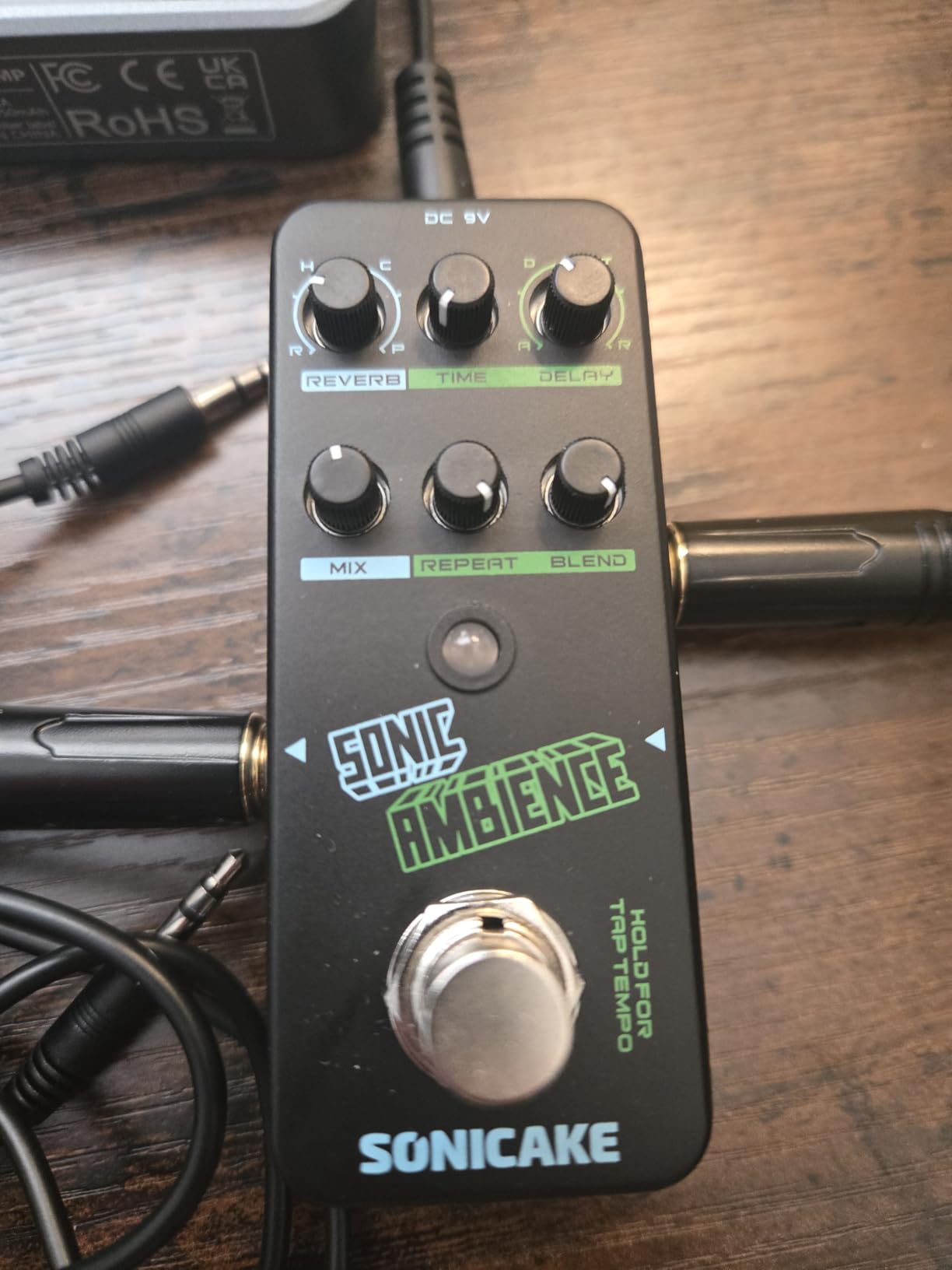
The SONICAKE Wave Crush is not a traditional synth pedal — it creates synth-like tones by destroying your signal in creative ways. The bitcrusher reduces your audio quality on purpose, turning clean guitar into lo-fi, glitchy, retro-sounding textures. With over 3,100 reviews and a 4.5-star rating, it is clearly resonating with a lot of players, and after testing one myself, I understand why.
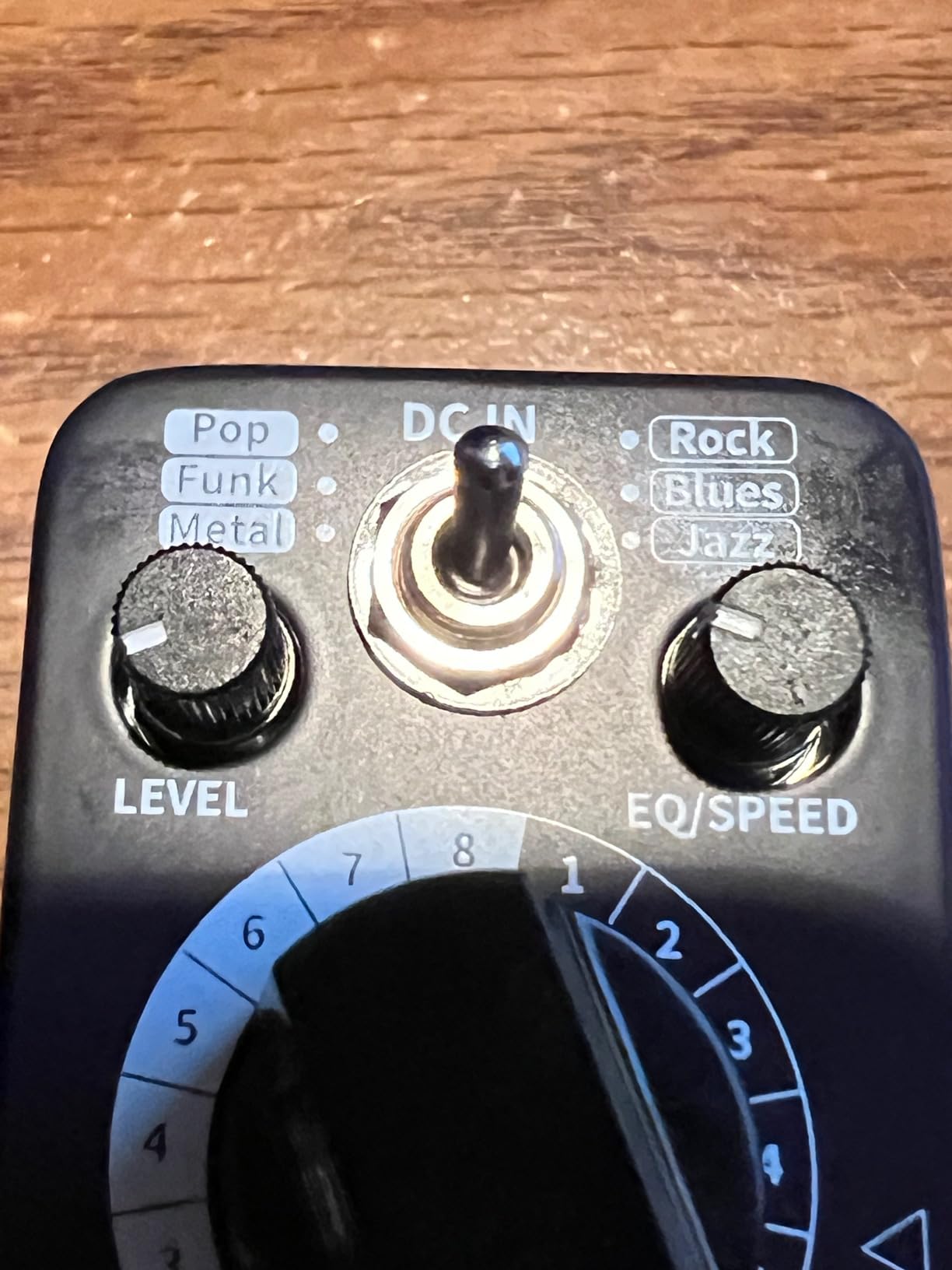
The three modes — Radio Simulator, Normal, and Vintage Gramophone — each have a distinct character. The Radio mode gave me that tinny, AM-radio quality that works perfectly for lo-fi hip-hop beats and vintage-sounding recordings. The Gramophone mode adds crackle and warmth that sounds like an old record player. Normal mode is the most flexible, letting you dial in everything from subtle degradation to full-on digital destruction using the bit depth (5-16 bits) and sampling rate (750-44100 Hz) controls.
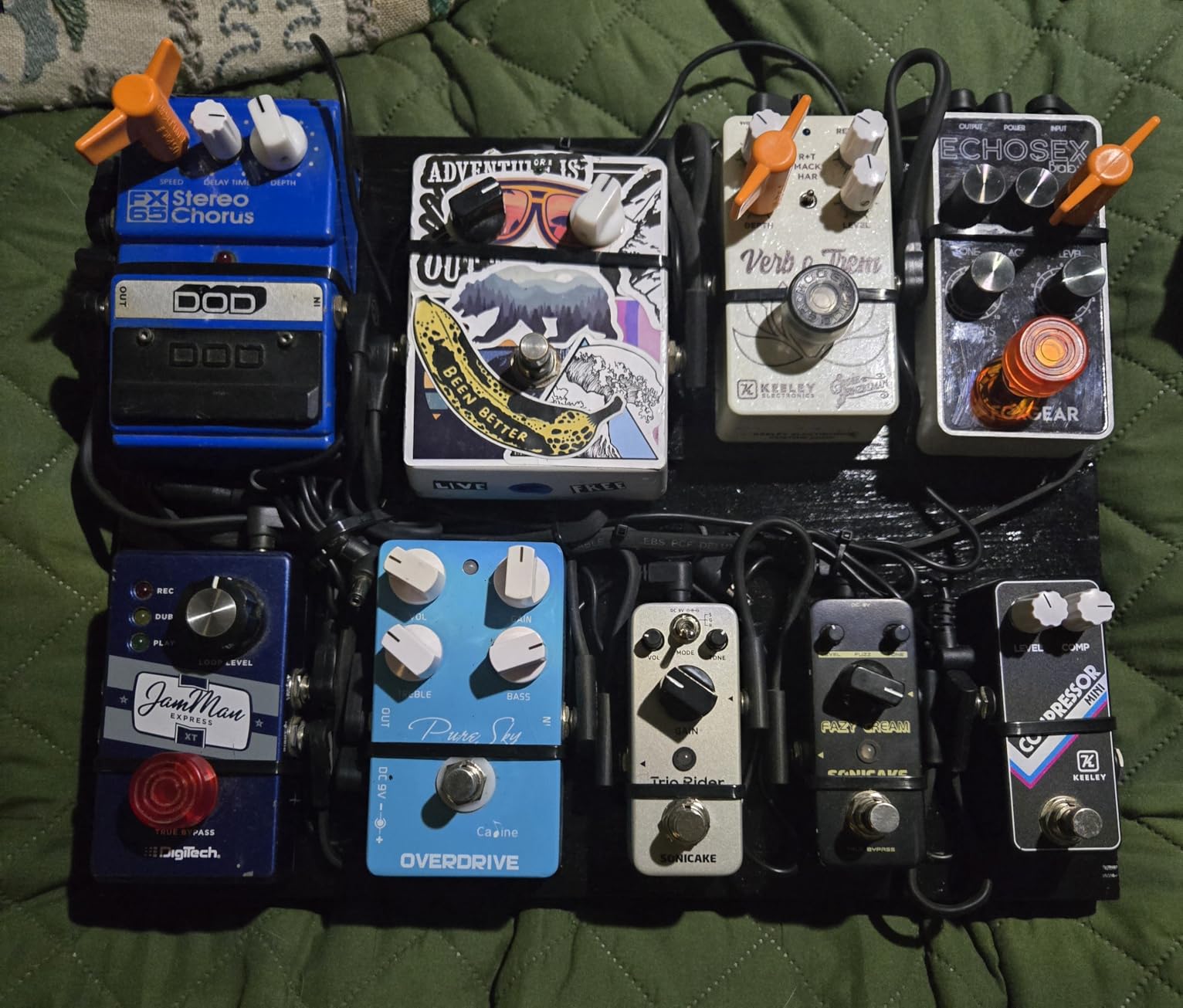
I ran my Telecaster through the Wave Crush and into a delay pedal, and the combination produced some of the most interesting textures I have heard from a pedal in this price range. Cyberpunk, chiptune, industrial — whatever you want to call it, this pedal nails those degraded digital sounds. The true bypass means your clean signal passes through unaffected when the pedal is off, which is important for maintaining tone quality on a crowded pedalboard.
The aluminum construction is surprisingly solid for the price. My only real complaint is that the power supply is not included, and there is no battery option. You need a standard 9V center-negative power supply, which most pedalboard power bricks handle fine. Some users report ground hum in specific configurations, so be mindful of your power routing if you notice extra noise.
Who Should Buy the SONICAKE Wave Crush
Producers, bedroom producers, and experimental guitarists who want lo-fi and bitcrushed textures will love this pedal. It is also a fantastic tool for anyone producing synthwave, cyberpunk, or chiptune music on a budget. The low price makes it an easy impulse buy that delivers real creative value.
Who Should Look Elsewhere
If you want traditional synthesizer sounds like pads, leads, and bass emulations, this is not the right pedal. The Wave Crush is a destructive effect, not a tone generator. Players looking for polyphonic synth tracking should look at the BOSS SY-1 instead.
5. Electro-Harmonix SYNTH9 – Best Vintage Synth Emulation

Electro-Harmonix SYNTH9 Synthesizer Machine Pedal
9 Vintage Synth Presets
Tracks to 23rd Fret
Blend Control
0.5 kg
Pros
- Authentic 70s and 80s synth emulation
- Works with guitar and bass
- Blend dry and wet signals
- Easy to set up and use
Cons
- Some reliability issues reported
- Limited to 9 presets
- No MIDI implementation
- Fast playing can swallow notes
The Electro-Harmonix SYNTH9 is built for one thing, and it does that thing really well: vintage synthesizer emulation. Each of the nine presets captures a different classic synth sound, from thick analog pads to snappy leads that sound like they came straight off a 1980s synth-pop record. I plugged in a Stratocaster and within seconds had a convincing MiniMoog-style tone happening.
The tracking range extends up to the 23rd fret on the high E string, which covers virtually the entire guitar fretboard. On bass, it tracks down to the open A string. I found that the pedal responds best to clean, articulate playing — pick each note clearly and the synth voice follows accurately. When I tried fast legato runs, some notes got swallowed, so this is a pedal that rewards deliberate, expressive playing over speed.
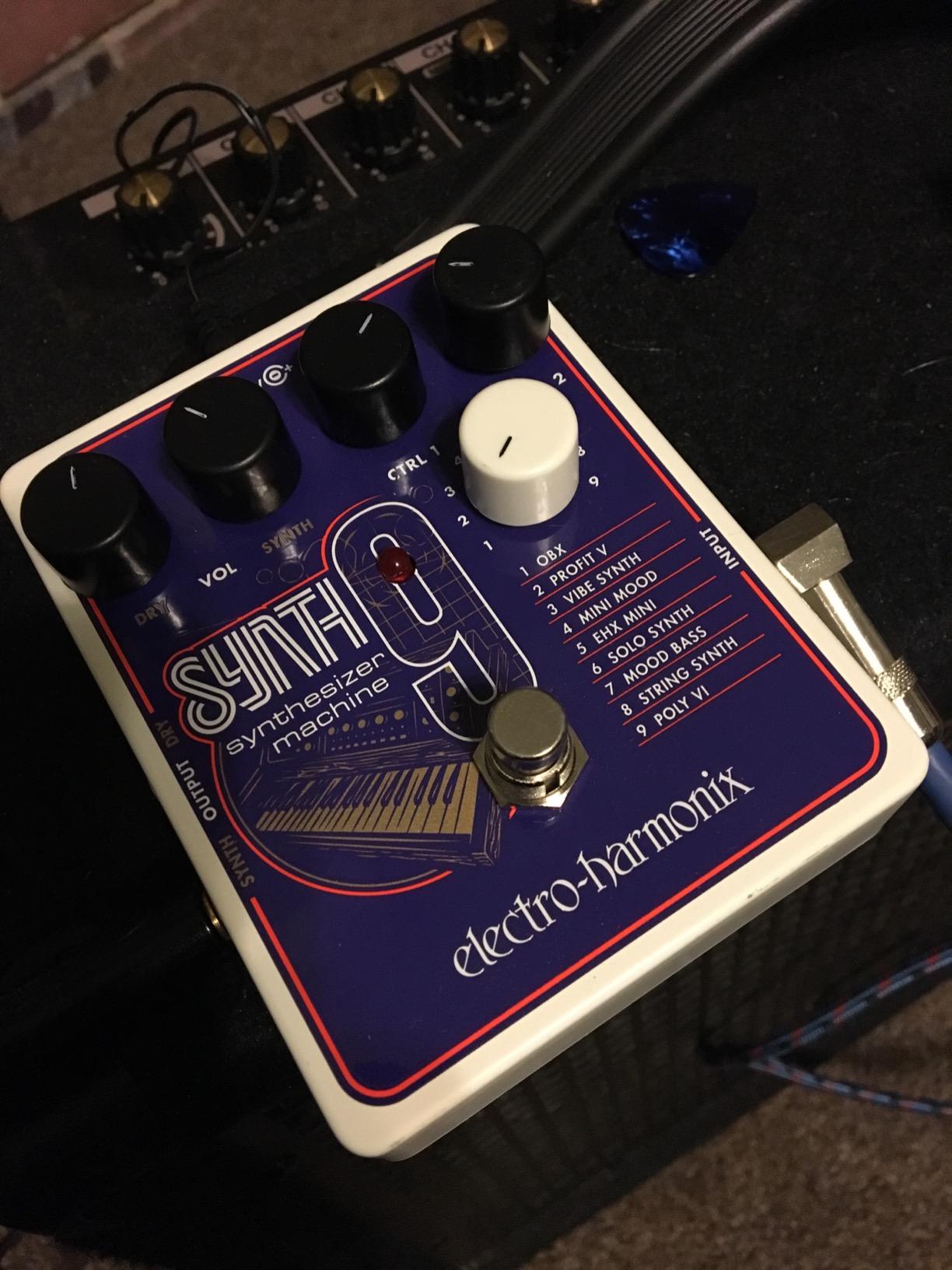
The blend control is one of my favorite features. You can mix your dry guitar signal with the synth voice, which creates interesting hybrid tones that sound like a guitar and synth playing simultaneously. Run an overdrive into the SYNTH9 and you get these massive howling sustains that are genuinely exciting to play with.
The SYNTH9 pairs with other EHX pedals in the 9-series (B9, C9, KEY9, MEL9) for a mega-keyboard setup if you want to go all-in on emulating different instrument sounds. The main downsides are the lack of MIDI, no preset storage beyond the nine built-in sounds, and scattered reports of reliability issues. Some users mention units failing after a couple of months, so keep that in mind.
Who Should Buy the EHX SYNTH9
Musicians who want authentic vintage synth tones without learning an actual synthesizer will love the SYNTH9. It is perfect for cover bands, recording projects that need retro synth textures, and guitarists who want to add keyboard-like sounds to their repertoire.
Who Should Look Elsewhere
Fast players and shredders will find the tracking limitations frustrating. If you need modern synth sounds, deep sound design, or MIDI control, the BOSS SY-200 is a more capable option. Players concerned about long-term reliability might prefer the Boss alternatives.
6. Electro-Harmonix Bass Mono Synth – Best Bass Synth for the Price

Electro-Harmonix Bass Mono Synth Bass Synthesizer Pedal
11 Synth Presets
EXP Pedal Input
Dual Outputs
Battery Powered
0.72 kg
Pros
- Real 80s-style synth bass tones
- Dual outputs for synth and clean signal
- EXP pedal input for real-time control
- Power adapter included
Cons
- Notes may not register properly at times
- Limited tonal variety
- Can sound glitchy with inconsistent technique
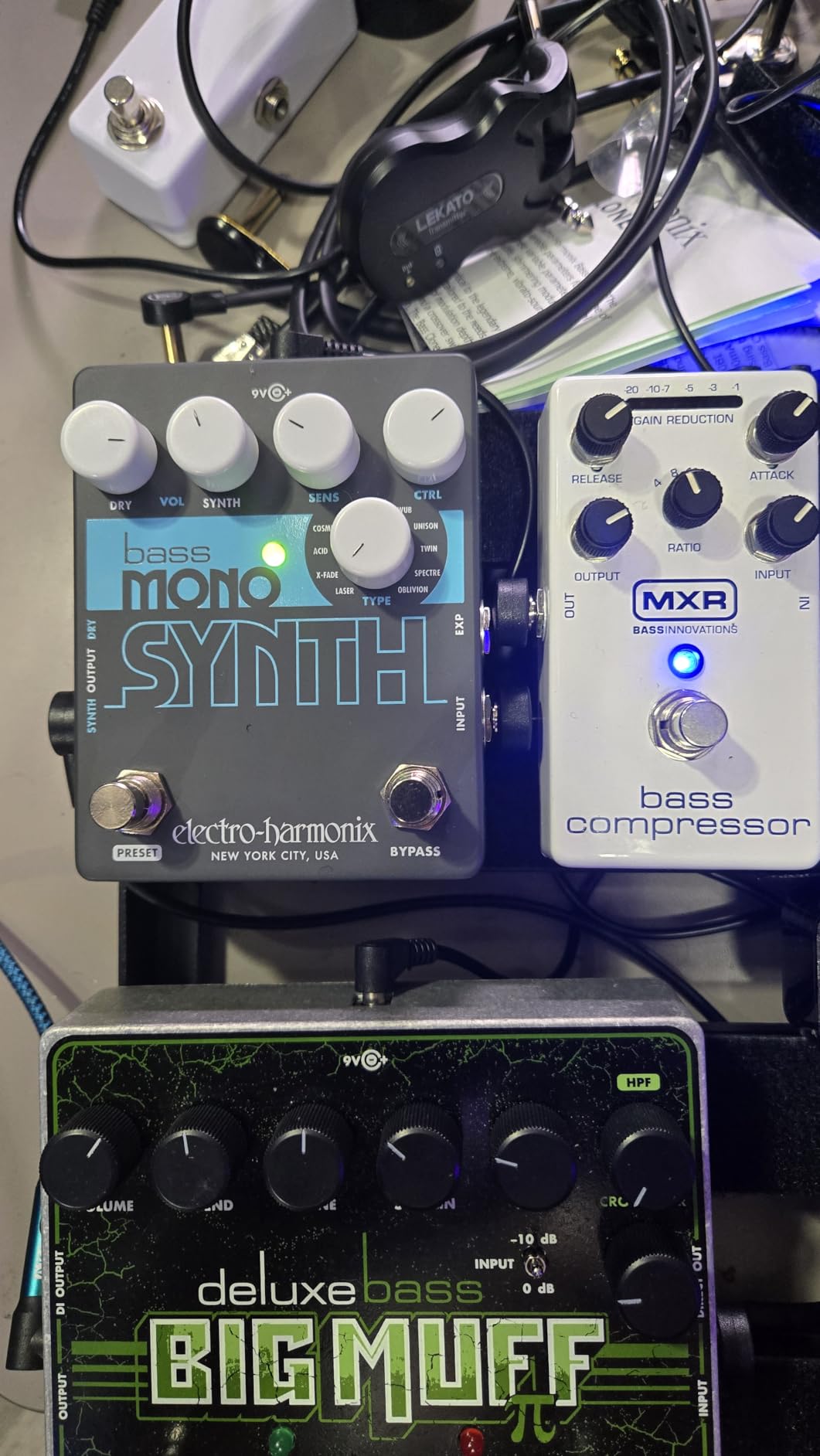
The EHX Bass Mono Synth is designed specifically for bass guitar, and that specialization shows in the sound. I ran my Jazz Bass through it and immediately got thick, growling synth bass tones that sat perfectly in a funk track I was working on. The eleven presets cover a range of bass synth sounds, from deep sub-bass rumble to punchy, filtered tones that would fit right into electronic music production.
The dual output design is a standout feature. One output carries the synth signal while the other passes your clean bass tone, which means you can send both to a mixer or amp and blend them to taste. This is incredibly useful for live performance where you need to maintain your fundamental bass tone while adding synth textures on top.
Where this pedal struggles is tracking consistency. Some notes trigger perfectly while others hiccup or produce unexpected sounds. The knobs have minimal effect on certain settings, which makes fine-tuning difficult. I found that playing with a consistent, firm attack helped the pedal track more reliably, but it took some adjustment to my technique.
The expression pedal input opens up real-time control over parameters, which adds a lot of expressiveness when you are performing. The power adapter is included, which is a nice touch at this price point. With a 3.8-star average and a polarized rating distribution — most users either love it or are disappointed — this is a pedal that works great if your playing style matches what it expects.
Who Should Buy the EHX Bass Mono Synth
Bassists who play funk, electronic, or synth-pop and want affordable synth bass tones should give this pedal a try. The dual outputs make it particularly appealing for live performers who need to split their signal. It is a solid choice if you play with consistent attack and prefer simpler, more focused sounds.
Who Should Look Elsewhere
Players who need reliable tracking with varied dynamics or fast playing techniques should consider the MXR Bass Synth instead. If you want a wider variety of synth tones or better tracking consistency, spending a bit more on the BOSS SY-1 will serve you better.
7. Electro-Harmonix Mono Synth Guitar – Best Guitar Synth for Ambient Tones

Electro-Harmonix Mono Synth Guitar Synthesizer Pedal
11 Synth Presets
EXP Pedal Input
Effects Loop
0.45 kg
Pros
- Unique and tasty synth options
- Great for ambient music and looping
- Fantastic sounds with clean playing technique
- Easy to use controls
Cons
- Poor note tracking on faster passages
- Not good for chords
- High latency with faster playing
- Included power supply may not be US compatible
The EHX Mono Synth Guitar version is the ambient player’s secret weapon. Where other synth pedals focus on lead tones or bass sounds, this one excels at creating atmospheric pads and evolving textures that work beautifully in ambient, post-rock, and experimental music. I ran it into a reverb pedal and a delay, and the resulting soundscapes were genuinely gorgeous.
The eleven presets cover a range of tones from warm, pulsing pads to more aggressive synth leads. I found the most success using this pedal with slow, deliberate single-note lines — pluck a note, let it ring, and let the synth voice transform it into something entirely different. The expression pedal input lets you sweep parameters in real time, which adds movement and life to sustained tones.
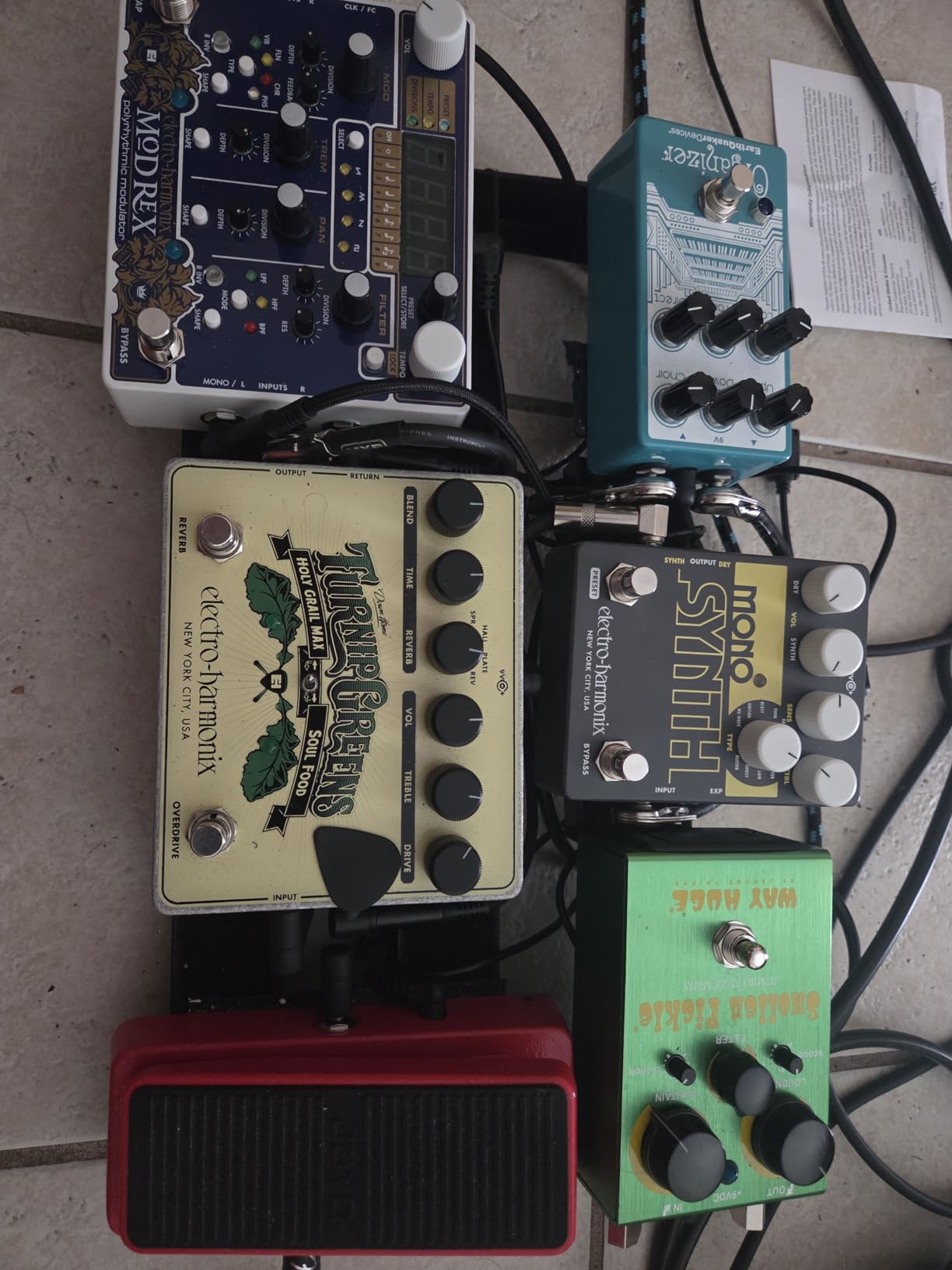
The tracking is the main issue here. This is a monophonic pedal, meaning it processes one note at a time. Chords confuse it, and fast playing outpaces its processing speed. The latency becomes noticeable when you try to play anything above a moderate tempo. Some users also report that the included power supply uses a Japanese plug configuration, so you may need a different adapter if you are in the US.
Despite its limitations, the Mono Synth has a unique character that I have not found in other pedals. The synth tones have a warmth and musicality that works beautifully for recording. I recorded several ambient guitar layers with it and was impressed by how well the synth voices blended with other instruments in a mix.
Who Should Buy the EHX Mono Synth Guitar
Ambient guitarists, post-rock players, and experimental musicians who work with slow tempos and textural sounds will find a lot to love here. It is also a solid choice for looping enthusiasts who want to build layered synth textures from a guitar signal.
Who Should Look Elsewhere
Anyone who needs fast tracking, chord support, or reliable performance across playing styles should look at the BOSS SY-1. If you play lead guitar at speed or need a pedal for live performance where reliability is critical, the tracking issues will frustrate you.
8. Keeley Synth-1 – Best Fuzz Wave Generator

Keeley Synth-1 Reverse Attack Fuzz Wave Generator Pedal
Fuzz Wave Generator
Reverse Attack
Chaos Switch
Wave Selector
14.4 oz
Pros
- Thousands of possible sounds
- Intuitive control layout
- Hidden swell and attack feature
- Tracks well compared to other fuzz synths
Cons
- Note tracking can be unpredictable
- Some modes produce wrong notes or static
- Not for players seeking ambient space sounds
The Keeley Synth-1 is unlike any other pedal on this list. It is not trying to emulate a vintage synthesizer or create ambient pads — it generates aggressive, fuzzed-out synth tones that sound like a guitar being pushed through a broken analog circuit in the best possible way. The first time I engaged the Chaos switch and hit a low E, my entire desk vibrated. This pedal is not subtle.
The control layout is deceptively simple but surprisingly deep. The Wave Selector changes wave modes on the fly, the Filter shapes the EQ and tone of the fuzz wave, and the Chaos Switch changes the dimensional triggering and octave behavior. Combine these with the Reverse Attack feature, which creates volume swell effects, and you have thousands of possible sound combinations. I spent hours exploring and kept finding new tones.
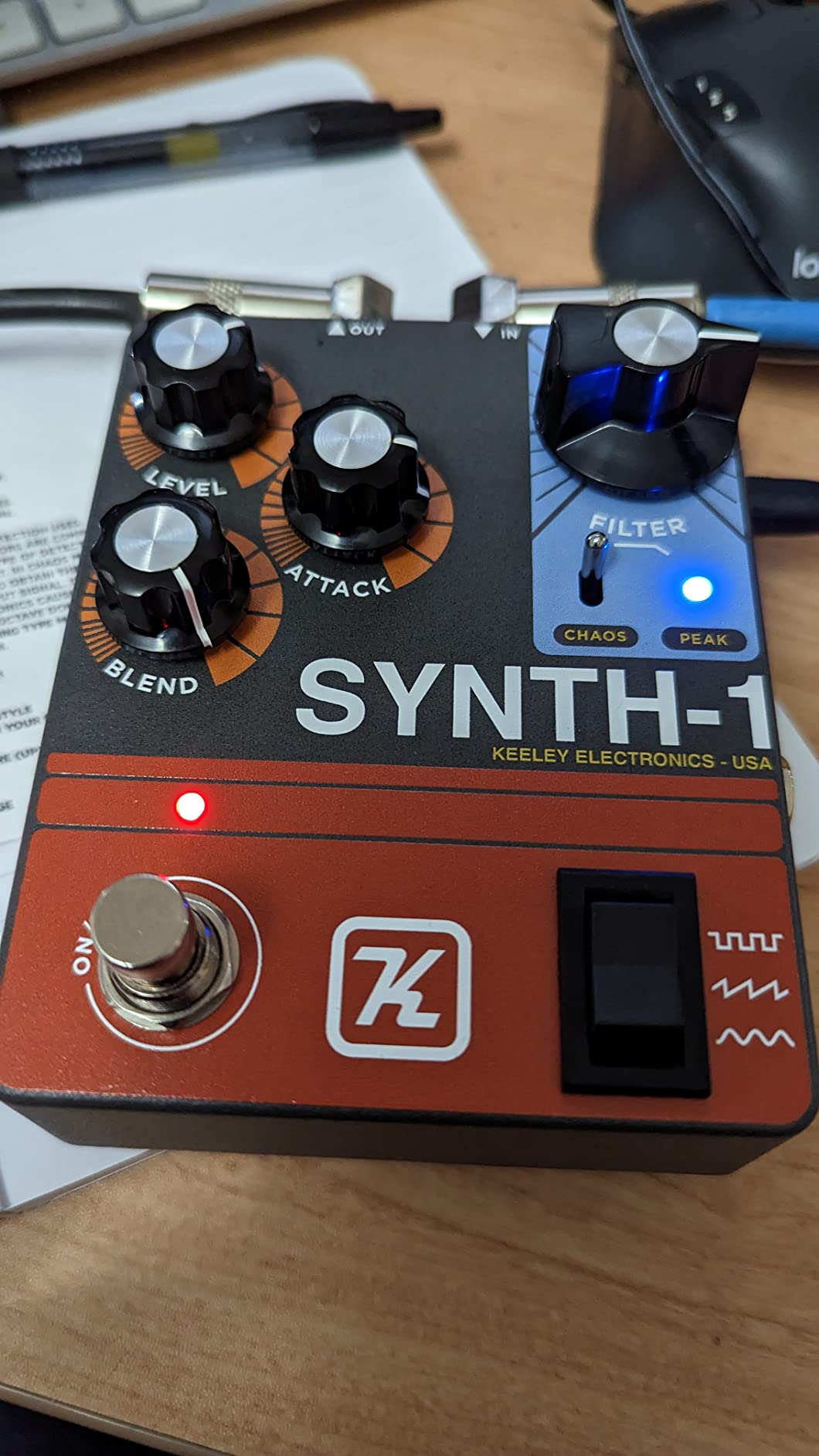
Where the Synth-1 stumbles is note tracking predictability. Some modes track notes cleanly and consistently, while others produce unexpected pitches or dissolve into noise. This unpredictability can be either a feature or a bug depending on your perspective — for noise rock and experimental music, the glitchy behavior is part of the appeal. For players who need consistent, repeatable results, it can be frustrating.
The hidden swell and attack feature is a bonus that many users overlook. When used with an expression pedal, you can create smooth volume swells that add a completely different dimension to the pedal’s sound. The two-year warranty from Keeley is reassuring, and the build quality feels solid. At just 3 x 3 x 3 inches, it takes up minimal space on a board.
Who Should Buy the Keeley Synth-1
Players who gravitate toward aggressive, fuzz-heavy synth tones and experimental sounds will find a lot to love here. It is perfect for noise rock, stoner metal, and any genre where unpredictability is an asset. If you want a synth pedal that sounds nothing like anything else on your board, this is it.
Who Should Look Elsewhere
Musicians who need precise, repeatable tracking for live performance should look elsewhere. If you want clean synth pads, ambient textures, or vintage keyboard emulations, the BOSS SY-1 or EHX SYNTH9 are better choices. This pedal is loud, aggressive, and unpredictable by design.
9. EarthQuaker Devices Bit Commander V2 – Best Analog Octave Synth
EarthQuaker Devices Bit Commander V2 Analog Octave Synth Guitar Effects Pedal
Monophonic Analog Synth
4 Octave Voices
True Bypass
Made in USA
0.4 kg
Pros
- Unique analog octave synth tones
- Sounds amazing with drive and fuzz loops
- True bypass for clean signal path
- Handmade in Akron Ohio with lifetime warranty
Cons
- Considered a one-trick pony by some users
- Limited to monophonic use
- No presets
The EarthQuaker Devices Bit Commander V2 is an all-analog octave synth that makes your guitar sound like a wall of vintage synthesizers. It generates four distinct octave voices — a ripping sub-octave thump, a pulsing octave down, a lightly squared base tone, and a swelling transformer-based octave up — and lets you mix them together using individual level controls. I ran a single note through it and within seconds had a sound that was equal parts synthesizer and angry guitar.
The magic of the Bit Commander reveals itself when you pair it with other pedals. I ran it into a delay and got these trippy, arpeggiating textures that sounded like a vintage synth sequencer. Add a fuzz pedal in front and you get absolutely massive, grinding tones that fill up a mix. The true bypass ensures your clean signal stays pristine when the pedal is disengaged, which matters when you are running a complex signal chain.
Being an analog pedal means it has a warmth and character that digital pedals struggle to replicate. It also means it is monophonic — one note at a time. Chords do not work, and the pedal responds differently depending on where you play on the neck. Some players consider it a one-trick pony, and I understand that criticism. But the trick it does is so unique and so much fun that I do not mind the limitations.
The limited lifetime warranty from EarthQuaker Devices speaks to their confidence in the build quality. Each pedal is handmade in Akron, Ohio, and the attention to detail is apparent when you hold it. The six-knob interface is straightforward and encourages experimentation — turn knobs, trust your ears, and see what happens.
Who Should Buy the EarthQuaker Bit Commander V2
Players who value analog warmth and unique octave synth textures will find the Bit Commander irresistible. It is ideal for experimental guitarists, bassists who want deep sub-octave tones, and anyone building an analog-focused pedalboard. The lifetime warranty adds long-term value.
Who Should Look Elsewhere
If you need polyphonic tracking, preset storage, or a wide variety of synth sounds, this is not the right choice. Players who want a versatile, do-it-all synth pedal should consider the BOSS SY-1 instead. The Bit Commander does one thing exceptionally well, but it is genuinely a one-trick pedal.
10. MXR Bass Synth – Best Premium Bass Synth Pedal

MXR® Bass Synth
8 Presets
Sub-Octave Engine
Envelope Filter
Modulation
Designed with Ian Martin Allison
Pros
- Excellent tracking after initial setup
- 8 great preset sounds
- Works well in front of other pedals
- Easy to program with deep functions
Cons
- Requires proper power supply
- Struggles with anything beyond single notes
- Preset changes can be complicated live
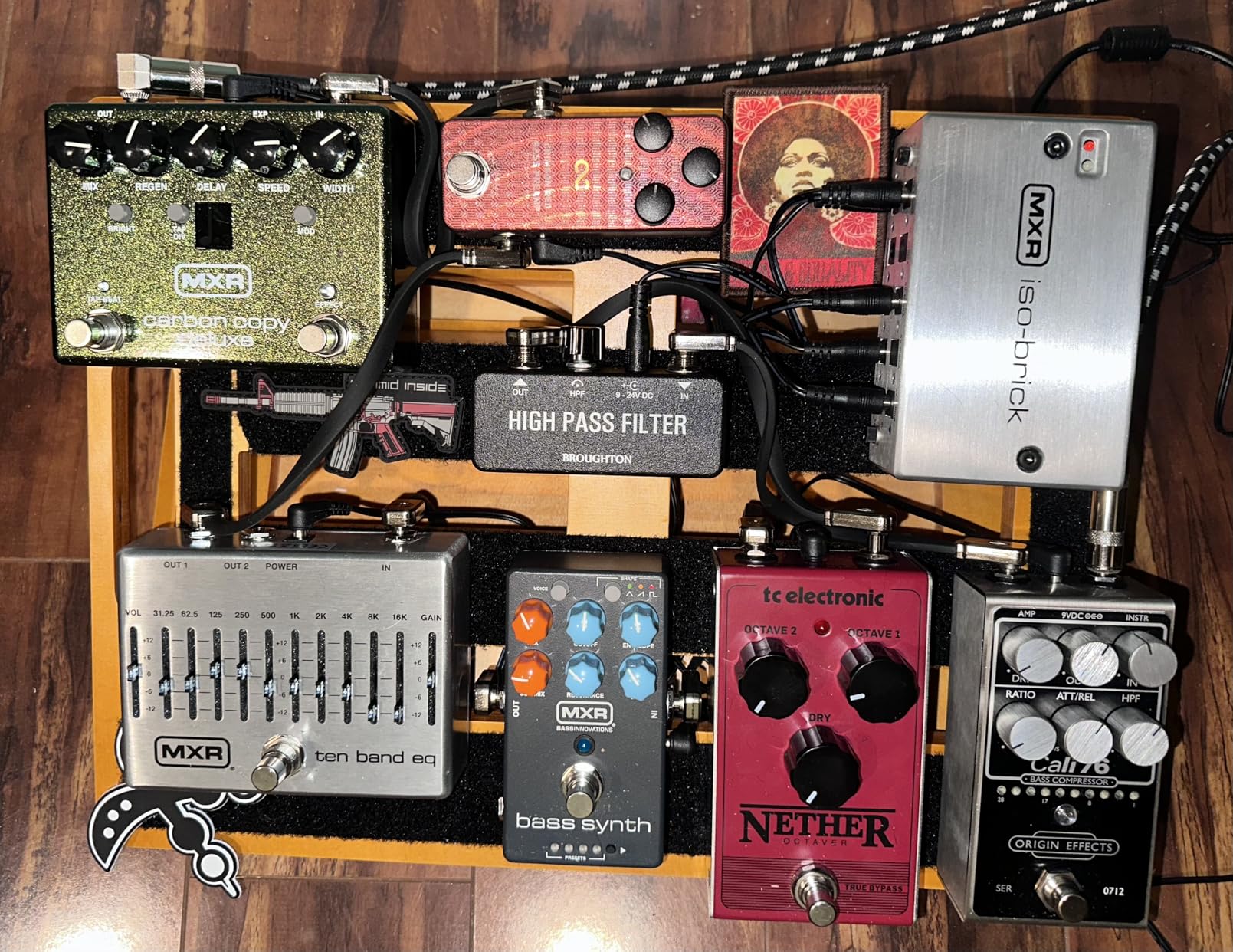
The MXR Bass Synth is a serious piece of engineering designed in collaboration with Ian Martin Allison, and it shows. This pedal delivers intergalactic grooves and vintage analog-style bass synth tones that sound like they were lifted from classic funk and synth-pop records. The eight presets cover a range of tones from thunderous sub-octave rumble to expressive envelope-filtered sweeps and lush modulation effects.
What impressed me most about the MXR is how intuitive it feels once you understand the layout. The primary controls are right on the surface, but there are secondary and tertiary functions hidden behind button combinations that give you deep programming capability. Once I learned the programming system, I was able to dial in custom sounds in minutes without needing an engineering degree.
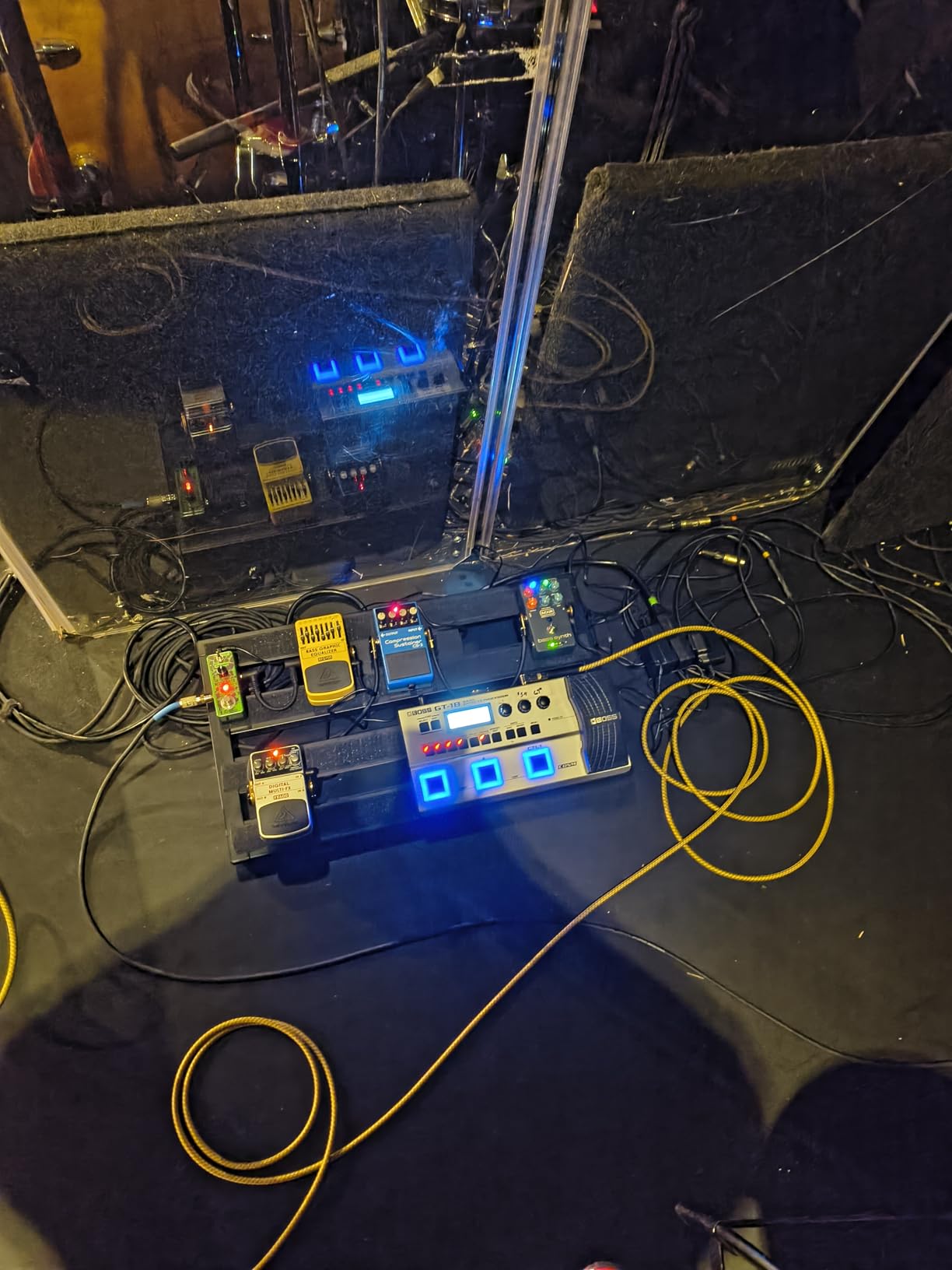
The tracking is excellent — some of the best I have experienced in a bass synth pedal — but it requires proper setup. You need a solid power supply (a basic One Spot may not provide enough current), and you need to adjust your playing technique slightly. Single notes track consistently and sustain beautifully, but chords and double-stops confuse the pedal. This is a monophonic processor through and through.
I tested the MXR in front of reverb, delay, and modulation pedals, and the combination was outstanding. The synth tones respond beautifully to downstream effects, which makes this pedal a team player in a larger signal chain. Multiple reviewers on Amazon consider it the best mono synth pedal they have ever played, and after spending time with it, I understand why. The presets are musical, the tracking is tight, and the sounds are immediately usable.
Who Should Buy the MXR Bass Synth
Serious bassists who want professional-grade synth tones for recording and live performance should strongly consider the MXR. It is ideal for funk, electronic, and pop bassists who need reliable, great-sounding presets. The collaboration with Ian Martin Allison means the sounds are practical and musical, not just tech demos.
Who Should Look Elsewhere
Bassists on a tighter budget can get solid results from the EHX Bass Mono Synth at a lower price point. If you need polyphonic synth tracking or guitar compatibility, the BOSS SY-1 is more versatile. Players who want extensive preset libraries should also note the MXR caps out at eight.
11. Electro-Harmonix Superego – Best Synth Engine for Sustain and Freeze

Electro Harmonix Superego Synth Engine Guitar Effects Pedal
Freeze and Sustain Engine
Effects Loop
Glissando
3 Operating Modes
1.6 lbs
Pros
- Excellent freeze and sustain functionality
- Multiple operating modes
- Effects loop for external pedals
- Layer feature for stacking sounds
Cons
- Requires strong signal to trigger properly
- Not ideal for chords
- Volume can spike unexpectedly
- Complex setup for optimal use
The Electro-Harmonix Superego is not a synthesizer in the traditional sense — it is a synth engine that captures, sustains, and transforms your guitar signal into evolving pad-like textures. The first time I hit the footswitch and heard a chord freeze in place, sustaining indefinitely while I played lead lines over the top, I was hooked. This pedal does something that no other pedal on this list can do.
It offers three operating modes: momentary (hold the switch to sustain), latch (tap to sustain indefinitely), and auto (automatically sustains notes above a threshold). In latch mode, the layer feature lets you stack sounds on top of each other, building dense ambient textures from a single guitar. I built a five-layer ambient drone in about thirty seconds and was amazed at how musical it sounded.
The effects loop is where the Superego gets truly powerful. You can insert delay, tremolo, reverb, or any other pedal into the wet signal path, which means your sustained notes get processed by your favorite effects. I ran a tremolo pedal in the loop and got these beautiful, undulating pad sounds that sounded like a synthesizer with a slow LFO modulating the volume.
The main challenge with the Superego is getting it to trigger consistently. It needs a strong input signal to register notes, and chords can be finicky — sometimes it captures the full chord, sometimes it grabs individual notes inconsistently. Volume spikes can happen unexpectedly when you engage the freeze function, so be careful with your gain staging. Despite these quirks, the creative potential is enormous for patient players.
Who Should Buy the EHX Superego
Ambient guitarists, loop-based performers, and experimental musicians who want to create sustained pads and layered textures from their guitar will find the Superego invaluable. It is also great for worship musicians who need sustained background tones. If you enjoy building soundscapes, this pedal is a must-have.
Who Should Look Elsewhere
Players who want traditional synthesizer sounds like leads, basses, and pads should look at the BOSS SY-1 or EHX SYNTH9 instead. If you need straightforward operation with minimal tweaking, the Superego’s complexity and trigger sensitivity may frustrate you.
12. Electro-Harmonix Bass Micro Synthesizer – Best Analog Bass Synth

Electro-Harmonix Bass Micro Synthesizer Analog Microsynth Pedal
All Analog Design
3-Pole Resonant Filter
4 Voice Mixer
Slider Controls
2.1 lbs
Pros
- Fat Moog-type synth bass sounds
- Excellent note tracking
- Slider controls for real-time adjustment
- All analog signal path
Cons
- No preset storage
- Requires tweaking to find desired sounds
- Large enclosure takes up board space
The Electro-Harmonix Bass Micro Synthesizer is a legend. This all-analog pedal has been around for years and remains one of the most respected bass synth pedals ever made. The reason is simple: it sounds like a Moog synthesizer in a box. The four-voice mixer lets you blend a sub-octave, the original signal, an octave up, and a square wave, while the three-pole resonant filter sweeps from deep rumble to cutting lead tones.
I love the slider-based interface. Each parameter has a physical slider that you can adjust in real time, which makes live performance incredibly expressive. You can see exactly where your settings are at a glance, and sweeping the filter frequency slider with your hand while playing produces those classic synth filter sweeps that define funk and electronic bass. The start and stop frequency sliders with adjustable rate give you full control over the filter’s sweep direction and speed.
The tracking is excellent, which is one of the reasons this pedal has maintained its reputation over the years. Notes register accurately across the bass fretboard, and the all-analog signal path gives the tones a warmth and richness that digital pedals struggle to match. I ran my bass through it and immediately got deep, growling synth tones that sat perfectly in a funk track.
The biggest drawback is the lack of preset storage. Every time you want a different sound, you have to manually adjust the sliders. The enclosure is also large at 8 x 7 x 3.5 inches, so it eats up significant pedalboard real estate. But for players who value tone quality over convenience, the Bass Micro Synthesizer delivers analog warmth that digital pedals simply cannot replicate.
Who Should Buy the EHX Bass Micro Synthesizer
Purists who value all-analog tone and Moog-style synth bass sounds will find this pedal irresistible. It is ideal for funk, electronic, and experimental bassists who want real-time control over their synth tones and do not mind tweaking sliders between songs.
Who Should Look Elsewhere
Players who need preset storage, compact size, or digital versatility should look at the MXR Bass Synth or BOSS SY-1. If pedalboard space is tight, the large enclosure will be a problem. Players who prefer set-and-forget convenience may find the manual adjustments tedious.
13. Electro-Harmonix Attack Decay – Best Tape Reverse Simulator

Electro-Harmonix Attack Decay Tape Reverse Simulator Pedal
Tape Reverse Simulator
Mono and Poly Modes
Built-in Fuzz
Effects Loop
3 Presets
1.6 lbs
Pros
- Excellent cello and string instrument simulations
- Built-in Harmonix fuzz is thick and saturated
- Poly and mono modes for different styles
- Expression pedal included
Cons
- Steep learning curve with 24-page manual
- Complex to dial in initially
- Limited attack and decay sweep range
The Electro-Harmonix Attack Decay is one of the most unique pedals I have ever played. It simulates tape reverse effects by reshaping the volume envelope of your playing — instead of the normal attack-decay curve of a plucked string, you get reversed attacks that swell up from silence. The result sounds like a cello, a violin, or a reversed tape loop, depending on how you set it. I spent an entire evening just exploring the different textures this pedal produces.
The mono mode processes one note at a time, resetting the envelope with each new note. The poly mode gives each note its own independent envelope, which means you can play chords and each string gets the reverse-attack treatment. I played arpeggiated chords in poly mode and the result was hauntingly beautiful — each note swelled in independently, creating a lush, orchestral texture.
The built-in Harmonix fuzz is a welcome addition. It is thick, saturated, and perfectly voiced for the volume envelope effect. Combined with the reverse attack, the fuzz produces bowed instrument sounds that are remarkably convincing. The effects loop lets you insert your own pedals onto the volume envelope, which opens up even more creative possibilities.
Three preset slots let you save your favorite configurations, and the included expression pedal adds real-time control over parameters. The learning curve is real — the manual is 24 pages long, and it takes time to understand how all the controls interact. But once you wrap your head around it, the Attack Decay becomes one of the most creative tools on your pedalboard.
Who Should Buy the EHX Attack Decay
Experimental guitarists, ambient players, and musicians who want to simulate string instruments like cellos and violins will find this pedal incredibly rewarding. It is also great for recording projects where reversed guitar textures add atmospheric depth. Patient players who enjoy deep exploration will love what this pedal offers.
Who Should Look Elsewhere
Players who want straightforward synth tones without a steep learning curve should look at the BOSS SY-1 or MOOER E7. If you need traditional synthesizer sounds rather than envelope manipulation, this pedal will not deliver what you expect. Gigging musicians who need simple, reliable operation should also consider simpler alternatives.
How to Choose the Right Synth Pedal
Picking the right synth pedal comes down to understanding what you need it to do. After testing 13 pedals across dozens of sessions, I have identified the key factors that actually matter when making this decision. Here is what to consider before you buy.
Tracking Type: Polyphonic vs Monophonic
This is the single most important factor. Polyphonic pedals like the BOSS SY-1 and SY-200 can process chords and multiple notes simultaneously, which makes them more versatile for rhythm playing. Monophonic pedals like the EHX Mono Synth, Keeley Synth-1, and EarthQuaker Bit Commander process one note at a time. They often sound thicker and more synth-like but cannot handle chords. If you play a lot of chords, polyphonic tracking is non-negotiable.
Sound Type: Emulation vs Generation vs Destruction
Synth pedals generally fall into three categories. Emulation pedals like the EHX SYNTH9 recreate classic synthesizer sounds. Generation pedals like the BOSS SY-1 and EarthQuaker Bit Commander create new synth tones from your instrument’s signal. Destruction pedals like the SONICAKE Wave Crush degrade your signal to create lo-fi and bitcrushed textures. Knowing which type of sound you want narrows your choices quickly.
Preset Storage and Live Use
If you gig regularly, preset storage matters more than you think. The BOSS SY-200 has 128 memories, the MXR Bass Synth has 8 presets, and the EHX Attack Decay has 3. Many pedals on this list have no preset storage at all, which means you are manually adjusting knobs between sounds. For studio use, this is fine. For live performance, presets save you from awkward pauses mid-set.
MIDI and Expression Pedal Support
MIDI control lets you integrate your synth pedal into a larger digital setup. The BOSS SY-200 has full MIDI I/O, making it the clear choice for players with MIDI controllers or digital pedalboards. Expression pedal inputs, found on the EHX Mono Synth, MXR Bass Synth, and others, let you control parameters in real time with your foot. This is especially useful for filter sweeps and volume swells during live performance.
Instrument Compatibility
Not every synth pedal works well with every instrument. Some pedals are optimized for guitar (BOSS SY-1, EHX Mono Synth Guitar), some for bass (MXR Bass Synth, EHX Bass Mono Synth, EHX Bass Micro Synthesizer), and some work well with both. I even ran a violin through the BOSS SY-1 and got great results. Check the pedal’s tracking range and intended instrument before buying.
Power Requirements
Pay attention to power draw. The EarthQuaker Bit Commander V2 draws only 25mA, making it easy to power from any supply. The MXR Bass Synth draws 330mA, which may require a dedicated output on your power brick. Several pedals on this list do not include power supplies, so factor that into your budget. All of them run on 9V, which is standard for guitar pedals.
Frequently Asked Questions
What is the best synth pedal for beginners?
The MOOER E7 is the best synth pedal for beginners because it offers seven usable synth tones with individual arpeggiators at a very affordable price. Its compact size fits any pedalboard, and the simple control layout means you can start making synth sounds within minutes of unboxing it. The BOSS SY-1 is another strong beginner option if you have a larger budget and want more sounds with better tracking.
How do synth pedals work with guitar?
Synth pedals capture your guitar’s audio signal and process it using digital or analog circuitry to create synthesizer-like tones. Some pedals use pitch tracking to convert your guitar notes into synth voices, while others use oscillators and filters to generate new sounds based on your playing. Polyphonic pedals can process chords, while monophonic pedals work best with single notes. No special pickups are required for most modern synth pedals.
What is the difference between a synth pedal and a regular effects pedal?
A regular effects pedal like distortion, delay, or reverb modifies your existing guitar tone by adding or processing specific characteristics. A synth pedal actually generates new sounds based on your input signal — it can create entirely different instruments like organ, Moog bass, or string ensemble tones. Synth pedals typically use oscillators, filters, and pitch-tracking technology to produce sounds that do not resemble a guitar at all.
Do synth pedals work with bass guitar?
Yes, many synth pedals work with bass guitar. Some, like the MXR Bass Synth, EHX Bass Mono Synth, and EHX Bass Micro Synthesizer, are specifically designed for bass and optimized for lower frequencies. The BOSS SY-1 also handles bass well and offers polyphonic tracking. Check the pedal’s tracking range specifications — bass-optimized pedals typically track down to the open E or A string on a bass guitar.
Can you use a synth pedal with a keyboard or synthesizer?
Yes, you can run a keyboard or synthesizer through most guitar synth pedals to add additional processing and textures. The SONICAKE Wave Crush bitcrusher works great on synth signals for lo-fi degradation, and the EHX Superego can freeze and sustain keyboard notes just like guitar notes. Keep in mind that pedals optimized for guitar frequency ranges may behave differently with keyboard signals, so experiment with gain staging.
Final Thoughts on the Best Synth Pedals
Finding the right synth pedal can completely transform how you approach your instrument. After testing 13 pedals across months of playing, recording, and live use, a few clear standouts emerged. The BOSS SY-1 remains my top recommendation for most players because it delivers 171 sounds with excellent polyphonic tracking in a compact, reliable package. The MOOER E7 is the smart choice for anyone who wants to try synth tones without a big investment. And the SONICAKE Wave Crush offers incredible creative value for lo-fi and experimental textures at the lowest price on this list.
For bassists specifically, the MXR Bass Synth delivers professional results with its eight presets and excellent tracking, while the EHX Bass Micro Synthesizer provides all-analog Moog-style tones that digital pedals cannot match. If you want something truly unique, the EHX Superego freeze engine and the EHX Attack Decay tape reverse simulator open up creative possibilities that no other pedals offer.
The best synth pedals in 2026 are more accessible and more capable than ever. Whether you are a guitarist looking to expand into synth territory, a bassist adding electronic textures to your tone, or an experimental musician pushing boundaries, there is a pedal on this list that will get you there. Pick the one that matches your playing style, budget, and creative goals, and start exploring what your instrument can really do.