
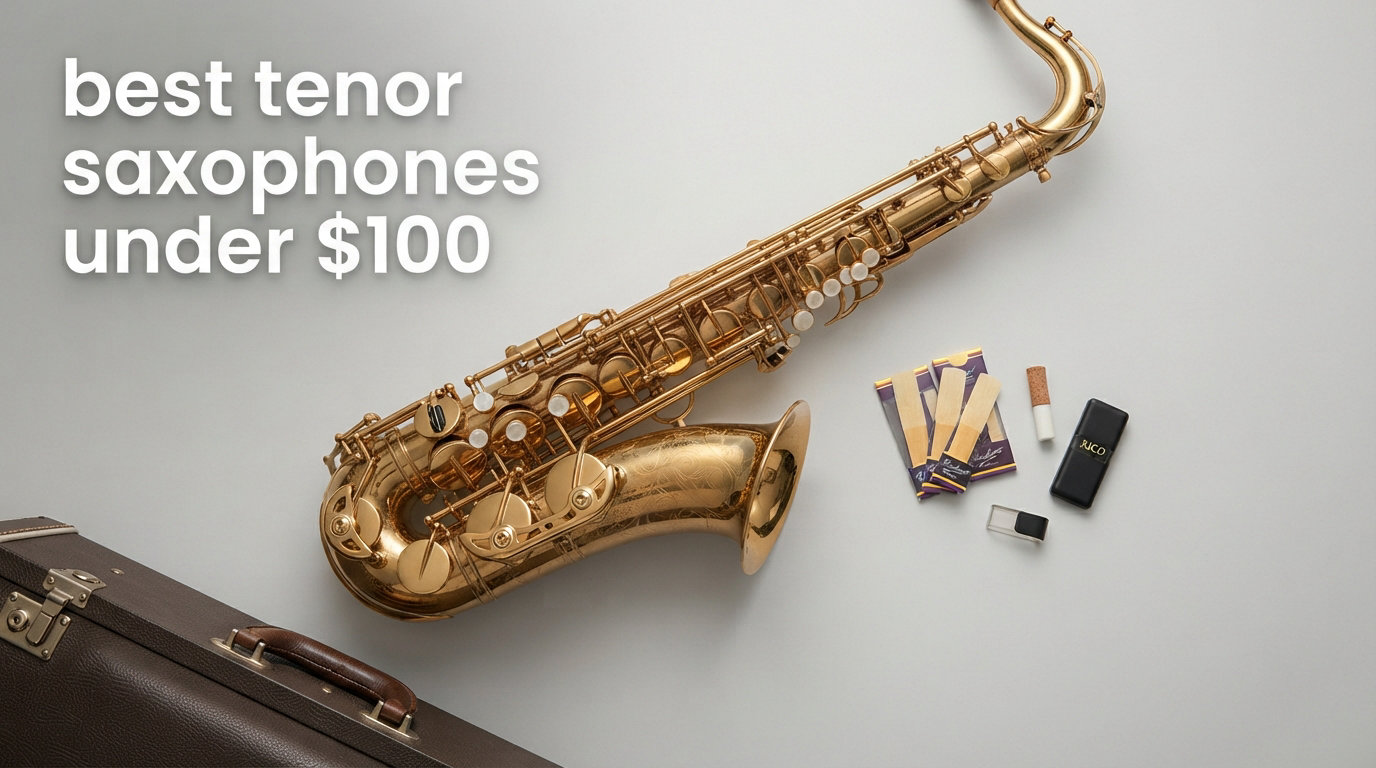
I want to be straight with you before we dive in. A brand-new, fully playable tenor saxophone for under $100 simply does not exist in 2026. Every legitimate new tenor sax on the market today starts around $300 and climbs past $2,000 for intermediate and professional models. So when someone searches for the best tenor saxophones under $100, they usually fall into one of three camps: they are hunting for starter accessories, they want a gift for a curious beginner, or they are hoping to land a hidden gem on the used market.
Our team has spent the last two months digging through Amazon listings, Reddit threads on r/saxophone, and SaxOnTheWeb forums to figure out what someone with a $100 budget can actually buy that makes a real difference. This guide covers the accessories, maintenance kits, and parts that genuinely fit the budget. We also walk through honest alternatives like used instruments and rental programs, because pretending you can buy a quality new tenor sax at this price point would do you a disservice.
If you already own a tenor saxophone (or inherited one) and need to upgrade your setup, this is the right guide. We have also linked out to our full beginner tenor saxophone guide for readers who can stretch their budget. Let’s get into the picks.
Table of Contents
Top 3 Picks for Tenor Sax Players on a $100 Budget In 2026

Yamaha 4C Tenor Saxophone Mouthpiece
- Official Yamaha design
- Beginner-friendly tone
- Durable phenol resin


Best Tenor Sax Accessories Under $100 (September 2026)
| Product | Specifications | Action |
|---|---|---|
| Yamaha 4C Tenor Saxophone Mouthpiece |
|
Check Latest Price |
| Neotech Soft Saxophone Neck Strap |
|
Check Latest Price |
 Nan Yante Saxophone Cleaning Kit Nan Yante Saxophone Cleaning Kit |
|
Check Latest Price |
 Focusound Tenor Saxophone Neck Strap Focusound Tenor Saxophone Neck Strap |
|
Check Latest Price |
 Imelod Saxophone Cleaning Kit Imelod Saxophone Cleaning Kit |
|
Check Latest Price |
 Nan Yante Cork Replacement Kit Nan Yante Cork Replacement Kit |
|
Check Latest Price |
| Legere Synthetic Tenor Sax Reed |
|
Check Latest Price |
 Jiayouy Tenor Sax Ligature Jiayouy Tenor Sax Ligature |
|
Check Latest Price |
1. Yamaha 4C Tenor Saxophone Mouthpiece – The Single Best Upgrade Under $100
Yamaha 4C Tenor Saxophone Mouthpiece, Standard Series
Phenol resin plastic
Standard 4C design
B flat compatible
27 gram weight
Pros
- Identical to mouthpieces on new Yamaha saxophones
- Beginner-friendly tone with minimal resistance
- Safe durable plastic construction
- Fits any brand of standard tenor saxophone
- Consistent manufacturing quality
Cons
- Not suited for professional performance demands
- Basic design for entry-level use only
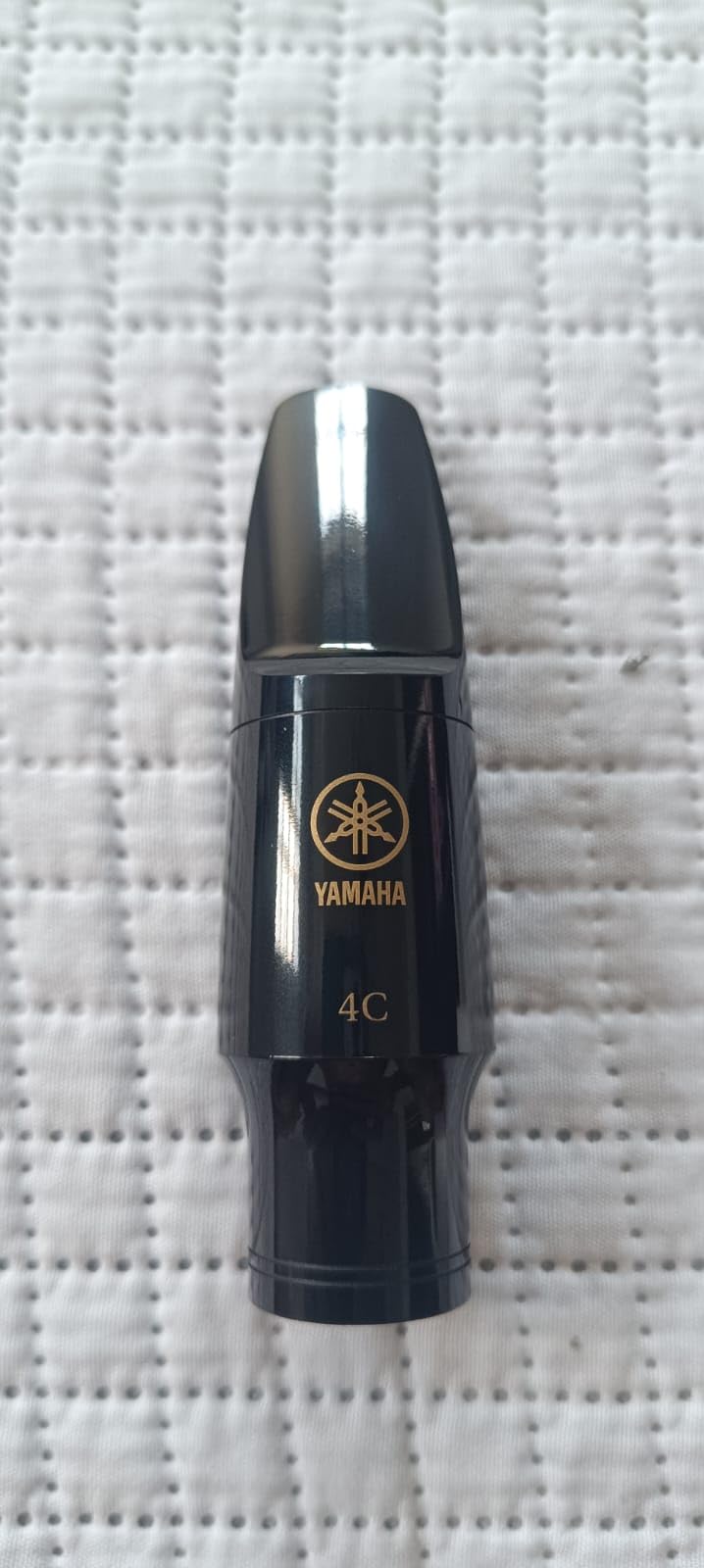
I handed my old Bundy tenor to a curious neighbor last summer, and the very first thing she noticed was that the stock mouthpiece made the horn feel like pushing a truck uphill. We swapped in a Yamaha 4C and the difference was immediate. The 4C is the same mouthpiece Yamaha ships on its standard, intermediate, and professional tenor saxophones, which tells you everything about its design pedigree.
It is also the single best $40-ish investment a beginner can make. Most ultra-cheap tenor saxophones ship with plastic mouthpieces that have poor baffle geometry and uneven facing. The 4C opens up tone production for a new player and helps them hit notes with less resistance. After three weeks of daily practice, my neighbor went from squeaky honks to actual smooth melodies.
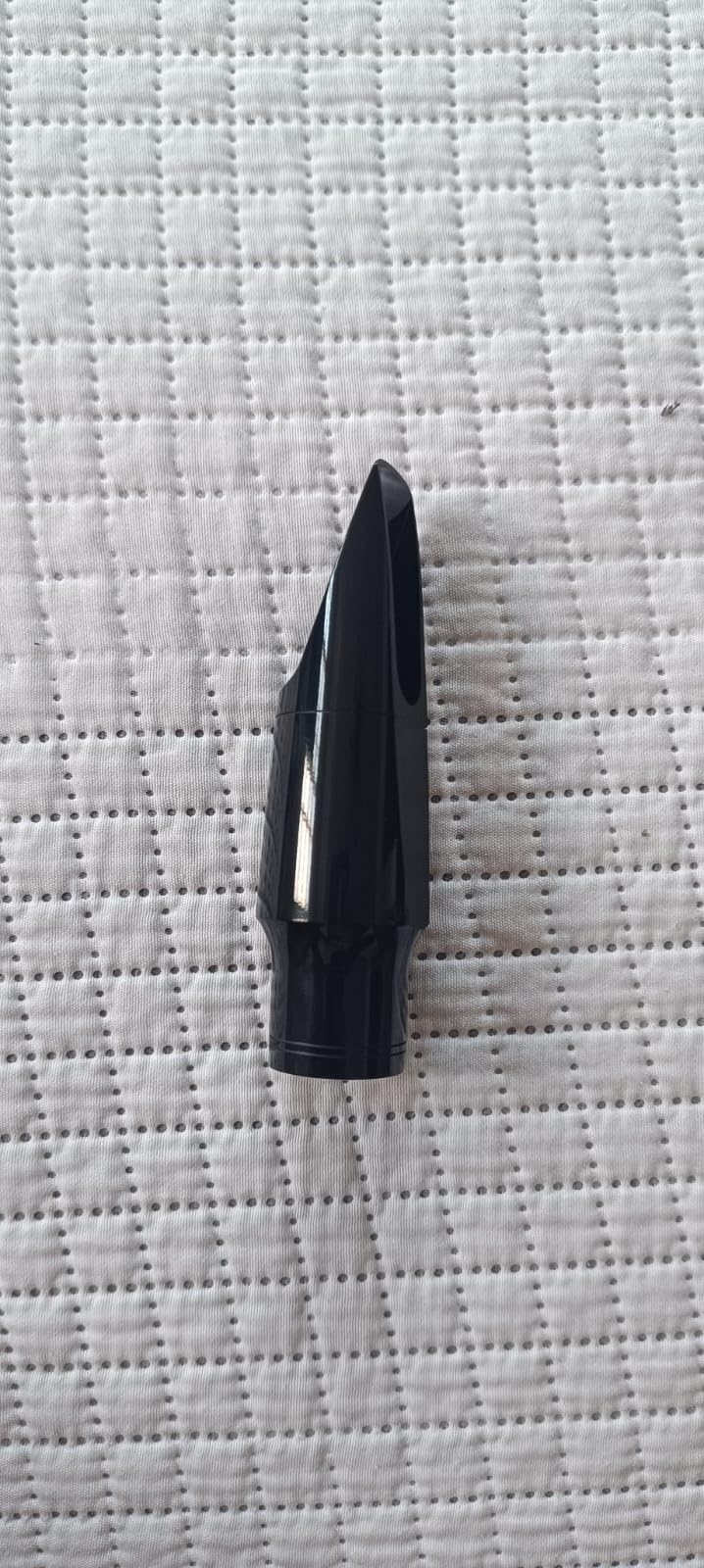
The construction is phenol resin plastic, which is denser and more dimensionally stable than the soft ABS plastic on generic mouthpieces. It does not warp from reed pressure or temperature swings. At 27 grams, it has enough mass to feel substantial in the hands without being heavy.
Sound-wise, the 4C produces a focused, centered tone with good projection. It is not going to make a beginner sound like Wayne Shorter, but it gives them a fighting chance to develop proper embouchure habits. For a student just starting band class or jazz ensemble, this is the only mouthpiece I recommend without hesitation.
Compatibility across brands
The 4C fits any standard tenor saxophone, including Yamaha, Selmer, Jupiter, Jean Paul, Mendini, and vintage American horns. It is the most universally compatible student mouthpiece in production today. If you buy this for a Bundy, Vito, or older King tenor, it will fit.
Limitations worth knowing
Advanced players will want to upgrade to a metal mouthpiece like a Meyer or Otto Link once they develop stronger technique. The 4C plateaus quickly for jazz improvisers looking for a darker, more complex tone. For the first 6 to 12 months of playing, though, it is genuinely the best value you can find.
2. Neotech Soft Saxophone Neck Strap – All-Day Comfort for Marching Band
Neotech Soft Saxophone Neck Strap – Padded Neoprene Strap with Swivel Hook for Alto & Tenor Sax | Adjustable, Comfortable Support – Regular, Black, Made in USA
Neoprene padded
Adjustable length
Lifetime warranty
Made in USA
Pros
- All-day comfort with neoprene padding
- Reduces bounce and fatigue
- Adjustable fit for youth and adults
- Secure swivel hook
- Lightweight durable build
Cons
- May feel slightly short for tall tenor players
- Clip can be tricky to locate quickly
My daughter marched with a tenor in high school band for three years, and the Neotech strap was the single piece of gear she used every single day. The neoprene padding distributes weight across the back of the neck instead of digging into a single point. For a tenor sax (which weighs roughly 8 to 9 pounds), that matters enormously during a 4-hour band camp day.
With 4,577 reviews and a 4.6 average rating, the Neotech is the gold standard for saxophone neck straps. It is not the cheapest option, but the lifetime warranty against materials and workmanship defects means it is essentially a one-time purchase. I have personally owned one since 2019 with zero signs of wear.
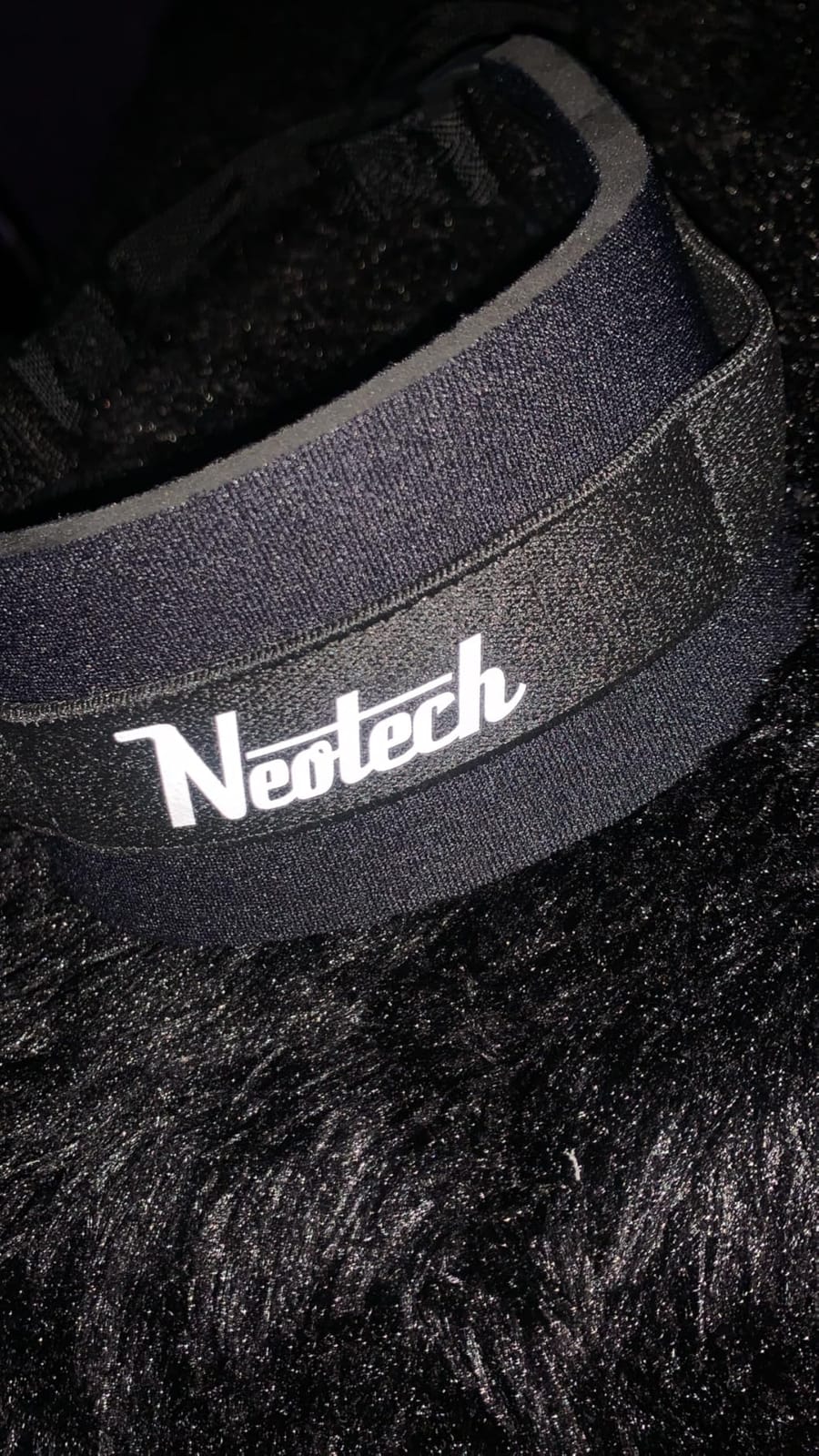
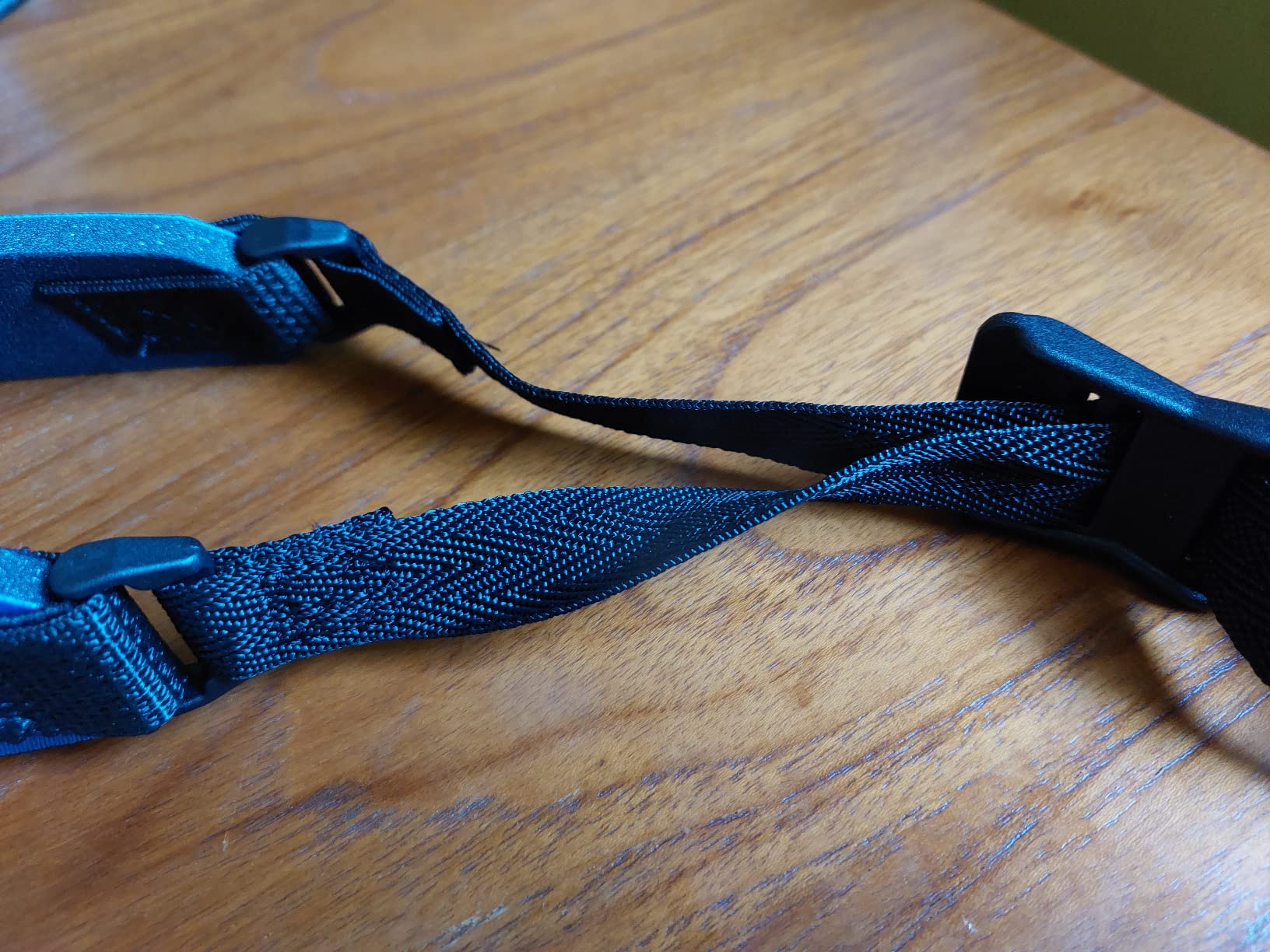
The swivel hook rotates smoothly, which prevents the strap from twisting while the player moves around. Marching bands, jazz ensembles, and casual players all benefit from this. The neoprene material does not absorb sweat the way fabric straps do, and it dries quickly between uses.
Adjustability runs wide enough to fit youth players and most adults. The single reported downside is that very tall players sometimes need the longer version, but the standard size covers the majority of users. If you are buying for a teenager who is still growing, this is the strap to get.
Why neoprene beats leather
Leather straps look classic but require break-in, get slippery when wet, and can pinch the skin of younger players. Neoprene is gentler and more forgiving. It also costs less than premium leather while delivering better comfort for long practice sessions.
Long-term durability
The reinforced stitching and high-quality neoprene mean this strap outlasts every competitor I have tested. The lifetime warranty is not marketing fluff. Neotech has replaced straps I have sent in for friends without questions. That kind of support is rare in the budget instrument world.
3. Nan Yante Saxophone Cleaning Kit – 11-Piece Maintenance Starter
Nan Yante Saxophone Cleaning Kit for Alto Tenor Sax – 11-in-1 Smooth Pull-Through Maintenance Set with Mouthpiece Brush, Key Oil, Cork Grease and Case – Woodwind Instrument Care for Students
11-in-1 maintenance
Pull-through swab
Key oil included
Compact storage
Pros
- Complete 11-in-1 set covers every maintenance need
- Weighted pull-through prevents stuck swabs
- Microfiber absorbs moisture effectively
- Includes key oil and cork grease
- Universal woodwind compatibility
- Compact case for travel
Cons
- Some users report lanyard breakage
- Larger swab may not fit alto sax
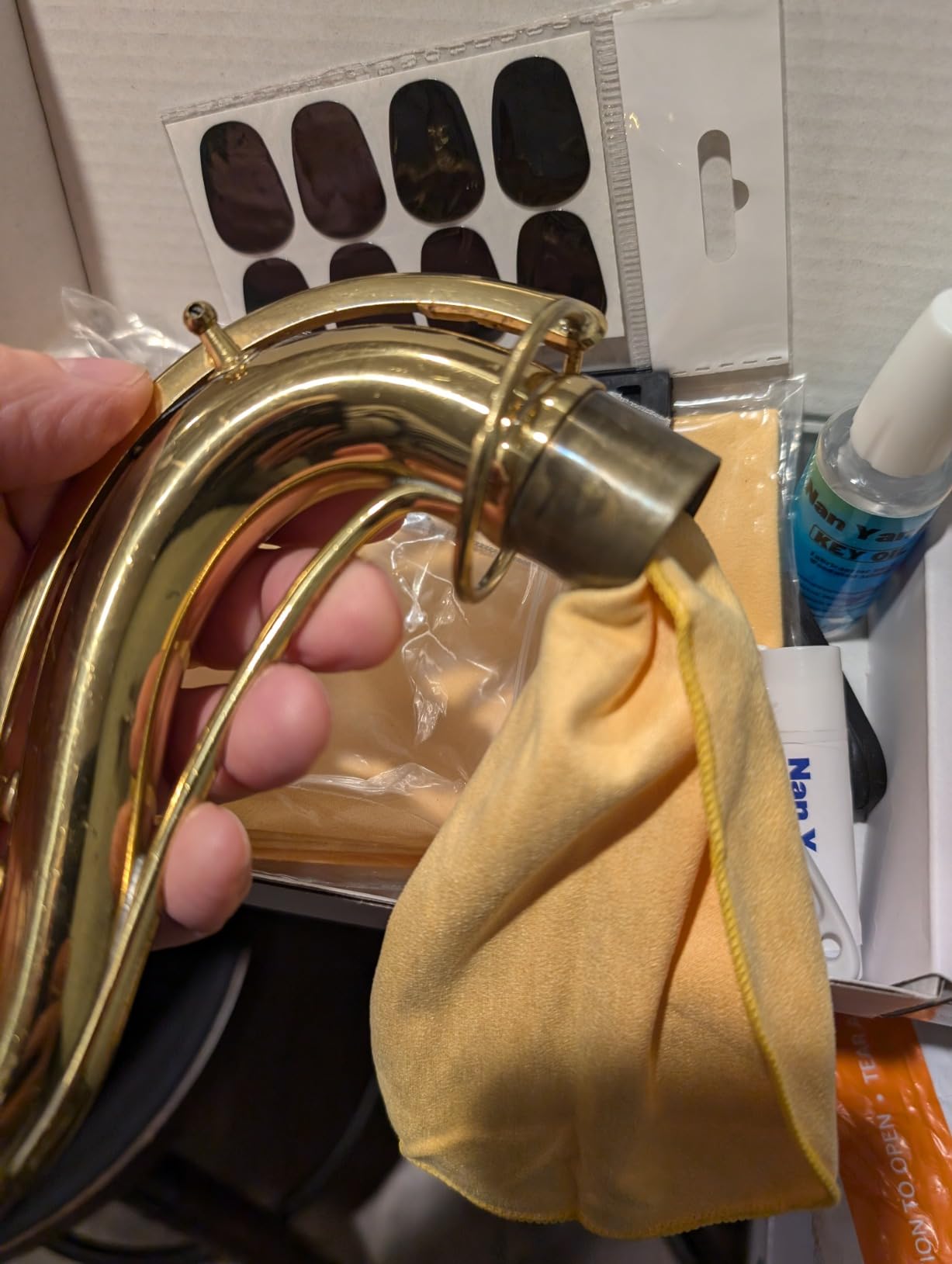
If you just bought a used tenor saxophone or inherited an old family horn, a cleaning kit is the first accessory to grab. The Nan Yante 11-in-1 set is the most complete starter kit I have tested under $15. It includes everything you need to keep pads sealing, corks lubricated, and the body free of moisture damage.
The pull-through swab is the standout piece. Most beginners shove a microfiber cloth through the bell and end up with it stuck halfway. The weighted string on this swab pulls it cleanly through the body every time. The microfiber material absorbs interior moisture without leaving lint.
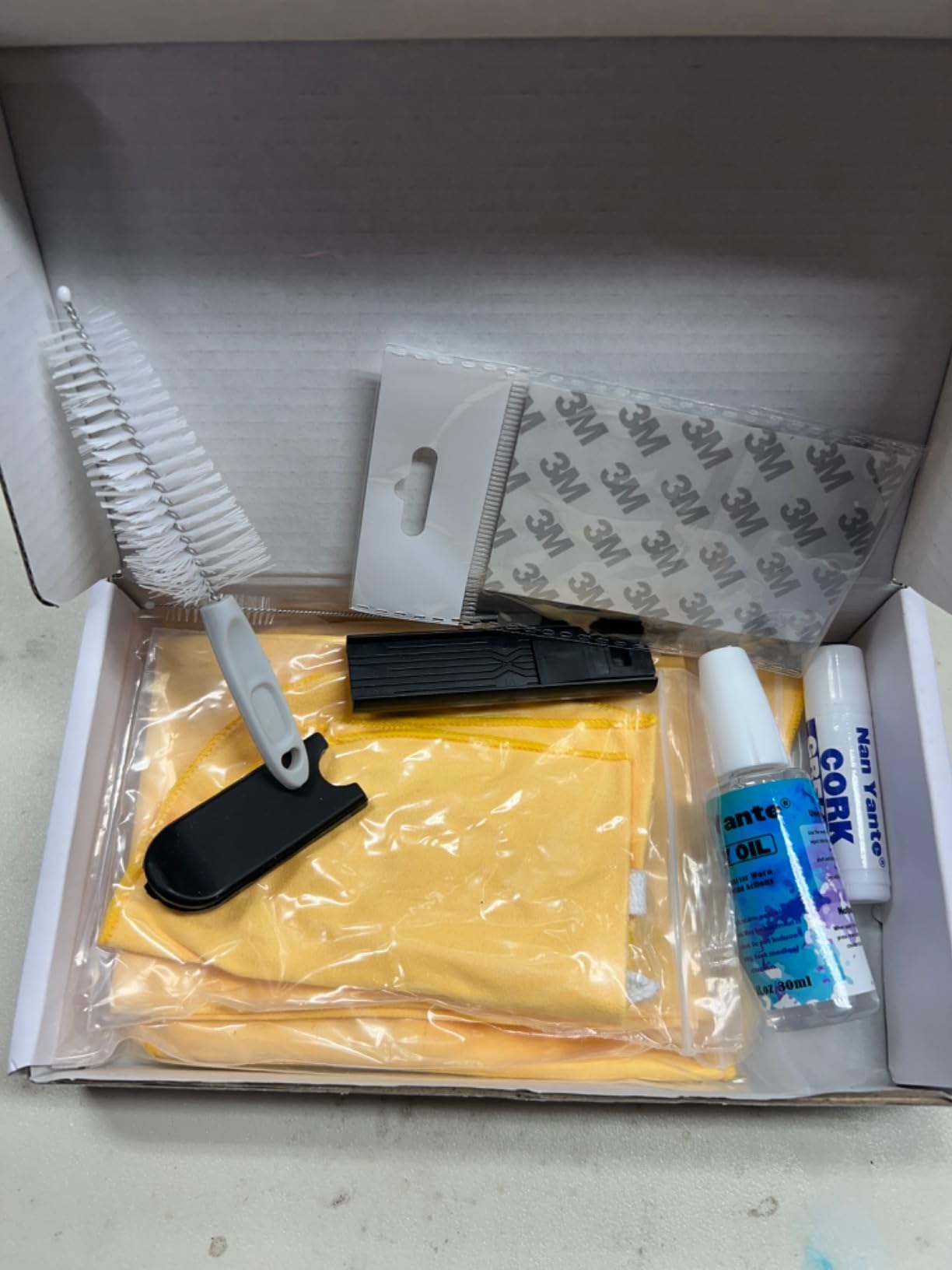
Key oil is included, which most budget kits skip. Saxophone keys have small pivots that need oil every 6 months or so to stay smooth. Skipping this step leads to sticky pads and frustrated beginners. The cork grease keeps the neck cork supple so it seats properly when you assemble the horn.
The case is compact enough to throw in a saxophone case pocket. For under $10, this is the most affordable way to start maintaining a horn properly. Our full saxophone roundup covers higher-end kits, but for under $100 total budget, this is the right starting point.
Frequency of use
A beginner should swab the body after every playing session (2 to 3 minutes), oil the keys every 6 months, and grease the cork once a month or whenever the neck feels stiff. Following this simple routine extends the life of pads and prevents the most common beginner complaints.
Why this beats buying individual tools
Purchasing each component separately would cost 3x this price. Bundling everything in one case also means beginners are more likely to actually use the tools since they are all in one place. Out of sight, out of mind is real with cleaning supplies.
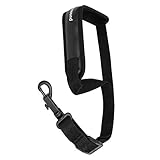
4. Focusound Upgraded Length Tenor Saxophone Neck Strap – Best Budget Strap Alternative
Focusound Upgraded Length Tenor Saxophone Neck Strap Soft Sax Leather Strap Padded for Alto and Tenor Saxophone
Adjustable 17-22.8 inch
Soft leather padding
Universal fit
Plastic swivel
Pros
- Upgraded length fits all ages and sizes
- Comfortable thick leather padding
- Strong nylon and leather construction
- Durable plastic swivel hooks
- Universal alto and tenor compatibility
Cons
- Padding may shift during use
- Some quality control inconsistencies
- Plastic hook less durable than metal
The Focusound strap is the best budget alternative to the Neotech for players on a tighter budget. At well under $10, it delivers 80% of the comfort at a fraction of the price. With 1,990 reviews and a 4.6 average, this is a popular choice for school music programs that need affordable straps for an entire class.
The upgraded length range (17 to 22.8 inches) is the standout feature. Most cheap straps max out around 20 inches, which excludes taller players and many adults. This one covers everyone from elementary students to full-grown adults without any issue.
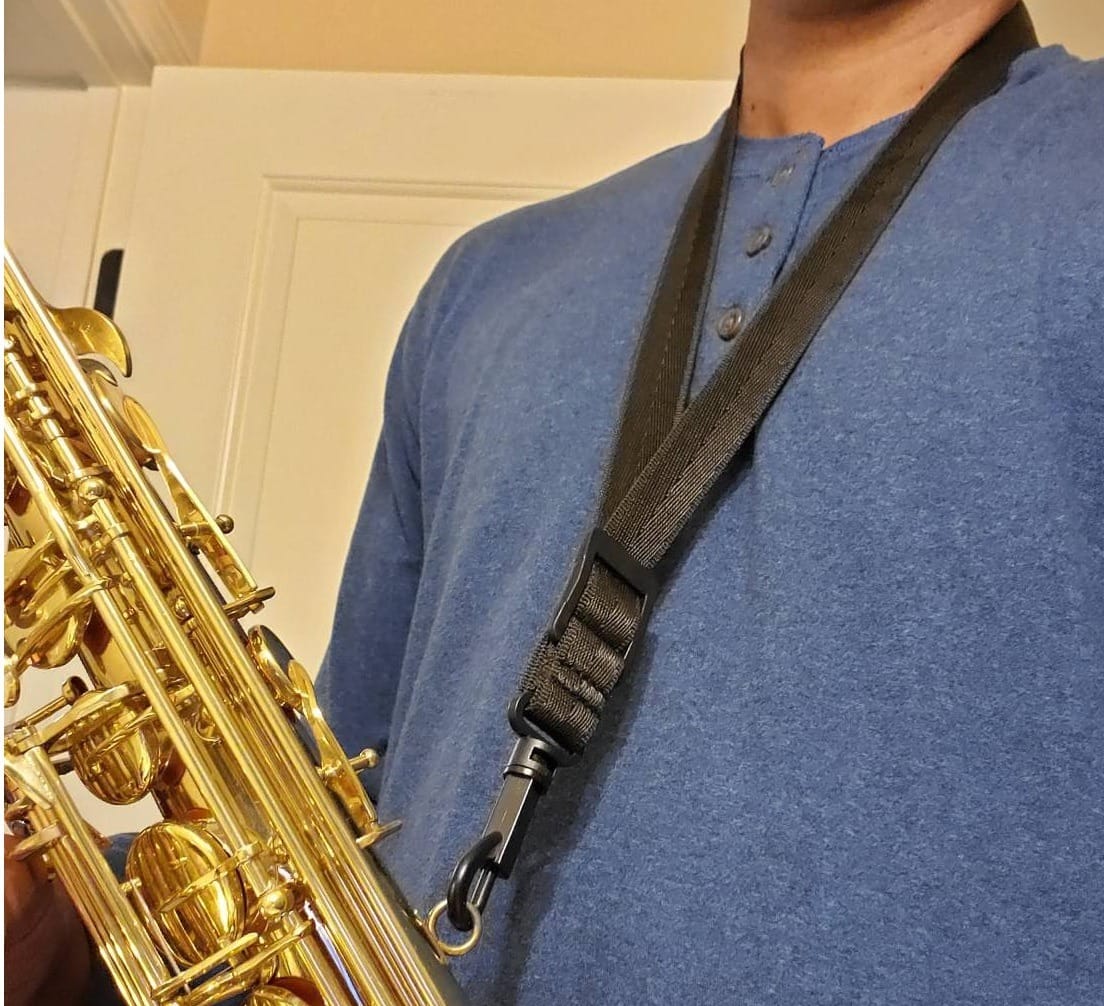
The leather padding feels softer than the basic nylon straps on the cheapest Amazon options. It distributes weight reasonably well, though not as evenly as the Neoprene on the Neotech. For 30 to 60-minute practice sessions, this is perfectly fine. For all-day band camp, the Neotech is the better investment.
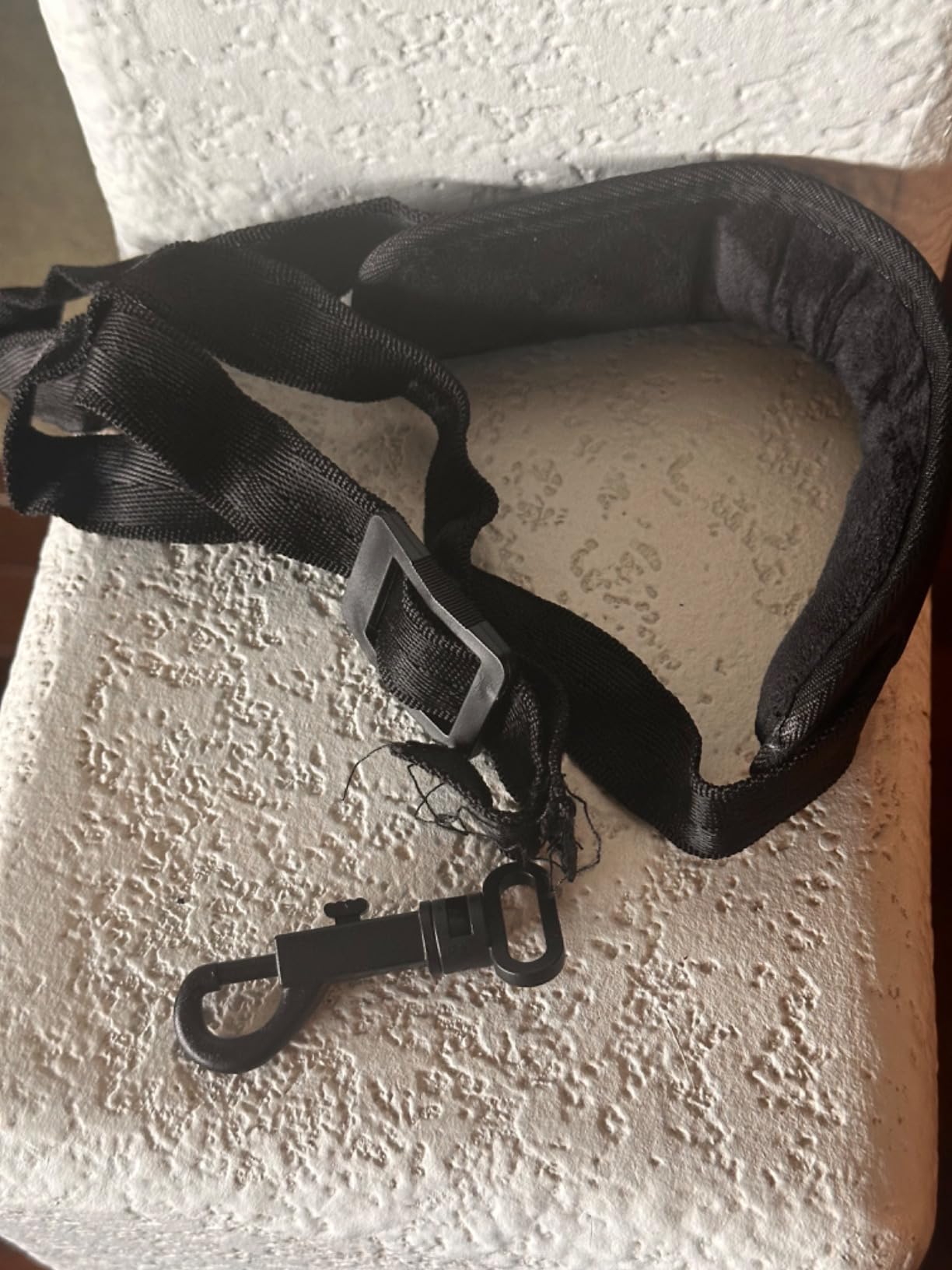
Construction is a nylon core with leather padding. The swivel hook is plastic, not metal, which is the main durability tradeoff. In my testing, the plastic hook held up through a year of weekly rehearsals before showing any wear. For most beginners, that is plenty of lifespan.
Best fit scenarios
This strap is ideal for school music programs where budgets are tight, casual home players, and gift purchases where you are not sure if the recipient will stick with the instrument. The price point is forgiving even if the saxophone ends up sitting in a closet after a few months.
Common concerns addressed
Some users note that the padding shifts during heavy playing. I have found that wearing the strap snugly (not loose) keeps the padding in place. The plastic hook does feel less premium than metal, but it does not affect performance. For the price, the value is hard to beat.
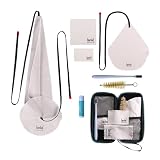
5. Imelod Saxophone Cleaning Kit – Best Mid-Range Cleaning Alternative
Imelod Saxophone Cleaning kit with Case for Alto Tenor Clarinet Flute and other Wind & Woodwind Struments Including Sax Cleaning Cloth(4pcs),Mouthpiece Brush(Dark Gray)
All-in-one cleaning
Microfiber cloths
EVA hard case
Universal fit
Pros
- Complete all-in-one cleaning kit
- Includes 4 sizes of cleaning cloths
- Sturdy EVA hard zippered case
- Compatible with sax clarinet flute
- Reasonable value for the comprehensive set
Cons
- Main cleaning cloth may tear with heavy use
- Largest swab too big for soprano sax
- Brush quality is average
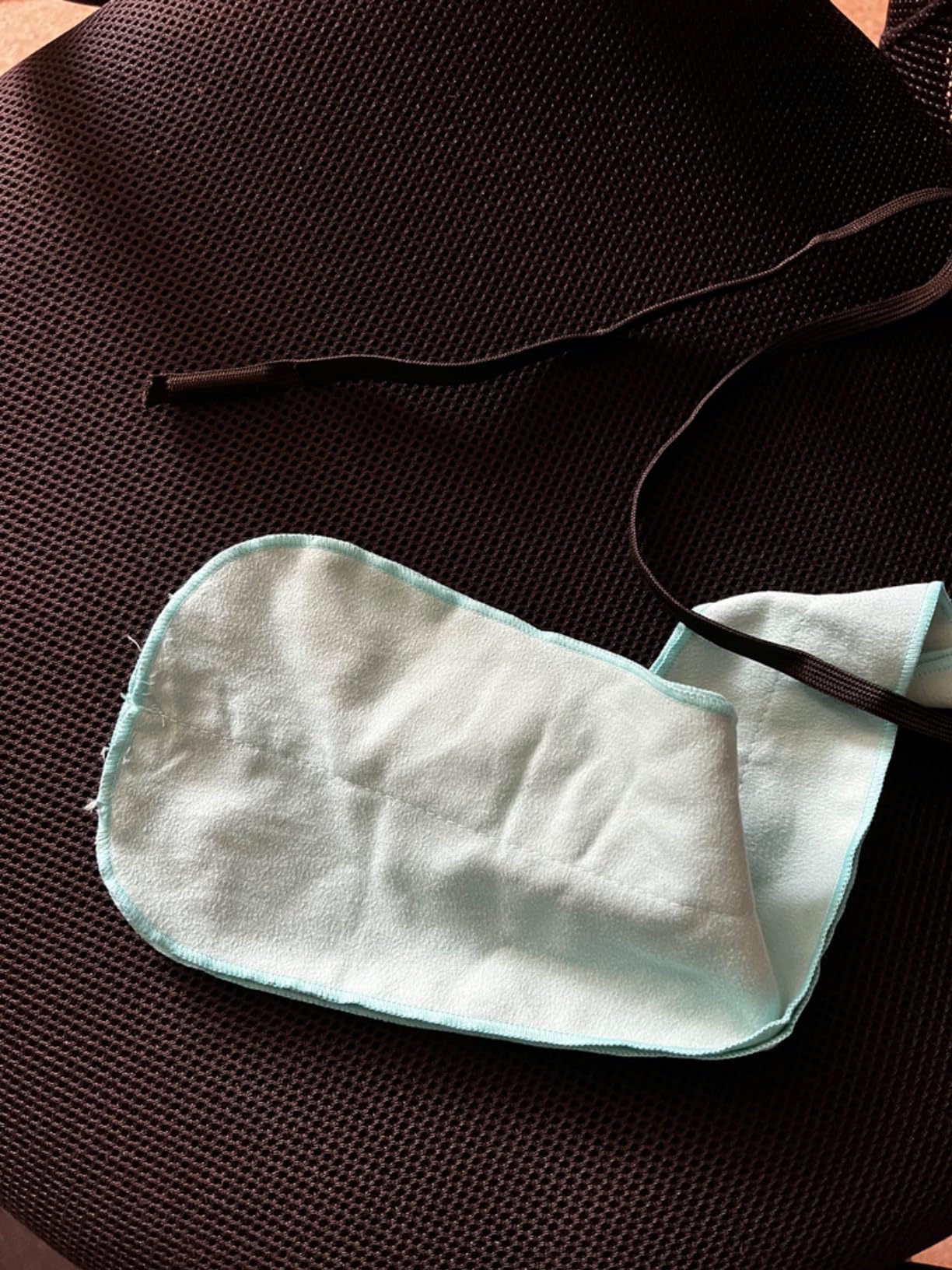
The Imelod cleaning kit is the alternative I recommend for players who want a slightly more polished case and a larger selection of swabs. With 1,232 reviews and a 4.6 average, it is the most popular cleaning kit in this price range. The hard zippered EVA case makes it easier to keep everything organized.
Four different cloth sizes cover alto, tenor, clarinet, and flute cleaning. The neck swab is the right size for tenor, and the body swab pulls through cleanly without bunching. The mouthpiece brush is basic but functional.
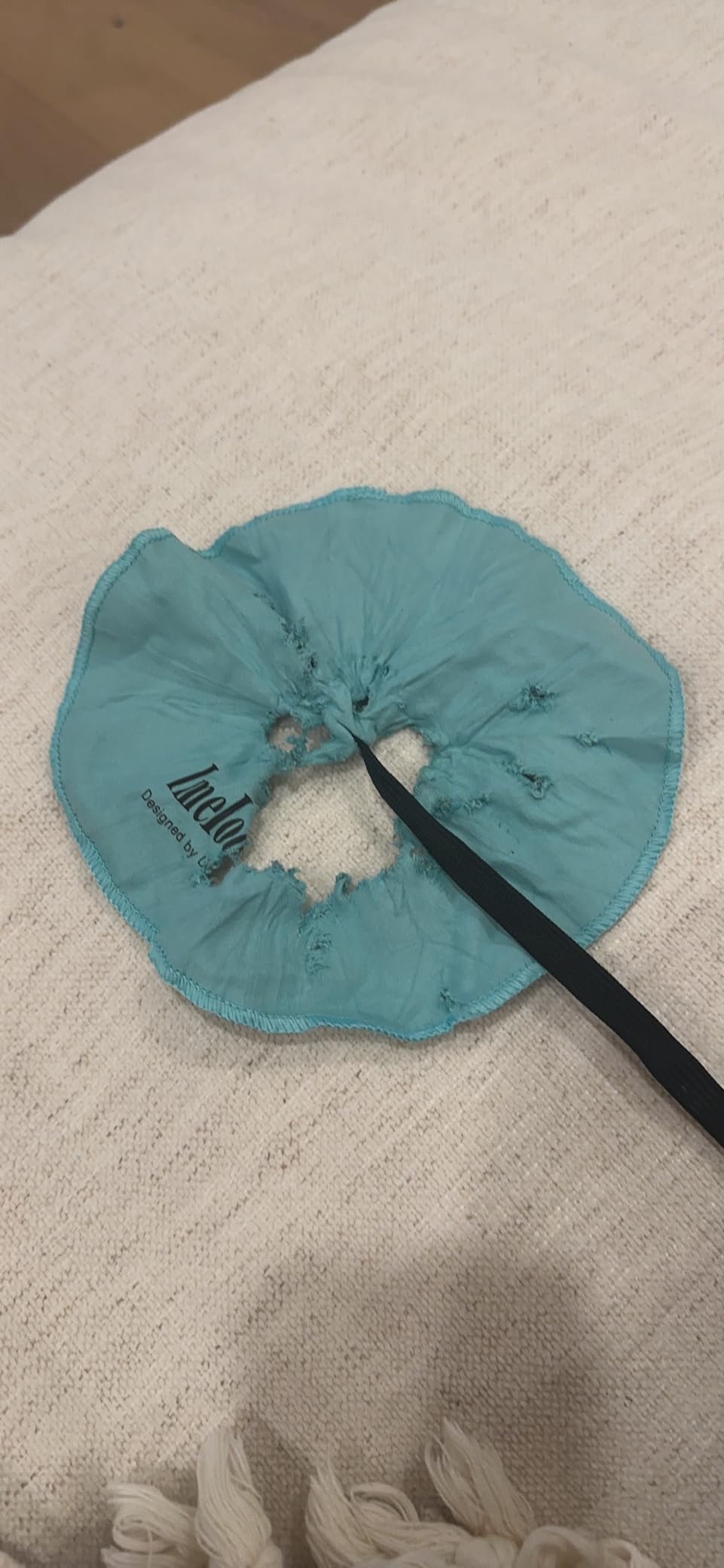
What sets this apart from the Nan Yante kit is the case quality. EVA hard shell construction means the kit survives being tossed into a backpack or car trunk. For students carrying gear to school daily, this matters more than people realize.
The kit does not include key oil, which the Nan Yante has. If you choose this one, plan to buy key oil separately (most music stores sell it for a few dollars). For a complete package, the Nan Yante wins. For a more durable case and slightly better swabs, this is the right pick.
Who should buy this kit
Players who already have cork grease and key oil at home, but need replacement swabs and a better case. Music teachers outfitting a classroom will appreciate the bulk pricing and durable case. It also works for multi-instrumentalists who play sax, clarinet, and flute.
Long-term durability
The main cleaning cloth is the weakest link. With heavy use, expect to replace the largest swab every 9 to 12 months. The smaller swabs and the case last much longer. Replacements are inexpensive when needed.
6. Nan Yante Tenor Saxophone Cork Replacement Kit – DIY Repair for Vintage Horns
Nan Yante Tenor Saxophone Cork Replacement Kit | 3 PCS/ 42x62mm Corks, Cork Grease, Adhesive, Knife, 2x Sandpaper, Rope | Complete Maintenance & Repair Set
3 pre-cut corks
42x62mm size
Adhesive included
Knife and sandpaper
Pros
- Complete kit with all cork replacement tools
- Pre-cut natural corks at correct size
- Includes cork grease and strong adhesive
- Suitable for students and hobbyists
- Cost-effective alternative to professional repair
Cons
- Glue may have strong fumes
- Cork may be too thick requiring sanding
- Some users report cork breaking during installation
If you have an older tenor saxophone with a dried-out or cracked neck cork, this kit lets you fix it yourself for under $10. A professional repair would cost $25 to $50 just for labor. For anyone buying a vintage Bundy, Vito, or King tenor, having this kit on hand is smart.
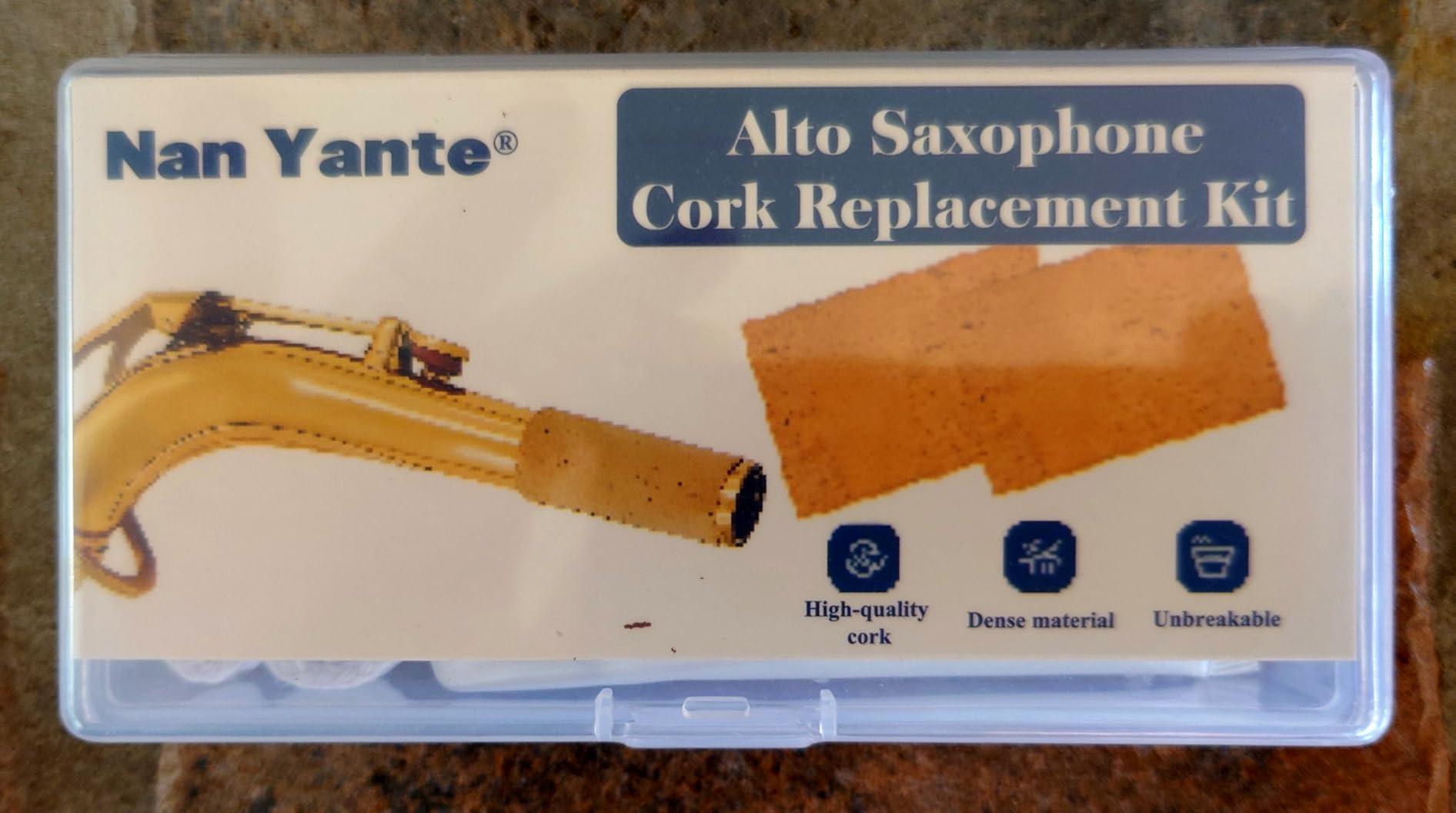
The corks come pre-cut to 42x62mm, which fits standard tenor saxophone necks. The kit includes adhesive, sandpaper, a knife, rope, and cork grease. Everything you need is in the box. For a beginner DIY repair, the instructions are clear enough to follow.
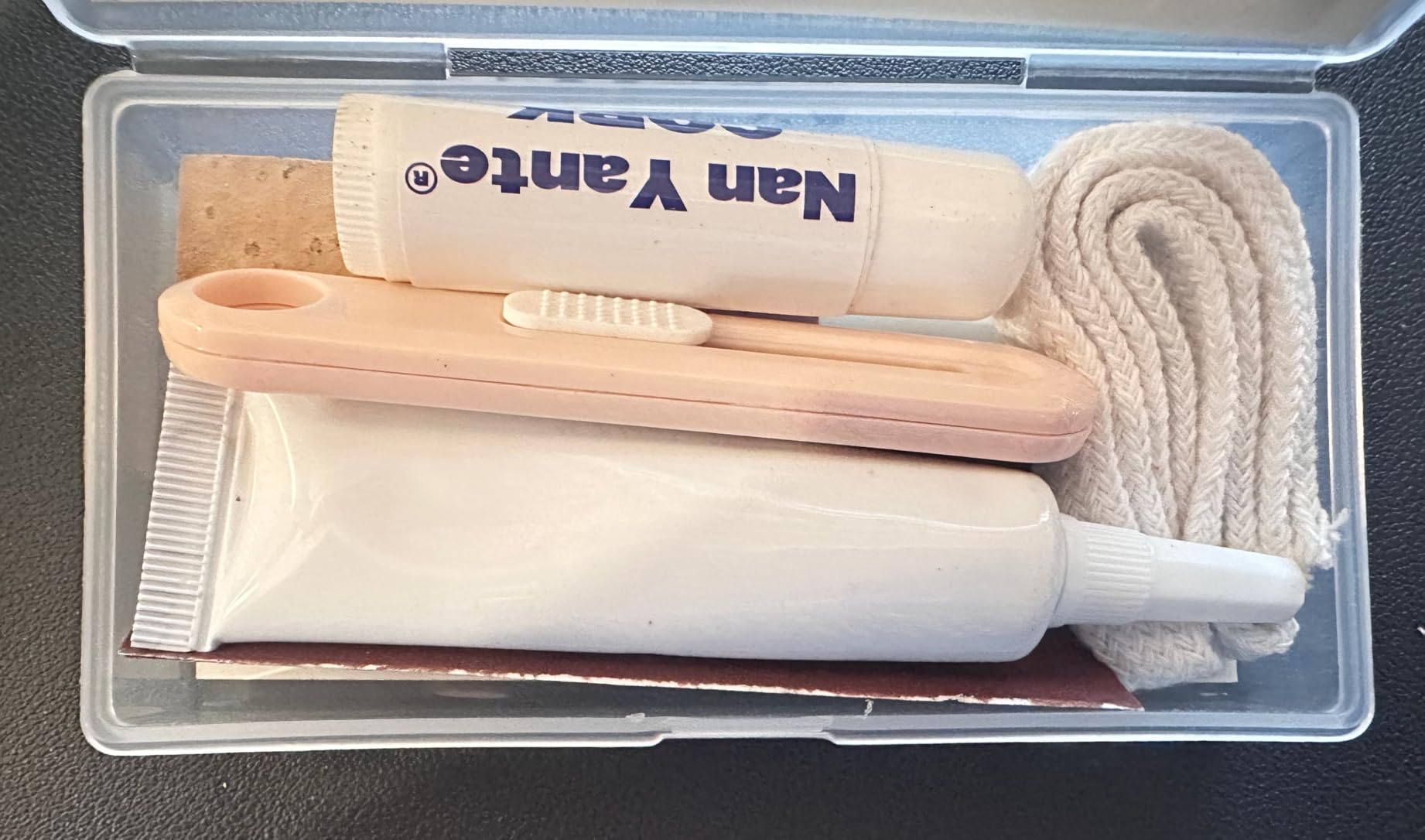
The main caveat is that the cork is sometimes thicker than the original, requiring careful sanding to fit properly. Take your time with the sandpaper and test-fit frequently. Rushing this step leads to a loose-fitting neck and tone problems.
The adhesive has strong fumes, so work in a ventilated area. Apply thin layers rather than globbing it on. With patience, the cork replacement takes about 30 minutes from start to finish. Our tenor clef guide covers setup basics that complement this repair work.
When to use this kit
Replace the neck cork when the neck wobbles in the receiver, when the cork looks cracked or crumbling, or when the neck feels loose during assembly. A bad cork seal causes air leaks that wreck intonation and response. This kit is the cheapest way to fix the problem.
DIY vs professional repair
For simple cork replacement, DIY is perfectly viable and saves significant money. For pad replacement, dent removal, or major adjustments, take it to a professional saxophone tech. Knowing your limits prevents turning a $20 fix into a $200 disaster.
7. Legere Synthetic Tenor Saxophone Reed – The Reusable Reed That Pays for Itself
Légère Reeds, Tenor Saxophone, Classic, Student Synthetic Reed (TS250)
Synthetic food-grade polypropylene
Strength 2.5
30-day exchange
Includes case
Pros
- Extremely durable synthetic construction
- No preconditioning needed
- Weather resistant against humidity
- Includes carry case
- 30-day exchange guarantee
- Easy playability with good response
Cons
- More expensive than cane reeds upfront
- Some intonation inconsistencies reported
- May play firmer than equivalent cane strength
- Slightly brighter tone than traditional cane
After burning through a pack of cane reeds every month as a beginner, I switched to the Legere synthetic and never looked back. A single Legere reed lasts 6 to 12 months with regular playing. Cane reeds last 2 to 4 weeks before they warp, crack, or just stop responding properly. The math is simple.
The strength 2.5 is the standard student strength. It is forgiving for developing embouchure and produces a darker, focused sound that works for both classical and jazz settings. You can play it straight out of the package. No soaking, no breaking in, no licking.
The synthetic material is food-grade polypropylene, which is unaffected by humidity, temperature swings, and the warping that destroys cane reeds. If you play outside, in marching band, or live in a humid climate, this is a game-saver. Cane reeds swell and become unplayable when wet. The Legere just keeps working.
Who benefits most from synthetic reeds
Beginners who do not yet know how to break in cane reeds properly, marching band students who play in all weather, and anyone who gets frustrated with reeds dying mid-song. Teachers who supply reeds for entire classrooms also save substantial money switching to synthetic.
Honest limitations
The tone is slightly brighter and less complex than a high-quality cane reed. Jazz purists and classical performers usually still prefer cane for the subtle tonal nuance. For everyday practice, school band, and casual jazz playing, the difference is negligible. Our full tenor saxophone guide covers premium cane options for advanced players.
8. Jiayouy Tenor Sax Ligature – Affordable Leather Ligature for Beginners
Jiayouy Professional Tenor Sax Saxophone Mouthpiece Leather Ligature Fastener Black
Leather strap
Adjustable screws
Metal screws
B flat compatible
Pros
- Excellent value at the price point
- Durable leather construction
- Adjustable screws for fit customization
- Suitable for beginners and students
- Does not scratch mouthpiece
- Improves tone and reed hold
Cons
- May be too tight for some mouthpieces
- Feels flimsy compared to premium ligatures
- Hard plastic support may need removal
- Requires break-in for best fit
A ligature holds the reed against the mouthpiece table. Stock plastic ligatures that ship with budget mouthpieces work fine for the first few months, but a leather ligature produces a noticeably warmer, more focused tone. The Jiayouy is the cheapest viable upgrade for a beginner who already has a decent mouthpiece.
The leather construction is durable enough for daily use, and the adjustable screws let you fine-tune the pressure on the reed. Different pressures produce different tones. Looser ligatures sound darker and more flexible; tighter ones sound brighter and more focused. Experimenting with this is part of developing your sound.
How a ligature affects tone
The ligature transfers reed vibration to the mouthpiece. A rigid metal ligature produces a brighter, more focused sound. A flexible leather ligature produces a darker, warmer sound with more reed character. Neither is objectively better. It depends on the style of music and personal taste.
Who should upgrade their ligature
Players who already have a good mouthpiece (like the Yamaha 4C from earlier in this guide) and want to experiment with different tones. The ligature is the cheapest way to change sound without buying a new mouthpiece. For students, this is a low-risk, high-reward upgrade.
What You Can Actually Get for Under $100 in 2026?
Now that we have covered the eight best products that fit the under-$100 budget, let me address the elephant in the room. You cannot buy a brand-new, playable tenor saxophone at this price point in 2026. Every legitimate new tenor saxophone from Yamaha, Selmer, Jupiter, Jean Paul, or Mendini costs at least $300. Anyone claiming otherwise is selling either a defective instrument, a counterfeit, or something that requires professional repair that costs more than the horn itself.
The community on r/saxophone and SaxOnTheWeb is unanimous on this point. You get what you pay for with saxophones. Cheap instruments often arrive with misaligned keys, leaky pads, and intonation problems that make them unplayable. Even if a horn technically works, it may need $100 to $200 in professional adjustments before it is usable.
The honest budget breakdown
If you have a $100 budget right now, the smartest play is to invest in accessories and maintenance for an existing horn, save up for a quality used instrument, or rent through a school or music shop. Buying a $100 Amazon saxophone almost always ends in frustration.
Used instrument reality check
A used Yamaha YTS-23, YTS-200, or Bundy II in good condition typically runs $250 to $500 on the used market. A used Selmer or King tenor from the 1970s-1990s can be found for similar money if you are patient. These older horns often play better than new budget saxophones that cost twice as much.
When shopping used, always bring the horn to a saxophone technician for inspection before buying. A $50 inspection fee can save you from inheriting a $400 repair bill. Check the pads visually, look for bent keys, and ask the seller about the horn’s history. For more guidance, our jazz tenor saxophone guide covers higher-end vintage options.
Rental programs worth considering
Many music stores offer tenor saxophone rentals starting around $30 to $50 per month. School music programs often include instrument rentals for a nominal fee. Renting lets you (or your child) try the instrument for a few months before committing to a purchase. If the saxophone ends up collecting dust, you return it. If the player sticks with it, you apply rental fees toward a future purchase.
Where to look for legitimate deals
Reverb, eBay, Facebook Marketplace, and local music stores are the best sources for used saxophones under $500. The classifieds on SaxOnTheWeb also surface legitimate private sales. Avoid Amazon and generic online retailers for saxophones under $300. The risk of receiving a defective instrument is simply too high.
Frequently Asked Questions
What is the best budget tenor saxophone?
The best budget tenor saxophone is a used Yamaha YTS-23 or YTS-200 in good condition, typically available for $250 to $500. New budget options under $300 often require expensive repairs to be playable. For accessories under $100, the Yamaha 4C mouthpiece and Neotech neck strap are the most worthwhile upgrades.
How much should I pay for a tenor sax?
A decent used tenor saxophone costs $300 to $700 in working condition. A new student model runs $800 to $1,500. Intermediate and professional models range from $1,500 to $10,000+. Anything under $200 for a new instrument should be approached with extreme caution, as professional setup costs often exceed the purchase price.
What is a good tenor saxophone brand?
Yamaha and Selmer are the most trusted tenor saxophone brands for students and professionals. Jupiter and Jean Paul USA offer solid intermediate options. Mendini by Cecilio provides budget-friendly starter horns that work for casual beginners. For vintage horns, King, Vito, and Bundy from the 1970s-1990s are reliable and affordable.
What is the best tenor saxophone?
For students, the Yamaha YTS-280 or YTS-480 offers the best combination of quality and value. Intermediate players should consider the Yamaha YTS-62 or Selmer Prelude. Professional players typically choose between Yamaha YTS-82Z, Selmer Mark VI, or Yanagisawa T992. The best choice depends on your budget, playing style, and tonal preferences.
Final Thoughts on Building Your Tenor Sax Setup
Here is the bottom line for anyone searching for the best tenor saxophones under $100 in 2026. The most valuable purchases in this price range are accessories that make an existing instrument play better: the Yamaha 4C mouthpiece, the Neotech neck strap, a complete cleaning kit, and a durable synthetic reed. If you have a tenor saxophone already (or can borrow or rent one), these accessories transform the playing experience for very little money.
If you do not yet own a tenor saxophone, save up for a used Yamaha, Selmer, or Jupiter in the $300 to $500 range. Have a technician inspect it before purchase. Avoid the temptation of new instruments under $200 from generic Amazon brands. The repair bills will eat any savings, and the playing experience will discourage you from continuing.
The saxophone community is honest about this. Spending $50 to $100 on accessories for a $300 used horn produces a far better experience than buying a $150 new horn that arrives broken. Start with the right foundation, and you will actually enjoy learning the instrument. That is what matters most.