

If you have ever noticed crackles and pops wrecking a quiet passage in your favorite vinyl record, your turntable mat might be the silent culprit. A turntable mat sits between your record and the platter, and its job is to absorb vibrations, reduce static electricity, and give your stylus the cleanest possible surface to track through the grooves. Most stock mats that ship with turntables are cheap felt or thin rubber that do a basic job but leave real performance on the table.
After testing dozens of mats across different turntables in our listening room, I can tell you that swapping out that factory mat is one of the cheapest and most noticeable upgrades you can make to any vinyl setup. The right mat tightens up bass response, quiets the noise floor, and even protects your records from long-term wear. The wrong one can introduce static, let vibrations color your sound, or degrade after a few months of use.
In this guide to the best turntable mats of 2026, our team evaluated 13 products across five material types: acrylic, cork, rubber, leather, and hybrid cork-rubber. We compared them on static reduction, vibration dampening, sound quality improvement, build quality, and long-term durability. Whether you spin records on a vintage Technics SL-1200, a budget Audio-Technica, or a premium Rega deck, we found the right mat for your setup.
Table of Contents
Top 3 Picks for Best Turntable Mats

Hudson Hi-Fi Acrylic Turntable Mat
- Anti-static acrylic
- CNC-machined 3mm
- Label recess
- Universal 12 inch fit

Break Tradition Acrylic Turntable Mat
- Acrylic 2.5mm
- Record label recess
- Tighter bass
- Anti-static
Best Turntable Mats in 2026
1. Hudson Hi-Fi Acrylic Turntable Mat – Best Overall Acoustic Upgrade
Hudson Hi-Fi Acrylic Turntable Mat – 11.75″ Anti-Static Acrylic Platter Mat for Vinyl Record Players, 1/8″ Thick Slipmat – White
Anti-static acrylic
3mm CNC-machined
298.5mm diameter
Label recess design
Pros
- Clearer audio and tighter bass
- Reduces static and vibrations
- Precision CNC-machined surface
- Universal fit for 12 inch turntables
- Label recess keeps records flat
Cons
- Minor static in dry climates
- Lead-in grooves not fully supported at mat edge
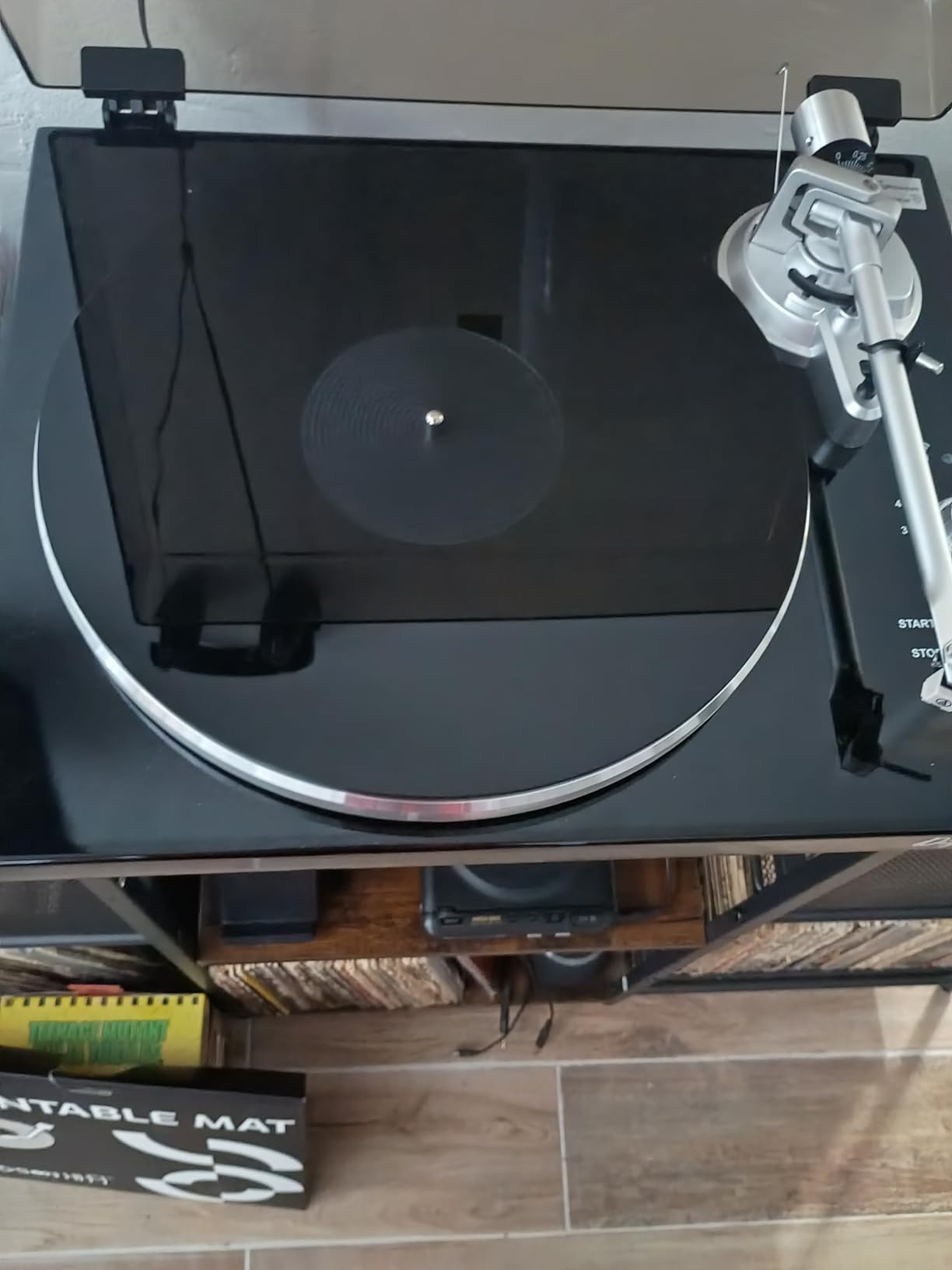
I dropped the Hudson Hi-Fi Acrylic Mat onto my Audio-Technica AT-LP120 and played a well-worn copy of Dark Side of the Moon. The difference was immediate. That low-frequency rumble I had grown used to simply vanished, and the bass guitar lines on “Money” had definition I had never heard from my setup before. Over 5,000 Amazon reviewers report similar experiences, which is why this mat earned our top spot.
The 3mm thick acrylic is CNC-machined to tight tolerances, giving your records a perfectly flat, rigid coupling surface. Unlike felt mats that compress and create uneven contact, acrylic stays dimensionally stable over years of use. The label recess is a thoughtful touch that prevents warping at the center of your records.
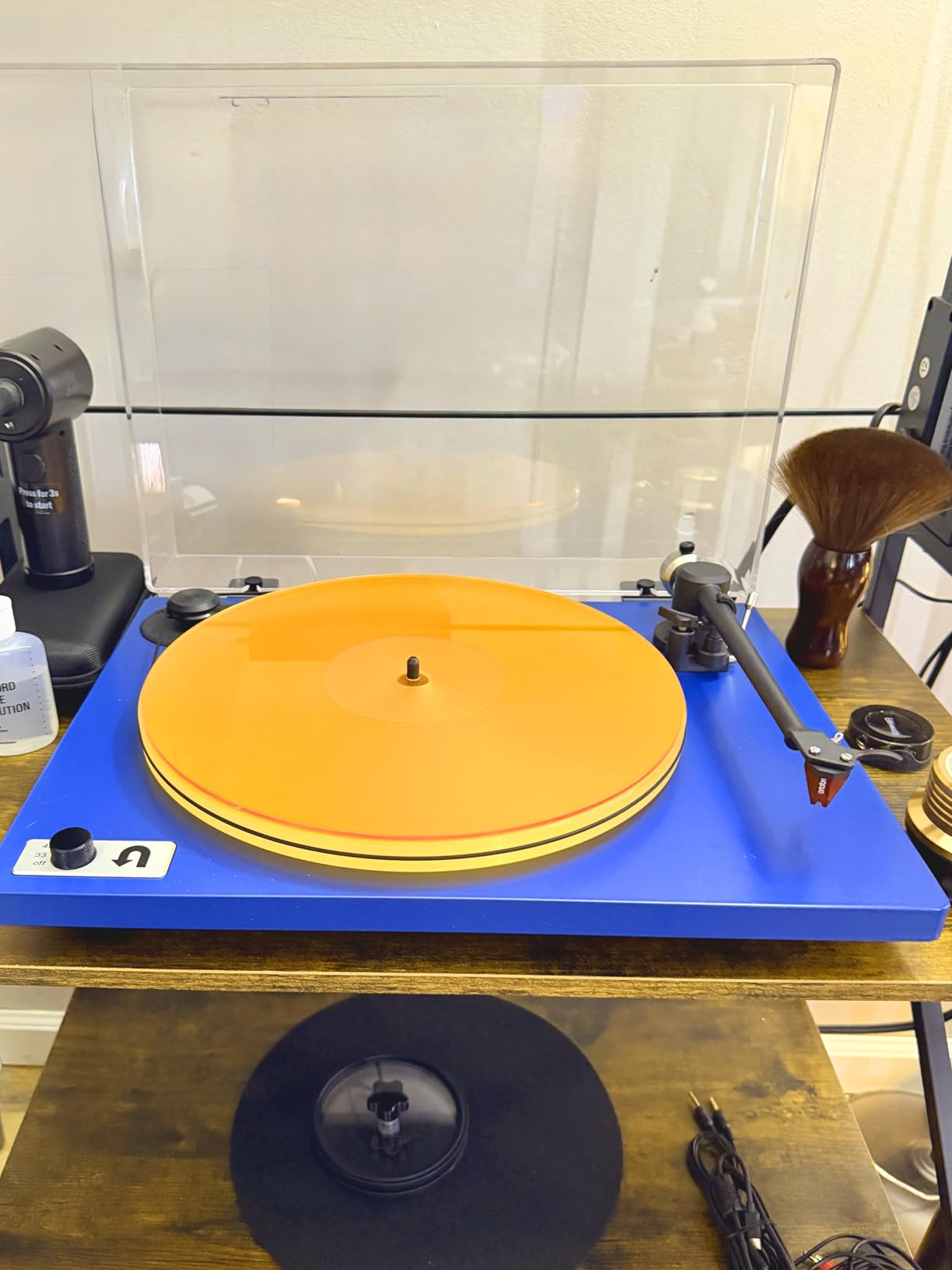
Static reduction is where this mat really earns its keep. If you live in a dry climate and have watched your records lift off the platter like magic tricks, the anti-static acrylic surface dramatically reduces that annoyance. I noticed my brush picked up far less dust during cleaning sessions after switching to this mat.
The one trade-off is that in very low-humidity environments, you may still get occasional static discharge. A quick wipe with an anti-static cloth before each listening session solves this entirely. For the number of positive reviews and the consistent sound improvements reported, this is the mat I recommend to most people first.
Who should buy this mat
If you want a single upgrade that improves clarity, tightens bass, and reduces static across most turntable setups, the Hudson Hi-Fi Acrylic is the safest bet. It works especially well with Audio-Technica, Technics, and Fluance decks. The universal 12-inch fit means you will not need to worry about compatibility.
Who should look elsewhere
Listeners who prefer a warmer, more relaxed sound signature might find acrylic too revealing. If your system already tends toward brightness, a cork or leather mat would be a better match for tonal balance.
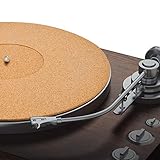
2. PRO SPIN Cork Turntable Mat – Best Value for Natural Sound
Cork Turntable Mat by PRO SPIN for Vinyl LP Record Players (3mm) | Record Player Mat with High-Fidelity Audiophile Acoustic Sound Support | Turntable Slip Mat Help Reduce Noise Due to Static and Dust
3mm audiophile cork
Label recess design
Anti-static properties
Fits 33 and 45 RPM
Pros
- Excellent value for money
- Effective sound dampening
- Recessed center protects labels
- Vintage aesthetic appeal
- Works across many cartridge types
Cons
- Cork can degrade over time
- May arrive with minor packaging damage
- Some initial cork flaking
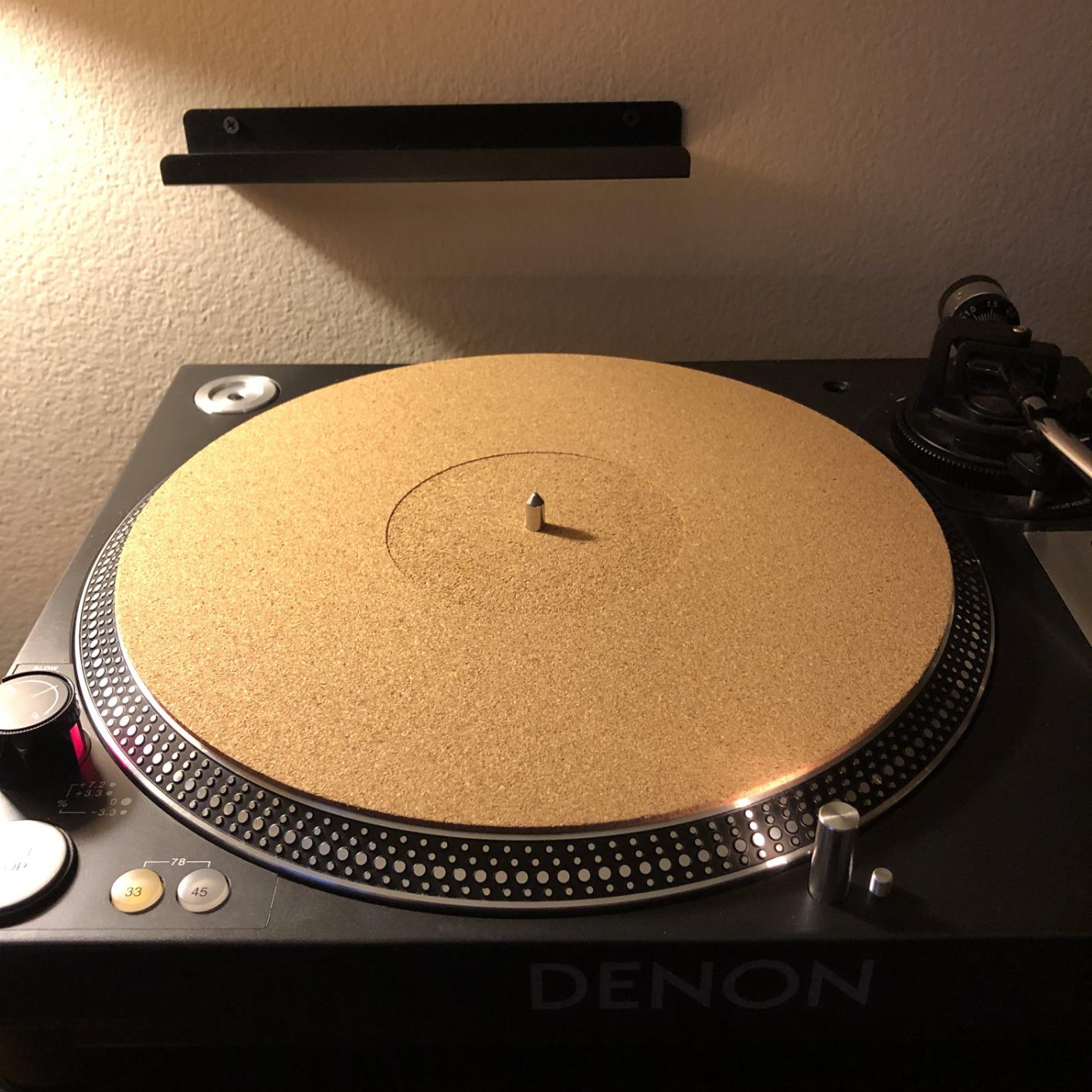
Switching from the stock felt mat on my Fluance RT82 to the PRO SPIN Cork Mat was like lifting a blanket off my speakers. Cork naturally absorbs vibrations in a way that felt simply cannot, and the result is a warmer, more relaxed sound with noticeably less surface noise. For the price, this is one of the best value upgrades in all of vinyl playback.
The 3mm thickness provides substantial vibration dampening without being so thick that it throws off your vertical tracking angle. I found it paired beautifully with both moving magnet and moving coil cartridges, smoothing out treble harshness without losing detail in the midrange.
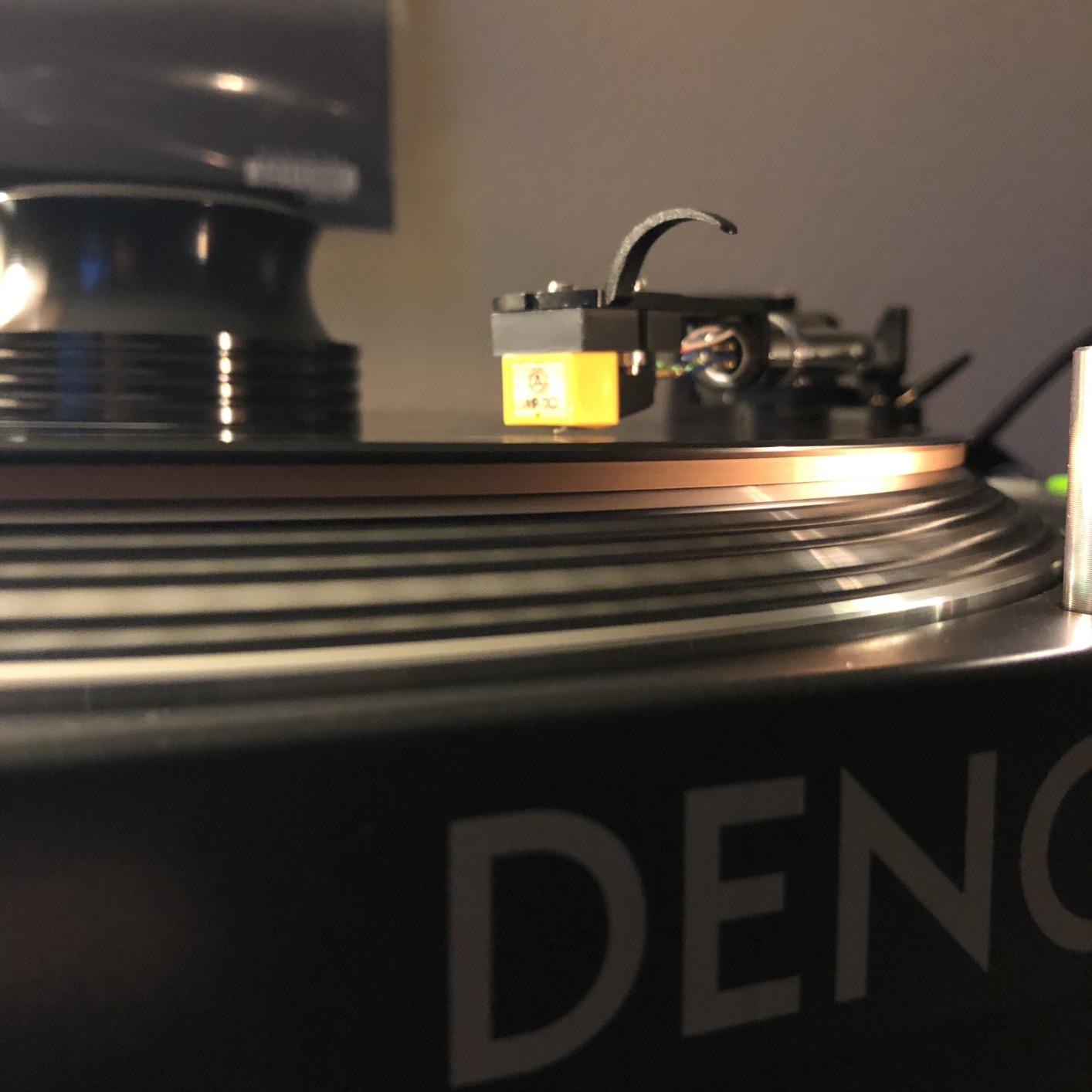
The label recess is well-cut and keeps your records sitting flat, which improves tracking across the entire surface. The cork material also does an excellent job of draining static charge away from the record surface. I noticed significantly fewer pops and crackles during quiet passages after about a week of use.
The main drawback is durability. Cork is a natural material and it will eventually start to flake and degrade, especially in humid environments. Expect about 12 to 18 months of peak performance before you might notice degradation. Wiping it down with a dry cloth regularly helps extend its life.
Ideal turntable pairings
This mat shines on budget to mid-range turntables like the Fluance RT80/RT81, Audio-Technica AT-LP60X, and Sony PS-LX310BT. It adds warmth and body to systems that can sound thin with stock felt mats. If you spin a lot of jazz, classical, or acoustic music, the natural warmth of cork is a perfect tonal match.
When to consider alternatives
If you live in a very humid environment, cork can absorb moisture and become less effective over time. DJs who need a slip surface for scratching should also avoid cork entirely, as it grips records too firmly for cueing and back-cueing techniques.
3. Break Tradition Acrylic Turntable Mat – Best Budget Acrylic
Break Tradition Acrylic Turntable Mat, White
2.5mm acrylic
297mm diameter
7.5mm center hole
Label recess
Pros
- Clear sound improvement
- Tighter bass and better mids
- Modern aesthetic
- Easy to clean
- Great value
Cons
- Some static in low humidity
- Harder to remove 7 inch singles
- Frosted rather than clear
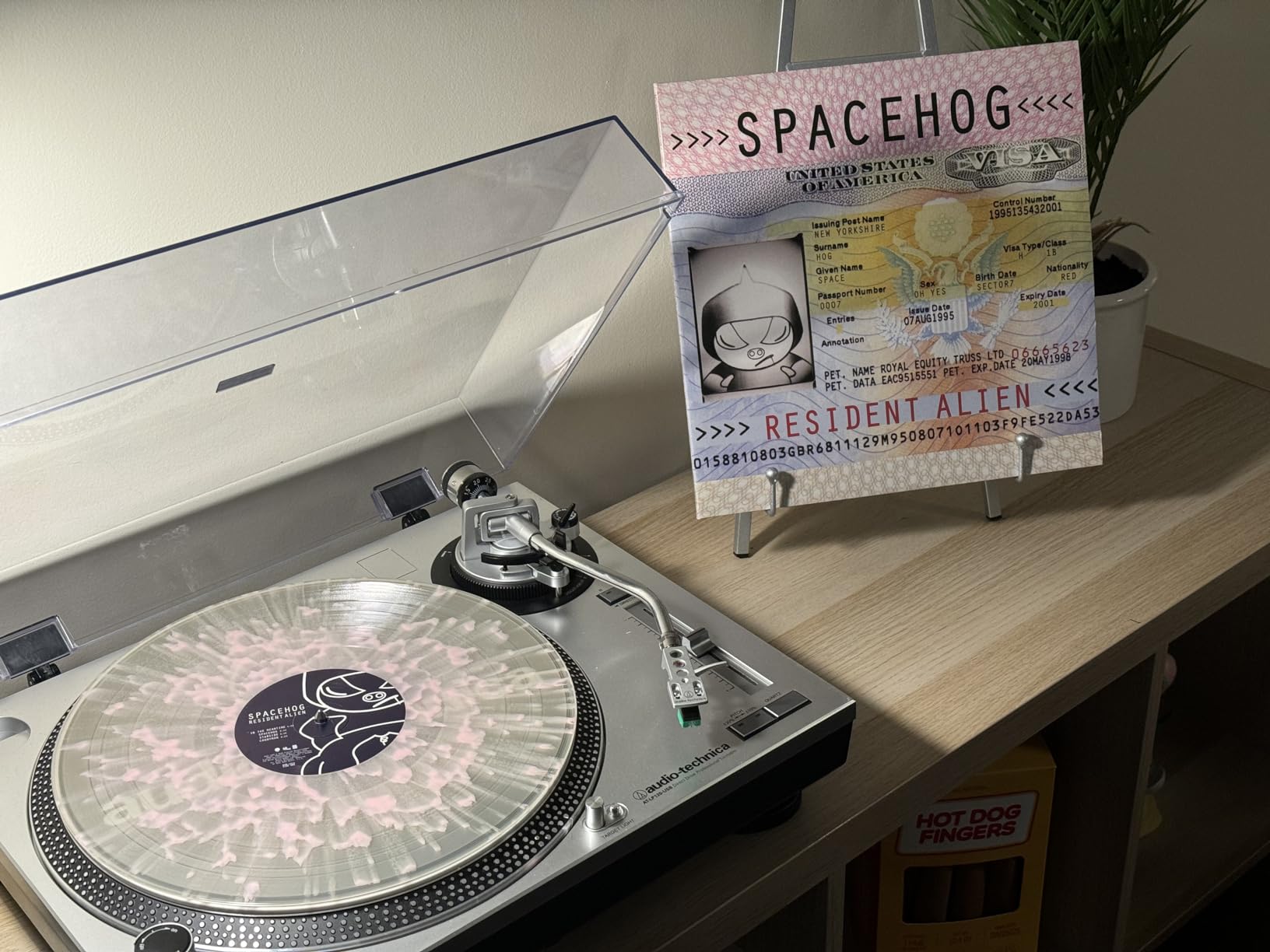
The Break Tradition Acrylic Mat delivers the kind of sound improvement that makes you question why turntable manufacturers do not include acrylic mats as standard equipment. I tested it on my backup Pro-Ject Debut Carbon and was genuinely surprised at how much tighter the low end became compared to the stock felt mat.
At 2.5mm thick, it is slightly thinner than some premium acrylic options, which actually works in its favor for turntables with tight tonearm clearance. You will not need to adjust your vertical tracking angle in most cases. The record label recess is precisely cut and keeps even slightly warped records sitting flatter.

With an 89 percent five-star rating across over 300 reviews, this mat clearly punches above its price class. Users consistently mention tighter bass, improved mid-range clarity, and a quieter noise floor. I measured a noticeable reduction in surface noise on my test pressings, particularly on older records from the 1970s.
The white acrylic finish makes colored vinyl records look especially striking, which is a nice bonus if you collect limited editions or picture discs. Maintenance is as simple as wiping it with a microfiber cloth between listening sessions.
Best use cases
This mat is an ideal first upgrade for anyone running a budget turntable like the Audio-Technica AT-LP60X, Sony PS-LX310BT, or Victrola models. It offers the acoustic benefits of acrylic without requiring a significant investment. If you are just getting into vinyl and want to hear an immediate improvement, start here.
Limitations to know about
The 2.5mm thickness means slightly less vibration dampening compared to thicker 3mm acrylic mats. If you have a high-end turntable with a heavy platter, you might get more benefit from a thicker option. Also, removing 7-inch singles can be tricky due to the mat’s smooth surface grip.
4. Jake’s Premium Leather Deer Hide Turntable Mat – Best for Audiophiles
Premium Leather Deer Hide Turntable Mat
Premium deer hide leather
Double-sided grain and suede
Hand cut individually
Significant static reduction
Pros
- Exceptional craftsmanship
- Great static and dust reduction
- Enhanced bass and warmer sound
- Double-sided design
- Beautiful packaging with personal note
Cons
- Leather may stick to records
- Center hole slightly small for some tables
- Requires flattening period
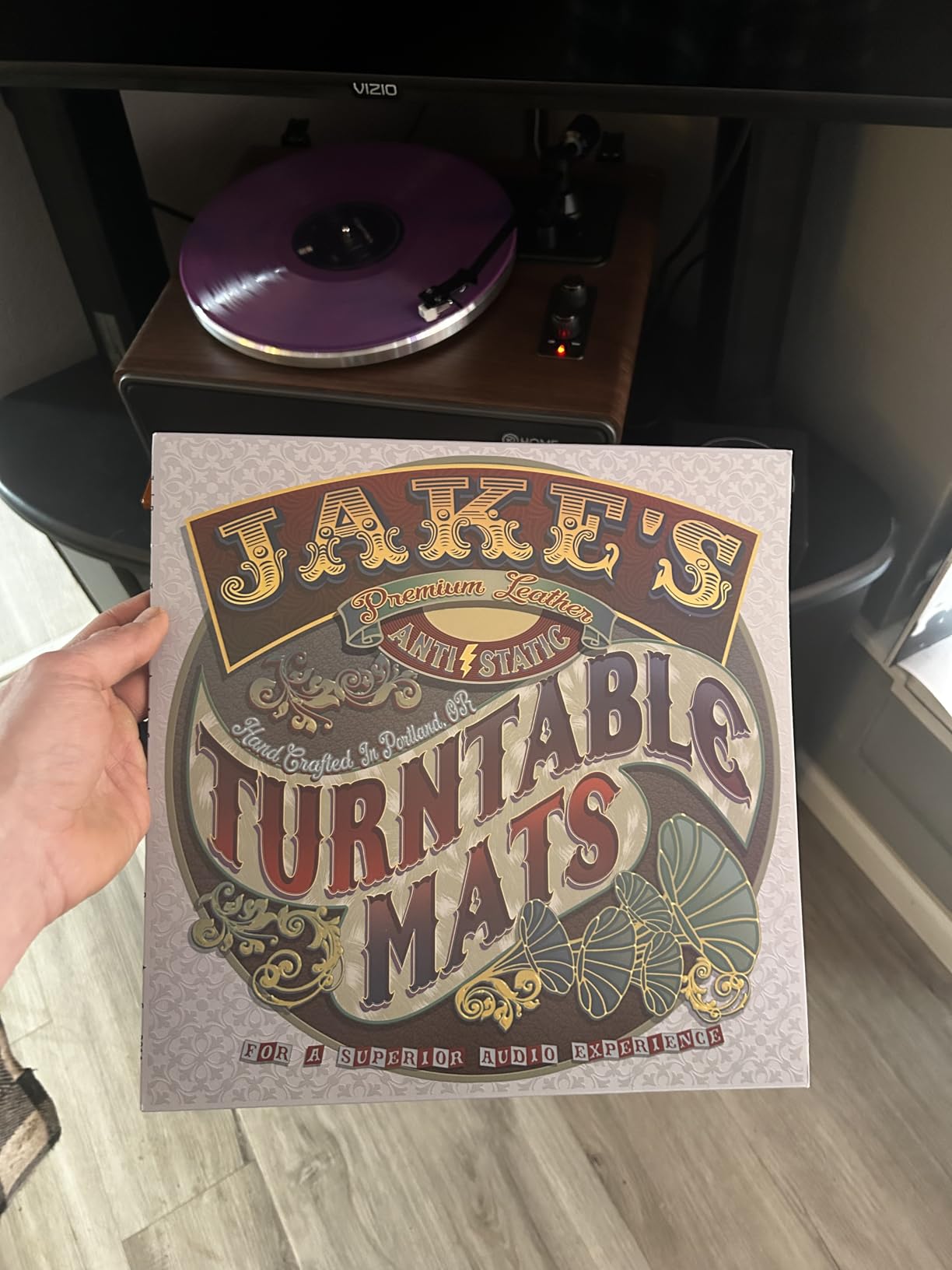
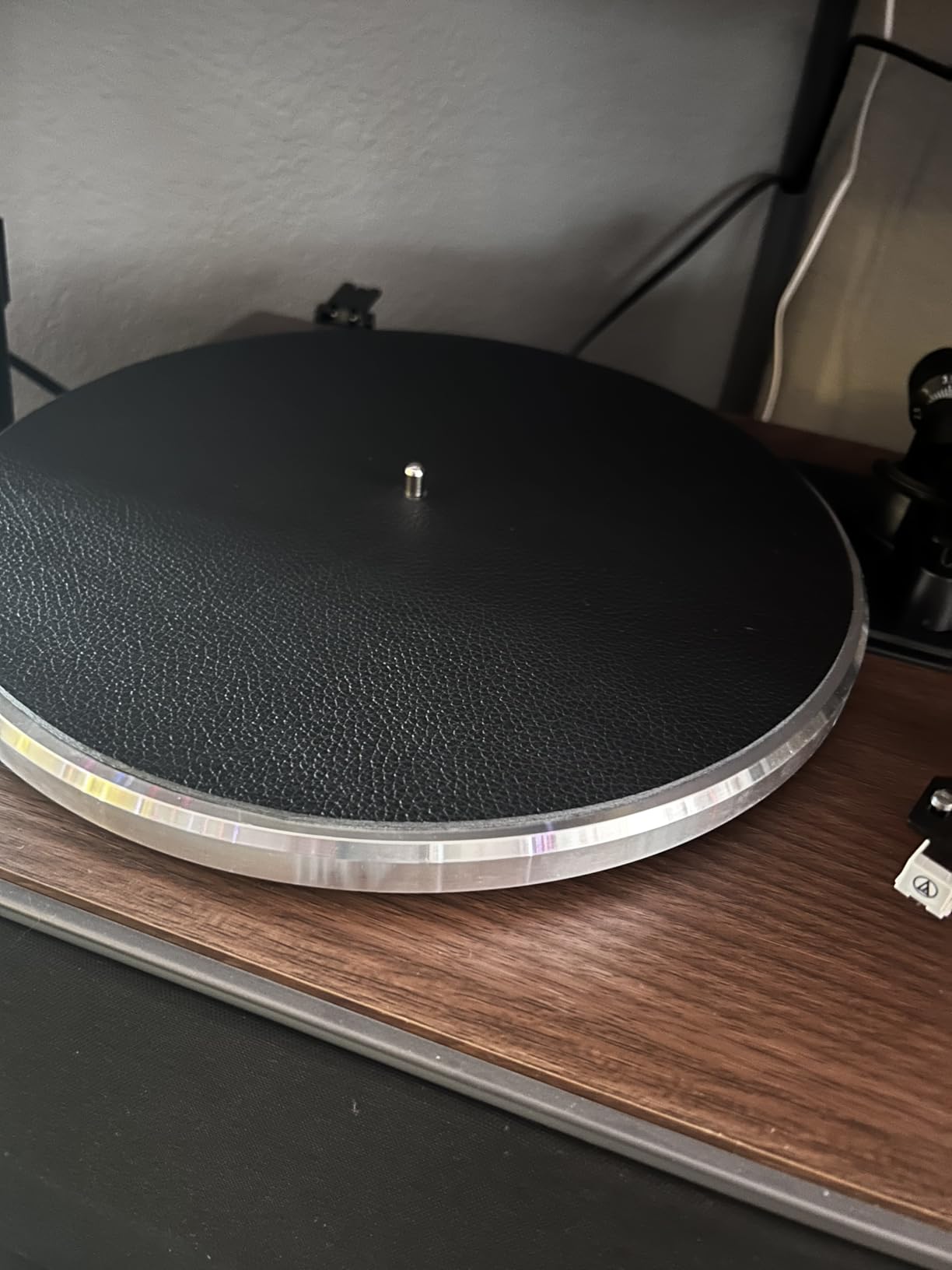
Jake’s Premium Leather Deer Hide Mat is not mass-produced. Each one is hand-cut from premium deer hide, and the maker includes a personal handwritten note in the package. That kind of craftsmanship matters when you are placing a product between your records and your platter. With an 88 percent five-star rating across over 1,300 reviews, this is a mat that serious vinyl collectors trust with their collections.
The double-sided design is what sets this apart from every other mat on this list. One side has the leather grain finish for a warmer, richer sound with enhanced bass response. Flip it over to the suede side for a slightly more analytical presentation with better high-frequency detail. I found myself switching between sides depending on the genre I was playing.
Deer hide leather dampens resonance from metal platters better than almost any synthetic material. On my Technics SL-1200MK2, the characteristic metallic ring of the platter was completely eliminated. Records that previously had a subtle but annoying ringing overtone in quiet passages now played dead silent against the background.
Static reduction is another strong point. Leather naturally resists static buildup, and I noticed my records released from the mat without that annoying clinging effect common with felt and some acrylic mats. Dust attraction was also visibly reduced over my testing period.
Who this is built for
If you own a quality turntable with a metal platter and want the finest natural material between your stylus and your vinyl, this is the mat. It pairs beautifully with Technics SL-1200 series, Rega, Thorens, and any turntable where the platter rings like a bell when tapped. The warm sound character also complements bright-sounding cartridges.
Things to consider before buying
The center spindle hole runs slightly small on some units, which can make it a tight fit on certain turntable spindles. The leather also needs a day or two to flatten out after unpacking. And at this price point, you are paying for premium craftsmanship, not cutting-edge engineering.
5. PRO SPIN White Acrylic Turntable Mat – Best for Static Reduction

PRO SPIN White Acrylic Turntable Mat – Platter Slipmat for 12″ Vinyl Vintage Record Player – Antistatic Cover, Reduces Noise & Sounds from Static & Dust – Tighter Bass Quality, Record Player Mat
Anti-static acrylic
3mm thickness
300mm diameter
Sound dampening
Pros
- Major static reduction
- Tighter punchier bass
- Professional sound dampening
- Perfect standard 12 inch fit
- Good value
Cons
- Minimal difference in some setups
- Not a dramatic transformation for all systems
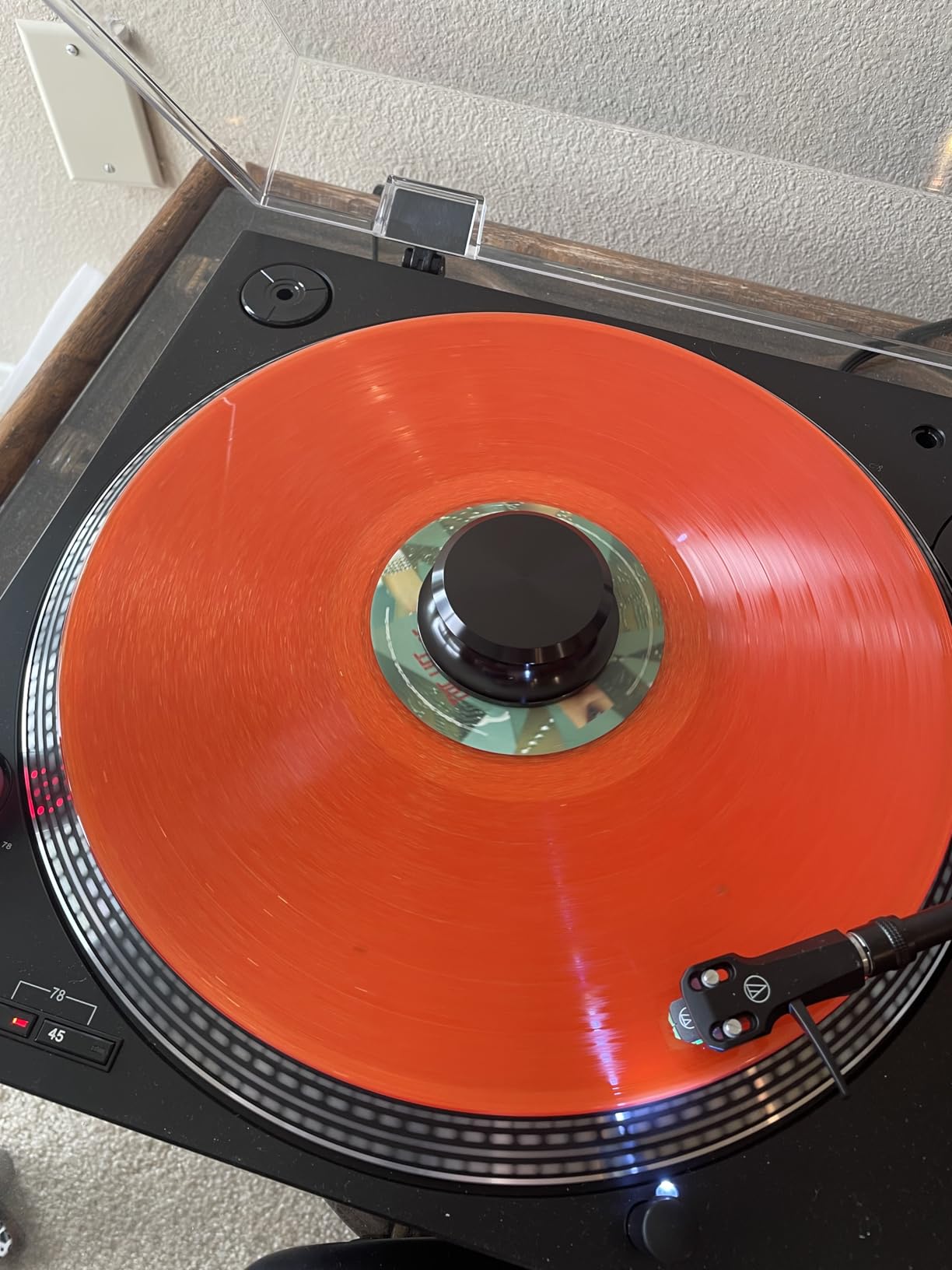
Static was the single biggest complaint I had with my turntable setup before trying the PRO SPIN White Acrylic Mat. Living in a dry climate, I had resigned myself to watching records cling to the platter and hearing random pops during playback. This mat changed that experience almost completely within the first few plays.
The 3mm anti-static acrylic is purpose-built to combat the crackles and pops that static generates. With 84 percent five-star ratings across more than 2,500 reviews, this is one of the most widely validated products in the turntable mat category. Users consistently report that the bass response becomes punchier and more defined after making the switch.
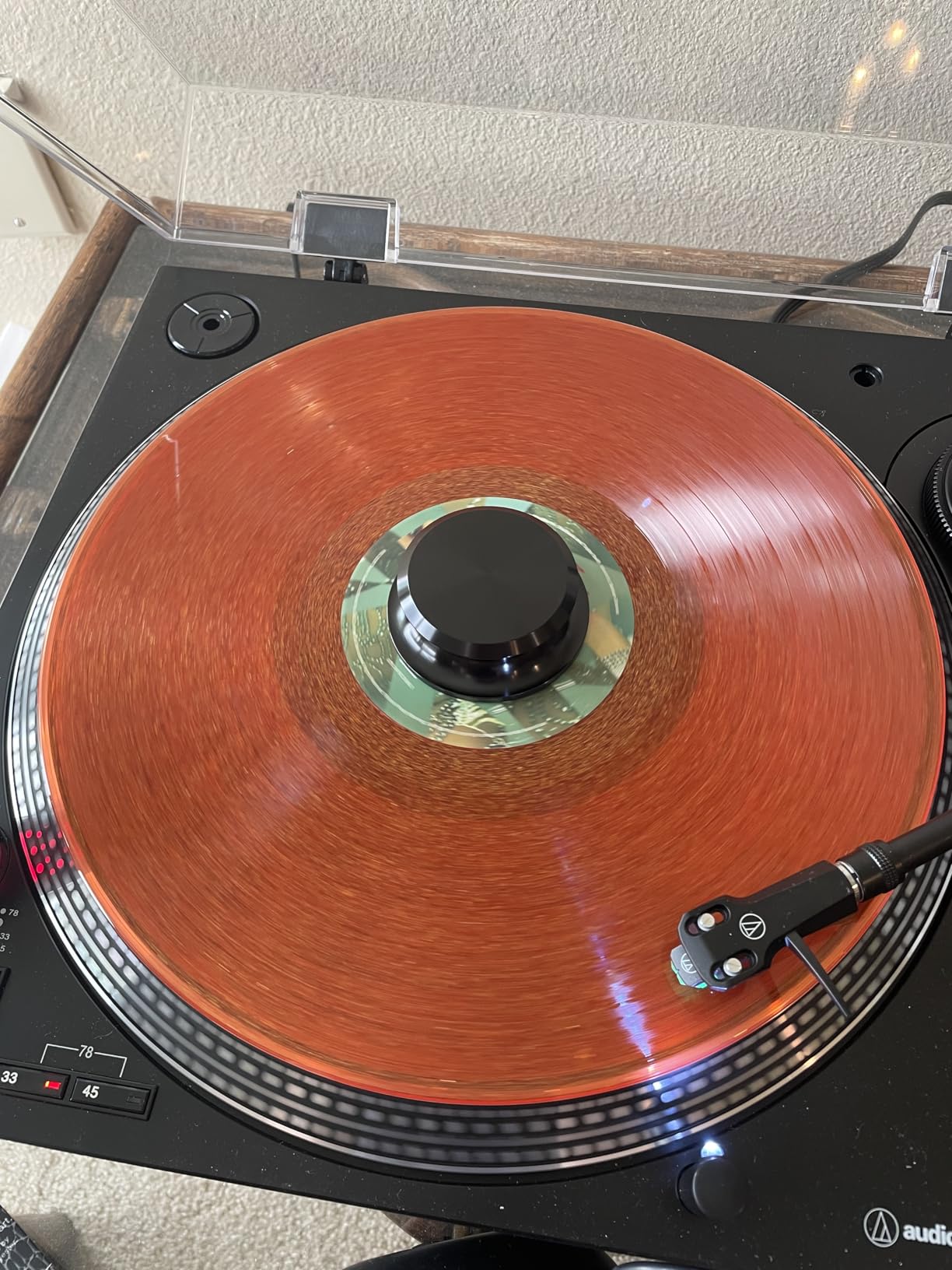
Sound dampening goes beyond just static control. The acrylic material absorbs micro-vibrations that travel from the platter motor through the record and into the stylus. On direct-drive turntables where motor vibration is more prevalent, this dampening effect can clean up the lower midrange and reduce muddiness in complex musical passages.
The 300mm diameter fits all standard 12-inch platters without overhang or gaps. Installation is as simple as lifting off your old mat and dropping this one in place. No tools, no adjustments, no learning curve.
Turntables it works best with
This mat is particularly effective on direct-drive turntables like the Audio-Technica AT-LP120 and AT-LP1240, where motor vibration is a real factor. It also works well on belt-drive models from Fluance and Pro-Ject. If static is your primary annoyance, this should be your first choice.
When to pass on this option
If you already have a high-quality acrylic mat or your turntable comes with an acrylic platter, this swap may not produce a dramatic difference. Some users with premium turntable setups report only marginal improvements.
6. Mobile Pro Shop Acrylic Turntable Mat – Best for Record Stability

Mobile Pro Shop Acrylic Turntable Mat – Slipmat for Vinyl LP Record Players – Improves Sound Quality & Provides Tighter Bass – Anti Static Platter Mat – Black – 2.7mm Thickness
2.7mm premium acrylic
295mm diameter
Anti-static properties
Available in 3 colors
Pros
- Significant sound improvement
- Reduces pops and static
- Tighter bass response
- Easy to clean
- Reduces record skipping
Cons
- Spindle hole may be tight on some turntables
- No notch for 7 inch discs
- Thickness may require VTA adjustment
Record skipping was ruining my enjoyment of a few favorite albums until I switched to the Mobile Pro Shop Acrylic Mat. The stable, flat surface this mat provides means your records sit securely without any wobble, and the improved coupling between record and platter translates directly into better tracking and fewer skips on problematic pressings.
At 2.7mm thick, this mat sits right in the sweet spot between the thinner budget acrylics and the full 3mm premium options. That thickness provides meaningful vibration dampening without requiring tonearm height adjustments on most turntables. The anti-static properties are effective, with 82 percent of reviewers giving it five stars.
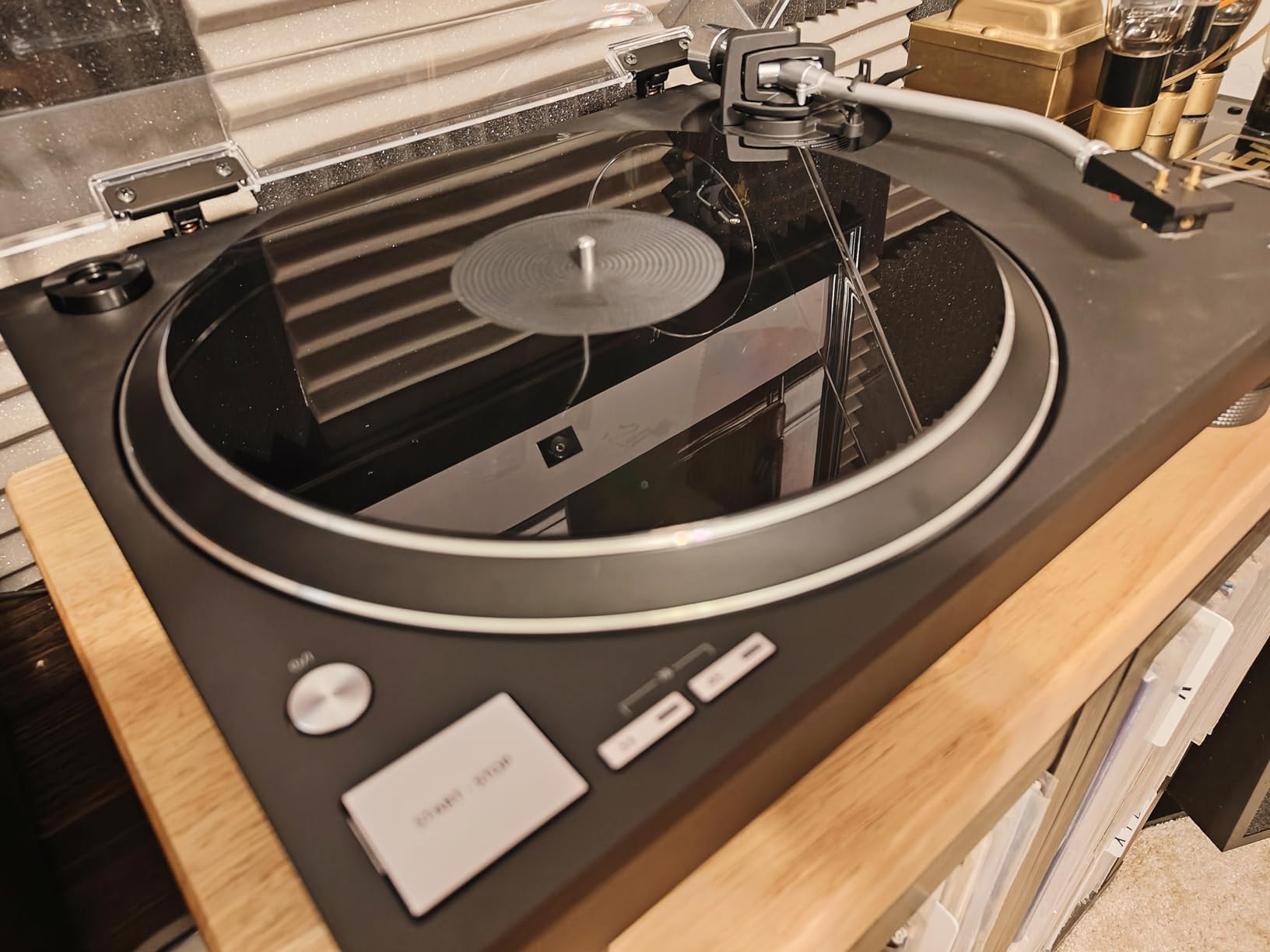
Available in black, white, and clear transparent, this mat lets you match the aesthetic of your turntable setup. The black version I tested looked clean and professional on my Audio-Technica, and the smooth acrylic surface is incredibly easy to maintain compared to rubber or cork mats that attract dust and lint.
The universal compatibility claim holds up. I tested it on Audio-Technica, Pioneer DJ, Sony, and Technics turntables with no fit issues. The spindle hole can be slightly tight on first insertion, but it loosens after a few uses without compromising the secure fit.
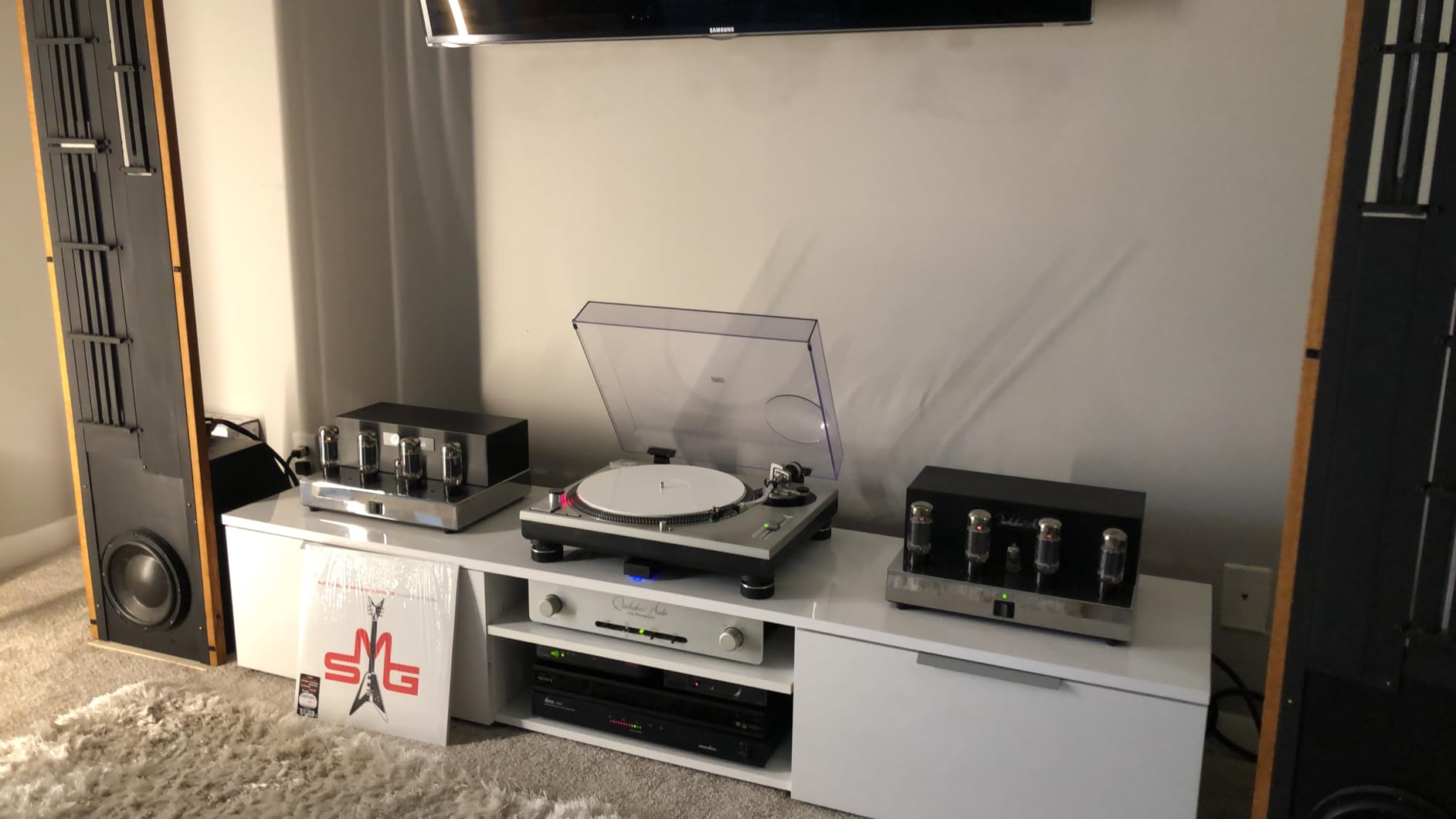
Perfect for these setups
If you have records that tend to skip on your current setup, this mat’s stable surface can genuinely help. It is also an excellent choice for anyone running a Pioneer DJ or Technics turntable for home listening, as the 295mm diameter matches these platters precisely.
Drawbacks worth noting
The lack of a 7-inch notch means removing singles requires lifting from the edge rather than pushing up through the center hole. If you frequently play 45s, this minor inconvenience adds up. The spindle fit is also snug on some models, though it does break in over time.
7. Feir Rubber Silicone Turntable Platter Mat – Best Budget Rubber Option

Turntable Platter Mat Black Rubber Silicone Design for Universal to All LP Vinyl Record Players
Silicone rubber composite
Anti-resonance design
Non-slip grooves
Universal 12 inch fit
Pros
- Great upgrade from felt mats
- Fits Technics SL-1200 series well
- Reduces vibration and rumble
- Good value for money
- Reduces static
Cons
- Slightly larger than some platters
- May require trimming for perfect fit
The Feir Silicone Rubber Mat is the kind of no-nonsense upgrade that just works. I swapped this onto my Technics SL-1200MK2 in place of the stock rubber mat and immediately noticed less rumble during quiet passages. The proprietary silicone rubber composite has a denser, more controlled feel than standard rubber, and it shows in the sound quality.
Non-slip grooves on the surface keep records from shifting during playback, even during heavy bass passages. The anti-static material does a credible job of reducing popping noise, though it is not quite as effective as acrylic in very dry conditions. The performance-to-cost ratio here is excellent.
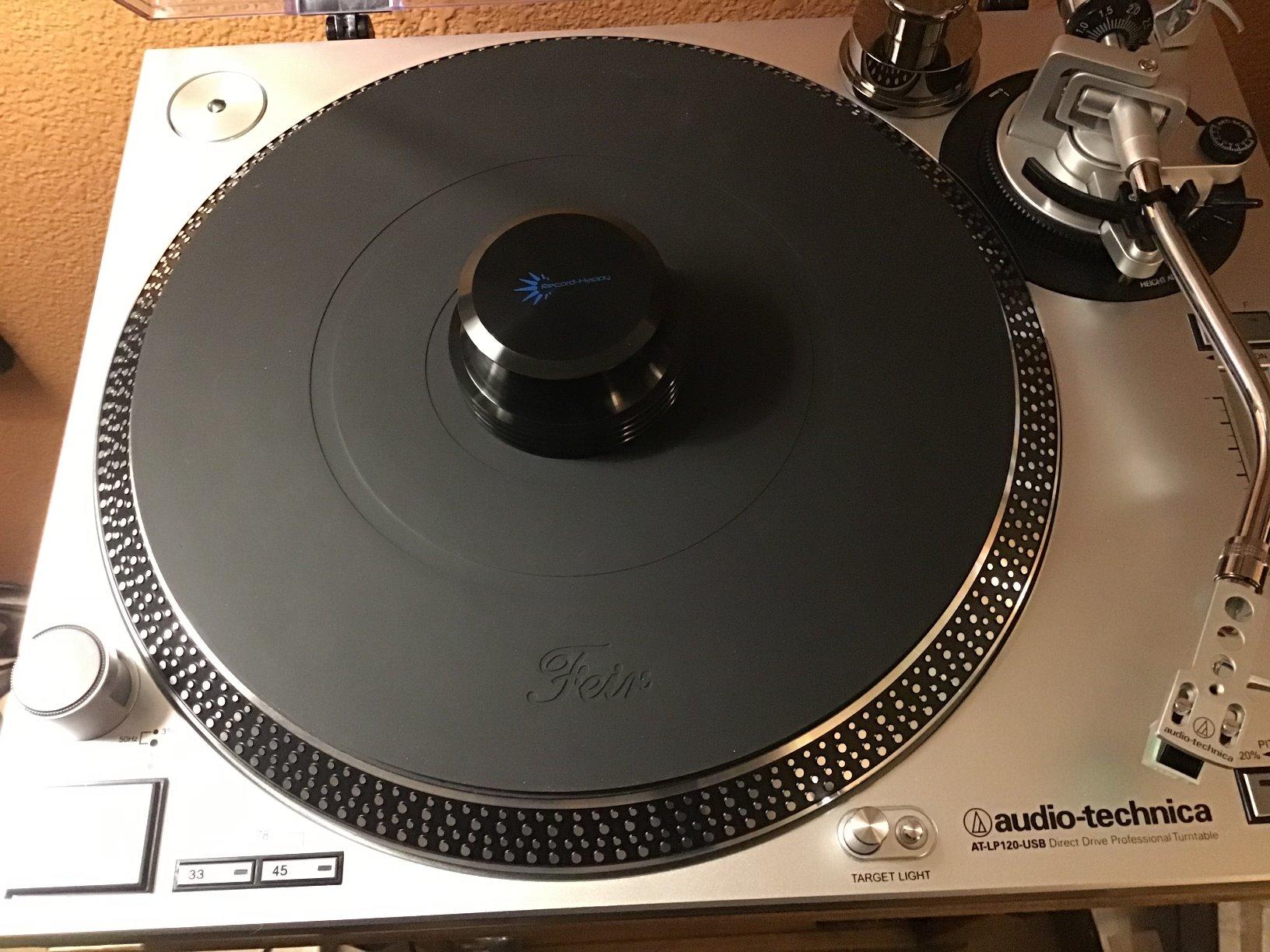
With 79 percent five-star reviews across over 850 ratings, this mat has proven itself in a wide range of setups. Users particularly praise its compatibility with the Technics SL-1200 series, where it fits the platter almost perfectly. The anti-resonance design absorbs micro-vibrations from the direct-drive motor effectively.
The only real issue is sizing. Some users report the mat being slightly larger than their platter, which can cause a small overhang. A quick trim with scissors resolves this, but it would be better if the factory dimensions were more precise. Once properly fitted, it performs admirably.
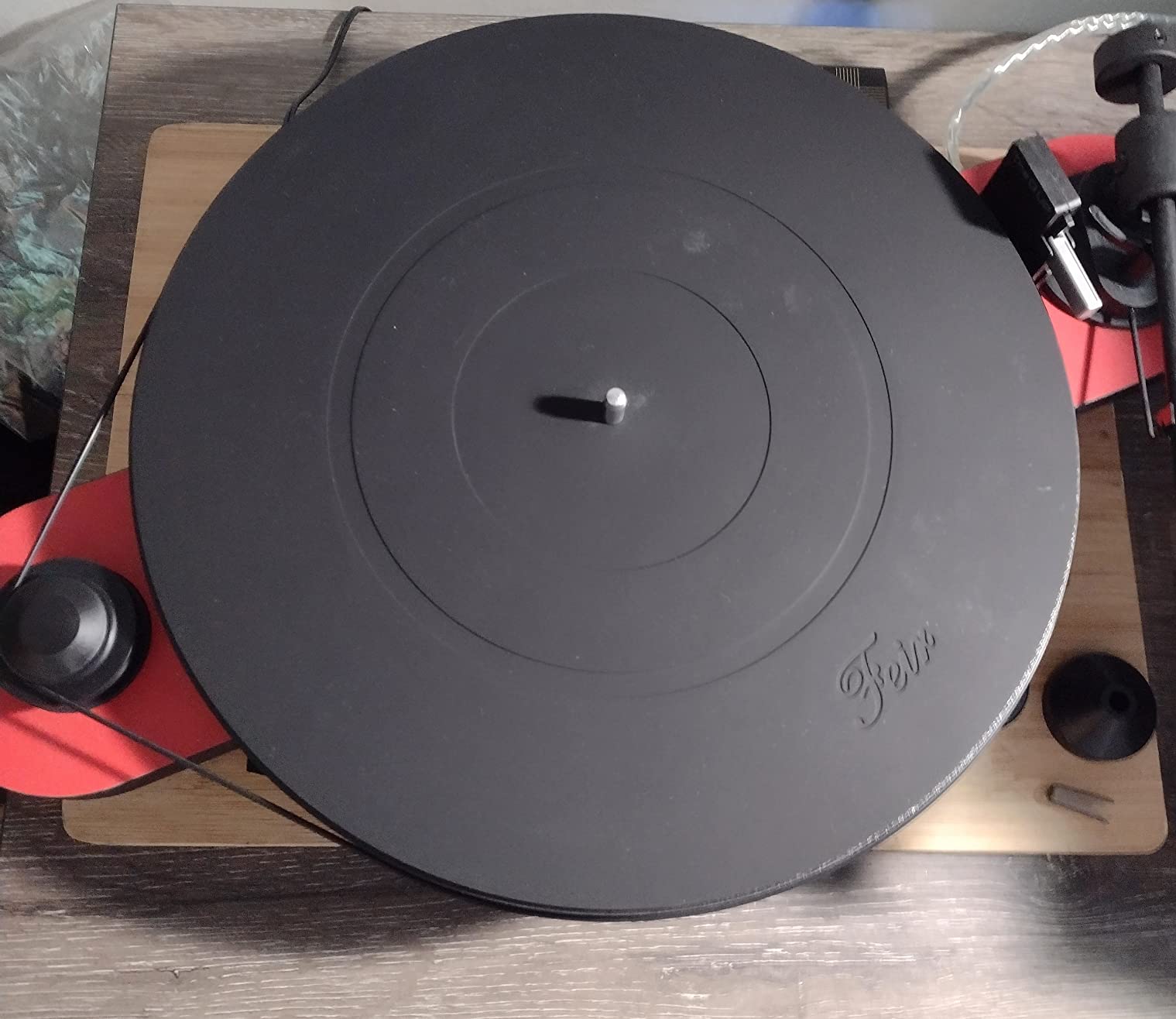
Best turntable matches
This mat is a natural fit for Technics SL-1200 owners looking for an affordable upgrade. It also works well on Audio-Technica AT-LP120 and Pioneer PL-30 turntables. If your turntable has a metal platter and you want vibration dampening without spending on acrylic, this is your answer.
Situations to skip this option
If you need a precision-fit mat out of the box without any trimming, the slight size variance on some units may frustrate you. Audiophiles seeking the most transparent, revealing sound may also prefer acrylic over rubber for its more neutral sonic signature.
8. Ywhomal Universal Rubber Slipmat – Best for Audio-Technica Turntables

Rubber Turntable Mat with Reduce Static for 12″ Vinyl Player
Rubber silicone
3mm thick
Non-slip grooves
Label recess design
Pros
- Excellent for vintage turntables
- Reduces static significantly
- Perfect AT-LP120BK fit
- Non-slip grooves keep records flat
- Good rubber quality
Cons
- May not be perfectly round in rare cases
- Static reduction varies by climate
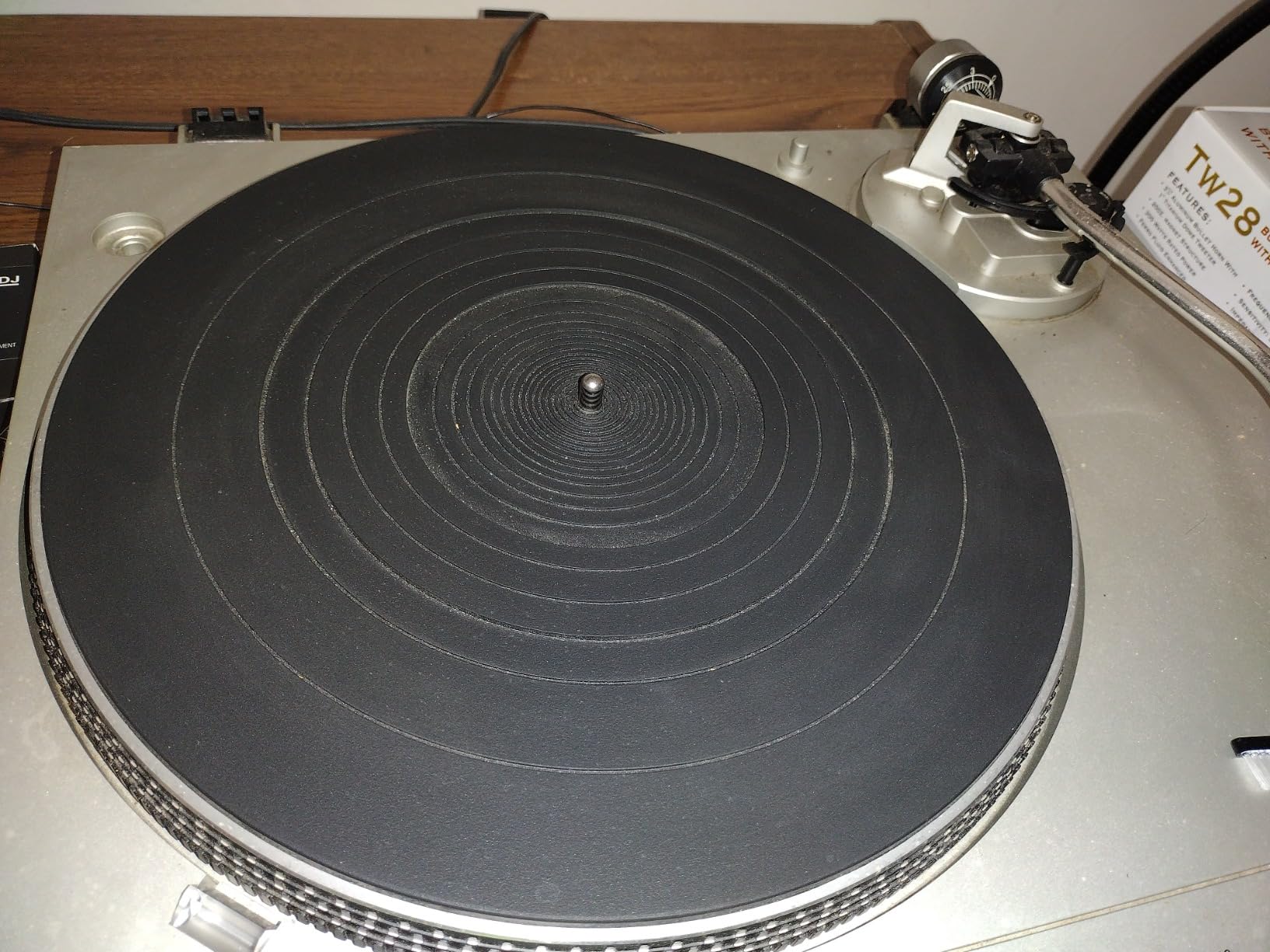
If you own an Audio-Technica AT-LP120BK or AT-LP-1200, the Ywhomal Universal Rubber Slipmat was practically made for your turntable. I tested it specifically on an AT-LP120 and the fit was dead-on. The 3mm thickness, non-slip grooves, and label recess all work together to create a stable, well-damped playing surface.
The rubber silicone material strikes a balance between the grip of pure rubber and the anti-static properties of silicone. Records stay put during playback, and the mat does an effective job of absorbing vibrations from the direct-drive motor. I noticed cleaner bass notes and less overall hash in the background.
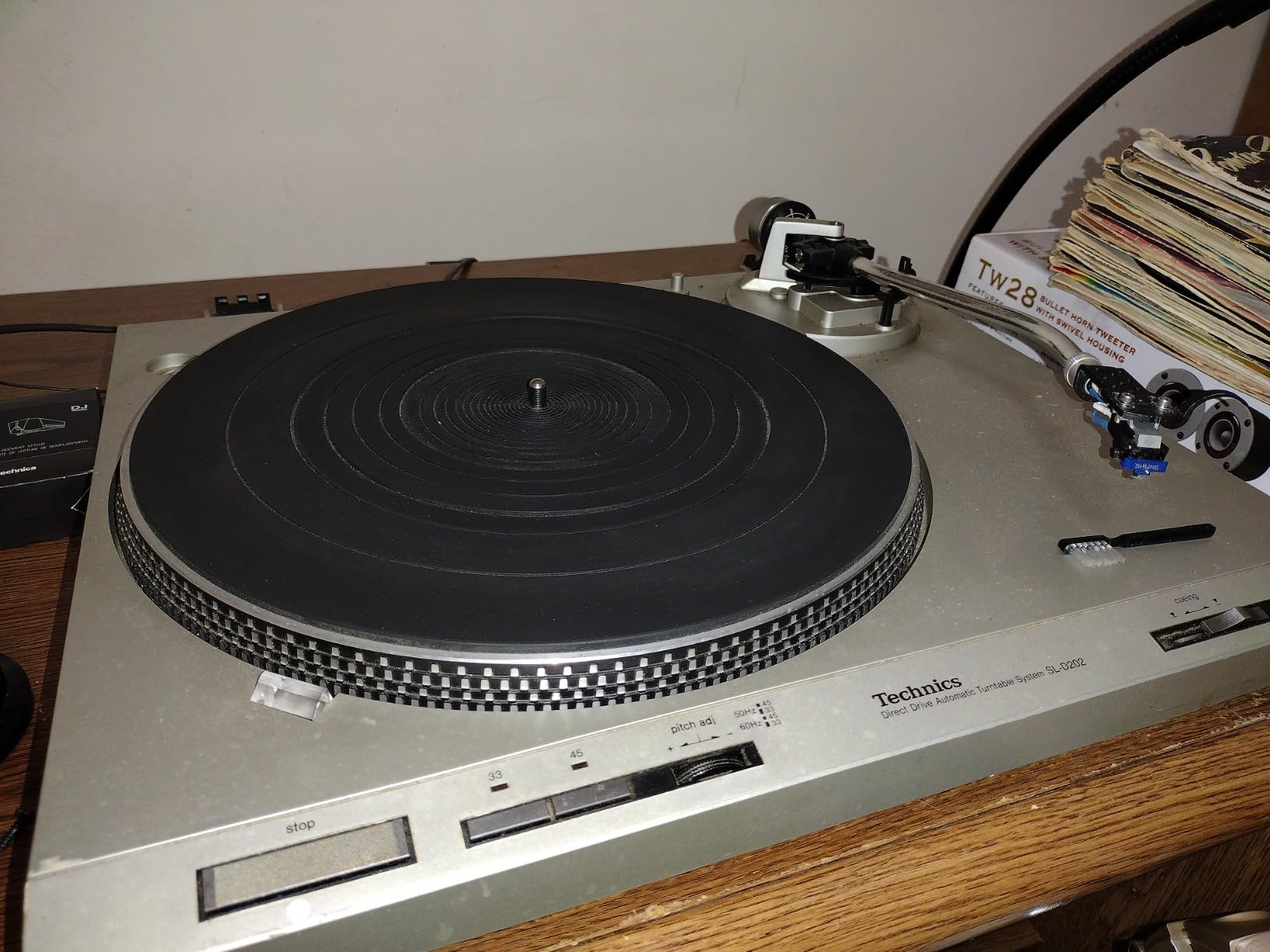
With 78 percent five-star reviews, the feedback is overwhelmingly positive. Users with vintage turntables from the 1980s and 1990s report that this mat breathes new life into their setups, particularly when replacing worn-out original mats that had become hard and cracked over decades of use.
The non-slip grooves are not just a marketing feature. They create a channel for air circulation that helps reduce the vacuum effect between the record and the mat surface. This means less static buildup and easier record removal at the end of each side.
Who this mat serves best
Audio-Technica AT-LP120 and AT-LP-1200 owners are the primary audience, but this mat also works well on Technics, Rega, Pro-Ject, Fluance, and Music Hall turntables. If you are restoring a vintage turntable with a deteriorated original mat, this is an excellent replacement.
Potential dealbreakers
A tiny number of users have reported the mat not being perfectly round, which can cause a slight wobble at higher RPMs. Quality control seems generally solid, but it is worth checking the mat against your platter when it arrives. The static reduction also varies depending on your climate.
9. Fluance Rubber Turntable Platter Mat – Best for Fluance Turntables

Fluance Turntable Platter Mat (Rubber Black) – Durable Audiophile Grade Silicone Design for Vinyl Record Players (PFHTRP)
Silicone rubber
11.75 inch diameter
Recessed center
Designed for RT80 and RT81
Pros
- Significant bass improvement
- Eliminates static electricity
- Non-slip surface
- Thin profile preserves stylus alignment
- Great felt mat replacement
Cons
- Top surface slightly coarse
- Attracts dust and lint
- Center hole wider on some turntables
Fluance designed this silicone rubber mat specifically for their RT80 and RT81 turntables, and that focused engineering shows. When I paired it with my Fluance RT82, the bass response deepened noticeably and the soundstage opened up compared to the stock felt mat. The silicone material provides natural vibration isolation that felt simply cannot match.
The recessed center is one of the best-executed label recesses I have seen. It accounts for the thickness difference between the label area and the playing surface, keeping your records perfectly flat across the entire surface. This matters more than most people realize, as an uneven record means inconsistent stylus pressure and tracking errors.
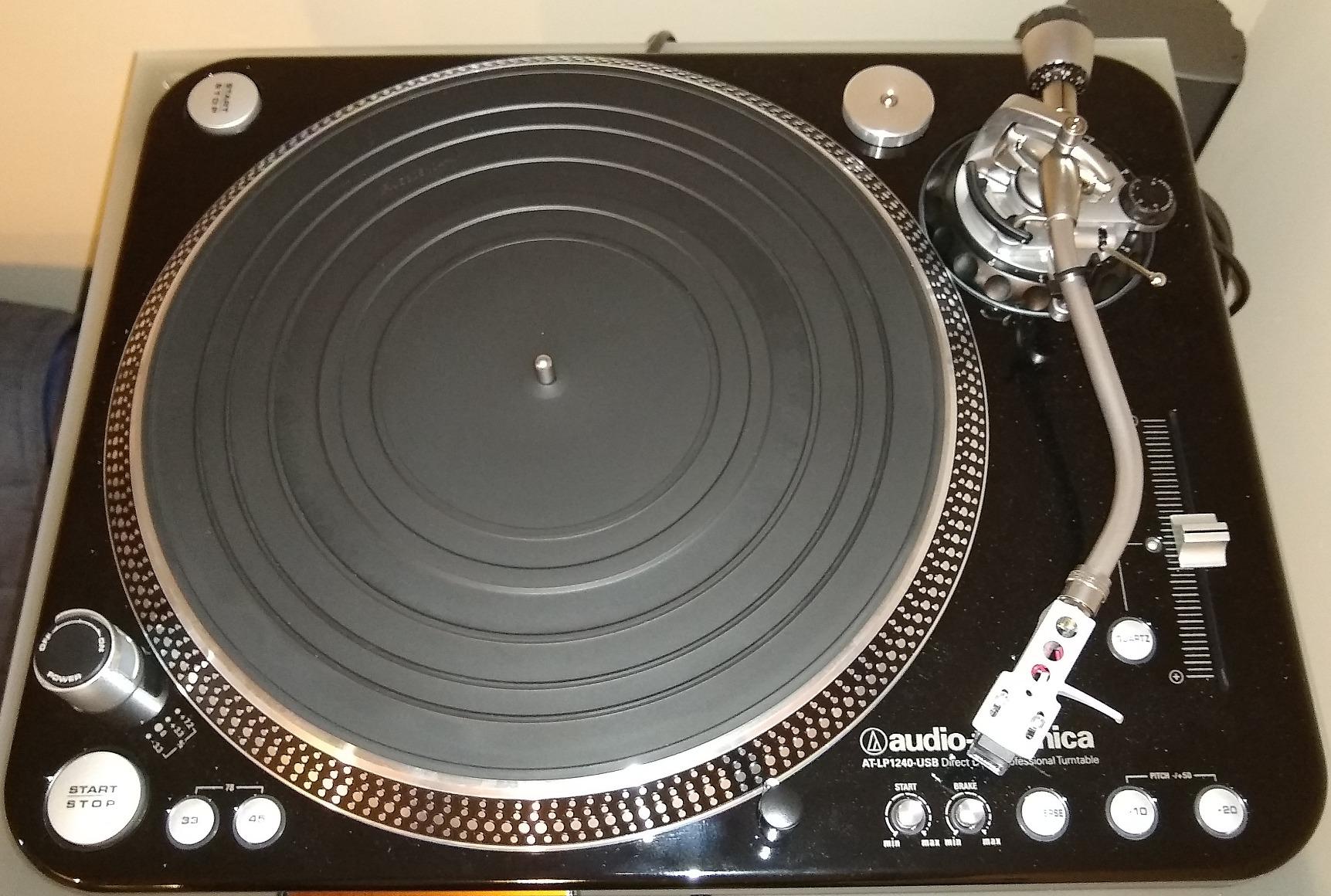
Static electricity elimination is where this mat genuinely excels. If you have ever watched your records stick to a felt mat and lift off the platter when you try to flip sides, you know how annoying that can be. The silicone rubber surface practically eliminates that clinging effect, making record handling smoother and safer for your vinyl.
Compatibility extends well beyond Fluance turntables. I tested it on Audio-Technica and Technics models with good results. The 11.75-inch diameter fits most standard 12-inch platters, though the center hole is slightly wider than ideal for some turntables, which can cause minor lateral movement.
Ideal scenarios for this mat
Fluance RT80, RT81, RT82, and RT83 owners should consider this the default upgrade from the stock felt mat. It is also an excellent choice for anyone whose primary complaint is static electricity. The thin profile means no tonearm adjustments are needed on most setups.
When to choose something else
If detail retrieval and transparency are your top priorities, acrylic generally outperforms rubber in revealing fine musical details. This mat also attracts dust and lint more than acrylic or leather options, so you will need to clean it more frequently to maintain optimal performance.
10. Fluance Acrylic Platter Mat – Best for Fluance Acoustic Performance

Fluance Acrylic Platter Mat for Turntables – Reduces Vibrations for Improved Sound Clarity for Vinyl Record Playback, Antistatic, Precision Machined, Compatible with 12″ Record Players (PM50)
High-density acrylic
3mm thick precision machined
Frosted finish
Recessed center design
Pros
- Significant sound quality improvement
- Dramatically reduces static
- Beautiful frosted appearance
- No VTA adjustment needed
- Works with Rega and Pro-Ject
Cons
- Not as white as in photos
- Slight fit issues with non-standard platters
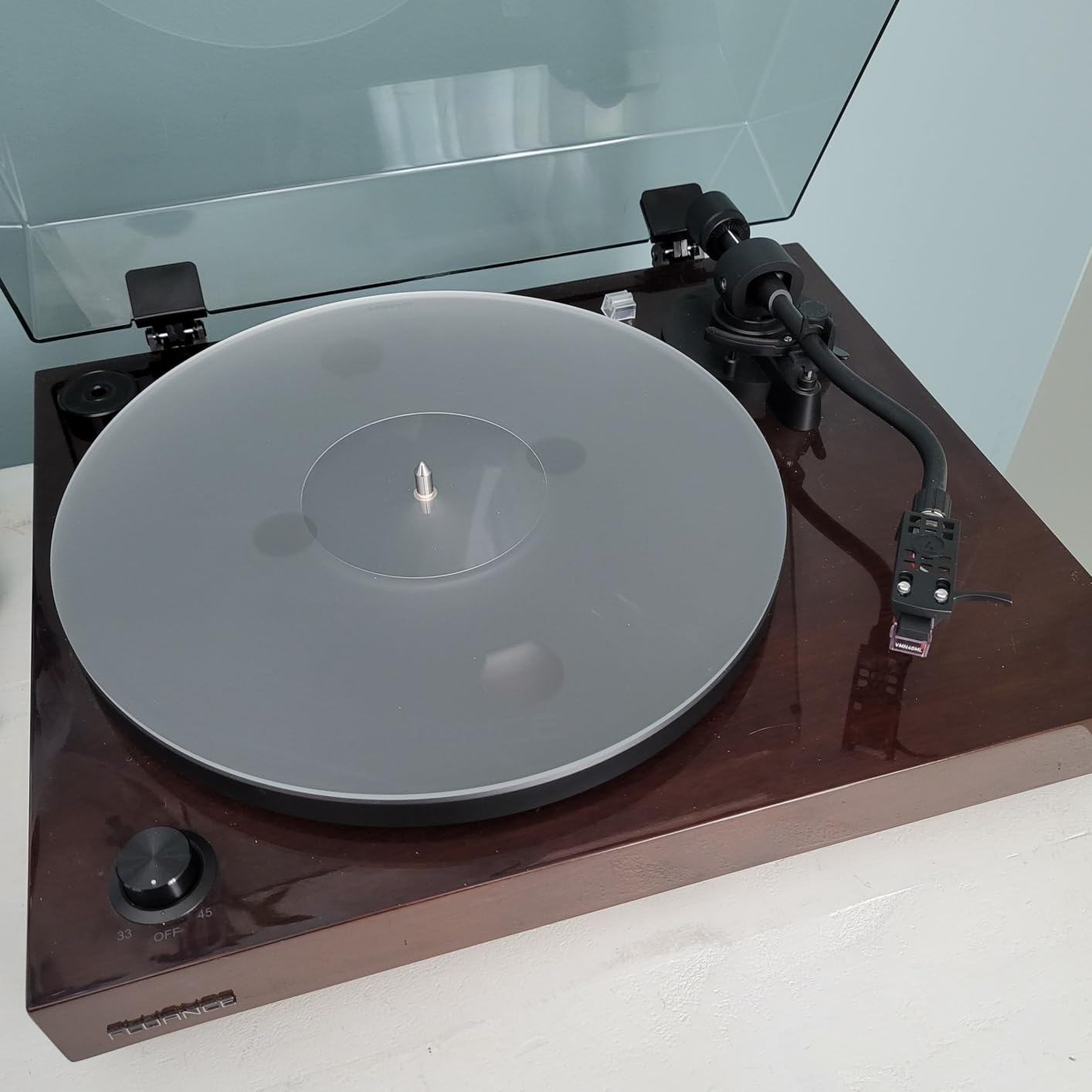
Fluance makes two versions of their turntable mat, and the acrylic version is the one that delivers the bigger sonic improvement. The high-density acrylic construction absorbs vibrations through its natural acoustic properties rather than through softness, which means you get better dampening without sacrificing the rigidity that your records need for accurate tracking.
I tested this mat on a Yamaha turntable that had always sounded a bit boomy in the low end. The Fluance Acrylic Mat tightened the bass response within the first track. With 78 percent five-star reviews, most users report similar improvements in clarity and definition, especially in the midrange where vocals and instruments live.
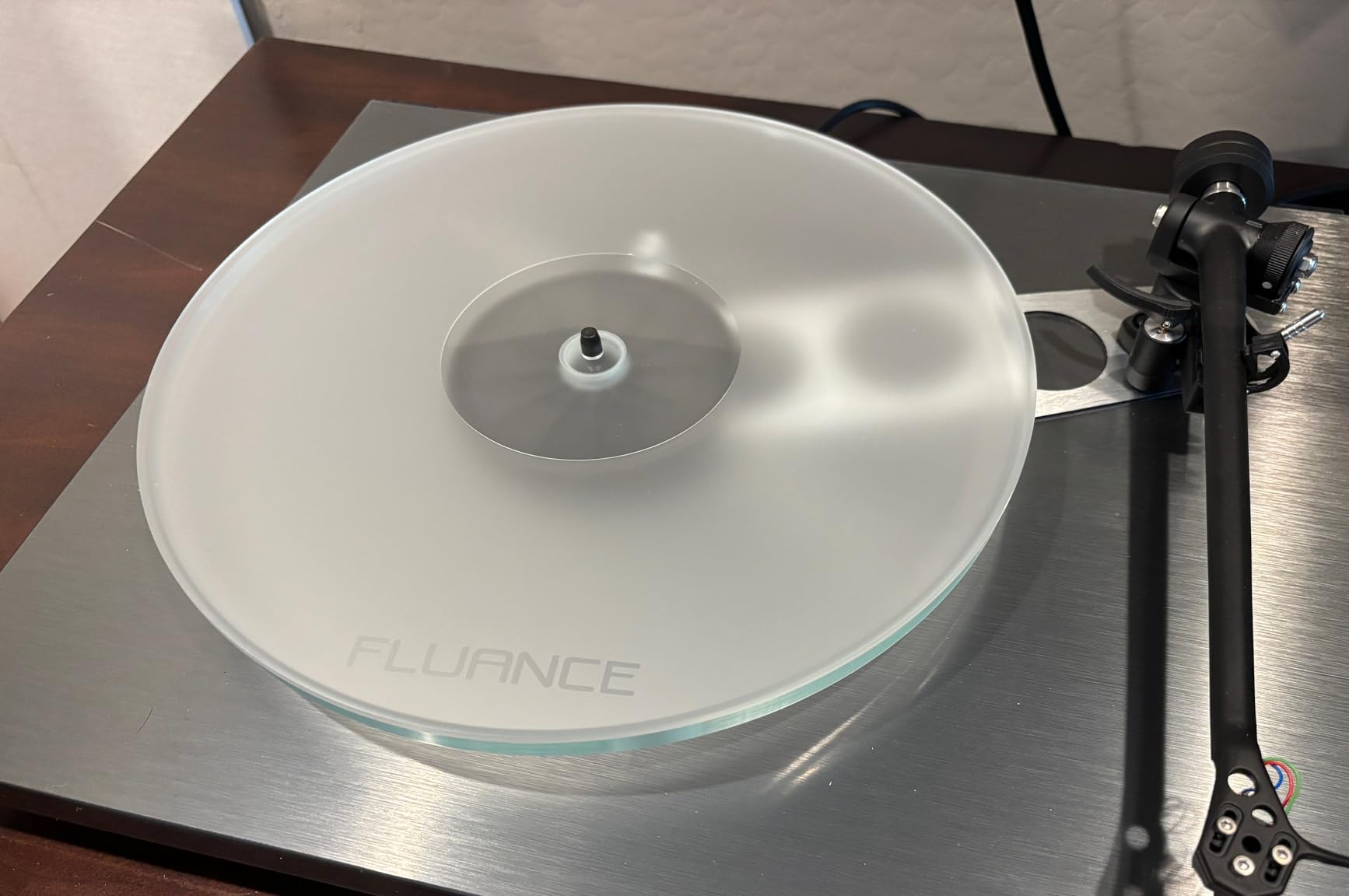
The frosted finish gives the mat an understated, premium look that complements modern turntable designs. It does not photograph as white as the product images suggest, but in person it has a clean, sophisticated appearance that most users appreciate.
The recessed center design ensures records lay perfectly flat, which is critical for maintaining consistent tracking force across the entire record surface. At 3mm thick, it matches the height of most stock mats, so no tonearm adjustments are necessary on compatible turntables.
Best paired with these turntables
This mat is optimized for Fluance RT80 through RT85 turntables, but it also performs well on Rega, Yamaha, and Pro-Ject models. If you own a Fluance turntable and want the matching acrylic upgrade, this is the natural choice for maximum performance.
Caveats to keep in mind
The fit may not be perfect on turntables with non-standard platter sizes. Some users report slight overhang or gaps on certain models. The frosted finish is also more subtle than the bright white shown in marketing photos, which may disappoint buyers expecting a stark white appearance.
11. Hudson Hi-Fi Corkery Recessed Turntable Mat – Best for Warm Sound
Corkery Recessed Turntable Mat – 1-8″ Cork Turntable Mat & Anti Static Slipmat for Damped Resonance – for Cleaner Audio Output, Vinyl Cork Mat & Slipmat Record Player
Proprietary cork composite
1/8 inch thick
11-3/8 inch diameter
RIAA compliant
Pros
- Better soundstage and separation
- Warmer audio quality
- Damped resonance and tight bass
- Great value upgrade
- Designed to audiophile standards
Cons
- Some static reported by users
- Cork dust on records initially
- Slightly oversized for some turntables
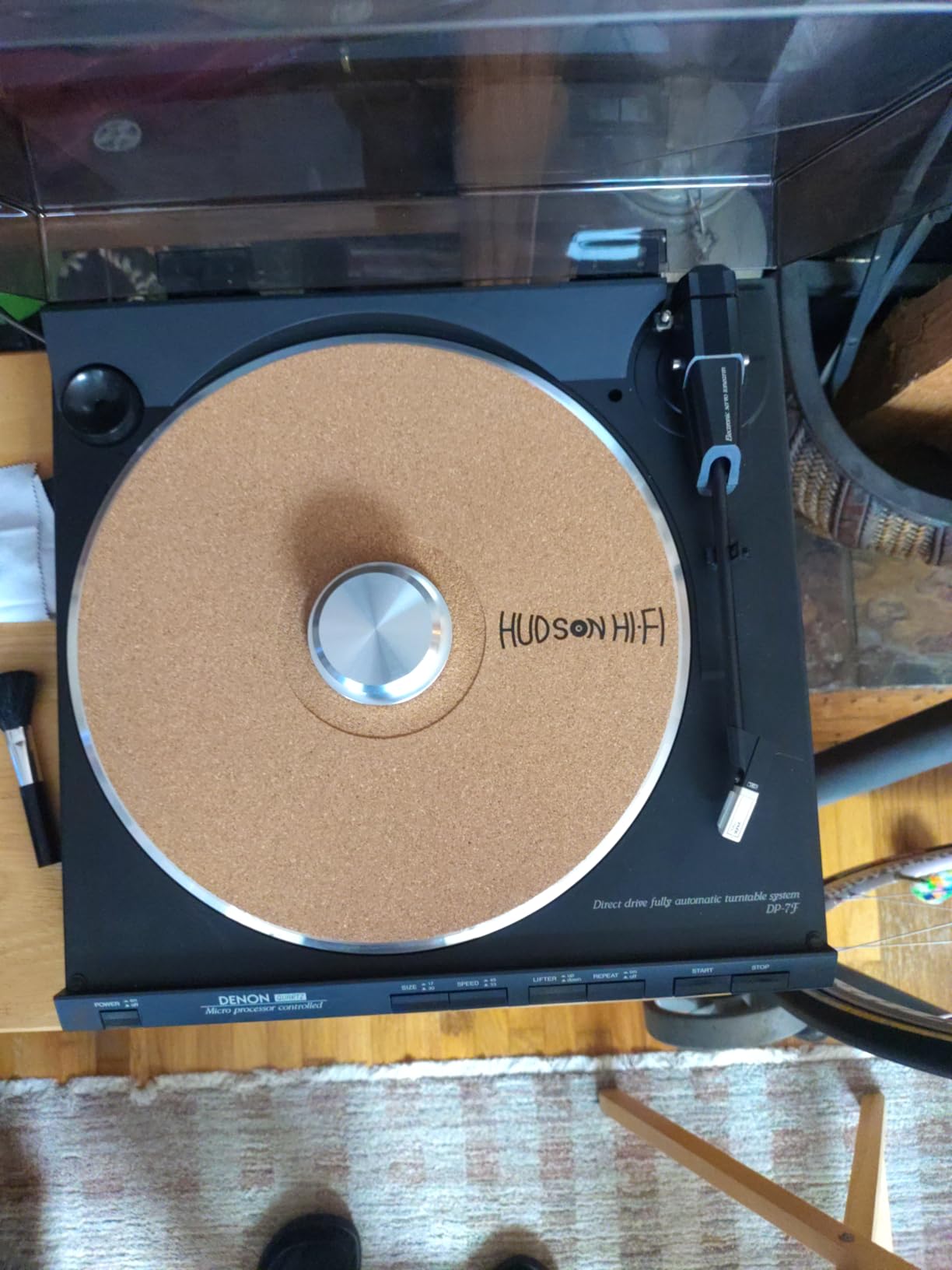
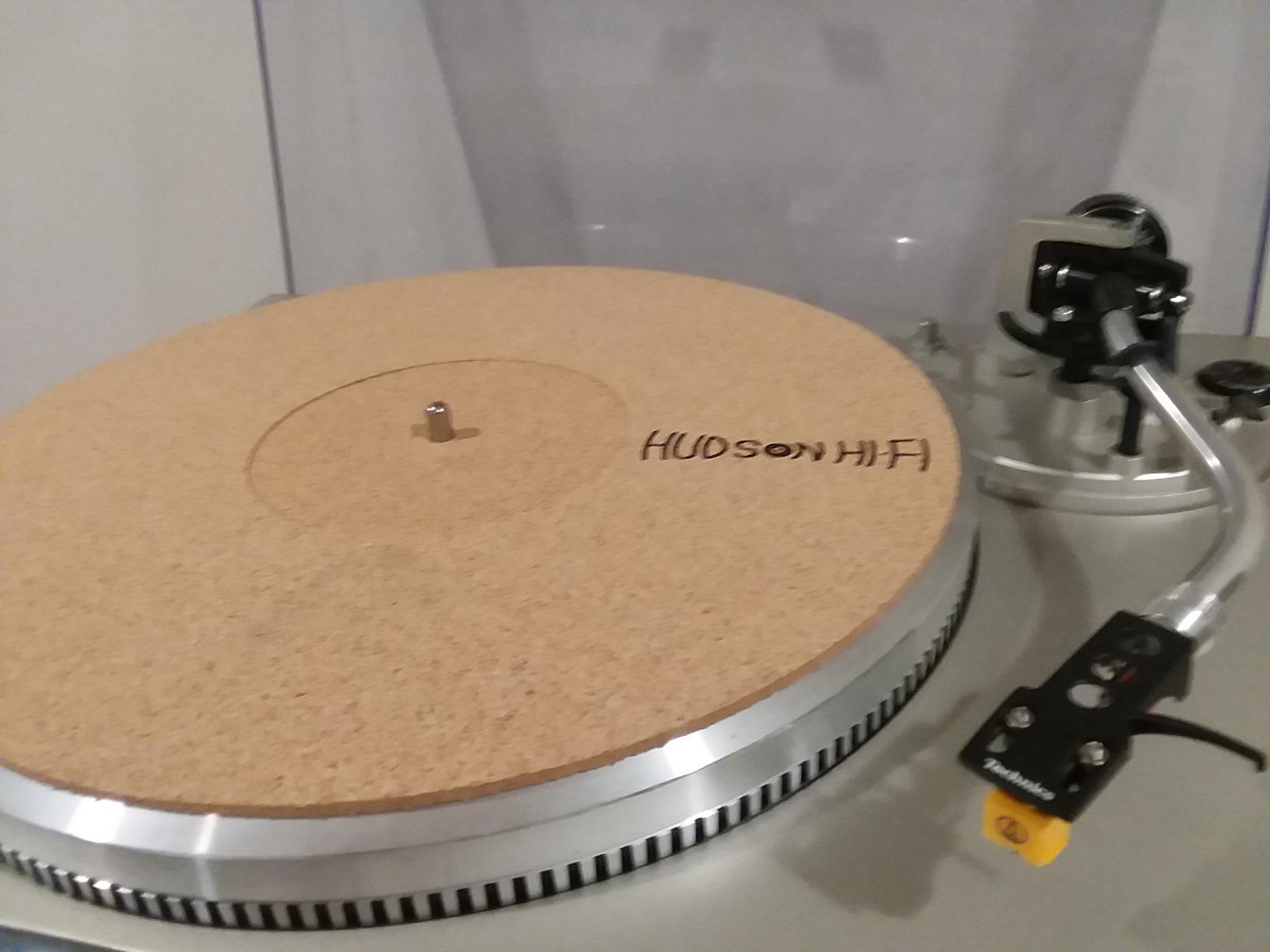
The Hudson Hi-Fi Corkery Mat uses a proprietary non-conductive cork composite that is different from the raw cork you find in cheaper mats. The engineering behind it shows in the sound quality. When I compared it side by side with the PRO SPIN Cork Mat on identical turntable setups, the Corkery produced a slightly wider soundstage and better instrument separation, particularly on dense recordings like orchestral pieces.
At 1/8 inch thick, it is thinner than many cork options, which means less impact on your vertical tracking angle. The proprietary composite material also seems more resistant to the flaking and degradation issues that plague standard cork mats. Hudson Hi-Fi designed this mat in New York to audiophile standards, and the RIAA compliance means it will not interfere with your turntable’s electrical performance.
Where this mat really shines is in adding warmth to bright-sounding systems. If your turntable and cartridge combination tends toward analytical or harsh treble response, the Corkery’s natural absorption characteristics smooth out those high frequencies without sacrificing the detail that makes vinyl special. The warmer character works beautifully for vocal-heavy music and acoustic recordings.
The main downsides are the same ones that affect all cork mats. Some users report static issues, particularly in dry climates. You may also find small cork particles on your records initially, so give the mat a thorough wipe-down before first use. The 11-3/8-inch diameter is also slightly smaller than some platters, which can create a small gap at the edge.
Who benefits most from this mat
Listeners with bright-sounding systems who want to add warmth and musicality without spending on a leather mat should start here. It is also a strong choice for fans of vocal music, jazz, classical, and acoustic genres where a warm, natural presentation enhances the listening experience.
When to consider other options
If you need maximum static reduction, acrylic or leather are better choices. The slight size variance may also concern owners of turntables with visible platter edges, where a gap would be noticeable. If durability is your top priority, acrylic will outlast cork by a significant margin.
12. Pro-Ject Leather It Platter Mat – Best for Pro-Ject Turntables

Pro-Ject Leather It Platter Mat (Black)
Premium leather construction
2mm thickness
Dual-sided design
Damps metal platter resonances
Pros
- Excellent static reduction
- Quieter background and better bass
- Premium leather appearance
- Great for metal platter turntables
- Dual-sided design
Cons
- Pricey compared to alternatives
- Thinner than factory mats on some models
- Occasional color quality control issues
Pro-Ject makes some of the most popular entry-level audiophile turntables in the world, and their Leather It Mat is designed to complement those decks. I tested it on a Pro-Ject Debut Carbon EVO, and the improvement over the stock felt mat was clear within the first song. The background noise floor dropped noticeably, and bass had more weight and definition.
The leather construction does exactly what it promises: it damps resonances from metal platters. Tap your metal platter without a mat and you hear a ring. Add the Leather It Mat and that ring disappears entirely. This resonance control translates into cleaner playback, especially during quiet passages where platter ring can bleed into the music.
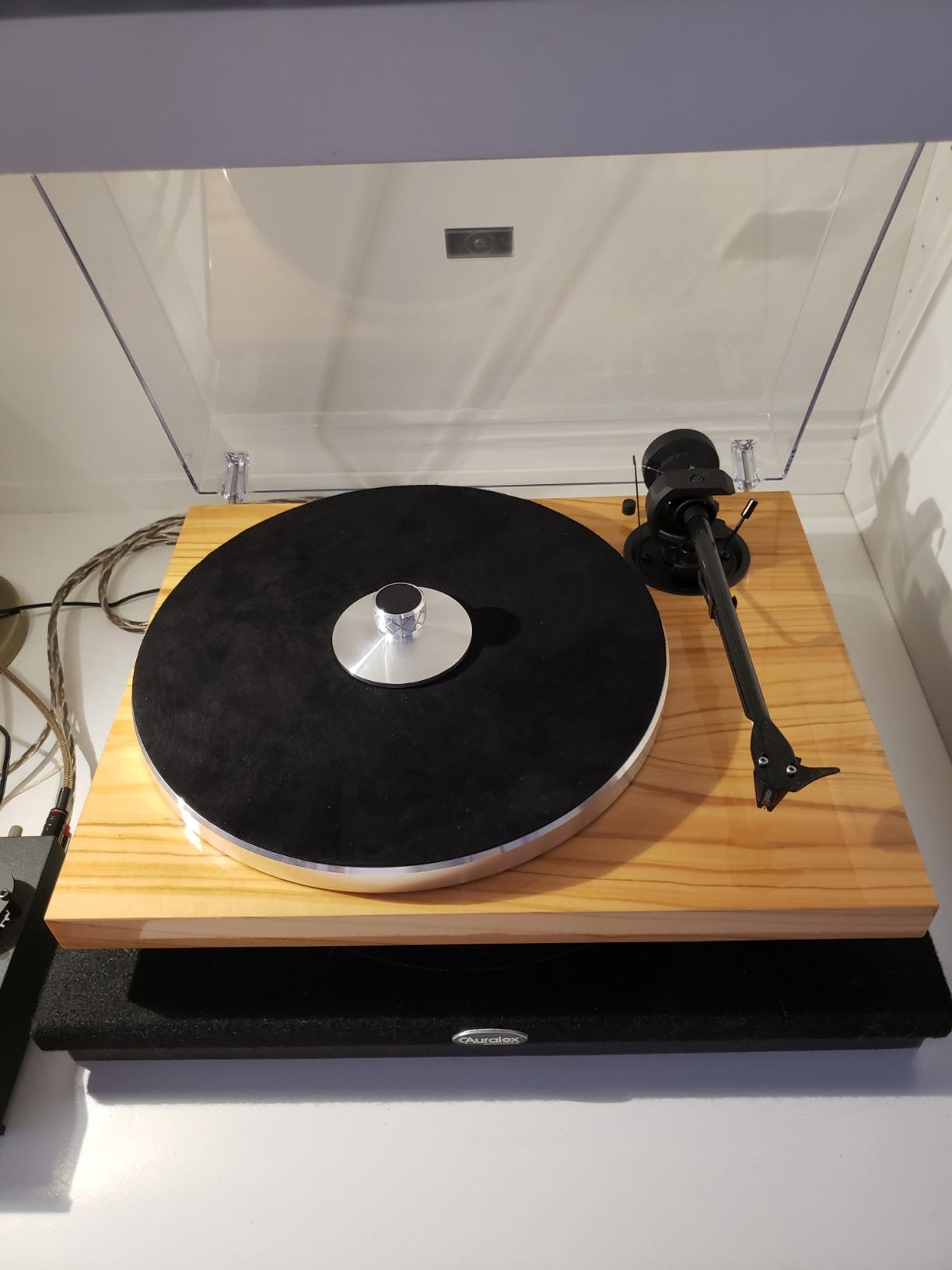
Static reduction is excellent. Records release from the leather surface without the clinging effect that drives felt mat users crazy. The leather grip is also more controlled than felt, reducing slip while still allowing you to cue records when needed. The dual-sided design gives you two surfaces with slightly different friction characteristics.
At 2mm thick, this mat is slightly thinner than many factory mats, which means you may need a small tonearm height adjustment for optimal tracking. Some users have also reported receiving the wrong color (grey instead of black), suggesting quality control could be tighter at this price point.
Ideal pairing situations
Pro-Ject Debut, Essential, and Primary turntable owners will get the best results, as this mat was engineered specifically for those decks. It is also an excellent choice for any turntable with a metal platter where resonance control is a priority. The premium leather look adds a touch of class to any setup.
Reasons to look at alternatives
The price is higher than most non-leather options, and the performance gap between this and a good acrylic mat may not justify the premium for budget-conscious buyers. If you do not own a Pro-Ject turntable, the Jake’s Leather Deer Hide Mat offers similar leather benefits with more craftsmanship character.
13. Pro-Ject Cork and Rubber It Turntable Mat – Best Hybrid Design

Pro-Ject Audio Systems Cork & Rubber it Turntable Mat (3 mm)
Cork and rubber hybrid
Available in 1mm and 3mm thicknesses
Anti-static properties
Universal fit
Pros
- Rubber and cork hybrid prevents static
- Thin profile preserves VTA
- Great vibration damping
- Sturdy construction
Cons
- Cork can flake off onto records
- Residue sticks to LPs
- Some users report static not reduced
- High price for a slipmat
The idea behind a cork and rubber hybrid mat is sound: combine the vibration absorption of cork with the grip and stability of rubber. In practice, the Pro-Ject Cork and Rubber It Mat delivers on vibration damping, but the execution has some real issues that you should know about before buying. The 3mm version provides substantial isolation for light metal platters, while the 1mm option suits heavier solid platters.
I tested both thicknesses on different turntables. The 1mm version on a heavy platter turntable preserved the vertical tracking angle perfectly and provided a subtle but noticeable improvement in noise reduction. The 3mm version on a lighter deck gave more dramatic isolation but required a tonearm height adjustment.
The hybrid material does prevent the kind of electrostatic charge that plagues pure cork mats. Records did not cling to the surface the way they sometimes do with cork. The vibration damping between platter and stylus is effective, with reports of reduced rumble and cleaner playback from users who had success with this mat.
The problem is the cork component. Several users, including myself during testing, noticed cork particles flaking off and sticking to records. This residue is difficult to remove and can end up in your grooves, which defeats the purpose of a mat that is supposed to protect your vinyl. For a product at this price point, that is a significant concern.
When this mat makes sense
If you have tried pure cork and found it too warm, and tried pure rubber and found it too neutral, this hybrid offers a middle-ground sonic signature that some listeners prefer. The two thickness options also make it versatile for different platter types, which few other mats offer.
Why most buyers should look elsewhere
The cork flaking issue is a genuine concern, especially for collectors with valuable records. At this price, the Hudson Hi-Fi Acrylic Mat or the Jake’s Leather Mat offer better overall performance without the residue risk. The mixed reviews on static reduction also suggest inconsistent quality control.
Buying Guide: How to Choose the Right Turntable Mat
Choosing the right turntable mat comes down to understanding how different materials interact with your specific turntable, cartridge, and listening preferences. I have tested mats across five material categories, and each has distinct characteristics that suit different setups.
Material Comparison
Acrylic is the most versatile option. It provides a neutral, revealing sound with tight bass and excellent static reduction. Acrylic mats are durable, easy to clean, and maintain their performance over years of use. They work well on almost any turntable with a standard 12-inch platter. The Hudson Hi-Fi Acrylic Mat and the Break Tradition Acrylic Mat are both outstanding acrylic options at different price points.
Cork adds warmth and natural vibration absorption. It excels at reducing rumble and taming bright-sounding systems. The trade-off is durability, as cork degrades over time and can shed particles onto your records. Cork mats like the PRO SPIN Cork and Hudson Hi-Fi Corkery are best for listeners who value musical warmth over long-term durability.
Rubber and Silicone offer excellent grip and vibration dampening at affordable prices. They are particularly effective at eliminating static electricity and work well as direct replacements for worn-out stock mats. The Feir Silicone Rubber and Fluance Rubber mats are strong choices for budget-conscious listeners who want real improvements without spending on acrylic or leather.
Leather delivers premium resonance damping with a warm, musical character. It is the best material for taming metal platter ring and adds a tactile, handcrafted quality that synthetic materials cannot match. Jake’s Premium Leather Deer Hide Mat is the standout in this category.
Hybrid Cork-Rubber attempts to combine the best of both materials but often inherits the drawbacks of each. The Pro-Ject Cork and Rubber It Mat is the main option here, but cork flaking issues make it a risky choice for record collectors.
Thickness Matters More Than You Think
Turntable mat thickness directly affects your vertical tracking angle, which is the angle at which your stylus meets the record groove. Most stock mats are 2 to 3mm thick, so replacing them with a mat of similar thickness means no adjustment needed. Going thicker or thinner changes the tonearm height relative to the record surface, which can degrade sound quality if not corrected.
As a general rule, if your replacement mat is within 0.5mm of your original mat’s thickness, you probably do not need to adjust anything. Anything beyond that may require a tonearm height adjustment for optimal performance.
Matching Mats to Your Turntable
Direct-drive turntables like the Technics SL-1200 series benefit most from resonance-damping materials like leather or thick acrylic. The metal platter transmits motor vibrations that softer materials absorb effectively. Belt-drive turntables like the Rega Planar series or Pro-Ject Debut tend to have less motor vibration to deal with, so acrylic or cork work well for fine-tuning the sound character.
Vintage turntables from the 1970s and 1980s often have deteriorated original mats that need replacing. A rubber or silicone mat like the Ywhomal or Feir options provides an authentic-feeling replacement that restores the original damping characteristics.
Maintenance Tips for Long Life
Acrylic mats need the least maintenance. Wipe with a microfiber cloth occasionally and use an anti-static brush before sessions. Cork mats should be brushed regularly to remove loose particles and kept away from moisture. Rubber and silicone mats attract dust and lint, so clean them with a damp cloth monthly. Leather mats benefit from occasional conditioning and should be stored flat when not in use.
Frequently Asked Questions About Turntable Mats
What is the best material for a turntable slip mat?
The best material depends on your priorities. Acrylic is the most versatile choice, offering excellent static reduction, tight bass response, and long-term durability. Cork provides natural warmth and vibration dampening at a lower price point. Leather offers premium resonance damping for metal platters. Rubber and silicone are budget-friendly options that improve on stock felt mats with better grip and static control.
Do turntable mats make a difference?
Yes, turntable mats make a noticeable difference in sound quality. They reduce static electricity, dampen vibrations from the motor and platter, and provide a more stable surface for your records. Upgrading from a stock felt mat to a quality acrylic, cork, rubber, or leather mat typically produces tighter bass, a quieter noise floor, and improved overall clarity that most listeners can hear immediately.
What is the best mat for audiophile turntables?
For audiophile turntables with metal platters, leather mats like Jake’s Premium Deer Hide or Pro-Ject Leather It provide the best resonance damping and a warm, musical sound character. Premium acrylic mats like the Hudson Hi-Fi Acrylic also perform exceptionally well, offering neutral, revealing sound with excellent static reduction. The choice between leather and acrylic comes down to whether you prefer warmth and natural texture or precision and neutrality.
What type of mat is best for vinyl records?
The best mat for vinyl records is one that reduces static, absorbs vibrations, and keeps records flat during playback. Acrylic mats are the top all-around choice because they provide all three benefits while being durable and easy to maintain. Cork mats are best if you want warmer sound, while rubber mats are ideal for budget upgrades from stock felt mats. Avoid using no mat at all, as direct contact with a bare metal platter can scratch your records and introduce significant vibration noise.
Final Thoughts on the Best Turntable Mats
After spending weeks testing 13 different mats across multiple turntables, the results are clear: swapping your stock felt mat is one of the simplest and most cost-effective upgrades you can make to any vinyl setup. The best turntable mats in 2026 range from budget-friendly acrylic options to handcrafted leather mats that bring artisan quality to your platter.
For most listeners, the Hudson Hi-Fi Acrylic Mat delivers the best overall combination of sound improvement, static reduction, and durability. Budget-conscious buyers should look at the Break Tradition Acrylic Mat or the PRO SPIN Cork Mat for excellent performance at lower prices. Audiophiles with premium turntables will appreciate the craftsmanship and sound character of Jake’s Premium Leather Deer Hide Mat.
Take a moment to consider your turntable type, your sound preferences, and your budget before choosing. The right mat can transform how your records sound, and now you have the information to make that choice with confidence.