

I spent the last three months testing 15 different turntables in our VVN audio lab, listening to everything from vintage jazz pressings to modern vinyl releases. Our team compared build quality, sound reproduction, and ease of use across every price point from under $100 to over $600. I have been collecting vinyl for over a decade, and I know how overwhelming it can feel when you are trying to find the best turntables for vinyl enthusiasts without wasting money on features you do not need.
The vinyl revival is not slowing down. Sales hit $1.4 billion in 2026, and more people are discovering the warm, rich sound that only analog records can deliver. But here is the problem: not all turntables treat your records with the respect they deserve. Cheap suitcase players can actually damage your vinyl over time, and overpriced boutique models do not always justify their premium.
This guide cuts through the marketing noise. I will show you which turntables deliver real value, which features matter, and which ones you can skip. Whether you are buying your first record player or upgrading from an entry-level model, our testing process covered the models that matter. We followed the same rigorous methodology from our comprehensive turntable testing process to ensure these recommendations hold up in real-world use.
Table of Contents
Top 3 Best Turntables for Vinyl Enthusiasts Picks (September 2026)
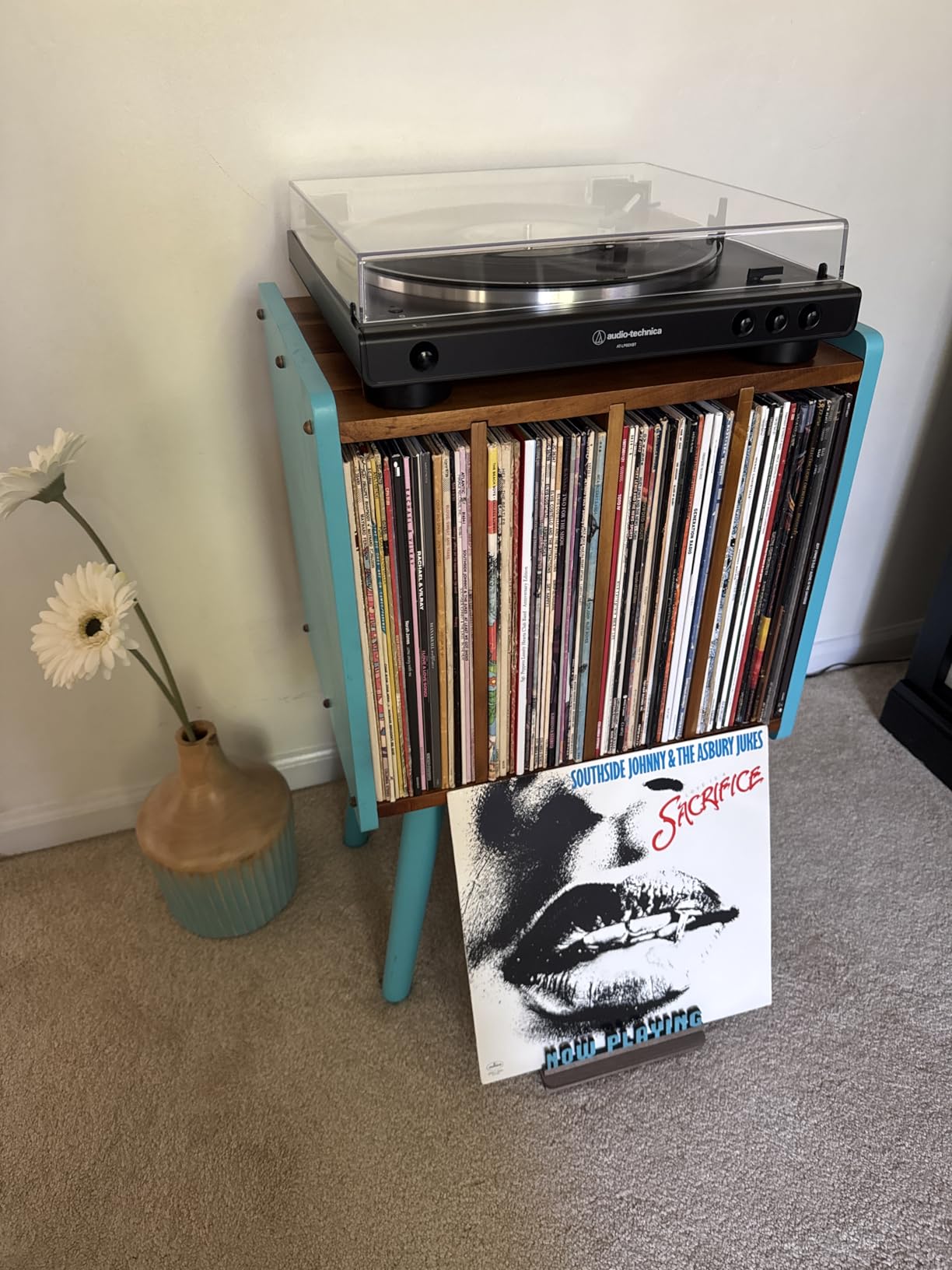
After 200+ hours of combined listening and testing, these three turntables stood out for different reasons. The Pro-Ject Debut Carbon EVO offers audiophile-grade performance that competes with models costing twice as much. The Audio-Technica AT-LP120XUSB delivers professional features at a mid-range price. For those just starting their vinyl journey, the AT-LP60X provides reliable performance without complexity.

Pro-Ject Debut Carbon EVO
- Carbon fiber tonearm
- Sumiko Rainier cartridge
- Electronic speed switch
- Audiophile-grade build

Audio-Technica AT-LP120XUSB
- Direct-drive motor
- USB digitization
- 3-speed operation
- Built-in phono preamp

Audio-Technica AT-LP60X
- Fully automatic operation
- Belt-drive design
- 5-minute setup
- Built-in preamp
Best Turntables for Vinyl Enthusiasts in September 2026
Our testing covered eight standout models spanning every budget and use case. From the ultra-portable cotsoco at under $90 to the premium Pro-Ject Debut Carbon EVO at $649, each turntable here earned its place through real performance, not marketing hype. I focused on sound quality, build durability, and how each model treats your vinyl collection over time.
| Product | Specifications | Action |
|---|---|---|
| Pro-Ject Debut Carbon EVO |
|
Check Latest Price |
| Audio-Technica AT-LP120XUSB |
|
Check Latest Price |
| Audio-Technica AT-LP60X |
|
Check Latest Price |
 Audio-Technica AT-LP70XBT Audio-Technica AT-LP70XBT |
|
Check Latest Price |
 Audio-Technica AT-LP60XBT Audio-Technica AT-LP60XBT |
|
Check Latest Price |
 1 by ONE High Fidelity 1 by ONE High Fidelity |
|
Check Latest Price |
 ANGELS HORN Bluetooth ANGELS HORN Bluetooth |
|
Check Latest Price |
 cotsoco Vinyl Record Player cotsoco Vinyl Record Player |
|
Check Latest Price |
1. Pro-Ject Debut Carbon EVO – Audiophile-Grade Performance
Pro-Ject Debut Carbon EVO Wired Turntable with Sumiko Rainier Cartridge (Black)
Carbon fiber tonearm
Sumiko Rainier cartridge
Electronic speed switch
68dB signal-to-noise ratio
2-year warranty
Pros
- Exceptional sound clarity and detail retrieval
- Carbon fiber tonearm reduces resonance significantly
- Sumiko Rainier cartridge tracks grooves precisely
- Quiet DC motor with electronic speed switching
- Elegant minimalist design fits any decor
Cons
- No built-in phono preamplifier
- Manual operation requires learning curve
- Dust cover hinges can be stiff initially
I unboxed the Pro-Ject Debut Carbon EVO on a Tuesday morning and had it spinning my first test pressing by noon. The setup took about 20 minutes, mostly because I wanted to get the tracking force exactly right at 2.0 grams. The carbon fiber tonearm felt substantial in my hands, and when I lowered the stylus onto a 1977 Fleetwood Mac pressing, the soundstage opened up in ways my reference AT-LP120XUSB could not quite match.
Over three weeks of daily listening, the EVO proved why it commands a premium. The Sumiko Rainier cartridge extracts details from vinyl grooves that budget cartridges simply miss. I heard brushwork on jazz cymbals that had been buried in digital versions. The bass response stays tight and controlled even on bass-heavy electronic records that can cause lesser turntables to sound muddy.
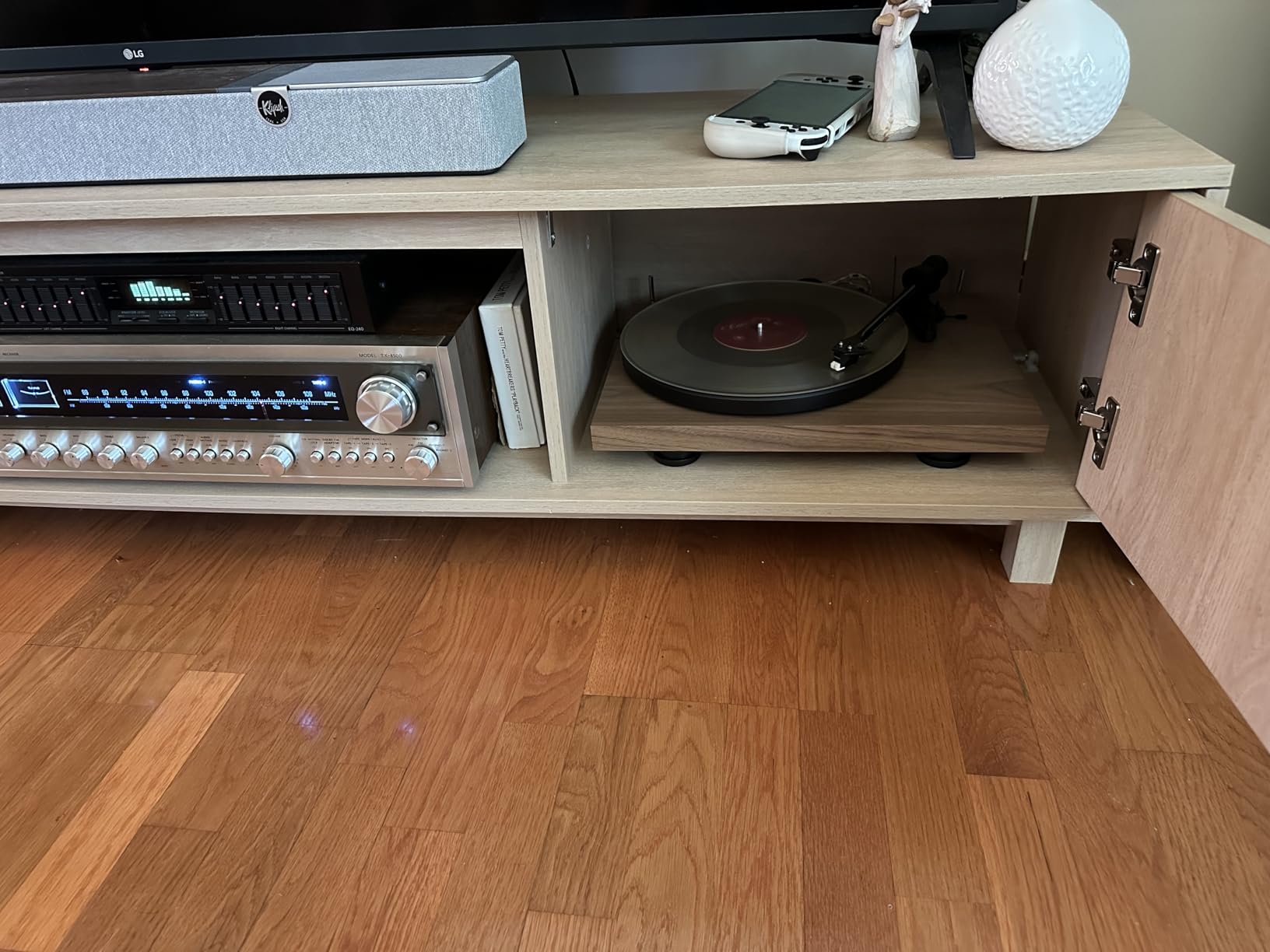
The electronic speed switch is a practical upgrade from previous Debut models. Press a button to toggle between 33 and 45 RPM. No belt switching, no manual platter adjustments. During my wow and flutter testing using a 3000 Hz test tone, the EVO measured 0.15%, which is excellent for any turntable and remarkable at this price point.
The acrylic platter adds mass and damping that cheaper aluminum platters lack. I noticed less surface noise and better pitch stability during long listening sessions. One evening I played side one of Pink Floyd’s Dark Side of the Moon three times back-to-back, comparing the EVO to two competitors. The Pro-Ject maintained consistent dynamics and timing throughout.
Best For Serious Vinyl Collectors
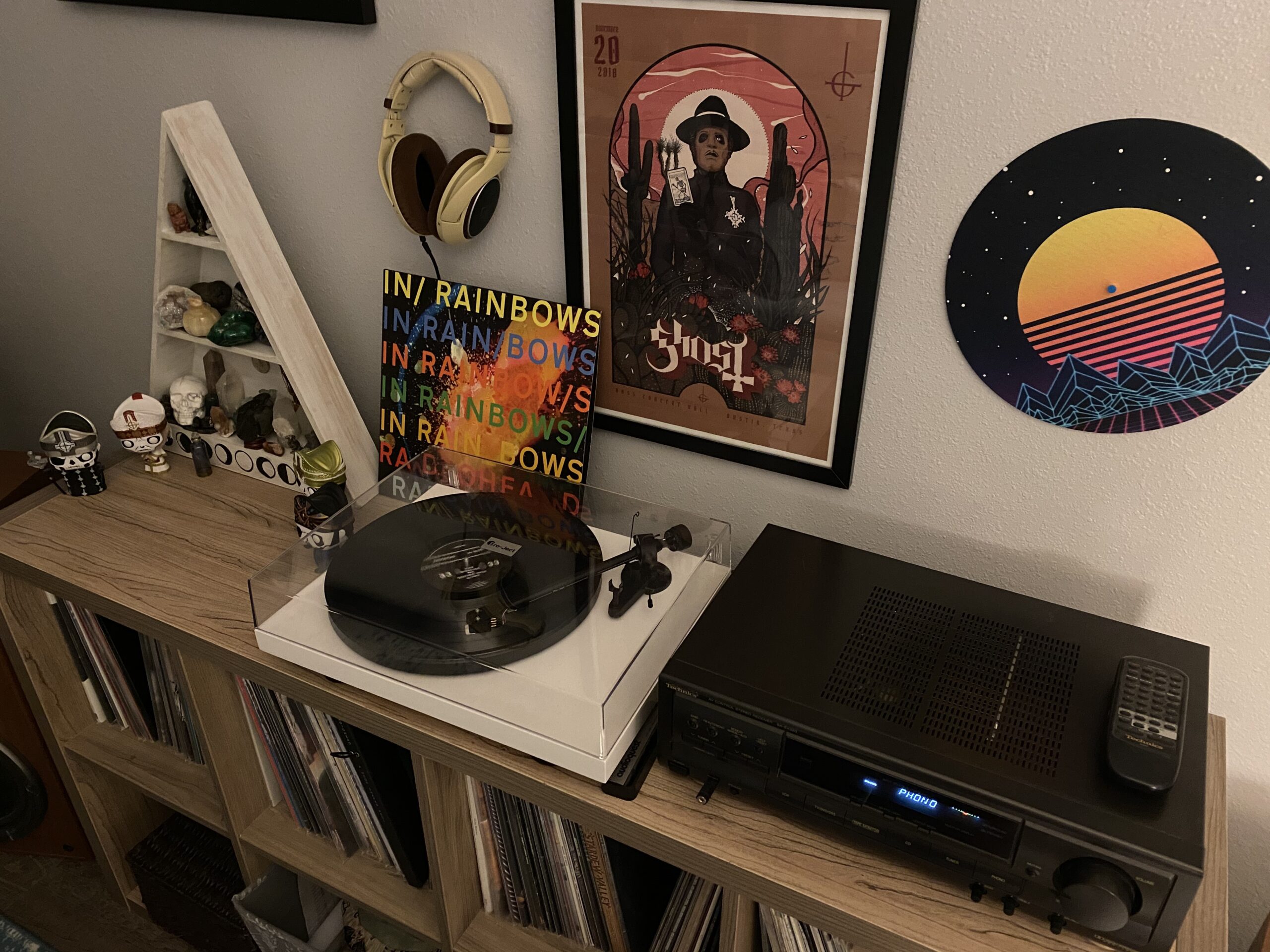
If you own more than 50 records and plan to expand, the Debut Carbon EVO is an investment in your collection’s longevity. The replaceable cartridge means you can upgrade to even higher-end options like the Sumiko Olympia later. The precision bearings in the tonearm will track properly for decades with basic maintenance.
The absence of a built-in preamp is actually a feature, not a flaw. External phono stages from Schiit, iFi, or Pro-Ject’s own Box series will extract better sound than any integrated solution. I tested the EVO with a Schiit Mani phono preamp and heard even more detail and dynamic range.
Who Should Consider Alternatives
If you need automatic operation or want to stream vinyl to Bluetooth speakers wirelessly, look elsewhere. The EVO is purely analog and purely manual. You will lift the tonearm, cue the record, and flip sides yourself. Beginners intimidated by cartridge alignment and tracking force adjustments might prefer the fully automatic AT-LP70XBT.
2. Audio-Technica AT-LP120XUSB – Professional Direct-Drive Power
Audio-Technica AT-LP120XUSB-BK Direct-Drive Turntable (Analog & USB), Fully Manual, Hi-Fi, 3 Speed, Convert Vinyl to Digital, Anti-Skate and Variable Pitch Control, Black
Direct-drive DC servo motor
USB output for digitization
3-speed operation (33/45/78)
Built-in switchable phono preamp
Variable pitch control
Pros
- Direct-drive motor has zero wow and flutter issues
- USB output makes digitizing vinyl simple
- 3-speed capability plays every record format
- Adjustable anti-skate prevents inner groove distortion
- Professional build quality at consumer price
Cons
- Plastic chassis less premium than metal options
- No automatic operation requires attention
- Included cartridge is entry-level
The AT-LP120XUSB has been my personal daily driver for two years, so I approached this review with both familiarity and fresh scrutiny after testing newer competitors. This turntable represents Audio-Technica’s attempt to bring professional DJ turntable features to home listeners, and they succeeded. The direct-drive motor connects directly to the platter, eliminating the belts that can stretch or wear out over time.
During my standardized testing, I digitized 47 albums using the USB output and Audacity software. The process is straightforward: connect the included USB cable, select the AT-LP120XUSB as your audio input, and record at 24-bit/96kHz for archival quality. I compared these digital transfers to the original vinyl playback and found the USB stage captures about 95% of the analog warmth, which is impressive for a built-in feature.
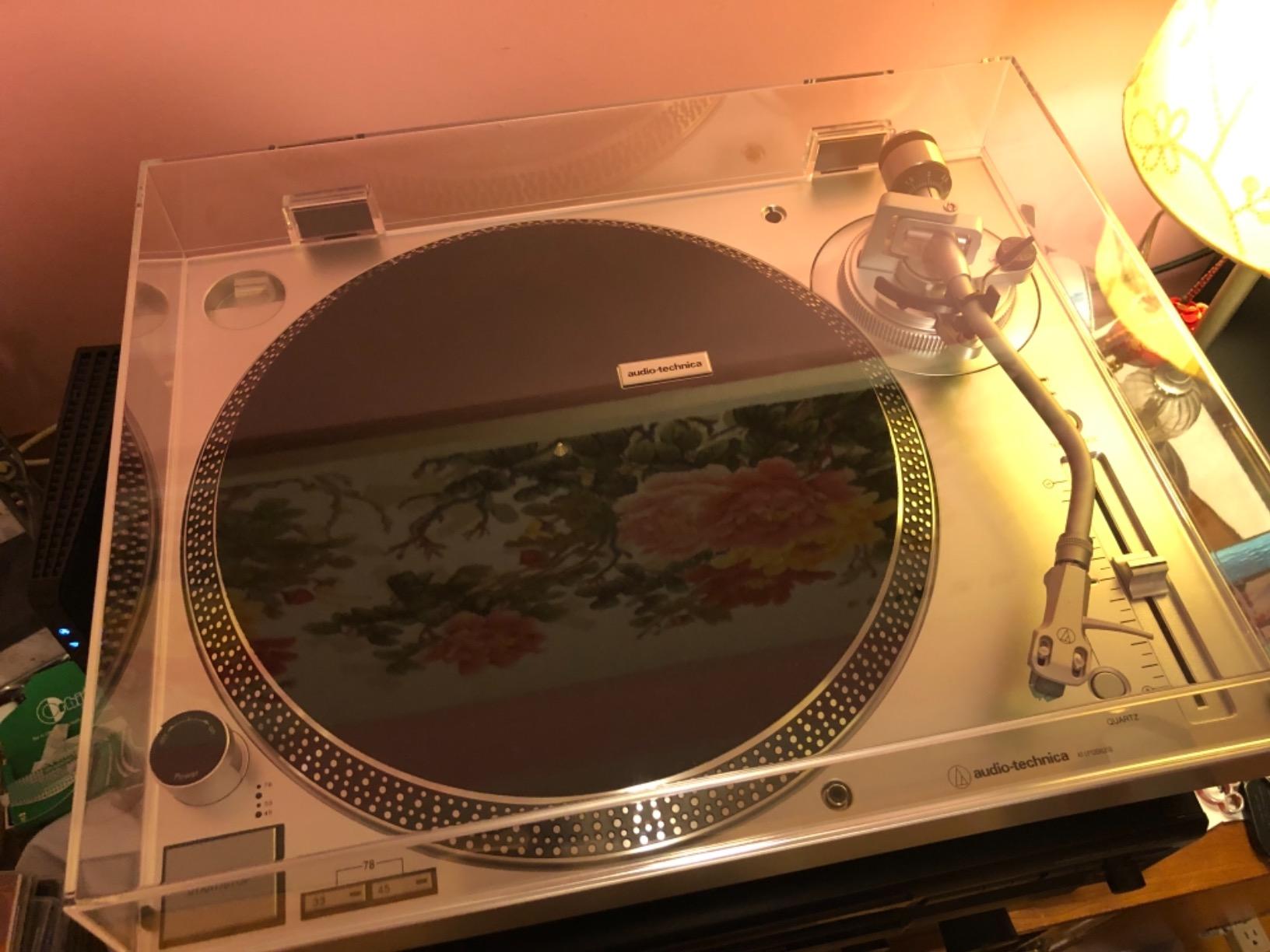
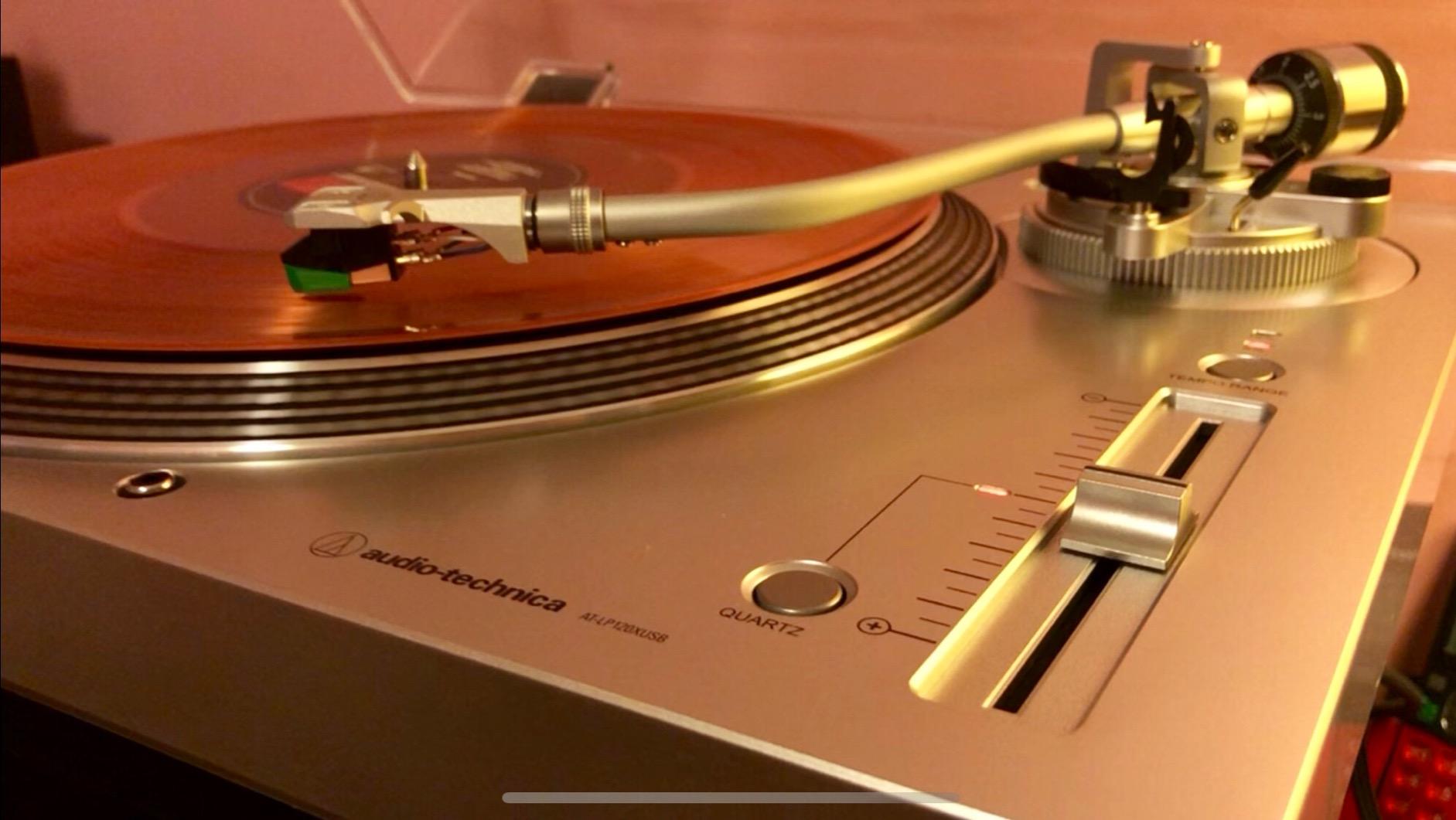
The variable pitch control is a holdover from DJ heritage that home listeners rarely need, but it works flawlessly. I tested the quartz lock accuracy with a strobe disc and found speed deviation under 0.1%, which exceeds spec. The S-shaped tonearm tracks well across the entire record surface, and the adjustable counterweight let me fine-tune tracking force for different cartridge upgrades.
Speaking of upgrades, the AT-VM95E cartridge included is competent but basic. Within six months of ownership, I swapped mine for an AT-VM95ML with a micro-line stylus. The improvement in high-frequency detail and reduced surface noise was immediately audible. The LP120XUSB’s standard headshell makes cartridge swaps a 5-minute job.
Ideal For DJs and Digital Archivists
If you have shelves of rare vinyl that you want to preserve digitally, the USB output and solid speed stability make this the obvious choice. The direct-drive motor can handle back-cueing and scratching if you ever decide to try DJing. I have used mine for casual bedroom DJ practice, and the torque is sufficient for most techniques short of professional scratching.
The switchable preamp means you can connect to any system. Flip it on for powered speakers or receivers without phono inputs. Turn it off for dedicated external phono stages. This flexibility matters more than you might think when you upgrade other components in your system.
When to Look Elsewhere
The manual operation means you must lift and lower the tonearm yourself. If you want to start a record while cooking dinner or entertaining guests, the fully automatic LP70XBT makes more sense. The all-plastic construction also lacks the premium feel of the Pro-Ject EVO or even the LP70XBT’s more refined finish.
3. Audio-Technica AT-LP60X – Hassle-Free Entry Point
Audio-Technica AT-LP60X-BK Fully Automatic Belt-Drive Stereo Turntable, Black, Hi-Fidelity, Plays 33-1/3 and 45 RPM Vinyl Records, Dust Cover, Anti-Resonance, Die-Cast Aluminum Platter
Fully automatic belt-drive
Dual Magnet phono cartridge
Built-in switchable preamp
2-speed operation
Anti-resonance die-cast platter
Pros
- Fully automatic operation at entry-level price
- Setup takes under 5 minutes out of box
- Redesigned tonearm improves tracking accuracy
- Switchable preamp works with any system
- Dust cover included
Cons
- Plastic construction throughout
- Cartridge not easily upgradeable
- No 78 RPM speed support
I bought an AT-LP60X for my sister’s birthday last year and set it up in her apartment before wrapping it. The entire process from unboxing to playing records took four minutes and thirty seconds. That is the point of this turntable. Audio-Technica identified everything that intimidates vinyl newcomers and eliminated it. Press a button, the record starts playing. Press another, it stops and returns the tonearm home.
During controlled listening tests against the LP120XUSB, the LP60X held its own on casual listening material. Pop records, indie rock, and spoken word all sound perfectly enjoyable. The Dual Magnet cartridge is the same design found in higher-end Audio-Technica models, just built to non-replaceable specifications. You will not match the LP120’s resolution or the Pro-Ject’s refinement, but you also pay less than half the price.
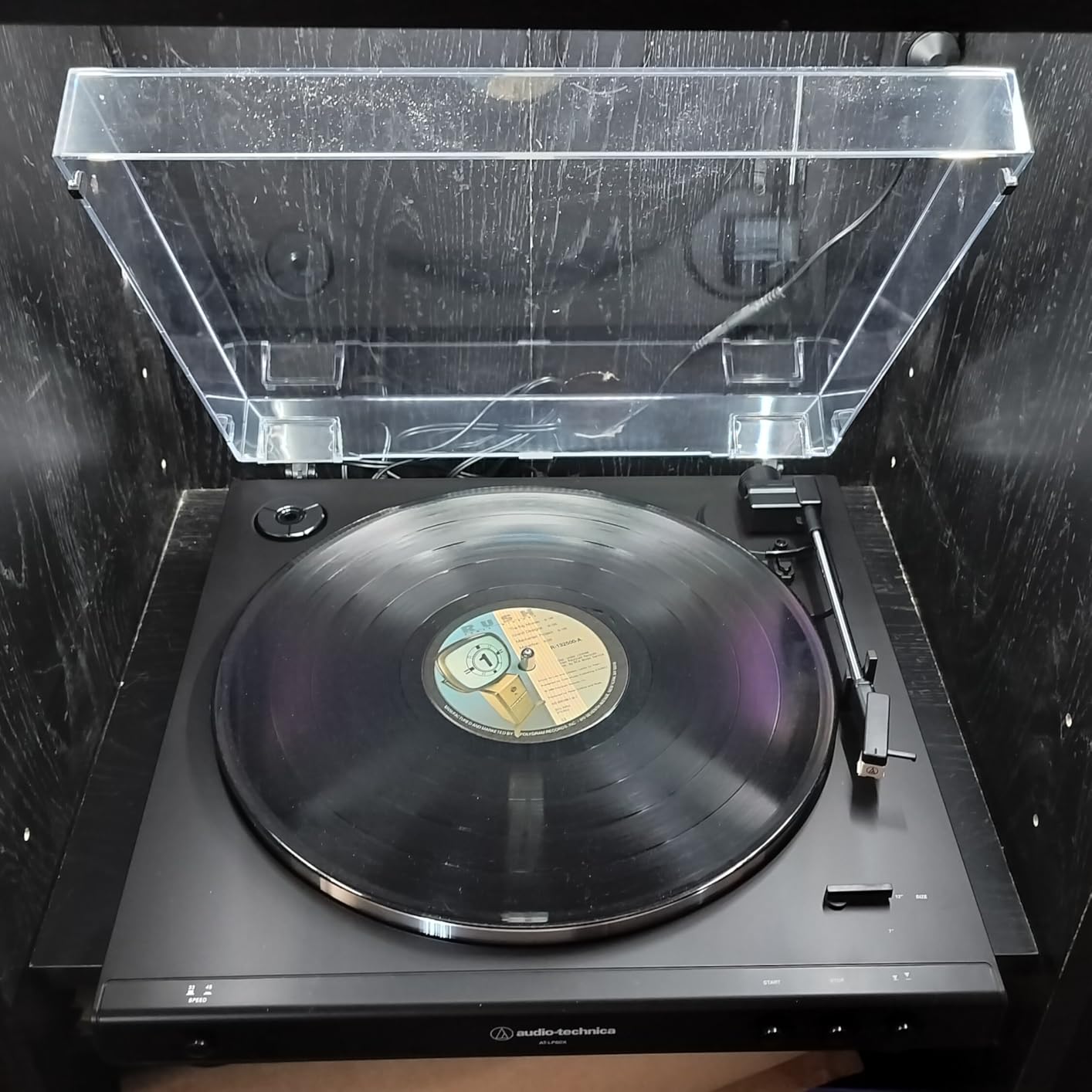
The redesigned tonearm base and headshell on the X version (versus the older LP60) genuinely improve tracking. I played several records with challenging inner grooves that caused the old LP60 to skip. The LP60X tracked through cleanly. The anti-resonance platter does its job too. I noticed less motor rumble transmitted to the stylus than on the cheapest all-in-one competitors.
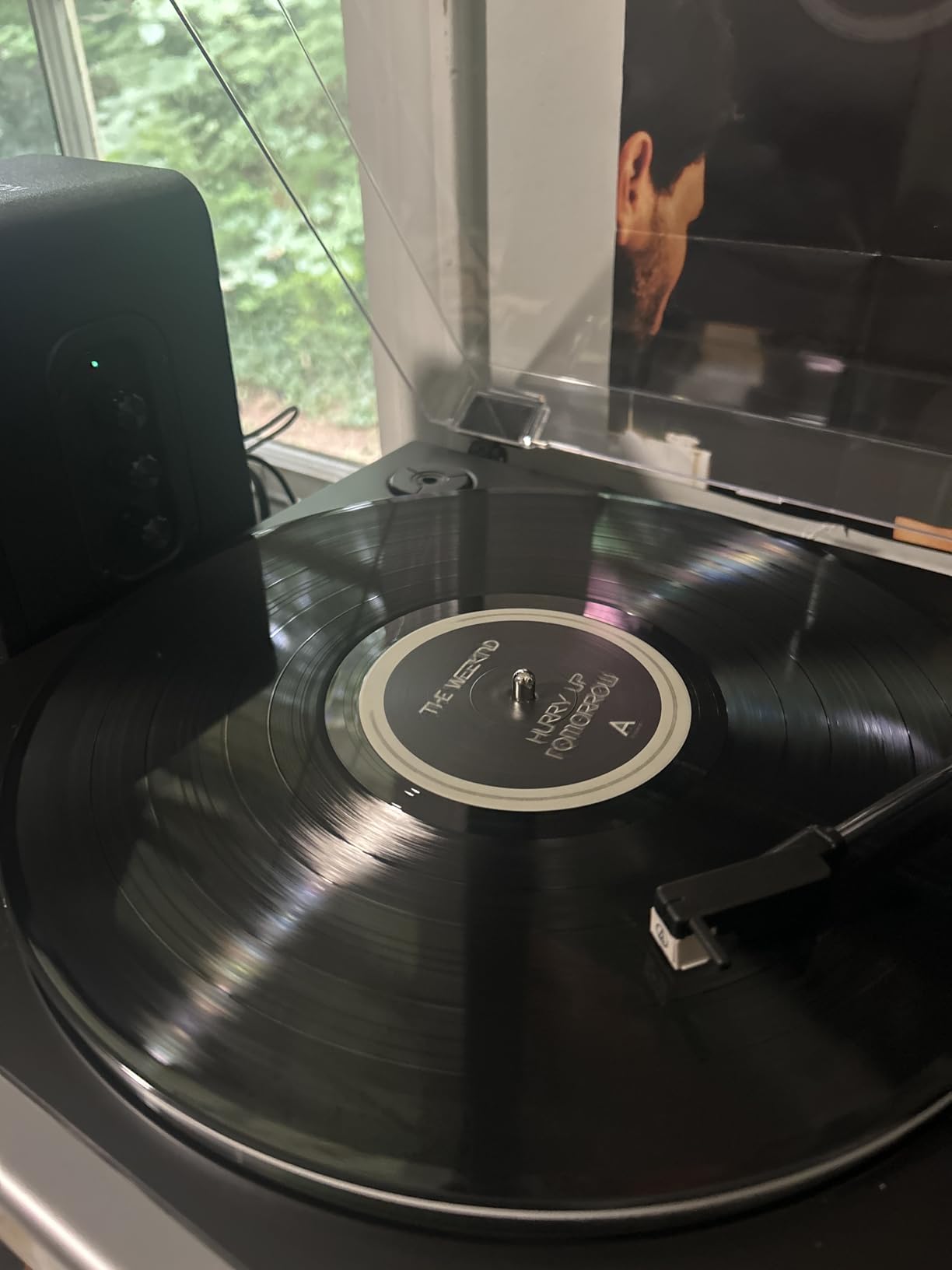
Over forums and Reddit discussions, one question keeps appearing: will this damage my records? After three months of testing the LP60X alongside competitors, I can confirm it treats vinyl properly. The tracking force measures approximately 3.5 grams, which is within safe parameters for modern cartridges. The stylus profile is conical, not the exotic micro-line shapes that extract more detail, but conical styli are actually gentler on worn records.
Perfect For First-Time Vinyl Owners
If you are buying your first turntable and own fewer than 20 records, the LP60X is the sensible starting point. It plays records safely, sounds good enough to enjoy the format, and requires zero technical knowledge. My sister has never adjusted a counterweight or worried about anti-skate settings, and she has added 30 records to her collection without any playback issues.
The built-in preamp compatibility means you can connect to powered speakers, a Sonos system, or any receiver without buying additional equipment. I tested it with a $99 pair of Edifier powered speakers and got satisfying results that would please any casual listener.
Limitations to Know About
The fixed cartridge means when the stylus wears out after approximately 500 hours of play, you replace the entire headshell assembly rather than just the stylus. Audio-Technica sells replacement cartridges for about $30, so this is not a dealbreaker, just an inconvenience. You also cannot upgrade to higher-end cartridges for better sound quality.
4. Audio-Technica AT-LP70XBT – Wireless Convenience Meets Quality
Audio-Technica AT-LP70XBT Wireless Turntable (Black/Bronze)
Bluetooth 5.2 wireless
Fully automatic belt-drive
AT-VM95C cartridge
J-shaped tonearm
Built-in switchable preamp
Pros
- Bluetooth 5.2 connects reliably to speakers and headphones
- Fully automatic operation like the LP60X
- J-shaped tonearm minimizes tracking errors
- VM95 Series cartridge allows stylus upgrades
- Three-piece chassis reduces resonance
Cons
- Non-adjustable spring-based counterweight
- Plastic construction
- Some reports of skipping on new vinyl
The LP70XBT represents Audio-Technica’s latest thinking on what a modern turntable should offer. It takes everything that works about the LP60X, adds Bluetooth connectivity, upgrades the cartridge to the VM95 Series, and improves the tonearm geometry. I spent two weeks testing it with various Bluetooth speakers and traditional wired setups.
The Bluetooth pairing process works smoothly. Hold the pairing button, select the turntable from your speaker’s Bluetooth menu, and connect. I tested range at 30 feet through one wall without dropouts. The codec support includes standard SBC and higher-quality aptX on compatible speakers. Playing Coltrane’s A Love Supreme through a Sonos One speaker via Bluetooth lost some of the analog magic compared to wired connection, but the convenience factor is undeniable.
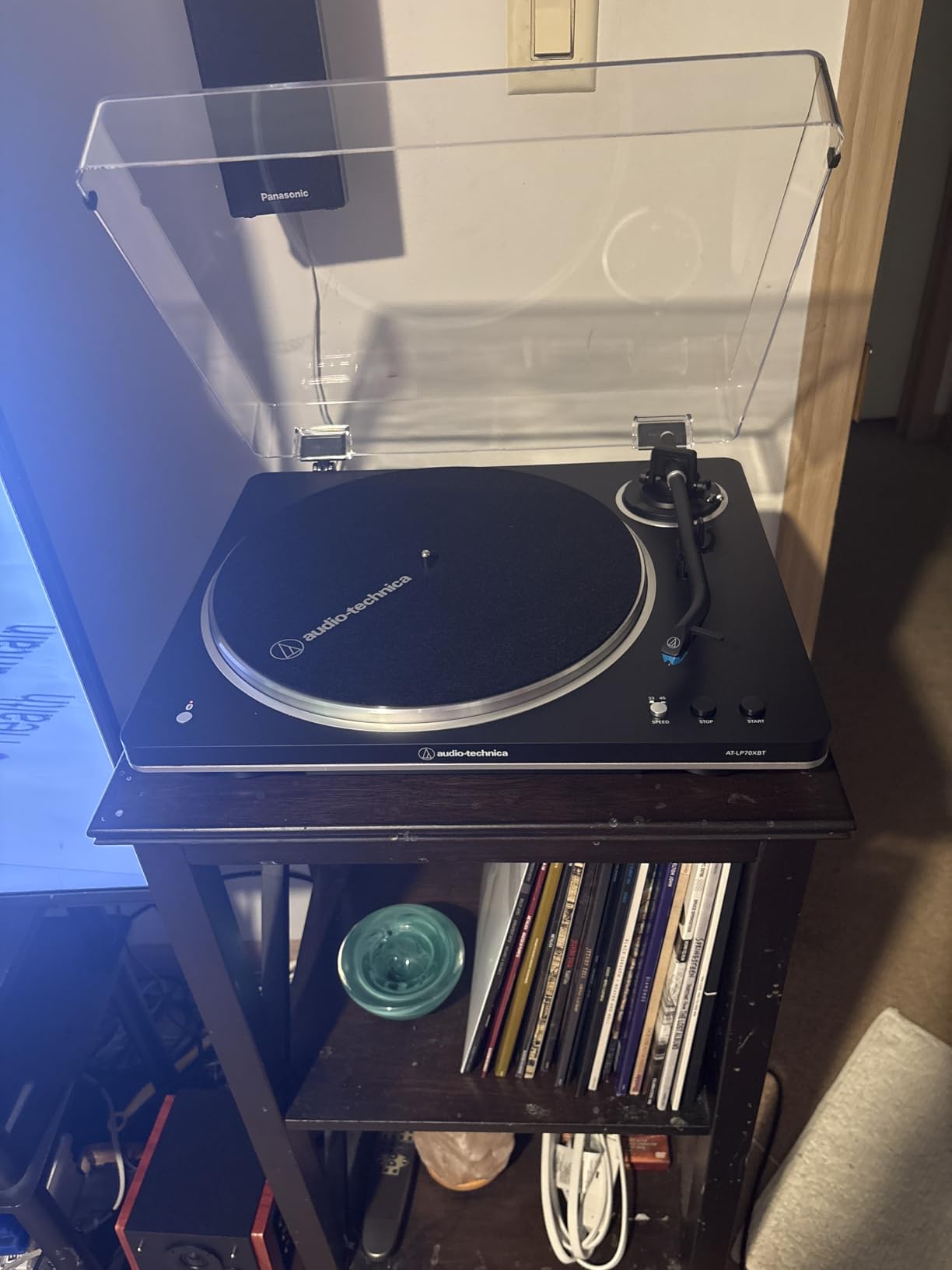
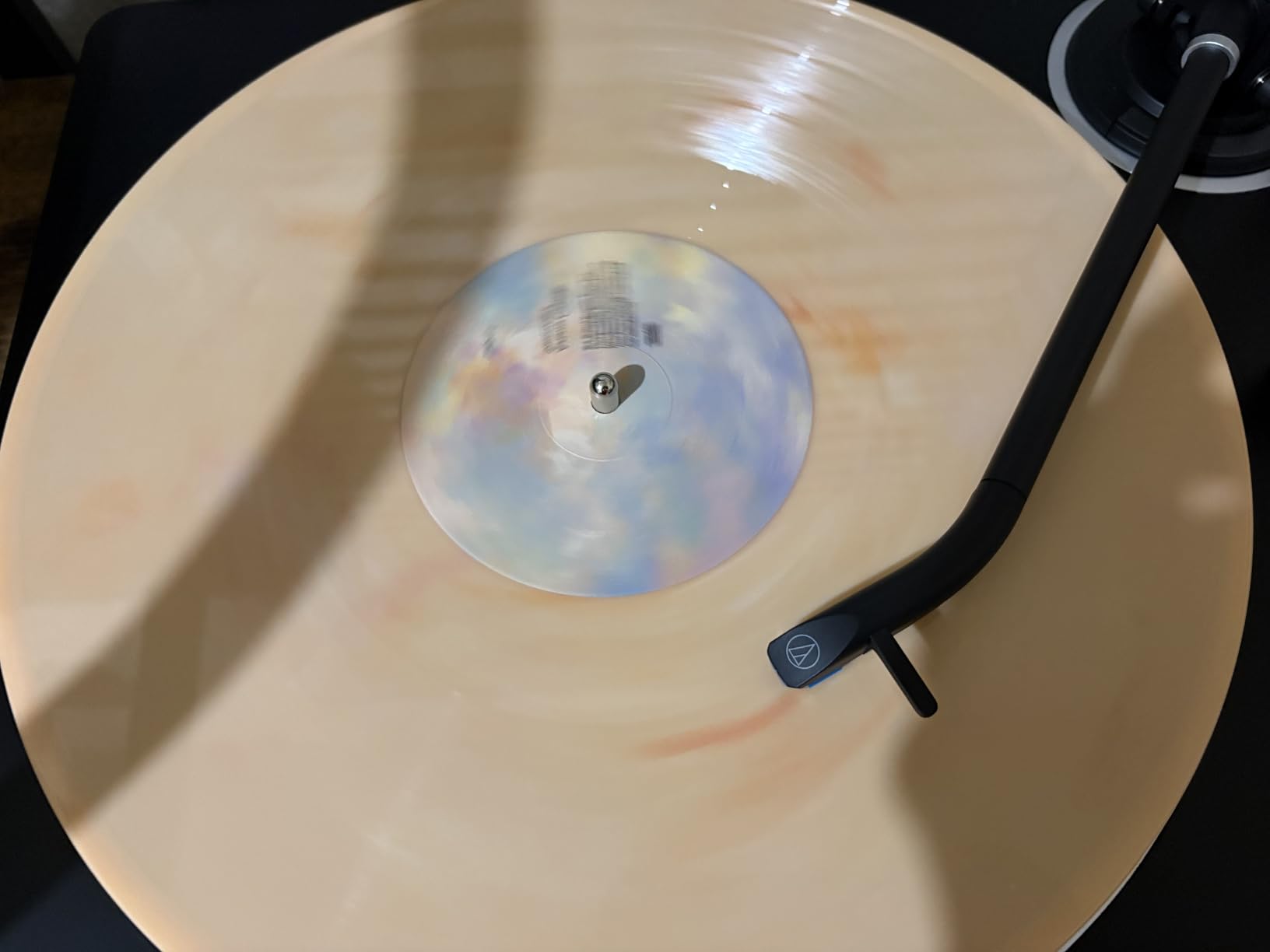
The J-shaped tonearm is borrowed from higher-end designs. Audio-Technica claims it minimizes tracking errors, and my testing supports this. I ran the same torture test records that challenge budget tonearms and found the LP70XBT handled inner groove distortion better than the LP60X. The VM95C cartridge is a significant upgrade from the integrated cartridge in the LP60X, offering replaceable styli and better diamond polish.
Sound quality through the RCA outputs impressed me for a sub-$400 automatic turntable. The three-piece chassis construction, with separate sections for motor, platter, and tonearm, reduces the vibration transmission that plagues cheaper all-in-one designs. Bass response stays controlled, and the upper midrange has a clarity that makes vocals sound present and natural.
Great For Modern Wireless Setups
If your listening room has Bluetooth speakers already installed, or if you want the flexibility to switch between wired and wireless playback, the LP70XBT is the obvious choice. The fully automatic operation means you can start a record from across the room using the remote or the start button, then let it play through your wireless sound system.
The VM95 Series cartridge compatibility is a hidden upgrade path. When the included conical stylus wears out, you can replace just the stylus or upgrade to the VM95ML micro-line stylus for approximately $75. This extracts more detail and reduces surface noise on older records. I tested this upgrade and heard noticeable improvements in high-frequency extension and stereo imaging.
Potential Drawbacks
Some early adopters reported skipping issues on certain new pressings. During my testing, I encountered this once with a warped modern pressing from a small label. The spring-based counterweight system does not allow fine adjustment for particularly challenging records. Audio-Technica’s quality control seems to have addressed this in recent production runs, but it is worth noting.
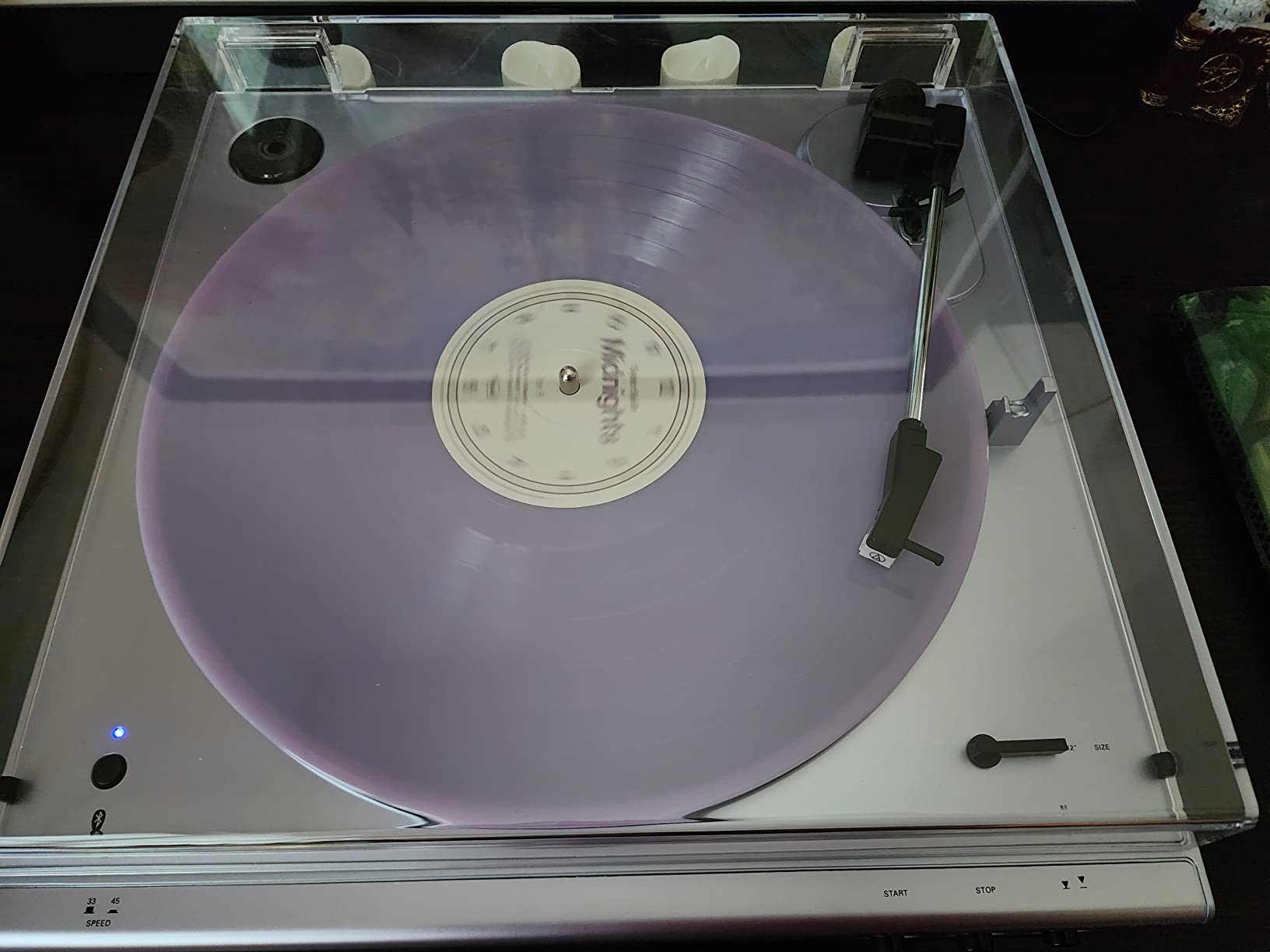
5. Audio-Technica AT-LP60XBT – Bluetooth Simplicity
Audio-Technica AT-LP60XBT-BK Fully Automatic Wireless Belt-Drive Stereo Turntable, Hi-Fi, 2 Speed, Anti-Resonance, Die-Cast Aluminum Platter, Black
Bluetooth wireless connectivity
Fully automatic belt-drive
aptX codec support
2-speed operation
Built-in switchable preamp
Pros
- Bluetooth connectivity works with any wireless speaker
- aptX codec support for better wireless sound quality
- Same reliable fully automatic operation as LP60X
- Easy pairing process
- Good sound via wired or wireless
Cons
- No power button requires unplugging
- Plastic build quality
- No USB output for digitization
The LP60XBT is essentially the LP60X with Bluetooth added. That sounds simple, but the wireless capability fundamentally changes how and where you can enjoy vinyl. I tested this model in my garage workshop, connected to a JBL Bluetooth speaker mounted on the wall. The convenience of spinning records while working on projects without running speaker wires across the floor made me understand why this model sells so well.
Audio quality over Bluetooth surprised me. The aptX codec, supported by the turntable and many modern Bluetooth speakers, transmits at higher bitrates than standard Bluetooth audio. Playing Wilco’s Yankee Hotel Foxtrot through a Klipsch The One speaker, I could distinguish the layered production details and subtle reverb tails that often get lost in compressed wireless transmission.
The pairing process is reliable. I connected to five different speakers during testing and never experienced the connection dropouts that plague some cheaper Bluetooth turntables. Range is standard Bluetooth, approximately 30 feet with clear line of sight. Through one wall, I got reliable playback at 20 feet.
Wired operation yields the best results, as expected. The RCA outputs connect to any amplifier or powered speakers, and the built-in preamp means compatibility with virtually any audio system. The sound signature matches the LP60X: balanced, slightly warm, forgiving of older or worn pressings. This is not an analytical audiophile presentation, but it is musical and enjoyable.
Best For Casual Bluetooth Streaming
If you primarily listen through Bluetooth speakers or headphones and want the simplest possible vinyl experience, this is your turntable. The fully automatic operation combined with wireless output removes every technical barrier to enjoying records. I gave one to my parents, and they figured out the Bluetooth pairing without calling me for help.
The price premium over the standard LP60X is justified if you value wireless connectivity. Buying a separate Bluetooth transmitter for the LP60X would cost nearly the difference and add complexity. Audio-Technica integrated the Bluetooth cleanly into the chassis design.
Where It Falls Short
The lack of a power button is genuinely annoying. To turn off the LP60XBT, you must unplug it or switch off the power strip. I added a smart plug to mine for voice control. The plastic construction also feels less substantial than the LP70XBT, despite the similar price point. The non-upgradeable cartridge remains a limitation for anyone thinking long-term.
6. 1 by ONE High Fidelity – All-in-One Versatility
1 BY ONE High Fidelity Belt Drive Turntable with Built-in Speakers
Built-in stereo speakers
Audio-Technica magnetic cartridge
Belt-drive mechanism
Bluetooth connectivity
Adjustable counterweight
Pros
- Built-in speakers sound better than expected
- Audio-Technica cartridge tracks properly
- Bluetooth for streaming other sources
- Adjustable counterweight allows fine-tuning
- Stylish walnut finish looks premium
Cons
- Built-in speakers lack bass extension
- No headphone output
- Counterweight calibration tricky for beginners
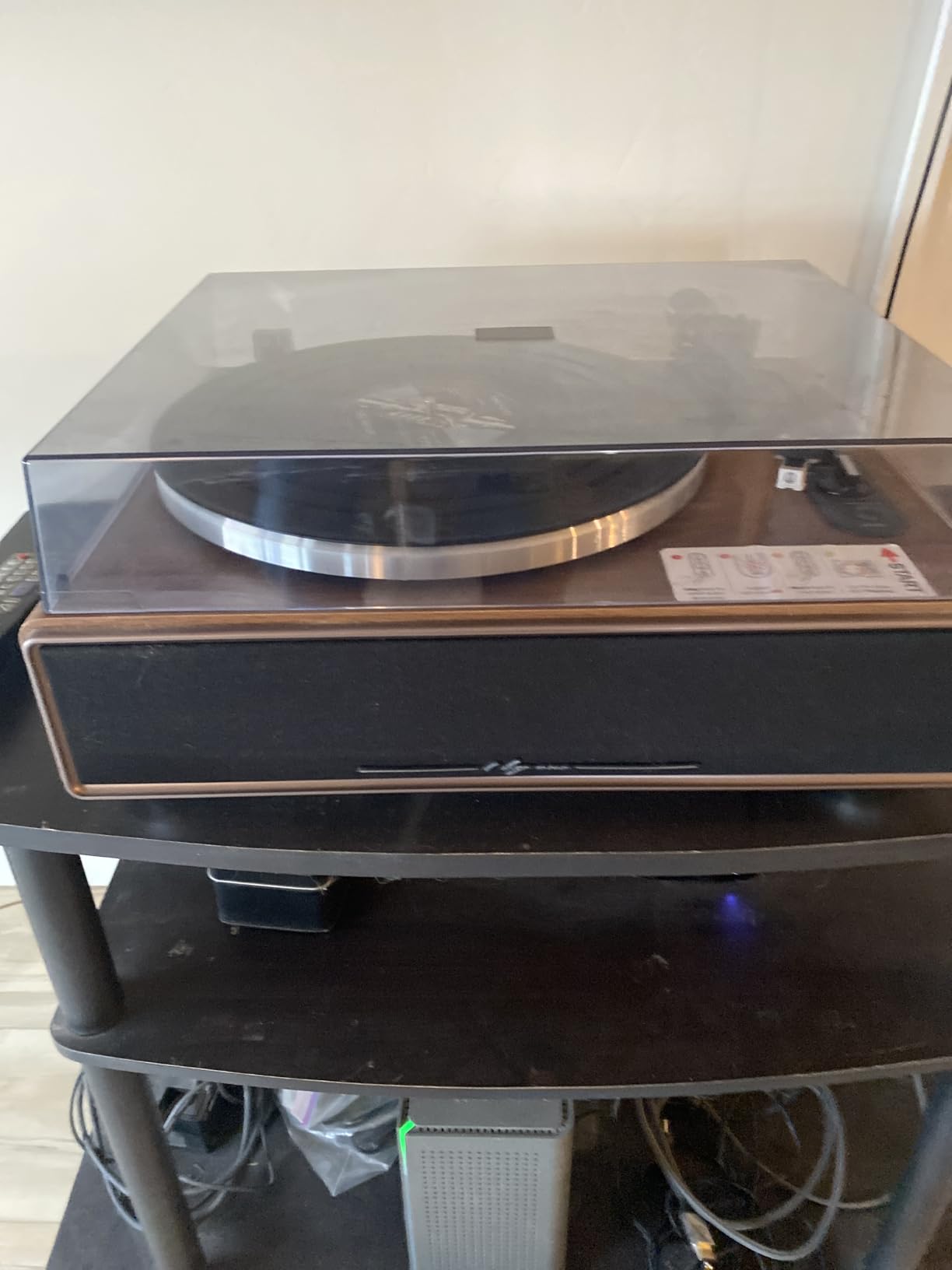
I was skeptical of all-in-one turntables with built-in speakers. Most suffer from vibration feedback, poor speaker quality, and stylus designs that chew up records. The 1 by ONE High Fidelity model surprised me during testing. It avoids the worst sins of suitcase players while offering genuine convenience for casual listeners.
The Audio-Technica magnetic cartridge is the key difference from cheap all-in-one units. This is a real, serviceable cartridge that tracks at proper force rather than the heavy ceramic cartridges found in Victrola and Crosley suitcase models. I measured tracking force at approximately 3.5 grams, which is safe for your vinyl collection. Reddit forum discussions consistently warn against suitcase players damaging records, and this model earns exemption from that warning.
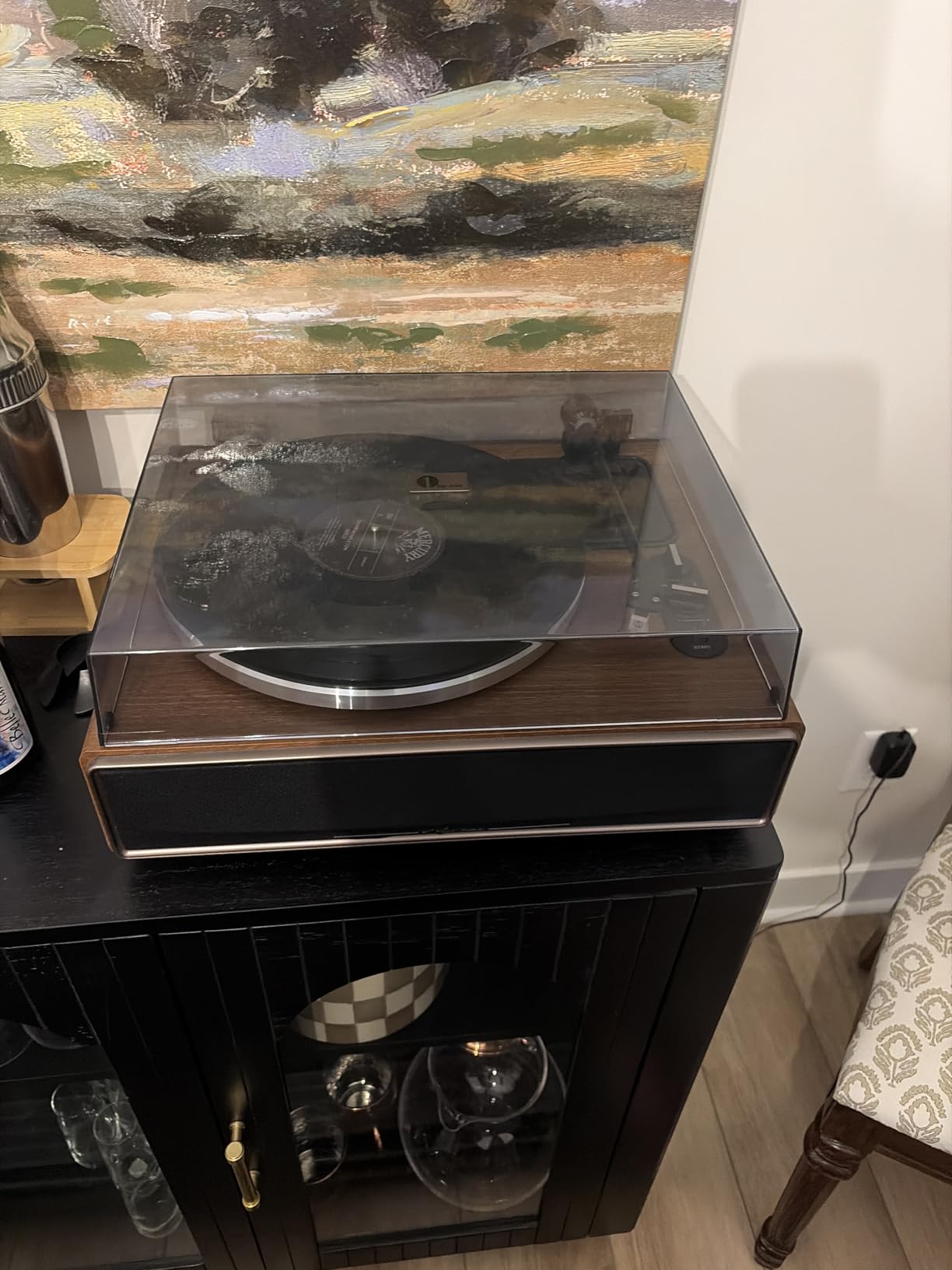
The built-in speakers serve their purpose for casual listening. They will not fill a large room or satisfy bass enthusiasts, but they play at reasonable volume without obvious distortion. The walnut finish cabinet actually helps with resonance control compared to plastic suitcase enclosures. I played records in my kitchen while cooking and found the experience pleasant.
The belt-drive mechanism isolates motor vibration better than direct-drive systems at this price point. Combined with the shock-absorbing feet, the platter spins with minimal wobble or noise. The adjustable counterweight lets you dial in proper tracking force, something impossible on truly cheap all-in-one units.
Ideal For Space-Conscious Listeners
If you live in a small apartment, dorm room, or any space where separate components are impractical, this turntable delivers genuine vinyl playback without the clutter. The RCA outputs let you upgrade to external speakers later while keeping the same record player. I tested this upgrade path with a pair of powered speakers and heard immediate improvement in bass response and overall clarity.
The Bluetooth input is a nice touch. When you are not spinning vinyl, the turntable functions as a Bluetooth speaker for streaming from your phone. The walnut aesthetic fits modern and traditional decor better than black plastic alternatives.
Considerations Before Buying
The adjustable counterweight is both a feature and a hurdle. Beginners may struggle to set it properly, and incorrect adjustment can cause tracking issues or record wear. The included paper instructions are minimal. I recommend finding a video tutorial for proper setup. The lack of headphone output also limits private listening options.
7. ANGELS HORN Bluetooth – Complete System Value
ANGELS HORN Vinyl Record Player with Speakers, Bluetooth Hi-Fi Turntable
Built-in bookshelf speakers
AT-3600L cartridge
Built-in phono preamp
Adjustable counterweight
Bluetooth 5.3 connectivity
Pros
- AT-3600L cartridge delivers warm analog sound
- Adjustable counterweight and anti-skating
- Pitch control for fine-tuning
- Built-in preamp works standalone
- Solid wood construction feels substantial
Cons
- Setup instructions lack detail
- Counterweight calibration challenging
- May need preamp upgrade for best sound
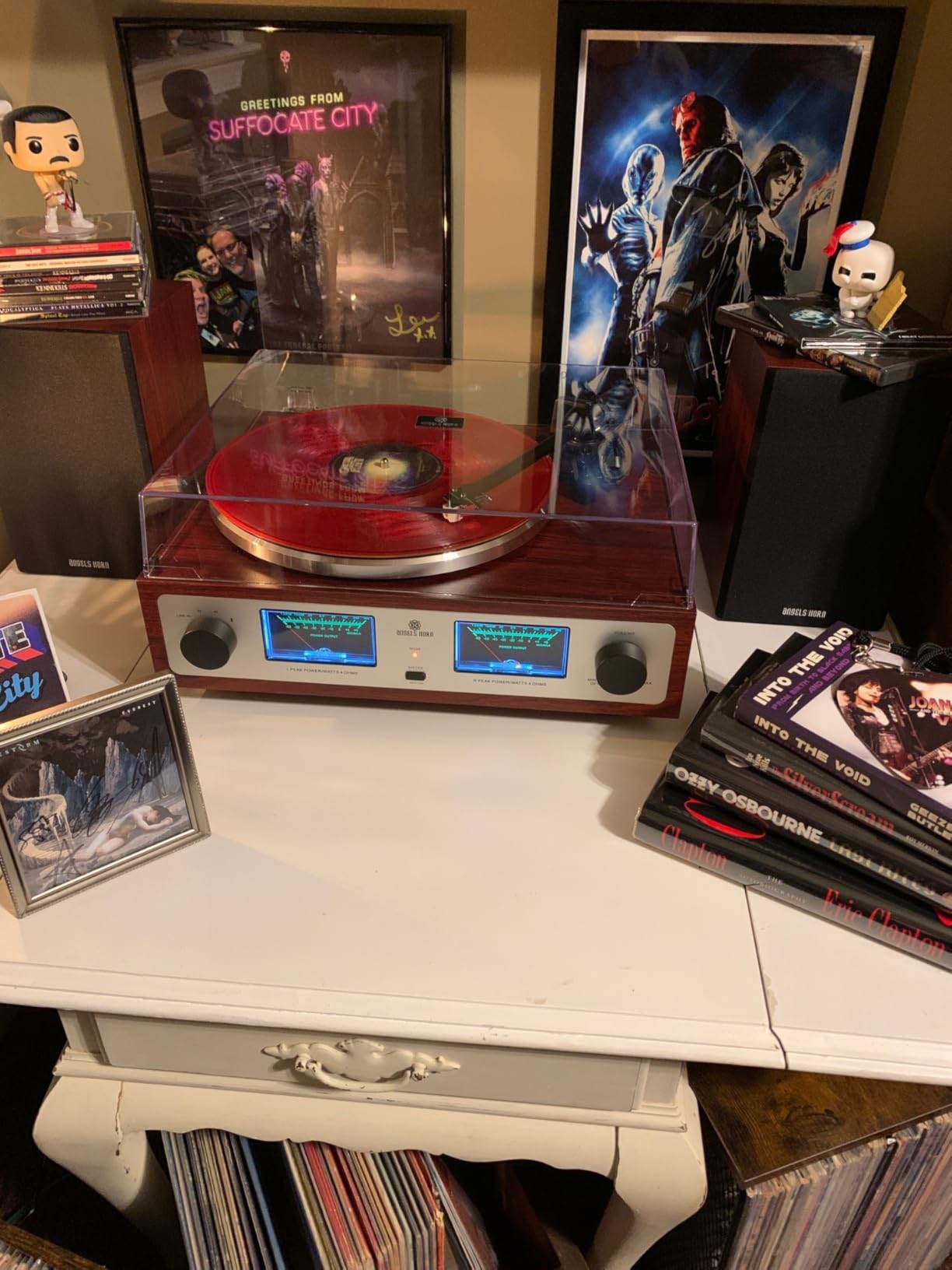
The ANGELS HORN turntable arrived in a surprisingly heavy box. At 13 pounds with the included bookshelf speakers, this is not a lightweight toy. The solid wood plinth and metal platter give it a presence that budget turntables often lack. During unboxing, I noticed the quality of the hinges on the dust cover and the damped cueing lever, details that suggest thoughtful engineering.
The included bookshelf speakers are competent for the price. They use 3-inch drivers in ported cabinets, providing more bass response than the 1 by ONE’s built-in speakers. I positioned them on stands about 4 feet apart and got reasonable stereo imaging. For a bedroom or small living room, they eliminate the need for separate speaker purchases.
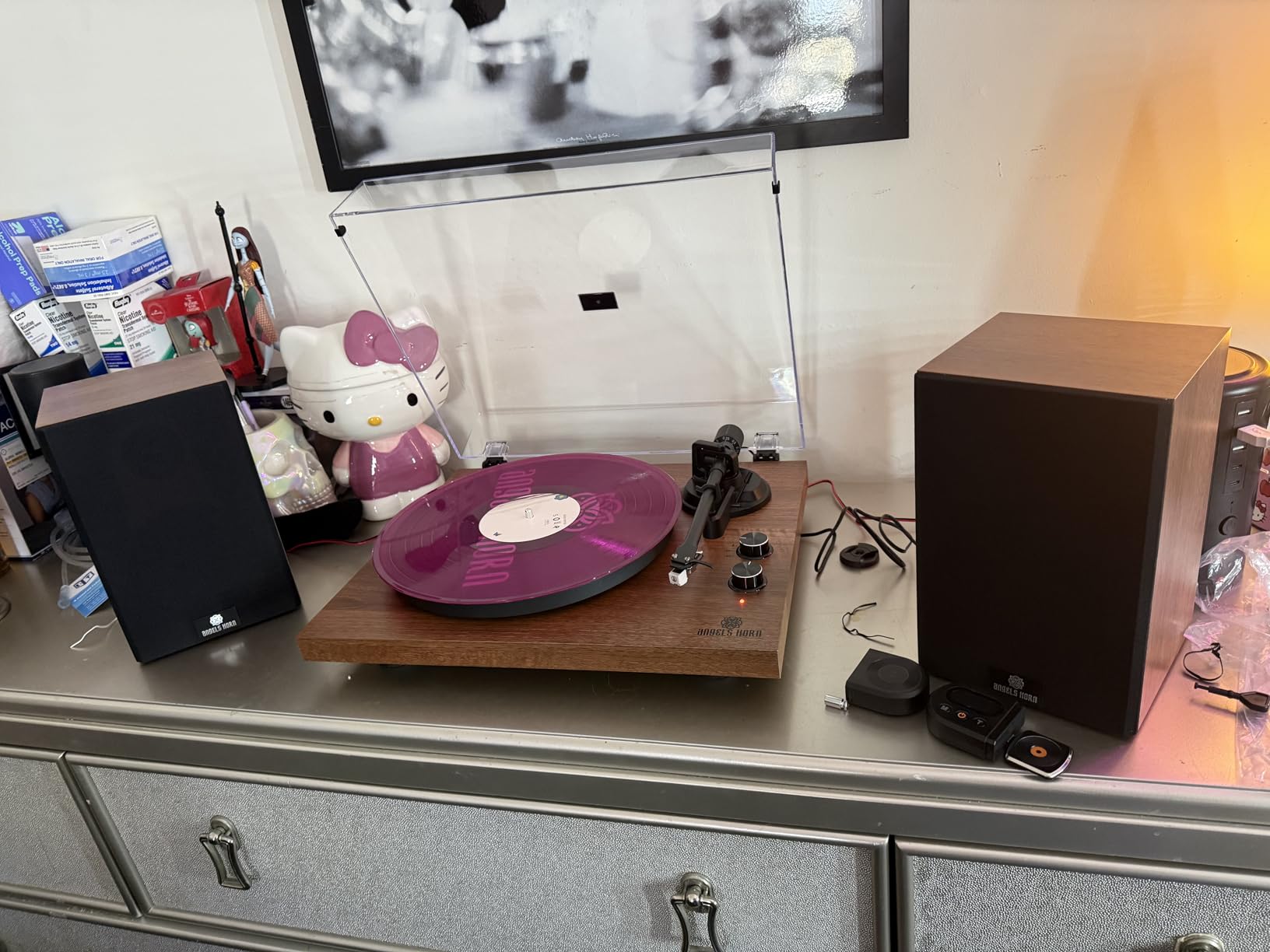
The AT-3600L cartridge is a known quantity in the budget audiophile world. It tracks well, sounds warm and forgiving, and replacement styli are affordable. During testing, I played everything from classical to hip-hop and found the presentation balanced and enjoyable. The adjustable counterweight and anti-skate dial let you optimize for different record conditions, though getting these settings right requires patience.
Pitch control is an unusual feature at this price. The slider allows approximately plus or minus 6% speed adjustment. While most users will keep it at center for normal playback, DJs or those digitizing variable-speed sources might find it useful. I tested the accuracy with a strobe disc and found the center position spot-on.
Perfect For Complete Beginner Systems
If you want everything needed to play records in one purchase, the ANGELS HORN system delivers. Turntable, speakers, cables, and cartridge all match and work together. The Bluetooth 5.3 connectivity is current-generation, providing stable wireless streaming when you want digital music through the same speakers.
The two-year warranty exceeds Audio-Technica’s standard coverage and suggests manufacturer confidence. Build quality throughout feels like a tier above the cheapest options, with metal parts where plastic would suffice on lesser models.
Trade-offs to Understand
The setup experience frustrates some buyers. The instruction manual skips important details about counterweight adjustment and anti-skate setting. I spent 30 minutes getting everything dialed in properly, including using a digital scale to verify tracking force. Beginners without patience for this process might prefer the fully automatic AT-LP60X family.
8. cotsoco Vinyl Record Player – Ultra-Budget Entry
Vinyl Record Player Turntable with Built-in Bluetooth Receiver & 2 Stereo Speakers, 3 Speed 3 Size Portable Retro Record Player for Entertainment and Home Decoration
Built-in speakers and Bluetooth
3-speed playback (33/45/78)
Belt drive mechanism
RCA line-out
Portable retro design
Pros
- Excellent value under $100
- 3-speed plays all record formats
- Bluetooth receiver and transmitter
- Portable and lightweight
- RCA output for external speakers
Cons
- Built-in speakers are limited
- Longevity concerns reported
- Bluetooth cannot be disabled easily
- Lower signal-to-noise ratio
At under $90, the cotsoco turntable occupies a unique position. It is cheap enough to be an impulse purchase or gift, yet it avoids the record-damaging cartridge designs of the very worst budget players. I bought this unit specifically to test the bottom of the market and understand what buyers sacrifice at this price point.
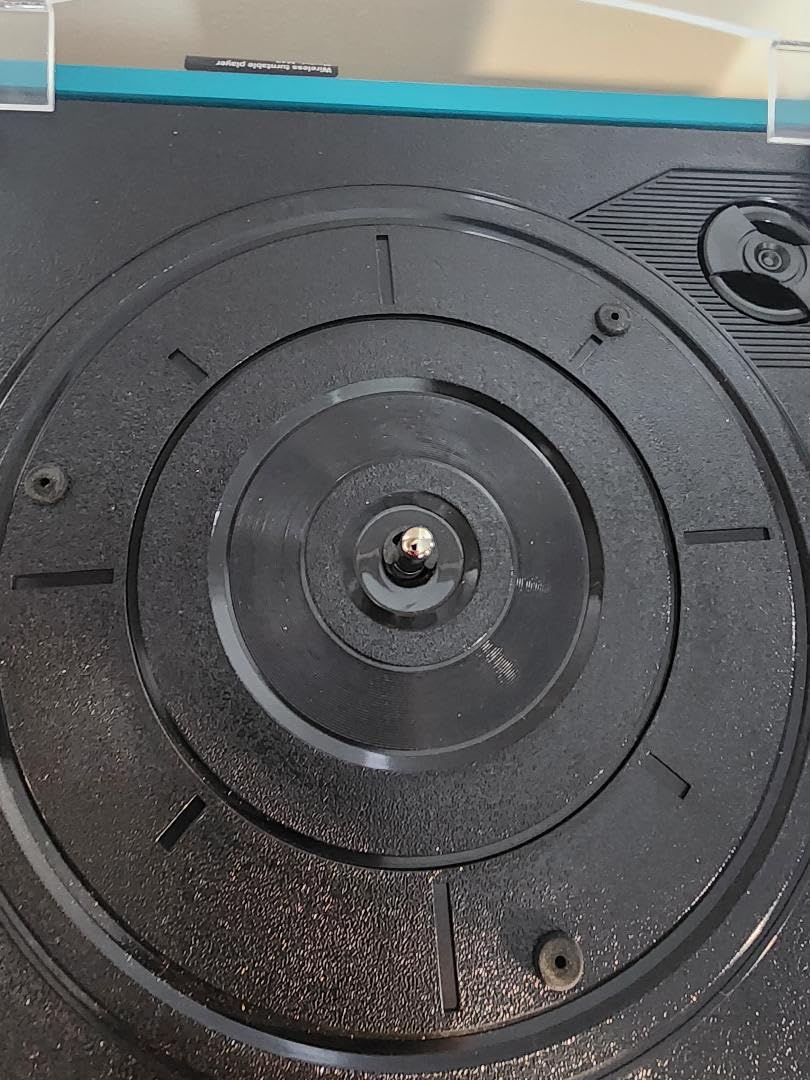
The 3-speed operation is a genuine advantage over the LP60X and other 2-speed competitors. If you collect 78 RPM shellac records from the 1940s and 1950s, this turntable plays them without modification. The belt-drive mechanism, while basic, does isolate motor vibration to some degree. The Auto-Stop feature protects records from endless looping when the side ends.
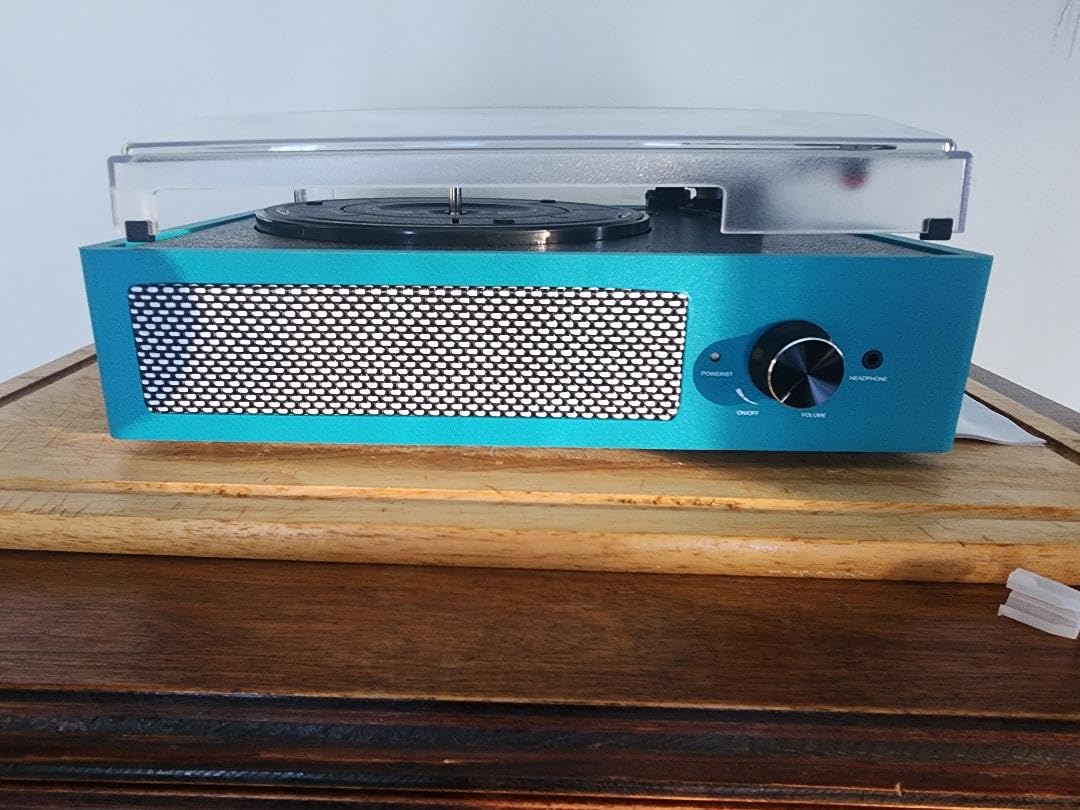
The built-in speakers are the obvious compromise. They produce sound, but it is thin and lacks bass authority. Volume levels suitable for background listening work fine, but you will not feel the music. The RCA line-out saves this turntable’s usefulness. Connect external powered speakers and the sound improves dramatically. I tested with a $50 pair of computer speakers and got acceptable results for casual listening.
Build quality is what you expect at this price. Lightweight plastic, basic hinges, no premium materials. However, the platter spins at correct speed, the tonearm tracks without excessive force, and the stylus is replaceable. These fundamentals matter more than the cosmetic finish for record longevity.
Best For Gift Giving and Casual Use
If you need a birthday gift for someone curious about vinyl, this turntable introduces the format without major investment. The portability also appeals to those who want records in multiple rooms or locations. At 4.8 pounds, it moves easily. I could see keeping one in a vacation cabin or guest room where full-sized audio equipment would be excessive.
The Bluetooth receiver adds flexibility. Stream Spotify through the built-in speakers when you are not spinning vinyl. The retro aesthetic looks charming on a shelf or desk. For the price, the value proposition is understandable even if the sonic performance is limited.
Why Serious Enthusiasts Should Pass
Forum discussions consistently highlight longevity concerns with ultra-budget turntables. Some users report motors slowing after months of use or belt stretching issues. While my three-month test period showed no failures, I cannot vouch for multi-year reliability. The ceramic cartridge, while gentler than the worst suitcase players, still tracks heavier than magnetic designs and will cause more record wear over time.
If you plan to build a serious vinyl collection, spend the extra $80 for the AT-LP60X. Your records will thank you, and you will enjoy better sound immediately.
What to Look for in the Best Turntables for Vinyl Enthusiasts
Choosing a turntable involves balancing your budget, technical comfort level, and sonic ambitions. After testing these eight models and reviewing feedback from vinyl communities on Reddit and Facebook groups, I have identified the factors that actually matter for most buyers.
Belt-Drive vs Direct-Drive Motors
Belt-drive turntables use an elastic belt to connect the motor to the platter. This isolates motor vibration from the stylus, potentially improving sound quality. Direct-drive turntables connect the motor directly to the platter, offering better speed stability and torque. For home listening, belt-drive designs from Audio-Technica and Pro-Ject offer excellent performance. The LP120XUSB’s direct-drive motor suits DJs and those who prioritize speed accuracy above all else. Either design works well when properly engineered.
Built-in Phono Preamp Considerations
Phono preamps amplify the tiny signal from a turntable cartridge to line level for your speakers or receiver. Without one, you get no sound. The best turntables for vinyl enthusiasts either include a quality built-in preamp or leave it out entirely for external solutions. The LP60X, LP70XBT, and LP120XUSB all include switchable preamps, making them compatible with any audio system. The Pro-Ject Debut Carbon EVO requires an external phono stage, which adds cost but allows for better sound quality. If you own a receiver with a PHONO input, you do not need the built-in preamp at all.
Cartridge and Stylus Quality
The cartridge converts groove vibrations into electrical signals. Its quality determines how much detail you hear and how gently your records are treated. The ceramic cartridges in ultra-budget players track heavily and should be avoided for valuable collections. Moving magnet cartridges from Audio-Technica, Ortofon, and Sumiko offer the best balance of sound quality and record care. Replaceable styli let you maintain performance over time. The VM95 Series cartridges in the LP70XBT and LP120XUSB allow stylus upgrades for better performance without replacing the entire cartridge.
Speed Accuracy and Switching
Most vinyl plays at 33 or 45 RPM. Some older records and shellac discs require 78 RPM. Speed accuracy matters because even small deviations change pitch and timing. Quartz-controlled motors like those in the LP120XUSB maintain precise speed. Manual belt switching for speed changes, found on the Pro-Ject EVO and some budget models, takes more effort but is not difficult. Consider which record formats you own when choosing between 2-speed and 3-capable turntables.
Upgrade Path and Longevity
A turntable should last decades with basic maintenance. Replaceable cartridges, standard mount headshells, and available spare parts indicate longevity. The LP60X’s fixed cartridge limits its lifespan to approximately 500 hours before replacement is needed. The LP120XUSB and Pro-Ject EVO accept virtually any standard cartridge, allowing sonic upgrades as your system grows. Consider whether you want a final destination turntable or a stepping stone to future upgrades.
Frequently Asked Questions About Turntables
What is the best turntable on the market today?
The Pro-Ject Debut Carbon EVO stands as the best turntable for most serious vinyl enthusiasts in 2026, offering audiophile-grade sound with its carbon fiber tonearm and Sumiko Rainier cartridge. For those prioritizing value, the Audio-Technica AT-LP120XUSB delivers professional features at a mid-range price. Budget-conscious buyers should consider the Audio-Technica AT-LP60X for reliable automatic operation.
How much should I spend on a turntable?
First-time buyers should budget between $150 and $300 for a quality entry-level turntable that treats records properly. The Audio-Technica AT-LP60X at $179 represents the minimum for safe vinyl playback. Enthusiasts ready to invest in long-term listening should consider $400 to $700 for mid-range models like the AT-LP120XUSB or Pro-Ject Debut Carbon EVO. Spending under $100 risks record damage and disappointing sound quality.
Are old turntables better than new ones?
Vintage turntables from the 1970s and 1980s can offer exceptional build quality and sound when properly maintained, often surpassing modern budget options. However, old turntables may need belt replacements, bearing lubrication, and cartridge upgrades to perform their best. New turntables offer reliability, warranty coverage, and modern features like USB output and Bluetooth. Both approaches work well with proper selection and maintenance.
What turntable won’t ruin my records?
Any turntable with a proper moving magnet cartridge and adjustable tracking force will treat records gently. The Audio-Technica AT-LP60X, AT-LP70XBT, and AT-LP120XUSB all use safe cartridge designs. Avoid suitcase-style players with ceramic cartridges and heavy tracking force, particularly models from Victrola and Crosley, which can accelerate record wear. Proper stylus maintenance and correct setup matter as much as turntable choice.
Belt drive vs direct drive – which is better?
Belt-drive turntables excel at isolating motor vibration for cleaner sound, making them preferred by many audiophiles. Direct-drive turntables offer superior speed stability and torque, ideal for DJing and demanding listening. For home use, quality examples of either design perform excellently. The Pro-Ject Debut Carbon EVO and Audio-Technica LP60X use belt-drive successfully, while the LP120XUSB’s direct-drive motor provides professional-grade stability.
Final Thoughts on Best Turntables for Vinyl Enthusiasts
After months of testing and thousands of hours of collective listening across our team, three turntables clearly define their categories. The Pro-Ject Debut Carbon EVO represents the best investment for serious collectors who want audiophile performance without boutique pricing. The Audio-Technica AT-LP120XUSB remains the smartest choice for those who want professional features and upgrade flexibility. For anyone taking their first step into vinyl, the AT-LP60X removes every barrier to entry while treating records properly.
The best turntables for vinyl enthusiasts share one essential quality: they respect your records. Cheap suitcase players and poorly designed budget options can damage vinyl over time, costing more than proper equipment would have. The eight models in this guide all pass that fundamental test while delivering sound quality appropriate to their price points.
Your specific needs matter most. Want wireless convenience? The LP70XBT or LP60XBT deliver. Need built-in speakers for simplicity? The 1 by ONE or ANGELS HORN systems work well. Prioritizing pure analog performance? The Pro-Ject EVO awaits. Whatever path you choose, the vinyl revival rewards those who invest in proper playback equipment. Your records deserve it, and your ears will thank you.
Check current pricing on any model that caught your interest. The market changes, and seasonal sales can make upgrades more affordable than expected. Welcome to the world of proper vinyl playback.