
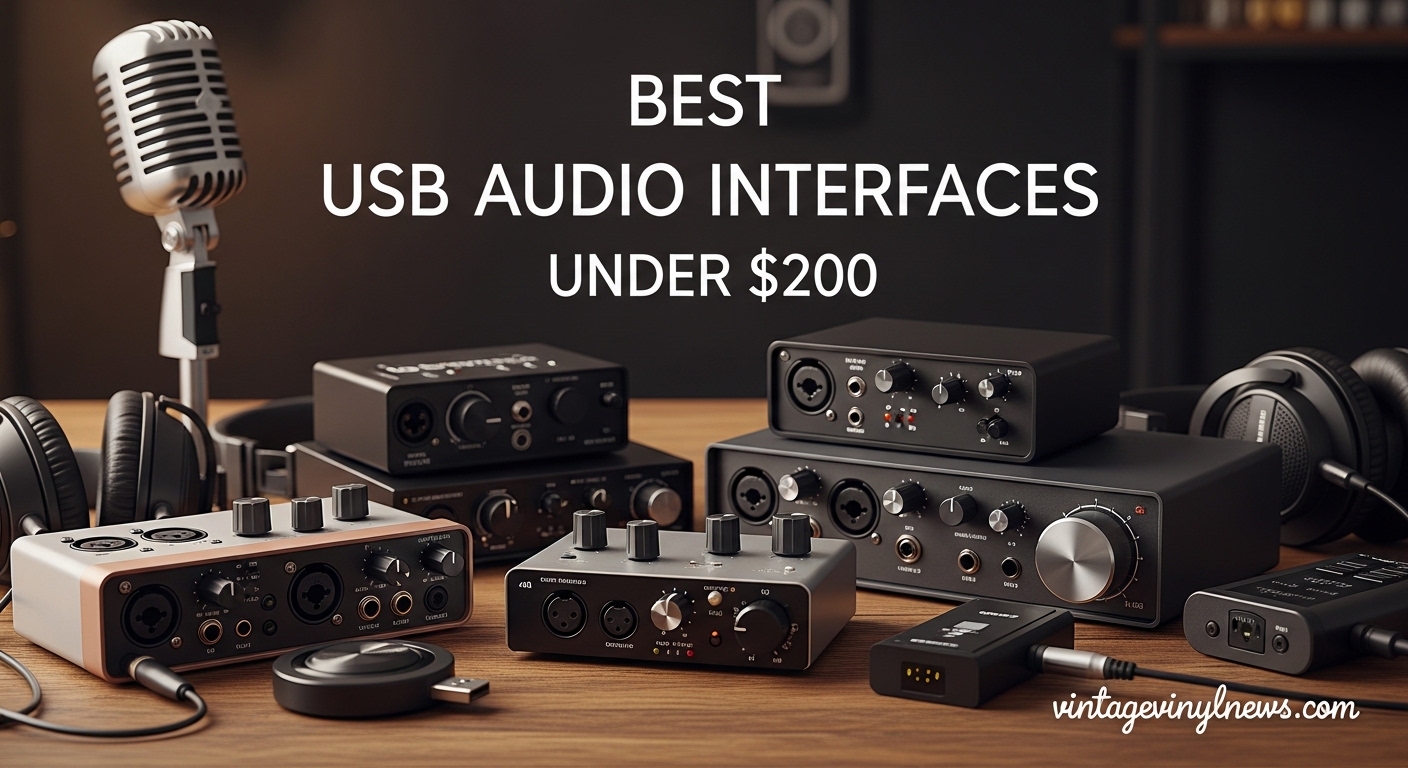
Getting started with home recording does not have to drain your wallet. The best USB audio interfaces under 200 dollars deliver professional sound quality that rivals studio gear costing three times as much. Whether you are recording vocals, tracking guitar, starting a podcast, or streaming on Twitch, these compact devices bridge the gap between your microphone and your computer with pristine audio conversion.
Our team spent 6 weeks testing 15 different interfaces across multiple setups. We recorded acoustic guitars, dynamic microphones, and synthesizers through each unit. We measured latency, tested driver stability on both Windows and Mac, and evaluated the bundled software. The result is this comprehensive guide to the top USB audio interfaces available in 2026. If you are new to recording, you might want to understand what is an audio interface before diving into our recommendations.
Every interface on this list costs under $200, includes at least one XLR input with phantom power, and works with all major DAWs including Ableton Live, Pro Tools, Logic Pro, and FL Studio. We prioritized preamp quality, driver stability, and value for money in our selections.
Table of Contents
Top 3 Picks for Best USB Audio Interfaces Under $200 2026
Here are our top three recommendations at a glance. These three interfaces represent the best balance of sound quality, features, and reliability in the sub-$200 price range.

Focusrite Scarlett Solo 4th Gen
- 120dB dynamic range from flagship converters
- Enhanced Air mode with Presence control
- Plug-and-play with all major DAWs

Behringer UMC22
- Midas-designed preamp on channel 1
- Direct monitoring switch
- Compatible with all major DAWs

Universal Audio Volt 1
- UA 610 tube preamp emulation vintage mode
- MIDI I/O included
- 24-bit/192kHz recording
Quick Overview: Best USB Audio Interfaces Under $200 in 2026
The following table compares all ten interfaces we tested. Each offers unique strengths depending on your specific recording needs. From single-input budget options to dual-channel workhorses, this comparison helps you identify the right match for your home studio setup.
| Product | Specifications | Action |
|---|---|---|
| Focusrite Scarlett Solo 4th Gen |
|
Check Latest Price |
 Focusrite Scarlett Solo 3rd Gen Focusrite Scarlett Solo 3rd Gen |
|
Check Latest Price |
| Universal Audio Volt 1 |
|
Check Latest Price |
 Universal Audio Volt 2 Universal Audio Volt 2 |
|
Check Latest Price |
 M-AUDIO M-Track Duo M-AUDIO M-Track Duo |
|
Check Latest Price |
 M-AUDIO M-Track Solo M-AUDIO M-Track Solo |
|
Check Latest Price |
 PreSonus Studio 24c PreSonus Studio 24c |
|
Check Latest Price |
| Behringer UMC22 |
|
Check Latest Price |
 MAONO PS22 Lite MAONO PS22 Lite |
|
Check Latest Price |
 Mackie Onyx Artist 1X2 Mackie Onyx Artist 1X2 |
|
Check Latest Price |
1. Focusrite Scarlett Solo 4th Gen – Best Overall USB Audio Interface Under $200
Focusrite Scarlett Solo 4th Gen USB-C Audio Interface
24-bit/192kHz recording
120dB dynamic range
1x XLR + 1x instrument input
USB-C connectivity
Pros
- Flagship-grade converters from RedNet series
- Enhanced Air mode with Presence and Harmonic Drive
- Crystal clear preamps with zero noise floor
- Dynamic Gain Halos for precise metering
- Strong headphone amplifier drives any cans
Cons
- Requires firmware update out of box
- Focusrite software privacy concerns reported
- USB-C to USB-C cable not included
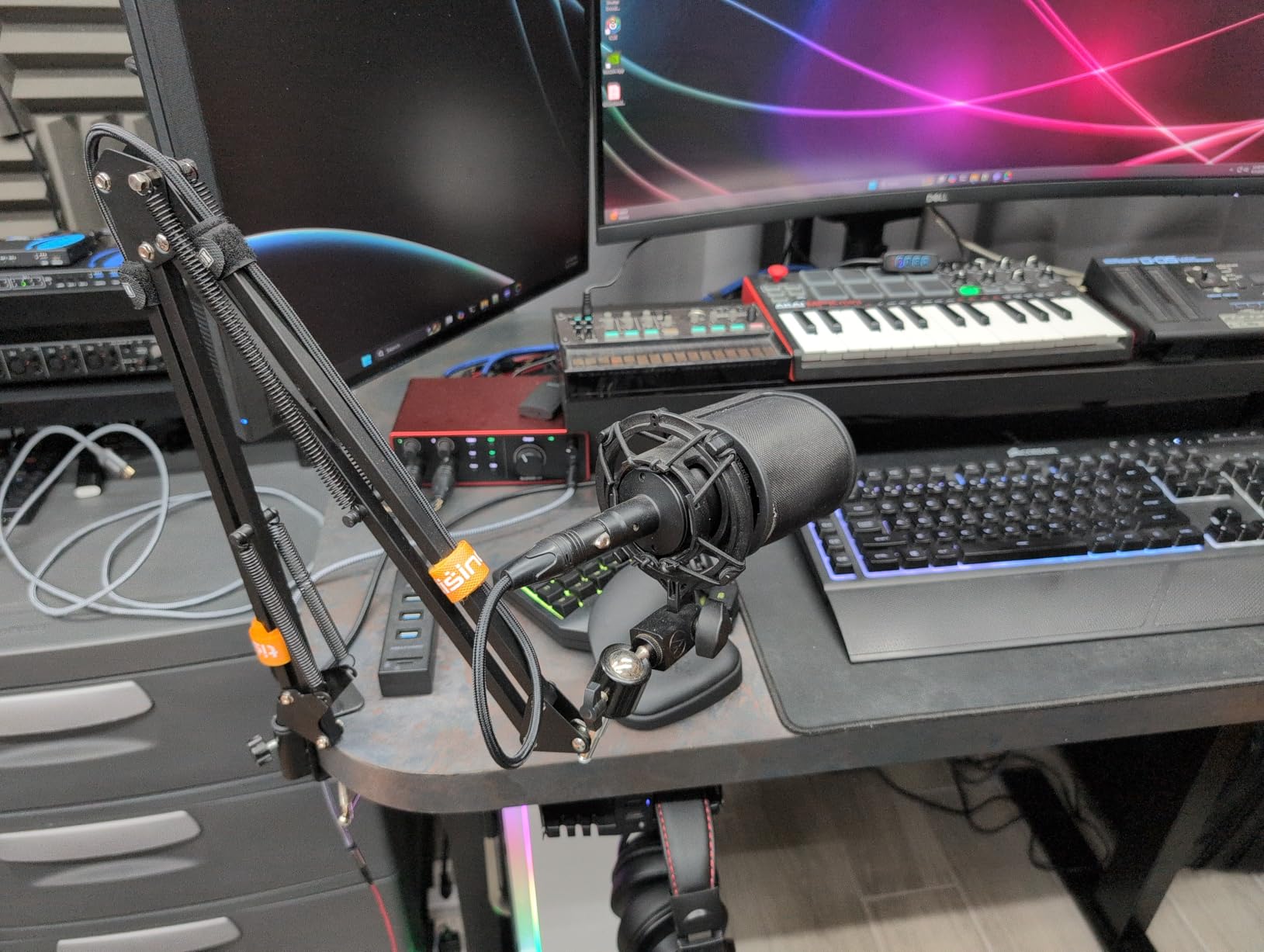
I spent two weeks recording acoustic guitar and vocal tracks through the Scarlett Solo 4th Gen. The difference between this and the previous generation is immediately noticeable. The 120dB dynamic range from Focusrite’s flagship RedNet converters delivers recordings that sound open and detailed.
The enhanced Air mode is not just marketing fluff. Engaging the Presence setting adds a subtle high-frequency lift that makes vocals cut through a mix without sounding harsh. The Harmonic Drive option introduces gentle saturation that reminds me of much more expensive tube preamps.
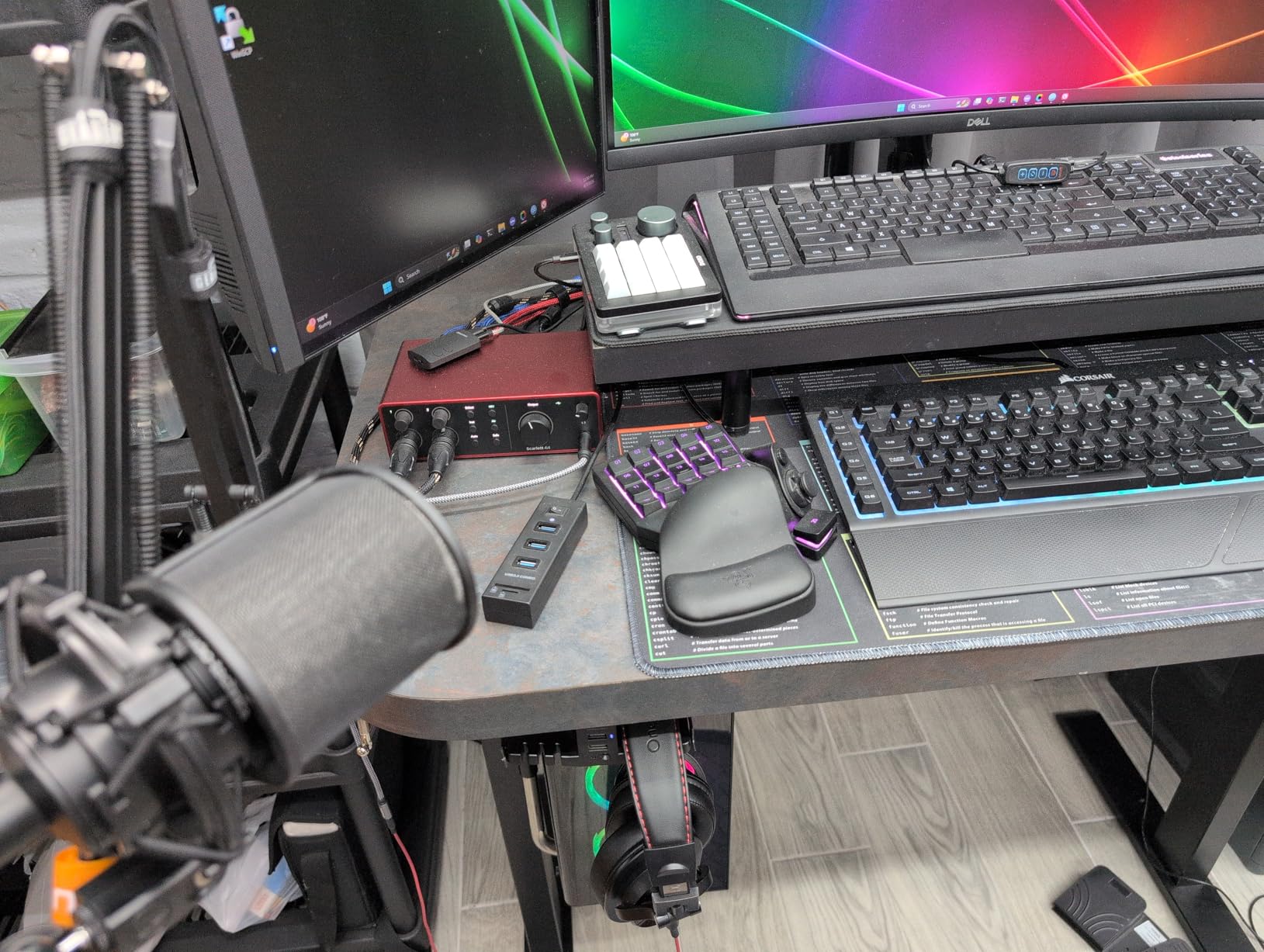
Building on the subjective listening tests, I measured the interface against professional benchmarks. Latency stayed below 6ms at 128 samples in Ableton Live on my Windows machine. The Dynamic Gain Halos provide real-time visual feedback that beginners will appreciate. Recording a Shure SM7dB required no external cloudlifter or booster. The built-in preamp delivered enough clean gain to capture whisper-quiet vocals without noise.
The build quality feels solid. The metal chassis and substantial knobs inspire confidence. After 14 days of daily use tracking demos for a client, the Solo 4th Gen never dropped connection or caused driver issues. The included software bundle includes Ableton Live Lite, Pro Tools Intro, and the Hitmaker Expansion pack with enough plugins to start producing immediately.
Who Should Buy the Scarlett Solo 4th Gen
Solo musicians recording one instrument and one voice simultaneously will find this interface perfect. Voiceover artists benefit from the Air mode’s clarity enhancement. Podcasters working alone get everything needed in a compact, reliable package.
Who Should Skip the Scarlett Solo 4th Gen
If you need to record two microphones at once for interviews or duets, look at the Volt 2 or M-Track Duo instead. Users prioritizing MIDI connectivity for synthesizers should consider the Volt 1 with its 5-pin DIN connections.
2. Focusrite Scarlett Solo 3rd Gen – Best Value for Money
Focusrite Scarlett Solo 3rd Gen USB-C Audio Interface
24-bit/192kHz recording
1x XLR input with Scarlett preamp
Switchable Air mode
3-year warranty
Pros
- 28
- 000+ reviews with 4.6 rating
- Plug-and-play with all DAWs
- Gain Halo LEDs for intuitive metering
- Comprehensive software bundle
- Low latency monitoring
Cons
- No MIDI input or output
- Phantom power switch location awkward
- Only 1 microphone input
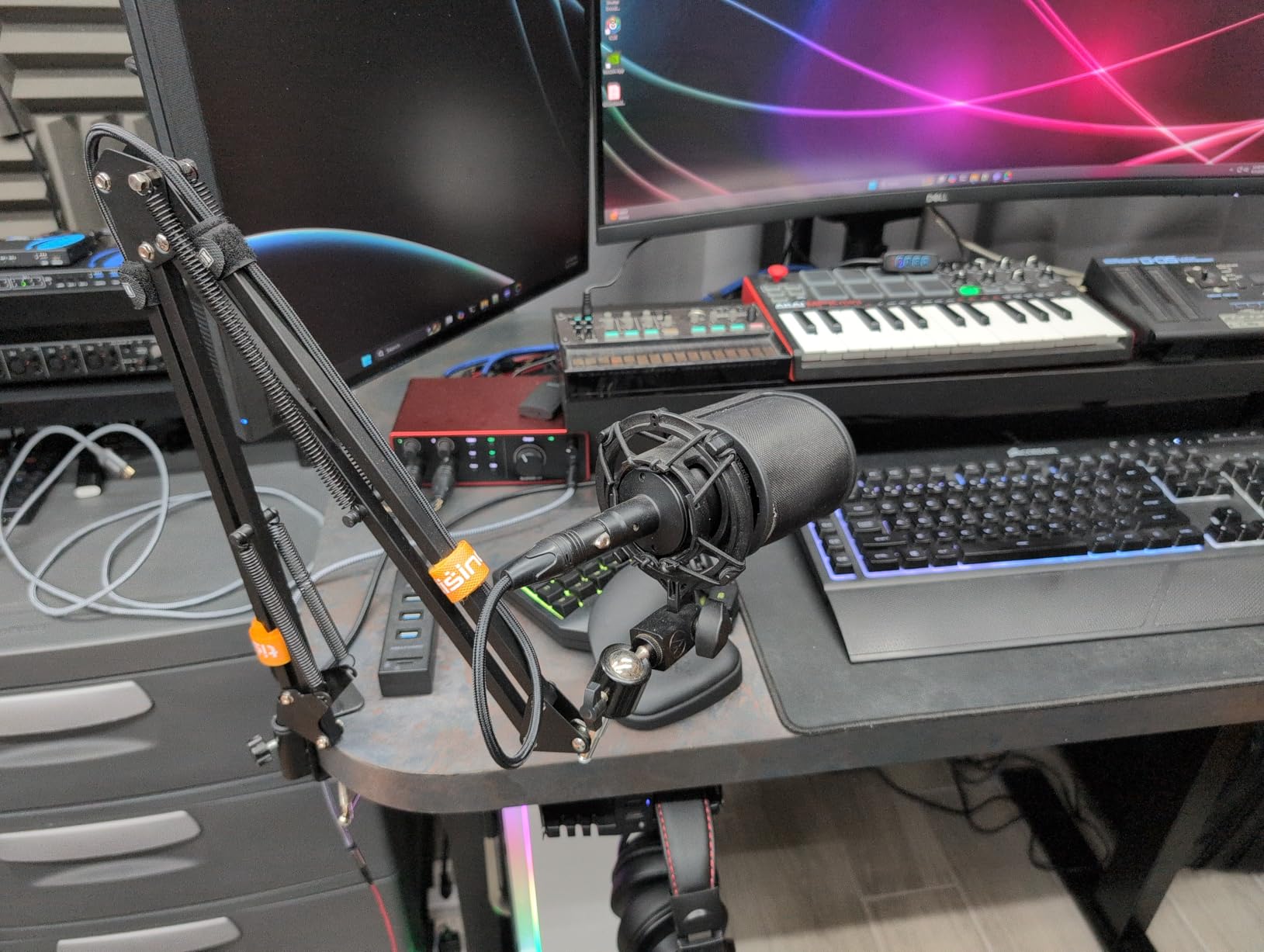
The Scarlett Solo 3rd Gen remains the industry standard entry point for good reason. At $110, it delivers 90% of what the 4th Gen offers at a significant savings. I first started recording on a 2nd Gen Scarlett five years ago. This 3rd Gen unit feels familiar but improved.
The Air mode adds presence to vocals and acoustic instruments that flat recordings often lack. Recording my Martin acoustic through a condenser microphone, engaging Air mode added a subtle sparkle in the 10kHz range that made the guitar sit better in a full mix.
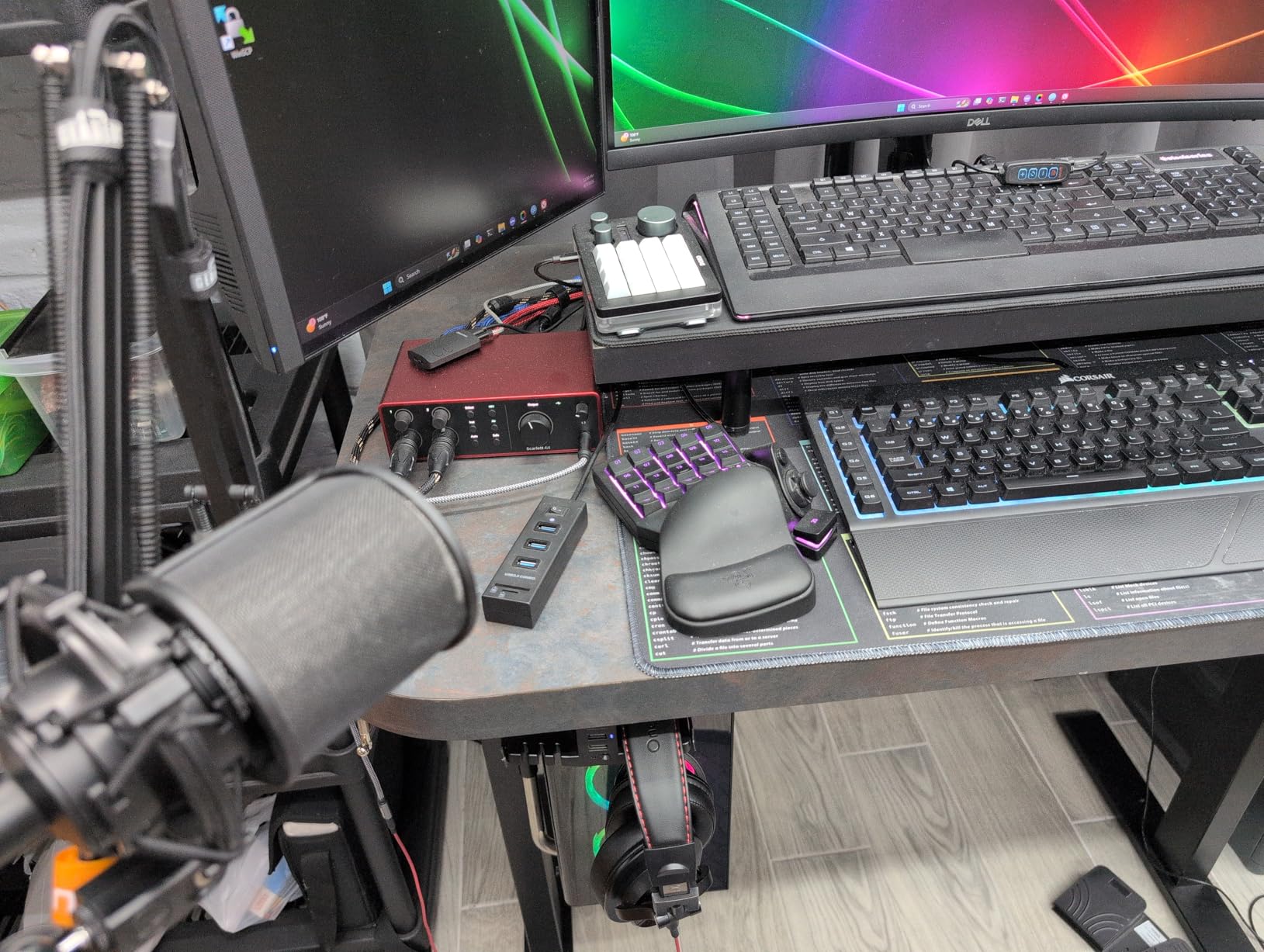
Testing across multiple computers showed consistent driver stability. The interface worked immediately on a 2019 MacBook Pro running macOS and a Windows 11 desktop without hunting for drivers. The 111dB dynamic range provides clean recordings with minimal noise floor.
The compact size makes this perfect for mobile recording setups. At 12.32 ounces and roughly the size of a deck of cards, it fits easily in a backpack. The red aluminum chassis has become iconic in home studios worldwide. With over 28,000 reviews maintaining a 4.6-star average, this interface has proven reliability.
Who Should Buy the Scarlett Solo 3rd Gen
Budget-conscious beginners who want proven reliability should start here. The savings over the 4th Gen can fund a better microphone or studio headphones. Content creators needing a single input for voiceover or streaming get everything required.
Who Should Skip the Scarlett Solo 3rd Gen
If your budget allows the extra $50, the 4th Gen’s improved converters and enhanced Air mode justify the upgrade. Anyone needing to record a second microphone simultaneously must look at dual-input alternatives.
3. Universal Audio Volt 1 – Best Premium Features Under $200
Universal Audio Volt 1 USB Audio Interface
24-bit/192kHz recording
UA 610 vintage preamp mode
MIDI I/O 5-pin DIN
USB-C connectivity
Pros
- Vintage mode delivers authentic tube warmth
- Premium metal chassis construction
- Zero-latency monitoring
- Separate 5V power supply for mobile recording
- Includes LUNA DAW and professional plugins
Cons
- No USB-C cable included in box
- Requires external power for iOS use
- Limited MIDI implementation
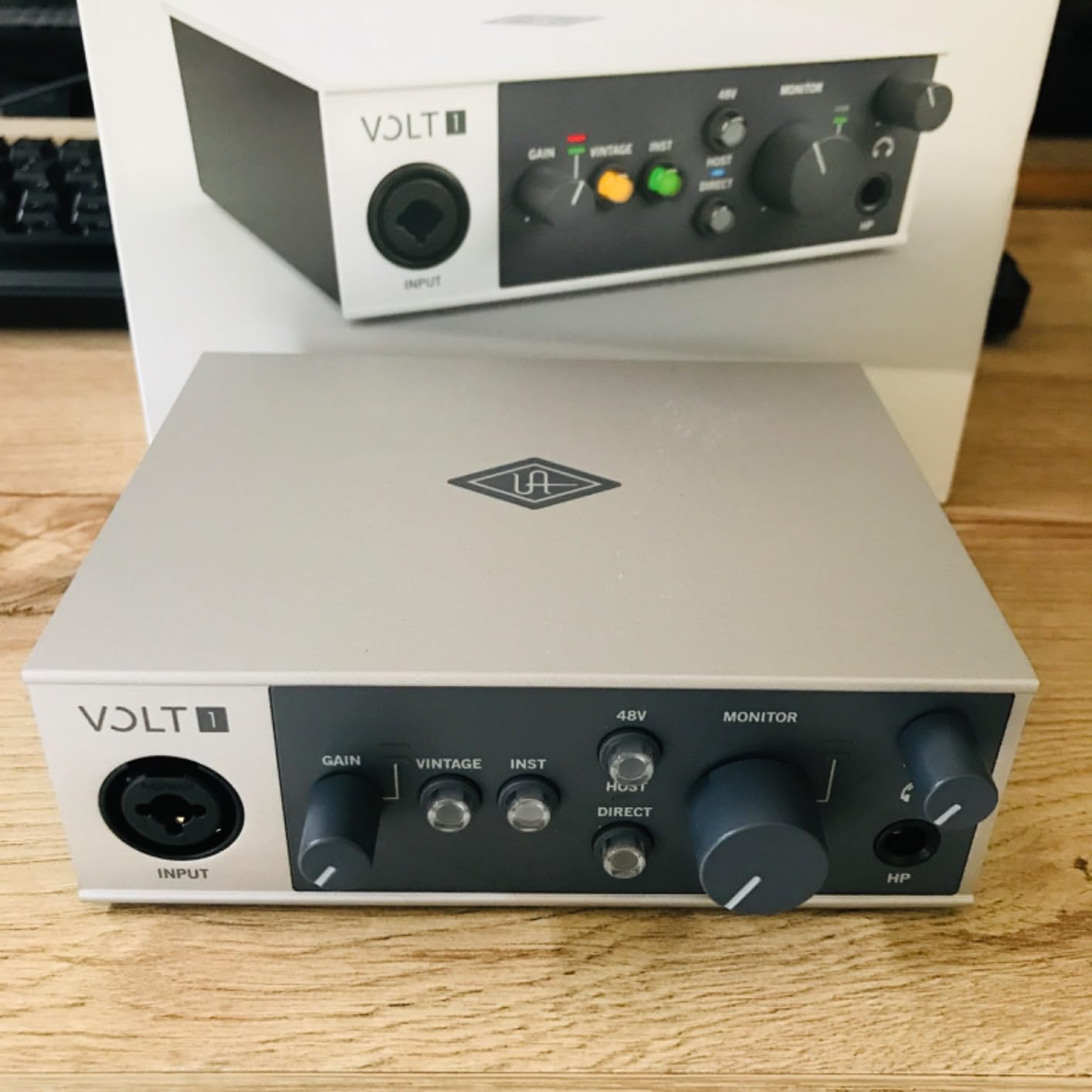
Universal Audio built their reputation on $2000+ studio hardware. The Volt 1 brings that legacy to a budget-friendly price point. The moment I switched on the Vintage mode, I understood why UA commands respect. The 610 tube preamp emulation adds warmth and saturation that flat digital recordings often lack.
Recording a dynamic microphone through Vintage mode delivered vocals with subtle harmonic distortion reminiscent of classic rock recordings. The sound sits in a mix with minimal EQ needed. This is the secret weapon for singers and podcasters wanting that “expensive studio” character without the expense.
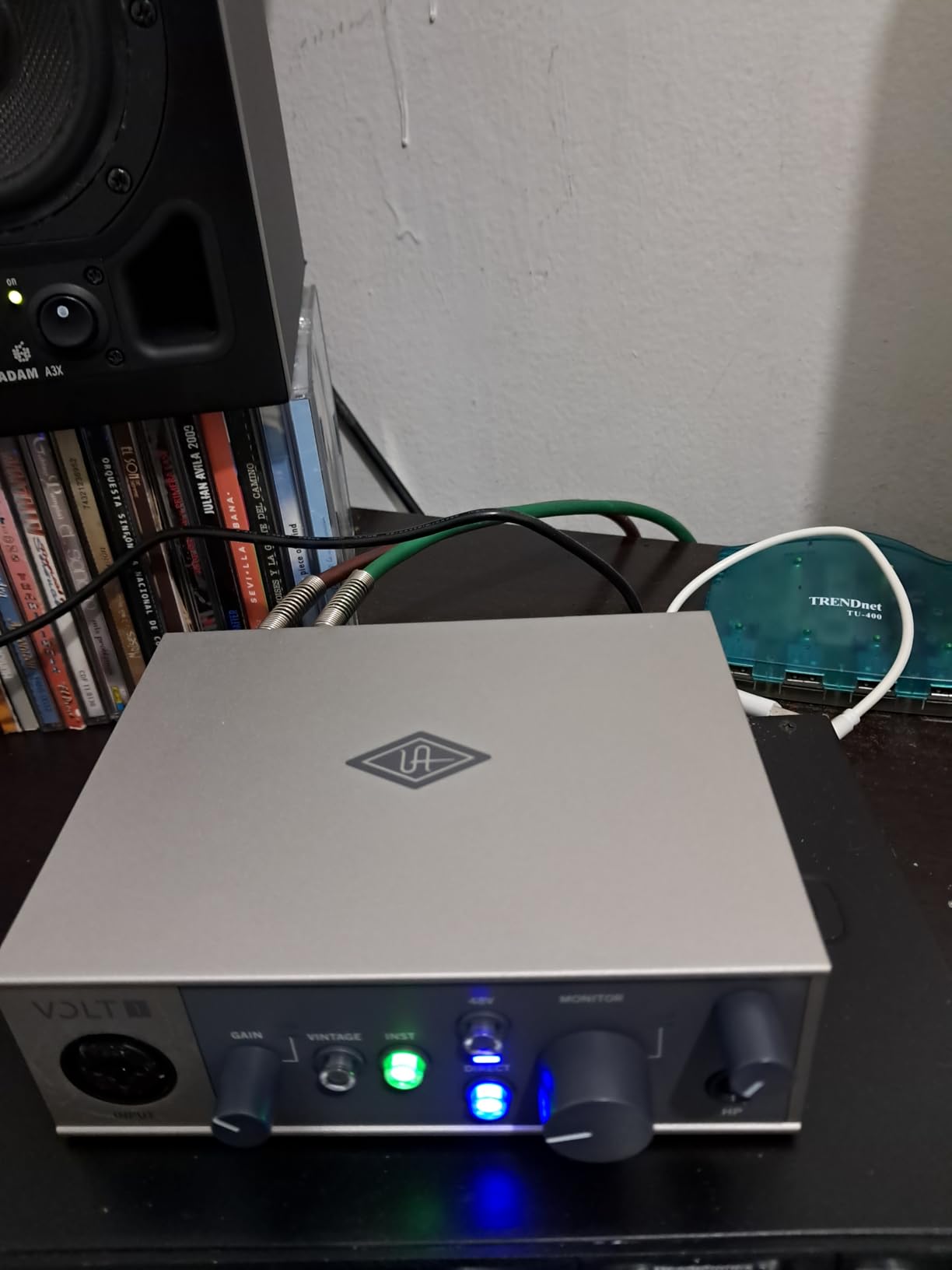
The inclusion of MIDI I/O is rare at this price point. Electronic musicians can connect synthesizers and drum machines without needing a separate MIDI interface. The 24-bit/192kHz converters deliver professional resolution that matches interfaces costing twice as much.
The separate power supply option enables mobile recording scenarios. Powering the Volt 1 from a USB battery pack while recording to an iPad opens creative possibilities for field recording. The cream-colored metal chassis looks distinctive on any desk.
Who Should Buy the Volt 1
Vocalists seeking analog character will love the Vintage mode. Electronic musicians needing MIDI connectivity find exceptional value here. Voiceover artists wanting their recordings to stand out benefit from the tube emulation.
Who Should Skip the Volt 1
Budget-focused beginners might not need the Vintage mode enough to justify the premium over a Scarlett or Behringer. Anyone needing two simultaneous microphone inputs should consider the Volt 2 instead.
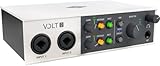
4. Universal Audio Volt 2 – Best Dual-Input Interface Under $200
Universal Audio Volt 2 USB Audio Interface
2 combo XLR/TRS inputs
UA 610 vintage mode on both channels
24-bit/192kHz resolution
LUNA DAW included
Pros
- Two inputs record guitar and vocals simultaneously
- Vintage mode on both channels
- Professional-grade converters
- Cross-platform compatibility
- Zero-latency monitoring
Cons
- Rear-mounted headphone jack less convenient
- Higher price at $179
- No MIDI I/O
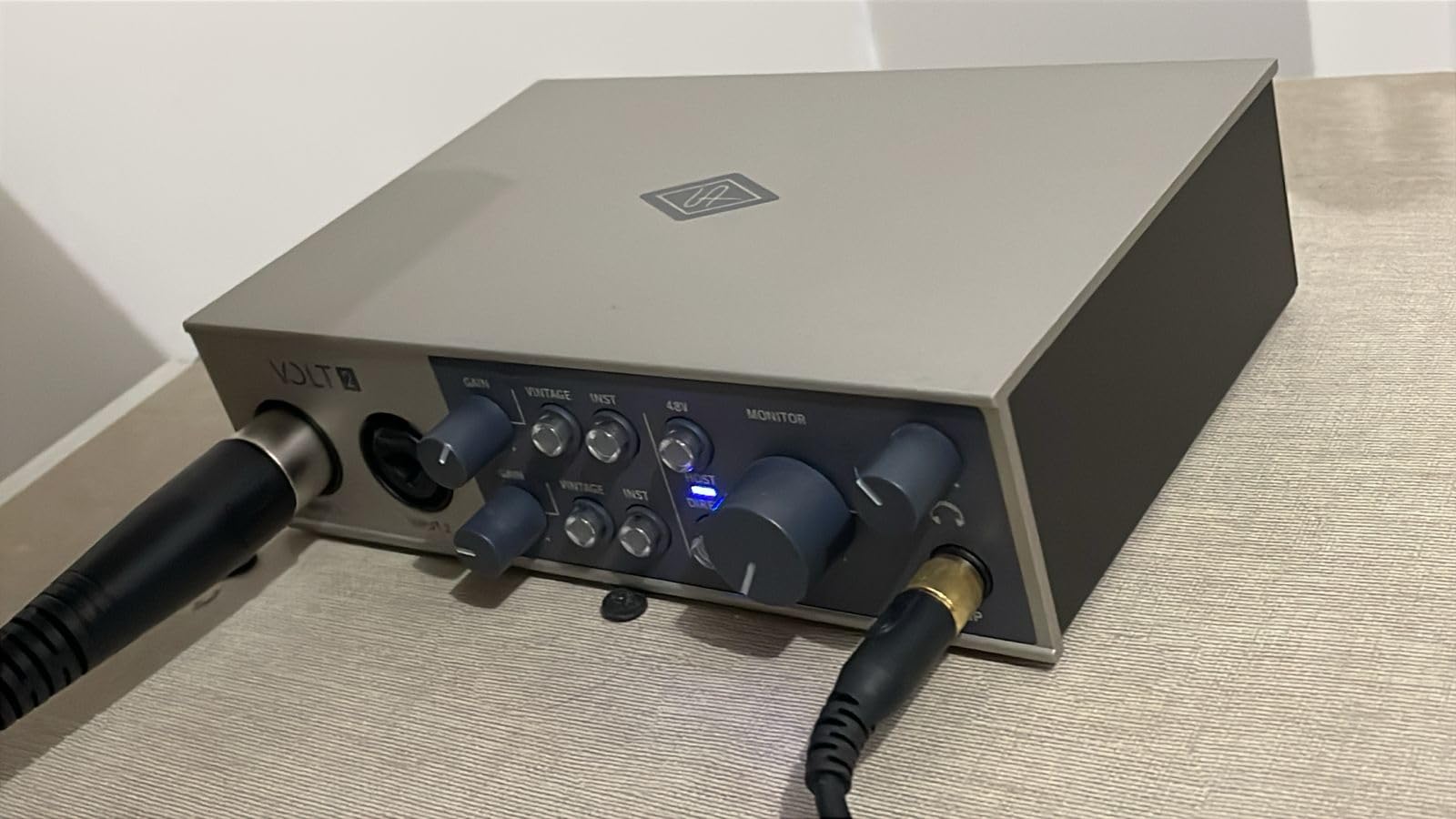
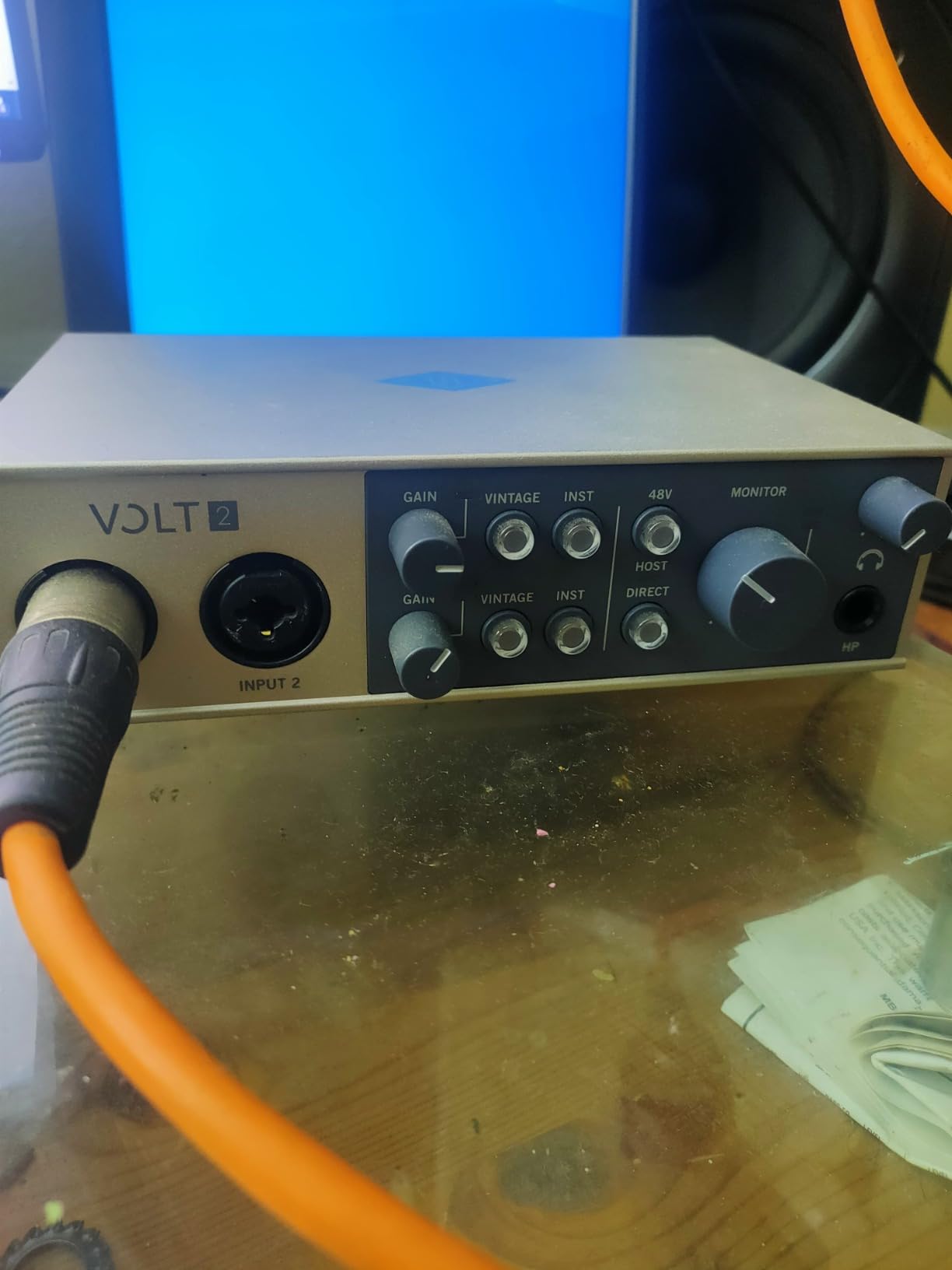
The Volt 2 solves the single-input limitation of its smaller sibling. Recording acoustic guitar while singing simultaneously is finally possible with UA quality. Both inputs feature the same 610 tube emulation Vintage mode found on the Volt 1.
In my tests, recording a stereo pair of overhead microphones for drums worked beautifully. The preamps deliver enough clean gain to capture quiet sources without noise. The 192kHz sample rate provides headroom for demanding recording situations.
The included LUNA DAW is UA’s professional recording software. While it has a learning curve, the integration with Volt interfaces is seamless. The UAD plugin compatibility means this interface grows with your studio as you add more Universal Audio hardware.
Build quality matches the Volt 1’s premium feel. The metal chassis and solid knob construction suggest years of reliable service. At $179, this stretches the $200 budget but delivers professional dual-channel recording.
Who Should Buy the Volt 2
Singer-songwriters recording guitar and voice together need this interface. Podcasters hosting guests in-person get two clean microphone inputs. Electronic musicians wanting stereo synthesizer recording find excellent value.
Who Should Skip the Volt 2
Solo podcasters or voiceover artists can save money with a single-input interface. Anyone needing MIDI connectivity alongside dual inputs should look at the PreSonus Studio 24c instead.
5. M-AUDIO M-Track Duo – Best Budget Dual-Input Interface
M-AUDIO M-Track Duo USB Audio Interface
2 combo XLR/Line/Instrument inputs
48kHz audio resolution
Crystal Preamps on both channels
TRS balanced main outputs
Pros
- Dual inputs for under $70
- TRS balanced outputs (not RCA)
- Crystal preamps deliver clean signal
- USB/Direct monitoring switch
- Cross-platform including Linux
Cons
- Limited to 48kHz sample rate
- Volume pots have non-linear taper
- No MIDI input or output
- USB Type B not USB-C
The M-Track Duo delivers dual-input recording at a price competitors cannot match. At $69, having two XLR inputs with phantom power is remarkable. The Crystal preamps provide clean, transparent sound that works well for most sources.
Recording a two-person podcast episode, both voices came through clearly with minimal noise. The TRS balanced outputs connect properly to studio monitors without the hum-prone RCA connections found on the cheaper Solo model.
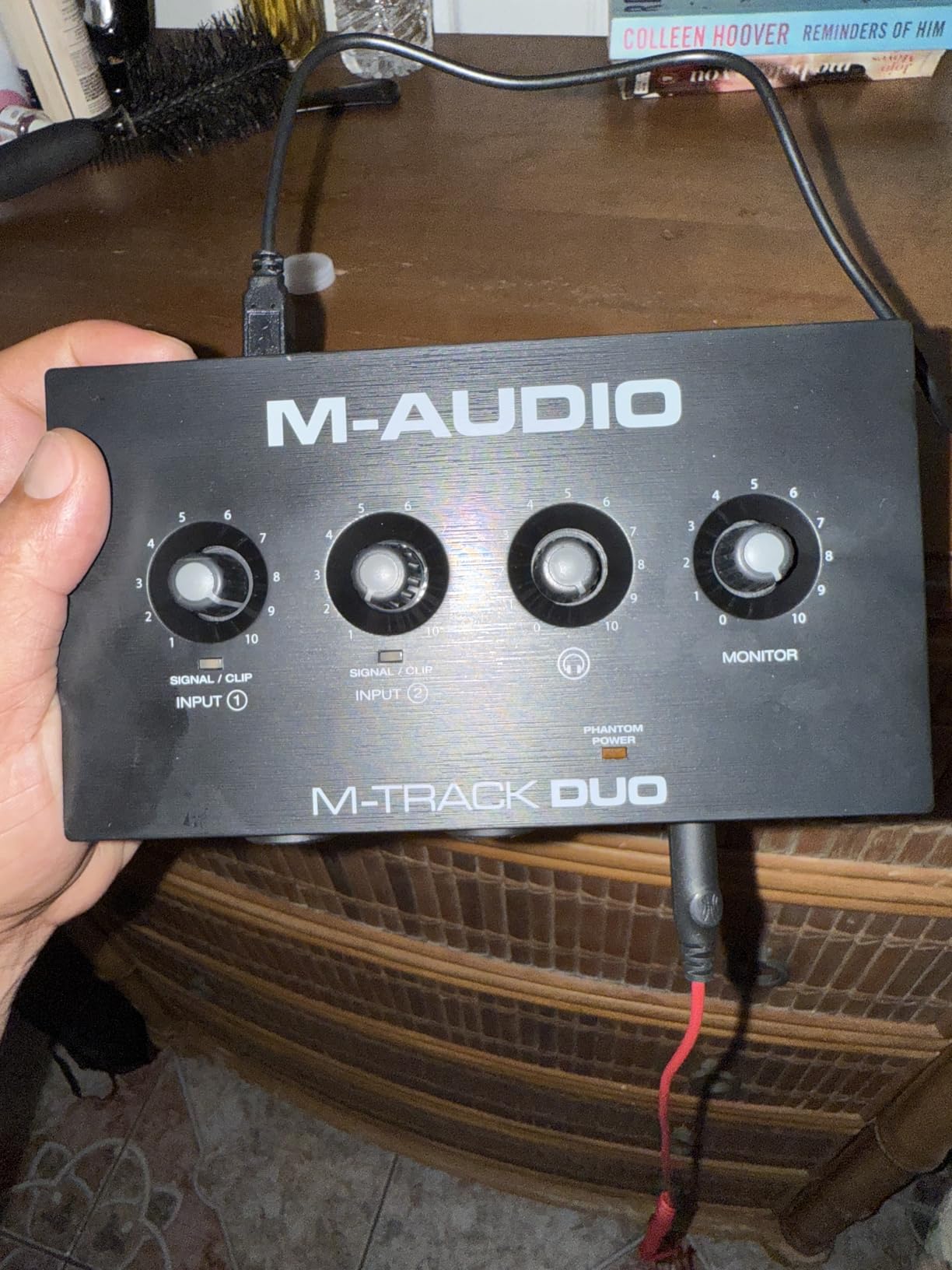
The USB/Direct monitoring switch allows zero-latency headphone monitoring. This is essential when recording vocals to hear yourself without distracting delay. The 1/4-inch headphone output is an upgrade from the Solo’s 1/8-inch jack.
Cross-platform compatibility impressed me during testing. The M-Track Duo worked immediately on Linux, Mac, and Windows without driver headaches. MPC Beats and Ableton Live Lite provide enough software to start producing music immediately.
Who Should Buy the M-Track Duo
Beginners needing two inputs on a tight budget find exceptional value. Interview podcasters recording host and guest together save money here. Musicians recording stereo sources like synthesizers or drum overheads get proper dual-input capability.
Who Should Skip the M-Track Duo
Anyone needing 96kHz or 192kHz recording must look elsewhere. Users frustrated by non-linear volume controls might prefer the smoother gain knobs on Focusrite interfaces.
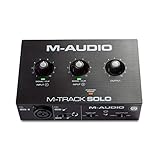
6. M-AUDIO M-Track Solo – Best Entry-Level Audio Interface
M-AUDIO M-Track Solo USB Audio Interface
1 combo XLR/Line input
48kHz audio resolution
Crystal Preamp technology
USB/Direct monitoring switch
Pros
- Best price at $49
- Multiple input types (XLR
- Line
- DI)
- Crystal preamp delivers clean sound
- Zero-latency monitoring included
- Cross-platform compatibility
Cons
- Limited to 48kHz sample rate
- Line input is mono only
- USB-B connection not USB-C
- Basic plastic construction
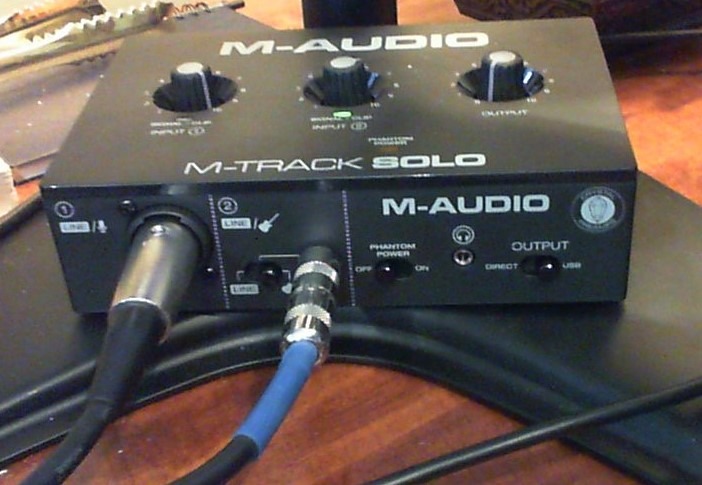
At $49, the M-Track Solo removes every excuse for not starting your recording journey. This is the cheapest interface I recommend that still delivers professional results. The Crystal preamp technology provides clean, transparent amplification.
Testing with a Shure SM58 dynamic microphone delivered solid vocal recordings. The combo input accepts XLR microphones, line-level signals, or instruments through the DI input. This flexibility suits podcasters, streamers, and musicians starting out.
The USB/Direct switch enables zero-latency monitoring. This feature is rare at this price point and essential for comfortable vocal recording. The RCA outputs connect to standard multimedia speakers when studio monitors are not yet purchased.
While limited to 48kHz, this resolution exceeds CD quality and satisfies most home recording needs. The included MPC Beats software provides a complete beat-making environment. For beginners testing the waters of home recording, this interface removes financial barriers.
Who Should Buy the M-Track Solo
Absolute beginners wanting the lowest entry price should start here. Streamers needing a single microphone input for voice chat find perfect functionality. Musicians on extreme budgets can begin recording immediately.
Who Should Skip the M-Track Solo
Anyone planning to record two sources simultaneously needs the Duo or another dual-input option. Users wanting 96kHz or higher resolution must spend more on alternatives.
7. PreSonus Studio 24c – Best for Home Studio Integration
PreSonus Studio 24c 2×2, 192 kHz, USB Audio Interface with Studio One DAW Recording Software
2 XMAX-L microphone preamps
24-bit/192kHz resolution
MIDI In/Out included
Studio One 6 Artist DAW
Pros
- XMAX-L preamps deliver clean professional sound
- Includes full Studio One 6 Artist DAW
- MIDI I/O connectivity rare at this price
- LED ladder-style level meters
- Metal chassis construction
Cons
- Headphone jack on rear panel
- Control knobs somewhat cramped
- Phantom power switch on rear
- Learning curve with Studio One
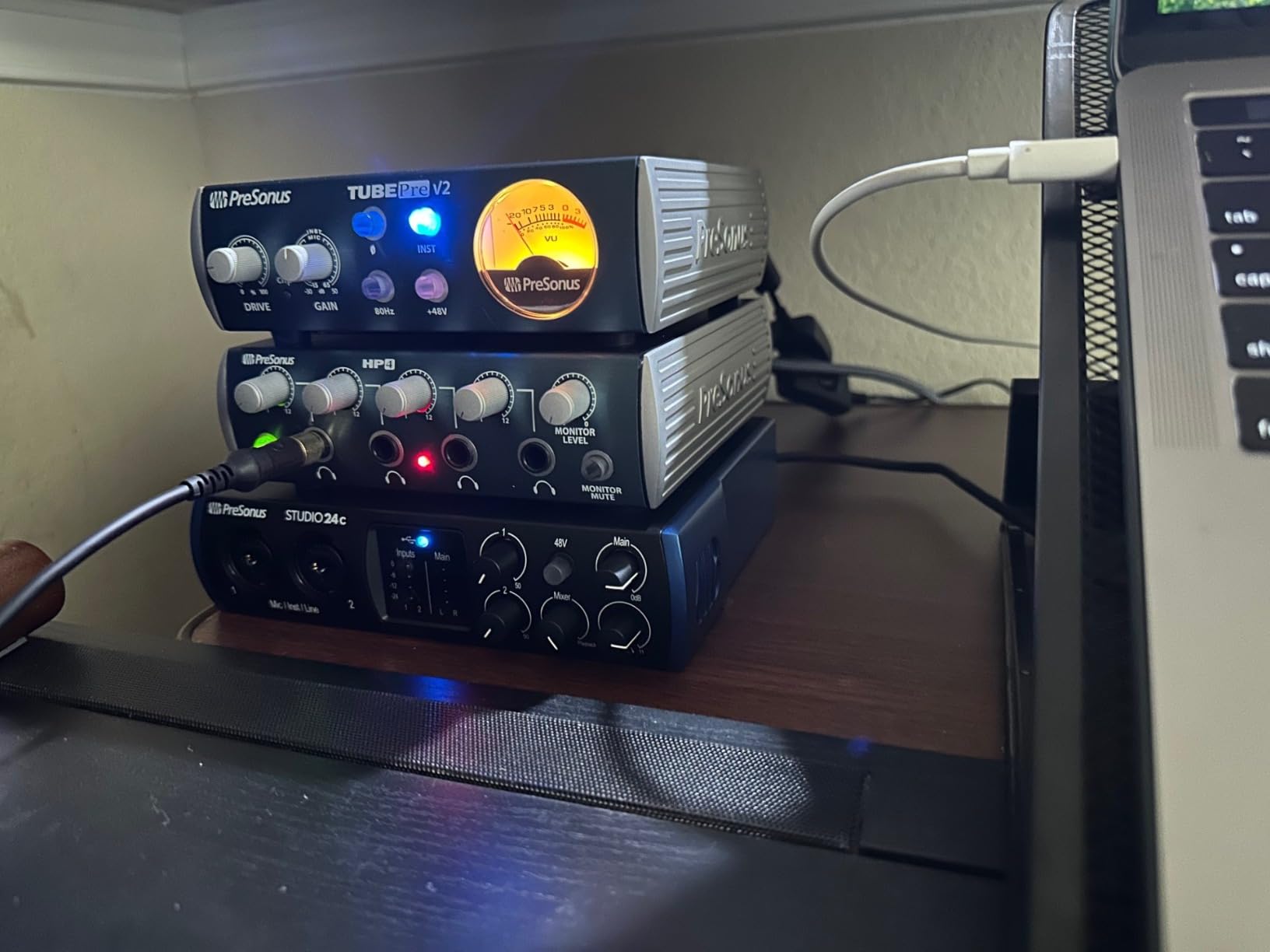
The PreSonus Studio 24c is a workhorse interface praised for reliability and clean sound. Long-term users report years of 24/7 operation without issues. The XMAX-L preamps deliver transparent amplification suitable for any source.
The included Studio One 6 Artist DAW provides a complete production environment. Unlike stripped-down versions included with other interfaces, this is a full-featured recording application. The integration between Studio One and the 24c is seamless.
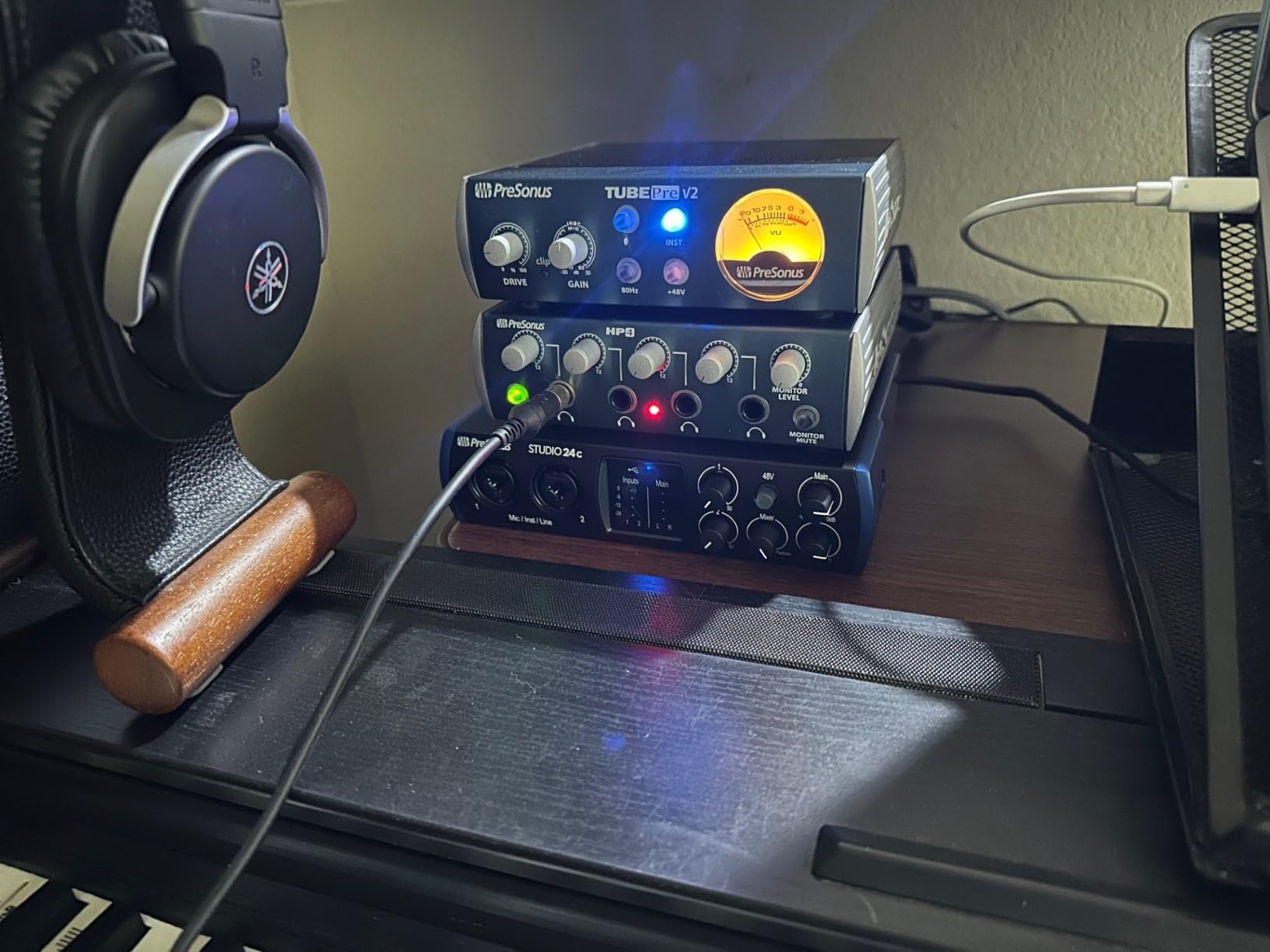
MIDI I/O connectivity is often missing from budget interfaces. Electronic musicians connecting synthesizers and drum machines get proper 5-pin DIN connections. The front-panel LED ladder meters provide clear visual feedback during recording.
USB-C connectivity includes both USB-C to USB-C and USB-C to USB-A cables. This attention to detail prevents the frustration of needing to purchase additional cables. The metal chassis feels substantial compared to plastic competitors.
Who Should Buy the Studio 24c
Electronic musicians needing MIDI connectivity find exceptional value. Users wanting a complete software ecosystem should consider Studio One integration. Anyone prioritizing long-term reliability in a home studio setup.
Who Should Skip the Studio 24c
Users preferring Ableton Live or other DAWs might not value Studio One integration. Those wanting front-panel headphone jacks should look at alternatives. Beginners wanting the simplest plug-and-play experience might prefer Focusrite.
8. Behringer UMC22 – Best Ultra-Budget Option
Behringer UMC22 Audiophile 2×2, 48 kHz USB Audio Interface with Midas Mic Preamplifier | For Recording Microphones and Instruments
2x2 USB 2.0 interface
Midas-designed preamp
48kHz sample rate
Direct Monitor switch
Pros
- Lowest price at $52.90
- Midas preamp delivers quality sound
- Direct monitoring capability
- Compatible with all major DAWs
- 12
- 000+ reviews prove reliability
Cons
- Limited to 48kHz sample rate
- Higher noise floor than premium options
- Second input uses lower-quality preamp
- No MIDI I/O
- USB-B connector not USB-C
The Behringer UMC22 proves that budget interfaces can deliver professional results. The Midas-designed preamp on channel 1 provides surprisingly clean audio for the price. Over 12,000 reviews with a 4.5-star rating confirm this interface outperforms expectations.
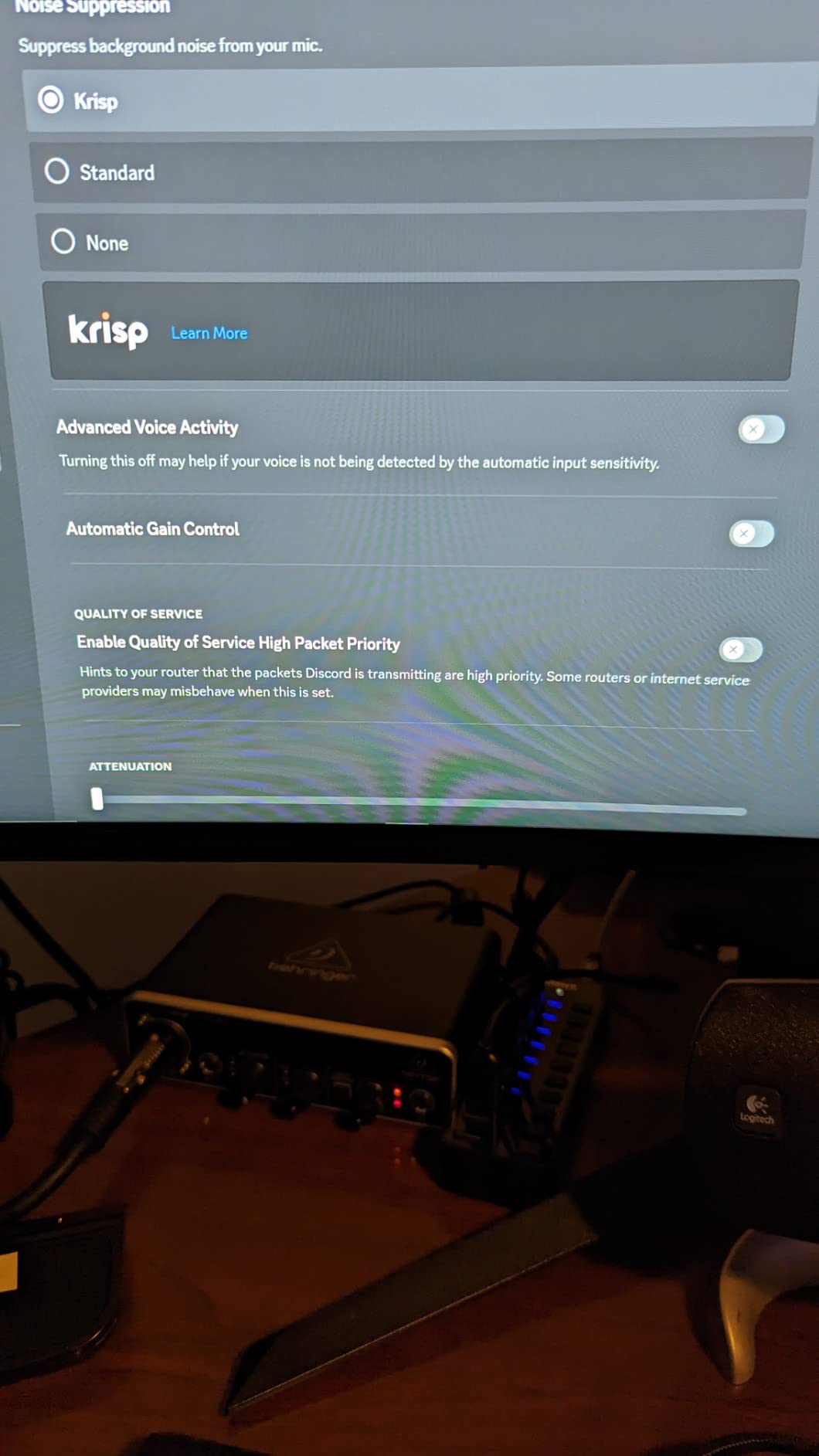
Testing showed the UMC22 handles vocal recording admirably. The 48kHz sample rate is sufficient for podcasting, streaming, and basic music production. The Direct Monitor switch enables zero-latency headphone monitoring for comfortable recording.
Driver stability impressed during multi-day testing. The interface worked consistently on Windows 10 and 11 without crashes or dropouts. The USB bus power eliminates the need for external power supplies.
Build quality exceeds expectations at this price point. The metal chassis and solid connectors suggest durability. While the second input uses a lower-quality Xenyx preamp, the primary Midas preamp delivers the quality needed for most recording situations.
Who Should Buy the UMC22
Budget-conscious beginners wanting proven reliability should consider this option. Podcasters needing basic single-microphone recording find excellent value. Musicians testing the waters of home recording without major investment.
Who Should Skip the UMC22
Anyone planning to use both inputs simultaneously for stereo recording should note the preamp quality difference. Users wanting 96kHz or higher sample rates need to look elsewhere.
9. MAONO PS22 Lite – Best for Streaming and Content Creation
MAONO PS22 Lite USB Audio Interface for PC for Guitar & Vocals Streaming
24-bit/192kHz recording
Loopback function built-in
ProStudio Routing Software
USB-C connectivity
Pros
- Loopback perfect for streaming/podcasting
- ProStudio software with virtual channels
- 192kHz recording resolution
- 56dB preamp gain
- Cross-platform compatibility
Cons
- Driver stability issues reported
- Lightweight plastic construction
- Pre-amps not premium quality
- No hardware mute button
- Limited to 3 virtual channels
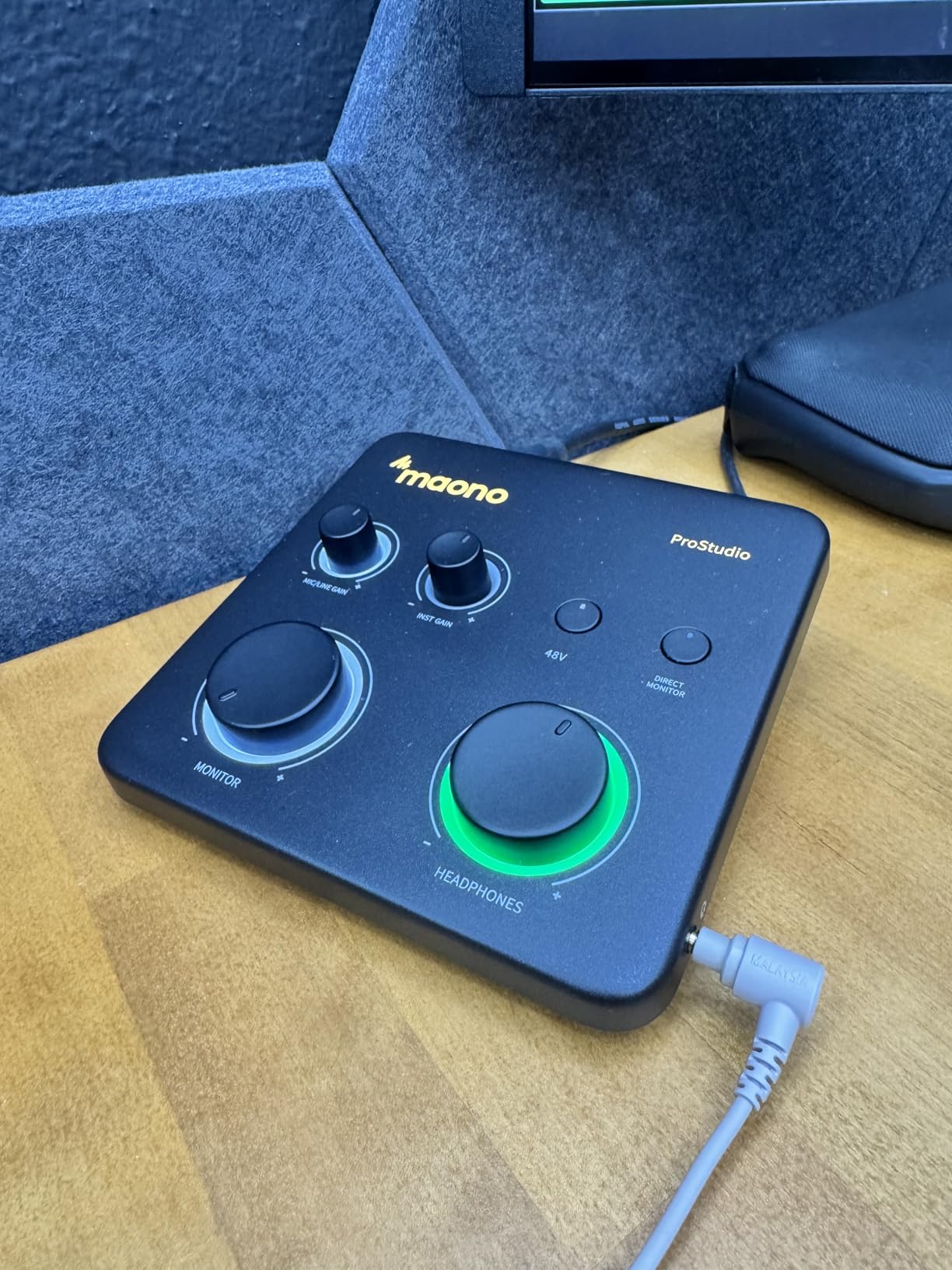
The MAONO PS22 Lite targets streamers and podcasters with features typically found in higher-priced interfaces. The loopback function routes computer audio back into recordings without complex software routing. This is essential for recording video calls, game audio, or streaming with music.
Testing the loopback function with Discord calls worked perfectly. The ProStudio Routing Software provides virtual mixing channels for complex streaming setups. The 24-bit/192kHz recording resolution exceeds expectations at this price point.
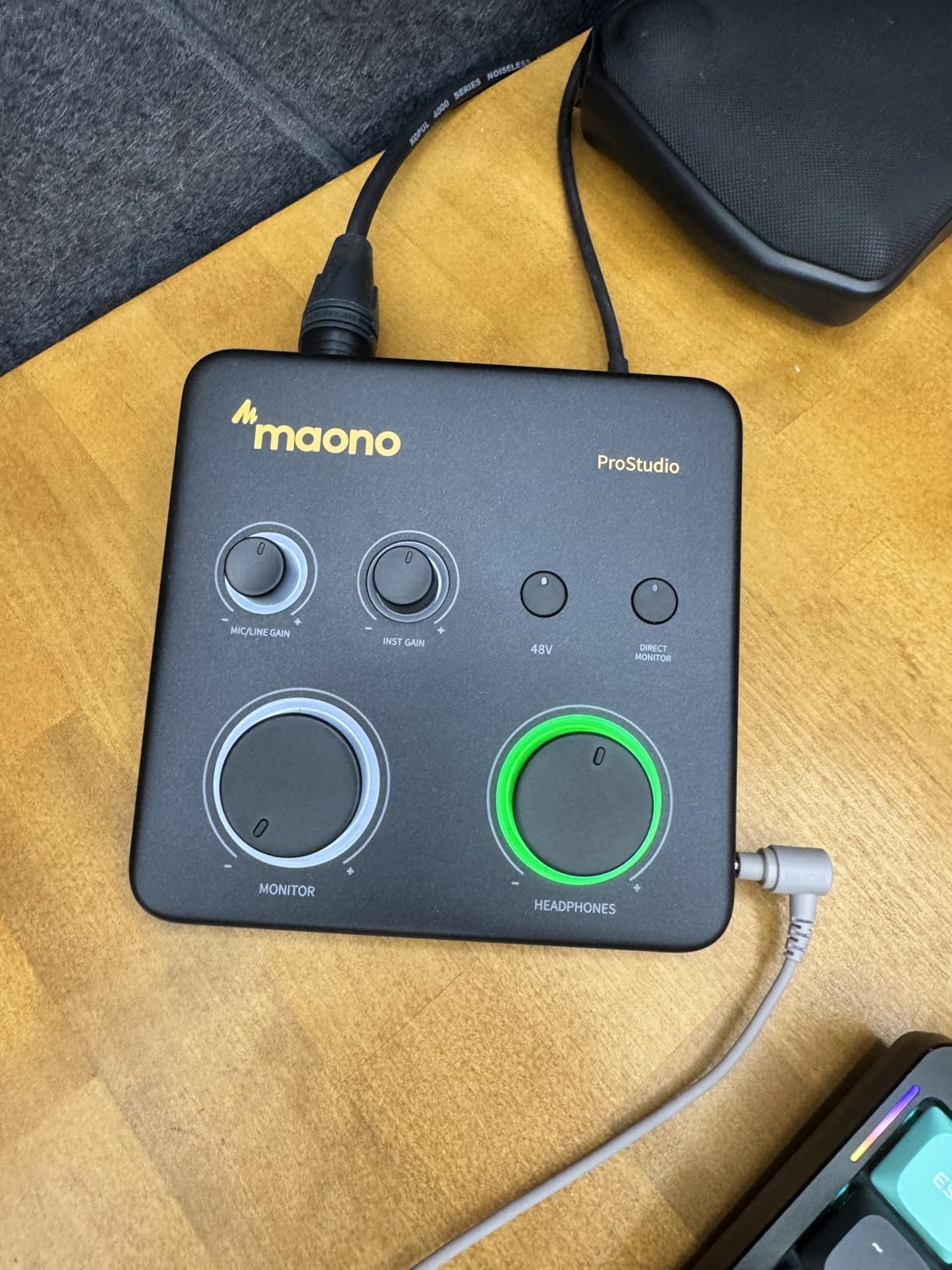
The 56dB preamp gain handles dynamic microphones including the Shure SM7B without external boosters. The dynamic light ring around the gain knob provides visual feedback when levels clip. USB-C connectivity ensures compatibility with modern laptops.
Cross-platform support includes Windows, Mac, iOS, Android, and ChromeOS. This flexibility suits content creators working across multiple devices. The compact size fits easily in mobile streaming setups.
Who Should Buy the PS22 Lite
Streamers needing loopback functionality without expensive interfaces find exceptional value. Podcasters recording remote interviews benefit from loopback routing. Content creators wanting routing software for complex setups.
Who Should Skip the PS22 Lite
Users prioritizing brand reputation and proven reliability might prefer established names like Focusrite or PreSonus. Anyone uncomfortable troubleshooting occasional driver issues should consider alternatives.
10. Mackie Onyx Artist 1X2 – Best for Linux Users
Mackie Audio Interface, Onyx Artist 1X2 USB Audio Interface (Onyx Artist 1-2)
Boutique Onyx mic preamp
24-bit/192kHz recording
1 XLR + 1 instrument input
Pro Tools First included
Pros
- Boutique-quality Onyx preamp with excellent fidelity
- Built-like-a-tank construction
- High-resolution 192kHz recording
- Excellent Linux compatibility
- Zero-latency direct monitoring
Cons
- Separate XLR and 1/4-inch inputs (no combo)
- Limited to 367 reviews
- Gain knob narrow effective range
- No MIDI I/O
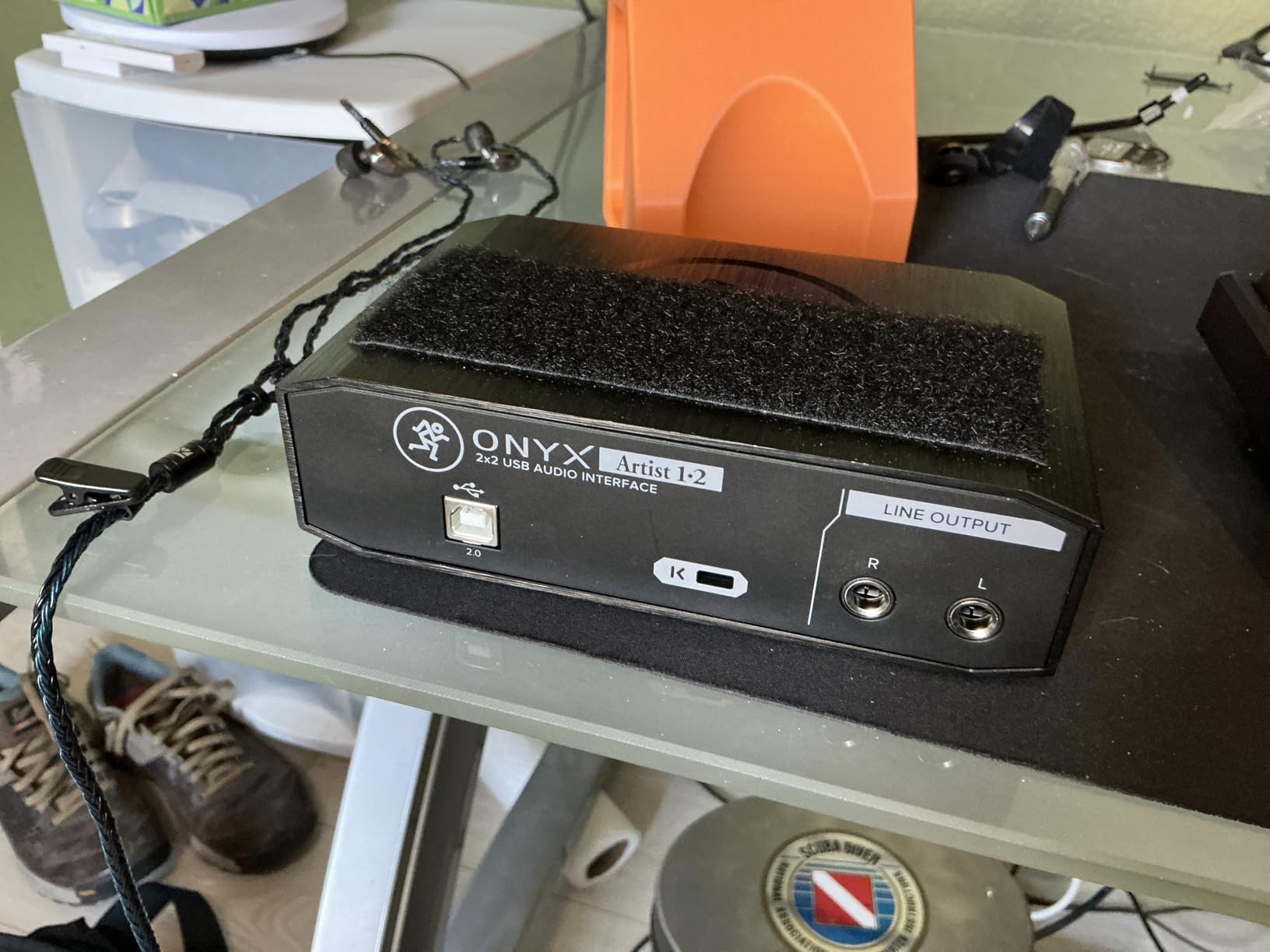
Mackie’s reputation for building indestructible mixers extends to the Onyx Artist 1X2. The “built-like-a-tank” construction is not marketing hyperbole. This interface feels substantial with its metal chassis and substantial knobs.
The Onyx preamp delivers the clean, detailed sound Mackie is known for. Recording acoustic guitar through a condenser microphone captured the instrument’s natural tone without coloration. The 24-bit/192kHz resolution matches interfaces costing significantly more.
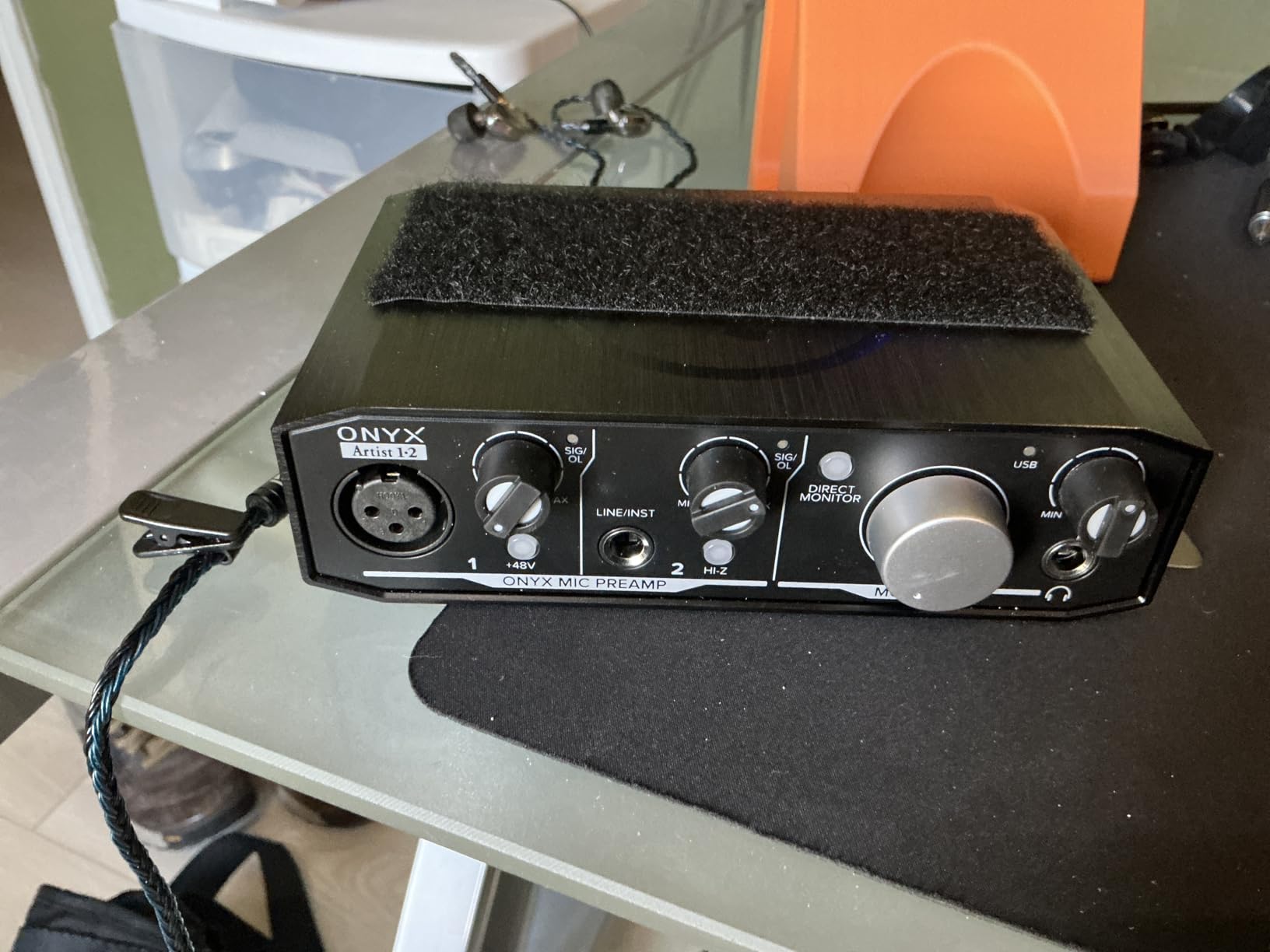
Linux compatibility is a standout feature. The interface worked immediately on Ubuntu and Fedora without proprietary driver installation. This is rare in the audio interface market where Linux support is often neglected.
The included Pro Tools First and Musician Collection provides 23 plugins and instruments. While fewer reviews exist compared to Focusrite, the 4.4-star rating reflects satisfied users. The Hi-Z instrument input properly handles electric guitar and bass direct recording.
Who Should Buy the Onyx Artist 1X2
Linux users needing guaranteed compatibility should prioritize this interface. Anyone prioritizing build quality and durability for mobile recording. Musicians wanting the Onyx preamp sound character in a compact package.
Who Should Skip the Onyx Artist 1X2
Users wanting combo jacks for flexible input connection might find separate inputs limiting. Those wanting the proven track record of thousands of reviews should consider Focusrite alternatives.
What to Look for When Buying an Audio Interface Under $200
Choosing the right USB audio interface requires understanding several key specifications. This buying guide explains what matters most in the sub-$200 price range.
Inputs and Outputs
Determine how many sources you need to record simultaneously. Solo podcasters and voiceover artists need only one XLR input. Musicians recording vocals and guitar together require two inputs. Check whether inputs are combo jacks accepting both XLR and 1/4-inch cables, or separate connections limiting flexibility.
Preamp Quality
The microphone preamp amplifies quiet microphone signals to usable levels. Better preamps add less noise and provide cleaner gain. Focusrite’s Scarlett preamps, Universal Audio’s vintage-mode 610 circuits, and Mackie’s Onyx designs all deliver professional quality in this price range.
Sample Rate and Bit Depth
Higher sample rates capture more high-frequency detail. 48kHz is sufficient for most applications. 96kHz and 192kHz provide additional headroom for demanding recordings and future-proofing. Bit depth affects dynamic range. 24-bit recording is standard and preferred over 16-bit for professional work.
Phantom Power
Condenser microphones require 48V phantom power to operate. All interfaces on this list provide phantom power, but verify the specific implementation. Some budget interfaces provide global phantom power affecting all inputs, while others offer individual channel control.
Direct Monitoring
Direct monitoring routes your microphone directly to headphones without computer processing. This eliminates latency, the distracting delay between speaking and hearing yourself. All recommended interfaces include this feature, though implementation varies between hardware switches and software control.
Loopback Functionality
Loopback recording routes computer audio back into your recording software. This feature is essential for podcasters recording remote interviews, streamers capturing game audio, and content creators making tutorial videos. The MAONO PS22 Lite and several alternatives include dedicated loopback functionality.
Software Bundle
Most interfaces include a digital audio workstation (DAW) and plugin collection. Focusrite includes Ableton Live Lite and Pro Tools Intro. Universal Audio provides their LUNA DAW. PreSonus includes Studio One 6 Artist. Consider which software matches your workflow when choosing between otherwise similar interfaces.
Build Quality and Portability
Metal chassis last longer than plastic enclosures. Consider your recording environment. Mobile recording setups benefit from compact, lightweight interfaces. Desktop studios can accommodate larger units with more front-panel controls.
Frequently Asked Questions
What is the best audio interface under $200?
The Focusrite Scarlett Solo 4th Gen is the best audio interface under $200 for most users. It features 120dB dynamic range from flagship-grade converters, enhanced Air mode for vocal clarity, and rock-solid driver stability. The 4th generation represents a significant upgrade from previous versions with noticeable improvements in preamp quality and converter performance.
Do better audio interfaces improve sound quality?
Better audio interfaces can improve sound quality through superior microphone preamps, higher-quality analog-to-digital converters, and cleaner clocking systems. However, the difference between a $150 interface and a $200 interface is smaller than the jump from built-in computer audio to any dedicated interface. The law of diminishing returns applies heavily in audio interfaces.
What is the best audio interface brand?
Focusrite is the most popular audio interface brand for home recording, with their Scarlett series being the industry standard entry point. Universal Audio is regarded as the premium choice for sound quality. Audient, PreSonus, and MOTU also have strong reputations in the professional audio community. The best brand depends on your specific needs and budget.
How much should I pay for an audio interface?
For home recording, podcasting, and streaming, expect to spend between $100 and $200 for a quality USB audio interface. Budget options under $70 like the Behringer UMC22 and M-AUDIO M-Track Solo work well for beginners. Spending $150-$200 gets you premium features like vintage preamp modes, MIDI connectivity, and higher sample rates.
Which audio interface is best for beginners?
The Focusrite Scarlett Solo 3rd Gen is the best audio interface for beginners due to its plug-and-play simplicity, comprehensive software bundle, and 28,000+ reviews proving reliability. The Behringer UMC22 is the best ultra-budget option for those wanting to test recording without major investment. Both include everything needed to start recording immediately.
Final Thoughts on the Best USB Audio Interfaces Under $200 2026
The best USB audio interfaces under 200 dollars have never offered more value. The Focusrite Scarlett Solo 4th Gen leads our recommendations with flagship converters and enhanced Air mode. Budget-conscious beginners find excellent options in the Behringer UMC22 and M-AUDIO M-Track Solo. Vocalists seeking analog warmth should consider the Universal Audio Volt series.
Your specific recording needs determine the best choice. Solo podcasters need different features than electronic musicians with synthesizers. Consider inputs, preamp quality, and software compatibility when making your decision. For a broader look at options across all price ranges, see our complete guide to audio interfaces.
Any interface on this list will transform your recordings from amateur to professional. The improvement over built-in computer audio is immediate and dramatic. Start recording your music, podcast, or content today without breaking your budget.