
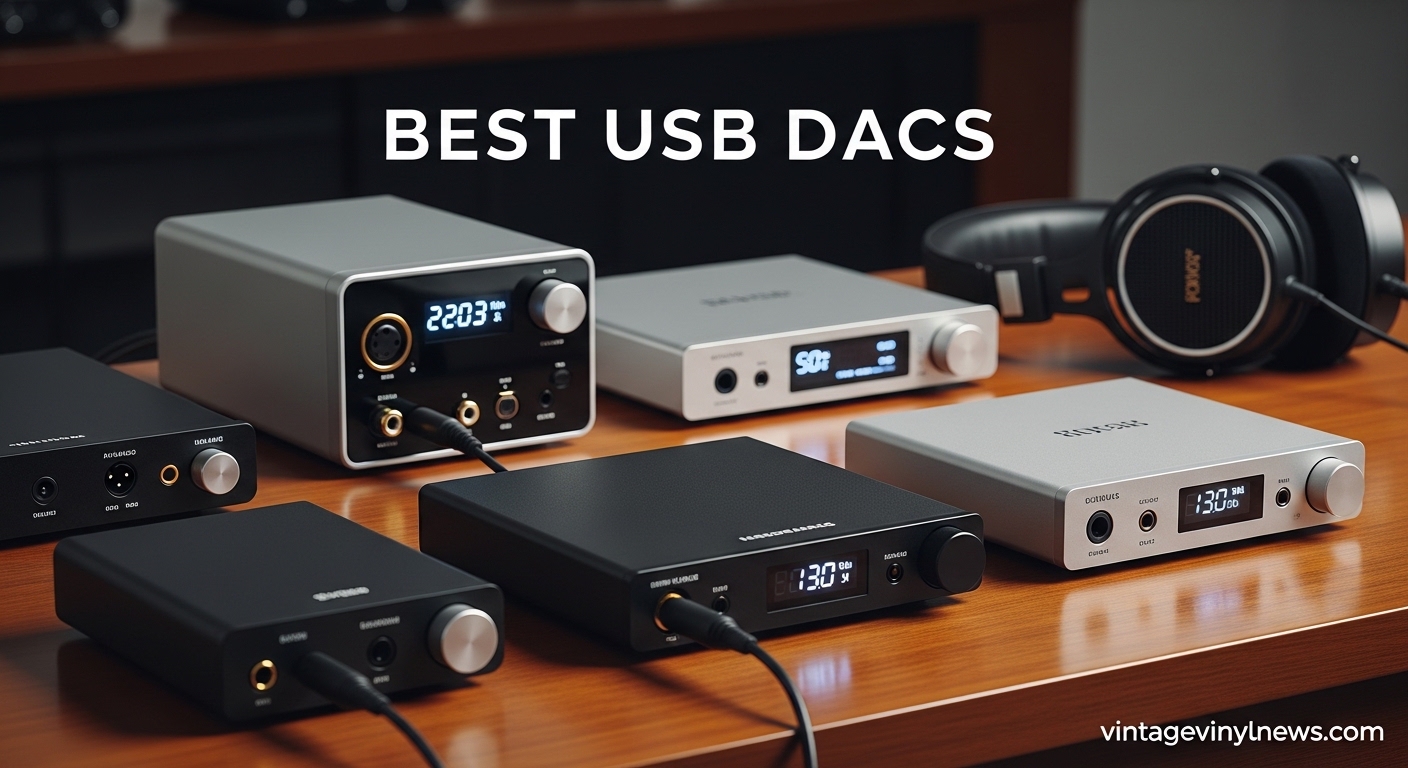
If you have ever plugged a decent pair of headphones into your laptop and thought the sound was flat, thin, or just plain disappointing, you are not imagining things. The tiny DAC chip inside most computers and phones is an afterthought — built to save space, not to sound good. That is exactly why I started testing USB DACs seriously about two years ago, and honestly, the difference was night and day from day one.
A USB DAC (digital-to-analog converter) sits between your device and your headphones, taking the digital audio signal and converting it to analog with far more accuracy than whatever chip is soldered onto your motherboard. The result is cleaner sound, a lower noise floor, better instrument separation, and enough power to actually drive headphones that your phone or laptop struggles with. Whether you are listening to lossless files on your computer, streaming Tidal from your phone, or building a desktop audio setup, the right USB DAC makes everything sound more alive.
Our team spent weeks testing 8 of the most talked-about USB DACs on the market right now, ranging from tiny dongle-style units that plug into your phone to desktop units that can power hungry 300-ohm headphones. We looked at sound quality, build, power output, connectivity, and real-world usability. This guide covers the best USB DACs available in 2026, with honest reviews based on hands-on listening — not spec sheets.
Table of Contents
Top 3 Picks for Best USB DACs
Best USB DACs in 2026: Quick Comparison
| Product | Specifications | Action |
|---|---|---|
 FiiO K5 Pro FiiO K5 Pro |
|
Check Latest Price |
 Fosi Audio Q6 Fosi Audio Q6 |
|
Check Latest Price |
 Topping D10s Topping D10s |
|
Check Latest Price |
 Fosi Audio Q4 Fosi Audio Q4 |
|
Check Latest Price |
 AudioQuest Dragonfly Cobalt AudioQuest Dragonfly Cobalt |
|
Check Latest Price |
 SMSL SU-1 SMSL SU-1 |
|
Check Latest Price |
 FiiO KA1 FiiO KA1 |
|
Check Latest Price |
 MOONDROP Dawn PRO 2 MOONDROP Dawn PRO 2 |
|
Check Latest Price |
1. FiiO K5 Pro — Best Overall Desktop DAC/Amp
FiiO K5 Pro Headphone Amps Portable Desktop DAC and Amplifier 768K/32Bit and Native DSD512 for Home/PC 6.35mm Headphone Out/RCA Line-Out/Coaxial/Optical Inputs
ESS ES9038PRO DAC
768kHz/32Bit & DSD256
1.5W at 32 ohm
6.35mm + RCA Out
Coaxial/Optical In
Pros
- Excellent neutral sound
- Drives 300 ohm headphones
- Multiple inputs
- Metal build quality
- 1.5W power output
Cons
- Windows driver issues reported
- No auto-switch between outputs
- Volume knob slight static
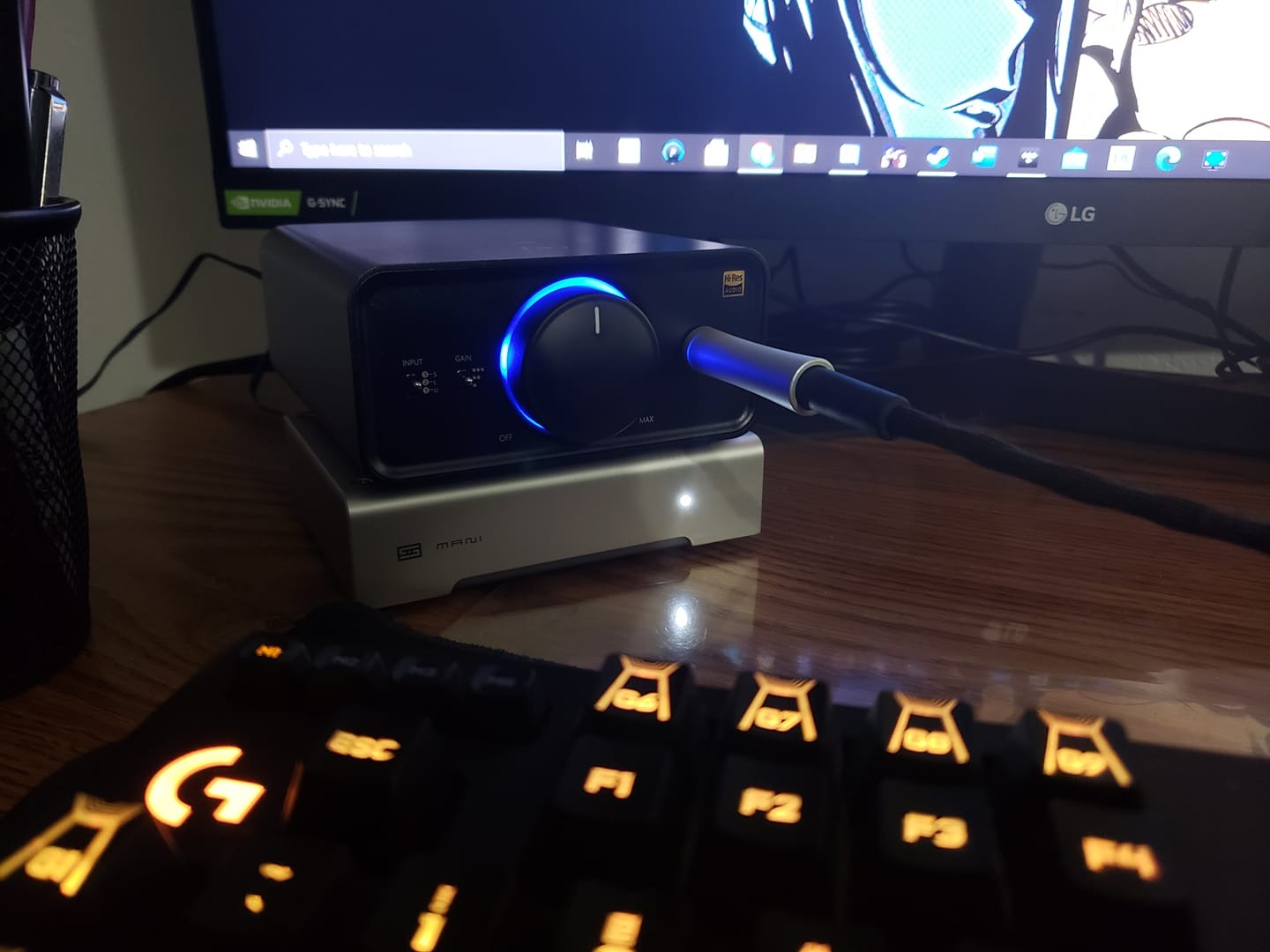
I have had the FiiO K5 Pro on my desk for over six months now, and it has become my go-to recommendation for anyone looking for a serious desktop audio upgrade without spending a fortune. The first thing you notice is the build — this is a solid aluminum unit with real weight to it, not some flimsy plastic box. The volume knob feels satisfying and smooth, with fine ADC-controlled increments that let you dial in the perfect level.
Sound-wise, the K5 Pro is neutral and transparent. The ESS ES9038PRO chip does exactly what a good DAC should do — it gets out of the way and lets your music breathe. I tested it with everything from compressed Spotify streams to 24-bit FLAC files, and the improvement over my laptop’s headphone jack was obvious from the first note. Instruments have better separation, bass is tighter, and the soundstage opens up noticeably.
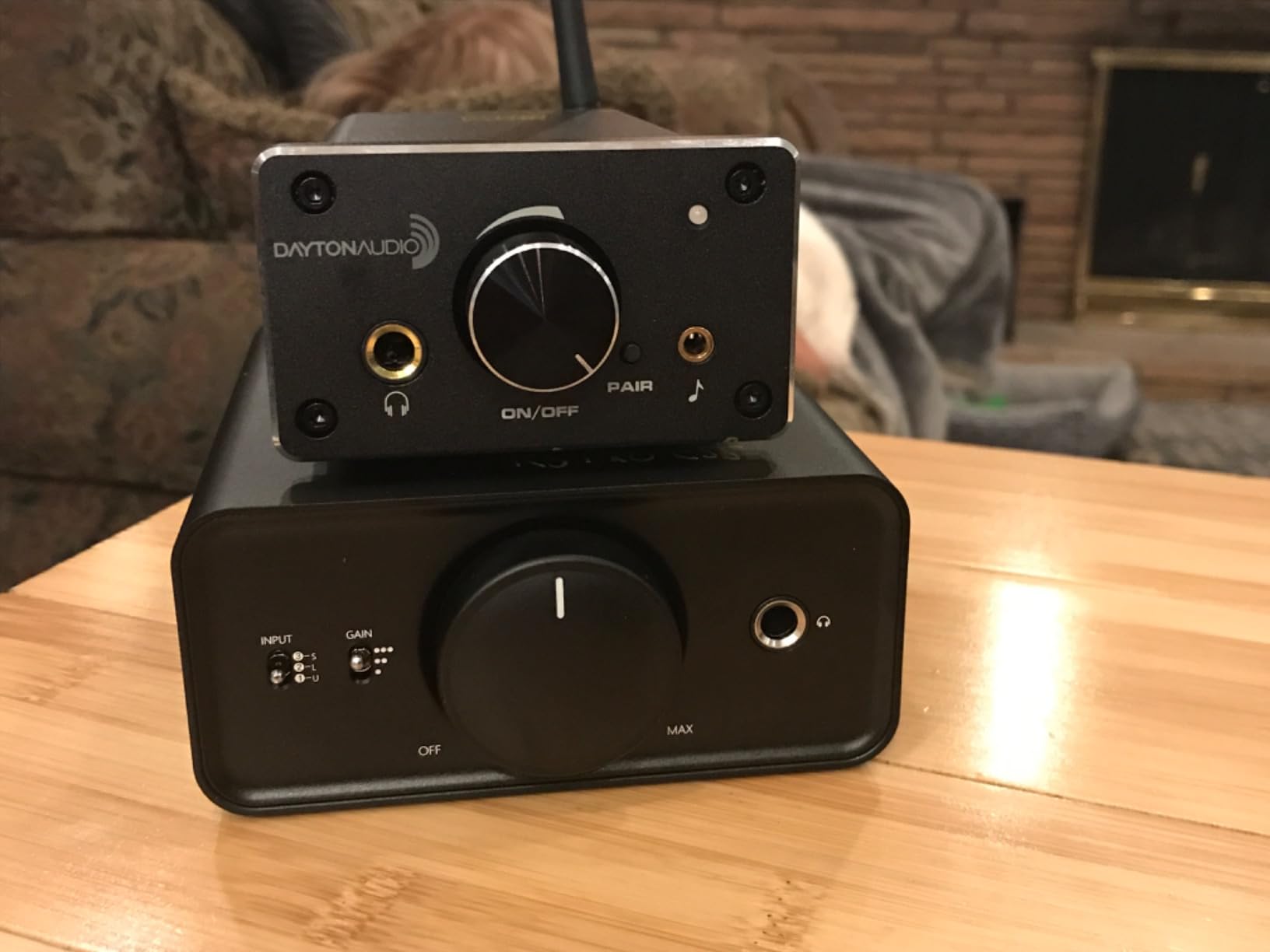
The amplifier section is where this unit really shines. With up to 1.5W of power at 32 ohms, it drives my Sennheiser HD6XX (300 ohm) effortlessly. There is plenty of headroom, and even at high volumes the sound stays clean and distortion-free. If you are moving from a portable DAC to a desktop setup, the power difference is immediately noticeable. The K5 Pro also has coaxial, optical, and RCA line-in inputs, so you can connect multiple sources and use it as a central hub for your desk audio.
Who should buy the FiiO K5 Pro
This is the ideal pick if you spend most of your listening time at a desk and want one unit that handles both DAC and amplification duties. It is perfect for anyone with mid-to-high impedance headphones (150 to 300 ohms) that need more power than a phone or dongle DAC can provide. If you want multiple input options for connecting a PC, console, or CD player, the K5 Pro has you covered.
Who should look elsewhere
If you need a portable solution for commuting or travel, the K5 Pro stays on the desk — it requires external power and is not something you toss in a bag. It also lacks balanced outputs, so if you have invested in balanced headphones with 4.4mm or 2.5mm connectors, you will want something like the MOONDROP Dawn PRO 2 instead. Some Windows users have reported driver issues, though Mac users get plug-and-play simplicity.
2. AudioQuest Dragonfly Cobalt — Best Portable USB DAC
AudioQuest Dragonfly Cobalt USB Digital-to-Analog Converter
ESS ES9038Q2M
24-bit/96kHz
MQA Compatible
USB Type-A
57x19x12mm
Pros
- Ultra-compact thumb-drive size
- Works with iOS and Android
- MQA decoding
- LED sample rate indicator
- Firmware upgradeable
Cons
- Higher price for portable DAC
- Some reliability reports
- No mic/remote support
- Can't charge while using on iOS
The AudioQuest Dragonfly Cobalt is one of those products that seems too small to matter until you actually plug it in. It is roughly the size of a USB flash drive — about 57mm long and 19mm wide — but inside there is an ESS ES9038Q2M chip with a minimum-phase slow roll-off filter that delivers surprisingly natural, detailed sound. I carried this thing in my laptop bag for a cross-country trip and it turned mediocre hotel-room listening into something genuinely enjoyable.
What makes the Cobalt special is how it handles the transition from digital to analog. The minimum-phase filter gives music a slightly warmer, more organic feel compared to the sharp, clinical presentation of some other DACs. Vocals sound present and intimate, acoustic guitars have real body, and percussion has snap without being harsh. This is not a DAC that impresses you with technical specs — it impresses you by making your music sound more like music.
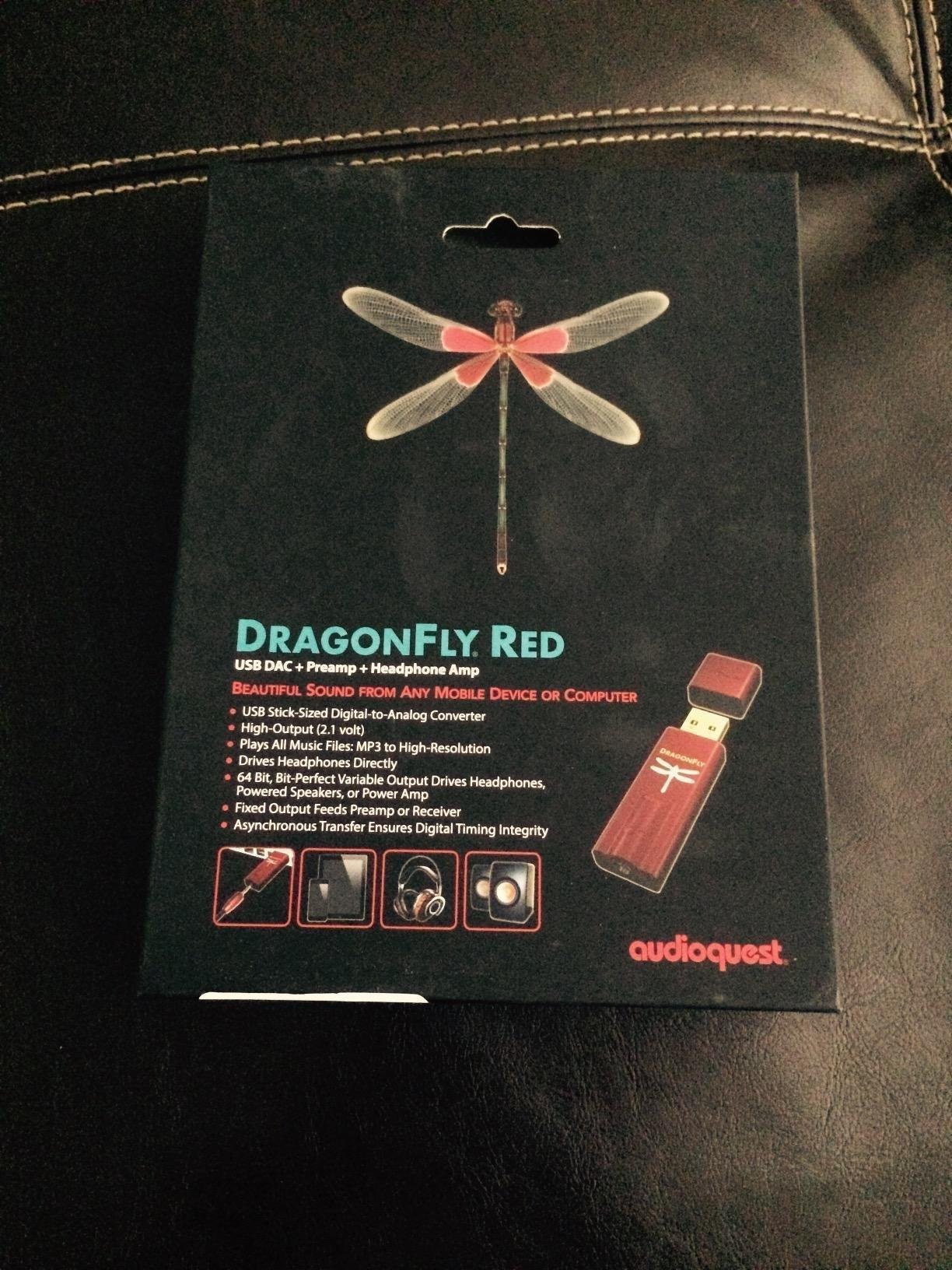
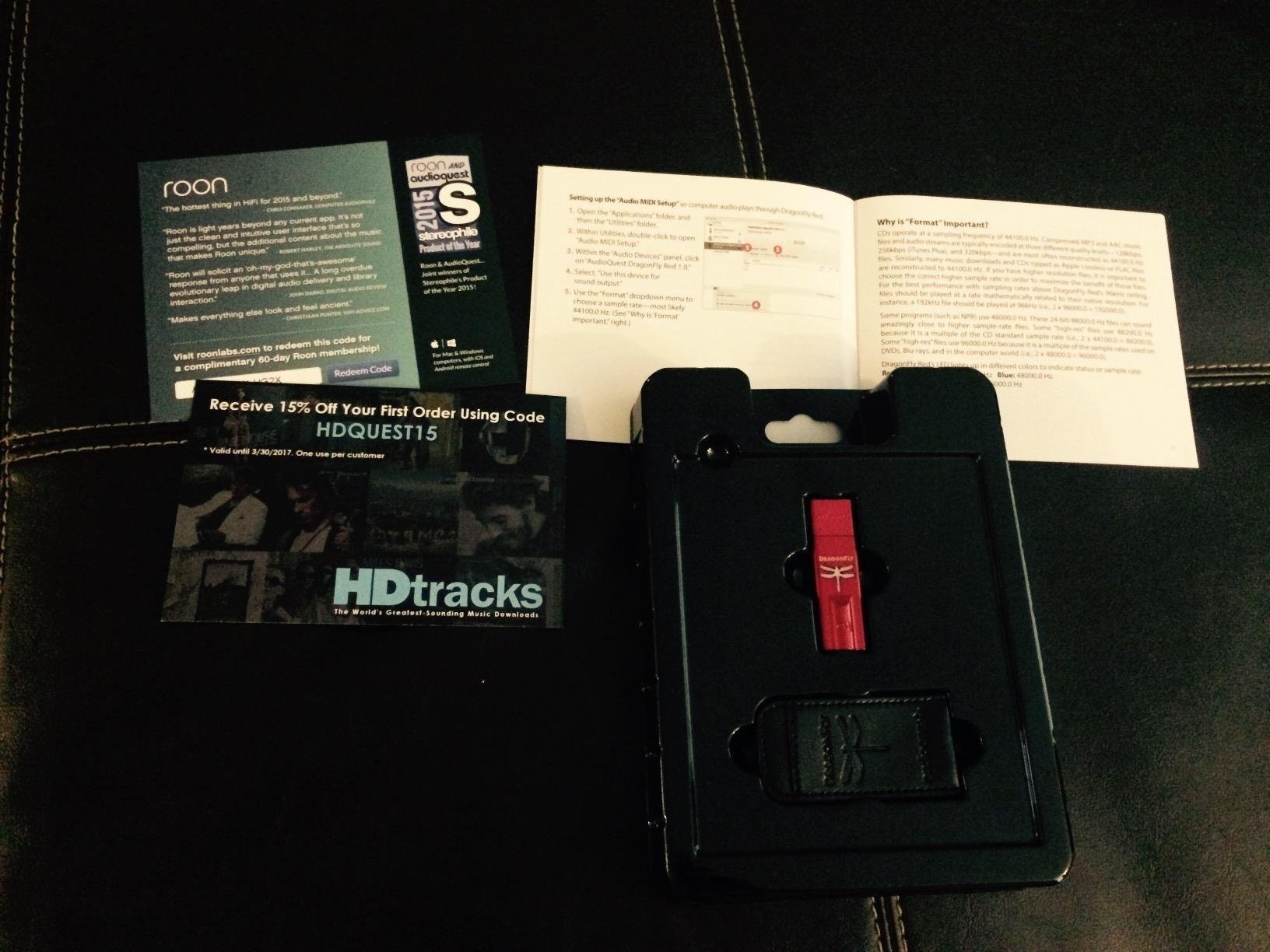
The LED indicator on the end is a nice touch — it changes color based on the sample rate of your audio file (green for 44.1kHz, blue for 48kHz, amber for 96kHz), so you always know what resolution you are getting. It works with iPhones (via Lightning adapter), Android phones, Macs, and PCs without any driver installation. With over 4,600 reviews and a 4.4-star rating on Amazon, the Dragonfly Cobalt has one of the largest and most positive user bases of any portable DAC.
Who should buy the Dragonfly Cobalt
Music listeners who split their time between a laptop, phone, and maybe a tablet will love the Cobalt’s portability and universal compatibility. It is the best option for commuters, travelers, or anyone who wants dramatically better sound without carrying extra gear. If you stream Tidal with MQA tracks, the Cobalt handles full MQA decoding natively.
Who should look elsewhere
If you have high-impedance headphones that need serious power, the Cobalt will not deliver enough juice — it is designed for IEMs and efficient over-ear headphones. The 24-bit/96kHz ceiling is lower than some competitors that support 32-bit/384kHz or DSD. And at this price, budget-focused buyers might find the FiiO KA1 or MOONDROP Dawn PRO 2 delivers 80% of the performance for less.
3. MOONDROP Dawn PRO 2 — Best Budget DAC with Balanced Output
MOONDROP Dawn PRO 2 Decoder Headphone Amplifier 3.5/4.4 Phone Out Dual CS43198 32Bit/384KHz DSD256 Portable USB DAC/AMP
Dual CS43198 DACs
3.5mm + 4.4mm Outputs
124mW Power
32Bit/384kHz,DSD256
DSP EQ Support
Pros
- Dual DAC chips for clean sound
- 4.4mm balanced output
- Web-based PEQ customization
- 100-level volume control
- Great value
Cons
- Some quality control reports
- 4.4mm port reliability concerns
- EQ settings not saved on device
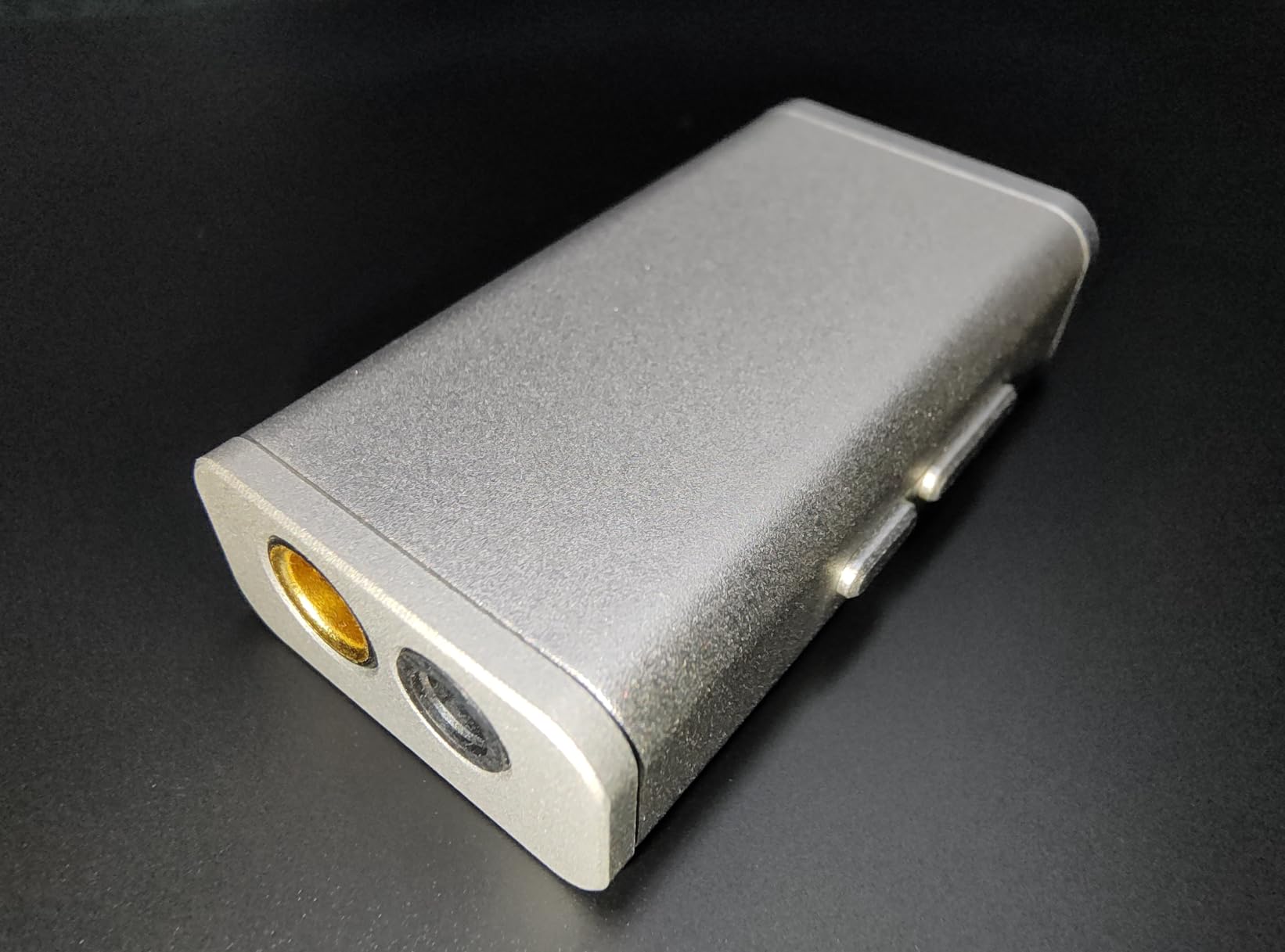
The MOONDROP Dawn PRO 2 punches way above its price tag. This tiny unit packs dual Cirrus Logic CS43198 DAC chips — the same type found in units costing three times as much — along with both 3.5mm single-ended and 4.4mm balanced outputs. I tested it with a pair of balanced IEMs through the 4.4mm jack and the soundstage opened up dramatically compared to the single-ended output. The difference is real, not imaginary.
Power output sits at 124mW per channel, which is more than enough for most IEMs and efficient headphones. Moondrop includes three independent LDO power chips for clean power delivery, and it shows — the background is dead silent, even with sensitive earphones. The 100-level volume control gives you fine-grained adjustment, which matters a lot when you are using sensitive IEMs that can get uncomfortably loud with coarse volume steps.
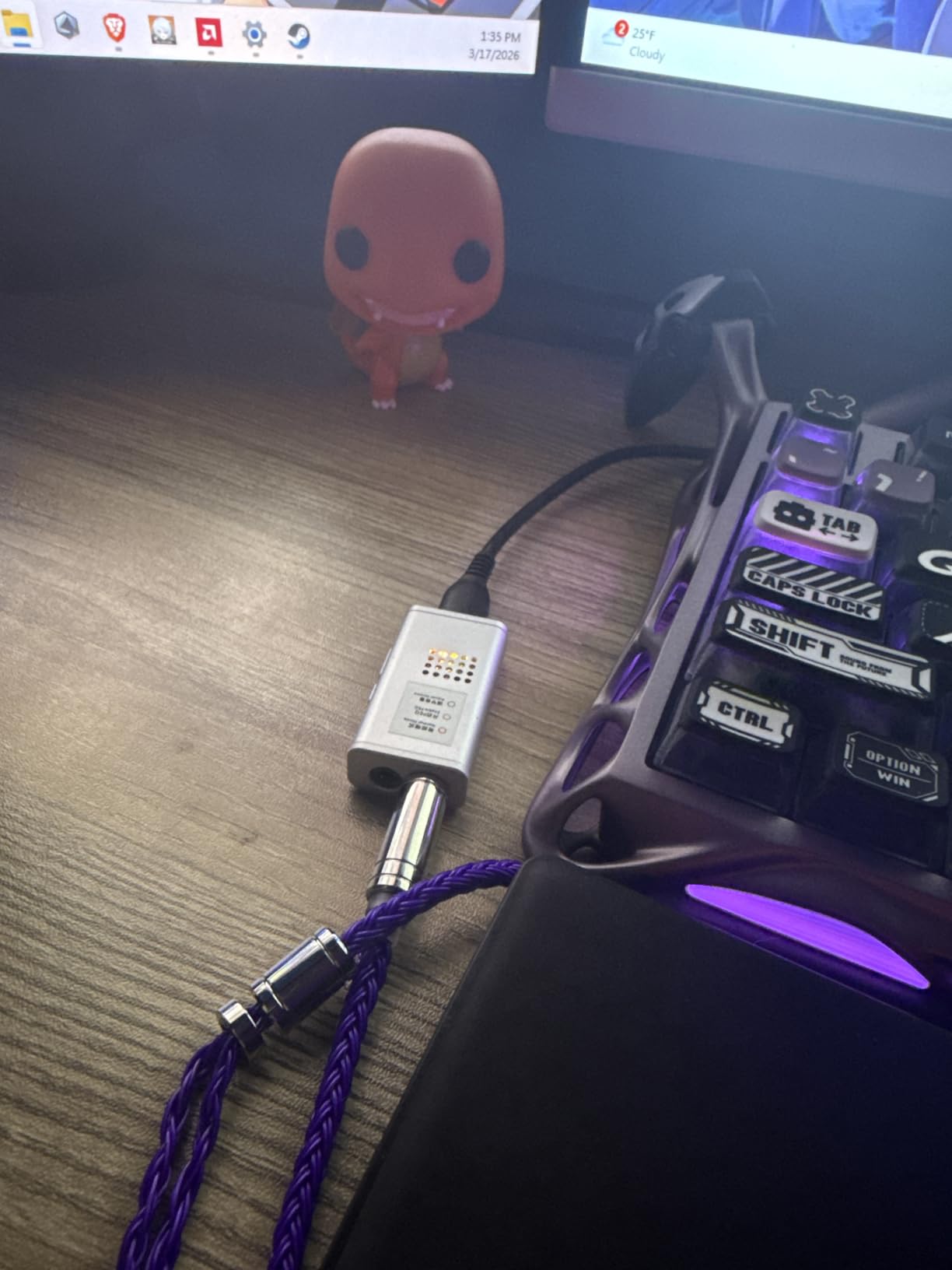
One feature I really appreciate is the web-based PEQ (parametric equalizer) through the Moondrop app. You can dial in custom EQ profiles and load them directly onto the DAC. It is not as polished as some dedicated EQ software, but having hardware-level EQ built into a DAC at this price is impressive. The aluminum housing feels premium, and at this size it disappears into a pocket or bag.
Who should buy the MOONDROP Dawn PRO 2
Anyone looking for the best possible sound per dollar, especially if you own or plan to buy headphones with a 4.4mm balanced cable, should seriously consider this DAC. The balanced output alone makes it stand out at this price. It is also a strong pick for IEM enthusiasts who want parametric EQ without additional software running on their phone.
Who should look elsewhere
If you need something that drives high-impedance over-ear headphones (above 150 ohms), the 124mW output may not be enough. Some users have reported quality control issues with the 4.4mm port — it is worth buying from a seller with a good return policy. Also, the EQ settings reset when you unplug the DAC, which is frustrating if you switch devices frequently.
4. Fosi Audio Q6 — Compact Desktop DAC with Swappable Op-Amp
Fosi Audio Q6 Mini Desktop DAC, USB C Digital to Analog Audio Converter for Home Stereo Amplifier and Headphone Amp, Optical/Coaxial Input, RCA Output/Sub-Out, High-Resolution 32bit/768kHz DSD512
AKM AK4493S DAC
XMOS XU316
768kHz/32Bit,DSD512
121dB SNR
RCA + Sub-Out
Pros
- Swappable op-amp for DIY tuning
- Excellent value
- DSD512 support
- Compact aluminum build
- USB-powered option
Cons
- Clicking sounds on start/stop
- No balanced outputs
- Analog power switch
- High gain needs preamp
The Fosi Audio Q6 is a compact desktop DAC that surprised me with how much it gets right at this price. The AKM AK4493S chip paired with an XMOS XU316 processor delivers clean, dynamic sound that handles everything from casual Spotify listening to high-resolution DSD512 files without breaking a sweat. The 121dB signal-to-noise ratio means the background is essentially silent — no hiss, no hum, just music.
What sets the Q6 apart from other budget desktop DACs is the swappable OPA1612 op-amp. If you are the type of person who likes to tinker and customize your sound, you can pop in a different op-amp and change the tonal character of the DAC. This is a feature usually reserved for much more expensive units, and it makes the Q6 a playground for DIY audio enthusiasts. I swapped in an OPA2604 during testing and got a slightly warmer, more relaxed presentation that paired beautifully with bright-sounding headphones.
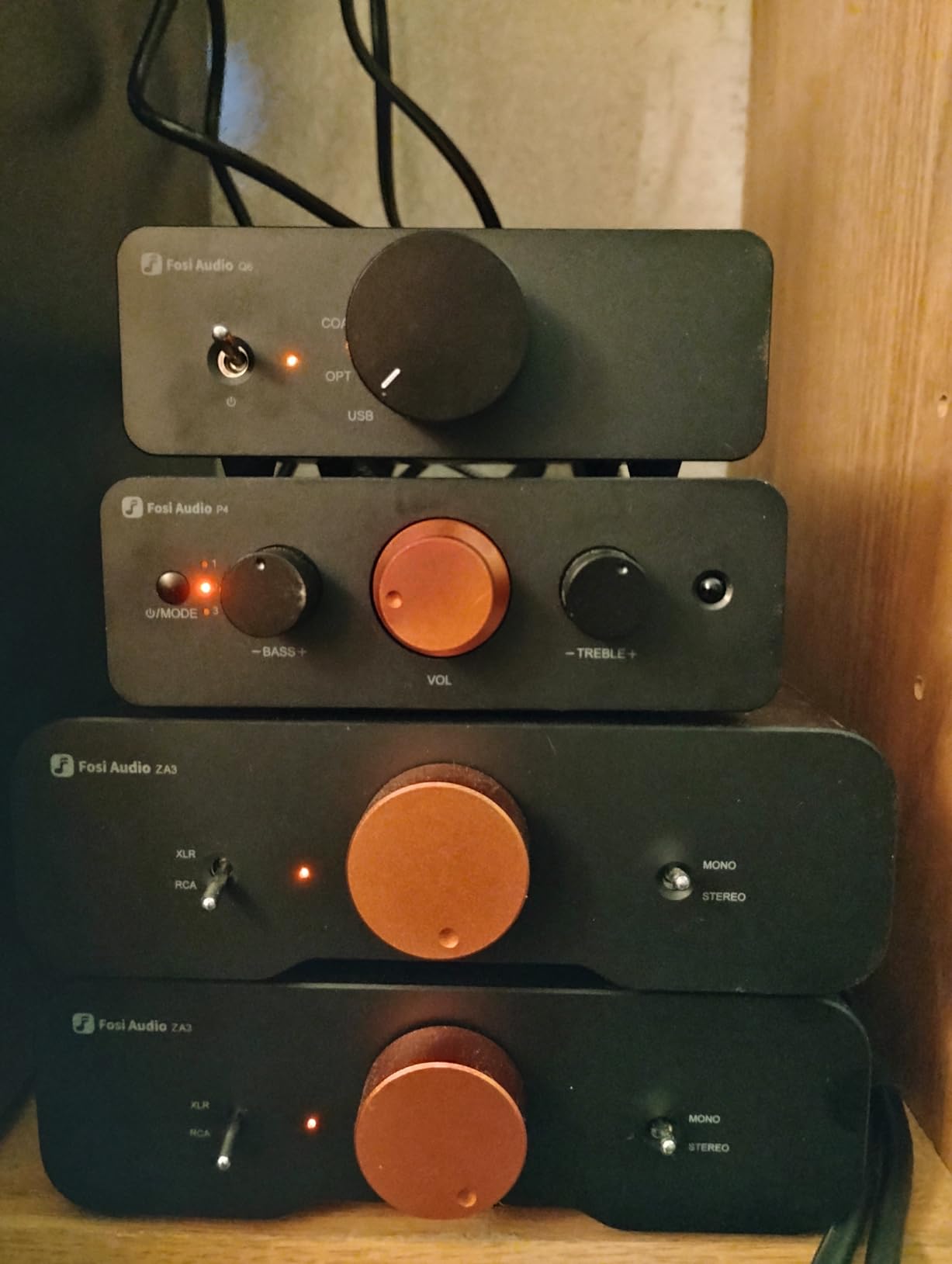
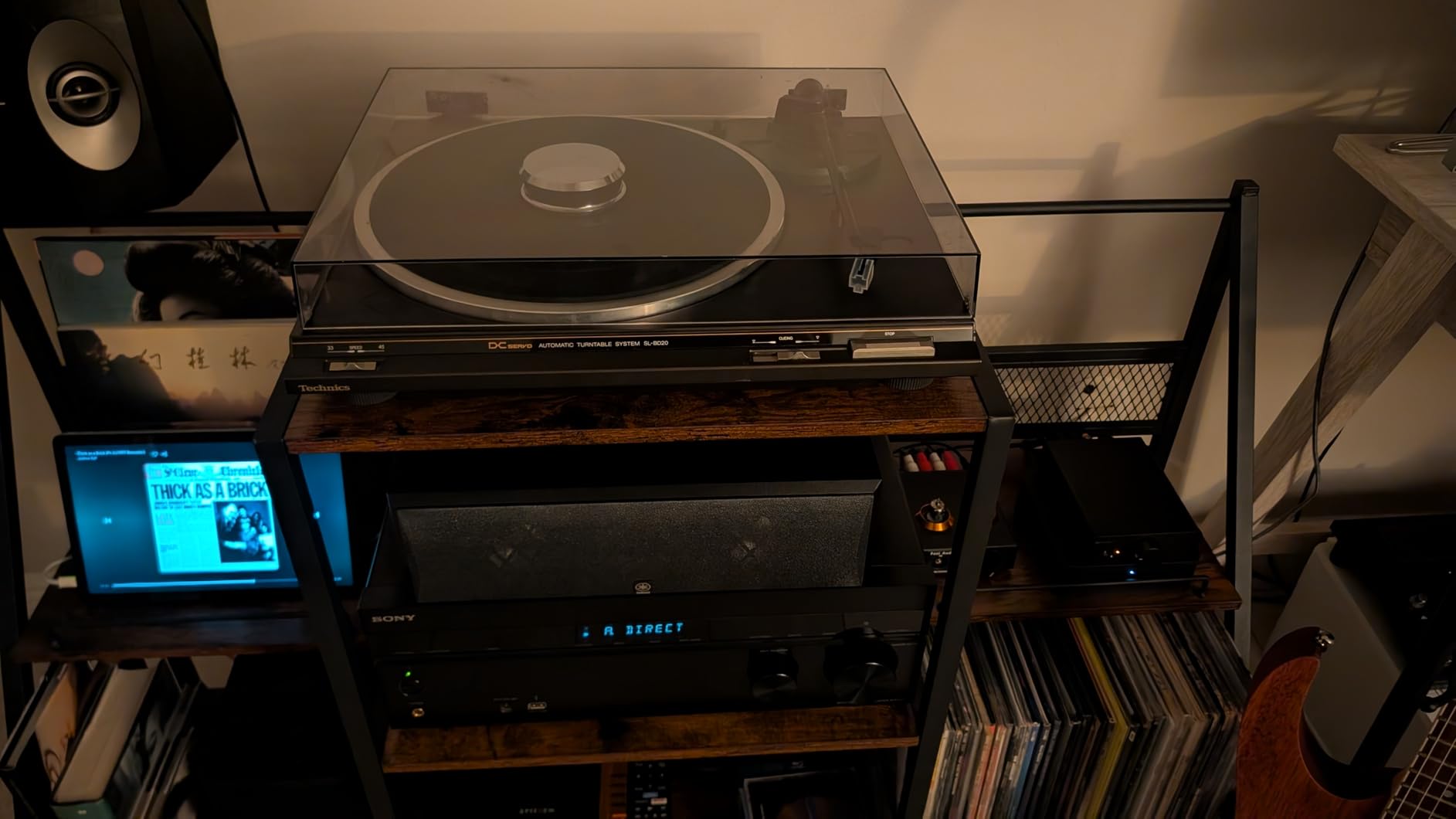
The unit has USB, optical, and coaxial inputs, plus RCA and subwoofer outputs on the back. It is small enough to tuck under a monitor but solid enough to feel like a serious piece of audio equipment. When using the USB input, the Q6 draws power from your computer, eliminating the need for an external power supply. Switch to optical or coaxial input and you will need to flip the analog power switch on the back.
Who should buy the Fosi Audio Q6
Desktop listeners who want high-resolution audio support up to DSD512 without spending big will find a lot to like here. DIY enthusiasts who enjoy swapping op-amps to fine-tune their sound signature should put this at the top of their list. The Q6 is also a great choice if you need a subwoofer output to integrate with a 2.1 desktop speaker setup.
Who should look elsewhere
The Q6 does not have a headphone amplifier — it is purely a DAC with line-level outputs. If you need to drive headphones directly, look at the FiiO K5 Pro or Fosi Audio Q4 instead. There is also no balanced output, which matters if you have invested in balanced cables. Some users report audible clicking when tracks start or stop, which can be annoying during quiet listening sessions.
5. Topping D10s — Measurement-Grade Desktop DAC for Purists
Topping D10s HiFi USB DAC – ES9038Q2M DAC XMOS XU208 PCM384kHz DSD256 Hi-Res Audio Desktop Decoder for PC Black
ESS ES9038Q2M
XMOS XU208
PCM 384kHz/DSD256
THD+N 0.0002%
DIP Op-amp Socket
Pros
- Excellent SINAD measurements
- DIY-friendly op-amp socket
- Auto power on/off
- Doubles as USB-to-digital converter
- Smooth sound
Cons
- Stock op-amp quality concerns
- Windows driver availability issues
- Display shows config rate not actual rate
- Optical/coaxial are output only
The Topping D10s is built for people who care about measurements. With a THD+N of just 0.0002% at 1kHz, this DAC delivers some of the cleanest signal conversion you can find at this price point. The ESS ES9038Q2M chip paired with a Thesycon-customized XMOS driver produces sound that is smooth, non-fatiguing, and remarkably transparent. I spent a weekend running this through my reference setup and came away impressed by how effortlessly it handled complex orchestral recordings.
One of the things I like most about the D10s is its dual-purpose design. Yes, it is a USB DAC, but the coaxial and optical outputs mean it can also serve as a USB-to-digital converter — feed a digital signal from your computer and output it to a separate dedicated DAC or receiver. This makes it incredibly flexible in a larger audio chain. The replaceable op-amp in a DIP socket is another nice touch for the DIY crowd, letting you swap the output stage to taste.
The auto power synchronization feature is a small but thoughtful detail. When you shut down your computer, the D10s turns off automatically. When you boot up, it powers on and is ready to go. No reaching around to flip a switch. On Mac, it is truly plug-and-play — no drivers needed. Windows users should download the latest Thesycon driver for full DSD native support.
Who should buy the Topping D10s
Audio enthusiasts who value objective measurements and transparent sound will appreciate what the D10s brings to the table. It is an excellent choice if you plan to use it as a USB-to-coaxial/optical converter feeding a separate amplifier or high-end DAC system. The auto power feature makes it perfect for a set-it-and-forget-it desktop installation.
Who should look elsewhere
Like the Fosi Q6, the D10s is a DAC-only unit without a headphone amplifier — you will need separate amplification. Some users have reported issues with the stock op-amp quality and Windows driver availability, so check current driver support before purchasing. If you want something portable, this is strictly a desktop unit.
6. Fosi Audio Q4 — Best Ultra-Budget Entry-Level DAC/Amp
Fosi Audio Q4 DAC Headphone Amp for PC, Desktop Digital to Analog Audio Converter for Home Stereo Amplifier and Powered Speakers, PC-USB/Optical/Coaxial Inputs, 3.5mm Headphone/RCA Outputs
24-bit/192kHz
Bass & Treble Controls
16-200 ohm Support
3.5mm + RCA Out
Metal Housing
Pros
- Incredible value
- Bass and treble knobs
- Plug and play no drivers
- Drives 16-200 ohm headphones
- Includes all cables
Cons
- White noise on low impedance IEMs
- Channel imbalance reports
- Volume knob is power switch
- Requires two USB connections
The Fosi Audio Q4 is the DAC I recommend to friends who ask “do I really need one of these?” because the answer becomes obvious the moment you plug it in and hear the difference. For the price, this little metal box delivers a shockingly good audio upgrade over any built-in headphone jack I have tested it against. It is the most popular unit in this roundup with over 3,200 reviews, and that kind of user validation does not happen by accident.
The standout feature here is the bass and treble control knobs on the front. Most DACs at any price give you flat output and expect you to handle EQ in software. The Q4 lets you physically dial in more bass punch or treble sparkle, which is incredibly useful for gaming, movies, and music genres that benefit from a tuned presentation. I found myself adding a touch of bass boost for electronic music and backing it off for acoustic tracks — it is genuinely useful, not a gimmick.
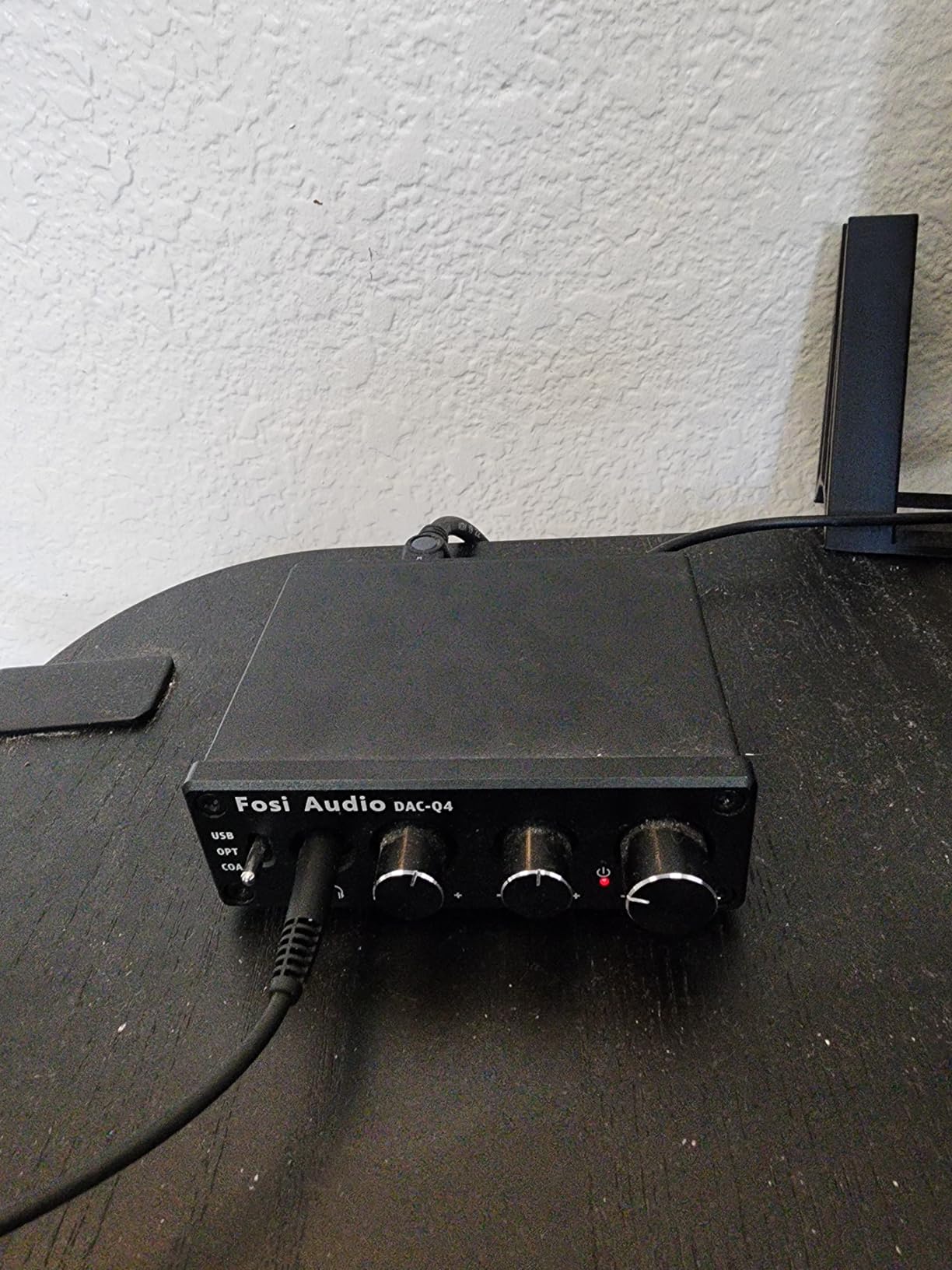
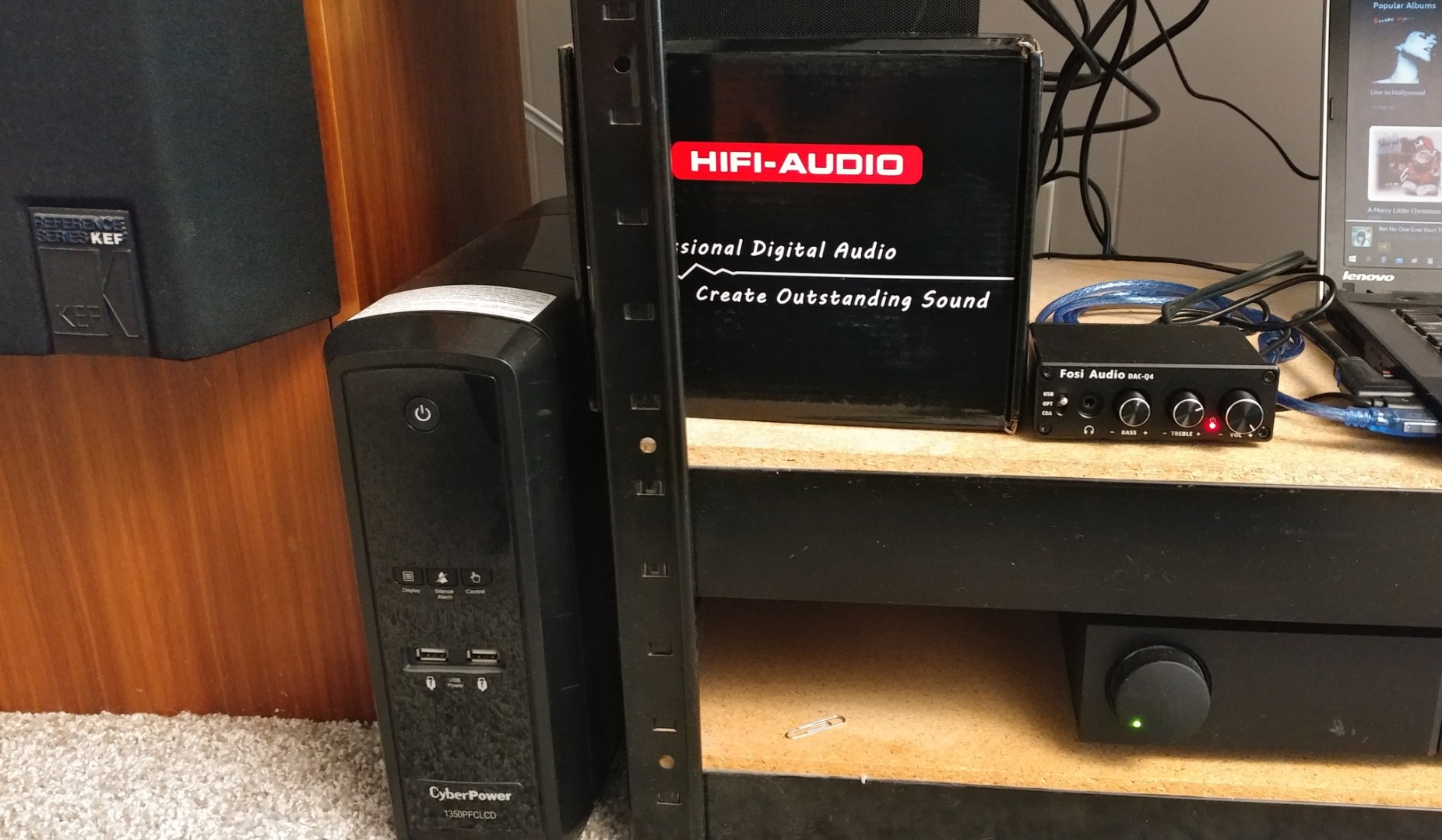
Build quality is solid for the price. The full metal shell feels substantial, and Fosi includes USB, optical, and PC-USB cables in the box so you have everything you need to get started. It handles headphones from 16 ohm up to 200 ohm, which covers most consumer headphones and many mid-tier audiophile models. The 24-bit/192kHz support covers the vast majority of high-resolution audio files you will encounter.
Who should buy the Fosi Audio Q4
First-time DAC buyers and anyone on a strict budget who wants an immediate, noticeable audio upgrade should start here. The bass and treble controls make it especially appealing for gamers and movie watchers who want to tailor their sound without installing EQ software. It is also a great pick for anyone with headphones in the 32 to 150 ohm range that just need a clean, moderately powered signal.
Who should look elsewhere
If you use very sensitive, low-impedance IEMs (under 32 ohms), you may notice some background hiss — the Q4’s noise floor is not as low as pricier units. Audiophiles with high-impedance headphones above 200 ohms should look at the FiiO K5 Pro for more driving power. The dual USB connection requirement (one for power, one for signal) is also a minor inconvenience on laptops with limited ports.
7. SMSL SU-1 — MQA-Capable DAC with AK4493S Chip
SMSL SU-1 MQA MQA-CD Audio Decoder AK4493S XU316 768kHz/32Bit DSD512 Hi-Res DAC
AKM AK4493S
768kHz/32Bit,DSD512
MQA Decoding
121dB SNR
Coaxial + USB
Pros
- Excellent clarity and detail
- MQA support
- Great value price
- Compact design
- Multiple input options
Cons
- Quality control concerns
- Windows driver may be required
- No built-in volume control
- Limited output options
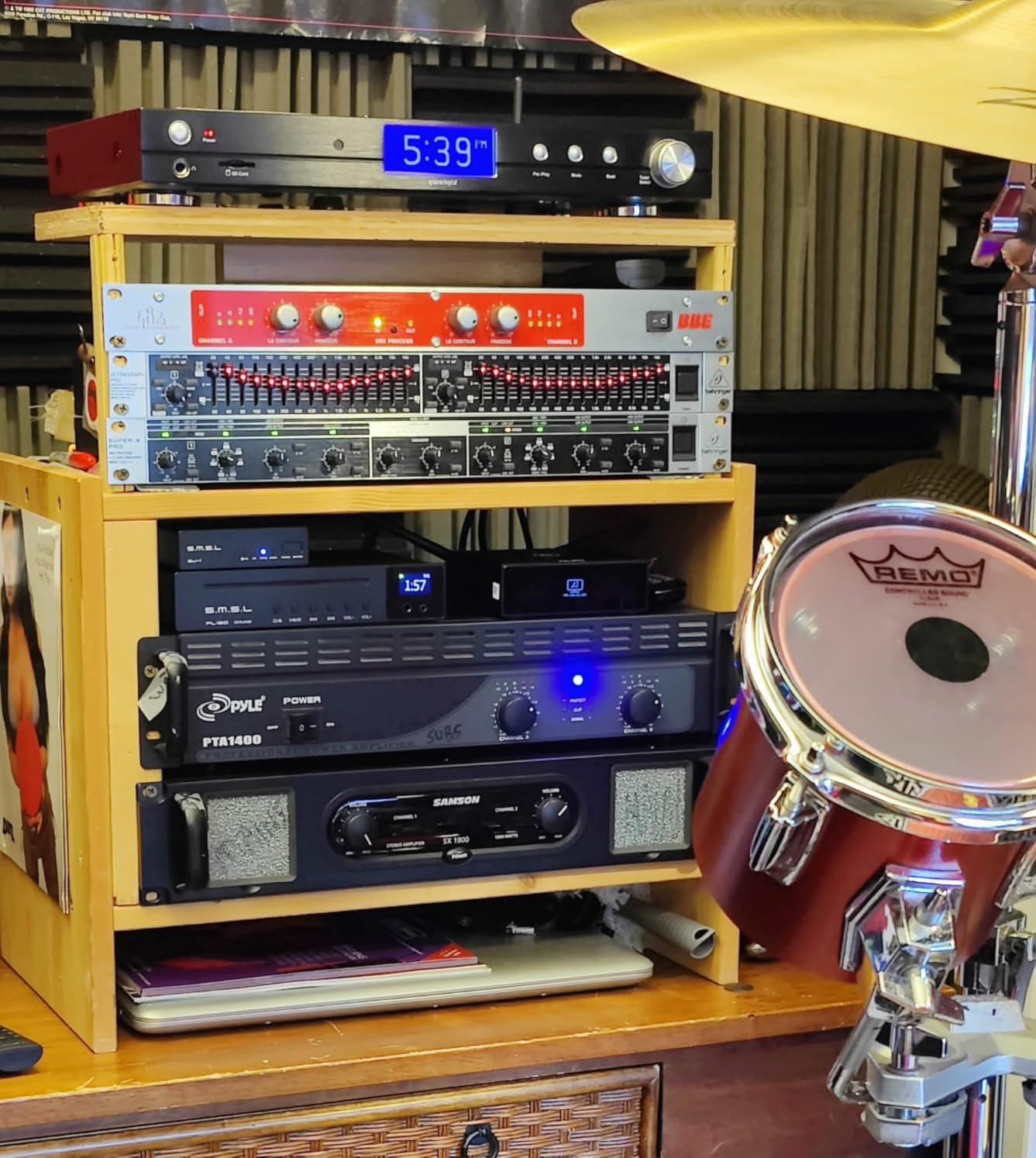
The SMSL SU-1 is one of those budget DACs that makes you question why anyone would spend more. Inside this compact aluminum box sits an AKM AK4493S chip — the same silicon found in DACs costing two or three times as much — delivering PCM up to 32-bit/768kHz and DSD512. With 1,691 reviews on Amazon, it is clear that a lot of people have taken the chance on this unit, and most of them came away happy.
What grabbed my attention during testing was the clarity. The SU-1 resolves detail in a way that makes busy recordings easier to follow. Layered electronic music, dense jazz arrangements, and complex orchestral pieces all benefit from the SU-1’s ability to separate instruments and keep everything distinct. The MQA decoding support is a real bonus if you stream Tidal, as it unfolds the full resolution of MQA-encoded tracks without needing a software decoder.
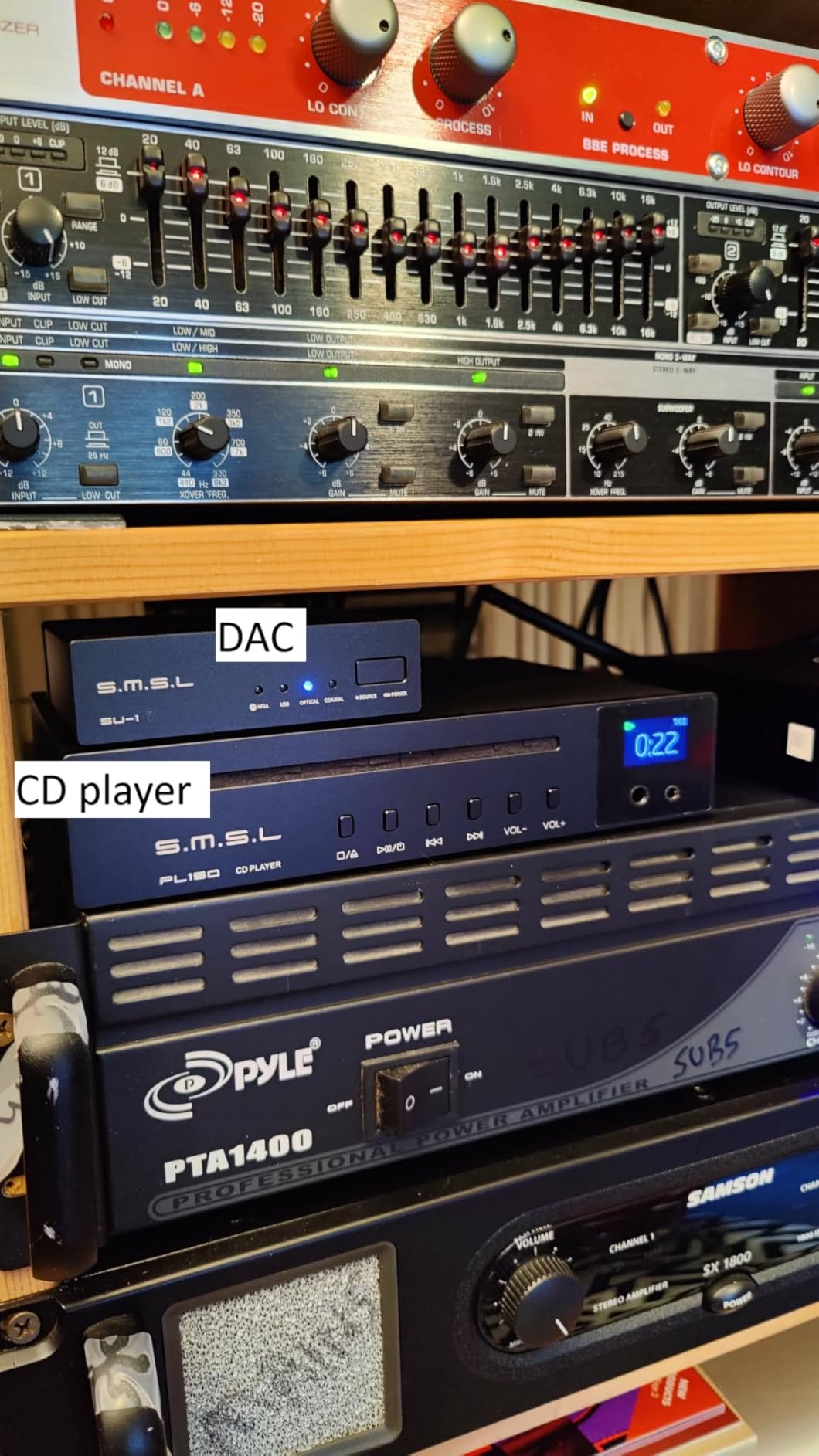
The build is compact and lightweight — just 195 grams — so it sits unobtrusively on a desk. USB input works driverless on Mac and Linux, while Windows users may need to install a driver for full functionality. The coaxial input and output give you flexibility for routing digital signals through your setup. Distortion is rated below 0.00013%, which is genuinely excellent at this price.
Who should buy the SMSL SU-1
Tidal subscribers who listen to MQA-encoded tracks will get the most out of the SU-1’s native MQA decoding. Budget-conscious listeners who want AKM AK4493S sound quality without the AKM price premium should definitely consider this unit. It is also a solid choice for anyone building a compact desktop audio chain where space is at a premium.
Who should look elsewhere
Quality control seems to be a gamble with some units — a minority of users report receiving units with issues. There is no built-in volume control, so you will need to adjust volume through your source device or a separate amplifier. If you want a DAC with a headphone amp built in, the Fosi Audio Q4 or FiiO K5 Pro are better choices in a similar price range.
8. FiiO KA1 — Ultra-Portable Dongle DAC for Smartphones
FiiO JadeAudio KA1 Headphone Amps Amplifier Tiny USB DAC High Resolution 3.5mm Lossless for Smartphones/PC/Laptops/Players(Type C, Black)
32bit/384kHz PCM
DSD512 Support
MQA 8x Rendering
USB Type-C
10g Weight
Pros
- Ultra-lightweight at 10g
- Significant sound upgrade over phone jack
- Works across multiple devices
- Solid aluminum casing
- DSD512 at this price
Cons
- Gets warm during use
- Cable quality concerns
- Limited app functionality
- Can't charge while listening
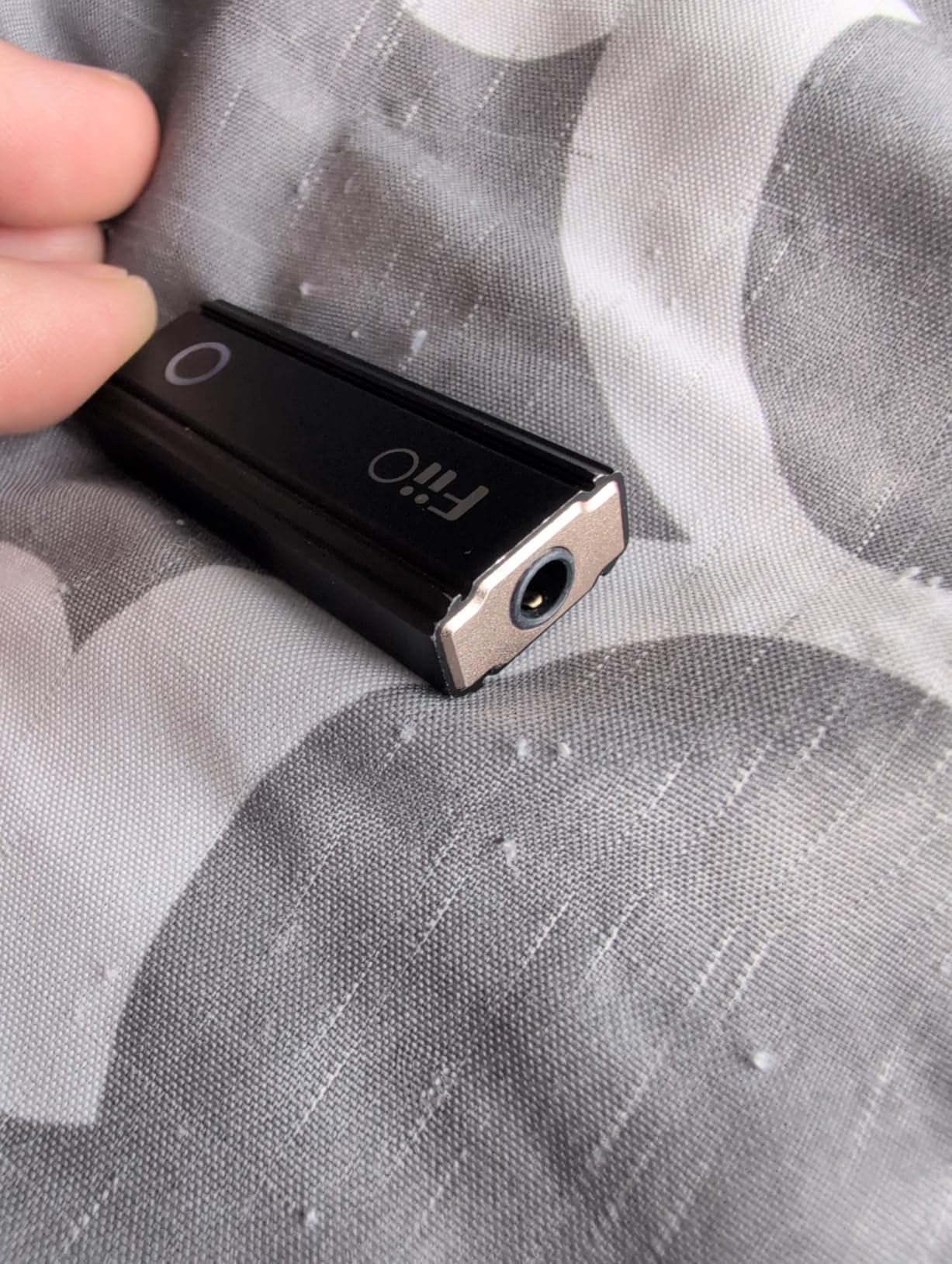
The FiiO KA1 is the smallest and lightest DAC in this roundup at just 10 grams, and it is proof that good things come in small packages. This is a true dongle-style DAC — you plug it into your phone’s USB-C port, plug your headphones into the 3.5mm jack on the other end, and you instantly have better audio than 99% of built-in phone headphone outputs. I tested it with my Android phone during daily commutes and the improvement was immediate and obvious.
Despite its tiny size, the KA1 supports PCM up to 32-bit/384kHz and DSD512, which is remarkable for something that weighs less than a AA battery. It also handles MQA 8x rendering for Tidal users. The aluminum alloy casing feels surprisingly solid — there is no flex or creaking, and it clearly can handle daily pocket duty. FiiO backs it with a 2-year warranty, which speaks to their confidence in the product’s durability.
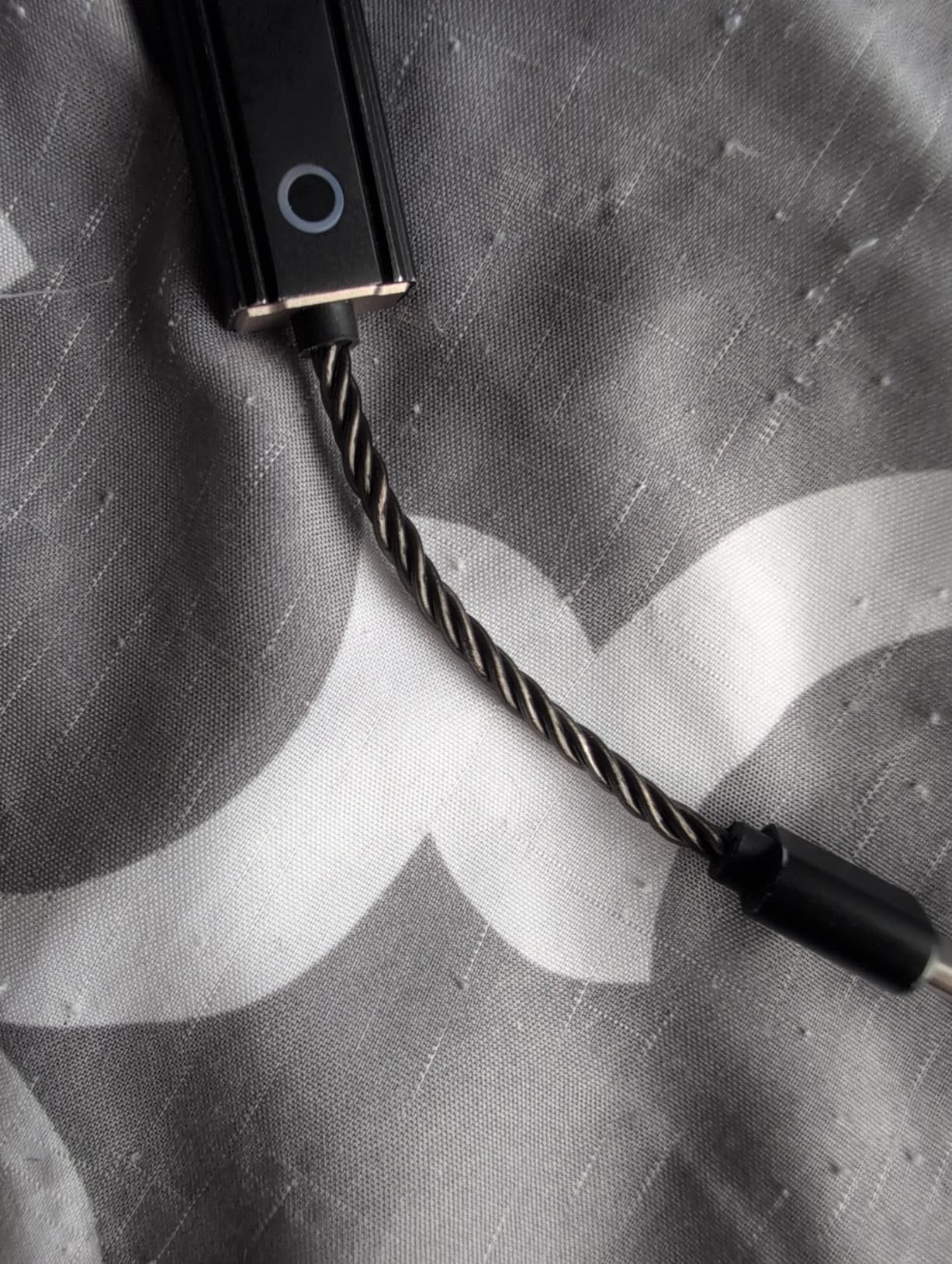
In real-world use, the KA1 transforms smartphone audio. Spotify streams sound cleaner, local FLAC files gain detail and depth, and even YouTube videos have better clarity. The power output is modest compared to desktop units, but it is enough for most IEMs and portable headphones. One thing to watch for: the KA1 draws power from your phone, so battery life takes a small hit, and you cannot charge your phone while using it.
Who should buy the FiiO KA1
Phone-first listeners who want a dramatic audio upgrade without carrying a separate device should grab the KA1. It is perfect for commuters, gym-goers, and anyone who listens primarily through their smartphone. At this price, it is also a low-risk way to find out whether a dedicated DAC makes a difference for your ears and your gear.
Who should look elsewhere
If your headphones have high impedance (above 64 ohms), the KA1 may struggle to deliver enough volume and control. It does get noticeably warm after extended listening sessions, which some users find uncomfortable. There is no balanced output option — for that, the MOONDROP Dawn PRO 2 at the same price is the better pick. And if you need to charge your phone while listening, look for a DAC with pass-through charging.
How to Choose the Best USB DAC for Your Setup
Picking the right USB DAC comes down to understanding a few key factors that determine whether a particular unit will work well for your headphones, your source devices, and your listening habits. Here is what actually matters when making your decision.
DAC Chip and Sound Character
The DAC chip is the brain of any USB DAC, and different chips have distinct sound signatures. ESS Sabre chips (found in the FiiO K5 Pro, Dragonfly Cobalt, and Topping D10s) tend to sound detailed and resolving with excellent measured performance. AKM chips (in the Fosi Q6 and SMSL SU-1) are often described as warmer and more musical. Cirrus Logic chips (in the MOONDROP Dawn PRO 2) typically offer a smooth, natural presentation. The chip matters, but the implementation — power supply, output stage, and filtering — matters just as much.
Power Output and Headphone Impedance
This is the single most important spec to check. If your headphones have impedance above 50 ohms, you need a DAC/amp with enough power to drive them properly. The FiiO K5 Pro delivers up to 1.5W at 32 ohms, which handles most full-size headphones. Portable dongle DACs like the FiiO KA1 and MOONDROP Dawn PRO 2 output around 60-124mW, which is fine for IEMs and efficient headphones but will struggle with demanding over-ears. Match your DAC’s power to your headphones, not the other way around.
Balanced vs Single-Ended Output
Balanced outputs (typically 4.4mm or 2.5mm) deliver more power and a lower noise floor than single-ended 3.5mm connections. The MOONDROP Dawn PRO 2 offers both, giving you the option to use balanced cables for better performance with compatible headphones. If you own or plan to buy balanced headphones, make sure your DAC has a balanced output. For everyone else, a quality 3.5mm single-ended output is perfectly fine.
Desktop vs Portable Use
Desktop DACs like the FiiO K5 Pro, Fosi Q6, and Topping D10s are designed to stay in one place. They are larger, offer more inputs and outputs, and typically deliver more power. Portable DACs like the Dragonfly Cobalt, FiiO KA1, and MOONDROP Dawn PRO 2 are small enough to carry anywhere and draw power from your phone or laptop. Decide where you listen most and choose accordingly — or get one of each for different situations.
File Format Support: DSD, PCM, and MQA
If you listen to high-resolution audio files, check what formats your DAC supports. PCM (Pulse Code Modulation) is the standard format for most digital music — look for at least 32-bit/384kHz support for future-proofing. DSD (Direct Stream Digital) is a niche format favored by audiophiles, and support ranges from DSD64 up to DSD512. MQA is used by Tidal for high-resolution streaming. The SMSL SU-1 and FiiO KA1 both support MQA, which is worth noting if Tidal is your main streaming service.
Connectivity and Compatibility
Most USB DACs connect via USB-C or USB-A. If you want to use your DAC with an iPhone, you will need a Lightning-to-USB adapter. Android phones with USB-C work natively with most dongle DACs. For desktop use, check whether the DAC requires drivers on Windows — Mac and Linux typically work driverless. Units like the Fosi Audio Q4 and FiiO K5 Pro offer multiple input types (USB, optical, coaxial), which gives you flexibility to connect different sources.
Frequently Asked Questions
What is the best USB DAC for the money?
The Fosi Audio Q4 delivers the best bang for your buck with bass and treble controls, 24-bit/192kHz support, and plug-and-play simplicity. For a step up, the FiiO K5 Pro adds more power and higher resolution support at a reasonable cost.
What USB DAC do audiophiles recommend?
Audiophiles frequently recommend the FiiO K5 Pro for desktop use thanks to its ESS ES9038PRO chip and 1.5W output. For portable listening, the AudioQuest Dragonfly Cobalt and MOONDROP Dawn PRO 2 with its balanced 4.4mm output are popular picks in the audiophile community.
Is a USB DAC worth it for headphones?
Yes, especially if your headphones cost more than $50 or have impedance above 32 ohms. Built-in DACs in laptops and phones are basic and often introduce noise. A dedicated USB DAC provides cleaner signal conversion, better dynamics, and enough power to drive demanding headphones properly.
What is the best portable DAC?
The AudioQuest Dragonfly Cobalt is the best all-around portable DAC with its compact thumb-drive design and ESS ES9038Q2M chip. For balanced output on the go, the MOONDROP Dawn PRO 2 offers both 3.5mm and 4.4mm connections in a tiny package.
Do I need a USB DAC for my computer?
If you hear background hiss, static, or notice flat, lifeless sound from your computer’s headphone jack, a USB DAC will help. Built-in sound cards in most laptops use cheap components that degrade audio quality. A USB DAC bypasses this entirely, giving you clean, high-resolution audio output.
Final Thoughts on the Best USB DACs in 2026
Finding the best USB DAC does not have to be complicated. The FiiO K5 Pro takes our top spot as the best overall desktop DAC/amp — it delivers excellent neutral sound, serious power for demanding headphones, and a versatile set of inputs that make it the centerpiece of any desk audio setup. For portable listening, the AudioQuest Dragonfly Cobalt remains one of the most trusted and well-reviewed portable DACs on the market. And if you want the best value with balanced output, the MOONDROP Dawn PRO 2 is hard to beat at its price.
On a tighter budget, the Fosi Audio Q4 gives first-time DAC buyers an easy, affordable entry point with real bass and treble controls. The Fosi Audio Q6 and Topping D10s are strong desktop options for listeners who want high-resolution support and clean measurements. And for smartphone users, the FiiO KA1 delivers a massive upgrade in a package smaller than your thumb.
The right USB DAC depends on where you listen, what headphones you use, and how much you want to spend. Any of the eight DACs in this guide will give you a noticeable improvement over built-in audio. Pick the one that matches your setup, and start hearing your music the way it was meant to sound.