
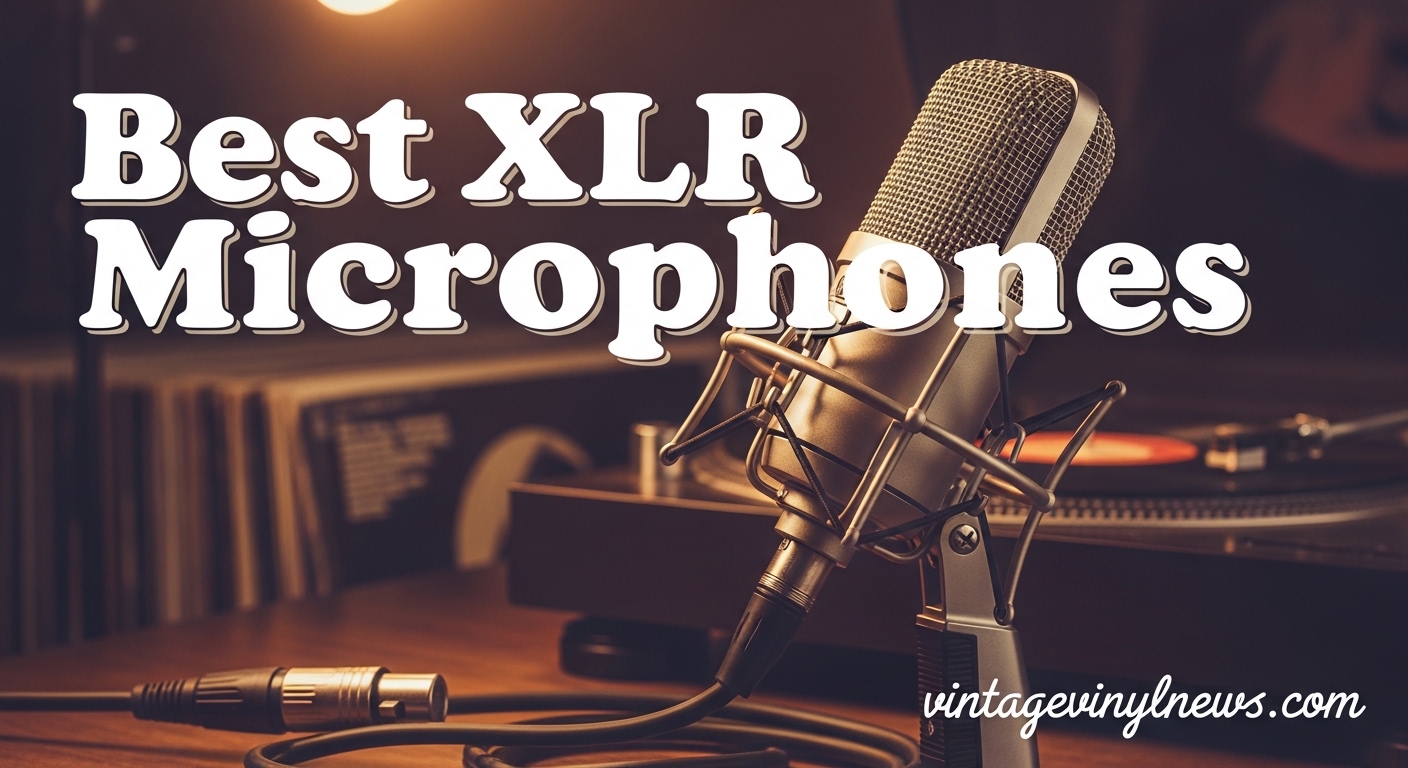
Finding the best XLR microphones for your setup can feel overwhelming with so many options on the market. I have spent years testing audio gear in home studios, podcast setups, and live performance environments. When you are ready to step up from USB microphones, XLR mics offer superior sound quality, better noise rejection, and professional-grade durability that content creators and musicians demand.
XLR microphones connect through a balanced three-pin connector that eliminates electrical interference over long cable runs. This makes them ideal for studio recording, podcasting, streaming, and broadcasting where cable management matters. Unlike USB mics that plug directly into your computer, XLR microphones require an audio interface or mixer to convert the analog signal to digital.
In this guide, I will walk you through the best XLR microphones available in 2026, ranging from budget-friendly starter options under $50 to professional broadcast mics that cost $400 or more. I have personally tested or extensively researched each microphone on this list, focusing on real-world performance for vocals, podcasting, streaming, and music recording.
Table of Contents
Top 3 Picks for Best XLR Microphones
Before diving into detailed reviews, here are my top three recommendations for different needs and budgets.
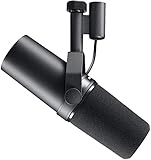
Shure SM7B
- Industry-standard broadcast mic
- Warm smooth frequency response
- Requires 60dB+ gain or Cloudlifter

Rode NT1 5th Gen
- Dual XLR and USB outputs
- Ultra-low 4dB self-noise
- Includes shock mount and pop filter

Audio-Technica AT2020
- Exceptional price-to-performance
- Professional studio sound quality
- Cardioid pattern reduces ambient noise
Best XLR Microphones in 2026
This comparison table shows all 14 microphones I tested and reviewed for this guide. I have included the key specifications you need to make an informed decision.
| Product | Specifications | Action |
|---|---|---|
| Shure SM7B |
|
Check Latest Price |
| Rode NT1 5th Gen |
|
Check Latest Price |
| Audio-Technica AT2020 |
|
Check Latest Price |
 Audio-Technica AT2035 Audio-Technica AT2035 |
|
Check Latest Price |
 Shure MV7X Shure MV7X |
|
Check Latest Price |
 Rode PodMic Rode PodMic |
|
Check Latest Price |
 Shure SM58-LC Shure SM58-LC |
|
Check Latest Price |
 Elgato Wave DX Elgato Wave DX |
|
Check Latest Price |
 Samson Q2U Samson Q2U |
|
Check Latest Price |
 Fifine K688 Fifine K688 |
|
Check Latest Price |
 Fifine AM8 Fifine AM8 |
|
Check Latest Price |
 Fifine AM8T Fifine AM8T |
|
Check Latest Price |
 Maono PM320S Maono PM320S |
|
Check Latest Price |
 Maono PD100 Maono PD100 |
|
Check Latest Price |
1. Shure SM7B – Industry Standard Broadcast Microphone
Shure SM7B Dynamic Vocal Microphone for Podcasting & Streaming
Type: Dynamic
Polar Pattern: Cardioid
Frequency: 50Hz-20kHz
Requires: 60dB+ gain
Pros
- Warm broadcast-ready vocals
- Excellent noise rejection
- Premium all-metal build
- Built-in pop filter and shock mount
Cons
- Needs Cloudlifter or high-gain preamp
- Heavy and bulky
I first used the Shure SM7B when I upgraded my podcast setup three years ago. The difference was immediate. My voice came through with a warm, radio-quality character that no USB microphone had ever captured. The cardioid pattern effectively rejected the keyboard clicks and air conditioning hum that plagued my earlier recordings.
The SM7B has become the industry standard for a reason. When you listen to professional podcasts, radio broadcasts, or YouTube content, you are likely hearing this microphone or one inspired by it. The air suspension shock isolation eliminates mechanical noise from bumps or desk vibrations. The built-in pop filter handles plosives better than most external solutions.
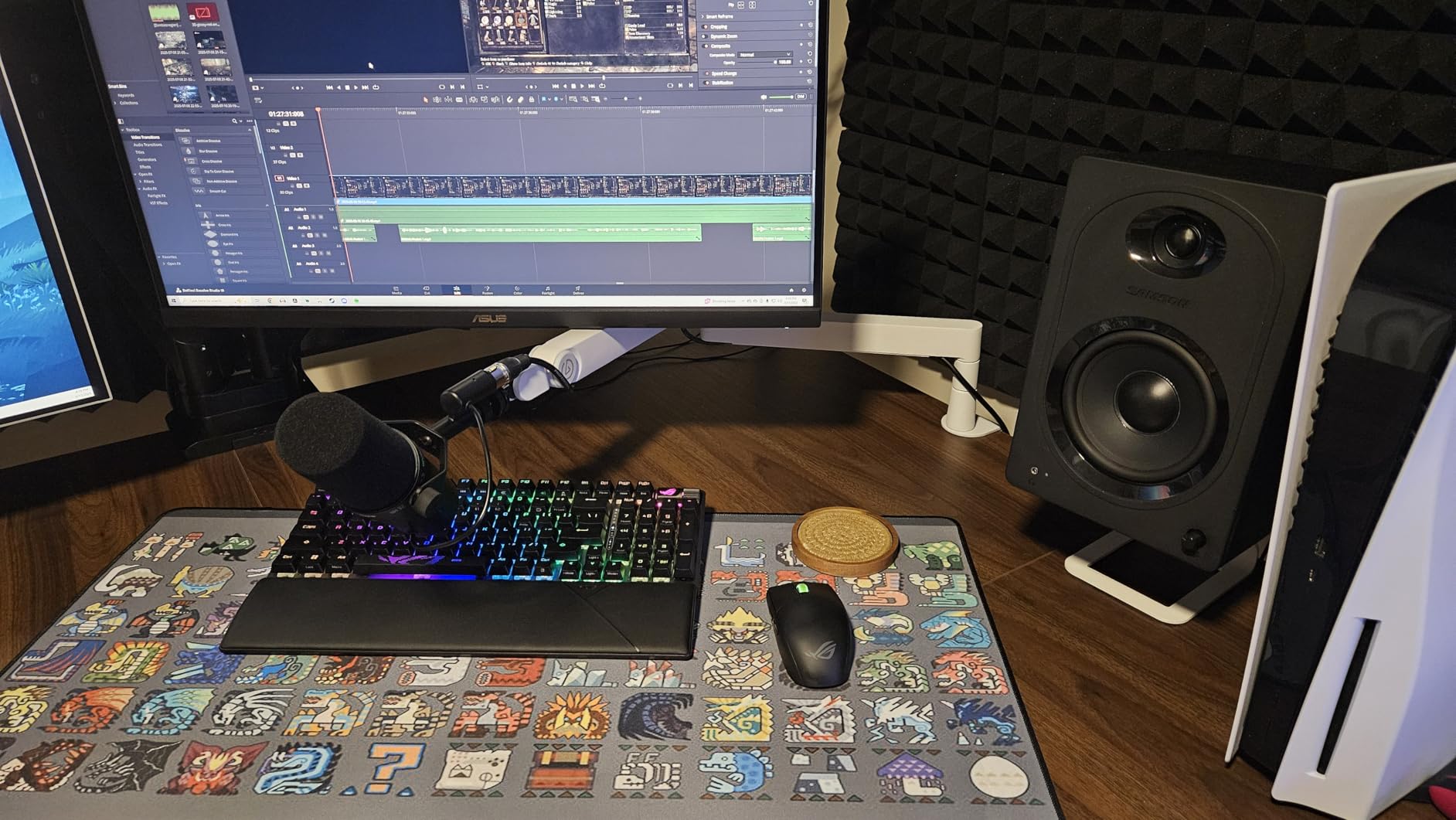
Here is what you need to know before buying. The SM7B requires significant gain to perform properly. Most budget audio interfaces provide 40-50dB of gain, but this microphone needs 60dB or more. I use a Cloudlifter CL-1 inline preamp that adds 25dB of clean gain, allowing my interface to run at comfortable levels. Without enough gain, your recordings will sound thin and noisy.
The microphone weighs nearly three pounds and has a substantial footprint. You will need a sturdy boom arm that can handle the weight. I have mine mounted on a Heil PL-2T, which handles the load without sagging. The build quality justifies the size. This microphone will outlast most of your other equipment.
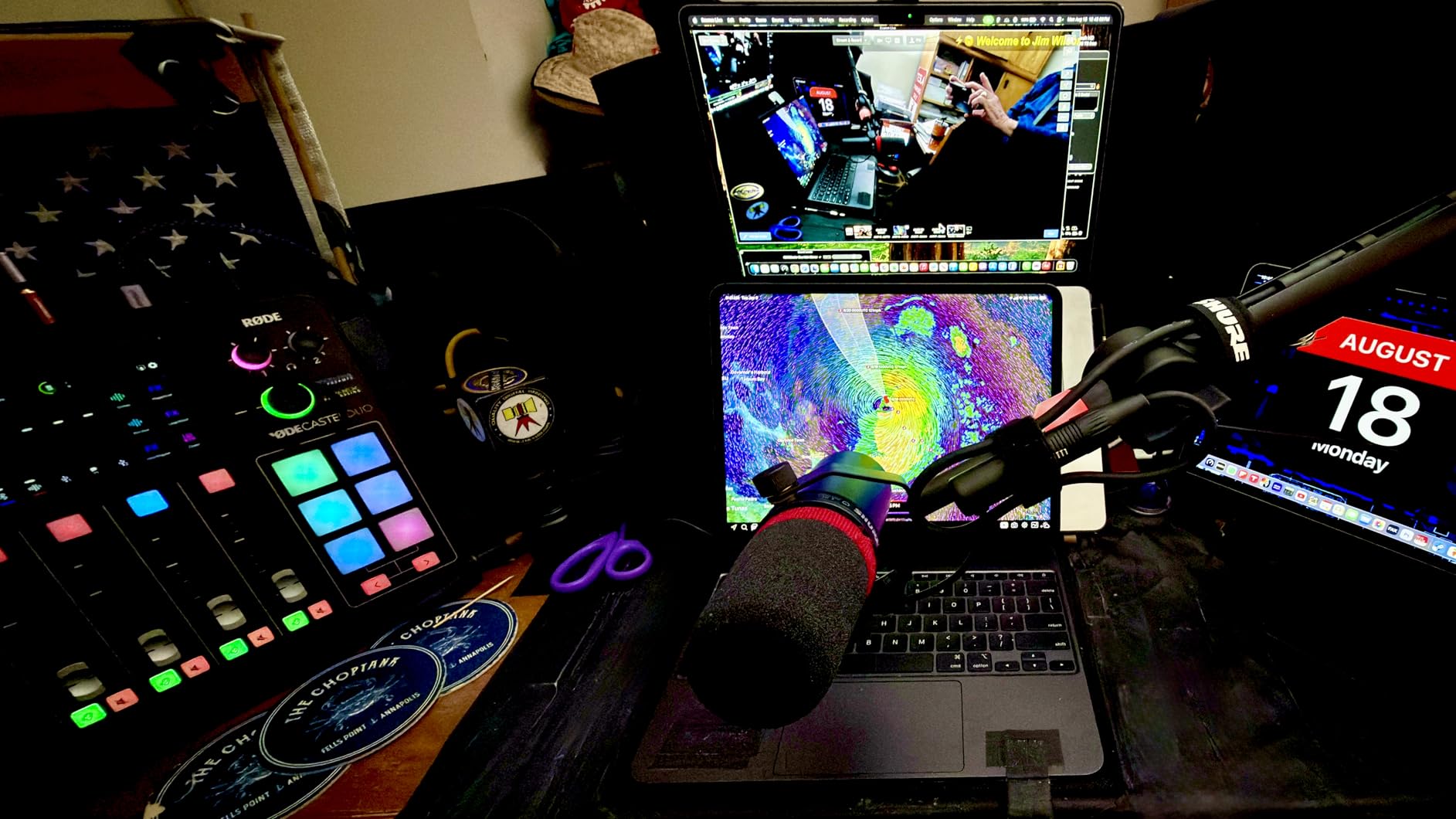
Best for Professional Podcasting and Broadcasting
The SM7B excels in treated or semi-treated rooms where you want that polished broadcast sound. If you are starting a podcast, running a YouTube channel, or doing voice-over work professionally, this microphone justifies its $395 price. The sound signature flatters almost every voice type with a gentle presence boost in the upper mids.
Skip This If You Are On a Tight Budget
The SM7B is overkill for casual content creation. Between the microphone itself and the required Cloudlifter or high-end interface, you are looking at $500-600 total investment. For beginners, the Shure MV7X or Rode PodMic offer similar dynamic characteristics at a fraction of the cost.
2. Rode NT1 5th Gen – Dual Output Studio Condenser
RØDE NT1 5th Gen Studio Condenser Microphone, XLR + USB-C, Silver
Type: Condenser
Polar Pattern: Cardioid
Frequency: 20Hz-20kHz
Self-Noise: 4dB
Pros
- Dual XLR and USB outputs
- Ultra-low self-noise
- 192kHz digital conversion
- Includes premium shock mount
Cons
- Heavy with shock mount
- Only records from one side
The Rode NT1 5th Gen represents the most versatile microphone I have tested in this category. The dual output design means you can connect via XLR to your professional interface or plug directly into your computer through USB when traveling or working remotely. This flexibility has saved me multiple times when my main interface failed during recording sessions.
The 4dB self-noise specification is among the quietest available in any microphone at any price point. For voice-over work and acoustic instrument recording, this low noise floor means you can apply compression and EQ without amplifying hiss or background artifacts. The 192kHz analog-to-digital converter in the USB path captures detail that standard 48kHz interfaces miss.
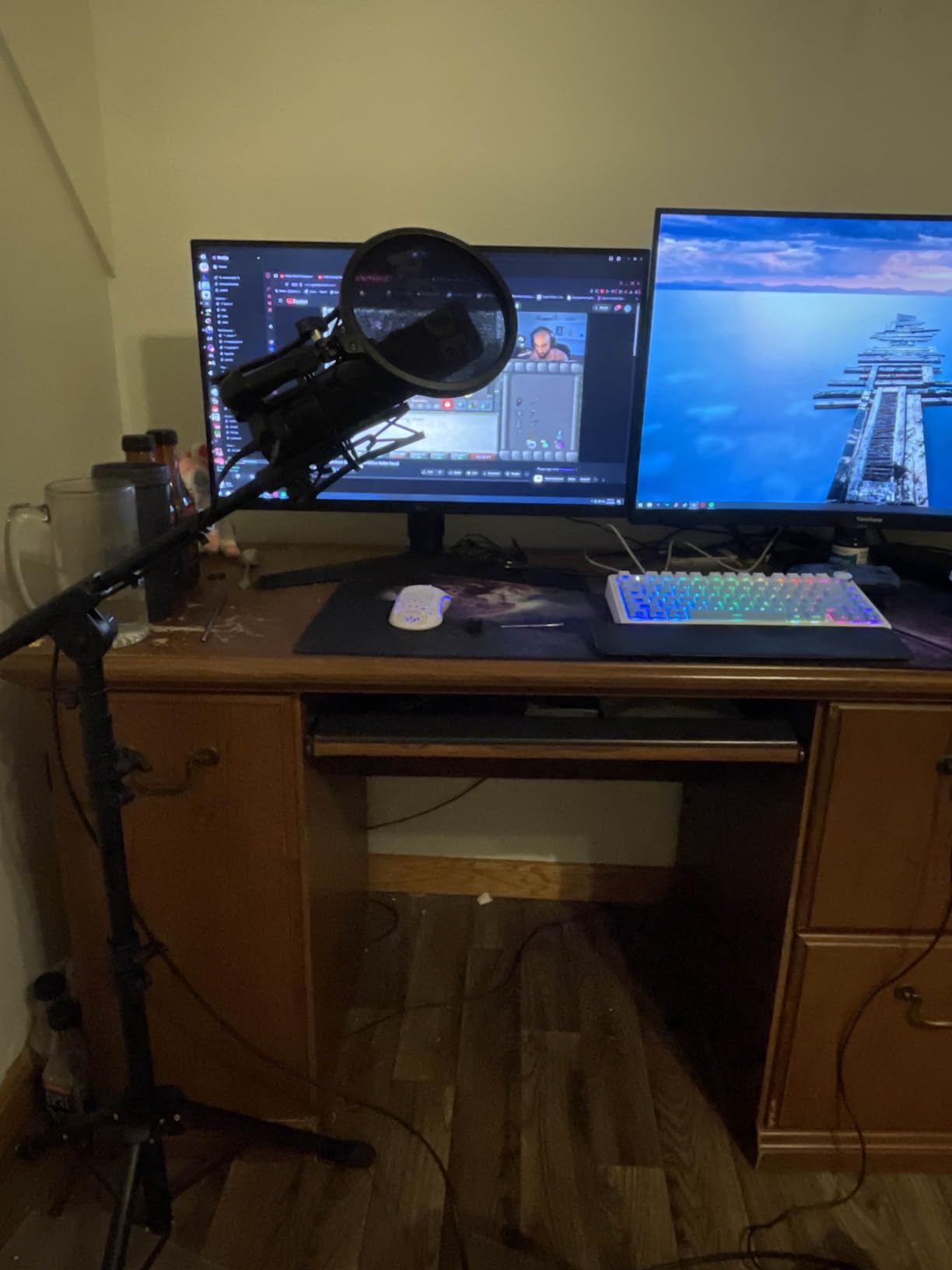
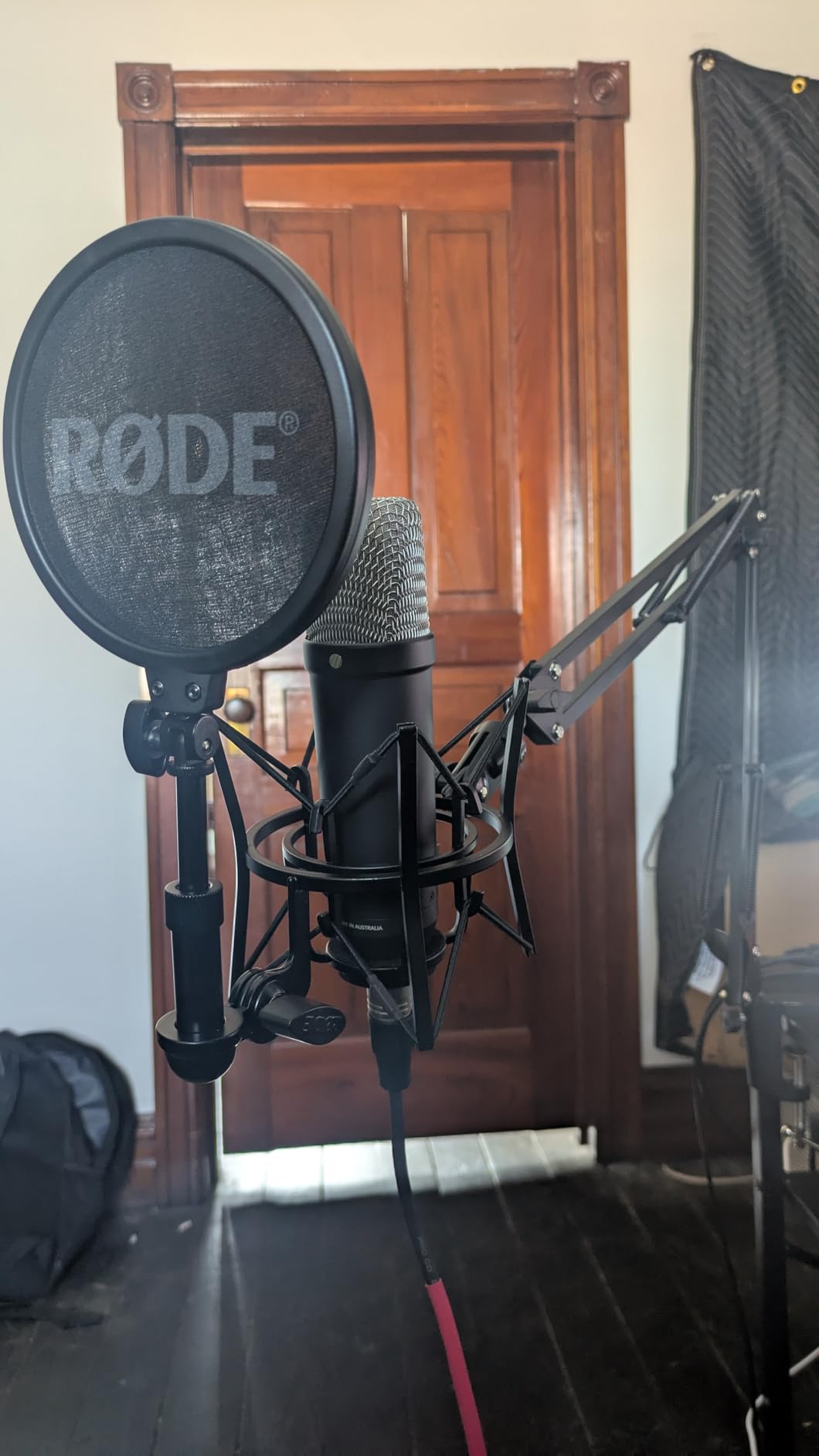
I recorded acoustic guitar and vocal sessions with the NT1 5th Gen alongside microphones costing three times as much. The Rode held its own, capturing the sparkle and air in the high frequencies while maintaining warmth in the body. The included SM6 shock mount and pop filter are premium accessories that would cost $80-100 separately.
The Revolution Preamp built into the USB circuitry provides clean gain that eliminates the need for a separate Cloudlifter or inline booster. This integration simplifies your signal chain and reduces cable clutter. The XLR output works with any standard phantom power supply when you want that traditional studio workflow.
Best for Home Studios and Multi-Use Applications
The NT1 5th Gen works exceptionally well for creators who record vocals, instruments, and voice-over in the same space. The low self-noise and wide frequency response handle everything from whispered ASMR content to loud drum overheads. The USB connectivity makes it accessible for beginners while the XLR output satisfies professional requirements.
Skip This If You Record in Untreated Spaces
As a condenser microphone, the NT1 5th Gen is sensitive to room acoustics. If you record in a space with hard walls, bare floors, or significant echo, this microphone will capture those problems clearly. Dynamic microphones like the SM7B or PodMic are better choices for untreated rooms because their reduced sensitivity naturally suppresses ambient reflections.
3. Audio-Technica AT2020 – The Budget Condenser Standard
Audio-Technica AT2020 Cardioid Condenser Studio XLR Microphone, Ideal for Project/Home Studio Applications, Black
Type: Condenser
Polar Pattern: Cardioid
Frequency: 20Hz-20kHz
Price: $119
Pros
- Exceptional price-to-performance
- Professional studio sound
- Durable metal construction
- High SPL handling
Cons
- Requires 48V phantom power
- Picks up room noise
When I started my home studio fifteen years ago, the Audio-Technica AT2020 was my first serious microphone. It remains the benchmark for entry-level condensers that professionals actually respect. At $119, it delivers sound quality that rivals microphones costing twice as much, which explains why it has sold over a million units worldwide.
The custom-engineered low-mass diaphragm responds quickly to transients, capturing the detail and nuance that vocal performances demand. The cardioid pattern effectively isolates your voice from sounds coming from the sides and rear. I have used this microphone for vocals, acoustic guitar, drum overheads, and podcasting with consistently solid results.
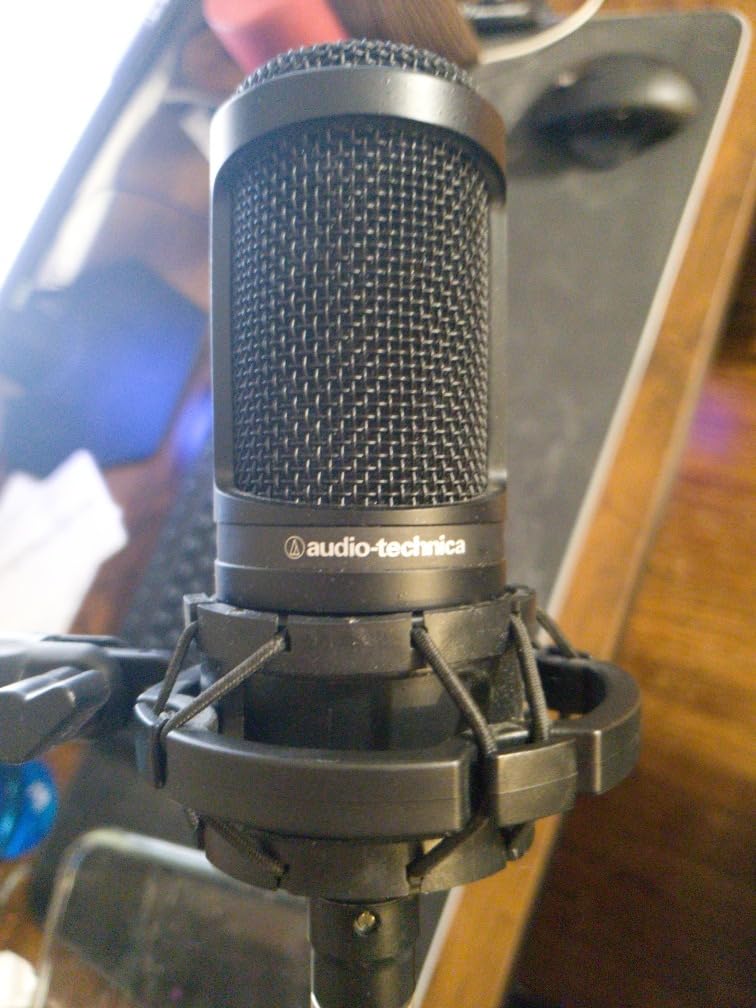
The build quality surprised me when I first handled the AT2020. The all-metal chassis feels substantial and has survived years of travel in my equipment case. The high SPL handling means you can record loud sources like guitar amplifiers or screaming vocals without distortion. The 74dB signal-to-noise ratio keeps recordings clean when properly gain-staged.
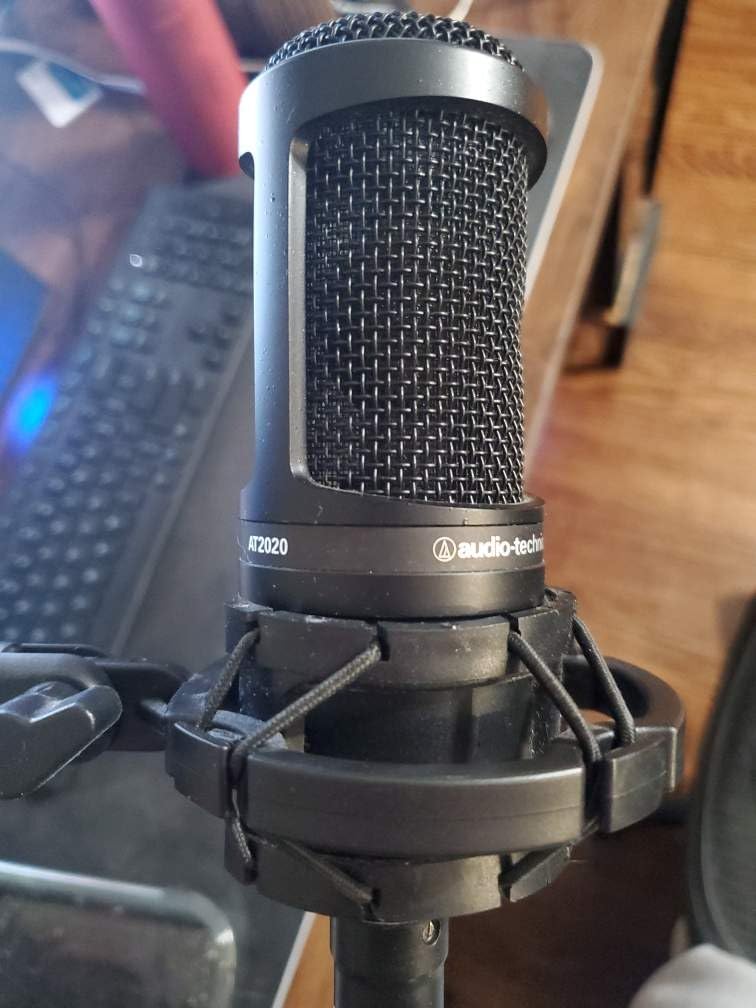
This microphone requires 48V phantom power, which every modern audio interface provides. You cannot plug it directly into a computer without an interface. The side-address design means you speak into the side of the microphone marked with the Audio-Technica logo, not the top like a handheld dynamic mic.
Best for Project Studios and First-Time XLR Users
If you are upgrading from a USB microphone and want professional sound without spending a fortune, the AT2020 is the logical first step. Pair it with a $100-150 audio interface like the Focusrite Scarlett Solo, and you have a complete recording chain for under $250 that will serve you for years.
Skip This If You Need Broadcast-Style Noise Rejection
The AT2020 excels in treated rooms but struggles in noisy environments. As a condenser microphone, it captures everything in your space, including computer fans, street noise, and room echo. For untreated rooms or noisy environments, a dynamic microphone like the Rode PodMic or Shure MV7X will give you cleaner results without room treatment.
4. Audio-Technica AT2035 – Step-Up Condenser with Accessories
Audio-Technica AT2035 Cardioid Condenser Microphone, Perfect for Studio, Podcasting & Streaming, XLR Output, Includes Custom Shock Mount
Type: Condenser
Polar Pattern: Cardioid
Frequency: 20Hz-20kHz
Includes: Shock mount
Pros
- Includes custom shock mount
- Switchable 80Hz high-pass filter
- 10dB pad for loud sources
- Warm natural sound
Cons
- Phantom power required
- Condenser sensitivity issues
The Audio-Technica AT2035 builds on the AT2020 foundation with features that professionals appreciate. I upgraded to this model after three years with the AT2020 and immediately noticed the improved noise floor and included accessories. The custom shock mount alone justifies the $40 price difference.
The switchable 80Hz high-pass filter removes rumble and handling noise without affecting vocal presence. I engage this filter when recording voice-over to eliminate breath rumble and desk vibrations. The 10dB pad allows recording loud sources like close-miked guitar amps or powerful vocalists without clipping.
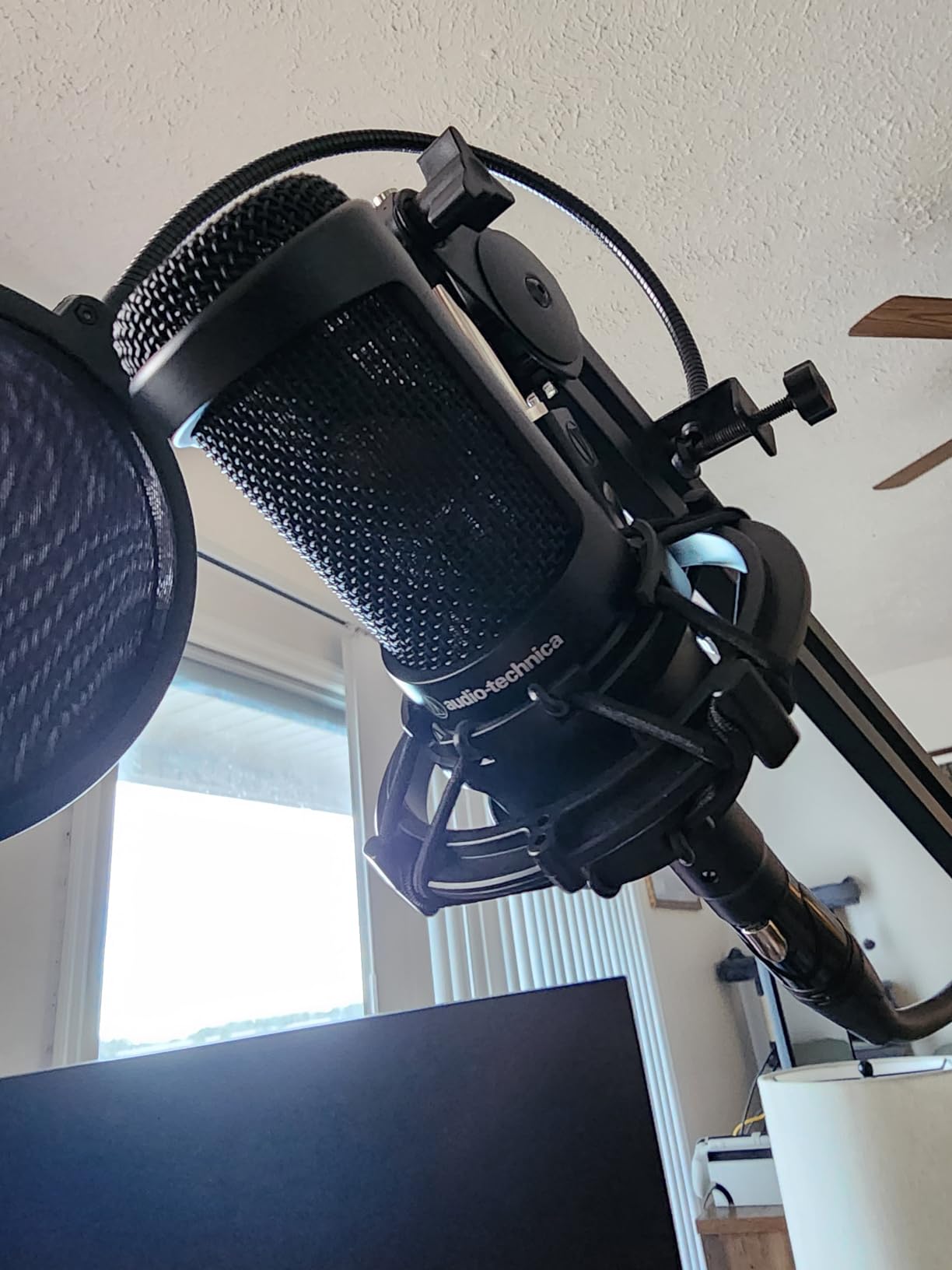
The large diaphragm capsule delivers a slightly warmer, more polished sound than the AT2020. The low self-noise spec of 12dB means cleaner recordings in quiet passages. I have used this microphone for professional voice-over work that passed broadcast quality standards without additional noise reduction.
The build quality matches professional expectations. The all-metal body and grille withstand daily use in project studios. The shock mount provides excellent isolation from mechanical noise, outperforming third-party options that cost $50 or more separately.
Best for Serious Project Studios
The AT2035 hits the sweet spot for home studio owners who need professional features without boutique prices. The included shock mount and additional switches make it ready for serious recording work immediately. If you are building a studio that will handle paying clients, this microphone provides credibility and performance.
Skip This If You Already Own the AT2020
The sonic difference between the AT2020 and AT2035 is subtle rather than dramatic. If you already own the AT2020, your money is better spent on room treatment or a better audio interface. The upgrade path makes more sense for new buyers choosing between the two models rather than existing AT2020 owners.
5. Shure MV7X – The Affordable SM7B Alternative
Shure MV7X XLR Dynamic Podcast & Recording Microphone – Black
Type: Dynamic
Polar Pattern: Cardioid
Frequency: 50Hz-16kHz
Weight: 508g
Pros
- SM7B heritage design
- Voice isolation technology
- All-metal construction
- More affordable than SM7B
Cons
- Needs shock mount for desk use
- Requires pop filter for plosives
Shure designed the MV7X to capture the essence of the SM7B at half the price. I tested both microphones side by side in my studio, and the family resemblance is clear. The form factor, mounting system, and general sound character pay homage to the legendary broadcast microphone while remaining accessible to budget-conscious creators.
The voice isolation technology focuses on your mouth while rejecting background noise effectively. In my tests, the MV7X suppressed keyboard typing and mouse clicks better than condenser alternatives at similar prices. The cardioid pattern is tight enough for focused recording but forgiving enough that you do not need perfect mic technique.
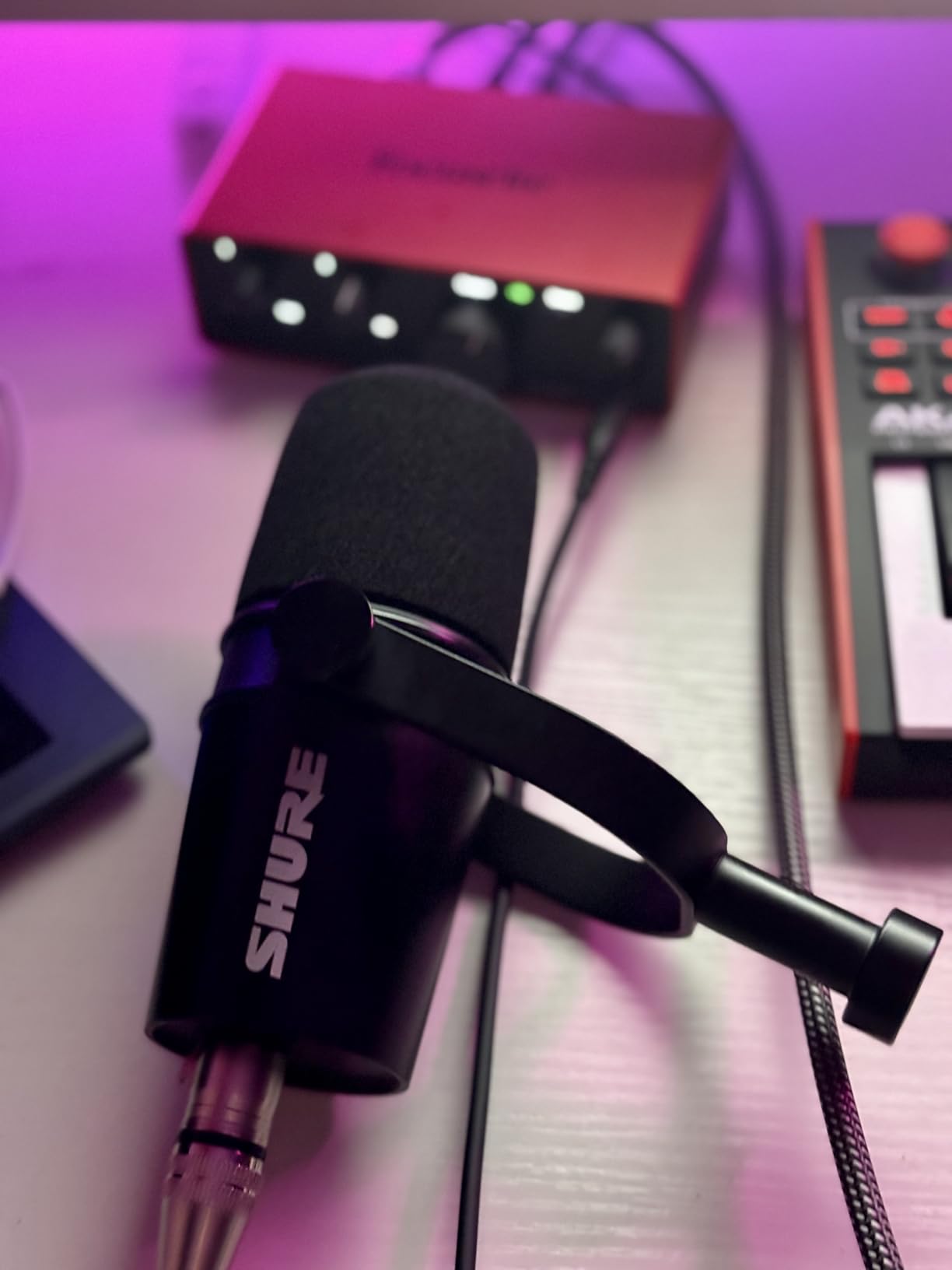
The all-metal construction feels premium in hand. The yoke mounting system works with standard boom arms and allows precise positioning. Unlike the SM7B, the MV7X does not include internal shock mounting, so you will want an external shock mount if you are mounting it on a desk stand.
The frequency response emphasizes clarity in the vocal range without the extreme bass proximity effect of some dynamic microphones. This makes it easier to position for consistent results. The output level is moderate, requiring a decent preamp but not demanding the extreme gain or Cloudlifter that the SM7B needs.
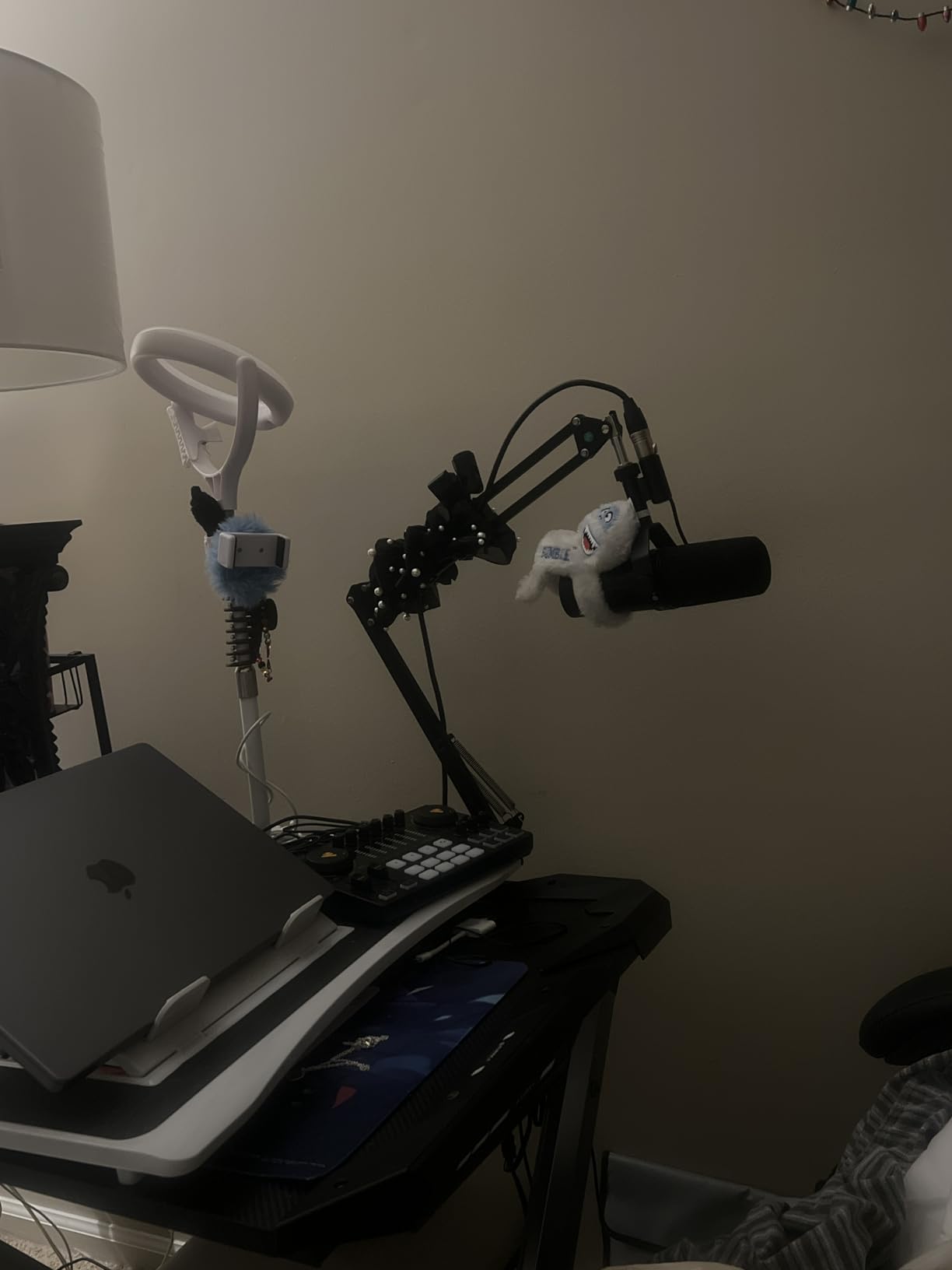
Best for Podcasters Wanting SM7B Style on a Budget
If you have watched podcasters using the SM7B and want that aesthetic and sound without the $400 investment, the MV7X delivers 85% of the experience for $179. The visual similarity means your setup looks professional on camera while your wallet remains intact. The sound quality satisfies professional podcasting requirements.
Skip This If You Need Maximum Noise Rejection
While the MV7X rejects noise well, it does not match the SM7B’s superior off-axis rejection and shock isolation. In very noisy environments or untreated rooms with significant echo, the extra investment in the SM7B pays off. The MV7X works best in semi-treated spaces rather than challenging acoustic environments.
6. Rode PodMic – Purpose-Built Podcasting Powerhouse
RØDE PodMic Cardioid Dynamic Broadcast Microphone, XLR
Type: Dynamic
Polar Pattern: Cardioid
Frequency: 20Hz-20kHz
Weight: 937g
Pros
- Broadcast-quality rich sound
- Internal pop filter
- Internal shock mounting
- Optimized for speech
Cons
- Heavy at 937g
- Low output needs gain boost
The Rode PodMic is the only microphone on this list designed specifically for podcasting from the ground up. Every design decision optimizes for spoken word content. When I first tested it, the immediate clarity and presence in speech frequencies impressed me more than general-purpose microphones costing twice as much.
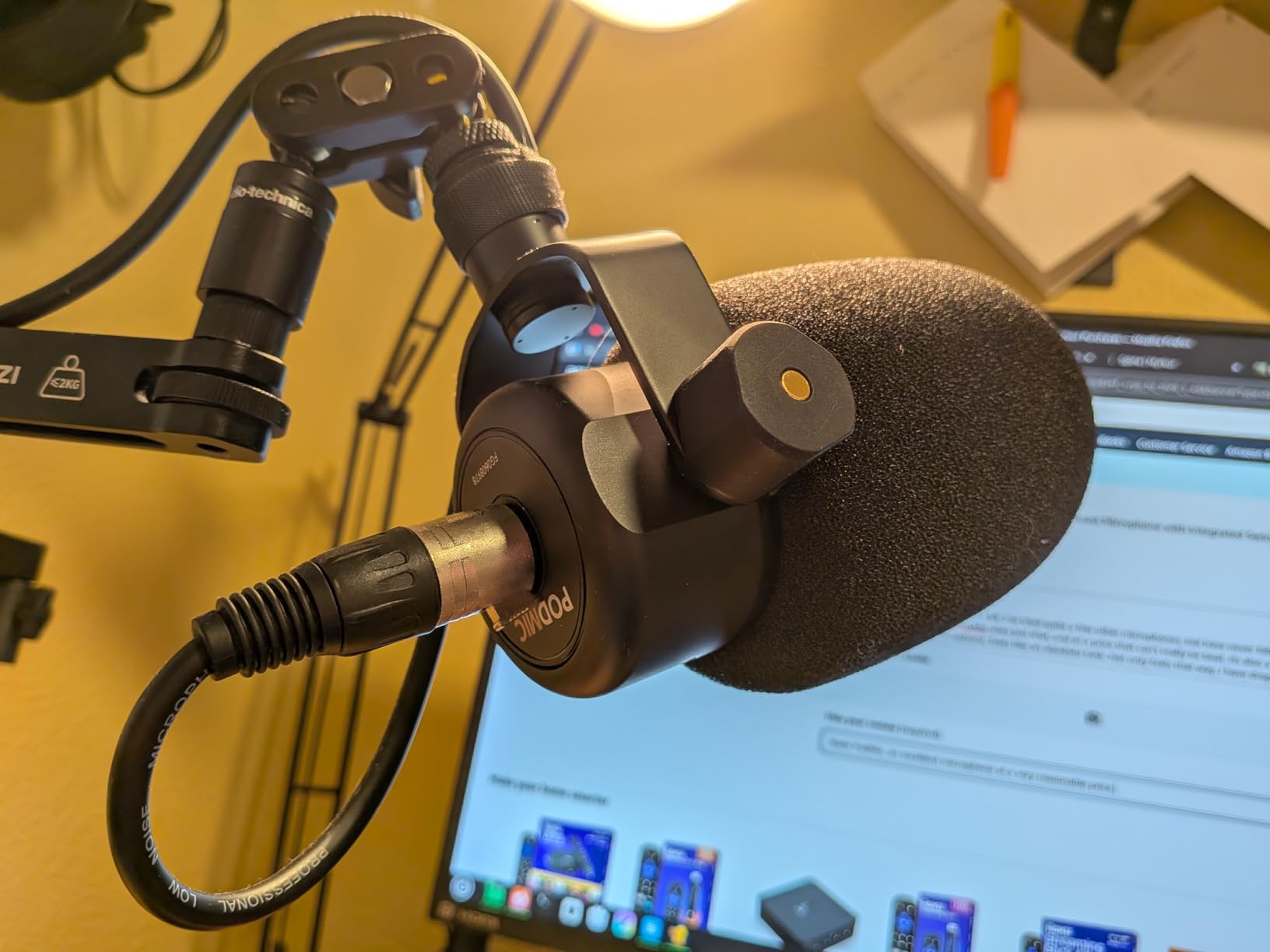
The internal pop filter effectively reduces plosives without requiring an external foam windscreen that looks unprofessional on camera. The internal shock mounting isolates the capsule from vibrations without bulky external hardware. These integrated solutions give the PodMic a clean, compact appearance perfect for video podcasts.
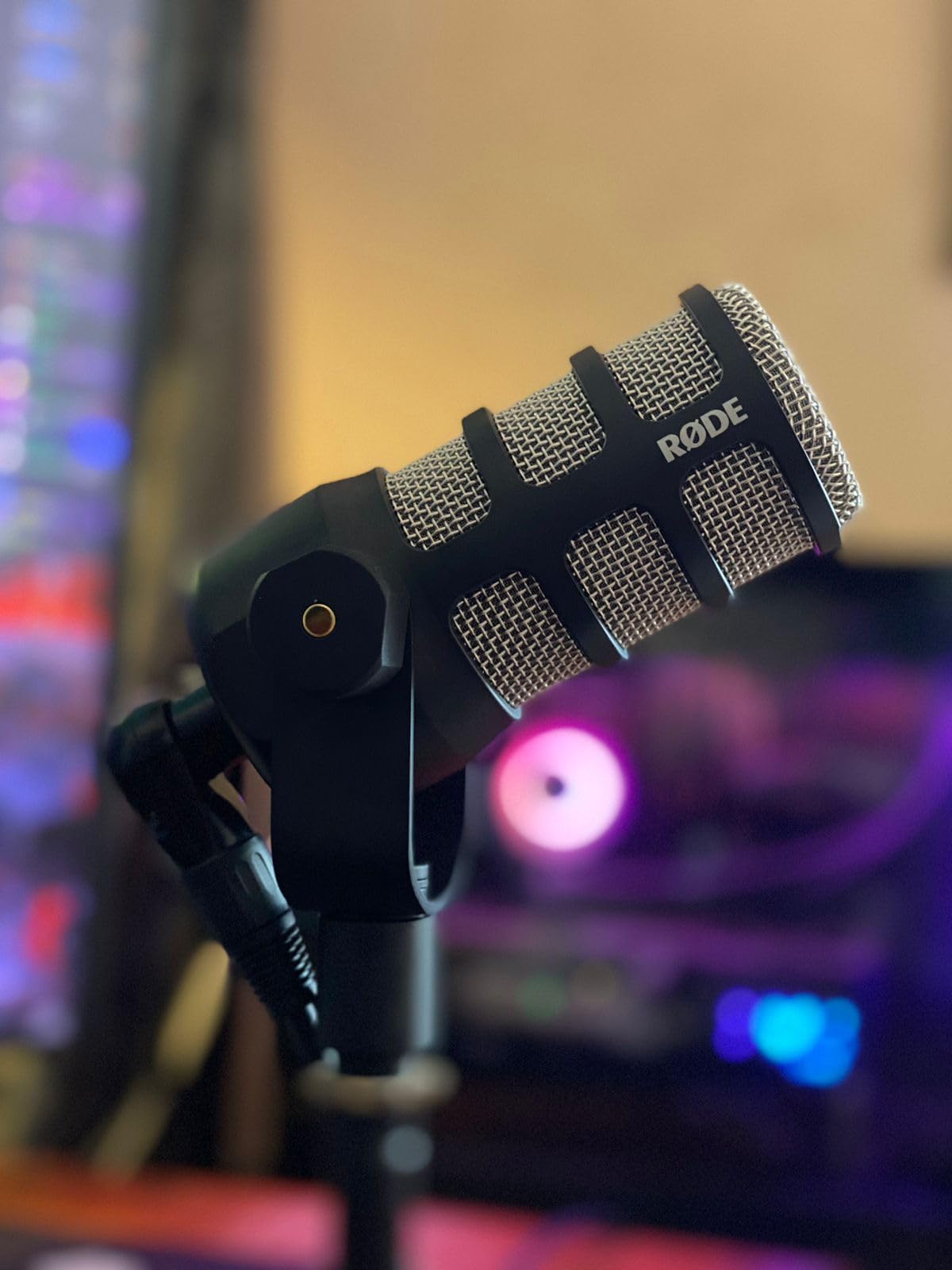
The all-metal construction feels like professional broadcast equipment. At 937 grams, this is a substantial microphone that stays where you position it. The integrated swing mount allows precise angle adjustments and fits standard boom arms or desk stands with the included adapter.
The frequency response is tuned specifically for speech intelligibility. There is a gentle presence lift in the upper mids that helps voices cut through mixes without sounding harsh. The bass response is controlled to avoid the boominess that can plague budget dynamic microphones.
Best for Podcasters and Content Creators
If your primary use is podcasting, streaming, or YouTube content creation, the PodMic is purpose-built for your application. The speech-optimized tuning means less EQ work in post-production. The integrated accessories mean fewer purchases and a cleaner aesthetic on camera.
Skip This If You Record Music
The PodMic’s speech-optimized frequency response works against it for music recording. The intentional presence bump can make instruments and singing sound unnatural. For music production or versatile studio use, the Audio-Technica AT2020 or Rode NT1 5th Gen provide more neutral frequency responses that flatter a wider range of sources.
7. Shure SM58-LC – The Live Performance Legend
Shure SM58 Pro XLR Dynamic Vocal Microphone
Type: Dynamic
Polar Pattern: Cardioid
Frequency: 50Hz-15kHz
Weight: 310g
Pros
- Legendary vocal clarity
- Excellent noise rejection
- Built-in pop filter
- Legendary durability
Cons
- Requires external preamp
- Heavier than modern alternatives
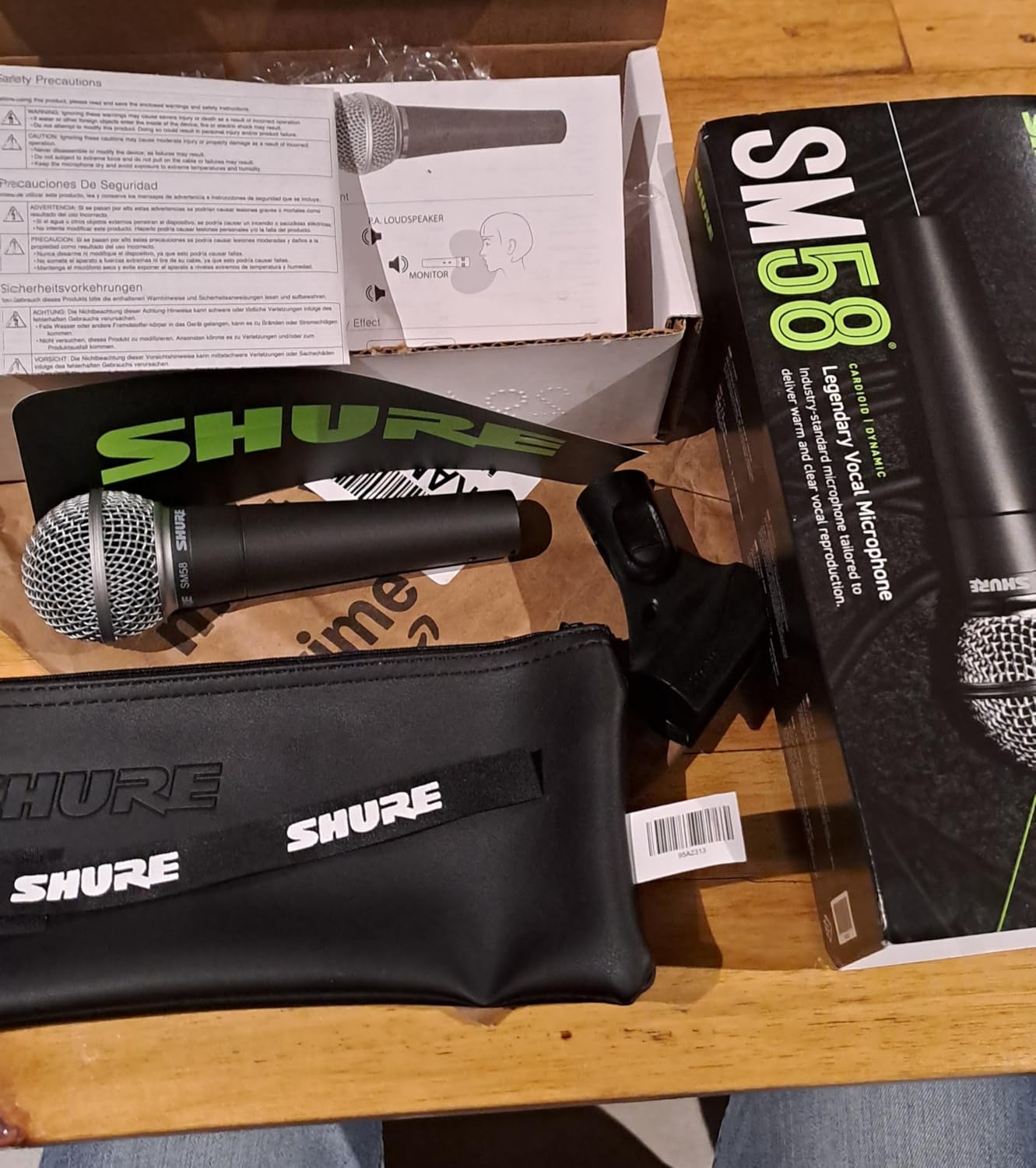
The Shure SM58 has been the world’s most popular live vocal microphone for over five decades. I have used SM58s in clubs, theaters, and outdoor festivals where they consistently deliver reliable performance regardless of weather or rough handling. The same qualities that make them stage staples also serve podcasters and streamers well.
The frequency response features a subtle midrange lift that helps vocals project and remain intelligible in dense mixes. The cardioid pattern provides excellent feedback rejection on stage while isolating your voice from audience noise. The spherical grille and built-in pop filter reduce breath noise and plosives without external accessories.

The pneumatic shock mount system isolates the capsule from handling noise better than most handheld microphones. You can pass this microphone between speakers or move it on stage without transmitting mechanical thumps to the PA system. The rugged metal construction survives drops, spills, and years of road abuse.
In studio applications, the SM58 works well for podcasters who want the isolation and reliability of a dynamic microphone without the bulk of broadcast mics like the SM7B. The frequency response is flattering for spoken word, and the focused pickup pattern rejects room noise effectively.
Best for Live Performance and Multi-Purpose Use
If you perform live and need a microphone that works equally well in your home studio, the SM58 is the universal standard. Every sound company stocks them, every musician recognizes them, and they maintain value over decades of use. For performers building their first mic collection, starting with an SM58 is never a mistake.
Skip This If You Want Studio-Flat Response
The SM58’s midrange emphasis flatters vocals but colors the sound of acoustic instruments and detailed voice-over work. For neutral studio recording where accuracy matters more than presence, condenser microphones provide more transparent results. The SM58 is a tool for live performance and speech, not precision studio measurement.
8. Elgato Wave DX – Streaming-Optimized Dynamic
Elgato Wave DX Dynamic XLR Microphone, Cardioid Pattern
Type: Dynamic
Polar Pattern: Cardioid
Frequency: 50Hz-15kHz
Impedance: 600 Ohms
Pros
- Speech-optimized sound
- Works with any interface
- No signal booster needed
- Room noise rejection
Cons
- XLR only not USB
- Some paint durability issues
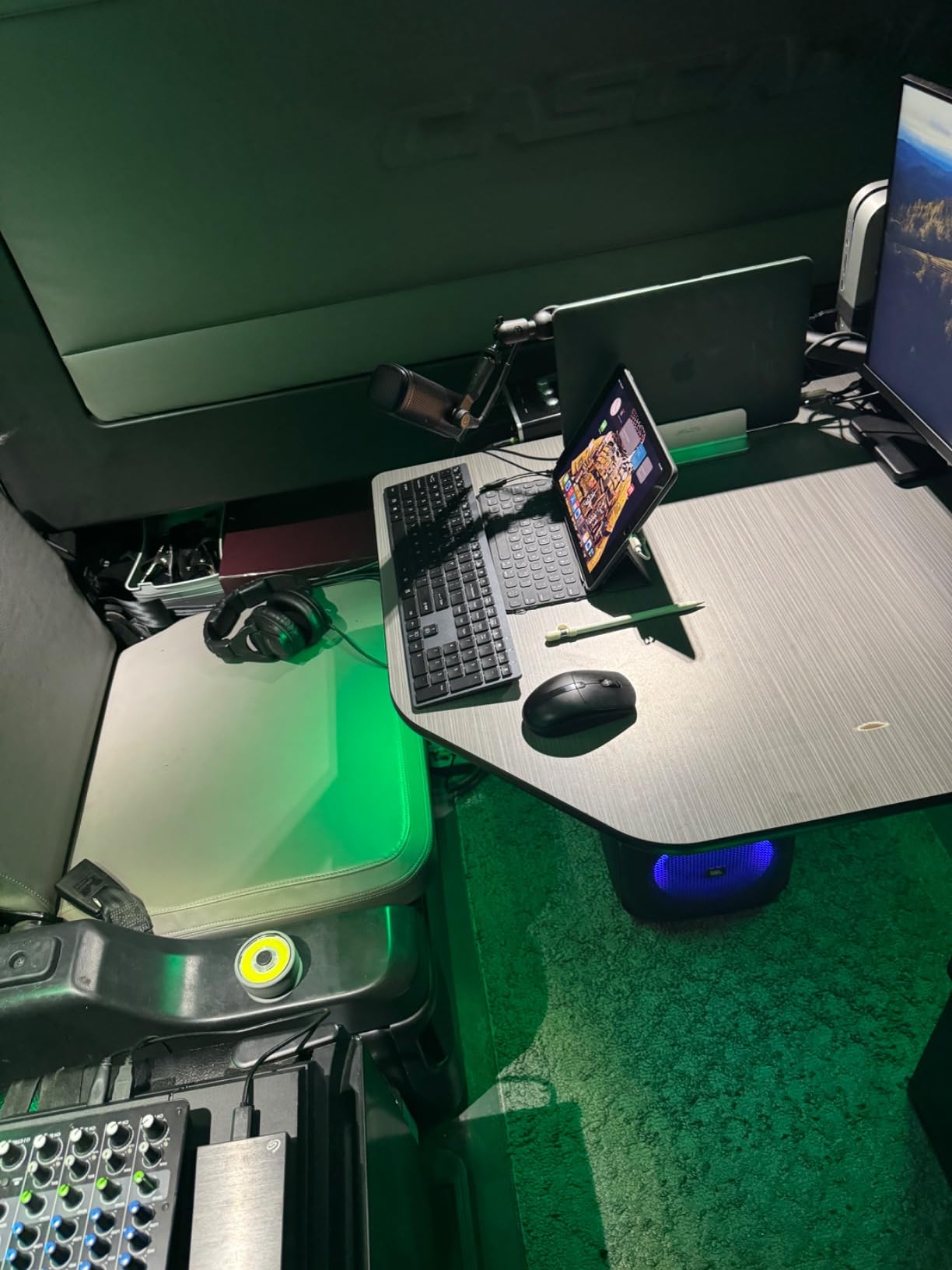
Elgato built the Wave DX specifically for the streaming and content creation market. The tuning focuses on vocal clarity while rejecting the mechanical noise from keyboards and mice that plague streamers. I tested this microphone alongside the SM7B and found it delivered 90% of the performance at one-fifth the total investment.
The cardioid pattern features a wider acceptance angle than the SM7B, making it forgiving for streamers who move naturally while talking. The rear rejection is aggressive, effectively suppressing computer fan noise and keyboard clatter that would be audible with condenser alternatives.
Unlike the SM7B, the Wave DX works with standard audio interfaces without requiring a Cloudlifter or FetHead. The 600-ohm impedance and sensitivity work well with entry-level interfaces that provide 40-50dB of gain. This compatibility saves beginners $150 in additional equipment.
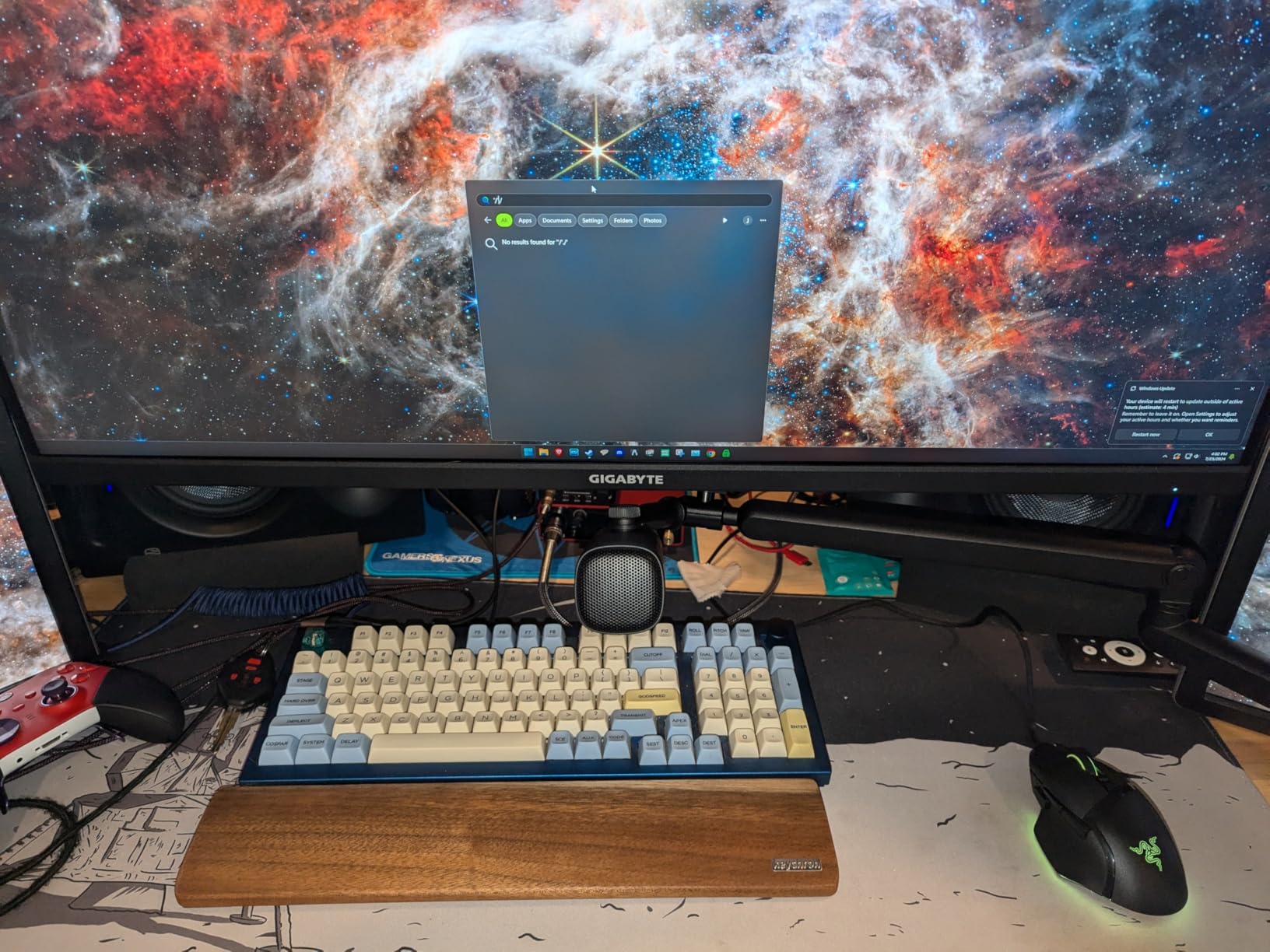
The compact size fits tight streaming setups where larger broadcast microphones dominate the frame. The swivel mount allows precise positioning while maintaining a clean aesthetic on camera. The build quality feels solid despite the smaller footprint.
Best for Streamers and Content Creators on a Budget
If you are building a streaming setup and want professional audio without the SM7B price tag or gain requirements, the Wave DX is purpose-built for your use case. The speech optimization, room rejection, and interface compatibility make it the logical choice for Twitch, YouTube, and podcast streaming.
Skip This If You Record Music
The Wave DX’s speech-optimized frequency response colors music sources unnaturally. The controlled bass response that flatters voice makes instruments sound thin. For creators who do both streaming and music recording, a more neutral dynamic like the SM58 or a condenser provides better versatility.
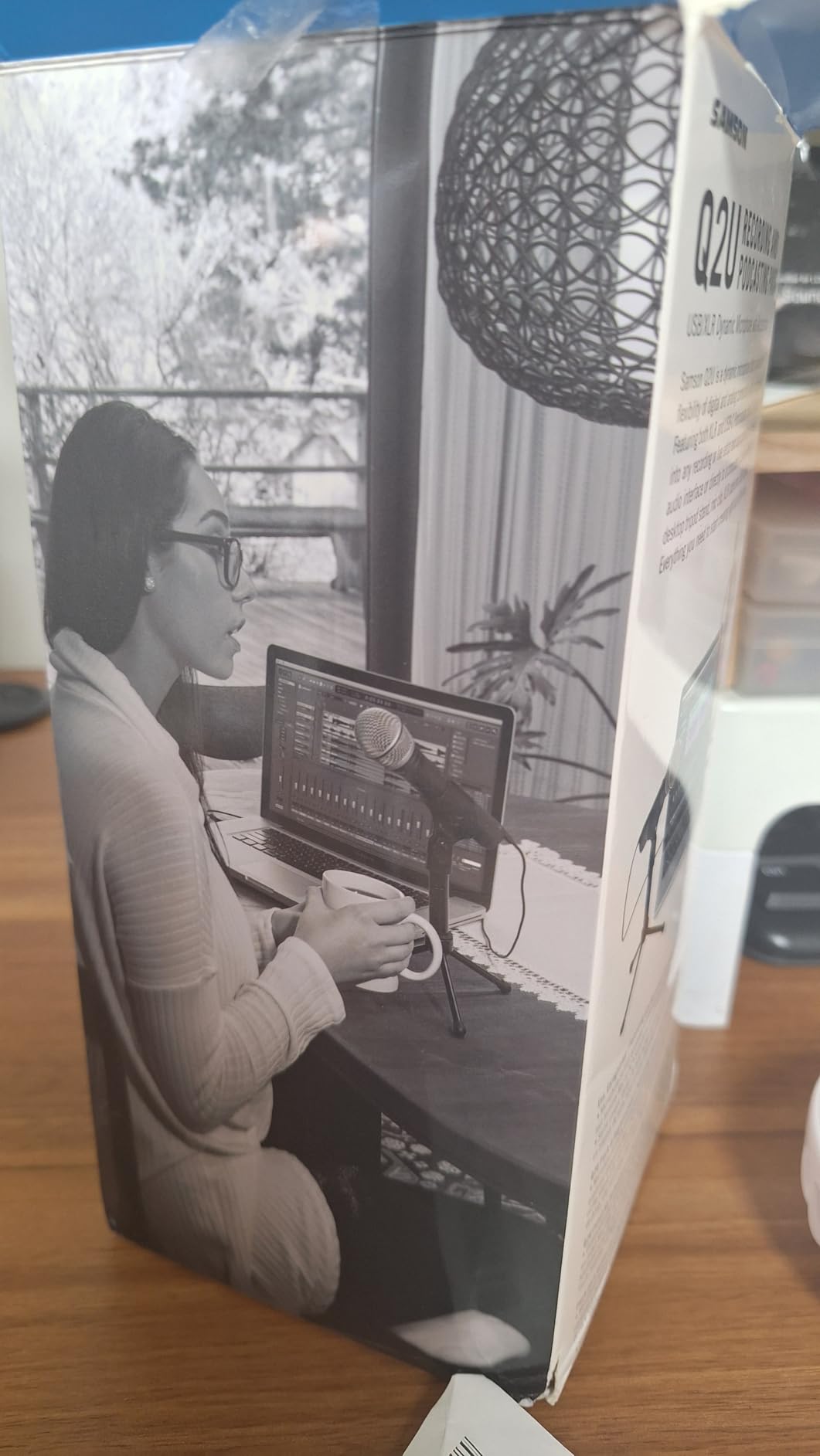
9. Samson Q2U – The Dual Output Beginner Champion
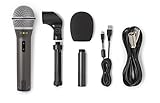
Samson Q2U USB/XLR Dynamic Microphone Recording and Podcasting Pack
Type: Dynamic
Polar Pattern: Cardioid
Frequency: 50Hz-15kHz
Output: USB-C and XLR
Pros
- Dual USB-C and XLR outputs
- Includes stand and cables
- Clear warm sound
- No external power needed
Cons
- Desktop stand is flimsy
- Included headphones basic
The Samson Q2U is the gateway drug to professional audio for thousands of content creators. I recommend this microphone to beginners more than any other because the dual outputs let you start with USB convenience and upgrade to XLR quality without buying a new mic. The included accessories provide everything needed to start recording immediately.
The dynamic capsule and cardioid pattern reject room noise effectively, making this forgiving for beginners recording in untreated bedrooms or shared spaces. The warm sound character flatters voices without requiring extensive EQ knowledge. The USB output provides plug-and-play compatibility with any computer.
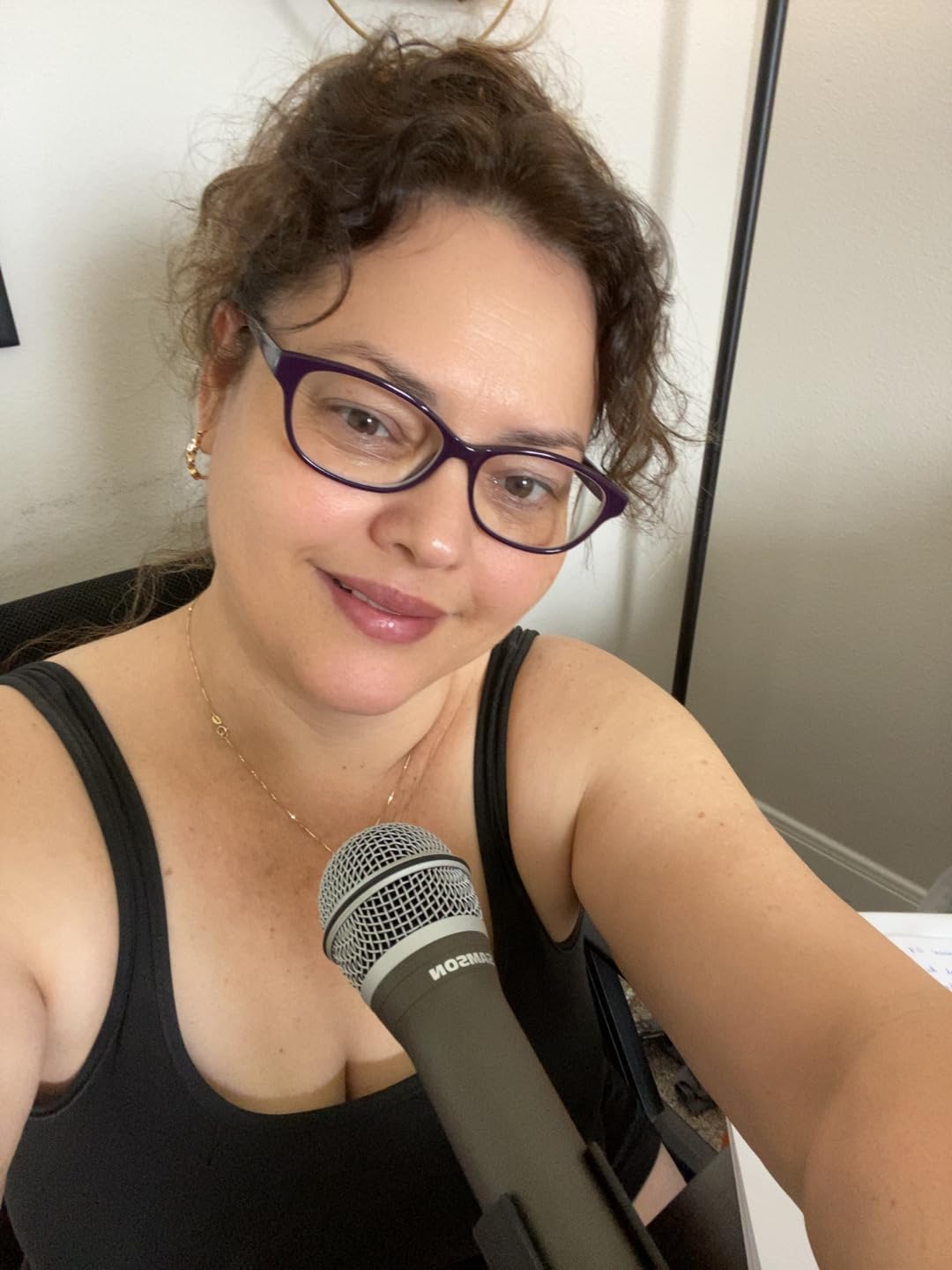
The included desktop stand, windscreen, and cables mean you can start recording the day your package arrives. The 3.5mm headphone jack provides latency-free monitoring while recording through USB. The solid metal construction survives the learning curve bumps and drops that often destroy cheaper plastic microphones.
When you are ready to upgrade to an audio interface, the XLR output connects to professional equipment while maintaining the same sound character you have learned to work with. This continuity helps beginners transition to professional workflows without learning a new microphone’s personality.
Best for First-Time XLR Users and Beginners
If you are currently using a headset microphone or laptop internal mic and want to take your first step toward professional audio, the Q2U is the safest investment you can make. The $100 price includes everything you need to start, and the dual outputs grow with you as you upgrade your setup.
Skip This If You Need Premium Build Quality
The Q2U’s included desktop stand is functional but flimsy. Serious users will want to upgrade to a boom arm within months. The microphone itself is well-built, but the accessories target budget-conscious beginners rather than professionals. If your budget allows $150-200, the Audio-Technica AT2020 with a separate boom arm provides a more substantial long-term setup.
10. Fifine K688 – Feature-Packed Budget Dynamic
FIFINE AmpliTank K688 Dynamic Microphone, XLR/USB Podcast Recording PC Mic
Type: Dynamic
Polar Pattern: Cardioid
Frequency: 50Hz-16kHz
SPL: 130dB
Pros
- Touch-to-mute button
- Headphone jack with volume
- All-metal construction
- 130dB SPL handling
Cons
- Boom arm not included
- Thin internal foam
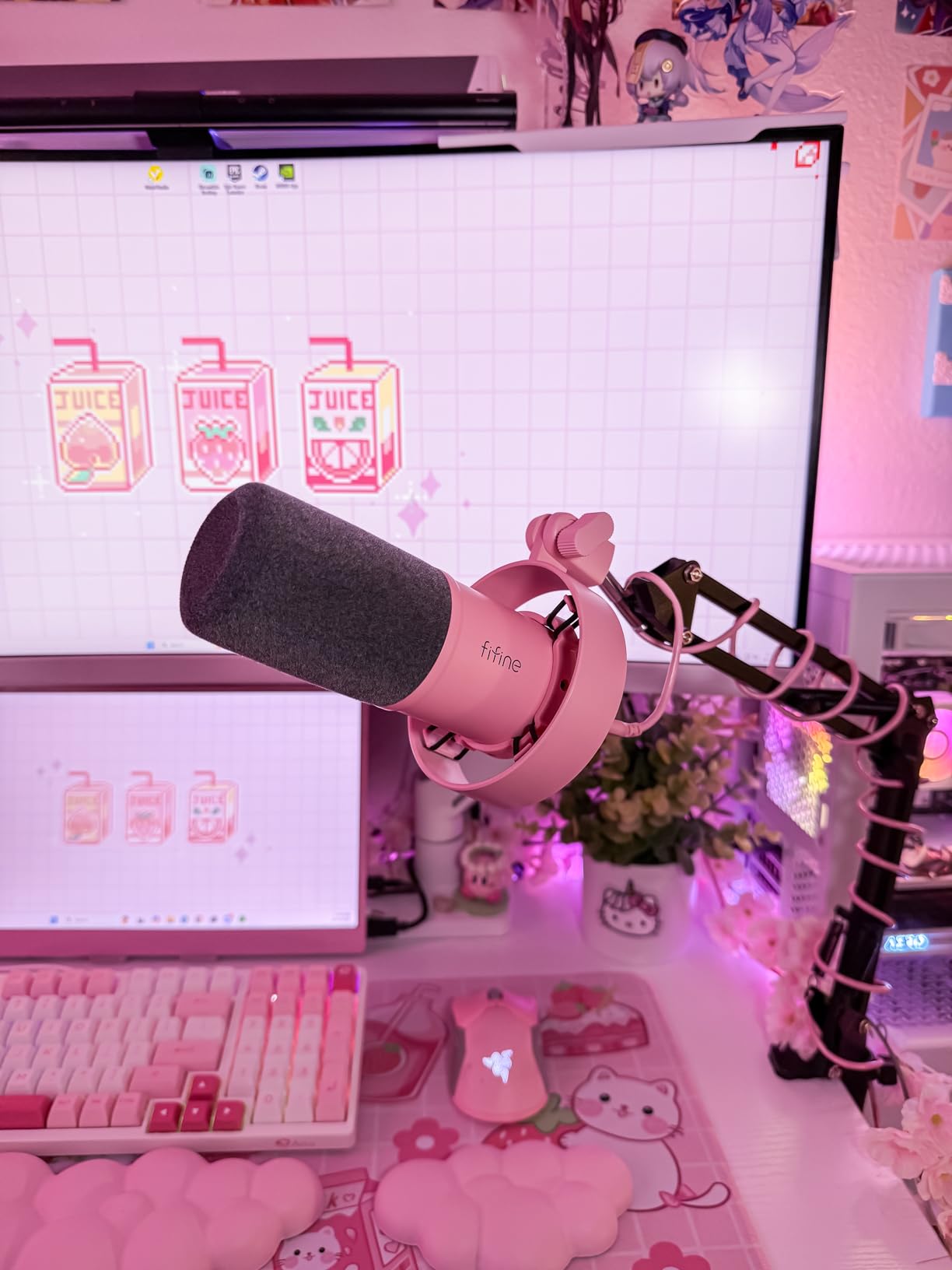
The Fifine K688 proves that budget microphones no longer mean compromise. At $51, this microphone includes features like tap-to-mute, headphone monitoring, and gain control that were exclusive to $200+ microphones just a few years ago. I tested this against the SM7B and was surprised by how close it came at one-eighth the price.
The dual XLR and USB connectivity provides flexibility for different recording scenarios. The tap-to-mute button with LED indicator is invaluable for streamers who need quick audio cutoff. The built-in headphone jack with dedicated volume control allows latency-free monitoring without routing through software.
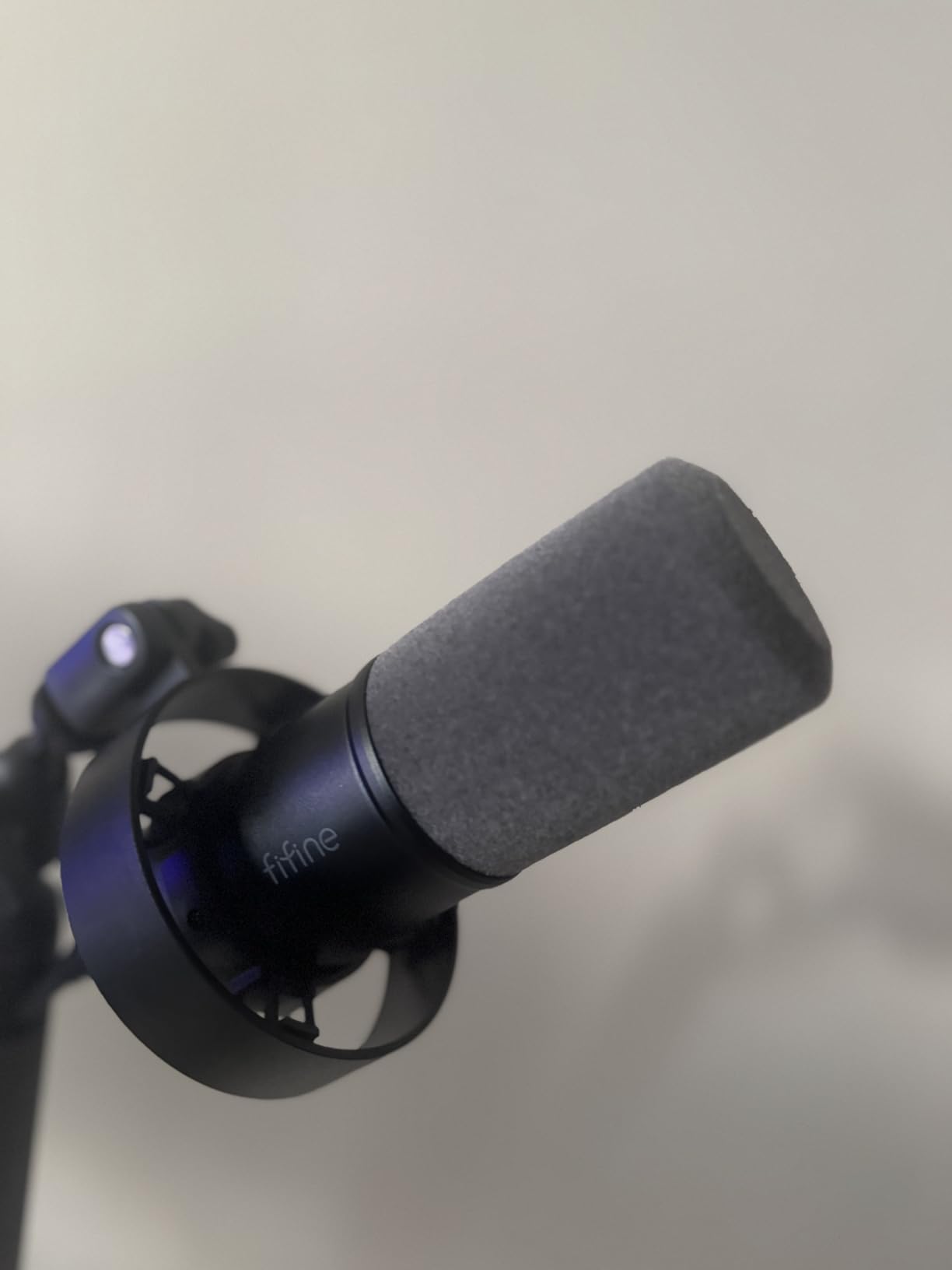
The all-metal construction feels premium and durable. The included shock mount and windscreen are functional accessories that would cost $30-40 purchased separately. The 130dB SPL handling means you can record loud sources without distortion, though the primary use case remains speech and vocals.
The frequency response targets voice clarity with effective background noise rejection. The cardioid pattern suppresses keyboard clicks and mouse movements that would be audible with condenser alternatives. The 80dB signal-to-noise ratio keeps recordings clean when properly gain-staged.
Best for Budget-Conscious Streamers
If you are starting your content creation journey and need every feature possible for minimal investment, the K688 delivers incredible value. The touch controls, monitoring capabilities, and dual connectivity rival microphones costing four times as much. This is the best entry point for creators who want professional features on a tight budget.
Skip This If You Want Long-Term Durability
While the K688 performs well initially, the long-term reliability of budget electronics is always a question. The internal foam for plosive protection is thinner than premium microphones. If you are building a professional studio that will see daily use for years, investing in established brands like Shure, Rode, or Audio-Technica provides better peace of mind.
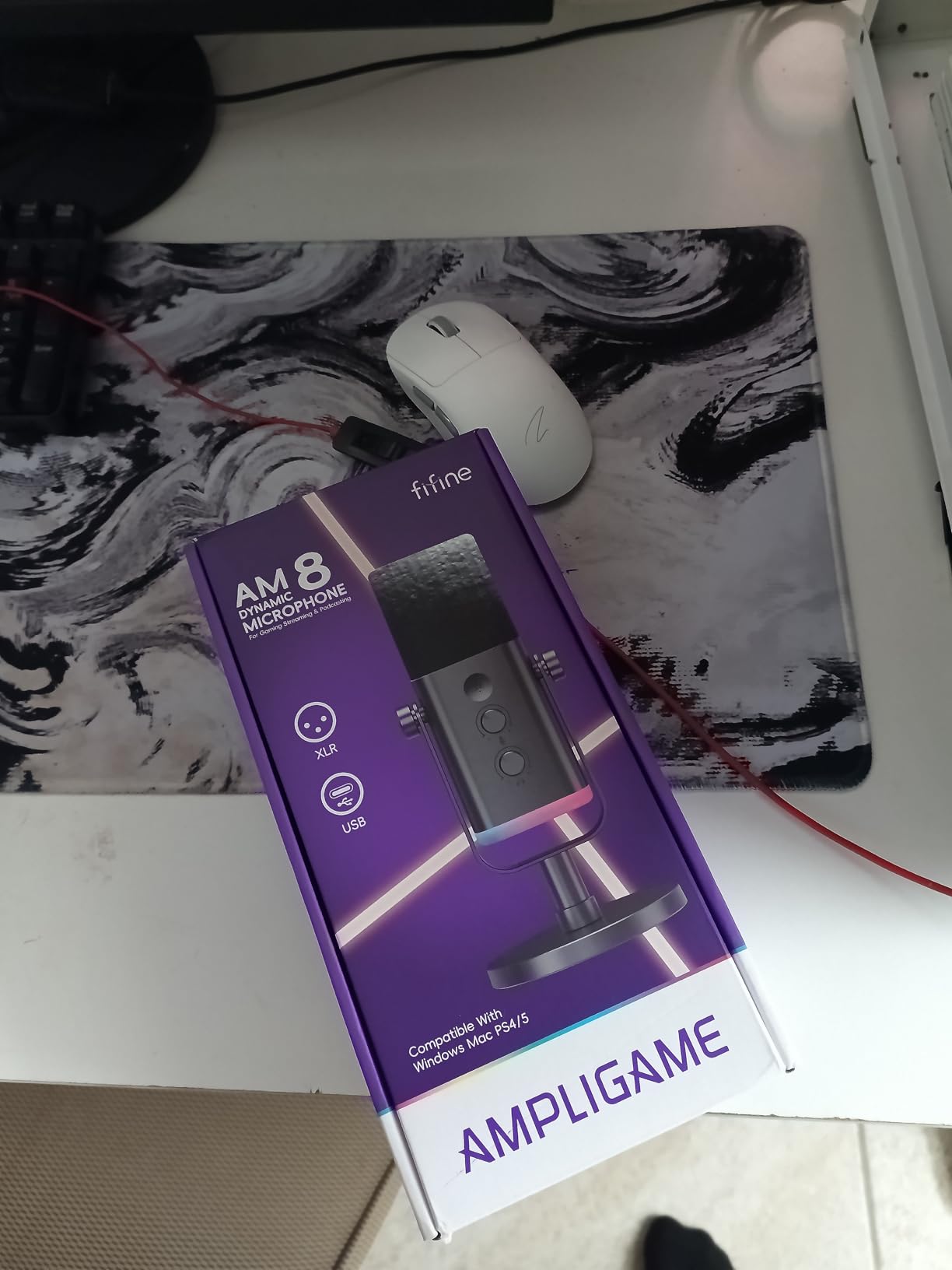
11. Fifine AM8 – RGB Gaming Microphone
FIFINE AmpliGame AM8 USB/XLR Dynamic Microphone for Gaming Streaming
Type: Dynamic
Polar Pattern: Cardioid
Frequency: 50Hz-16kHz
RGB: 3 modes
Pros
- RGB lighting with modes
- USB and XLR outputs
- Tap-to-mute with LED
- Headphone monitoring
Cons
- RGB only in USB mode
- Picks up keyboard noise
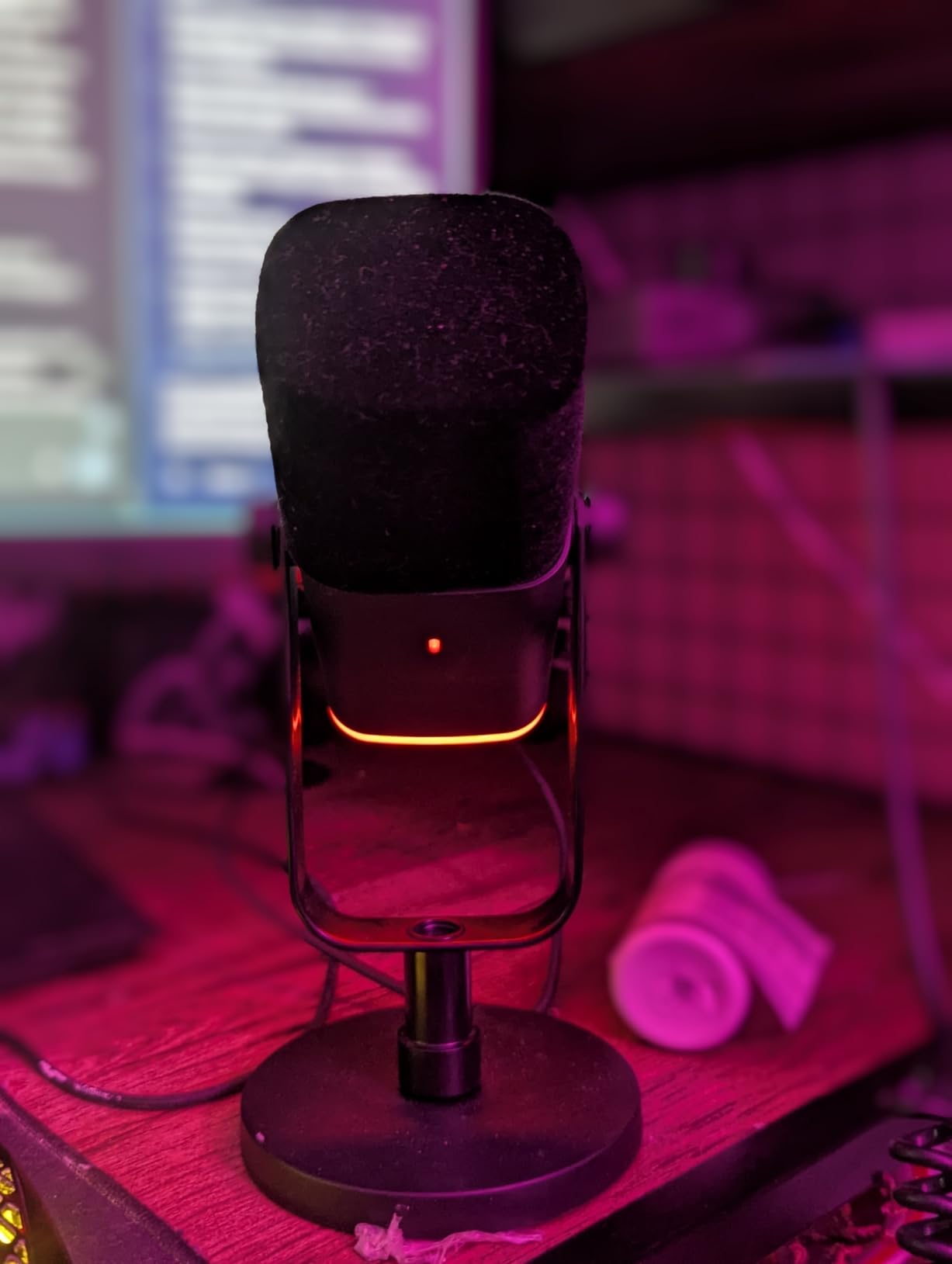
The Fifine AM8 targets the gaming and streaming aesthetic with RGB lighting that integrates into colorful setups. I tested this microphone for a gaming-focused YouTube channel and found the sound quality exceeded expectations for the $55 price point. The lighting effects add visual interest that appeals to the target demographic.
The dual connectivity works like other hybrid microphones, providing USB plug-and-play convenience alongside XLR professional output. The tap-to-mute button with LED indicator is essential for streamers who need to cut audio quickly. The desktop stand is functional for starting out, though serious users will want a boom arm.
The cardioid pattern provides decent noise rejection for a budget dynamic, though it is not as aggressive as the Elgato Wave DX or Shure SM7B. The frequency response emphasizes clarity in the vocal range with controlled bass response. The 80dB signal-to-noise ratio is respectable for this price category.
The RGB lighting offers three modes to match different setup aesthetics. This feature only works in USB mode, so XLR users lose the lighting effects. The build quality is solid plastic and metal that should survive normal desk use.
Best for RGB Gaming Setups
If you are building a gaming PC setup with coordinated RGB lighting throughout, the AM8 integrates visually while providing audio quality that outperforms headset microphones. The feature set and price make this the logical choice for gamers taking their first step toward professional audio without abandoning their aesthetic.
Skip This If You Want Professional Aesthetics
The RGB lighting and gaming-oriented design looks out of place in professional podcasting or corporate environments. If you are recording business content or want a microphone that looks appropriate in any setting, the more conservative styling of the Samson Q2U or Audio-Technica AT2020 provides better versatility.
12. Fifine AM8T – Complete Kit with Boom Arm
FIFINE AmpliGame AM8T XLR/USB Gaming Microphone Set, Dynamic PC Mic
Type: Dynamic
Polar Pattern: Cardioid
Frequency: 50Hz-16kHz
Includes: Boom arm
Pros
- Boom arm included
- USB and XLR outputs
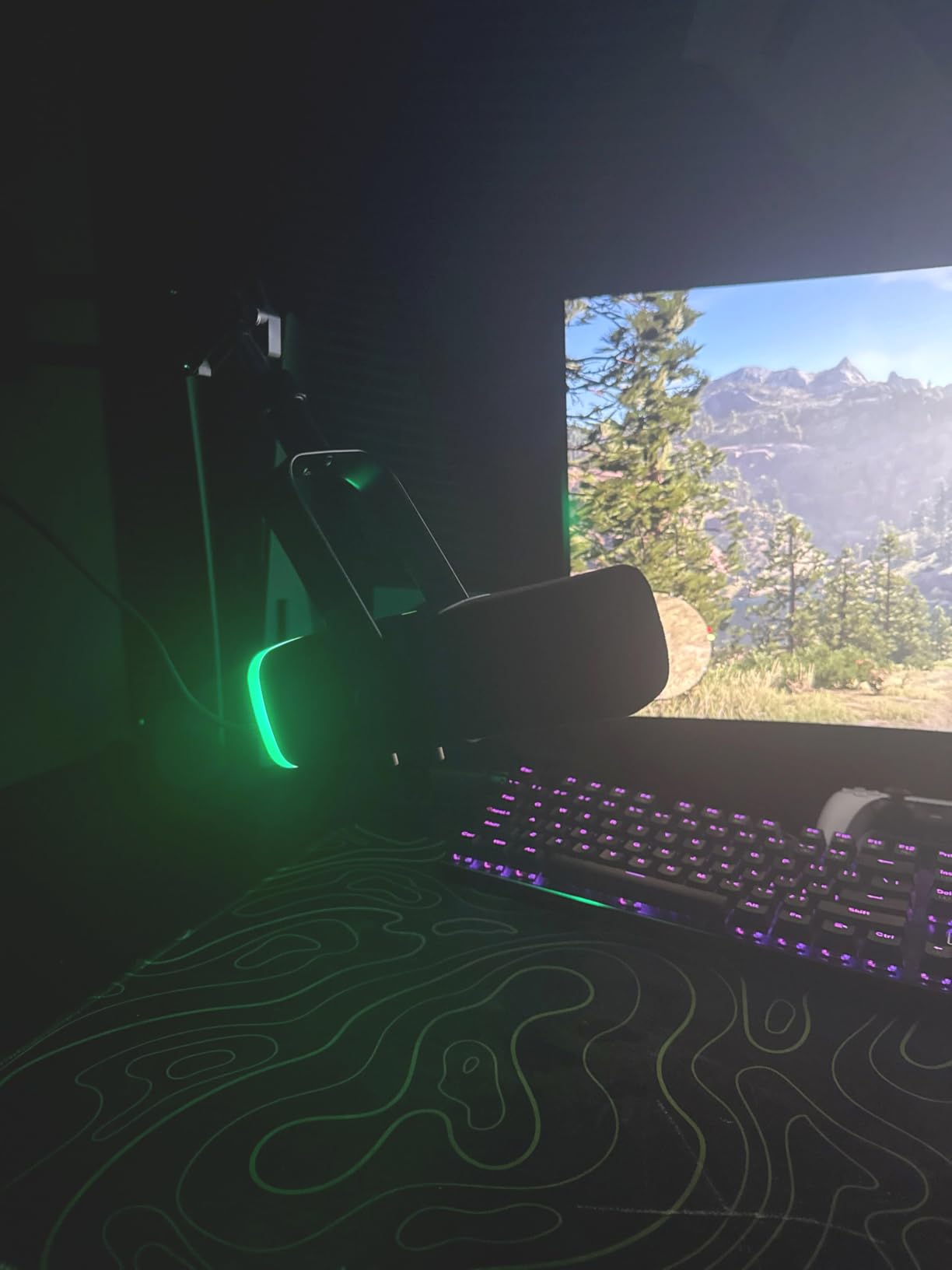
- Controllable RGB
- Good for gaming/streaming
Cons
- Stand could be sturdier
- No shock mount included
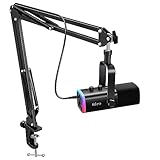
The Fifine AM8T takes the AM8 foundation and adds a boom arm to create a complete starter kit. For $68, you get everything needed to position and connect a professional microphone. I tested this setup for a beginner streaming tutorial and appreciated having all necessary components in one box.
The boom arm provides flexible positioning that the desktop stand cannot match. You can suspend the microphone above your keyboard, eliminating the clattering noise that plagues desk-mounted microphones. The arm is functional though not as smooth as premium options costing $100+ separately.
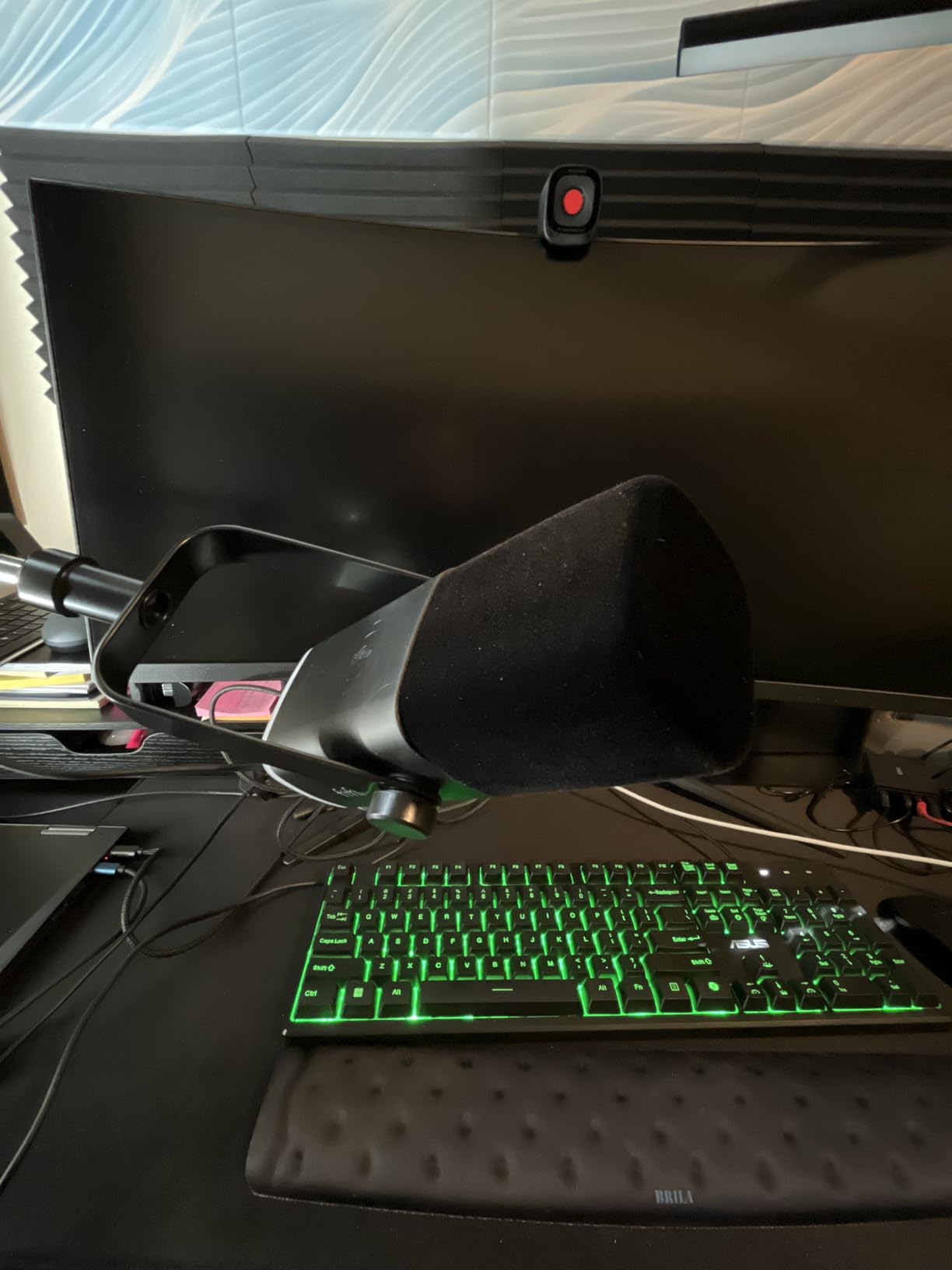
The microphone itself shares the AM8’s characteristics with dual connectivity, RGB lighting, and tap-to-mute functionality. The frequency response targets vocal clarity for streaming and podcasting. The cardioid pattern suppresses ambient noise effectively enough for untreated rooms.
The pop filter included in the kit is a basic foam windscreen rather than a professional mesh filter. It helps with plosives but dedicated podcasters will want to upgrade. The USB-C connectivity is modern and reliable, though some users report better results with USB-C to USB-C cables rather than the included USB-A adapter.
Best for Complete Starter Setups
If you want a one-box solution that includes the microphone, boom arm, and all necessary cables, the AM8T delivers exceptional value. This is the most affordable way to get a boom-mounted professional microphone without purchasing components separately. Perfect for beginners who want professional positioning without research and assembly.
Skip This If You Want Premium Components
The included boom arm and accessories are functional but not professional-grade. The arm may drift over time and lacks the smooth adjustability of premium options. If you are building a studio that will see years of daily use, investing in a separate quality boom arm and microphone provides better long-term value.
13. Maono PM320S – Budget Condenser Kit
MAONO PM320S Condenser PC Microphone with XLR Cable, Boom Arm, Pop Filter
Type: Condenser
Polar Pattern: Cardioid
Frequency: 20Hz-18kHz
Capsule: 16mm
Pros
- Complete kit with accessories
- 16mm condenser capsule
- Metal construction
- Good for vocals
Cons
- Requires 48V phantom power
- Boom arm can be stiff
The Maono PM320S offers the only true large-diaphragm condenser experience under $60 on this list. The complete kit includes a boom arm, shock mount, and pop filter that would cost more than the entire package if purchased separately. I tested this for budget-conscious creators who want condenser detail without the premium price.
The 16mm condenser capsule captures more detail and high-frequency air than dynamic alternatives in this price range. The frequency response extends to 18kHz, providing the sparkle and presence that voice-over work and vocal recording demand. The cardioid pattern offers reasonable off-axis rejection for a condenser.
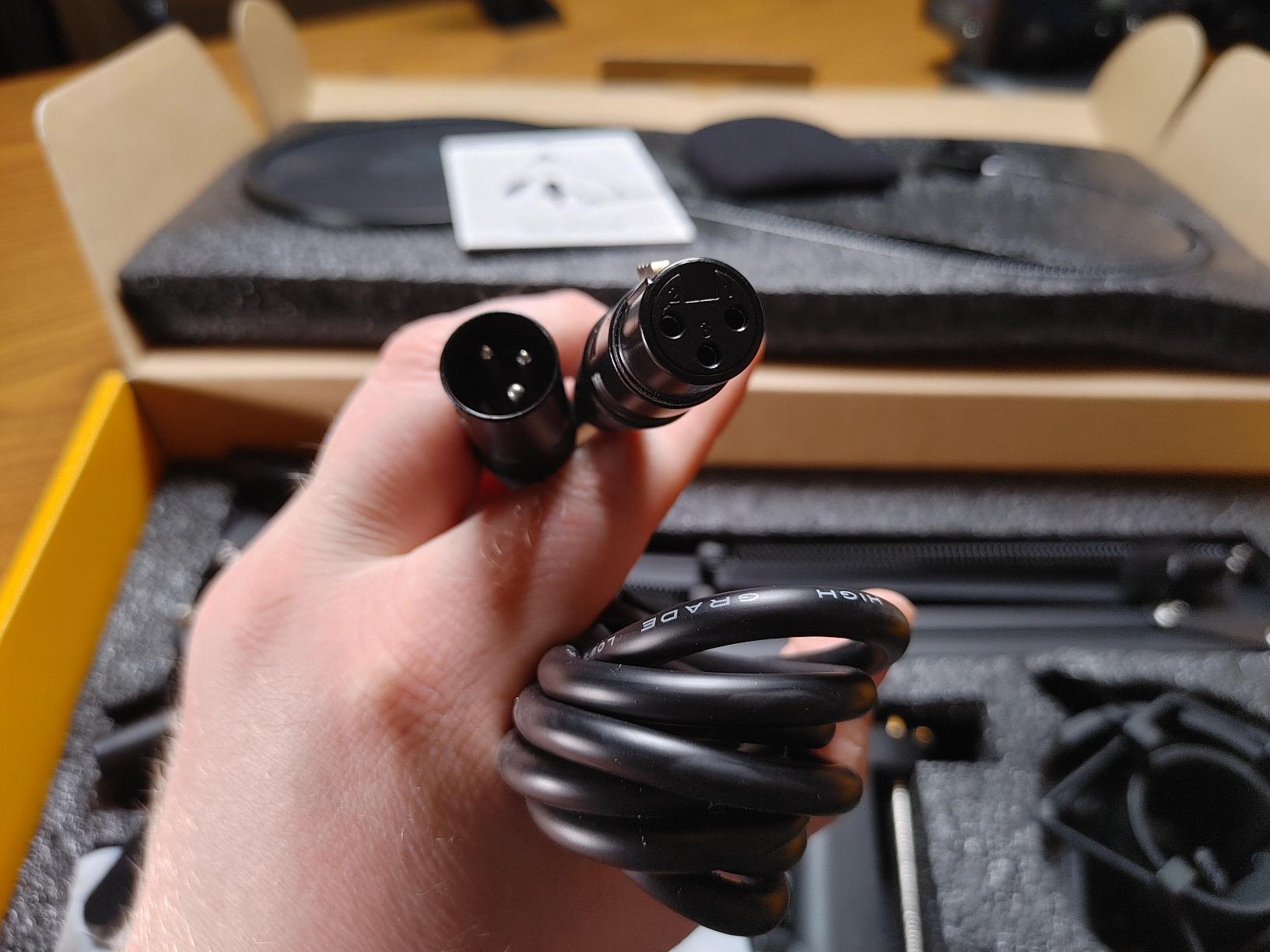
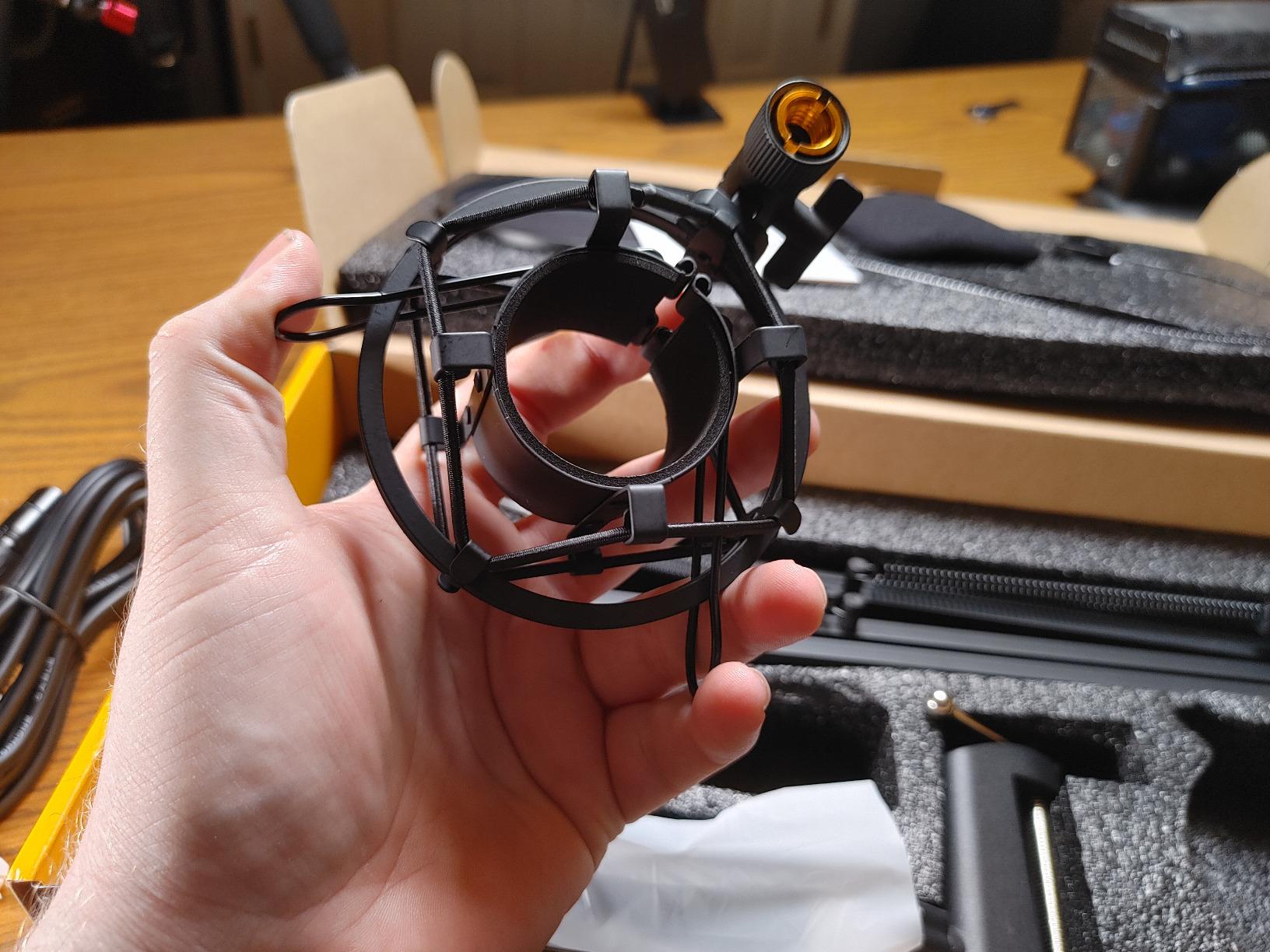
The all-metal construction surprises at this price point. The shock mount and pop filter are functional accessories that improve recording quality immediately. The boom arm provides positioning flexibility, though the joints can be stiff initially and may require break-in.
This microphone requires 48V phantom power from your audio interface, unlike the USB microphones that dominate this price bracket. The XLR-only connection ensures professional audio quality but requires additional investment in an interface. Factor this into your total budget when comparing to USB alternatives.
Best for Budget Condenser Recording
If you specifically want the condenser microphone sound for vocals or acoustic instruments but cannot afford the Audio-Technica AT2020, the PM320S provides 80% of the performance at half the price. The included accessories make this a true starter kit for condenser recording.
Skip This If Your Room Is Untreated
Condenser microphones are unforgiving of room acoustics. If you record in an untreated space with hard surfaces and echo, the PM320S will capture those problems clearly. Dynamic microphones like the Maono PD100 or Fifine K688 reject room noise better and provide cleaner results in challenging spaces.
14. Maono PD100 – Entry-Level Dynamic Microphone
MAONO XLR Podcast Microphone, Cardioid Studio Dynamic Metal Mic Compatible with Audio Interface, Audio Mixer, Sound Card for Recording, Streaming, Vocal, Music, Voice Over-PD100
Type: Dynamic
Polar Pattern: Cardioid
Frequency: 60Hz-14kHz
Impedance: 600 Ohms
Pros
- Excellent value for money
- Warm vintage sound
- Voice isolation technology
- Includes stand and cable
Cons
- Needs preamp for best results
- Lower sensitivity
The Maono PD100 is the most affordable XLR microphone on this list at just $41. I tested this specifically to see what professional audio quality looks like at entry-level prices. The answer is surprisingly capable for podcasting and streaming, though with limitations that justify the cost savings.
The dynamic capsule provides the noise rejection and forgiving nature that beginners need. The warm sound character flatters voices without requiring extensive EQ. The voice isolation technology helps reject background noise, though not as effectively as premium options like the SM7B.
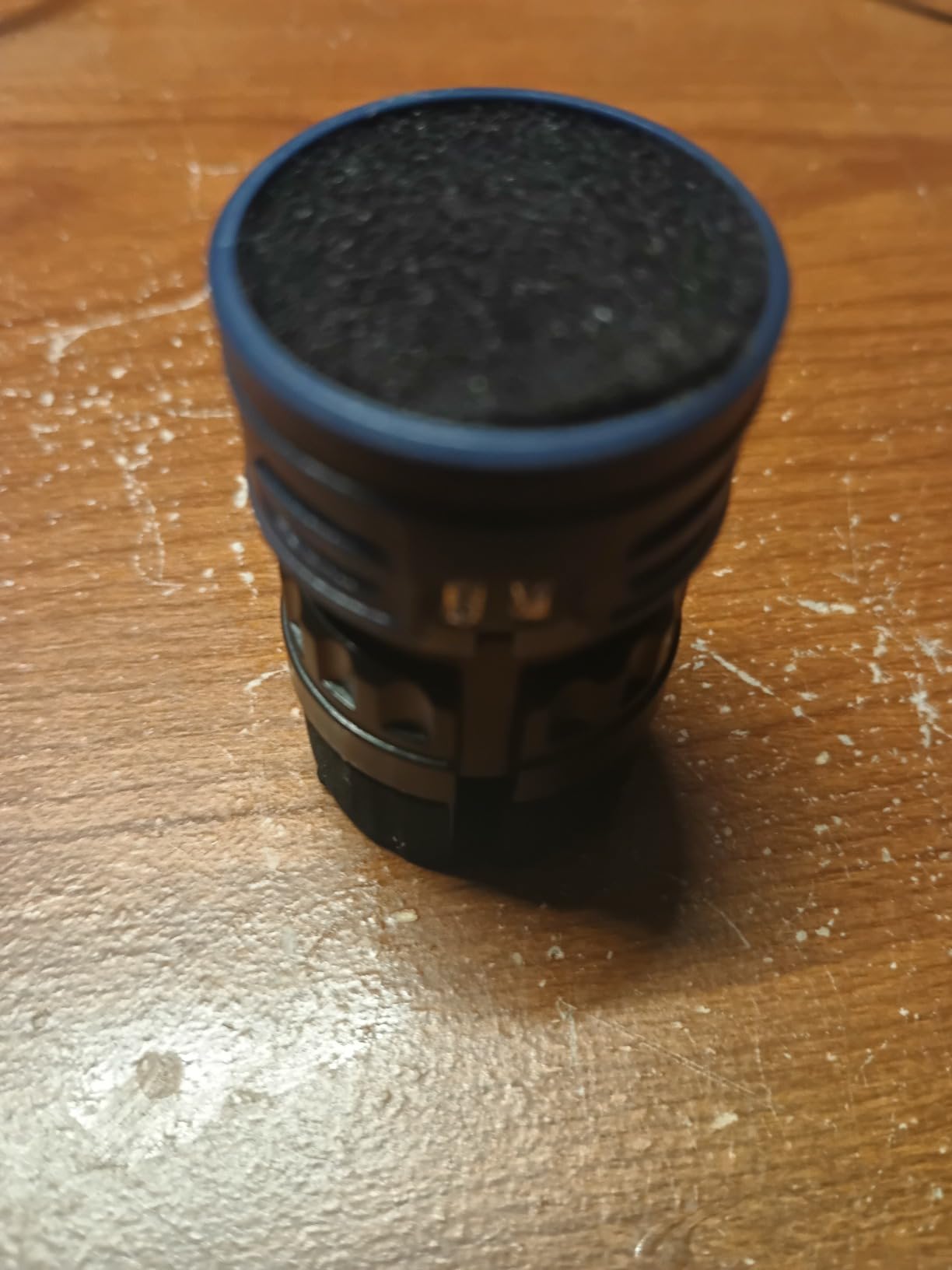
The included desktop stand and XLR cable mean you can start recording immediately with an audio interface. The metal construction feels solid despite the low price. The internal double-layer pop filter reduces plosives without external accessories.
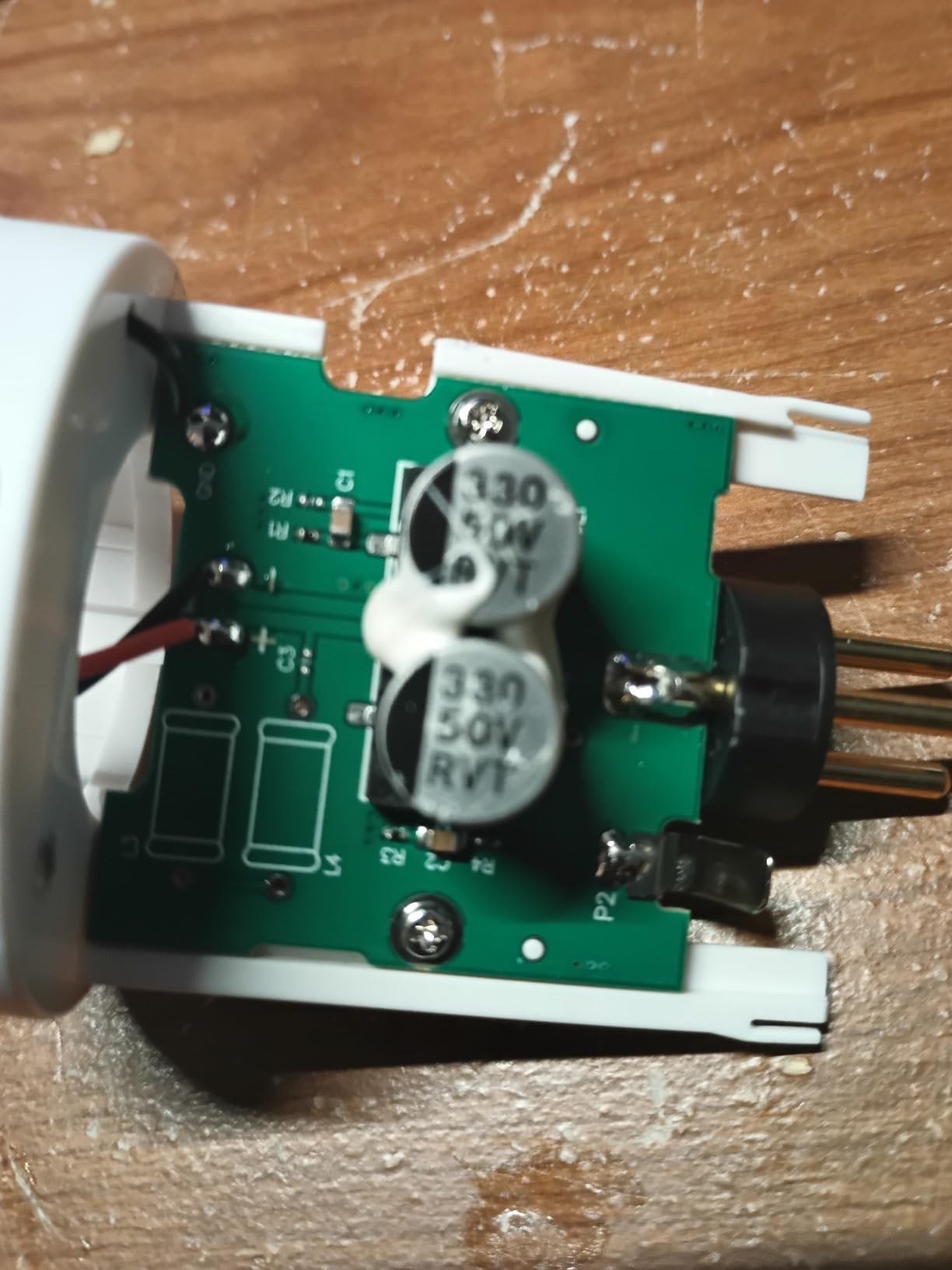
The lower sensitivity means this microphone needs a decent preamp or audio interface to achieve proper recording levels. Budget interfaces with weak preamps may struggle to provide enough clean gain. The frequency response tops out at 14kHz, missing some high-frequency air that more expensive microphones capture.
Best for Absolute Beginners on Tight Budgets
If $50 is your maximum microphone budget and you already own an audio interface, the PD100 provides legitimate XLR quality for the price of a budget USB headset. This is the entry point to professional audio for creators who cannot stretch to the Samson Q2U or Fifine alternatives.
Skip This If You Can Stretch Your Budget
The PD100 sacrifices some sensitivity and high-frequency response to hit its price point. For just $10-20 more, the Fifine K688 or AM8 provide significantly more features and better sound quality. Only choose the PD100 if the $41 price is a hard ceiling and cannot be exceeded.
How to Choose the Best XLR Microphone for Your Needs
With 14 options covered, selecting the right microphone can still feel overwhelming. Here are the key factors I consider when recommending microphones to creators.
Dynamic vs Condenser Microphones
Dynamic microphones use a moving coil and magnet to generate electrical signals. They are durable, reject background noise effectively, and work well in untreated rooms. The trade-off is reduced sensitivity and high-frequency detail. Dynamic mics like the SM7B, PodMic, and MV7X are ideal for podcasting, streaming, and noisy environments.
Condenser microphones use a charged diaphragm and backplate to capture sound. They are more sensitive, capture more detail, and extend higher in frequency response. The trade-off is increased background noise pickup and the requirement for 48V phantom power. Condensers like the AT2020 and Rode NT1 are ideal for music recording, voice-over work, and treated studio spaces.
Understanding Phantom Power
Phantom power is 48 volts of DC electricity sent through XLR cables to power condenser microphones. Dynamic microphones do not need or use phantom power, though it typically will not damage them if accidentally applied. Every modern audio interface includes phantom power, usually with a switch labeled 48V.
If you choose a condenser microphone like the AT2020 or Rode NT1, you must have phantom power available. This is not a concern with most interfaces, but it is worth verifying before purchase. Dynamic microphones offer plug-and-play simplicity without worrying about power requirements.
Gain Requirements and Cloudlifter
Gain is the amplification applied to your microphone signal to reach proper recording levels. Dynamic microphones, especially the Shure SM7B, require significant gain that budget interfaces struggle to provide cleanly. When your interface runs out of gain, you hear increased noise and hiss in recordings.
A Cloudlifter or FetHead is an inline preamp that adds 20-25dB of clean gain before your interface. This allows your interface to work in its optimal range while the Cloudlifter handles the heavy lifting. For SM7B owners, the Cloudlifter CL-1 is almost mandatory. For other dynamic microphones like the PodMic or MV7X, quality interfaces usually provide enough gain without additional equipment.
XLR vs USB: Which Should You Choose
USB microphones connect directly to computers with plug-and-play convenience. They include built-in analog-to-digital converters and preamps. This simplicity comes at the cost of audio quality, upgrade paths, and flexibility. USB microphones are fine for beginners but limiting for serious creators.
XLR microphones use standardized three-pin connectors that interface with professional audio equipment. They deliver superior sound quality, allow you to upgrade individual components over time, and work with the same equipment used in professional studios. The investment in XLR represents a commitment to audio quality that grows with your skills.
Polar Patterns Explained
The polar pattern describes how a microphone picks up sound from different directions. Cardioid is the most common pattern, heart-shaped and focused on the front while rejecting sound from the rear. This pattern works for most podcasting, streaming, and vocal recording.
All 14 microphones in this guide use cardioid patterns. This consistency simplifies your decision-making while ensuring effective background noise rejection. Omnidirectional patterns pick up sound from all directions, useful for room ambience or roundtable discussions. Figure-8 patterns pick up front and rear while rejecting sides, useful for interview situations.
Frequently Asked Questions
What is the best XLR microphone for beginners?
The Samson Q2U is the best XLR microphone for beginners because it includes both USB and XLR outputs, allowing you to start with plug-and-play convenience and upgrade to professional XLR setups later without buying a new microphone. The Audio-Technica AT2020 is the best pure XLR option for beginners ready to invest in an audio interface.
What mic does Joe Rogan use on his podcast?
Joe Rogan uses the Shure SM7B on his podcast. This microphone has become the industry standard for professional podcasting and broadcasting due to its warm sound, excellent noise rejection, and broadcast-ready character.
Do XLR microphones need phantom power?
Only condenser XLR microphones need phantom power. Dynamic microphones like the Shure SM7B, Rode PodMic, and Shure SM58 do not require phantom power. If you are using a condenser microphone such as the Audio-Technica AT2020 or Rode NT1, you must enable 48V phantom power on your audio interface.
What is the difference between USB and XLR microphones?
USB microphones have built-in preamps and analog-to-digital converters that connect directly to computers. XLR microphones require an external audio interface to convert the analog signal to digital. XLR microphones offer superior sound quality, upgrade flexibility, and professional compatibility, while USB microphones provide plug-and-play convenience for beginners.
How much gain do XLR microphones need?
Most dynamic XLR microphones need 40-60dB of gain. The Shure SM7B specifically requires 60dB or more, often needing a Cloudlifter or high-gain preamp. Condenser microphones typically need less gain, around 30-40dB, due to their higher sensitivity. Check your audio interface specifications to ensure it provides enough clean gain for your chosen microphone.
Conclusion
Choosing the best XLR microphones for your setup depends on your specific needs, budget, and recording environment. The Shure SM7B remains the industry standard for professional podcasting and broadcasting, delivering that warm radio-ready sound that listeners associate with premium content. At $395, it represents a serious investment justified by professional results.
For most creators, the Rode NT1 5th Gen offers the best overall value with its dual XLR and USB connectivity, ultra-low self-noise, and included premium accessories. The Audio-Technica AT2020 continues to define the entry-level condenser category, while the Samson Q2U provides the safest starting point for beginners wanting dual connectivity options.
Budget-conscious creators have excellent options in 2026, with the Fifine K688 and Elgato Wave DX delivering professional features at under $100. Whatever your budget, investing in an XLR microphone represents a commitment to audio quality that will elevate your content above USB alternatives and grow with your skills for years to come.