
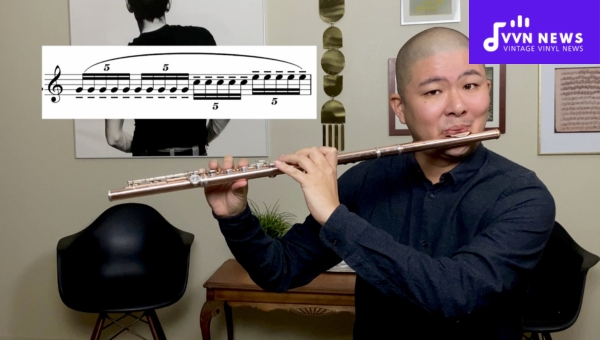
As a musician, it’s impossible to deny the expressive beauty a touch of vibrato can add to any piece. In my own experience, the sweet resonance of Flute Vibrato offers an incredible depth and warmth to its characteristic tone.
Enhancing your playing with this technique adds a greater dimension to your music and brings an increased level of emotion to any performance. For those not already familiar, put simply, flute vibrato is the slight variation in pitch that creates a rich, wavering tone.
Learning how you can harness this effect is crucial in expanding your musicality and learning your flute playing.
In this blog post, we will delve into what makes this technique so special as well as share some tips on how you can perfect it.
Table of Contents
What Is Flute Vibrato?
In essence, flute vibrato refers to the deliberate fluctuation of a note’s pitch that subtly warms and enriches its tone.
To be precise, it’s like a musical wave, pulsing audibly through each note you play.
This technique is not something inherent to the instrument, but rather, it’s a technical skill that flutists must learn and practice to perfection.
Often confused with tremolo, which involves changing the volume rather than the pitch.
The beauty of flute vibrato lies in its capability to infuse feelings and emotions into the musically produced notes.
For seasoned flute players, employing this technique becomes second nature—a fundamental part of their performances.
Also Read: A Minor Scale [Unlock The Mysteries Of Musical Composition]
How Does Vibrato Enhance Flute Music?
The transformative effect of vibrato cannot be overstated in flute music. Here are five key ways:

- Added Warmth: Vibrato introduces a warmth and depth to your tone which standard, non-vibrato notes cannot match. The gentle undulation of the pitch makes the sound richer, turning simple notes into complex waves of sound.
- Increased Emotion: We usually associate a vibrato sound with increased emotion, passion even. When we listen to flute music infused with it, we automatically perceive it as more nuanced and heartfelt.
- Dynamic Contrast: Music is so much more than the sum of its notes or rhythms — it’s about creating captivating contrasts for listeners to experience. Vibrato introduces a notable dimension of changeable dynamics within your playing.
- Artistic Expression: Think of vibrato as the color palette for a painter; it helps portray different moods allowing you to showcase your expressive style.
- Enhanced Projection: Control over vibrato equips you with the skill to maintain beautiful tone quality even at higher dynamic levels (like forte or fortissimo), thereby enhancing projection in large venues or open spaces.
Every one of these benefits highlights how incorporating well-controlled and tasteful vibrato can elevate your flute music, granting you an additional layer of expression that can make your performances truly memorable.
Techniques for Producing Vibrato on a Flute
First, let’s tackle the core mechanics before moving towards more complex exercises.
Follow these techniques to accurately produce and control your vibrato.
1. Diaphragm Vibrato
Diaphragm vibrato is likely the most common technique utilized by flute players.
By manipulating your diaphragm – the chief muscle of respiration situated in your chest cavity – you can create airflow variations, setting the stage for continuous fluctuations that make up perfect vibrato.
To generate this effect, imagine subtly yawning or laughing while playing a long note: we want that sensation in our diaphragms – not precisely audible yet distinctly causing shifts in air pressure.
2. Throat Vibrato
Even though throat vibrato is less frequently promoted due to inherent risks interfering with embouchure control (the configuration of mouth muscles while playing), it regardless has its devotees amongst even professionals.
It specifically revolves around flexing your larynx position intermittently to alter pitch during play.
Bear in mind, similar to singing, too much tension can damage vocal cords over time — moderation indeed being key here. To avoid potential strain, ensure you’re also utilizing other techniques concurrently.
3. Jaw Vibrato
Not as standard but well worth it knowing: Jaw vibrato involves slight & timely mandible (lower jaw) movements mimicking speech patterns when playing notes i.e., pronouncing “vah-vah-vah”.
Albeit less recommended since jaw movement could destabilize embouchure integrity — consider it complementary rather than standalone.
4. Mixed Vibrato
As from the above points, we’ve acknowledged that utilizing each exclusive method brings certain risks; hence many seasoned flute players opt for mixed vibratos—a blend incorporating diaphragmatic breathing with minimal jaw and throat contributions — delicately balanced for maximum effect.
5. Pulse Vibrato
Pulse vibrato, in essence, is a rhythm exercise. It’s about creating a ‘pulse’ or ‘wave’ of sound by pushing extra air out in a rhythmic pattern.
A sort of ‘push and retract’ pattern of three pushes creates one vibrato cycle.
It often sounds quite dramatic and is best enhanced over time through practice.
To make your journey to flute vibrato as seamless as possible, it’s paramount to remain patient with yourself throughout the learning process.
Don’t rush toward perfecting your vibrato overnight—life-long skills are bound to take some time but I promise it will be worth your while once you learn how these techniques enhance your flute playing.
Also Read: D Sharp Major Pentatonic Scale [A Bright And Positive Tone]
When Should You Use Vibrato in Flute Playing?
Incorporating vibrato into your flute playing can transform a simple melody into an emotive and captivating experience.

Here are five critical points to consider when deciding to add vibrato:
1. Musical Expression
Vibrato should be used as a tool for expression. Much like a singer’s quiver can convey deep emotion, vibrato on the flute magnifies the sentiment behind a piece of music.
In lyrical passages, or where the melody soars and dips with the ebb and flow of the composition, use vibrato to enhance the musical storytelling.
2. Genre Specifications
Take into account the genre of music you are playing. Baroque and early classical music often require a lighter or less frequent use of vibrato, aligning with historical performance practices associated with those periods.
In contrast, romantic and contemporary pieces frequently benefit from more liberal use of vibrato.
3. Following Phrasing
Pay attention to phrasing within the score; it will often signal when vibrato is appropriate.
Where there’s a crescendo or a decrescendo, adding or decreasing vibrato respectively can accentuate dynamic changes and make transitions smoother.
4. Restraint in Technique
Employ vibrato judiciously—overuse can become tiresome to listeners and may detract from its impact.
Vibrato is most effective when it enhances specific notes or phrases rather than being constantly present throughout every moment; strategic moments of straight tone (no vibrato) create a contrast that makes subsequent vibrato more impactful.
5. Emotional Intensity
Consider the emotional content and intensity level required by the passage you’re playing.
At climactic moments, wider and faster vibrato may be suitable whereas intimate, softer sections may call for subtler oscillations in pitch that speak to a sense of vulnerability or tenderness.
When to apply vibrato demands both technical skill and musical intuition – qualities that develop over time through mindful practice and performance experiences.
Also Read: A Guide Transposing Into The Alto C [Navigate Music Transposition]
How Can You Practice and Improve Your Vibrato Skills?
Vibrato on the flute requires patience, persistence, and a thoughtful approach to practice.
Perfecting the nuanced oscillation of pitch is not something that happens overnight, but with diligent effort, you can significantly enhance your vibrato skills.
Below are practical steps and exercises designed to cultivate a refined vibrato.
Starter Exercises: Breath Control
Breath Impulses: Begin without your instrument. Take a deep breath and use your diaphragm to pulse out short bursts of air, similar to quietly saying “ha” in succession. These should be even and controlled.
- Sustain and Pulse: With your flute, play a long tone, then pulse the note using those same diaphragmatic “ha” bursts.
- Metronome Match: Practice pulsing in time with a metronome set at a slow tempo, focusing on keeping each “wave” consistent with the beat.
Maintain steady airflow throughout these exercises — uneven breath can result in a shaky or uneven vibrato.
Advanced Exercises: Pitch Oscillation
- Pitch Bends: Without changing fingerings on the flute, use your mouth to slightly bend the pitch up and down. This helps develop the control needed for smooth vibrato waves.
- Slow-to-Fast Waves: Start by bending the pitch up and then down at a slow pace (~60 bpm). Gradually increase the tempo while maintaining control over each wave’s rise and fall.
Application: Musical Context
- Phrasing Integration: Introduce vibrato into longer musical phrases piece by piece. Begin without any vibrato then slowly add it in a note by note or measure by measure until it feels natural within the context of the music.
- Dynamic Range: Experiment with effecting vibrato at different dynamics — softer passages may require more subtle vibrato while louder sections might benefit from a more pronounced effect.
Consistent Practice Routine
- Set aside dedicated time each day for focused vibrato practice.
- Use varied exercises to prevent plateauing.
- Incorporate technology such as recording yourself to analyze your progress objectively.
- Seek feedback from teachers or peers for external perspective on your development.
Through these methods of practice, one ought to notice gradual improvements in control and expressiveness in their flute vibrato technique; even professional flutists continue to refine their skills throughout their careers — so enjoy the journey of improvement without expecting immediate perfection!
Also Read: E Major Triad [Master This Staple Of Music Composition]
FAQs
How long does it take to master flute vibrato?
Vibrato varies by individual; with consistent practice, many players start to see improvement within a few weeks to a couple of months.
Can beginners learn vibrato or is it for advanced players only?
Beginners can indeed start learning vibrato early on; it’s a skill that evolves with their playing.
Is vibrato necessary in all pieces of flute music?
Not all pieces require vibrato; its use depends on the style, period of the music, and personal interpretation.
Does playing with vibrato consume more air than playing without?
Yes, performing with vibrato can consume more air as you modulate your breath control/air stream to create the effect.
Are there different types of vibrato for flutists?
Certainly, flutists use various types of vibrato such as diaphragmatic, throat, and even jaw vibrato to achieve different sounds.
Conclusion
Flute vibrato enriches your musical expression, bringing a dynamic and soulful quality to your performance.
Diligent practice, along with a clear knowledge of the technique, will lead you to wield vibrato effectively and at the right moments.
The journey to seamless vibrato is gradual. Be patient with yourself, and let your love for the flute guide you.
Perseverance is key; soon enough, you’ll captivate listeners with the undulating beauty of your sound. Embrace every note’s potential and let your music sing!