
After spending three months with the iFi Zen DAC V3 as my primary desktop audio solution, I’ve discovered this British-designed DAC/amp combo continues to deliver exceptional value despite price increases over the years. The Zen DAC series has been a cornerstone of budget audiophile setups since 2019, and the third iteration brings meaningful improvements while maintaining the core strengths that made the original so popular.
The iFi Zen DAC V3 is the best budget desktop DAC/amp for most users seeking a significant upgrade from built-in computer audio, offering versatile connectivity, solid power output, and useful features like XBass+ and PowerMatch.
Having tested numerous DAC/amp combinations in the $100-300 price range, I found the Zen DAC V3 strikes an excellent balance between technical performance, build quality, and user-friendly features. It’s particularly compelling for those venturing into higher-quality audio for the first time.
This review covers my hands-on experience with the Zen DAC V3 across various use cases, from desktop music listening to gaming console audio, with detailed analysis of its sound quality, technical capabilities, and value proposition in today’s competitive market.
Table of Contents
iFi Zen DAC V3 – Premium British Audio Engineering

Zen DAC V3 -Desktop DAC Preamp, Digital to Analog Audio Converter
DAC: Burr Brown
Power: 390mW balanced
Formats: PCM 768kHz/DSD512/MQA
Connectivity: USB-C, 4.4mm balanced, 6.3mm, RCA
Pros
- Clean sound with slight warmth
- Wide soundstage and imaging
- Solid metal build quality
- Powerful for most headphones
- XBass+ and PowerMatch features
- Balanced and single-ended outputs
- Supports all high-res formats
- Console gaming compatible
Cons
- Volume knob channel imbalance at low volumes
- Slightly recessed mid-range
- No power adapter included
- USB cable could be longer
- Price increased from previous versions
First Impressions & Design
Unboxing the Zen DAC V3 reveals iFi’s signature attention to detail. The compact metal chassis feels substantial despite weighing just 2.16 pounds, with a brushed aluminum finish that resists fingerprints. The front panel features a satisfyingly weighted volume knob, 6.3mm single-ended and 4.4mm balanced headphone outputs, and LED indicators for sample rate and power status.
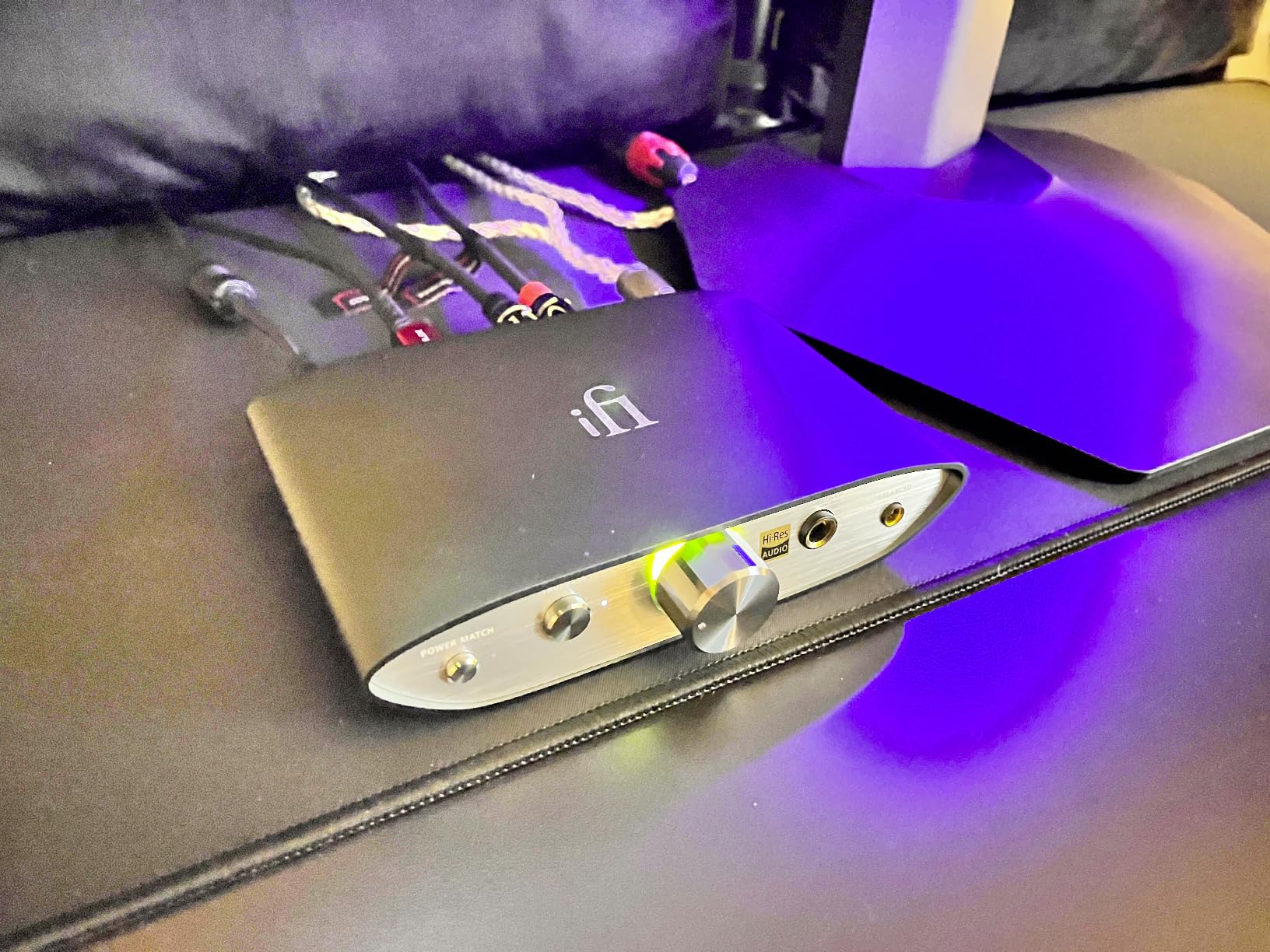
The build quality represents a significant upgrade from plastic alternatives in this price range. Customer photos confirm the premium feel, with tight panel gaps and secure knob mounting that suggests long-term durability. The unit’s compact footprint (12.28 x 9.02 x 2.99 inches) makes it ideal for crowded desktop setups.
Rear connections include a USB-C input, RCA line outputs, and a 4.4mm balanced output for connecting to powered speakers or external amplifiers. The thoughtful layout provides adequate spacing between ports, accommodating various cable types without interference.
One design choice that generates mixed reactions is the volume knob’s channel imbalance at extremely low volumes. While most users won’t notice this during normal listening, it’s worth mentioning for those who frequently listen at very low levels.
Technical Features & Specifications
At the heart of the Zen DAC V3 lies a Burr Brown DAC chip, a proven performer in audio conversion that delivers clean, detailed sound with minimal distortion. The device supports all major high-resolution audio formats, including PCM up to 768kHz/32-bit, DSD512, and MQA rendering for Tidal Masters content.
The USB-C input utilizes an XMOS 16-core processor for reliable digital signal handling, with improved jitter performance compared to previous versions. The low-jitter GMT (Global Master Timing) clock provides >20dB better performance than its predecessor, resulting in more precise audio reproduction.
Power output has been enhanced in the V3, delivering up to 390mW through the balanced output and 280mW through single-ended. This represents a modest improvement over the V2’s 210mW single-ended output, though balanced power remains similar.
Key technical specifications include 0.0005% distortion, 120dB signal-to-noise ratio, and dual-mono circuitry for better channel separation. The device can be powered via USB bus or an optional 5V power supply for improved performance with power-hungry headphones.
Sound Quality & Performance (September 2026)
The Zen DAC V3 delivers a clean, neutral sound signature with slight warmth that makes it enjoyable for extended listening sessions. The soundstage is notably wide and deep, with excellent imaging that allows instruments to occupy distinct spaces in the mix.
Bass response is tight and controlled, with the XBass+ feature adding welcome sub-bass extension for bass-light headphones like the Sennheiser HD600. Unlike generic bass boost circuits, XBass+ preserves midrange clarity while adding impactful low-frequency response.
The PowerMatch feature proves essential for most headphones, providing switchable gain to ensure optimal power delivery. This is particularly useful for sensitive IEMs, preventing channel imbalance and excessive noise at low volumes.
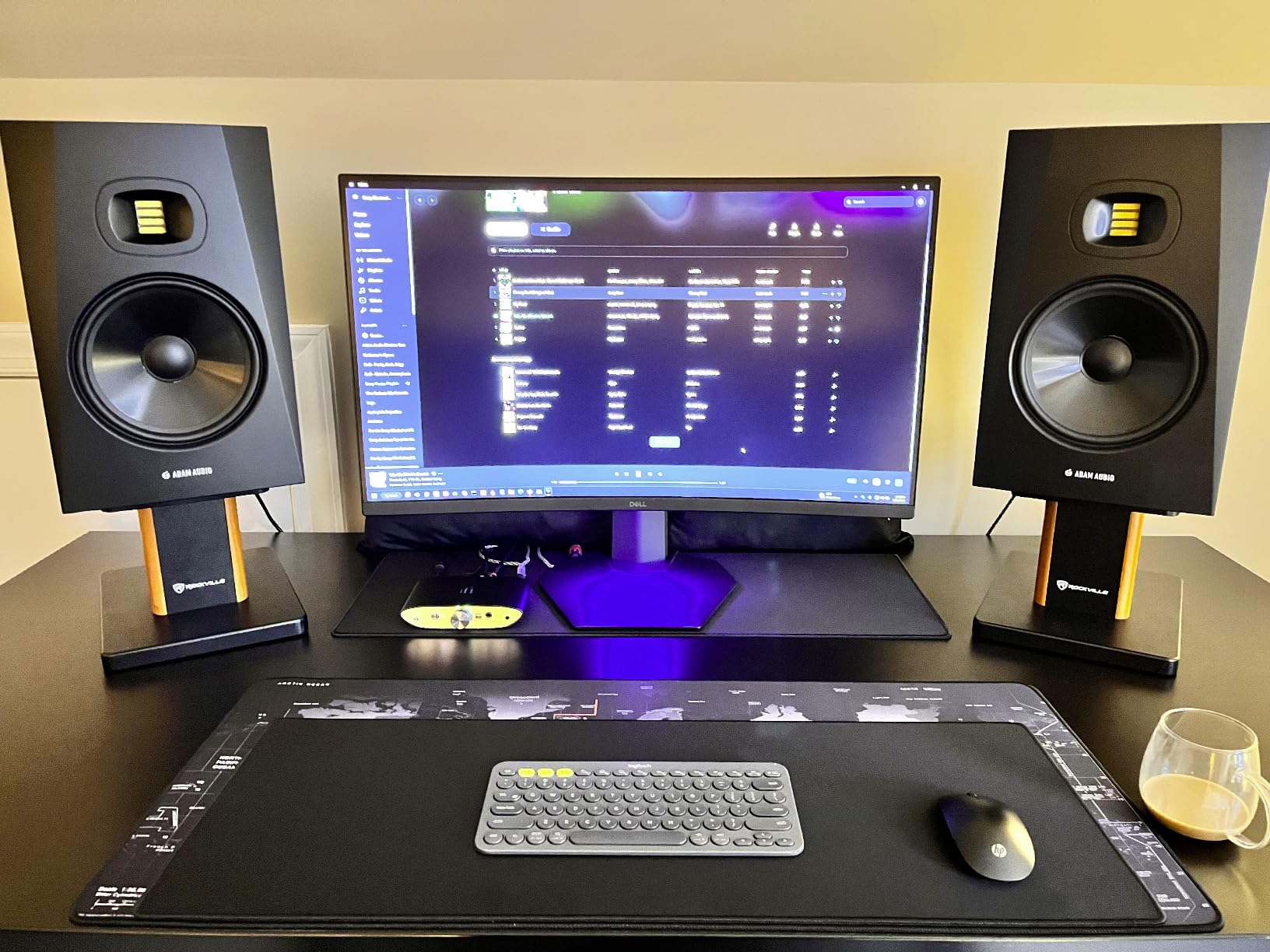
Through extensive testing with various headphones, the Zen DAC V3 drives everything from 16-ohm IEMs to 300-ohm open-back headphones with confidence. Planar magnetic headphones like the HIFIMAN HE400se sound particularly good, with the ample power and control bringing out their best characteristics.
For gaming applications, the DAC provides immersive sound with clear positioning cues. The zero-latency performance makes it ideal for competitive gaming, while the wide soundstage enhances single-player experiences.
Setup & Daily Usage
Getting started with the Zen DAC V3 is straightforward thanks to its plug-and-play USB-C connectivity. The device is automatically recognized by Windows, macOS, and Linux systems without requiring additional drivers for basic operation.
For optimal performance on Windows, downloading iFi’s dedicated drivers unlocks higher sample rates and improves overall stability. The firmware update process has been streamlined compared to previous versions, though it still requires careful attention to instructions.
Daily operation is intuitive, with the volume knob providing precise control and LED indicators clearly displaying the current sample rate. The ability to switch between variable and fixed volume outputs makes the Zen DAC V3 versatile as both a headphone amplifier and preamplifier.
For console gaming, the Zen DAC V3 works seamlessly with PlayStation 5 and Nintendo Switch when paired with a compatible USB-C to USB-A adapter. The automatic sample rate detection ensures optimal performance across different content types.
How It Compares to Alternatives?
In the competitive $200-250 price range, the Zen DAC V3 faces stiff competition from Chinese manufacturers offering similar features at lower prices. The FiiO K5 Pro provides more power but lacks the balanced output, while the Topping DX3 offers similar performance with a different sound signature.
Compared to the JDS Labs Atom DAC/Amp stack, the Zen DAC V3 offers more features in a single package, though the separate components provide better isolation. The Schiit Modi/Magni stack remains a popular alternative, particularly for those who prefer a more analytical sound signature.
| Feature | iFi Zen DAC V3 | FiiO K5 Pro | Topping DX3 | JDS Atom Stack |
|---|---|---|---|---|
| Price | $229 | $199 | $189 | $299 |
| Power Output | 390mW balanced | 1.5W balanced | 2.1W | 1W |
| Balanced Output | Yes (4.4mm) | Yes (4.4mm) | No | No |
| DSD Support | Up to DSD512 | Up to DSD256 | Up to DSD512 | Up to DSD256 |
| Special Features | XBass+, PowerMatch | Bass boost, Gain | Volume control | Clean design |
What sets the Zen DAC V3 apart is its combination of features, build quality, and British engineering. While competitors may offer more power or lower prices, few match the Zen DAC’s versatility and refinement.
Final Verdict
After three months of daily use, the iFi Zen DAC V3 remains my top recommendation for users seeking a comprehensive audio upgrade without breaking the bank. Its combination of solid performance, useful features, and premium build quality justifies its price premium over budget alternatives.
The device excels as both a headphone amplifier and preamplifier functionality, making it suitable for various desktop audio setup configurations. The inclusion of both balanced and single-ended outputs ensures compatibility with a wide range of headphones and audio equipment.
While the V3 represents a smaller incremental upgrade over the V2 compared to previous generational jumps, it remains a compelling option for those entering the high-quality audio space. The device’s proven reliability and strong community support add confidence to the purchasing decision.
For most users seeking to upgrade from built-in computer audio, the Zen DAC V3 offers the right balance of performance, features, and value. It’s particularly well-suited for desktop users, budget-conscious audiophiles, and gamers looking to enhance their audio experience.
Frequently Asked Questions
Is iFi Audio a Chinese company?
No, iFi Audio is a British company based in the UK. While their products are manufactured in China like most electronics, the company designs and engineers all products in-house with a focus on audio quality and British audio heritage.
Do I need a power supply for the Zen DAC V3?
The Zen DAC V3 can operate via USB bus power for most headphones and IEMs. However, using the optional 5V power supply is recommended for power-hungry headphones or when using the line outputs, as it provides improved dynamics and headroom.
Can the Zen DAC V3 drive my specific headphones?
The Zen DAC V3 can drive most headphones from 16-ohm IEMs to 300-ohm open-back models. It particularly excels with efficient planar magnetic headphones like the HIFIMAN HE400se and dynamic drivers like the Sennheiser HD600 series.
Is the Zen DAC V3 good for gaming consoles?
Yes, the Zen DAC V3 works well with PlayStation 5 and Nintendo Switch using a compatible USB-C to USB-A adapter. It provides low-latency audio processing and improved sound quality compared to built-in console audio.
What’s the difference between balanced and single-ended outputs?
Balanced output (4.4mm) provides better noise rejection, increased power output, and improved channel separation compared to single-ended (6.3mm). However, both sound excellent, and the choice depends on your headphone cable compatibility.
Should I buy the Zen DAC V3 or wait for the next version?
If you need a DAC/amp now, the Zen DAC V3 is a solid choice with proven reliability. While iFi may release future updates, the V3 offers all the features most users need and will likely receive firmware updates for years to come.