
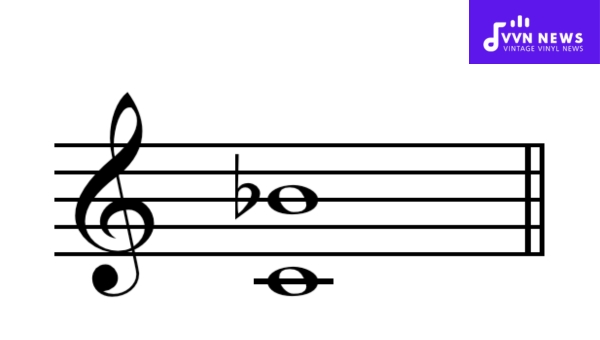
In the world of music, terminology can often sound more complex than it is. Take, for instance, minor 7th intervals. Despite the intimidating name, minor 7th intervals are simply a component of scale structure, which you’ll find across all forms of music.
They provide a unique and dynamic sound to melodies that make them stand out in a composition. Particularly if you’re learning to play an instrument or write your songs, these intervals is crucial.
With a firm grasp on minor 7th intervals, you can enhance not only your performance skills but also your overall musical comprehension. So tighten those strings or warm up your voice – we’re about to embark on a journey through the melodious world of minor 7th intervals!
Table of Contents
Explain the concept of a Minor 7th Interval.
The minor 7th interval represents the distance between two pitches, where the second note is the seventh scale degree, precisely 10 semitones above the first (root) note.
In lay terms, if you climb a scale starting from any note and count up to the seventh one, while ensuring you’re sticking to a pattern that’s 10 semitones apart, you’ll have reached your minor 7th.
For example, consider C as your starting pitch. If you count 10 half-steps up from C on a keyboard or fretboard, you’ll land on B♭. The space between these two notes is what we call a minor 7th interval.
This particular distance gives the minor seventh the inherently introspective and slightly dissonant quality that distinguishes it from the more resolved-sounding major 7th which is one semitone higher.
Incorporating minor 7ths can infuse your music with depth and tension — traits favored in genres like jazz and blues.
Also Read: F Music Note [Unlock The Secrets Of The Musical Alphabet]
What are examples of Minor 7th Intervals?
When we discuss minor 7th intervals, we’re referring to the distance between two notes that is equal to ten semitones apart.

This interval is consistently found in various pieces of music and scales.
Ascending and descending order of intervals play a pivotal role in how these sounds relate to each other. Let’s dive into the specifics:
Ascending Minor 7th Intervals
To ensure clarity, consider these examples of ascending minor 7th intervals:
- From C to B♭
- From D to C
- From E to D
- From F# (or G♭) to E
- From G to F
- From A to G
- From B to A♭
Descending Minor 7th Intervals
In contrast, examples of descending minor 7th intervals include:
- From D to E♭
- From E to F#
- From F# (or G♭) to G
- From G# (or A♭) to A
- From A# (or B♭) to B
- From B to C# (or D♭)
- From C# (or D♭) to D
Each pairing follows a structured pattern within the chromatic scale. By familiarizing yourself with these note relationships, you elevate your musical vocabulary and unlock a newfound capacity for creative expression.
What describes the nature of Minor 7th Intervals?
Minor 7th intervals convey a particular musical quality and emotion, fundamental to various genres and pieces.
Their nature can be expounded through the following characteristics:
- Pitch Gap: A minor 7th is the distance between two pitches, 10 semitones apart. It’s exactly one semitone smaller than a major 7th interval, giving it a distinctly different sound spectrum.
- Harmonic Texture: Harmonically, the minor 7th interval creates a sense of tension or dissonance. While not as dissonant as its diminished or augmented counterparts, it still provides an urge for resolution in music.
- Melodic Function: Melodically speaking, when used in succession with other notes, the minor 7th can portray feelings of reflection or melancholy. It’s essential in blues and jazz solos to bring out that deep emotional expression.
- Scale Relationship: In diatonic scales—those consisting of five whole steps and two half steps—the minor 7th occupies a crucial spot. For example, it’s found from the root to the seventh note in the natural minor scale.
- Chord Construction: This interval is pivotal for building chords. When paired with a root note, a minor third, and a fifth, it forms a
minor seventh chord, integral to jazz harmony and beyond.
With these distinct traits of minor 7th intervals—and how they interact with other musical elements—musicians can weave intricate sonic tapestries that resonate with listeners on an emotional level.
Also Read: How To Transpose Bass Clef To Treble Clef [A How-To Guide]
How do you discern Minor 7th Intervals aurally?
Listening for minor 7th intervals involves a keen ear and some strategic mental referencing.

The ability to recognize these intervals by ear is a pivotal skill in various musical disciplines, from performance to theory.
Here’s a concise guide on how to aurally identify minor 7th intervals:
- Familiarize With the Sound: Begin by familiarizing yourself with the unique sound of the minor 7th. It’s characterized by its deeply dissonant yet musically rich quality. A classic example in popular music is the opening strains of Star Trek’s theme.
- Reference Songs: Use songs as aural anchors. Many musicians learn interval sounds through familiar tunes. The minor 7th can be heard in “There’s a Place” by The Beatles – specifically, the leap from “There’s” to “place.”
- Vocal Practice: Singing an octave and then dropping one semitone down lets you produce a descending minor 7th. For an ascending counterpart, sing the root note followed by its minor 7th consecutively such as singing “A” to “G” (considering A is your root note).
- Instrumental Exercises: If you play an instrument, practice leaping between these intervals. On a piano, identify two keys that are ten semitones apart; for guitarists, it would be ten frets apart on a single string.
- Ear Training Apps: Leverage technology using ear training applications or software that specialize in interval recognition exercises—these simulate real-world scenarios and offer feedback on your progress.
By incorporating these strategies into your routine, you will progressively develop an innate sense of not only minor 7ths but also other invaluable harmonic structures within the music.
How are Minor 7th Intervals executed on instruments?
Executing minor 7th intervals on a piano involves finding two notes that are a whole step short of an octave apart. Here’s a step-by-step approach:
- Identify the Root Note: Sit at your piano and choose any root note. For example, let’s pick C.
- Counting the Keys: From C, count eleven half steps upwards on the keyboard. That will bring you to B flat (B♭).
- Play Together: Press down both keys simultaneously – C and B♭.
This interval between C and B♭ is your minor 7th. You can replicate this process starting from any key on the piano to produce different minor 7th intervals.
While you’re counting the keys, include both white and black keys, as they all represent half steps in Western music notation.
The subtle but rich tension this interval creates is stunning, making it crucial for crafting emotive pieces that convey complex emotions and add depth to harmonic progressions.
Also Read: A Guide Transposing Into The Alto C [Navigate Music Transposition]
Minor 7th Intervals and the Chromatic Scale
The chromatic scale serves as the complete musical palette, encompassing all twelve pitches available within an octave.

A minor 7th interval, consequently, is a specific color within that broad spectrum. Picturing the chromatic scale as a staircase of semitones (half-steps), every consecutive pitch is one semitone higher or lower than its neighbor.
Now, imagine climbing that staircase starting from your chosen root note and ascending exactly 10 semitones. When you reach the tenth step, you’ve landed on a pitch that is precisely a minor 7th above your starting note.
To solidify this concept with an example, slot in ‘A’ as your root. Count up ten half-steps from ‘A’, and voilà, you arrive at ‘G’. Hence, the interval between ‘A’ and ‘G’ epitomizes a minor 7th within the frame of the chromatic spectrum.
This seven-note leap intertwines intricately with the chromatic scale, underpinning how intervals operate universally across various scales – they reference fixed distances amidst an unchanging sequence of tones.
FAQs
What is the definition of a minor 7th interval?
A minor 7th interval is the distance between two notes that are 10 half-steps, or semitones, apart from each other.
Can you give an example of a minor 7th interval in a song?
Certainly! The intro to “Star Trek Theme” features the minor 7th interval prominently – it’s that distinctive leap at the very beginning.
Are minor 7th intervals dissonant or consonant?
Minor 7th intervals are typically considered dissonant, leading to a sense of tension within the music.
Do all instruments use minor 7th intervals?
Yes, all musical instruments capable of playing multiple pitches can produce minor 7th intervals.
How can I practice identifying minor 7th intervals by ear?
Train your ear by listening to and singing various songs that include the interval, and use ear training apps or websites that offer specific interval recognition exercises.
Also Read: E Major Triad [Master This Staple Of Music Composition]
Conclusion
Minor 7th intervals are more than a technicality in music theory; it’s a gateway to expressing depth and complexity in your musical endeavors. If you’re strumming a guitar, tickling the ivories, or composing a ballad, recognizing these intervals by ear enriches your sonic landscape.
Utilize tools like dedicated ear training exercises to distinguish these intervals. By mastering the minor 7th, you not only sharpen your technical skills but also tap into emotion and tension that can elevate your compositions and performances to new heights.