
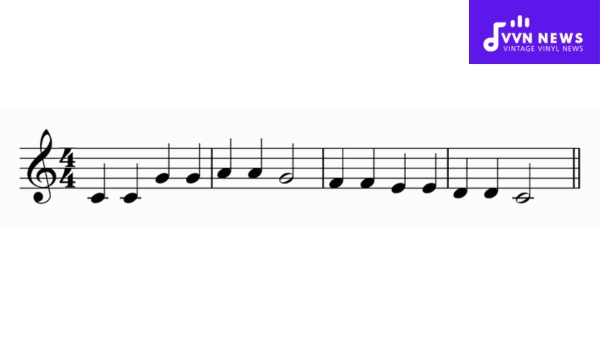
In the realm of music, it’s fascinating to see how reshaping something familiar can bring out a new sense of wonder and excitement.
This is where the concept of music transposition comes into play.
With some technical wizardry to keep things interesting, we are about to venture into that transformative process that allows us to experience our favorite tunes in a new light.
Music transposition is not merely an exercise in shifting notes up or down the musical scale; it is also a tool for creative growth for both novices and seasoned musicians alike.
It opens up pathways for a deeper in the complex world of music theory, composition, and performance practice.
Table of Contents
What is Music Transposition?
Transposition in music refers to the process of moving a piece of music from its original key to another. This procedural shift doesn’t affect the structure or composition of the piece; instead, it adjusts every note equally either higher or lower on the scale.
To put it simply, imagine hearing a familiar tune sung by a soprano and then reprised by a baritone – that’s transposition at work!
This technique proves invaluable when tailoring a piece to accommodate the pitch range or timbre of different instruments and voices, allowing musicians greater flexibility and creativity.
Also Read: How To Transpose Bass Clef To Treble Clef [A How-To Guide]
Why Transpose Music?
Fundamentally, you may ask why we would want to change the key of a piece of music. Well, there are myriad motivations behind this decision.

- Adaptation to Vocal Range – One of the most common reasons is to adapt the tune to match a vocalist’s range better. Music isn’t confined by the constraints of a written score, and neither is it meant to strain the voice of the person performing it. By altering the key yet maintaining the melody, singers can perform at their best without sacrificing tone or power.
- Greater Accessibility for Musicians – Not all instruments are created equal, and sometimes what comes off effortlessly on one device proves challenging on another. We increase the composition’s playability across various instruments by transposing the composition into another key.
- Diversifying Musical Color and Mood – You might be surprised how much a simple transposition can change the color and mood of your favorite song. Playing a piece in F Major as opposed to C Major can add an element of warmth and depth that sets an entirely different mood.
- Higher Level Performance Technique Development – Transposition acts as a potent exercise for musicians who aim to broaden their horizons, enhance their skills, or ramp up their improvisation chops.
On the whole, transposing allows musicians to mold music specifically for their abilities and equips them with greater versatility in engaging with multiple soundscapes across numerous genres.
What is the process of transposition?
Music transposition, in essence, involves shifting the pitch of an entire piece of music, moving it from one key to another. Delving deeper into this process reveals a more nuanced and engaging endeavor.
- Initiating the Transposition: First, identifying the piece’s original key is crucial. Thereafter, learning where you’d like to move that piece (the target key) forms the subsequent step in this journey.
- Unveiling Musical Intervals: In between these two keys exist intervals, referring to the ‘distance’ between two pitches or notes in a musical context. These intervals are akin to figuring out your road map for this journey from one key to another.
- Consistency Across Melody and Harmony: Furthermore, maintaining the same structure of melody and harmony in your new transposed version is also crucial. It’s like weaving a tapestry where you want all elements – its rhythm, chords, or melody- to stay coherent even after changing colors!
- Adjusting for Instruments: Consider the particular characteristics of any instruments involved when transposing. Some are classified as transposing instruments- implying they naturally play notes at a different pitch from what’s written on the sheet music itself.
Thus, factor this into your transposition process before embarking upon it with gusto! Repeated trials can result in attaining precision in musical transpositions.
One small step at a time will navigate you effortlessly through challenges thrown at you by complex keys and tricky intervals- paving the way for mastering the artistry of transposition!
Also Read: Mastering Chords In A Minor [Improve Your Composition Skills]
What are the Different Types of Transposition
Music transposition comes in different types, depending on what the individual or group aims to achieve.

Let’s immerse ourselves in each kind to gain a sense of clarity.
Octave Transposition
Octave transposition involves moving the notes up or down by an octave. Artists often use this to switch between playing in different octaves and to suit the range of various instruments or vocalists.
For instance, if a section of music is too high for a singer to perform comfortably, octave transposition can bring it down into a more manageable range for them.
Major Second Transposition
Unraveling the major second transposition calls for moving every note up or down by one tone (the equivalent of two semitones).
It’s intriguing how this seemingly simple alteration can create a whole new sonic blueprint for any piece of music.
Perfect Fifth Transposition
In perfect fifth transposition, we shift each note up or down by five scale degrees – hence the term ‘perfect fifth’.
This is great for creating harmonies and can provide ample scope for creativity when composing or arranging music.
Minor Third Transposition
Moving notes around using the minor third transposition places us in an interesting creative space.
It essentially means shifting each note up or down by three semitones – a minor third gap.
In doing so, it metamorphoses your composition into enchanting new melodies that might lead you somewhere unexpected yet musically delightful.
Transposing Between Clefs
Transposing between clefs marks another essential facet of music transposition.
Performing this shift requires altering from one pitch range (or clef) to another while keeping its relative pitch intact.
An instance would be when shifting from bass clef notes on a piano to treble clef without losing the original sound signature.
To sum up, music doesn’t reside in patterns alone—it thrives on diversity and flexibility propelled through techniques like transposition.
It’s intriguing to see how even seasoned compositions can be renewed through such shifts, ultimately contributing to the endless sonic possibilities in the ocean of music.
Also Read: How To Transpose Bass Clef To Treble Clef [A How-To Guide]
What are the Steps for Accurate Transposition?
Transposing music correctly involves a multi-step process that requires extreme attention to detail.
While the complexity of transposition can vary drastically based on your familiarity with music theory, here are some basic steps to guide you through accurate music transposition.
Step 1: Identify the Original Key
The original key is critical. One way to determine this is by finding the key signature at the beginning of a piece, which will tell you how many sharps or flats are in the scale.
Step 2: Note the Transposition Interval
The interval you wish to transpose is essential. This could be up or down and often depends on factors such as instrument range or vocal requirements.
Step 3: Move each note
Each note from the original piece must then be moved up or down based on your determined interval in mind- every single melodic and harmonic element needs this adjustment.
Step 4: Adapt Key Signature
Finally, make changes to the key signature according to your interval of transposition and rewrite major to minor keys (or vice versa) if required.
While mastering these steps will lead to successful music transposition, it’s important not just to get technically accurate results, but also to maintain musicality and expressiveness in transposed pieces.
Also Read: How To Transpose Bass Clef To Treble Clef [A How-To Guide]
What are the Common Challenges in Transposing Music?
Transposing music may seem straightforward at first glance, but it involves an intricate mental and technical process that can present several challenges.

Recognizing Interval Relationships
One of the key hurdles is maintaining the correct interval relationships between notes.
When transposing, each note needs to shift with the same intervallic distance from one key to another.
Missteps here can lead to alterations in the piece’s harmony, causing it to sound dissonant or not true to its original form.
Key Signature Knowledge
A strong grasp of key signatures is vital when transposing music. You must accurately adjust the number of sharps or flats for the new key, which can be especially daunting if moving to or from a key with significantly more or fewer accidents.
A piece’s essence might alter dramatically if its accidental pattern isn’t carried over correctly in the transposition process.
Instrument-Specific Considerations
Different instruments have varying transposition needs and limitations.
For brass and woodwind players, certain keys might prove easier due to their instruments’ construction while others might require complex fingerings or embouchure adjustments.
Maintaining Melodic Contour and Rhythmic Integrity
Transposition should preserve the melodic contour of the original composition; this means ensuring that rises and falls within the melody follow suit in the new key.
Rhythmic integrity—tempo, meter, syncopation—must remain intact lest you change the piece’s feel and flow.
Complex Chord Structures
Transferring complex chords requires careful attention since each chord component must move coherently with others to sustain a composition’s harmonic framework.
Cognitive Load
The cognitive load while transposing can overwhelm even seasoned musicians as they compute keys, intervals, and chords on the fly, which could lead to inaccuracies during live performances or while composing.
With these challenges laid out bare, musicians often seek out methods for simplifying this intricate process—such as using music notation software, referring to transposition charts, or practicing mental exercises designed to sharpen their theoretical acumen.
Also Read: A Sharp Minor Pentatonic Scale [Unique Harmonic Possibilities]
FAQs
What does it mean to transpose a piece of music?
Transposing a piece of music involves changing the pitch of the entire piece up or down in scale while maintaining the original intervals and harmony.
Do I need special software to transpose music?
While there are many software options available that can transpose music for you, it’s not strictly necessary; transposition can be done manually by applying music theory principles.
Can all instruments transpose music?
Most instruments can play transposed music, but some are naturally transposing instruments, like the clarinet or saxophone, meaning they automatically sound at a different pitch than written.
Is transposing the same as changing keys?
Yes, when you transpose a piece of music, you are effectively changing its key by shifting the notes to a different starting point.
Will transposing affect my instrument’s tuning?
No, transposing doesn’t affect your instrument’s tuning; instead, it changes the notes you play within your instrument’s current tuning.
Also Read: Phrygian Mode [Adding Exotic Flair To Your Musical Compositions]
Conclusion
Transposition is a powerful tool within the musical world. It enables musicians to tailor compositions to suit different vocal ranges, instruments, or ensemble requirements.
Mastery of transposition often leads to versatility and expanded creative horizons. Moreover, transposition can enhance your musical comprehension and facilitate collaboration with other artists.
So next time you are faced with a piece that needs tweaking, embrace the challenge. With practice, you’ll find transposition not just necessary, but a gateway to broader musical exploration.