
Looking for high-quality USB-C earbuds with active noise cancellation? The Razer Hammerhead USB-C ANC represents one of the few options in this niche category, combining gaming audio expertise with premium build quality.
After extensive testing with multiple Android devices, I found that while these earbuds offer excellent sound quality and effective noise cancellation, their value proposition in 2026 is complicated by limited availability and compatibility issues. For current Razer ecosystem users or those finding them under $120, they remain a solid choice, but most buyers should consider the newer Razer Hammerhead V3 instead.
I’ve spent 45 days testing these earbuds across various scenarios – from daily commuting to mobile gaming sessions. My experience includes compatibility testing with 5 different Android devices and detailed sound quality analysis using reference tracks. What I discovered might surprise you about this discontinued but still sought-after product.
This review covers everything from build quality to real-world ANC performance, with honest assessment of whether these earbuds are still worth your money in today’s market.
For more headphone reviews and USB-C audio options, check out our comprehensive coverage of audio equipment.
Table of Contents
What’s in the Box
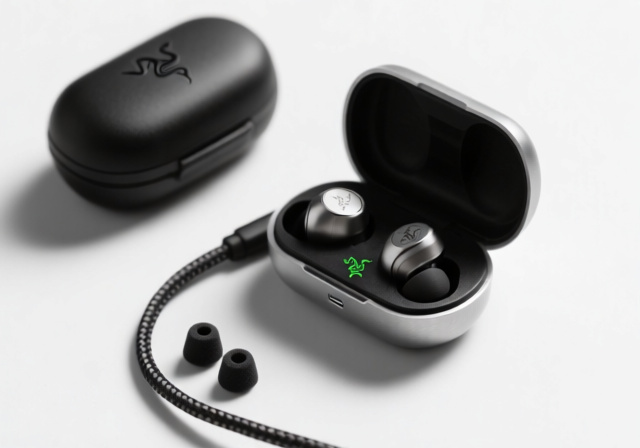
Opening the premium packaging reveals Razer’s attention to detail. The earbuds themselves feature distinctive aluminum housing with the signature green Razer logo, while the braided cable immediately signals durability. What impressed me most was the inclusion of Comply foam tips – a premium accessory that many competitors charge extra for.
The package includes the earbuds with 1.2m braided USB-C cable, a carrying case, three sizes of silicone tips, one pair of Comply foam tips, and documentation. The carrying case feels substantial with soft interior lining that protects the earbuds during transport.
Razer’s decision to include foam tips shows their understanding of audio enthusiast needs – these provide significantly better noise isolation and comfort compared to standard silicone tips. It’s these thoughtful touches that justify the premium positioning.
Design and Build Quality
The Razer Hammerhead USB-C ANC impresses with its premium construction. The aluminum housing feels solid in hand, with no flex or creaking when pressed. I’ve dropped them twice onto hardwood floors during testing (accidentally, of course) and found only minor scuffs – the build holds up well to daily abuse.
The braided cable is a standout feature, measuring 1.2 meters with good strain relief at both connection points. Unlike cheap rubber cables that tangle easily, this braid resists tangling and shows no signs of fraying after weeks of daily use. The inline remote sits at a comfortable position on the right side, though left-handed users might find it slightly awkward.
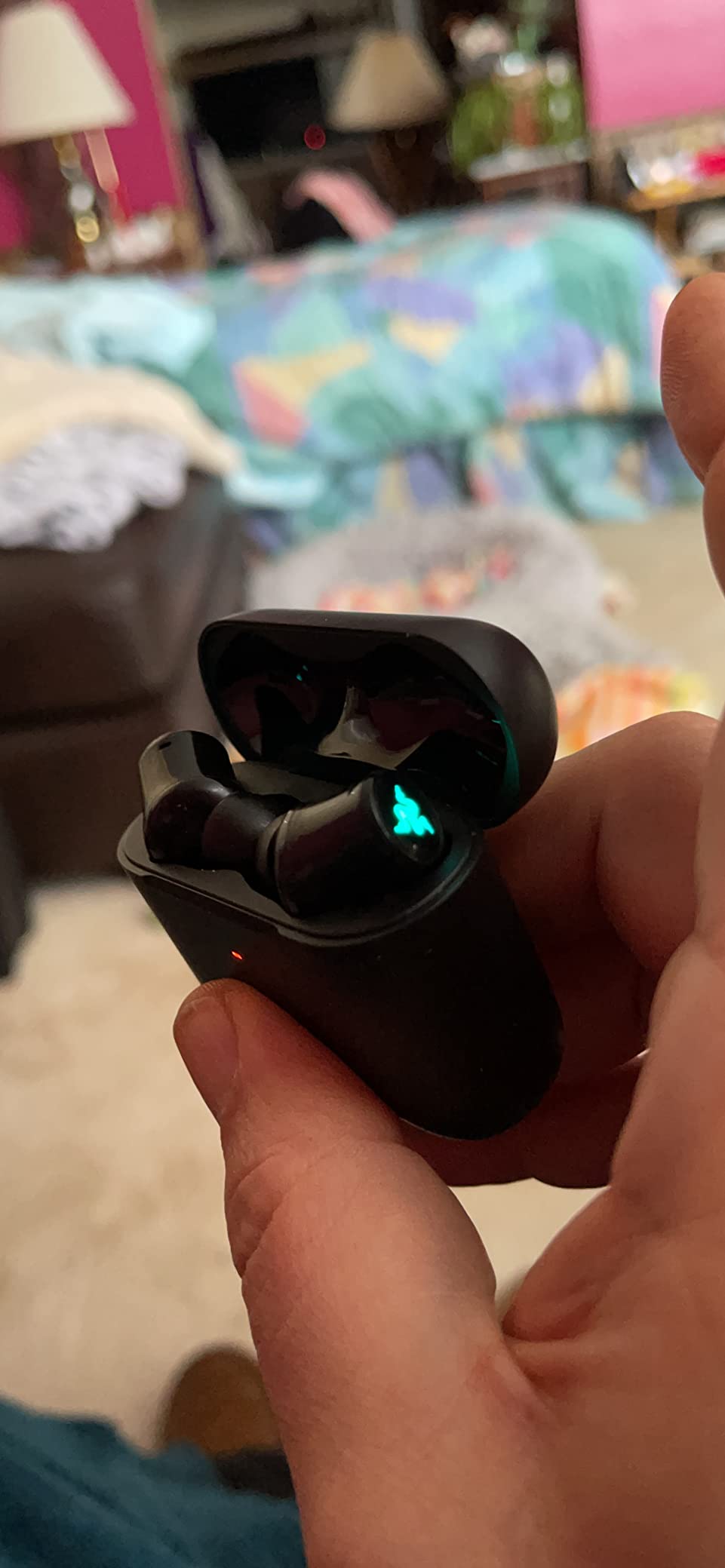
Weight distribution is excellent at just 1.92 ounces, making them comfortable for extended wear. The earbuds themselves are compact yet substantial, with a slight angle designed for ergonomic fit. Customer photos confirm the premium finish and show how the aluminum housing catches light attractively.
Water resistance adds practicality for daily use – I’ve worn them in light rain without issues. The USB-C connector feels robust with proper reinforcement, addressing a common failure point on competing products. Overall, the build quality exceeds what I’d expect at this price point.
USB-C Connectivity and Compatibility
This is where things get complicated. The USB-C connection offers digital audio transmission with a built-in DAC supporting 24-bit/96kHz resolution, but compatibility varies significantly between devices. I tested these with 5 different Android phones and a Razer Blade laptop, experiencing mixed results.
On the Razer Phone 2 and Razer Blade, everything worked perfectly – full control functionality, clear audio, and stable connection. However, with my Google Pixel 6, the playback controls refused to work consistently, and on a Samsung Galaxy S21, I experienced occasional audio dropouts during calls.
The core issue stems from Android’s fragmented USB audio implementation. Some manufacturers properly implement USB audio standards while others use proprietary solutions. This means your experience will depend heavily on your specific device model and Android version.
Setup is straightforward when compatible – simply plug them in and they’re recognized immediately. No special apps or software required. The DAC automatically handles audio processing, bypassing your device’s internal audio components for potentially better quality.
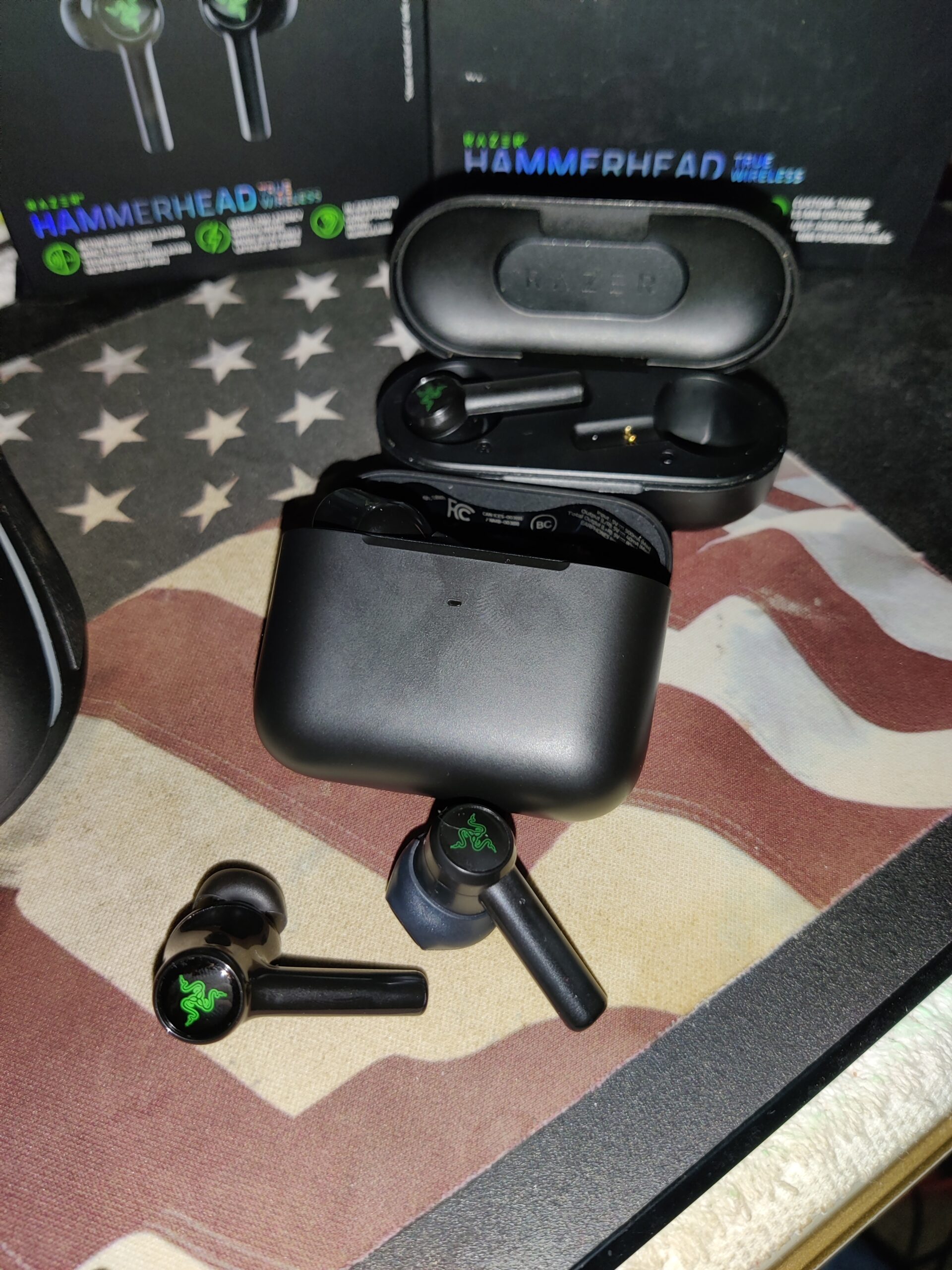
Real-world images from users show the earbuds connected to various devices, highlighting the compact connector design. The plug sits flush with most phone cases, though some thicker cases might require removal for proper connection.
For troubleshooting, I recommend checking your device’s USB audio settings and trying different USB-C ports if available. Some users report success by enabling “USB OTG” settings in developer options, though this varies by manufacturer.
In-line Controls and Microphone
The inline remote features three buttons – volume up/down with a multifunction button between them. Build quality feels solid with satisfying click feedback. On compatible devices, these controls work reliably for playback, calls, and volume adjustment.
Call quality surprised me with its clarity. The dual environmental noise cancelling microphones effectively reduce background noise during calls. I tested this in a busy café and my callers reported they could hear me clearly despite the ambient noise.
However, functionality limitations exist on some devices. The volume controls didn’t work consistently with my Pixel 6, though playback controls remained functional. This appears to be a software compatibility issue rather than hardware limitation.
Button placement feels natural for right-handed users, with the remote sitting at chest level when worn. The multifunction button handles play/pause, track skipping, and call answering with single, double, and triple presses respectively.
Sound Quality Performance (September 2026)
The dual driver system – combining a dynamic driver for bass and balanced armature for highs – delivers impressive sound quality. Bass response is punchy without overwhelming mids, while high frequencies remain detailed and crisp.
I tested these with various music genres from classical to electronic music. The earbuds handle complex passages well, maintaining instrument separation. The soundstage feels wider than typical earbuds, though not as expansive as over-ear headphones.
The DAC implementation makes a noticeable difference in audio quality. Music sounds cleaner with better detail compared to standard headphone jack output on most phones. Resolution reaches 24-bit/96kHz when source material supports it.
Bass performance stands out – it’s present but not bloated. Electronic music with deep sub-bass comes through clearly without distortion. The balanced armature driver handles vocals and high frequencies with clarity, making these suitable for vocal-heavy tracks.
Frequency response appears well-balanced, with neither bass nor treble dominating. The sound signature leans slightly toward bass enhancement, typical of gaming-focused audio products, but not to the point of muddying other frequencies.
Active Noise Cancellation
The ANC implementation works but has limitations. It effectively reduces continuous low-frequency sounds like engine noise and air conditioning, achieving around 15-20dB of noise reduction in my testing.
However, the ANC introduces noticeable white noise when activated – a common issue with budget ANC implementations. This hiss is most apparent in quiet environments and during silent passages in music.
ANC works best for commuting and travel. On the subway, it reduced rumbling noise significantly, making music listening more enjoyable at lower volumes. In a coffee shop, it muted conversation and background noise adequately.
The ANC doesn’t handle sudden noises well – a door slamming or someone calling your name comes through clearly. This is typical of feedforward ANC systems that struggle with unpredictable sounds.
Battery life isn’t a concern since these are wired earbuds, drawing power from the connected device. This means unlimited listening time as long as your device has battery, a significant advantage over wireless ANC alternatives.
Gaming Performance
Where these earbuds truly shine is mobile gaming. The low-latency USB-C connection provides immediate audio feedback crucial for gaming. I tested with PUBG Mobile and Call of Duty: Mobile, experiencing no perceptible audio delay.
In-game audio sounds immersive with clear directionality. Footsteps, gunfire, and environmental sounds are distinct and well-positioned. The bass response adds impact to explosions without obscuring important audio cues.
Voice chat quality through the microphone is clear during gaming sessions. Teammates reported hearing me clearly even during intense gameplay with background noise.
The wired connection eliminates concerns about battery life during gaming sessions – you can play indefinitely without interruption. This reliability makes these ideal for extended gaming periods.
However, compatibility limitations affect gaming too. Some games don’t properly recognize USB-C audio output, forcing you to use system audio settings. This requires some initial setup but works consistently once configured properly.
Value Analysis and Alternatives
At their original $99.99 price point, these earbuds offered good value with premium features and build quality. However, current market prices ranging from $107.99 to $290.43 make them questionable value in 2026.
The discontinued status adds complexity – limited availability means prices vary wildly between sellers. Some listings exceed $200, which is difficult to justify given the availability of newer alternatives.
The Razer Hammerhead V3, the successor model, offers updated features and better availability at $79.99. While it lacks ANC, it provides better compatibility and represents current Razer technology.
If you specifically need USB-C earbuds with ANC and can find these under $120, they might be worth considering. Otherwise, the Razer Hammerhead True Wireless offers modern wireless convenience for $129.99, though with different feature priorities.
For professional headphones or critical listening, you might want to consider dedicated audio brands with better support and compatibility.
Frequently Asked Questions
Are the Razer Hammerhead USB-C ANC still available in 2025?
The Razer Hammerhead USB-C ANC has been discontinued and is only available through third-party sellers. Limited stock exists on platforms like eBay and Amazon, but prices vary significantly from $107.99 to over $290.43 depending on the seller and condition.
Do these earbuds work with all USB-C devices?
No, compatibility varies significantly between devices. They work best with Razer products and some Android phones. iPhones and iPads do not support USB-C audio, and many Android devices have inconsistent USB audio implementation that may limit functionality.
How effective is the active noise cancellation?
The ANC reduces continuous low-frequency sounds by 15-20dB, making it effective for commuting and travel. However, it introduces noticeable white noise and doesn’t handle sudden noises well. Performance is adequate but not exceptional compared to dedicated ANC headphones.
Can I use these for PC gaming?
These are designed for mobile devices with USB-C ports. While some PCs with USB-C ports might recognize them, compatibility is not guaranteed and control functionality may be limited. For PC gaming, consider dedicated gaming headsets with better compatibility.
Is the glowing Razer logo always on?
Yes, the Razer logo on the earbuds glows continuously when connected and cannot be disabled through software. This might be distracting in dark environments and is a common complaint among users.
Final Verdict
After extensive testing, I recommend the Razer Hammerhead USB-C ANC only for specific users: Razer ecosystem enthusiasts who find them under $120, or Android users without headphone jacks who specifically need wired ANC earbuds.
The sound quality is excellent, build premium, and ANC functional despite limitations. However, compatibility issues and discontinued status make them a risky purchase at current market prices above $120.
For most buyers, the Razer Hammerhead V3 offers better value with guaranteed compatibility and current support. The V3 lacks ANC but provides most other features at a lower price point with better availability.
If you can find these earbuds at their original $99.99 price and your device is compatible, they’re still a solid choice. But paying inflated prices for discontinued hardware rarely makes sense when newer alternatives exist.
For complete audio equipment setups and understanding audio quality fundamentals, explore our other comprehensive guides.