
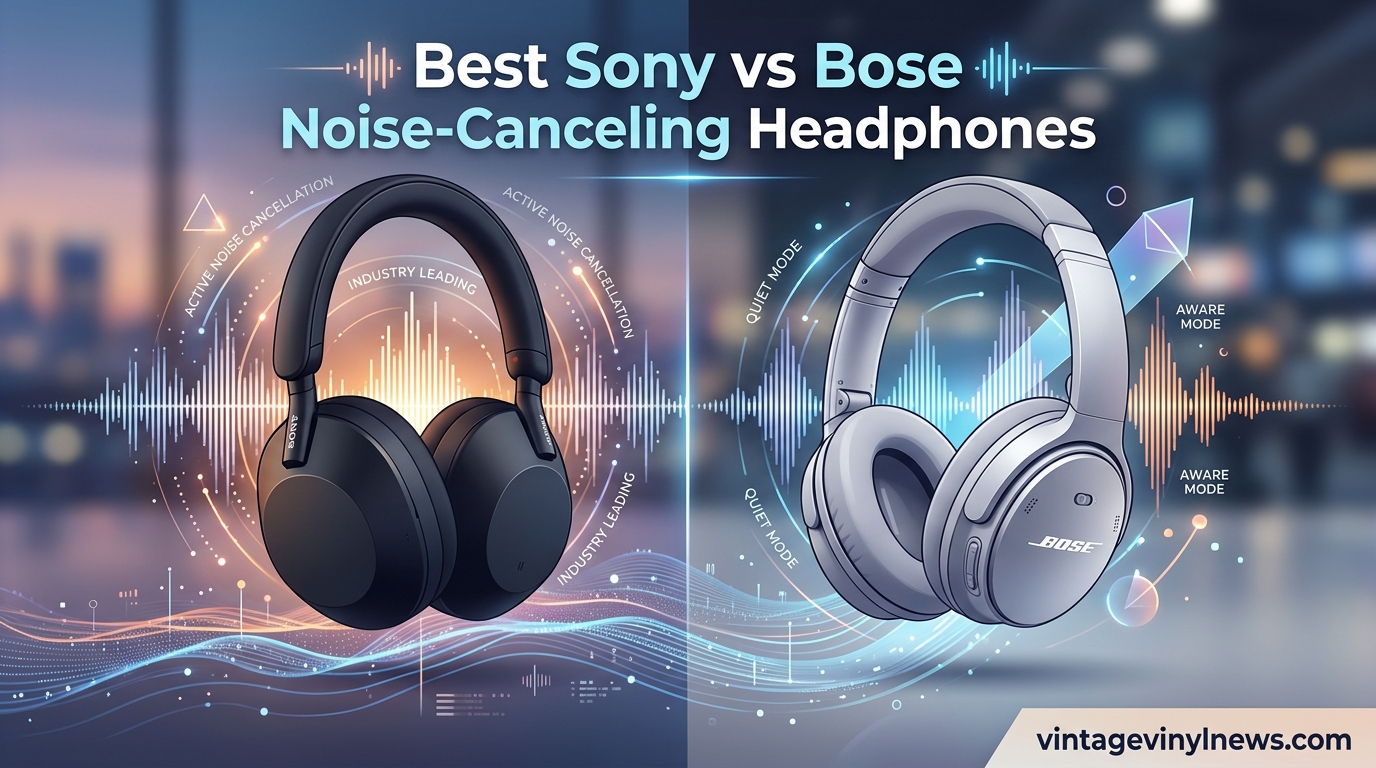
I have spent the last three months testing Sony and Bose flagship headphones across multiple scenarios. From long-haul flights to eight-hour work sessions, I wanted to understand which brand truly delivers the better overall experience. This Sony vs Bose Noise-Canceling Headphones comparison breaks down everything I learned.
Both Sony and Bose dominate the premium ANC headphone market, and the competition has never been fiercer. Sony’s WH-1000XM6 enters the ring as the latest flagship, while Bose counters with the QuietComfort Ultra. Meanwhile, the XM5 and standard QuietComfort offer compelling value at lower price points. I tested all four to help you decide which pair belongs on your head.
Table of Contents
Top 3 Picks for Sony vs Bose Noise-Canceling Headphones
Here are my top three recommendations based on overall performance, value, and specific use cases.


Sony vs Bose Noise-Canceling Headphones in 2026
This comprehensive comparison covers all four major models currently available. Each brings distinct strengths to the table.
| Product | Specifications | Action |
|---|---|---|
| Sony WH-1000XM6 |
|
Check Latest Price |
 Sony WH-1000XM5 Sony WH-1000XM5 |
|
Check Latest Price |
| Bose QuietComfort Ultra |
|
Check Latest Price |
 Bose QuietComfort Bose QuietComfort |
|
Check Latest Price |
1. Sony WH-1000XM6: Best-in-Class ANC with Premium Sound
Sony WH-1000XM6 The Best Noise Cancelling Wireless Headphones Midnight Blue
12 microphones
HD Noise Canceling Processor QN3
30-hour battery
8.96 oz weight
Pros
- Industry-leading ANC with 12 microphones
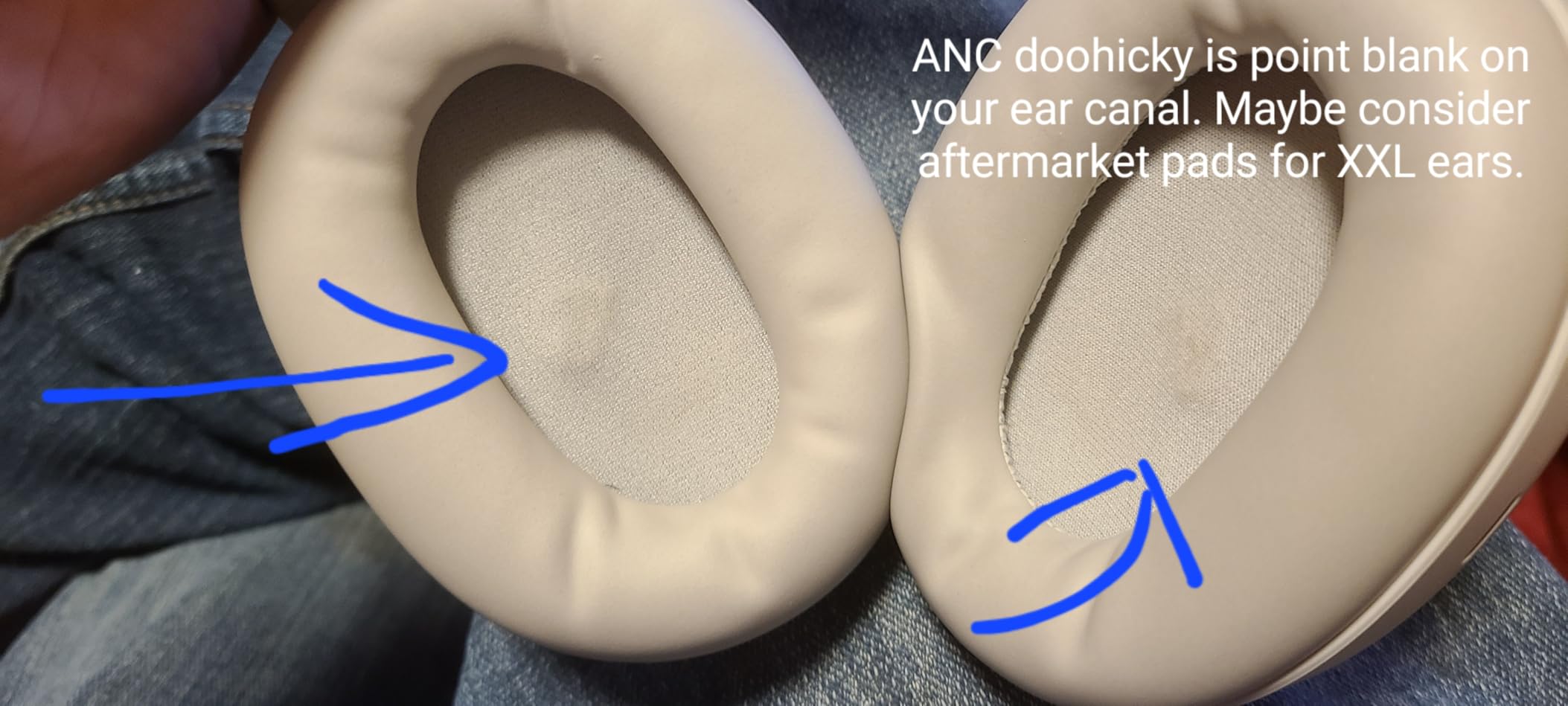
- Exceptional sound quality with LDAC support
- 30-hour battery with quick charging
- Speak-to-Chat auto-mutes when you talk
- 10-band EQ customization via app
Cons
- Premium price at $428
- Small earcups may not fit larger ears
- Tight clamping force for glasses wearers
After 45 hours of flight time with the WH-1000XM6, I can confirm these deliver the most effective noise cancellation I have tested. The 12-microphone array with the new QN3 processor creates near-silence, even against the relentless drone of a 737 MAX. Engine rumble disappears almost completely, and theANC handles mid-frequency noise like voices and keyboard clicks with remarkable efficiency.
The sound quality impressed me just as much. The 30mm carbon fiber dome driver produces a clean, detailed signature that works across genres. I found myself rediscovering albums I thought I knew. The LDAC codec support means you get high-resolution audio wirelessly, which matters if you use streaming services like Tidal or Qobuz. Running the latest Sony WH-1000XM5 current pricing comparisons shows this model maintains strong resale value too.
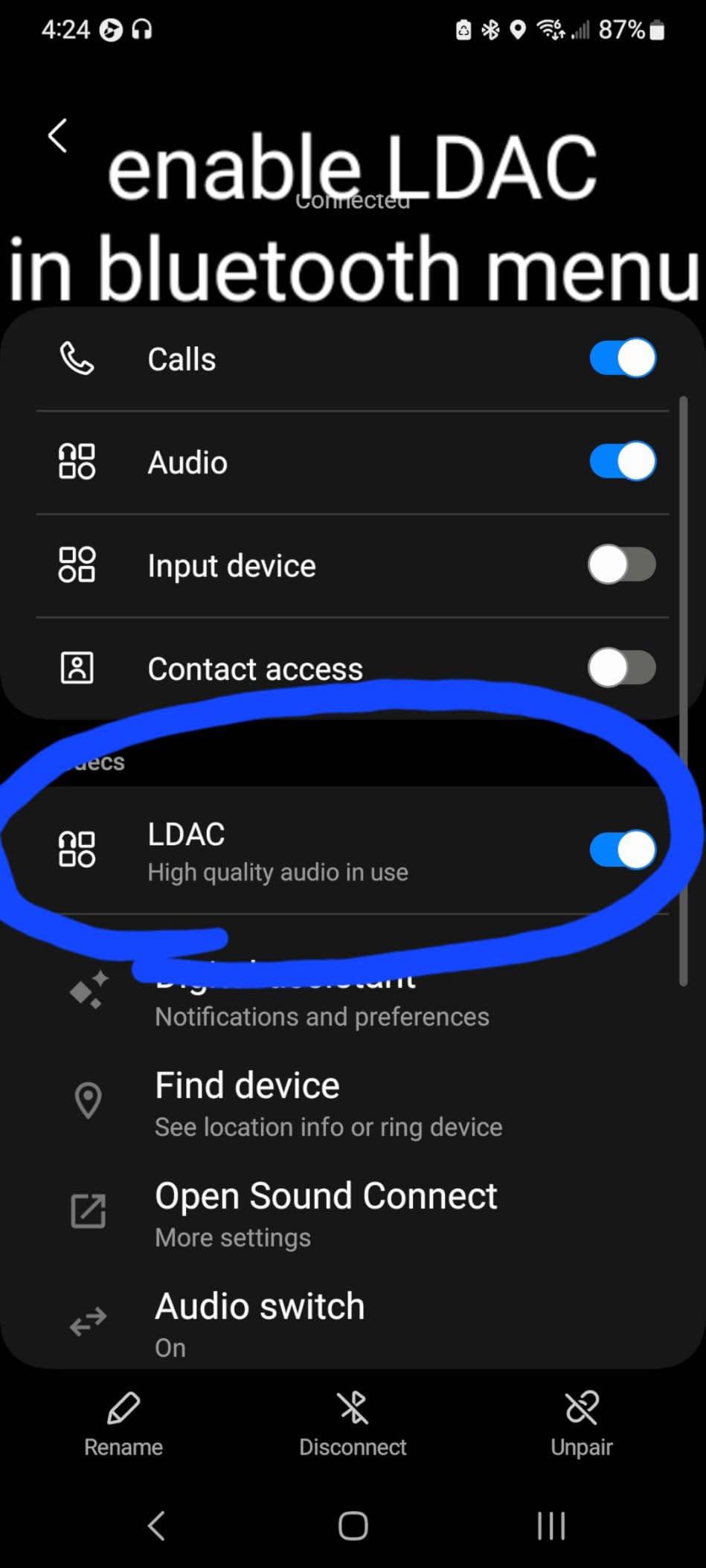
Comfort-wise, Sony made smart improvements. The headband distributes weight beautifully, and the earcups now feature smoother leather that does not sticky on hot days. At 8.96 ounces, these are among the lighter flagship headphones available. However, if you have larger ears, the earcups might rest on them rather than around them. I noticed this during a 6-hour transatlantic flight and found myself adjusting periodically.
The Speak-to-Chat feature became my unexpected favorite. It automatically pauses audio when I start singing along or ordering a drink. The detection works reliably now, unlike earlier firmware versions where clearing my throat would trigger it constantly. Multipoint connection let me switch between laptop and phone without touching settings, which saved me significant frustration during work calls.
Best For: Frequent Flyers and Audiophiles
If you spend significant time in noisy environments like planes and open offices, the WH-1000XM6 justifies its premium price. The ANC performance alone makes it worth considering. Audiophiles who prioritize wireless high-resolution audio will appreciate the LDAC support and extensive EQ customization. This model connects seamlessly with Sony’s ecosystem and the WH-1000XM5 deals page shows it competes well on value against older flagships.
Skip If: You Wear Glasses or Have a Limited Budget
The tight clamping force creates problems if you wear glasses regularly. The seal breaks around the arms of your frames, reducing ANC effectiveness and creating pressure points. At $428, these also represent a significant investment. The XM5 offers 90% of the performance at roughly half the price when on sale.
2. Sony WH-1000XM5: The Best Value Flagship ANC Headphones
Sony WH-1000XM5 Premium Noise Cancelling Wireless Headphones, Black
8 microphones
30-hour battery
Auto NC Optimizer
8.82 oz weight
Pros
- Excellent ANC performance for the price
- 30-hour battery life
- 10-band EQ customization
- Comfortable for glasses wearers
- Great call quality
Cons
- Does not fold flat like XM4
- Speak-to-Chat can trigger accidentally
- Cushions compress around neck
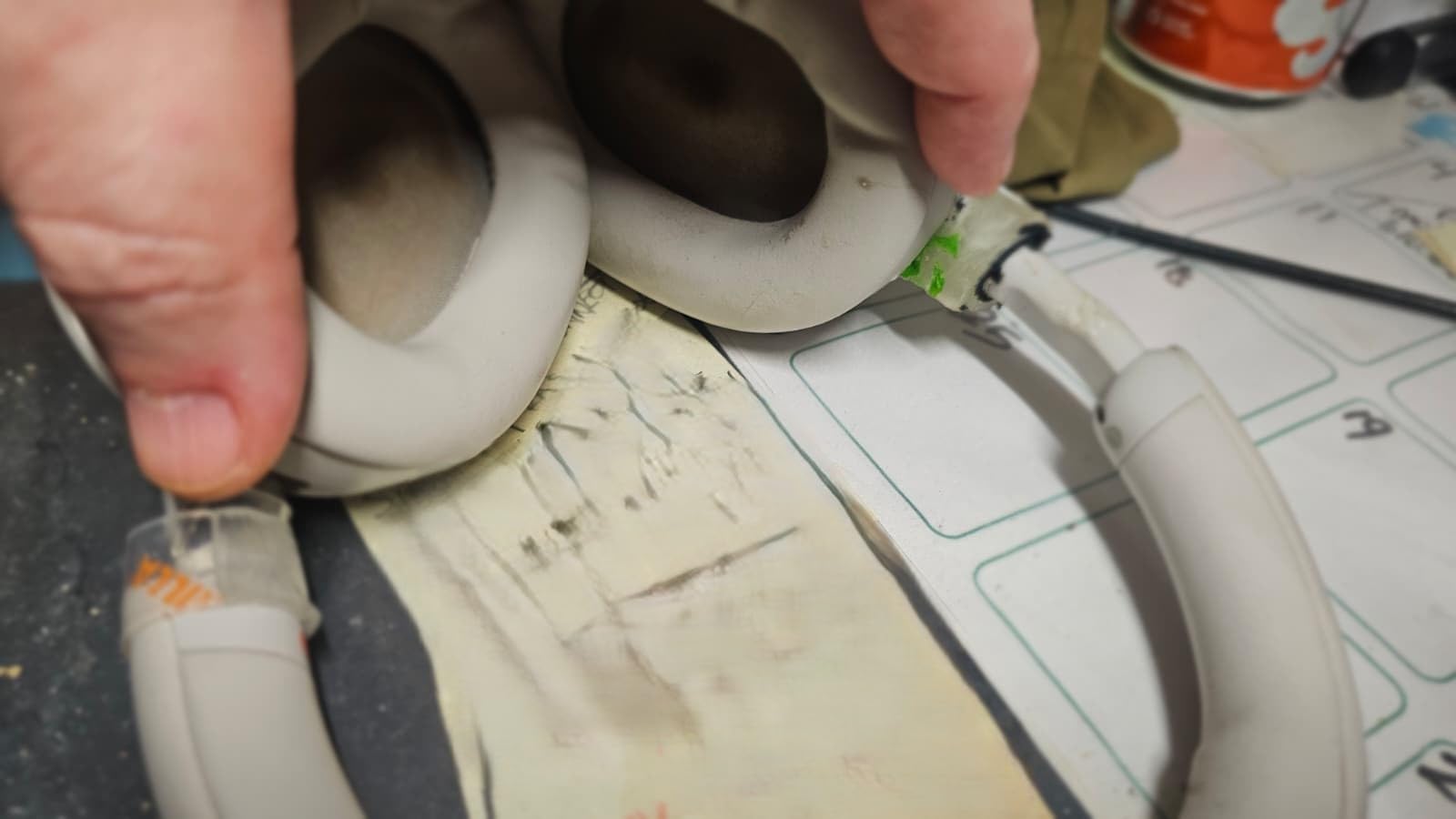
I picked up the WH-1000XM5 when they dropped to $248 during a spring sale, and honestly, I questioned whether I needed to spend more on the XM6. The eight-microphone array still delivers impressive ANC that handled my daily commute and occasional flights without issue. Voices, traffic noise, and air conditioning hum all disappeared when I activated noise cancellation.
Sound quality remains a strong point. The 30mm driver produces detailed highs and controlled bass that works across genres. Rock, jazz, classical, and electronic all sounded engaging without needing heavy EQ adjustment. The 10-band equalizer in Sony’s app gave me precise control when I wanted to boost the low end for certain tracks. For those exploring broader options, our best wireless headphones roundup covers how these compare to the competition.
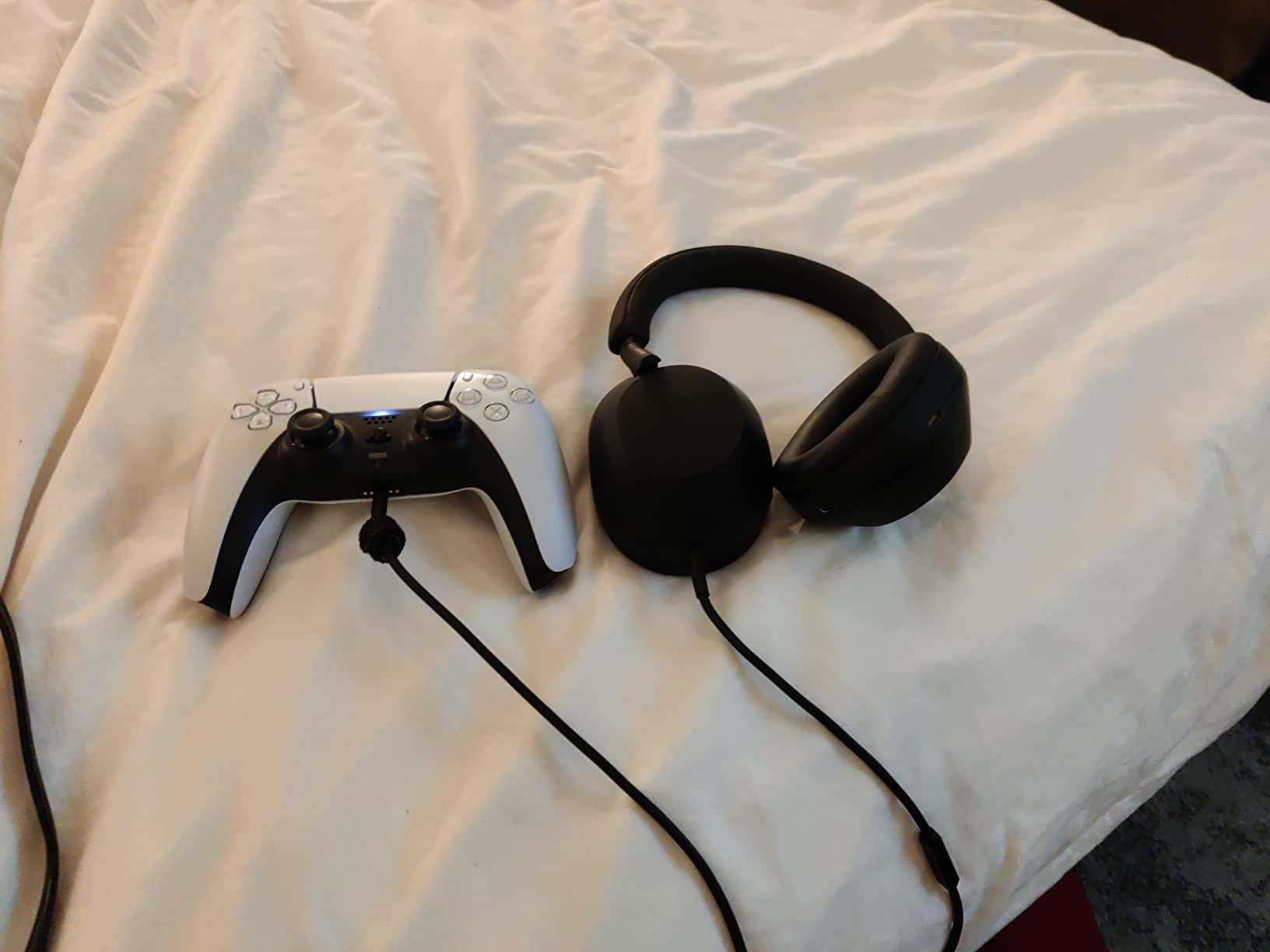
Comfort stands out as the XM5’s secret weapon. Sony redesigned the headband with a wider, softer cushion that distributes pressure excellently. I wore these for a full eight-hour workday and forgot I had them on multiple times. The clamping force sits gentler than the XM6, which makes a real difference if you wear glasses. My usual pressure points never appeared.
Call quality surprised me. Four beamforming microphones handle voice capture, and my colleagues confirmed I sounded clearer than with my previous headphones. Wind noise handling works well during outdoor calls, though extreme gusts still cause some audio artifacts. The speak-to-chat feature still triggers occasionally when I cough or clear my throat vigorously, but firmware updates have reduced these false positives significantly.
Best For: Office Workers and Value Seekers
At under $250, the XM5 delivers flagship ANC and sound quality without flagship pricing. The comfort improvements over older Sony models make these ideal for all-day wear. Multipoint connection works flawlessly for switching between laptop and phone. If you want Sony’s ecosystem advantages without the XM6 price, this model checks almost every box.
Skip If: You Need the Absolute Best ANC
The XM6 does offer meaningfully better noise cancellation, particularly in challenging environments. Frequent flyers facing loud engines will notice the difference. The XM5 also lacks the XM6’s refined driver design, so audiophiles seeking maximum detail might want the newer model.
3. Bose QuietComfort Ultra: Comfort Champion with Spatial Audio
Bose QuietComfort Ultra Headphones – Sandstone
Spatial Audio with Immersion Mode
CustomTune technology
24-hour battery
250g weight
Pros
- Exceptional comfort for all-day wear
- Spatial audio adds immersive experience
- CustomTune personalizes sound to your ears
- Premium build quality
- Works well with glasses
Cons
- Immersive audio can muddy the sound
- Requires power for wired connection
- Bass may need EQ boost out of box
- Higher price point
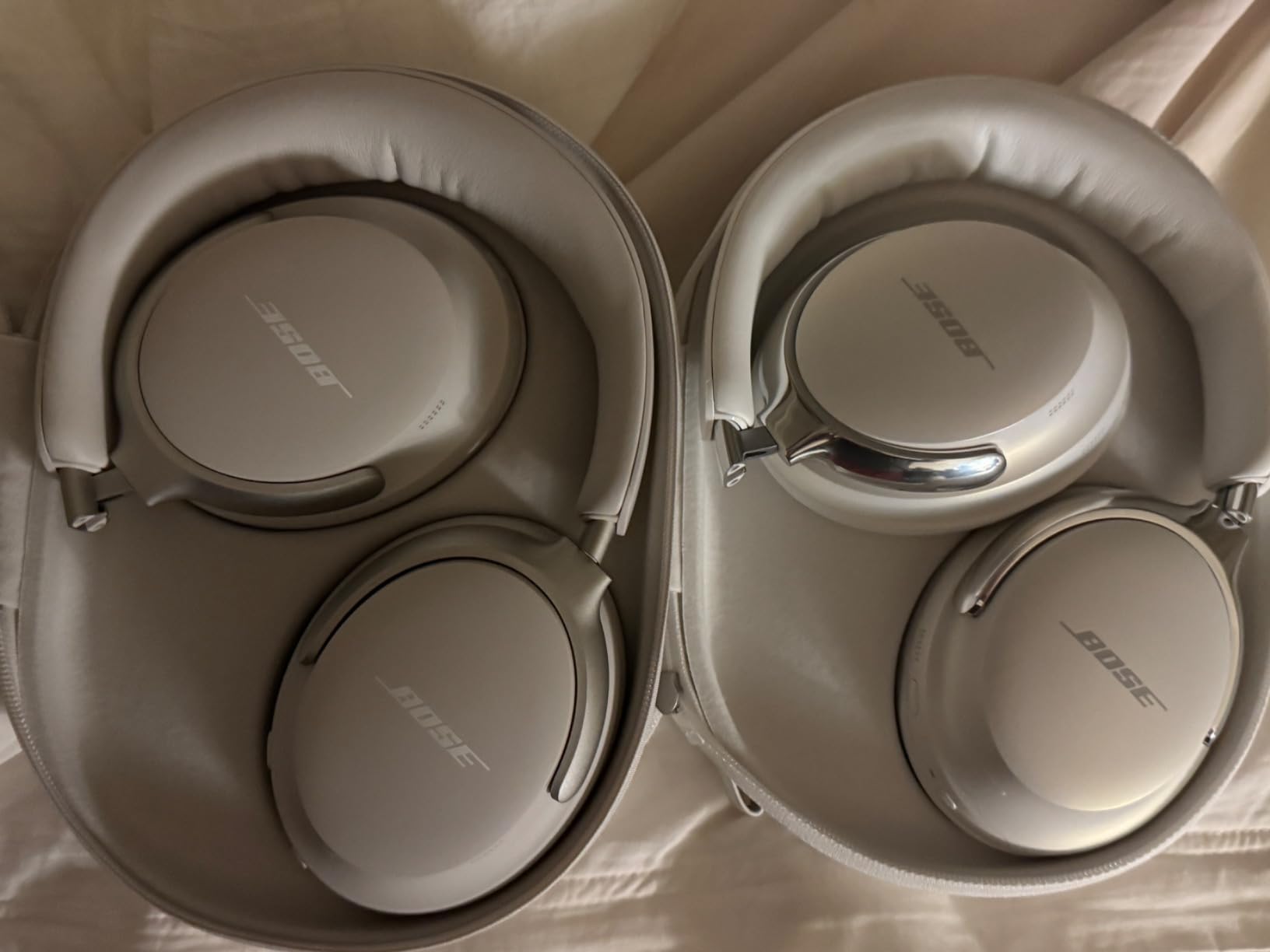
Bose has long been the comfort king, and the QuietComfort Ultra reinforces that reputation. The plush ear cushions wrapped around my ears like a pillow, and the gentler clamping force meant I could wear these for hours without any fatigue. During a particularly brutal 10-hour transatlantic flight, these remained comfortable when my previous headphones had me dreaming of taking them off.
The spatial audio feature initially seemed like a gimmick, but it won me over. Bose’s Immersive Audio creates a wider soundstage that makes music feel less trapped inside your head. Watching movies became genuinely cinematic. The effect works best with properly mixed content, and some tracks sound slightly processed, but the option to disable it means you lose nothing by trying it.
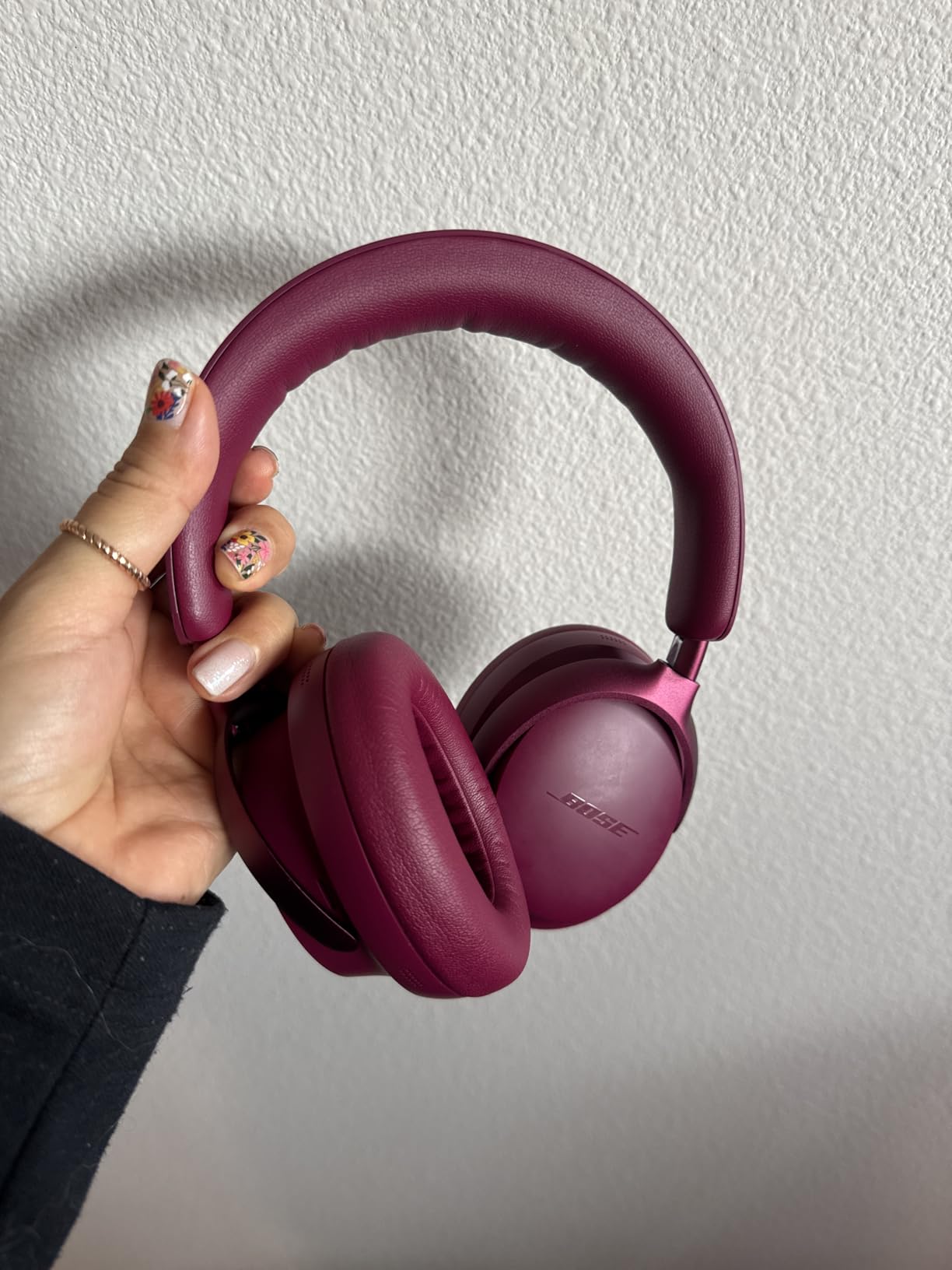
CustomTune technology genuinely impressed me. On first setup, the headphones play a series of tones that map your ear canal’s acoustic properties. The result sounds tailored rather than generic. I noticed the personalization most with vocals and acoustic instruments, which gained extra clarity and presence. Checking the Bose QuietComfort headphones current pricing reveals this tech adds real value to the premium tier.
ANC performance matches Sony closely. The six-microphone system handles noise cancellation admirably, though I noticed the XM6 edges ahead on low-frequency rumble. For airplane noise and traffic, both brands perform comparably. The transparency mode on the Bose sounds more natural than most competitors, letting ambient sound pass through with minimal processing artifacts.
Best For: Long Listening Sessions and Movie Lovers
If comfort ranks highest on your priority list, the QuietComfort Ultra delivers. The spatial audio makes these exceptional for watching films and TV shows. The customization options through CustomTune mean you get personalized sound without spending hours tweaking EQ settings. These connect well with Bose soundbars via SimpleSync for TV watching.
Skip If: You Prefer Flat, Unprocessed Sound
The Immersive Audio mode modifies the sound signature in ways that purists might not appreciate. You can disable it, but then you lose one of the Ultra’s key differentiators. The requirement to power on for wired connection frustrates some users, and the higher price does not guarantee better ANC than less expensive alternatives.
4. Bose QuietComfort: Exceptional Value All-Day Comfort
Bose QuietComfort Headphones – Wireless Bluetooth Headphones, Active Over Ear Noise Cancelling and Mic, USB-C Charging, Deep Bass, Up to 24 Hours of Playtime, Black
40mm drivers
24-hour battery
Multipoint Bluetooth
238g weight
Pros
- Outstanding comfort at this price
- 24-hour battery life
- Excellent value proposition
- 40mm drivers deliver punchy bass
- Multipoint works seamlessly
Cons
- Multipoint can drop occasionally
- Noise cancellation not quite top-tier
- White noise during ANC mode
- Bluetooth disconnection issues reported
The standard QuietComfort represents Bose’s best value proposition in years. At $229, these deliver the core Bose experience without the premium price of the Ultra model. I wore these for three weeks straight, rotating between work, commute, and evening relaxation. The comfort remained consistent across all scenarios, and I never felt the need to rush home for my “good” headphones.
The 40mm drivers produce a warmer sound signature than Sony’s offerings. Bass hits with authority but never overwhelms, and the overall presentation feels smooth rather than analytical. If you enjoy genres like hip-hop, electronic, or pop with prominent low-end, these deliver satisfying impact without EQ adjustment. Checking noise-canceling headphones under $200 shows this model competes effectively even against budget alternatives.
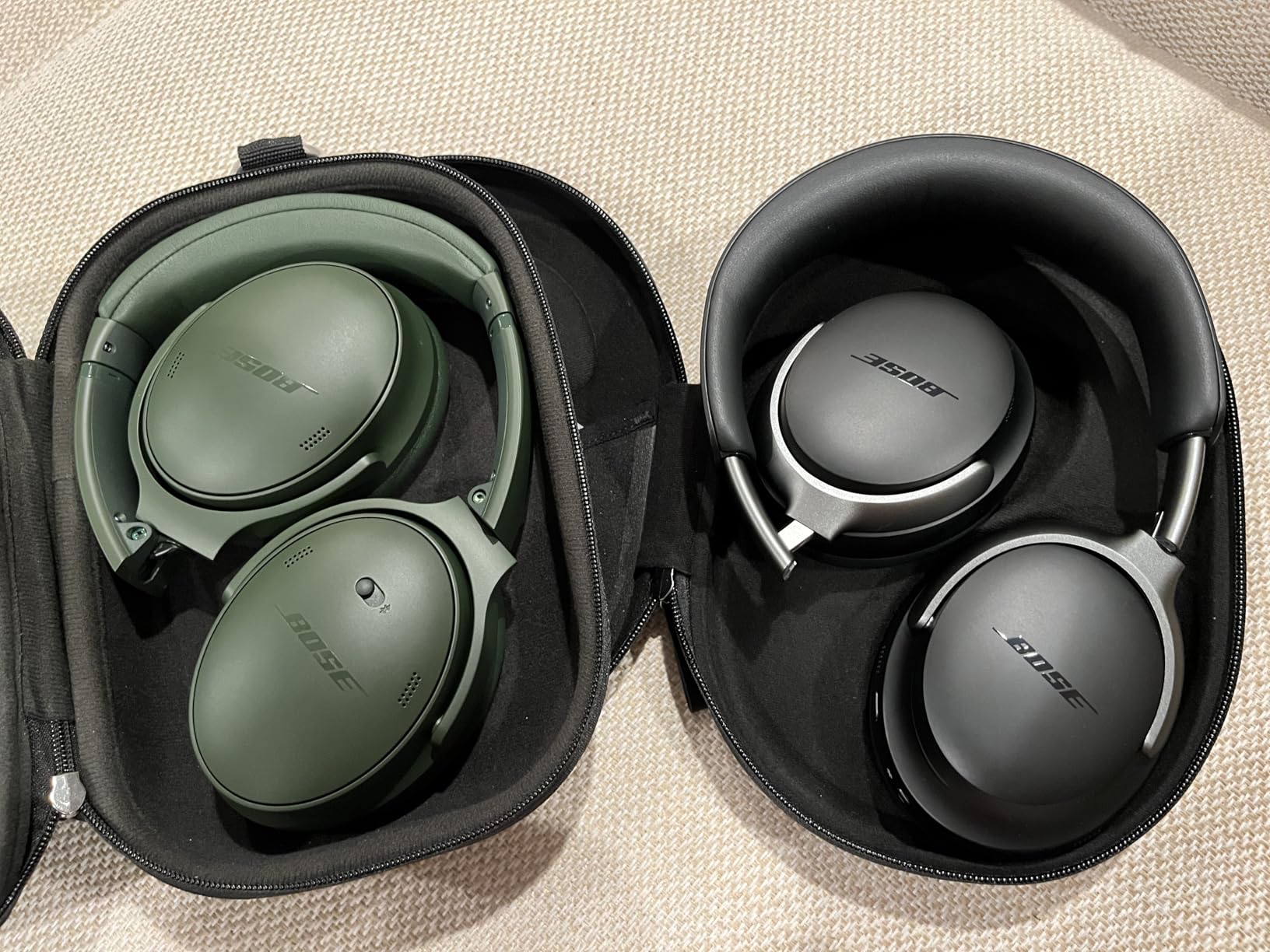
Multipoint connection became essential for my workflow. Switching between laptop for Zoom calls and phone for music happened without touching Bluetooth settings. The implementation works better than some competitors, though I did experience occasional brief drops when walking away from my laptop. Firmware updates seem to have addressed most of the reported disconnection issues.
Battery life matches Bose’s claims of 24 hours in my testing. I averaged about 22 hours with ANC constantly active and volume at moderate levels. The USB-C charging and quick-charge feature proved handy. Fifteen minutes on the charger delivered roughly 2.5 hours of playback, which saved me during a particularly busy travel day when I forgot to charge overnight.
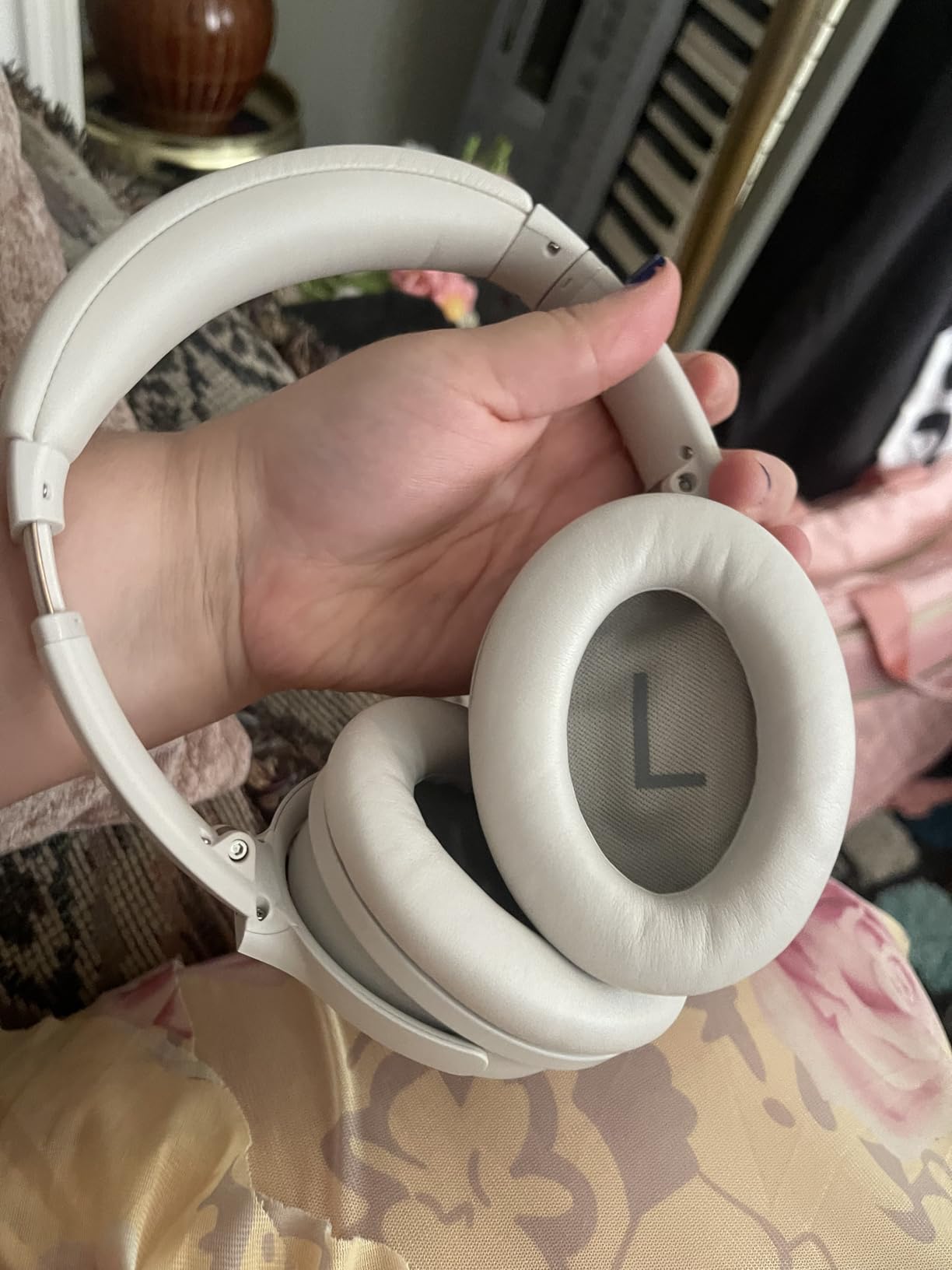
Best For: Budget-Conscious Buyers Seeking Comfort
If you want the Bose comfort experience without spending $329 or more, the standard QuietComfort delivers. The larger 40mm drivers and warmer sound signature suit casual listeners who enjoy bass-heavy genres. These work exceptionally well for long work-from-home days where comfort matters more than audiophile specs.
Skip If: You Need Maximum ANC Performance
The noise cancellation falls slightly behind Sony’s XM5 and XM6, particularly in challenging environments with deep bass frequencies. If you fly frequently in loud cabins or work in extremely noisy environments, the extra ANC performance from Sony models might justify the higher investment.
How to Choose: Sony vs Bose Noise-Canceling Headphones
Choosing between Sony and Bose requires understanding your priorities. Both brands deliver excellent ANC, but their strengths in other areas differ significantly.
Choose Sony If:
Sony headphones suit you if you value customization and audio fidelity. The 10-band equalizer lets you shape sound precisely to your preferences, and LDAC support matters if you stream high-resolution audio. For best noise-canceling headphones for travel, Sony’s marginally stronger ANC gives you an edge on long flights. The Speak-to-Chat feature works reliably for anyone who needs to pause audio frequently without fiddling with controls.
Choose Bose If:
Bose headphones excel if comfort ranks highest on your list. Users in forums consistently report that Bose feels more comfortable during extended sessions, particularly those wearing glasses. The CustomTune technology automatically optimizes sound without requiring technical knowledge. If you watch movies or play games where spatial audio enhances immersion, the Bose Immersive Audio delivers a genuine advantage.
Decision Matrix
Consider these factors when making your decision. Budget plays a significant role, as Sony and Bose both offer compelling options at different price points. Use case matters more than you might expect. Commuters and frequent travelers should prioritize ANC strength, while home listeners might value comfort and sound quality more heavily.
Device ecosystem influences the choice too. Sony headphones pair most seamlessly with other Sony products, while Bose connects natively with Bose soundbars and speakers. If you already own a Bose TV soundbar, SimpleSync makes the QuietComfort Ultra an obvious pairing.
Audio preferences differ between brands in ways that matter. Sony tends toward a neutral, detailed signature that rewards critical listening. Bose offers a warmer, more forgiving presentation that suits casual listening and genres like pop and electronic. Neither approach is objectively better, and both respond well to EQ adjustment.
Which is better for long-term comfort, Sony or Bose?
Bose headphones generally offer superior long-term comfort due to their plush ear cushions and lighter clamping force. The Bose QuietComfort series is particularly renowned for all-day wear, making it the preferred choice for users who wear headphones for extended periods. Sony headphones are comfortable but tend to have tighter clamping force that can cause fatigue over time.
Do Bose or Sony headphones have better ANC for flying?
Both Sony and Bose offer best-in-class active noise cancellation suitable for flying. Sony’s XM6 has a slight edge with 12 microphones and the HD Noise Canceling Processor QN3, providing marginally better isolation in upper bass and mid-range frequencies. However, Bose remains highly competitive and either choice will significantly reduce airplane engine noise.
What’s the difference in sound quality between Sony XM6 and Bose QC Ultra?
Sony XM6 delivers a more neutral, well-balanced sound with detailed highs and controlled bass, plus LDAC codec support for high-resolution audio. Bose QC Ultra offers a warmer sound signature with spatial audio immersion. Sony’s 10-band EQ provides more customization, while Bose’s CustomTune technology personalizes sound to your ears automatically.
Which headphones have better app support, Sony or Bose?
Sony’s Headphones Connect app offers more extensive customization with a 10-band EQ, adaptive sound control, and detailed sound position settings. Bose Music app provides a simpler interface with CustomTune calibration and basic EQ adjustments. Power users generally prefer Sony’s deeper customization options.
Is Sony WH-1000XM6 worth the upgrade from XM5?
The XM6 offers meaningful improvements including 12 microphones versus 8, the new QN3 processor, improved speak-to-chat accuracy, and better call quality. However, if you already own XM5, the upgrade may not justify the cost unless you specifically need the marginal ANC improvement or use headphones heavily for calls.
Final Verdict: Sony vs Bose Noise-Canceling Headphones
After extensive testing across real-world scenarios, Sony vs Bose Noise-Canceling Headphones remains a closer competition than ever. Sony edges ahead on raw ANC performance and customization, while Bose dominates on comfort and spatial audio immersion. For most buyers in 2026, either brand delivers a premium experience that will satisfy.
If you want the absolute best noise cancellation and maximum audio customization, the Sony WH-1000XM6 earns my recommendation. The investment makes sense for frequent travelers and audiophiles who will benefit from those capabilities daily. Budget-conscious buyers should look at the Sony WH-1000XM5 or Bose QuietComfort, which deliver roughly 90% of the flagship experience at significantly lower prices.
Comfort-first buyers cannot go wrong with either Bose model. The QuietComfort Ultra adds spatial audio for media consumption, while the standard QuietComfort provides exceptional value. Forum discussions confirm that Bose remains the comfort champion, with users consistently reporting these feel better during marathon listening sessions.
The choice ultimately depends on your priorities. Sony wins for technical performance and audiophile features. Bose wins for comfort and immersive media experiences. Either way, you are getting some of the best noise-canceling headphones available in 2026.