
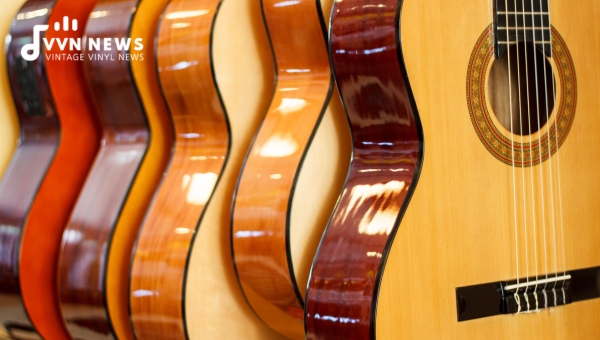
As a passionate aficionado of all things music, I often find myself drawn to the melodious strumming of a guitar.
A question, that I’ve grappled with a while now is- why are some guitars more expensive than others? Is it just about the brand name, or do these higher price tags reflect their performance and sound quality?
It piqued my curiosity enough to embark on a quest, digging deeper into the world of different guitar types and makes.
Unraveling these layers was illuminating, it’s not just about the aesthetic appeal; there’s so much more that goes into determining the value of these incredible instruments.
Table of Contents
Importance of understanding guitar pricing
Understanding the intricacies of guitar pricing can often feel like a daunting task, especially with manufacturers spanning a full spectrum offering everything from economy to luxury models.
There are several reasons why gaining a deeper insight into the anatomy and value estimation of guitars is essential:
- Value for Money: First off, comprehending why a certain guitar costs as much as it does enables you to make an informed decision about whether you’re truly getting your money’s worth.
- Appreciating Quality: The intricate craftsmanship and painstaking detailing that go into a premium-grade guitar are tangible in its sound and performance over time. By understanding the elements that contribute to the pricing, you also gain an appreciation for these quality differentiators.
- Anticipating Future Costs: Maintenance and repair costs can add up over time. Having an idea about what contributes to the overall cost helps anticipate these expenses.
- Long-term Investment: Guitars, especially rare or vintage models, can appreciate over time, making them sound investments (pun intended). Understanding their pricing is crucial in this context.
- Informed Purchases & Negotiation Leverage: A thorough understanding aids in making informed purchases, navigating sales jargon with ease, and providing negotiation leverage when buying used guitars.
Now that we’ve established why understanding prices is important let’s delve deeper into what makes some guitars pricier than others.
The Anatomy of a Guitar

Before diving headfirst into the other aspect, it’s crucial to understand a guitar’s anatomy. This can shed light on why some parts of this instrument command more value than others.
Description of Guitar Parts and Their Role in the Final Price
A typical guitar is composed of several parts, each contributing to the guitar’s final tone and, ultimately, its price.
The basic components are the body, neck, fretboard, strings, pickups (for electric guitars), and hardware:
- Body: This is essentially the large portion of the guitar in which acoustics resonate to produce sound – in other words, it’s a soundbox. For electric guitars, this section may house circuitry and pickups.
- Neck: Connected to the body is the neck; it houses frets and influences playability significantly.
- Fretboard: It lies on top of the neck where musicians press strings down to change pitch.
- Strings: A standard guitar has 6 strings made out of steel or nylon (in classical guitars).
- Pickups (For electric guitars): These devices convert string vibrations into electrical signals that get transmitted through an amplifier.
- Hardware: This includes tuners for adjusting string tension or pitch bridges for anchoring strings to tremolo systems on an electric guitar.
Materials Used in Making a Guitar and Their Cost Implications
The type and quality of materials used in crafting each component significantly affect a guitar’s final price.
- The nature of the wood used often known as “tonewood” plays a crucial role not only in crafting beautiful sounds but also in determining costs. High-end models often incorporate woods like rosewood or mahogany which influence both aesthetics and sonics but come with higher price tags.
- Similarly, hardware quality can impact costs too – high-quality tuners offer better-tuning stability but raise costs.
- Pickups contribute substantially to an electric guitar’s total cost because they govern its electronic sound quality directly.
Also Read: 25 Best Guitarists Of All Time [String Masters Who Shaped Music]
Why Are Some Guitars More Expensive Than Others?
From the integral aspects of craftsmanship, materials, and tonewood selection, to intricate design influences, brand equity, and electronic gear influence each component contributes to the final price making each guitar unique.
Craftsmanship and Materials: The Artistry That Drives Costs
If we dive into the art of guitar-making, the level of craftsmanship involved is astounding.
Craftsmanship in this field refers to the process and skill employed by an artisan to convert raw materials into a functioning and aesthetically pleasing musical instrument. A luthier’s skill in handcrafting a guitar can significantly drive up its final cost.
Hand-built guitars are often priced higher because of the time investment, attention to detail, labor intensity involved, and customization capabilities.
Handcrafting a unit takes anywhere from several weeks to months, drastically contrasting with mass-produced variants that use industrial machinery for mass production.
The choice of materials, especially the tonewood used for creating the body and neck parts also plays inevitably into the guitar’s pricing.
Tonewood Selection: Impact on Sound and Price
Tonewood is any wood that possesses tonal properties beneficial to guitar crafting.
Varieties like Mahogany yield warm sounds, while Maple or Spruce render bright resonances favored by many blues and rock musicians.
Premium tonewoods like Brazilian Rosewood, Koa, or Adirondack Spruce entail stringent sourcing regulations and exceptional resonance qualities but at a hefty price factor, explaining why Gibson Les Pauls or Martin D-45s are worth many thousand dollars.
Intricate Design and Inlays: Aesthetic Appeal Comes at a Price
Guitars don’t solely exist to create music they’re also magnificent pieces of art in their own right.
One factor that can substantially raise the cost of a guitar is its external design, specifically the intricate inlays on the fretboard or body.
These delicate designs are usually shaped from materials such as abalone shells or mother of pearl and then meticulously hand-inserted into the guitar.
The process requires an extreme level of craftsmanship and man-hours, inevitably driving up costs.
The PRS Dragon series incorporates some of the most stunning inlays you’re likely to find on any guitar and have price tags to match!
Brand Reputation and Legacy: The Value of a Name
In the world of guitars, a brand name carries enormous weight. Brands like Gibson, Fender, and Martin have spent decades building their reputation and establishing their legacy not just by making quality instruments but also through innovation and trendsetting.
A Gibson Les Paul or a Fender Stratocaster isn’t just seen as a great guitar; it’s regarded as an icon in the music world. This recognition and credibility of such brands frequently drive up their instruments’ costs.
Electronics and Hardware: Technological Advancements Drive Up Costs
The electronics and hardware embedded in a guitar can significantly influence its price, particularly in electric guitars.
Superior quality pickups provide better tone, versatility, and overall sound quality. Innovative hardware implementations like compound-radius fretboards for comfort or advancements such as locking tuners for better tuning stability also add to the cost.
A stunning example of this is Line 6’s “Variax” models that come loaded with groundbreaking tech enabling musicians to model different guitar tones – one monumental leap forward for guitarists’ creative possibilities.
Handmade vs. Mass Production: The Price of Personalization
The difference between a homemade apple pie and one straight off a supermarket shelf extends beyond taste it’s about the love, care, and attention that goes into making it. The same principle applies to guitars.
Handmade guitars are known for their meticulous craftsmanship, excellent quality control, and unparalleled artistry.
These instruments are built by experienced luthiers who painstakingly shape, sand, finish, and assemble each part by hand a process measured in weeks or even months.
In contrast, mass-produced guitars are assembled on production lines with speed and efficiency as the driving factor.
This difference in methods inevitably reflects in price tags too; handmade guitars command significantly higher prices due to their bespoke nature.
A handmade Taylor guitar unquestionably costs more than its factory-made counterparts.
Limited Edition and Custom Models: Exclusivity and Premium Pricing
Guitar manufacturers occasionally release limited edition or custom models highlighting special designs or features not found in standard models.
Priced considerably higher than standard siblings, these instruments offer musicians exclusivity alongside amplified performance aspects or aesthetic traits.
It’s a unique paint job like Gibson’s eye-catching Rainbow Les Paul and novel features such as Fender’s parallel universe series with unusual specs combinations you’re paying for both performance enhancement and exclusivity when you invest in these limited edition beauties.
Vintage Guitars: A Journey Back in Time with a Hefty Price Tag
Just as a vintage wine’s appeal lies in its years, a guitar often gains value as it ages. ‘Vintage’ guitars typically those over 30 years old carry both historical significance and unique tonal characteristics that come with age.
These instruments have often been “played in,” leading to a richer sound that’s both resonant and seasoned.
Processes employed in guitar production decades ago, like using specific tonewoods now heavily restricted, confer added allure.
Due to these factors and their limited availability, vintage guitars fetch incredibly high prices at auction.
A classic example is the 1959 Gibson Les Paul Standard, which is considered one of the holy grails of vintage guitars.
Its coveted tone and scarcity combo compel collectors to spend incredible sums for this piece of musical history!
Celebrity Endorsements: The Influence on Guitar Prices
When a high-profile musician endorses a guitar or collaborates with a manufacturer to build their signature model, it can significantly influence the guitar’s price.
The logic is pretty simple: fans often aspire to play the same instrument as their favorite artist, elevating the demand, and consequently, prices for such models.
Also Read: 24 Best Chorus Pedals In 2026 [Deliver A Rich & Wide Guitar Sound]
Resale Value and Investment: Guitars as Tangible Assets
Some may argue buying expensive guitars is unnecessary, but astute buyers view them as worthy investments.
Much like a vintage watch or precious art, particular high-end or vintage guitars can appreciate over time, yielding significant profit if sold later.
Some folks specialize in identifying such ‘investment-grade’ guitars that are likely to increase value substantially be it because of their age, association with an icon (imagine owning Jimi Hendrix’s Stratocaster), or limited production run.
Though unpredictable at times, resale value is an essential factor to consider while purchasing expensive guitars.
It’s not just an instrument you’re buying; it’s also a tangible asset with potential returns.
The world of guitar pricing isn’t just about craftsmanship and materials alone – many factors interplay weaving a complex tapestry of perceived value and intrinsic worth.
Also Read: 15 Best Electric Guitars Of 2026 [Upgrade Your Riffs With These Picks]
FAQs About Guitars Prices
Why does the type of wood matter in a guitar’s pricing?
The type of wood, or “tonewood”, impacts both the aesthetics and sound quality of a guitar. Premium woods such as rosewood and mahogany often result in superior sound quality but are more expensive due to their scarcity and sustainable harvesting practices.
Does brand reputation affect the cost of guitars?
Yes, brands that have established a reputable legacy typically command higher prices. These brands are recognized for their high-quality materials, craftsmanship, and distinct sounds, which contribute to their status.
Why are handmade guitars more expensive than mass-produced ones?
Handmade guitars involve a higher degree of skilled labor and attention to detail, leading to enhanced sound quality and visual appeal, hence increased costs. Mass-produced guitars, while more affordable, usually don’t offer the same level of individuality and craftsmanship.
How does electronic hardware influence the price of electric guitars?
The electronic components in electric guitars directly affect this instrument’s sound quality. High-end pickups and advanced circuitry can significantly transform an instrument’s tonal capabilities but also drive up costs proportionately.
Are celebrity-endorsed guitars worth the additional cost?
Celebrity endorsements can increase a guitar’s price due to the association with famous musicians – it’s subjective, though if it justifies the extra expenditure depends on individual fan sentiments!
Conclusion
Understanding why some guitars are pricier than others requires acknowledging several elements of a guitar’s build.
The choice of materials, level of workmanship, additional features like electronic components, and brand reputation, all contribute to price not to mention factors like exclusivity or vintage appeal.
Keep in mind that oftentimes we’re not just paying for the instrument per se, but also for the exquisite harmonies they’re capable of creating and the rich melodic experiences they offer.
While it is possible to snag a decent guitar at a reasonable cost, you’ll often find that you get what you pay for!