
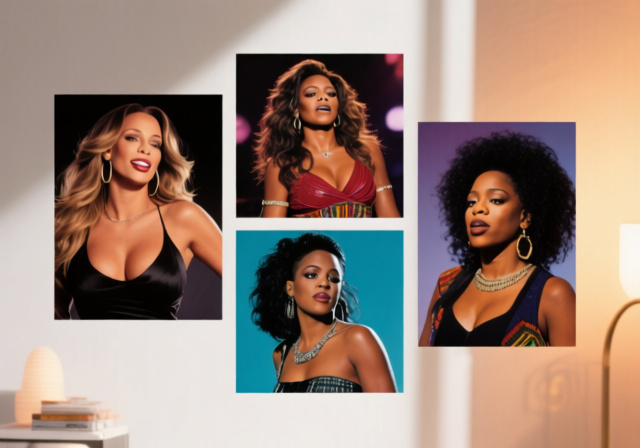
The 1990s represented a revolutionary period for female artists in music, marking an unprecedented era of creative freedom, commercial success, and cultural influence across every major genre. Following the incredible female singers of the 80s, this decade witnessed women dominating charts, breaking industry barriers, and creating movements that would transform music forever. 90s female singers were women who dominated the music industry across genres including pop, R&B, rock, alternative, and country, with notable artists like Mariah Carey, Whitney Houston, Alanis Morissette, and Lauryn Hill achieving both commercial success and critical acclaim.
What made this decade truly remarkable was the sheer diversity of voices and perspectives that emerged. From pop divas selling millions of records to alternative rock pioneers expressing raw emotional honesty, female artists weren’t just participating in the music industry—they were reshaping it entirely. The 90s saw women taking control of their narratives, addressing previously taboo topics, and creating new spaces for female expression in mainstream culture.
As we explore the incredible women who defined this decade, you’ll discover how movements like Lilith Fair created platforms for female singer-songwriters, how alternative rock gave voice to female anger and experiences previously underrepresented in mainstream music, and how artists across genres brought authentic emotional expression and social commentary to the forefront of popular culture. This comprehensive guide celebrates the voices that not only dominated the 90s but continue to influence music and culture today.
Table of Contents
Pop Royalty: The Divas Who Ruled the 90s Charts (September 2026)
The pop landscape of the 1990s was dominated by a select group of exceptionally talented women who combined vocal virtuosity with unprecedented commercial success. These artists weren’t just making hits—they were creating cultural moments, setting new standards for female performers, and achieving levels of success previously unimaginable for women in the music industry. Their influence extended far beyond chart positions, shaping fashion, beauty standards, and the very definition of pop stardom for generations to come.
Mariah Carey emerged as arguably the decade’s most dominant force, combining her legendary five-octave vocal range with innovative songwriting that seamlessly blended pop, R&B, and hip-hop elements. Her 1990 debut single “Vision of Love” instantly established her as a vocal powerhouse, while subsequent hits like “Hero,” “Fantasy,” and the timeless holiday classic “All I Want for Christmas Is You” demonstrated her remarkable versatility. Carey’s ability to cross genre boundaries while maintaining commercial appeal made her a blueprint for future pop artists, and her record-breaking 18 #1 singles remain a testament to her enduring popularity.
Whitney Houston, already established from her 80s success, continued her reign as the voice of a generation throughout the 90s. Her rendition of “I Will Always Love You” from The Bodyguard soundtrack became one of the bestselling albums of all time, while her powerful emotional delivery set new standards for vocal performance in popular music. Houston’s influence extended beyond music into film and fashion, making her one of the first true multimedia superstars.
Madonna continued her evolution as the ultimate pop chameleon, constantly reinventing her image and sound while maintaining her position at the forefront of cultural conversations. The 90s saw her explore everything from the erotic spirituality of “Like a Prayer” to the electronic experimentation of “Ray of Light,” proving that artistic growth and commercial success could coexist. Her ability to anticipate and shape cultural trends made her more than just a pop star—she was a cultural barometer whose influence extended into art, fashion, and social discourse.
Celine Dion brought international sophistication to pop music with her powerful ballads and extraordinary vocal control. Her performance of “My Heart Will Go On” for the Titanic soundtrack not only became an instant classic but also demonstrated the enduring power of the ballad format in an increasingly fast-paced musical landscape. Dion’s success proved that emotional authenticity and technical virtuosity could still resonate deeply with audiences, while her international background helped pave the way for greater diversity in pop music.
Janet Jackson seamlessly blended social consciousness with danceable pop, creating music that was both thought-provoking and entertaining. Hits like “That’s the Way Love Goes” and “Together Again” showcased her ability to address important social issues while maintaining mainstream appeal. Jackson’s influence extended beyond music into fashion and dance, making her one of the most complete entertainment packages of the decade.
The late 90s saw the emergence of Christina Aguilera, whose extraordinary vocal range and stylistic versatility represented the next evolution of pop diva-dom. Her debut single “Genie in a Bottle” captured the zeitgeist of teen pop while hinting at the greater artistic ambitions that would define her career. Aguilera’s success demonstrated that the pop diva tradition would continue to evolve and adapt to new musical landscapes.
R&B Revolution: The Queens Who Redefined Soul Music
The 1990s witnessed a transformative evolution in R&B music, largely driven by a new generation of female artists who brought unprecedented emotional honesty, social consciousness, and genre-blending innovation to soul music. These artists didn’t just sing about love and heartbreak—they addressed complex social issues, explored the depths of human emotion, and created new sonic landscapes by fusing R&B with hip-hop, gospel, and experimental elements.
Mary J. Blige emerged as the undisputed “Queen of Hip-Hop Soul,” pioneering a sound that would define the decade and influence countless artists who followed. Her 1992 debut “What’s the 411?” introduced the world to her unique blend of streetwise authenticity and raw emotional vulnerability. Tracks like “Real Love” and “Not Gon’ Cry” showcased her ability to convey deep pain and resilience with equal power, creating music that felt both deeply personal and universally relatable. Blige’s influence extended beyond music into fashion and language, making her a cultural icon whose impact continues to resonate in contemporary R&B.
Toni Braxton brought sophistication and elegance to R&B with her distinctive contralto voice and emotionally resonant ballads. Her breakthrough hit “Un-Break My Heart” became one of the defining love songs of the decade, while her album “Secrets” established her as a major force in contemporary R&B. Braxton’s success proved that traditional R&B values—emotional authenticity, vocal excellence, and sophisticated production—could thrive in the evolving musical landscape of the 90s.
Lauryn Hill represented the pinnacle of artistic achievement in 90s R&B, blending social consciousness with musical innovation in ways that would influence the entire genre. Her work with The Fugees and her solo masterpiece “The Miseducation of Lauryn Hill” demonstrated her remarkable versatility as both rapper and singer. Tracks like “Doo Wop (That Thing)” and “Ex-Factor” showcased her ability to address complex social issues while creating music that was both intellectually stimulating and emotionally resonant. Hill’s influence extended beyond music into fashion and social activism, making her one of the most important cultural figures of the decade.
Brandy and Monica emerged as the princesses of teen R&B, bringing youthful energy and relatable themes to the genre. Their collaboration on “The Boy Is Mine” became one of the decade’s most memorable musical moments, while their individual hits like “I Wanna Be Down” and “Before You Walk Out of My Life” demonstrated their growing artistic maturity. Both artists would go on to have long, influential careers that bridged the gap between 90s R&B and contemporary sounds.
Erykah Badu helped launch the neo-soul movement with her distinctive blend of jazz, funk, and spiritual consciousness. Her debut album “Baduizm” introduced a more organic, spiritually-informed approach to R&B that stood in contrast to the polished production of mainstream R&B. Tracks like “On & On” and “Next Lifetime” showcased her unique vocal style and philosophical approach to music, creating a new template for soulful expression that would influence countless artists.
Rock Rebellion: The Angry Women Who Changed Alternative Music (September 2026)
The alternative rock movement of the 1990s provided a platform for female artists to express anger, frustration, and emotional vulnerability in ways that had rarely been heard in mainstream music. These artists brought confessional songwriting to new heights, addressing topics like relationships, sexuality, and mental health with unprecedented honesty. Their music gave voice to a generation of women who had previously felt underrepresented in rock music, creating a legacy that continues to influence alternative and indie artists today.
Alanis Morissette’s “Jagged Little Pill” remains one of the most culturally significant albums of the decade, selling over 30 million copies and changing the landscape of alternative music forever. Her breakthrough hit “You Oughta Know” became an anthem for female anger, while tracks like “Ironic” and “Hand in My Pocket” showcased her remarkable ability to blend wit, vulnerability, and musical innovation. Morissette’s success proved that emotionally complex, confessional songwriting could achieve massive commercial success, opening doors for countless female artists who followed.
Tori Amos brought a unique blend of classical training and alternative sensibility to her music, creating songs that were both intellectually sophisticated and emotionally raw. Her debut “Little Earthquakes” introduced listeners to her distinctive piano-based sound and fearless exploration of difficult topics like religion, sexuality, and trauma. Tracks like “Cornflake Girl” and “Crucify” showcased her remarkable ability to address complex social issues while creating music that was both accessible and artistically ambitious.
Liz Phair’s “Exit to Guyville” redefined what women could say in rock music, bringing a raw, unfiltered perspective to relationships and sexuality that was both revolutionary and relatable. Her frank lyrics and lo-fi aesthetic created a new template for indie rock expression, influencing countless artists who valued authenticity over polish. Tracks like “Supernova” and “Never Said” demonstrated her remarkable ability to blend vulnerability with strength, creating music that felt both intimate and universal.
Fiona Apple brought baroque pop sensibilities to alternative rock, creating music that was both musically sophisticated and emotionally devastating. Her debut “Tidal” introduced listeners to her distinctive voice and lyrical complexity, while the controversial video for “Criminal” sparked important conversations about female agency and sexuality. Apple’s willingness to address difficult topics with unwavering honesty made her a favorite among critics and fans who valued artistic integrity above commercial considerations.
PJ Harvey represented the more experimental side of alternative rock, constantly evolving her sound while maintaining her distinctive artistic vision. Albums like “To Bring You My Love” showcased her remarkable versatility as both songwriter and performer, while tracks like “Down by the Water” demonstrated her ability to create music that was both accessible and artistically ambitious. Harvey’s influence extended beyond alternative rock into experimental music, making her one of the most respected artists of her generation.
Hole, led by Courtney Love, brought punk energy and feminist anger to alternative rock, creating music that was both confrontational and cathartic. Their album “Live Through This” became an anthem for a generation of women who felt frustrated by the limitations placed on them by society. Tracks like “Miss World” and “Doll Parts” showcased Love’s remarkable ability to channel personal pain into universally relatable art, making her one of the most important voices in 90s alternative rock.
Lilith Fair Legacy: The Singer-Songwriters Who Created a Movement
The mid-to-late 1990s witnessed a remarkable renaissance in female singer-songwriters, largely catalyzed by Sarah McLachlan’s Lilith Fair festival. This traveling celebration of women in music created a platform for artists who might otherwise have struggled to find mainstream exposure, while also fostering a sense of community and solidarity among female musicians. The movement these artists created would have a lasting impact on the music industry, proving that there was a substantial audience for thoughtful, introspective music performed by women.
Sarah McLachlan emerged as the unlikely leader of this movement, using her platform to create opportunities for other female artists while maintaining her own successful career. Her album “Surfacing” became one of the defining records of the decade, with tracks like “Building a Mystery” and “Angel” showcasing her remarkable ability to blend emotional vulnerability with musical sophistication. McLachlan’s vision for Lilith Fair not only created economic opportunities for countless female artists but also helped normalize the idea of women headlining major tours and festivals.
Jewel brought folk authenticity to mainstream pop, creating music that resonated with listeners who valued honesty and emotional depth. Her debut “Pieces of You” became a surprise commercial success, with tracks like “Who Will Save Your Soul” and “You Were Meant for Me” showcasing her remarkable ability to blend poetic lyricism with accessible melodies. Jewel’s success proved that there was a substantial audience for thoughtful, introspective music, paving the way for other singer-songwriters who might otherwise have struggled to find mainstream exposure.
Sheryl Crow brought rock credibility to the singer-songwriter movement, creating music that was both commercially successful and artistically ambitious. Her album “Tuesday Night Music Club” introduced listeners to her distinctive blend of rock, country, and pop influences, while tracks like “All I Wanna Do” and “Strong Enough” showcased her remarkable versatility as both songwriter and performer. Crow’s success demonstrated that women could achieve mainstream success while maintaining artistic integrity and creative control.
Natalie Merchant brought social consciousness and literary sophistication to her music, creating songs that addressed complex social issues while remaining emotionally accessible. Her work with 10,000 Maniacs and her solo career established her as one of the most thoughtful voices in popular music, with tracks like “Wonder” and “Carnival” showcasing her remarkable ability to blend social commentary with personal reflection.
The Indigo Girls brought harmonies and political activism to the singer-songwriter movement, creating music that was both intellectually stimulating and emotionally resonant. Their intricate vocal harmonies and thoughtful lyrics inspired a generation of artists who valued both musical excellence and social consciousness. Tracks like “Closer to Fine” and “Galileo” showcased their remarkable ability to blend personal reflection with broader social commentary.
Country Pop Crossover: The Women Who Broke Genre Boundaries
The 1990s witnessed an unprecedented crossover success for female country artists, who brought country authenticity to mainstream pop while maintaining their musical roots. These artists demonstrated that country music could achieve massive commercial success without sacrificing its distinctive character, while also helping to break down genre barriers that had previously limited country artists’ exposure to broader audiences.
Shania Twain emerged as the most successful crossover artist of the decade, blending country authenticity with pop production values to create music that appealed to audiences across genre boundaries. Her album “Come On Over” became one of the bestselling albums of all time, with tracks like “Man! I Feel Like a Woman!” and “That Don’t Impress Me Much” showcasing her remarkable ability to combine country storytelling with pop accessibility. Twain’s success proved that country artists could achieve mainstream success while maintaining their musical identity.
LeAnn Rimes brought youthful energy and exceptional vocal talent to country music, achieving crossover success at a remarkably young age. Her rendition of “How Do I Live” became one of the defining ballads of the decade, while her distinctive voice and musical versatility made her one of the most promising young artists in country music. Rimes’ success demonstrated that age was no barrier to achieving mainstream success in country music.
Faith Hill brought sophistication and polish to country music, creating songs that blended country authenticity with pop production values. Her album “Breathe” became one of the defining country-pop albums of the decade, with tracks like “This Kiss” and “Breathe” showcasing her remarkable ability to create music that was both commercially successful and artistically credible. Hill’s success helped pave the way for greater acceptance of country music in mainstream pop culture.
The Dixie Chicks brought musical excellence and political courage to country music, creating songs that blended traditional country elements with contemporary sensibilities. Their album “Wide Open Spaces” became one of the most acclaimed country albums of the decade, with tracks like “Wide Open Spaces” and “Cowboy Take Me Away” showcasing their remarkable musical versatility and willingness to address controversial topics.
Global Voices: International Female Artists Who Made US Impact
The 1990s saw a remarkable increase in the international influence on American popular music, with female artists from around the world bringing their unique perspectives and sounds to mainstream audiences. These artists not only achieved commercial success but also helped to broaden the musical horizons of American listeners, introducing new sounds, styles, and cultural perspectives to the pop landscape.
Björk brought avant-garde innovation to mainstream pop, creating music that was both experimental and accessible. Her distinctive voice and willingness to push musical boundaries made her one of the most influential artists of the decade, with tracks like “Human Behaviour” and “It’s Oh So Quiet” showcasing her remarkable ability to blend experimental elements with pop sensibilities. Björk’s influence extended beyond music into fashion and visual art, making her one of the most complete artistic innovators of her generation.
Dolores O’Riordan of The Cranberries brought Irish authenticity to alternative rock, creating music that was both distinctive and universally relatable. Her unique vocal style and thoughtful lyrics helped The Cranberries achieve international success, with tracks like “Linger” and “Zombie” showcasing her remarkable ability to blend personal vulnerability with social commentary.
Sinead O’Connor brought political courage and musical innovation to mainstream pop, creating songs that addressed controversial topics while maintaining commercial appeal. Her distinctive voice and willingness to speak truth to power made her one of the most important cultural figures of the decade, with tracks like “Nothing Compares 2 U” showcasing her remarkable ability to convey deep emotion through music.
Cultural Revolution: How 90s Female Artists Changed Music and Society
The impact of 90s female artists extended far beyond music charts and album sales—they fundamentally transformed cultural attitudes toward women in the entertainment industry and society at large. These artists weren’t just making music; they were challenging gender stereotypes, addressing social issues, and creating new pathways for female expression in popular culture. Their influence can be seen in everything from contemporary music to fashion, film, and social movements.
The Lilith Fair movement, founded by Sarah McLachlan, created unprecedented opportunities for female artists while also normalizing the idea of women headlining major tours and festivals. This traveling celebration of women in music not only provided economic opportunities for countless female musicians but also helped create a sense of community and solidarity that had previously been lacking in the male-dominated music industry. The success of Lilith Fair proved that there was a substantial audience for music performed by women, while also encouraging venues and promoters to book more female artists.
The Riot Grrrl movement, while more underground, brought feminist consciousness to punk and alternative rock, creating music that addressed issues like sexism, violence against women, and female empowerment. Bands like Bikini Kill and artists like Kathleen Hanna created a template for political engagement in music that would influence countless artists who followed. While the movement was relatively short-lived, its influence can be seen in contemporary artists who continue to address feminist issues through their music.
The emergence of neo soul, led by artists like Lauryn Hill and Erykah Badu, brought spiritual consciousness and social commentary to R&B, creating music that was both thought-provoking and emotionally resonant. This movement represented a return to the roots of soul music while also addressing contemporary social issues, creating a new template for socially conscious R&B that would influence countless artists in subsequent decades.
The Girl Power phenomenon, popularized by the Spice Girls but embraced by female artists across genres, helped create a new vocabulary for female empowerment in popular culture. This movement encouraged young women to be confident, ambitious, and supportive of each other, creating a cultural shift that would influence everything from fashion to education to career choices.
The MTV era music videos provided a powerful platform for female artists to express their artistic vision and connect with audiences on a visual level. The increased visibility of women in music videos helped normalize female leadership in the music industry while also providing new opportunities for creative expression and cultural influence.
Enduring Legacy: 90s Artists’ Influence on Today’s Music
The influence of 90s female artists continues to resonate in contemporary music, with many current stars citing these pioneers as major influences on their own work. From sampling and homage to direct collaboration, the legacy of 90s female artists can be heard across virtually every genre of popular music, demonstrating the enduring relevance of their contributions to musical culture.
Contemporary pop stars like Ariana Grande, Billie Eilish, and Lizzo have all cited 90s artists as major influences, with their music reflecting the blend of vocal excellence, emotional honesty, and commercial savvy that defined the decade. The willingness of 90s artists to address complex social issues and personal experiences has created a template for contemporary artists who value authenticity and artistic integrity.
The alternative rock tradition established by artists like Alanis Morissette and Tori Amos continues to influence indie and alternative artists, who value confessional songwriting and musical innovation. The emotional honesty and musical experimentation of these artists has created a lasting legacy that can be heard in contemporary alternative and indie music.
The R&B innovations of 90s artists like Mary J. Blige and Lauryn Hill continue to influence contemporary R&B and hip-hop, with their blend of social consciousness and musical sophistication serving as a template for current artists. The neo soul movement they helped create continues to influence artists who value spiritual consciousness and musical authenticity.
Many 90s artists continue to perform and record, maintaining their relevance while also introducing their music to new generations of listeners. Reunion tours, anniversary celebrations, and collaborative projects have helped keep the music of the 90s alive while also creating new opportunities for artistic growth and exploration.
The continued popularity of 90s music on streaming platforms and in film soundtracks demonstrates the enduring appeal of these artists and their contributions to musical culture. Younger generations continue to discover and embrace 90s female artists, ensuring that their legacy will continue to influence music and culture for years to come.
The Unforgettable Voices That Defined a Decade
The female artists of the 1990s created a musical legacy that continues to influence and inspire new generations of musicians and fans. Their willingness to push boundaries, address important social issues, and express authentic emotions helped transform not just music but broader cultural attitudes toward women in entertainment and society. From pop divas to alternative rock rebels, from country crossover stars to international innovators, these artists demonstrated that women could achieve both commercial success and artistic excellence while maintaining their unique voices and perspectives.
As we look back on this remarkable decade, it’s clear that the impact of 90s female artists extends far beyond their chart success and album sales. They created new pathways for female expression in popular culture, challenged gender stereotypes, and demonstrated that women could be both commercially successful and artistically ambitious. Their music continues to resonate with listeners today, providing both comfort and inspiration to new generations of fans who discover their work through streaming platforms, film soundtracks, and the continued influence of their artistic innovations.
Whether you’re rediscovering these artists from your own youth or discovering them for the first time, the music of 90s female artists offers something for everyone—pop perfection, rock rebellion, soulful expression, and artistic innovation that continues to sound fresh and relevant today. Their legacy reminds us that great music transcends time and genre, continuing to speak to universal human experiences while also documenting the specific cultural moments that shaped their creation.
Frequently Asked Questions
Who were the most successful 90s female artists commercially?
Commercially, Mariah Carey was arguably the most successful 90s female artist, with 18 #1 singles and over 200 million records sold worldwide. Other highly successful artists include Whitney Houston, Celine Dion, Shania Twain, and Alanis Morissette, whose album “Jagged Little Pill” sold over 30 million copies globally.
Who were the angry female singers in the 90s?
The “angry female singers” of the 90s included Alanis Morissette (“You Oughta Know”), Fiona Apple (“Criminal”), PJ Harvey, Hole (Courtney Love), Tori Amos, and Liz Phair. These artists brought raw emotional honesty and female anger to alternative rock, addressing topics like relationships, sexuality, and personal frustration with unprecedented candor.
What was Lilith Fair and why was it important?
Lilith Fair was a traveling music festival founded by Sarah McLachlan that featured exclusively female performers and female-led bands. Running from 1997-1999, it was the most successful touring festival of its time and created unprecedented opportunities for female artists while helping normalize women headlining major tours and festivals.
Which 90s female artists are still performing today?
Many 90s female artists continue to perform and record, including Mariah Carey, Mary J. Blige, Sheryl Crow, Sarah McLachlan, Alanis Morissette, and Tori Amos. Others like Celine Dion and Shania Twain maintain successful touring careers, while artists like Lauryn Hill make occasional appearances and special performances.
How did 90s female artists influence modern music?
90s female artists influenced modern music through their pioneering of genre fusion, confessional songwriting, and female empowerment themes. Contemporary artists like Billie Eilish, Ariana Grande, and Lizzo cite 90s artists as influences, while sampling and homages in current music demonstrate their ongoing impact on sound and style.
What made 90s female singers stand out from other decades?
90s female singers stood out for their unprecedented genre diversity, commercial success, and willingness to address previously taboo topics. The decade saw women achieving both critical acclaim and massive commercial success across every major genre, while also bringing authentic emotional expression and social commentary to mainstream popular music.
Who were some underrated 90s female singers?
Underrated 90s female singers include Dolores O’Riordan of The Cranberries, Natalie Merchant (formerly of 10,000 Maniacs), Sinead O’Connor, Erykah Badu, and Liz Phair. These artists made significant contributions to their respective genres but sometimes receive less recognition than their more commercially successful peers.