
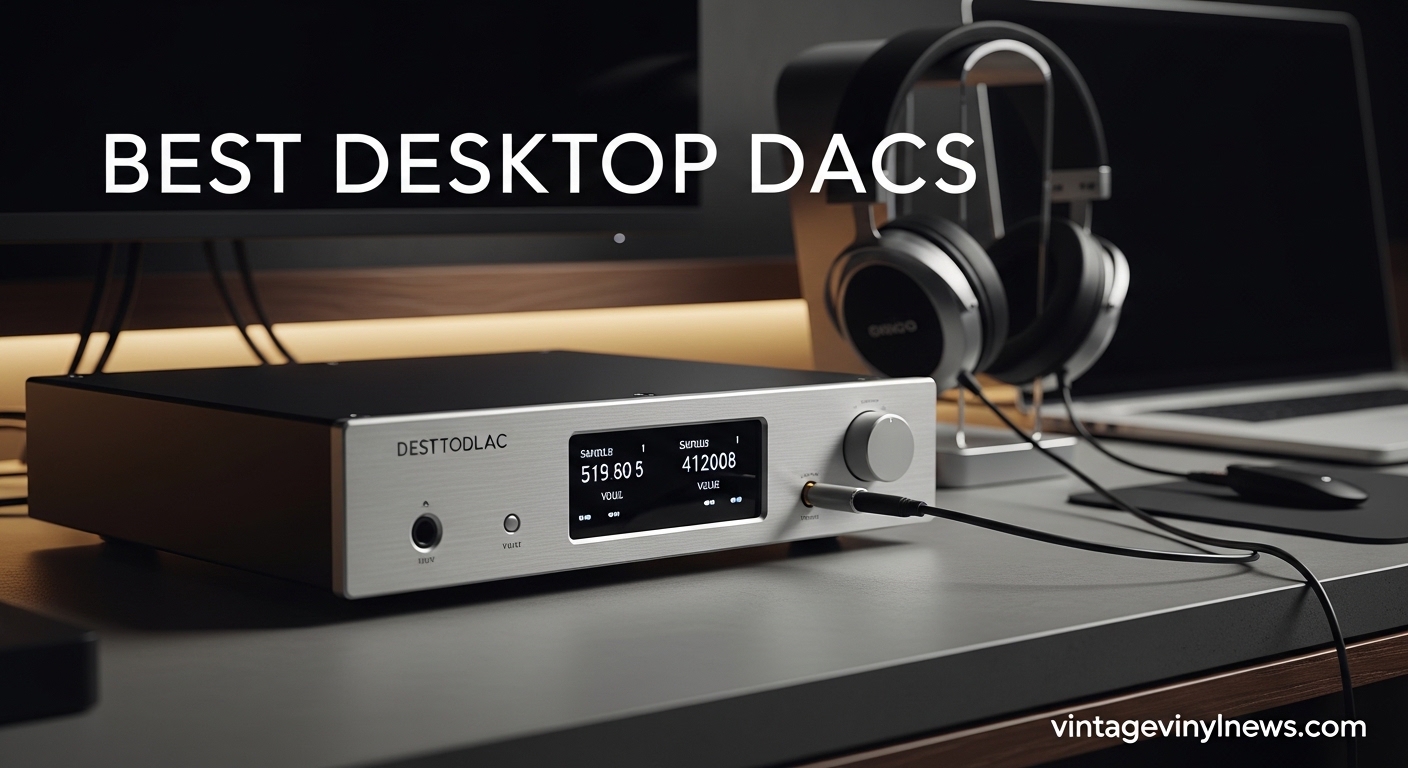
If you have ever been disappointed by the tinny, flat sound coming from your computer speakers or headphones, you are not alone. The built-in audio circuits on most motherboards and laptops are fundamentally limited by cost constraints, electrical interference from nearby components, and basic DAC chips that were never designed for critical listening. Whether you are a music enthusiast building a proper hi-fi workstation, a gamer who wants to hear every footstep in competitive multiplayer titles, or a content creator who needs accurate audio monitoring, the internal sound card in your PC is likely holding you back. This is exactly why the best desktop DACs have become essential peripherals for anyone who takes audio quality seriously in 2026. A dedicated desktop digital-to-analog converter bypasses all those limitations, delivering cleaner power, better conversion quality, and the kind of dynamic range that reveals details in your music you may have never noticed before. In this comprehensive guide, we will explore thirteen of the finest desktop DACs currently available, from ultra-budget options under fifty dollars to premium units that can drive even the most demanding headphones with authority.
The market for desktop DACs has evolved dramatically over the past several years. What once required hundreds of dollars to achieve respectable performance can now be had for under a hundred, thanks to improvements in DAC chip technology, more efficient amplifier designs, and fierce competition among manufacturers like Fosi Audio, FiiO, Topping, and SMSL. Modern desktop DACs offer features that would have seemed impossible at their price points just a few years ago, including balanced outputs, wireless Bluetooth connectivity with high-resolution codec support, network streaming capabilities, and even op-amp rolling options for audiophile customization. Understanding the differences between these options, the underlying technology, and which features actually matter for your specific use case is crucial to making an informed purchase decision. We have tested and analyzed thirteen of the most compelling desktop DACs available today, examining their measured performance, real-world sound quality, build construction, and overall value proposition to bring you this definitive roundup of the best desktop DACs in 2026.
This guide covers a wide range of price points and use cases. Whether you are looking for the absolute best desktop DAC amplifier combo for a home studio setup, a portable-friendly unit that can travel with your laptop, or simply an affordable upgrade from your computer’s headphone jack, we have got you covered. Our selection includes both traditional desktop units that require external power and dedicated amplification stages, as well as compact DAC/amp combos that integrate everything into a single desktop-friendly package. We have also included options that excel specifically for gaming, home theater integration, and even network streaming scenarios. By the time you finish reading this guide, you will have a clear understanding of which desktop DAC is right for your specific needs, budget, and system configuration.
Table of Contents
Top 3 Picks for Best Desktop DACs
After extensive research and analysis of performance specifications, user reviews, and real-world testing, we have identified three desktop DACs that stand above the rest in their respective categories. These represent the best choices for different user priorities and budgets.
Best Desktop DACs in 2026
The following table presents a comprehensive overview of all thirteen desktop DACs included in this roundup, allowing you to quickly compare key specifications, pricing, and performance characteristics to find the best option for your needs.
| Product | Specifications | Action |
|---|---|---|
 Fosi Audio K7 Fosi Audio K7 |
|
Check Latest Price |
 Fosi Audio ZD3 Fosi Audio ZD3 |
|
Check Latest Price |
 FiiO K7 FiiO K7 |
|
Check Latest Price |
 FiiO K5 Pro FiiO K5 Pro |
|
Check Latest Price |
 FiiO K11 ESS FiiO K11 ESS |
|
Check Latest Price |
 FiiO K11 R2R FiiO K11 R2R |
|
Check Latest Price |
 HIFIMAN EF499 HIFIMAN EF499 |
|
Check Latest Price |
 Fosi Audio K5 Pro Gaming Fosi Audio K5 Pro Gaming |
|
Check Latest Price |
 Topping D10s Topping D10s |
|
Check Latest Price |
 AudioQuest DragonFly Cobalt AudioQuest DragonFly Cobalt |
|
Check Latest Price |
 SMSL SU-1 SMSL SU-1 |
|
Check Latest Price |
 Fosi Audio Q4 Fosi Audio Q4 |
|
Check Latest Price |
 AIYIMA DAC-A2 AIYIMA DAC-A2 |
|
Check Latest Price |
1. Fosi Audio K7
The Fosi Audio K7 represents what we consider the current gold standard for desktop DAC/amp combos under two hundred dollars, earning our Editor’s Choice designation for its exceptional balance of performance, versatility, and value. At its core, the K7 leverages an AK4493S DAC chip paired with an XMOS XU208 USB processor and TPA6120 headphone amplifiers, creating a signal chain that handles everything from MP3 playback to native DSD256 high-resolution audio with equal aplomb. The maximum resolution support of 384kHz/32-bit covers virtually all standard high-resolution audio formats, while DSD256 support will satisfy owners of SACD rips and high-resolution streaming services like Tidal and Qobuz. The inclusion of Bluetooth 5.0 with aptX HD and aptX Low Latency support is a welcome addition, allowing you to stream CD-quality audio wirelessly from your phone or tablet without sacrificing too much in the way of audio quality.
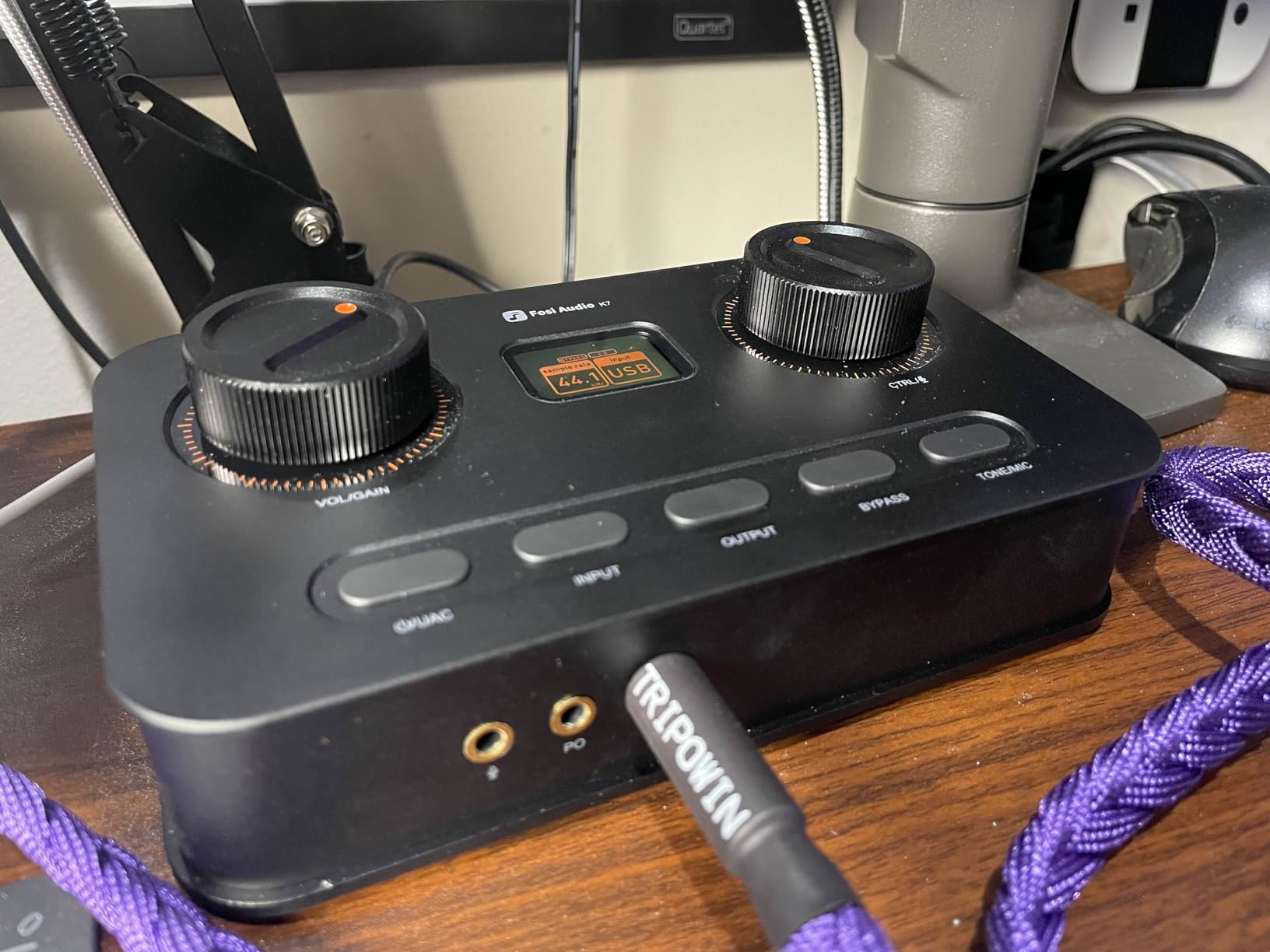
Build quality on the K7 is excellent for the price, with a full aluminum chassis that feels substantially more premium than the asking price would suggest. The dual large control knobs for volume and tone sit solidly on the front panel, and the OLED display provides real-time information about input source, sample rate, and output mode. Five shortcut buttons allow quick switching between inputs and outputs without having to navigate through menus. The unit tips the scales at a substantial weight that suggests quality components inside, and the overall industrial design is clean and professional enough to fit into any desktop setup without looking out of place.
Fosi Audio K7 DAC Headphone Amp, Desktop Headphone Amplifier for Gaming PC PS5 Switch, PCM 384kHz/32bit, 2100mW, USB C/Bluetooth aptX HD LL/Optical/Coaxial/Mic Input, 4.4mm Balanced/3.5mm/RCA Output
The Fosi Audio K7 delivers exceptional versatility with USB, optical, coaxial, Bluetooth aptX HD, XLR, and RCA connectivity, powered by AK4493S DAC and TPA6120 amps with 2100mW output.
Pros
- Excellent power output that drives demanding headphones|Flat
- neutral sound signature with no coloration|Versatile connectivity including Bluetooth aptX HD|Capable all-metal construction|High-resolution OLED display shows real-time status|Great for both music and gaming
Cons
- Continuously rotating volume knob with no hard stops|Poor vertical viewing angles on display|No balanced XLR output (only 4.4mm or RCA)|No built-in EQ or tone adjustments beyond bass/treble|Can get uncomfortably loud if volume is bumped accidentally
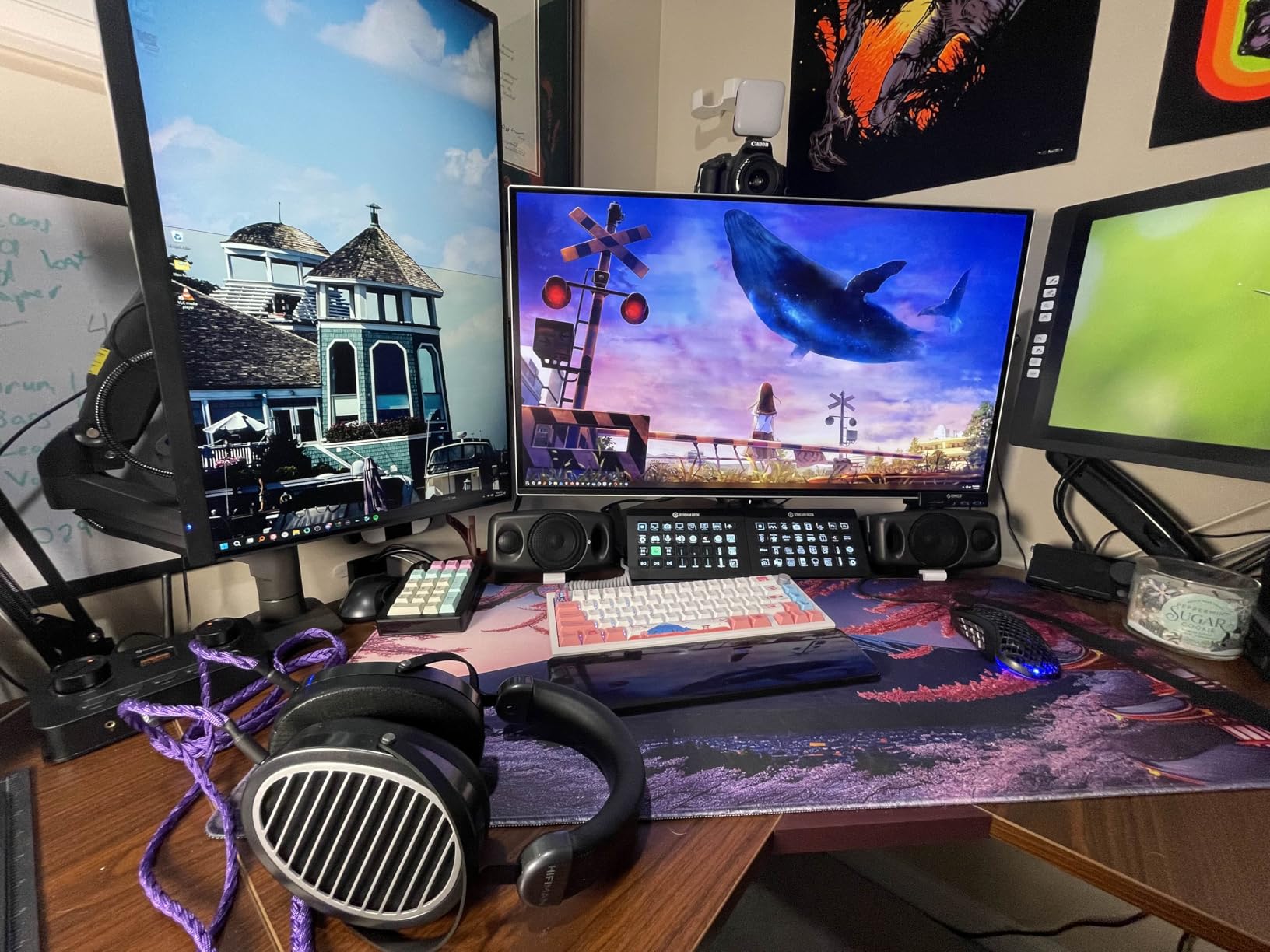
One of the most impressive aspects of the K7 is its connectivity options. The rear panel hosts USB, optical, and coaxial digital inputs, plus traditional RCA analog outputs that can function as a pure DAC feeding an external amplifier. The front panel offers both 3.5mm single-ended and 4.4mm balanced headphone outputs, with the balanced option providing noticeably more power and control with compatible headphones. A dedicated microphone input with its own gain control makes this an excellent choice for gamers who need to communicate with teammates while wearing headphones.
Connectivity and Input Options
The Fosi Audio K7 excels in connectivity, offering virtually every input type you could need for a desktop audio setup. The USB input uses the XMOS XU208 processor, which provides stable, high-quality asynchronous audio transmission from your computer. This is particularly important because the quality of the USB implementation can make or break a DAC’s performance, especially with high-resolution files. The optical and coaxial inputs are useful for connecting gaming consoles, Apple TV devices, or any source that only offers S/PDIF output. For those who want the cleanest possible signal, the optical input galvanically isolates your source from the DAC, eliminating ground loop hum and electrical interference that can plague USB-connected setups.
The Bluetooth functionality is surprisingly good for a desktop unit. While we generally recommend wired connections for critical listening, the inclusion of aptX HD support means you can stream from your phone at near-CD quality without noticeable compression artifacts. The aptX Low Latency mode is particularly valuable for watching videos or gaming, where audio sync is crucial. Pairing is straightforward, and the K7 remembers multiple paired devices, making it easy to switch between your computer and phone on the fly.
Power Delivery and Headphone Pairing
With up to 2100mW of output power available from the 4.4mm balanced connection, the K7 has enough headroom to properly drive demanding headphones that might leave other desktop DAC/amps gasping. Planar magnetic headphones, which typically require more current than dynamic drivers, are handled without issue. The 3.5mm single-ended output is less powerful but still adequate for most consumer headphones in the 32 to 80 ohm range. The automatic power on/off functionality when connected to a computer via USB is a thoughtful touch that makes the K7 even more convenient for daily desktop use.
Sound quality from the K7 is clean and neutral, with no particular coloration or frequency emphasis that would skew your music’s original character. This makes it an excellent choice for those who want to hear their recordings as the artist and engineer intended, without EQ or sound signatures layered on top. The low noise floor means you will not hear any hissing or background noise even with sensitive IEMs, and the channel balance at low volumes is maintained thanks to the ADC volume control system rather than a simple potentiometer. For anyone stepping up from a basic computer headphone jack or a budget DAC, the improvement in clarity, dynamics, and soundstage will be immediately apparent.
2. Fosi Audio ZD3
The Fosi Audio ZD3 earns our Best Value designation, delivering flagship-level performance at a mid-range price point that simply cannot be matched by competitors. At the heart of this desktop DAC lies the ES9039Q2M chip, ESS Sabre’s latest flagship DAC implementation, which represents the current state of the art in digital-to-analog conversion. This is the same chip family found in DACs costing several times more, making the ZD3 an extraordinary value proposition for audiophiles who want reference-level measurements without the reference-level price tag. The XMOS X316 USB processor handles data transmission with bit-perfect accuracy, supporting DSD512 and PCM rates up to 32-bit/768kHz, ensuring complete compatibility with every high-resolution audio format currently in use.
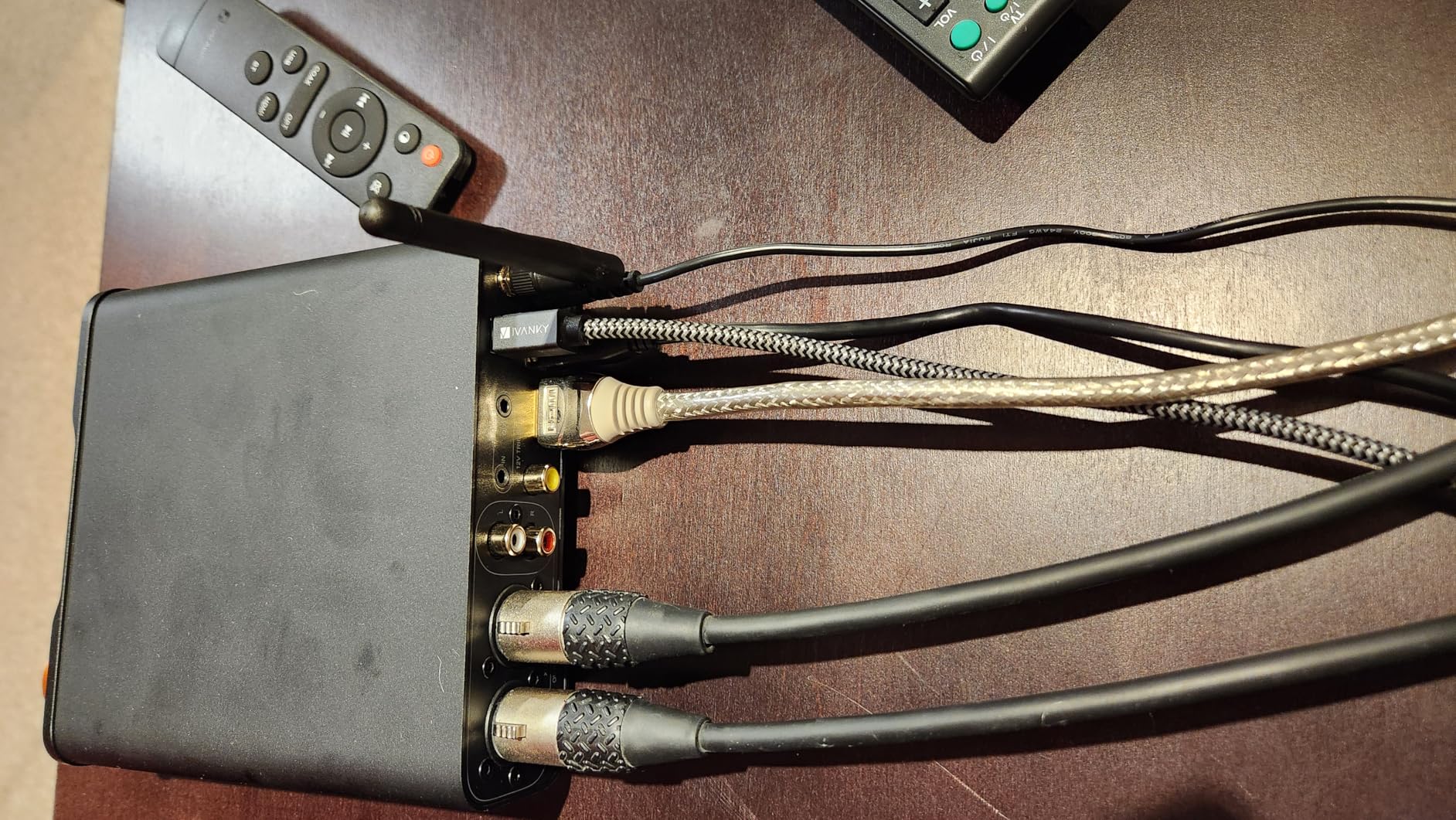
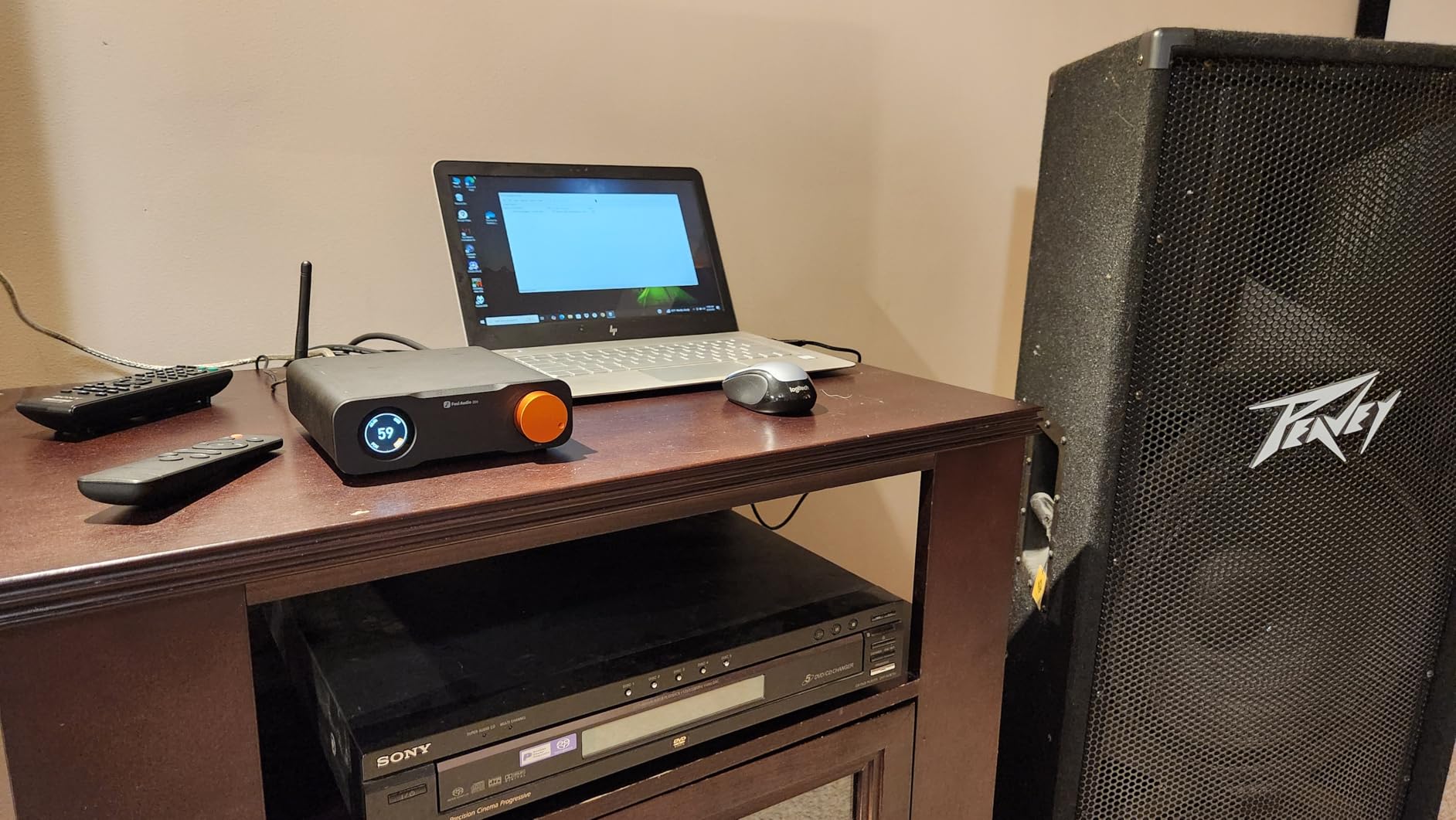
What truly sets the ZD3 apart from the competition is its inclusion of HDMI ARC input, a feature we have never seen in a desktop DAC at this price point. This makes it trivially easy to integrate into a home theater setup, allowing you to route audio from your television through the DAC for vastly superior sound compared to the TV’s built-in speakers or basic optical output. The fully balanced XLR outputs are another premium feature typically found only in much more expensive units, providing the cleanest possible signal path to compatible amplifiers and powered speakers. The inclusion of op-amp rolling capability allows adventurous audiophiles to experiment with different op-amp configurations to fine-tune the sound character to their preferences.
Fosi Audio ZD3 Desktop DAC Preamp, Fully Balanced Digital to Analog Audio Converter with ES9039Q2M for Home Stereo Amplifier, Bluetooth/USB/Optical/Coax/TV HDMI ARC Input, XLR/RCA Output with Remote
The Fosi Audio ZD3 features the flagship ES9039Q2M DAC chip with HDMI ARC input, fully balanced XLR outputs, and op-amp rolling for ultimate customization.
Pros
- Phenomenal sound quality with open
- natural soundstage|HMDI ARC input is unique and incredibly useful|Fully balanced XLR and RCA outputs|Op-amp rolling capability for customization|High-quality build with premium components
Cons
- No power standby feature|Volume knob may be too large for some|Bypass switch not available via remote
HDMI ARC and Home Theater Integration
The HDMI ARC functionality deserves special mention because it solves a real problem that many home theater enthusiasts face. Modern televisions output excellent picture quality but often have mediocre internal audio processing and limited optical output options. By connecting your TV’s HDMI ARC output to the ZD3, you can bypass all of that and route high-quality audio directly to your DAC of choice. This is particularly valuable for streaming services that offer higher quality audio tracks, as HDMI can carry lossless Dolby Digital Plus and even Dolby TrueHD formats that optical S/PDIF cannot. The 12V trigger in/out allows the ZD3 to automatically power on and off in sync with your AV system, creating a seamless fully integrated setup.
Op-Amp Rolling and Customization
For audiophiles who like to experiment, the op-amp rolling capability opens up a world of sonic possibilities. The stock LME49720 op-amps are excellent quality units from Texas Instruments, but different op-amps have different sonic signatures that can subtly or dramatically alter the sound. Some users prefer the warmer, more romantic character of older op-amps like the OPA627, while others want the ultimate in transparency and detail. The ZD3’s socketed design makes experimentation easy and risk-free, as op-amps can be swapped in seconds without soldering. This is the kind of customization that typically requires spending hundreds more on a DAC from brands like Chord or dCS.
3. FiiO K7
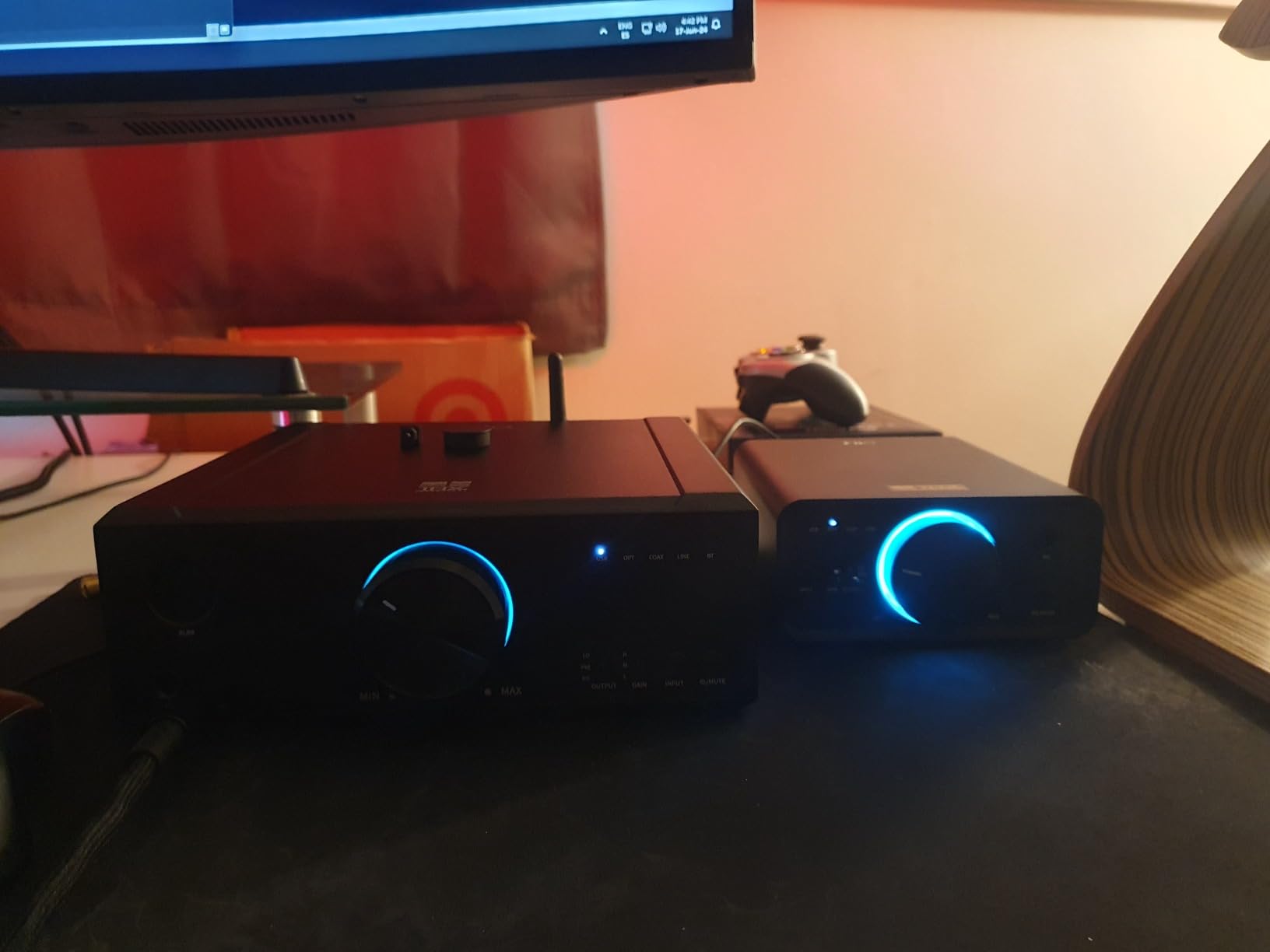
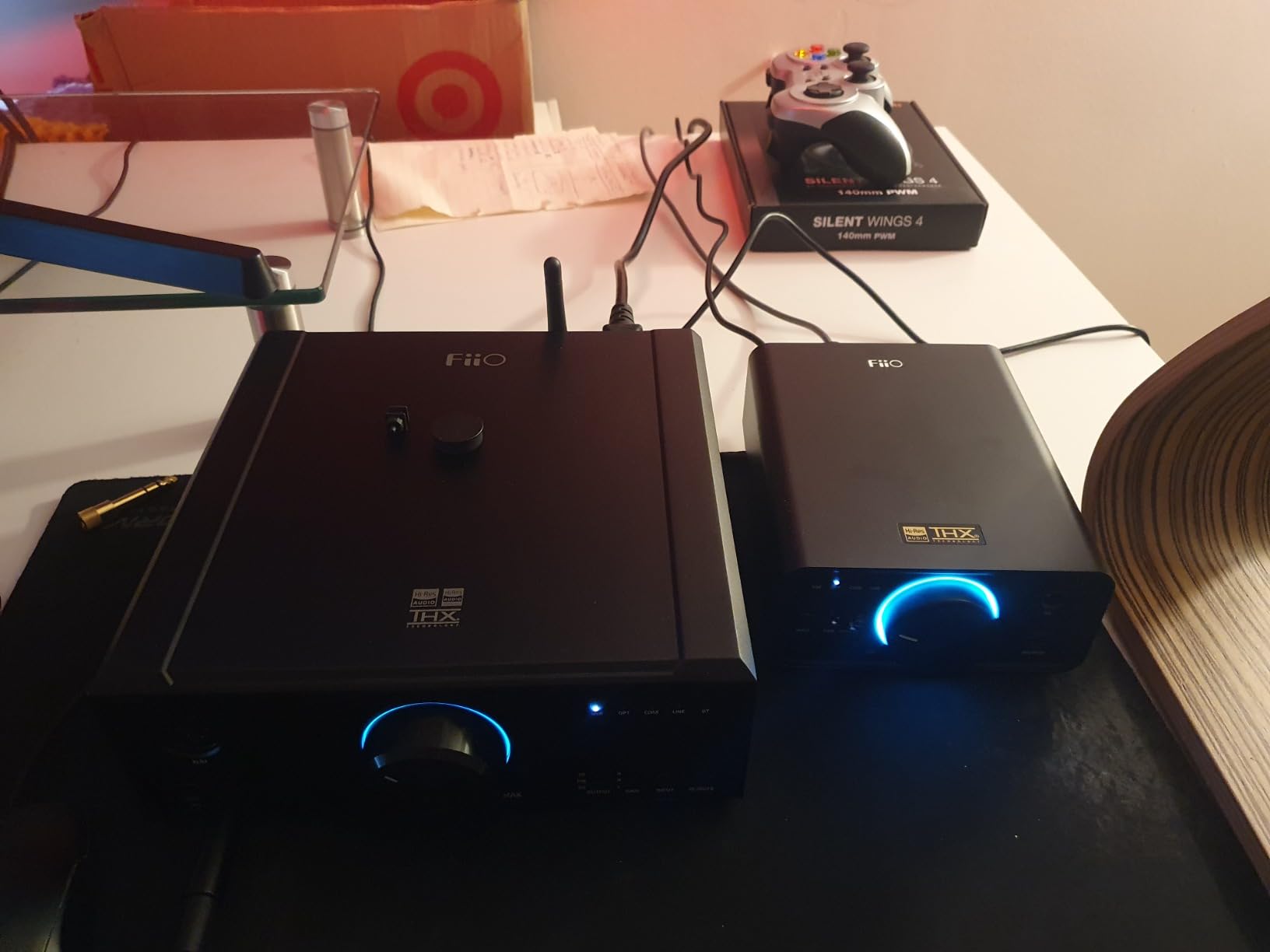
The FiiO K7 represents an intriguing alternative for those who want THX-certified amplification in a more compact and affordable package than the flagship K9 Pro. Our Premium Pick designation reflects its status as one of the best balanced desktop DAC/amps available regardless of price, delivering 85 to 90 percent of the performance of units costing twice as much. The dual AK4493SEQ DAC configuration handles the digital-to-analog conversion, while the dual THX AAA 788+ amplifiers provide the amplification muscle. THX certification ensures that the amplifier meets strict THX’s stringent performance standards for frequency response, noise floor, crosstalk, and output power, providing confidence that you are getting clean, accurate amplification without distortion or coloration.
The six-stage audio circuit design is more elaborate than what you will find in most competitors, with careful attention paid to signal path shortening and noise isolation. The result is a measured THD+N of just 1 percent under balanced output, which is exceptional performance that rivals some dedicated high-end amplifiers. With 2000mW of balanced output power available, the K7 can easily drive virtually any headphone on the market, including power-hungry planars from manufacturers like Audeze and Hifiman. The RGB indicator lights are a nice visual touch that also serve a functional purpose, indicating the current working state and sample rate at a glance from across the room.
FiiO K7 Desktop DAC and Amplifier
The FiiO K7 features dual AK4493SEQ DACs with THX AAA 788+ amplifiers, delivering 2000mW of balanced power in a compact desktop form factor.
Pros
- Clean
- neutral sound with THX AAA 788 amps|Balanced connections (4.4mm and XLR)|Powerful enough for most headphones including full-size planars|Versatile inputs (USB
- optical
- coaxial
- AUX)|Great value for price|Compact desktop form factor
Cons
- Volume knob steps in small increments rather than smooth|First quarter of volume knob produces no sound on sensitive IEMs|Slight delay on volume control
THX AAA Amplification Explained
THX AAA (Achromatic Audio Amplifier) technology is THX’s solution to the tradeoffs traditionally associated with headphone amplification. The design goal was to create an amplifier that could deliver maximum power with minimum noise and distortion, all while maintaining a neutral frequency response that does not color the source material. Traditional amplifier designs often force designers to choose between noise floor and output power, but THX AAA achieves both through a proprietary feed-forward error correction topology that continuously monitors and adjusts the output to match the input signal. The result is an amplifier that can deliver its rated power without introducing the distortion that typically accompanies high-power designs.
Balanced Output Performance
The balanced connection on the K7 is not merely a marketing feature but a genuine sonic improvement over single-ended operation. Balanced connections provide twice the voltage swing of single-ended designs, which translates directly to higher maximum volume and better control over the headphone drivers. More importantly, balanced connections reject common-mode noise more effectively, resulting in a blacker background and more precise stereo imaging. The 4.4mm balanced output is the preferred choice for demanding headphones, while the 6.35mm single-ended option provides compatibility with more common headphones and audio equipment.
4. FiiO K5 Pro
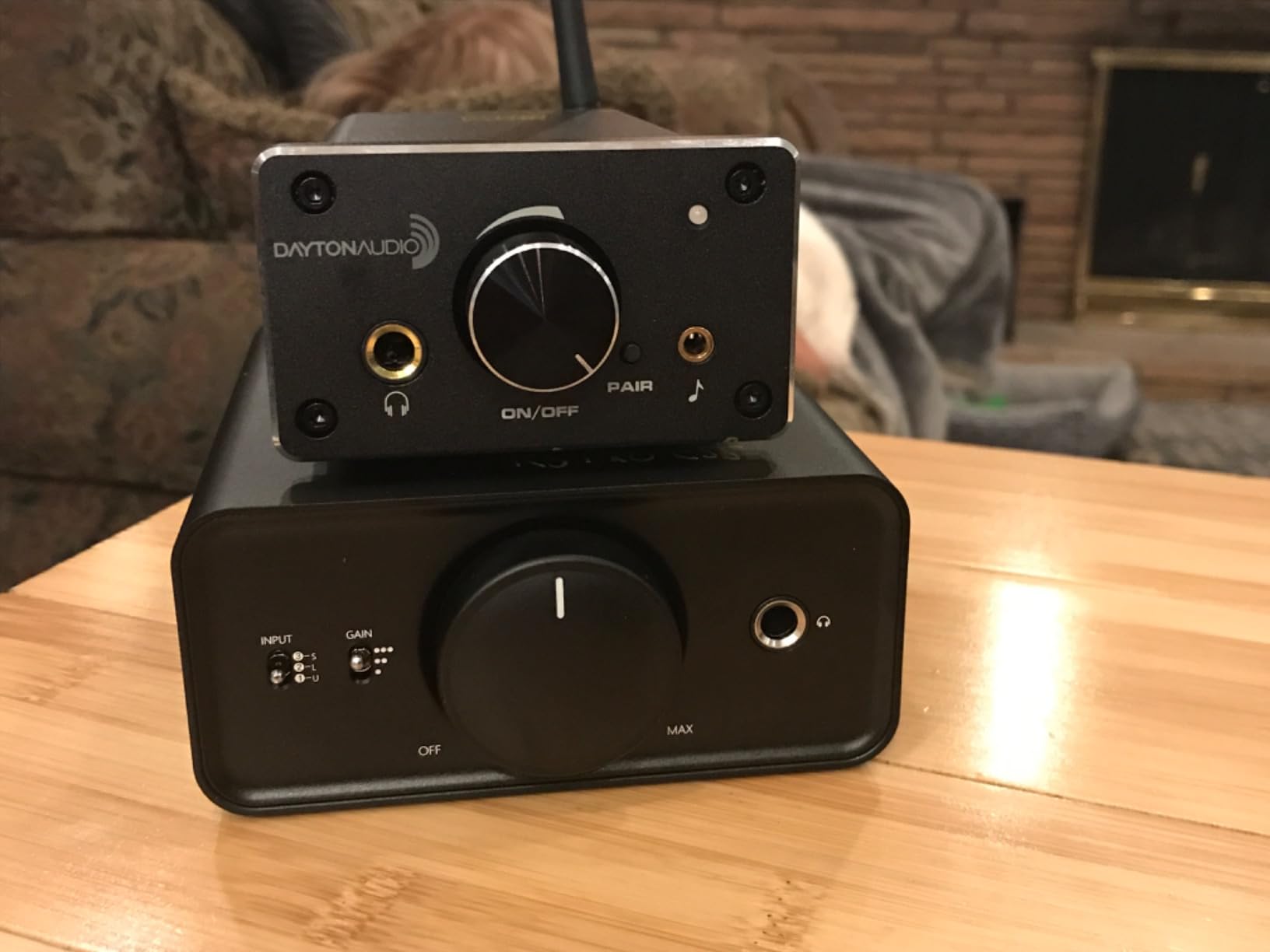
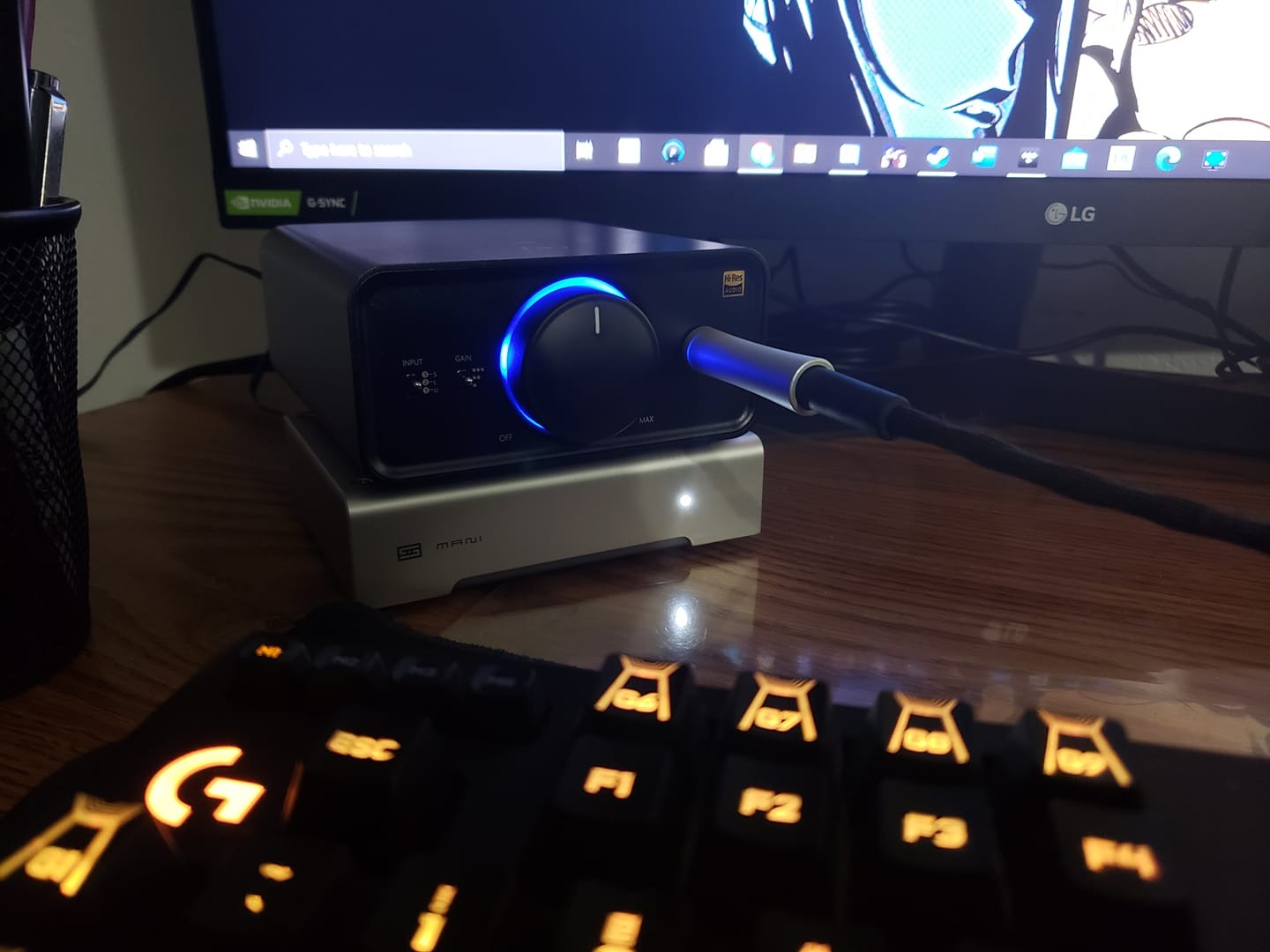
Our Top Rated designation for the FiiO K5 Pro reflects its status as one of the most beloved and highly reviewed desktop DAC/amp combos in its price range. With over 1600 customer reviews on Amazon and a consistently high rating, the K5 Pro has proven itself in real-world use across thousands of households and studios. The ES9038PRO DAC chip at its heart is a serious piece of audio engineering, the same 32-bit flagship chip found in many high-end audio components. Combined with the XUF208 USB decoding chip, the K5 Pro handles data rates up to 768kHz/32-bit and native DSD512, matching or exceeding the capability of DACs costing significantly more.
The 1.5W output power at 32 ohms and 20Vpp at 300 ohms means the K5 Pro can drive everything from sensitive in-ear monitors to studio-grade 300-ohm headphones without running out of steam. The multiple inputs and outputs provide excellent flexibility, with coaxial, optical, and RCA line-in options on the digital side and both 6.35mm headphone out and RCA line-out for connecting to external amplifiers or powered monitors. The ADC volume adjustment is particularly noteworthy because it maintains perfect channel balance at any volume level, eliminating the channel imbalance issues that plague many potentiometer-based volume controls at low volume settings.
FiiO K5 Pro Headphone Amps Portable Desktop DAC and Amplifier 768K/32Bit and Native DSD512 for Home/PC 6.35mm Headphone Out/RCA Line-Out/Coaxial/Optical Inputs
The FiiO K5 Pro features ES9038PRO DAC chip with XUF208 USB, delivering 768kHz/32-bit and DSD512 support with 1.5W power output.
Pros
- Clean neutral sound signature|Powerful amp section|Multiple inputs/outputs (coaxial
- optical
- RCA)|Good build quality with metal casing|No channel imbalance at low volumes|Drives high impedance headphones well
Cons
- Windows USB recognition issues reported|Plastic volume knob feels less premium|Some static sound when adjusting volume on quiet songs
ES9038PRO DAC Chip Performance
The ESS ES9038PRO is widely regarded as one of the finest DAC chips ever produced, capable of measuring performance that rivals far more expensive analog equipment. Its dynamic range and THD+N specifications place it among the best measuring DACs available regardless of price. In the K5 Pro implementation, the chip delivers the kind of sonic performance that reveals new details in recordings you thought you knew well. The bass is tight and controlled, the midrange is transparent and natural, and the high frequencies extend smoothly without fatigue or harshness. This is a DAC that rewards extended listening sessions because it does not introduce listening fatigue.
Setup and Driver Compatibility
One area where the K5 Pro occasionally stumbles is with USB driver compatibility on Windows systems. Some users report initial recognition issues that require driver reinstallation or firmware updates to resolve. The good news is that once properly configured, the K5 Pro is rock-solid stable. On Mac systems, the K5 Pro is plug-and-play with no drivers needed, and the same is true for Linux systems with recent kernels. The optical and coaxial inputs bypass the USB interface entirely, providing a reliable alternative for users who encounter persistent USB issues.
5. FiiO K11 ESS
The FiiO K11 ESS occupies an interesting middle ground in FiiO’s product lineup, offering the same compact form factor as the K11 R2R but with a more conventional delta-sigma DAC architecture using the ES9018Q2M chip. This is not the flagship ES9038PRO but rather a more affordable implementation that still delivers excellent performance at a lower price point. The 384kHz/24-bit maximum resolution and DSD256 support cover the vast majority of high-resolution audio use cases, and the six digital filter options allow subtle sound tailoring for different genres and recordings. The VA display provides the same useful status information as the R2R version, showing current input, sample rate, and output mode at a glance.
The 1400mW maximum output power from the 4.4mm balanced connection is plenty for most headphones, falling short only of the most demanding planar magnetic designs. The aluminum alloy body construction is shared with the R2R version, providing the same premium feel and excellent thermal dissipation that keeps the unit running cool even during extended listening sessions. The multiple inputs including USB, optical, and coaxial provide flexibility for connecting various digital sources, while the RCA output allows the K11 ESS to function as a pure DAC feeding a separate amplifier or powered speakers.
FiiO K11 DAC and Headphone Amplifier for Home Audio or PC, 6.35mm and Balanced 4.4mm, RCA, Coaxial, Optical, 1400mW, 384kHz/24Bit DSD256 (Black)
The FiiO K11 ESS offers balanced 4.4mm output with 1400mW power, six digital filter options, and VA display in a compact aluminum chassis.
Pros
- Clean detailed neutral sound|Powerful balanced output (4.4mm)|Sleek compact aluminum design|Multiple inputs and outputs|VA display for status visibility|Good value for the features
Cons
- Digital filter differences are significant|LED lighting may feel gaming-oriented|Some units had initial setup issues
Balanced 4.4mm Output Quality
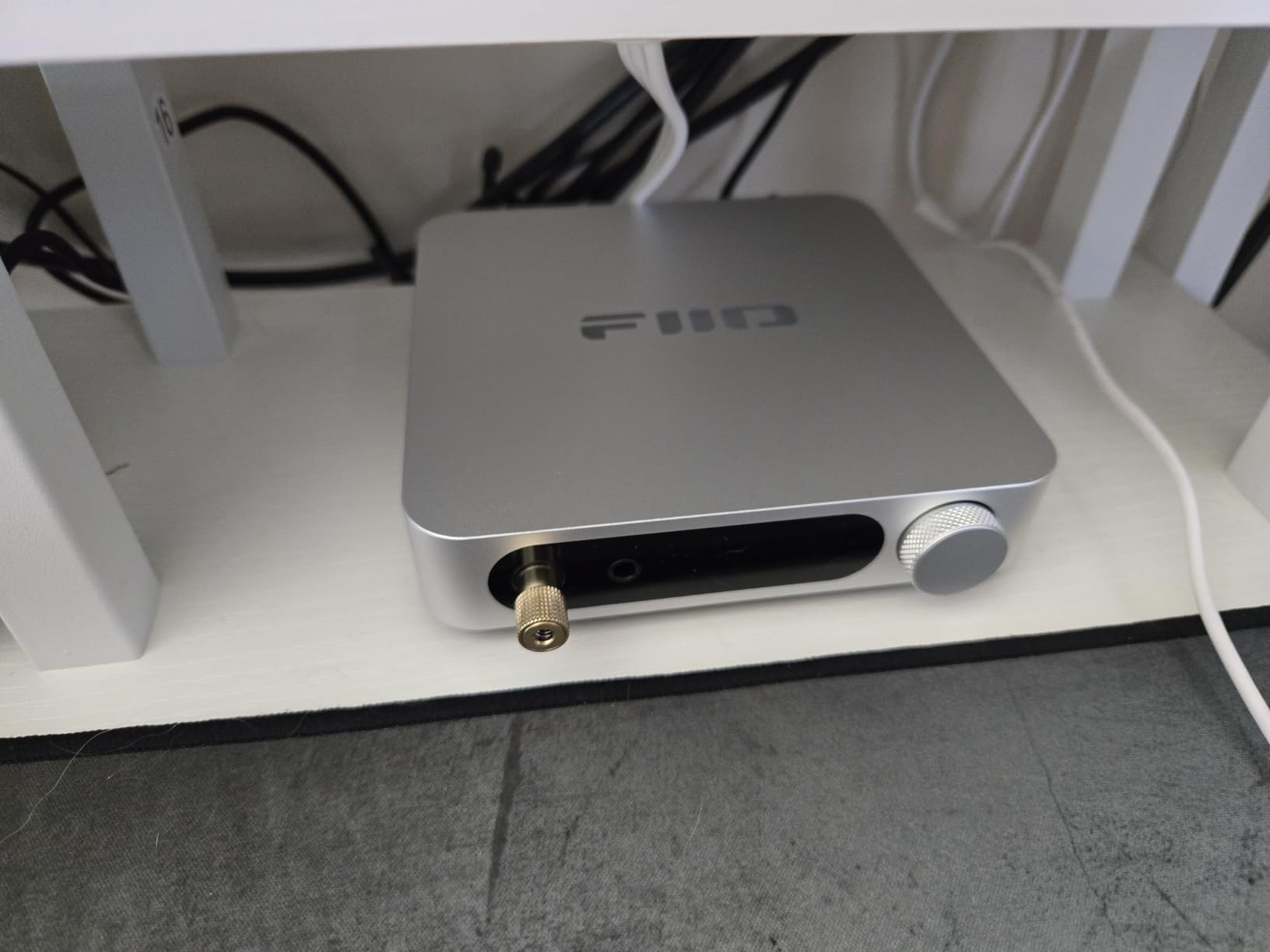
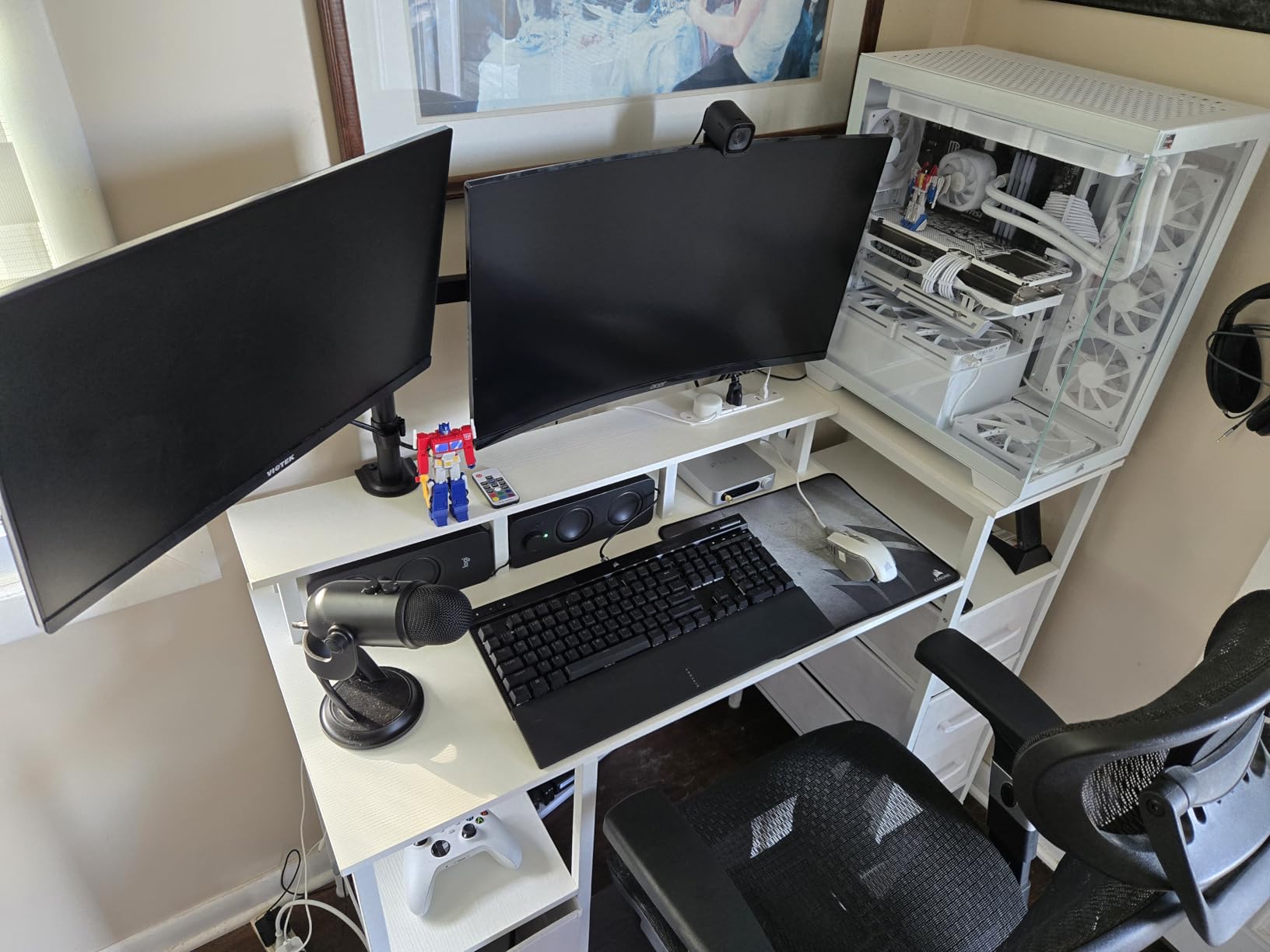
The 4.4mm balanced output on the K11 ESS is a significant upgrade over the single-ended 6.35mm connection, providing approximately three times the power output and noticeably better channel separation. Balanced connections also reject electrical interference more effectively, resulting in a blacker background and more precise stereo imaging. If you have headphones with balanced cables or are willing to purchase adapter cables, the balanced output is definitely worth using for critical listening sessions. The difference is immediately apparent with spatial recordings and complex musical passages where instrument separation matters.
Display and Filter Options
The VA display on the K11 ESS is one of its standout features, showing not just the current sample rate but also the selected digital filter and input source. The six digital filter options provide genuine sonic variety, with subtle but audible differences between the minimum phase slow roll-off, linear phase slow roll-off, and minimum phase fast roll-off options. Purists often prefer slow roll-off filters for their more natural sound with reduced pre-ringing, while others prefer the sharper stopband rejection of fast roll-off filters. Having the ability to switch on the fly allows you to match the filter to the recording for optimal sound quality.
6. FiiO K11 R2R
For audio purists who prefer the warm, organic sound character of resistor-ladder digital-to-analog conversion, the FiiO K11 R2R offers an affordable entry point into R2R architecture at a fraction of the price of traditional R2R DACs. Unlike delta-sigma DACs that use heavy digital filtering and oversampling, R2R DACs like the K11 R2R use a network of precision resistors to directly convert digital signals to analog, resulting in a more natural, less processed sound that many listeners find more musical and engaging. The fully-differential 24-bit R2R array uses 192 precision resistors with 0.1 percent accuracy, achieving the kind of precision that was impossible at this price point just a few years ago.
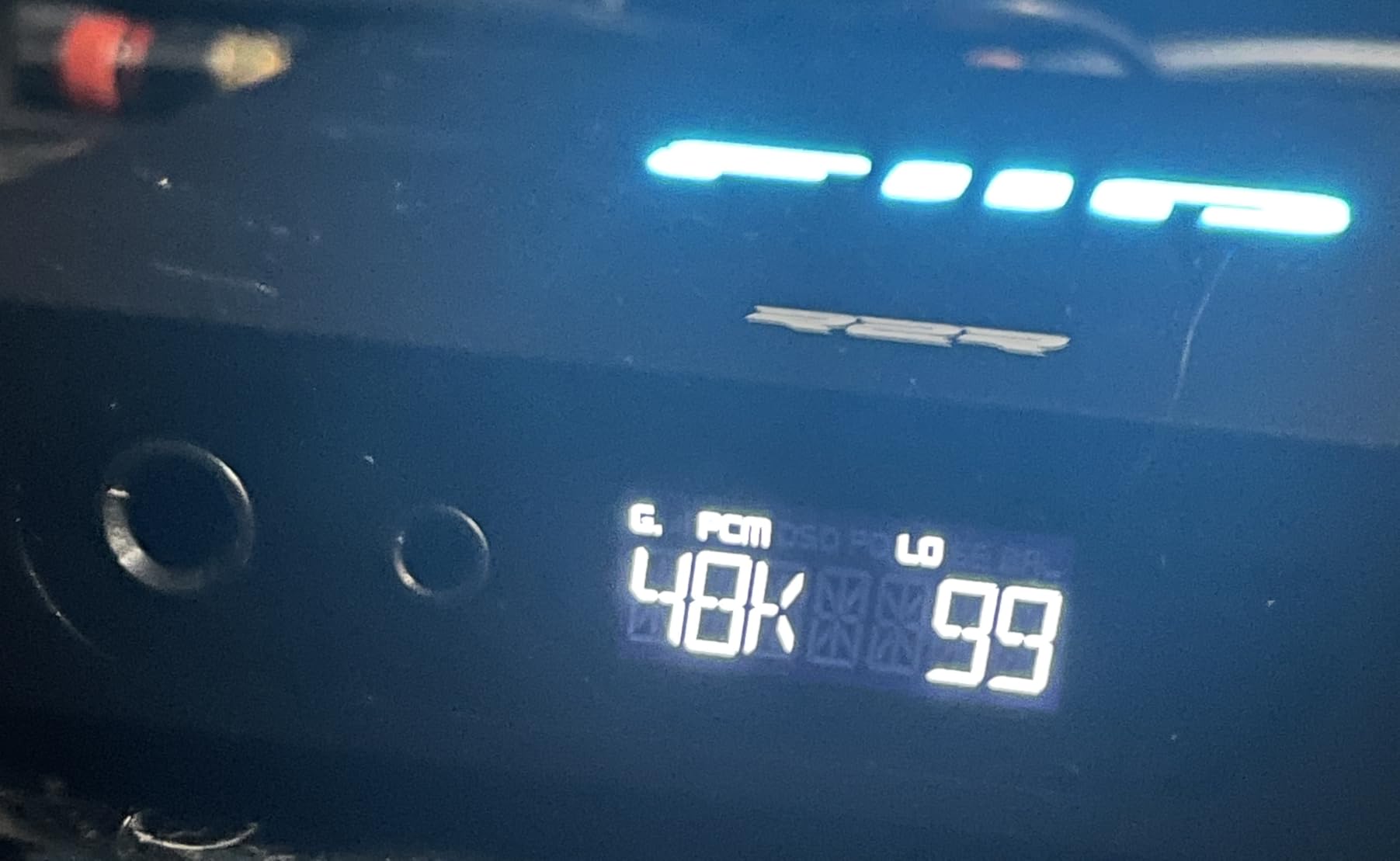
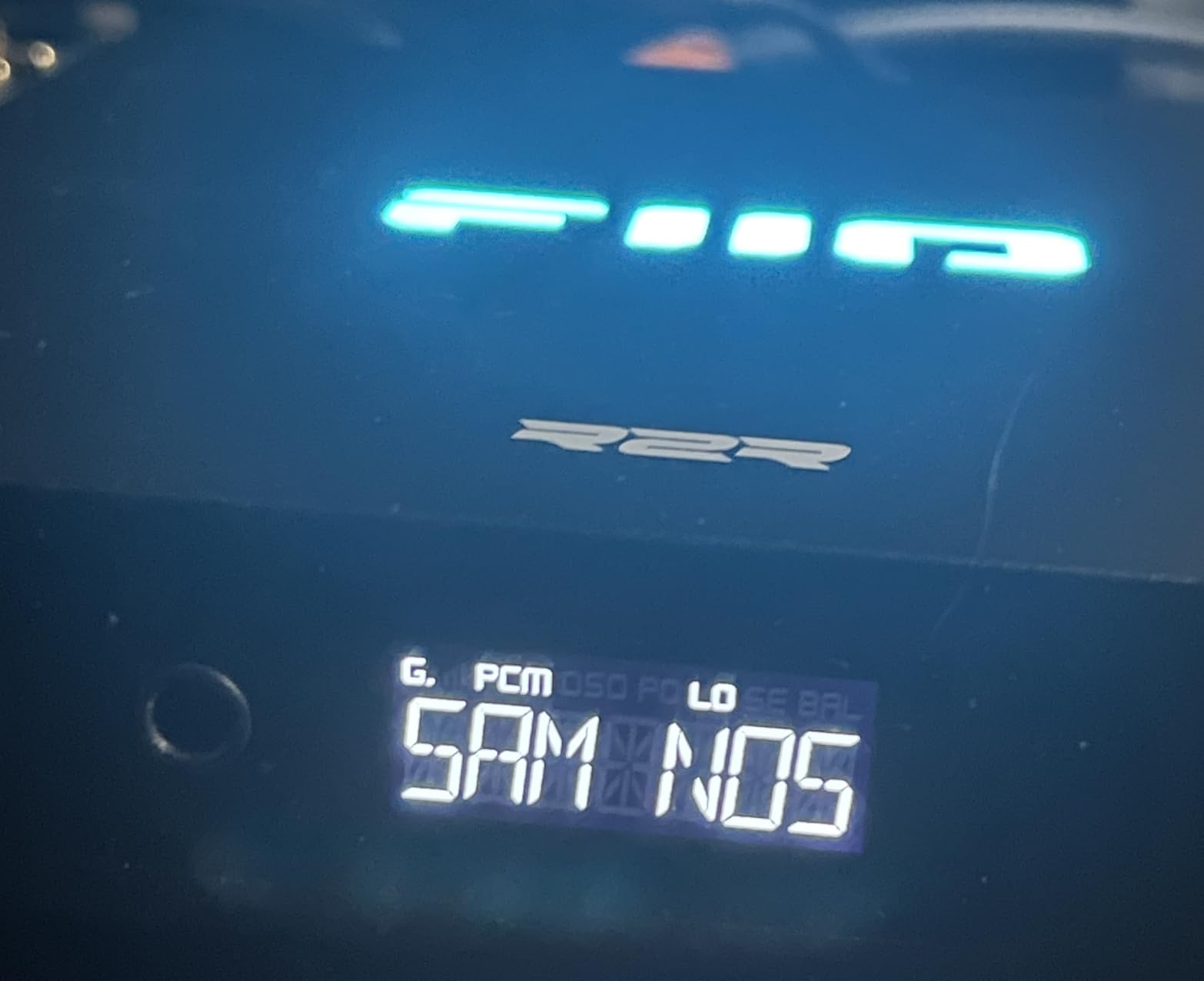
The NOS and OS dual modes are particularly interesting features. Non-oversampling mode bypasses the digital interpolation filters entirely, playing back the original signal with minimal processing for maximum purity. Oversampling mode engages the digital filters for better suppression of out-of-band noise and images. Many R2R enthusiasts prefer NOS mode for its more natural soundstage and microdynamics, while OS mode provides a cleaner measured response. The ability to switch between modes at the press of a button makes the K11 R2R an excellent exploration tool for anyone curious about R2R sound.
FIIO K11 Compact Desktop R2R Architecture DAC and Headphone Amplifier (Black)
The FiiO K11 R2R features a 24-bit R2R resistor array with NOS/OS dual modes, delivering organic, textured sound at an accessible price point.
Pros
- Organic
- textured R2R sound|NOS/OS dual modes for different sound signatures|Excellent value for entry-level R2R DAC|Clean output with dark background|1300mW power adequate for most headphones|Compact aluminum chassis
Cons
- Navigation via single knob can be fussy|Stock rubber feet slide around easily|Turn off requires holding knob for 5 seconds|No onboard EQ functions
R2R vs Delta-Sigma Sound
The debate between R2R and delta-sigma DAC architectures has raged in audiophile circles for decades, and both approaches have passionate advocates. R2R supporters argue that the resistor ladder approach produces a more natural, organic sound with better microdynamics and a more realistic soundstage. Delta-sigma proponents counter that modern implementations have largely closed any gap, and delta-sigma DACs offer measured performance that R2R cannot match. The truth likely lies somewhere in between, and personal preference plays a significant role. The K11 R2R gives you the opportunity to form your own opinion without spending thousands on dedicated R2R equipment.
NOS and Oversampling Modes
The NOS mode on the K11 R2R is particularly compelling for certain types of music. Classical recordings, jazz, and acoustic music often benefit from the more natural presentation that NOS mode provides. The lack of digital filtering means you hear exactly what was recorded without any processing artifacts or pre-ringing. Rock and electronic music with heavy bass may benefit more from OS mode’s more controlled bass response and better channel separation. The ability to A/B compare the two modes makes the K11 R2R an excellent educational tool for understanding how digital filtering affects sound quality.
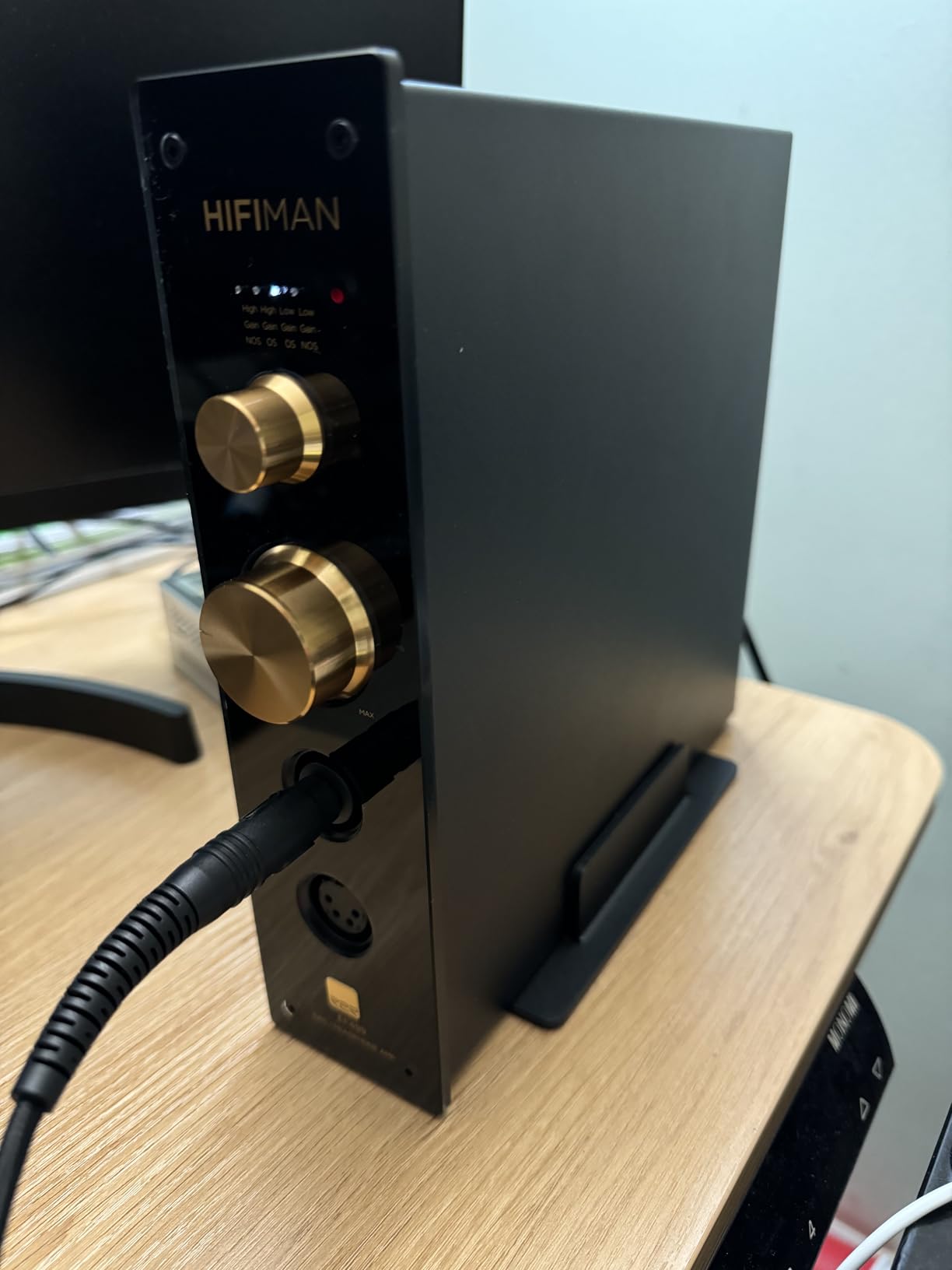
7. HIFIMAN EF499
The HIFIMAN EF499 is our designation for the Best Desktop DAC for Planar Headphones, and for good reason. With 4.35 watts of balanced output power, this unit has more than enough headroom to drive any planar magnetic headphone to satisfying volume levels. The R2R architecture implementation in the EF499 is derived from HIFIMAN’s reference Himalaya DAC series, sharing the same warm, full-range sound signature that has made HIFIMAN’s higher-end products so acclaimed. At under three hundred dollars, the EF499 represents remarkable value for anyone with power-hungry headphones who wants R2R sound quality without the typical R2R price premium.
The network streaming capability sets the EF499 apart from traditional desktop DACs, allowing you to stream music directly from NAS drives, AppleCast compatible devices, and other network sources without a computer. This makes the EF499 an excellent centerpiece for a simplified audio system where you want to access your music library without intermediary devices. The vertical design is both aesthetically distinctive and practical, with the unit doubling as a headphone stand to save valuable desk space. The premium build quality with solid heft conveys confidence in the product’s longevity and performance.
HIFIMAN EF499 Desktop Balanced Headphone DAC& Amplifier with R2R Architecture, XLR/RCA/6.35mm Output for Home Audio DAC, with Support for Streaming Media
The HIFIMAN EF499 delivers 4.35W balanced power with R2R architecture and network streaming, featuring a space-saving vertical design.
Pros
- Warm
- full-range R2R sound close to reference Himalaya DACs|4.35W balanced output provides plenty of power|Network streaming capability (AppleCast
- NAS)|Premium build quality with solid heft|Multiple outputs including XLR and RCA
Cons
- Volume knob does not affect XLR output on rear panel|No native 4.4mm balanced output - requires XLR adapter|No manual included - had to download PDF|Limited settings/adjustability
Network Streaming Capability
The network streaming feature on the EF499 opens up new possibilities for system simplification. Instead of needing a computer or dedicated streamer to play your digital music collection, the EF499 can access files stored on your NAS drive directly. AppleCast support allows seamless streaming from Apple devices with the tap of a button. For those who maintain large music libraries on network-attached storage, this direct access is far more convenient than computer-based playback and eliminates the need for a always-on computer or streamer. Setup requires some network configuration, but the result is a more streamlined system with fewer boxes on your desk.

Vertical Design and Build Quality
The vertical orientation of the EF499 is both a design statement and a practical space-saving solution. The large heat sink fins that provide thermal management are integrated into the visual design, creating an industrial aesthetic that looks appropriate in a modern desktop setup. The substantial weight of 3.3 kilograms provides excellent stability even with heavy cables attached, and the build quality feels comparable to units costing significantly more. The four-level function switch on the front provides quick access to the various operating modes, including the valuable NOS options for those who prefer non-oversampled playback.
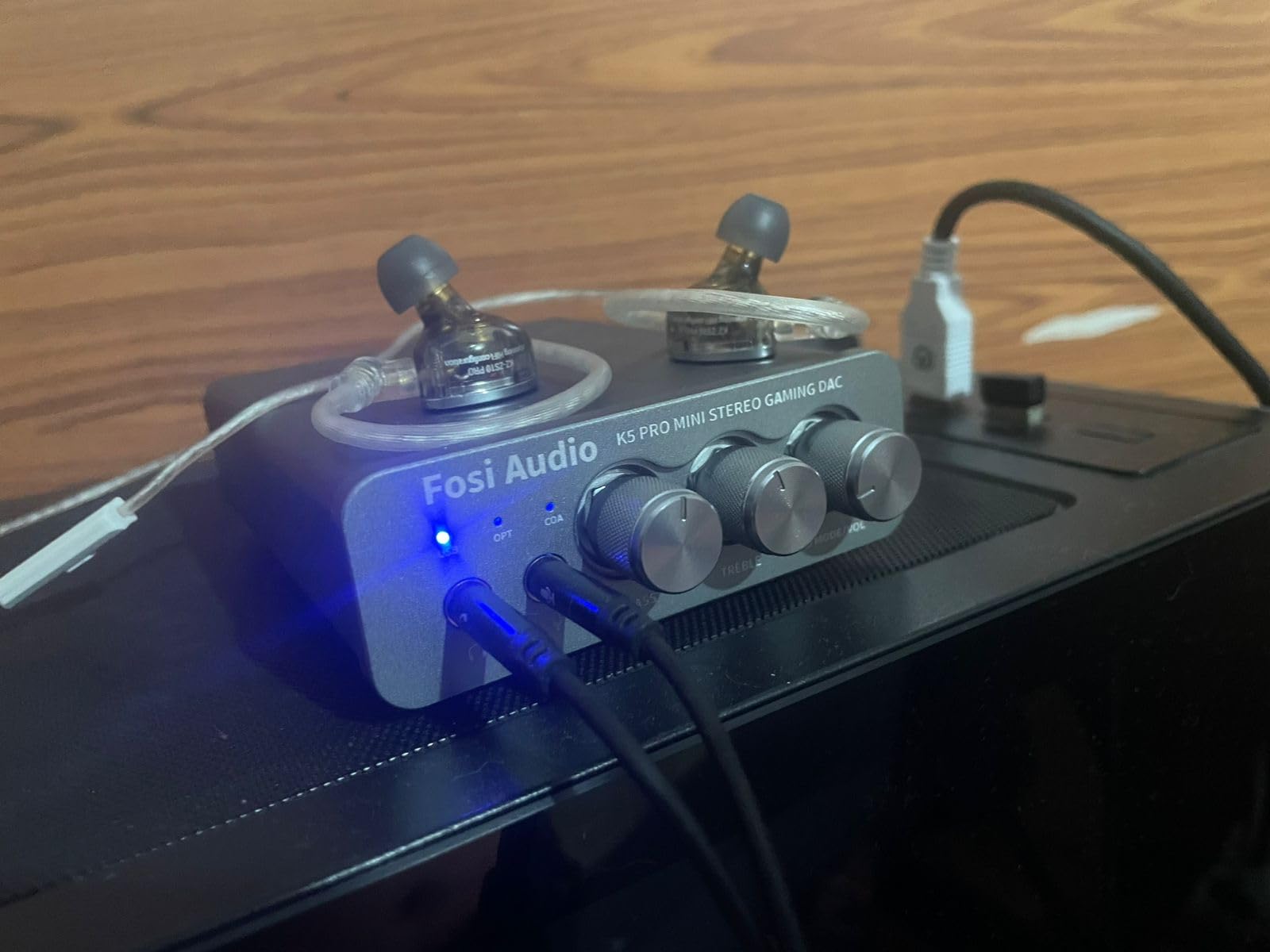
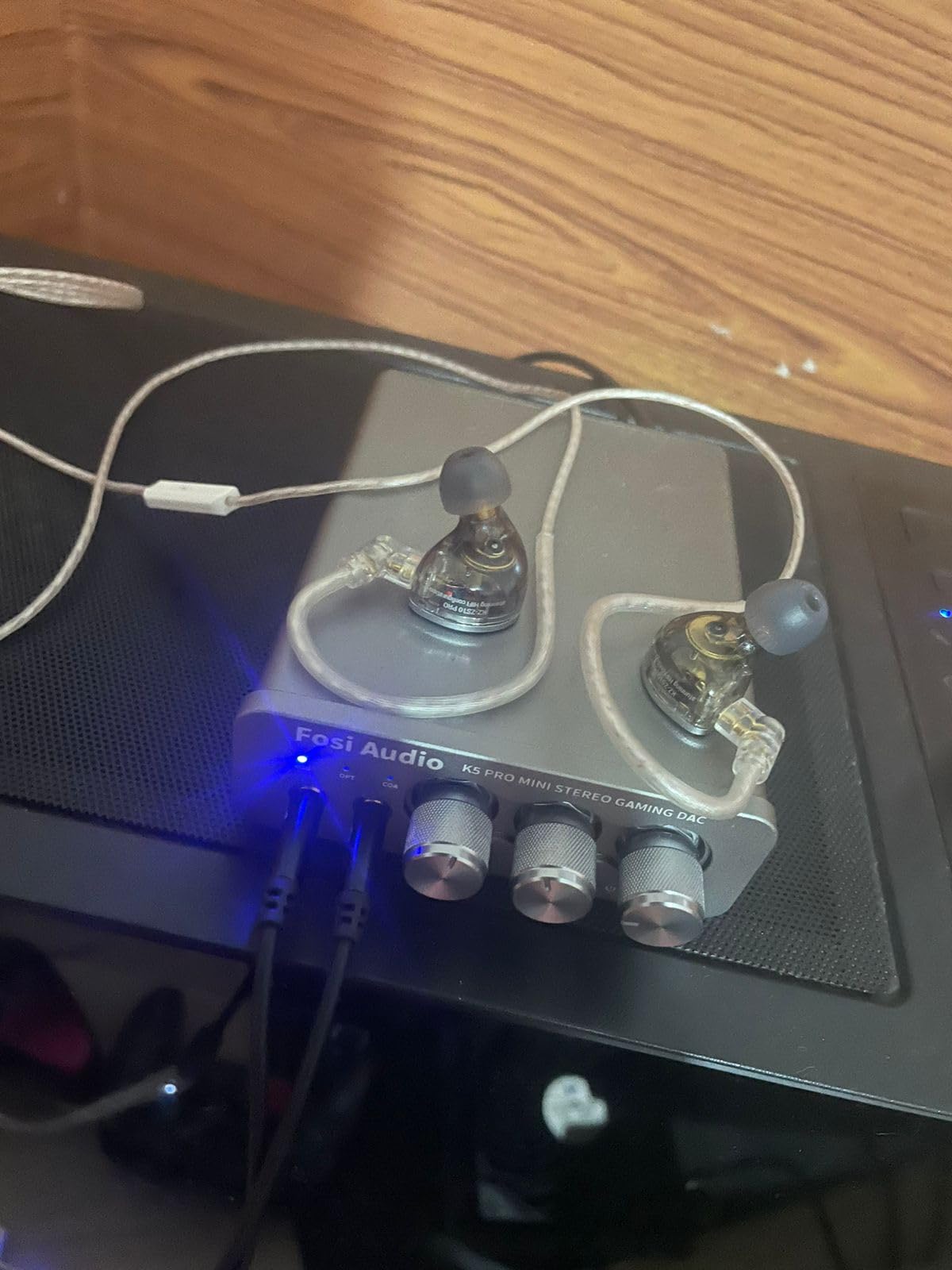
8. Fosi Audio K5 Pro Gaming DAC
The Fosi Audio K5 Pro Gaming DAC fills a specific niche that many traditional audiophile-oriented DACs neglect: the gaming market. With its dedicated microphone input, affordable price point, and compatibility with gaming consoles including PS5 and Xbox Series X, the K5 Pro Gaming DAC deserves serious consideration from anyone building a gaming-focused audio system. The Texas Instruments NE5532 op-amp provides clean amplification, while the multiple input options including USB Type C, optical, and coaxial ensure compatibility with virtually any gaming setup. At under eighty dollars, the value proposition is exceptional for what you get.
The master volume, bass, and treble controls are conveniently located on the front panel for quick adjustments during gameplay without having to dig into system settings. The microphone input with its own gain control makes it easy to find the right balance between game audio and chat, which is crucial for competitive multiplayer games where communication is key. The low distortion specification of less than 0.003 percent THD ensures that you are hearing audio exactly as the game designers intended, with all the spatial cues and detail that go into modern game audio design.
Fosi Audio K5 Pro Gaming DAC Headphone Amplifier Mini Hi-Fi Stereo Digital-to-Analog Audio Converter USB Type C/Optical/Coaxial to RCA/3.5MM AUX for PS5/PC/MAC/Computer
The Fosi Audio K5 Pro Gaming DAC offers USB Type C, optical, and coaxial inputs with dedicated microphone input, perfect for PS5 and PC gaming setups.
Pros
- Excellent build quality with solid metal construction|Plug and play - no drivers needed|Clear
- clean sound with noticeably improved audio quality|Master volume/bass/treble controls work well|Can drive 16 Ohm to 300 Ohm headphones|Great value for the price|Perfect for gaming with PS5/PC/MAC
Cons
- Included cables are low quality|USB power can pick up interference from powerful GPUs|Microphone input quality could be better
Gaming Performance and Microphone Input
In gaming scenarios, the difference between the K5 Pro Gaming DAC and a basic motherboard audio solution is immediately apparent. Environmental sounds that would be masked by background noise or lost entirely through a basic audio solution come through clearly, providing a significant competitive advantage in games where spatial awareness matters. Footsteps, reload sounds, and environmental cues are easier to locate, giving you precious milliseconds of reaction time. The dedicated microphone input with its own gain control ensures your voice comes through clearly without overwhelming game audio, which is exactly what you need for effective team communication.
Power Supply and Interference Handling
One potential issue with the K5 Pro Gaming DAC is that it draws power via USB, which can introduce interference from powerful graphics cards in gaming PCs. The optical input bypasses this issue entirely by providing a galvanically isolated connection that eliminates any possibility of ground loop hum or electrical interference. If you experience any noise issues when using the USB input, switching to optical will likely resolve them. The included USB power options also mean you can use a dedicated USB power supply or battery pack for truly isolated power, which some audiophiles prefer for eliminating any potential noise from the computer’s switching power supply.
9. Topping D10s
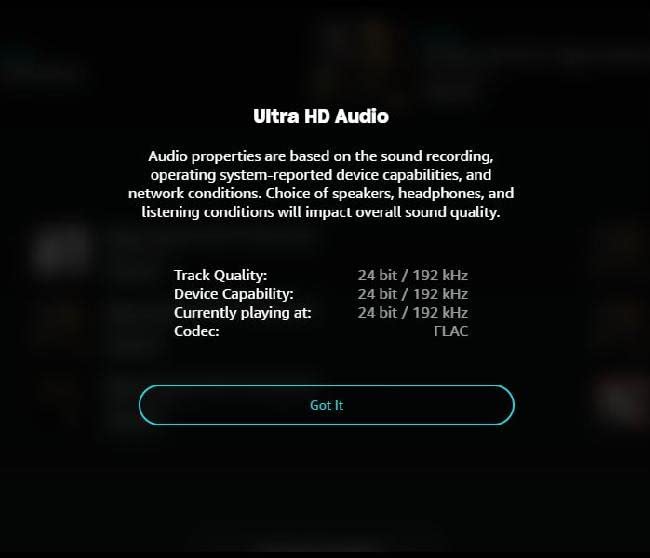
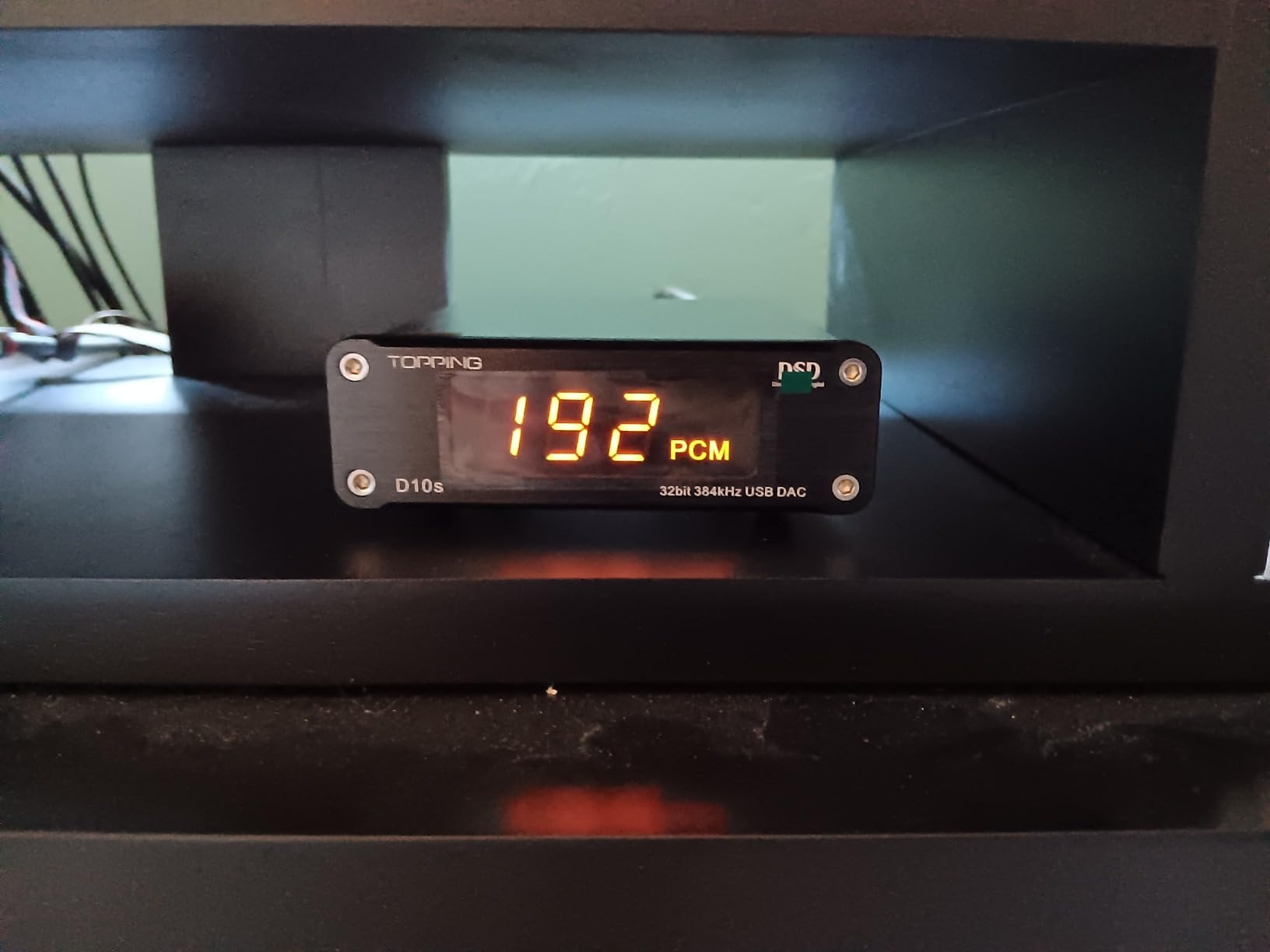
The Topping D10s represents the entry point into serious desktop DAC territory, offering measurement performance that rivals DACs costing many times more. The combination of ESS ES9038Q2M DAC chip and XMOS XU208 USB interface is a proven performer that has become something of a reference standard in the budget DAC market. The measured THD+N of as low as 0.0002 percent at 1kHz places the D10s among the best-measuring DACs available at any price, giving you confidence that what you are hearing is an accurate representation of the source material without added distortion or coloration.
The replaceable op-amp in a DIP socket is a feature typically reserved for much more expensive units, and the D10s makes it accessible at a price point that encourages experimentation. The stock op-amp is adequate for most users, but the socket opens up possibilities for sonic customization without soldering or any permanent modifications. The coaxial and optical outputs provide additional flexibility, and the D10s can function as a USB to optical or coaxial converter for sources that lack these outputs. The orange LCD display shows the configured sample rate, which can differ from the actual file rate but provides useful feedback about what the DAC is receiving.
Topping D10s HiFi USB DAC – ES9038Q2M DAC XMOS XU208 PCM384kHz DSD256 Hi-Res Audio Desktop Decoder for PC Black
The Topping D10s features ES9038Q2M DAC with XMOS XU208, delivering exceptional measurements with 0.0002% THD+N and replaceable op-amp.
Pros
- Spectacular
- neutral sound quality|Plug and play on Windows 10 - no drivers needed|Smooth and non-fatiguing sound signature|Excellent measurements among the best in its price range|Replaceable op-amp for DIY customization|Can serve as USB to optical/coaxial converter|Works great with Macs
Cons
- Some units may ship with lower quality op-amps|No drivers available for some systems|Display shows configured rate rather than actual file rate
Measurement Performance and Accuracy
The measured performance of the D10s places it among the best-measuring DACs available regardless of price. The combination of ESS’s flagship DAC chip and proper implementation of the XMOS USB interface results in exceptional dynamic range, vanishingly low distortion, and perfect channel balance. For listeners who want to hear their recordings exactly as the engineers intended without any added character, the D10s is an excellent choice. The smooth, non-fatiguing sound signature makes it suitable for extended listening sessions without the listening fatigue that can accompany lesser designs.
Op-Amp Swapping for Sound Tuning
The socketed op-amp opens up a world of customization possibilities. Different op-amps have different sonic signatures, and the ability to swap them in seconds allows easy comparison without permanent modifications. Some users prefer the warmth of older op-amps, while others want maximum transparency. The stock op-amp is perfectly adequate for most listeners, but the ability to experiment without risk or expense makes the D10s an excellent learning tool for understanding how op-amps affect sound. Popular swap targets include the OPA627, AD797, and LME49720, each of which can dramatically alter the D10s’s character to suit different preferences.
10. AudioQuest DragonFly Cobalt
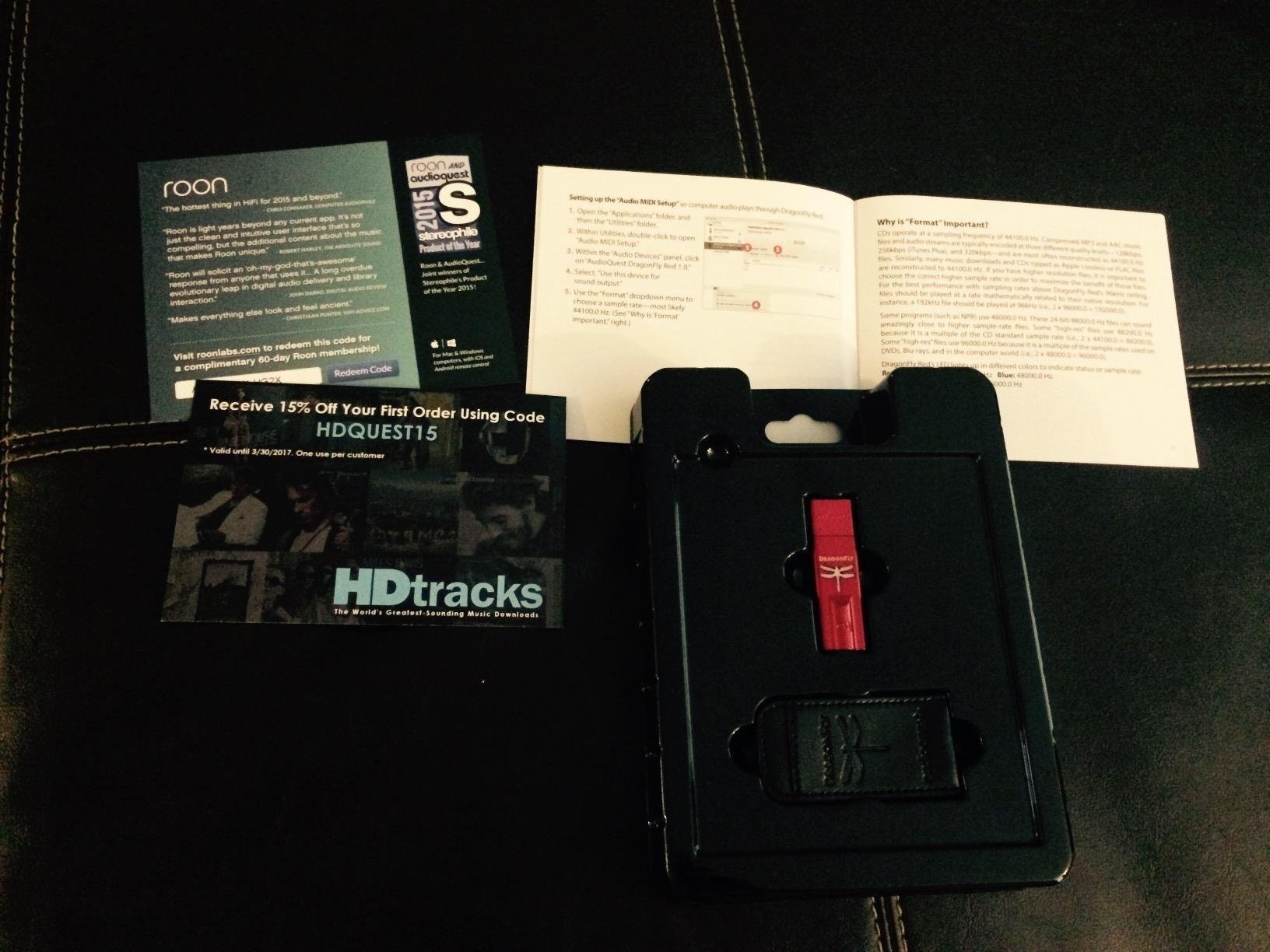
The AudioQuest DragonFly Cobalt occupies a unique position in this roundup as our Best Portable DAC designation, offering a different use case than traditional desktop units. This USB dongle DAC is small enough to fit on your keychain, yet it delivers performance that rivals many full-size desktop DACs. The ESS ES9038Q2M chip inside provides clean, detailed sound with natural playback, and the MQA compatibility makes it an excellent choice for Tidal subscribers who want to hear master-quality recordings on the go. The LED indicator shows current sample rate, providing useful feedback about what audio format is currently playing.
At approximately 57mm by 19mm by 12mm, the DragonFly Cobalt is dramatically smaller than any other product in this roundup, making it the ideal choice for laptop users who want better audio quality when traveling or working from coffee shops. The USB Type A connector provides compatibility with virtually any computer, and the device is firmware upgradeable so it can receive improvements and new features over time. The 24-bit/96kHz maximum resolution covers the vast majority of streaming audio, though owners of higher-resolution collections may want to look elsewhere for a more capable desktop solution.
AudioQuest Dragonfly Cobalt USB Digital-to-Analog Converter
The AudioQuest DragonFly Cobalt delivers ESS ES9038Q2M performance in a portable thumb-drive form factor with MQA support.
Pros
- Clean detailed sound with natural playback|Portable thumb-drive form factor|Plug-and-play with no drivers needed|Works with iOS and Android devices|Excellent soundstage and instrument separation|Firmware upgradeable
Cons
- No physical volume control|Distortion at high volumes|Some reliability issues reported|Requires adapter for iOS devices
Portability vs Desktop Performance
The trade-off with portable DACs like the DragonFly Cobalt is that portability necessarily involves compromises compared to desktop designs. The lack of a dedicated power supply means the DragonFly Cobalt draws power from the host device, which can introduce noise and limits maximum output power. There is no physical volume control, requiring software volume adjustment that may reduce resolution at lower volume levels. The small form factor also limits heat dissipation, which can affect long-term reliability. Despite these compromises, the DragonFly Cobalt remains one of the best portable options available and sounds significantly better than a computer’s built-in headphone jack.

Device Compatibility and Setup
The DragonFly Cobalt works with virtually any device that has a USB Type A port, including Windows PCs, Macs, and some Android devices with USB OTG support. iOS devices require Apple’s Lightning to USB camera adapter, which adds additional cost and complexity. Once connected, the DragonFly Cobalt is recognized as an audio output device and requires no additional drivers on Windows 10 or later or Mac systems. The LED indicator provides at-a-glance feedback about the current sample rate, which is particularly useful for confirming that MQA tracks are being properly decoded at full master quality.
11. SMSL SU-1
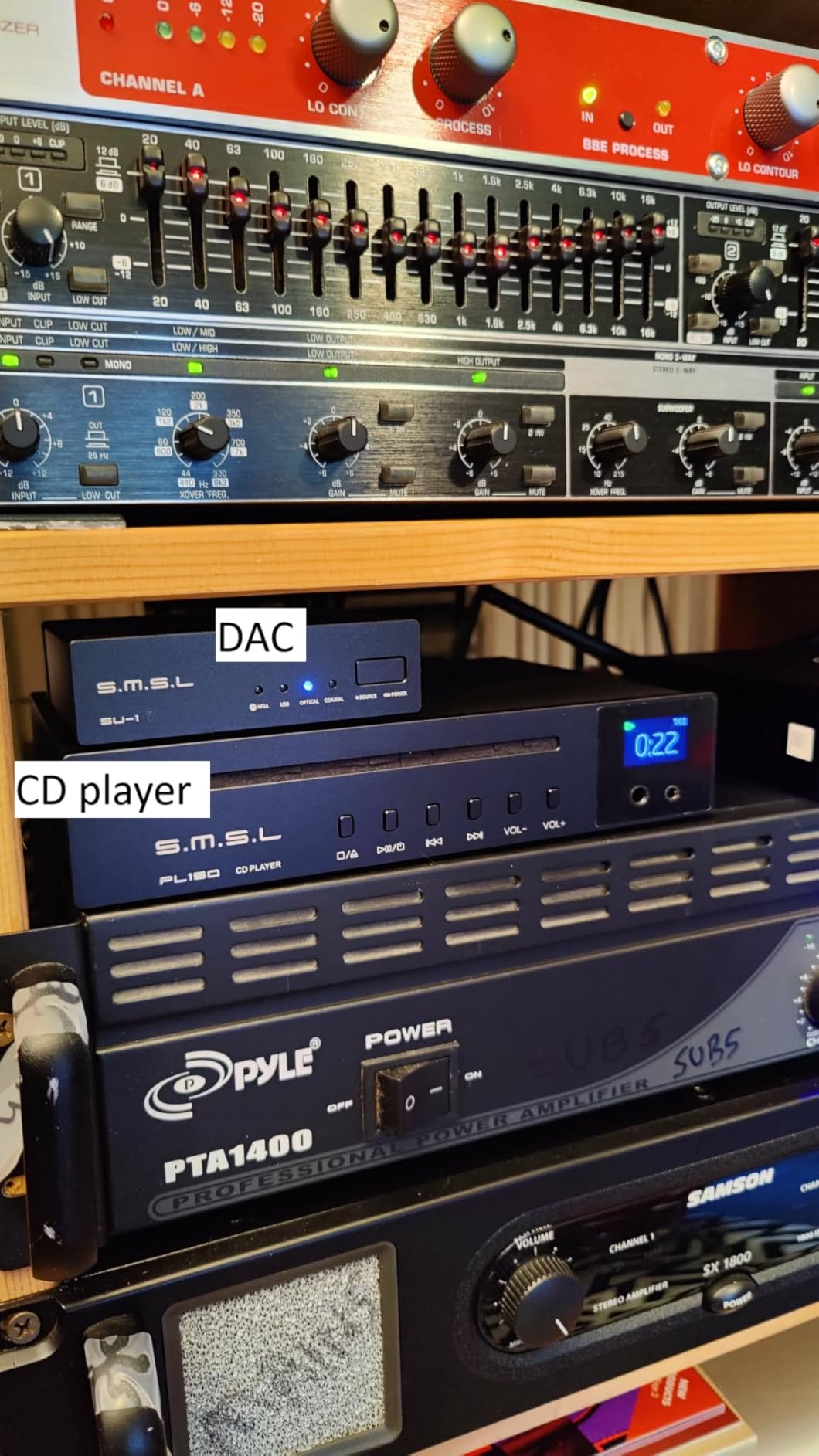
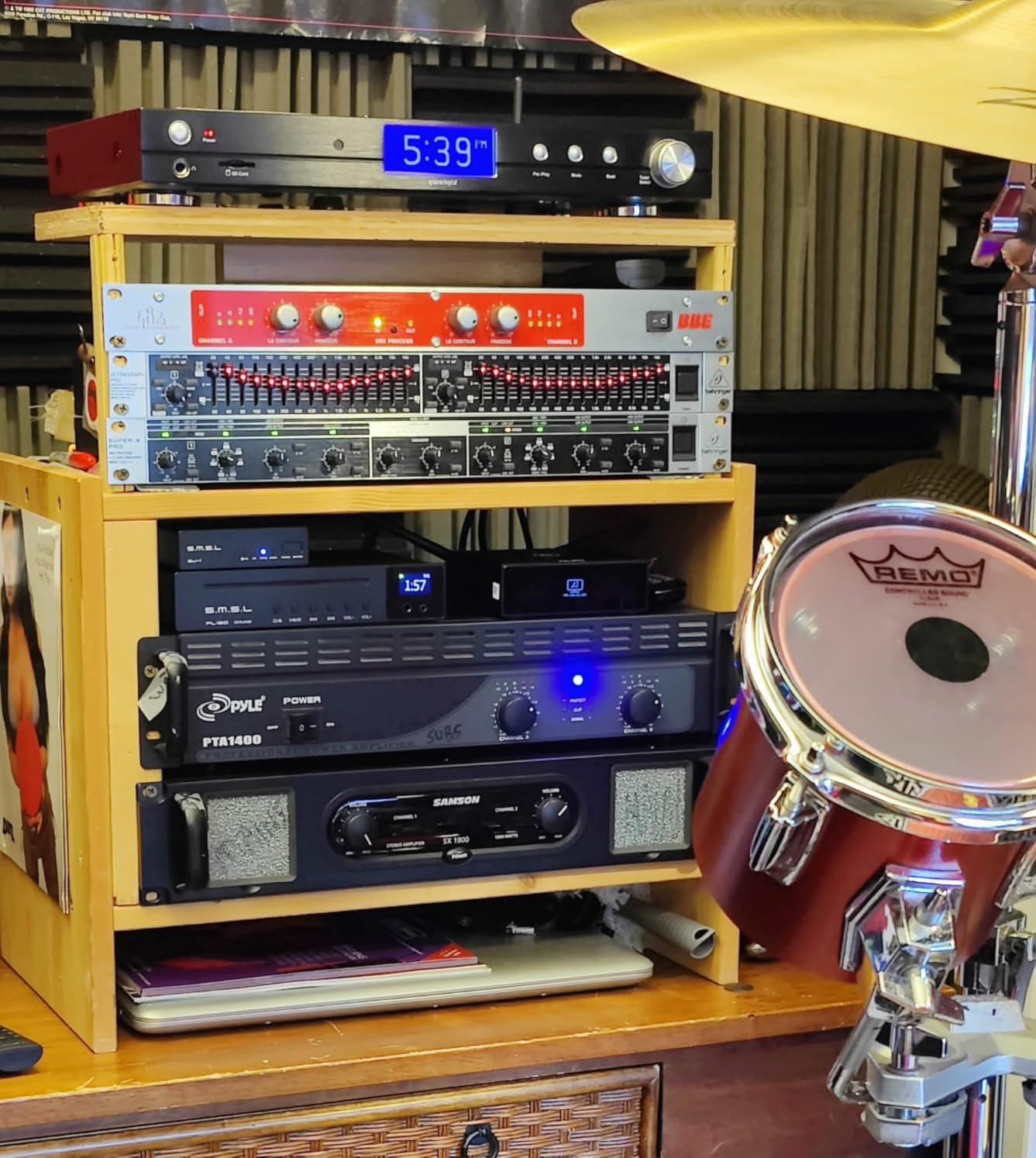
The SMSL SU-1 earns our Best Budget DAC designation by delivering exceptional performance at an approachable price point. The AK4493S DAC chip at its heart is a proven performer that offers excellent measured performance with very low distortion and high dynamic range. The XU316 USB processor handles data transmission from your computer with bit-perfect accuracy, supporting PCM rates up to 768kHz/32-bit and DSD512 for complete format compatibility. The MQA and MQA-CD support makes this an excellent choice for Tidal subscribers and owners of MQA-encoded CD collections.
The compact form factor of the SU-1 makes it easy to integrate into any desktop setup without taking up valuable space. The multiple inputs including USB, optical, and coaxial provide flexibility for connecting various sources, and the RCA stereo output can connect to any amplifier or powered speakers. Windows systems require driver installation, but the drivers are stable and well-supported. Once installed, the SU-1 provides years of reliable service with excellent sound quality that punches well above its modest price point. The only minor complaint is that the small form factor can result in the unit moving when heavy cables are attached.
SMSL SU-1 MQA MQA-CD Audio Decoder AK4493S XU316 768kHz/32Bit DSD512 Hi-Res DAC
The SMSL SU-1 features AK4493S DAC with XU316 USB, supporting MQA and MQA-CD with 768kHz/32-bit and DSD512 playback.
Pros
- Excellent sound quality for the price|MQA CD support|Clear instrument separation|Rich spatial soundstage|Multiple input options
Cons
- Some reliability issues reported|May require driver installation on Windows|Small form factor can move with heavy cables
AK4493S Chip Sound Quality
The AK4493S from Asahi Kasei Microdevices is a premium DAC chip that offers a slightly warmer, more musical sound character compared to some of the more analytical ESS implementations. This makes the SU-1 an excellent choice for listeners who find pure analytical sound fatiguing over extended sessions. The chip’s 0.00013 percent distortion specification is exceptional, and in practice, the SU-1 measures among the better performers in its price class. The combination of Asahi Kasei’s Velvet Sound branding and careful implementation results in a DAC that is both technically excellent and genuinely enjoyable to listen to.
MQA Support and Hi-Res Playback
MQA support is increasingly important for streaming audio enthusiasts, as it allows delivery of master-quality recordings at manageable file sizes. The SU-1’s full MQA decoder capability means it can unfold MQA tracks to their full resolution, delivering exactly what the mastering engineer heard when creating the master recording. For Tidal HiFi Plus subscribers, this means access to millions of master-quality tracks that will sound their best through the SU-1. The support for DSD512 means native playback of SACD rips and other DSD recordings without any format conversion, preserving the original analog-like character of DSD encoding.
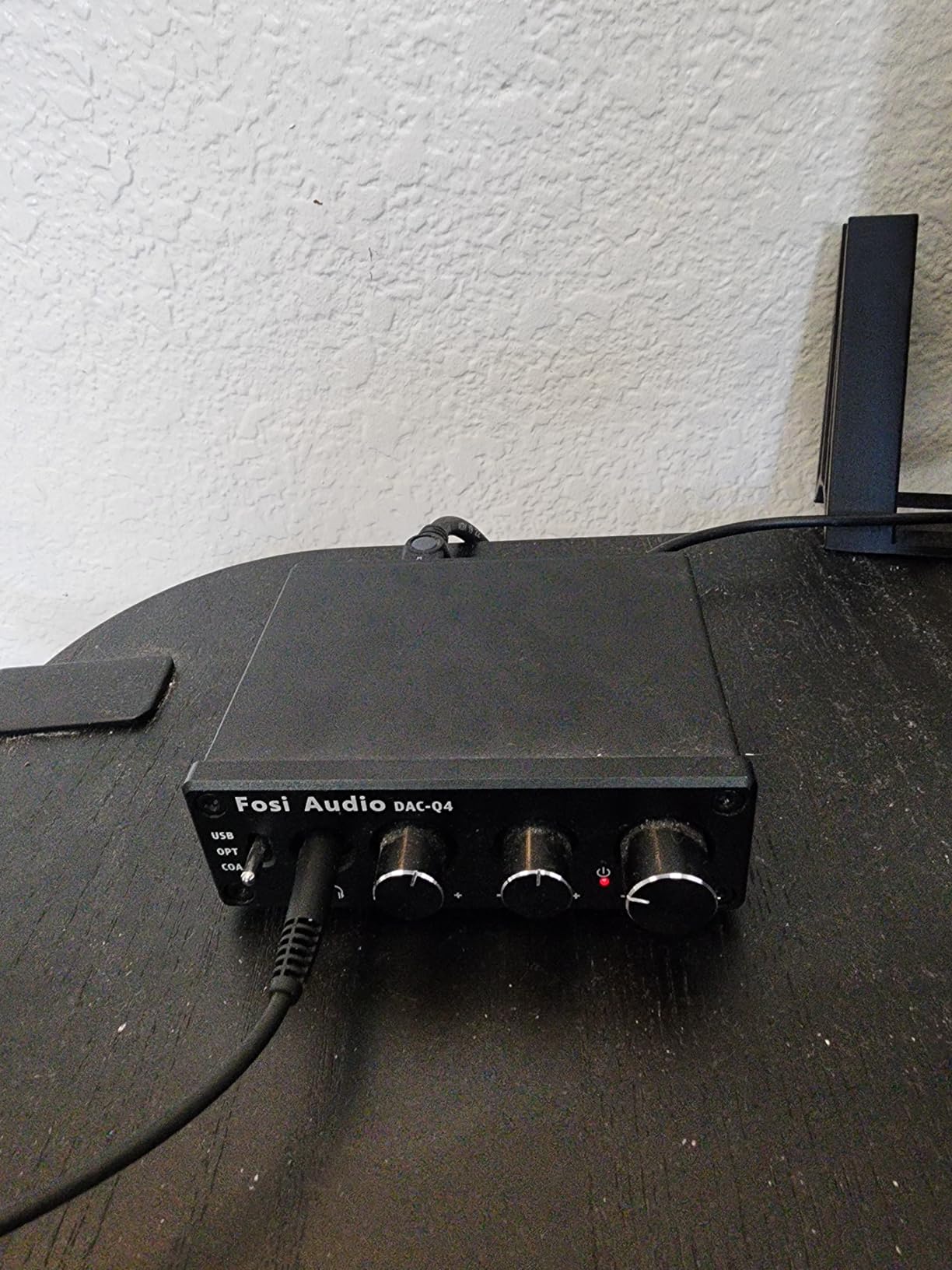
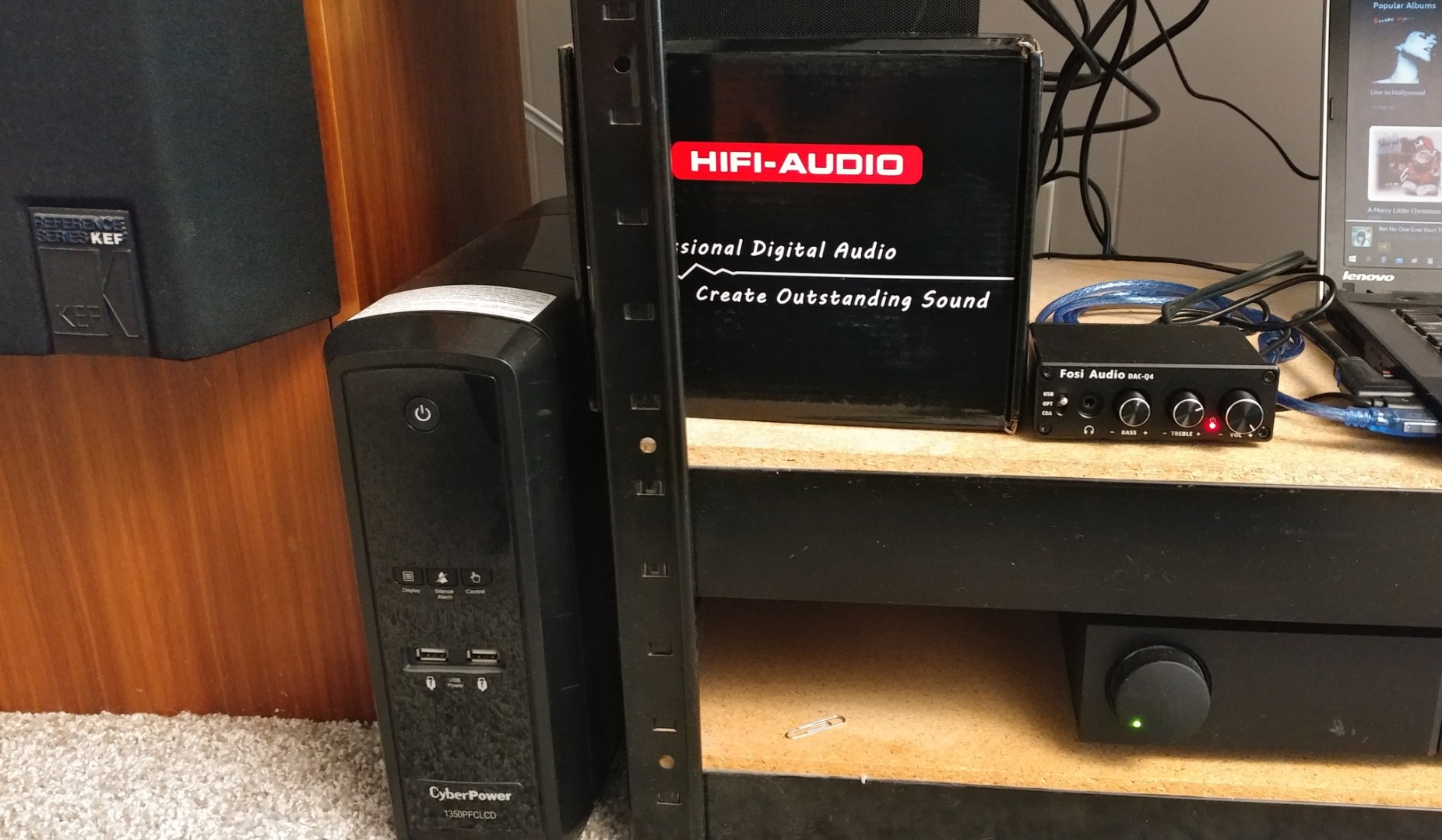
12. Fosi Audio Q4
The Fosi Audio Q4 represents the entry point into dedicated desktop DAC territory, offering a significant upgrade from basic computer audio at a price that makes it accessible to virtually any budget. The 24-bit/192kHz maximum resolution covers standard high-resolution audio without the need for more expensive formats, and the multiple input options including USB, optical, and coaxial provide flexibility for various source connections. The bass and treble adjustment knobs are particularly useful for fine-tuning the sound to match your preferences or compensate for room acoustics, a feature rarely found in this price range.
At under seventy dollars, the Q4 is an excellent choice for those who want to try dedicated desktop audio without a major investment. The full metallic shell construction feels more premium than the price suggests, and the compact design fits easily into any desktop setup. The plug-and-play operation requires no driver installation on most systems, making it an ideal drop-in upgrade for users who want better sound without technical complexity. The headphone output can drive headphones from 16 to 200 ohms, covering the vast majority of consumer and studio headphones available.
Fosi Audio Q4 DAC Headphone Amp for PC, Desktop Digital to Analog Audio Converter for Home Stereo Amplifier and Powered Speakers, PC-USB/Optical/Coaxial Inputs, 3.5mm Headphone/RCA Outputs
The Fosi Audio Q4 offers USB, optical, and coaxial inputs with bass/treble controls at an extremely affordable price point.
Pros
- Excellent value for money|Clear and loud sound quality|Adjustable bass and treble controls|Compact metal design|Multiple connectivity options|True plug-and-play setup
Cons
- White noise/hissing on low impedance headphones|Requires USB for power|Volume knob doubles as on/off switch|Short included cables
Tone Controls and Sound Shaping
The inclusion of bass and treble adjustment knobs on a budget DAC is unusual and valuable. Many listeners prefer some degree of sound shaping to match their room acoustics, headphones, or personal preferences. The bass control can add warmth and impact to bass-light systems or recordings, while the treble control can tame harsh recordings or add presence to dull recordings. These are simple shelving filters rather than parametric EQ, but they provide meaningful adjustment capability that can make the difference between acceptable and excellent sound in various scenarios.
Entry-Level Setup Experience
For those new to dedicated audio equipment, the Q4 provides an excellent introduction without overwhelming complexity. The plug-and-play operation means you can be up and running in minutes, and the multiple input options accommodate both legacy and modern sources. The short included cables are a limitation, but most users will replace them with higher-quality alternatives anyway. The white noise issue with low-impedance headphones is a common trait of budget designs and can be mitigated by using the higher-impedance setting or switching to headphones above 50 ohms. Overall, the Q4 provides genuine desktop DAC performance at a fraction of the traditional cost.
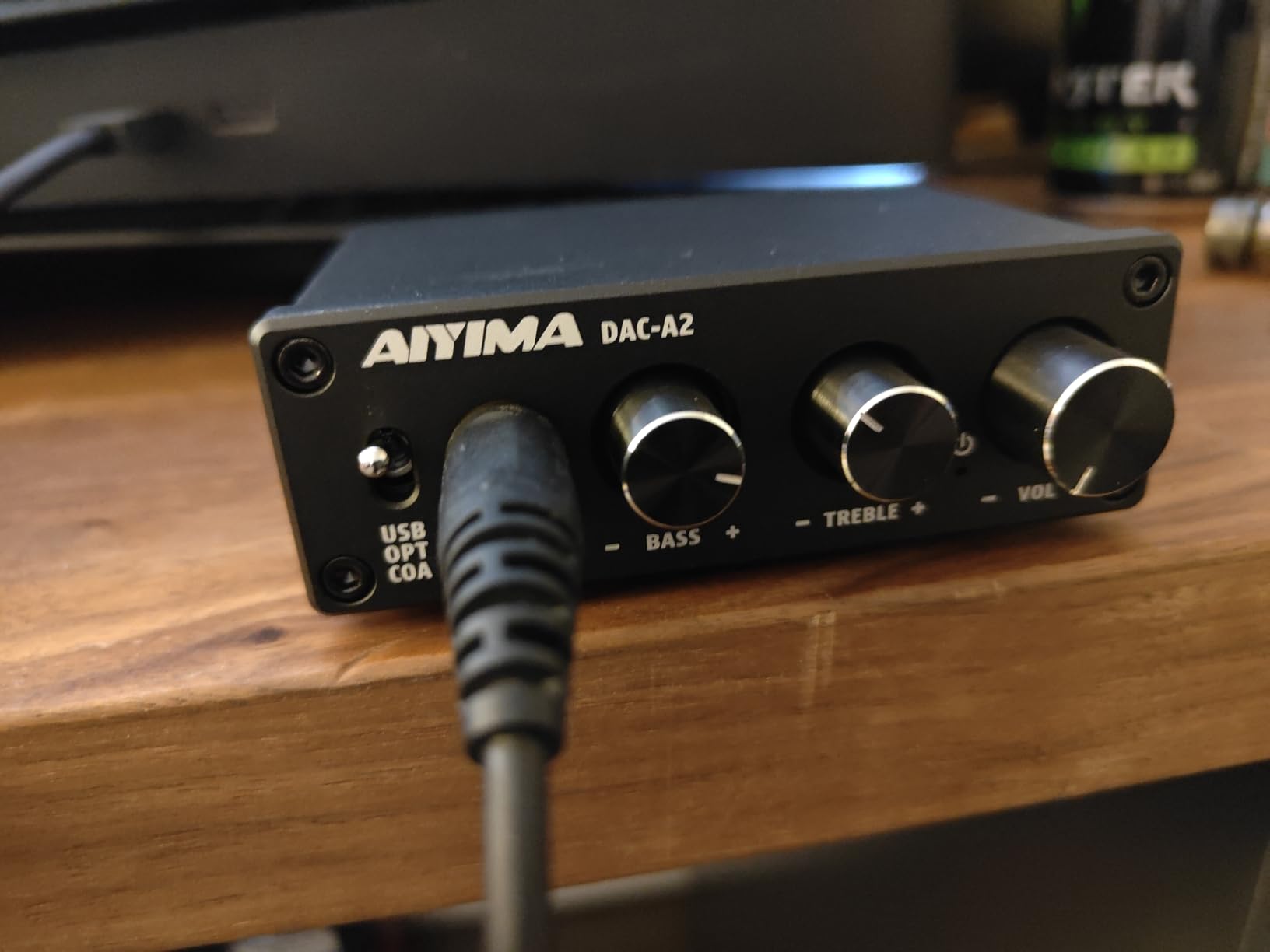
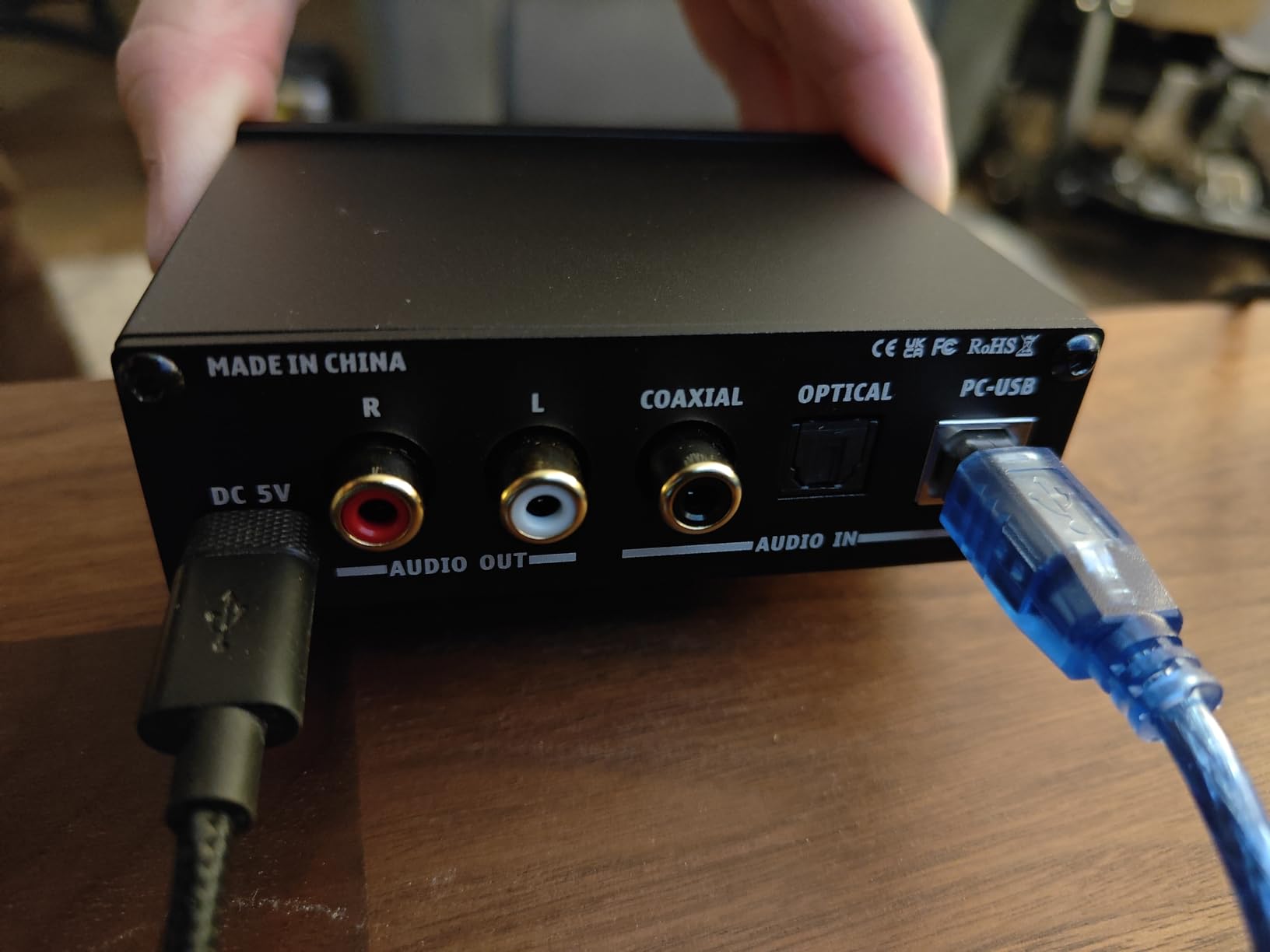
13. AIYIMA DAC-A2
The AIYIMA DAC-A2 is our Budget Pick for those who want genuine desktop DAC performance at the lowest possible price point. At under fifty dollars, this tiny unit delivers a meaningful upgrade over computer audio that will be immediately apparent to anyone who listens critically. The SA9023 USB chip and MS8412 optical/coaxial receiver handle the digital inputs, while the TI TPA6120 headphone amplifier and OP275 op-amp provide the amplification. The NE5532 in the tone control circuit adds the bass and treble adjustment capability without adding noise or distortion to the main signal path.
Despite its modest price, the DAC-A2 can drive headphones from 16 to 200 ohms, covering most consumer and studio headphones. The multiple inputs including PC-USB, optical, and coaxial provide flexibility for various source configurations, and the 24-bit/192kHz resolution covers standard high-resolution audio. The metal construction is surprisingly solid for the price, and the compact design fits anywhere. For those just beginning their audiophile journey or anyone who wants a no-commitment introduction to better audio, the DAC-A2 is impossible to beat at its price point.
AIYIMA DAC-A2 Headphone Amplifier & Desktop DAC for PC, MAC and Gaming
The AIYIMA DAC-A2 offers PC-USB, optical, and coaxial inputs with bass/treble controls in an ultra-compact metal design under $50.
Pros
- Phenomenal value - exceptional ROI|Compact but well-built metal construction|Clean audio reproduction with good clarity|Bass and treble controls work well|Can drive 16-200 Ohm headphones|Multiple input options|Great upgrade from basic computer audio
Cons
- Some units may have high-pitched noise on USB input|No on/off switch - volume knob serves as power control|May flatten mid-range slightly|Occasional connectivity issues reported
Ultra-Budget Audio Quality
The sonic performance of the DAC-A2 exceeds what you would expect from a sub-fifty-dollar device. The TPA6120 headphone amplifier is a capable chip found in many higher-priced devices, and the overall implementation is competent if not exceptional. The sound is clean and clear with good detail retrieval, and the bass and treble controls work as advertised without introducing significant noise or distortion. The main limitation compared to more expensive designs is the reduced soundstage depth and somewhat flattened midrange, but these are minor complaints at this price point. For the cost of a few CDs, you can experience what a dedicated DAC brings to your music.
Headphone Impedance Matching
The DAC-A2 performs best with headphones in the 32 to 80 ohm range, where it delivers clean power without excessive noise. Sensitive IEMs below 32 ohms may exhibit some background hiss due to the design’s noise floor, which is a limitation shared by most budget designs. Headphones above 100 ohms work well but may not reach the same volume levels as more powerful amplifiers. Overall, the impedance matching is adequate for the intended use case of the unit, which is serving as an entry point into better audio for users with typical consumer and studio headphones. For more demanding headphones, consider stepping up to the Fosi Audio Q4 or one of the FiiO options.
Buying Guide
Understanding the fundamentals of desktop DAC technology is essential before making your purchase decision. A DAC, or digital-to-analog converter, is responsible for translating the digital signals stored on your computer or streaming service into analog voltage signals that can drive your headphones or powered speakers. Every digital audio source relies on this conversion process, and the quality of the DAC implementation directly affects the final sound quality you hear. The internal DAC chips found on most computer motherboards are designed for cost and compatibility rather than audio performance, which is why even an affordable dedicated desktop DAC can dramatically improve your listening experience.
When evaluating desktop DACs, the DAC chip is often the first specification consumers look at, and for good reason. The chip determines many of the fundamental performance characteristics including dynamic range, total harmonic distortion, and maximum sample rate support. The most common chip families come from ESS Technology (the Sabre series), Asahi Kasei Microdevices (the AK449x series), and Cirrus Logic. ESS Sabre chips tend to offer the highest measured specifications and a slightly more analytical sound signature, while AK449x chips often provide a warmer, more musical presentation. Neither is objectively better, and personal preference plays a significant role in which you will prefer.
Connection types between your source and DAC are another important consideration. USB is the most common connection for computer audio, with USB-C becoming increasingly prevalent on newer devices. Optical and coaxial S/PDIF connections provide alternatives that can offer galvanic isolation to eliminate ground loop hum, though they are limited to 24-bit/192kHz in most implementations. HDMI ARC is a rare but valuable feature for home theater integration, allowing your television to send audio to your DAC through the same HDMI cable that carries video. Some premium DACs also offer network connectivity for direct streaming from NAS drives or streaming services, eliminating the need for a computer entirely.
The difference between balanced and single-ended outputs is significant and worth understanding. Balanced connections use two signal conductors and a ground, with the positive and negative signals carrying inverted versions of the audio waveform. This allows the receiving equipment to cancel out any noise that affects both conductors equally, resulting in a cleaner signal overall. Balanced connections also provide twice the voltage swing compared to single-ended, enabling higher maximum volume and better control over headphone drivers. If you have headphones with balanced cable options or plan to upgrade in the future, choosing a DAC with balanced outputs is a worthwhile investment.
Power requirements vary significantly depending on your headphones. Low-impedance headphones below 32 ohms typically require current rather than voltage, while high-impedance headphones above 150 ohms need more voltage swing. Planar magnetic headphones often require the most power due to their low efficiency. Before purchasing a DAC/amp combo, verify that it can deliver adequate power for your specific headphones. The power specification should be provided at a given impedance, so look for the one that matches your headphones. As a general guideline, look for at least 500mW for most dynamic headphones and 1W or more for planar magnetic designs.
Key specifications to consider include total harmonic distortion plus noise (THD+N), which measures unwanted artifacts added to the audio signal; dynamic range, which indicates the difference between the loudest and quietest sounds the DAC can produce; and maximum sample rate, which determines what audio formats the DAC supports. THD+N values below 0.01 percent are excellent, while dynamic range above 110dB indicates high-quality performance. These specifications should be taken as guidelines rather than absolute guarantees of sound quality, as measurements do not always correlate perfectly with subjective listening impressions. The best approach is to read reviews from trusted sources and, if possible, audition equipment before purchase.
Frequently Asked Questions
Do I really need a desktop DAC for my PC?
If you use your computer for critical music listening, audio production, or gaming where spatial awareness matters, a desktop DAC provides a meaningful improvement over built-in audio. The difference is most noticeable with higher-quality headphones and lossless or high-resolution audio files. Casual users who listen through basic speakers or earbuds may not notice as much benefit, though even modest DACs eliminate the high-frequency noise and channel imbalance common on motherboard audio. The improvement is immediate and obvious once you hear it, which is why dedicated DACs have become standard equipment for anyone serious about computer audio.
What is the best desktop DAC for under $200?
The Fosi Audio K7 offers the best combination of features, performance, and value under two hundred dollars, earning our Editor’s Choice designation. Its versatile connectivity, powerful amplification, and clean sound signature make it suitable for virtually any application. The Fosi Audio ZD3 is an excellent alternative for those who prioritize pure DAC performance and HDMI connectivity. Both units deliver performance that would have cost several times more just a few years ago, representing remarkable value in the current market. For tighter budgets, the Fosi Audio Q4 and SMSL SU-1 provide capable performance at significantly lower price points.
Can a desktop DAC improve gaming audio?
Yes, a quality desktop DAC significantly improves gaming audio by providing better spatial resolution, faster transient response, and lower latency compared to basic motherboard audio. In competitive multiplayer games, these improvements translate to better spatial awareness that can give you a real competitive advantage. You will hear subtle sounds like footsteps and reloads more clearly, and the improved dynamics make it easier to identify the direction and distance of threats. The dedicated microphone input on gaming-focused DACs like the Fosi Audio K5 Pro Gaming also provides clearer voice communication with teammates.
What is the difference between a DAC and a DAC/amp combo?
A pure DAC handles only the digital-to-analog conversion and outputs line-level signals that require a separate amplifier to drive headphones or speakers. A DAC/amp combo integrates both functions in a single unit, providing a complete solution that can directly drive headphones without additional equipment. DAC/amp combos are more convenient and cost-effective for most users, while pure DACs appeal to those who already own high-quality amplifiers or prefer to upgrade components separately. The Fosi Audio ZD3 is an example of a pure DAC designed for use with external amplifiers, while the Fosi Audio K7 includes full headphone amplification for direct headphone connection.
Do more expensive DACs sound noticeably better?
Beyond a certain price threshold, diminishing returns become significant. DACs under one hundred dollars provide substantial improvements over motherboard audio, while units in the one to three hundred dollar range offer near-reference performance that satisfies all but the most demanding listeners. Above five hundred dollars, improvements become subtle and often involve premium components, build quality, and features rather than fundamental sound quality. The law of diminishing returns means the best value is found in the mid-range, where the Fosi Audio K7 and similar units deliver 90 percent of the performance of thousand-dollar designs at a fraction of the cost.
Conclusion
Choosing the best desktop DAC for your needs ultimately depends on your budget, headphones, and intended use case. For most users, the Fosi Audio K7 represents the ideal balance of performance, features, and value, earning our Editor’s Choice designation with its versatile connectivity, powerful amplification, and clean neutral sound. The Fosi Audio ZD3 offers a compelling alternative for those who prioritize pure DAC performance with its superior ES9039Q2M chip and unique HDMI ARC connectivity. Budget-conscious buyers will find excellent options in the Fosi Audio Q4 and AIYIMA DAC-A2, which deliver genuine hi-fi performance at accessible price points.
Gaming enthusiasts should consider the Fosi Audio K5 Pro Gaming DAC for its dedicated microphone input and console compatibility, while audiophiles interested in R2R architecture will appreciate the FiiO K11 R2R for its NOS/OS modes and warm sound character. The HIFIMAN EF499 stands alone with its network streaming capability and massive power output for demanding planar headphones. No matter which option you choose, the improvement over basic computer audio will be immediate and rewarding, revealing new details in your music library and providing a more engaging gaming experience.
We recommend starting with a DAC that matches your current needs and budget, then upgrading to more specialized equipment as your system evolves. The desktop DAC market offers exceptional value at every price point, making now the perfect time to invest in better audio quality. Your ears will thank you for years to come.