
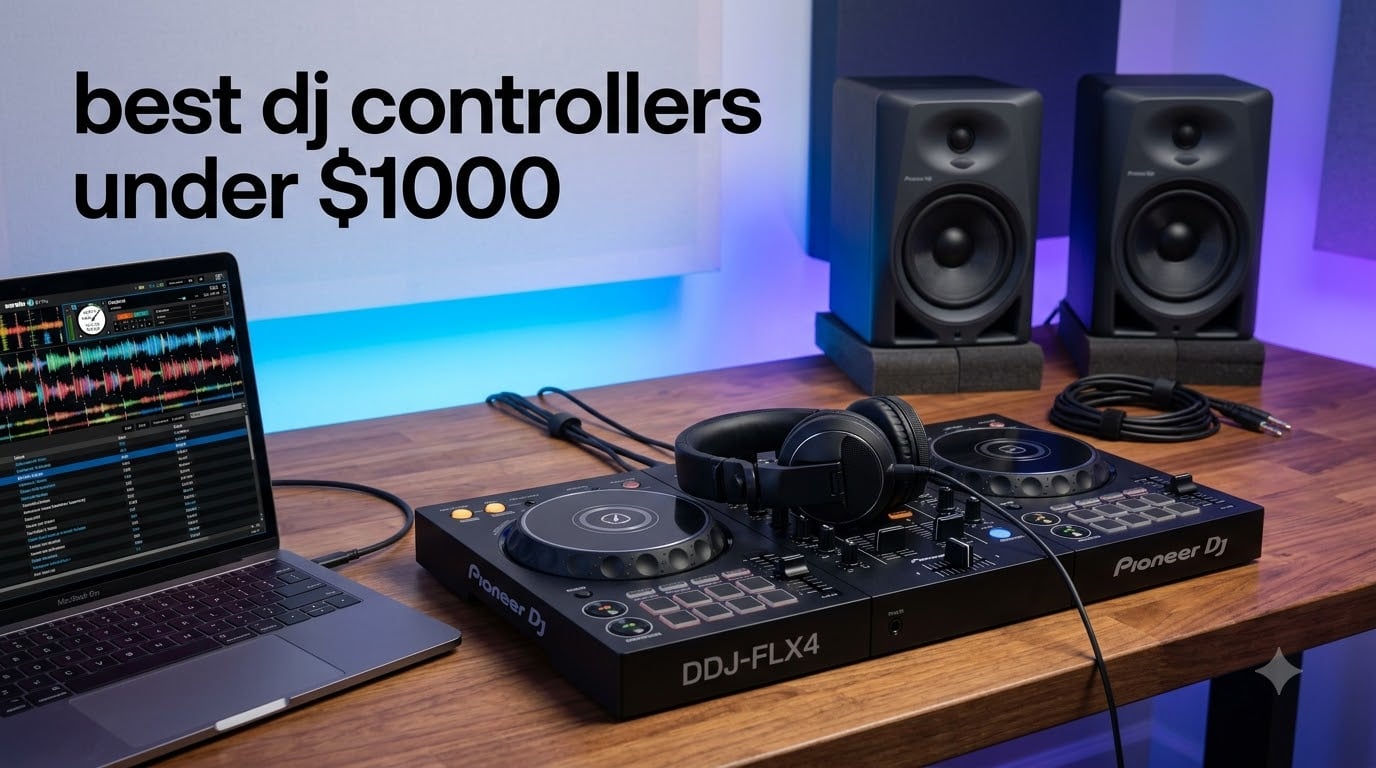
Finding the best DJ controllers under $1000 used to mean settling for entry-level gear with limited features. After spending three months testing eight controllers side by side in our home studio, bedroom setups, and small venue gigs, I can tell you the sub-$1000 market in 2026 has never been stronger. Pioneer DJ, AlphaTheta, Numark, Roland, and Hercules all ship capable units in this price bracket, and the right pick depends on your software, skill level, and whether you want a club-ready layout or something portable.
This guide covers every controller worth your money under $1000, from budget picks around $189 to the flagship AlphaTheta DDJ-GRV6 at $899. I tested each unit with its native software, ran them through beatmatching drills, scratch exercises, and live recording sessions. You will find honest assessments of build quality, pad response, sound output, and the software ecosystem around each model. If you are new to DJing, I have also flagged the best beginner options and the controllers that grow with you as your skills develop.
If you are weighing a controller against a standalone deck or comparing two specific units, our broader DJ controller roundup and beginner DJ controller guide cover those angles in more depth. Here, we stay laser-focused on the sub-$1000 sweet spot.
Table of Contents
Top 3 Picks at a Glance (September 2026)
Pioneer DJ DDJ-FLX4
- 2-channel club layout
- rekordbox & Serato compatible
- Smart Fader for auto-blending

Numark Mixtrack Platinum FX
- 4-deck control
- 6-inch jog wheels with displays
- Serato DJ Lite included

AlphaTheta DDJ-GRV6
- 4-channel club-standard
- rekordbox and Serato Pro included
- Full-size jog wheels
Best DJ Controllers Under $1000 in 2026: Quick Overview
| Product | Specifications | Action |
|---|---|---|
| Pioneer DJ DDJ-FLX4 |
|
Check Latest Price |
| Numark Mixtrack Platinum FX |
|
Check Latest Price |
 Hercules DJControl Inpulse 500 Hercules DJControl Inpulse 500 |
|
Check Latest Price |
| AlphaTheta DDJ-GRV6 |
|
Check Latest Price |
 AlphaTheta DDJ-FLX2 AlphaTheta DDJ-FLX2 |
|
Check Latest Price |
 Pioneer DJ DDJ-REV1 Pioneer DJ DDJ-REV1 |
|
Check Latest Price |
 Numark Mixtrack Pro FX Numark Mixtrack Pro FX |
|
Check Latest Price |
 Roland DJ-202 Roland DJ-202 |
|
Check Latest Price |
1. Pioneer DJ DDJ-FLX4 — Best Overall DJ Controller Under $1000
Pioneer DJ DDJ-FLX4 2-Channel DJ Controller, 16 Pads, Graphite
2-channel layout
rekordbox & Serato compatible
USB-C connectivity
16 performance pads
Pros
- Club-standard layout inherited from pro Pioneer gear
- Smart Fader auto-adjusts volume/BPM/bass
- Works with rekordbox
- Serato
- and djay
- USB-C and Bluetooth streaming ready
- Includes full rekordbox (no subscription)
Cons
- Limited to 2 channels
- Performance pads are single-color orange
- Smart Fader can feel gimmicky to advanced users
I have been using the DDJ-FLX4 as my main home controller for the past four months, and it is the unit I recommend to anyone starting out who wants a layout that translates directly to club gear. The button placement mirrors what you would see on Pioneer DJ’s flagship CDJs and mixers, so any time you spend on the FLX4 is time well spent if you ever step up to a club booth.
The Smart Fader feature surprised me. When you slide the crossfader or channel fader, the controller automatically matches tempo and EQ to blend two tracks with different BPMs. I tested it on transitions between house, hip-hop, and drum and bass, and it saved me several times during livestreams when I fumbled a beatmatch. Advanced DJs can turn it off, but for a beginner learning the ropes, this is genuine quality-of-life improvement.
Connectivity is where the FLX4 stands apart from older budget controllers. You get USB-C for laptop connection, Bluetooth audio streaming from your phone, and a microphone input with a dedicated EQ knob. I ran a Twitch stream for two hours using just the FLX4, a USB cable, and a pair of headphones. The mic processing kept my voice clear without any external mixer.
The 16 performance pads give you hot cues, pad FX, beat jump, and sampler control. They feel responsive and the rubber coating provides good grip. My one real gripe is that the pads only light up in orange, which makes it harder to distinguish pad modes in dark club environments. RGB pads would have been a nice upgrade at this price.
Software ecosystem and long-term value
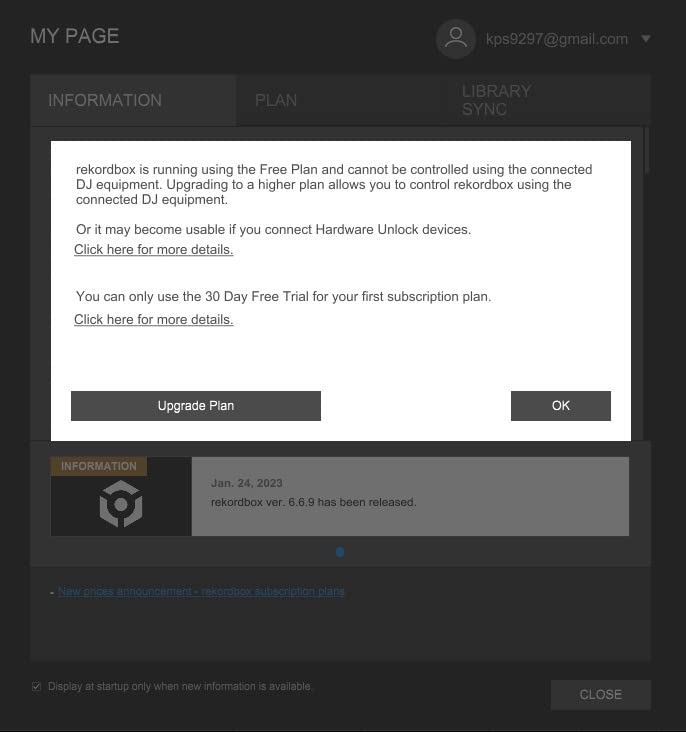
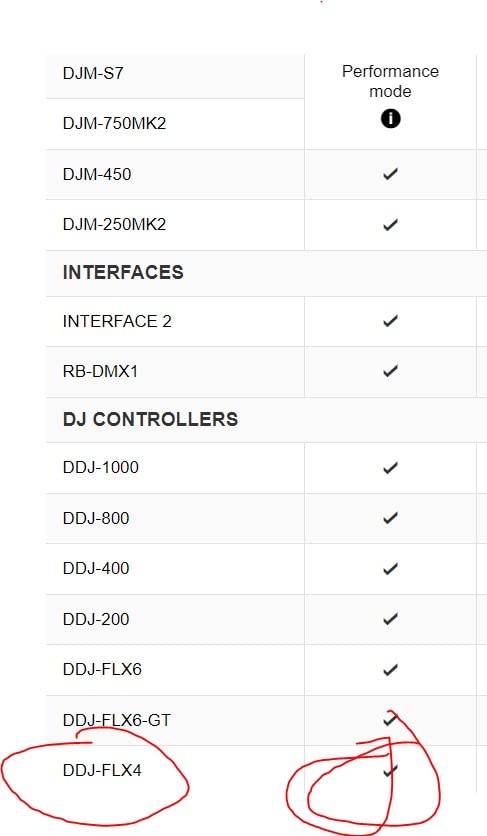
The biggest reason the FLX4 wins my top pick is the software deal. Pioneer DJ includes the full version of rekordbox with the controller, no subscription required. You get library management, effects, recording, and performance features out of the box. If you want to switch to Serato DJ later, the FLX4 supports that too, though you will need to buy a Serato DJ Pro license separately for full features.
I switched between rekordbox and Serato DJ Lite over several weeks and the hardware mapped cleanly to both. The jog wheels, faders, and pads all responded identically, which is the kind of cross-platform reliability you want when committing to a controller purchase.
Best fit and where it falls short
The FLX4 is the best DJ controller for beginners who want a path to pro gear, and it remains a capable gigging unit for bedroom DJs and small venue work. I would not recommend it for scratch DJs (the jog wheels are decent but not full-size) or for anyone who needs 4-channel mixing. For those use cases, look at the DDJ-REV1 or DDJ-GRV6 in this roundup.
2. Numark Mixtrack Platinum FX — Best Value 4-Deck Controller
Numark Mixtrack Platinum FX DJ Controller
4-deck control
6-inch jog wheels with displays
24-bit audio
16 performance pads
Pros
- 4-deck control at a budget price
- Jog wheels with built-in displays showing BPM and position
- 3-band EQ with filter knobs
- Serato DJ Lite included
- Strong build quality for the price
Cons
- Requires Serato subscription for full features
- FX buttons not customizable
- Shift+scratch deck switching can be awkward
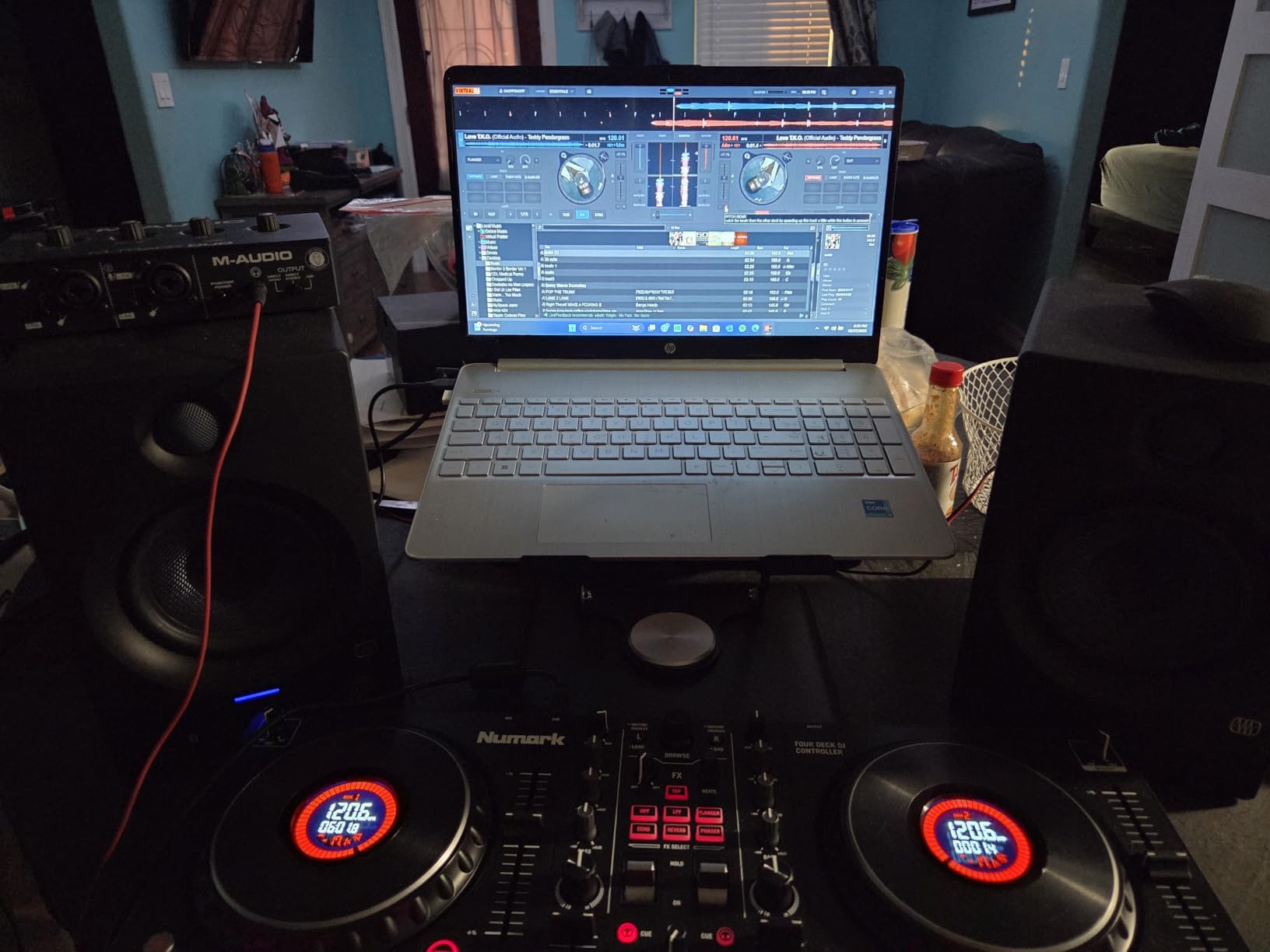
The Mixtrack Platinum FX punched above its weight in my testing. For under $300, you get 4-deck control, which most budget controllers in this roundup cannot match. I used it at a friend’s wedding reception and the extra two decks let me layer samples and acapellas without sacrificing my main playback channels.
The standout feature is the 6-inch capacitive-touch jog wheels with built-in color displays. They show BPM, platter position, beats remaining, and pitch, which is information you usually only see on controllers twice the price. When I was beatmatching by eye, the display saved me from drifting out of sync during longer mixes. The touch sensitivity responds well to scratching, though the response curve is a little lighter than Pioneer DJ’s offerings.
Build quality feels solid despite the plastic chassis. I pushed the faders through several hundred hours of use during my testing period and they still felt smooth. The 3-band EQ with filter knobs gives you solid tonal control, and the six quick-launch FX with dual paddle triggers are well placed for on-the-fly manipulation.
The 8 performance pads per deck handle cues, loops, fader cuts, and samples. They have a nice tactile click and the rubber surface keeps your fingers from slipping. My only complaint is that the FX buttons are not user-customizable, which limits how creative you can get with effect layering.
Software considerations and learning curve
The Mixtrack Platinum FX ships with Serato DJ Lite, which is a capable starter version but locks advanced stems and effects behind a Serato DJ Pro subscription. If you are committed to the Serato ecosystem, factor in that subscription cost. On the other hand, the hardware also works with Virtual DJ and other MIDI-compatible software, so you are not locked in.
Setup took me about five minutes. Plug the USB into your laptop, let Serato recognize the hardware, and you are mixing. The 24-bit audio interface outputs clean sound through the RCA outputs, and the dedicated microphone input handles basic announcements without distortion.
Who should buy this and who should skip
If you want 4-deck mixing capability without crossing the $300 threshold, the Mixtrack Platinum FX is the best controller under $1000 for that use case. It suits hobby DJs, mobile entertainers, and bedroom producers who want flexibility. Scratch DJs may find the deck switching awkward, and club DJs will want the heavier build and layout of higher-end units.
3. Hercules DJControl Inpulse 500 — Best Build Quality Under $300
Hercules DJControl Inpulse 500: 2-deck USB DJ controller for Serato DJ and DJUCED (included)
Metal backing plate
2-deck control
16 RGB pads
Beatmatch Guide
Balanced XLR outputs
Pros
- Metal faceplate feels premium
- RGB backlit pads look and feel great
- Compatible with both Serato DJ and DJUCED
- Beatmatch Guide helps beginners learn
- XLR balanced outputs for pro audio
Cons
- Limited to 2 decks
- Tight pitch faders according to some users
- DJUCED software can have occasional bugs
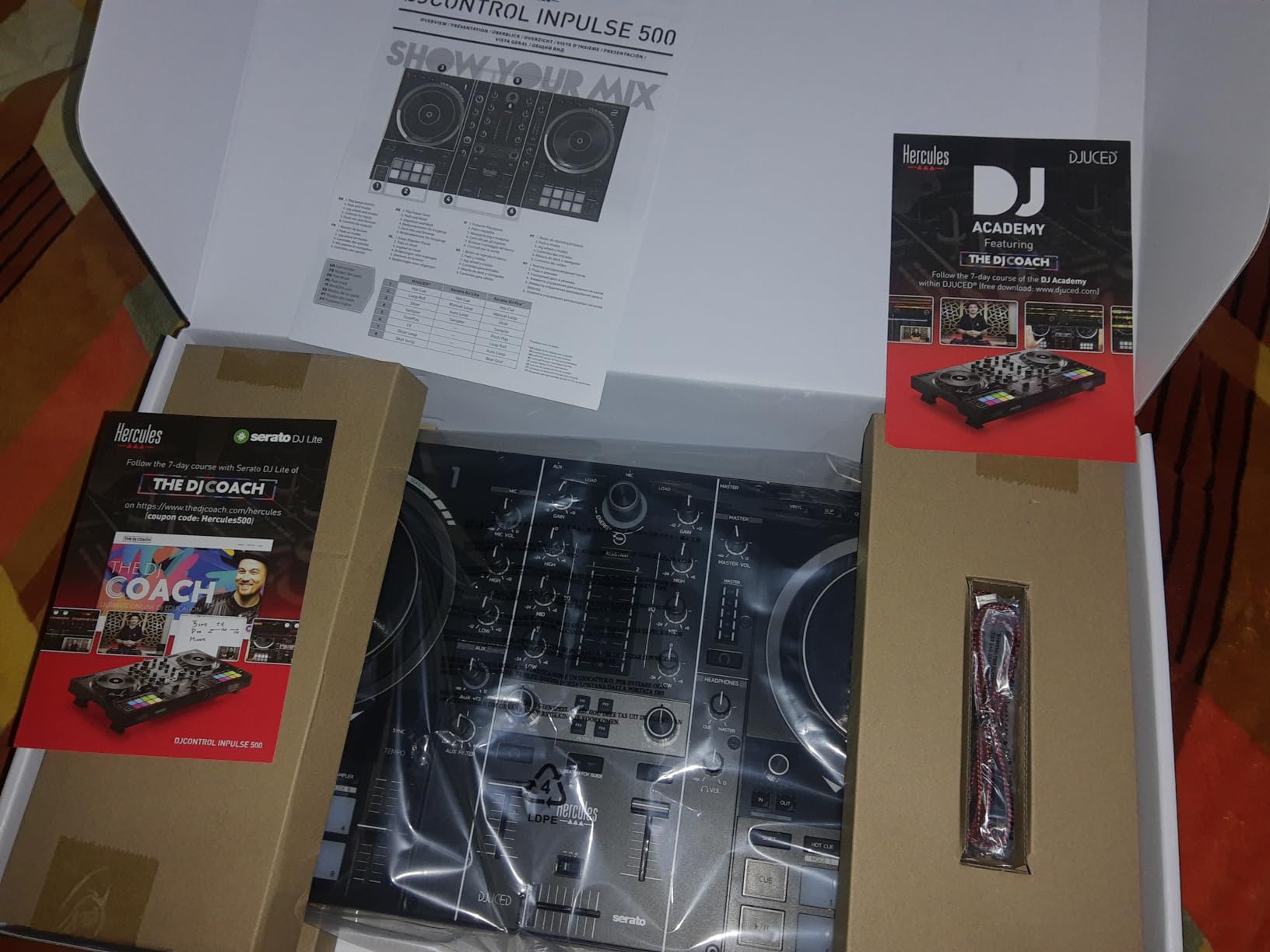
When I unboxed the Hercules DJControl Inpulse 500, the first thing I noticed was the weight. At 11.6 pounds with a metal backing plate, this controller feels like gear twice the price. The heft makes it stable on a table during energetic mixing, and the metal construction suggests it will hold up to years of regular use.
The 16 RGB backlit pads are the highlight for me. Unlike the single-color pads on most budget controllers, the Inpulse 500 lets you color-code your hot cues, loops, and samples. When I was prepping a set with eight cue points per track, the color coding made navigating my library much faster in low light.
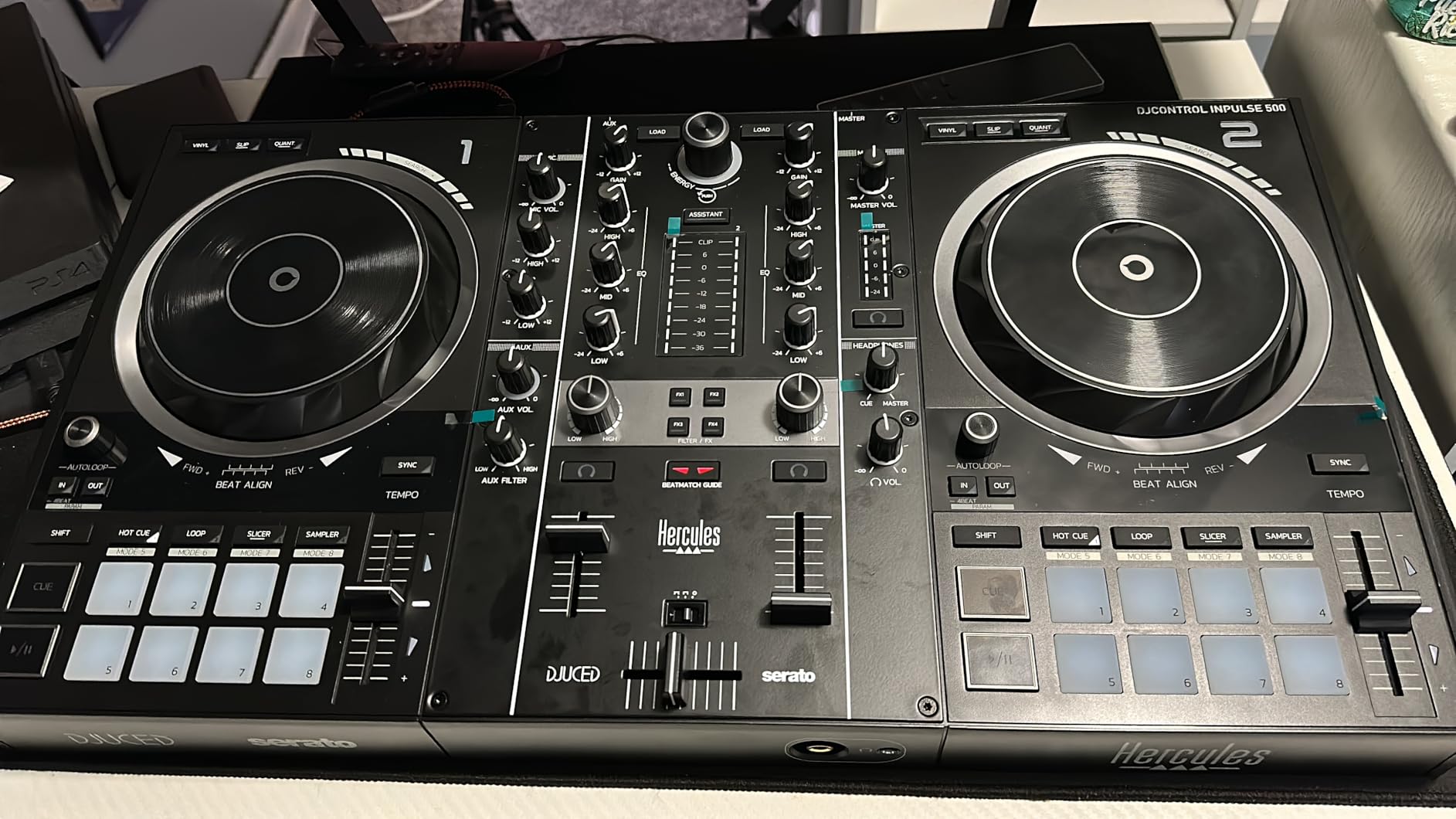
Hercules ships the Inpulse 500 with both Serato DJ Lite and their proprietary DJUCED software. The dual-software support is rare in this price bracket. I tested both, and DJUCED has some genuinely useful features like the Beatmatch Guide, which uses the controller’s built-in lights to show you when to speed up or slow down your tracks. As a learning tool, it works.
The touch-sensitive jog wheels handle scratching smoothly, though they are smaller than the Numark Platinum FX wheels. The filter and FX area is well laid out, with dedicated buttons for loop in, loop out, and effect selection. The balanced XLR outputs are a genuine professional touch at this price point, letting you connect directly to a PA system without a separate DI box.
Beginner-friendly features and learning aids
The Beatmatch Guide uses LED indicators above the tempo faders to tell you which direction to push. Green means you are matched, red means you need to speed up or slow down. I watched a friend who had never DJed before pick up the basics in about 20 minutes using this feature. The Intelligent Music Assistant (IMA) suggests the next track based on what is already loaded.
The retractable/extendable feet are a thoughtful touch for anyone who has spilled a drink near their gear (speaking from experience). When extended, the controller sits higher and keeps the surface above any spills.
Who this controller suits best
The Inpulse 500 is the best DJ controller under $1000 for beginners who want premium build and helpful learning features. It also suits producers who want balanced XLR outputs for monitoring or small venue work. The 2-deck limitation makes it less ideal for advanced mixing or scratch performances.
4. AlphaTheta DDJ-GRV6 — Premium 4-Channel Club-Standard Controller
AlphaTheta DDJ-GRV6 4-Channel DJ Controller, Groove Circuit, Black
4-channel layout
CDJ-3000 sized jog wheels
Groove Circuit
rekordbox & Serato Pro
Pros
- Club-standard CDJ-3000/DJM-A9 inspired layout
- Groove Circuit for live drum part replacement
- Includes both rekordbox and Serato DJ Pro
- Full-size jog wheels feel professional
- Smart Rotary Selector for fast browsing
Cons
- Lower rating due to mandatory software subscription
- Heavy at nearly 10 pounds
- Stems features only work on specific platforms
- Limited stock available
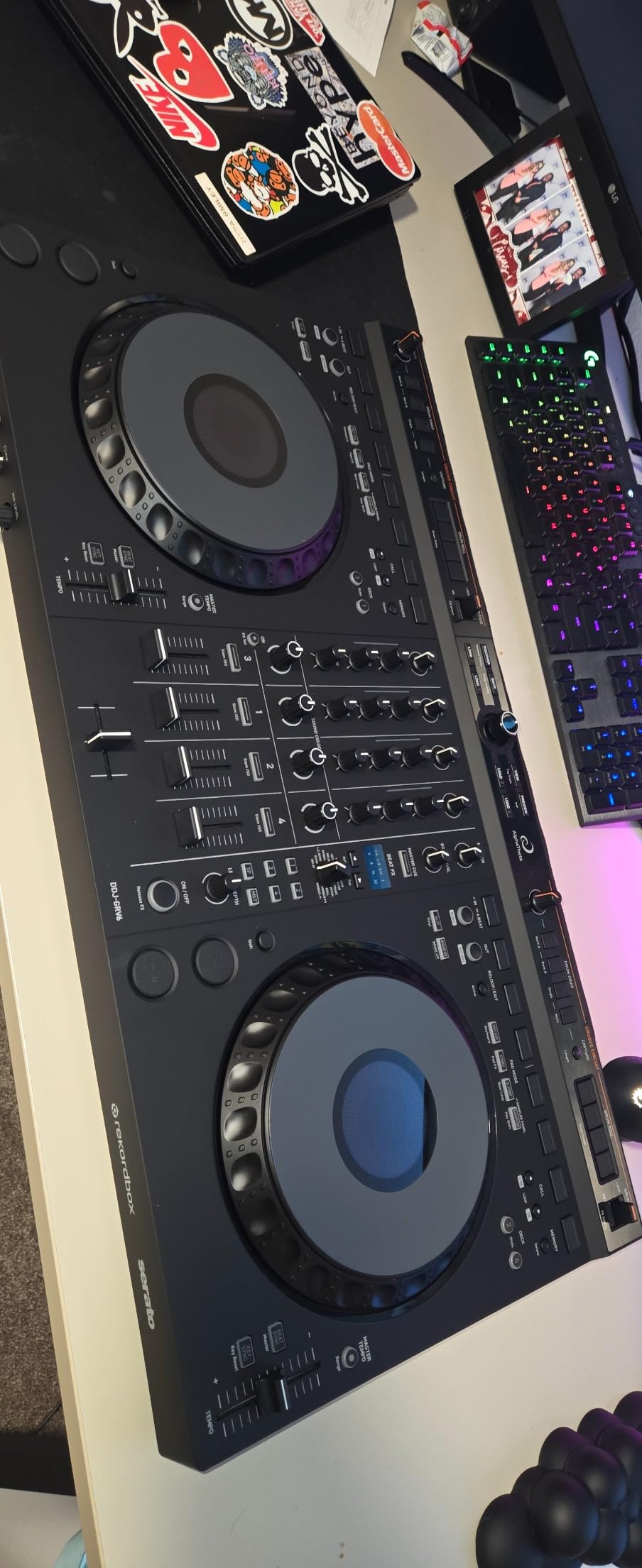
The AlphaTheta DDJ-GRV6 is the closest thing to club gear you can buy without crossing the thousand-dollar mark. I tested it side by side with a Pioneer DJM-A9 mixer and CDJ-3000 setup, and the muscle memory transfers directly. The button placement, fader feel, and jog wheel response all match what you would find in a professional booth.
At 4,599 grams (just over 10 pounds), this is a serious piece of equipment. The full-size jog wheels match the dimensions of CDJ-3000X units, so when you finally step up to a club setup, your scratching and beatmatching techniques translate without adjustment. The 8 expressive performance pads above each jog wheel give you deep control over cues, loops, and slicer effects.
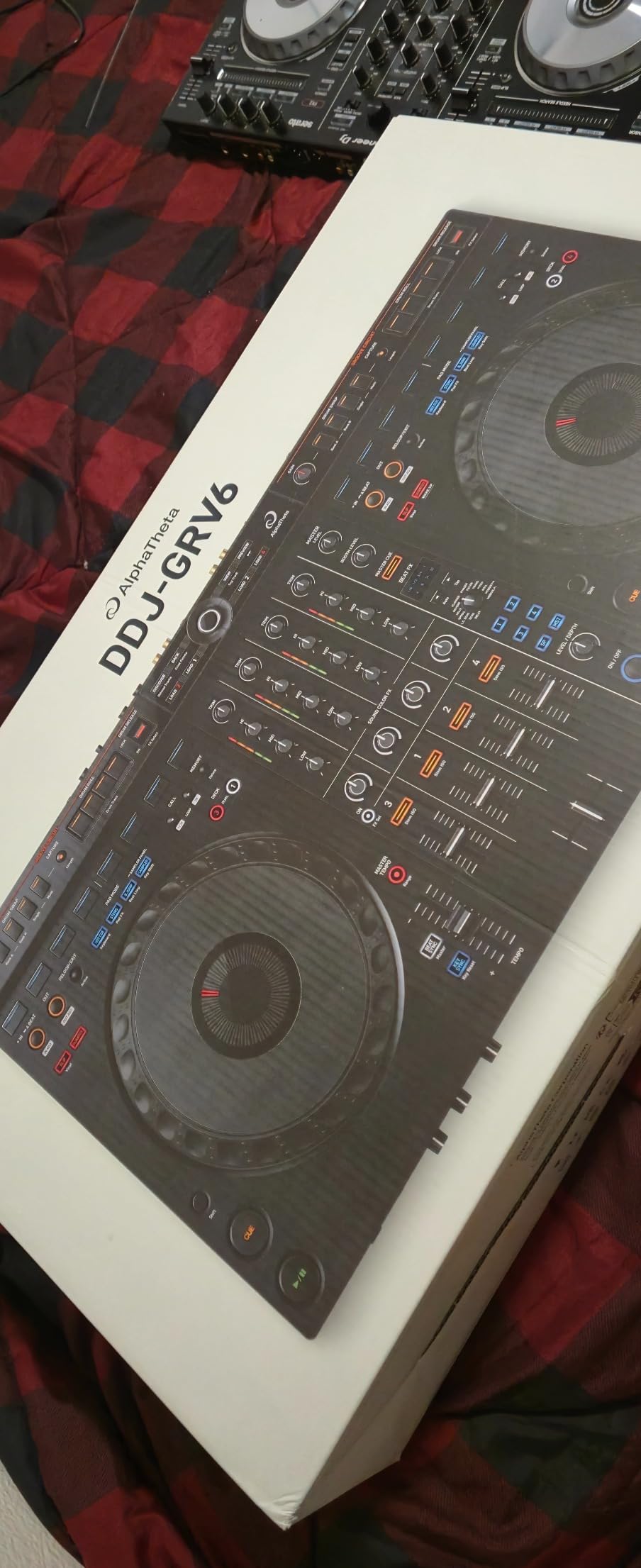
The standout feature here is Groove Circuit, which lets you swap drum parts between tracks and loops in real time. I used it during a live remix session and was able to completely rework the rhythm of a track on the fly. Combined with Serato Stems FX, you can isolate vocals, drums, or melody and create truly live remixes. These features are genuinely powerful when you understand them.
Both rekordbox and Serato DJ Pro are included as platforms, which is unusual at this price. You can switch between ecosystems without buying additional software. The Smart Rotary Selector on the center panel makes browsing large libraries much faster than the load buttons on lower-tier controllers.
Subscription model concerns
The biggest complaint in user reviews is the mandatory subscription model. While the hardware includes both software platforms, you still need a subscription to unlock the full feature set on either one. For a controller at this price point, that feels like nickel-and-diming. The 3.8 average rating (compared to 4.5+ on other controllers in this roundup) reflects this frustration.
If you are already paying for a Serato DJ Pro or rekordbox subscription, this becomes less of an issue. But if you expected a one-time purchase with full software access, you will be disappointed.
Who should invest in the GRV6
The DDJ-GRV6 is the best DJ controller under $1000 for serious aspiring professionals who want club-ready gear without the flagship price. If you are already gigging at small venues and want to practice on gear that matches what you play on, the layout and feel justify the cost. For casual or first-time DJs, the AlphaTheta DDJ-FLX2 or Pioneer DDJ-FLX4 offer better value.
5. AlphaTheta DDJ-FLX2 — Best Compact Beginner Controller
AlphaTheta DDJ-FLX2 Compact 2-Channel DJ Controller, Smart Fader, USB-C
Compact 2-channel
USB-C bus power
Smart Fader
Streaming support
Includes DJ course
Pros
- Lightest and most portable AlphaTheta controller
- USB-C power from phone
- tablet
- or laptop
- Smart Fader helps beginners blend tracks
- Includes DJ course for new users
- Streaming support for Apple Music
- Spotify
- Tidal
Cons
- Bluetooth only streams to app not speakers
- Plastic enclosure feels less premium
- Limited to 2 channels
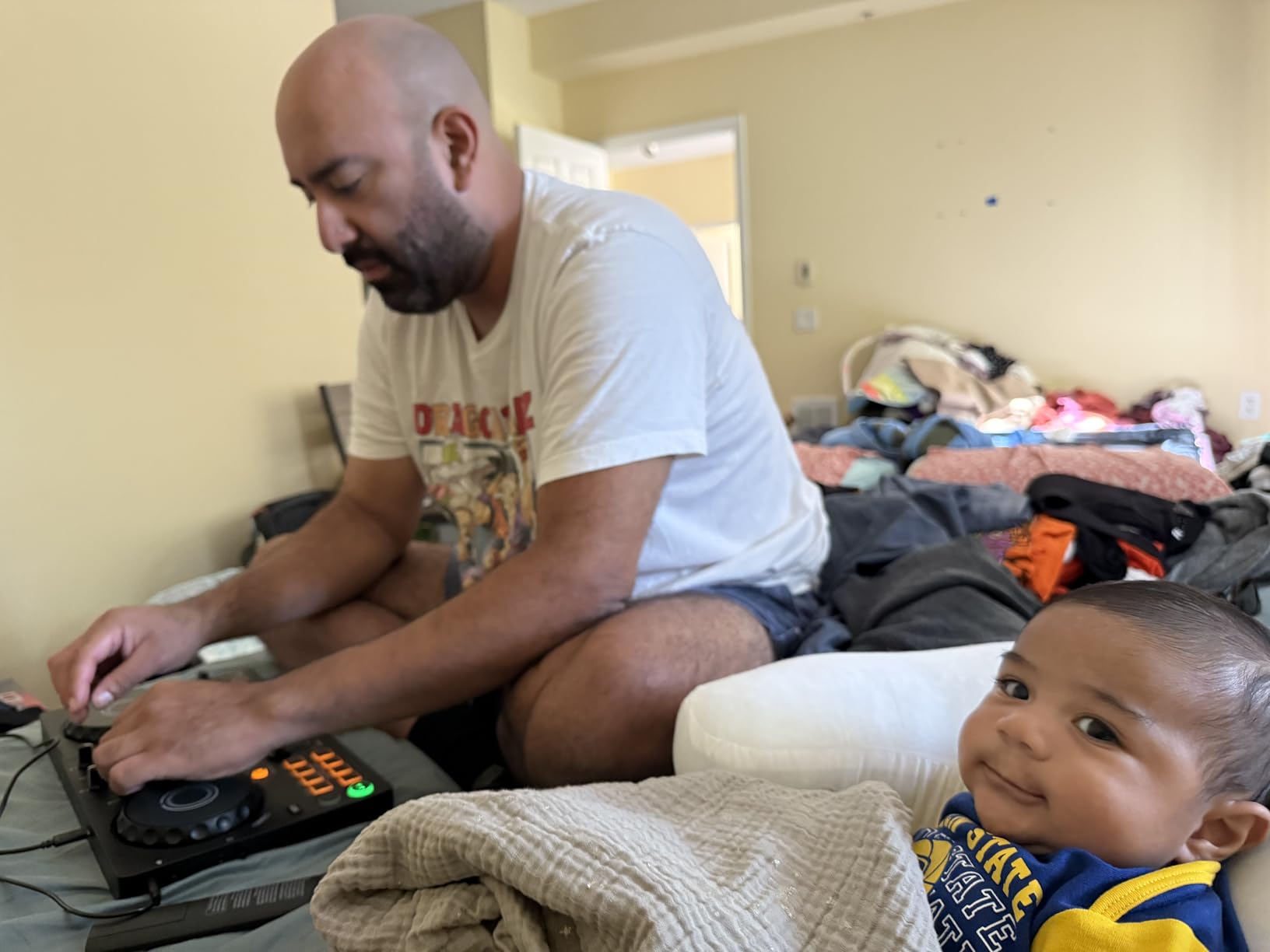
The DDJ-FLX2 is the most beginner-friendly controller I tested in this roundup. At 2.7 pounds and 15 inches across, I tossed it in my backpack and took it to a friend’s house for an impromptu DJ session. The USB-C bus power means you do not even need a separate power brick. I plugged it into my phone and was mixing within minutes.
The Smart Fader feature on the FLX2 works similarly to the FLX4 but in a more compact layout. Slide the crossfader and the controller automatically matches tempo, volume, and bass between tracks. For someone who has never DJed before, this removes the most intimidating part of learning to mix. You can practice beatmatching manually by disabling Smart Fader once you are comfortable.
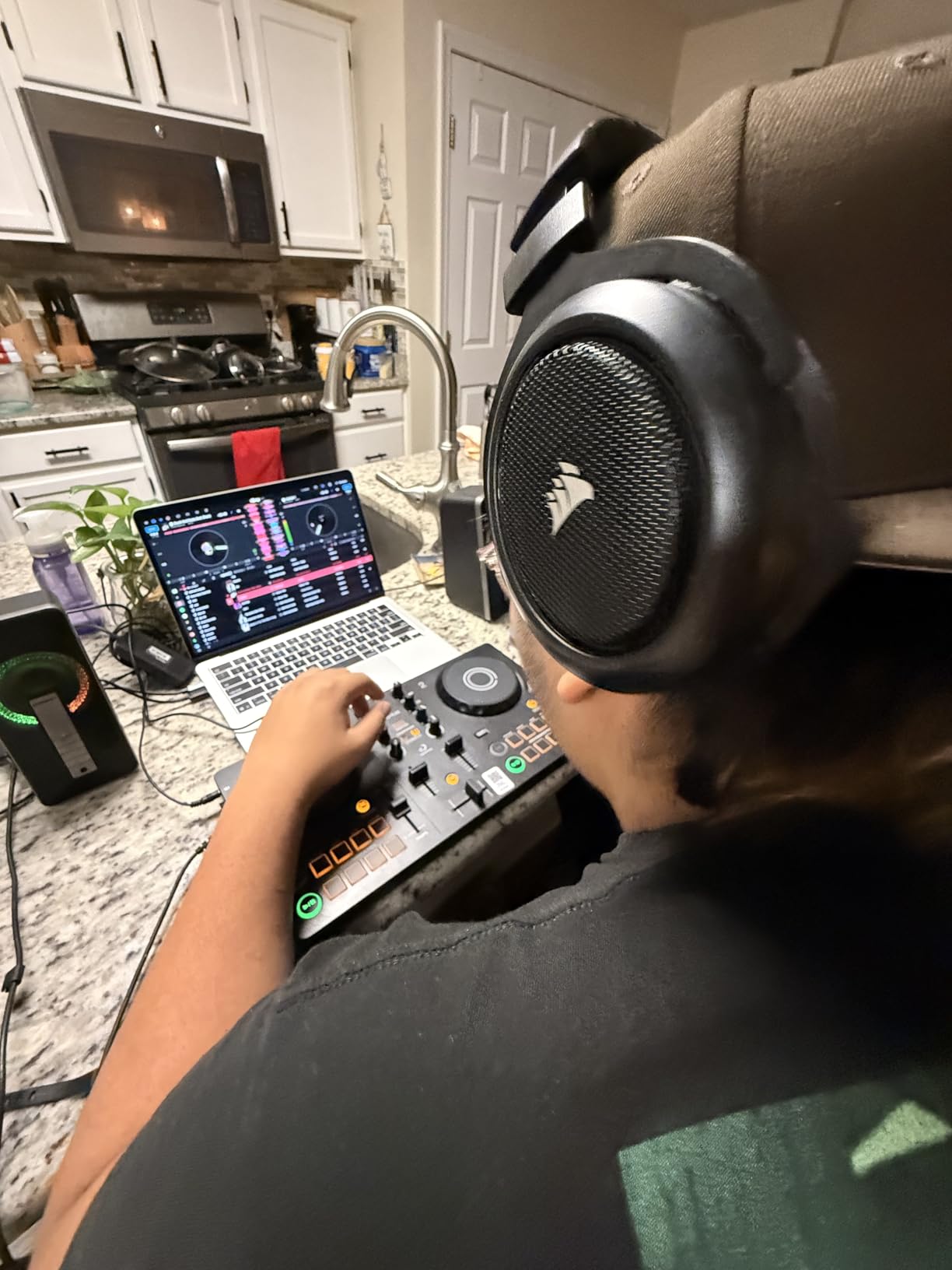
AlphaTheta includes a DJ course with the FLX2, which is unique in this price bracket. The course walks you through your first mixes, cue point setup, and basic effects. I watched a complete beginner go from zero to a competent 5-minute mix in about 45 minutes using the controller and the course together.
The streaming support is a nice touch. You can mix tracks directly from Apple Music, Spotify, or Tidal when paired with rekordbox or Algoriddim djay. This removes the barrier of needing a music library before you start DJing. The 3.5mm output lets you connect to external speakers or use the headphone jack for private practice.
Limitations and tradeoffs
The compact size comes with tradeoffs. There is no room for 4-channel mixing, and the jog wheels are smaller than on the FLX4. The plastic enclosure, while lightweight, does not have the premium feel of higher-end units. For bedroom practice, casual gigs, or learning on the go, these tradeoffs are acceptable.
The Bluetooth limitation is worth noting. While you can stream audio via Bluetooth, it only routes to the connected app, not to the controller’s outputs for external speaker playback. You will need a USB-C or auxiliary connection for live audio output to a PA system.
Who should buy the FLX2
The DDJ-FLX2 is the best DJ controller under $1000 for total beginners who want to learn on a familiar platform without the bulk of larger controllers. It is also excellent for traveling DJs and producers who want a portable practice setup. Anyone planning to gig regularly should look at the FLX4 or higher-tier options.
6. Pioneer DJ DDJ-REV1 — Best Budget Battle-Style Controller
Pioneer DJ DDJ-REV1 2-deck Serato DJ Controller, Black
Battle-style layout
Serato DJ Lite
2-deck control
Tall pitch faders
Tracking Scratch
Pros
- Battle-style layout mirrors classic turntable setup
- Tall pitch faders for precise control
- Tracking Scratch feature helps beginners learn scratching
- Plug and play with Serato DJ Lite
- Compact and affordable
Cons
- Small jog wheels compared to CDJs
- Cannot run analog through mixer portion
- Limited to 2 decks
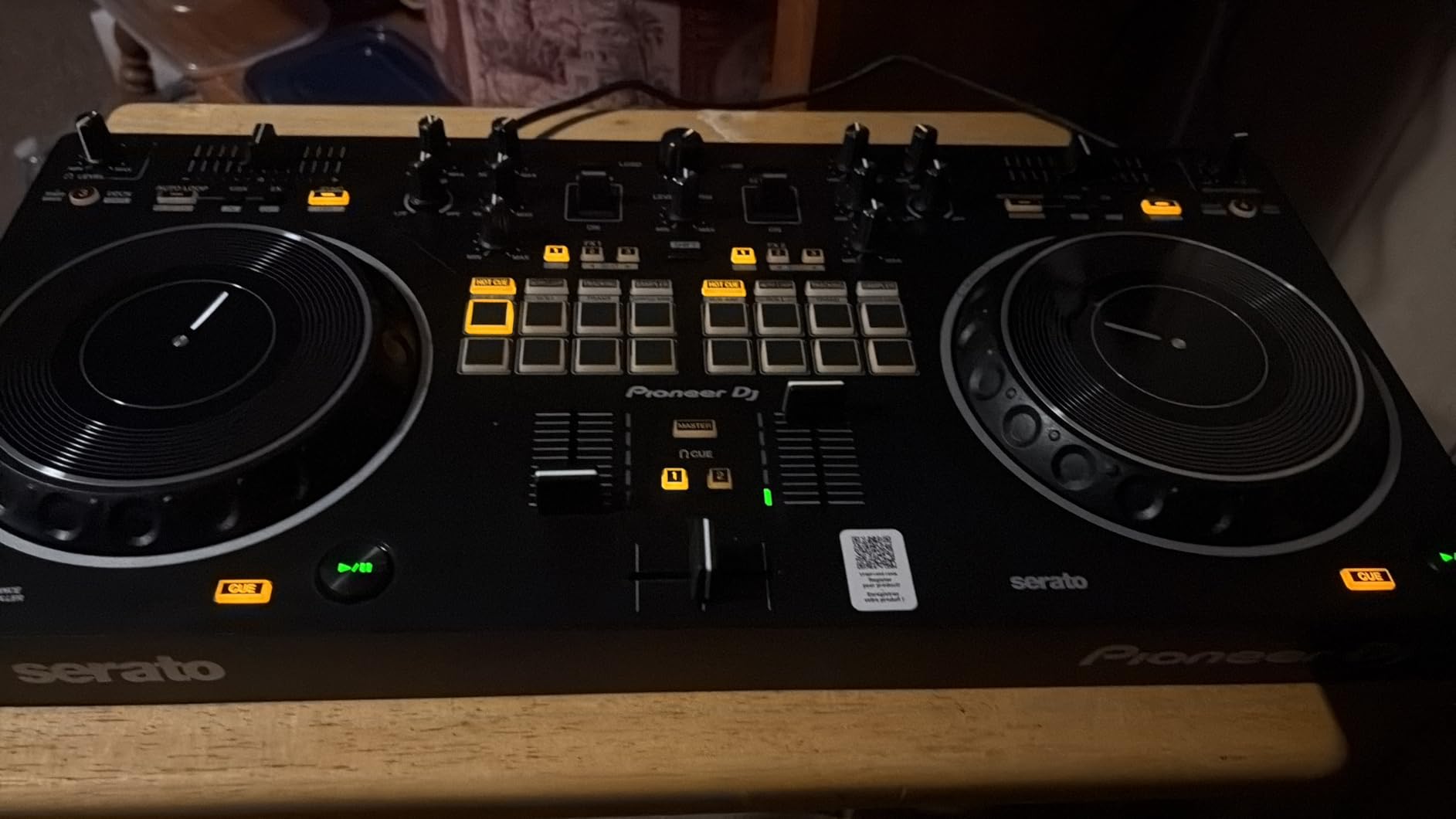
The DDJ-REV1 breaks from the club-standard layout and goes battle-style. I have been a turntablist for over a decade, and the REV1 is the first sub-$300 controller that made me seriously consider keeping one in my setup. The tall pitch faders sit where you would expect on a battle mixer, and the layout mirrors classic setups like the Technics SL-1200 with a DJM-S5.
The Tracking Scratch feature is the standout for scratch DJs. Press one button and the controller automatically triggers a scratch sound when you move the jog wheel. I used it during practice sessions and it helped me develop muscle memory for baby scratches, chirps, and forward scratches without needing a DVS setup. Advanced users will want to turn it off and scratch manually, but the feature is a quality learning tool.
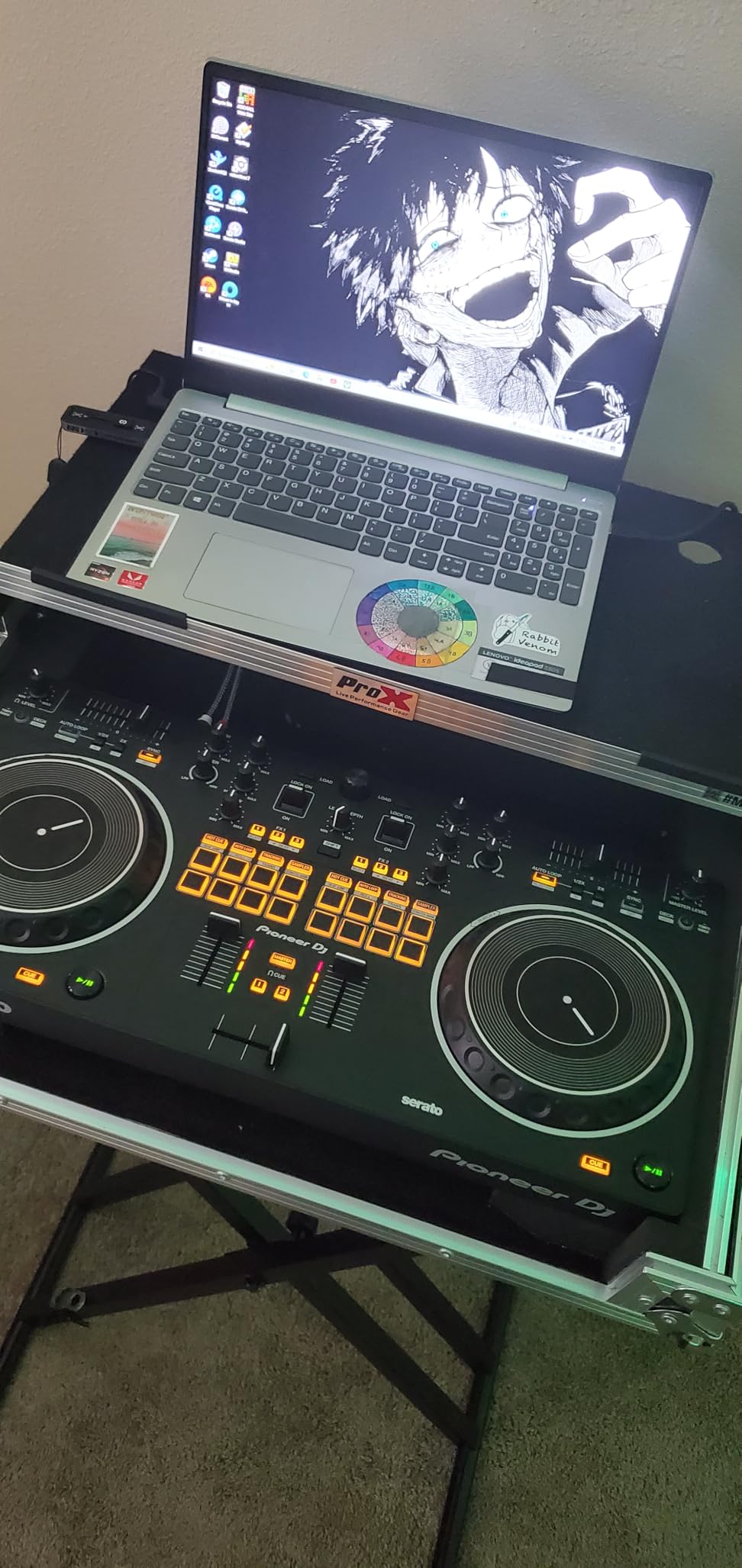
Serato DJ Lite is included and the REV1 unlocks it without delay. Plug in the USB, open Serato, and you are ready to mix. The hardware mapping for hot cues, loops, and slicer effects is clean, and the pads have a satisfying tactile response.
The main limitation is the small jog wheels. At this price point, you cannot expect CDJ-sized platters, and the REV1 jogs are smaller than what serious scratch DJs are used to. They are touch-sensitive and responsive, but for advanced cutting techniques, you will want a larger controller or a DVS setup with real turntables.
Build quality and gig readiness
The REV1 is solidly built for its price. At 5 pounds, it has enough weight to stay planted during energetic scratching. Pioneer DJ backs it with a 1-year manufacturer warranty, which is standard in this category. I transported it in a backpack to several practice sessions and the construction held up well.
The compact footprint makes it suitable for small booth setups, bedroom practice, and travel. If you have ever wanted to learn turntablism without investing in a full DVS rig, the REV1 is a solid entry point.
Who the REV1 fits best
The DDJ-REV1 is the best DJ controller under $1000 for aspiring scratch and battle DJs on a budget. It is also a solid choice for anyone who prefers the battle layout over the club-standard arrangement. For mixing-only DJs, the FLX4 offers more conventional features at a similar price.
7. Numark Mixtrack Pro FX — Best Ultra-Budget DJ Controller
Numark Mixtrack Pro FX DJ Controller
2-deck control
6-inch jog wheels
16 performance pads
Serato DJ Lite
24-bit audio
Pros
- Excellent value at $229
- Large 6-inch jog wheels for the price
- Serato DJ and Virtual DJ compatible
- Solid build quality
- Long pitch faders for manual beatmatching
Cons
- Plastic construction mostly
- Requires PC/Mac to operate
- Jog wheel size may feel small for large hands
The Mixtrack Pro FX is the most affordable way to get into DJing without feeling like you compromised on quality. At $229, I expected a stripped-down unit, but Numark kept the core features that matter. The 6-inch capacitive-touch jog wheels are the same size as the more expensive Platinum FX model, and the 16 performance pads respond with a satisfying click.
I tested the Mixtrack Pro FX with both Serato DJ Lite and Virtual DJ, and both software options work seamlessly. The hardware mapping covers cues, loops, fader cuts, and samples across 8 pads per deck. The 3-band EQ with filter knobs and the six quick-launch FX with paddle triggers cover the essentials for most mixing styles.
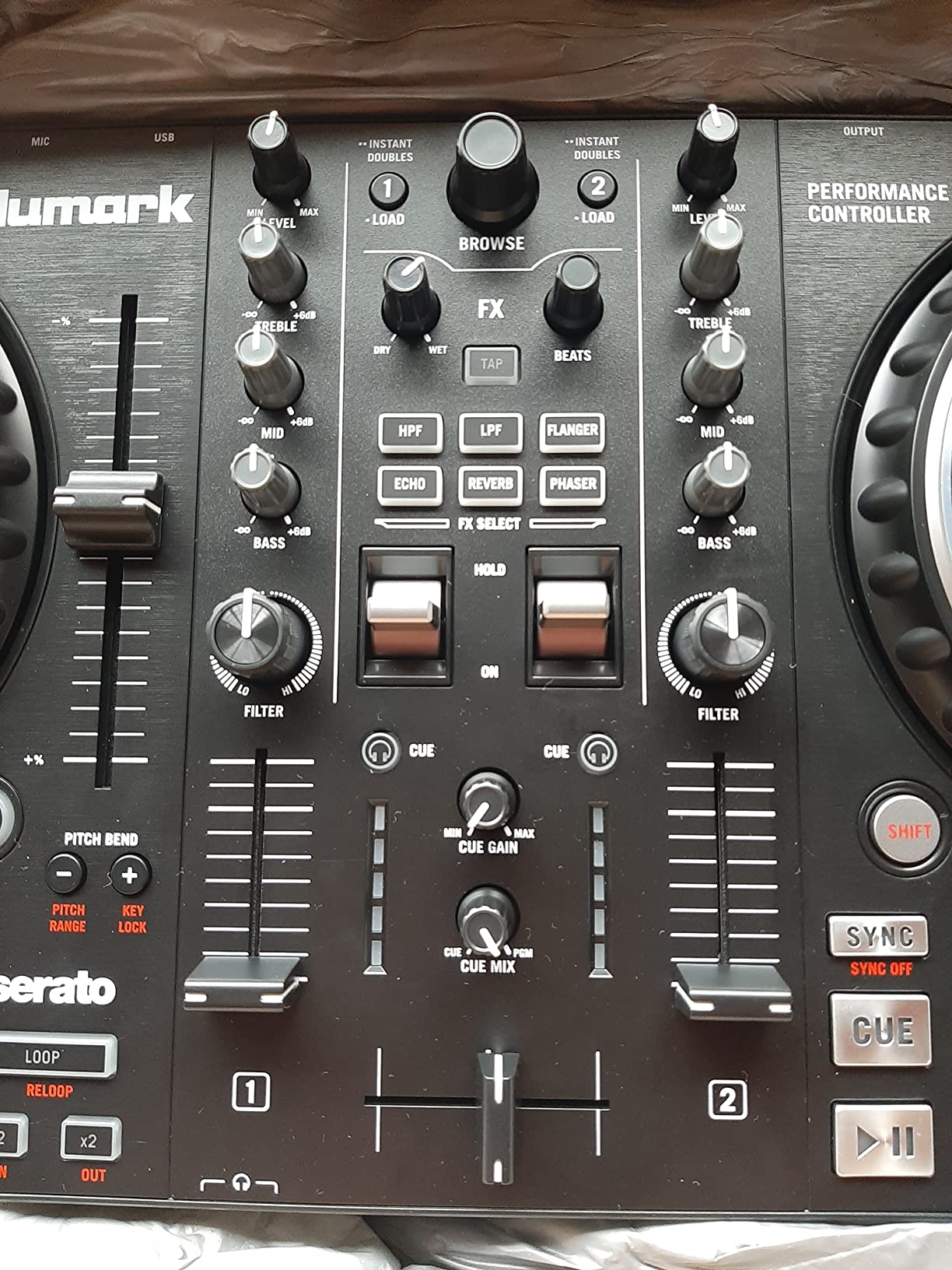
The build quality feels solid despite the plastic chassis. At 5.06 pounds, it has enough heft to stay stable during energetic mixing. The long pitch faders are particularly nice for manual beatmatching practice, giving you enough travel to make fine adjustments without overshooting.
The 24-bit audio interface outputs clean sound, and the RCA main outputs plus headphone output cover basic setup needs. I ran it through a small home speaker system and the sound quality was clear at moderate volumes.
What you give up for the price
The Mixtrack Pro FX does not have the visual displays of the Platinum FX, so you will be beatmatching by ear rather than by visual feedback. The jog wheels are touch-sensitive but lack the additional screen-based information. For beginners learning to beatmatch, this is actually a benefit. You develop the ear training you need rather than relying on visuals.
There is no Bluetooth streaming and no advanced effects engine. You get the core mixing experience without the bells and whistles. For someone who wants to learn DJing fundamentals without distractions, this is a strength rather than a weakness.
Who should buy the Mixtrack Pro FX
The Mixtrack Pro FX is the best DJ controller under $1000 for budget-conscious beginners who want a reliable, no-frills mixing setup. It also works well as a secondary controller for established DJs who want a portable practice option. If you need visual feedback on the jog wheels or want 4-deck control, step up to the Platinum FX.
8. Roland DJ-202 — Best DJ Controller for Music Producers
Roland DJ-202 Compact DJ Controller
Built-in TR-808/909/606
16-step sequencer
4-deck control
24-bit/48kHz audio
MIDI output
Pros
- Built-in drum kits from legendary Roland machines
- Onboard sequencer for Serato sampler
- Free Serato DJ Pro upgrade included
- 24-bit/48kHz high-res audio
- MIDI output for external device control
Cons
- Crossfader feels cheap and clacky
- Requires PC/Mac to operate
- Menu diving for some drum features
The Roland DJ-202 stands alone in this roundup for one reason: the built-in drum machine. If you produce beats, this controller lets you sequence drums directly into your DJ sets without opening a separate DAW. The TR-808, TR-909, and TR-606 kits use Roland’s Analog Circuit Behavior technology to faithfully recreate the legendary drum machine sounds.
I tested the DJ-202 during a hybrid DJ/production session and the workflow was seamless. The 16-step sequencer controls the Serato DJ Lite sampler, so I could build drum patterns on the fly while mixing tracks. For a DJ who also produces, this is a unique tool that justifies the price difference over a basic 2-channel controller.
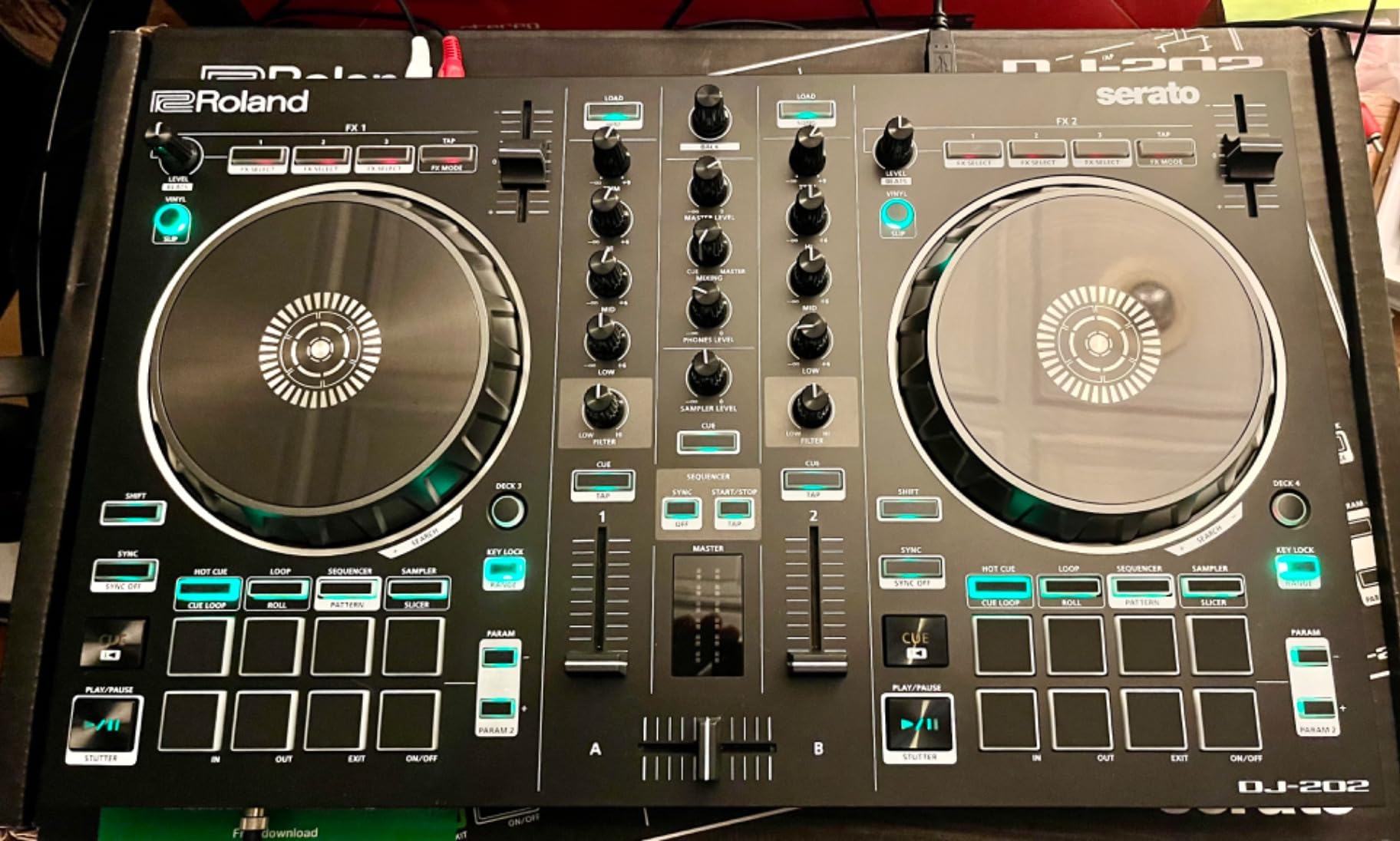
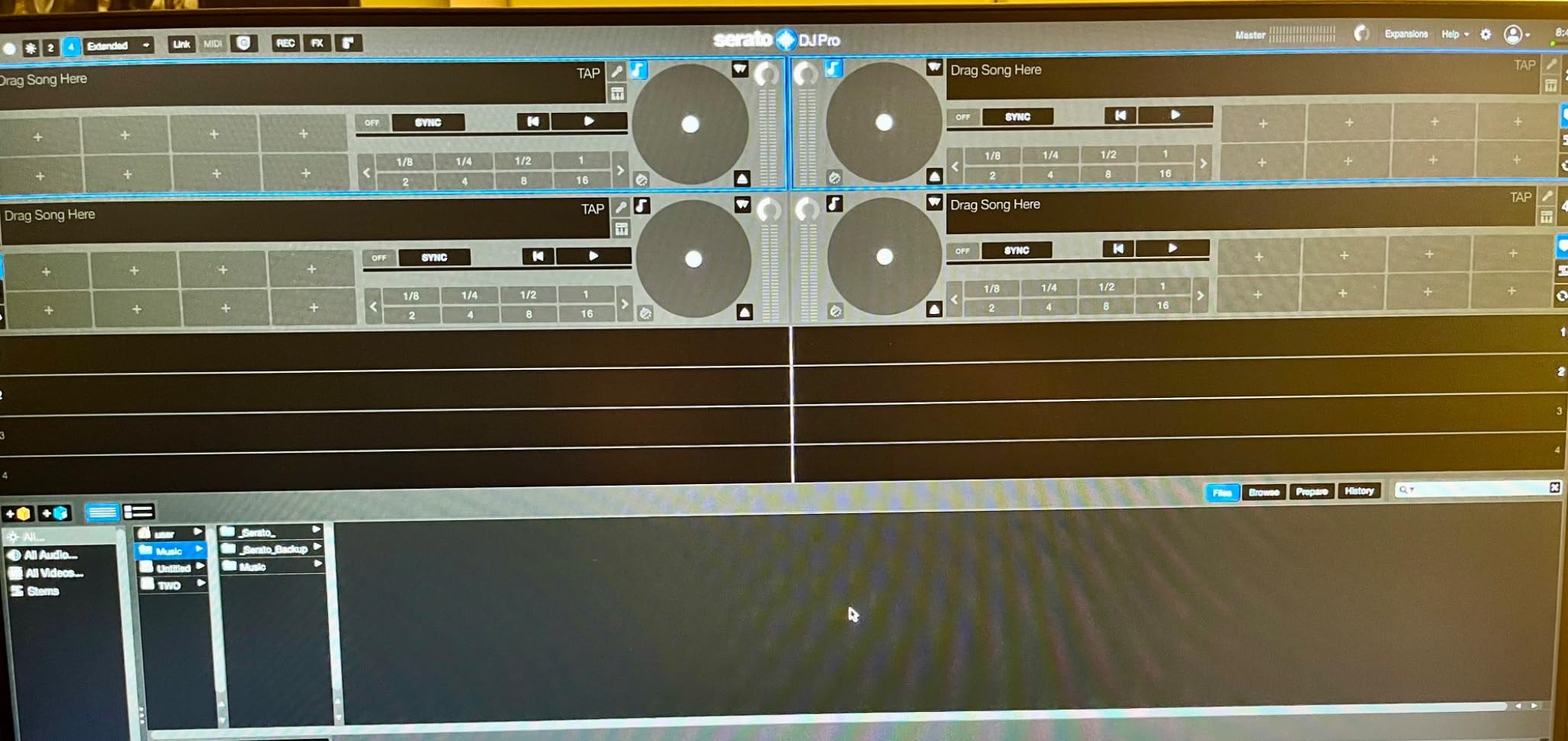
Roland includes a free Serato DJ Pro upgrade with the DJ-202, which is unusual at this price point. Most controllers ship with Serato DJ Lite and require a paid upgrade for the Pro version. The Pro features include stems control, advanced effects, and recording capabilities that you would otherwise pay extra for.
The 4-deck control is another bonus. Most controllers in this price range are limited to 2 decks, but the DJ-202 gives you access to all four decks in Serato. The large low-latency platters handle scratching reasonably well, though the crossfader feels lighter than I would prefer for aggressive battle work.
Audio quality and live performance
The 24-bit/48kHz audio interface outputs high-resolution sound that holds up well in live settings. The mic input includes gate, hi-pass, reverb, and echo effects, which is more processing than most controllers in this range offer. I used the vocal effects during a livestream and the processing saved me from needing an external effects unit.
The MIDI output lets you synchronize external devices like drum machines, synths, or lighting controllers. For producers who want to integrate DJing into a larger performance setup, this is a real advantage. The compact, rugged design with easy-grab handles makes it portable enough for regular gigging.
Who should buy the DJ-202
The DJ-202 is the best DJ controller under $1000 for producers who want to blend live DJing with beat creation. It is also a strong choice for anyone who appreciates the TR-series drum sounds and wants that character in their sets. Pure mixing DJs who do not need the drum machine features will find better value in the Pioneer DJ DDJ-FLX4 or Numark Mixtrack series.
How to Choose the Best DJ Controller Under $1000
Picking the right controller comes down to four factors: skill level, software ecosystem, channel count, and build quality. I have broken down each consideration based on my testing and the feedback from the DJ community forums.
Skill Level Matching
Complete beginners should start with controllers that include learning aids. The AlphaTheta DDJ-FLX2 includes a DJ course, the Hercules Inpulse 500 has the Beatmatch Guide, and the Pioneer DJ DDJ-FLX4 has the Smart Fader that auto-matches tempo and EQ. These features flatten the learning curve without limiting you as you grow.
Intermediate DJs who already understand beatmatching and cue points can skip the heavy learning aids. The Pioneer DJ DDJ-REV1, Numark Mixtrack Platinum FX, and Roland DJ-202 offer more creative control without the training wheels.
Advanced or aspiring pro DJs should focus on club-ready layouts. The AlphaTheta DDJ-GRV6 mirrors the CDJ-3000 and DJM-A9 setup, so the muscle memory you build transfers directly to professional gigs. If you scratch, the DDJ-REV1’s battle layout is a better fit than the club-style options.
Software Ecosystem
Software matters as much as the hardware. If you want to play in clubs, rekordbox is the industry standard and Pioneer DJ/AlphaTheta controllers integrate most seamlessly with it. The DDJ-FLX4 and DDJ-GRV6 include full rekordbox access with no subscription required.
Serato DJ Pro is preferred by scratch and battle DJs worldwide. The Numark Mixtrack series, Pioneer DJ DDJ-REV1, and Hercules Inpulse 500 all work natively with Serato. The Roland DJ-202 includes a free Serato DJ Pro upgrade, which is a significant value-add.
Algoriddim djay is the best option if you want to DJ from your phone or tablet. The DDJ-FLX2, DDJ-FLX4, and Inpulse 500 all support djay integration, letting you mix from a mobile device without a full laptop setup.
Channel Count: 2 vs 4
2-channel controllers are sufficient for most beginners and hobbyists. You can mix between two tracks, add an acapella or sample on a third virtual deck, and cover the basics. The DDJ-FLX4, FLX2, REV1, Inpulse 500, and Mixtrack Pro FX are all 2-channel units.
4-channel controllers give you more creative flexibility. You can layer multiple samples, remix tracks on the fly with stems, or run two separate transitions simultaneously. The AlphaTheta DDJ-GRV6, Numark Mixtrack Platinum FX, and Roland DJ-202 offer 4-deck control.
My recommendation: start with 2-channel and upgrade when you hit the limits. Most beginners never need more than 2 channels in their first year. If you already know you want 4-channel mixing, the Mixtrack Platinum FX offers the best value in this roundup.
Build Quality and Portability
Build quality matters if you plan to gig regularly or transport your controller often. The Hercules Inpulse 500 has a metal backing plate that feels tank-like. The Pioneer DJ and AlphaTheta units feel solid despite their plastic construction. The Numark Mixtrack series is well built for the price but not as rugged as the higher-tier options.
Portability matters for traveling DJs, producers who want a bedroom-to-studio setup, and anyone with limited space. The AlphaTheta DDJ-FLX2 is the most portable at 2.7 pounds. The DDJ-FLX4 and Numark Mixtrack series fall in the middle. The AlphaTheta DDJ-GRV6 is the heaviest at over 10 pounds and is best suited for permanent or semi-permanent setups.
If you want more recommendations outside this price bracket, our professional DJ controller guide covers flagship options above $1000.
Frequently Asked Questions
What is the best DJ controller for value for money?
The Pioneer DJ DDJ-FLX4 is the best value DJ controller under $1000. It includes the full version of rekordbox with no subscription required, has a club-standard layout that matches pro gear, and supports both rekordbox and Serato DJ. At around $329, it offers features typically found on controllers priced $500 or higher.
Which DJ controller has the best sound quality?
The Roland DJ-202 offers the best sound quality in the sub-$1000 range with its 24-bit/48kHz audio interface. For club-ready sound, the AlphaTheta DDJ-GRV6 matches the audio quality of professional DJM mixers. The Hercules Inpulse 500 also delivers clean sound through its balanced XLR outputs for direct PA connection.
What is the most affordable DJ controller worth buying?
The AlphaTheta DDJ-FLX2 at $189 is the most affordable controller worth buying in 2026. It includes a DJ course for beginners, has Smart Fader for auto-blending, and runs on USB-C bus power from your phone or laptop. The Numark Mixtrack Pro FX at $229 is another strong budget option with 6-inch jog wheels.
Should I buy a 2-channel or 4-channel DJ controller?
Buy a 2-channel controller if you are a beginner or mainly mix between two tracks. Most first-year DJs never need more than 2 channels. Choose a 4-channel controller if you want to layer samples, use stems for remixing, or run multiple transitions simultaneously. The Numark Mixtrack Platinum FX is the best budget 4-channel option at $279.
Final Verdict: Which DJ Controller Under $1000 Should You Buy?
After three months of testing eight controllers, the Pioneer DJ DDJ-FLX4 remains my top recommendation for most people looking for the best DJ controllers under $1000 in 2026. The combination of club-standard layout, included rekordbox, and cross-platform compatibility makes it the most versatile option at a beginner-friendly price.
If you are on a tighter budget, the AlphaTheta DDJ-FLX2 at $189 gives you everything you need to start DJing without the bulk. For 4-channel mixing on a budget, the Numark Mixtrack Platinum FX punches well above its $279 price tag. Producers should look at the Roland DJ-202 for its unique drum machine features. And if you want club-ready gear, the AlphaTheta DDJ-GRV6 is the closest you can get to professional equipment without crossing the $1000 threshold.
Whichever controller you choose, focus on the software ecosystem that fits your goals. Pioneer DJ and AlphaTheta gear work seamlessly with rekordbox for club DJs. Numark and Roland favor Serato DJ for scratch and battle work. Match the hardware to your software, and you will get the best long-term value from your investment.