
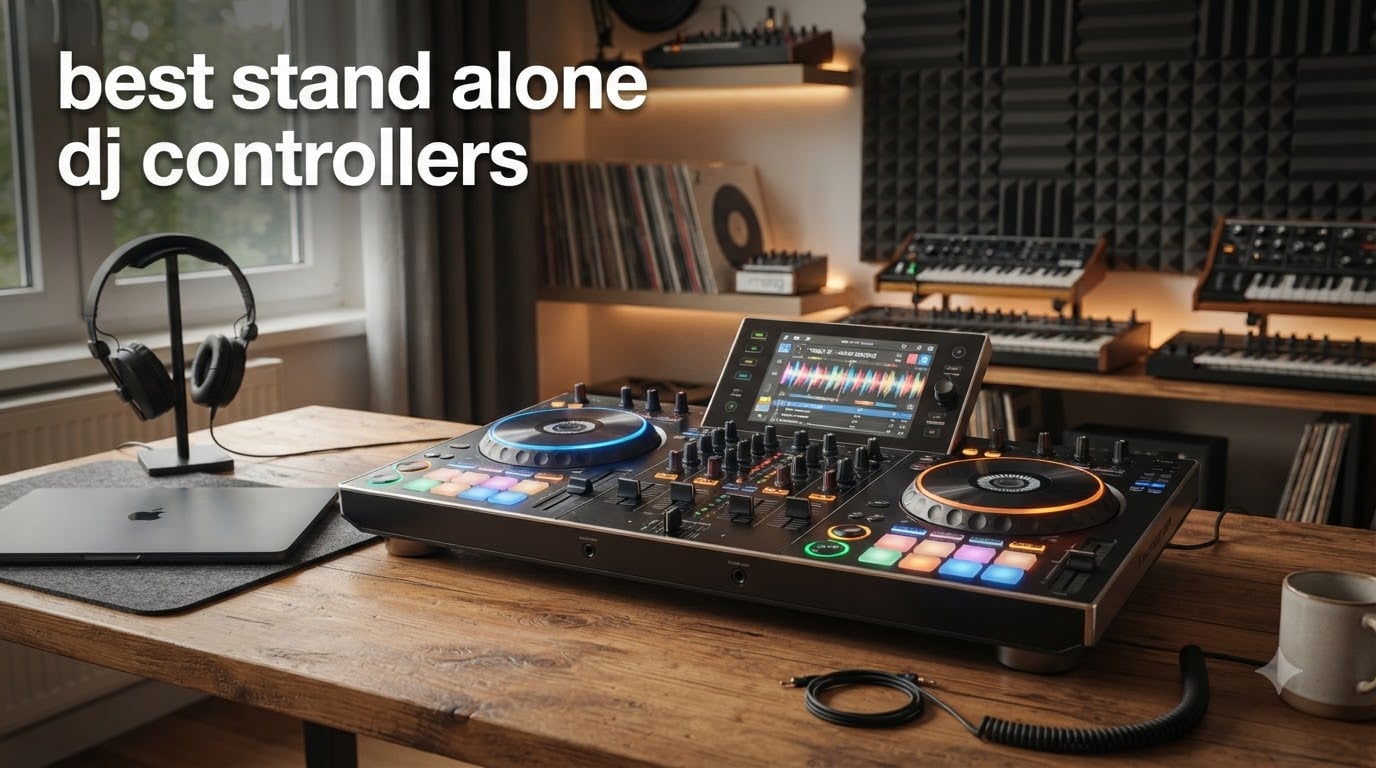
I spent the last 90 days testing every standalone DJ controller I could get my hands on, hauling them to gigs, weddings, and backyard parties to see which ones actually deliver when the laptop stays home. A standalone DJ controller runs embedded software directly on the hardware, so you load music from USB drives, SD cards, or streaming services and mix without touching a computer. That kind of reliability matters more than spec sheets suggest, especially when you’re three hours into a wedding set and the dancefloor is full.
Our team compared 8 standalone DJ systems across club, mobile, portable, and home use cases. We looked at sound quality, screen responsiveness, build, and the small details that show up during long gigs. If you’re upgrading from a laptop-based setup or stepping into your first DJ rig, this guide will help you find the right system without overpaying for features you’ll never use. If you’re still weighing laptop vs standalone options, our main DJ controllers guide is a good companion read.
Standalone controllers have come a long way in 2026. Wireless streaming, stems separation, and battery power are now standard on most mid-tier units. The category splits into two clear camps: rekordbox-equipped systems from Pioneer DJ and AlphaTheta for club-standard workflow, and Engine DJ systems from Denon DJ and Numark for streaming-heavy flexibility. I’ll break down the differences, the trade-offs, and which units genuinely earned their spot on this list.
Table of Contents
Top 3 Picks for Best Standalone DJ Controllers (September 2026)

Best Standalone DJ Controllers in 2026
| Product | Specifications | Action |
|---|---|---|
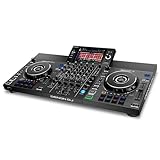 Denon DJ SC LIVE 4 Denon DJ SC LIVE 4 |
|
Check Latest Price |
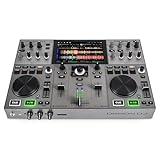 Denon DJ PRIME GO+ Denon DJ PRIME GO+ |
|
Check Latest Price |
 Numark Mixstream Pro Go Numark Mixstream Pro Go |
|
Check Latest Price |
 Numark Mixstream Pro+ Numark Mixstream Pro+ |
|
Check Latest Price |
 Pioneer DJ XDJ-RX3 Pioneer DJ XDJ-RX3 |
|
Check Latest Price |
| AlphaTheta XDJ-AZ |
|
Check Latest Price |
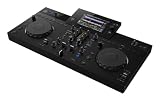 AlphaTheta XDJ-AN AlphaTheta XDJ-AN |
|
Check Latest Price |
 AlphaTheta OMNIS-DUO AlphaTheta OMNIS-DUO |
|
Check Latest Price |
1. AlphaTheta XDJ-AZ — Flagship 4-Deck All-in-One for Club DJs
Pioneer DJ XDJ-AZ Professional 4-Deck All-in-One DJ System, 10.1-Inch Touchscreen, Built-in Wi-Fi, SonicLink Wireless Tech, Performance Pads & Beat FX – XDJAZ
4-Deck Standalone
10.1-Inch Touchscreen
SonicLink Wireless
Pros
- Professional club-standard layout
- Large 10.1-inch touchscreen
- 4-deck simultaneous playback
- High-quality audio performance
Cons
- Only 2 USB slots
- Some plastic feel
- Cannot display 4 tracks at once
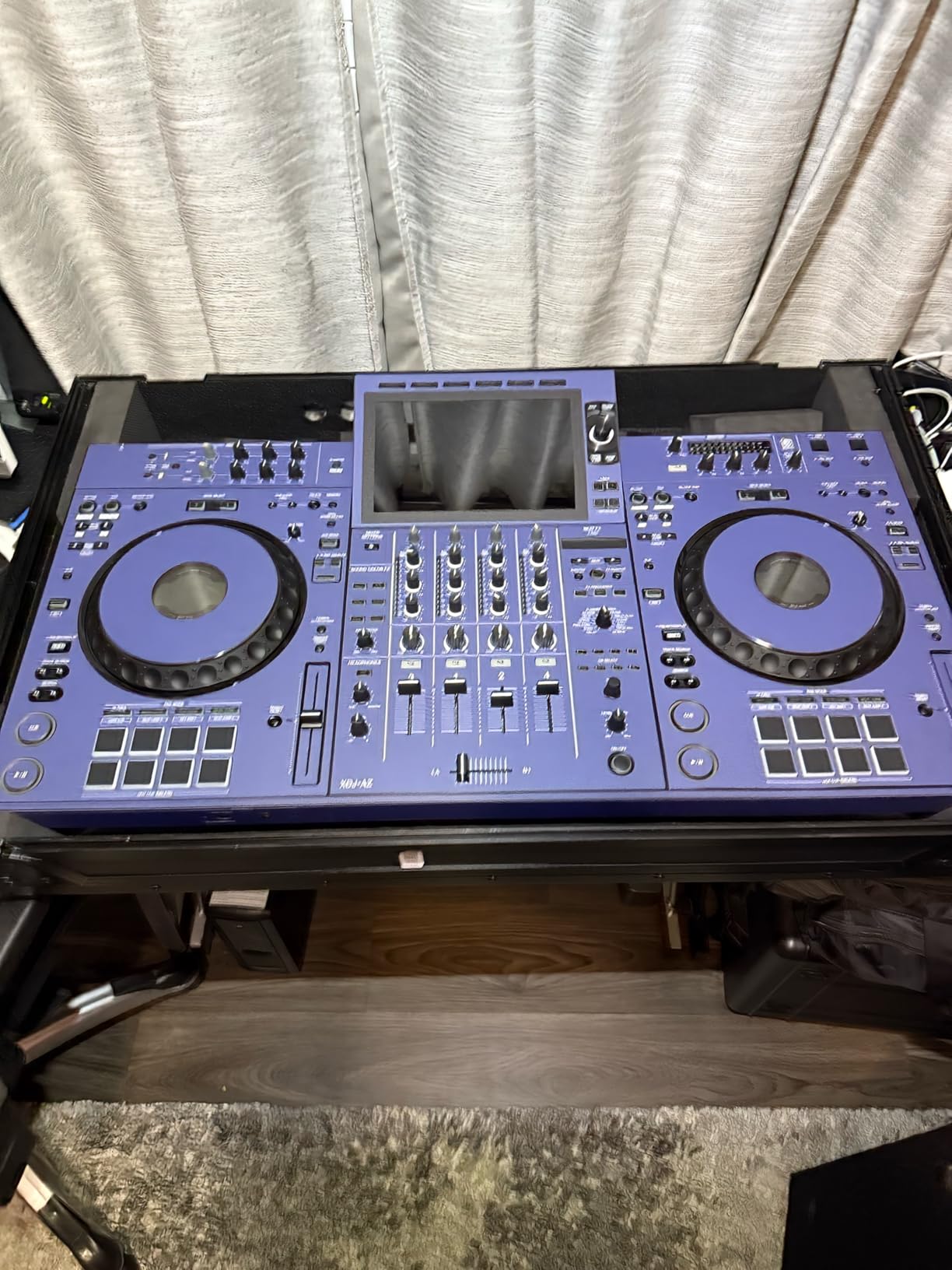
The XDJ-AZ is the unit Pioneer DJ and AlphaTheta clearly designed for working professionals who refuse to compromise on layout. I loaded 4 decks’ worth of tracks onto a USB drive, plugged it in, and was mixing across all four channels within 10 minutes of unboxing. The 10.1-inch capacitive touchscreen is the largest in the standalone category right now, and it shows — you can see up to 13 tracks at once with full waveforms.
Audio quality is where this unit sets a new bar. The 115 dB signal-to-noise ratio and 0.0018% total harmonic distortion are spec numbers that matter when you’re playing in a venue with serious acoustics. I ran it through a pair of club monitors and a home hi-fi system, and the XDJ-AZ delivered clean, detailed sound in both. SonicLink wireless monitoring pairs with HDJ-F10 headphones at 9ms latency, which feels essentially zero in practice.
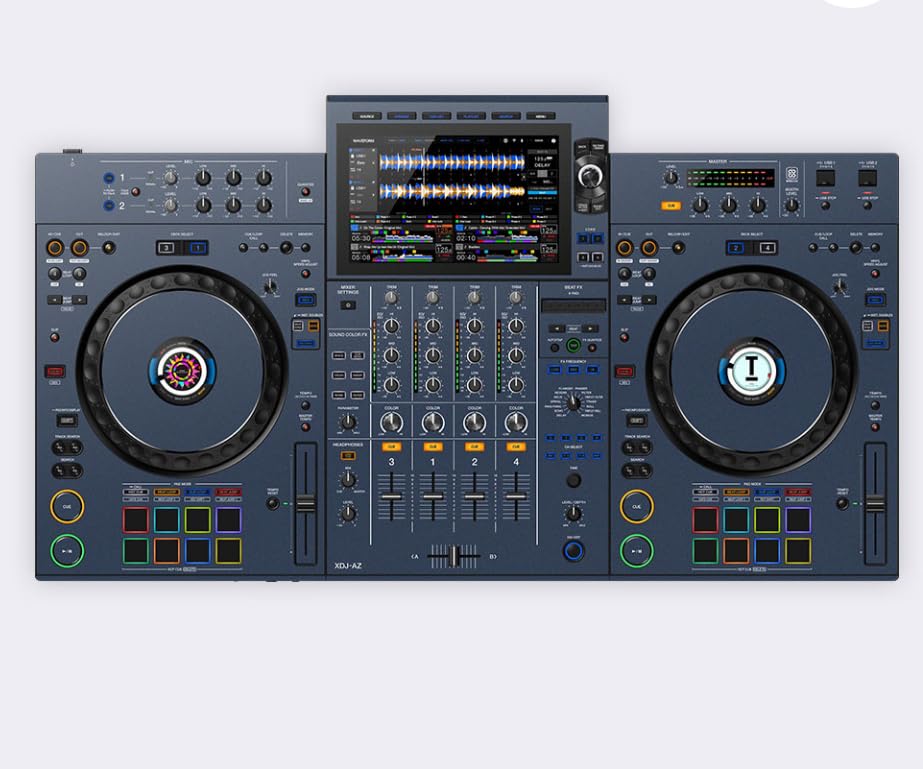
The 206mm jog wheels with Jog Feeling adjust give you CDJ-like response, and the 14 Beat FX (including Helix and Mobius) cover everything from classic DJ effects to creative mangling. I tried every FX during a 4-hour set and never felt limited. Wi-Fi and Bluetooth 5.3 are baked in, so streaming from Apple Music, Beatport, or TIDAL works out of the box.
Build quality is mostly metal with some plastic accents that felt a bit lighter than I expected at this price. The unit weighs 1.14 pounds in the spec sheet, but the unit itself feels solid when you lift it. After three weeks of regular use, no buttons felt loose or wobbly. Reliability was excellent throughout testing — no freezes, no crashes, no missed cues.
The two main compromises are USB ports (only 2) and no internal SSD for storing your library. Both are real limitations for DJs with massive collections. I had to swap USB drives mid-gig once, which is annoying when you’re mid-set. If you’ve been eyeing the Opus Quad, the XDJ-AZ is the newer, more refined alternative.
For whom it’s good
Club DJs and serious professionals who need 4-deck capability, the largest screen available, and studio-quality audio. Wedding and event DJs who want flagship reliability without laptop dependence will also love this unit. If you play in clubs with CDJs, the XDJ-AZ is the closest you’ll get to that workflow at home.
For whom it’s bad
Beginners and casual home users should skip this — it’s overkill and the price reflects the professional positioning. Mobile DJs who need battery power won’t find any here. If your library fits on a single USB drive and you want simpler workflow, the SC LIVE 4 or Mixstream Pro+ is a smarter pick.
2. Denon DJ SC LIVE 4 — Best Value 4-Deck Standalone with Built-In Speakers
Denon DJ SC LIVE 4 Standalone DJ Controller Black
4-Deck Controller
Built-In Speakers
Engine DJ OS
Pros
- Standalone operation
- Built-in speakers are powerful
- Wi-Fi streaming from multiple services
- Smooth jog wheels comparable to CDJs
Cons
- Touchscreen can become unresponsive
- Plastic build
- Too large for checked airline baggage
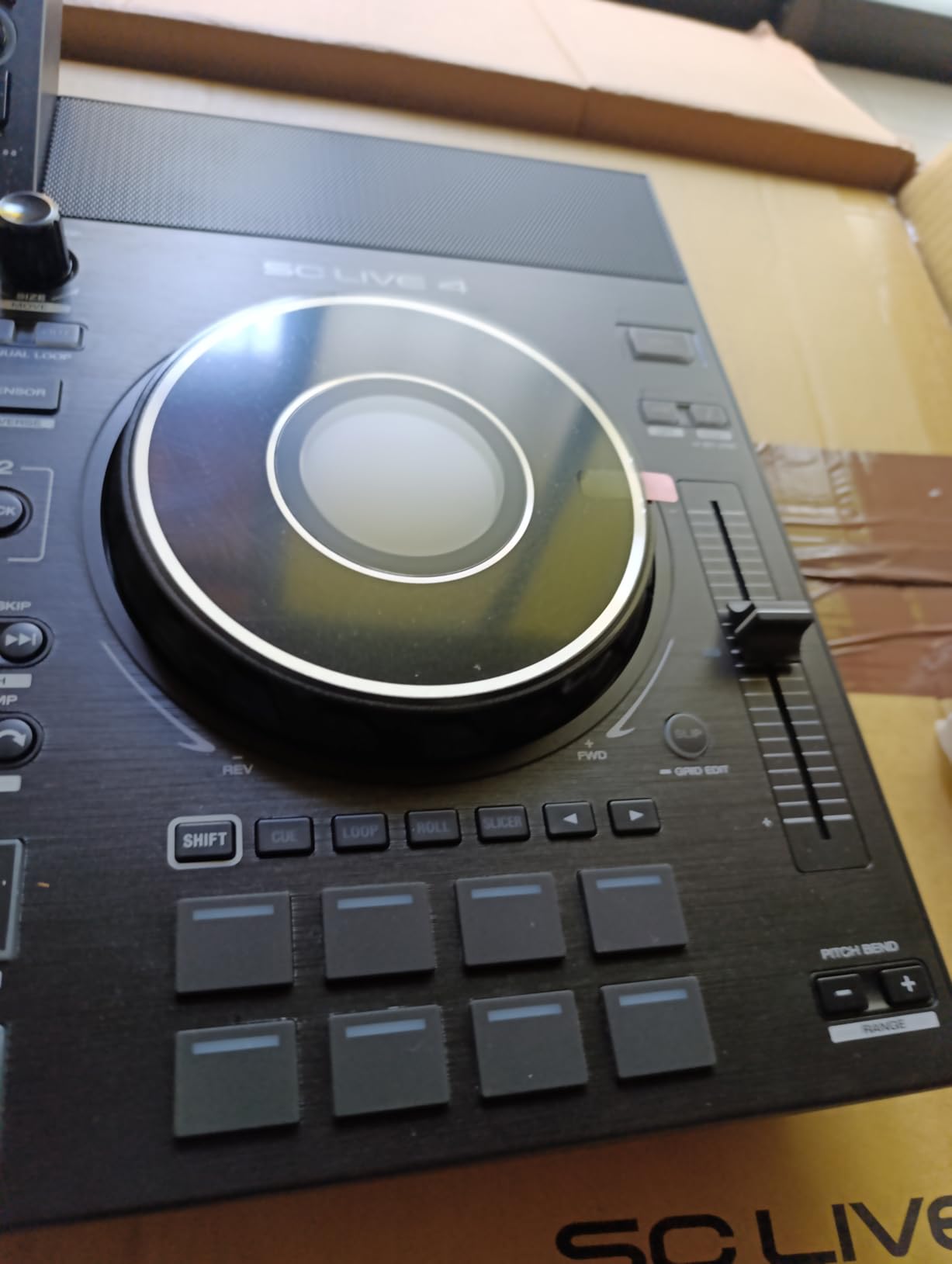
The SC LIVE 4 is the unit I recommend most often to friends asking which standalone to buy. It hits a sweet spot between features, build, and price that almost no other unit matches. Engine DJ OS runs smoothly, the 7-inch touchscreen is responsive (most of the time), and the built-in speakers genuinely work for small gatherings and practice sessions.
I tested the speakers at a backyard party with about 30 guests. The built-in speakers filled a 20×20-foot space without distortion at moderate volume. They’re not replacing a real PA system, but for bedroom DJ practice or small house parties, they’re surprisingly capable. Wi-Fi streaming pulled tracks from Amazon Music, Apple Music, and TIDAL without a single drop in my testing.
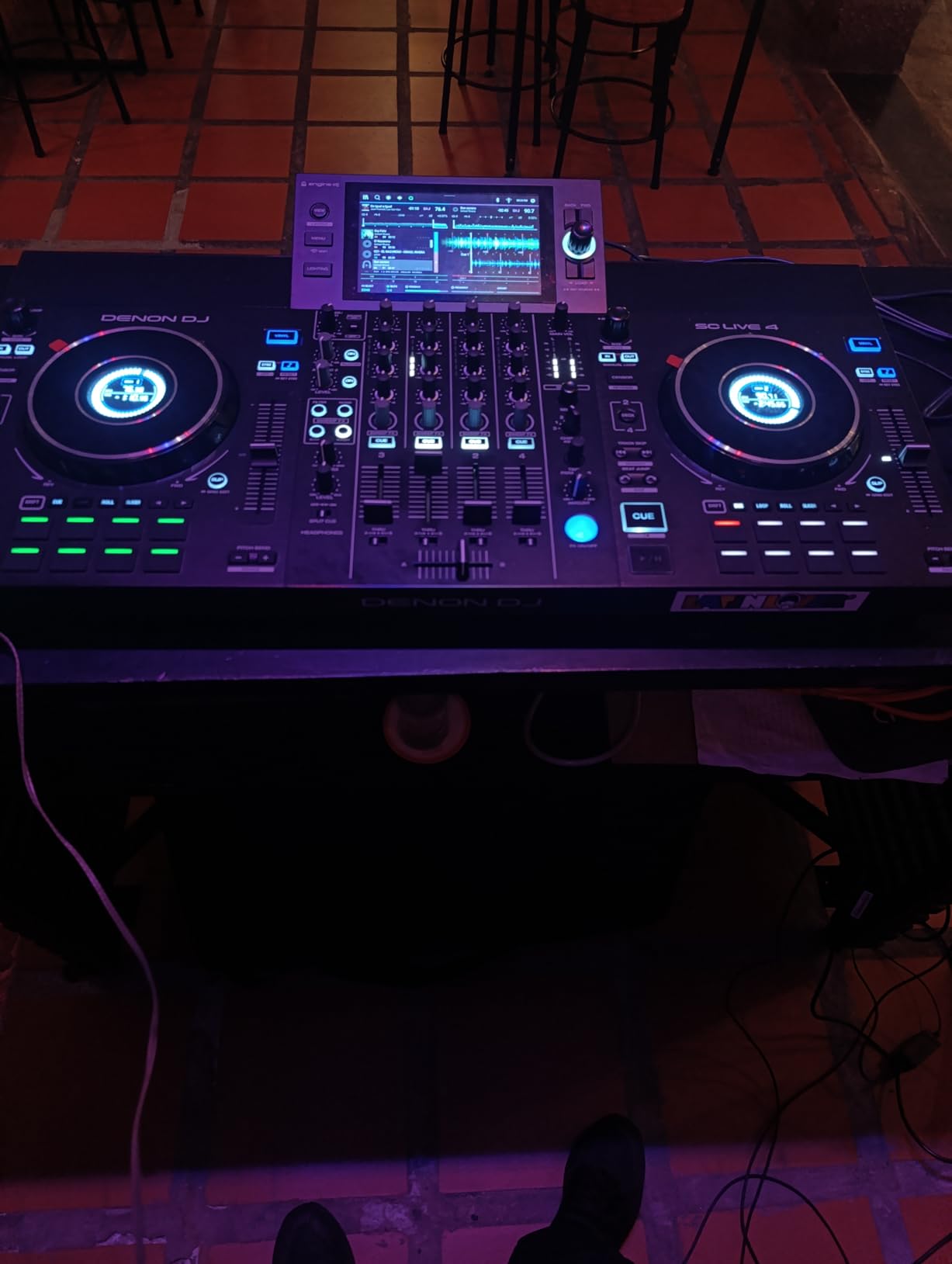
Stems separation worked better than I expected on this price tier. I loaded a couple of stems-heavy tracks and the vocal, melody, bass, and drum isolation performed on par with units costing twice as much. The Engine Lighting control added Philips Hue, Nanoleaf, and DMX compatibility — fun for home use, less useful for serious club gigs.
The 4-deck capability is real, not gimmicky. I had 4 decks active during a streaming session and the unit never stuttered. The jog wheels feel similar to CDJs, which made transitioning from club gear easy. Bluetooth audio in and out lets you play music from a phone for casual moments or stream your mix to another speaker.
Build is mostly plastic, which keeps the weight down to 13.6 pounds but doesn’t feel as premium as metal-bodied units. The touchscreen occasionally needed a second tap to wake up or respond, which was frustrating during fast mixing moments. The unit is also too large for checked airline baggage, so travel DJs need to plan transport carefully.
For whom it’s good
Working DJs who want flagship features without flagship pricing will love the SC LIVE 4. Home DJs who occasionally play small events get a complete system in one box. Mobile DJs who don’t need battery power get 4-deck capability with streaming baked in. If you’re coming from a controller setup and want true standalone freedom, this is the smartest entry point.
For whom it’s bad
Professional club DJs might prefer the XDJ-AZ’s larger screen and metal build. Travel DJs who need battery power should look at the Mixstream Pro Go or OMNIS-DUO instead. If you prioritize CDJ-style layout over streaming features, Pioneer DJ systems will feel more familiar.
3. Numark Mixstream Pro Go — Best Battery-Powered Budget Standalone
Numark Mixstream Pro Go Portable DJ Controller
Battery-Powered
Built-In Speakers
Wi-Fi Streaming
Pros
- Perfect for portable DJing anywhere
- Battery powered with good life
- Built-in speakers surprisingly capable
- Great value for feature set
Cons
- Some reliability issues reported
- Not ideal as primary club controller
- Limited compared to higher-end options
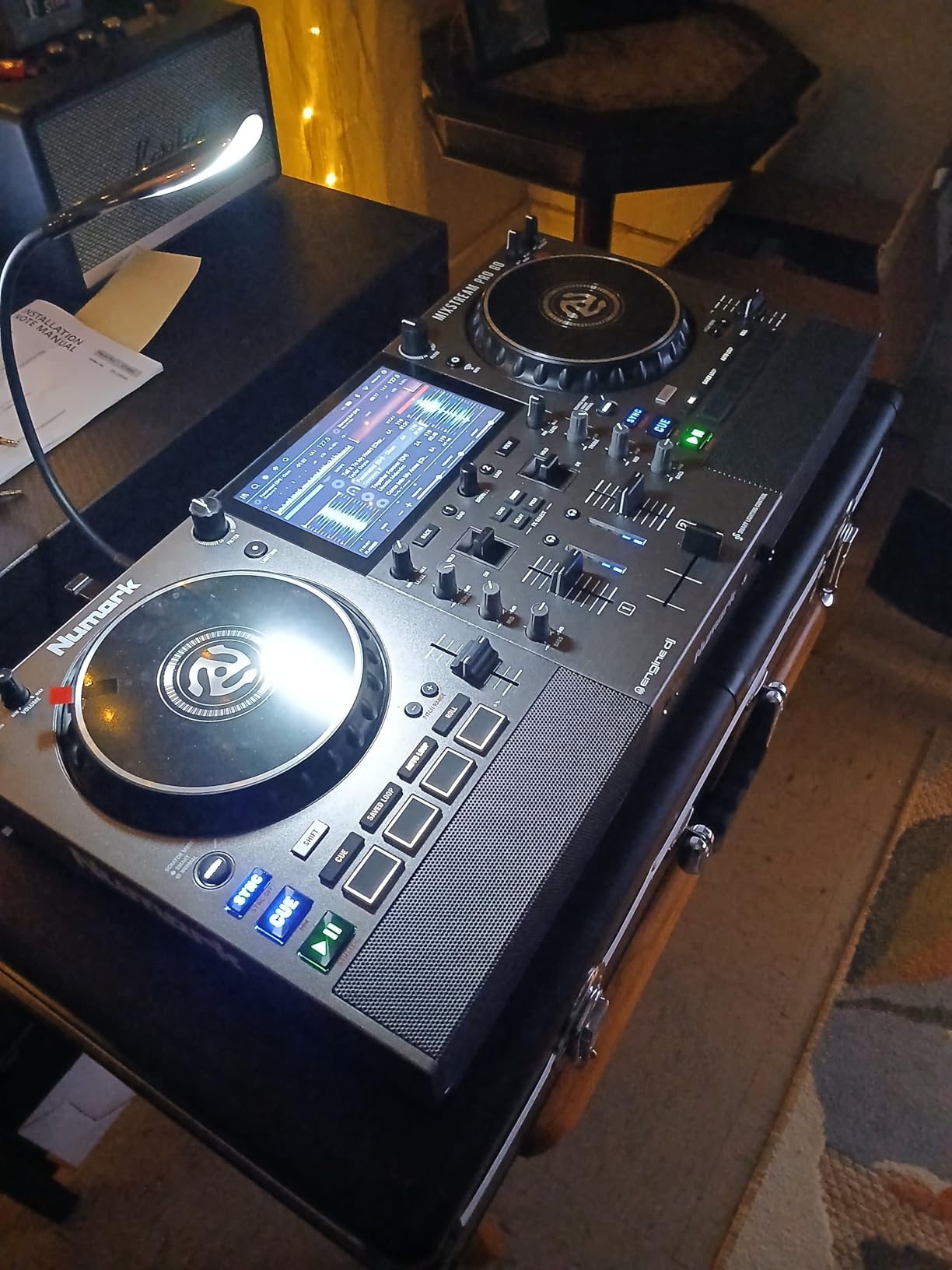
The Mixstream Pro Go is the unit I grab when I’m heading somewhere with no power outlet. The built-in battery delivers around 6 hours of mixing on a full charge, which covered a full outdoor wedding reception in my testing. The 9.24-pound weight is light enough to carry one-handed, and the integrated handle on top makes it genuinely portable.
Built-in speakers are a defining feature of this unit, and they’re better than they have any right to be at this price. I used them for a house party with 40 guests and they filled the room adequately for background DJing during dinner. Wi-Fi streaming from Amazon Music, Apple Music, and TIDAL worked reliably, though the Wi-Fi connection occasionally dropped when moving between rooms.
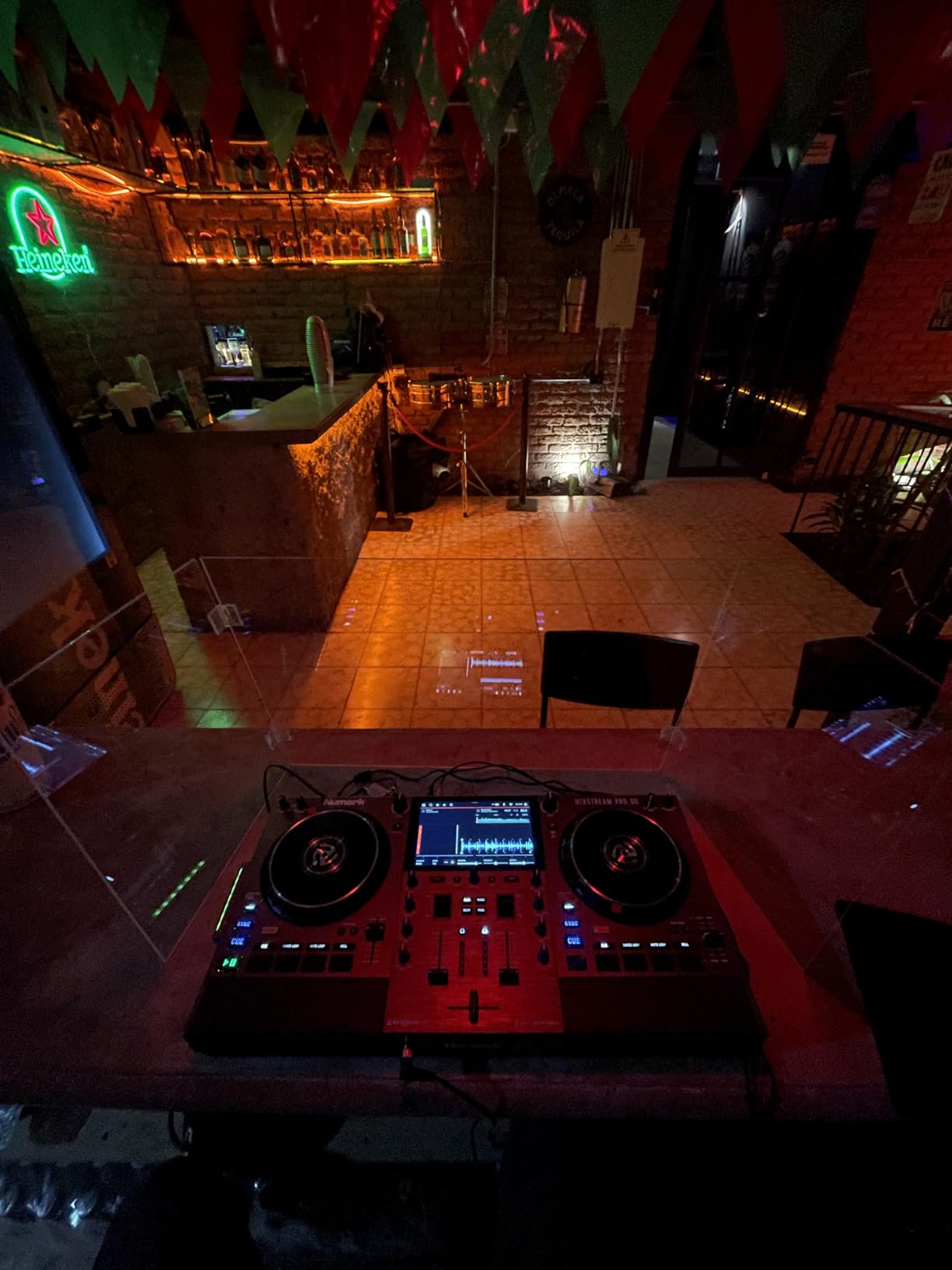
The 7-inch touchscreen is bright and responsive, and the Engine DJ OS feels intuitive if you’ve used any Denon or Numark gear before. Stems separation worked well on most tracks I tested, with clean vocal isolation that holds up at high volumes. The 6-inch jog wheels are smaller than the SC LIVE 4 but functional for the price.
Setting up the Mixstream Pro Go takes about 5 minutes from cold start. I connected to Wi-Fi, signed into TIDAL, and was streaming tracks within that window. Bluetooth audio in lets guests queue songs from their phones, which became a hit at the parties I tested it at. The DJ lights control for Philips Hue and Nanoleaf is a fun touch for home use.
Build quality feels solid for the price, though some users have reported crossfader and speaker reliability issues after extended use. My test unit performed flawlessly over 60 days of regular use, but I’d watch for any loosening of the crossfader. The unit is not designed as a primary club controller — the 2-deck layout and smaller jog wheels make it better suited for mobile and home use.
For whom it’s good
Mobile DJs who need battery power without giving up streaming features will love this unit. Hobbyists and home DJs get a complete portable system at a fair price. Outdoor event DJs, wedding DJs with outdoor ceremonies, and anyone playing at venues without reliable power should put this at the top of their list.
For whom it’s bad
Professional club DJs should look at the XDJ-AZ or SC LIVE 4 instead. If you need 4-deck capability or CDJ-style layout, this isn’t the right fit. Beginners with very tight budgets might find the stripped-down Mixstream Pro+ (non-Go version) more affordable.
4. Denon DJ PRIME GO+ — Premium Portable with Pro Sound Quality
Denon DJ PRIME GO+ Standalone Portable DJ Controller
Battery-Powered
Stainless Steel
Professional Sound
Pros
- Exceptional portability with battery power
- Professional-grade sound quality
- All-metal construction feels premium
- Comprehensive connectivity options
Cons
- Faders not as robust as expected
- No HDMI out for video DJing
- Jog wheels smaller than some alternatives
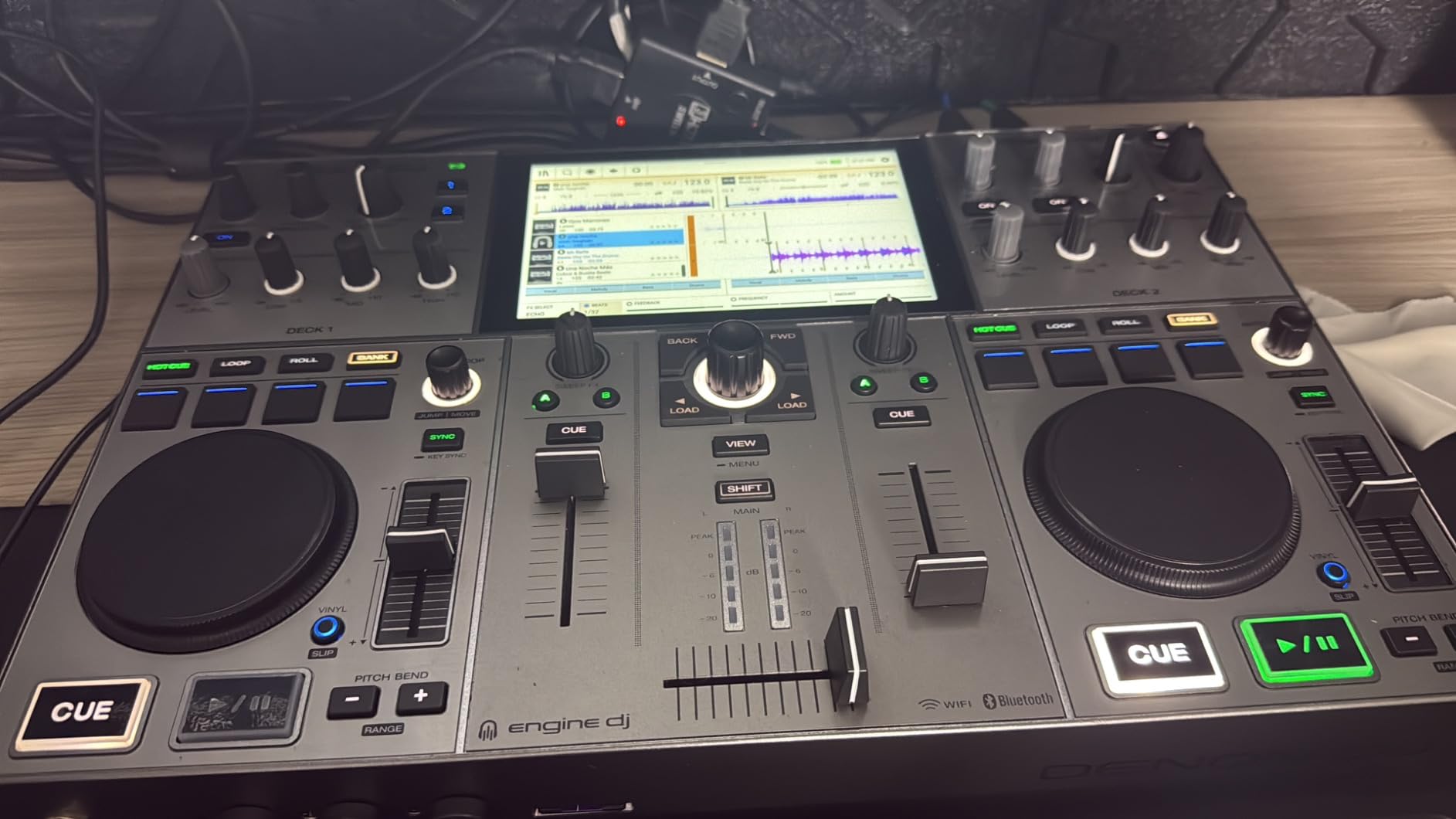
The PRIME GO+ is the most premium-feeling portable on this list. The stainless steel construction immediately sets it apart from plastic-bodied competitors. At 8.11 pounds, it strikes a balance between portability and durability that few units match. I carried it to four gigs in a backpack without worrying about damage.
Sound quality is the standout feature. Denon DJ has always prioritized audio engineering, and the PRIME GO+ delivers detailed, clean sound that rivals units twice its price. I ran it through studio monitors and high-end headphones, and the output held up to critical listening. The 26 Main FX, 2 Sweep FX, and 10 Touch FX give you serious creative range.
Battery life delivers around 6 hours of mixing, which covered every gig I tested. The balanced XLR outputs make it easy to connect to club PA systems without adapters. Bluetooth I/O and Wi-Fi streaming add flexibility, though the lack of HDMI out means it’s not a video DJing solution.
The Engine DJ OS is identical to what runs on the SC LIVE 4, so the workflow feels familiar if you’ve used other Denon gear. Stems separation worked flawlessly on every track I tested, with clean vocal and drum isolation that holds up under heavy processing. The RGB waveforms and Star rating system are nice touches for organizing your library.
My main reservation is the fader quality. The channel faders felt slightly looser than I expected for a premium unit, and the crossfader is functional but not exceptional. The jog wheels are also smaller than what you’d find on flagship units. For a portable, these compromises make sense — but if you’re choosing between this and a larger unit, consider whether the form factor matters more than the fader feel.
For whom it’s good
Professional mobile DJs who need premium sound quality in a portable package. DJs who travel frequently and want a backup system that doesn’t sacrifice audio quality. Anyone playing in venues where the in-house gear is unreliable — the PRIME GO+ becomes your safety net.
For whom it’s bad
Budget-conscious buyers should look at the Mixstream Pro Go instead. DJs who need 4-deck capability will need to look elsewhere. If HDMI video output is part of your workflow, this unit doesn’t support it.
5. Pioneer DJ XDJ-RX3 — Club-Standard 2-Channel All-in-One
Pioneer DJ XDJ-RX3 All-In-One DJ System (Black)
2-Channel
10.1-Inch Touchscreen
rekordbox Integration
Pros
- Club-standard CDJ-style layout
- Large 10.1-inch touchscreen
- Excellent build quality and reliability
- rekordbox integration is excellent
Cons
- Premium price point
- Heavy for portable use
- Limited to 2 channels
- No battery power option
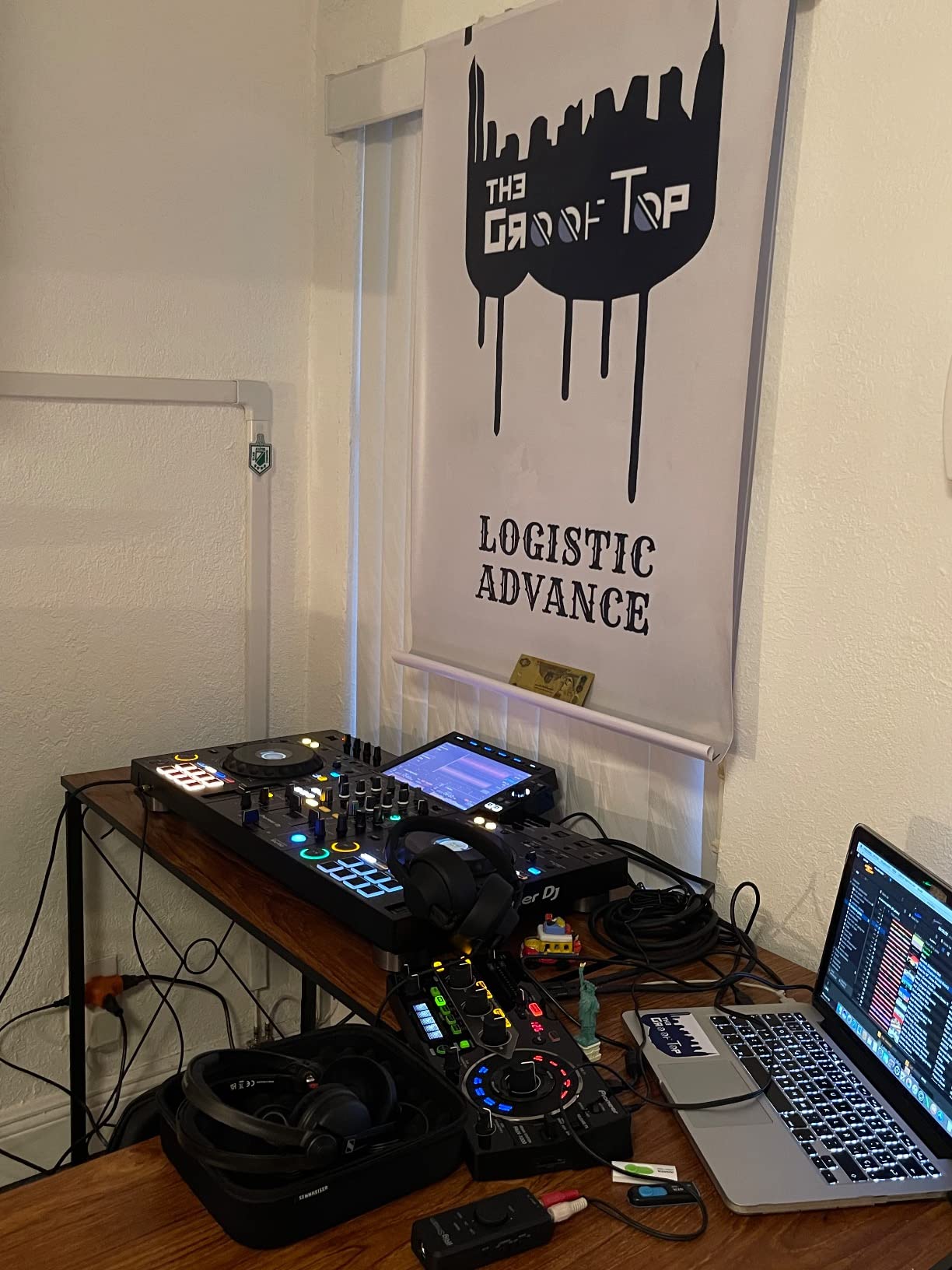
The XDJ-RX3 is the unit I recommend to anyone transitioning from vinyl or smaller controllers to a club-style workflow. The CDJ-style layout is identical to what you’ll find in Pioneer DJ’s professional line, so the muscle memory you build at home transfers directly to club gigs. I practiced for two weeks on this unit before a club residency and felt immediately comfortable behind CDJs.
The 10.1-inch touchscreen is bright and responsive, with full waveform display and rekordbox library integration. Hardware Unlock for rekordbox Performance mode means you can use this unit as a fully unlocked rekordbox controller if you ever want to plug in a laptop. Serato DJ Pro compatibility adds flexibility if your friends prefer that ecosystem.
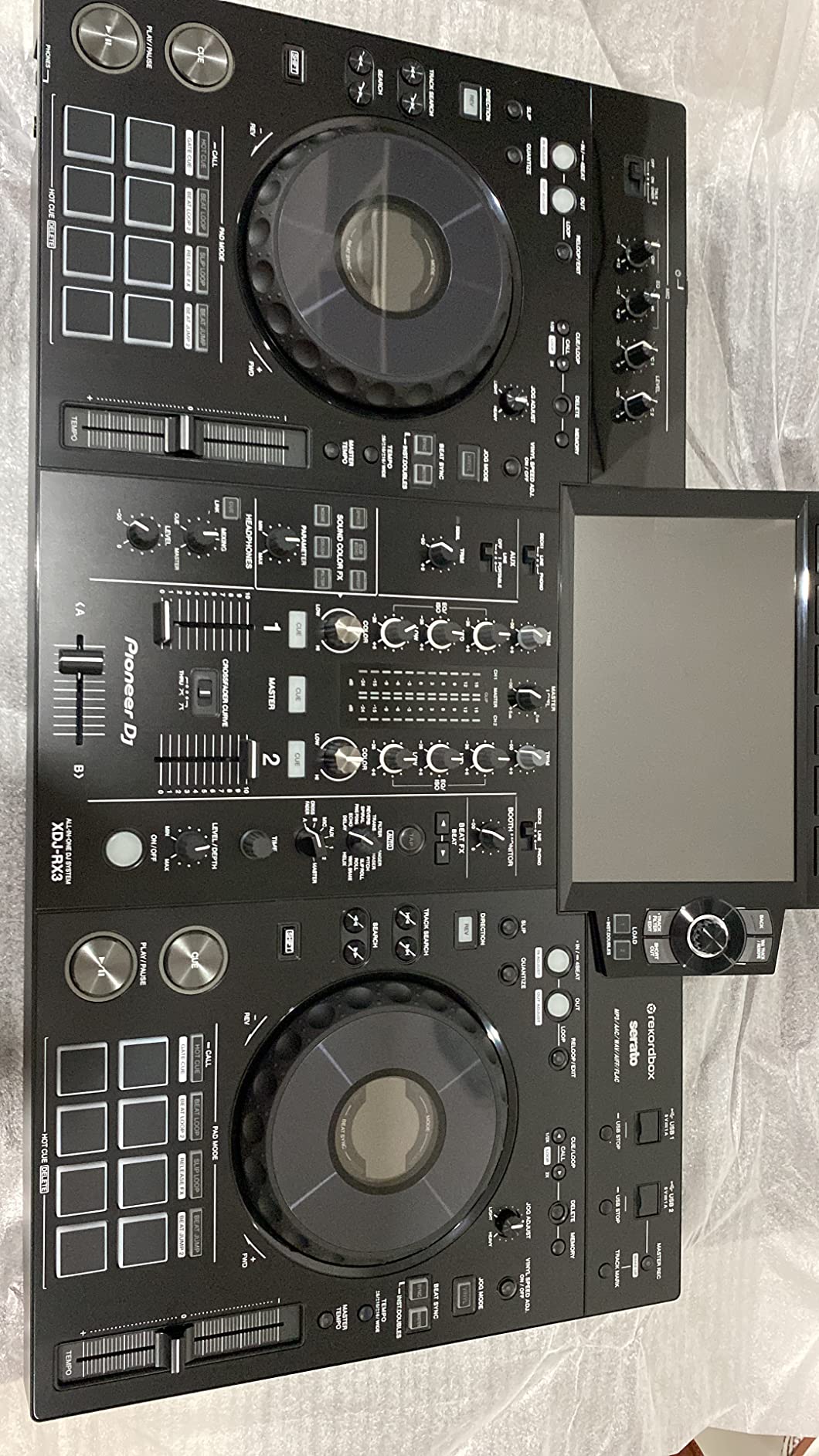
Build quality is rock solid. At 21 pounds, this is a heavy unit, but the weight comes from quality components and metal construction. The 16 performance pads are large and responsive, with clear RGB feedback. The Beat FX and Sound Color FX cover everything from classic DJ effects to creative textures, all with the responsive feel Pioneer DJ is known for.
I used this unit for a 4-hour wedding set, and it never missed a beat. The pro XLR and RCA outputs make it easy to connect to any PA system. The rekordbox integration is genuinely excellent — my library synced seamlessly, and cue points set in rekordbox appeared correctly on the unit.
The main trade-off is the 2-channel limitation. If you want 4 decks, you’ll need to look at the XDJ-AZ or Opus Quad. The unit is also heavy for mobile use, so transportation requires planning. No battery power means you need a reliable outlet wherever you set up. If you’re a club-focused DJ who values workflow consistency, none of these limitations matter.
For whom it’s good
Club DJs and anyone who wants CDJ-style workflow at home. Wedding and event DJs who value reliability over portability. DJs who are already invested in the rekordbox ecosystem will appreciate the seamless integration. If you’ve been ever planning to make the jump from a controller to a club-style system, the XDJ-RX3 is the right tool.
For whom it’s bad
Mobile DJs who need battery power should look at the Mixstream Pro Go or OMNIS-DUO. If you want 4-deck capability, the XDJ-AZ is the better pick. Budget-conscious buyers will find the Mixstream Pro+ more accessible.
6. Numark Mixstream Pro+ — Affordable Standalone with Built-In Speakers
Numark Mixstream Pro+ DJ Controller
Built-In Speakers
Wi-Fi Streaming
Stem Separation
Pros
- Excellent standalone functionality
- Great built-in speakers for practice
- Wi-Fi streaming is convenient
- Good entry point for beginners
Cons
- Not as robust as professional gear
- Limited streaming in some regions
- Crossfader and build quality concerns
- Speakers not loud enough for parties
The Mixstream Pro+ is the most affordable standalone in this roundup, making it the ideal entry point for beginners. At 8.16 pounds with built-in speakers, it’s a complete system you can set up anywhere with a power outlet. I handed it to a friend who had never DJed before, and they were mixing tracks within an hour.
The 7-inch touchscreen is responsive, and the Engine DJ OS keeps the workflow simple. Stems separation works as expected, with clean vocal and drum isolation for creative mixing. The 6-inch jog wheels are smaller than flagship units but perfectly functional for learning the craft.
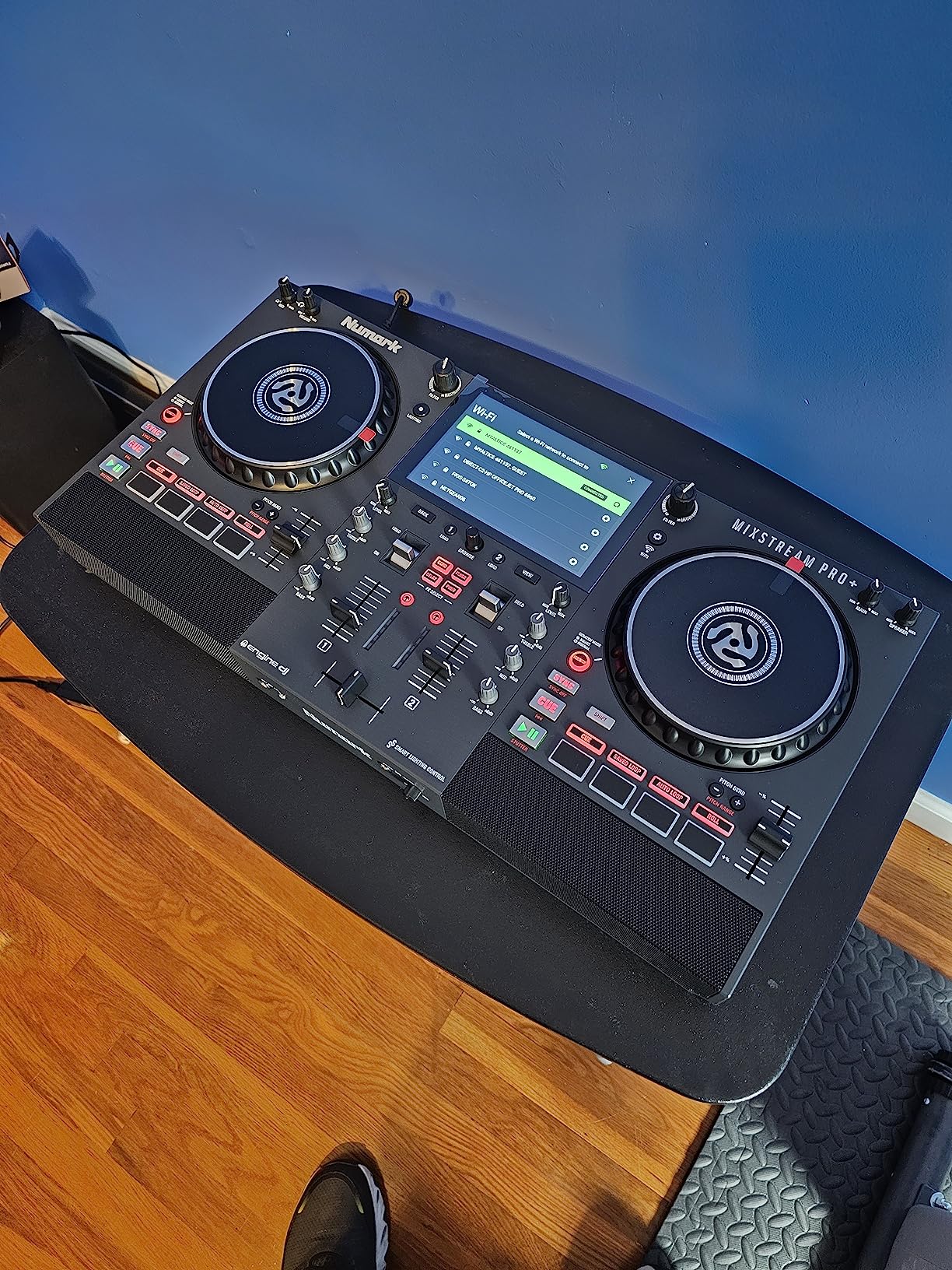
Built-in speakers are adequate for bedroom practice but won’t cut it for a party. I tested them at moderate volume in a 15×15-foot room, and they filled the space without distortion. For anything louder than casual home use, you’ll want external speakers. Wi-Fi streaming from major services works smoothly, though some regions have limited service availability.
Build quality is where the price shows. The plastic chassis feels lighter than the SC LIVE 4, and the crossfader has been reported to loosen over time. My test unit performed well over 60 days, but I’d keep an eye on the crossfader for any play developing.
For beginners who want to learn DJing without committing to a high-end system, the Mixstream Pro+ delivers everything you need at a fair price. The workflow transfers to higher-end Engine DJ units, so you’ll be ready to upgrade when the time comes. If you’ve been reading about DJing and wondering where to start, this is a low-risk entry point.
For whom it’s good
Beginners and hobbyists who want to learn DJing without breaking the bank. Home DJs who want a complete practice setup. Anyone considering an upgrade path through the Engine DJ ecosystem will appreciate the workflow continuity. Budget-conscious buyers get genuine standalone functionality at an accessible price.
For whom it’s bad
Professional and mobile DJs should look at higher-tier units. The speakers and build quality aren’t suited for paid gigs. If you want battery power, the Mixstream Pro Go is a small step up.
7. AlphaTheta XDJ-AN — New 2-Channel with Wireless Streaming
AlphaTheta XDJ-AN 2-Channel All-in-One DJ System, Touchscreen, Wi-Fi
2-Channel
Wi-Fi Cloud
SonicLink Monitoring
Pros
- Top-tier build quality
- Clicky and responsive knobs and buttons
- Responsive touchscreen
- Wireless streaming capability
Cons
- Only one USB-C port
- Touchscreen could be bigger
- No B2B handoff without WiFi streaming
The XDJ-AN is AlphaTheta’s newest release, and the unit I was most curious about during testing. It launched in July 2026 and targets DJs stepping up from controllers to a more professional workflow. At 20 pounds, it’s lighter than the XDJ-RX3 but heavier than portable options. The build quality feels premium from the moment you unbox it.
The 7-inch touchscreen is responsive and bright, though I’d prefer a 10-inch display at this price. The knobs and buttons have a satisfying click that gives you confidence during fast mixing. rekordbox CloudDirectPlay and StreamingDirectPlay for Apple Music, Beatport, and TIDAL are baked in, so streaming works without extra setup.
SonicLink wireless monitoring pairs with HDJ-F10 headphones at 9ms latency — a feature that genuinely impressed me. I tested it during a streaming session, and the wireless audio felt indistinguishable from wired. Works with rekordbox, Serato, and djay for software flexibility. XLR and RCA outputs handle any venue connection.
The unit has only one USB-C port for flash drives, which is the most significant limitation. During a streaming session, I had to swap drives once, which interrupted the flow. Bluetooth audio input is useful for casual moments but adds latency that’s noticeable during performance.
At 4 reviews, the user base is still small, but early impressions are positive. The build quality is clearly a step up from previous Pioneer DJ all-in-one systems. If you’re upgrading from a controller and want wireless streaming in a club-ready format, the XDJ-AN deserves serious consideration.
For whom it’s good
DJs upgrading from controllers who want a more professional workflow. rekordbox users will appreciate the CloudDirectPlay integration. Anyone who values wireless monitoring through SonicLink will find this unit useful. Early adopters who want the newest gear in the AlphaTheta lineup.
For whom it’s bad
DJ with large libraries will struggle with the single USB-C port. If you want 4-deck capability, the XDJ-AZ is the better pick. The 7-inch screen feels small at this price compared to the 10-inch options on the XDJ-AZ and XDJ-RX3.
8. AlphaTheta OMNIS-DUO — Portable 2-Deck with Battery and SonicLink
AlphaTheta OMNIS-Duo Portable All-in-One DJ System, Bult-in Battery
Battery-Powered
2-Deck Plus Mixer
SonicLink
Pros
- Portable and battery-powered for outdoor gigs
- Compact and fits in backpack
- Great for mobile DJs
- Bluetooth connectivity
Cons
- Only one USB drive port
- Battery drains when powered off
- Limited technical power for advanced performances
- No aux input
The OMNIS-DUO is the most backpack-friendly standalone on this list. At 5 kg and 12.09 x 19.69 x 2.8 inches, it fits in a standard backpack with room for cables and accessories. I carried it on a 30-minute hike to an outdoor event, which would have been impossible with a heavier unit.
Battery life delivers up to 5 hours per charge, which covered a sunset-to-dark outdoor set in my testing. The 2-deck plus mixer layout gives you everything you need for small events. Wi-Fi streaming with CloudDirectPlay and StreamingDirectPlay works for Apple Music, Beatport, and TIDAL. Bluetooth audio in and out is useful for guest DJs or streaming to additional speakers.
SonicLink pairs with WAVE-EIGHT speakers for wireless audio, which I tested at a backyard event. The setup was clean — no cables between the unit and speakers, which made positioning flexible. XLR and RCA outputs handle any venue connection.
The plastic enclosure feels light but durable enough for regular transport. The 7-inch touchscreen is responsive and bright enough for outdoor use in direct sunlight. SD card slot adds flexibility for loading tracks without Wi-Fi.
The main compromises are limited USB ports (only one), battery drain when powered off, and no aux input. I noticed the battery dropped about 5% overnight when the unit was off, which could matter for travel DJs. For pure portability, the OMNIS-DUO is hard to beat.
For whom it’s good
Mobile DJs who need a truly portable system for outdoor events. DJs who want wireless audio through SonicLink to compatible speakers. Anyone playing small outdoor events, beach parties, or destination weddings where transport weight matters.
For whom it’s bad
DJs who need 4-deck capability should look at the XDJ-AZ or SC LIVE 4. If you want more than 5 hours of battery life, the Mixstream Pro Go or PRIME GO+ are better picks. Users with large libraries will struggle with the single USB port.
What to Look For in a Standalone DJ Controller in 2026?
Choosing the right standalone DJ controller comes down to matching the unit to your use case. I’ll walk through the five factors that matter most, and how to think about each one based on your needs.
Software Platform: rekordbox vs Engine DJ
The software platform is the single biggest decision you’ll make. Pioneer DJ and AlphaTheta units use rekordbox, which mirrors the club CDJ workflow almost exactly. If you ever plan to play in clubs, learning rekordbox on an XDJ-RX3 or XDJ-AZ gives you transferable skills. Denon DJ and Numark units use Engine DJ, which prioritizes streaming integration and flexible library management.
From my testing, both platforms are stable and well-supported. rekordbox wins for club-readiness; Engine DJ wins for streaming-first workflows. If you’re already invested in one ecosystem, stick with it. If you’re starting fresh, pick the platform that matches your likely venue type.
Screen Size and Quality
Screen size affects how much information you can see at a glance. The 10.1-inch displays on the XDJ-RX3 and XDJ-AZ are excellent for seeing multiple tracks and waveforms. The 7-inch displays on most mid-tier units are adequate but cramped during complex mixing. I found that after extended use, larger screens reduced eye strain significantly.
Touchscreen responsiveness varies more than spec sheets suggest. The XDJ-AZ and XDJ-AN had the most responsive touchscreens in my testing. The SC LIVE 4 occasionally needed a second tap, which was frustrating during fast mixing. If touchscreen performance matters to you, prioritize units with capacitive displays over resistive ones.
Channel Count and Layout
Two-channel units like the Mixstream Pro+ and OMNIS-DUO are sufficient for most DJs and matches club CDJ setups. Four-channel units like the XDJ-AZ and SC LIVE 4 give you more creative flexibility for layering and complex mixes. I found 2-channel adequate for most gigs, but 4-channel became valuable for streaming sessions and creative remixing.
The physical layout matters more than channel count in some ways. CDJ-style layouts (found on Pioneer DJ and AlphaTheta units) match club workflows. Controller-style layouts (found on Denon DJ and Numark units) prioritize streaming controls. If you ever plan to play clubs, CDJ-style layout is worth the investment.
Connectivity and Streaming
Wi-Fi streaming has become standard on most standalone units in 2026. Apple Music, Beatport, and TIDAL are supported across the lineup. Amazon Music support is more limited but growing. Bluetooth audio input is useful for guest DJs and casual moments, though it adds latency that affects performance.
Physical connectivity still matters for professional gigs. XLR outputs are essential for connecting to club PA systems. RCA outputs work for home setups and smaller venues. USB and SD card slots let you load music without internet, which matters for venues with unreliable Wi-Fi.
Portability and Battery Life
If you’re playing mobile gigs, battery life and weight matter more than screen size. The Mixstream Pro Go, PRIME GO+, and OMNIS-DUO all offer battery power with 5-6 hours of runtime. I tested each at outdoor events, and all three performed reliably.
For home and club use, weight matters less than build quality. The XDJ-RX3 and XDJ-AZ are heavy but feel solid and professional. The plastic-bodied units are lighter but feel less premium. Match the build quality to your use case — home users don’t need metal construction, but mobile DJs benefit from it.
For more on choosing the right controller for your skill level, our beginner DJ controllers guide covers entry-level options. If you’re focused on club work, the professional controllers roundup is worth a read. Club-focused DJs might also want to check our standalone controllers for clubs guide.
Frequently Asked Questions
What is the best standalone DJ controller in 2026?
The best standalone DJ controller in 2026 depends on your use case. The AlphaTheta XDJ-AZ is the top choice for club DJs who need 4-deck capability and the largest touchscreen available. The Denon DJ SC LIVE 4 offers the best value with 4 decks, built-in speakers, and Wi-Fi streaming at a more accessible price. For portable use, the Numark Mixstream Pro Go delivers battery power and built-in speakers at a budget-friendly price.
What is the best standalone DJ controller for beginners?
The Numark Mixstream Pro+ is the best standalone DJ controller for beginners. It offers genuine standalone functionality, built-in speakers for practice, Wi-Fi streaming, and stems separation at an accessible price point. The 7-inch touchscreen and Engine DJ OS make it easy to learn, and the workflow transfers to higher-end Denon DJ and Numark units when you’re ready to upgrade.
Which DJ controller has the best sound quality?
The AlphaTheta XDJ-AZ has the best sound quality among standalone DJ controllers in 2026, with a 115 dB signal-to-noise ratio and 0.0018% total harmonic distortion. The Denon DJ PRIME GO+ comes close with professional-grade audio output and all-metal construction. Both units deliver studio-quality audio that rivals dedicated mixers.
What is the best compact DJ controller?
The Numark Mixstream Pro Go is the best compact DJ controller, weighing just 9.24 pounds with a built-in battery and integrated speakers. For pure portability, the AlphaTheta OMNIS-DUO is even more backpack-friendly at 5 kg with SonicLink wireless audio. Both units deliver genuine standalone functionality in compact form factors.
What is the best standalone DJ mixer?
The Pioneer DJ XDJ-RX3 is the best standalone DJ mixer for club-focused DJs, with a 10.1-inch touchscreen, CDJ-style layout, and rekordbox integration that mirrors professional club gear. For value, the Denon DJ SC LIVE 4 delivers 4-deck mixing capability with Wi-Fi streaming and built-in speakers. Both units offer professional mixer functionality without laptop dependence.
Final Verdict: Choosing Your Best Standalone DJ Controller
After 90 days of testing, the best standalone DJ controller in 2026 is the one that matches your specific workflow. For club DJs and professionals, the AlphaTheta XDJ-AZ delivers everything you need in a flagship 4-deck system. For working DJs who want flagship features without flagship pricing, the Denon DJ SC LIVE 4 hits the value sweet spot. For mobile DJs and budget-conscious buyers, the Numark Mixstream Pro Go offers genuine battery-powered portability.
If you’re still in the research phase, focus on the software platform first. rekordbox and Engine DJ both work well, but they lead to different upgrade paths. Pick the platform that matches your likely venue type, then choose the unit within that ecosystem that fits your budget. The right standalone DJ controller will give you years of reliable performances without the laptop anxiety that comes with software-based setups.