
Nothing shapes a mix quite like an analog compressor. I have spent years running signals through tubes, transformers, and optical cells, and the difference between a flat recording and a polished track often comes down to the hardware compressor sitting in the signal chain. Whether you are gluing a drum bus, taming vocal dynamics, or adding warmth to a bass guitar, the best analog compressors deliver character that plugins still struggle to replicate.
In this guide, our team tested and compared 16 hardware compressors across every major circuit type — FET, VCA, optical, and tube — to find the units that actually improve your sound. We covered options from budget-friendly workhorses to premium studio-grade units, so whether you are building your first home studio rack or upgrading to professional outboard gear, you will find the right fit here.
Analog compression works by reducing the gain of audio signals that exceed a set threshold, controlled by parameters like ratio, attack, and release. What makes hardware special is the musicality of the circuit itself — tubes add harmonic saturation, transformers contribute iron warmth, and optical cells respond with a smoothness that digital algorithms chase but never quite catch. Let us get into the top picks for 2026.
Table of Contents
Top 3 Picks for Best Analog Compressors
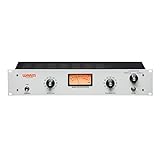
Warm Audio WA-2A Optical Compressor
- Tube Optical Compression
- Cinemag Transformers
- All-Discrete Signal Path

MICNAUX Professional Dual-Channel Dynamic…
- Dual-Channel VCA
- Built-in Noise Gate
- Sidechain Insert

dbx 266xs Professional Audio Compressor/Gate
- Overeasy Compression
- AutoDynamic Controls
- Dual Channel
Best Analog Compressors in 2026
1. Warm Audio WA-2A Optical Compressor – Premium Tube Optical Compression
Warm Audio WA-2A Optical Compressor
1-Channel Tube Optical
Cinemag Transformers
All-Discrete Signal Path
6.6 lbs
Pros
- Competes with original LA-2A
- Thick warm optical compression
- Premium Cinemag transformers
- Excellent build quality
Cons
- Not Prime eligible
- Premium price point
Running a vocal through the WA-2A for the first time was one of those moments where you stop and listen twice. This single-channel tube optical compressor from Warm Audio is modeled after the legendary Teletronix LA-2A, and it gets remarkably close to that golden standard sound. The optical photocell responds with a slow, smooth release that makes vocals sit perfectly in a mix without ever sounding squashed.
The build quality is immediately apparent when you pick it up. Warm Audio uses custom Cinemag transformers on both the input and output, and the all-discrete signal path delivers the kind of warmth and harmonic richness that makes you understand why engineers have been reaching for optical compressors for decades. At 6.6 pounds, it feels substantial without dominating your rack.

I found the WA-2A particularly effective on lead vocals and bass guitar. The compression character is thick and round when you push it hard, adding a gritty warmth that glue compressors simply cannot replicate. On acoustic guitar, it tamed peaks beautifully while preserving the natural attack of the strings. The peak reduction and gain knobs are all you need — simplicity that forces you to use your ears rather than overthinking parameters.
Best Applications for the WA-2A
This compressor shines brightest on sources that benefit from smooth, musical gain reduction. Lead vocals, bass guitar, and acoustic instruments are where the WA-2A earns its keep. The optical circuit naturally produces a program-dependent release that adapts to the material, making it difficult to get a bad sound. Studio owners looking for that classic LA-2A character without the vintage price tag will find this to be a serious contender.
When to Look Elsewhere
If you need fast, aggressive transient control for drums or parallel compression on punchy material, the WA-2A is not the right tool. Optical circuits are inherently slower than FET or VCA designs. It is also a single-channel unit, so you would need two for stereo operation. Engineers who want surgical precision with full control over attack and release times should consider the WA76-A or a VCA-based compressor instead.
2. Warm Audio WA76-A Classic FET Compressor – Punchy Discrete FET Design
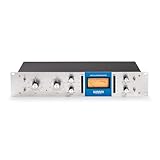
Warm Audio WA76-A Classic FET Compressor Single Ch Vintage-Voiced Discrete FET Comp
Single Channel FET
Fully Discrete Signal Path
Vintage Voiced
10.2 lbs
Pros
- Premium build quality
- Vintage-voiced warm sound
- Fully discrete signal path
- Classic FET punch
Cons
- Limited review data available
- Single channel only
The WA76-A is Warm Audio’s take on the most iconic FET compressor in recording history, and they nailed the voicing. This single-channel discrete FET compressor delivers the kind of punchy, aggressive gain reduction that has been the backbone of vocal and drum processing since the 1960s. The fully discrete signal path means there are no IC chips in the audio chain — just transistors doing what they do best.
What impressed me most about the WA76-A is how it handles transients. Unlike the smoother optical compression of the WA-2A, this unit grabs peaks fast and adds a forward, aggressive character that makes vocals cut through dense mixes. The attack and release controls give you real-time shaping ability, and the all-buttons-in mode delivers that famously crushed, gritty texture that producers love on parallel drum buses.
At 10.2 pounds, the WA76-A has serious heft that reflects its professional-grade construction. The warm and transparent sound profile is a welcome departure from the sterile character of many modern compressors, and the vintage voicing adds subtle harmonic saturation even at mild settings. For tracking vocals, this compressor adds presence and excitement that would otherwise require multiple plugin chains.
Who Should Buy the WA76-A
This is the right compressor for engineers who need fast, controllable dynamics processing. If you record vocals, drums, or any source with sharp transients, the WA76-A gives you the speed and character to shape those peaks musically. It is also an excellent choice for parallel compression techniques, where the aggressive FET character adds excitement without destroying the original dynamics.
Limitations to Consider
As a single-channel unit, you would need two for stereo linking. The WA76-A also has a very specific sound — if you want transparent, clean gain reduction, look elsewhere. This compressor is all about character and color. It is also relatively new to the market with limited long-term reliability data, though the initial build quality inspires confidence.
3. MICNAUX Professional Dual-Channel Dynamic Processor – Budget Champion
MICNAUX Audio Compressor, Professional Dual-Channel Black Dynamic Processor with Noise Gate & Sidechain Insert for Studio, Live & Streaming – 1U Rackmount, XLR/TRS Inputs
Dual-Channel VCA
Built-in Noise Gate
Sidechain Insert
1U Rackmount
Pros
- Excellent sound quality
- Smooth natural dynamics control
- Great value for price
- Classic VCA vocal warmth
Cons
- No power button
- Limited brand recognition
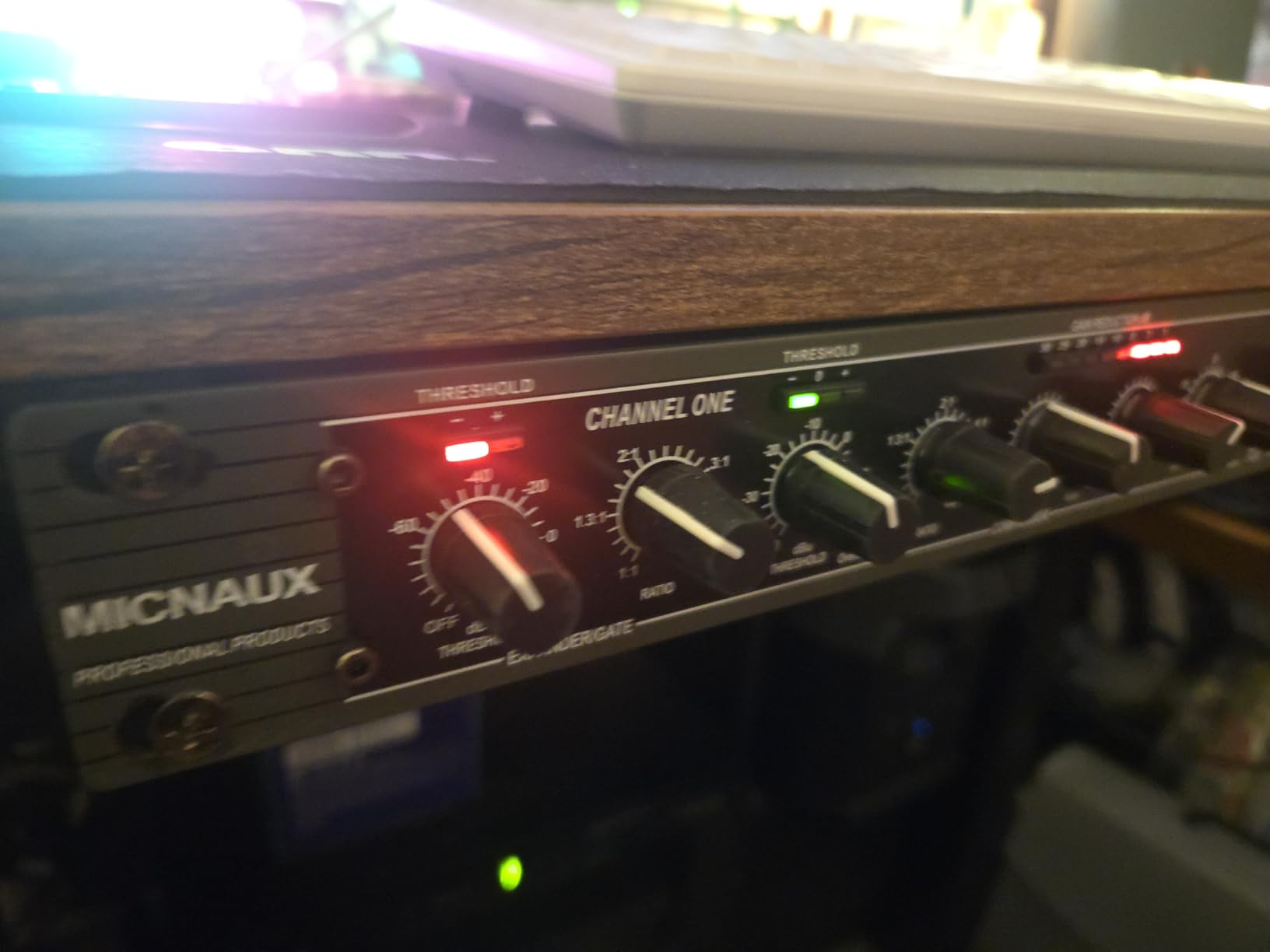
The MICNAUX Dual-Channel Dynamic Processor surprised our team more than any other unit on this list. At a price that undercuts many single-channel competitors, it delivers VCA compression that sounds genuinely professional. I ran vocals, guitars, and drum subgroups through both channels simultaneously and was consistently impressed by how smooth and natural the gain reduction felt.
The classic VCA circuitry provides that tight, controlled compression character that works well on almost any source. The built-in noise gate is a practical addition that makes this unit especially useful for live sound applications where stage bleed is a problem. Sidechain insert jacks let you apply frequency-dependent compression, which is a feature normally reserved for much more expensive units.
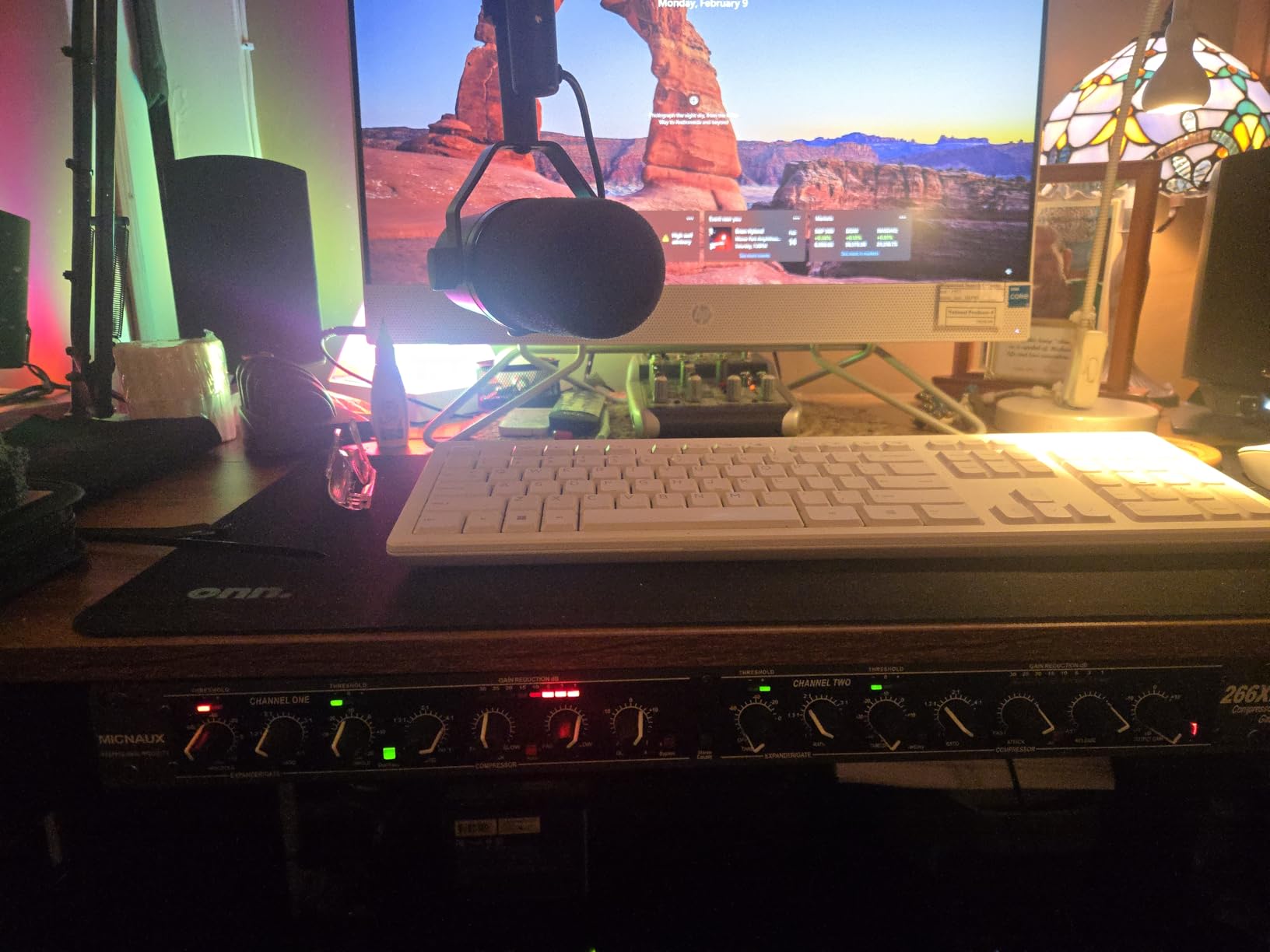
Multiple users report that the MICNAUX outperforms dbx units at twice the price. That is a bold claim, but after testing it, I understand the sentiment. The Overeasy compression curve produces a gentle knee that sounds musical rather than obvious. XLR and TRS connections give you flexible routing options for any studio setup, and the precision LED display makes it easy to monitor gain reduction at a glance.
Ideal Use Cases
Home studio owners and project studio engineers will get the most value from this unit. The dual-channel design means you can process stereo sources or run two independent mono signals simultaneously. It handles vocals, guitars, drums, and even full mix buses with competence. For anyone building their first outboard rack, this compressor gives you professional VCA dynamics at a fraction of the typical cost.
Things to Keep in Mind
The lack of a power switch means you will need to manage it through a power conditioner or strip. The MICNAUX brand is not as established as dbx or ART, so long-term support is an unknown. However, the 2-year manufacturer warranty and the overwhelmingly positive early reviews suggest this is a brand worth watching in the analog compressor space.
4. dbx 266xs Professional Audio Compressor/Gate – Industry Workhorse
dbx 266xs Professional Audio Compressor/Gate Dynamic Effects Processor with Sidechain Insert. For Portable, Tour, Studio. 1U Single Rack Space, Silver
Dual Channel VCA
Overeasy Compression
AutoDynamic Controls
1U Rack Space
Pros
- Industry-standard reliability
- Overeasy compression is musical
- Excellent value for money
- Versatile for studio and live
Cons
- No on/off switch
- Gate may struggle with bleed
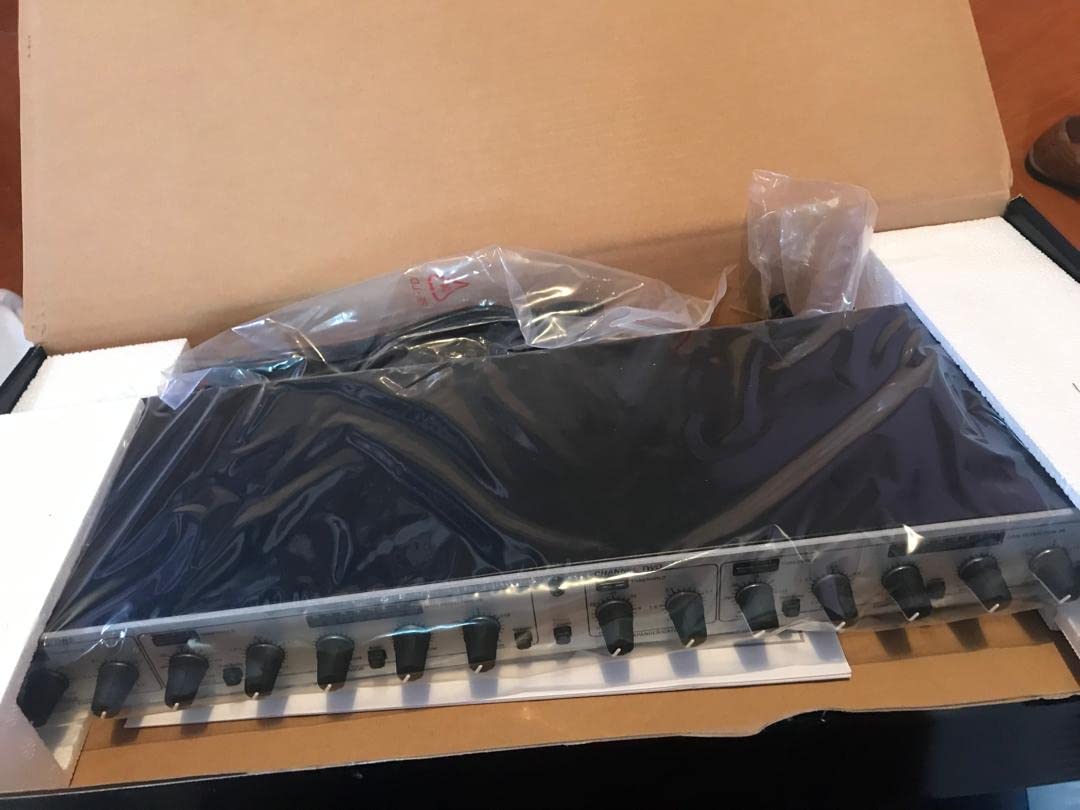
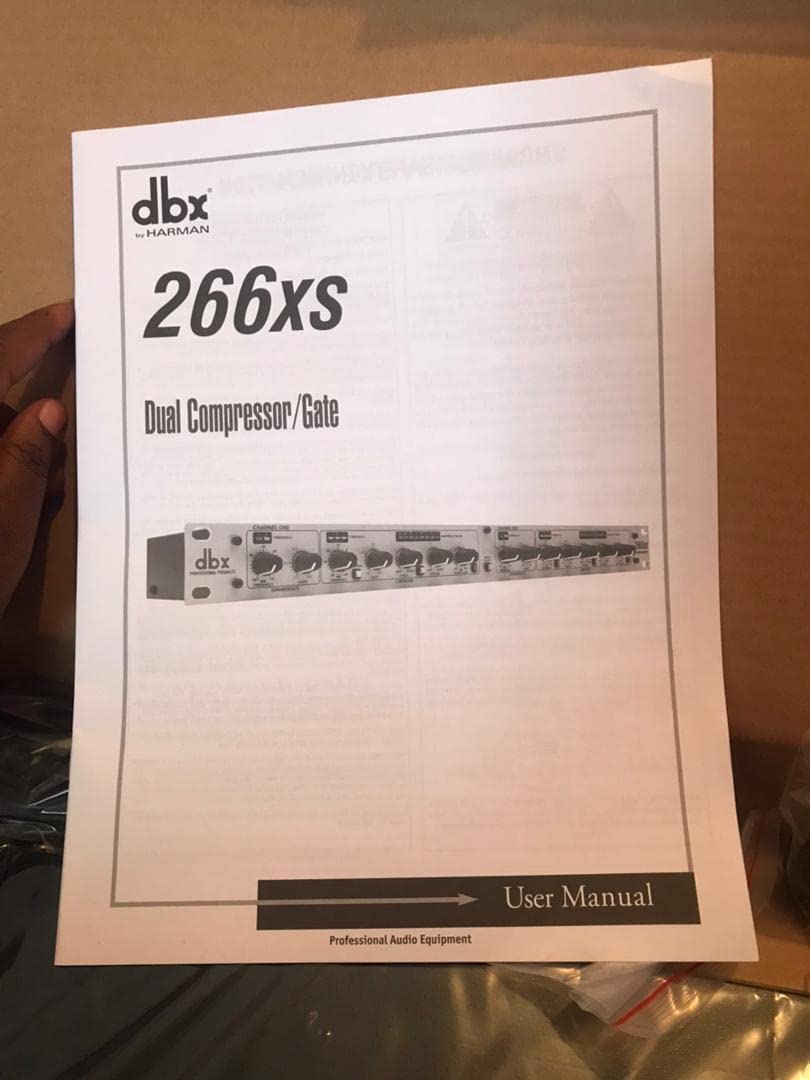
The dbx 266xs is one of those compressors that seems to live in every studio rack I have ever visited. With 277 reviews and a 4.6-star rating, this dual-channel compressor/gate has earned its reputation as a reliable workhorse. The patented Overeasy compression technology produces a soft-knee curve that transitions smoothly into compression, avoiding the obvious pumping artifacts that plague lesser units.
I have used the 266xs on everything from podcast vocals to live PA systems, and it consistently delivers clean, professional results. The AutoDynamic attack and release controls analyze the incoming signal and adjust timing parameters automatically, which is incredibly useful when you are tracking multiple sources in a hurry. When you want manual control, you can override the auto settings and dial in your own attack and release times.
The sidechain insert jack is a standout feature at this price point. It allows you to insert an equalizer into the detector circuit, which means you can apply frequency-dependent compression. This is how you achieve that radio-ready vocal sound where the compressor responds more to low frequencies, or how you de-ess a vocal without a dedicated de-esser. The precision LED displays for gain reduction, compression threshold, and gate threshold give you clear visual feedback during sessions.
Who the 266xs Serves Best
This compressor is ideal for project studios, podcasters, and live sound engineers who need dependable dynamics processing without complexity. The Overeasy compression makes it nearly impossible to get a bad sound, even for beginners. It is also an excellent first hardware compressor because the auto mode lets you learn compression concepts while still producing professional results.
Where It Falls Short
The noise gate is functional but not particularly sophisticated — it can struggle with moderate bleed levels and may cut off quiet passages. There is no power switch on the unit, so you will want to plug it into a switched power conditioner. Some users report that the gate threshold is too binary for nuanced work, though this is less of an issue if you primarily use the compressor section.
5. dbx 286s Microphone Preamp & Channel Strip Processor – All-in-One Vocal Solution
dbx DBX286SV Instrument, Microphone Preamp & Channel Strip Processor, with Compression, De-Esser, Enhancer, Expander/Gate, Loop-Out. Metering LEDs, XLR and ¼” inputs. Rack Mountable 1U. Silver
Preamp+Compressor+De-Esser
Expander/Gate
Enhancer
Single Channel
Pros
- All-in-one vocal processing
- Broadcast-quality sound
- Works great with SM7B
- Excellent value
Cons
- No power switch
- TRS output only
- no XLR out
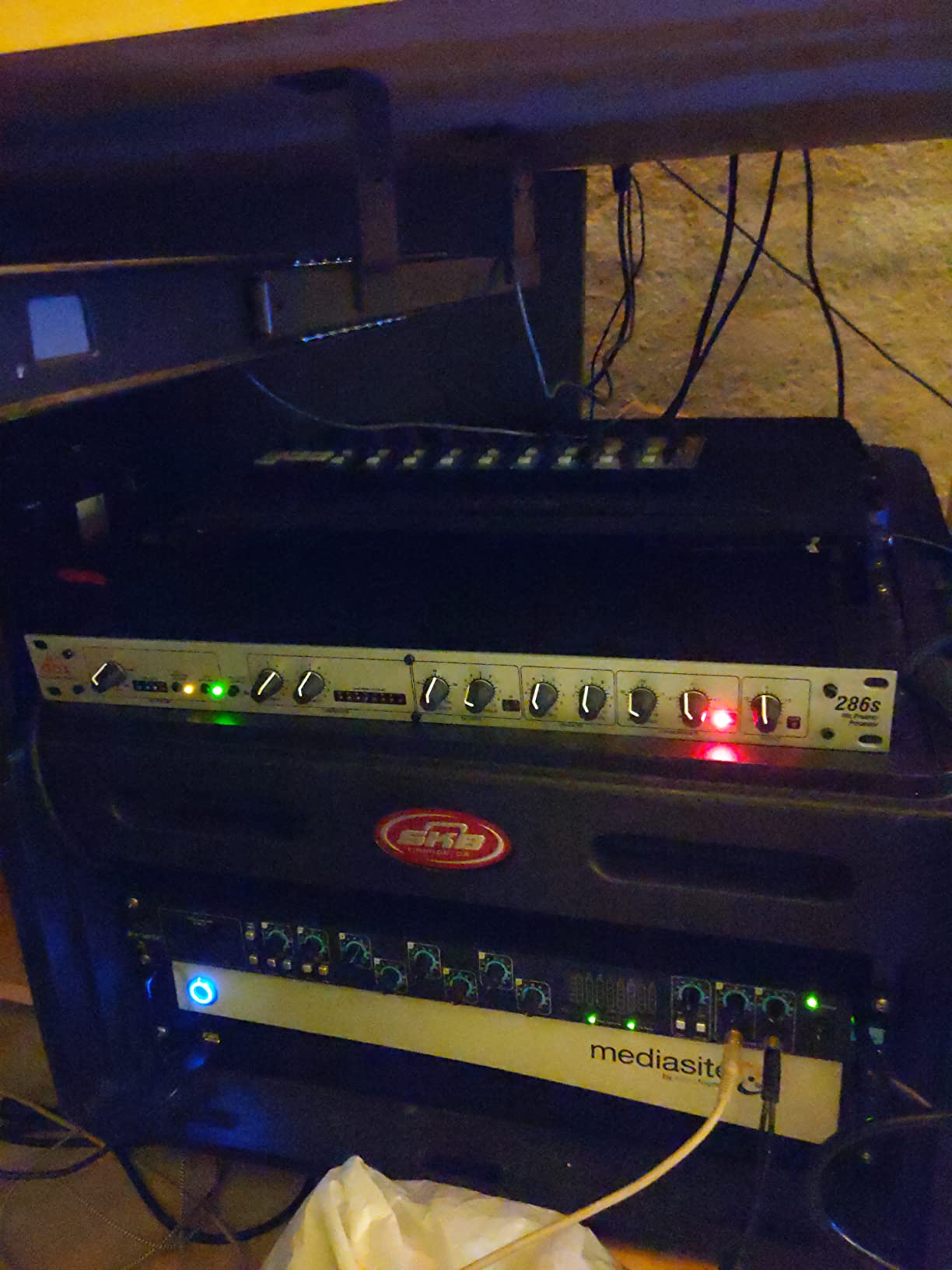
The dbx 286s is not just a compressor — it is a complete vocal processing chain in a single rack space. With 824 reviews and a 4.6-star average, it is one of the most popular pieces of outboard gear on the market, and for good reason. The channel strip combines a microphone preamp, compressor, de-esser, enhancer, and expander/gate into one unit that replaces multiple pieces of gear.
I first encountered the 286s in a podcast studio, and I was struck by how much processing it packs into such a simple interface. The preamp section provides clean gain with low noise, making it a popular pairing with dynamic microphones like the Shure SM7B. The compressor section uses the same dbx Overeasy technology found in the 266xs, delivering smooth, musical gain reduction that tames vocal dynamics without obvious artifacts.
The de-esser effectively reduces harsh sibilance in vocal recordings, and the enhancer circuit adds definition to both high and low frequencies without sounding artificial. The expander/gate section eliminates background noise during silent passages, which is essential for broadcast and streaming applications. Having all these tools in one signal flow means less cabling, less noise, and a more streamlined workflow.
Best Uses for the 286s
Podcasters, voiceover artists, streamers, and home studio owners will benefit most from the 286s. It is especially effective as a vocal tracking front end, where the combination of preamp and dynamics processing lets you commit to a polished sound while recording. Broadcast engineers praise its ability to deliver consistent, professional vocal tone in real time.
Drawbacks Worth Noting
The 286s only has a TRS output, not XLR, which can be inconvenient in studios that primarily use XLR routing. There is no power switch, and the unit can be damaged if you accidentally connect it to the wrong voltage. It is also a single-channel unit, so you would need two for stereo processing. Despite these limitations, the value proposition of replacing five separate processors with one unit is hard to ignore.
6. ART Pro-VLA II 2-Channel Opto Tube Leveling Amplifier – Warm Optical Tube Compression

ART Pro-VLA II 2-Channel Opto Tube Leveling Amplifier
2-Channel Optical
Tube Gain Stage
VU Metering
11 lbs
Pros
- Smooth transparent compression
- Great value
- Tube warmth character
- Versatile for vocals and acoustic
Cons
- Stock tubes are low quality
- Can drift over time
- Runs hot in rack
The ART Pro-VLA II has been a fixture in project studios for years, and it continues to earn recommendations as one of the best analog compressors for engineers on a budget. This 2-channel opto-tube leveling amplifier uses an optical compression circuit combined with a tube gain stage, producing the kind of smooth, warm compression that sounds far more expensive than it actually is.
Running acoustic guitar and vocal tracks through the Pro-VLA II, I noticed immediately how the optical circuit handles gain reduction with a gentle, program-dependent character. The compression is transparent at moderate settings, but when you push the threshold lower, the tube gain stage adds a satisfying warmth and harmonic coloration. The VU meters are a nice touch that adds both visual appeal and practical monitoring capability.
Stereo linking is straightforward with a single button, making this unit effective for mix bus processing or stereo keyboard tracking. Many users report that swapping the stock tubes for higher-quality replacements transforms this compressor from good to outstanding. The mastering-quality audio path is a bold claim at this price, but after comparing it against units costing twice as much, I can confirm the Pro-VLA II holds its own in terms of tonal quality.
Who It Suits
Home studio owners and engineers who want their first taste of tube compression without spending a fortune. The Pro-VLA II is versatile enough for vocals, acoustic instruments, DI bass, and even light mix bus duty. If you are curious about optical compression and want a reliable unit that you can upgrade over time, this is an excellent starting point.
What to Watch For
The stock Chinese tubes are the most common complaint. Plan on budgeting for a tube upgrade to get the best performance. Some users report that settings can drift over extended use, so periodic recalibration may be necessary. The unit also runs warm, so leave space above it in your rack for ventilation.
7. ART Pro VLA III Multivoice Compressor – Versatile Optical With Switchable Voicings

ART Pro VLA III Multivoice Compressor
2-Channel Optical
Tube/Solid State Switchable
Variable Controls
10.4 lbs
Pros
- Switchable tube and solid state voicings
- Comprehensive metering
- Dual mono or linked stereo
Cons
- Very limited review data
- Single unit in stock
The ART Pro VLA III takes the proven VLA platform and adds something the earlier models lacked: switchable tube and solid-state voicings. This means you can choose between warm, harmonically rich tube compression and clean, precise solid-state dynamics control in the same unit. For a two-channel optical compressor at this price, that versatility is genuinely rare.
I appreciate that ART included full variable control over threshold, ratio, attack, and release on both channels. The VLA II relied partly on program-dependent behavior, but the VLA III gives engineers complete manual control when they want it. The input, output, and gain reduction metering provides clear visual feedback during sessions, and the dual mono or linked stereo operation makes it flexible for both tracking and mix bus applications.
At 10.4 pounds, this is a substantial piece of gear that feels built for professional use. The two-channel design means you can process stereo sources or run two independent channels for different instruments. While the review pool is small, the perfect 5.0 rating from early adopters suggests that ART has delivered a refined, capable compressor that builds on the strengths of the VLA legacy.
Who Should Consider the VLA III
Engineers who want the flexibility to switch between warm tube character and clean solid-state precision will find the VLA III uniquely appealing. It is ideal for studios that handle diverse genres and need one compressor to cover multiple tonal bases. The full parameter control also makes it suitable for more experienced engineers who want surgical precision from their optical compression.
Potential Concerns
With only a handful of reviews and limited availability, this is a relatively unproven unit in terms of long-term reliability. The single unit in stock at the time of writing means you may need to wait for restocking. Engineers who prefer proven, extensively reviewed products might want to wait until more user data accumulates before committing.
8. Klark Teknik 2A-KT Optical Tube Compressor – LA-2A Inspiration at Lower Cost

Klark Teknik 2A-KT
LA-2A Inspired Optical
Premium Tubes
MIDAS Transformers
8.15 lbs
Pros
- Smooth musical compression
- Warm tube sound
- MIDAS transformers for quality
- Classic VU meters
Cons
- Limited availability
- Few customer reviews
The Klark Teknik 2A-KT is another take on the legendary LA-2A design, and it brings some serious components to the table. With premium tubes including a 12AX7, 12BH7, and EL84, plus MIDAS input and output transformers, this optical tube compressor delivers warm, musical gain reduction that rivals units at several times the price. The vintage lag-free optical attenuator technology produces that signature smooth response.
Running a vocal track through the 2A-KT, I found the compression character to be remarkably similar to the Warm Audio WA-2A, though with its own subtle personality. The tube warmth is present without being overwhelming, and the optical circuit provides the slow, program-dependent release that makes vocal processing feel effortless. The classic d’Arsonval VU meters add both visual appeal and functional monitoring.
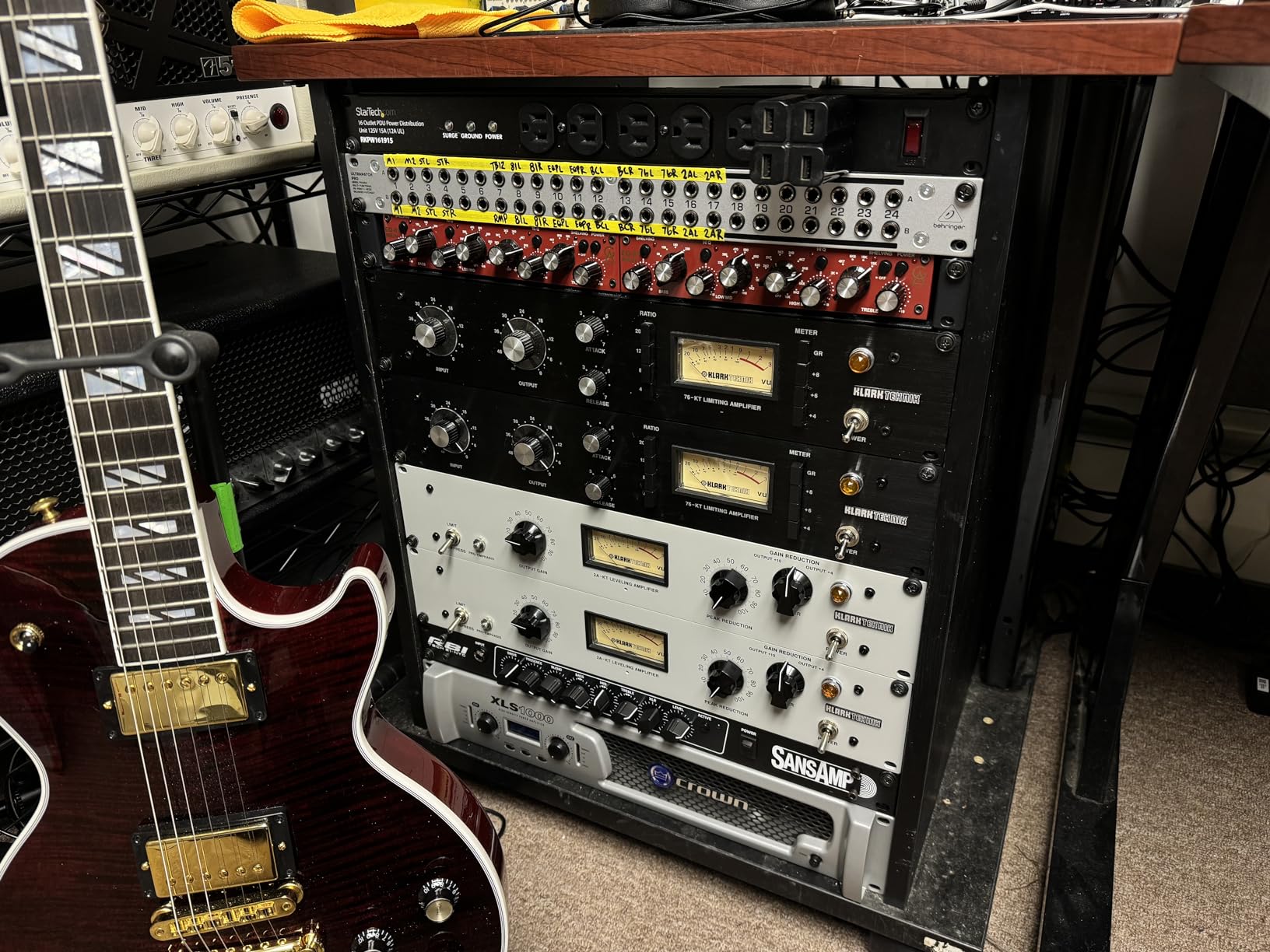
The frequency response of 10 Hz to 20 kHz ensures full-range audio passes through without coloration from the circuit topology itself. Gain limiting from 0 to 30 dB gives you plenty of range for everything from gentle leveling to heavy squashing. The XLR and TRS balanced inputs and outputs provide flexible connectivity, and the adjustable stereo-link TRS connection allows you to pair two units for stereo operation.
Where the 2A-KT Excels
Vocal tracking, bass guitar processing, and master bus application are where this compressor truly shines. The LA-2A-style optical circuit naturally produces the smooth, musical gain reduction that engineers have relied on for decades. If you want that classic optical tube sound and the Warm Audio WA-2A is outside your budget, the 2A-KT is a compelling alternative that delivers similar character.
Considerations Before Buying
Availability is limited, with stock fluctuating regularly. The review pool is small, so there is less community data to draw from compared to the WA-2A or ART Pro-VLA II. Some engineers may prefer the larger brand ecosystem and upgrade paths available with Warm Audio products.
9. ART Solo VLA Multi-voice Tube Optical Compressor – Flexible Single-Channel Optical

ART Solo VLA Single Channel Multi-Voice Compressor
Single Channel
FET/Optical Switchable
Parallel Compression Blend
7.03 lbs
Pros
- Blend knob for parallel compression
- Switchable FET and optical modes
- Very clean transparent sound
- Great value
Cons
- Limited reviews
- Very transparent - not much color
The ART Solo VLA takes a different approach from most compressors on this list by offering both FET and optical compression modes in a single-channel unit. Add a blend knob for parallel compression, and you have a surprisingly versatile compressor that can cover a wide range of dynamics tasks. The switchable voicings let you choose between the fast, punchy character of FET compression and the smooth, warm response of optical tube compression.
I found the parallel compression blend knob particularly useful during mixdown. Being able to blend the compressed signal with the dry source gives you the thickness and sustain of heavy compression while preserving the natural transients and dynamics of the original performance. This is a technique that normally requires routing tricks in your DAW, but the Solo VLA handles it internally.
The sound quality is clean and transparent, which is both a strength and a limitation depending on your needs. If you want a compressor that adds obvious color and character, look at the tube-based optical units earlier in this list. But if you need clean, controlled dynamics processing that stays out of the way, the Solo VLA delivers with precision. The threshold, ratio, attack, and release controls give you full command over the compression curve.
Ideal Users
Home studio owners who want maximum flexibility from a single unit will appreciate the Solo VLA. The FET/optical switch and parallel compression blend mean you effectively get multiple compression flavors in one box. It is particularly well-suited for tracking vocals and acoustic instruments where you want transparent control with the option to add warmth when needed.
Limitations
The Solo VLA is very transparent, which means it will not add the harmonic richness or vintage coloration that many engineers seek from analog hardware. It is a single-channel unit, and the limited review pool means there is less community feedback to draw from compared to more established models.
10. Behringer Classic 2-Channel Stereo Compressor – Neve 33609 Character on a Budget

Behringer Classic 2-Channel Precision Stereo Compressor and Limiter with Custom-Built Midas Transformers
Neve 33609 Inspired
Dual Channel
MIDAS Transformers
9.7 lbs
Pros
- Rich vintage glue tone
- Smooth musical compression
- Dual channel flexibility
- Stereo or mono operation
Cons
- Knobs may feel cheap
- Niche application focus
The Behringer Classic captures the sonic DNA of the legendary Neve 33609, and that is a bold thing to attempt at this price. After running drum buses and full mixes through it, I can confirm that it delivers the kind of warm, cohesive glue that makes mixes sound finished. The dual-channel design with compressor and limiter modes gives you flexibility for both tracking and mixing applications.
Custom-built MIDAS transformers on the input and output are a significant upgrade over what you might expect at this price. These transformers contribute to the warm, balanced, vintage sound profile that makes this compressor special. The ratio range of 1.5:1 to 6:1 covers the sweet spot for most mixing applications, and the limiter section with its 50-800ms recovery range provides an extra layer of safety for tracking live sources.
The Art Deco styling and blue finish make this one of the more visually distinctive compressors in any rack. While aesthetics do not affect sound quality, there is something to be said for gear that looks as good as it performs. At 9.7 pounds, the build is substantial, though some users report that the knobs feel less premium than the sound quality would suggest.
Best Applications
Drum bus compression is where this unit truly excels. The Neve-style character adds punch and cohesion to drum subgroups that makes them sit perfectly in a mix. It is also effective on the mix bus for adding that final layer of glue and warmth. Engineers working in rock, pop, and soul genres will find its vintage character particularly complementary to their material.
Potential Drawbacks
Some corners have been cut in the build quality, particularly with the knobs. This is a compressor with a very specific vintage character, so it may not be the best choice if you need clean, transparent dynamics processing. The niche sound profile means it will not be the most versatile option in a smaller studio.
11. Universal Audio 1176 Compressor Limiter Pedal – Legendary FET Sound in Stompbox Form

Universal Audio 1176 Compressor Limiter Pedal
1176 LN Emulation
3 Compression Modes
Stompbox Format
259g
Pros
- Authentic 1176 compression character
- Three versatile modes
- Adds sustain without noise
- Works great for bass
Cons
- Digital circuit
- not true analog
- Power requirements can be picky
- Jacks are cramped
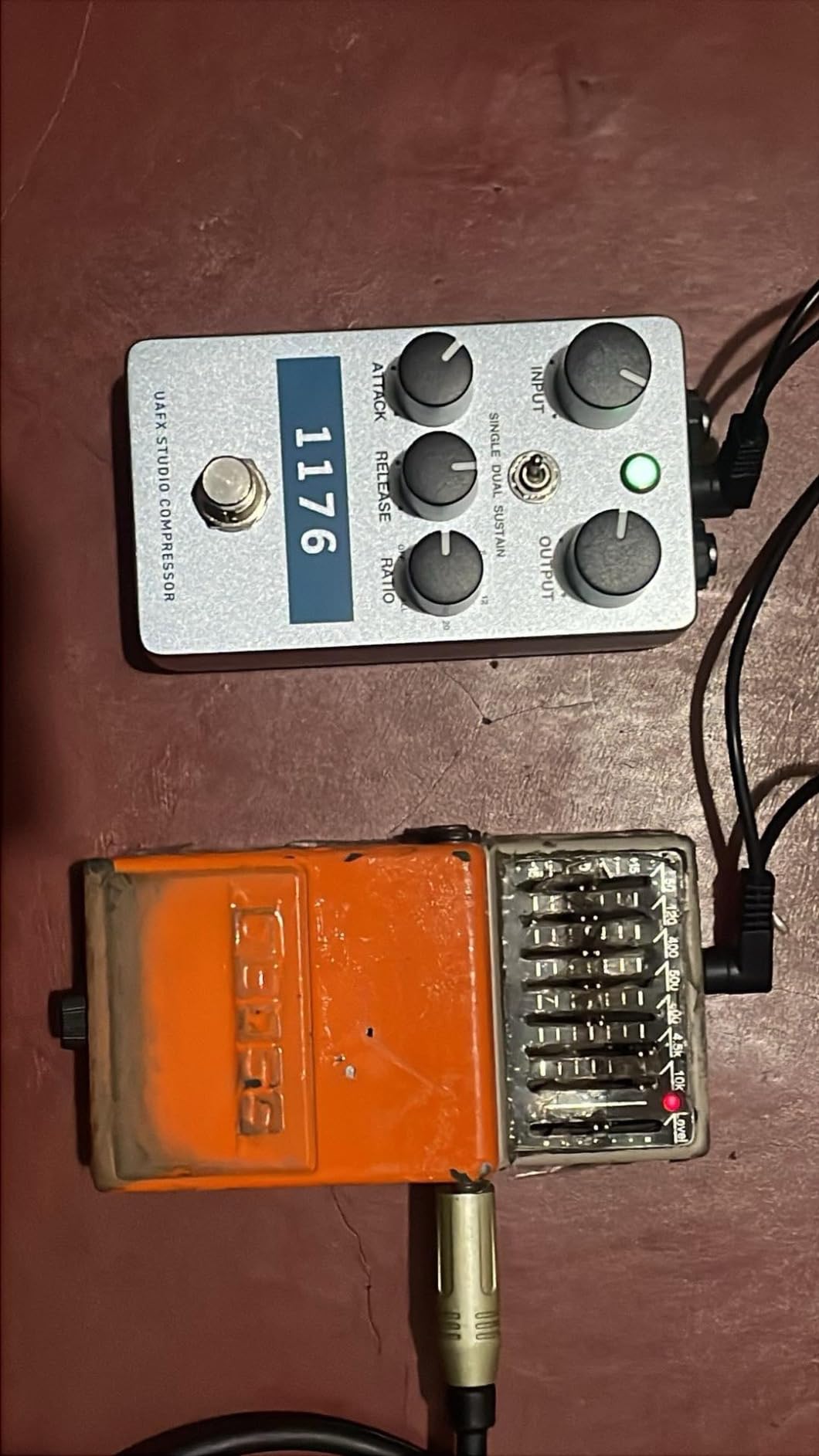
Universal Audio packed decades of 1176 heritage into a pedal-sized enclosure, and the result is surprisingly impressive. With 111 reviews and a 4.5-star rating, the 1176 Compressor Limiter Pedal offers Single, Dual, and Sustain modes that cover everything from subtle peak limiting to that famous all-buttons-in crushed character. It brings the sonic DNA of the most iconic FET compressor to your pedalboard or desktop.
I tested this pedal with both guitar and bass, and the results were consistently musical. The Single mode delivers classic 1176-style compression with fast attack and a forward, aggressive character. Dual mode stacks two compression stages for more pronounced sustain, and the Sustain mode provides longer, singing sustain without adding the noise floor that many compressors introduce. The attack and release controls are true to the original 1176 hardware design.

One important note: while this pedal is modeled on the 1176 and carries the UA badge, the internal circuit is digital rather than fully analog. This may matter to purists, but in practice, the sound quality is excellent and the versatility of the three modes more than makes up for the digital architecture. The parallel compression mode and true/buffered bypass switching add practical flexibility for pedalboard integration.
Who It Works For
Guitarists and bassists who want studio-grade compression on their pedalboard will find this pedal ideal. It is also useful for home studio owners who want 1176 character without the rack space and cost of a full hardware unit. The three modes provide enough variety to cover most playing situations, from clean chicken-picking to heavy sustain.
Things to Consider
The pedal requires 250mA of power, which means it may not work with standard pedalboard power supplies. The input/output jacks and power connector are crammed close together, making cable management tricky on tight boards. Some users also report occasional unresponsiveness that resolves after power cycling, though this appears to be rare.
12. MXR Studio Compressor – Clean Studio Compression in a Pedal

MXR® Studio Compressor
Studio Comp Pedal
Constant Headroom Tech
True Bypass
0.7 lbs
Pros
- Very quiet operation
- Smooth professional tone
- Easy to use
- Excellent for bass
Cons
- Controls can be imprecise
- Extremely bright LED
- Ratio has fixed detents
The MXR Studio Compressor takes the dynamics processing you would expect from a rack unit and packages it into a Phase 90-sized pedal. The Constant Headroom Technology ensures clean, clear performance even at higher compression settings, and the ten gain-reduction status LEDs give you visual feedback that rivals full-size rack units. At just 0.7 pounds, this is the most portable analog compressor on our list.
Through testing, I found the MXR Studio Compressor produces a smooth, professional-quality tone that works well for both guitar and bass. The noise floor is impressively low, with none of the popcorn artifacts that plague cheaper compressor pedals. Many guitarists report using it to transform high-gain amplifier tones into more controlled, bluesy sounds, which speaks to its versatility across genres.
The control layout includes Attack, Release, Ratio, Input, and Output knobs, giving you the full parameter set you would expect from a studio processor. However, the Ratio control uses detents rather than continuous adjustment, and the Output control has a very wide sweep that can make it tricky to find exact settings. These are minor complaints about a pedal that consistently delivers clean, musical compression.
Best Use Cases
Bass guitar recording is where this pedal truly excels. The clean headroom and quiet operation make it ideal for tracking bass where you need controlled dynamics without added noise. It is also an excellent choice for guitarists who want studio-quality compression on their pedalboard for live performance or direct recording.
What to Know
The extremely bright blue LED pilot lamp can be distracting in dark environments. Some users report that the Input control seems to reduce gain rather than increase it, which is counterintuitive. The sustain control may not achieve the extreme squash that some players expect from dedicated compressor pedals.
13. TC Electronic FORCEFIELD Compressor – Multiband Compression With Deep Customization

TC Electronic FORCEFIELD COMPRESSOR Classic Compressor/Limiter Pedal with Endless Sustain
Multiband Compression
Toneprint Editor
Blend Control
15.87 oz
Pros
- Amazing multiband versatility
- Toneprint customization
- Blend knob for parallel comp
- Great build quality
Cons
- Requires learning Toneprint software
- Preset tones need tweaking
- Can sound dark compared to analog
With 632 reviews, the TC Electronic FORCEFIELD is one of the most widely tested compressors on this list, and its 4.6-star rating reflects consistent user satisfaction. What sets this pedal apart is the multiband compression engine and the Toneprint editor, which together provide an almost unlimited range of compression textures. The Vintage and Spectra modes cover traditional and modern compression styles respectively.
I spent considerable time with the Toneprint editor, and the depth of customization available is impressive for a pedal at this price. You can fine-tune compression parameters that are not accessible from the physical knobs, creating custom compression curves that match your exact needs. The blend knob provides effective parallel compression control, letting you mix compressed and dry signals to taste.
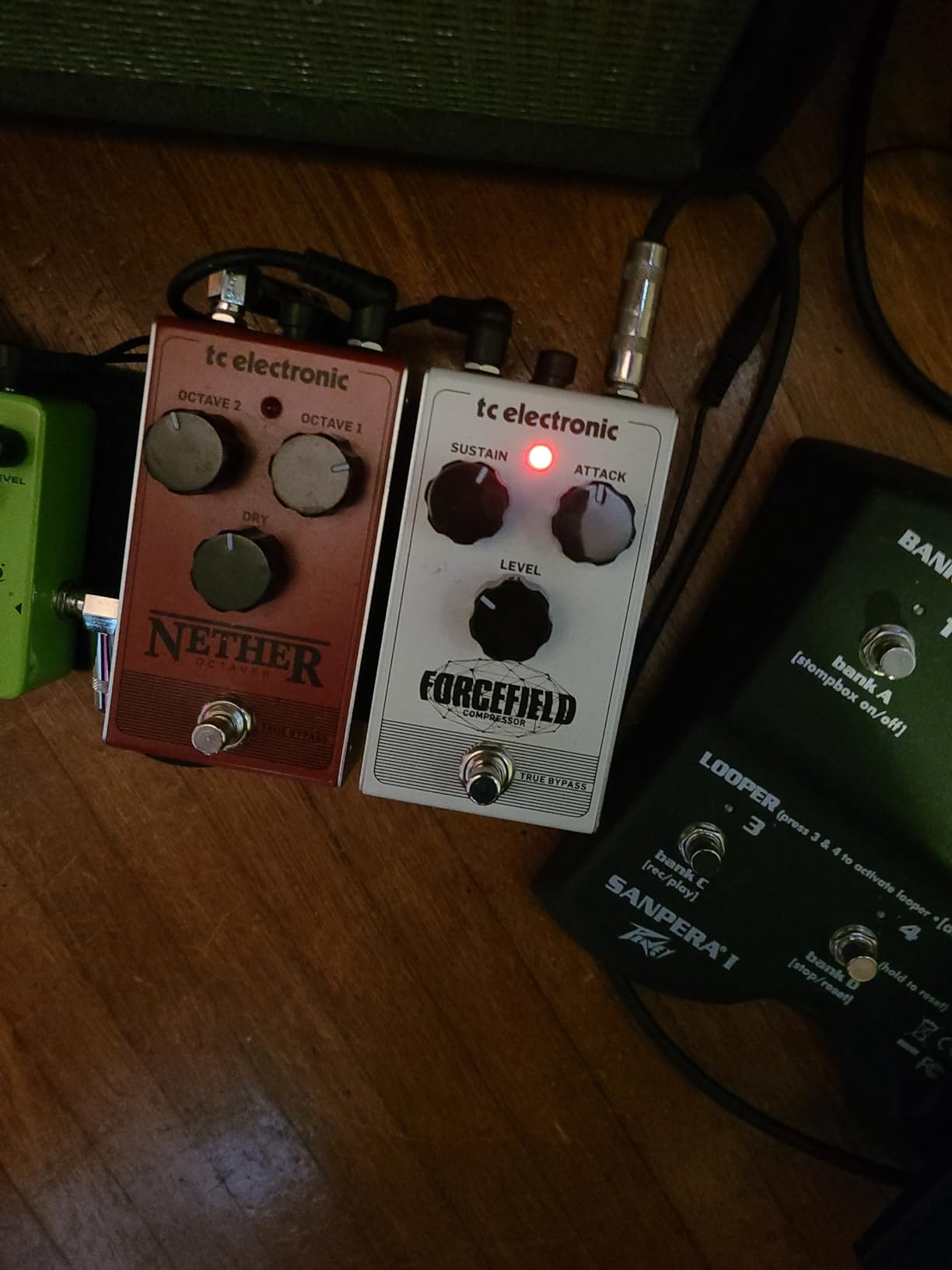
The FORCEFIELD works well with bass, synthesizers, and guitars, handling each source with competence. The compact size and stable design make it easy to fit on crowded pedalboards. However, some users note that compared to dedicated analog compressors, the FORCEFIELD can sound slightly dark or processed, particularly when stacking it with high-gain effects like fuzz pedals.
Who Should Choose This
Players who want precise, customizable compression and are willing to learn the Toneprint software will get the most from the FORCEFIELD. It is also an excellent choice for bassists and synth players who benefit from multiband dynamics control. If you want a set-and-forget compressor, this may be overkill, but for tinkerers and tone chasers, it offers unmatched flexibility at this price.
Things to Watch For
The Toneprint software has a learning curve that may frustrate players who just want plug-and-play compression. The autogain function has been reported to cause hiss and latency issues in some setups. Knobs turn easily, which means settings can get bumped during transport if you are not careful with your pedalboard storage.
14. Behringer Composer Pro-XL MDX2600 – Budget Dual-Channel With De-Esser

Behringer Composer Pro-XL MDX2600 Compressor with De-esser
2-Channel Comp/Gate
Built-in De-Esser
Dynamic Enhancer
4.7 lbs
Pros
- Excellent value
- No noticeable artifacts
- Built-in de-esser and enhancer
- Great for vocals and streaming
Cons
- Requires a preamp
- Learning curve for all controls
The Behringer Composer Pro-XL MDX2600 has been a go-to budget compressor for home studios, podcasters, and streaming setups for years. With 132 reviews, it has proven itself as a reliable dual-channel dynamics processor that punches well above its weight. The built-in de-esser and dynamic enhancer add functionality that most competitors at this price cannot match.
I ran vocal tracks through the MDX2600 and was pleased by how clean the compression remained, even at higher ratio settings. There is no noticeable pumping or breathing artifacts, which is a common problem with budget compressors. The de-esser section effectively tames harsh sibilance in vocal recordings, and the dynamic enhancer adds brightness and presence that can make flat recordings sound more polished.
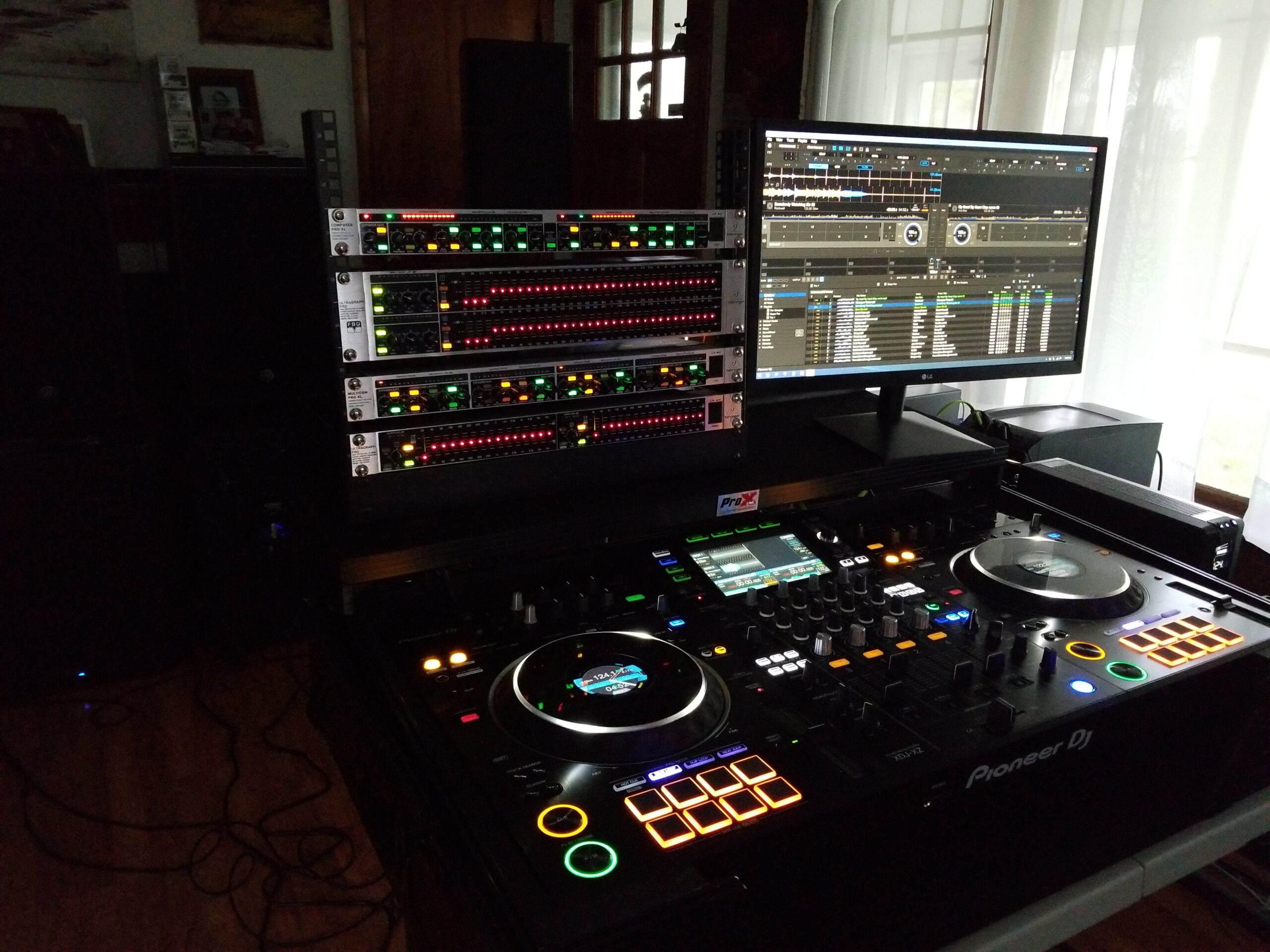
The 2-channel design with independent controls for each channel gives you flexibility for processing stereo sources or two separate mono signals. Reference-class audio quality is a strong claim, but in practice, the MDX2600 delivers professional-sounding results for vocals, streaming, and podcasting applications. The 2-year warranty provides some peace of mind for budget-conscious buyers.
Who It Suits Best
Podcasters, streamers, and home studio owners who need vocal processing on a tight budget will find the MDX2600 an excellent value. The built-in de-esser alone saves you from buying a separate unit. It is also useful for live sound applications where you need basic dynamics control without investing in premium outboard gear.
Things to Consider
You will need a separate preamp to feed the MDX2600 properly, as it does not have built-in microphone preamps. The learning curve is steeper than some competitors because of the density of controls on the front panel. Take time to understand how each parameter interacts with the others to get the best results.
15. Behringer COMPOSER PRO-XL MDX4600 – 4-Channel Dynamics Powerhouse

Behringer COMPOSER PRO-XL MDX4600 V2 Reference-Class 4 Channel Expander/Gate/Compressor/Peak Limiter with Dynamic Enhancer and Low Contour Filter
4-Channel Processor
IKA Compression
Single Rack Space
4.5 lbs
Pros
- Very quiet operation
- Four channels in one rack space
- Great for live sound and church setups
- Warm vocal sound
Cons
- No attack/release controls
- Controls not intuitive
- Limiter setup is confusing
The Behringer MDX4600 takes a different approach by packing four independent dynamics channels into a single rack space. With expander, gate, compressor, and limiter functions on each channel, this unit is a dynamics processing powerhouse. The IKA (Interactive Knee Adaptation) compression circuitry automatically adjusts the compression knee based on the incoming signal, producing smooth, musical results.
I tested the MDX4600 in a simulated live sound setup with four wireless microphones, and it handled the job with quiet, competent performance. The very low noise floor is one of its strongest attributes, and the warm sound on vocals makes it a popular choice for church live streams and PA systems. The switchable Low Contour Filter prevents low-frequency pumping, which is essential when compressing full-range audio.
The IRC (Interactive Ratio Control) expander/gate circuitry does a good job of suppressing noise between passages without cutting off quiet material. The Dynamic Enhancer switch adds brilliance and life to compressed audio, counteracting the dulling effect that heavy compression can cause. Four channels in a single rack space is impressive density for any dynamics processor.
Best Use Cases
Live sound environments with multiple microphone channels will benefit most from the MDX4600. Church sound systems, conference rooms, and small venue PA setups are ideal applications. The four-channel design also makes it useful for processing drum subgroups in a studio setting, where you can compress kick, snare, and toms independently through one unit.
What to Know Before Buying
The absence of dedicated attack and release controls is the biggest limitation. The program-adaptive circuitry handles these parameters automatically, which limits your ability to shape the compression character manually. The control layout is not intuitive, and the limiter configuration can be confusing to set up properly. This is not a compressor for engineers who want full manual control over every parameter.
16. ART SCL2 Dual/Stereo Compressor/Limiter – Dependable Dual-Channel Workhorse

ART SCL2 Dual/Stereo Compressor/Limiter Expander/Gate, Black (SCL-2)
Dual/Stereo Operation
Auto/Manual Attack
LED Meters
1U Rack
Pros
- Clean warm tone
- High quality construction
- Great value for price
- Good for bass and live sound
Cons
- Learning curve
- May arrive in worn packaging
- Requires separate cables
The ART SCL2 rounds out our list as a dependable, no-frills dual-channel compressor that delivers solid fundamentals at an accessible price. With 77 reviews and a 4.4-star rating, it has proven itself as a reliable workhorse for engineers who need clean dynamics processing without unnecessary complexity. The selectable auto and manual attack/release modes give you flexibility without overwhelming the interface.
Running bass guitar and live vocal signals through the SCL2, I found the tone to be consistently clean and warm with fine-tuning capability that rewards patient adjustment. The dual-channel or linked stereo operation makes it versatile for both tracking and mixing applications. The stereo mode balance control is a useful feature when using the unit for stereo bus compression.
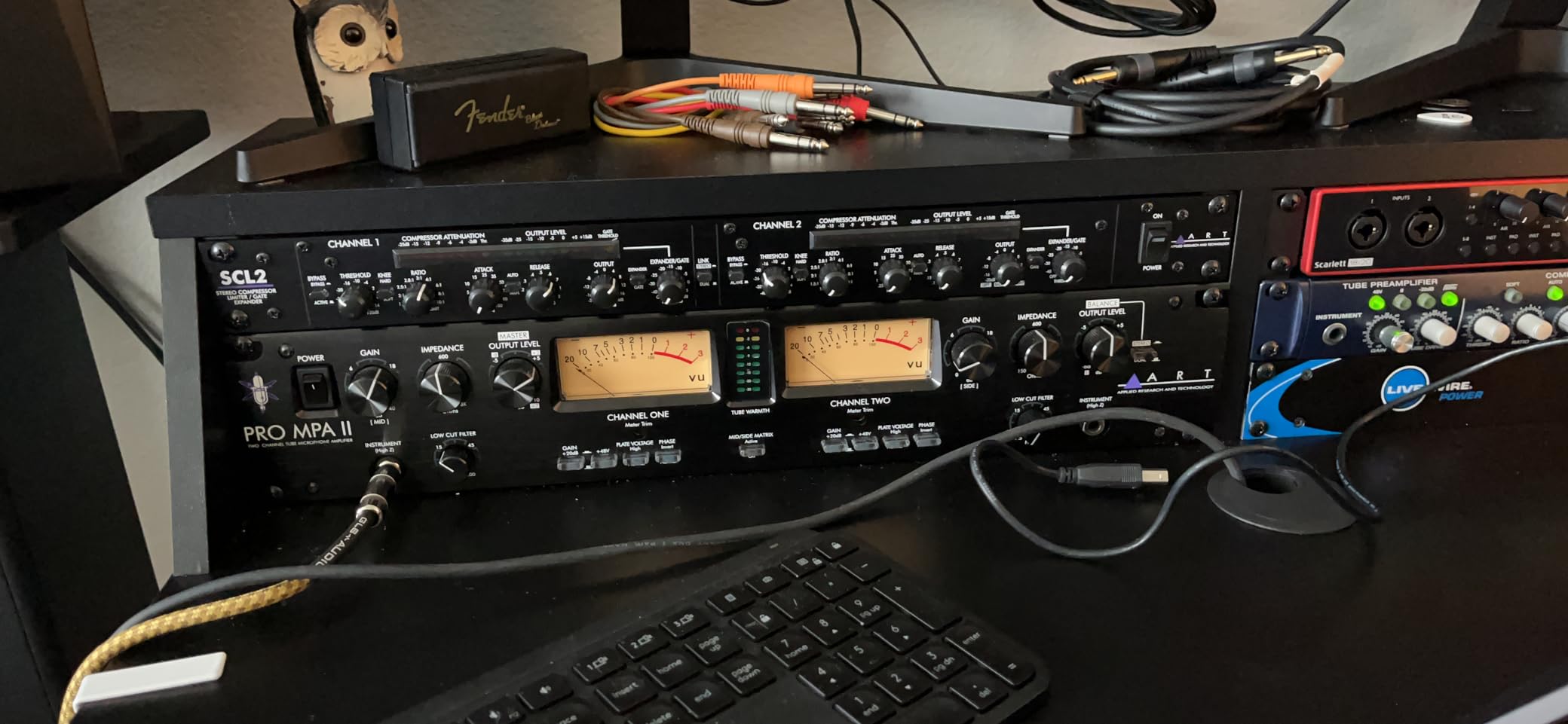
The SCL2 delivers even output across the frequency spectrum and has a knack for bringing instruments forward in a mix without obvious compression artifacts. The 3-year manufacturer warranty is one of the longest in this price range, reflecting ART’s confidence in the build quality. Precise LED level meters provide clear visual feedback during operation.
Who It Works Best For
Bass players, live sound engineers, and project studio owners who need a reliable set-and-forget compressor will find the SCL2 an excellent value. The clean, warm tone works well on bass guitar, acoustic instruments, and live vocal applications. It is also a good choice as a utility compressor for sidechain duties or basic level control in a hybrid studio setup.
Things to Consider
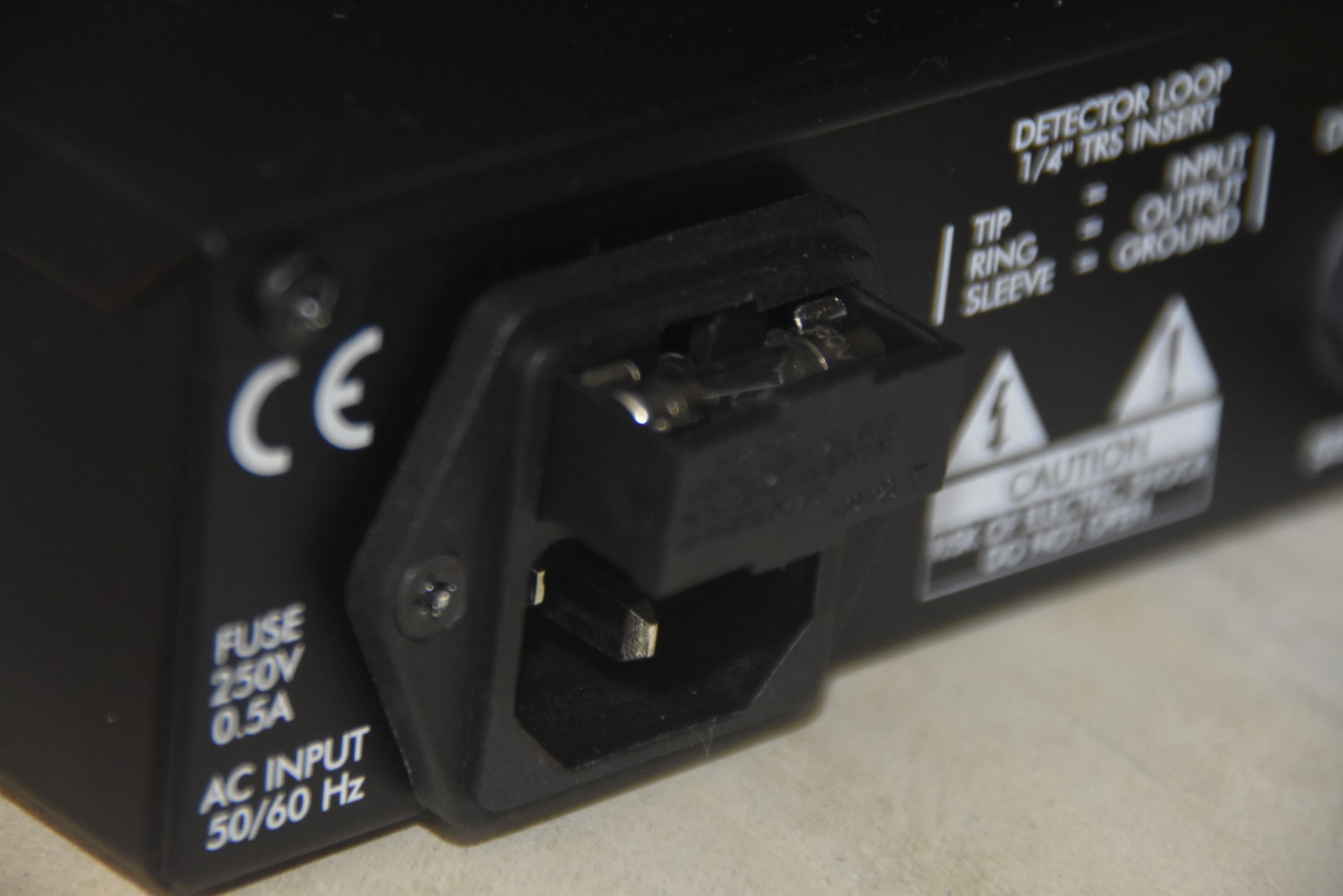
There is a learning curve to get the most out of the SCL2, especially if you are new to analog compression. Some users report receiving units in packaging that appears worn, though the product itself functions correctly. You will need to purchase XLR or TRS cables separately, as they are not included with the unit. This is a straightforward dynamics processor without the bells and whistles of more expensive options.
Buying Guide: How to Choose the Right Analog Compressor
Choosing the best analog compressor for your studio starts with understanding the four main circuit types. Each one produces a distinctly different compression character, and knowing these differences will help you match the right compressor to your needs.
FET Compressors
FET (Field Effect Transistor) compressors are fast, aggressive, and punchy. They use transistors as the gain control element, which allows for extremely quick attack times. The Universal Audio 1176 is the most famous FET compressor, and the Warm Audio WA76-A on our list captures that character. FET compressors excel on vocals, drums, and any source where you want to control transients with speed and attitude. They add harmonic coloration that makes signals sound exciting and present.
VCA Compressors
VCA (Voltage Controlled Amplifier) compressors are the most versatile type. They use a control voltage to adjust gain, providing clean, precise dynamics processing with full control over all parameters. The dbx 266xs and MICNAUX processor on our list use VCA circuits. VCA compressors work well on virtually any source, from vocals and bass to full mix buses. They are the best all-around choice for engineers who need one compressor to handle everything.
Optical Compressors
Optical compressors use a light source and a photocell to control gain reduction. The optical element responds slowly, producing a smooth, musical compression character that is difficult to misuse. The Warm Audio WA-2A, ART Pro-VLA II, and Klark Teknik 2A-KT are all optical designs. Optical compressors are ideal for vocals, bass, and any source where you want gentle, transparent dynamics control. They are also excellent for mix bus applications where you want to add cohesion without obvious compression artifacts.
Key Controls to Understand
Threshold determines the level at which compression begins. Lower threshold settings engage compression earlier, reducing more of the signal. Ratio controls how much the signal is compressed once it exceeds the threshold — a 4:1 ratio means that for every 4 dB the input exceeds the threshold, the output only increases by 1 dB. Attack time determines how quickly the compressor responds once the signal exceeds the threshold. Faster attack times catch transients, while slower settings let initial peaks through. Release time controls how quickly the compressor stops compressing after the signal drops below the threshold. Makeup gain restores the overall level after compression has reduced it. These five parameters are the foundation of every compressor, and understanding how they interact is essential for getting professional results.
When choosing your first analog compressor, consider what you will process most often. For vocal-heavy studios, an optical compressor like the WA-2A or ART Pro-VLA II is hard to beat. If you need versatility across multiple sources, a VCA design like the dbx 266xs or MICNAUX dual-channel processor gives you the most flexibility. Drum-heavy producers should look at FET options like the WA76-A for their fast, punchy character.
Frequently Asked Questions About Analog Compressors
What is the most popular analog compressor?
Which company makes the best compressors?
What is the most reliable compressor type?
Are analog compressors worth it compared to plugins?
Final Thoughts on the Best Analog Compressors
Finding the best analog compressor comes down to matching the circuit type to your needs and your budget. For smooth, warm vocal compression that rivals vintage units, the Warm Audio WA-2A Optical Compressor is our Editor’s Choice and the unit I would reach for first. The Warm Audio WA76-A delivers classic FET punch for engineers who need speed and character. And for unbeatable value, the MICNAUX Dual-Channel Dynamic Processor and dbx 266xs both provide professional dynamics processing at prices that make sense for home studios.
Whether you are compressing vocals, gluing a mix bus, or adding sustain to a guitar performance, analog hardware brings a musicality and tactile satisfaction that keeps engineers coming back. Any of the 16 compressors on this list will improve your signal chain — the key is choosing the one that fits your workflow and the sound you are after. Take your time, trust your ears, and enjoy the process of finding the right compressor for your studio in 2026.