
After years of relying on condenser and dynamic mics for everything in my studio, I finally added a ribbon microphone to my collection three years ago. The difference was immediate and striking. That smooth, natural high-frequency roll-off brought a warmth to my guitar cabinet recordings that no EQ curve could replicate.
Ribbon microphones have made a serious comeback in home studios. Once considered fragile, finicky relics of the past, today’s ribbons combine vintage character with modern durability and phantom-powered convenience. Whether you’re capturing aggressive guitar tones, delicate acoustic instruments, or smooth vocals, the best ribbon microphones deliver a sound that’s distinctively their own.
In this guide, I’ve tested and compared 8 of the top ribbon mics available in 2026, ranging from budget-friendly options under $150 to premium studio workhorses. Each has been evaluated for sound quality, build durability, SPL handling, and value for money.
Table of Contents
Top 3 Picks for Best Ribbon Microphones

Warm Audio WA-44
- RCA 44-inspired vintage tone
- Japanese ribbon & USA transformer
- 6.2 lb solid build
- Figure-8 polar pattern

sE Electronics VR2
- Active ribbon with 20Hz-18kHz response
- Hand-tensioned ribbon
- Low-profile design
- Gold-plated XLR

MXL R144
- Classic ribbon sound under $130
- Figure-8 pattern
- High SPL capability
- Includes shock mount
Best Ribbon Microphones in 2026
| Product | Specifications | Action |
|---|---|---|
| Warm Audio WA-44 |
|
Check Latest Price |
 Royer Labs R-10 Royer Labs R-10 |
|
Check Latest Price |
| sE Electronics VR2 |
|
Check Latest Price |
 Golden Age R1 Active MKIII Golden Age R1 Active MKIII |
|
Check Latest Price |
 sE X1 R sE X1 R |
|
Check Latest Price |
 Stagg SRM70 Stagg SRM70 |
|
Check Latest Price |
 Golden Age R2 MKII Golden Age R2 MKII |
|
Check Latest Price |
| MXL R144 |
|
Check Latest Price |
1. Warm Audio WA-44 Studio Ribbon Microphone – Vintage RCA 44 Replica
Warm Audio WA-44 Studio Ribbon Microphone
RCA 44-inspired tone
Japanese ribbon + CineMag transformer
6.2 lb solid metal build
Figure-8 polar pattern
Hand-tested in Austin, TX
Pros
- Faithful RCA 44 vintage tone
- Rich lows and smooth mids
- Premium Japanese ribbon element
- USA-made CineMag transformer
- Boutique quality build
Cons
- Very heavy at 6.2 lbs
- Requires sturdy mic stand
- Limited review history
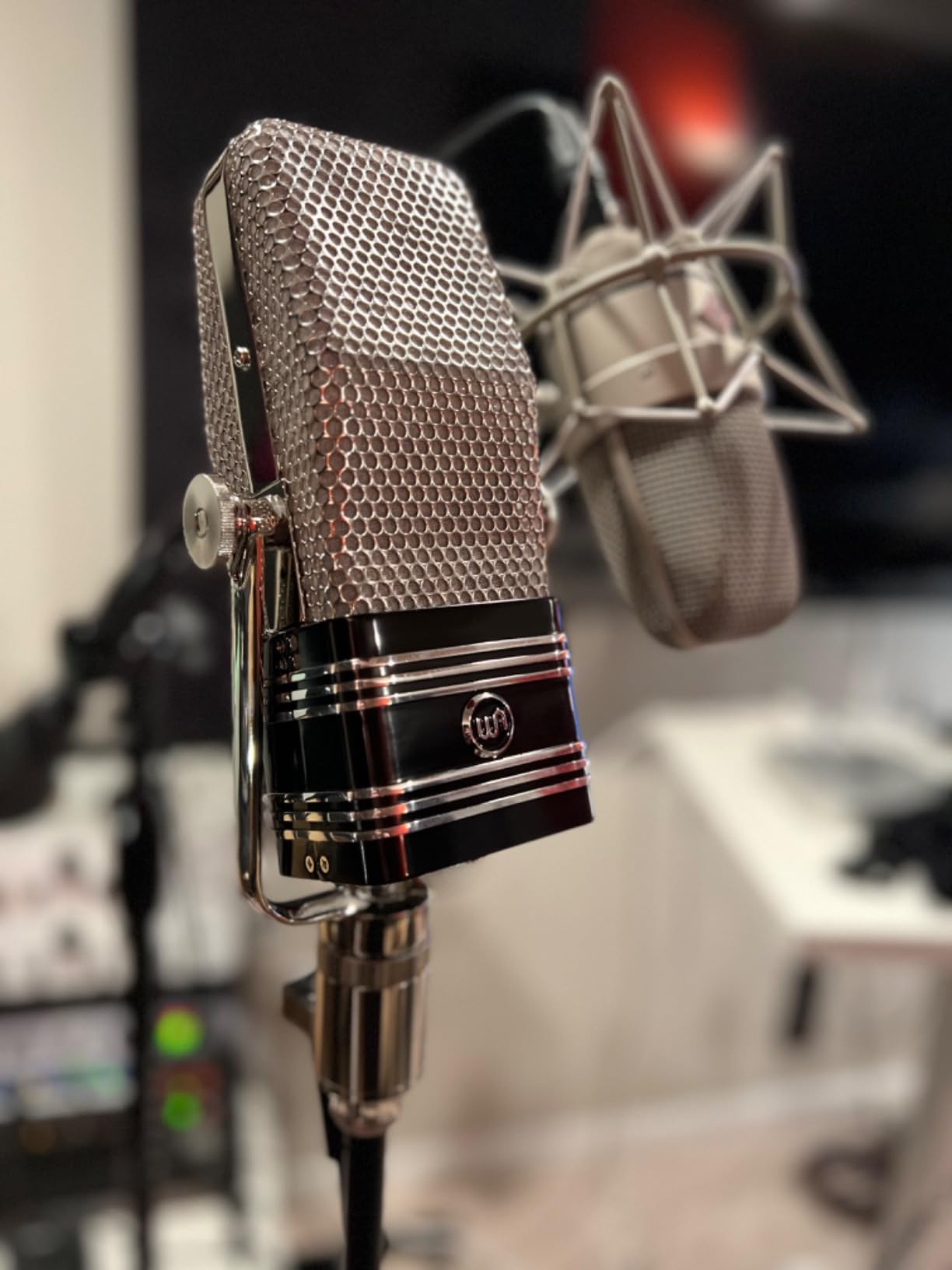
The moment I first heard the WA-44 on a close-miked guitar cabinet, I understood why vintage RCA 44s command such legendary status. Warm Audio has faithfully recreated that warm, forgiving tone that flatters nearly every source you put in front of it.
The build quality is immediately impressive. At over 6 pounds, this mic demands respect and a heavy-duty stand. The custom Japanese ribbon element paired with a USA-made CineMag transformer delivers the rich lows and present mids that define classic ribbon character. Highs roll off naturally without harshness, making this ideal for bright sources that need taming.
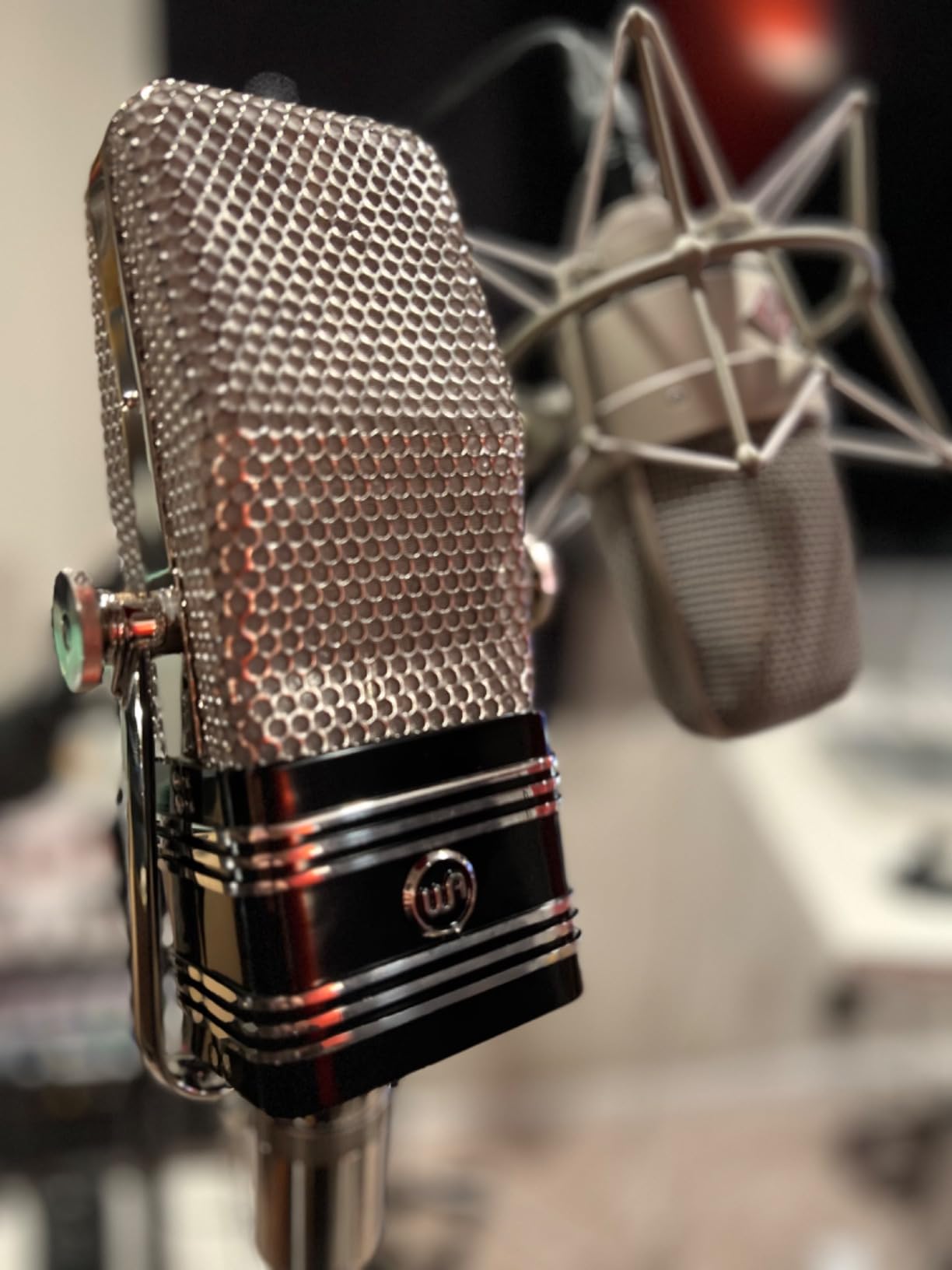
In my testing, the WA-44 excelled on vocals, horns, drums, and acoustic instruments. The figure-8 pattern captures room ambience beautifully, adding depth to recordings that sound one-dimensional with standard cardioid mics. Each unit is hand-tested in Warm Audio’s Austin facility, ensuring consistency that’s rare at this price point.
Who Should Buy This
The WA-44 is perfect for studio owners who want authentic vintage ribbon tone without hunting down fragile, expensive originals. If you record vocals, horns, or guitar amps and want that smooth, polished sound heard on countless classic recordings, this is your mic.
Who Should Skip This
If you need a portable mic for live sound or location recording, the 6.2-pound weight makes this impractical. Budget-conscious beginners should consider the MXL R144 or Golden Age options first.
2. Royer Labs R10 Ribbon Microphone – Made in USA Quality
Royer Labs R10
160dB SPL handling
David Royer custom transformer
Internally shock-mounted ribbon
Compact 5.87 inch design
Figure-8 pattern
Pros
- 160dB SPL handles any source
- David Royer custom transformer
- Patented offset ribbon design
- Open grill minimizes standing waves
- Made in USA quality
Cons
- Premium price point
- No pattern switching
- Backside has brighter response
Royer has earned its reputation as the industry standard for ribbon microphones, and the R-10 brings that legacy to a more accessible price point. After using this on a particularly loud guitar session, I was blown away by how effortlessly it handled extreme SPLs without distortion.
The patented offset ribbon design is brilliant engineering. Position the source toward the front for the classic ribbon sound, or flip it around for a brighter response on the backside. This gives you two tonal options from one microphone. The David Royer custom transformer provides high overload threshold, minimizing the saturation artifacts that plague lesser ribbons.
Build quality is exceptional. The internally shock-mounted ribbon transducer protects against handling noise and physical shock. At 160dB maximum SPL, you can place this directly against a guitar cabinet or in front of a kick drum without fear.
Who Should Buy This
Recording engineers who need a reliable, durable ribbon that handles extreme volumes should choose the R-10. If you work with loud sources like guitar amps, brass, or drums, the 160dB SPL rating provides peace of mind that cheaper ribbons cannot match.
Who Should Skip This
If your budget is tight and you need multiple mics for a stereo pair, the R-10’s price might limit your options. Home studio owners recording primarily acoustic instruments at moderate volumes may find this overkill.
3. sE Electronics VR2 Active Ribbon Microphone – Extended Frequency
sE Electronics VR2
Active ribbon 20Hz-18kHz
Hand-tensioned ribbon capsule
Ultra-slim under 3/4 inch design
Custom shockmount included
Gold-plated XLR
Pros
- Full frequency range for ribbon
- Warm smooth sound
- Hand-tensioned for consistency
- Low-profile fits tight spaces
- Solid metal construction
Cons
- Needs EQ for some sources
- Careful handling required
The VR2 surprised me during a vocal session where I expected to reach for my condenser. The active electronics provide a hotter signal than passive ribbons, meaning you won’t struggle with preamp gain as much. The full 20Hz-18kHz frequency response extends higher than traditional ribbons while maintaining that characteristic smoothness.
Each ribbon is hand-tensioned at the factory, ensuring consistent performance across units. This attention to detail addresses one of the biggest concerns with budget ribbons: unit-to-unit variation. The ultra-slim chassis (less than 3/4 inch thick) fits where bulkier mics cannot, making this ideal for cramped recording spaces.
I found the VR2 particularly effective on guitar cabinets, vocals, and acoustic instruments. The active design means phantom power is required, but also delivers higher output and consistent impedance matching with modern preamps.
Who Should Buy This
Home studio owners with standard audio interfaces will appreciate the VR2’s higher output level. If you’ve struggled with quiet ribbon mics requiring Cloudlifters or special preamps, the active electronics solve that problem elegantly.
Who Should Skip This
Purists seeking the darkest, most traditional ribbon sound may find the extended high-frequency response too modern. If you want the most colored, vintage tone possible, consider a passive ribbon instead.
4. Golden Age Project R1 Active MKIII – Phantom Powered Ribbon
Golden Age R1 Active MKIII
Active ribbon with FET buffer
10dB pad and highpass filter
Phantom powered operation
Figure-8 polar pattern
Warm low end
Pros
- Phantom powered for easy use
- 10dB pad for loud sources
- Warm flattering lows
- Natural high frequencies
- Great for sibilance issues
Cons
- Self-noise noticeable on quiet sources
- No shock mount included
- Attached XLR cable
Golden Age Project has built a reputation for delivering vintage-inspired gear at working musician prices. The R1 Active MKIII continues that tradition with a phantom-powered ribbon that eliminates the preamp gain headaches common with passive designs.
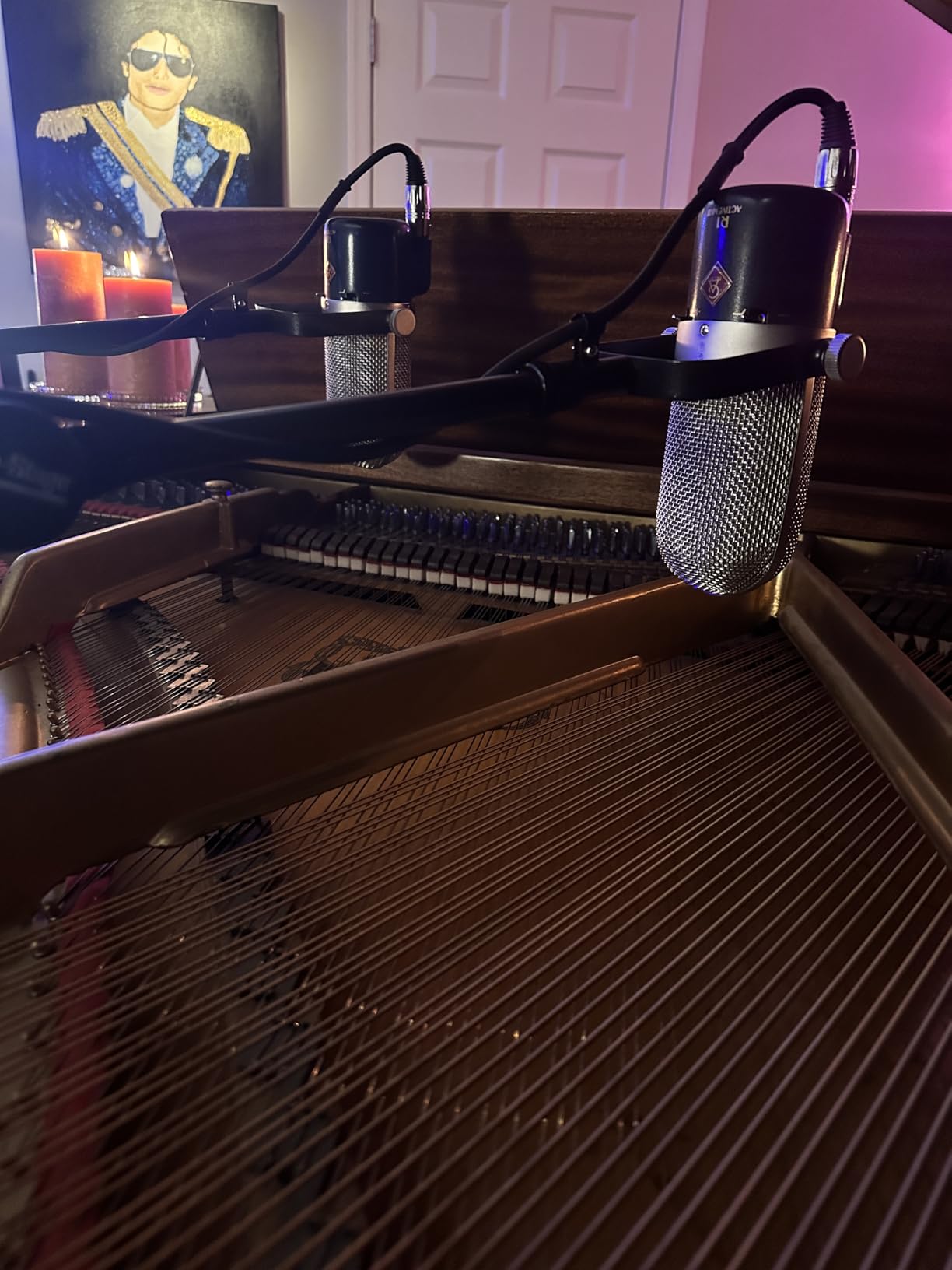
The onboard 10dB pad and highpass filter add versatility that passive ribbons lack. When I placed this in front of a particularly aggressive vocalist with sibilance issues, the smooth top end tamed the harshness without losing clarity. The FET buffer amp provides consistent output across different preamps.
However, the self-noise is noticeable on quiet acoustic sources. For loud vocals, electric guitar, and drums, this isn’t an issue. But recording fingerstyle guitar or subtle room ambience requires careful gain staging. The attached XLR cable is a minor inconvenience, though the cable quality is decent.
Who Should Buy This
Vocalists with harsh esses or bright voices will benefit from the R1’s smooth high-end response. If you want phantom-powered convenience with classic ribbon tone, this delivers excellent value.
Who Should Skip This
Recording engineers needing the absolute quietest noise floor for delicate acoustic instruments should look elsewhere. The self-noise is acceptable for most applications but rules out the most demanding classical recording scenarios.
5. sE Electronics X1 R Passive Ribbon Microphone – High SPL Champion
sE Electronics X1 R
Passive ribbon design
Premium neodymium magnets
Extended high-frequency detail
200 Ohm impedance
All-metal construction
Pros
- High SPL handling for loud sources
- Extended highs compared to vintage ribbons
- Very durable construction
- Tolerates phantom power
- Great for brass and guitar cabs
Cons
- Low sensitivity needs good preamp
- Heavy at 1.65 lbs
- Slightly dark character
The X1 R bridges the gap between vintage ribbon character and modern durability. The neodymium magnets provide stronger output than Alnico designs, while the all-metal construction has survived accidental drops that would destroy lesser mics.
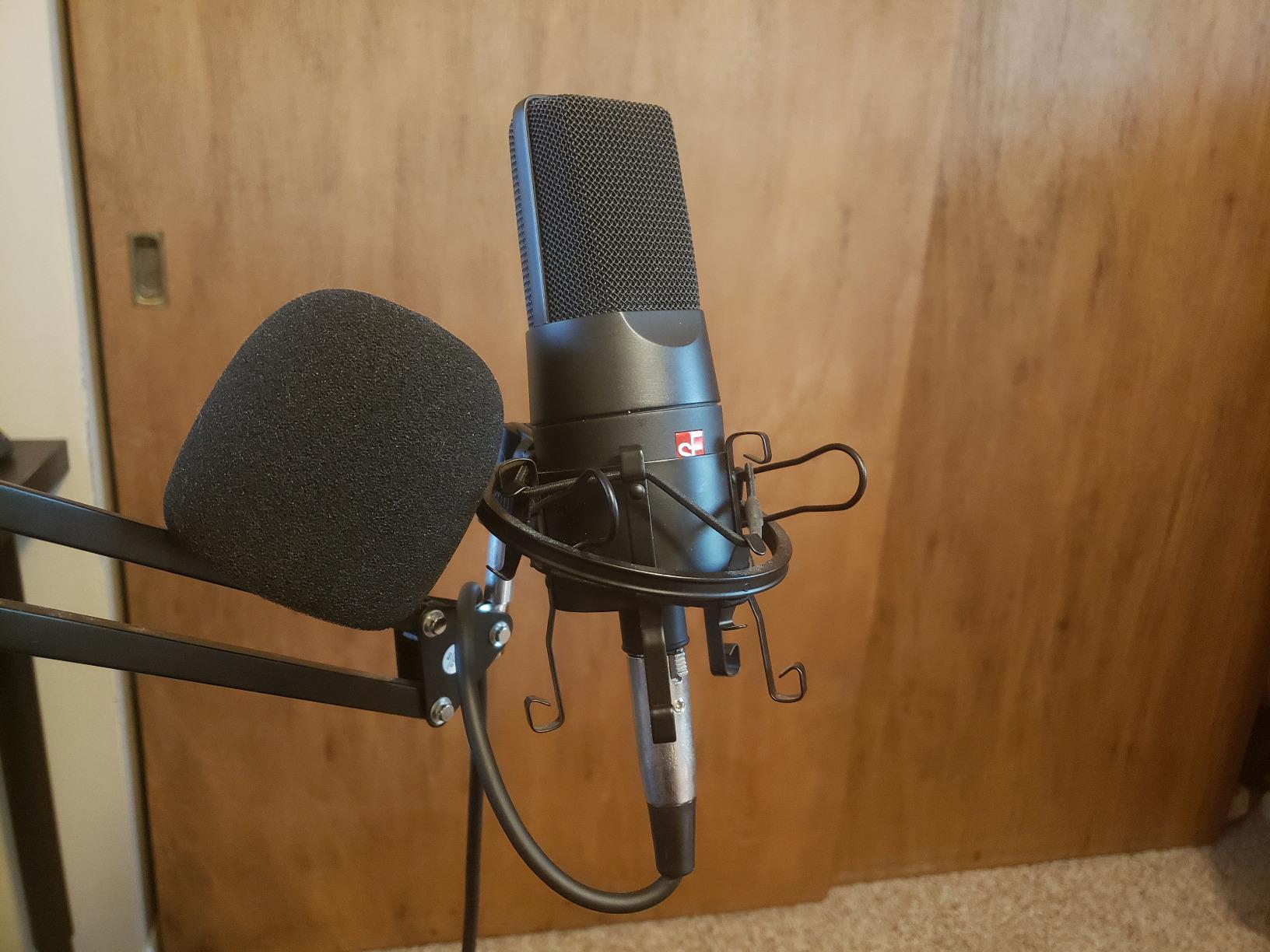
Unlike many ribbons that fear phantom power, the X1 R tolerates it without damage. This peace of mind matters when working in studios where phantom power might accidentally get engaged. The extended high-frequency response captures more detail than traditional ribbons without losing the smooth character that makes ribbons desirable.
I found this particularly effective on brass instruments and electric guitar cabinets. The high SPL handling lets you place it close to loud sources without distortion. However, the low sensitivity means you’ll need a quality preamp with at least 60dB of clean gain for quiet sources.
Who Should Buy This
Studio owners recording loud electric instruments need the X1 R’s durability and SPL handling. If you’ve worried about damaging delicate ribbons in high-energy sessions, this mic removes that anxiety.
Who Should Skip This
If your audio interface has weak preamps (under 50dB gain), this mic will sound quiet and noisy. Budget interface owners should consider active ribbons or plan for a Cloudlifter.
6. Stagg SRM70 Ribbon Microphone – Budget Studio Workhorse
Stagg SRM70
148dB maximum SPL
Pure aluminum ribbon
20Hz-18kHz frequency response
350 Ohm impedance
Shock mount included
Pros
- Good output without Cloudlifter
- Clear frequency range
- Works on many sources
- Solid aluminum construction
- Affordable price point
Cons
- Needs high-gain preamp
- Quality control inconsistent
- Low output requires boost
The Stagg SRM70 surprised me with its versatility across different recording applications. Unlike many budget ribbons that sound dull or boxy, this delivers a relatively flat, organic representation of sources that takes EQ well.
The 148dB SPL rating handles most electric guitar and drum recording scenarios without issues. The included shock mount is functional if not fancy. Build quality is decent for the price, though some users report unit-to-unit variation typical of budget microphones.
For acoustic guitar, classical guitar, bowed strings, vocals, and electric cabinets, the SRM70 performs admirably. The figure-8 pattern captures room tone naturally, adding dimension to solo instrument recordings.
Who Should Buy This
Budget-conscious studio owners wanting to experiment with ribbon microphones should start here. The SRM70 delivers authentic ribbon character without the premium price tag of boutique options.
Who Should Skip This
Professionals needing consistent multi-mic setups should invest in higher-end options. The reported quality control issues make matching pairs uncertain.
7. Golden Age Project R2 MKII Ribbon Microphone – Velvety Smooth
Golden Age R2 MKII
Figure-8 polar pattern
Brass construction
Ribbon element
Velvety smooth sound
XLR connectivity
Pros
- Amazing on vocals and instruments
- Velvety smooth tone
- Great on guitar cabinets
- Excellent value
- Workhorse studio mic
Cons
- Needs good preamp for best results
- Limited reviews available
The R2 MKII represents Golden Age’s commitment to affordable, quality recording tools. The brass construction feels substantial in hand, and the velvety smooth sound flatters sources that sound harsh through condenser microphones.
During testing on electric guitar cabinets, the R2 captured the aggressive attack while smoothing the fizzy top end that cheaper dynamic mics exaggerate. The figure-8 pattern’s null points help reject unwanted room reflections when positioned carefully.
This is a workhorse mic that handles vocals, instruments, and room ambience with equal competence. Like most passive ribbons, it requires a quality preamp with sufficient gain to shine. Budget interface owners should plan accordingly.
Who Should Buy This
Studio owners wanting a versatile ribbon for multiple applications will appreciate the R2’s balanced character. If you need one ribbon mic that handles vocals, guitars, and drums reasonably well, this fits the bill.
Who Should Skip This
Those needing extreme SPL handling for close-miking loud guitar amps might find the 135dB rating limiting. The R-10 or X1 R handle louder sources more gracefully.
8. MXL R144 Multi-Purpose Ribbon Microphone – Best Budget Pick
MXL R144
Classic ribbon sound
Figure-8 polar pattern
High SPL capability
Compact design
Shock mount and case included
Pros
- Smooth natural ribbon sound under $130
- Great value for money
- Includes shock mount and case
- Handles high SPL well
- Takes EQ boost gracefully
Cons
- Shock mount limits close positioning
- Requires quality preamp
- Fragile ribbon concerns
The MXL R144 proves that authentic ribbon character doesn’t require a massive investment. This was my first ribbon microphone, and it taught me why engineers obsess over the format. The smooth midrange and natural high-frequency roll-off tamed bright guitar amps that sounded harsh through SM57s.
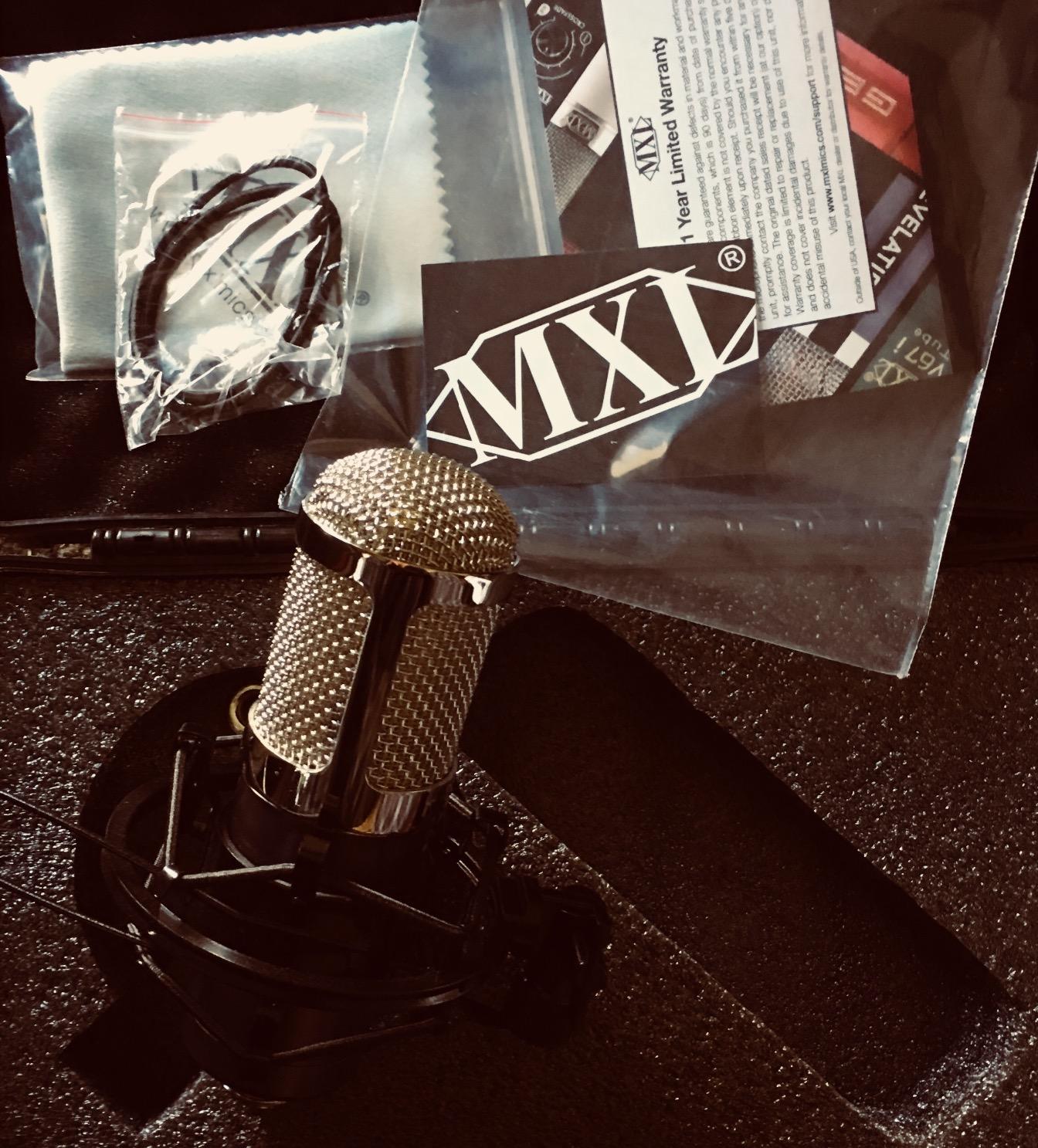
Build quality is acceptable for the price, though the ribbon element requires careful handling as with all ribbons. The included shock mount is appreciated at this price point, though the handles can interfere when positioning close to sources. The carrying case provides basic protection for transport.
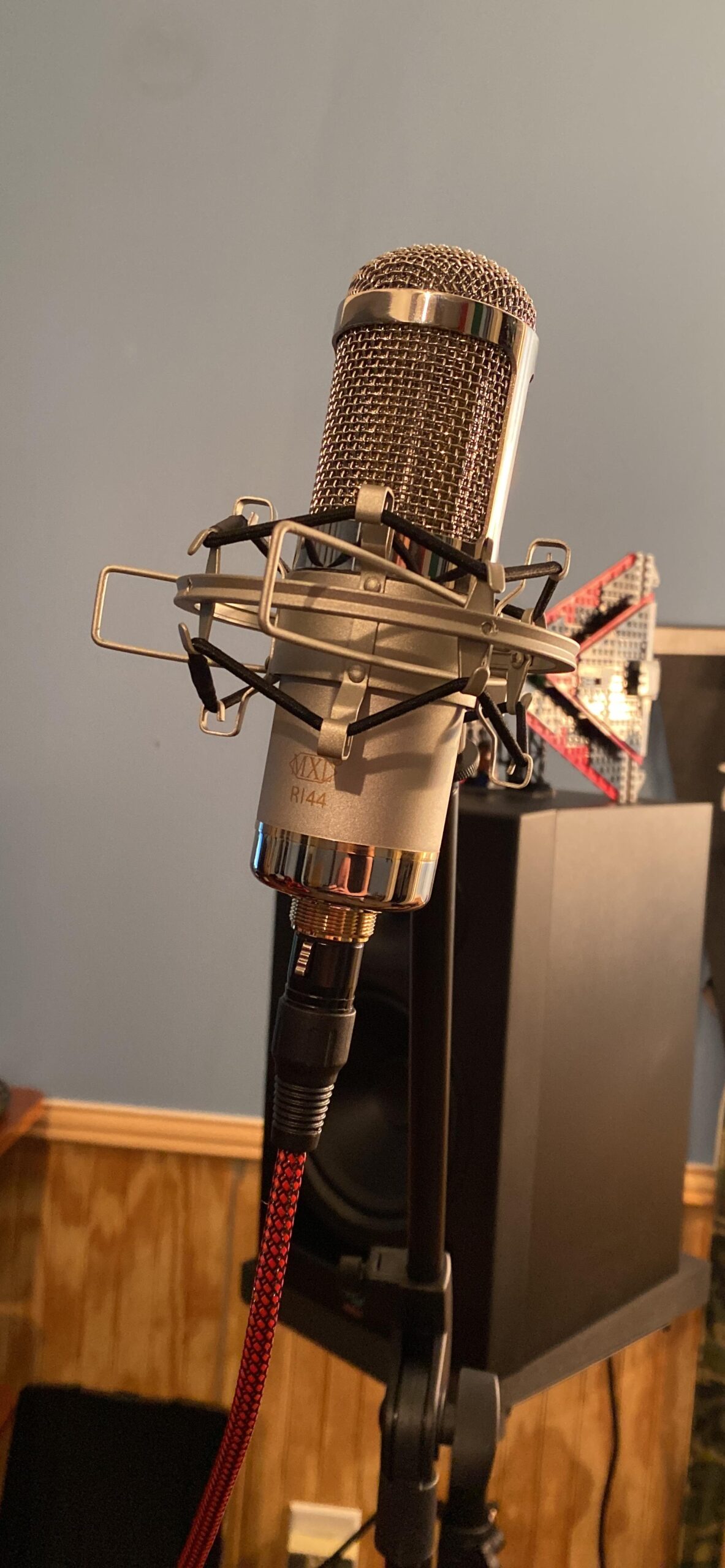
The high SPL capability handles electric guitars and horns without distortion. The figure-8 pattern captures room ambience that adds dimension to recordings. EQ boosts apply smoothly without the harsh artifacts common with condenser microphones.
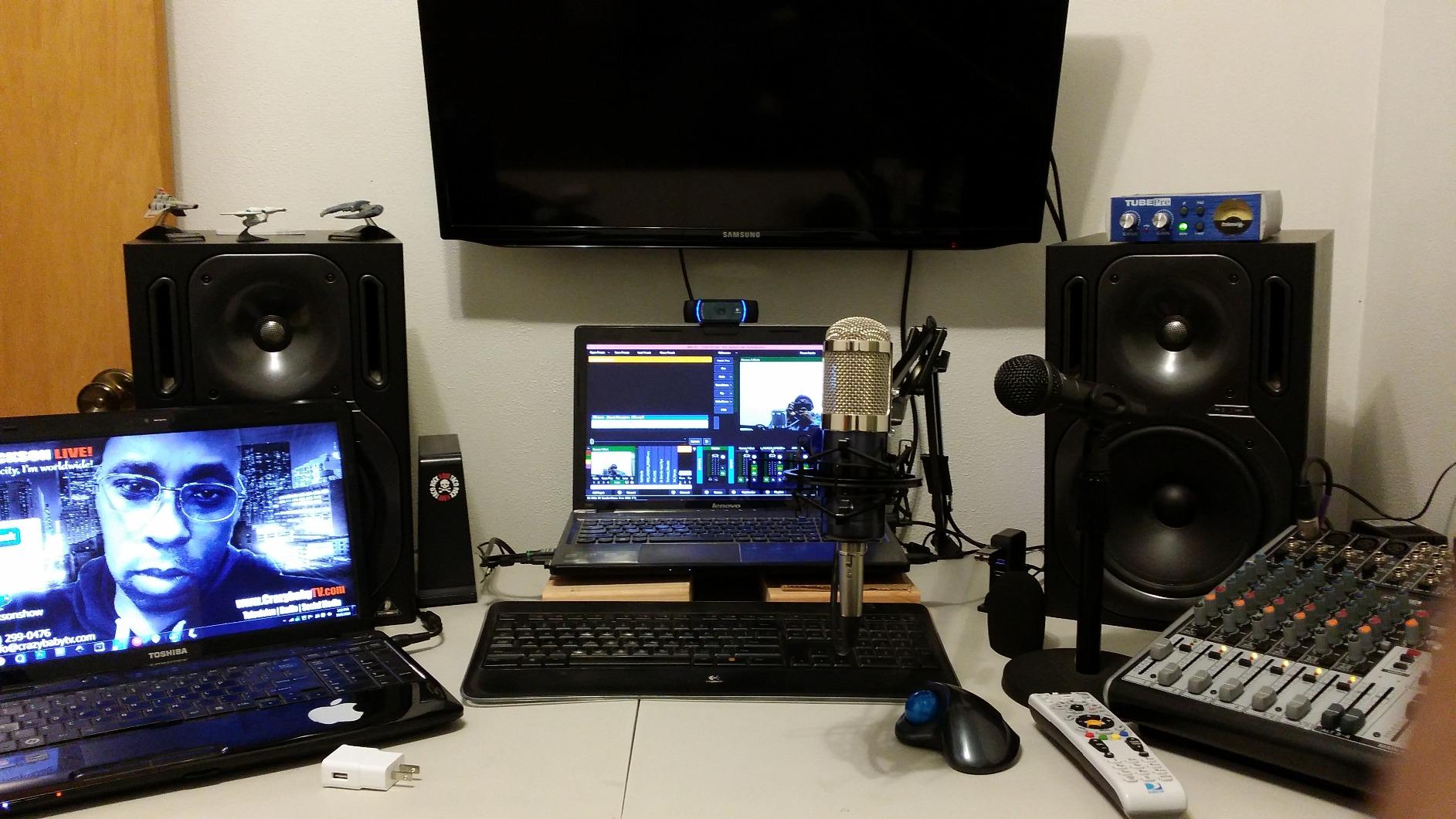
Who Should Buy This
Beginners wanting to explore ribbon microphones without significant investment should start here. The R144 delivers authentic ribbon character that justifies upgrading to premium options later.
Who Should Skip This
Professionals needing consistent reliability for paid sessions should invest more. The budget construction and occasional quality control issues make this unsuitable for critical commercial work.
Ribbon Microphone Buying Guide
What Is a Ribbon Microphone?
A ribbon microphone uses an ultra-thin strip of aluminum foil suspended between the poles of a magnet to capture sound. This ribbon moves with air pressure changes, generating an electrical signal. The figure-8 polar pattern picks up sound equally from front and back while rejecting sounds from the sides.
The result is a warm, natural tone with smooth high-frequency roll-off. Unlike condenser microphones that can sound bright and detailed, ribbons flatter sources by reducing harshness and adding midrange richness.
Active vs Passive Ribbon Microphones
Passive ribbon microphones, like the MXL R144 and Golden Age R2, require no power and produce low output signals. They need high-gain preamps (60dB+) for quiet sources. Active ribbons, like the sE VR2 and Golden Age R1, include internal electronics requiring phantom power. These provide higher output, consistent impedance, and easier integration with modern audio interfaces.
Choose passive ribbons for the most authentic vintage character and compatibility with older tube preamps. Choose active ribbons for convenience and higher output with standard interface preamps.
SPL Handling and Why It Matters
SPL (Sound Pressure Level) handling indicates how loud a source can be before the ribbon distorts or damages. The Royer R-10 handles 160dB, meaning you can place it directly against a guitar speaker cabinet. The MXL R144 handles lower SPLs, requiring more distance from loud sources.
For electric guitar, drums, and brass, choose ribbons rated above 140dB SPL. For vocals, acoustic instruments, and room ambience, lower ratings suffice.
Preamp Requirements
Ribbon microphones need more clean gain than condensers or dynamics. Passive ribbons often require 60-70dB of gain for quiet sources. Many budget audio interfaces provide only 50-55dB, resulting in noisy recordings.
Solutions include buying an inline preamp like the Cloudlifter (+25dB clean gain), choosing an active ribbon with higher output, or investing in a quality preamp with sufficient gain.
Phantom Power Considerations
Older ribbon microphones could be damaged by phantom power. Modern ribbons, including the sE X1 R and Royer R-10, tolerate phantom power without issue. However, always verify your specific model’s phantom power compatibility before engaging 48V.
Active ribbons require phantom power to operate. Passive ribbons work without power but benefit from preamps with adequate gain.
Care and Maintenance Tips
Ribbon microphones are more fragile than dynamic mics but less delicate than internet forums suggest. Avoid blowing directly into the ribbon, dropping the microphone, or exposing it to extreme moisture. Store upright when possible.
Never engage phantom power when connecting or disconnecting cables with passive ribbons. Use a pop filter for close vocal work to protect the ribbon from moisture. With reasonable care, modern ribbons last decades.
Frequently Asked Questions
Who makes the best ribbon mics?
Royer Labs is widely considered the industry standard for ribbon microphones, with their R-121 being a studio staple. However, sE Electronics, Warm Audio, and Golden Age Project offer excellent alternatives at various price points. For premium vintage tone, Warm Audio’s WA-44 delivers RCA 44 character. For value, sE Electronics provides professional quality at accessible prices.
Are ribbon mics better?
Ribbon microphones excel at delivering warm, natural tone with smooth high-frequency response. They are not universally better but shine on specific sources like guitar cabinets, brass, and vocals that sound harsh through condensers. Ribbons offer a distinct character that complements other microphone types in a well-rounded collection.
Are ribbon microphones still used?
Ribbon microphones have experienced a major resurgence in modern recording. Professional studios and home studios alike use ribbons for their unique sound character. Contemporary manufacturers have improved ribbon durability and introduced active designs that work with standard equipment, making ribbons more accessible than ever.
Are ribbon mics good for vocals?
Ribbon microphones excel on vocals, particularly for singers with harsh or sibilant voices. The natural high-frequency roll-off tames esses and adds a smooth, vintage character. Many engineers choose ribbons for jazz, blues, and rock vocals where warmth matters more than airy detail. The figure-8 pattern also captures natural room ambience.
Conclusion
The best ribbon microphones in 2026 span from budget-friendly options like the MXL R144 to premium studio standards like the Warm Audio WA-44. For most home studio owners, the sE Electronics VR2 offers the best balance of sound quality, convenience, and value. The active electronics solve preamp gain issues while delivering classic ribbon warmth.
If budget permits, the Warm Audio WA-44 delivers the most authentic vintage character available short of hunting down original RCA 44s. For those needing durability and extreme SPL handling, the Royer R-10 justifies its premium price with made-in-USA quality.
Regardless of which ribbon microphone you choose, the figure-8 pattern and smooth frequency response will add a dimension to your recordings that condensers and dynamics cannot replicate. Start with one quality ribbon, learn its strengths, and discover why engineers have cherished these microphones for nearly a century.