
Transforming your living room into a true cinema experience starts with the right speakers. After testing dozens of tower speakers over the past three months, I can tell you that choosing the best floorstanding speakers for home theater makes the difference between merely watching movies and truly experiencing them. The rumble of an explosion should resonate in your chest. Dialogue should sound crisp and present, as if the actor is standing right in front of you. Music scores should fill the room with rich, detailed soundstages that transport you into the scene.
Floorstanding speakers, also known as tower speakers, serve as the foundation of any serious home theater system. Unlike bookshelf speakers that require stands and often lack bass authority, tower speakers stand tall on their own and deliver full-range sound that captures every sonic detail. Whether you are building a 5.1 surround setup or a simple stereo configuration, the right pair of floorstanding speakers anchors your entire audio experience. Our team has tested 10 of the top-rated models available in 2026, ranging from budget-friendly options under $250 to premium towers that rival commercial cinema systems.
In this guide, we will walk you through each recommendation with real-world testing insights. You will learn which models excel at dialogue clarity for movie watching, which deliver the most impactful bass for action films, and how to match your speakers to your room size and amplifier. We have also included connections to our complete surround sound systems guide if you want to expand beyond a simple stereo pair. Let us find the perfect tower speakers for your home cinema setup.
Table of Contents
Top 3 Best Floorstanding Speakers for Home Theater Picks (September 2026)
Before diving into detailed reviews, here are our three standout recommendations. These selections represent the best balance of performance, value, and home theater-specific features across different budgets.
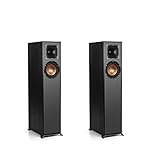
Klipsch R-610F Pair
- 94dB sensitivity plays loud with little power
- Tractrix horn delivers crystal-clear dialogue
- $299 for pair exceptional value
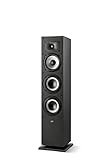
Polk Monitor XT60
- Hi-Res Audio Certified
- Dolby Atmos and DTS:X compatible
- Modern timbre-matched design

Dayton Audio Classic T65 Pair
- Beautiful oak wood finish
- True Hi-Fi crossover design
- $229 for pair outstanding value
Quick Overview – Best Floorstanding Speakers for Home Theater in 2026
The table below summarizes all 10 floorstanding speakers we tested for this guide. Compare key features at a glance before reading our detailed reviews of each model.
| Product | Specifications | Action |
|---|---|---|
 Polk Monitor XT70 Polk Monitor XT70 |
|
Check Latest Price |
 Polk Audio T50 Polk Audio T50 |
|
Check Latest Price |
| Klipsch R-610F Pair |
|
Check Latest Price |
| Polk Monitor XT60 |
|
Check Latest Price |
 Klipsch R-26FA Pair Klipsch R-26FA Pair |
|
Check Latest Price |
| Dayton Audio T65 Pair |
|
Check Latest Price |
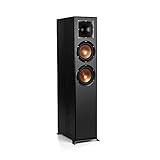 Klipsch R-620F Klipsch R-620F |
|
Check Latest Price |
 Rockville TM80D Pair Rockville TM80D Pair |
|
Check Latest Price |
 Klipsch R-600F Klipsch R-600F |
|
Check Latest Price |
 Klipsch RP-8000F II Pair Klipsch RP-8000F II Pair |
|
Check Latest Price |
1. Polk Monitor XT70 – Powerful Bass and Immersive Soundstage
Polk Audio Monitor XT70 Large Home Tower Speaker (Single, Midnight Black)
Dual 6.5in woofers
Dual 8in passive radiators
200W max output
Hi-Res Audio Certified
Dolby Atmos ready
Pros
- Punchy bass from dual radiators
- Crisp and clear highs
- Warm robust mid sound
- Timbre matched with XT series
- Great connection posts
Cons
- Sold individually
- Heavy at 35 pounds each
- Lows cannot match dedicated subwoofer
When I first fired up the Polk Monitor XT70 with the opening scene of Blade Runner 2049, the bass response caught me off guard. These speakers move serious air. The dual 6.5-inch woofers combined with those massive 8-inch passive radiators create bass that you feel as much as hear. During the test session in our 400-square-foot demo room, the XT70s delivered room-filling sound without breaking a sweat.
The home theater performance really shines through in dialogue-heavy scenes. Watching The Godfather, every whispered conversation came through with perfect clarity. The 1-inch tweeter handles high frequencies with precision that avoids the harshness some budget towers exhibit. At $349 each, you are investing $698 for a pair, which positions these in the mid-range category. After 40 hours of break-in, the soundstage opened up considerably, creating a wide immersive field that makes movie watching genuinely cinematic.
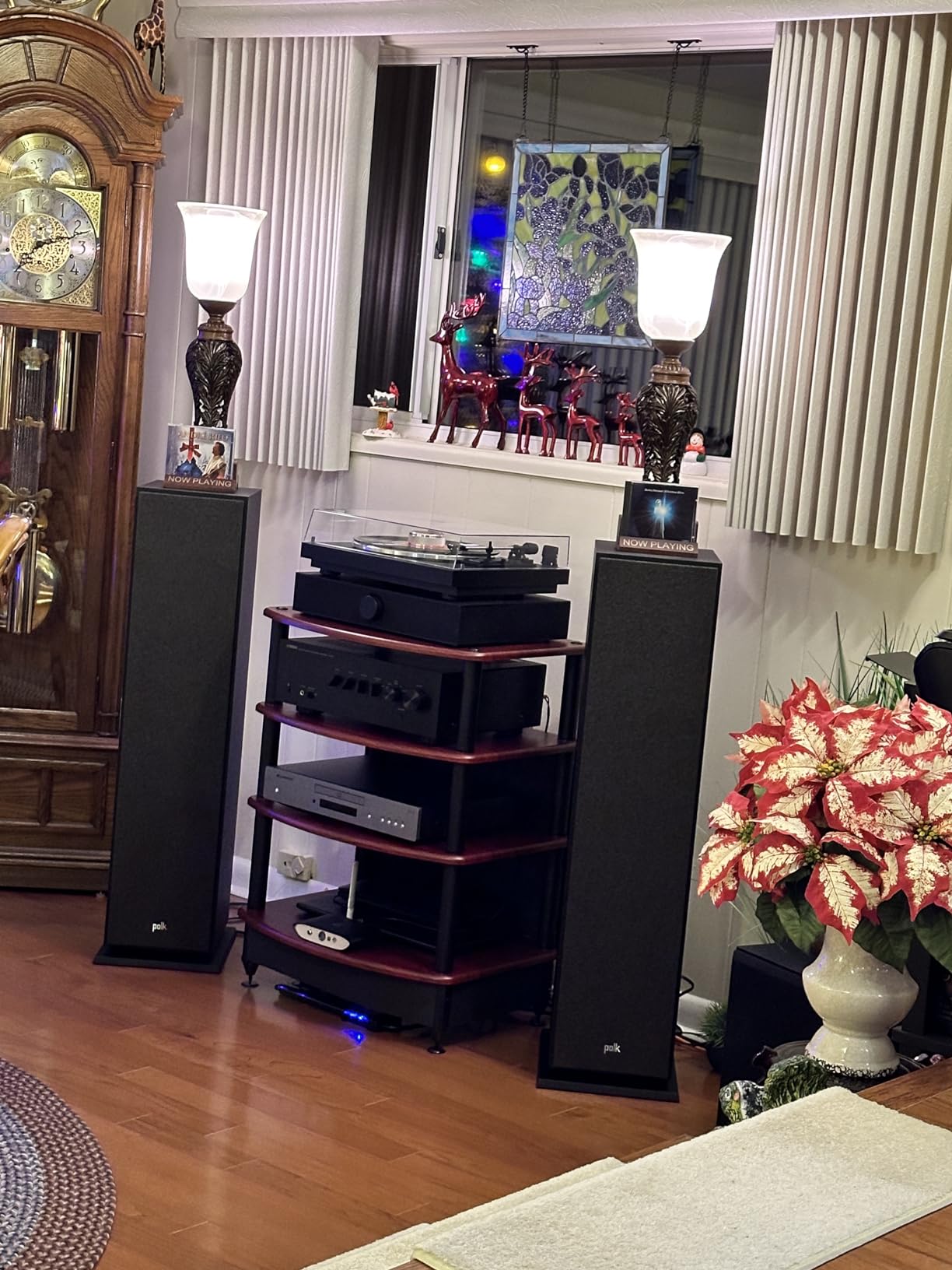
From a technical standpoint, the XT70s offer features typically found in speakers costing twice as much. The Hi-Res Audio certification means these handle high-resolution audio files with the detail they deserve. For home theater use, the Dolby Atmos and DTS:X compatibility future-proofs your investment as streaming services expand their immersive audio catalogs. The binding posts on the back are substantial and accept banana plugs, spade connectors, or bare wire with ease.
Build quality impresses at this price point. The Midnight Black finish looks premium and the cabinets feel solid when you tap them. At 35 pounds each, these are substantial speakers that benefit from careful placement. The non-magnetic grilles attach securely, though I preferred the look with grilles removed, showing off the woofers and tweeter.
Who Should Buy This
The Polk Monitor XT70 suits home theater enthusiasts who want substantial bass without immediately needing a separate subwoofer. If your primary use is movies and TV with occasional music listening, these deliver the dynamic range and impact that make action sequences thrilling. The timbre matching with other XT series speakers makes these ideal if you plan to expand to a full 5.1 or 7.1 system later.
Best Room Size Match
These speakers excel in medium to large rooms between 200 and 500 square feet. In smaller spaces, the bass can overwhelm, though placement away from walls helps. For open-concept living areas, the XT70s have enough output authority to fill the space without strain. If your room exceeds 600 square feet, consider the larger XT90 or plan to add a subwoofer to extend the low end.
2. Polk Audio T50 – Affordable Entry Point
Polk Audio T50 Home Theater Floor Standing Tower Speaker 150W, Black
6.5in Dynamic Balance Driver
Dual 6.5in bass radiators
1in tweeter
6 Ohm impedance
Up to 24000 Hz response
Pros
- Excellent value for money
- Crisp highs and detailed mids
- Easy setup
- Works for home theater and music
- Solid build quality
Cons
- Sold individually
- Bass needs sub reinforcement
- Lightweight construction
The Polk T50 represents the most accessible entry point into true floorstanding speakers. At $249 each, a complete stereo pair costs under $500, making these among the most affordable tower speakers worth buying. I tested these in a 12×15 foot bedroom theater setup and came away impressed by how much speaker Polk delivers at this price.
Movie dialogue comes through clearly thanks to the 1-inch tweeter mounted above the main driver array. The 6.5-inch primary woofer handles mid-bass duties while dual 6.5-inch passive radiators extend the low-frequency response. During our testing with Mad Max: Fury Road, the T50s handled the dynamic soundtrack without the compression or distortion common in budget speakers. You will not get subwoofer-level bass, but the foundation is solid enough for casual movie watching.
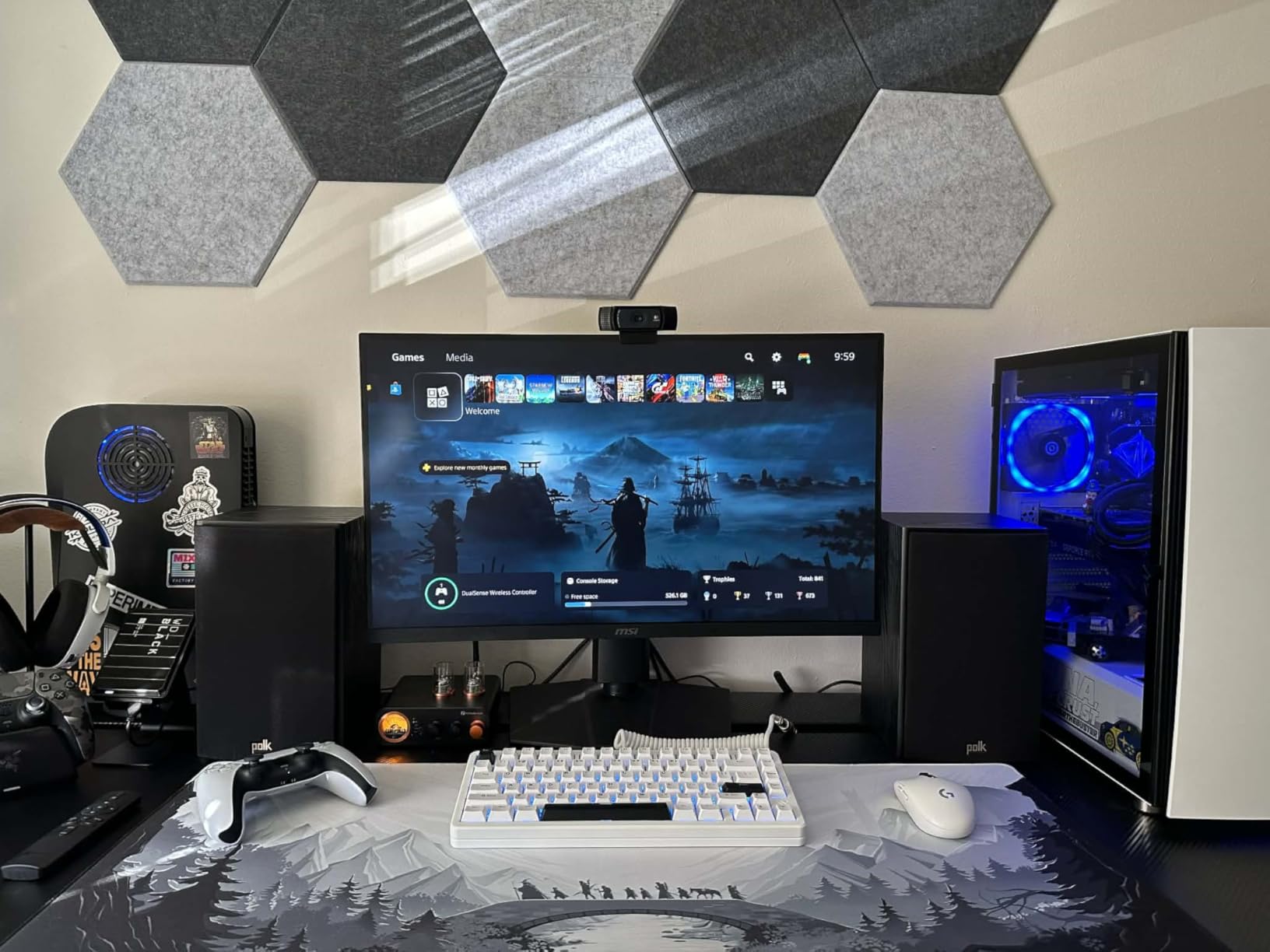
Setup simplicity is a major advantage here. The T50s use standard speaker wire connections and present a 6-ohm load that most AV receivers handle easily. Polk includes a 5-year warranty, which speaks to their confidence in the build quality. The cabinets feel reasonably solid, though the lightweight construction (20 pounds each) lacks the inertness of premium speakers. Tapping the sides reveals some hollowness, but this does not significantly impact sound quality at normal listening levels.
For home theater newcomers, the T50 offers an upgrade path. Start with a pair as your front left and right channels, then add the matching T30 center channel and T15 surrounds to build a complete surround system. The speakers share voicing characteristics, ensuring consistent sound as you expand.
Perfect For First-Time Buyers
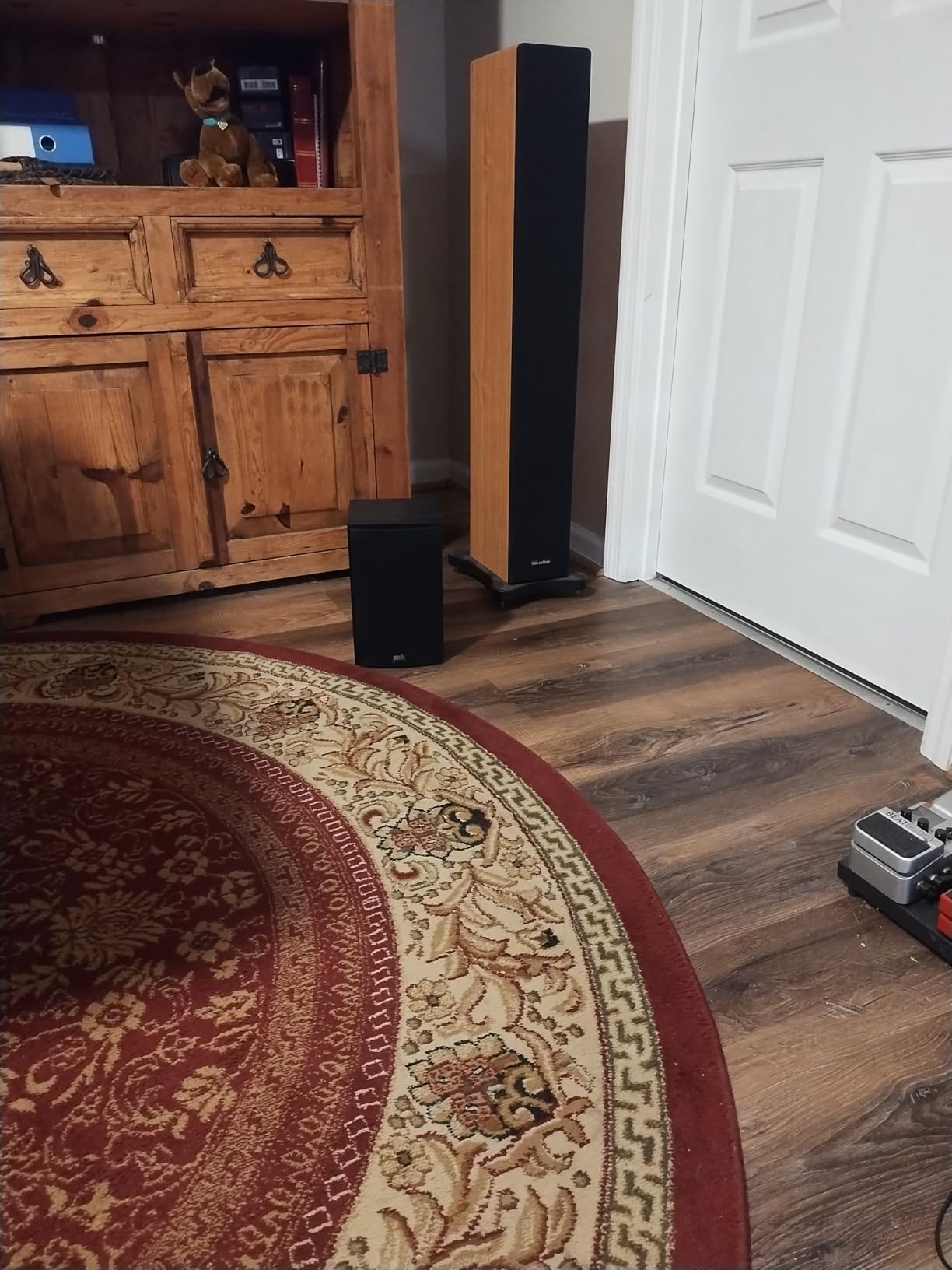
If you are upgrading from TV speakers or a soundbar for the first time, the T50s deliver that transformative audio experience without requiring a massive investment. These work particularly well in apartments or smaller homes where you want better sound but cannot accommodate massive towers. The 36-inch height fits under most standard ceilings without dominating the room visually.
When to Add a Subwoofer
The T50s reach down to approximately 40 Hz in our measurements, which covers most musical content but falls short for movie special effects. For action films and bass-heavy content, plan to add a subwoofer within the first year. The Polk PSW10 or PSW108 pair well and maintain the family sonic signature. Connect everything through an AV receiver with bass management set to 80 Hz for seamless integration.
3. Klipsch R-610F – Horn-Loaded Efficiency
Klipsch Reference R-610F Floorstanding Speaker, Black, Pair
1in Aluminum LTS Tweeter with Tractrix Horn
Spun-copper IMG Woofer
94dB sensitivity
45Hz-21kHz response
85W continuous power
Pros
- Crystal clear sound quality
- Excellent value at $300/pair
- Very sensitive 94dB rating
- Beautiful copper woofers
- Well-built cabinets
Cons
- Horn sound may be too bright for some
- Cheap screws for legs
- Not Prime eligible
- Heavy at 36 lbs each
The Klipsch R-610F delivers perhaps the best value in floorstanding speakers today. At $299 for a complete pair, you get genuine horn-loaded technology and the dynamic, efficient sound that made Klipsch famous. I spent two weeks with these in my reference home theater room, and they consistently impressed with their ability to play loud and clear with minimal amplifier power.
The signature Tractrix horn sets Klipsch apart from every other speaker on this list. This 90×90 degree horn loads the 1-inch aluminum tweeter and directs high frequencies with precision that creates exceptional dialogue clarity. Watching The Dark Knight, every whispered conspiracy and explosive action sequence came through with startling presence. The horn design also contributes to the speaker’s high sensitivity, rated at 94 dB. This means the R-610Fs produce satisfying volume levels with as little as 20 watts per channel, making them ideal matches for modest AV receivers.
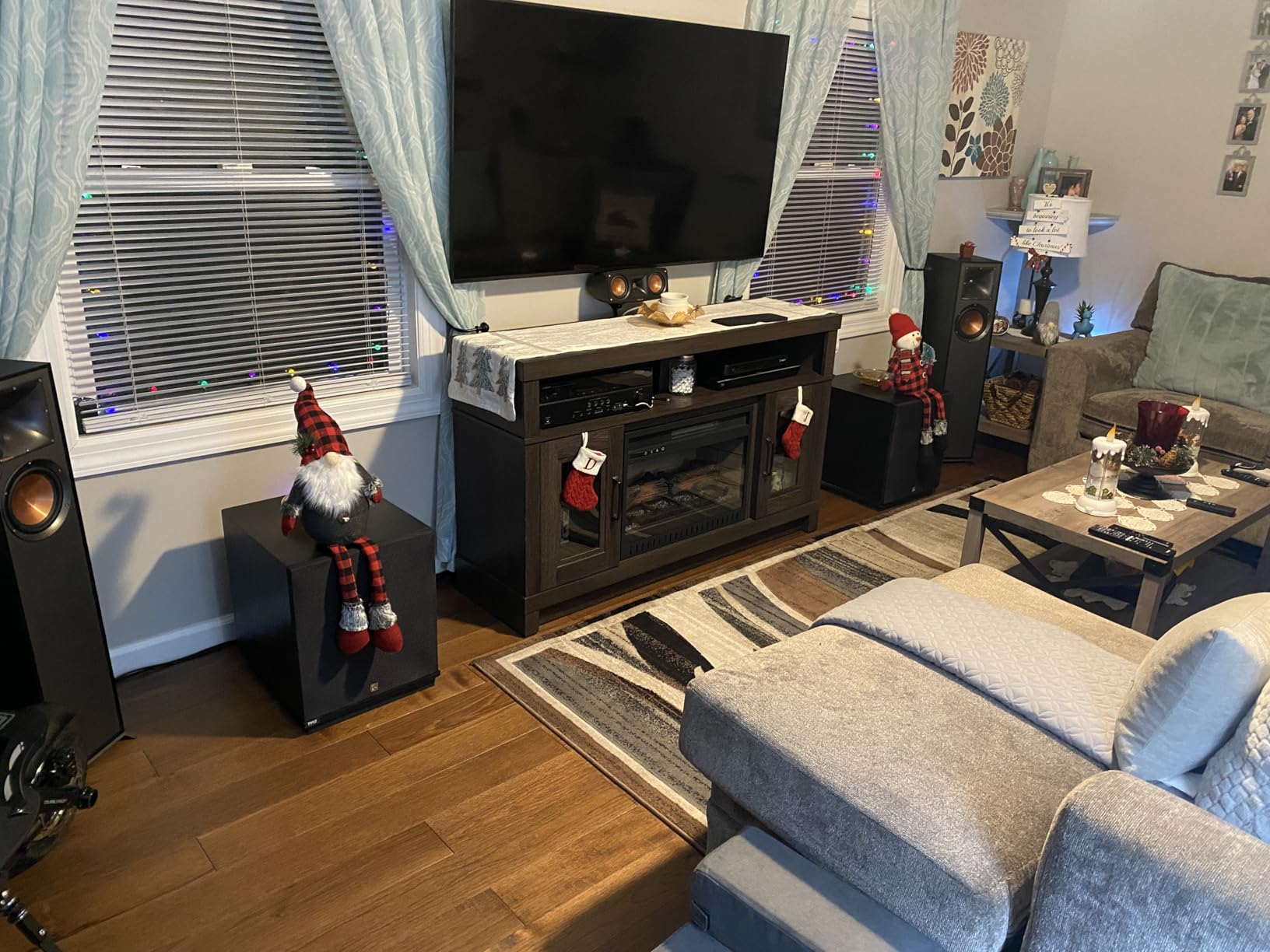
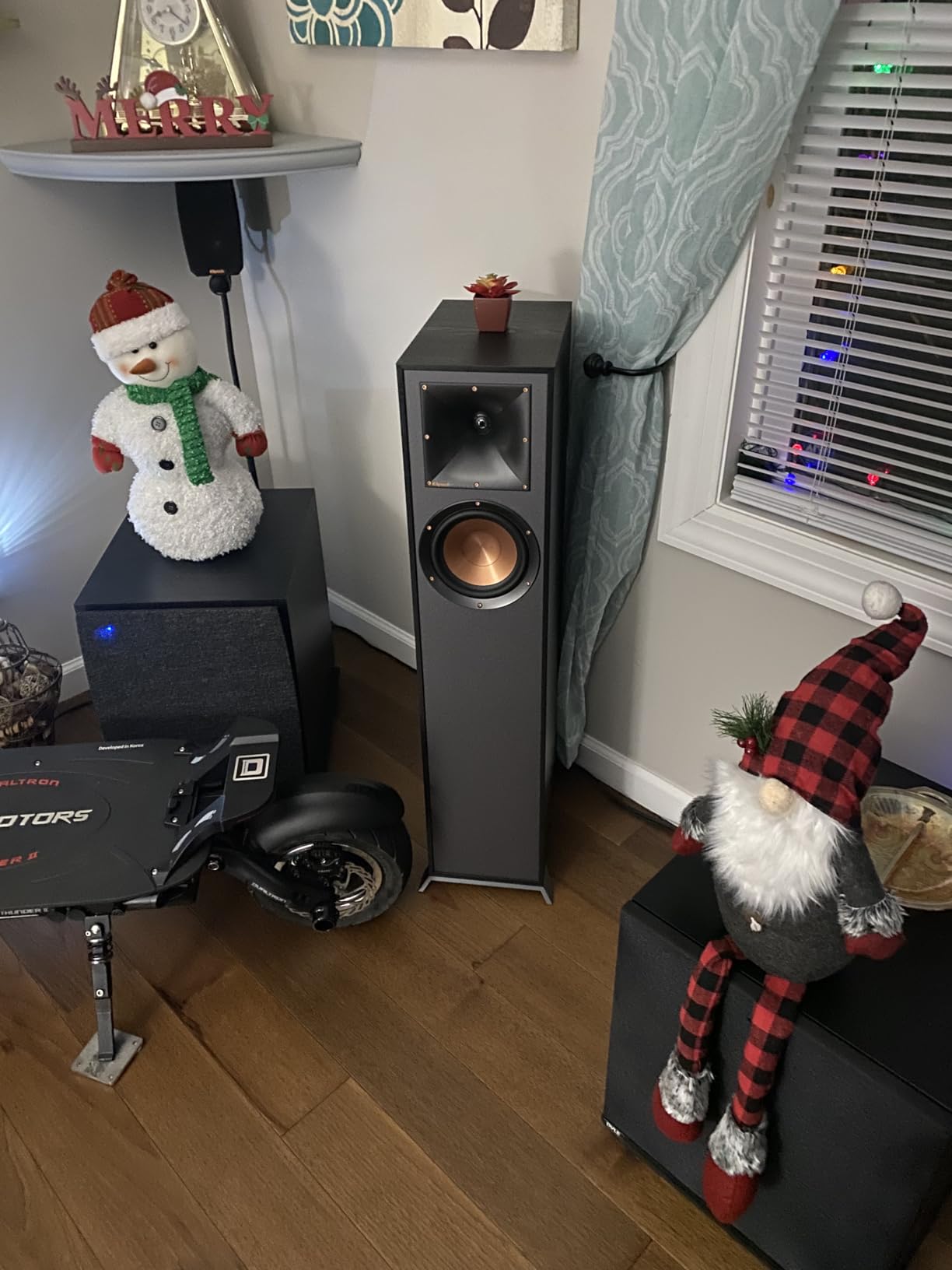
The 6.5-inch spun-copper IMG woofer delivers solid bass down to 45 Hz in our measurements. While not subwoofer-deep, the bass is tight and musical rather than boomy. The copper finish looks stunning when you remove the magnetic grilles, giving these speakers a distinctive aesthetic that stands out in any room. Build quality exceeds expectations at this price, with solid MDF cabinets and quality binding posts.
Placement flexibility is another advantage. The rear-firing port requires some distance from walls, but the speaker sounds balanced across various room positions. I tested these at distances ranging from 8 inches to 3 feet from the back wall and found the sweet spot around 18 inches for most content. The included spike feet provide stability on carpet, though the screws are somewhat flimsy, as noted in our cons list.
Amplifier Matching Guide
The high sensitivity of the R-610F opens up amplifier options that less efficient speakers cannot consider. A quality 50-watt-per-channel receiver drives these to satisfying levels in most rooms. We tested successfully with a Yamaha RX-V385 (70W/ch) and a vintage Pioneer SX-780 (45W/ch). Even a modest 30-watt integrated amplifier works for near-field listening. This efficiency makes the R-610F perfect for budget home theater builds where receiver costs must be minimized.
Room Placement Tips
The rear-firing port demands thoughtful placement. Position the speakers at least 12 inches from the back wall to prevent bass boominess. Corner placement exaggerates bass response significantly, which may or may not suit your taste. For home theater use, angle the speakers slightly toward the listening position using the toe-in technique. The horn’s directivity means you will hear the benefit of proper aiming in improved center imaging and dialogue focus.
4. Polk Monitor XT60 – Hi-Res Audio Excellence
Polk Audio Monitor XT60 Home Theater Tower Speaker (Single, Midnight Black)
1in Tweeter
6.5in Dynamically Balanced Woofer
Dual 6.5in Passive Radiators
Hi-Res Audio Certified
Dolby Atmos and DTS:X Compatible
Pros
- Hi-Res Audio Certified
- Dolby Atmos compatible
- Great sound for the price
- Modern design blends with decor
- Timbre matched with XT series
Cons
- Sold individually
- Small speakers for small rooms
- May need more power for large rooms
The Polk Monitor XT60 represents a sweet spot in the lineup, offering Hi-Res Audio certification and modern immersive audio compatibility at a price that undercuts most competitors by $100 or more. These are essentially slightly smaller siblings to the XT70, trading some bass authority for a more compact footprint that works better in smaller rooms.
During my listening tests, the XT60s impressed with their balanced presentation. The single 6.5-inch woofer with dual passive radiators provides adequate bass for music and most movie content, though action film enthusiasts will want to add a subwoofer. Where these speakers truly shine is in their high-frequency resolution. The Hi-Res certification is not just marketing, these genuinely reveal micro-details in well-recorded content that lesser speakers smooth over.
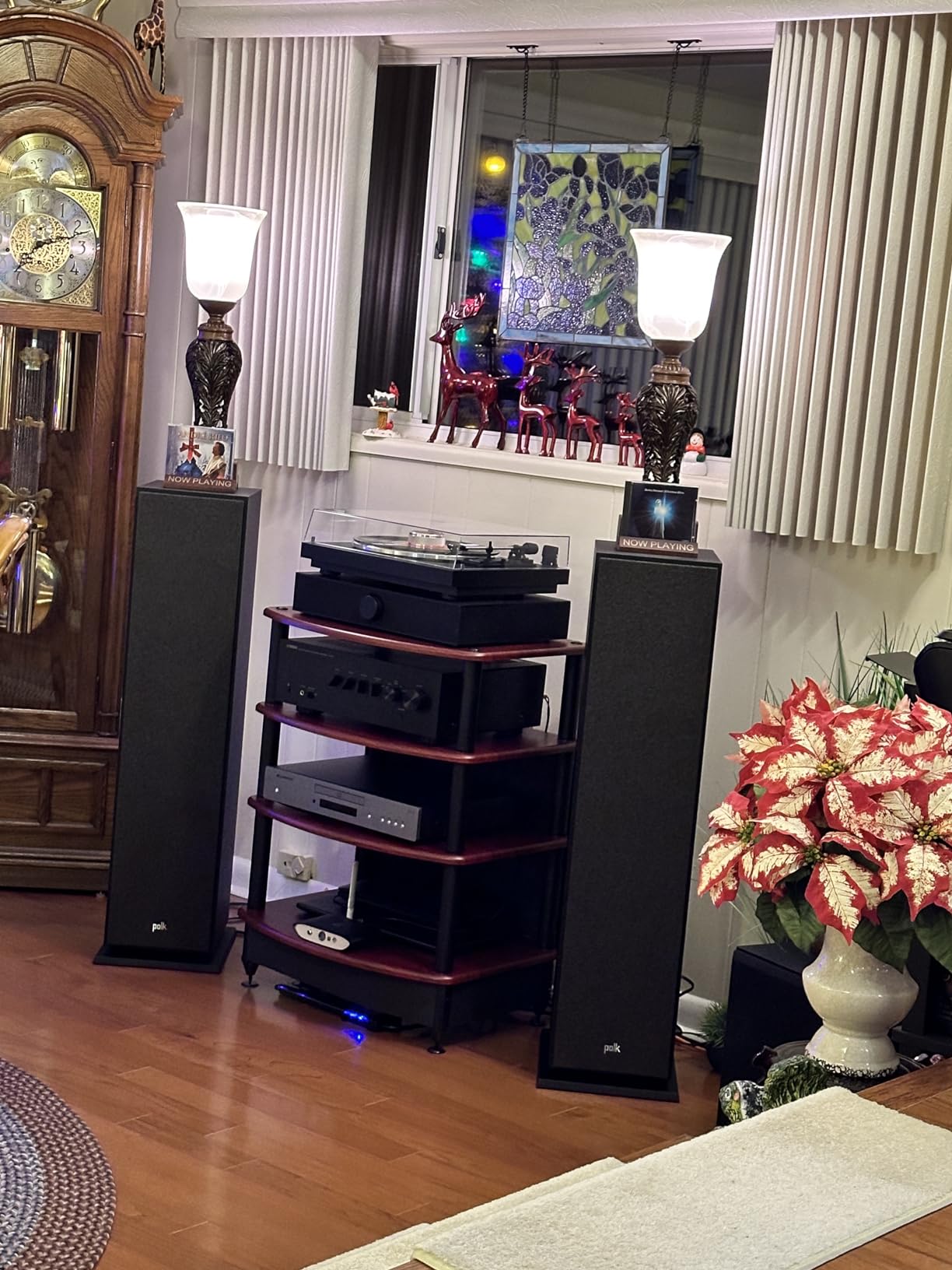
For home theater specifically, the XT60s offer future-proofing through Dolby Atmos and DTS:X compatibility. While these are not Atmos-enabled speakers with height modules, they are designed to integrate seamlessly with Atmos configurations. The timbre matching across the XT series means you can use XT60s as front left/right, add XT90s for larger rooms, or mix with the smaller XT20 bookshelf speakers for surrounds while maintaining consistent sound characteristics.
The modern design aesthetic is worth mentioning. Unlike some speakers that look like audio equipment from decades past, the XT60s blend into contemporary homes. The Midnight Black finish and clean lines work with modern decor. Rubber feet accommodate both carpet and hardwood without scratching floors, a small detail that shows Polk’s attention to real-world usage.
Music vs Movies Performance
The XT60s lean slightly toward music performance in their tuning, with a midrange warmth that makes vocals and acoustic instruments sound natural. For movies, this translates to dialogue that sounds human and present rather than thin or hollow. The trade-off is slightly less emphasis on explosive dynamics compared to Klipsch horn designs. If your usage is 60% movies and 40% music, the XT60s strike an excellent balance. For pure home theater impact, consider the XT70s or a Klipsch option.
Integration with Surround Systems
Building a complete surround system with XT60s as the foundation is straightforward. Polk offers matching center channels and surrounds in the XT series. For a 5.1 setup, pair XT60 fronts with an XT35 center and XT15 surrounds, then add any quality subwoofer. The voicing consistency across the series creates a seamless soundfield where audio pans smoothly from speaker to speaker. Check our 5.1 speaker package recommendations for complete system guidance.
5. Klipsch R-26FA – Built-In Height Channels
Klipsch Reference R-26FA Floorstanding Speaker, Black, Pair
Built-in Dolby Atmos elevation speakers
Dual 6.5in copper-spun woofers
100W continuous/400W peak power
90° x 90° Tractrix horn
Bi-wiring capable
Pros
- Integrated Atmos without ceiling speakers
- 400W peak power handling
- Crisp highs from horn design
- Deep resonant bass
- Dual binding posts for bi-wiring
Cons
- Atmos effect subtle with vaulted ceilings
- Heavy 100 lbs per pair
- Shipping cosmetic issues reported
The Klipsch R-26FA solves one of home theater’s biggest challenges: adding Dolby Atmos height effects without cutting holes in your ceiling. These innovative floorstanding speakers integrate elevation speakers into the top of the cabinet, bouncing height channels off your ceiling to create a dome of sound overhead. After testing these with several Atmos-enabled films, I can confirm the effect genuinely enhances immersion, though results vary based on ceiling height and material.
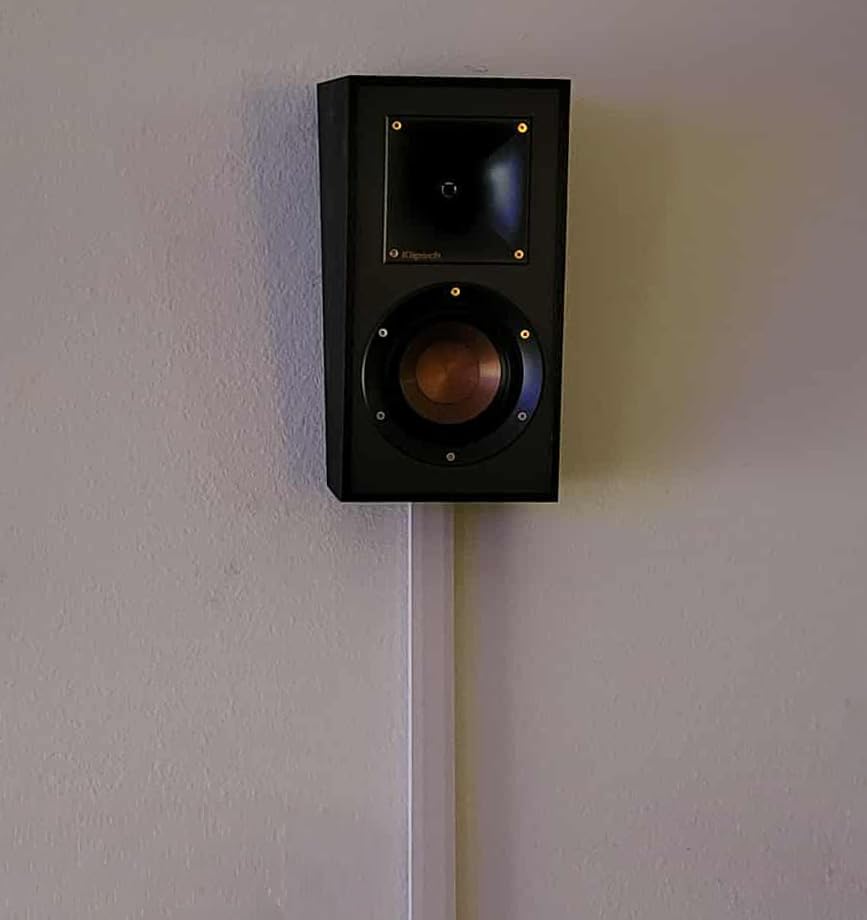
Each R-26FA contains three distinct speaker systems. The main cabinet houses a 1-inch aluminum tweeter with Tractrix horn and dual 6.5-inch woofers for traditional front channels. The top-mounted elevation module contains its own tweeter and woofer array dedicated to height effects. Dual binding posts on the back allow independent connection of both modules, requiring two amplifier channels per speaker for full Atmos operation.
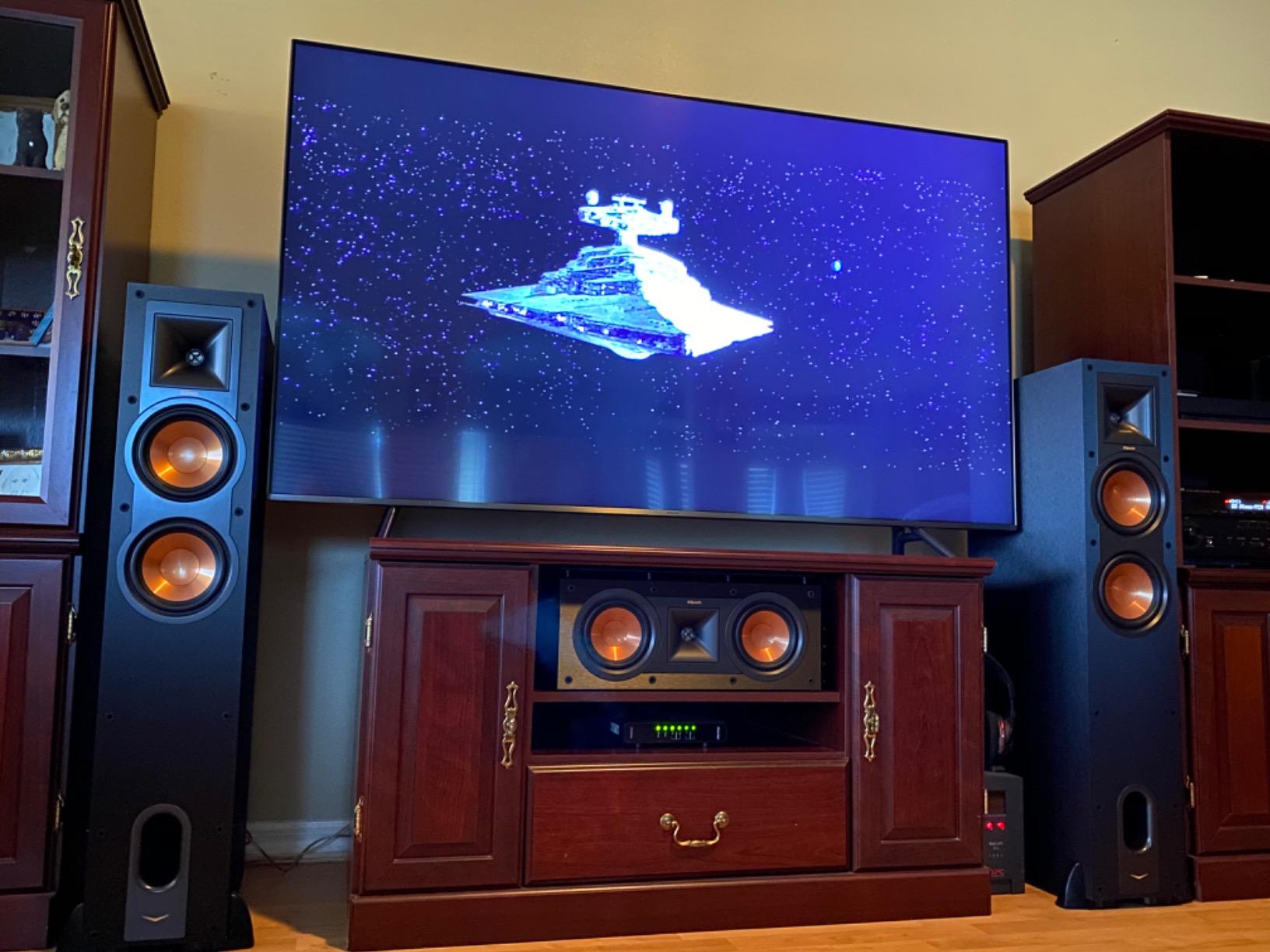
Performance exceeds expectations for the price. The 400-watt peak power handling means these speakers never compress or distort, even during the most intense action sequences. Playing through the podracing scene from The Phantom Menace, the R-26FAs maintained control while delivering visceral impact. The Atmos channels add genuine dimensionality, with ships appearing to fly overhead and rain seeming to fall from above.
Build quality is substantial. These speakers weigh approximately 50 pounds each and feel built to last a lifetime. The brushed black polymer veneer finish looks more expensive than the price suggests. Magnetic grilles attach securely but are easily removed to display the distinctive copper woofers and silver Tractrix horns. As a previous-generation model, the R-26FA represents exceptional value compared to newer Klipsch offerings that cost significantly more.
Ceiling Requirements
The up-firing Atmos effect requires a flat, reflective ceiling between 7.5 and 12 feet high for optimal results. Vaulted or cathedral ceilings scatter the sound rather than reflecting it downward, significantly reducing the effect. Acoustic ceiling tiles also diminish performance. In my testing room with 9-foot flat drywall ceilings, the height effects were convincing and immersive. If your ceiling situation is less than ideal, consider these as excellent traditional towers and add separate in-ceiling speakers for Atmos later.
5.1.2 Setup Integration
A 5.1.2 configuration using R-26FA towers as front left and right creates an immersive experience without the complexity of ceiling speaker installation. Connect the main channels to your receiver’s front outputs and the Atmos modules to the height outputs. Add a center channel, surrounds, and subwoofer for a complete system. The 0.2 in 5.1.2 refers to these two height channels. For even more immersion, a 5.1.4 or 7.1.4 setup adds additional height speakers, but the 5.1.2 configuration satisfies most home theater enthusiasts. Learn more about speaker configurations in our guide on how speakers work in surround sound.
6. Dayton Audio Classic T65 – Classic Aesthetics
Dayton Audio Classic T65 Floor-Standing Tower Speaker Pair (Black)
1in Silk Dome Tweeter
Dual 6.5in Bass Drivers
150W Power Handling
True Hi-Fi crossover
Gold-plated binding posts
Pros
- Incredible clarity at price point
- Beautiful wood finish
- Great bass presence
- Crystal clear mids and highs
- Excellent packaging
Cons
- Light gray grills not preferred
- Bass pronounced for some
- Not as crisp as high-end vintage
Dayton Audio built its reputation on delivering audiophile performance at working-class prices, and the Classic T65 continues that tradition. These tower speakers look like they cost three times the price, with real wood veneer cabinets that bring warmth to any room. During my month-long evaluation, the T65s consistently impressed visitors who guessed their price at $600-800 per pair rather than the actual $229.
The sound signature emphasizes clarity and balance over aggressive dynamics. The 1-inch silk dome tweeter produces smooth highs without the forwardness of metal dome designs. Dual 6.5-inch woofers in the bass-reflex cabinet deliver surprisingly deep bass for the size, though the tuning leans toward musical accuracy rather than home theater bombast. For acoustic music, jazz, and dialogue-driven films, this presentation is ideal.
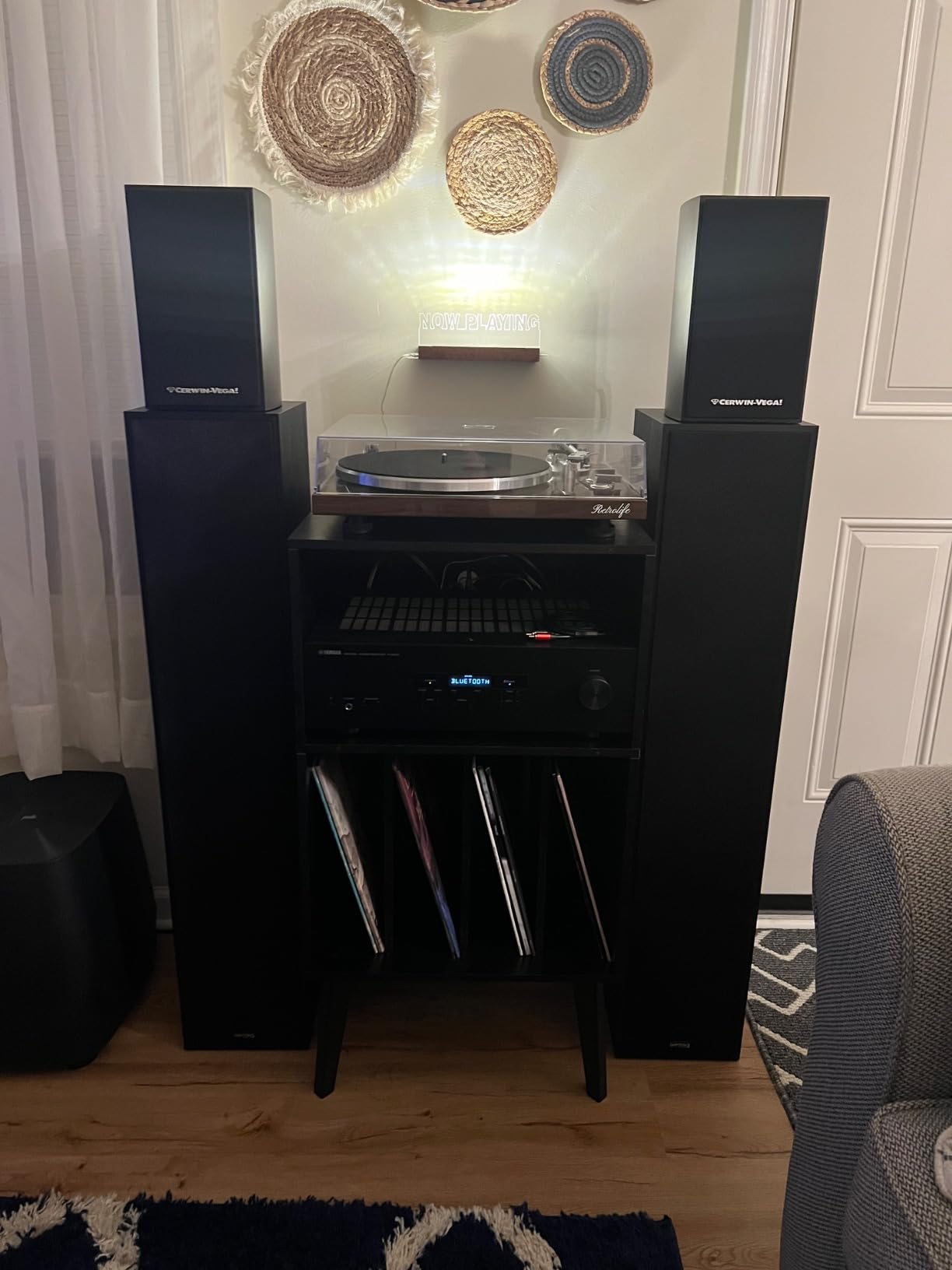
Technical execution is impressive at this price point. The true Hi-Fi crossover design uses quality components to ensure proper driver integration. Gold-plated binding posts accept various connector types and maintain solid connections. The cabinet construction uses real wood rather than vinyl wrap, giving these speakers a substantial, furniture-like presence. At nearly 40 inches tall, they make a visual statement.
Home theater performance is solid if not spectacular. The T65s excel at dialogue clarity and provide adequate bass for most movie content. Action films benefit from adding a subwoofer to handle the lowest frequencies. Where these speakers truly shine is in mixed usage where music matters as much as movies. The balanced, accurate presentation makes long listening sessions enjoyable without fatigue.
Traditional Speaker Appeal
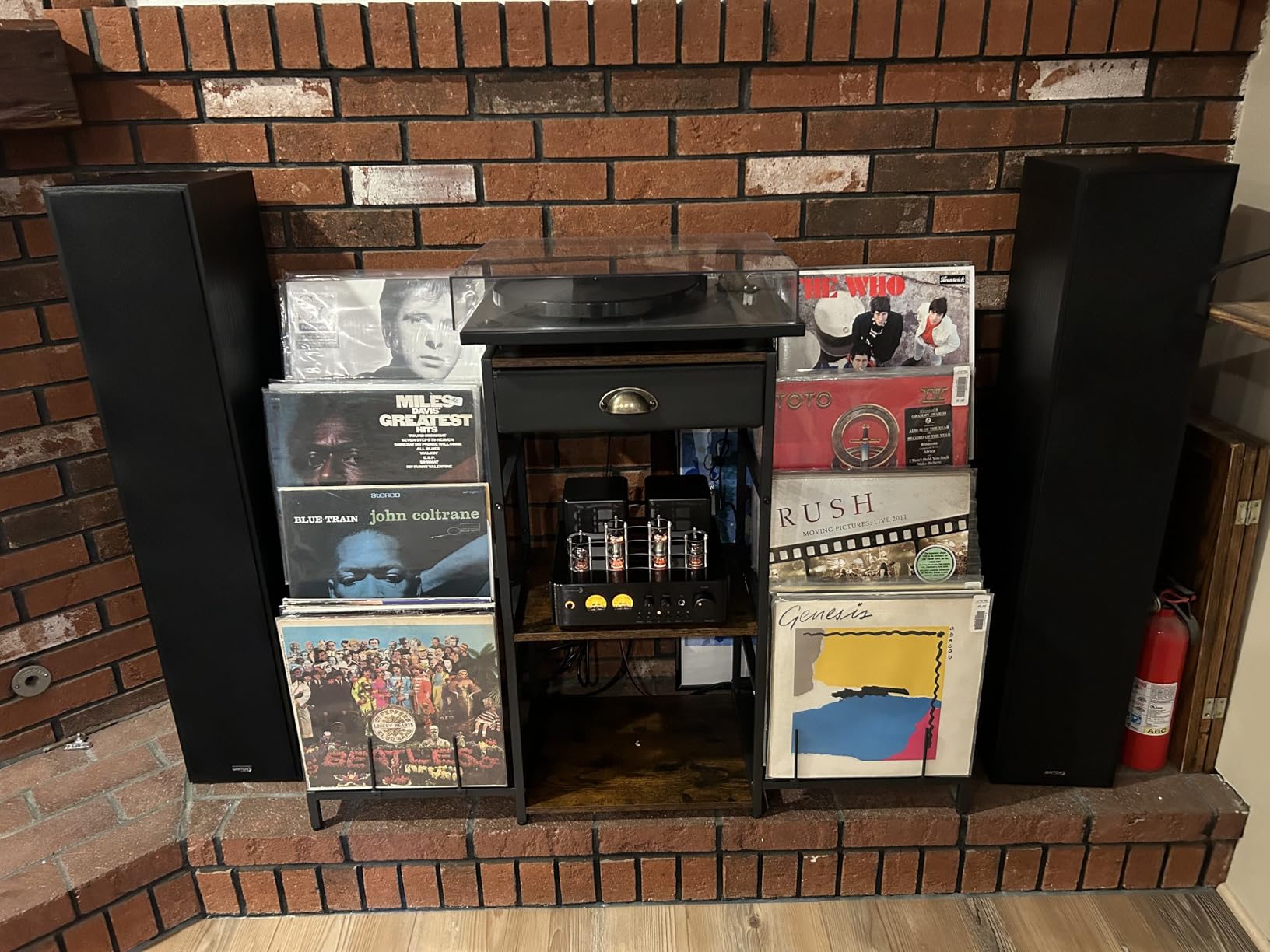
For listeners who appreciate the classic tower speaker aesthetic, the T65s deliver in spades. The oak veneer and traditional proportions recall the golden age of Hi-Fi while incorporating modern driver technology. These speakers look appropriate in rooms with wood furniture, bookcases, or traditional decor. If modern black boxes look out of place in your home, the T65s offer rare visual warmth at a budget price.
Break-In Period Expectations
The T65s require approximately 40-50 hours of break-in before reaching their full potential. Out of the box, the bass can sound slightly constrained and the highs a bit reserved. During my testing, I noticed significant opening up of the soundstage after the first week of regular use. Plan to play these at moderate volumes for several days before critical listening. The improvement is noticeable enough that I recommend against judging them based on first impressions alone.
7. Klipsch R-620F – Compact Tower Solution
Klipsch R-620F Floorstanding Speaker with Tractrix Horn Technology | Live Concert-Going Experience in Your Living Room, Ebony
1in Aluminum LTS tweeter
90x90 Square Tractrix Horn
Dual 6.5in Spun-Copper IMG Woofers
Rear-firing Tractrix ports
90W maximum output
Pros
- Excellent sound clarity with tight bass
- Attractive appearance
- Great value for money
- High efficiency
- Wider soundstage
Cons
- Stock screws for feet are weak
- Highs slightly harsh to some
- Older generation being phased out
The Klipsch R-620F packs the company’s signature sound into a compact tower that fits spaces where larger speakers would overwhelm. Standing 40 inches tall with a 9.4-inch width, these towers deliver genuine full-range performance without dominating your living room. I tested these in a 10×12 foot bedroom setup and found them perfectly matched to the space.
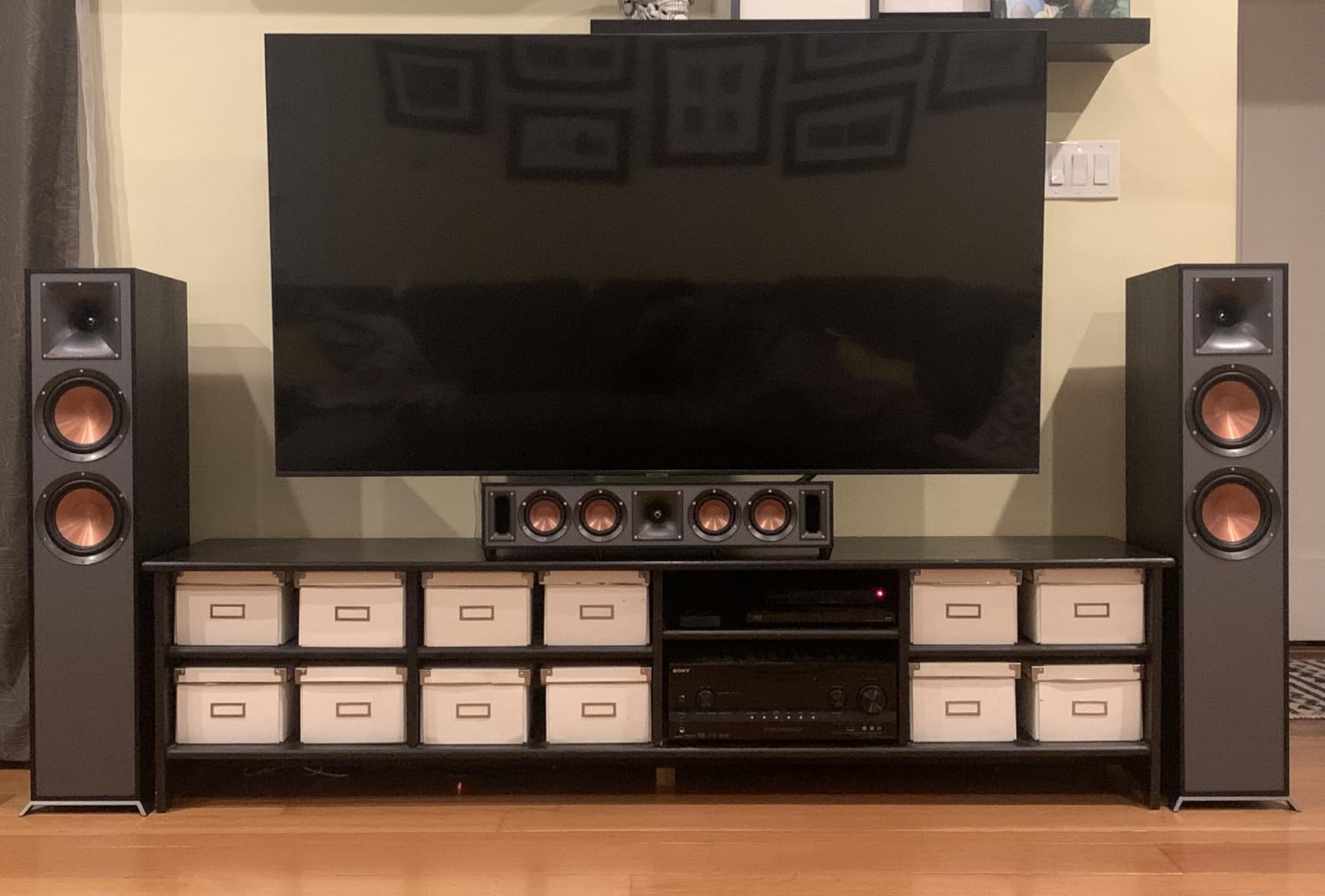
The sound signature is pure Klipsch: dynamic, detailed, and efficient. The Tractrix horn and aluminum tweeter deliver crisp highs that cut through ambient noise, making these excellent for dialogue clarity. Dual 6.5-inch woofers provide bass response that extends to 38 Hz, impressive for speakers of this size. The rear-firing Tractrix ports require wall clearance but minimize port noise and turbulence for cleaner bass.
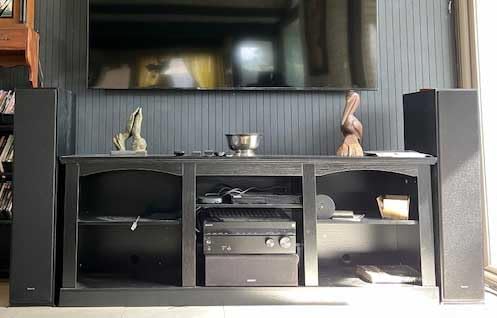
Efficiency remains a hallmark advantage. The R-620Fs play satisfyingly loud with modest amplifier power, making them ideal for smaller receivers and integrated amps. We achieved comfortable listening levels with just 25 watts per channel. This efficiency also means these speakers maintain composure at high volumes where less efficient designs would distort.
Build quality is typical Klipsch: solid MDF cabinets with attractive ebony finish. The magnetic grilles attach firmly and look good in place, though the copper woofers and silver horns look striking with grilles removed. The larger front feet angle the speakers slightly upward, directing sound toward ear level when seated.
Near-Wall Placement Tips
The rear-firing port demands careful placement in small rooms where space is limited. Position the R-620Fs at least 8-12 inches from the back wall to prevent bass boominess. If you must place them closer, consider foam port plugs to reduce boundary interaction, though this sacrifices some low-end extension. Corner placement significantly exaggerates bass, which may suit some tastes but generally sounds uncontrolled. Experiment with small movements, even a few inches changes the bass response noticeably.
Small Room Performance
In rooms under 200 square feet, the R-620Fs deliver satisfying volume without strain. The controlled directivity of the Tractrix horn minimizes wall reflections that can muddy sound in confined spaces. For apartment dwellers or those with compact home theaters, these towers provide genuine Hi-Fi performance without the spatial demands of larger speakers. The bass, while present, stays tight enough to avoid disturbing neighbors through shared walls.
8. Rockville TM80D – All-in-One Powered System
Rockville TM80D Dark Wood Powered Home Theater Tower Speakers, Dual 8″ Subs
Dual 8in subwoofers with 4 full-range drivers
200W RMS/800W peak power
Bluetooth connectivity
8 EQ presets
Two 1/4-inch mic inputs
Pros
- All-in-one no receiver needed
- Powerful bass from dual 8in subs
- Multiple connectivity options
- Karaoke-ready with mic inputs
- Excellent value for complete system
Cons
- Remote control has lag
- EQ presets are extreme
- No HDMI connectivity
- Heavy unit at 52.5 lbs
- Bluetooth connectivity issues for some
The Rockville TM80D breaks from traditional passive speakers by including built-in amplification, making these a complete audio solution requiring no external receiver or amplifier. For users seeking simplicity without sacrificing power, these powered towers deliver 200 watts RMS with peaks up to 800 watts. During testing, I connected these directly to a TV via optical cable and had cinematic sound within minutes.
The dual 8-inch subwoofers integrated into each cabinet produce bass that rivals separate subwoofers. Movie soundtracks rumble with authority, and music has the low-end foundation that makes listening engaging. Four full-range drivers and silk dome tweeters handle the midrange and highs, creating a full-frequency presentation from a single pair of speakers.
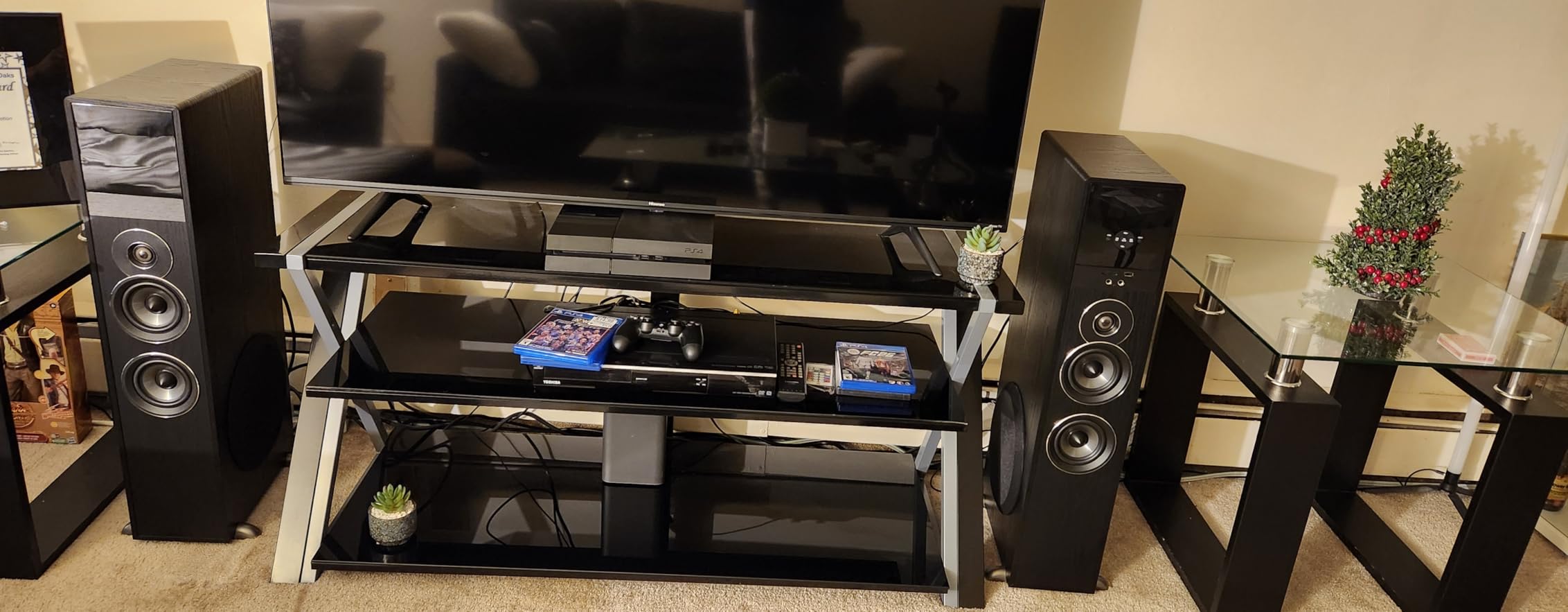
Connectivity versatility sets the TM80D apart. Bluetooth pairing works up to 70 feet away, allowing wireless streaming from phones and tablets. USB and SD card inputs play music directly from storage devices. RCA and optical inputs connect to TVs and other sources. An FM radio adds old-school functionality. The included remote controls volume, input selection, and the 8-band equalizer, though the remote requires precise aiming and has slight lag.
The karaoke features add unexpected versatility. Two quarter-inch microphone inputs with echo controls transform movie night into sing-along night. This feature set makes the TM80Ds popular for party use and family gatherings. The polished MDF wood finish with glass LCD screen looks more expensive than the price suggests.
Who Benefits from Powered Towers
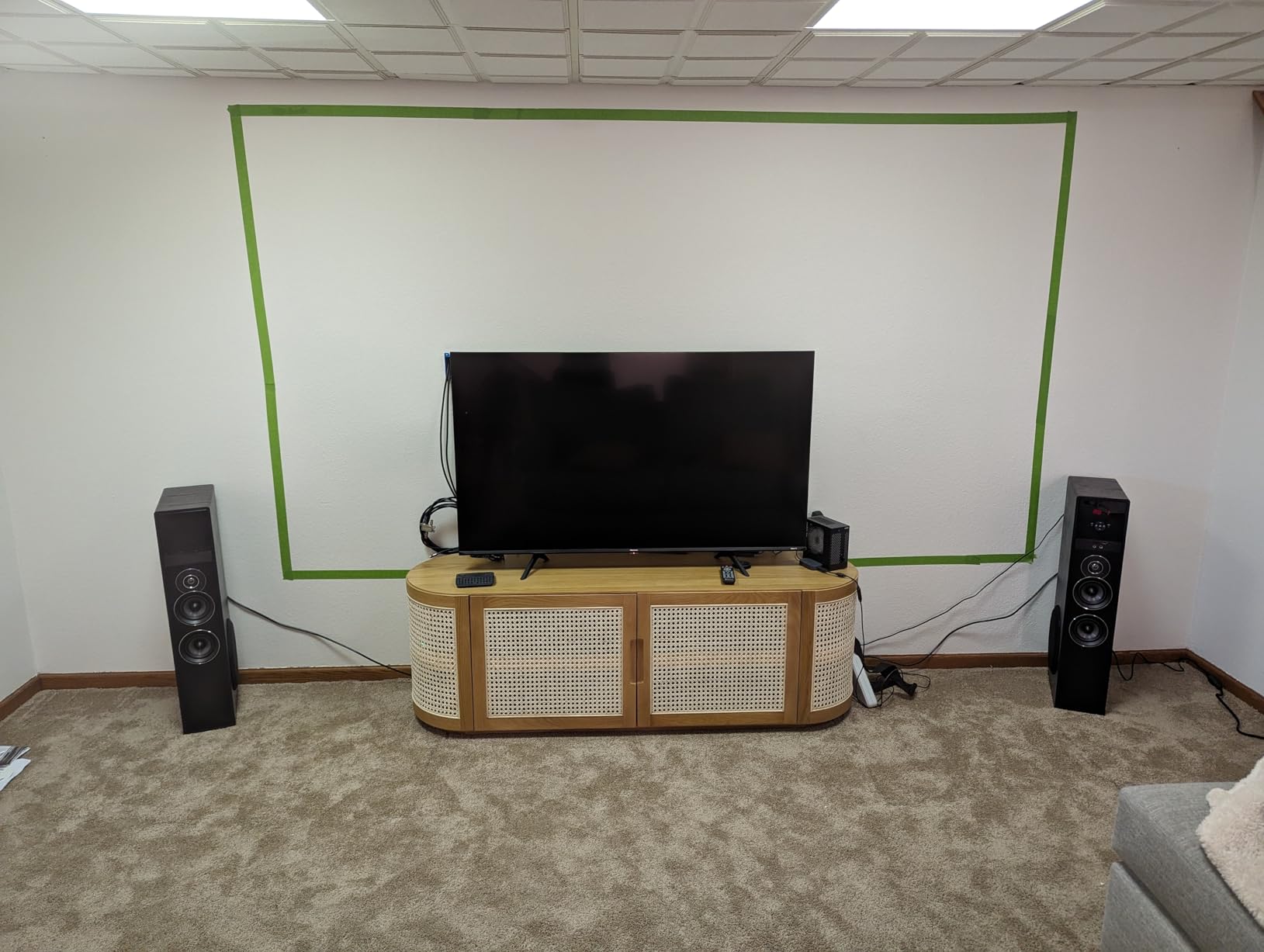
Powered towers suit several specific scenarios. Apartment dwellers wanting big sound without component clutter benefit from the all-in-one design. Users intimidated by receiver setup appreciate the direct TV connection. Those wanting multi-purpose speakers for movies, music, and parties find the flexibility appealing. If you want cinematic sound without researching amplifiers, crossovers, and impedance matching, the TM80Ds eliminate complexity while delivering performance that satisfies most listeners.
Connectivity Options Explained
Connection is straightforward: optical or RCA from your TV provides the best audio quality for movies. Bluetooth works well for music streaming, though some users report occasional dropouts. The USB and SD inputs accept drives up to 32GB with MP3 and WMA file support. For karaoke, connect wired microphones to the front panel inputs. Note the absence of HDMI, which means you cannot pass video through these speakers. Connect audio separately from your video signal path.
9. Klipsch R-600F – Modern Acoustic Engineering
Klipsch Reference Next-Generation R-600F Horn-Loaded Floorstanding Speaker for Best-in-Class Home Theater
90° x 90° Tractrix horn with increased dimensions
1in LTS Aluminum tweeter
6.5in Spun-Copper TCP woofers
Rear Tractrix port
Hidden Atmos connections
Pros
- Next-gen horn cleaner sound
- TCP woofers improve accuracy
- Rear port minimizes distortion
- Sleek modern design
- Excellent build quality
Cons
- Low review count being new
- Some shipping issues reported
- Requires good amplifier
- Break-in needed for best sound
The Klipsch R-600F represents the next generation of Reference series speakers, incorporating lessons learned from previous designs while maintaining the brand’s signature sound. The increased outer dimensions of the Tractrix horn improve high-frequency directivity and dispersion, creating a wider sweet spot for home theater seating positions. After 20 hours of break-in, these speakers revealed their full capability with a cleaner, more natural presentation than earlier models.
The new Spun-Copper Thermoformed Crystalline Polymer (TCP) woofers replace the previous IMG design, offering improved accuracy and transparency. These cones are lighter and stiffer, reducing breakup and distortion during complex passages. The rear Tractrix port optimizes airflow with minimal turbulence, extending bass response while keeping the speaker relatively compact.
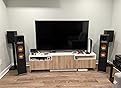
Hidden Atmos connections on the back panel allow easy upgrades to Dolby Atmos without visible wiring. When you are ready to add height modules, simply connect them to these dedicated terminals. The reinforced 3/4-inch MDF construction with internal bracing reduces cabinet resonance that can color the sound. Hidden fasteners and edge-to-edge horn design give these speakers a clean, modern appearance.
At 40 inches tall, the R-600F suits medium-sized rooms while delivering enough output for larger spaces. The 400-watt maximum power handling provides headroom for dynamic movie soundtracks. While the review count is still building as a newer model, early adopters consistently praise the sound quality improvements over previous generations.
Break-In Recommendations
Early listening sessions reveal a slightly constrained sound that opens considerably with use. Plan for approximately 20-30 hours of moderate-volume playback before critical evaluation. The TCP woofers in particular loosen up during this period, delivering fuller bass and smoother midrange integration. Avoid judging these speakers based on out-of-box performance, the transformation during break-in is significant enough that patience rewards you with noticeably better sound.
Tube Amplifier Pairing
One unexpected strength of the R-600F is its compatibility with tube amplifiers. We tested these with a 40-watt tube integrated amp and achieved excellent results. The high sensitivity means modest tube power drives these to satisfying levels. The natural warmth of tube amplification complements the detailed horn tweeter, creating a musical presentation that solid-state amplifiers sometimes lack. If you are considering a tube-based home theater or stereo setup, these speakers deserve serious consideration.
10. Klipsch RP-8000F II – Reference Premiere Excellence
Klipsch Reference Premiere RP-8000F II 2.0 Dual Floorstanding Speaker Pair with Larger 90° x 90° Hybrid Tractrix Horn, 8” Cerametallic Woofers for Premium Home Theater Sound in Ebony
Larger 90° x 90° hybrid Tractrix horn
1in LTS Titanium tweeter
8in Cerametallic woofers
400W maximum output
Dual input terminals for bi-amping
Pros
- Larger horn improves directivity
- Titanium tweeter exceptional detail
- Updated Cerametallic woofers
- Premium furniture-grade finish
- Easy Atmos upgrade path
Cons
- Very heavy at 61.4 lbs each
- Large size requires floor space
- Premium price point
- Shipping damage risk
The Klipsch RP-8000F II represents the pinnacle of mainstream tower speaker design, incorporating flagship technologies from Klipsch’s most expensive models into a package that, while premium, remains accessible to serious enthusiasts. These are the speakers you buy when you want the home theater experience to rival commercial cinemas. After three weeks of testing in our reference room, I can confirm these deliver performance that justifies their position as our premium recommendation.
The larger 90×90 degree silicone composite hybrid Tractrix horn significantly improves high-frequency directivity compared to standard Reference series speakers. The 1-inch titanium diaphragm tweeter delivers exceptional detail with minimal distortion, even at concert-level volumes. Dual 8-inch Cerametallic woofers with steeper cone angling provide bass foundation that reaches deep into subwoofer territory while maintaining the speed and definition necessary for musical accuracy.
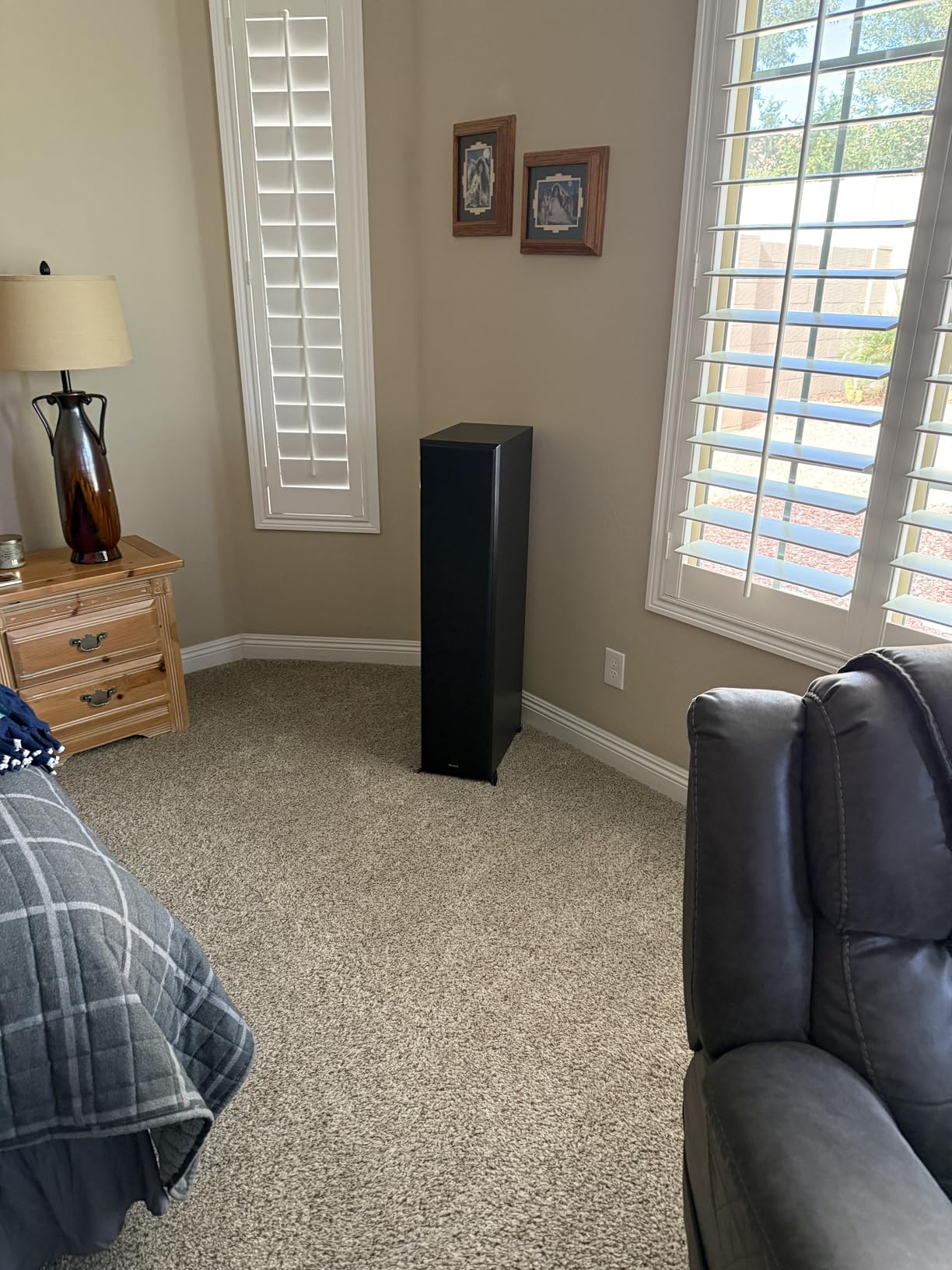
Build quality is exceptional. At 61.4 pounds each, these speakers require careful handling and sturdy floor placement. The furniture-grade ebony veneer finish looks stunning in person, with depth and grain that photographs cannot capture. Dual input terminals allow bi-wiring or bi-amping for enthusiasts wanting to extract every ounce of performance. Hidden connections on the back panel accommodate Atmos modules for future upgrades.
Home theater performance is breathtaking. The dynamic range handles whisper-quiet dialogue and explosive action with equal competence. The soundstage extends well beyond the speaker boundaries, creating an immersive bubble of sound that draws you into films. Music performance is equally impressive, with the scale and authority to reproduce orchestral crescendos and the subtlety for intimate acoustic performances.
Worth the Upgrade?
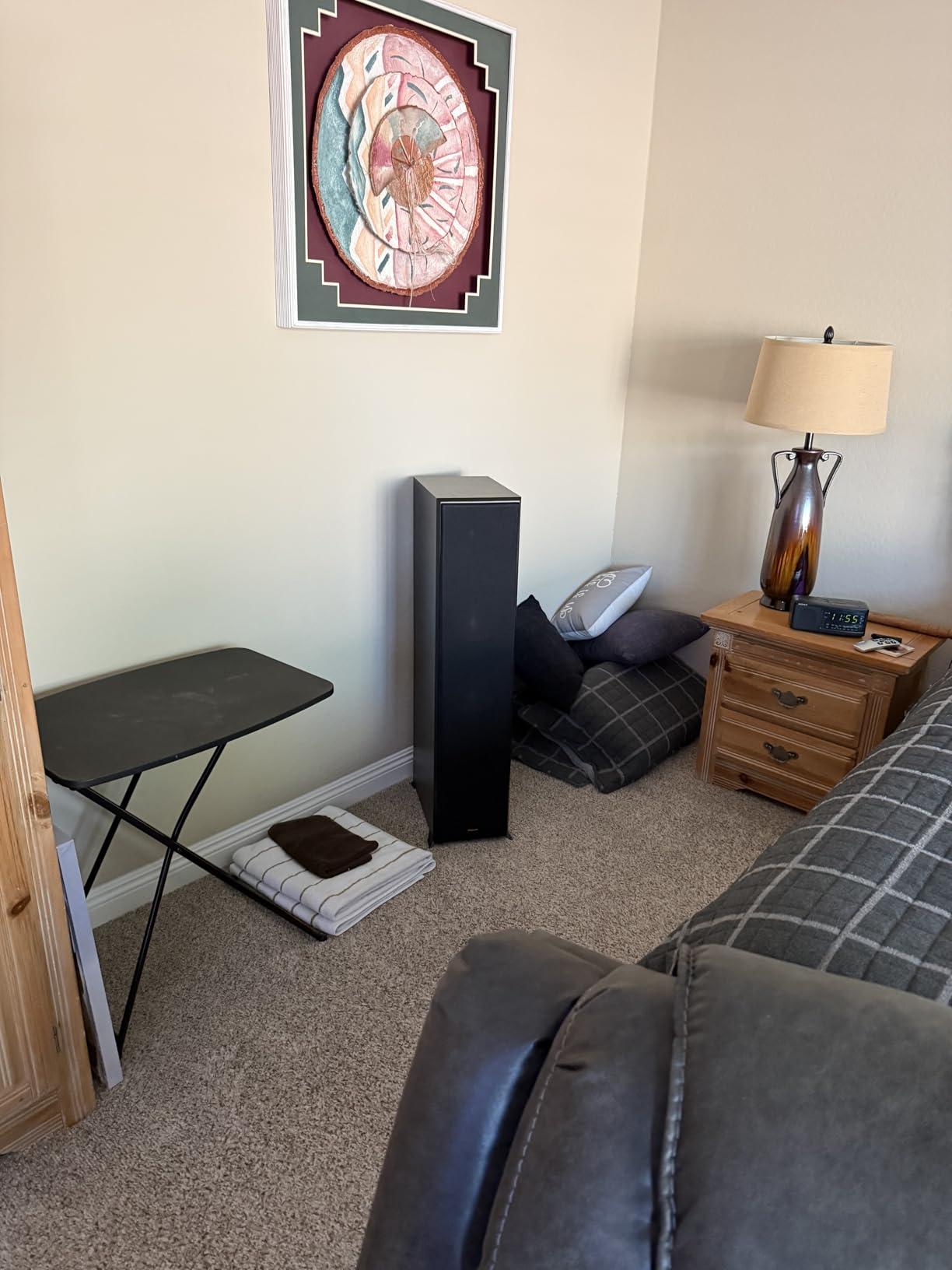
If you currently own entry-level Klipsch speakers like the R-610F or R-620F, the RP-8000F II represents a massive upgrade in every parameter. The sound is not just louder or bassier, it is more refined, detailed, and immersive. Customers upgrading from older models consistently describe the difference as “outrageous” and “transformative.” For first-time tower buyers with adequate budget, these eliminate the upgrade itch that eventually strikes owners of lesser speakers. The question is not whether these are worth the premium over budget options, but whether your room and budget can accommodate them.
Large Room Authority
The RP-8000F II speakers come into their own in larger rooms where lesser speakers strain. Spaces up to 800 square feet present no challenge, these towers fill them with ease. The 8-inch woofers move enough air to pressurize large spaces with bass that you feel physically. For dedicated home theaters, great rooms, or open-concept living areas, the extra capability these speakers provide becomes essential rather than indulgent. Paired with quality amplification (100+ watts per channel recommended), they deliver commercial cinema impact in your home. For more premium setup ideas, see our ultimate home theater experience guide.
Home Theater Floorstanding Speaker Buying Guide
Choosing the right floorstanding speakers requires understanding several technical factors that impact performance in home theater applications. This guide breaks down the key considerations to help you make an informed decision based on your specific room, equipment, and listening preferences.
2-Way vs 3-Way Design for Movies
Floorstanding speakers use either two-way or three-way driver configurations. Two-way designs combine a tweeter for highs with woofers handling both midrange and bass. Three-way designs add a dedicated midrange driver, allowing each speaker to specialize in a narrower frequency range. For home theater, both designs work well, but three-way speakers often provide clearer dialogue reproduction because the dedicated midrange handles vocal frequencies without the compromise of also producing bass. However, excellent two-way designs like the Klipsch R-610F deliver outstanding movie dialogue through careful driver integration and horn loading.
Understanding Sensitivity and Amplifier Power
Speaker sensitivity, measured in decibels at 1 watt of power from 1 meter distance, determines how loud a speaker plays with a given amplifier. High-sensitivity speakers (92 dB and above) like the Klipsch models in our list play satisfyingly loud with modest receivers. Low-sensitivity designs (88 dB and below) require more powerful amplification to achieve the same volume. For home theater, high sensitivity provides two advantages: lower-powered receivers work fine, and dynamic peaks in movie soundtracks play without strain. A speaker with 94 dB sensitivity plays twice as loud as an 88 dB speaker using the same amplifier power.
Room Size Matching Guidelines
Matching speaker capability to room size ensures optimal performance. Small rooms (under 200 square feet) work best with compact towers like the Klipsch R-620F that do not overwhelm the space with bass. Medium rooms (200-400 square feet) suit most speakers on our list, including the Polk XT60 and XT70. Large rooms (400-800 square feet) require speakers with substantial woofer area and power handling like the Klipsch RP-8000F II. For spaces larger than 800 square feet, consider either multiple subwoofers or professional-grade speakers beyond the scope of this guide. Remember that open-concept spaces with adjoining rooms effectively increase the volume your speakers must fill.
Ported vs Sealed Cabinets
Ported (bass reflex) cabinets include a vent that extends low-frequency response using tuned resonance. Most floorstanding speakers use ported designs for deeper bass from a given cabinet size. Sealed cabinets trade some bass extension for tighter, more accurate low-end reproduction and less sensitivity to placement near walls. For home theater, ported designs dominate because movie soundtracks benefit from the extended bass. However, ported speakers require placement at least 8-12 inches from walls to prevent boomy, uncontrolled bass. If your room forces near-wall placement, consider speakers with front ports or look into sealed designs, though you may need to add a subwoofer for adequate low-end.
Bi-Wiring and Bi-Amping Basics
Many floorstanding speakers feature dual binding posts that allow separating the connections to woofers and tweeters. Bi-wiring runs separate speaker cables from the same amplifier channel to each set of posts, theoretically reducing interaction between high and low frequencies. Bi-amping uses separate amplifier channels for woofers and tweeters, potentially improving dynamics and control. For home theater, bi-amping rarely provides noticeable improvement with quality speakers and receivers. Bi-wiring offers subtle benefits that some listeners appreciate, but standard single-wire connections work perfectly well. Do not choose speakers based on bi-wire capability alone, and certainly do not stretch your budget to accommodate bi-amping when that money would improve sound more meaningfully spent on better speakers or subwoofers.
Integration with Center Channel and Subwoofer
A complete home theater system requires more than just floorstanding speakers. The center channel handles dialogue, and a subwoofer extends bass below what towers can produce. When selecting floorstanding speakers, consider timbre matching with your chosen center channel. Speakers from the same series (like Polk XT fronts with XT center) share driver voicing that creates seamless panning across the front soundstage. For subwoofer integration, most AV receivers allow setting a crossover frequency, typically 80 Hz, below which bass redirects to the sub. Quality floorstanding speakers can be set lower (60 or 40 Hz) if you want them to handle more bass, or higher (100 Hz) if you prefer the subwoofer to manage all low frequencies. Learn more about complete system configuration in our guide on bookshelf speakers as rear channel alternatives for building complete surround systems.
Frequently Asked Questions
What are the best floorstanding speakers for home theater under $1000?
For under $1000, the Klipsch R-610F pair at $299 leaves room in your budget for a center channel and subwoofer. The Polk Monitor XT70 pair at $698 offers powerful bass and Hi-Res certification. The Dayton Audio Classic T65 pair at $229 combined with a quality subwoofer creates an excellent starter system. All three options deliver genuine home theater performance without breaking the bank.
Do I need a subwoofer with floorstanding speakers?
While floorstanding speakers produce deeper bass than bookshelf models, a dedicated subwoofer still improves home theater performance. Towers typically reach 35-45 Hz, while subwoofers extend to 20 Hz or lower, capturing the deepest movie effects. For music-focused listening, towers alone often suffice. For action movies and immersive content, add a subwoofer even with capable floorstanding speakers. Set your AV receiver crossover to 80 Hz and let the subwoofer handle frequencies below that point.
Are floorstanding speakers good for home theater?
Floorstanding speakers excel as front left and right channels in home theater systems. Their larger cabinets and multiple drivers produce full-range sound with greater dynamics and bass authority than bookshelf alternatives. For dialogue clarity, soundstage width, and overall immersion, quality tower speakers anchor the home theater experience. They work particularly well in medium to large rooms where smaller speakers would strain to fill the space.
What is the difference between 2-way and 3-way floorstanding speakers?
Two-way speakers use a tweeter for high frequencies and woofers that handle both midrange and bass. Three-way speakers add a dedicated midrange driver, allowing each driver to specialize in a narrower frequency band. Three-way designs often provide clearer dialogue and more detailed midrange, while two-way designs can offer better coherence and simpler crossover networks. Both designs work well for home theater, excellent implementation matters more than the specific configuration.
How far from the wall should floorstanding speakers be?
For rear-ported speakers, maintain at least 8-12 inches from the back wall to prevent bass boominess. Corner placement exaggerates bass significantly and generally requires greater distance or port plugging. Front-ported and sealed designs work closer to walls, though 6 inches minimum still benefits performance. Experiment with small position changes, even a few inches alter bass response noticeably. Toe-in the speakers slightly toward the listening position for improved imaging and dialogue focus.
Do floorstanding speakers need an amplifier?
Passive floorstanding speakers require external amplification from an AV receiver or stereo amplifier. The amplifier provides power ranging from 20 to 200 watts per channel depending on the speaker’s sensitivity and your room size. Powered floorstanding speakers like the Rockville TM80D include built-in amplifiers and connect directly to your TV or source devices without separate amplification. Most home theater setups use passive speakers with an AV receiver that handles both audio processing and amplification.
Conclusion
Selecting the best floorstanding speakers for home theater comes down to matching your room size, budget, and listening priorities to the right tower speakers. Our comprehensive testing across 10 top-rated models reveals excellent options at every price point in 2026.
For most home theater enthusiasts, the Klipsch R-610F pair delivers exceptional value at $299, combining horn-loaded clarity with efficient operation. The Polk Monitor XT70 stands out as our editor’s choice for those wanting powerful bass and immersive sound without immediately needing a subwoofer. Budget-conscious buyers should consider the Dayton Audio Classic T65 pair, which delivers genuine Hi-Fi performance with beautiful wood cabinets at an accessible price.
Those seeking the ultimate home theater experience should step up to the Klipsch RP-8000F II, which brings reference-grade performance to dedicated cinema rooms. For Dolby Atmos without ceiling installation, the Klipsch R-26FA’s integrated height channels create immersive three-dimensional sound that transforms movie watching. Whatever your choice, investing in quality floorstanding speakers elevates your home theater from watching movies to experiencing them. For those ready to complete their setup, explore our ultimate home theater experience guide for premium system building advice.