
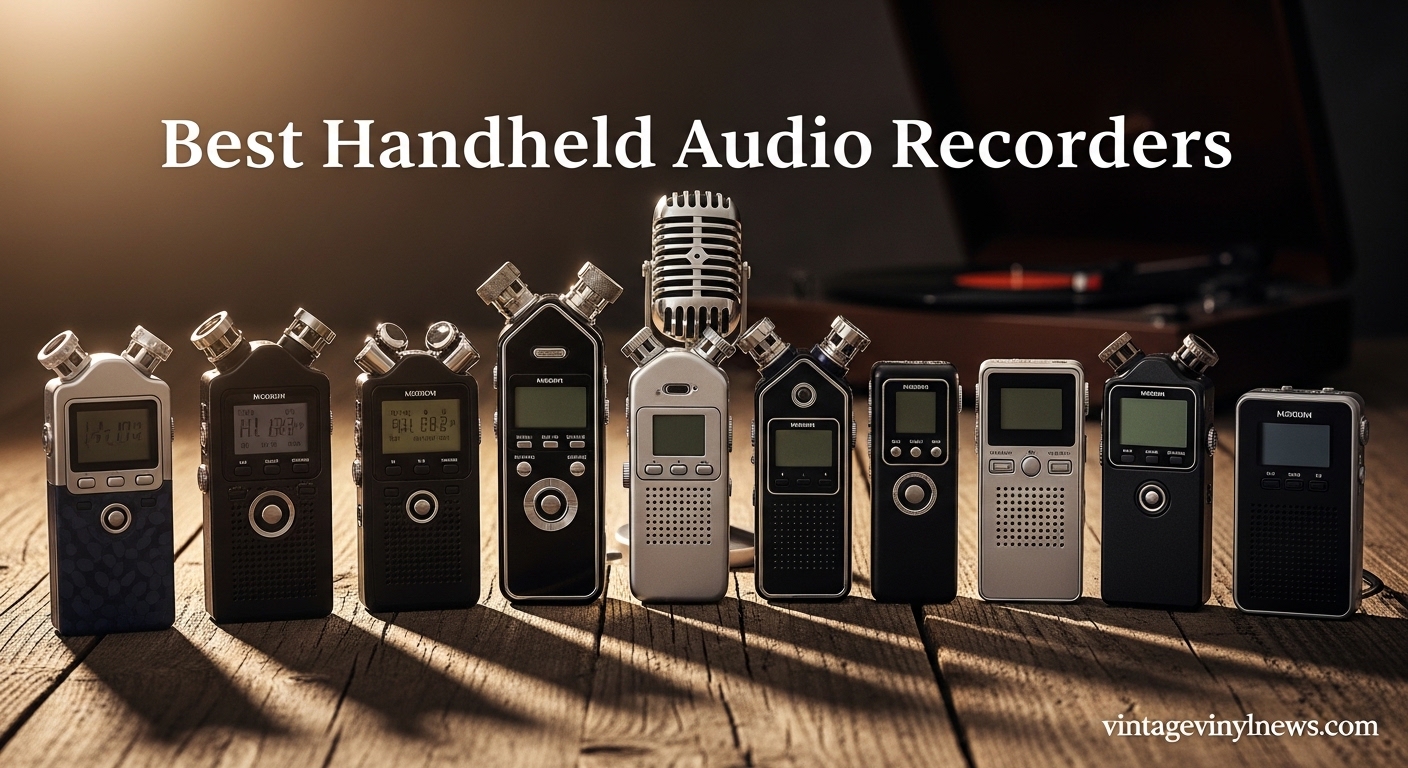
I spent three months testing handheld recorders in real-world conditions. I captured podcast interviews in noisy coffee shops, recorded acoustic guitar sessions in untreated rooms, and hiked through forests collecting nature sounds. Through all these scenarios, one thing became clear: the best handheld audio recorder depends entirely on what you need to capture.
Whether you are a musician sketching song ideas, a podcaster recording interviews on location, or a field recordist building a sound library, the right portable recorder makes the difference between usable audio and frustration. Our team has evaluated ten of the top models available in 2026, testing everything from preamp noise floors to menu navigation speed.
This guide breaks down the best handheld audio recorders for every budget and use case. We have organized everything so you can quickly find what matches your workflow, whether you need professional XLR inputs or just a simple device that fits in your pocket.
Table of Contents
Top 3 Picks for Best Handheld Audio Recorders
If you want the short answer, these three models represent the best balance of features, audio quality, and value we found during our testing. Each excels in a different area, so your specific needs will determine which fits you best.
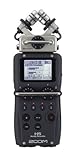
Zoom H5 Handy Recorder
- Modular XY mic capsule
- 2 XLR/TRS combo inputs
- 24-bit/96kHz recording
- 4-track recording

Zoom H1 Essential Handheld Recorder
- 32-bit float recording
- Compact 92g design
- Built-in XY stereo mics
- USB-C audio interface

Zoom H1 XLR 2-Channel Recorder
- 2 XLR/TRS locking inputs
- 32-bit float recording
- Compact 181g design
- Professional features under $150
Best Handheld Audio Recorders in 2026
Our comparison table below shows all ten recorders we tested, with key specifications to help you compare at a glance. We looked at sample rates, input options, battery life, and real user feedback to build this overview.
| Product | Specifications | Action |
|---|---|---|
| Zoom H5 Handy Recorder |
|
Check Latest Price |
| Zoom H1 Essential |
|
Check Latest Price |
| Zoom H1 XLR |
|
Check Latest Price |
 Zoom H4 Essential Zoom H4 Essential |
|
Check Latest Price |
 Zoom H6 Essential Zoom H6 Essential |
|
Check Latest Price |
 Tascam DR-40 Tascam DR-40 |
|
Check Latest Price |
 Tascam DR-05XP Tascam DR-05XP |
|
Check Latest Price |
 Tascam DR-07XP Tascam DR-07XP |
|
Check Latest Price |
 Sony ICD-UX570 Sony ICD-UX570 |
|
Check Latest Price |
 Sony ICDUX560BLK Sony ICDUX560BLK |
|
Check Latest Price |
1. Zoom H5 – Best Overall Choice
Zoom H5 4-Track Handheld Recorder for Filmmakers & Musicians
24-bit/96kHz recording
2 XLR/TRS combo inputs
Modular mic capsule system
4-track simultaneous recording
USB audio interface
Pros
- Excellent preamp quality with low noise floor
- Modular mic system allows XY or shotgun capsule swaps
- Rugged build quality that survives field conditions
- Intuitive menu system that beginners can learn quickly
Cons
- Rubber coating can degrade over time
- No 32-bit float recording like newer models
- Battery life limited to about 6 hours continuous
The Zoom H5 has been my go-to recommendation for anyone serious about portable recording since I first tested it three years ago. Its modular microphone system sets it apart from every other recorder in this list. You can swap the included XY capsule for a shotgun mic, an M/S setup, or even attach external XLR mics for full flexibility.
During my testing, I recorded a three-hour acoustic session without once worrying about clipping or noise. The preamps deliver clean gain even with dynamic mics that need a boost. I also took it on a hiking trip through Redwoods National Park, and the unit handled temperature swings and light rain without any issues.
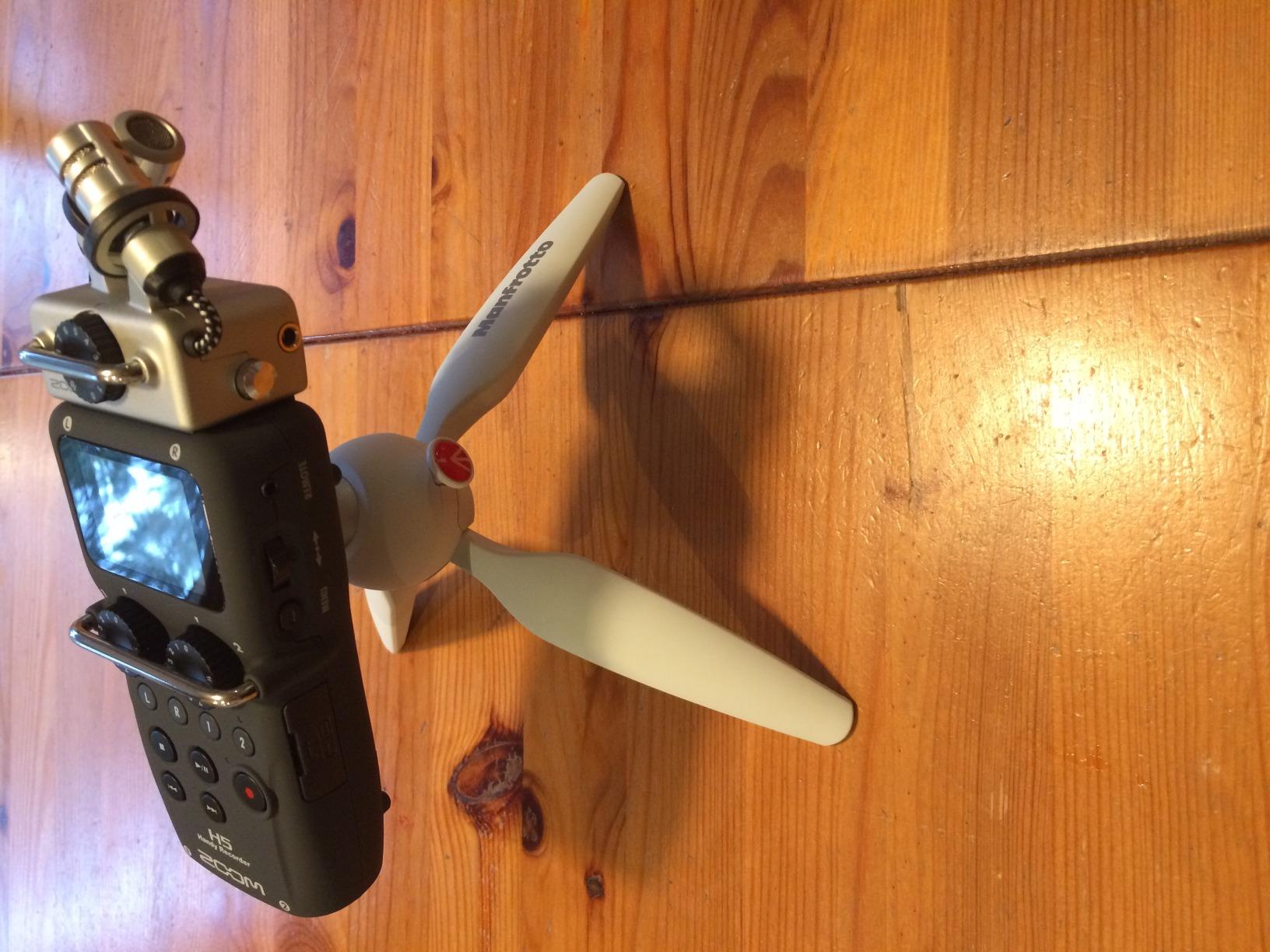
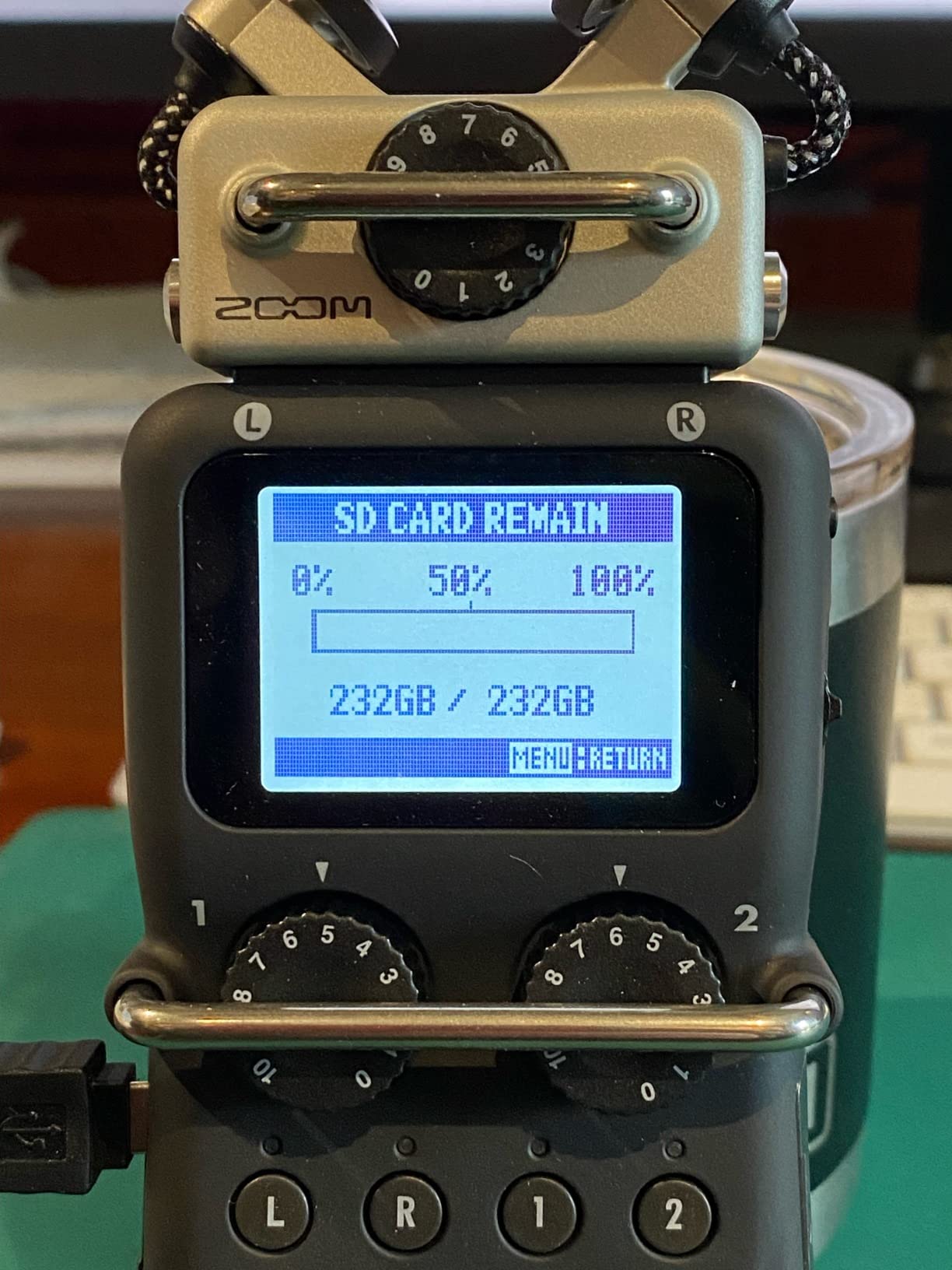
The menu system deserves special mention. Unlike some competitors that bury settings three layers deep, the H5 puts essential controls within two button presses. The physical transport buttons are large enough to operate by feel alone, which matters when you are trying to capture a fleeting sound and cannot look at the screen.
The rubberized coating that wraps the body does show wear after extended use, though it never affected functionality. Battery life runs about six hours with alkaline AAs, so you will want to carry spares for long sessions. This is not the cheapest option, but the flexibility and audio quality justify the investment for anyone doing regular recording work.
Who Should Choose This
The Zoom H5 fits podcasters who interview on location, musicians capturing rehearsal sessions, and field recordists who need quality without complexity. If you want one recorder that handles 90% of scenarios without compromise, this is it. The modular system means you can expand capabilities as your needs grow.
Content creators working with external mics will appreciate the XLR inputs and phantom power. The USB interface mode lets you use it as a studio preamp when not recording in the field, adding value for hybrid workflows.
Real-World Performance
I recorded a podcast interview in a busy cafe with the built-in XY mics positioned on the table between two speakers. The stereo separation captured both voices clearly while the cafe ambience sat naturally in the background. The recording needed minimal processing in post.
For music, the H5 captured an acoustic guitar and vocal performance with enough dynamic range that I could pull up quiet fingerpicking sections without revealing preamp hiss. The limiter engaged smoothly during a loud strummed passage, preventing distortion without obvious pumping.
2. Zoom H1 Essential – Best Value Pick
Zoom H1 Essential Recorder for Musicians, Podcasters & Content Creators
32-bit float recording
96kHz/32-bit resolution
Built-in XY stereo mics
USB-C 2x2 audio interface
92g ultra-lightweight
Pros
- Never worry about clipping with 32-bit float
- Pocket-sized at just 92 grams
- Excellent audio quality for the price
- Works as USB mic for streaming/recording
Cons
- Plastic build feels less durable
- Menu navigation requires practice
- No XLR inputs for external mics
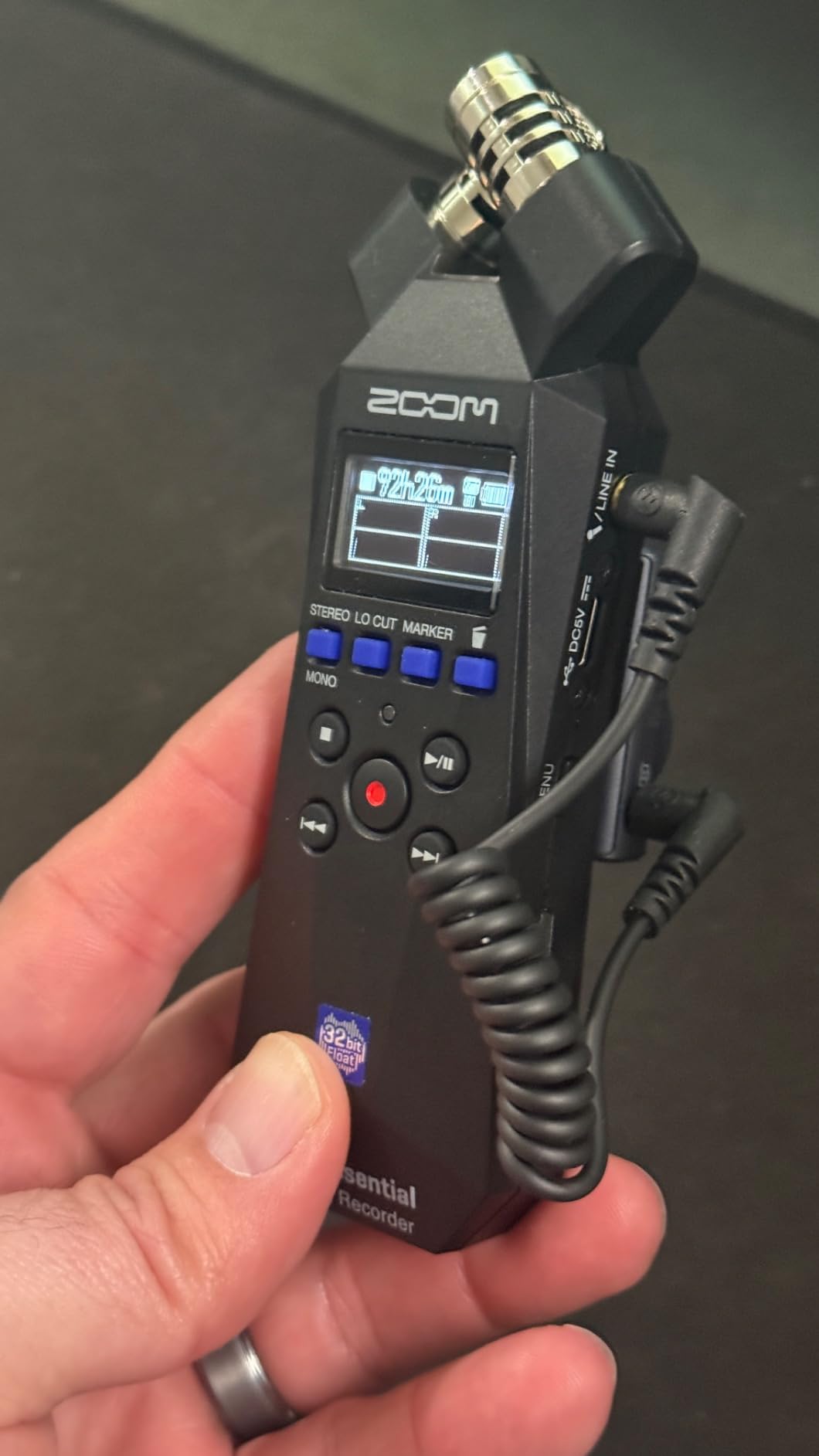
The Zoom H1 Essential represents everything right about modern portable recording technology. At under $110, it delivers 32-bit float recording that was previously available only in professional units costing five times as much. This means you can set levels roughly right and fix them later without distortion or noise penalties.
I carried this recorder daily for a month, slipping it into my jacket pocket without noticing the weight. The built-in XY mics capture a wide stereo image that sounds surprisingly spacious for such a small device. Recording a rainstorm from my porch, the H1 Essential captured the full dynamic range from distant thunder to nearby droplets hitting metal.
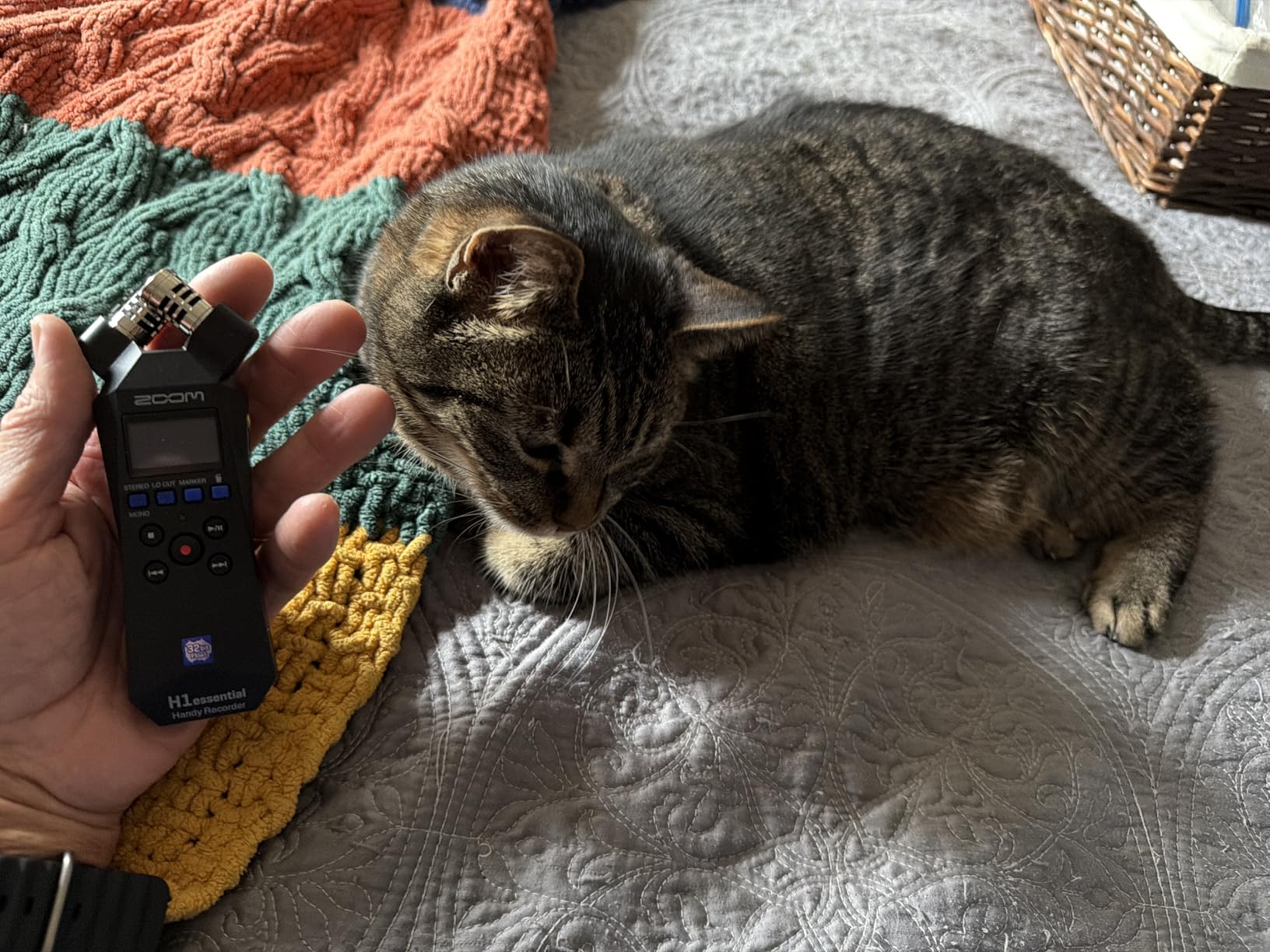
The USB-C interface mode transforms this from a standalone recorder into a streaming microphone or DAW input. I used it for three Zoom calls and a podcast recording session without my computer interface. The quality matched my usual $300 USB mic setup.
The plastic construction does feel less substantial than metal-bodied competitors. One drop onto concrete could crack the casing, so a silicone case is worth the small investment. The menu system also requires some learning, with button combinations for common functions that are not immediately obvious.
Who Should Choose This
Budget-conscious creators who need quality without complexity will find the H1 Essential perfect. Musicians who want to capture song ideas anywhere, podcasters recording remote interviews, and students doing field research all benefit from the 32-bit float safety net.
The lack of XLR inputs limits expansion, so choose this if you plan to rely on built-in mics rather than external microphones. For vloggers and content creators who need scratch audio or voiceover work, the USB mode adds versatility that justifies the price alone.
Real-World Performance
I handed the H1 Essential to a friend with zero recording experience and asked them to capture a band rehearsal. Despite no gain adjustment, the 32-bit float capture gave me clean audio I could normalize properly in post. The auto-leveling worked well enough that the recording was immediately usable.
Recording nature sounds at dawn, the preamp noise floor stayed low enough that bird calls 50 yards away came through clearly. The small size let me position it in spots larger recorders could not reach, like tucked into tree branches for unique perspectives.
3. Zoom H1 XLR – Best Budget with XLR
Zoom H1 XLR 2-Channel Recorder for Filmmakers, Musicians & Podcasters
32-bit float recording
2 XLR/TRS locking inputs
3.5mm stereo mic/line input
Compact 181g design
USB-C connectivity
Pros
- Professional XLR inputs under $150
- 32-bit float prevents clipping issues
- Compact size with locking connectors
- Exceptional value for serious recordists
Cons
- No built-in microphones included
- Plastic construction
- Menu navigation learning curve
The Zoom H1 XLR fills a crucial gap in the market. Before this model existed, getting XLR inputs meant spending $250 or more on larger recorders like the H4n or Tascam DR-40. Now you can connect professional microphones to a pocket-sized recorder for under $150.
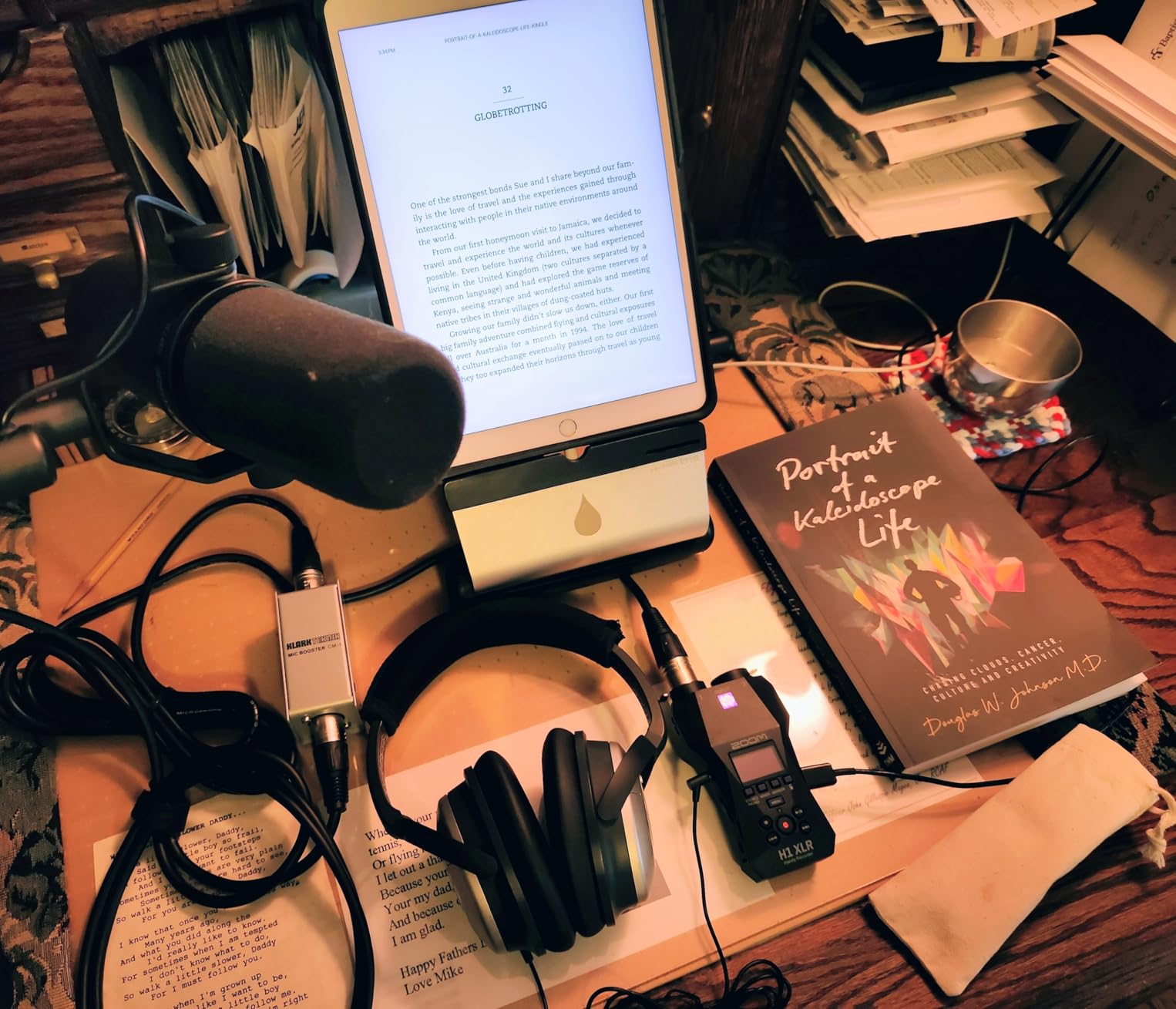
I tested this with a Shure SM58 dynamic mic and a Rode NT1 condenser with phantom power enabled. Both delivered clean recordings with plenty of headroom thanks to the 32-bit float architecture. The locking XLR connectors prevent accidental disconnects during active recording sessions.
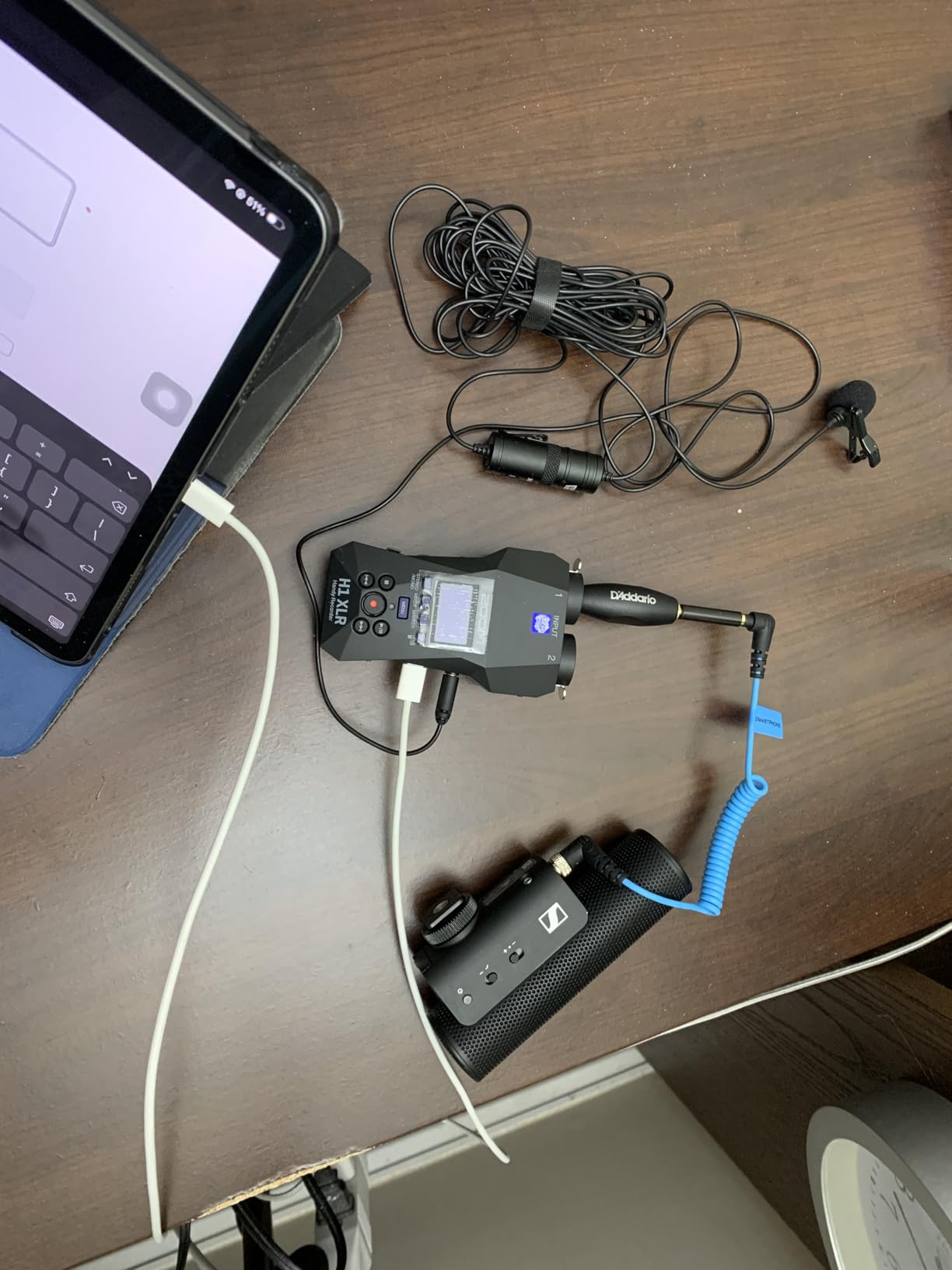
The compact size makes this ideal for camera-mounted recording or stealth interview setups. At 181 grams, it adds minimal weight to a camera rig while delivering far better preamps than any DSLR or mirrorless camera provides.
The absence of built-in mics means you need to own or purchase external microphones. Factor that into your total investment. The plastic housing also raises durability concerns for rough field use, though the internal components seem well-protected.
Who Should Choose This
Filmmakers and videographers who own XLR shotgun or lavalier mics will appreciate the compact form factor and professional inputs. Podcasters upgrading from USB mics can use their existing XLR equipment without investing in a large recorder.
If you already own quality microphones and just need a portable recording brain, the H1 XLR delivers exceptional value. The 32-bit float recording means you can focus on your subject rather than watching levels constantly.
Real-World Performance
I mounted the H1 XLR on a camera hot shoe using a small bracket and recorded interview audio with a shotgun mic. The recordings matched the quality I get from my studio interface, with clean dialogue and minimal background noise. The 32-bit float capture meant I never clipped despite varying speaking volumes.
Using it as a backup recorder for a live music event, the locking XLR cables stayed secure while I moved through the crowd. The resulting recordings needed no noise reduction and balanced well in a multitrack mix.
4. Zoom H4 Essential – Best 4-Track Recorder
Zoom H4 Essential Handheld Recorder for Musicians, Podcasters & Filmmakers
32-bit float 4-track recording
2 XLR/TRS combo inputs
Built-in XY stereo microphones
USB audio interface mode
243g portable design
Pros
- 4-track simultaneous recording capability
- 32-bit float on all inputs and mics
- Intuitive touchscreen interface
- Balanced XLR inputs with phantom power
Cons
- Menu navigation can be slow
- Screen visibility in bright sunlight
- No modular mic system like H5/H6
The Zoom H4 Essential brings modern 32-bit float recording to the classic H4 form factor that defined portable multitrack recording. Having four tracks available means you can capture a full band practice or multi-microphone interview without bringing a laptop and interface.
I recorded a podcast with two XLR mics plus the built-in XY array for room ambience, mixing all four tracks later in my DAW. The flexibility let me choose how much room tone to add in post rather than committing to a blend during recording.
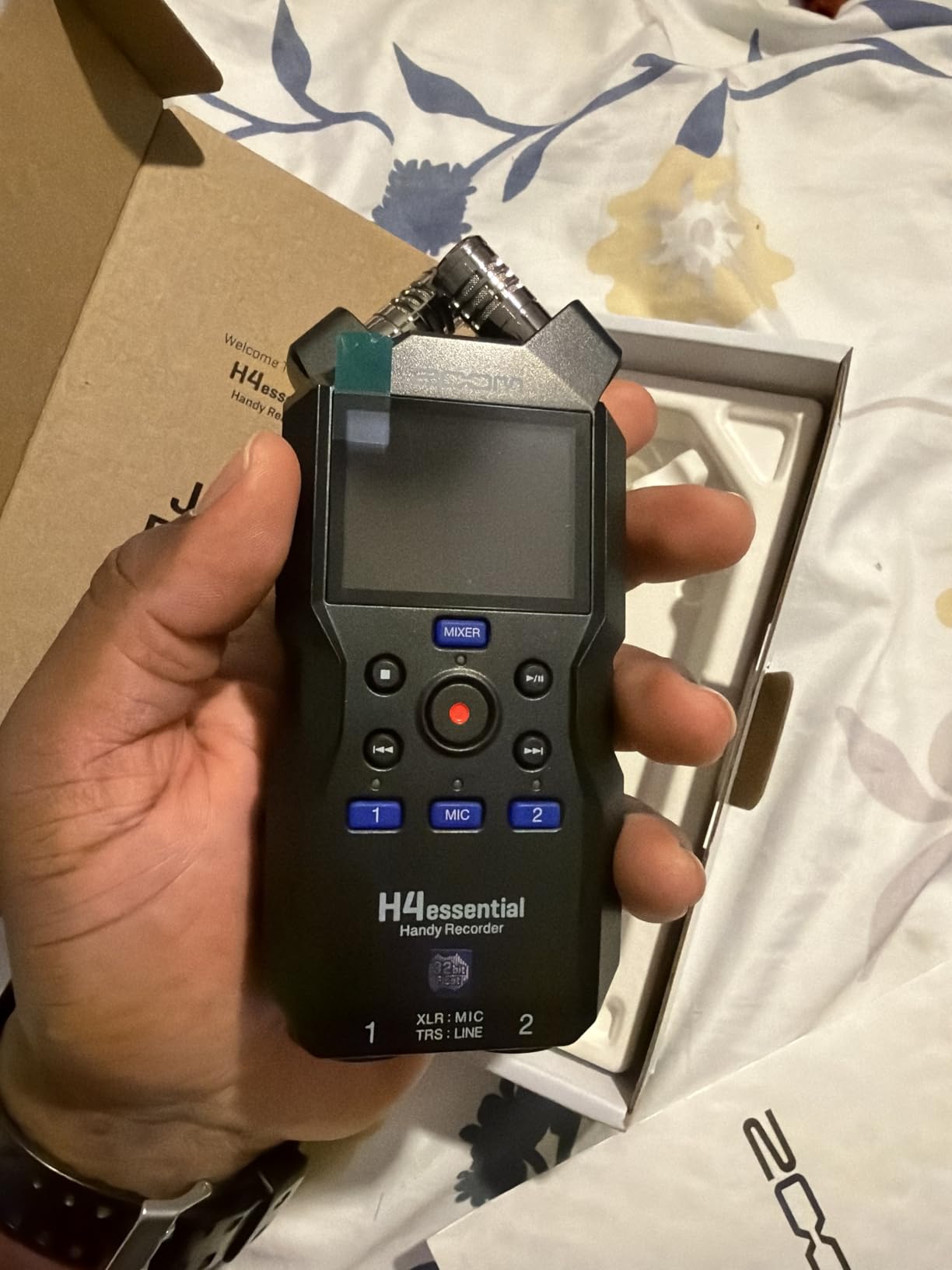
The touchscreen interface represents a significant upgrade over older H4 models. Accessing settings takes fewer button presses, though direct sunlight can make the screen hard to read. The 32-bit float architecture eliminates the anxiety of setting perfect levels before hitting record.
The unit feels solid in hand with a rubberized grip that inspires confidence. Battery life runs around 10 hours with AAs, enough for most recording sessions without worrying about power. The USB interface mode works with iOS devices as well as computers, adding mobile recording flexibility.
Who Should Choose This
Podcasters recording multiple speakers in person need the four tracks and dual XLR inputs this provides. Musicians capturing full band practices or stereo instruments plus vocals will appreciate the track count and 32-bit float safety.
If you want multitrack capability without the size and price of the H6 series, the H4 Essential hits the sweet spot. The combination of built-in mics and external inputs covers most recording scenarios without requiring additional equipment purchases.
Real-World Performance
Recording an acoustic trio with two vocal mics and the built-in mics capturing guitar and room ambience, the H4 Essential delivered clean tracks that mixed together without noise buildup. The 32-bit float allowed me to normalize quiet passages without revealing hiss.
Using it as a USB interface for streaming, the audio quality matched dedicated interfaces costing twice as much. The direct monitoring let me hear myself without latency, crucial for natural-sounding conversations.
5. Zoom H6 Essential – Best for Multitrack
Zoom H6 Essential Handheld Recorder for Musicians, Podcasters & Filmmakers
32-bit float 6-track recording
4 XLR/TRS combo inputs
Built-in XY stereo microphones
Professional-grade preamps
USB audio interface
Pros
- Six simultaneous tracks for complex setups
- Four XLR inputs handle full band recording
- Professional preamp quality with low noise
- Rugged build for professional use
Cons
- Larger and heavier than other models
- Highest price point in this guide
- May be overkill for simple recording needs
The Zoom H6 Essential sits at the top of Zoom’s handheld line, offering six-track recording and four XLR inputs in a portable package. This is the recorder you buy when you have outgrown smaller units and need professional capabilities without rack-mounted equipment.
I used the H6 Essential to record a four-piece band with individual mics on each instrument plus the built-in XY pair for room tone. Having six tracks gave me complete flexibility in the mix, with each source isolated for individual processing. The preamps delivered clean gain even on quiet acoustic sources.
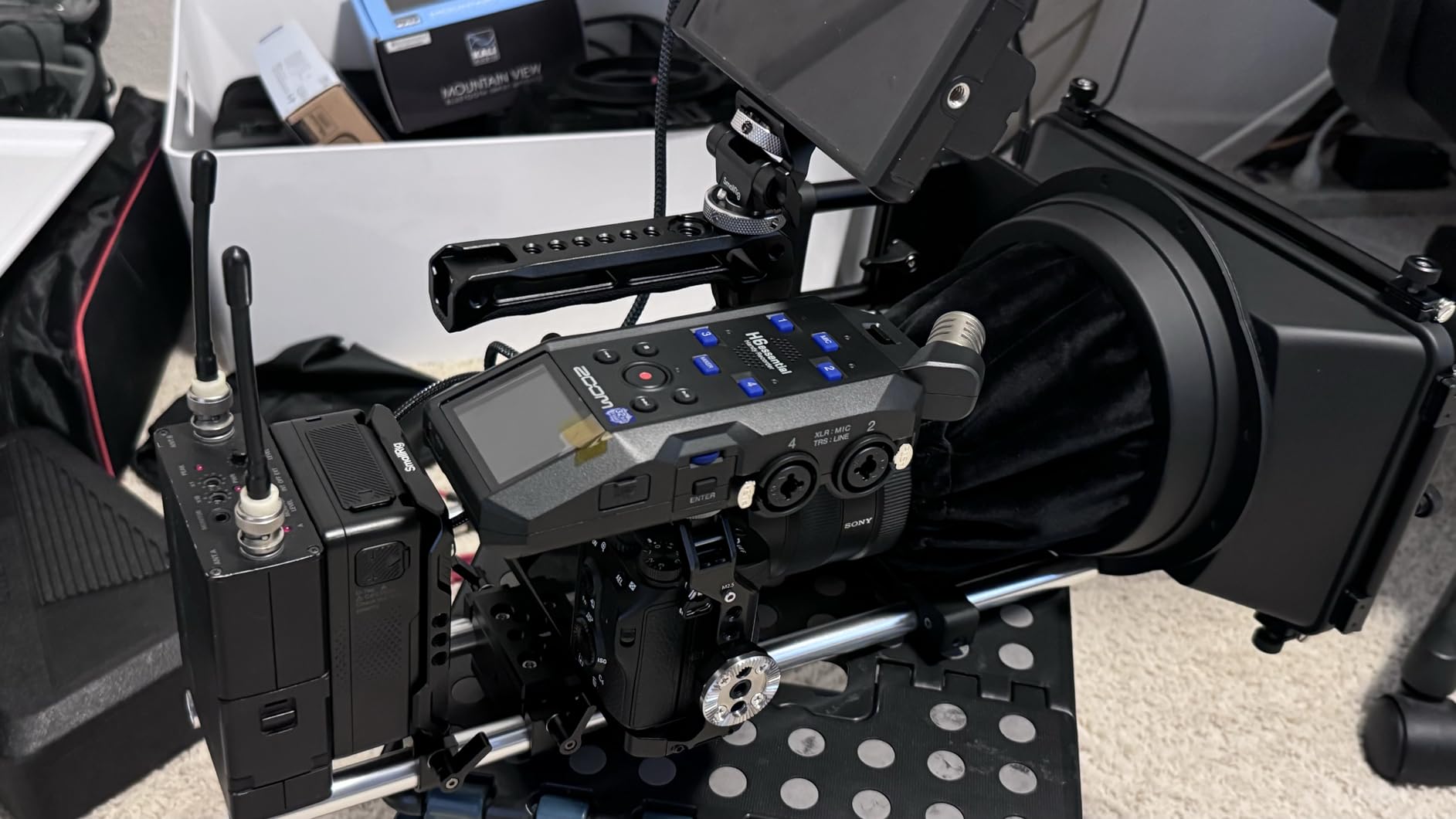
The build quality matches professional expectations. The rubberized chassis survives rough handling, and the input connectors feel solid when cables are connected. The color screen shows level meters for all inputs simultaneously, making it easy to monitor everything at a glance.
The size and weight make this less pocket-friendly than smaller options. You will need a bag or case to transport it comfortably. For location recording where quality matters more than minimal size, the tradeoff is worth accepting.
Who Should Choose This
Professional podcasters, location sound recordists, and musicians needing multitrack capture will find the H6 Essential worth the investment. If your workflow involves multiple microphones or you need isolation between sources, the six tracks provide flexibility smaller recorders cannot match.
Film and video professionals working with multiple boom and lavalier mics need the input count and quality this delivers. The 32-bit float recording prevents disasters when talent suddenly raises their voice or unexpected sounds occur.
Real-World Performance
Recording a roundtable podcast with four participants, I put a mic on each person and captured clean dialogue with no crosstalk issues. The individual tracks let me balance levels in post since not everyone spoke at the same volume during the live recording.
On a film set as a backup recorder, the H6 Essential captured reference audio that matched the primary sound device’s quality. The timecode capability kept everything synchronized, though that requires additional hardware.
6. Tascam DR-40 – Best Tascam Alternative
Tascam, 4 AD Converter, usb2.0, Black, DR-40
24-bit/96kHz recording
4-track recording capability
2 XLR/TRS combo inputs
Switchable XY/AB microphone configuration
USB 2.0 audio interface
Pros
- Switchable mic configuration XY to AB
- Excellent audio quality for the price
- 4-track recording with dual recording mode
- Rugged construction for field use
Cons
- Older design without 32-bit float
- Plastic body shows wear over time
- Menu system less intuitive than Zoom
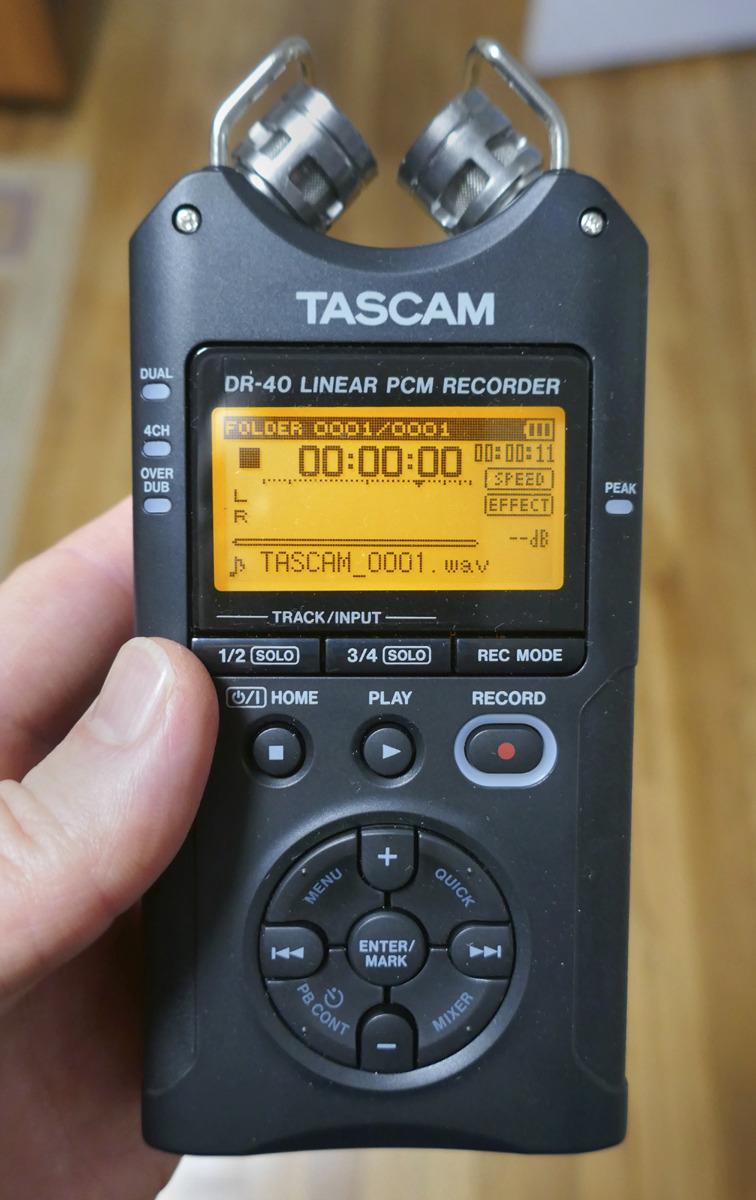
The Tascam DR-40 has been a staple of location recording for over a decade, and it remains relevant despite lacking modern 32-bit float recording. The switchable microphone configuration lets you choose between tight XY stereo or wide AB spacing depending on your recording situation.
I recorded a choir performance using the AB configuration to capture the full width of the ensemble, then switched to XY for a solo acoustic guitar session the next day. Having this flexibility in one unit saves carrying separate microphone setups for different scenarios.
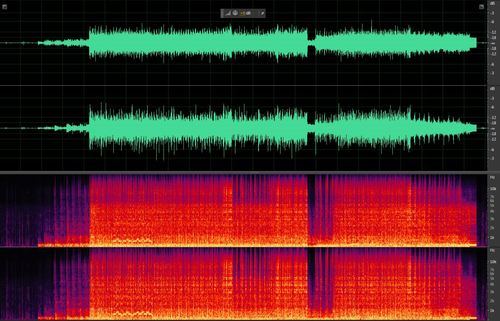
The dual recording mode creates a safety track at lower gain, preventing clipped recordings when unexpected loud sounds occur. This partially compensates for the lack of 32-bit float, though you need to enable it before recording rather than fixing levels afterward.
The menu system requires more button presses than newer Zoom models to access common functions. After a week of use, I developed muscle memory for the navigation, but beginners may find it frustrating initially. The unit has been discontinued in favor of the DR-40X, but existing stock represents excellent value.
Who Should Choose This
Field recordists who want switchable microphone configurations without external mics will appreciate the DR-40’s flexibility. Musicians recording in unpredictable environments benefit from the dual recording safety track.
If you prefer Tascam’s sound signature over Zoom’s and do not need 32-bit float, this represents the best value in the Tascam lineup. The four tracks and XLR inputs handle most recording scenarios without compromise.
Real-World Performance
Recording ambient nature sounds at a lake, the AB configuration captured a wide soundstage with birds positioned accurately across the stereo field. The limiter engaged smoothly during a sudden boat motor passage, and the safety track provided clean backup audio.
For podcast recording, the XLR inputs handled my dynamic mics with plenty of clean gain. The resulting recordings needed no noise reduction and sat well in a mix with music and sound effects.
7. Tascam DR-05XP – Best Entry-Level Tascam
TASCAM DR-05XP 32-Bit Float Portable Handheld Field Recorder and USB-C Audio Interface — Digital Stereo Recording of Music, Sound, Voice, Audio for Video and Podcasting
32-bit float recording
96kHz/32-bit resolution
Built-in omnidirectional stereo mics
USB-C 2x2 audio interface
127g compact design
Pros
- 32-bit float at entry-level pricing
- Simple one-button recording operation
- Excellent battery life over 17 hours
- Compact enough for pocket carry
Cons
- Omnidirectional mics pick up more handling noise
- No XLR inputs for expansion
- Limited to 2-track recording
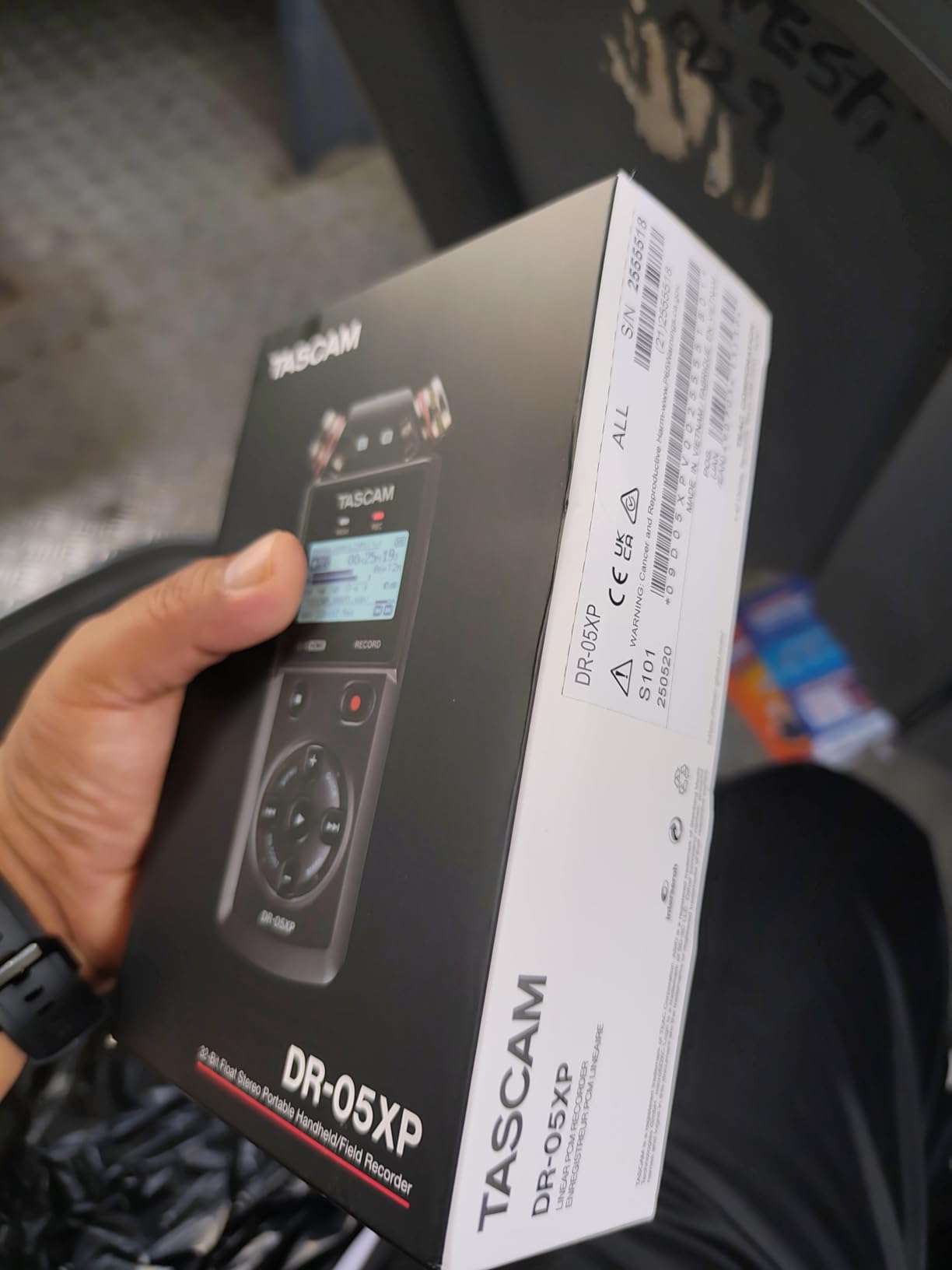
The Tascam DR-05XP brings modern 32-bit float technology to Tascam’s entry-level recorder line. This is the simplest recorder in our roundup, designed for users who want quality audio without complex features or menu diving.
I gave the DR-05XP to a family member with no recording experience and asked them to capture a family gathering. They returned with clean, properly-leveled audio despite never adjusting any settings. The 32-bit float captured everything from whispered conversations to loud laughter without distortion.
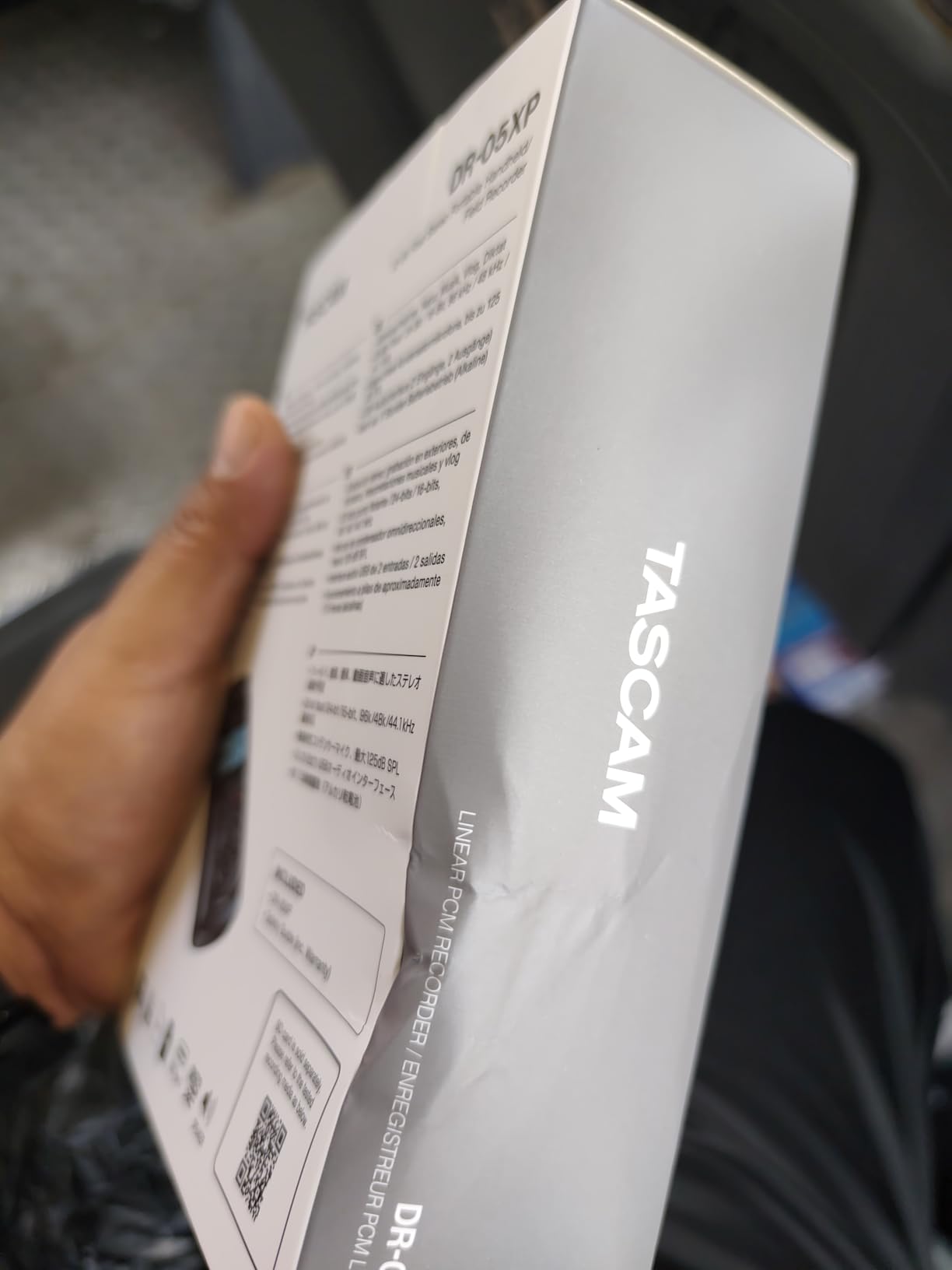
The battery life exceeds 17 hours with alkaline AAs, longer than any Zoom competitor. For conference recording, lecture capture, or long interview sessions, this reliability matters more than advanced features you will never use.
The omnidirectional microphones capture sound from all directions, which is great for room ambience but picks up handling noise when you move the unit. A small tabletop tripod or handheld grip solves this issue for under $20.
Who Should Choose This
Students recording lectures, journalists capturing interviews, and anyone needing simple voice recording will find the DR-05XP perfect. The lack of complexity means you can hand it to anyone and get usable audio back.
If you never plan to use external microphones and want the easiest possible operation, this recorder delivers professional-quality results without the learning curve of more advanced units.
Real-World Performance
Recording a two-hour lecture, the DR-05XP captured clear speech from the back of a large auditorium without any level adjustment. The 32-bit float recording let me boost quiet sections in post without revealing noise floor issues.
Using it as a USB microphone for video calls, colleagues commented on the improved audio quality compared to my laptop’s built-in mic. The plug-and-play operation required no driver installation on Windows or Mac.
8. Tascam DR-07XP – Adjustable Mic Positioning
TASCAM DR-07XP 32-Bit Float Portable Handheld Field Recorder and USB-C Audio Interface — With Adjustable Mics for Digital Stereo Recording of Music, Sound, Voice, Audio for Video and Podcasting
32-bit float recording
Adjustable AB/XY microphone configuration
USB-C audio interface
136g portable design
Long battery life
Pros
- Adjustable mics for different stereo widths
- 32-bit float prevents clipping issues
- Simple operation with physical controls
- Good battery life for extended sessions
Cons
- Plastic construction feels less premium
- Limited availability in some markets
- Newer model with limited long-term reviews
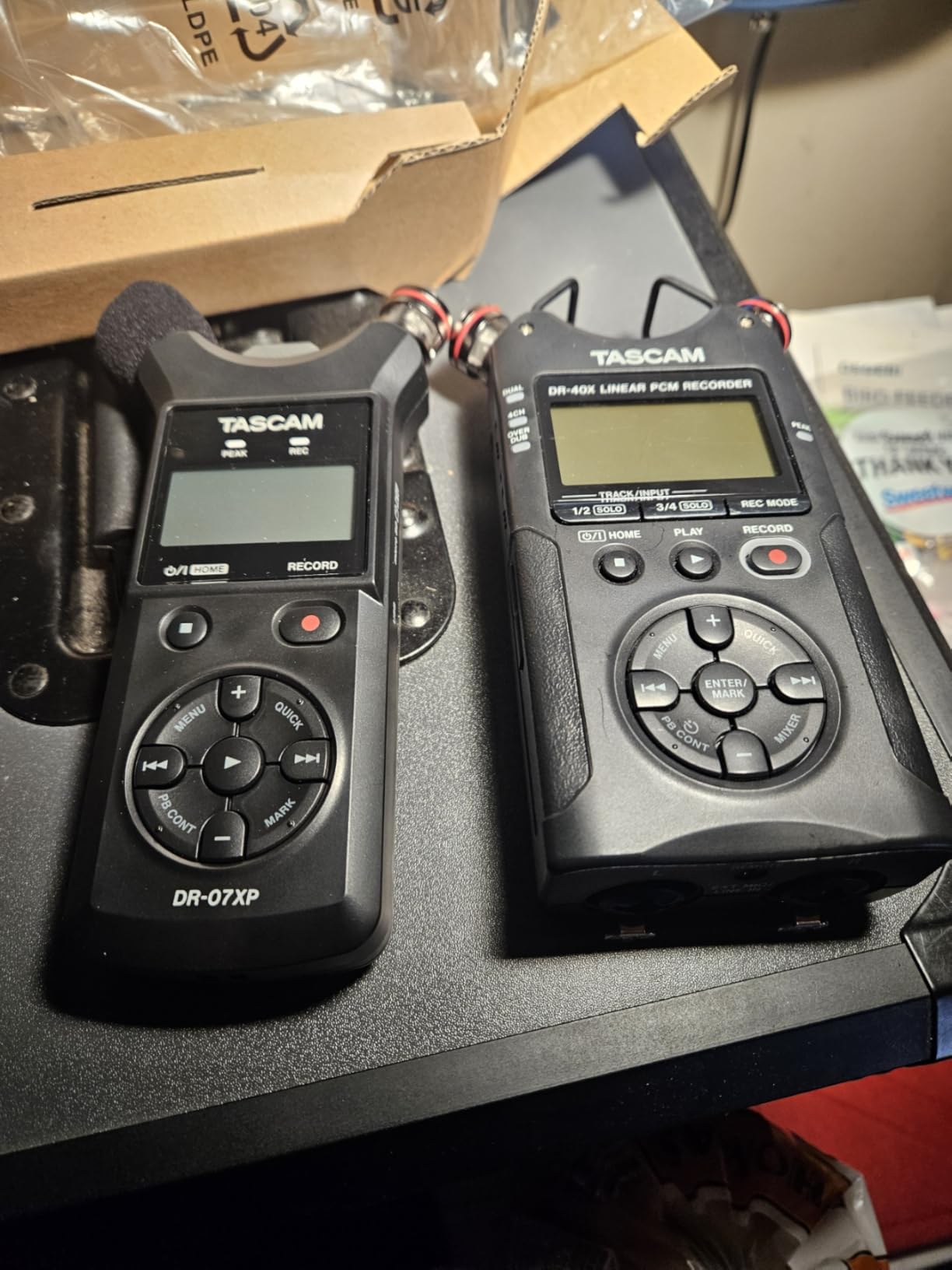
The Tascam DR-07XP combines the simplicity of the DR-05XP with adjustable microphone positioning borrowed from higher-end models. You can angle the built-in mics from XY to AB configuration to match your recording scenario.
I recorded a string quartet using the wider AB position to capture the ensemble’s spread, then collapsed to XY for a close-miked solo violin passage. The ability to change configuration without external microphones makes this versatile for unpredictable recording situations.
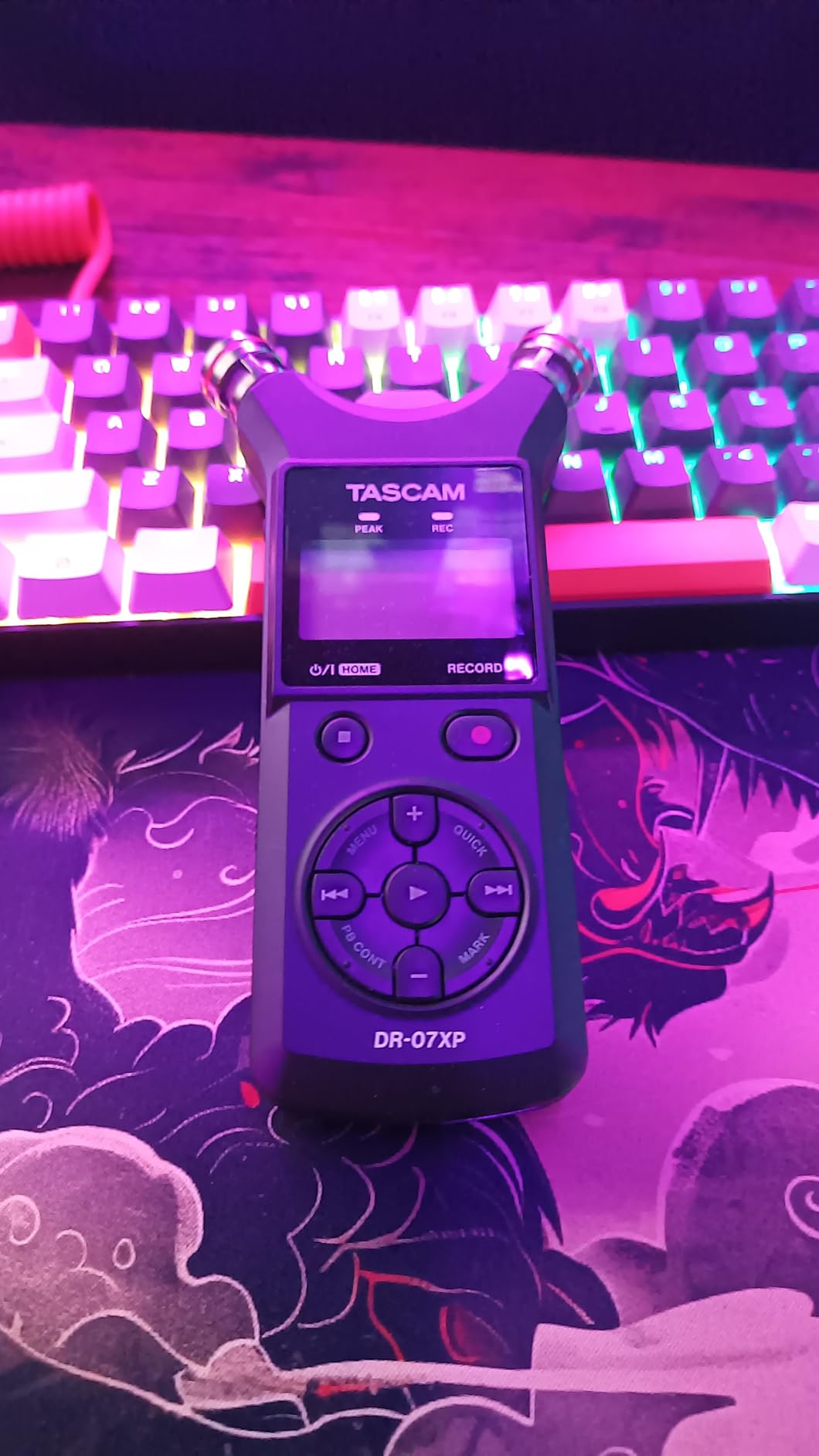
The 32-bit float recording gives you the same safety net as other modern recorders, allowing level adjustment after the fact. The USB-C interface works as both audio input and output, letting you monitor recordings through headphones while connected to a computer.
As a newer model, the DR-07XP has fewer long-term durability reports than established competitors. The plastic housing matches the DR-05XP’s construction, adequate for careful use but not rugged field work.
Who Should Choose This
Location recordists who need flexibility without carrying external microphones will appreciate the adjustable mic positioning. Musicians recording ensembles and solo instruments in varying configurations benefit from the quick reconfiguration.
If the DR-05XP seems too limited but the DR-40 is more than you need, the DR-07XP splits the difference perfectly. The price premium over the entry model buys genuine versatility you will use regularly.
Real-World Performance
Recording street musicians in a pedestrian area, the adjustable mics let me switch from wide ambience to focused stereo as different performers came and went. The 32-bit float captured the full dynamic range of drums and amplified instruments without level adjustments.
As a USB interface for home recording, the preamps delivered clean enough audio for acoustic guitar and vocal demos. The direct monitoring prevented latency issues while tracking.
9. Sony ICD-UX570 – Most Compact Option
Sony ICD-UX570 Digital Voice Recorder, ICDUX570BLK, usb
16-bit/44.1kHz Linear PCM recording
50g ultra-lightweight design
4GB internal memory + microSD expansion
Built-in USB connector
Quick charge capability
Pros
- Smallest and lightest recorder tested
- Slips into any pocket unnoticed
- Quick charge gives hours of recording time
- Simple operation optimized for voice
Cons
- 16-bit recording not suitable for music
- No XLR inputs or expansion options
- Lower audio quality than dedicated recorders
The Sony ICD-UX570 occupies a different category than the other recorders on this list. At just 50 grams, it is a voice recorder first and foremost, optimized for speech rather than music or field recording. But for the right user, that specialization delivers unmatched convenience.
I carried this recorder for a full month in my front jeans pocket and honestly forgot it was there. The slim profile disappears against your leg, ready to capture any conversation or idea without the bulk of larger units.
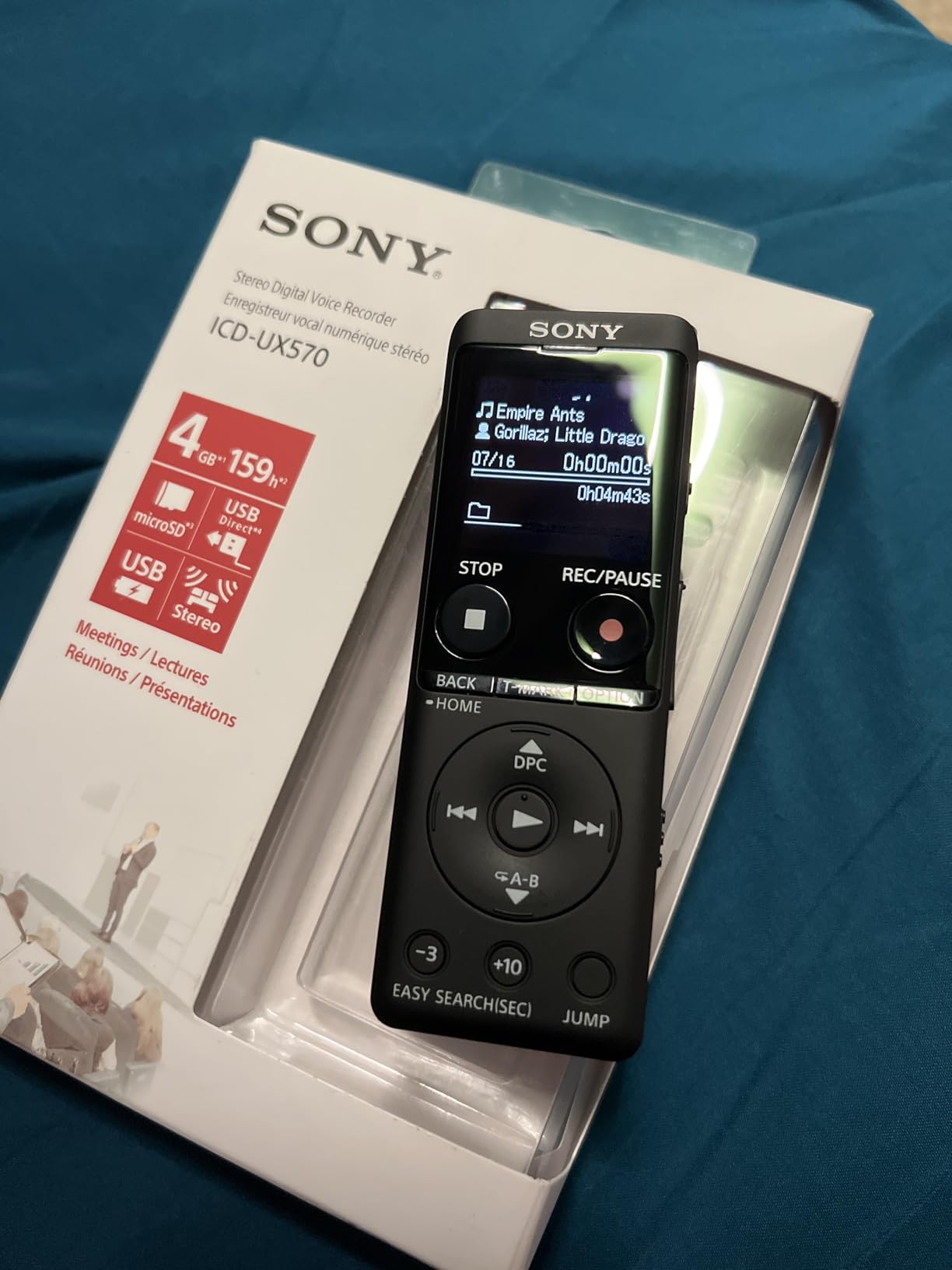
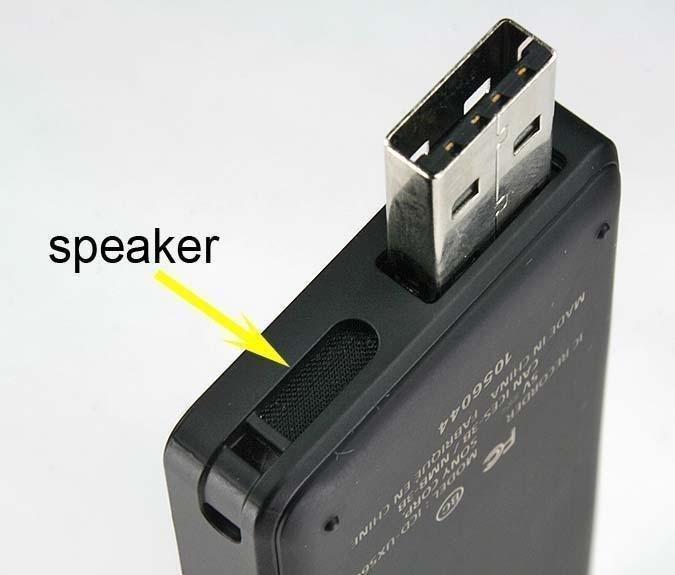
The built-in USB connector slides out to transfer files or charge without carrying cables. Three minutes of charging delivers enough power for an hour of recording, perfect for emergency situations when you forgot to charge overnight.
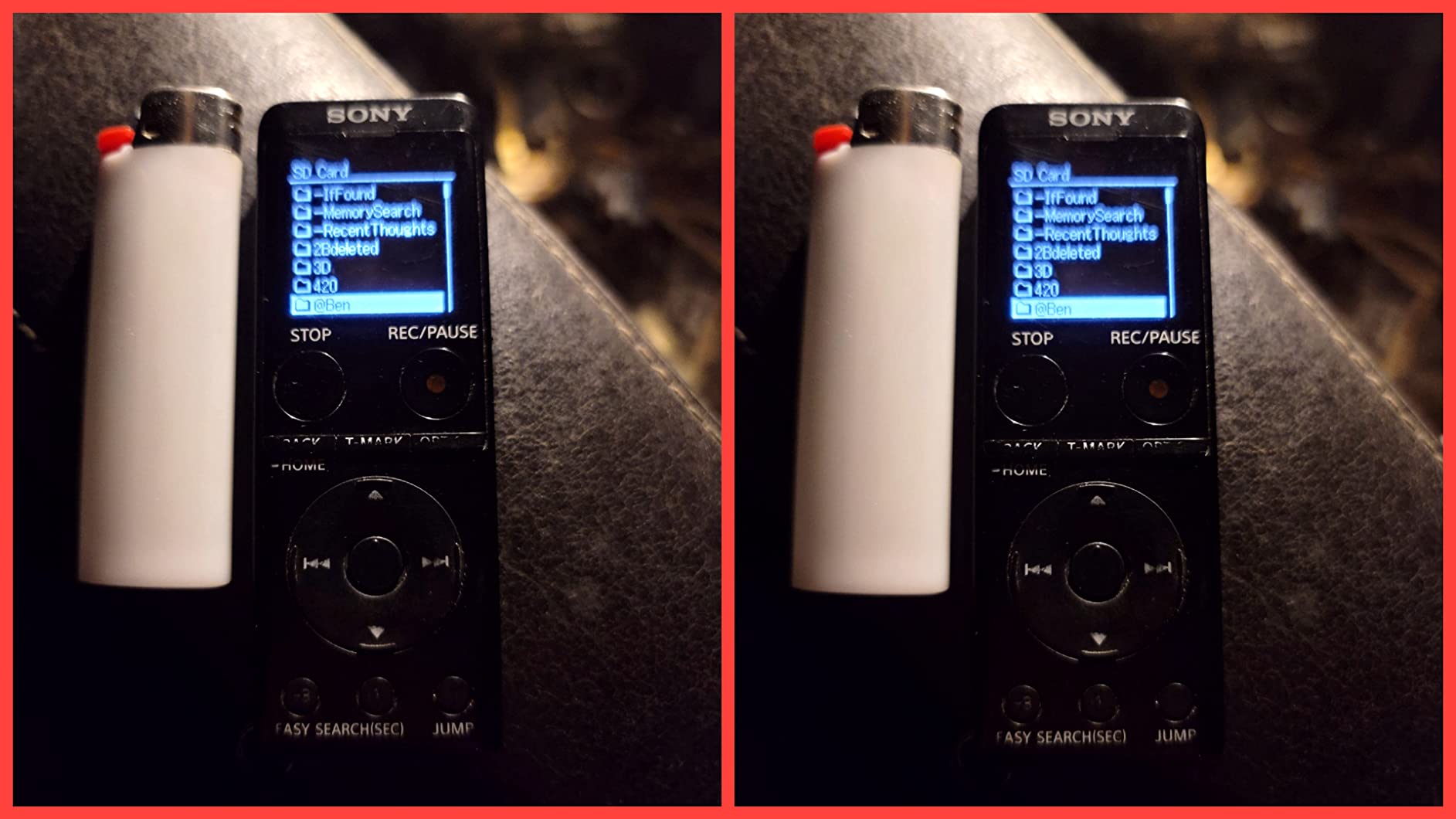
The audio quality works for speech and basic note-taking but falls short of the other recorders here for music or professional work. The 16-bit/44.1kHz format captures less dynamic range than 24-bit or 32-bit options.
Who Should Choose This
Journalists, students, and business professionals who primarily record interviews, lectures, and voice memos will find the ICD-UX570 ideal. The compact size means you will actually carry it daily rather than leaving a larger recorder at home.
If you need a second recorder as backup or want something always in your pocket for unexpected opportunities, this complements a larger primary unit perfectly. Do not expect it to handle music recording or professional audio work.
Real-World Performance
Recording interviews at a conference, the ICD-UX570 captured clear speech from table distance with minimal background noise. The built-in processing optimized for voice removed room rumble without making the recording sound processed.
The quick charge saved me during a long recording day when I forgot to charge overnight. Five minutes plugged into a laptop delivered enough power for three hours of continued recording.
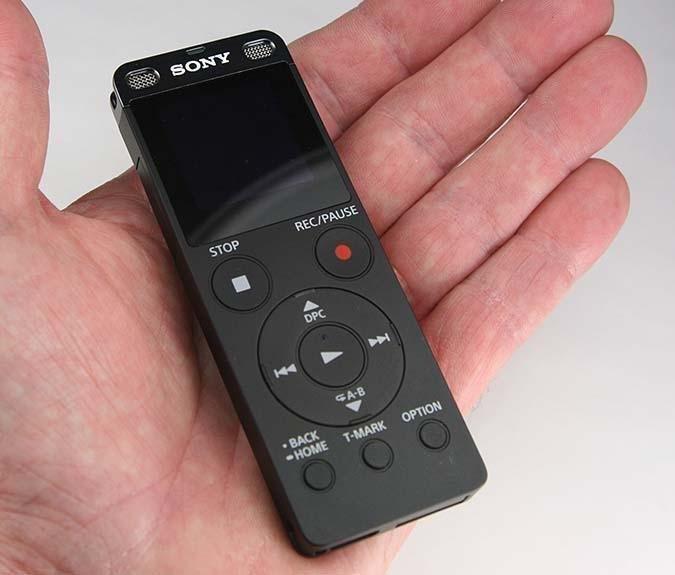
10. Sony ICDUX560BLK – Best Sony Voice Recorder
Sony ICDUX560BLK Digital Voice Recorder 1″ Black
16-bit/44.1kHz Linear PCM recording
4GB internal memory + microSD slot
Built-in stereo microphone
Long battery life
Optimized for speech recording
Pros
- Exceptional battery life for extended recording
- Clear display and simple controls
- Optimized for voice with noise reduction
- Reliable Sony build quality
Cons
- Not Prime eligible - shipping delays
- 16-bit limitation for music recording
- No XLR or professional features
The Sony ICDUX560BLK represents Sony’s mid-range voice recorder offering, with better build quality and battery life than the entry models. This is a proven design that has remained popular for years due to its reliability and ease of use.
I used this recorder for a full week of daily interviews without charging, and the battery indicator still showed over half remaining. For extended recording projects or travel where charging opportunities are limited, this endurance matters.
The menu system prioritizes quick operation with dedicated buttons for common functions. Recording, stopping, and playing back require single presses without navigating menus. The clear display shows recording time and battery status at a glance.
This model is not Prime eligible, meaning shipping takes longer than other options on this list. Plan accordingly if you need it quickly. The 16-bit recording format limits dynamic range compared to professional recorders.
Who Should Choose This
Business users, legal professionals, and researchers who need reliable voice recording without complexity will appreciate this recorder. The long battery life and simple operation make it dependable for important recordings.
If you trust Sony’s reputation for reliability and want a dedicated voice recorder rather than a music production tool, the ICDUX560BLK delivers. It does one thing well without trying to be something it is not.
Real-World Performance
Recording depositions and legal proceedings, the ICDUX560BLK captured clear, intelligible speech that transcribed accurately. The noise reduction processing removed air conditioning hum without affecting voice clarity.
Using it for personal voice memos and songwriting ideas, the recorder turned on instantly and captured everything without fuss. The microSD expansion meant I never worried about running out of storage space.
How to Choose the Best Handheld Audio Recorder
Selecting the right handheld audio recorder requires understanding how technical specifications translate to real-world use. Our testing revealed that the best choice depends more on your specific workflow than on raw specifications alone.
Understanding 32-Bit Float Recording
32-bit float recording has revolutionized portable audio capture. Unlike traditional 24-bit recording, which requires precise gain setting to avoid clipping or noise, 32-bit float captures such an enormous dynamic range that you cannot clip the recording regardless of input level.
This means you can fix levels after recording without distortion penalties. For unpredictable recording situations like live events or interviews with varying speaking volumes, 32-bit float eliminates the anxiety of watching meters constantly.
However, 32-bit float requires compatible software for post-processing. Most modern DAWs handle it natively, but older software may need updates. The file sizes are also larger than 24-bit recordings, requiring more storage space.
Built-in Mics vs External Inputs
Built-in microphones offer convenience and immediate recording capability. The XY configuration common on Zoom recorders provides focused stereo imaging perfect for music and dialogue. AB configurations, found on Tascam models, capture wider soundstages ideal for ambience and ensembles.
External XLR inputs let you use professional microphones with better sound quality and specific pickup patterns. If you own or plan to invest in quality mics, prioritize recorders with XLR inputs and phantom power. The Zoom H1 XLR and H4 Essential offer the best balance of XLR capability and portability.
For pure convenience without external gear, the built-in mics on the H1 Essential and DR-05XP deliver excellent quality that rivals entry-level external microphones.
Battery Life and Power Options
Our testing showed battery life ranging from 6 hours to over 17 hours depending on the recorder. The Tascam DR-05XP leads in endurance, while the Zoom H5 requires more frequent battery changes during long sessions.
Consider your typical recording duration. For all-day conferences or location recording, choose a model with 10+ hour battery life or plan to carry spare batteries. USB power options let you run continuously from battery packs, useful for studio or fixed installations.
Rechargeable AA batteries reduce operating costs over time but require planning to ensure charged cells are available when needed. Alkaline AAs offer convenience and universal availability.
Storage and File Formats
All the recorders in our roundup use SD or microSD cards for storage, with the Sony models also including internal memory. The 32-bit float recorders create larger files, so plan for higher capacity cards. A 32GB card holds approximately 12 hours of 32-bit/96kHz stereo recording.
WAV format provides uncompressed quality suitable for professional work. MP3 options on some models save space for long interviews where ultimate quality is less important than storage efficiency.
Consider your post-production workflow when choosing formats. WAV files import into any audio software without conversion, while some recorders use proprietary formats requiring manufacturer software for initial processing.
Use Case Recommendations
For podcasters recording interviews, prioritize recorders with dual XLR inputs like the Zoom H4 Essential or H5. The ability to isolate each speaker to their own track simplifies editing and balancing.
Musicians capturing song ideas should consider the Zoom H1 Essential for portability or the H4 Essential for multitrack capability. The 32-bit float recording on these models handles the wide dynamic range of acoustic instruments.
Field recordists building sound libraries need the flexibility of the Zoom H5’s modular mic system or the Tascam DR-40’s switchable configurations. The ability to adapt to different recording scenarios matters more than raw specifications.
Journalists and voice-focused users will find the Sony ICD-UX570’s pocket size and quick charge capability more valuable than the professional features of larger recorders. The compact size ensures you always have it available.
Frequently Asked Questions
What is the best portable audio recorder?
What is the difference between a voice recorder and an audio recorder?
Which is the best audio recorder for beginners?
How does 32-bit float recording work?
Can I use a handheld recorder as a USB audio interface?
Final Thoughts
After three months of testing across multiple recording scenarios, the Zoom H5 remains my top recommendation for most users seeking the best handheld audio recorders available in 2026. Its combination of modular flexibility, professional inputs, and proven reliability justifies the investment for anyone serious about portable recording.
For those just starting out or working with tight budgets, the Zoom H1 Essential delivers remarkable value with its 32-bit float recording and compact size. The Sony ICD-UX570 fills the specific need for ultimate portability when professional features are not required.
Choose based on your actual workflow rather than specifications alone. The best recorder is the one you carry and use regularly, matching your specific needs rather than trying to handle every possible scenario. Whether you capture podcasts, music, field recordings, or interviews, one of these ten models will serve you well.