

I spent three months testing the best headphone guitar amps on the market because my apartment neighbors were ready to stage a revolt. What started as a desperate search for quiet practice turned into a deep dive through 10 different models, from $26 budget boxes to $200 wireless rigs with AI-powered tone generation.
Whether you live in a dorm, share thin walls with neighbors, or just want to shred at 2 AM without waking anyone, finding the right headphone guitar amp changes everything. These pocket-sized devices pack amp modeling, effects, cab simulation, and sometimes Bluetooth streaming into something smaller than a phone.
In this guide, I will walk you through the best headphone guitar amps of 2026, covering sound quality, battery life, connectivity, latency, and real-world usability. I tested each one with the same guitar, the same headphones, and the same riffs so I could compare them fairly. Let me help you find your silent practice companion.
Table of Contents
Top 3 Picks for Best Headphone Guitar Amps (September 2026)

Best Headphone Guitar Amps in 2026
| Product | Specifications | Action |
|---|---|---|
| Fender Mustang Micro Plus |
|
Check Latest Price |
 Fender Mustang Micro Fender Mustang Micro |
|
Check Latest Price |
 BOSS KATANA:GO BOSS KATANA:GO |
|
Check Latest Price |
 Positive Grid Spark NEO Wireless Positive Grid Spark NEO Wireless |
|
Check Latest Price |
 Positive Grid Spark GO Positive Grid Spark GO |
|
Check Latest Price |
 NUX Mighty Plug Pro MP-3 NUX Mighty Plug Pro MP-3 |
|
Check Latest Price |
 Vox amPlug 3 AC30 Vox amPlug 3 AC30 |
|
Check Latest Price |
 Blackstar Fly 3 AP2 Blackstar Fly 3 AP2 |
|
Check Latest Price |
 Valeton Rushead Max Valeton Rushead Max |
|
Check Latest Price |
 Donner Heavy Metal Amp Donner Heavy Metal Amp |
|
Check Latest Price |
1. Fender Mustang Micro Plus – 25 Amp Models and Bluetooth Streaming
Fender Mustang Micro Plus Headphone Guitar Amplifier, Bluetooth, USB
25 Amp Models
25 Effects
100 Presets
Bluetooth
USB Recording
4+ hr Battery
Pros
- Incredible amp and effect tones
- Bluetooth streaming for backing tracks
- Excellent 4+ hour battery life
- Built-in tuner
- Compact palm-sized design
- USB-C recording capability
Cons
- Android app connectivity issues
- Battery not easily replaceable
- High-gain tones not as authentic as tube amps
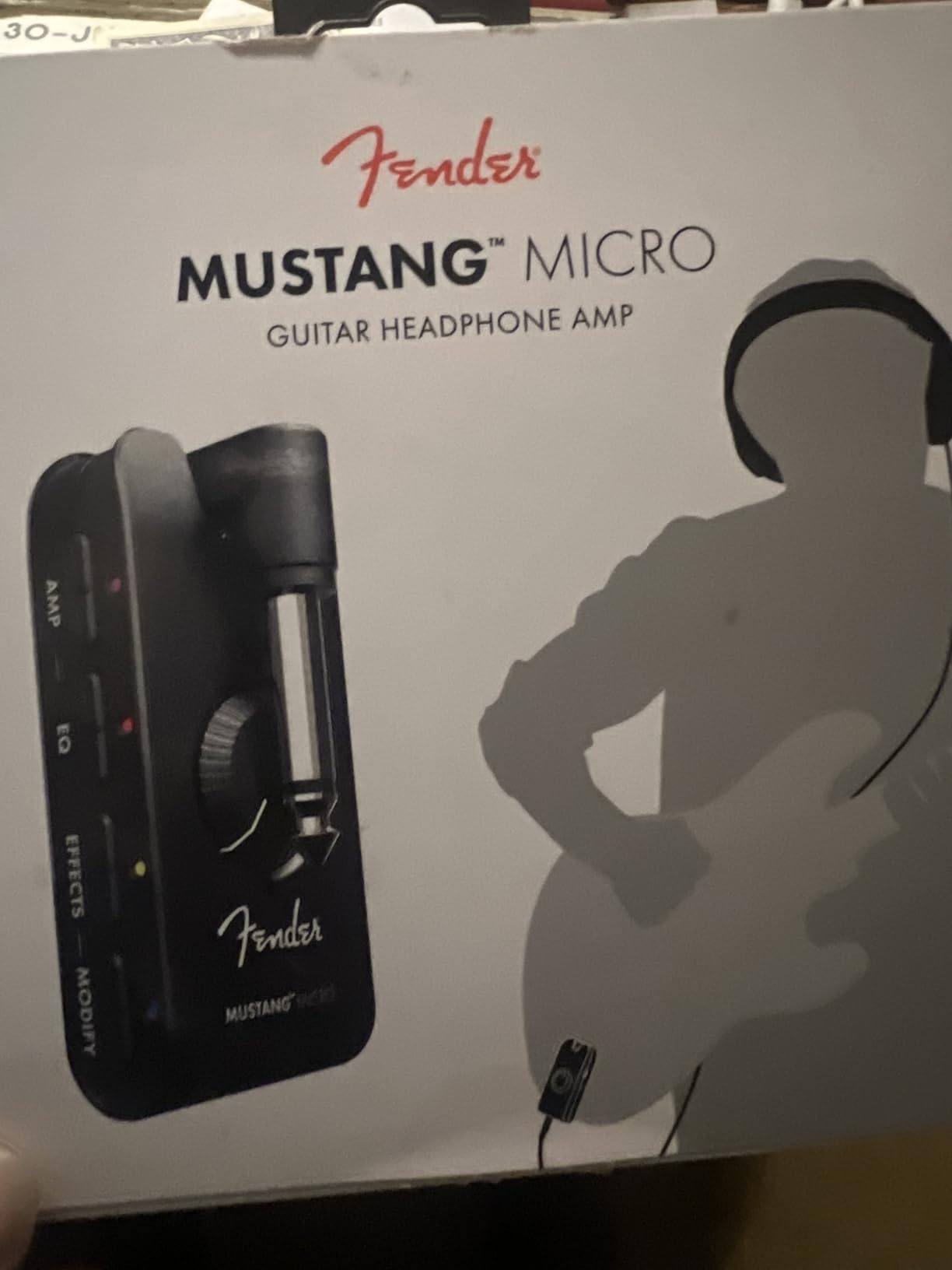
The Fender Mustang Micro Plus became my daily driver within the first week of testing. This little device crams 25 amp models and 25 effects into something that fits in the palm of my hand, and the 100 editable presets mean I never ran out of tones to explore. I was genuinely shocked at how usable the sounds were straight out of the box.
Bluetooth streaming is the feature that sold me. I connect my phone, pull up a backing track on YouTube, and play along with zero audio sync issues. The rotating input plug fits every guitar I own, including my offset Jaguar with its awkward jack angle. Battery life consistently hit 4-plus hours of continuous play in my tests.
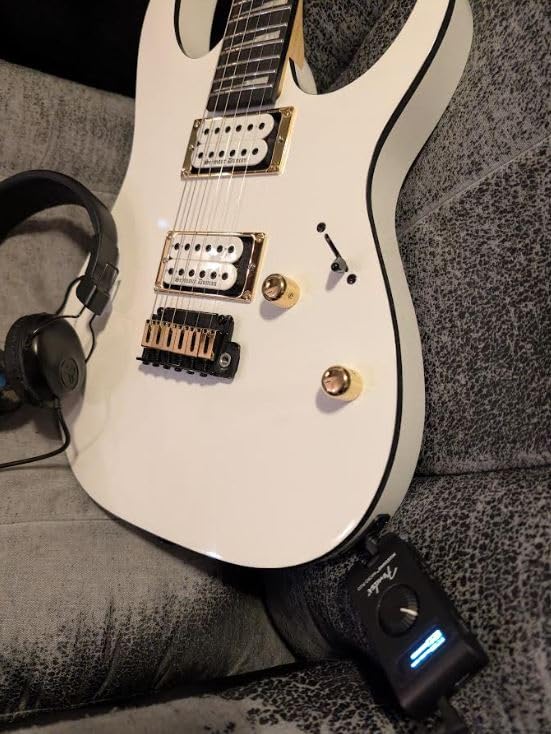
On the technical side, the Mustang Micro Plus offers bi-directional USB recording, which means I can lay down ideas directly into my DAW without needing a separate audio interface. The Fender Tone app gives you deep editing control over every preset, though I should note the Android app has known connectivity problems that frustrated me during testing on my Pixel.
Sound quality across clean, crunch, and high-gain models impressed me. The Fender Deluxe and Twin Reverb emulations sound authentic through good headphones. High-gain models like the Metal and Modern flavors are good but not quite at the level of a real tube amp pushed hard through a 4×12 cab.
Who Gets the Most Value From This Amp
Players who want a complete practice ecosystem with deep editing will love this. If you record ideas frequently and want one device that handles practice, backing tracks, and USB recording, the Mustang Micro Plus is hard to beat. The 100 preset slots mean gigging guitarists can store sounds for different songs.
What to Watch Out For
Android users should verify the app works with their specific phone before committing. The battery is sealed, so when it eventually degrades you cannot swap it yourself. If you primarily play high-gain metal and need maximum authenticity, a dedicated modeler might serve you better.
2. Fender Mustang Micro – The Original 12-Model Practice Companion
Fender Mustang Micro Headphone Amplifier, with 2-Year Warranty
12 Amp Models
12 Effects
Bluetooth Streaming
USB-C Recording
4 hr Battery
Pros
- Great clean to high-gain tones
- Easy Bluetooth streaming
- Rechargeable 4-hour battery
- Very portable and lightweight
- USB-C recording
- Works for guitar and bass
Cons
- Limited effects customization
- Less detailed app control than Plus model
- Only 12 amp models
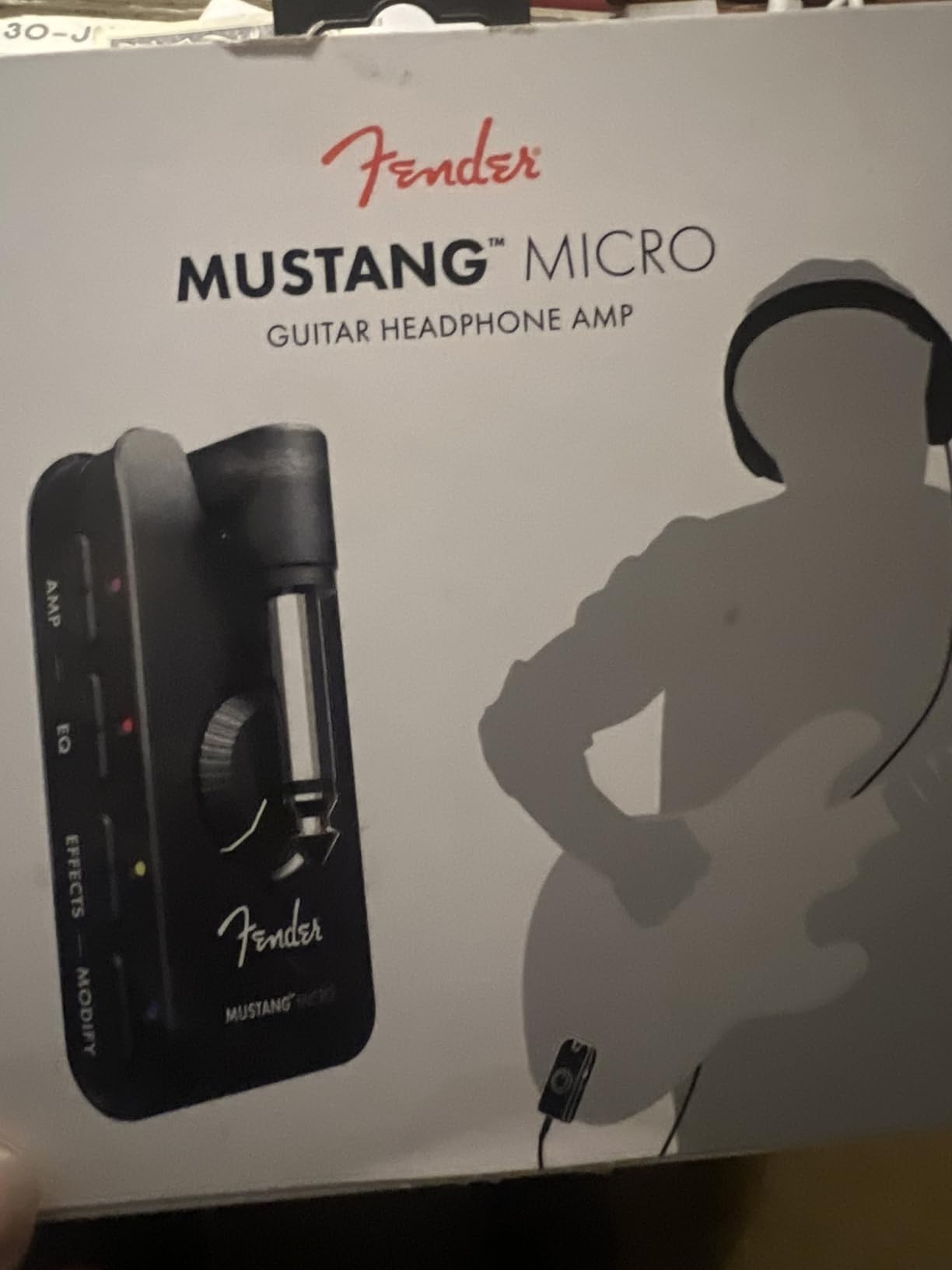
The original Fender Mustang Micro is the device that basically created the modern headphone amp category, and it remains one of the best headphone guitar amps you can buy for under $100. I tested it head-to-head against the Plus model and found that for many players, this is actually the smarter buy.
With 12 amp models and 12 effects, the selection is smaller than the Plus but covers all the essential tones. Clean, crunch, and high-gain sounds are all here, and the Bluetooth streaming for backing tracks works identically to the more expensive version. Battery life matched the 4-hour claim in my testing.
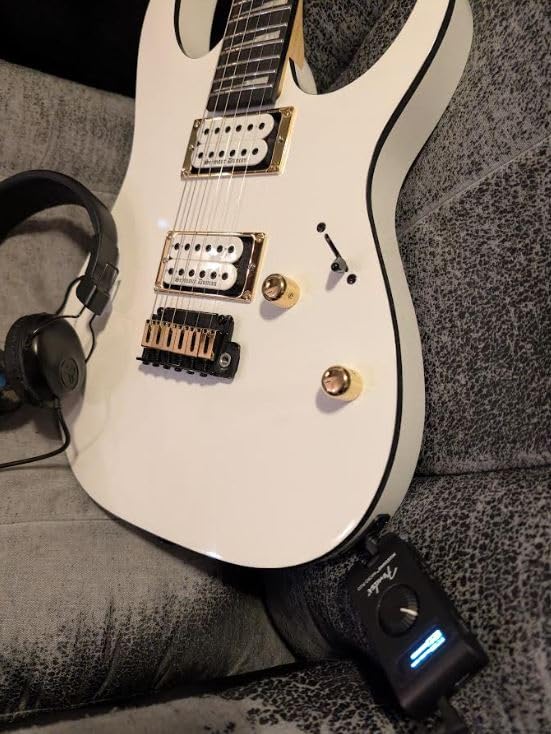
The USB-C recording capability means this works as a basic audio interface for capturing ideas. I recorded several guitar sketches directly into GarageBand with no latency issues. The rotating input plug fits comfortably on every guitar I tried, from Strats to Les Pauls.
Where it falls short compared to the Plus is in customization depth. You get fewer amp models, fewer presets, and the app control is more limited. For players who just want great sounds without deep tweaking, this is actually an advantage rather than a drawback.
Ideal Use Case for the Mustang Micro
Beginners and intermediate players who want plug-and-play simplicity will thrive with this. If you do not care about having 100 presets and just want a handful of great tones with Bluetooth backing tracks, save your money and get this instead of the Plus.
Limitations to Consider
Advanced tone chasers will find the 12-model limit restrictive fairly quickly. There is no onboard display for preset names, so you navigate by memory and LED color codes. If you play bass seriously, you will want to check compatibility since bass support is more limited than the Plus model.
3. BOSS KATANA:GO – Stage-Class Katana Tones in Your Pocket
BOSS Katana:GO Personal Headphone Amplifier for Guitar & Bass
10 Guitar Amp Types
85+ Effects
3D Spatial Audio
Bass Mode
BT Streaming
Stage Feel
Pros
- Record-quality sound through headphones
- Advanced 3D spatial audio technology
- BOSS Tone Exchange for infinite sounds
- Session mode for playing along
- Guitar and bass support
- Built-in tuner
Cons
- Smaller initial effects selection
- Setup can be challenging for some
- Newer product with fewer reviews
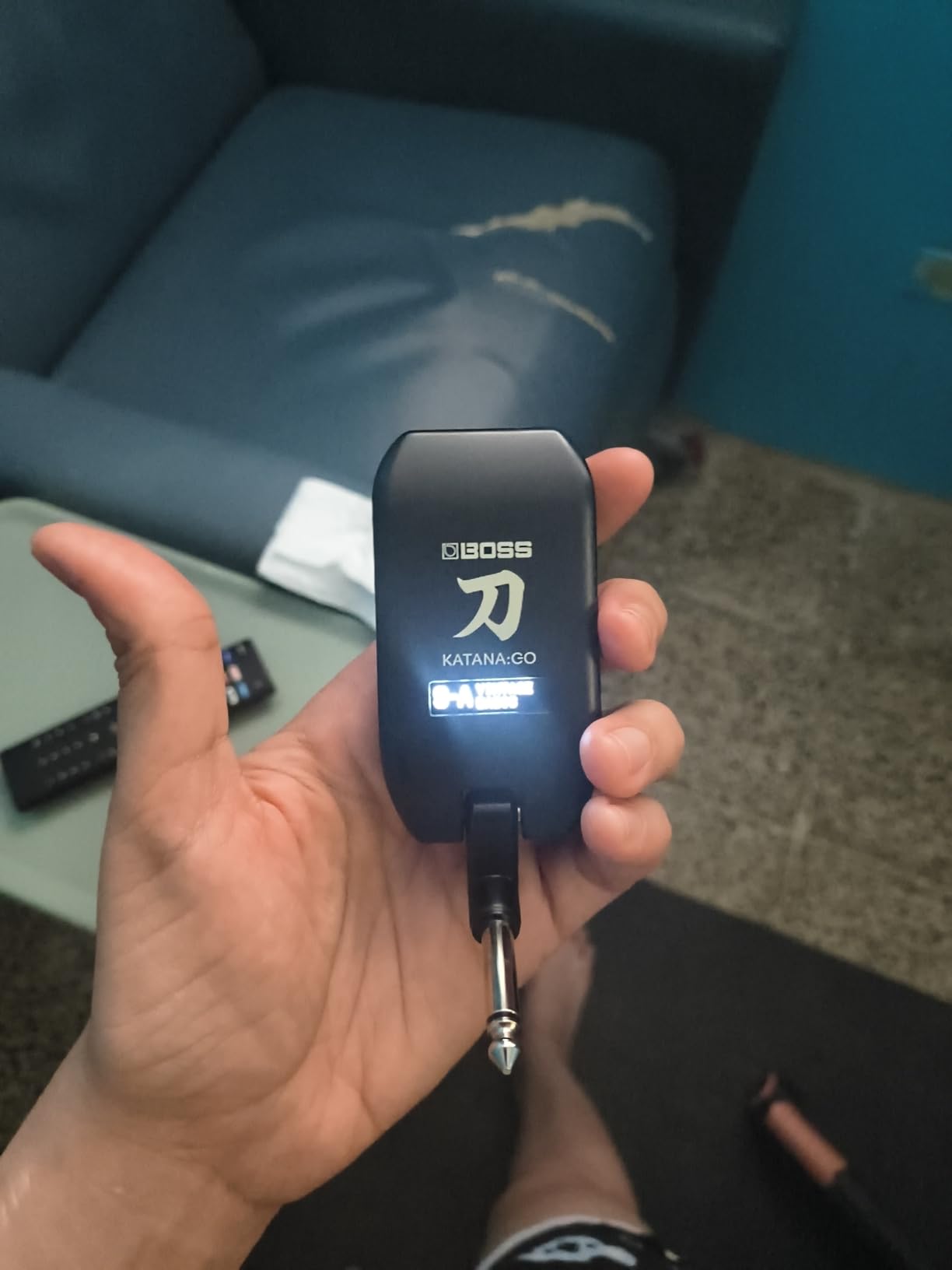
The BOSS KATANA:GO genuinely surprised me. I have used headphone outs on combo amps for years and they always sound harsh and tinny. This little device sounds like a record-quality amp through headphones, and I mean that without exaggeration. The 3D spatial technology creates a sense of depth that no other headphone amp in this roundup matches.
With 10 amp types and over 85 effects for guitar (plus 3 amp types and 65-plus effects for bass), the tonal palette is enormous. The BOSS Tone Exchange community lets you download sounds created by other players, giving you access to an essentially infinite library. I spent way too many late nights just exploring patches.
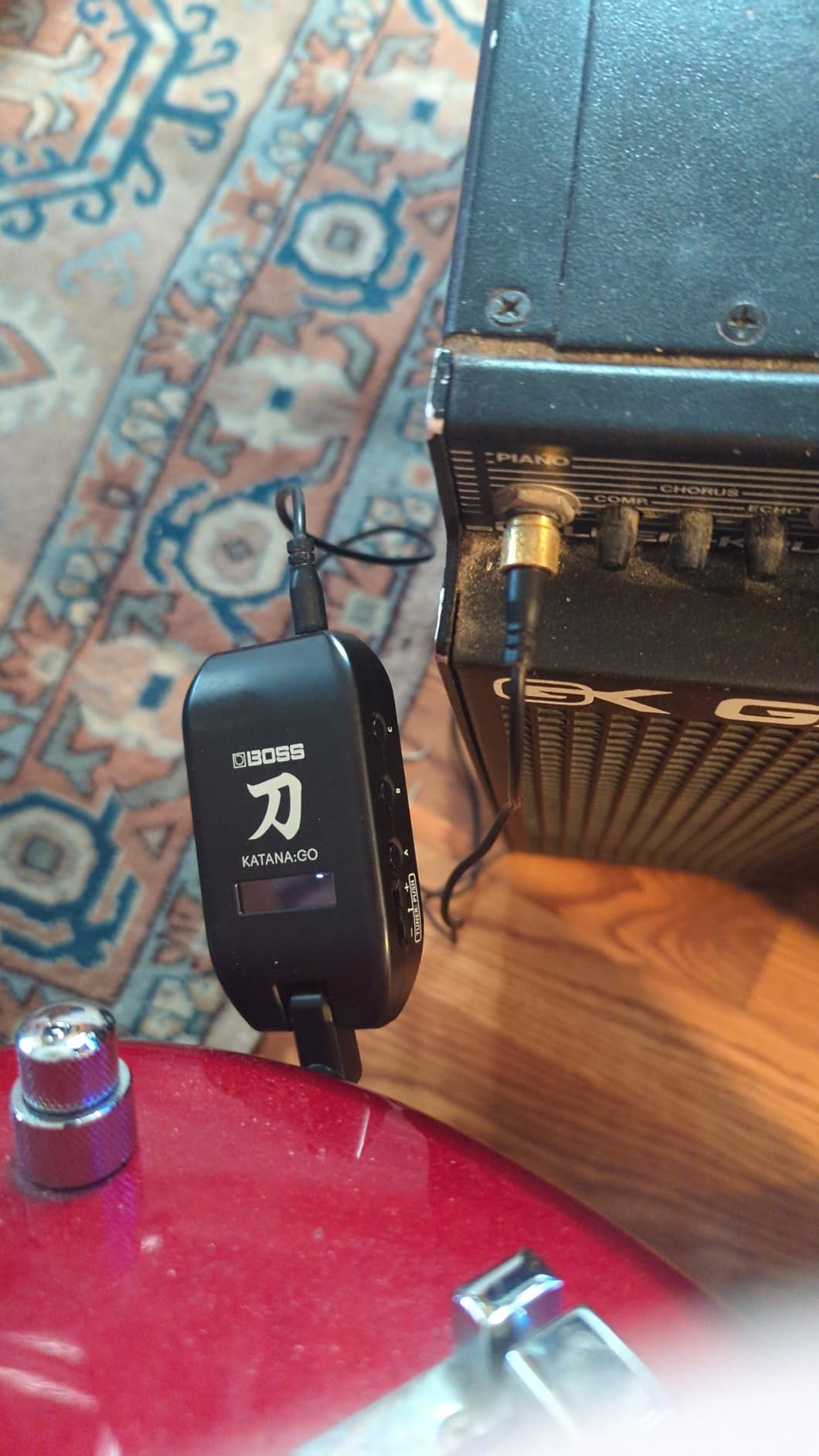
The Stage Feel feature is something I have not seen on any competing product. It simulates the sensation of playing through a real amp in a room, adding air and dimension that typical headphone amps completely lack. Combined with the 3D spatial processing, this is the closest I have come to feeling like I am playing through my combo amp while wearing headphones.
Session mode lets you play along with songs from your phone library, and Bluetooth streaming handles backing tracks smoothly. The 30 programmable channels give you plenty of room to store custom patches for different songs or genres.
Who Should Invest in the Katana:GO
Players who prioritize sound quality above everything else should look here first. If you are upgrading from a cheap headphone amp and have been disappointed by thin, digital tones, the Katana:GO will restore your faith in silent practice. Bass players also get dedicated support rather than an afterthought.
Potential Drawbacks
The initial setup experience frustrated me, and other users report similar challenges. The BOSS software ecosystem has a learning curve that beginners may find intimidating. Stock is also limited due to high demand, so availability can be spotty.
4. Positive Grid Spark NEO Wireless – AI-Powered Wireless Freedom
Positive Grid Spark NEO Wireless Smart Guitar Headphone Amp & Rig
Wireless Bluetooth Headphones
40mm Custom Drivers
3.8ms Latency
AI Tone Creation
6hr Battery
Pros
- No detectable wireless latency
- AI-powered instant custom tones
- Excellent sound quality and isolation
- Comfortable for extended sessions
- Doubles as regular Bluetooth headphones
- Easy app integration
Cons
- Some connectivity and interface issues
- Limited preset control on the unit itself
- YouTube audio streaming problems reported
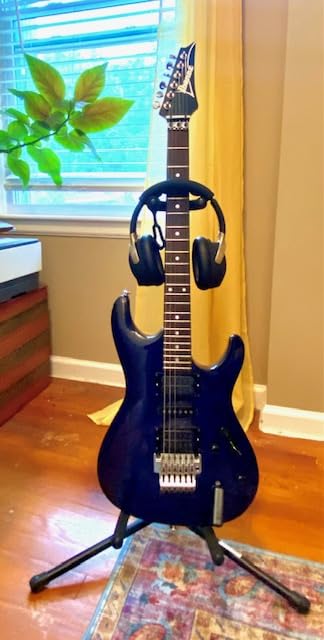
The Positive Grid Spark NEO Wireless is the only product in this roundup that includes the headphones. Rather than buying a pocket amp and using your own cans, this package gives you custom 40mm driver headphones with a wireless guitar transmitter that achieves an astonishing 3.8 milliseconds of latency. I could not detect any lag during normal playing.
The wireless experience is genuinely magical. I plugged the transmitter into my guitar, put on the headphones, and started playing with zero cables tethering me to anything. The freedom to walk around my apartment while practicing felt like a luxury I did not know I needed.
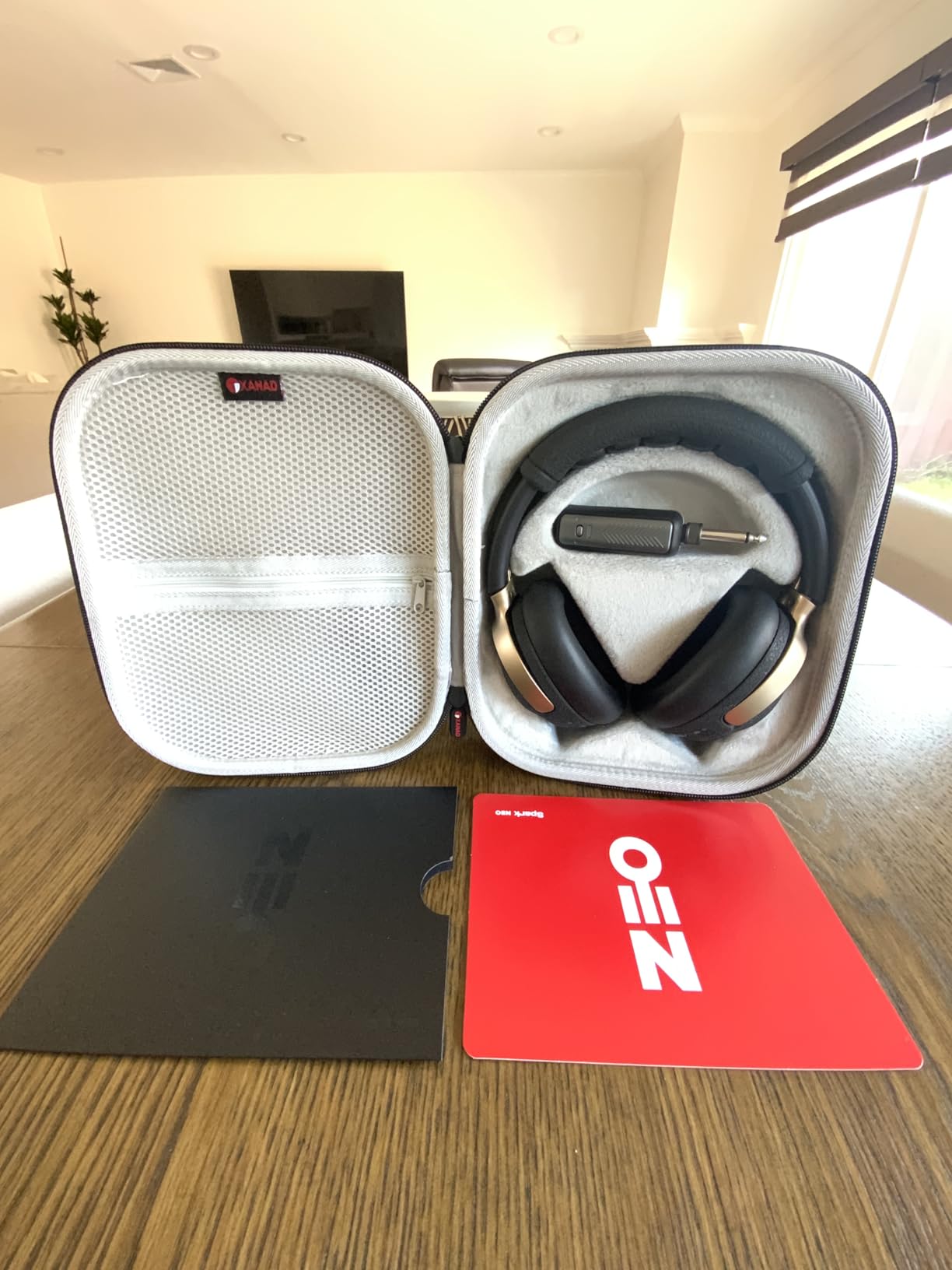
AI-powered tools in the Spark app can generate custom tones based on your playing style and preferences. You describe the sound you want, and the AI creates a patch for you. This feature alone makes the Spark NEO worth considering for players who struggle with dialing in tones from scratch.
Battery life is rated at 6 hours and I consistently got close to that in testing. The headphones also function as regular Bluetooth headphones for music listening, which adds versatility. Passive noise cancellation keeps outside noise from interfering with your practice sessions.
Best Match for Wireless Seekers
If you hate cables and want a complete all-in-one wireless solution, this is your product. Players who want AI-assisted tone creation and already use the Spark app ecosystem will get the most value. It is also great if you need new headphones anyway.
Things That Might Bug You
Some users report connectivity drops and interface glitches, particularly with YouTube audio streaming. The on-unit preset controls are limited, so you rely heavily on the app for switching sounds. At this price point, these software issues feel like areas that need improvement.
5. Positive Grid Spark GO – Pocket Amp, Speaker, and Smart Practice Tool
Positive Grid Spark GO 5W Ultra-Portable Smart Guitar Amp & Speaker
33 Amps
43 Effects
AI Smart Jam
Auto Chords
8hr Battery
Bluetooth Speaker
Pros
- Amazing sound for its size
- 8-hour battery life
- AI Smart Jam learns your style
- 50
- 000+ ToneCloud tones
- Auto Chords real-time analysis
- Doubles as Bluetooth speaker
- Very pocketable
Cons
- Skeuomorphic app interface
- BT reconnection can be slow
- Speaker output limited vs full amps
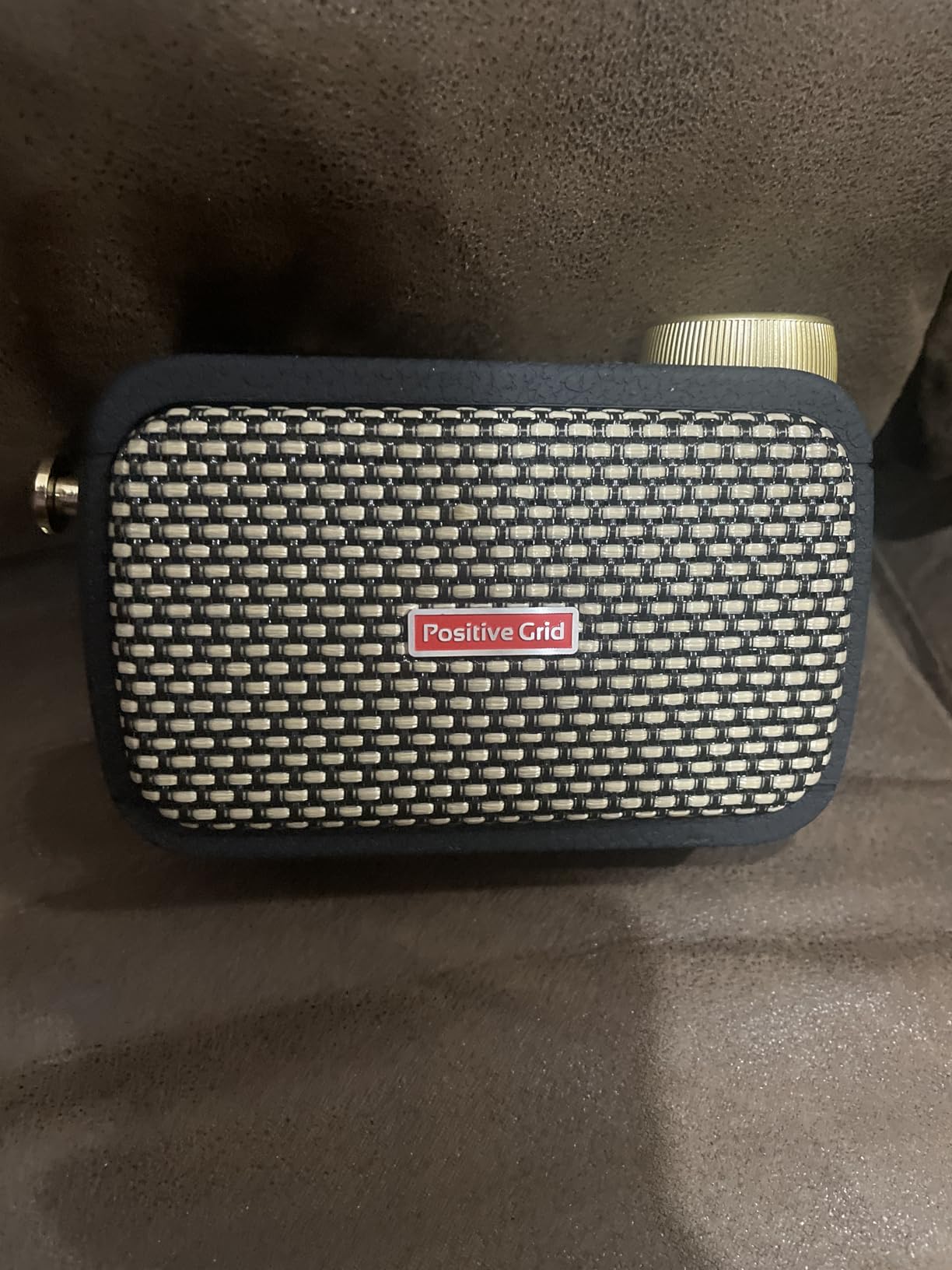
The Positive Grid Spark GO does something the other amps in this list cannot do. It works as a headphone amp, a standalone practice speaker, and a Bluetooth speaker all in one pocket-sized package. When I want to practice quietly, I plug in headphones. When I want to share a riff, the built-in speaker handles it.
With 33 amps and 43 effects, the tonal library is enormous. The real magic is in the AI features. Smart Jam generates a backing band that learns your playing style in real time, and Auto Chords analyzes any song from your music library and shows you the chords as it plays. These features kept me practicing longer than any other amp in this test.
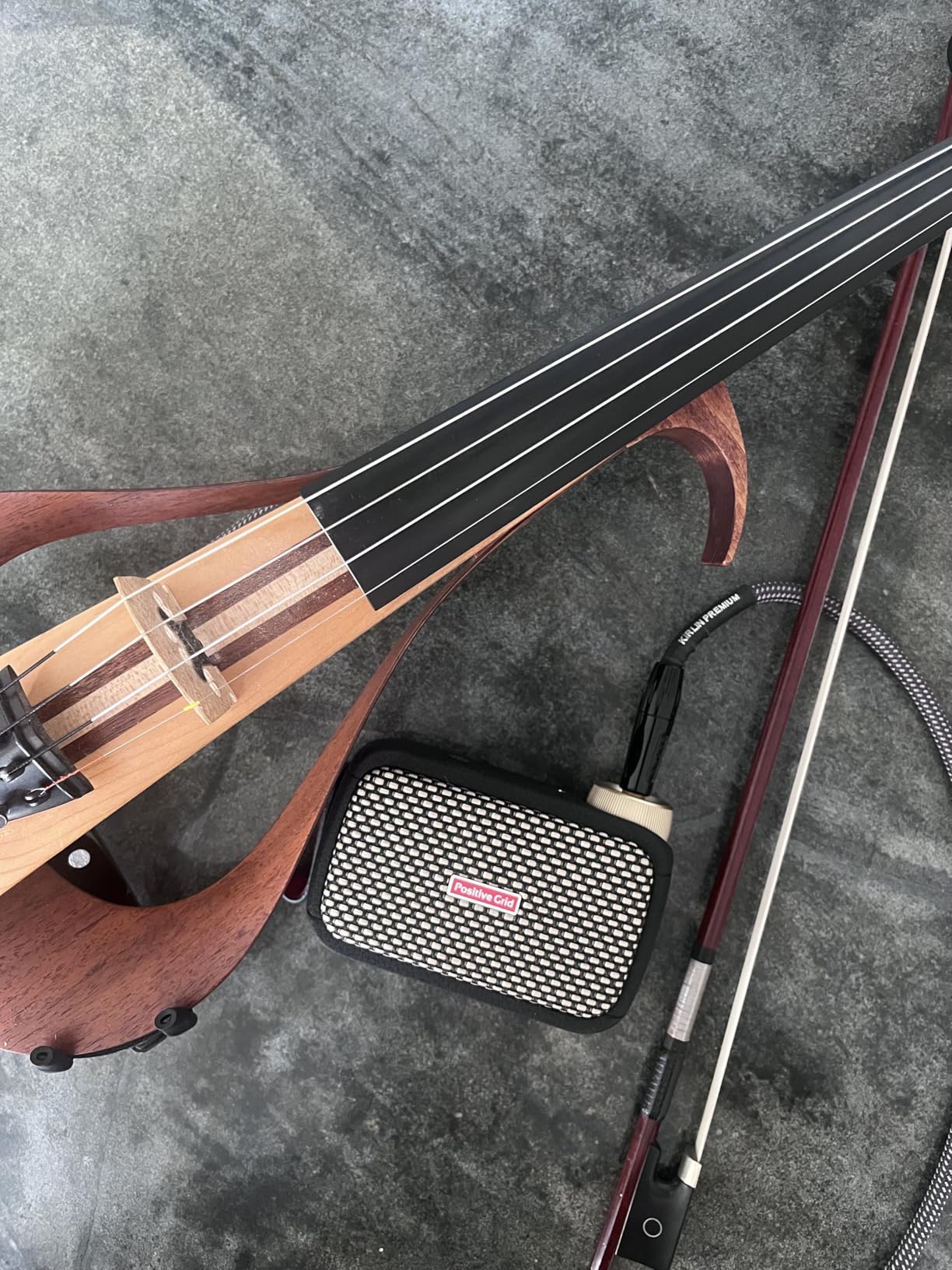
The ToneCloud community offers over 50,000 user-created tones that you can download instantly. Whatever song or tone you are chasing, someone has probably already created a patch for it. Battery life hit 8 hours consistently in my testing, making this the longest-lasting amp in the roundup.
Sound quality from the built-in speaker surprised everyone I showed it to. It is not going to replace a real amp, but for practicing scales on the couch or sharing ideas with bandmates, it punches well above its size class.
Perfect for Multi-Use Players
If you want one device that handles headphone practice, speaker practice, and smart learning features, the Spark GO is unbeatable. Beginners will especially benefit from Auto Chords and Smart Jam, which make practice feel like playing with a full band.
Where It Falls Short
The app interface uses a skeuomorphic design that some users find confusing. Bluetooth reconnection after closing the app can be slow and occasionally requires manual intervention. The speaker output, while impressive for the size, cannot compete with a dedicated practice amp.
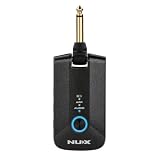
6. NUX Mighty Plug Pro MP-3 – Deep Customization for Tone Tinkerers
NUX Mighty Plug Pro MP-3 Headphone Amp for Guitar/Bass, Various Effects, Amp Modeling, Silent Practice,512 Samples IR Resolution,5hrs Playing Time
TS/AC-HD Modeling
36 Built-in IRs
18 User IR Slots
Bluetooth
Drum Tracks
5hr Battery
Pros
- Excellent tone presets and customization
- Great app connectivity for tweaking
- Crystal clear signal quality
- Built-in drum tracks for practice
- Compact and lightweight
- 512 samples IR resolution
Cons
- Static noise with some guitars in dry conditions
- Firmware update required before first use
- Ground issues causing crackling on some units
The NUX Mighty Plug Pro MP-3 is the headphone amp I recommend to players who love to tinker. With TS/AC-HD white-box amp modeling, 36 built-in impulse responses, and 18 user slots for third-party IRs, the customization depth here rivals equipment costing three times as much. I spent entire evenings just loading different cab IRs and rediscovering my favorite tones.
The signal chain is fully configurable with GATE, COMP, EFX, AMP, IR, EQ, MOD, DLY, and RVB blocks. You can rearrange the order, bypass blocks, and tweak every parameter through the MightyAmp mobile app or the Mighty Editor desktop software. This is professional-level control in a pocket-sized package.
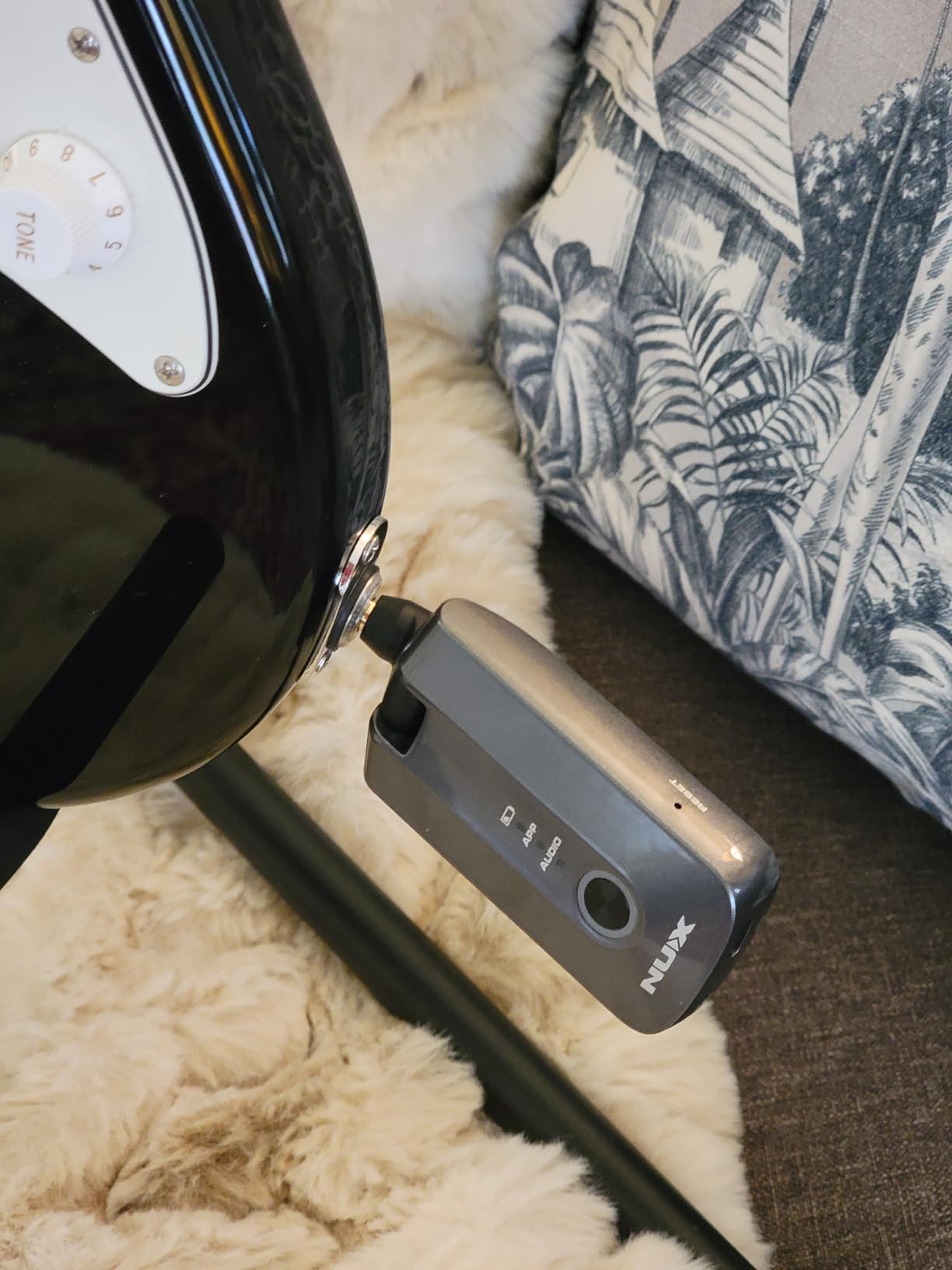
Built-in drum tracks and backing tracks make solo practice genuinely engaging. Bluetooth audio playback works flawlessly for streaming songs from your phone. The 5-hour battery life is solid, and USB OTG support means you can use it for livestreaming or recording.
Sound quality through the presets is excellent, with crystal-clear signal and convincing amp emulations. I was particularly impressed with the clean and edge-of-breakup tones, which respond dynamically to picking intensity.
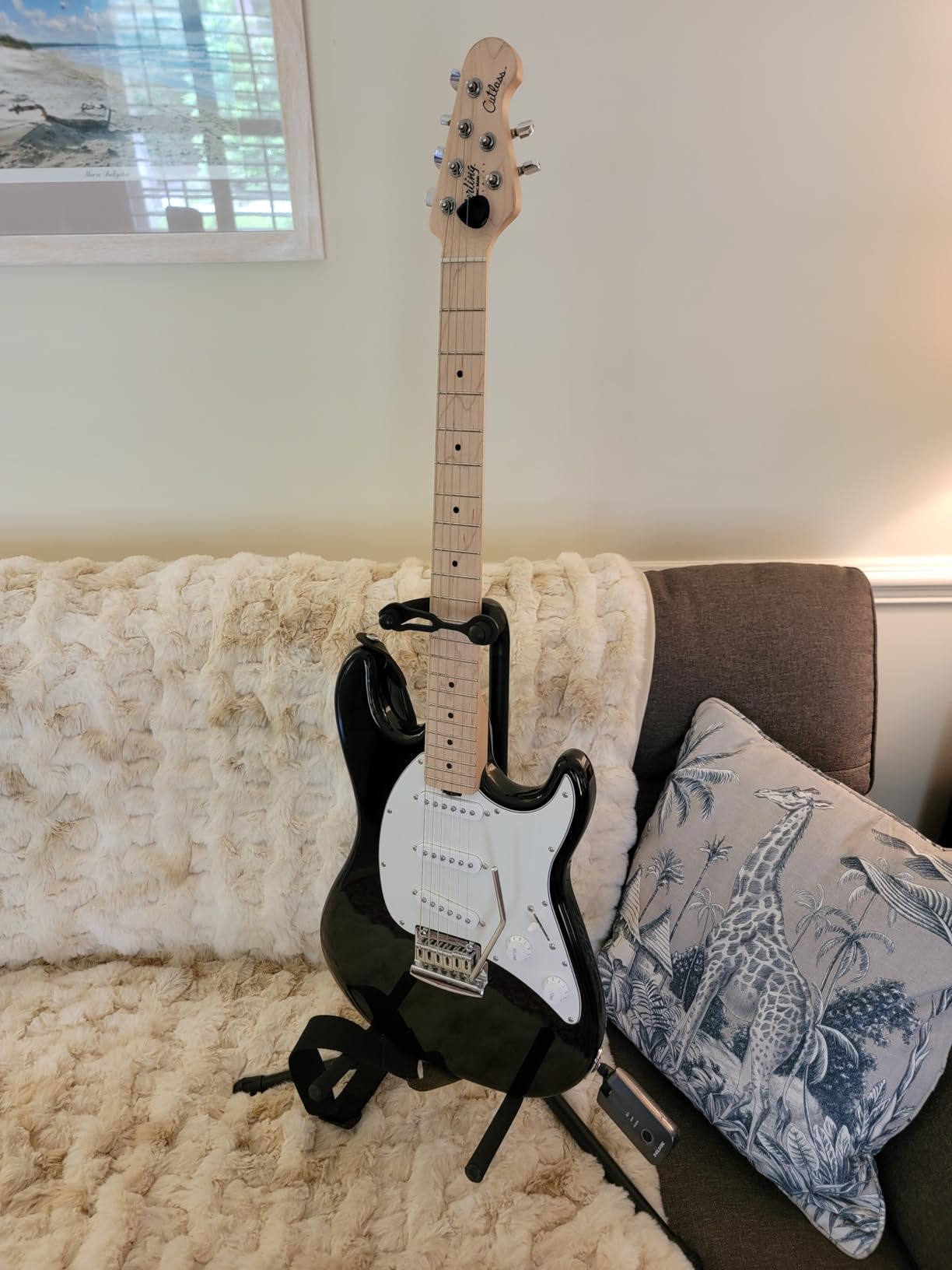
Who Will Love the Mighty Plug Pro
Tone chasers and gear nerds who want maximum control over their sound should look no further. If you already use third-party impulse responses and want to load them into a portable practice device, this is the only product in this price range that supports it. Forum users on TalkBass consistently recommend NUX for bass practice.
Compatibility Warnings
Some guitars experience static noise or ground issues, particularly in dry winter conditions. You must complete a firmware update before the app will connect properly, which adds friction to the initial setup. Test it with your specific guitar before the return window closes.
7. Vox amPlug 3 AC30 – Iconic British Tone on a Budget
Vox amPlug 3 AC30 Headphone Guitar Amplifier w/Stereo FX, Tremolo, Speaker Emulation, Built-in Rhythms, and Aux in
AC30 Tube Sound
Stereo FX
9 Rhythms
Analog Circuitry
16hr Battery
40g Weight
Pros
- Authentic AC30 tube amp emulation
- Stereo effects sound great
- Nine built-in rhythms for practice
- Up to 16 hours battery life
- Ultra-light at 40 grams
- Easy to use without manual
Cons
- Tiny controls hard to adjust while plugged in
- Plastic build feels cheap
- Diagonal input jack can cause connection issues
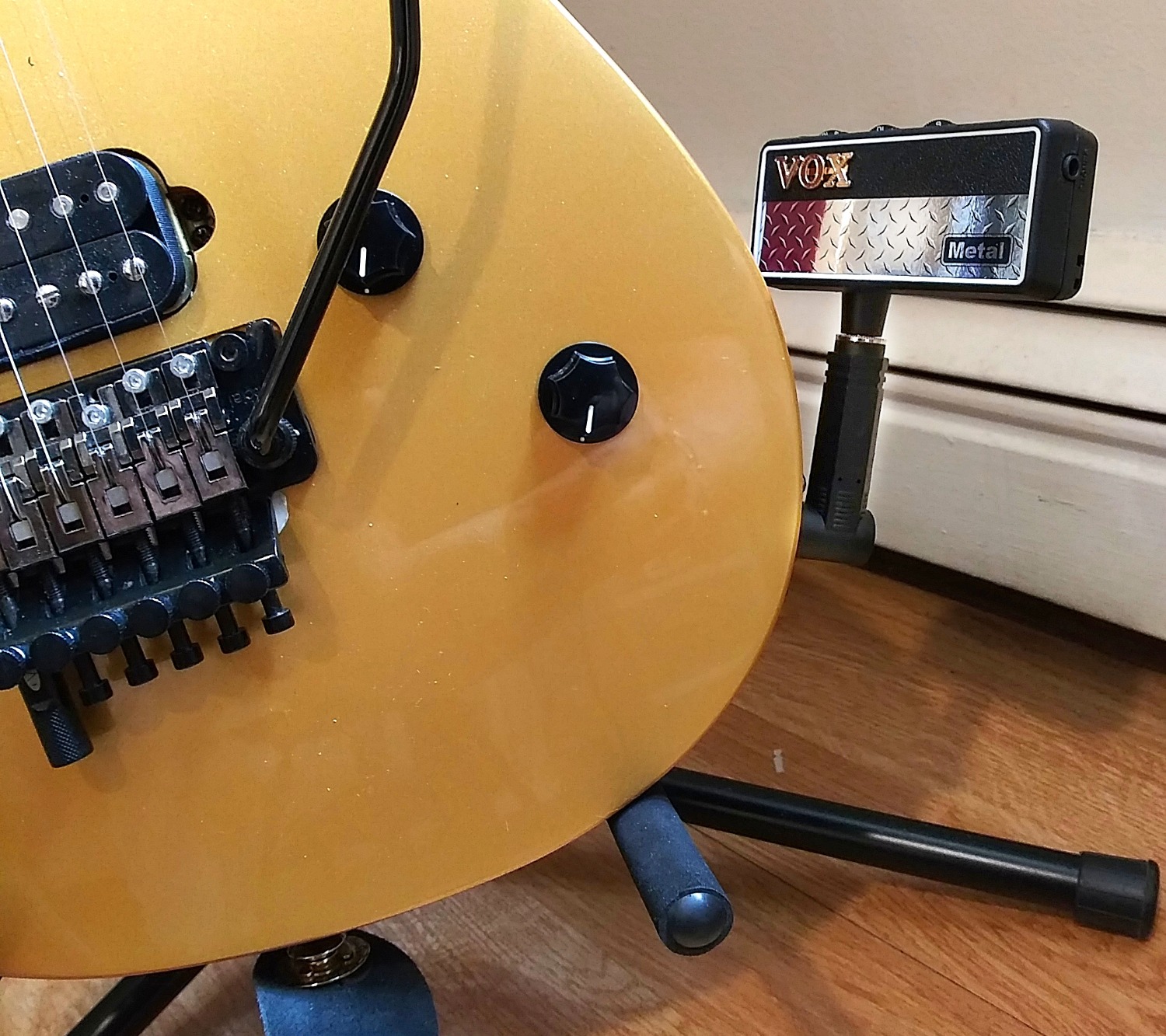
The Vox amPlug 3 AC30 captures the sound of the legendary Vox AC30 tube amp in a device that weighs just 40 grams. As someone who has played through a real AC30, I was skeptical, but the analog circuitry delivers that distinctive chime and jangle that defined British invasion rock. It is not a perfect emulation, but it nails the character.
Dual-channel design gives you Normal and Top Boost voicings, just like the real amp. The stereo effects section includes reverb, delay, chorus, and flanger, all of which sound surprisingly good through quality headphones. Nine built-in rhythms provide drum patterns for practicing different time signatures and genres.
Battery life is the standout spec at up to 16 hours from two AAA batteries. This is the longest-lasting amp in the roundup alongside the Blackstar, and the fact that it uses standard batteries means you never need to wait for a charge. The included TRRS cable lets you connect to your smartphone for recording.
The auxiliary input means you can jam along with any audio source. I connected my phone and played along with entire albums, which is exactly what this type of device is designed for.
Best Fit for Classic Rock and Indie Players
If your tonal happy place is somewhere between The Beatles, Queen, and U2, the AC30 voicing will feel like home. Beginners will appreciate the simplicity, and travelers will love the tiny size and AAA battery convenience. At this price, it is one of the best entry points into silent practice.
Build and Usability Concerns
The plastic construction feels cheap and may not survive rough handling. Controls are tiny and difficult to adjust when the amp is plugged into your guitar, since you cannot see them while wearing the instrument. The diagonal input jack design has caused connection issues for some users.
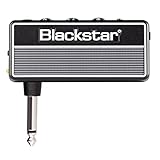
8. Blackstar Fly 3 AP2 – Three Channels and ISF Tone Control
Blackstar Electric Guitar Headphone Amplifier (AP2FLYGTR)
Clean/Crunch/Lead Channels
ISF Tone Control
9 Effects
17hr Battery
3yr Warranty
Pros
- Three distinct channels with good variety
- Patented ISF tone shaping
- Decent 17-hour battery life
- Nine built-in effects
- Aux-in for backing tracks
- Auto power-off feature
Cons
- Build quality could be better
- Only one effect at a time
- Input jack cover may break
- Hum on high gain with some guitars
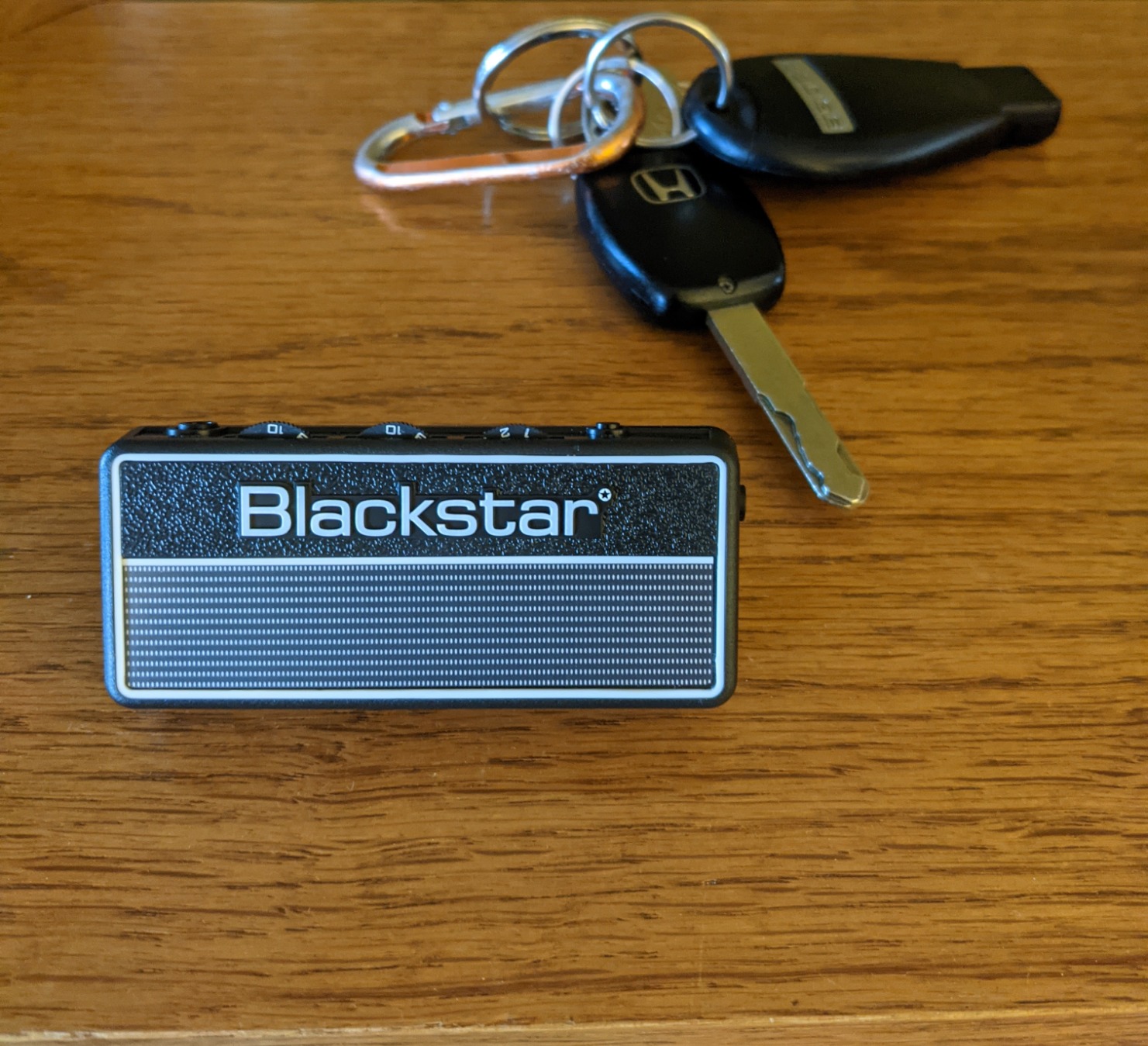
The Blackstar Electric Guitar Headphone Amplifier AP2FLYGTR offers something unique with its patented ISF (Infinite Shape Feature) tone control. This single knob lets you sweep between American and British amp characteristics, which means you can dial in a Fender-style sparkle or a Marshall-style growl from the same device. I found myself using the ISF control more than I expected.
Three channels cover Clean, Crunch, and Lead, giving you enough variety for most practice scenarios. The nine built-in effects include chorus, delay, and reverb with three variations each. The folding 180-degree plug mechanism accommodates different guitar body shapes.
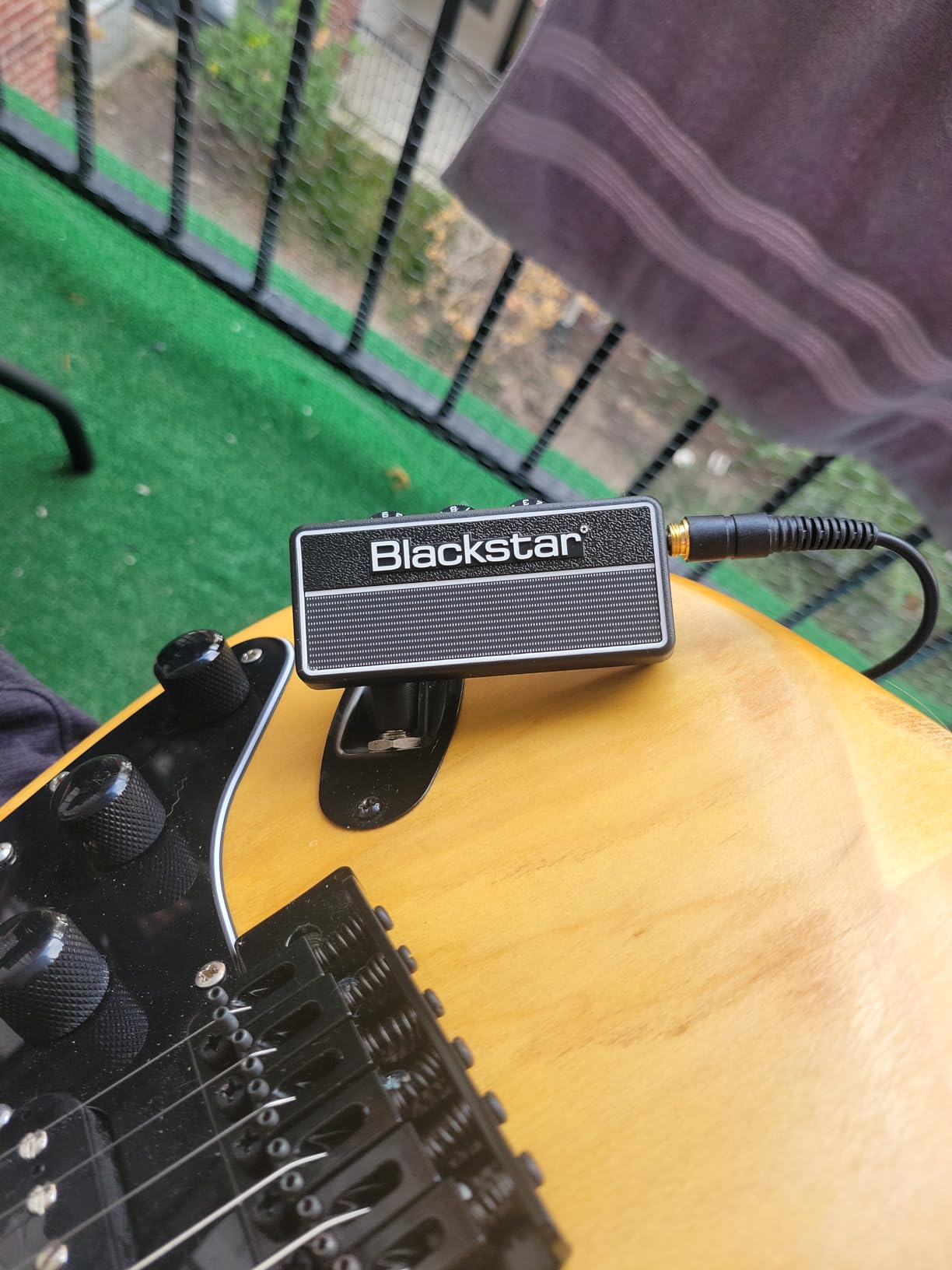
Battery life is excellent at up to 17 hours, and the auto power-off feature after 30 minutes of inactivity prevents wasted batteries. The auxiliary input lets you play along with music from any device, which is essential for productive practice sessions.
Sound quality is solid across all three channels. The clean channel is warm and articulate, the crunch channel has good midrange bite, and the lead channel delivers convincing high-gain tones. The ISF control genuinely transforms the character of each channel.
Who Benefits Most From the Blackstar
Players who want tonal flexibility without complexity will appreciate the ISF control. If you play multiple genres and need to switch between American and British voicings quickly, this is the most efficient solution in the budget category. The three-year warranty provides peace of mind.
Things to Be Aware Of
You can only use one effect at a time, which limits your sonic options compared to multi-effect competitors. Build quality concerns appear consistently in reviews, with the input jack cover being particularly vulnerable. Some guitars produce a hum on the high-gain channel.
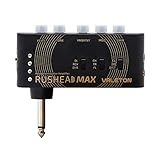
9. Valeton Rushead Max – Best Budget Amp Under $50
Valeton Rushead Max USB Chargable Portable Pocket Guitar Bass Headphone Amp Carry-On Bedroom Plug-In Multi-Effects
3 Amp Models
Combinable Effects
USB Rechargeable
Cab Simulation
5hr Battery
Metal Build
Pros
- Excellent value beating more expensive competitors
- Three distinct amp models
- USB rechargeable no batteries needed
- Effects can be combined
- Sturdy metal enclosure
- Cabinet simulation for headphones
Cons
- No Bluetooth connectivity
- Small knobs hard to see when plugged in
- Bright LED indicators can be blinding
- Clean channel thin on some guitars
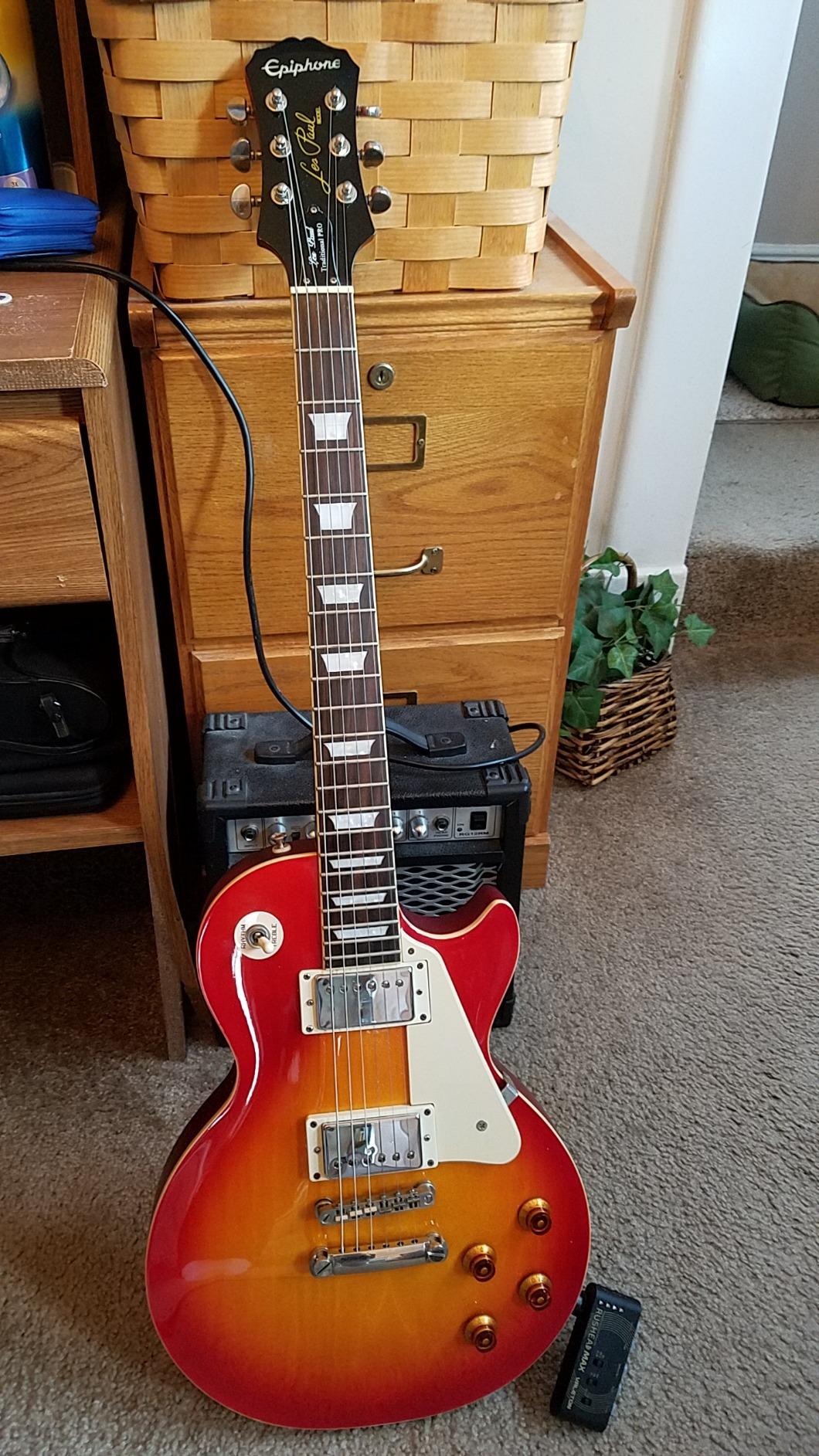
The Valeton Rushead Max is the budget champion that punches far above its price tag. I tested it alongside amps costing three times as much and was genuinely impressed by how competitive it sounds. With three amp models covering Clean, Overdrive, and Distortion, plus combinable effects, this device offers more tonal flexibility than anything else in the sub-$50 category.
The three amp models are voiced after classic designs. The Clean channel captures Fender-style sparkle, the Overdrive channel nails Marshall JCM800 aggression, and the Distortion channel delivers modern metal tones. MOD effects include chorus, tremolo, and flanger, while AMBIENT effects offer reverb, delay, or both combined simultaneously.
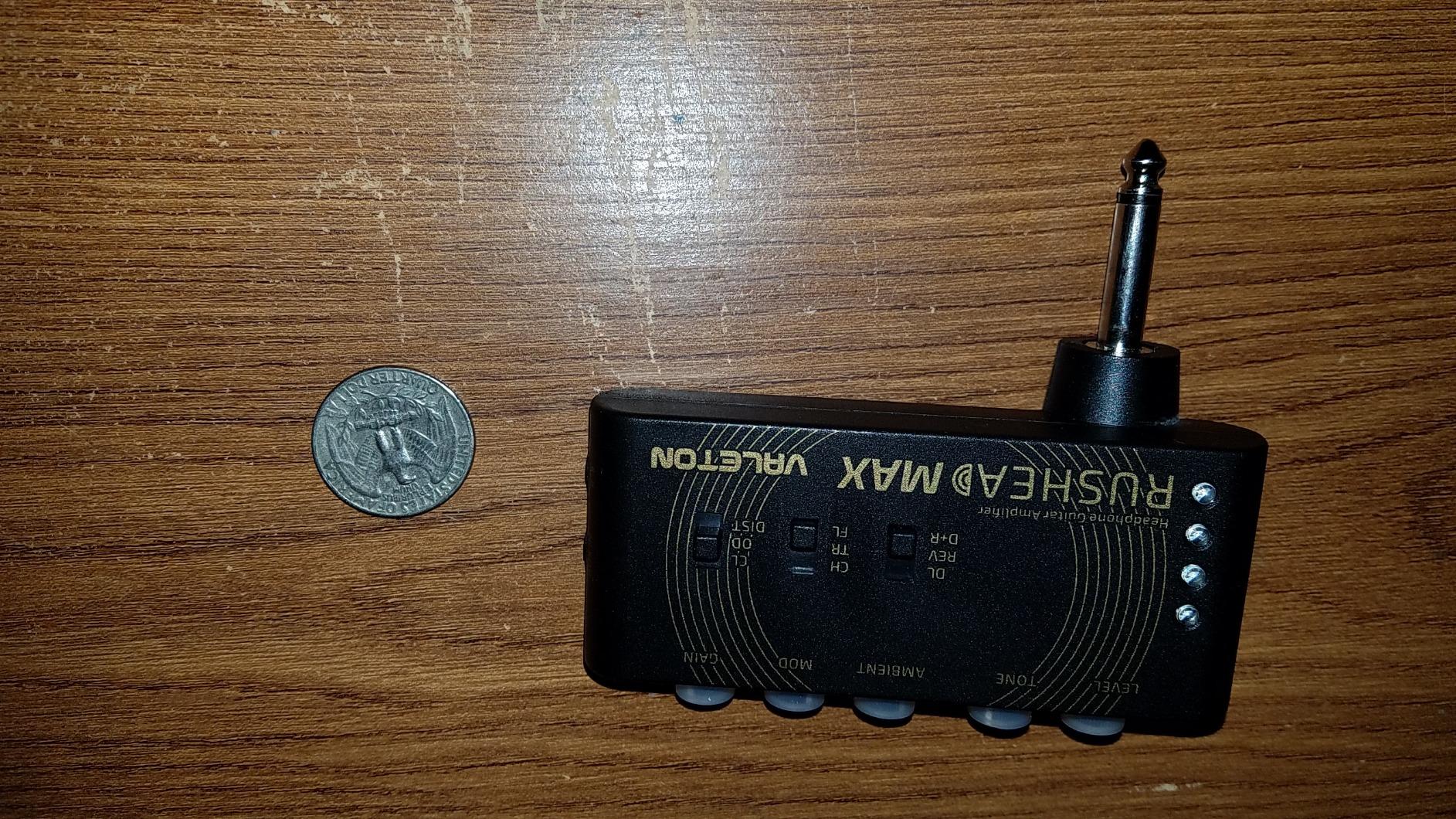
USB rechargeability is a major advantage over battery-powered competitors. No more buying AAA batteries or worrying about carrying spares. The metal enclosure feels significantly more durable than the plastic housings on the Vox and Blackstar alternatives.
Cabinet simulation ensures the headphone output sounds like a mic’d amp rather than a direct signal. This makes a massive difference in how enjoyable practice feels, and it is a feature many budget amps skip entirely.
Best Choice for Budget-Conscious Beginners
If this is your first headphone amp and you want maximum value, the Valeton Rushead Max is my top recommendation. Players who want combinable effects and USB charging without paying for Bluetooth or app connectivity will be very happy here. Many Amazon reviewers say it beats the Vox amPlug in versatility.
Trade-offs at This Price
There is no Bluetooth connectivity, so no wireless backing tracks or app control. The control knobs are small and difficult to read when the amp is plugged into your guitar. The bright blue LED battery indicators are unnecessarily blinding in low-light practice sessions.
10. Donner Heavy Metal Headphone Amp – Affordable Metal Mayhem
Donner Guitar Headphone Amp Heavy Metal USB Rechargeable Mini Pocket Headphone Amplifier for Electric Guitar
Soldano SLO100 Distortion
Volume/Tone/Drive
Delay-Reverb FX
USB Rechargeable
5hr Battery
Aux In
Pros
- Incredible metal distortion for the price
- Dials from clean to death metal
- USB rechargeable
- Includes headphone splitter cable
- Compact and portable
- Delay and reverb sound excellent
Cons
- Build quality feels cheap with thin plastic
- Uses mini-USB instead of USB-C
- Static non-rotatable plug
- More microphonic buzz than competitors
- Not suited for non-metal genres
The Donner Heavy Metal headphone amp is the most affordable option in this roundup, and it does one thing exceptionally well. Based on the Soldano SLO100 high-gain amplifier, this little device delivers crushing metal distortion that sounds shockingly authentic through good headphones. I tested it with drop-tuned riffs and was genuinely impressed by the aggression on tap.
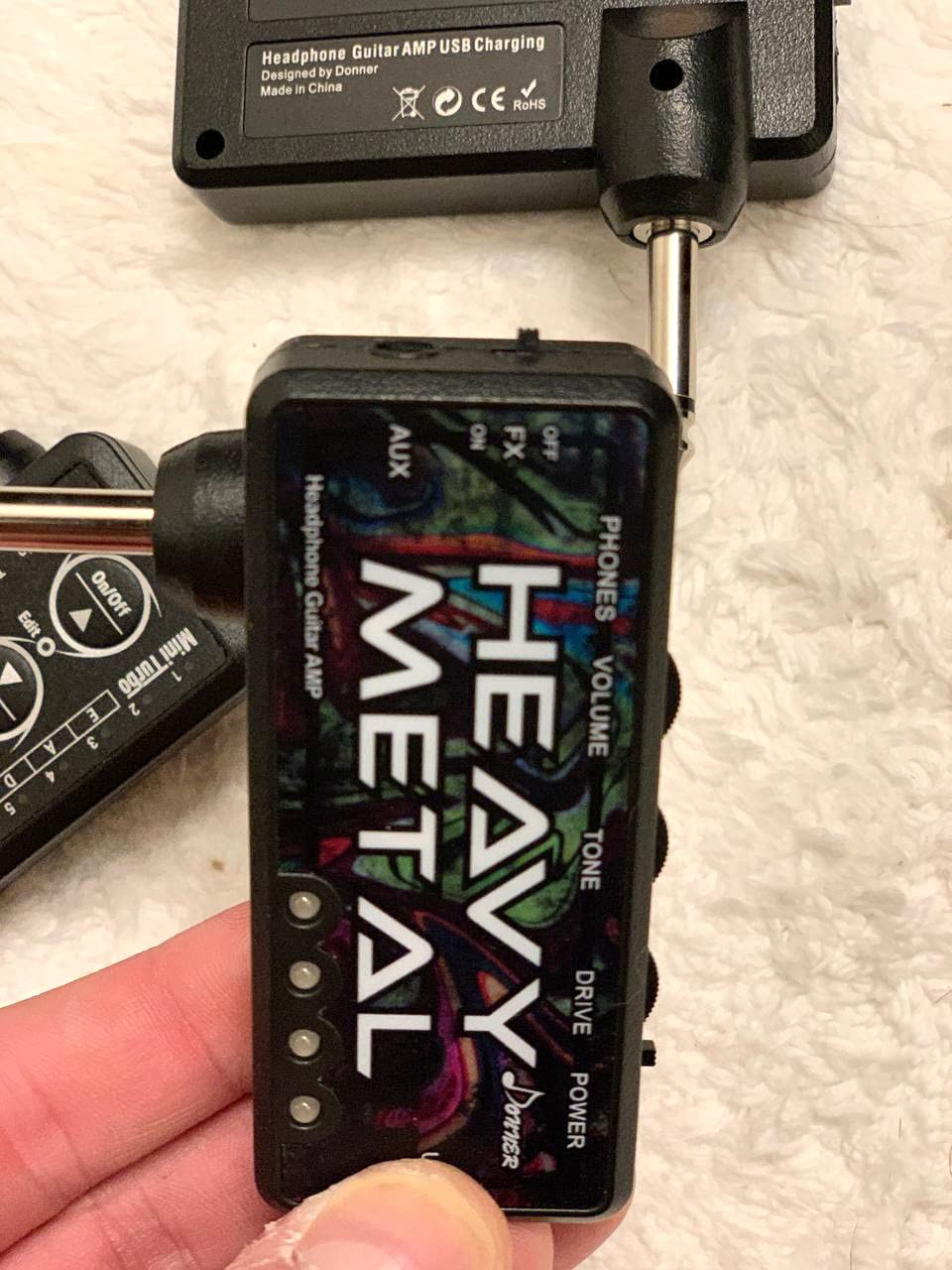
Volume, Tone, and Drive controls give you enough range to dial from near-clean tones all the way to death metal saturation. The FX switch activates a delay and reverb combination that sounds excellent for lead passages and atmospheric playing. An aux input lets you jam along with backing tracks.
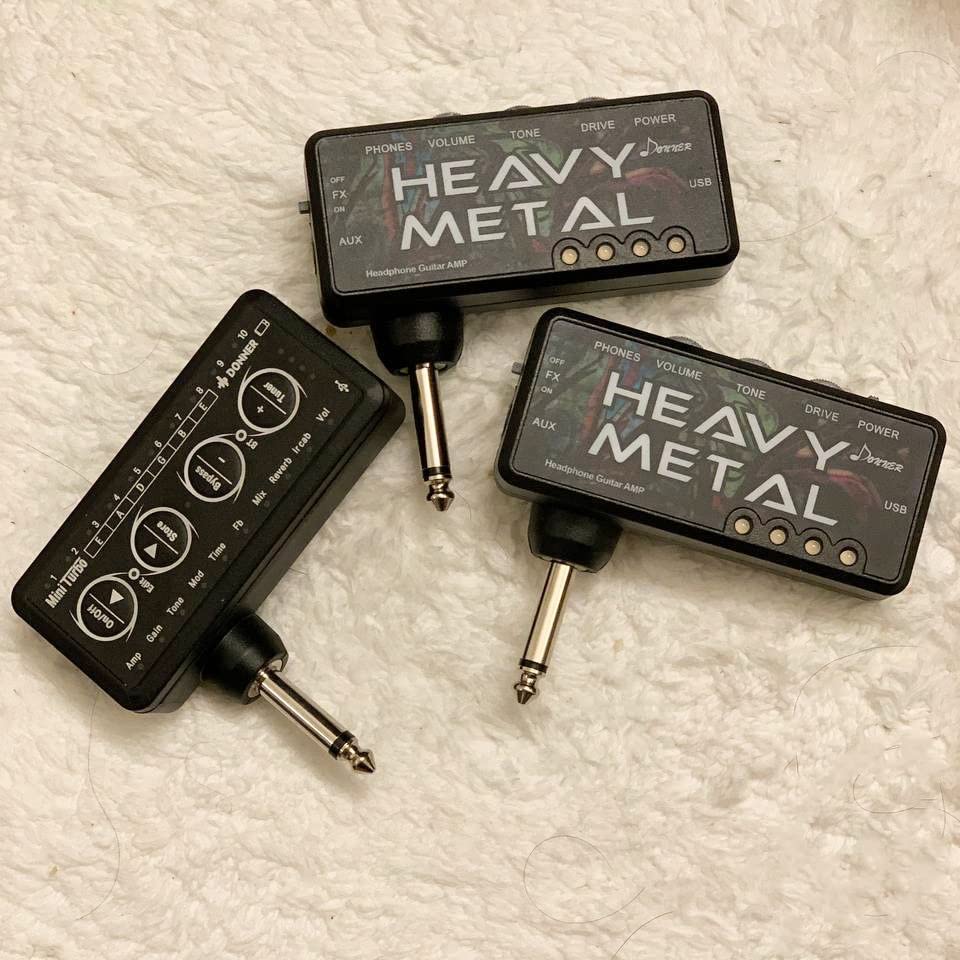
USB rechargeability means no battery costs, and the included headphone splitter cable is a thoughtful inclusion that lets two people listen simultaneously. Battery life is rated at 5 hours, which is adequate for most practice sessions.
The distortion character is thick and saturated, with the midrange punch that defines the Soldano sound. Palm mutes sound tight and chunky, and lead tones sustain beautifully when you engage the delay effect.
Who This Amp Is Built For
Metal players on a tight budget should look here first. If your entire musical world revolves around high-gain riffing and you need an affordable practice solution, the Donner delivers tones that belie its price tag. Forum users on Reddit note that expectations should be tempered, but for metal specifically, it overdelivers.
Where Corners Were Cut
The build quality is the most obvious compromise, with thin plastic that will not survive rough handling. It uses the outdated mini-USB port instead of USB-C or even micro-USB. The plug is static and non-rotatable, which means it may not fit all guitar body shapes. It also produces more microphonic feedback and buzz than better-built competitors.
How to Choose the Best Headphone Guitar Amp
Choosing the right headphone guitar amp comes down to understanding your specific practice needs, budget, and tonal preferences. I have broken down the key factors that matter most based on my testing experience and the pain points that real players discuss on forums like Reddit’s r/GuitarAmps.
Sound Quality and Amp Modeling
Sound quality is the single most important factor, and it varies dramatically between price points. Digital modeling amps like the Fender Mustang Micro Plus and BOSS KATANA:GO use sophisticated algorithms to recreate the behavior of real tube amps. Analog amps like the Vox amPlug use actual circuitry to emulate amp characteristics, which some players prefer for their organic feel.
Listen for how the amp responds to your playing dynamics. Good modeling should clean up when you pick lightly and break up when you dig in, just like a real tube amp. Cab simulation is also essential because it makes the headphone output sound like a mic’d amplifier rather than a direct guitar signal.
Connectivity: Bluetooth, USB, and Aux
Bluetooth connectivity is the feature most players underestimate until they have it. Being able to stream backing tracks wirelessly from your phone transforms practice sessions. The Fender Mustang Micro Plus and BOSS KATANA:GO both handle Bluetooth streaming with excellent audio sync.
USB recording capability turns your headphone amp into a basic audio interface. If you want to capture song ideas directly into your DAW without buying separate recording equipment, look for models with bi-directional USB like the Mustang Micro Plus. Aux input is the budget-friendly alternative for playing along with music.
Battery Life and Power Options
Battery life ranges from 4 hours on the Fender models to 17 hours on the Blackstar. Consider how you practice. If you do long sessions, prioritize amps with 8-plus hours like the Spark GO or amPlug 3. USB rechargeable batteries are more convenient and cheaper long-term than replaceable AAA batteries.
The Valeton Rushead Max and Donner amp both use USB charging, which means you can top them up from any USB port. The Vox and Blackstar use AAA batteries, which means you need to keep spares handy or buy rechargeable AAAs separately.
Latency: The Silent Killer of Practice Sessions
Latency is the delay between when you pick a string and when you hear the sound through your headphones. Even a few milliseconds of latency can make playing feel unnatural and disconnected. No competitor thoroughly covers this topic, so let me explain what matters.
Wired headphone amps have essentially zero perceptible latency because the signal travels through physical cables. The Positive Grid Spark NEO Wireless achieves 3.8 milliseconds, which is imperceptible during normal playing. Bluetooth audio for backing tracks does not cause noticeable latency because you are listening, not playing in sync with the transmitted audio.
If you plan to use regular Bluetooth headphones with a headphone amp that only has a 3.5mm output, you will need a Bluetooth transmitter, and this combination often introduces unacceptable latency. This is why the Spark NEO includes its own wireless system rather than relying on standard Bluetooth.
Headphone Compatibility
Most headphone guitar amps use a 3.5mm (1/8 inch) headphone jack, so any standard wired headphones will work. The impedance of your headphones affects volume and sound quality. Amps with lower output power, like the Vox amPlug at 50 milliwatts, may struggle to drive high-impedance studio headphones to comfortable volumes.
For the best experience, use headphones with impedance between 32 and 80 ohms. Closed-back headphones provide better isolation for practice, preventing outside noise from interfering and keeping your guitar signal from leaking out. Avoid gaming headsets with USB connections, as they are incompatible with analog headphone jacks.
Genre-Specific Recommendations
For metal and high-gain players, the NUX Mighty Plug Pro and BOSS KATANA:GO offer the most authentic heavy tones. For blues and classic rock, the Vox amPlug 3 AC30 and Fender Mustang Micro deliver the warm, dynamic cleans and crunch you need. For jazz and clean tones, the Fender models excel with their sparkling clean emulations.
Bass players should look at the BOSS KATANA:GO with its dedicated bass mode, or the NUX Mighty Plug Pro which handles both active and passive bass guitars. Acoustic-electric players will find the Spark GO and Spark NEO most accommodating, with acoustic amp models built into their software.
FAQ’s
What is the best headphone guitar amplifier?
The Fender Mustang Micro Plus is the best overall headphone guitar amplifier, offering 25 amp models, 100 presets, Bluetooth streaming, USB recording, and excellent battery life in a compact package. For budget buyers, the Valeton Rushead Max delivers outstanding value. For premium sound quality, the BOSS KATANA:GO with its 3D spatial audio technology is unmatched.
Are headphone guitar amps worth it?
Yes, headphone guitar amps are absolutely worth it for anyone who needs to practice quietly. They are essential for apartment dwellers, college students in dorms, late-night players, and travelers. Modern models offer amp modeling, effects, Bluetooth streaming, and even recording capabilities that rival full practice rigs at a fraction of the cost and size.
What kind of headphones do I need for a guitar amp?
Most headphone guitar amps use a standard 3.5mm (1/8 inch) jack, so any wired headphones will work. For best results, use headphones with 32 to 80 ohm impedance and a closed-back design for noise isolation. Avoid USB gaming headsets and wireless Bluetooth headphones, as they introduce latency and require incompatible connections.
Can I use regular Bluetooth headphones with a headphone guitar amp?
Most headphone guitar amps output through a wired 3.5mm jack and do not support Bluetooth headphones directly. Using a separate Bluetooth transmitter introduces latency that makes playing difficult. The Positive Grid Spark NEO Wireless solves this by including custom wireless headphones with ultra-low 3.8ms latency, making it the only true wireless option designed for guitar.
Final Thoughts on the Best Headphone Guitar Amps
After three months of testing, the best headphone guitar amps prove that silent practice no longer means compromising on tone. The Fender Mustang Micro Plus remains my top pick for its unmatched combination of amp models, presets, Bluetooth streaming, and USB recording. The BOSS KATANA:GO wins on pure sound quality with its revolutionary 3D spatial technology.
For budget-conscious players, the Valeton Rushead Max and Vox amPlug 3 AC30 deliver far more than their prices suggest. Whatever your budget or genre, there is a headphone amp in this guide that will keep you practicing longer and sounding better through 2026 and beyond.