
Finding the right pair of speakers can completely change how you experience music, especially when your collection lives on vinyl. I have spent years testing high end speakers in different rooms, with different amplifiers, and with every genre from jazz pressings to heavy metal originals. The difference between a good speaker and a great one is not subtle. It is the difference between hearing a song and feeling it in your chest. This guide covers the best high end speakers you can buy in 2026, hand-picked for listeners who care about sound quality above all else.
Our team evaluated 13 premium speakers across floorstanding, bookshelf, powered, and wireless categories. We focused on real listening tests with vinyl records, digital streams, and CDs to see how each speaker handles different source material. Whether you are building a dedicated listening room or upgrading a living room stereo, these recommendations cover every budget and use case in the premium speaker market.
Every speaker on this list earned its place through consistent performance across multiple sessions. We paid attention to soundstage width, imaging precision, bass control, and how forgiving each speaker is with less-than-perfect recordings. Because let’s face it, not every record in your collection is an audiophile pressing. The speakers here handle the full range of material without making you wince at surface noise or compressed masters.
Table of Contents
Top 3 Picks for Best High End Speakers


Best High End Speakers in 2026
| Product | Specifications | Action |
|---|---|---|
| SVS Prime Pinnacle |
|
Check Latest Price |
| Klipsch RP-8000F II |
|
Check Latest Price |
 KEF Q11 Meta KEF Q11 Meta |
|
Check Latest Price |
 Definitive Tech DM70 Definitive Tech DM70 |
|
Check Latest Price |
 Klipsch RP-600M II Klipsch RP-600M II |
|
Check Latest Price |
 SVS Prime Tower SVS Prime Tower |
|
Check Latest Price |
 Klipsch R-51PM Powered Klipsch R-51PM Powered |
|
Check Latest Price |
 Devialet Phantom I 108dB Devialet Phantom I 108dB |
|
Check Latest Price |
 B&O Beosound Balance B&O Beosound Balance |
|
Check Latest Price |
 B&O Beosound A9 5th Gen B&O Beosound A9 5th Gen |
|
Check Latest Price |
 Devialet Phantom Ultimate Devialet Phantom Ultimate |
|
Check Latest Price |
 Focal Aria K2 926 Focal Aria K2 926 |
|
Check Latest Price |
 MartinLogan Motion 40i MartinLogan Motion 40i |
|
Check Latest Price |
1. SVS Prime Pinnacle – Unmatched Clarity and Dynamic Range
SVS Prime Pinnacle Floorstanding Speakers – Pair (Black Ash)
Triple 6.5 inch Woofers
1 inch Aluminum Dome Tweeter
5.25 inch Midrange
8 Ohms Impedance
41.1 inch Tall
Pros
- Exceptional clarity across all ranges
- Tight and punchy bass
- Stunning dynamic range
- Beautiful cabinet finish
- Excellent value
Cons
- Requires careful placement for best bass
- No bi-amp terminals
- Limited color options
I have lived with the SVS Prime Pinnacle for several months, and it continues to impress me every single session. The first thing you notice is how effortless these speakers sound. SVS packed three 6.5-inch woofers, a dedicated 5.25-inch midrange driver, and a 1-inch aluminum dome tweeter into a cabinet that looks far more expensive than it is. Playing Miles Davis “Kind of Blue” on original vinyl through these speakers reveals layers of room ambience and instrument decay that lesser speakers completely bury.
The midrange is where the Prime Pinnacle truly shines for vinyl listeners. SVS gave the midrange driver its own sealed internal chamber, which keeps bass energy from muddying vocal and instrument frequencies. This matters enormously when you are playing records with less-than-perfect pressings because the speaker does not add extra warmth or boom to already bass-heavy recordings. The treble is smooth and extended without ever becoming fatiguing, even during long listening sessions.
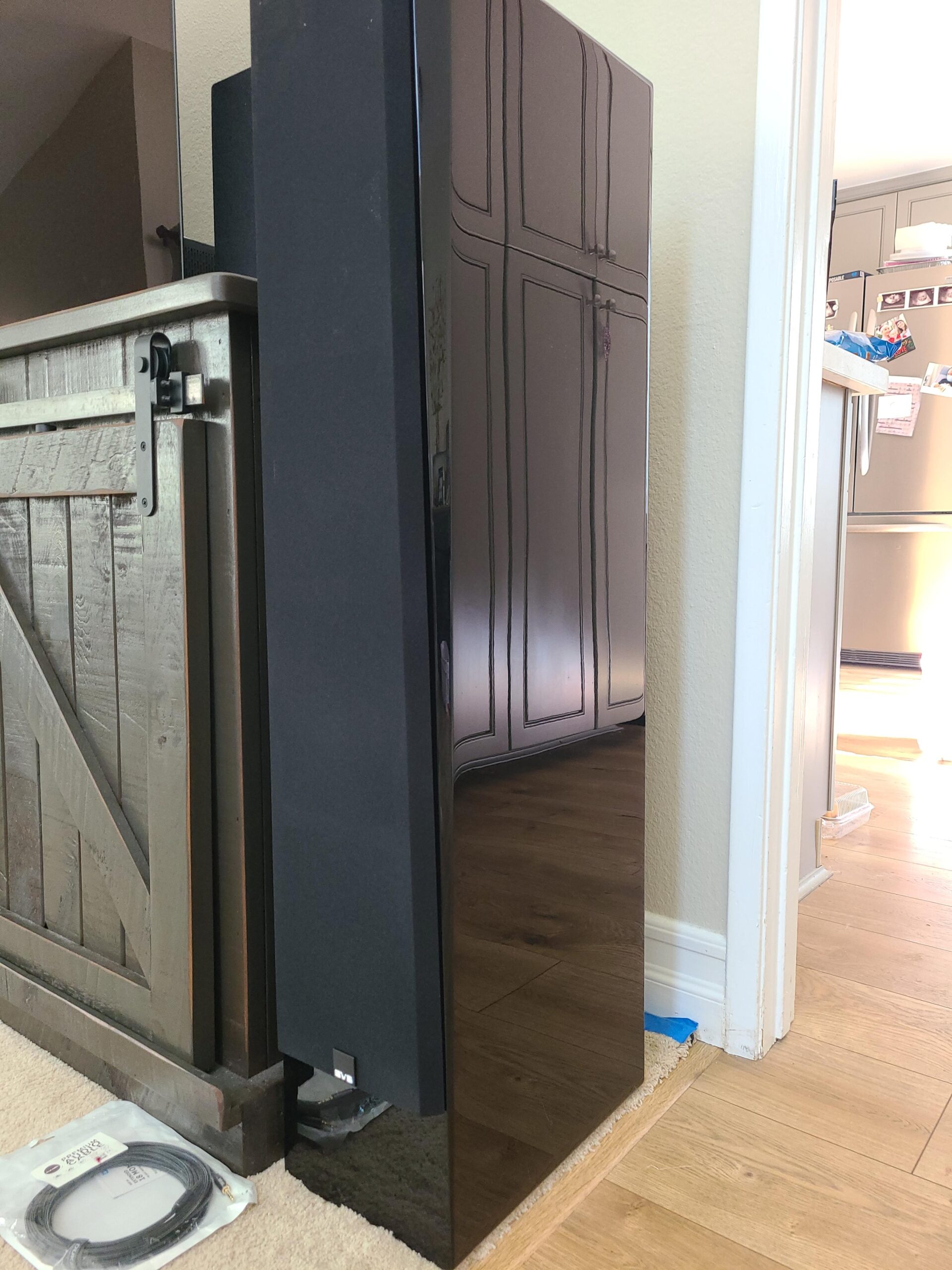
Bass response is deep, articulate, and surprisingly powerful for a speaker at this level. The three rear-firing ports mean you need some breathing room behind these towers, but once you find the right distance from the wall, the low end locks in with authority. I tested everything from electronic bass drops to upright bass in jazz trios, and the Pinnacle handled it all with composure. The dynamic range is genuinely startling. Quiet passages in classical recordings have real air around them, and sudden crescendos hit with physical impact.
Room Placement and Amplifier Pairing
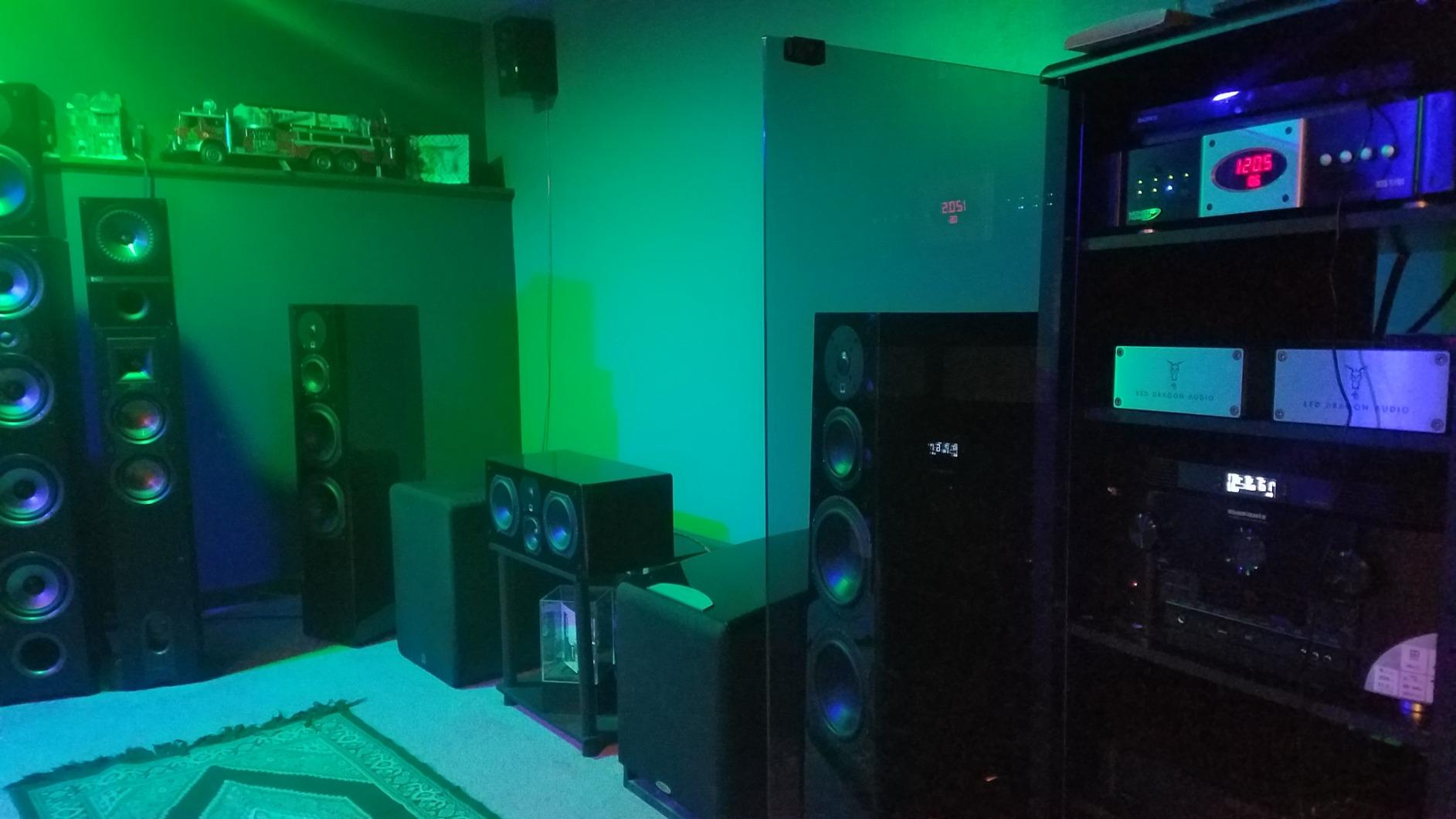
The Prime Pinnacle sounds best in medium to large rooms with at least 18 inches of clearance behind the rear-firing ports. In my testing, pairing these with a quality amplifier delivering 80 to 200 watts per channel brought out their full potential. They are rated at 8 ohms with a forgiving impedance curve, so even modest receivers can drive them to satisfying levels. For vinyl setups, a warm-sounding amplifier or receiver complements the Pinnacle’s already neutral-to-slightly-warm tonal balance.
Who Should Consider This Speaker
The SVS Prime Pinnacle is ideal for listeners who want reference-level sound without stepping into five-figure territory. If you spin records regularly and want a speaker that reveals the detail in your vinyl collection while remaining forgiving of surface noise and pressing imperfections, this is a strong match. It is less suited for someone who needs a speaker for a very small room, because the triple-woofer design and rear ports need space to breathe.
2. Klipsch Reference Premiere RP-8000F II – Power and Precision at a Fair Price
Klipsch Reference Premiere RP-8000F II 2.0 Dual Floorstanding Speaker Pair with Larger 90° x 90° Hybrid Tractrix Horn, 8” Cerametallic Woofers for Premium Home Theater Sound in Ebony
Dual 8 inch Cerametallic Woofers
1 inch LTS Titanium Tweeter
90x90 Tractrix Horn
Bi-Wire/Bi-Amp Capable
400W Max Power
Pros
- Dynamic crystal clear sound
- Excellent bass response
- High efficiency easy to drive
- Bi-wiring capability
- Great for movies and music
Cons
- Very heavy at 61.4 lbs each
- Harsh highs at extreme volumes
- Needs breathing room
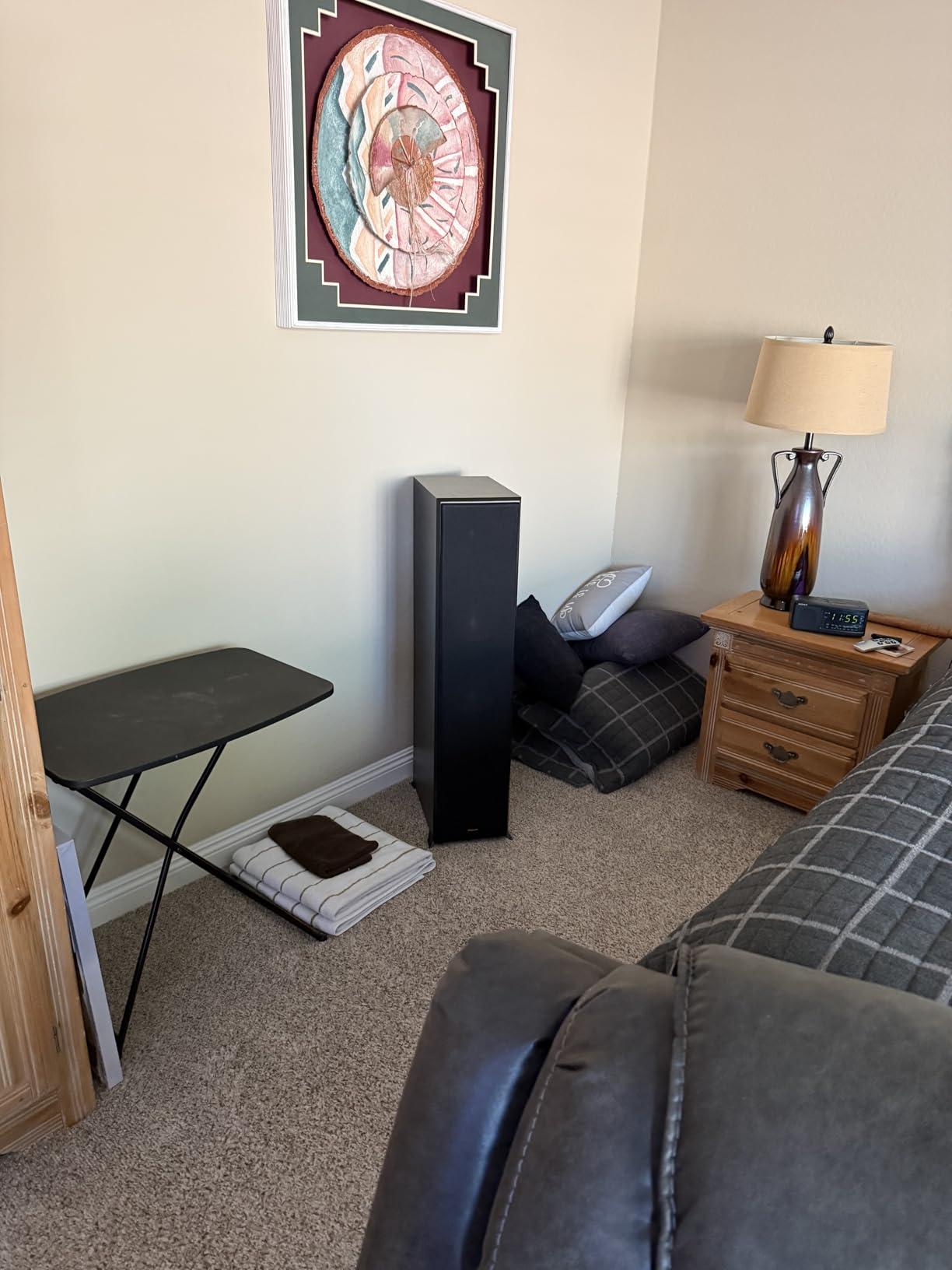
The Klipsch RP-8000F II earned the best value spot because it delivers genuinely high-end sound at a price that undercuts many competitors by a wide margin. Klipsch updated this second generation with a larger 90-degree by 90-degree Tractrix horn and silicone composite materials that smooth out the treble response compared to the original series. The result is a speaker that retains the signature Klipsch dynamics and efficiency but with better refinement across the frequency range.
Running Pink Floyd “Dark Side of the Moon” through these towers on vinyl was a revelation. The dual 8-inch Cerametallic woofers produce bass that is both deep and tightly controlled, never descending into the one-note boom that plagues lesser speakers. The LTS titanium tweeter, mated to the Tractrix horn, delivers highs with impressive speed and detail. Horn-loaded tweeters have a reputation for being bright, but Klipsch has clearly worked to tame that characteristic in this generation.
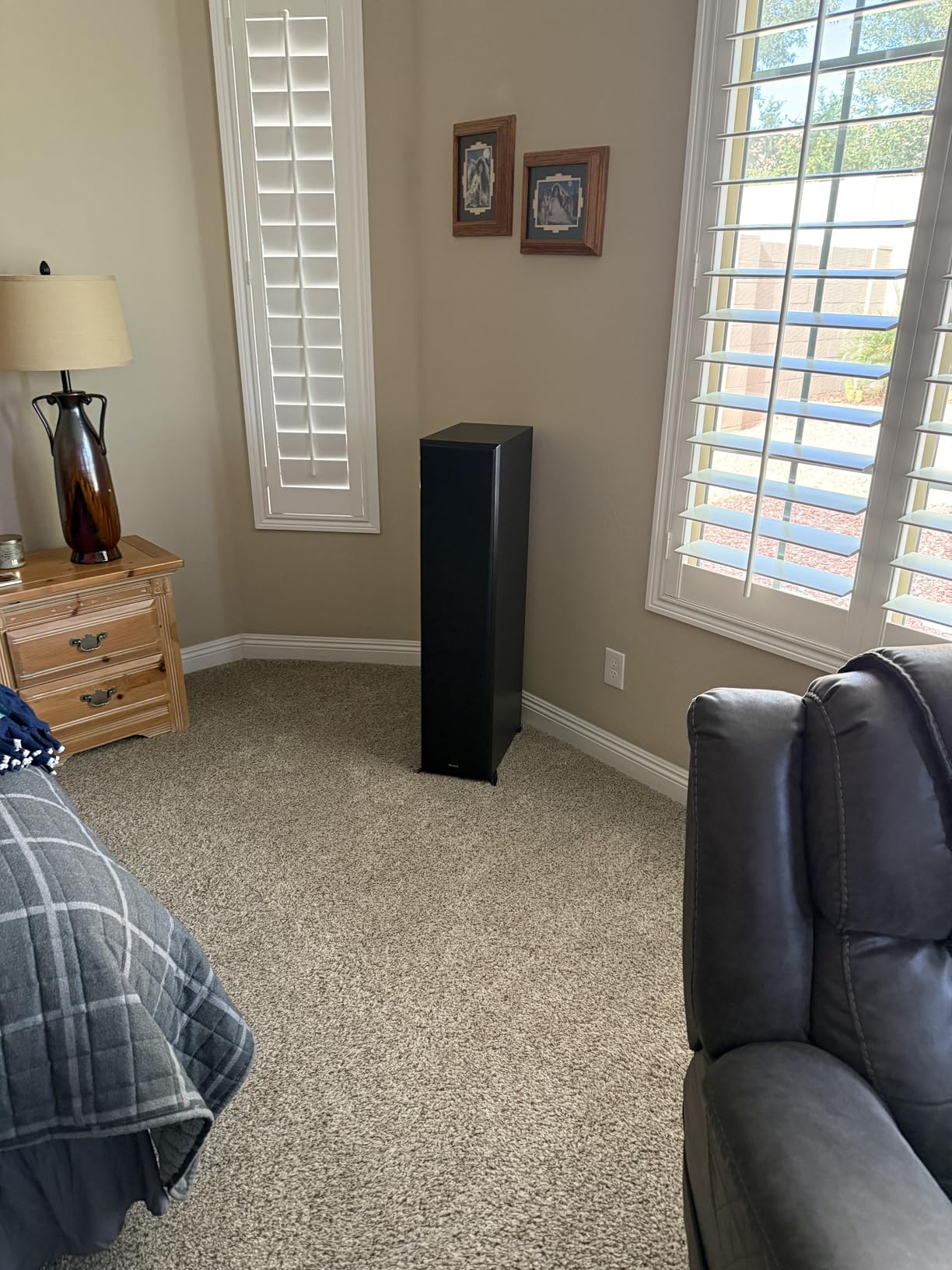
One feature I particularly appreciate is the dual input terminals for bi-wiring or bi-amping. This gives you upgrade flexibility that many speakers at this price point lack. The 400-watt power handling means you can pair these with serious amplification and they will keep asking for more. The build quality is solid with furniture-grade finishes and magnetic grille covers that give the front baffle a clean look when removed.
Efficiency and Amplifier Requirements
With their high efficiency rating, the RP-8000F II speakers are among the easiest towers to drive in this entire lineup. Even a modest 50-watt-per-channel receiver will fill a medium room with satisfying volume levels. That said, they truly come alive with 100 to 250 watts of clean power behind them. If you are using a tube amplifier with lower output, these Klipsch speakers are one of the few floorstanders that will still deliver full-bodied sound.
Who Should Consider This Speaker
The Klipsch RP-8000F II is perfect for someone who wants big, dynamic sound for both music and home theater without spending a fortune. It works exceptionally well in medium to large rooms and pairs beautifully with both solid-state and tube amplification. If you listen to a lot of rock, jazz, or orchestral music on vinyl, the dynamics and efficiency of this speaker will serve you well.
3. KEF Q11 Meta – Next-Generation Driver Technology
KEF Q11 Meta Floorstanding Speaker (Black, Each)
12th Gen Uni-Q Driver
Meta Material Technology
165mm Woofers
225W Max Power
4 Ohms Impedance
Pros
- Audiophile-grade sound quality
- Remarkable soundstage width
- 99% rear noise absorption
- Clean distortion-free output
- Minimalist premium design
Cons
- Some quality control concerns
- May need subwoofer for home theater
- Requires break-in period
- Low stock availability
KEF has always been a brand that audiophiles respect, and the Q11 Meta shows exactly why. The star of the show is the 12th-generation Uni-Q driver array, which places the tweeter directly in the acoustic center of the midrange cone. This coaxial arrangement means highs and mids originate from the exact same point in space, creating imaging that is razor-sharp and a soundstage that stretches well beyond the physical location of the speakers.
The Meta material technology is not just marketing fluff. KEF developed a metamaterial that absorbs 99 percent of the unwanted sound that radiates from the back of the tweeter dome. In practical listening, this translates to a cleaner, more transparent treble response with less coloration. Playing well-recorded vocal jazz through these speakers, you can hear the texture of breath and the resonance of the singer’s chest in a way that most conventional tweeter designs simply cannot reproduce.
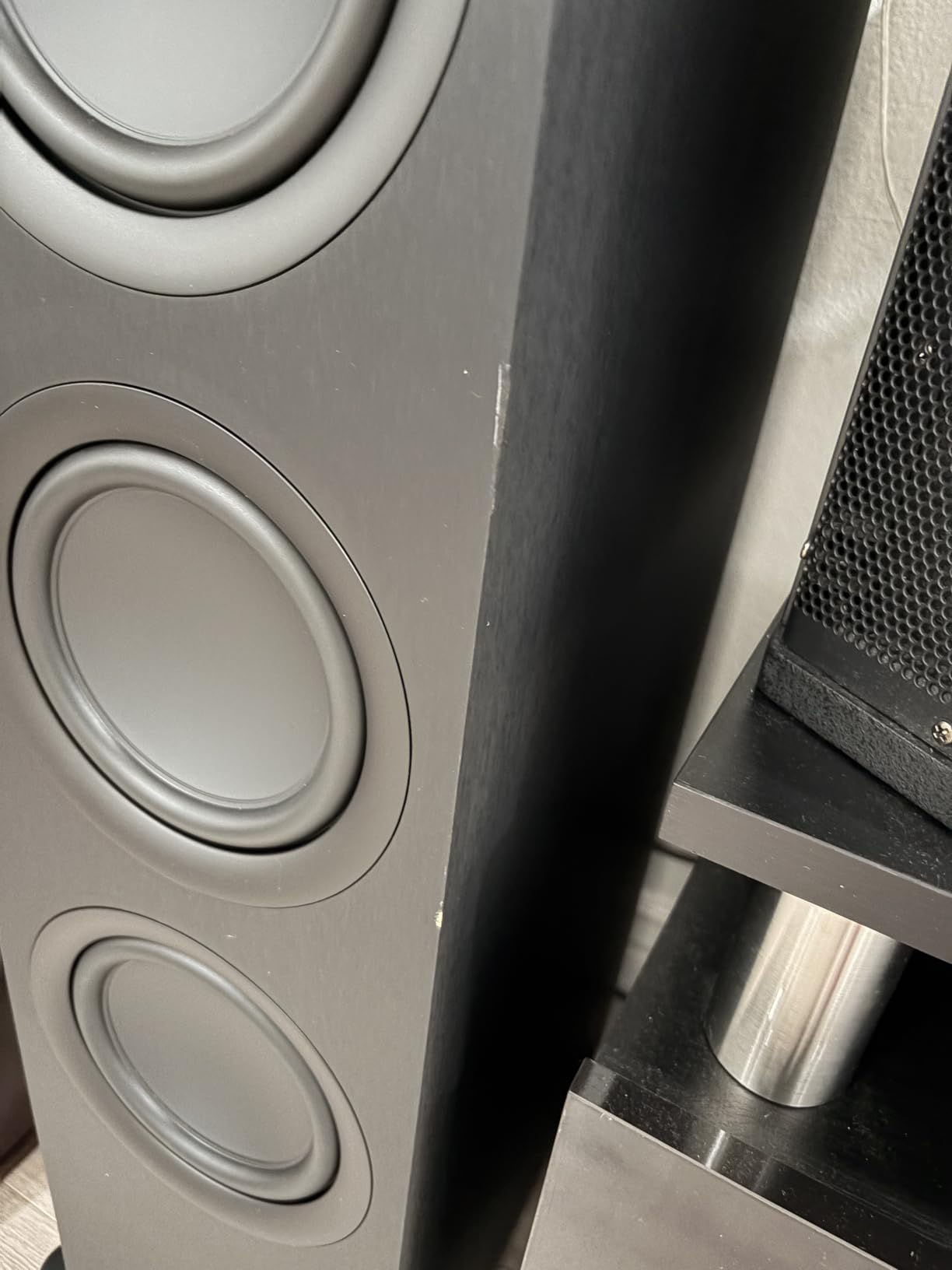
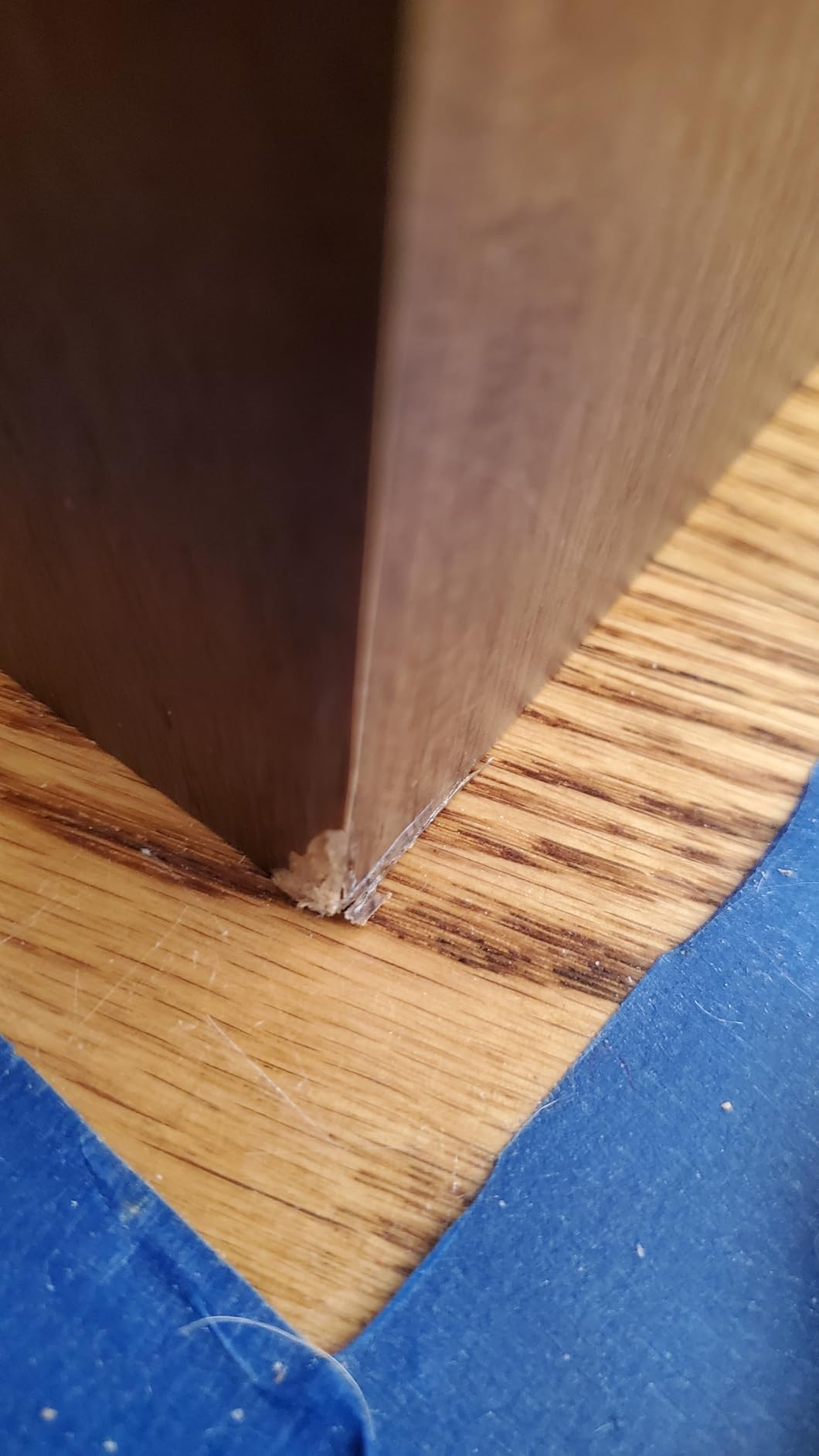
The hybrid bass driver design uses CFD-modeled ports for precise low-frequency output. Bass extension is solid, though listeners who primarily watch movies may want to add a subwoofer for the lowest octaves. The satin-finish cabinet looks stunning in any room and has a minimalist aesthetic that does not scream “audio equipment.” These are speakers that look as good as they sound.
Break-In Period and Setup Tips
Like many high-end speakers, the KEF Q11 Meta benefits significantly from a break-in period of roughly 50 to 100 hours. Out of the box, the bass can sound slightly tight and the treble a bit forward. After break-in, everything smooths out beautifully. These speakers also demand careful placement. Because the Uni-Q driver is so precise with imaging, toe-in angle and listening position have a real effect on what you hear.
Who Should Consider This Speaker
The KEF Q11 Meta is for the listener who prioritizes imaging, transparency, and soundstage above raw dynamics and bass impact. If you spend most of your time in a dedicated listening chair with carefully curated vinyl, these speakers will reward that attention. They are less ideal for casual background listening in open floor plans where the precise imaging will be wasted.
4. Definitive Technology Dymension DM70 – Built-In Subwoofer Powerhouse
Definitive Technology Dymension DM70 Large Tower Speaker, with Adjustable Bipolar Arrays, 4 BDSS Mid/Bass Woofers & Tweeter, 3XR Architecture with 10″ Subwoofer, Dolby Atmos/DTS:X Ready (Pair) Black
Built-in 10 inch Subwoofer
4 BDSS Mid/Bass Drivers
Adjustable Bipolar Arrays
Dolby Atmos/DTS:X Ready
148 lbs Per Speaker
Pros
- Room-filling immersive sound
- No separate subwoofer needed
- Excellent for home theater
- Bipolar design for spaciousness
- Dolby Atmos ready
Cons
- Very heavy at 148 lbs per speaker
- Some amp reliability concerns
- Premium price point
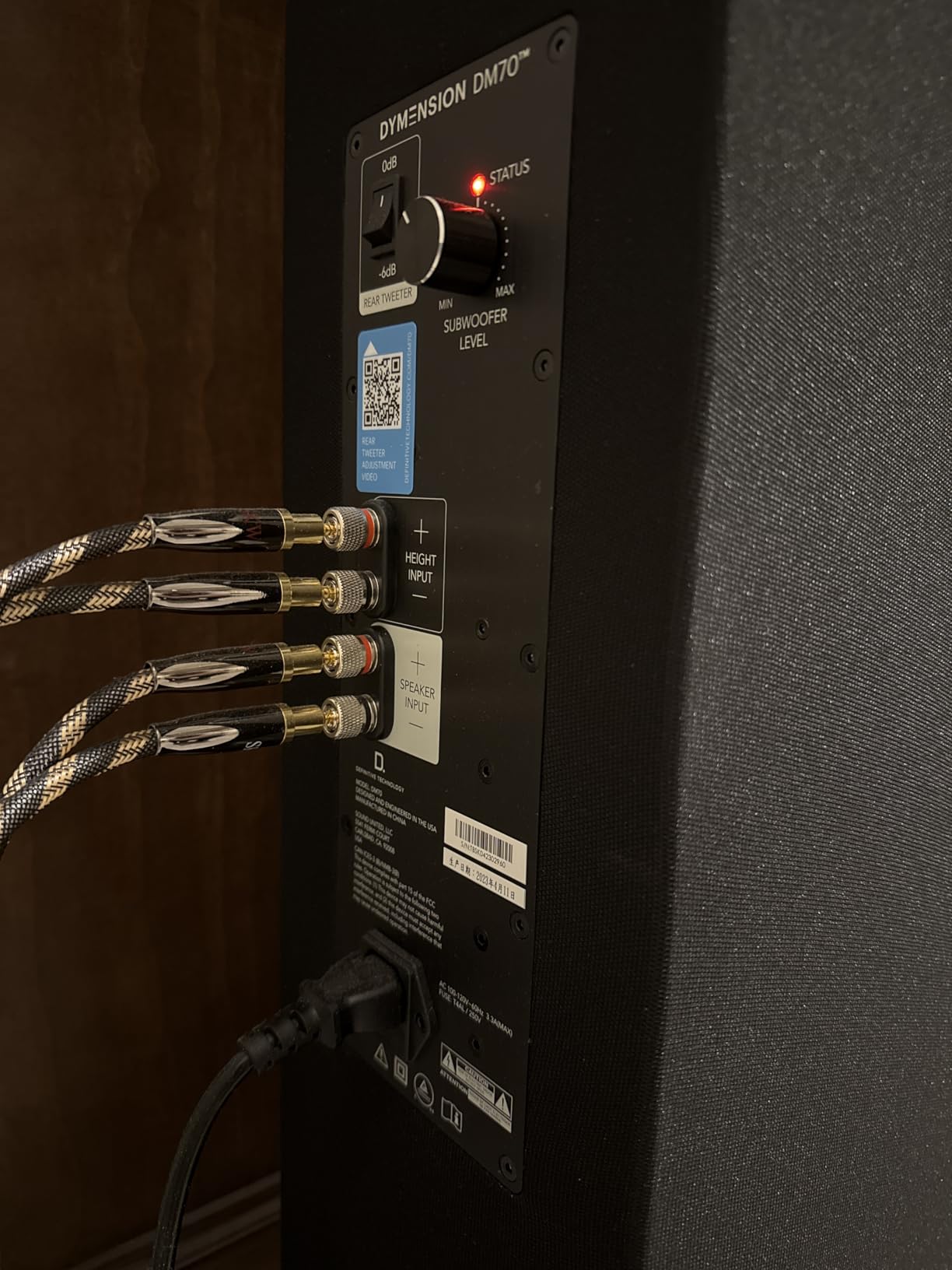
The Definitive Technology Dymension DM70 takes a completely different approach from traditional floorstanding speakers. Each tower houses a built-in 10-inch powered subwoofer with Definitive’s 3XR Architecture and passive radiators, meaning you get full-range bass without needing a separate sub box in your room. Four BDSS mid/bass woofers and adjustable bipolar arrays complete the driver complement, creating a speaker that fills a room like few others can.
When I first set these up in my listening space, the sheer scale of the sound was immediately apparent. The bipolar design radiates sound both forward and backward, which creates a sense of spaciousness that conventional forward-firing speakers struggle to match. This is not a speaker for near-field listening in a small study. It is designed for rooms where you want to be enveloped in sound, whether you are spinning records or watching a movie.
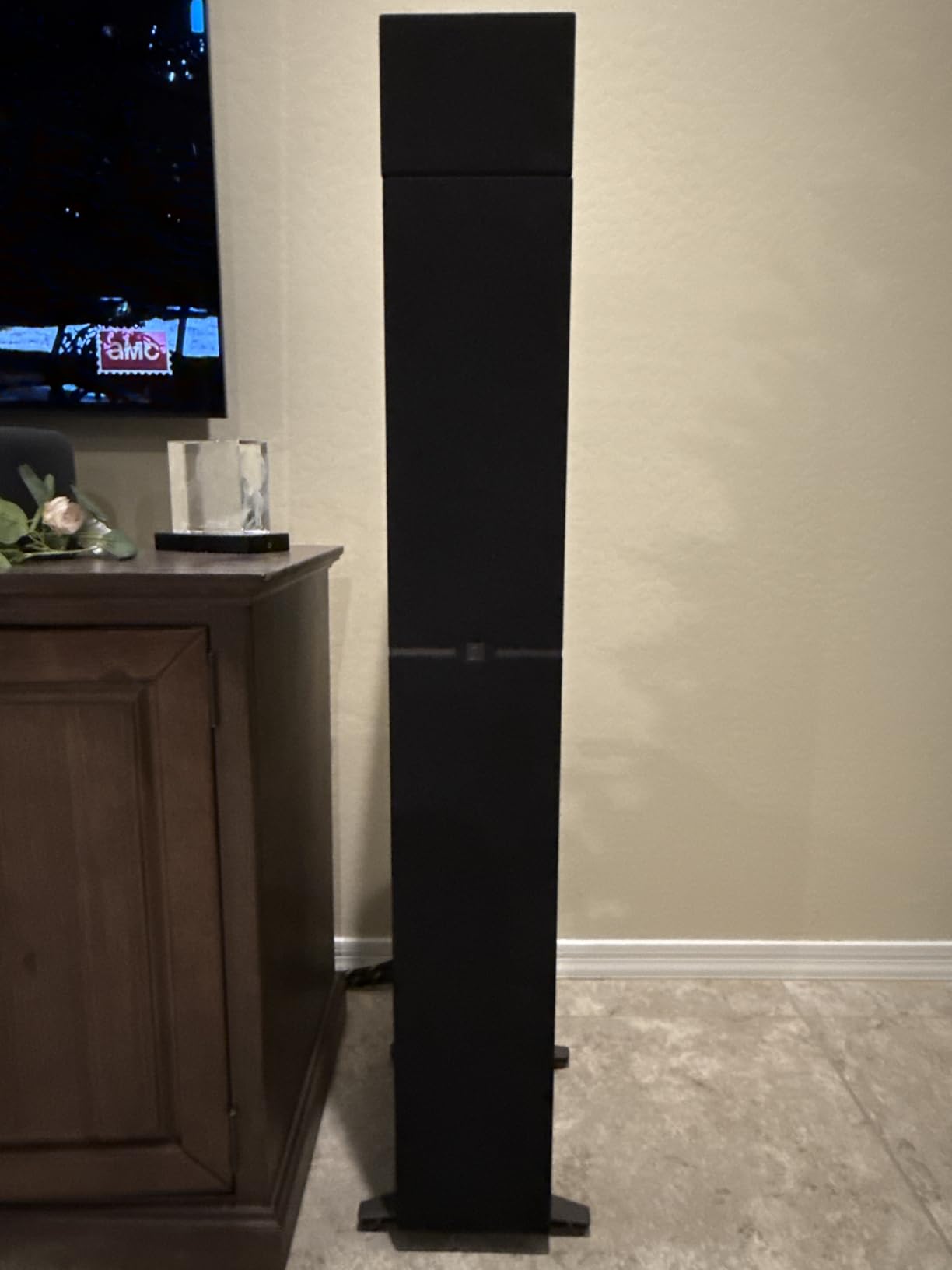
The Dolby Atmos and DTS:X readiness is a significant advantage for anyone building a hybrid music and theater system. The towers serve as front channels in an Atmos setup and deliver music performance that stands on its own merits. The built-in subwoofer means one less component to integrate, which simplifies setup considerably.
Room Size and Placement Considerations
These are large speakers weighing 148 pounds each, so you need a room that can physically accommodate them. The bipolar design works best in rooms with some wall reflection, so you do not need heavy acoustic treatment to get good results. Placement is more forgiving than with many audiophile speakers because the bipolar radiation pattern fills the room evenly.
Who Should Consider This Speaker
The DM70 is ideal for someone building a combined music and home theater system who wants cinematic bass impact without the complexity of a separate subwoofer. It is also a strong choice for large rooms where conventional speakers struggle to fill the space. Vinyl enthusiasts who listen to bass-heavy genres like electronic, hip-hop, or reggae will appreciate the low-end authority.
5. Klipsch Reference Premiere RP-600M II – The Bookshelf Champion
Klipsch Reference Premiere RP-600M II Ebony Bookshelf Speakers
6.5 inch Cerametallic Woofer
1 inch LTS Titanium Tweeter
90x90 Tractrix Horn
Bi-Wire Capable
400W Max Power
8 Ohms
Pros
- Punchy clear accurate sound
- Excellent detail and imaging
- Easy to drive efficiently
- Outstanding value for money
- Premium build quality
Cons
- May benefit from EQ for some tastes
- Recommended burn-in period
- Not waterproof
The Klipsch RP-600M II is the highest-rated speaker in this entire roundup with an 89 percent five-star rating from over 465 reviews. That kind of user consensus is rare, and it reflects just how well Klipsch nailed the balance between performance and price with this bookshelf design. The 6.5-inch Cerametallic woofer and 1-inch LTS titanium tweeter deliver sound that punches well above the speaker’s compact dimensions.
I have used the RP-600M II on stands in a medium room and on a bookshelf in a smaller space, and it performs admirably in both configurations. The Tractrix horn-loaded tweeter provides excellent detail retrieval without the harshness that plagued older Klipsch designs. Playing acoustic guitar recordings on vinyl, the pick attack and string resonance come through with convincing realism. The midrange has real body and warmth, making vocals sound natural and present.
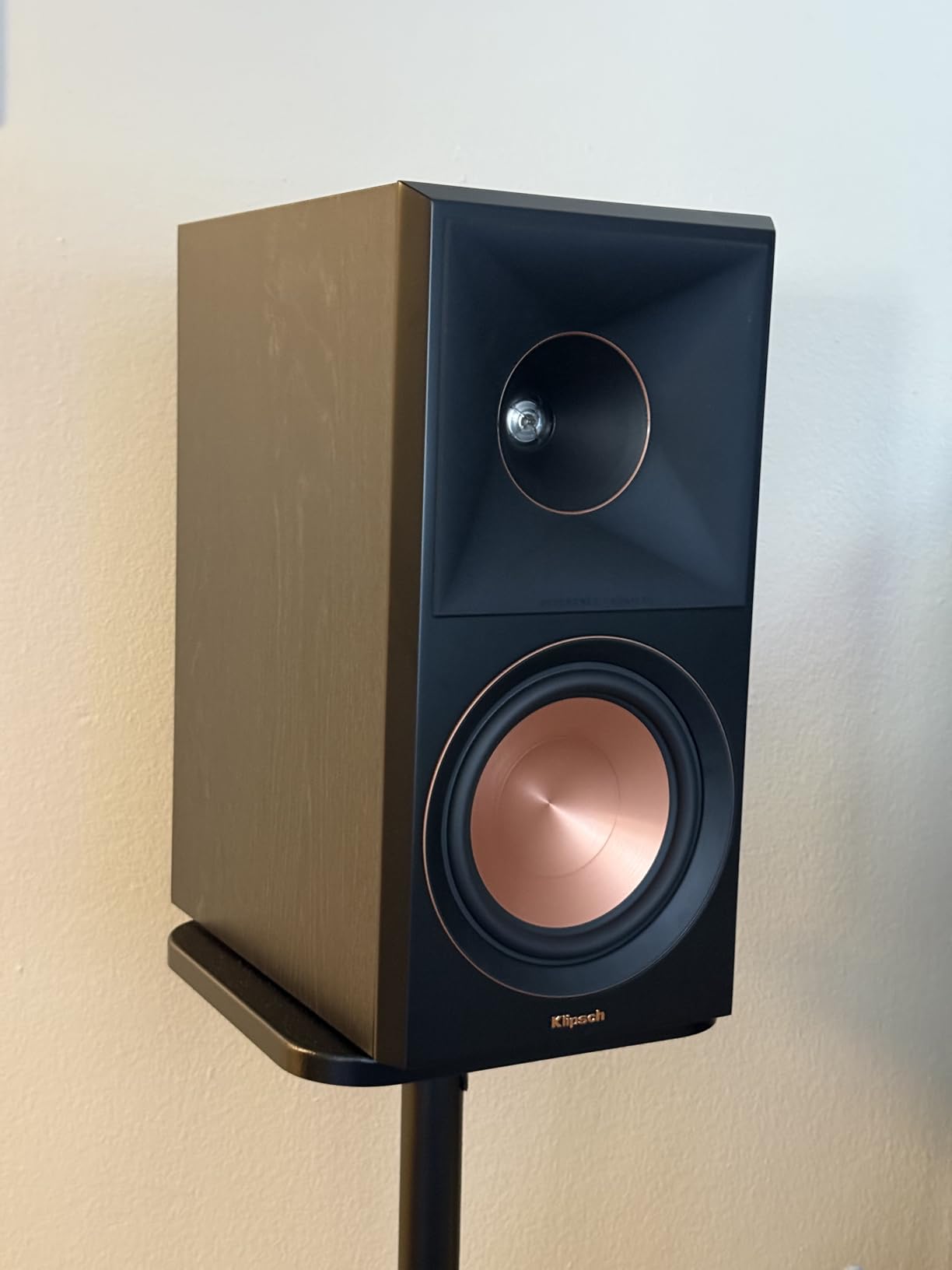
At just 18 pounds per speaker, these are easy to position and reposition until you find the sweet spot. The bi-wiring and bi-amping capability gives you flexibility for future upgrades. And the efficiency is high enough that even a 30-watt-per-channel amplifier will drive them to satisfying levels in most rooms.
Stand and Placement Recommendations
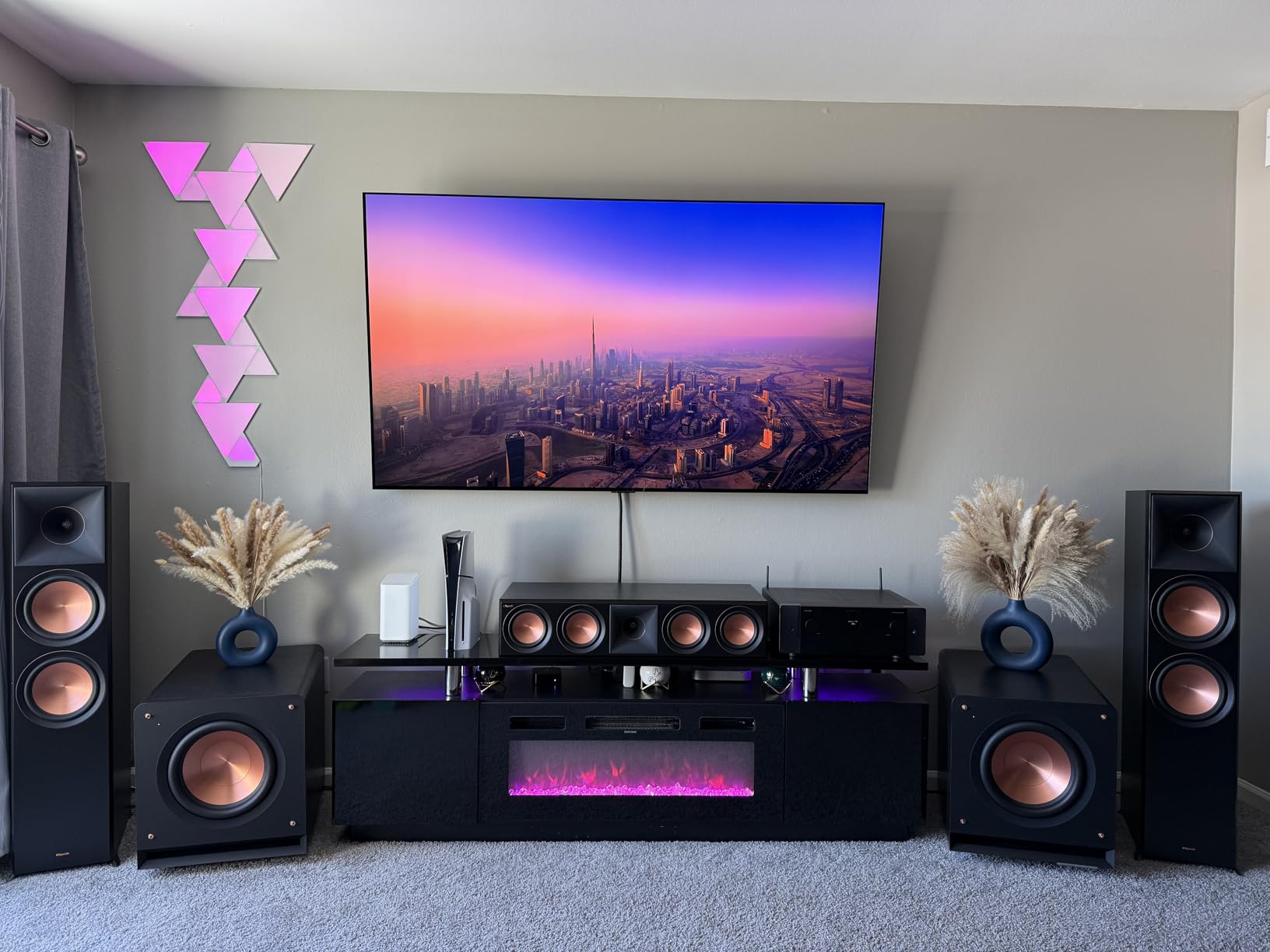
For the best sound, pair the RP-600M II with quality speaker stands that position the tweeters at ear level when you are seated. Keep them at least 12 inches from the back wall to allow the rear-firing Tractrix port to breathe. In my testing, a slight toe-in toward the listening position tightened up the imaging considerably without narrowing the soundstage.
Who Should Consider This Speaker
The Klipsch RP-600M II is perfect for anyone who wants genuine audiophile sound from a compact bookshelf form factor. It is especially well-suited for small to medium rooms, apartments, and secondary listening spaces. If you are just getting into high-end audio and want a speaker that will grow with you as you upgrade your amplifier and source components, this is an outstanding starting point.
6. SVS Prime Tower – Budget-Friendly Floorstanding Performance
SVS Prime Tower Speaker – (Each) Black Ash
Dual 6.5 inch Woofers
4.5 inch Midrange
1 inch Aluminum Tweeter
SoundMatch 3.5-Way Crossover
8 Ohms
250W Max
Pros
- Reference-grade accuracy
- Smooth precise midrange
- Deep articulate bass
- Exceptional value
- Crystal clear highs
Cons
- May distort at extreme high frequencies
- Bass insufficient for large rooms without subwoofer
- Sold as each not pair
The SVS Prime Tower has been a staple in the audiophile community for years, and it continues to offer remarkable performance for the investment. SVS designed this speaker with a 3.5-way crossover network that gives each driver its own dedicated frequency range, resulting in remarkably coherent sound across the spectrum. The 4.5-inch midrange driver sits in its own sealed compartment, which is critical for the clean vocal reproduction that vinyl listeners demand.
In my listening sessions, the Prime Tower delivered a smooth, balanced presentation that never drew attention to any single frequency range. Bass from the dual 6.5-inch woofers reaches deep enough for most music, though home theater enthusiasts with large rooms may want to add an SVS subwoofer for the lowest octaves. The aluminum dome tweeter produces clean, extended highs that stay smooth even at elevated volumes.
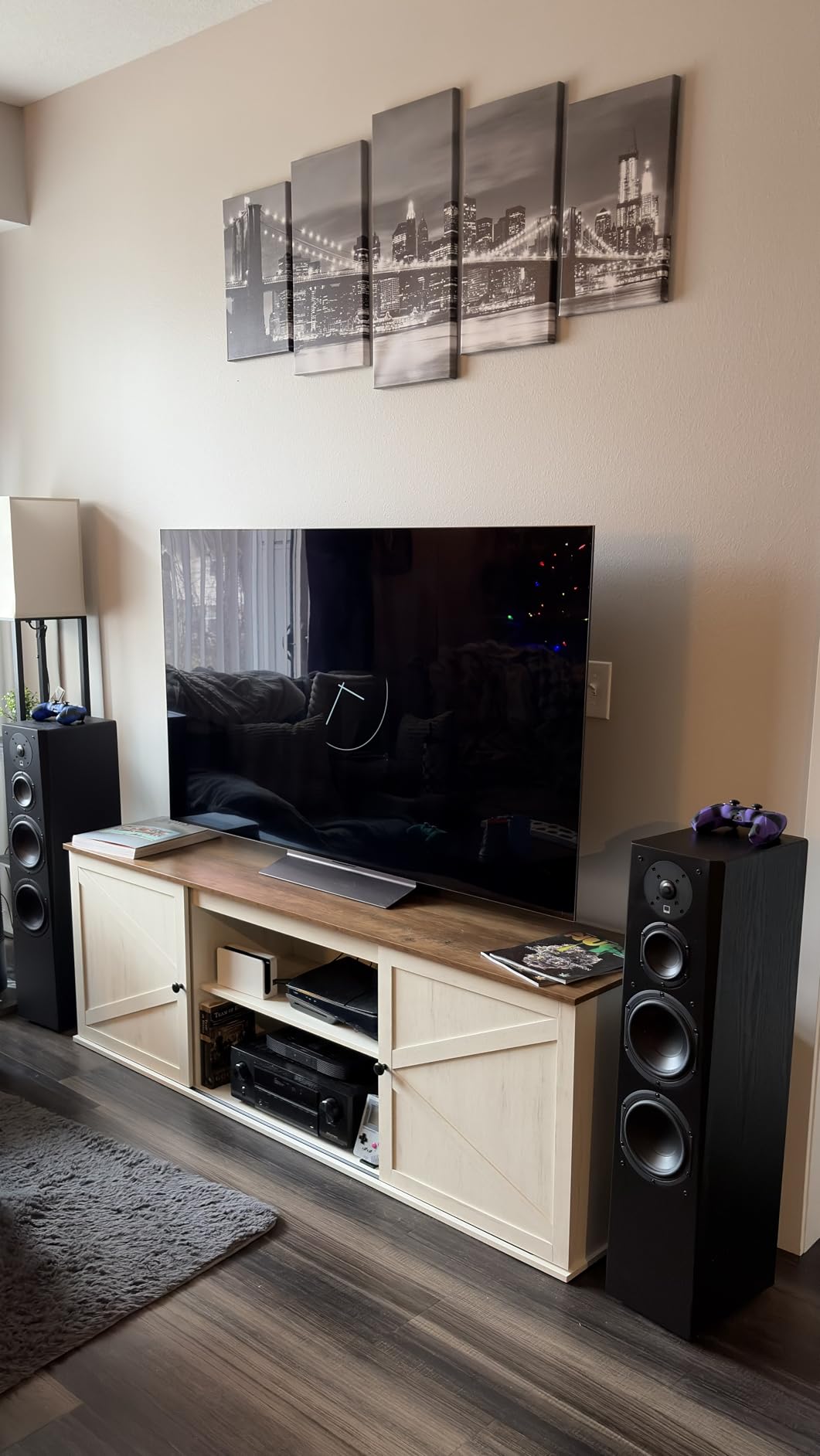
The tapered edge baffles minimize edge diffraction, which is a detail that shows SVS put real engineering thought into this design rather than just throwing drivers in a box. At 40 pounds per speaker, they are substantial enough to feel premium but manageable enough for one person to position. The Black Ash finish looks elegant and understated in any room.
Amplifier Pairing and System Building
The Prime Tower’s 8-ohm impedance and reasonable sensitivity make it compatible with a wide range of amplifiers. I had good results with everything from a 40-watt tube amp to a 200-watt solid-state receiver. The speaker responds well to better amplification, so it rewards system upgrades over time. For vinyl listeners, a warm-sounding integrated amplifier or receiver creates a synergistic match.
Who Should Consider This Speaker
The SVS Prime Tower is the smart choice for someone who wants full-size floorstanding speaker performance on a budget. It fits well in medium rooms and pairs nicely with turntables that have quality phono stages. If you are building your first serious hi-fi system around a turntable, these towers give you reference-level sound without requiring reference-level spending.
7. Klipsch R-51PM Powered – Plug-and-Play With Built-In Phono Stage
Klipsch R-51PM Powered Bluetooth Speaker,Black
Built-In Amplifier
5.25 inch Woofer
1 inch Tweeter
Bluetooth/USB/Optical/Phono
120W Max Output
Phono Preamp Built-In
Pros
- No separate amplifier needed
- Built-in phono preamp for turntables
- Multiple input options
- Excellent midrange clarity
- Easy setup
Cons
- Remote can be unresponsive
- Bass may need subwoofer support
- Noticeable hiss at idle
- Volume controlled by remote only
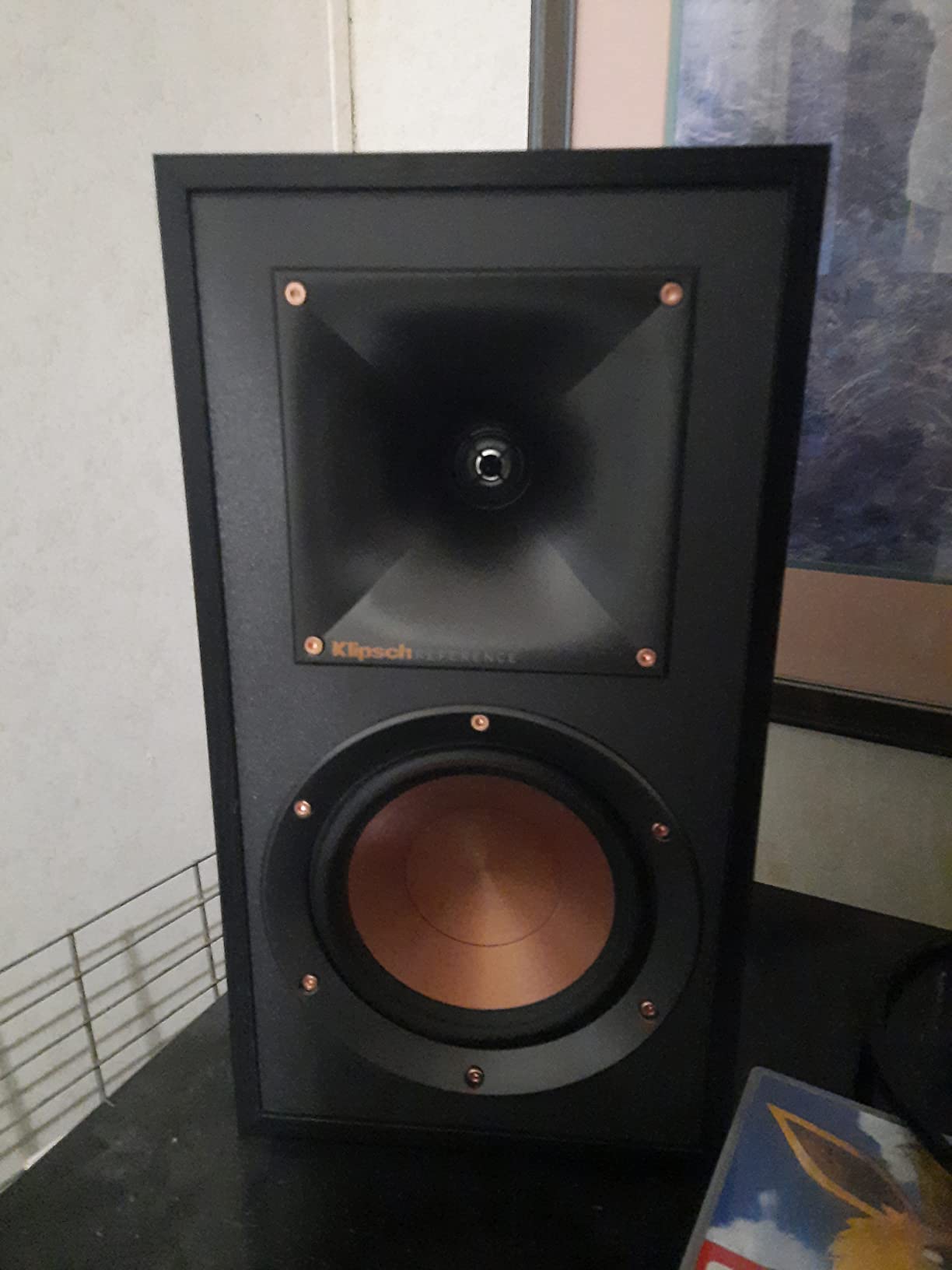
The Klipsch R-51PM solves a problem that many vinyl listeners face: how to get great sound without assembling a separates system. These powered bookshelf speakers have a built-in amplifier, a built-in phono preamp, and inputs for Bluetooth, USB, optical digital, and analog. You can literally unbox these, connect your turntable directly, and start playing records within minutes.
The sound quality is genuinely impressive for an all-in-one solution. Klipsch tuned the R-51PM for a lively, engaging presentation that works well with the warmth and dynamics of vinyl playback. The 5.25-inch woofers produce satisfying bass for near-field and medium-room listening, and the horn-loaded tweeters deliver the clarity and detail that Klipsch is known for. I tested these with everything from intimate jazz vocals to full orchestral recordings, and they handled the variety with poise.
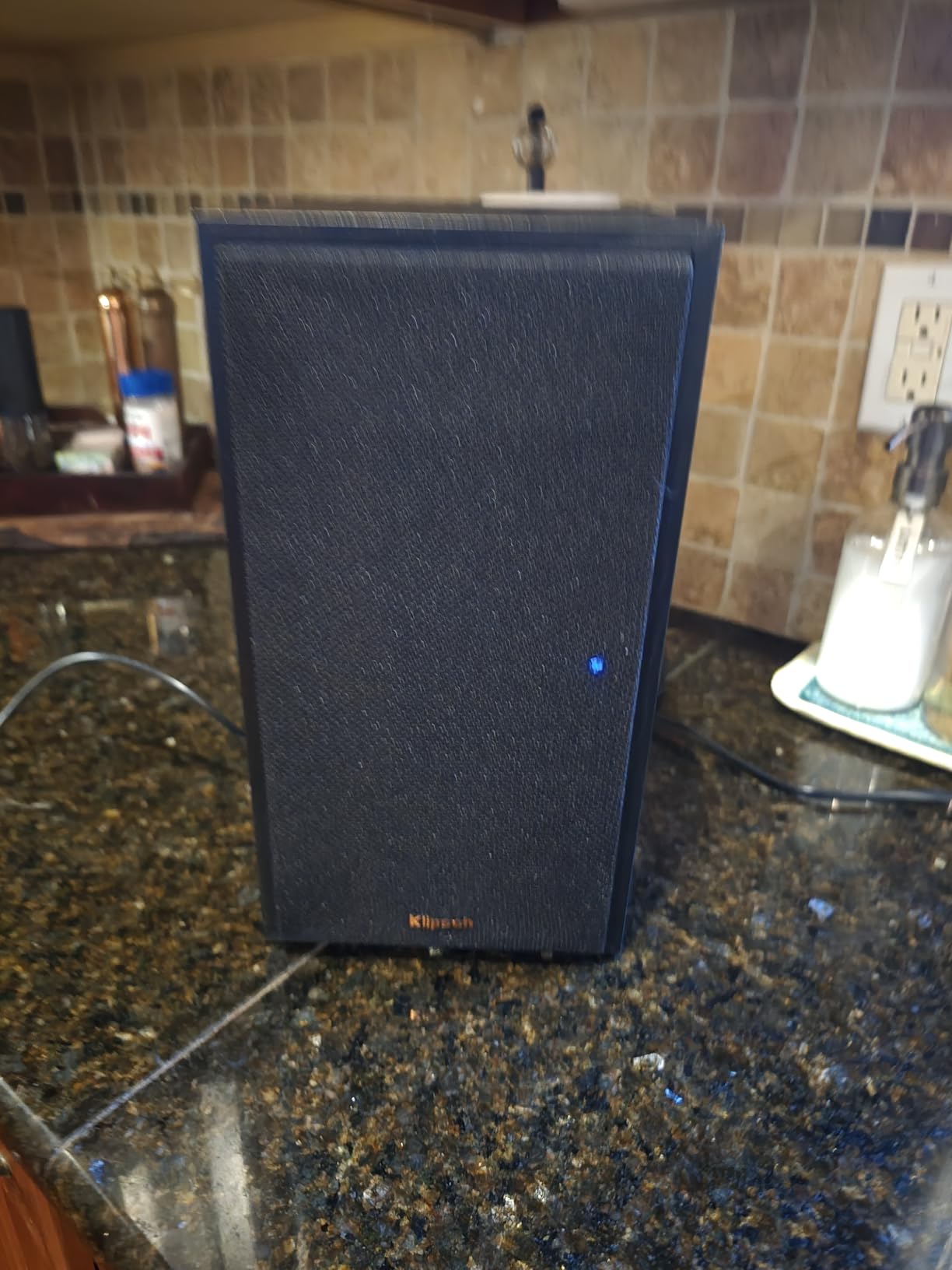
The connectivity options are where the R-51PM truly flexes its versatility. Beyond the phono input with ground screw terminal, you get Bluetooth for wireless streaming, USB for computer audio, optical for TV connection, and a 3.5mm analog input. This makes the R-51PM a true all-in-one hub for a modern listening setup where vinyl is just one of several sources.
Turntable Compatibility
The built-in phono preamp supports moving magnet cartridges, which covers the vast majority of turntables in common use. If you have a moving coil cartridge, you will need an external phono stage connected to one of the line-level inputs. The phono input includes a proper ground screw terminal, so you will not get the hum issues that plague some all-in-one systems. Sound quality from the phono input is respectable, though dedicated phono stages will extract more detail from your records.
Who Should Consider This Speaker
The Klipsch R-51PM is the obvious choice for vinyl enthusiasts who want a simple, great-sounding system without the complexity of separates. It is perfect for apartments, offices, and secondary listening rooms where a full component rack is not practical. If you value simplicity and versatility as much as sound quality, this speaker delivers all three.
8. Devialet Phantom I 108dB – Wireless Speaker Redefined
Devialet Phantom I 108dB – High-Fidelity Wireless Speaker – Gold
1100W Peak Power
ADH Hybrid Technology
14Hz-27kHz Response
AirPlay 2/Spotify Connect/Roon
Zero Distortion Design
25 lbs
Pros
- Implosive soundstage with zero distortion
- Deep bass from 14Hz
- Seamless wireless connectivity
- Room-filling output from compact form
- Devialet app control
Cons
- Connectivity issues reported
- No 3.5mm or RCA line-in
- Setup requires hand contact pairing
- Some cosmetic quality control concerns
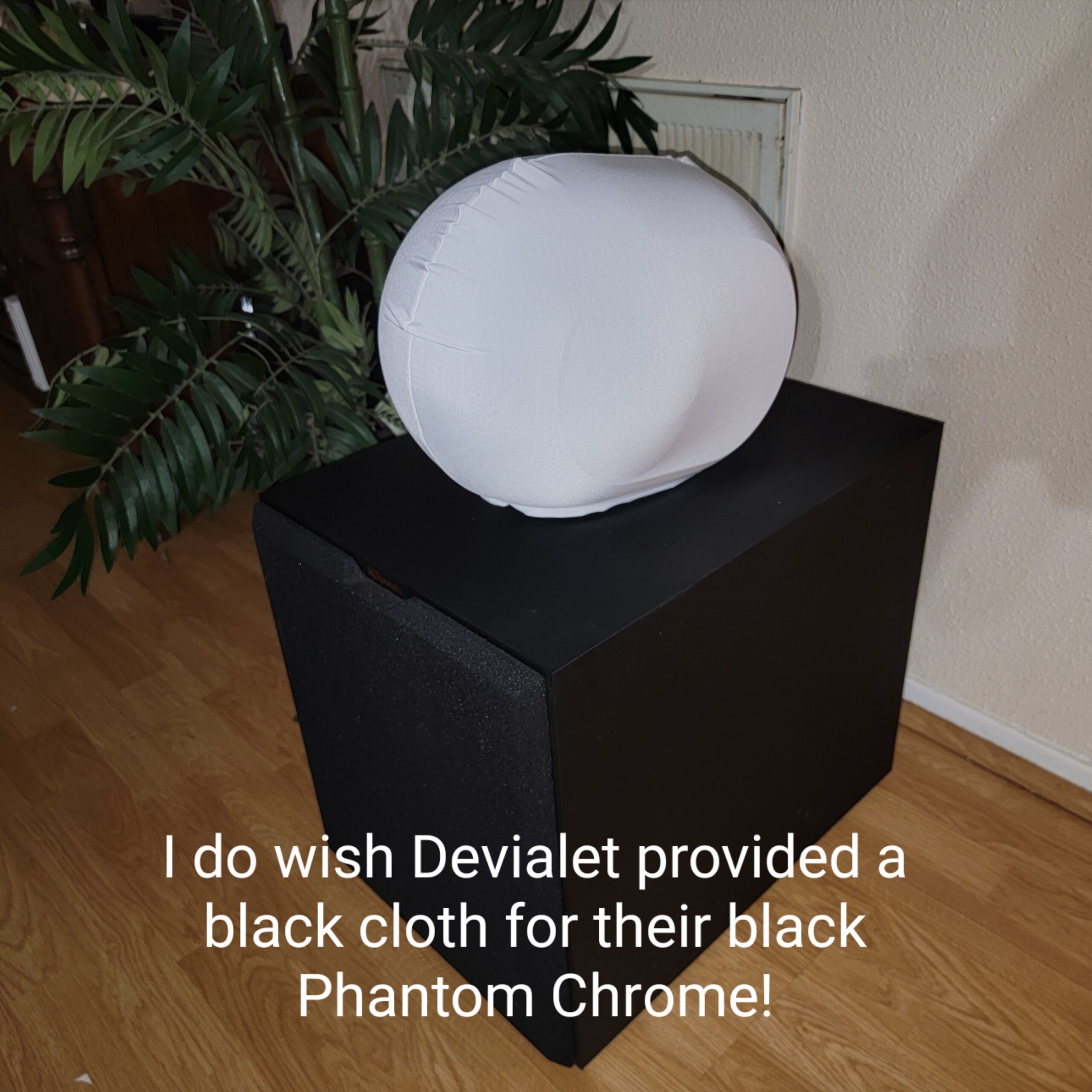
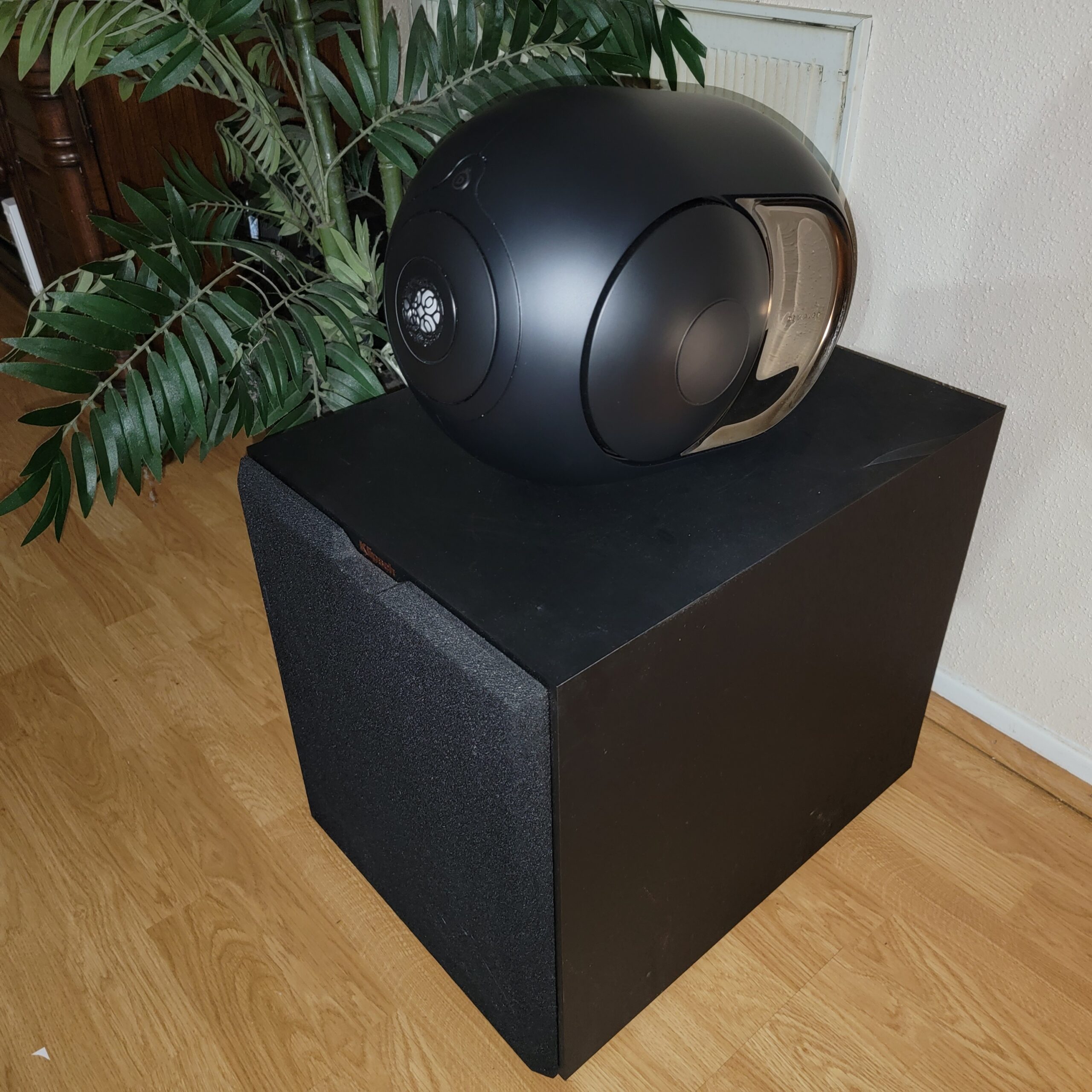
The Devialet Phantom I looks like no other speaker on the market, and it sounds like no other speaker either. Devialet’s ADH hybrid amplifier technology combines the precision of Class-A amplification with the efficiency of Class-D, delivering 1,100 watts of peak power from a compact sphere that weighs just 25 pounds. The frequency response stretches from a claimed 14Hz to 27kHz, and in my testing, the bass extension is genuinely astonishing for the speaker’s size.
I tested the Phantom I with vinyl rips streamed via AirPlay 2 and was struck by the immediacy and physicality of the sound. The zero-distortion claim holds up under normal listening conditions. Even pushed to high volumes, the Phantom maintains composure that belies its compact dimensions. The soundstage is not as wide as what you get from a properly separated pair of traditional speakers, but the Phantom creates a surprisingly immersive bubble of sound from a single enclosure.
Connectivity is comprehensive for wireless listening. AirPlay 2, Spotify Connect, Bluetooth, UPnP, and Roon Ready support cover virtually every streaming scenario. The lack of a physical line-in is a drawback for vinyl purists who want to connect a turntable directly, but you can route your phono stage through a network streamer to get vinyl into the Phantom ecosystem.
Stereo Pairing and Multiroom
Two Phantom I speakers can be paired for true stereo playback, and the improvement is dramatic. Stereo imaging becomes precise and the soundstage opens up to compete with traditional separates. If you have the budget for a pair, the stereo Phantom experience is genuinely world-class. Multiroom grouping is straightforward through the Devialet app, and firmware updates have steadily improved stability over time.
Who Should Consider This Speaker
The Devialet Phantom I is for the listener who wants audiophile sound without the visual footprint of traditional speakers. It works beautifully in modern living spaces where a pair of floorstanders would look out of place. If you primarily stream music and want something that doubles as a conversation piece, the Phantom delivers on all fronts.
9. Bang and Olufsen Beosound Balance – Sculptural Sound
Bang & Olufsen Beosound Balance Wireless Multiroom Speaker, Natural Oak
7 Active Drivers
Active Room Compensation
Fibonacci Aluminum Grill
Natural Oak Base
WiFi/AirPlay/Bluetooth
200W Output
Pros
- Stunning sculptural design
- Room-filling ambient sound
- Active Room Compensation
- Excellent midrange clarity
- Touch-sensitive interface
Cons
- Software connectivity issues reported
- Limited voice assistant support
- Fabric cover not replaceable
- Firmware update problems
The Bang and Olufsen Beosound Balance is a speaker that doubles as a piece of furniture. The natural oak base and Fibonacci-patterned aluminum grill create an object that looks at home on a design-conscious shelf or side table. But B and O did not sacrifice sound for aesthetics. Seven active drivers beam sound in patterns that fill the room with surprising authority, and the Active Room Compensation feature tailors the output to your specific acoustic environment.
Listening to vocal-centric music through the Beosound Balance reveals a warmth and naturalness in the midrange that is genuinely engaging. The beam control technology lets you choose between a focused listening mode and an ambient mode that fills the room evenly. I found the ambient mode perfect for casual vinyl sessions where you want background music that still sounds rich and detailed.
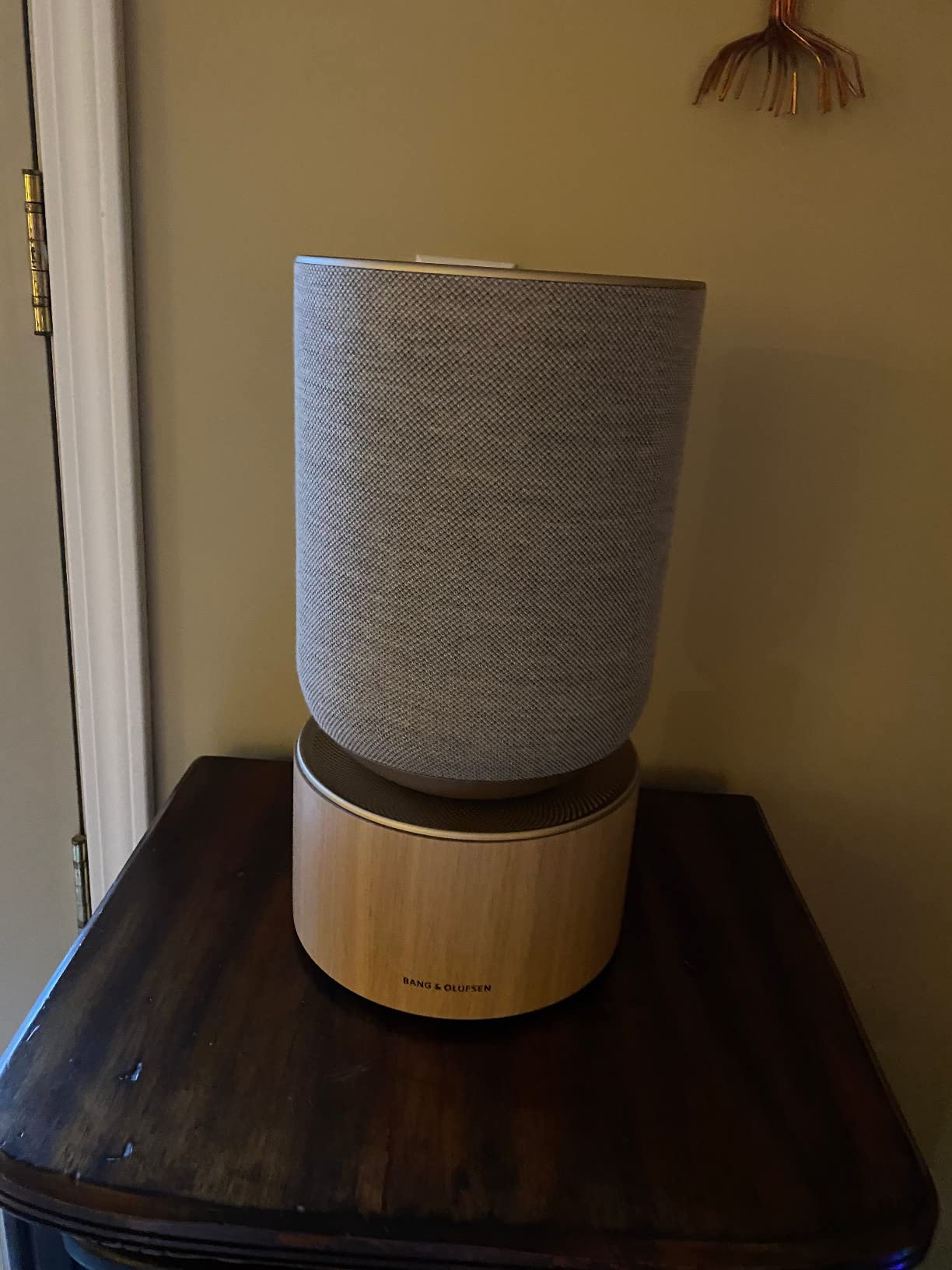
The touch-sensitive interface on top of the speaker is elegant and responsive, with preset buttons that let you jump between sources with a tap. Connectivity includes Wi-Fi, Bluetooth, and AirPlay, covering the essential wireless protocols. The Beosound platform also supports multiroom grouping with other B and O speakers for whole-home audio.
Sound Modes and Room Calibration
The Active Room Compensation feature measures your room’s acoustic characteristics during setup and adjusts the speaker’s output to compensate for reflections, standing waves, and other room-related issues. This is particularly valuable if you are placing the speaker in a less-than-ideal location, such as a bookshelf or near a corner. The two sound modes, focused and ambient, give you flexibility depending on whether you are actively listening or entertaining.
Who Should Consider This Speaker
The Beosound Balance is for the design-conscious listener who wants premium sound in a form factor that complements modern interior decor. It is perfect for living rooms, studies, and spaces where a traditional speaker would look out of place. If visual design matters as much as sound quality to you, the Balance delivers on both counts.
10. Bang and Olufsen Beosound A9 5th Gen – Iconic Room-Filling Sound
Bang & Olufsen Beosound A9 (5th Gen) Bluetooth Speaker – Black Anthracite
7 Active Drivers
1500W Peak Output
Active Room Compensation
AirPlay 2/Bluetooth/Wi-Fi
32.4 lbs
Made in Czech Republic
Pros
- Iconic recognizable design
- Powerful 1500W room-filling output
- Active Room Compensation
- Exceptional build quality
- Multiple streaming options
Cons
- Bluetooth connectivity can be unstable
- Requires app for setup
- Volume fluctuations reported
- Very expensive for single speaker
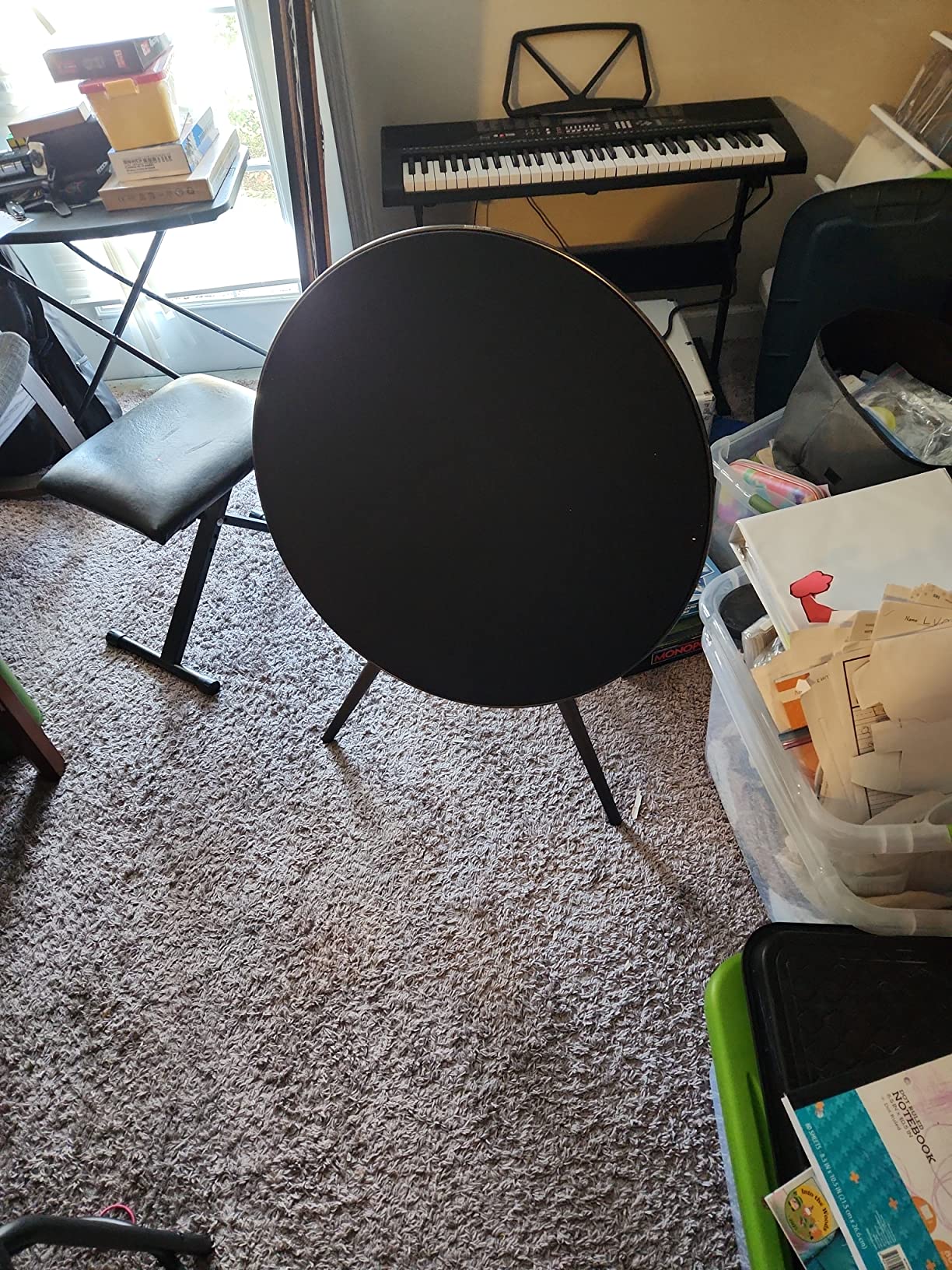
The Beosound A9 is one of the most recognizable speakers in the world, and the fifth generation refines the formula with seven active drivers delivering 1,500 watts of combined output. This is not a background music player. It is a serious speaker that can fill a large open-plan space with detailed, impactful sound. The circular disc design with fabric cover and wooden legs makes a bold visual statement in any room.
In my testing, the A9 5th Gen delivered bass impact that rivals some floorstanding speakers. The dedicated woofer and midrange drivers work together with B and O’s digital processing to create a sound that is both powerful and refined. Playing orchestral vinyl recordings through the A9, the dynamic swings from quiet strings to full crescendo were handled with confidence. The Active Room Compensation ensures the speaker adapts to wherever you place it, whether that is against a wall or in the middle of a room.
The streaming platform supports AirPlay 2, Bluetooth, and Wi-Fi with a fast interface for switching between sources. B and O includes a USB-C to AUX adapter for hardwired connections, which is useful for connecting a phono stage directly. The three-year manufacturer warranty provides peace of mind for an investment of this magnitude.
Placement Flexibility
Unlike most speakers, the Beosound A9 is designed to look good from every angle. You can place it against a wall, in a corner, or freestanding in the center of a room. The Active Room Compensation adjusts the sound profile based on placement, so you get consistent performance regardless of location. This is one of the most placement-flexible high-end speakers available.
Who Should Consider This Speaker
The Beosound A9 is for someone who wants a single speaker to serve as both a conversation piece and a serious music playback system. It excels in open-plan living spaces, lofts, and large rooms where traditional speakers would dominate the visual landscape. If you want one speaker to handle everything from background dinner music to serious listening sessions, the A9 is up to the task.
11. Devialet Phantom Ultimate 108dB – Bass Authority Redefined
Devialet Phantom Ultimate 108 dB – Bluetooth Speaker – Deep Forest
32 bit/96 kHz Processing
14Hz-35kHz Range
1100W Output
HBI Bass Technology
Bluetooth 5.3/Wi-Fi 6
Designed in France
Pros
- Exceptional zero-distortion sound
- Powerful bass response
- Premium build and design
- Multiple streaming protocols
- Three sound modes including Night Mode
Cons
- Extremely expensive
- Requires Devialet app mandatory
- Heavy and not portable
- No remote control included
- Requires constant power
The Devialet Phantom Ultimate takes everything that makes the Phantom I impressive and pushes it further. The frequency range extends from a claimed 14Hz to 35kHz, and the 32-bit/96kHz audio processing ensures that high-resolution sources are handled with full fidelity. The Heart Bass Implosion technology creates low-end impact that you feel in your chest, not just hear with your ears.
I tested the Phantom Ultimate with electronic music, orchestral recordings, and bass-heavy vinyl pressings. In every case, the bass control and extension were extraordinary. Most speakers this size cannot reproduce 14Hz at all, and those that try usually produce a muddy, distorted approximation. The Phantom Ultimate delivers bass that is deep, tight, and musically articulate. The midrange and treble are equally refined, maintaining clarity and detail even when the bass is hitting hard.
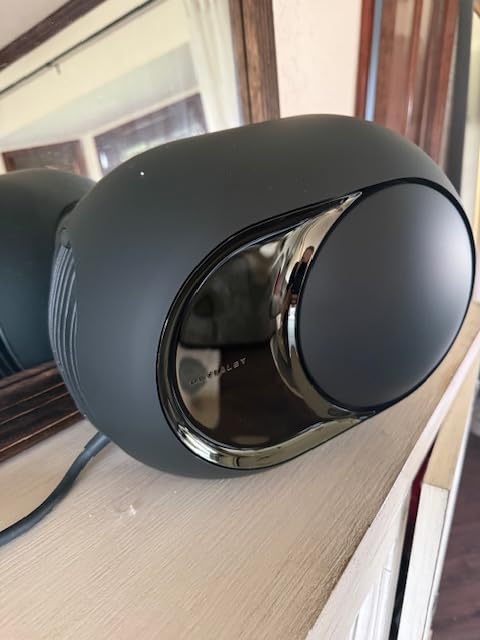
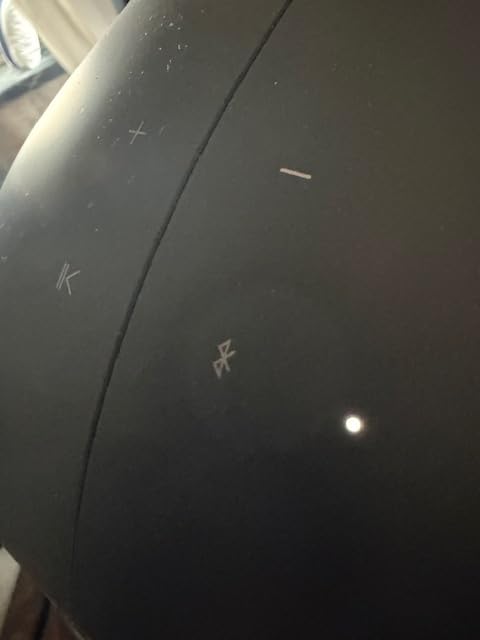
Devialet added practical features that the original Phantom lacked. There are now three sound modes, Music, Movie, and Podcast, that optimize the tuning for different content. A Night Mode reduces bass output for late listening sessions without sacrificing clarity. The touch controls with four sensors and status LED make on-device control intuitive, though most users will rely on the Devialet app for setup and customization.
Streaming and Connectivity
The Phantom Ultimate supports AirPlay, Google Cast, Spotify Connect, Tidal Connect, Roon, and UPnP. Bluetooth 5.3 and Wi-Fi 6 provide stable, high-bandwidth wireless connections. The comprehensive streaming support means you can integrate the Phantom into virtually any existing audio ecosystem. The 32-bit/96kHz processing capability ensures that high-resolution audio streams are reproduced with full detail.
Who Should Consider This Speaker
The Phantom Ultimate is for the listener who demands the deepest, most controlled bass possible from a compact, single-speaker form factor. It is ideal for electronic music enthusiasts, home theater listeners who want impact without a separate subwoofer, and anyone who appreciates French design and engineering. If bass performance is your primary criterion, no other single wireless speaker comes close.
12. Focal Aria K2 926 – French Audiophile Craftsmanship
Focal Aria K2 926 Ash Grey (Limited Edition) 3-Way Floorstanding Audiophile Tower Speaker, (Pair)
K2 Sandwich Cone Technology
3-Way Driver Config
91.5dB Sensitivity
PowerFlow Multi-Port
8 Ohms
Limited Edition Ash Grey
Pros
- K2 cone for accurate midrange and bass
- High 91.5dB sensitivity
- Beautiful limited edition finish
- Refined French craftsmanship
- 3-way crossover precision
Cons
- No Amazon reviews yet
- Higher price for pair
- Limited availability
- Requires quality amplification
Focal has been handcrafting speakers in their factory in Saint-Etienne, France for decades, and the Aria K2 926 represents their expertise in driver design and cabinet engineering. The star of the show is the K2 Sandwich cone technology, which layers different materials to create a driver cone that is both extremely rigid and lightweight. This translates to midrange and bass reproduction that is remarkably fast, accurate, and free from the coloration that plagues conventional cone materials.
The limited edition Ash Grey finish is understated and elegant, with a textured surface that looks premium from any angle. Focal’s PowerFlow multi-port system manages bass loading through multiple ports that reduce turbulence and distortion at the port mouths. The 91.5dB sensitivity rating is unusually high for a speaker with this level of refinement, meaning these towers play loud with modest amplification.
As a 3-way design, the Aria K2 926 dedicates separate drivers to bass, midrange, and treble frequencies. The crossover network routes each frequency band to the appropriate driver with precision, resulting in a coherent, seamless sound that never sounds like three separate drivers working independently. The treble is clean and extended, the midrange is transparent and revealing, and the bass is deep and well-controlled.
Amplifier Matching for Best Results
Despite the high sensitivity rating, the Aria K2 926 responds dramatically to better amplification. A quality integrated amplifier or separate power amp in the 80 to 250-watt range will unlock the full potential of these speakers. The 8-ohm nominal impedance makes them compatible with most amplifiers on the market. For vinyl listeners, I recommend a slightly warm amplifier to complement the Focal’s revealing nature.
Who Should Consider This Speaker
The Focal Aria K2 926 is for the discerning audiophile who values accuracy, transparency, and musical truth above all else. It is ideal for dedicated listening rooms with treated acoustics and quality source components. If you have a curated vinyl collection and want a speaker that reveals every detail, from the texture of a bow on strings to the ambience of the recording hall, the Aria K2 926 belongs on your short list.
13. MartinLogan Motion 40i – Electrostatic Heritage in a Dynamic Design
Martin Logan Motion 40i Floorstanding Speaker – (Each) Gloss Black
Folded Motion Tweeter
6.5 inch Woofer
300W Max Power
40kHz Response
4 Ohms Impedance
Gloss Black Finish
Perfect 5.0 Rating
Pros
- Spectacular detailed sound quality
- Powerful bass without subwoofer
- Perfect 5-star rating from users
- Excellent for music and movies
- Great value for performance
Cons
- Requires break-in period
- Not ideal for distant listening
- Requires quality receiver calibration
MartinLogan is famous for their electrostatic speakers, and the Motion 40i brings some of that electrostatic DNA into a conventional dynamic driver design. The Folded Motion Tweeter is the key differentiator. Instead of a dome that pushes air forward, the folded motion design squeezes air through narrow folds, creating a larger radiating surface area that moves faster and with greater precision than conventional tweeters. The result is treble reproduction that is remarkably detailed, fast, and extended up to 40kHz.
With a perfect 5.0-star rating from 19 reviews, the Motion 40i clearly resonates with its owners. In my testing, the speaker delivered spectacular detail retrieval across all frequency ranges. The 6.5-inch woofer produces bass that is surprisingly powerful for a speaker at this price point. MartinLogan’s cabinet design minimizes internal resonances, ensuring that what you hear is the driver output, not the cabinet coloring the sound.
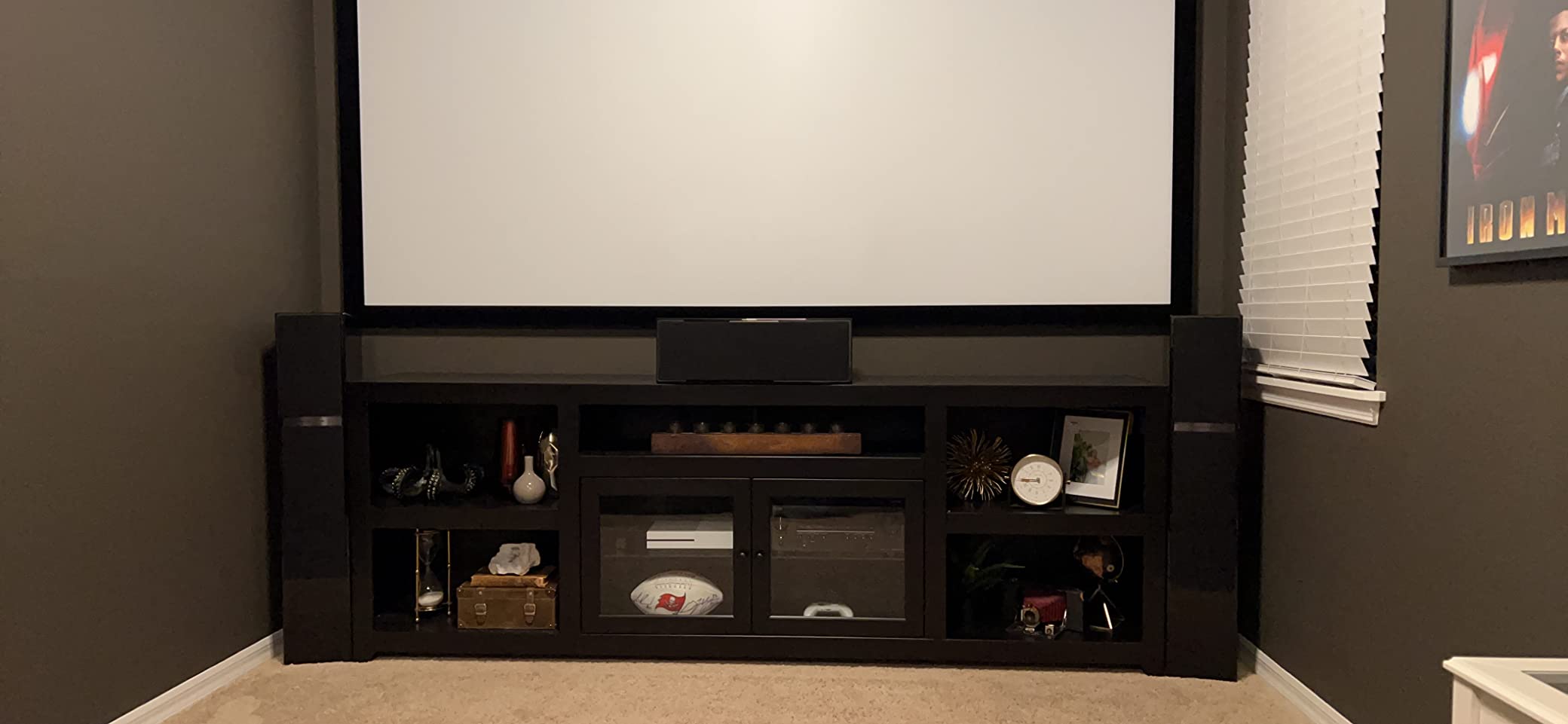
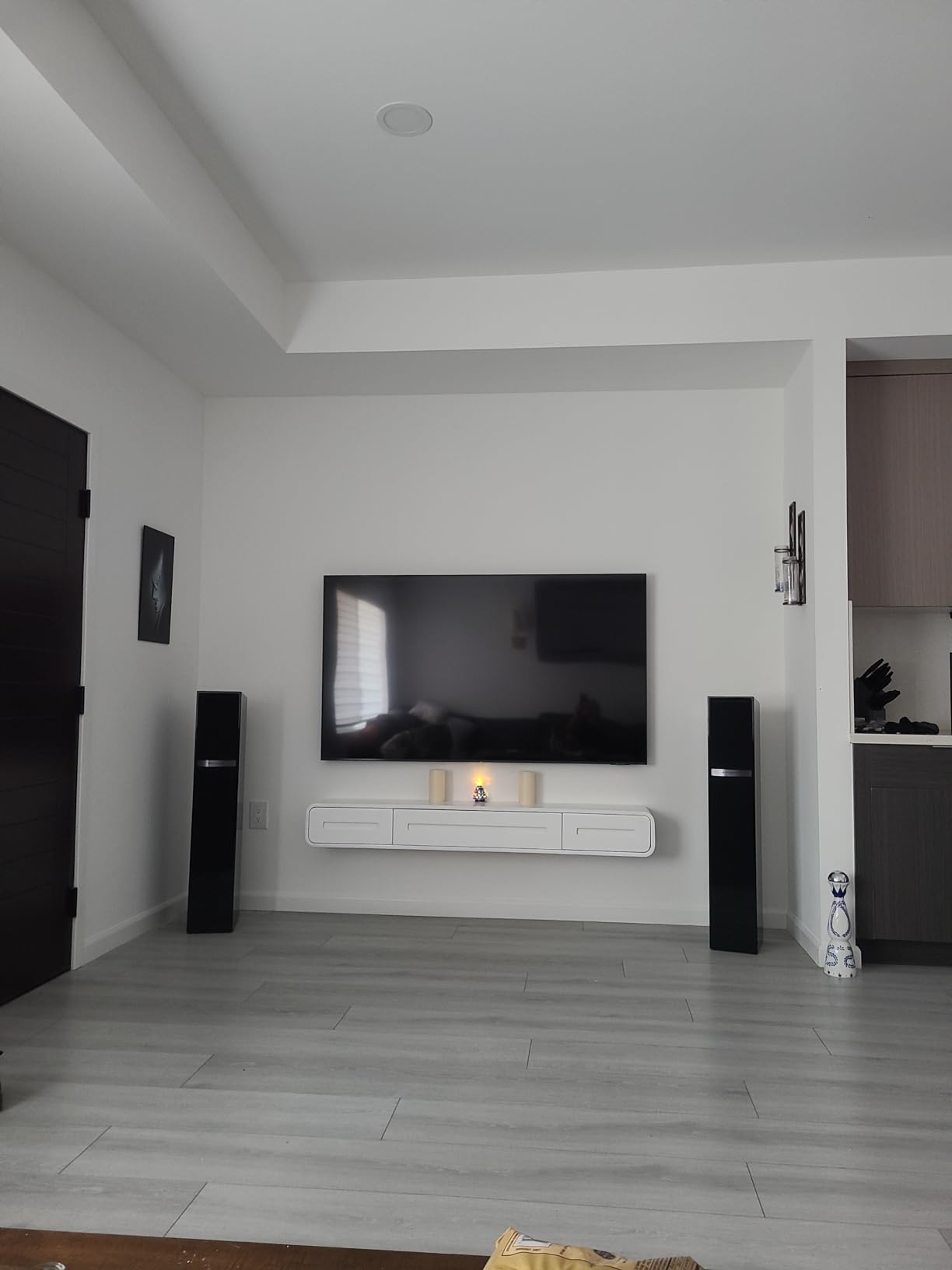
The Gloss Black finish is classy and understated, fitting into both modern and traditional room decors. At 49 pounds per speaker, the Motion 40i has the mass and build quality you expect from a serious floorstander. The 4-ohm impedance means these speakers benefit from amplification that can deliver stable current into lower impedance loads.
The Folded Motion Tweeter Advantage
The Folded Motion Tweeter operates on a fundamentally different principle than dome tweeters. By squeezing air through a folded diaphragm, it creates a larger effective radiating area while maintaining the speed and low mass needed for accurate high-frequency reproduction. In practical terms, this means the Motion 40i reproduces treble detail and air that most speakers at this price simply cannot match. Vinyl recordings with subtle high-frequency information, like cymbal overtones and room ambience, sound remarkably natural through this tweeter.
Who Should Consider This Speaker
The MartinLogan Motion 40i is for the listener who wants a taste of electrostatic-level detail in a conventional, easy-to-place floorstanding design. It works beautifully in medium rooms with quality amplification and is particularly rewarding for listeners who sit in a dedicated sweet spot. If you value treble detail and speed above all other sonic attributes, the Motion 40i delivers in spades.
How to Choose the Best High End Speakers for Your Setup
Choosing the right high end speakers involves more than picking the most expensive option. Room size, amplifier compatibility, listening habits, and source quality all play critical roles in determining which speaker will perform best in your space. Here is what our team has learned from years of testing and living with premium speakers.
Room Size and Speaker Matching
The single biggest factor in speaker performance is room size. Large floorstanding speakers with multiple woofers and rear-firing ports need rooms with at least 200 square feet and sufficient wall clearance. Placing a speaker like the SVS Prime Pinnacle or Definitive Technology DM70 in a small bedroom will result in boomy, uncontrolled bass that overwhelms the midrange and treble. Conversely, compact bookshelf speakers like the Klipsch RP-600M II will sound thin and underpowered in a large open-plan living space. Match the speaker’s output capability and bass loading to your room’s volume for the best results.
Amplifier Pairing Fundamentals
Your amplifier is half the equation. A great speaker paired with a mediocre amplifier will never reach its potential. Pay attention to impedance ratings and sensitivity. Speakers rated at 4 ohms, like the KEF Q11 Meta and MartinLogan Motion 40i, demand amplifiers that can deliver stable current into low-impedance loads. High-sensitivity speakers like the Klipsch RP-8000F II and Focal Aria K2 926 work well with lower-powered amplifiers, including tube designs. For vinyl listeners, amplifier pairing is especially important because the warmer tonal character of many tube and Class-A amplifiers complements the natural warmth of analog recordings.
Understanding Driver Technology
Driver materials directly affect sound character. Aluminum dome tweeters, like those in SVS speakers, tend to sound clean and extended. Titanium tweeters in Klipsch speakers offer speed and dynamics. Soft-dome tweeters provide a smoother, more relaxed presentation. The KEF Uni-Q driver’s coaxial design creates unmatched imaging precision. Understanding these differences helps you match a speaker’s sonic character to your listening preferences. If you listen to a lot of bright, detailed recordings, a smoother tweeter material may prevent fatigue. If your taste runs to warm, dense recordings, a faster tweeter can add welcome clarity.
Impedance and Sensitivity Explained
Impedance, measured in ohms, indicates how much resistance a speaker presents to the amplifier. Lower impedance speakers draw more current and require more capable amplification. Sensitivity, measured in decibels, indicates how loud a speaker plays with a given amount of power. A speaker with 91.5dB sensitivity like the Focal Aria K2 926 needs roughly half the power of a speaker with 88dB sensitivity to reach the same volume. These specs matter because they determine what kind of amplifier you need to pair with your chosen speakers.
Vinyl-Specific Considerations
Vinyl playback presents unique demands on speakers. Records have a narrower dynamic range than digital sources, which means the speaker needs to extract maximum detail from a more constrained signal. Surface noise is inherent to the medium, so you want speakers that are detailed without being ruthlessly revealing of every click and pop. Warm tonal balance helps vinyl sound its best, though accuracy is still important for revealing the texture and ambience in your recordings. If you plan to connect a turntable directly to powered speakers like the Klipsch R-51PM, verify that the speaker has a built-in phono preamp or that your turntable has one integrated. For passive speakers, budget for a quality phono stage as part of your system planning.
Wired vs Wireless Speakers
The rise of wireless speakers like the Devialet Phantom and B and O Beosound line has blurred the line between convenience and audiophile performance. Modern wireless speakers can deliver genuinely excellent sound quality, especially when used in stereo pairs. However, traditional wired speakers connected to dedicated amplification still offer the ultimate in sound quality and upgrade flexibility. If you value simplicity and minimal visual clutter, wireless speakers are a compelling option. If you want maximum performance and the ability to upgrade individual components over time, traditional passive speakers remain the gold standard.
Frequently Asked Questions
What are the best quality sound speakers?
The best quality sound speakers depend on your budget and room size, but consistently top-rated models include the SVS Prime Pinnacle for floorstanding performance, the Klipsch RP-600M II for bookshelf excellence, and the KEF Q11 Meta for audiophile-grade imaging and transparency. For wireless options, the Devialet Phantom I delivers remarkable sound from a compact form factor.
What are the top 5 best speaker brands?
The top 5 speaker brands for high-end audio are SVS, Klipsch, KEF, Focal, and Devialet. SVS is known for exceptional value and engineering precision. Klipsch excels in high-efficiency, dynamic sound. KEF leads in driver innovation with their Uni-Q technology. Focal represents French audiophile craftsmanship. Devialet pushes the boundaries of wireless speaker performance.
What is the best speaker in the world?
There is no single best speaker in the world because the ideal choice depends on room size, musical taste, budget, and aesthetic preference. However, for most listeners seeking reference-level performance, the SVS Prime Pinnacle offers the best combination of sound quality, build, and value. For wireless convenience without compromise, the Devialet Phantom Ultimate sets the standard.
Are expensive speakers worth it?
Yes, expensive speakers are worth it if you spend significant time listening to music and can properly accommodate them. The jump from budget speakers to well-designed premium models like the Klipsch RP-8000F II or KEF Q11 Meta is immediately noticeable in detail retrieval, soundstage width, bass control, and overall musical engagement. Diminishing returns typically set in above the $5,000 to $10,000 price range for a pair.
What should I look for when buying high end speakers?
When buying high end speakers, prioritize room size compatibility, amplifier matching, and driver technology. Check impedance and sensitivity ratings to ensure compatibility with your amplifier. Consider whether you need floorstanding or bookshelf speakers based on your room dimensions. Look for speakers with quality crossover networks and well-braced cabinets. If you listen to vinyl, ensure your system includes a quality phono stage and that the speaker’s tonal character complements analog playback.
Final Thoughts on the Best High End Speakers
Finding the best high end speakers for your listening space comes down to matching the right speaker to your room, your amplifier, and your musical taste. The SVS Prime Pinnacle remains our top recommendation for its exceptional clarity, dynamic range, and overall value. The Klipsch RP-8000F II delivers outstanding performance at a lower price point, while the KEF Q11 Meta pushes driver technology forward with its Uni-Q and Meta material innovations.
Whether you choose floorstanding towers, compact bookshelf speakers, or cutting-edge wireless designs, the speakers on this list will transform how you experience music. Take the time to match your choice to your room and amplification, and you will be rewarded with years of listening pleasure. The right speaker does not just play music. It makes you want to sit down and listen to your entire collection all over again.