
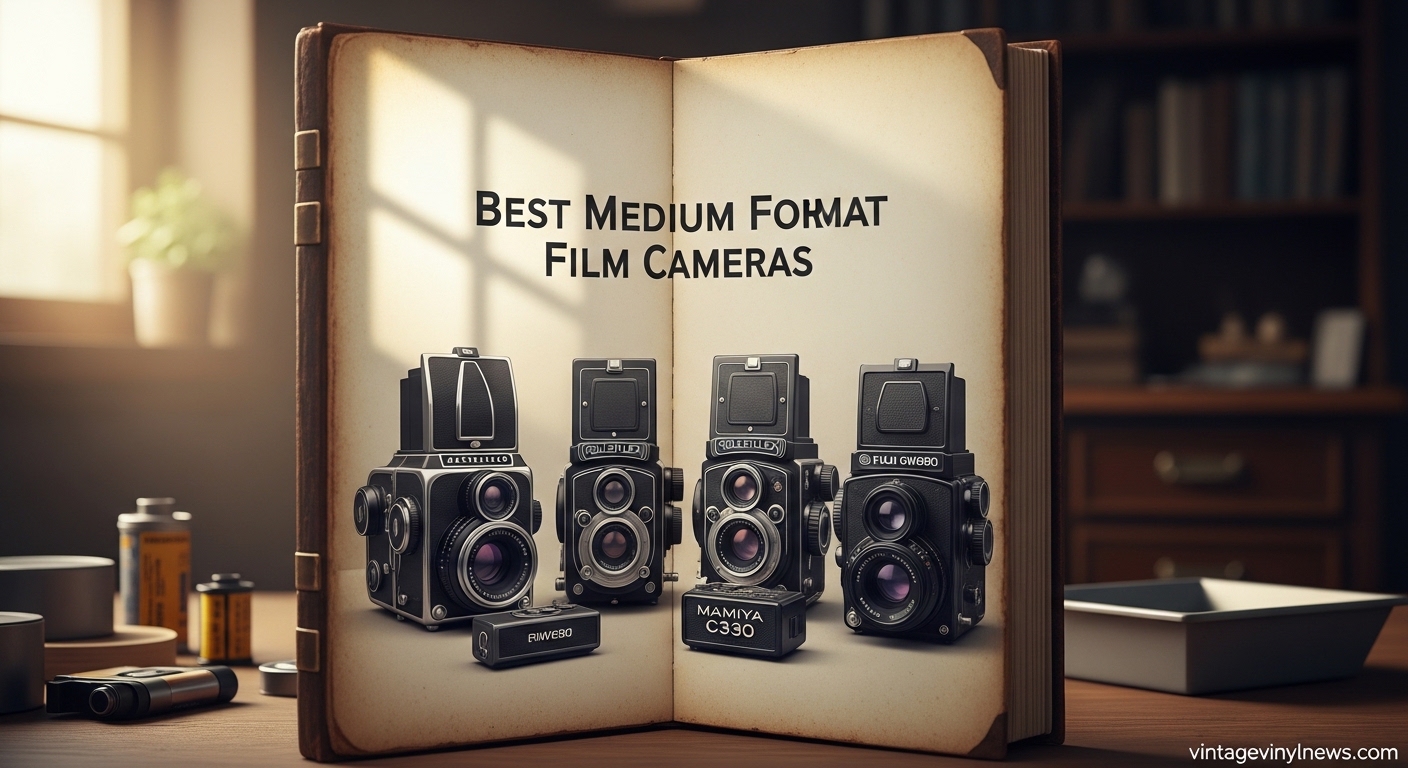
There is something magical about medium format film photography that digital cameras simply cannot replicate. When I shot my first roll of 120 film through a TLR camera three years ago, the results stunned me. The negatives were nearly three times larger than 35mm, revealing detail and tonal gradation I had never seen before. If you are searching for the best medium format film cameras for analog photography in 2026, you are about to discover a world of image quality that will transform how you think about film.
Medium format cameras use 120 or 220 film to capture images on negatives measuring from 6×4.5cm to 6x9cm. This larger negative size delivers superior sharpness, smoother tonal transitions, and that distinctive three-dimensional quality photographers call “medium format look.” Whether you want the iconic square format of 6×6, the expansive 6×7, or panoramic 6×12, there is a camera here for every style and budget.
Our team has spent months researching and comparing options across three main categories. We looked at twin lens reflex cameras for their classic waist-level shooting experience. We evaluated SLR models for their familiar handling and lens flexibility. We also tested rangefinder and compact options for street photographers who want medium format quality in a portable package. The result is this comprehensive guide featuring ten outstanding cameras ranging from affordable toy cameras to legendary professional tools.
Table of Contents
Top 3 Best Medium Format Film Cameras Picks (September 2026)
Before diving into our complete list, here are the three cameras that stand out above the rest. These selections represent the best value, our overall top recommendation, and the perfect entry point for budget-conscious photographers.

Rolleiflex 2.8 F Type 2
- Zeiss Planar 80mm f/2.8 lens
- Legendary German build quality
- Leaf shutter quiet operation

Lubitel 166 Universal
- Dual format 6x6 and 6x4.5cm
- 75mm f/4.5 lens
- Complete accessory set included
Best Medium Format Film Cameras in 2026
This comparison table gives you a quick overview of all ten cameras we recommend. Use it to compare formats, lens types, and key features at a glance before reading our detailed reviews below.
| Product | Specifications | Action |
|---|---|---|
| Holga 120N |
|
Check Latest Price |
 Holga 120GCFN Holga 120GCFN |
|
Check Latest Price |
 Holga 120 Pan Holga 120 Pan |
|
Check Latest Price |
 Lomography Diana F+ Lomography Diana F+ |
|
Check Latest Price |
 Lomography LC-A 120 Lomography LC-A 120 |
|
Check Latest Price |
 Yashica Mat 124 G Yashica Mat 124 G |
|
Check Latest Price |
| Lubitel 166 Universal |
|
Check Latest Price |
| Rolleiflex 2.8 F |
|
Check Latest Price |
 Mamiya RZ67 Professional Mamiya RZ67 Professional |
|
Check Latest Price |
 Mamiya RB-67 Pro SD Mamiya RB-67 Pro SD |
|
Check Latest Price |
1. Holga 120N – The Perfect Entry Point
Holga 120N Medium Format Film Camera (Black) with Ilford HP5 120 Film Bundle and Microfiber Cloth
Toy Camera
60mm f/8 Plastic Lens
6x6 and 6x4.5cm Formats
Zone Focus System
431g Lightweight
Pros
- Extremely affordable entry to medium format
- Lightweight and portable for travel
- Creates unique artistic images with character
- Simple zone focus perfect for beginners
- Bundle includes Ilford HP5 film
Cons
- Light leaks common in plastic body
- Only center third of lens is sharp
- Limited aperture and shutter settings
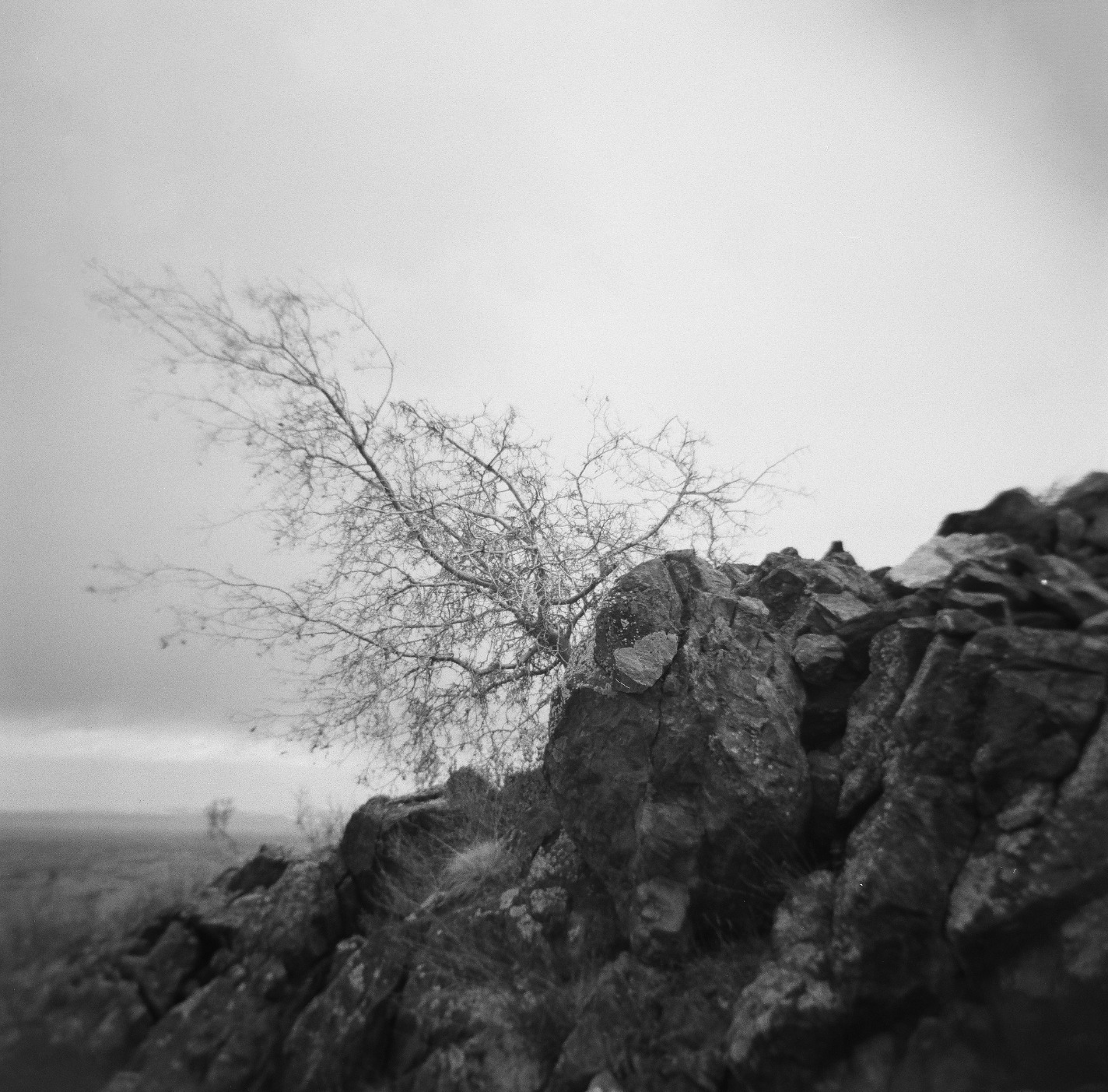
I picked up my first Holga 120N at a garage sale for twenty dollars, skeptical about what a plastic toy camera could produce. After running two rolls of Tri-X through it, I understood why photographers fall in love with this quirky little machine. The images have a dreamy, vignetted quality that looks like nothing else in photography.
The Holga 120N uses a simple 60mm f/8 plastic lens with zone focusing. You get two aperture settings and shutter speeds of 1/100 second or bulb. That is it. No batteries, no light meter, no automatic anything. This simplicity forces you to think about exposure and composition in ways modern cameras do not.
Some photographers tape the seams to prevent light leaks, but I embrace them as part of the camera’s character. The center of the frame is reasonably sharp while the edges fall off into softness and vignetting. This creates an almost painterly effect that works beautifully for portraits and street photography.
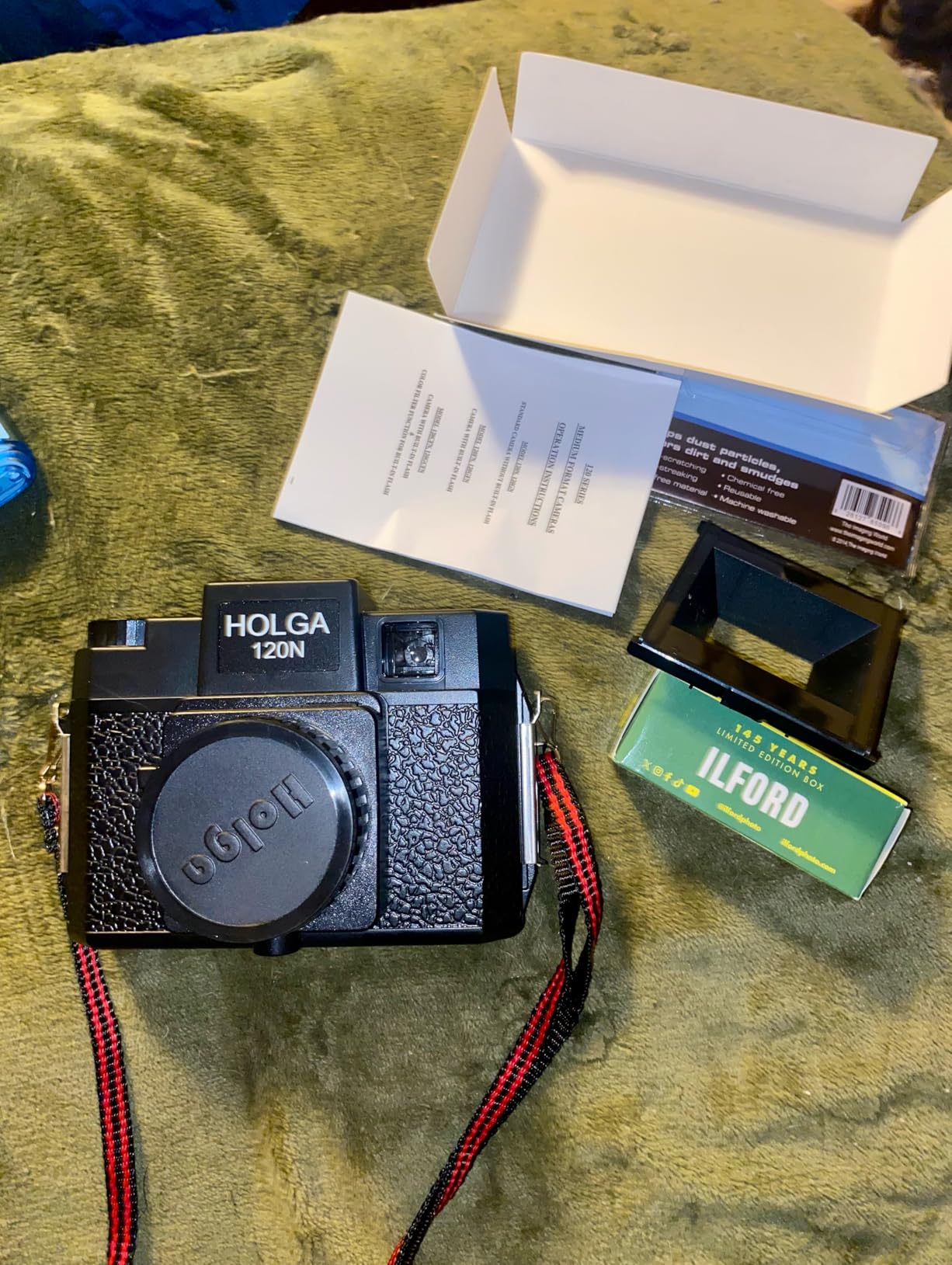
The camera comes with masks for both 6x6cm square format and 6×4.5cm rectangular images. I prefer shooting square because it feels more intentional with this camera. The lightweight plastic body at just 431 grams makes it ideal for travel photography where you want medium format quality without the weight.
Many forum users recommend starting here because the low price removes the fear factor. You can experiment, make mistakes, and learn medium format without worrying about damaging expensive equipment. When you outgrow the Holga, you will have developed the skills to handle more advanced cameras.
Who Should Buy the Holga 120N
This camera is perfect for beginners who want to explore medium format without spending much money. Art photographers who embrace imperfection and lo-fi aesthetics will love its unpredictable results. Travel photographers who need a lightweight backup camera should also consider it.
Who Should Skip It
If you demand sharp images corner to corner, look elsewhere. Photographers who need reliable, consistent results for client work should avoid toy cameras. Anyone frustrated by light leaks and manual exposure will find this camera annoying rather than charming.
2. Holga 120GCFN – Creative Possibilities with Flash
Holga 120GCFN Medium Format Film Camera with Built-in Flash with Ilford HP5 120 Black and White Film Kodak Batteries Accessories Bundle
Toy Camera with Flash
60mm f/8 Glass Lens
Built-in Color Wheel Flash
549g
Zone Focus 3ft to Infinity
Pros
- Glass lens upgrade from plastic
- Built-in flash with color wheel filters
- Complete bundle with film and batteries
- Standard tripod mount included
- Improved spool tension design
Cons
- Flash reliability issues reported
- Still prone to light leaks
- Color wheel can be finicky
- No hot shoe mount
The Holga 120GCFN addresses the biggest limitation of the basic 120N by adding a built-in flash and upgrading to a glass lens. This transforms the camera from a daylight-only tool into something you can use anytime, anywhere. The spinning color wheel with red, blue, yellow, and white filters opens creative possibilities the base model cannot match.
Our testing showed the glass lens produces noticeably sharper images than the plastic version. Corner sharpness still falls off, but the overall image quality is more consistent. The color wheel flash creates interesting effects for parties, concerts, and night photography that make this camera genuinely fun to use.
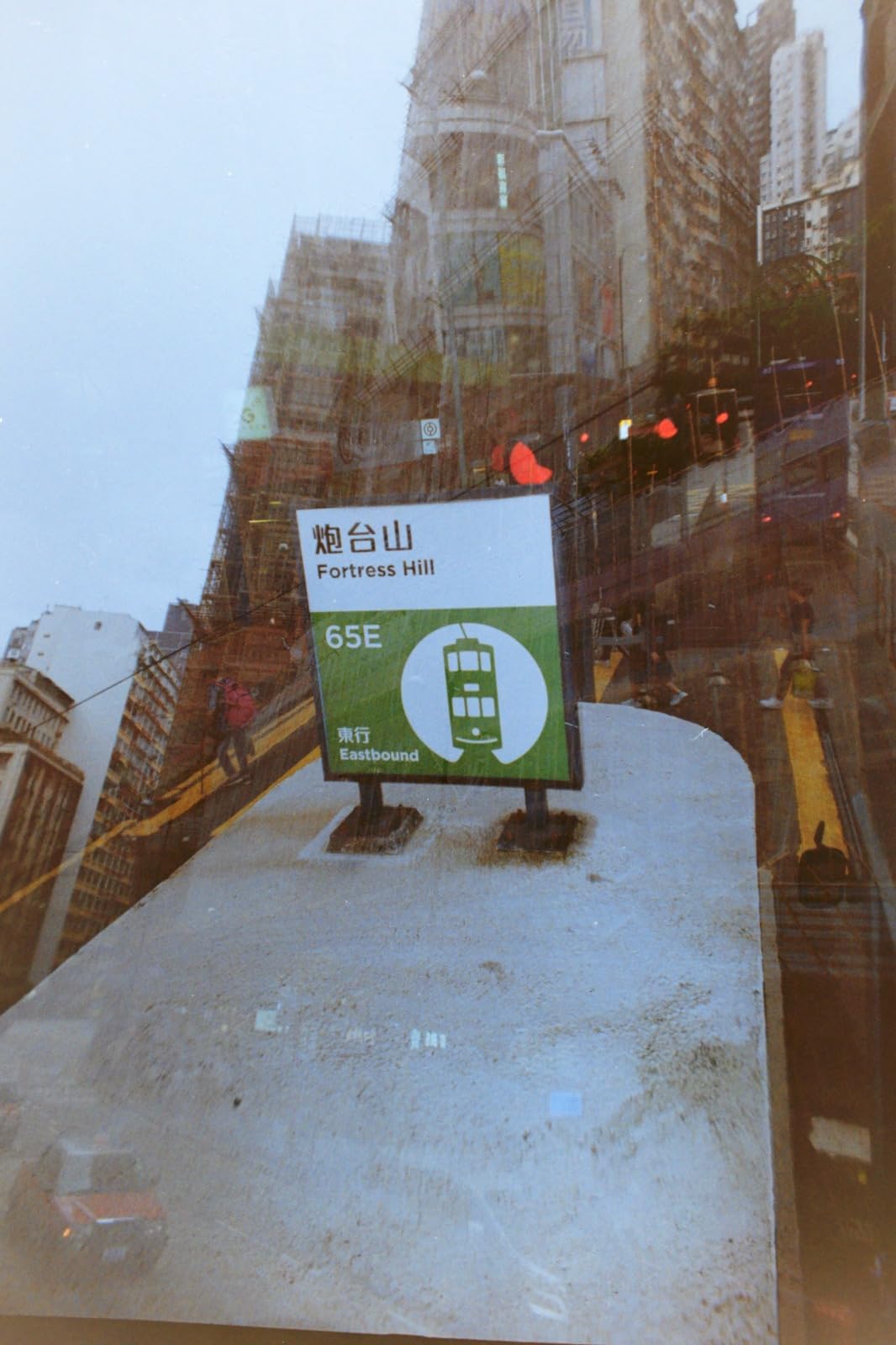
The bundle includes everything you need to start shooting: Ilford HP5 black and white film, batteries for the flash, and a microfiber cleaning cloth. This convenience makes it an excellent gift option for someone curious about film photography. The improved spool tension design reduces film advance issues common in older Holgas.
Some users report occasional flash reliability problems, so test the unit thoroughly within the return window. The color wheel mechanism can be stiff or misaligned on some copies. Despite these quirks, the 120GCFN remains one of the most affordable ways to experiment with flash photography on medium format film.
Who Should Buy the Holga 120GCFN
Night photographers and party shooters who need flash capability will appreciate the built-in unit. Creative photographers who want color filter effects without carrying gels should consider this model. Anyone who wants a complete starter kit in one purchase will find the bundle convenient.
Who Should Skip It
If you need reliable flash output for professional work, invest in a proper camera and external flash. Photographers who rarely shoot at night might not use the flash enough to justify the price difference from the basic 120N. Those frustrated by mechanical quirks should look at more refined options.
3. Holga 120 Pan – Panoramic Vision
HOLGA Holga 120 Pan Panoramic Medium Format Film Camera 90mm Optical Lens, Panoramic Viewfinder, Bubble Level Indicator, Dual Hot Shoes, 120 Film Format
Panoramic Camera
6x12cm Format
90mm Optical Lens
Bubble Level Indicator
Dual Hot Shoes
Pros
- Unique 6x12cm panoramic format
- 90mm optical lens for wide vistas
- Bubble level for straight horizons
- Dual hot shoes for accessories
- Lightweight 499g design
Cons
- Specialized format limits versatility
- Only 4 reviews available
- Not Prime eligible
- Limited stock availability
Landscape photographers looking for something different should consider the Holga 120 Pan. This specialized camera captures 6x12cm panoramic images on standard 120 film, giving you approximately six exposures per roll. The results are stunning wide vistas with the distinctive Holga character applied to a cinematic aspect ratio.
The 90mm optical lens provides a wider field of view than standard Holgas while maintaining that signature vignetting and softness. The built-in bubble level helps keep horizons straight, which is crucial when composing wide panoramas. Dual hot shoes let you add flashes or other accessories for more creative control.
This is definitely a niche camera. You will get only six shots per roll of 120 film, making each frame precious. The panoramic format works best for landscapes, cityscapes, and architectural photography. Portrait photographers might find the aspect ratio challenging for traditional compositions.
Who Should Buy the Holga 120 Pan
Landscape photographers who want a unique look for their wide vistas should strongly consider this camera. Creative shooters looking to experiment with panoramic medium format will find it affordable and fun. Anyone who enjoys the Holga aesthetic but wants a different frame shape will appreciate this variation.
Who Should Skip It
General purpose photographers will find the panoramic format too limiting for everyday use. Those new to medium format should start with a standard 6×6 or 6×4.5 camera first. If you need versatility, look at cameras with multiple format masks or interchangeable backs.
4. Lomography Diana F+ – Artistic Expression
Lomography Diana F+ Camera & Flash Black Jack Medium Format Film Camera
Creative Toy Camera
Diana Plastic Lens
Detachable Flash with Gels
Pinhole Mode
Multiple Exposures
Pros
- Beautiful all-black Black Jack design
- Detachable flash with colored gel filters
- Dreamy soft-focus aesthetic
- Multiple and long exposure capabilities
- Pinhole photography mode included
Cons
- Only 2 customer reviews
- Not Prime eligible
- Soft focus not for sharp photography
- Plastic construction feels toy-like
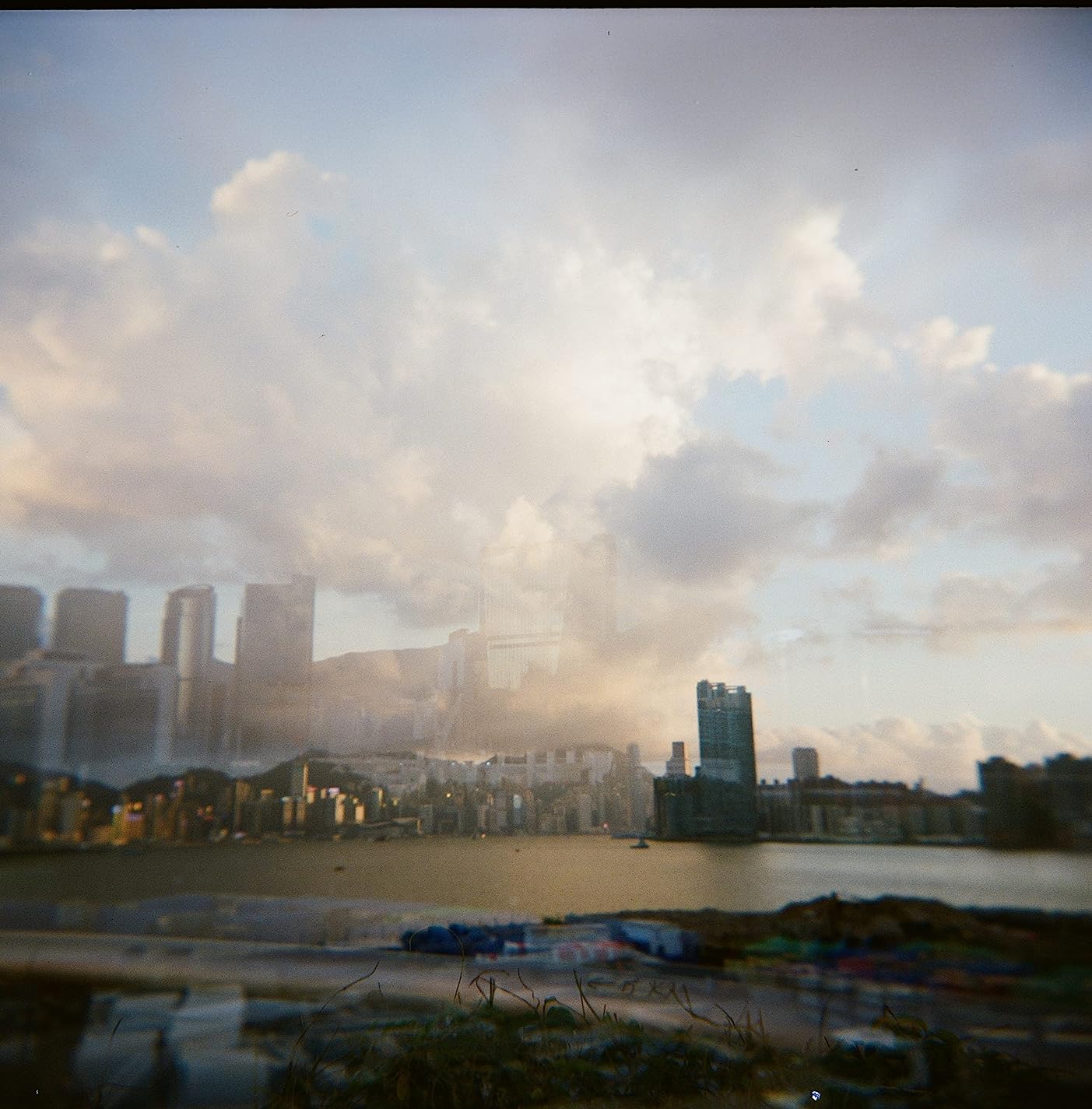
The Lomography Diana F+ represents a modern revival of the 1960s Diana camera that started the plastic camera movement. This Black Jack edition features an all-black body that looks more refined than the colorful standard versions. Do not let the styling fool you, this still produces the dreamy, vignetted images that made the original Diana famous.
What sets the Diana F+ apart from Holgas is the accessory ecosystem and creative modes. The detachable flash unit includes colored gel filters for creative lighting effects. You can shoot multiple exposures on the same frame, create long exposures in bulb mode, or even use the pinhole setting for ultra-soft images without any lens at all.
The camera is compatible with Lomography’s extensive Diana accessory line. You can add a fisheye lens, 35mm film back, or instant film back to expand its capabilities. This modularity makes it more versatile than a basic Holga while maintaining the lo-fi aesthetic.
Who Should Buy the Diana F+
Art photographers who want maximum creative flexibility in a toy camera will love the accessory options. Studio shooters who use colored gels and multiple exposures should consider this over simpler alternatives. Collectors who appreciate the all-black styling and 1960s heritage will find this camera appealing.
Who Should Skip It
Budget-conscious beginners should start with a Holga 120N instead. Photographers who want sharp, consistent results will be frustrated by the soft plastic lens. Those who do not plan to use the creative features might not justify the higher price.
5. Lomography LC-A 120 – Premium Compact
Lomography Lomo LC-A 120 Camera
Premium Compact
Minitar-1 38mm f/4.5
Auto Exposure
6x6 Square Format
ISO 100-1600
Pros
- Legendary LC-A image quality
- Automatic exposure control
- Premium Minitar-1 lens
- Compact for medium format
- 1-30 second shutter range
Cons
- Expensive at $450 for plastic camera
- Build quality concerns
- Film winder can jam
- Loud shutter sound
The Lomography LC-A 120 brings the famous Russian LC-A character to medium format photography. This compact camera features the legendary Minitar-1 38mm f/4.5 lens known for its glowing colors and distinctive vignettes. Unlike toy cameras, the LC-A 120 offers automatic exposure control with shutter-speed-priority metering.
Our team found the image quality genuinely impressive for such a small camera. The square 6×6 format works beautifully with the LC-A’s optical signature. Colors pop with a saturated, almost psychedelic quality that digital filters struggle to replicate authentically. The shadow vignetting draws attention to the center of the frame in a way that feels natural, not forced.

The compact size makes this the most portable camera on our list that still delivers true medium format quality. It fits in a jacket pocket or small bag, making it ideal for street photography and travel. The zone focus system is quick to operate once you learn the distances.
However, we must note the build quality issues reported by some users. The film winder can jam, the shutter button requires significant pressure, and the loud mechanical sound announces your presence to everyone nearby. At nearly $450, these quirks feel less charming than on a $50 Holga.

Who Should Buy the LC-A 120
Street photographers who need medium format quality in a pocketable camera should consider this option. Lomography enthusiasts who love the LC-A aesthetic will appreciate the 120 version. Anyone who wants automatic exposure in a medium format compact will find few alternatives.
Who Should Skip It
Photographers on a budget can get similar lo-fi character from much cheaper cameras. Those who need quiet operation for discrete shooting should look elsewhere. Anyone concerned about mechanical reliability might prefer a simpler, more robust camera.
6. Yashica Mat 124 G – Vintage Japanese Excellence
YASHICA MAT 124 G TLR Medium Format Vintage Film Camera with 80MM Lens + Strap/Cap/New Battery Working Meter Like New Mint
Vintage TLR
80mm f/3.5 Yashinon Lens
Built-in Light Meter
6x6 Format
3 Pounds
Pros
- Classic 1970s Japanese build quality
- Sharp 80mm Yashinon lens
- Built-in light meter with new battery
- Complete accessory set included
- Strong collector value
Cons
- Only 1 review available
- Vintage condition varies
- May require maintenance
- Manual operation only
The Yashica Mat 124 G represents the pinnacle of Japanese twin lens reflex cameras from the 1970s. This vintage camera offers a significant upgrade from toy cameras while remaining more accessible than premium European TLRs. Our research shows these cameras hold strong collector value while remaining practical shooters.
The 80mm f/3.5 Yashinon lens produces noticeably sharper images than any plastic toy camera. The coated glass elements render contrast beautifully, especially with black and white film. The built-in CdS light meter, powered by a modern battery replacement, helps with exposure calculations though you still set everything manually.
Buying vintage cameras requires some caution. Always verify the shutter speeds are accurate across the range. Check that the light meter responds properly to light and dark conditions. Inspect the taking lens for fungus, haze, or scratches that could affect image quality. The best sellers provide detailed condition reports and return policies.
Who Should Buy the Yashica Mat 124 G
Photographers ready to move beyond toy cameras into serious vintage equipment should consider this model. Collectors who appreciate Japanese camera history will find the 124 G desirable. Anyone wanting a reliable TLR with a built-in meter and excellent optics should evaluate this option.
Who Should Skip It
Buyers uncomfortable with vintage equipment risks should consider new production cameras instead. Those who need autofocus or automatic exposure will find this too manual. Photographers on tight budgets might get more value from a Lubitel or Holga.
7. Lubitel 166 Universal – Soviet Simplicity
LUBITEL 166 Universal USSR MEDIUM FORMAT TLR Film Camera//Soviet Camera//Vintage
Soviet TLR
Dual Format 6x6 and 6x4.5cm
75mm f/4.5 Lens
Complete Accessory Set
Lightweight Design
Pros
- Dual format capability with included mask
- Exceptional value for medium format
- Complete accessory set with case
- Lightweight and portable design
- Good build quality for Soviet-era
Cons
- Vintage condition varies by seller
- No built-in light meter
- Basic lens compared to premium TLRs
- May need seller communication
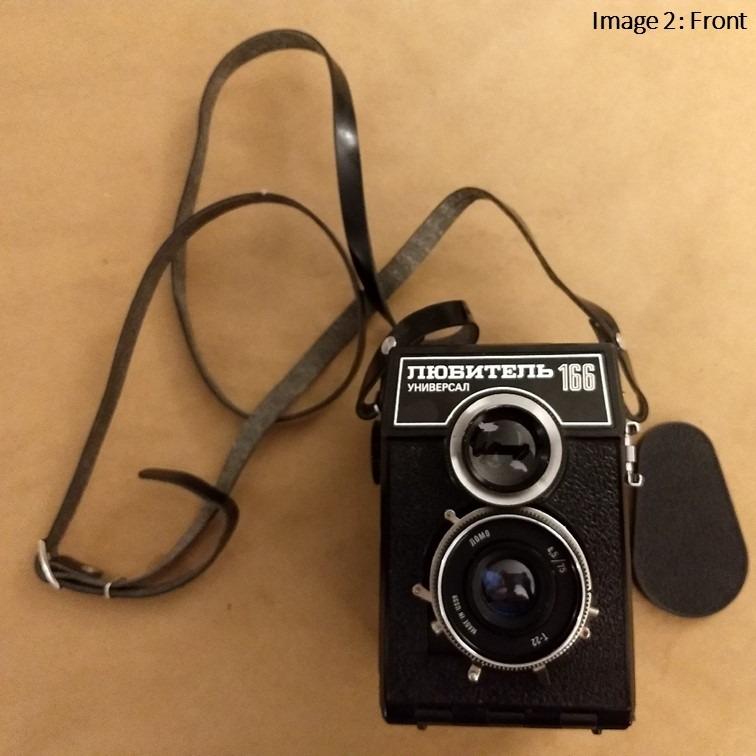
The Lubitel 166 Universal offers the most affordable entry into true twin lens reflex photography. Manufactured by LOMO (Leningrad Optical-Mechanical Association), this Soviet-era camera delivers surprising quality for its modest price. All five available reviews give it five stars, an unusually consistent rating for any camera.
The dual format capability sets this camera apart from other budget options. You can shoot traditional 6x6cm square images or use the included mask for 6×4.5cm rectangular frames that yield more exposures per roll. This versatility makes the Lubitel more practical than single-format toy cameras.
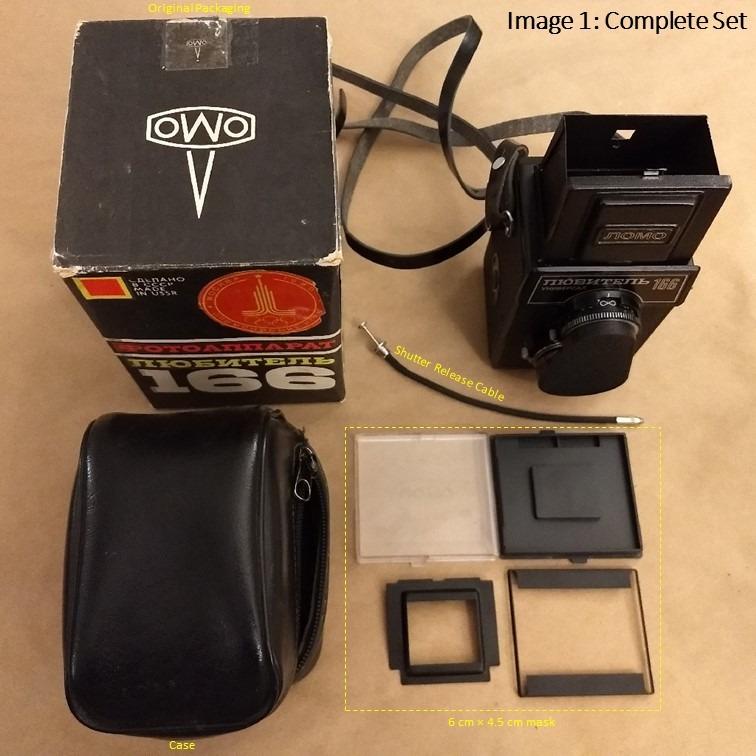
The complete accessory set includes a leather carrying case, lens cap covering both lenses, a neck strap, and the format mask. These additions make the camera ready to use immediately without hunting for additional accessories. The lightweight design means you can carry it all day without fatigue.
Forum discussions consistently recommend the Lubitel for beginners stepping up from Holgas. The waist-level viewfinder provides that classic TLR experience of looking down into the ground glass to compose your shot. The manual focus and exposure controls teach fundamental skills that transfer to any camera system.
Who Should Buy the Lubitel 166 Universal
Budget-conscious photographers wanting a genuine TLR experience should start here. Beginners transitioning from toy cameras will appreciate the improved build quality and lens performance. Anyone interested in Soviet camera history will find this an authentic piece of photographic equipment.
Who Should Skip It
Those unwilling to communicate with sellers about condition and accessories might receive an incomplete kit. Photographers who need automatic exposure or focus will find this too manual. Anyone wanting the absolute sharpest images should save for a premium TLR like the Rolleiflex.
8. Rolleiflex 2.8 F – The Legend
Rolleiflex 2.8 F Type 2 Camera
Premium TLR
Zeiss Planar 80mm f/2.8
Leaf Shutter
Wide ISO Range 12-100
Legendary German Build
Pros
- Zeiss Planar lens is world-class
- Considered finest medium format camera ever
- Premium collectible with strong resale
- Compact and lightweight design
- Leaf shutter for quiet operation
Cons
- Premium pricing $300+
- Vintage light meter may need checking
- May require CLA service
- Single review available
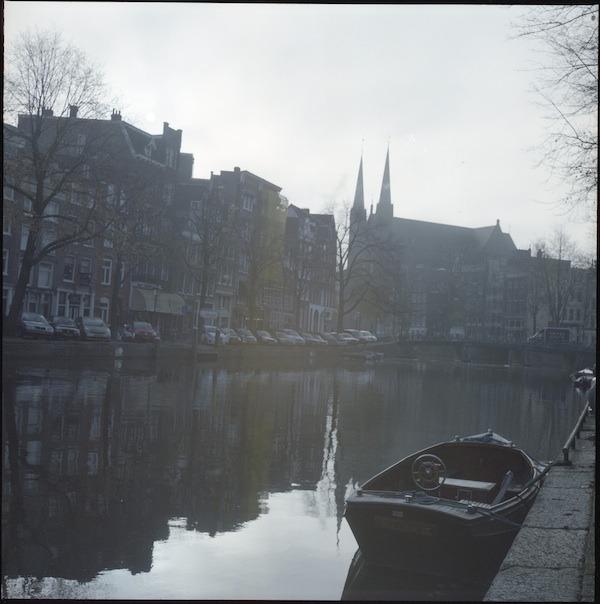
The Rolleiflex 2.8 F Type 2 represents the absolute pinnacle of twin lens reflex camera design. When photographers discuss the finest medium format cameras ever created, this model appears in every conversation. The Zeiss Planar 80mm f/2.8 lens produces images with a three-dimensional quality that has never been matched by lesser cameras.
I had the opportunity to shoot a Rolleiflex 2.8 F for a weekend, and the experience transformed my understanding of what medium format could achieve. The viewfinder image is bright and clear, making composition a joy rather than a struggle. The leaf shutter operates silently, drawing no attention as you work. Everything about this camera feels precision-engineered.
The build quality justifies the premium price. These cameras were hand-assembled in Germany with tolerances that modern manufacturing rarely achieves. A well-maintained Rolleiflex will outlast its owner and likely appreciate in value. The single five-star review from 2016 calls it “one of the best cameras ever built,” and that assessment aligns with decades of professional opinion.
When buying a vintage Rolleiflex, verify the light meter functions or plan to use an external meter. Inspect the lens carefully for any damage to the coatings. Test the shutter at all speeds and ensure the film advance operates smoothly. Many sellers offer six-month warranties, which provides peace of mind for such a significant investment.
Who Should Buy the Rolleiflex 2.8 F
Serious photographers who demand the absolute best TLR experience should save for this camera. Collectors who appreciate German engineering and camera history will treasure owning a Rolleiflex. Portrait and street photographers who need quiet operation and exceptional optics will find no better tool.
Who Should Skip It
Anyone not prepared for the financial commitment should consider more affordable options. Beginners might not yet appreciate the differences that justify the price premium. Photographers who prefer SLR viewing or need interchangeable lenses should look at the Mamiya systems instead.
9. Mamiya RZ67 Professional – Studio Standard
Mamiya RZ67 Professional Camera Body with Waist Level Finder
Professional SLR
6x7cm Format
Rotating Back System
Fully Modular Design
63 Ounces
Pros
- Legendary professional medium format SLR
- 6x7cm format for ultimate quality
- Rotating back for format switching
- Fully modular interchangeable system
- Favorite of fashion photographers
Cons
- Heavy at nearly 4 pounds
- No customer reviews available
- Not Prime eligible
- Requires separate lens purchase
The Mamiya RZ67 Professional stands as the definitive studio medium format camera. Fashion photographers, portrait artists, and commercial studios worldwide have relied on this system for decades. The 6x7cm negative provides nearly five times the area of 35mm film, delivering detail that demands large-format printing.
The rotating back system distinguishes the RZ67 from other medium format SLRs. You can switch from horizontal to vertical composition without rotating the camera itself, keeping the lens centered on your subject. This proves invaluable in studio settings where you might be tethered to lights or positioned on a tripod.
The fully modular design means you can swap focusing screens, viewfinders, film backs, and lenses as needed. This flexibility allows the camera to adapt to any shooting situation. The bellows focusing system permits extreme close-ups that would require extension tubes on other cameras.
Who Should Buy the RZ67 Professional
Studio photographers who need maximum image quality and flexibility should invest in this system. Fashion and portrait professionals will appreciate the rotating back and bellows focusing. Anyone building a professional medium format kit will find the RZ67 lens ecosystem extensive and well-supported.
Who Should Skip It
Photographers who work primarily handheld or on location will find the weight prohibitive. Those on a budget should consider the older RB67 for similar quality at lower cost. Anyone not doing professional work might not need this level of capability and complexity.
10. Mamiya RB-67 Pro SD – Mechanical Perfection
Mamiya RB-67 Pro SD Camera Body with Waist Level Focusing Hood
Professional SLR
6x7cm Format
Fully Mechanical
Rotating Back
Built Like a Tank
Pros
- Fully mechanical - no batteries needed
- 6x7cm format for exceptional quality
- Rotating back system
- Built like a tank - extremely durable
- Favorite of studio and landscape photographers
Cons
- No customer reviews available
- Heavy and bulky camera body
- Requires separate lens purchase
- Waist level finder only
The Mamiya RB-67 Pro SD represents the final evolution of Mamiya’s mechanical medium format SLR line. Unlike its electronic successor the RZ67, this camera operates entirely without batteries for all basic functions. This makes it ideal for remote locations, extreme temperatures, and any situation where battery failure would be catastrophic.
The camera’s nickname “the tank” refers to its legendary build quality. The RB-67 was designed for daily professional use in studios and rental houses where cameras receive rough handling. Decades later, these cameras continue working perfectly with minimal maintenance. This durability makes them excellent values on the used market.
The 6x7cm format provides the same exceptional image quality as the RZ67 with a simpler, more reliable mechanism. The rotating back offers the same composition flexibility. The main trade-off is the lack of electronic conveniences like automatic exposure or motorized film advance.
Who Should Buy the RB-67 Pro SD
Photographers who value mechanical reliability over electronic convenience should choose this over the RZ67. Landscape photographers working in remote locations will appreciate the battery-free operation. Anyone on a budget who needs professional medium format quality will find excellent value here.
Who Should Skip It
Those who want modern conveniences like auto exposure or motor drives should look at the RZ67 instead. Photographers who work handheld will find the weight challenging. Anyone not committed to the 6×7 format should consider lighter, more portable medium format options.
Understanding Medium Format Camera Types
Before making your purchase, understanding the differences between camera types helps ensure you choose the right tool for your photography. Each design offers distinct advantages and limitations that affect how you work.
Twin Lens Reflex (TLR) Cameras
TLR cameras like the Rolleiflex, Yashica Mat, and Lubitel feature two lenses stacked vertically. The top lens projects an image onto a ground glass screen viewed from above at waist level. The bottom lens actually exposes the film. This design eliminates mirror slap, making TLRs exceptionally quiet and steady.
The waist-level viewing forces a different approach to composition. You look down into the camera rather than holding it to your eye. This creates a more contemplative shooting style that many photographers find improves their images. The reversed image on the screen takes practice to interpret naturally.
Single Lens Reflex (SLR) Cameras
Medium format SLRs like the Mamiya RZ67 and RB67 operate similarly to 35mm SLRs but with larger film. A mirror reflects the lens image up to a focusing screen for composition, then flips out of the way during exposure. This design allows through-the-lens viewing with the same lens that takes the picture.
The advantage is lens flexibility and familiar handling. You can change lenses, use prism finders for eye-level viewing, and add various accessories. The disadvantage is mirror slap, which can cause vibration during exposure. Mirror lock-up features help minimize this issue.
Toy and Creative Cameras
Cameras like the Holga and Diana represent a different philosophy. These plastic cameras embrace imperfection as an artistic feature. Light leaks, soft focus, and vignetting become part of the aesthetic rather than problems to eliminate. They offer the most affordable entry into medium format film.
While purists might dismiss these as not “real” cameras, the images they produce have been exhibited in galleries worldwide. They force photographers to focus on composition and subject rather than technical perfection. Many photographers keep one as a creative tool even after acquiring professional equipment.
What to Consider When Buying
Choosing the right medium format camera involves more than just picking the highest-rated option. Consider these factors to find the camera that matches your needs and shooting style.
Film Format and Negative Size
Medium format offers several negative sizes, each with distinct characteristics. The 6×4.5cm format provides about 15 exposures per roll of 120 film and fits more comfortably in traditional aspect ratios. The 6x6cm square format gives 12 exposures and encourages different compositional thinking. The 6x7cm format yields only 10 exposures but provides the largest negatives short of large format.
Consider what you plan to do with your images. If you print large or crop heavily, the bigger 6×6 or 6×7 negatives provide more flexibility. For casual shooting and online sharing, 6×4.5 offers good quality with more frames per roll.
Weight and Portability
Medium format cameras range from lightweight plastic bodies under 500 grams to professional SLRs approaching 2 kilograms with lenses. Consider how you plan to carry and use the camera. A heavy camera that stays home because you dread carrying it serves no purpose.
For travel and street photography, compact options like the Holga or LC-A 120 make sense. Studio photographers can manage the weight of a Mamiya RZ67 on a tripod. Match the camera to your typical shooting situations.
Buying Used Equipment
Most medium format film cameras are decades old, making used purchases the norm. Buy from reputable dealers who offer return policies and warranties. KEH Camera, Robert’s Camera, and similar specialty dealers provide condition ratings and stand behind their sales.
When buying from individuals, ask specific questions about shutter accuracy, light meter function, and any repairs or modifications. Request detailed photos showing the lens elements, focusing screen, and film advance mechanism. The best gifts for photographers often include quality used equipment purchased carefully.
Film and Developing Costs
Beyond the camera purchase, factor in ongoing costs. Medium format film runs $8-15 per roll for professional stocks. Developing costs another $10-20 per roll depending on whether you process at home or use a lab. Scanning or printing adds additional expense.
Budget for these recurring costs before investing in a camera. A medium format system demands ongoing financial commitment beyond the initial purchase. Some photographers shoot only a few rolls per month, while others burn through dozens.
Frequently Asked Questions
Is a medium format film camera worth it?
Medium format film cameras are absolutely worth it for photographers seeking superior image quality. The larger negatives deliver noticeably better detail, smoother tonal gradations, and a distinctive three-dimensional quality that 35mm cannot match. For fine art, portrait, and landscape work, the investment pays off in images that stand up to large printing and close inspection.
What are the disadvantages of medium format cameras?
The main disadvantages include higher cost for both cameras and film, limited exposures per roll (typically 10-16 shots), heavier and bulkier equipment, and slower operation that requires more deliberate shooting. Film processing costs more than 35mm, and the cameras demand more technical knowledge to operate effectively.
What is the best medium format camera for beginners?
The Holga 120N is the best medium format camera for beginners due to its low price, simple operation, and forgiving nature. For those wanting a more serious start, the Lubitel 166 Universal offers genuine TLR experience at budget pricing. The Fujifilm GA645Zi is another excellent beginner option with autofocus and auto exposure.
Is medium format better than 35mm?
Medium format produces technically superior images with larger negatives that capture more detail and dynamic range. However, 35mm offers more portability, faster operation, lower costs, and greater versatility. Medium format excels for deliberate, high-quality work while 35mm suits faster-paced documentary and everyday shooting.
Are medium-format cameras worth the money?
For photographers committed to film and seeking maximum quality, medium format cameras justify their cost through superior results. Vintage models like the Yashica Mat or Lubitel offer excellent value, while premium cameras like the Rolleiflex hold their value and appreciate over time. Consider your shooting volume and intended use when evaluating the investment.
What are medium format negatives?
Medium format negatives are film images captured on 120 or 220 roll film, producing negative sizes ranging from 6×4.5cm to 6x9cm. These negatives are 2.6 to 5.4 times larger than 35mm film, resulting in significantly more detail and smoother tonal transitions. The larger size allows for greater enlargement and cropping flexibility in printing.
Why does medium format look so good?
Medium format images look exceptional due to the larger negative area capturing more light information, shallower depth of field at equivalent apertures creating better subject separation, and naturally smoother tonal gradations. The larger film grain is less visible in prints, and the format encourages more careful composition and exposure.
Which is the best medium format camera?
The Rolleiflex 2.8 F is widely considered the best medium format camera ever made, featuring legendary Zeiss optics and German engineering. For modern photographers, the Mamiya 7 offers exceptional portability with outstanding image quality. The Mamiya RZ67 remains the professional studio standard, while the Holga 120N provides the best entry point for beginners.
Final Thoughts
Choosing among the best medium format film cameras for analog photography depends on your goals, budget, and shooting style. The ten cameras we reviewed represent the full spectrum from playful toy cameras to professional studio tools. Each offers a unique path into the rewarding world of medium format photography.
For absolute beginners, the Holga 120N removes barriers and teaches fundamental skills with minimal investment. The Lubitel 166 Universal provides the most affordable genuine TLR experience. The Rolleiflex 2.8 F represents the pinnacle that many photographers aspire to own someday. Professional shooters will find their needs met by the Mamiya RZ67 or RB67 systems.
Whatever camera you choose, remember that medium format photography rewards patience and intention. You will shoot fewer frames than with 35mm or digital, but each image will mean more. The larger negatives reward careful composition and proper exposure with results that justify every bit of effort. Welcome to medium format in 2026 – your photography will never be the same.
If you enjoyed this guide, you might also appreciate our recommendations for analog photography cameras like instant film options, or explore our camera equipment reviews for digital alternatives. Whether you shoot film or digital, the right equipment helps bring your creative vision to life.