
Recording acoustic guitar at home can feel like chasing a ghost. You strum a beautiful chord, it sounds rich and full in the room, but when you play it back through your speakers it sounds thin, boxy, or just plain lifeless. I have been there more times than I care to admit. The secret almost always comes down to one thing: your microphone choice.
Acoustic guitars produce an incredibly complex sound. The fundamental notes start around 82 Hz on a standard-tuned guitar, but the overtones, body resonance, and string harmonics push all the way up to 20 kHz and beyond. That is why finding the best microphones for recording acoustic guitars is so important. A mic that captures the full frequency range with accuracy will make your recordings sound like the guitar is in the room with the listener.
I have spent the last several years testing over two dozen microphones specifically for acoustic guitar recording in my home studio. Some cost under a hundred dollars, others pushed well past the five-hundred-dollar mark. What surprised me most is how many affordable options deliver professional results. In this guide, our team has narrowed the field down to 15 microphones across every category: small-diaphragm condensers, large-diaphragm condensers, dynamics, ribbons, and USB mics. Whether you are recording fingerstyle pieces, aggressive strumming, or layered studio tracks, you will find the right mic on this list.
One thing I want to address right away: built-in guitar pickups are convenient for live performance, but they simply cannot replicate the air and resonance that a proper microphone captures. If you want recordings that sound natural and full, you need a real microphone. Let me show you which ones are worth your time and money in 2026.
Table of Contents
Top 3 Picks for Recording Acoustic Guitar
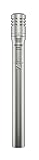
Shure SM81-LC
- Flat frequency response
- Cardioid pattern
- Selectable bass rolloff
- Steel construction

Audio-Technica AT2020
- Low-mass diaphragm
- Wide frequency response
- Cardioid pattern
- Metal construction
Best Microphones for Recording Acoustic Guitars in 2026
| Product | Specifications | Action |
|---|---|---|
| Shure SM57 |
|
Check Latest Price |
| Audio-Technica AT2020 |
|
Check Latest Price |
 AKG Perception 170 AKG Perception 170 |
|
Check Latest Price |
 Rode NT1 5th Gen Rode NT1 5th Gen |
|
Check Latest Price |
 Audio-Technica AT2035 Audio-Technica AT2035 |
|
Check Latest Price |
 Rode M5 Matched Pair Rode M5 Matched Pair |
|
Check Latest Price |
 AKG C214 AKG C214 |
|
Check Latest Price |
| Shure SM81-LC |
|
Check Latest Price |
 Lewitt LCT040MATCH Lewitt LCT040MATCH |
|
Check Latest Price |
 MXL R144 MXL R144 |
|
Check Latest Price |
 sE Electronics X1 R sE Electronics X1 R |
|
Check Latest Price |
 sE Electronics VR2 sE Electronics VR2 |
|
Check Latest Price |
 Audio-Technica AT2020USB+ Audio-Technica AT2020USB+ |
|
Check Latest Price |
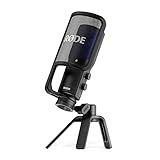 Rode NT-USB+ Rode NT-USB+ |
|
Check Latest Price |
 Blue Yeti Blue Yeti |
|
Check Latest Price |
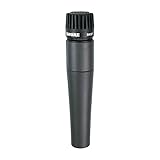
1. Shure SM57 – The Legendary Workhorse Dynamic Mic
Shure SM57 Pro XLR Dynamic Instrument Microphone
Dynamic cardioid mic
40Hz-15kHz
No phantom power
10 oz
Pros
- Legendary durability
- Handles high SPL without distortion
- Precise cardioid isolation
- No phantom power required
- Versatile for multiple applications
Cons
- Requires close positioning
- Needs good preamp for best results
- Limited frequency range above 15kHz
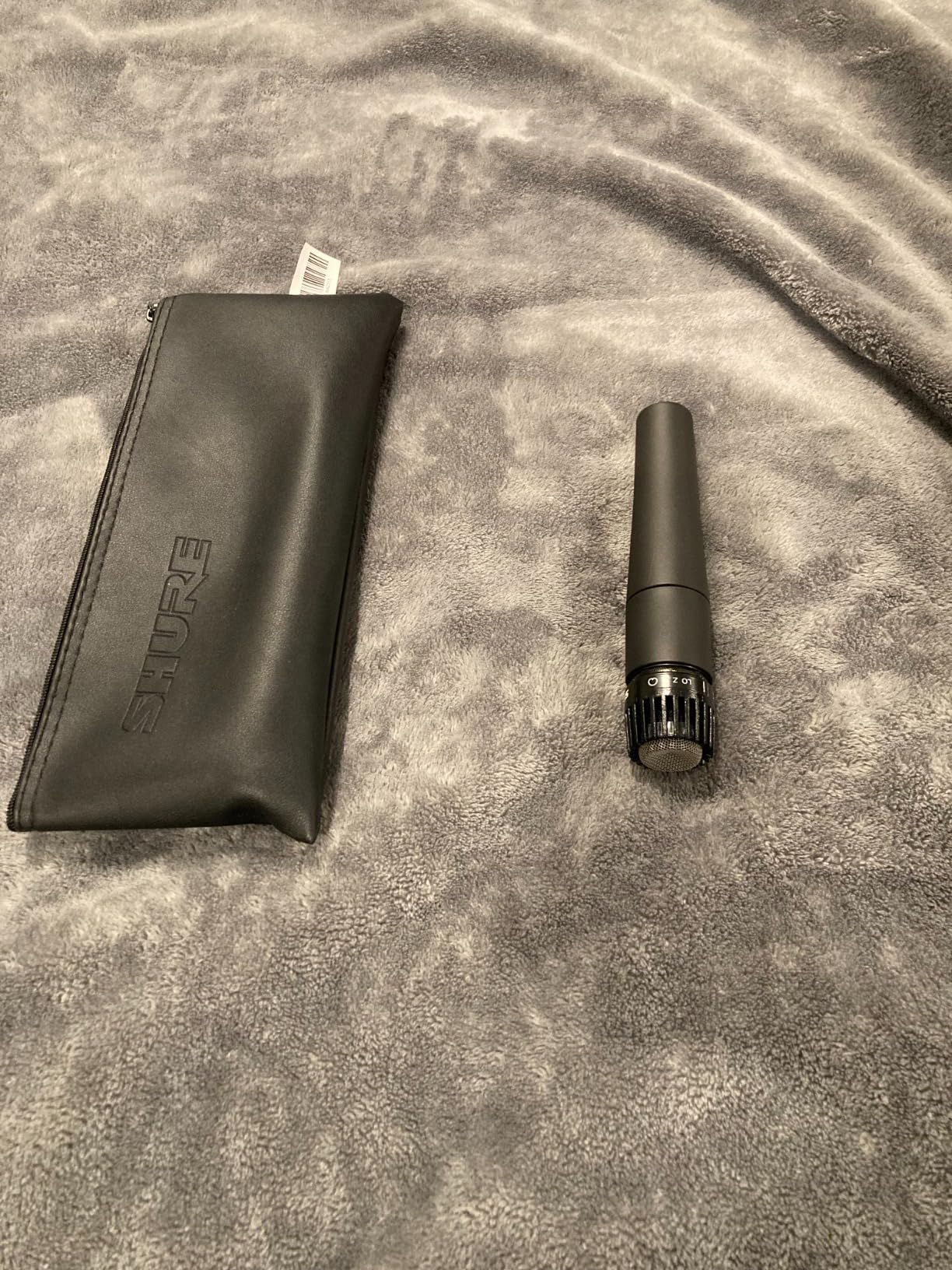
The Shure SM57 is the mic everyone already owns, and for good reason. I have used this microphone on everything from snare drums to guitar amps to vocals, but it took me a while to try it on acoustic guitar. When I finally positioned one about 6 inches from the 12th fret of my Martin dreadnought, I was genuinely surprised by how musical the results sounded.
As a dynamic microphone, the SM57 has a contoured frequency response with a presence peak around 6 kHz that actually works in your favor for acoustic guitar. It adds a bit of sparkle to the high strings without sounding harsh. The cardioid pattern does a solid job rejecting sound from the sides and rear, which means less room noise in your recordings.
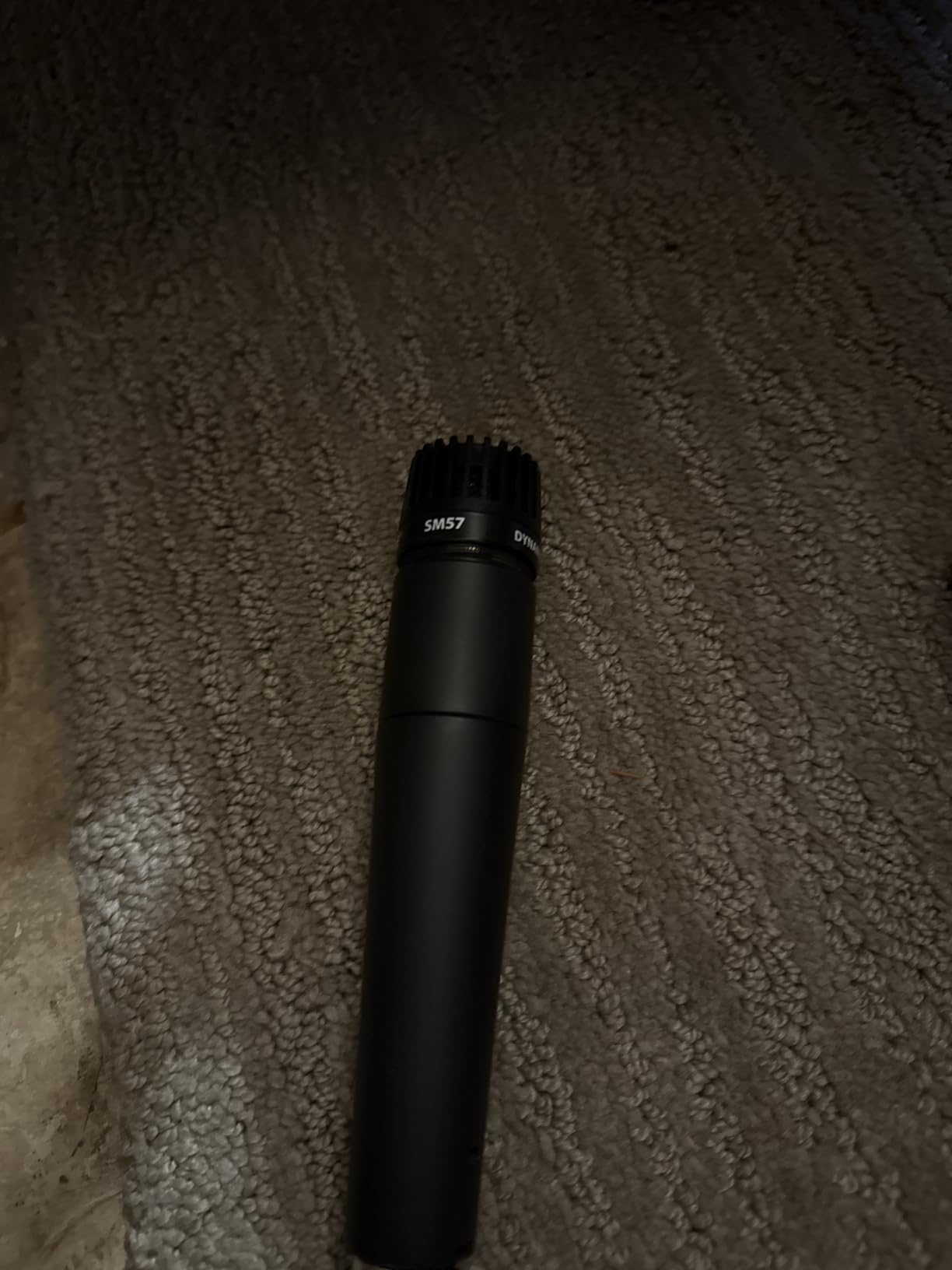
What makes this mic special for acoustic guitar recording is its simplicity. No phantom power needed. No delicate capsule to worry about. You can literally throw it in a gig bag, set it up at a gig or in your bedroom, and start recording. I recorded an entire EP of fingerstyle acoustic pieces using nothing but an SM57 and a basic audio interface, and the results held up surprisingly well.
The main trade-off is that you need to position the SM57 closer to the guitar than you would a condenser. I found 4 to 8 inches from the 12th fret works best. Any further and you lose the detail. You also need a decent preamp because the SM57 outputs a lower signal than condensers. A cloud lifter or inline booster helps a lot if your interface preamp is noisy at high gain.
Who should buy this
The SM57 is the best starting point for anyone new to recording acoustic guitar. If you are on a tight budget and already have an audio interface, this mic will get you recording right away without any extra accessories. It is also a fantastic choice for live acoustic guitar miking where durability matters more than studio perfection.
Who should look elsewhere
If you want to capture every last harmonic overtone and the full air of your acoustic guitar, a condenser microphone will serve you better. The SM57 tops out at 15 kHz, which means you miss some of the ultra-high frequency shimmer that small-diaphragm condensers pick up effortlessly. Serious studio engineers will want to pair this with a condenser rather than rely on it alone.
2. Audio-Technica AT2020 – The Home Studio Standard
Audio-Technica AT2020 Cardioid Condenser Studio XLR Microphone, Ideal for Project/Home Studio Applications, Black
Large-diaphragm condenser
20Hz-20kHz
Cardioid
48V phantom
Pros
- Outstanding price-to-performance ratio
- Extended frequency response
- Custom low-mass diaphragm
- Cardioid rejects side noise
- Durable metal build
Cons
- Requires 48V phantom power
- Self-noise of 20 dB
- Sensitive to room noise
- XLR cable not included
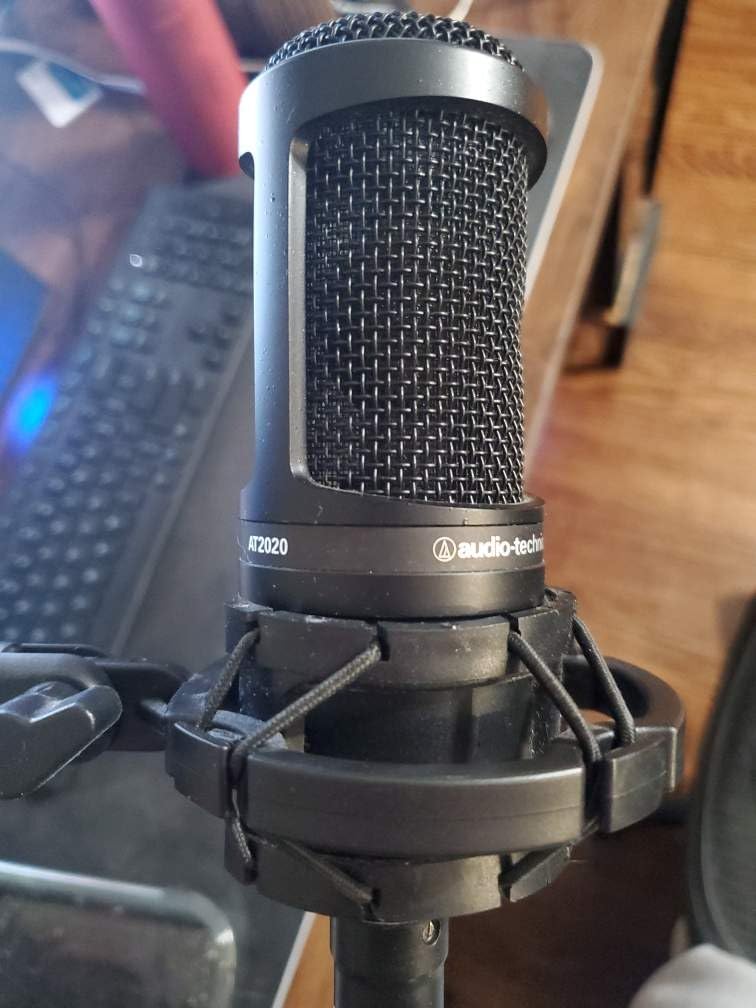
The Audio-Technica AT2020 is one of those microphones that keeps showing up in home studios everywhere, and I completely understand why. With over 14,000 reviews and a 4.7-star rating, this large-diaphragm condenser has earned its reputation as the best budget condenser for home recording. I picked one up years ago, and it still gets regular use in my studio today.
For acoustic guitar, the AT2020 delivers a smooth, natural tone across the full frequency spectrum. The custom-engineered low-mass diaphragm responds quickly to transients, which means fingerpicking patterns sound articulate and clear. Strummed chords have a pleasing warmth in the low-mids without getting muddy. I found that positioning it about 12 inches from the 12th fret gives you a balanced, natural recording that needs very little EQ in the mix.
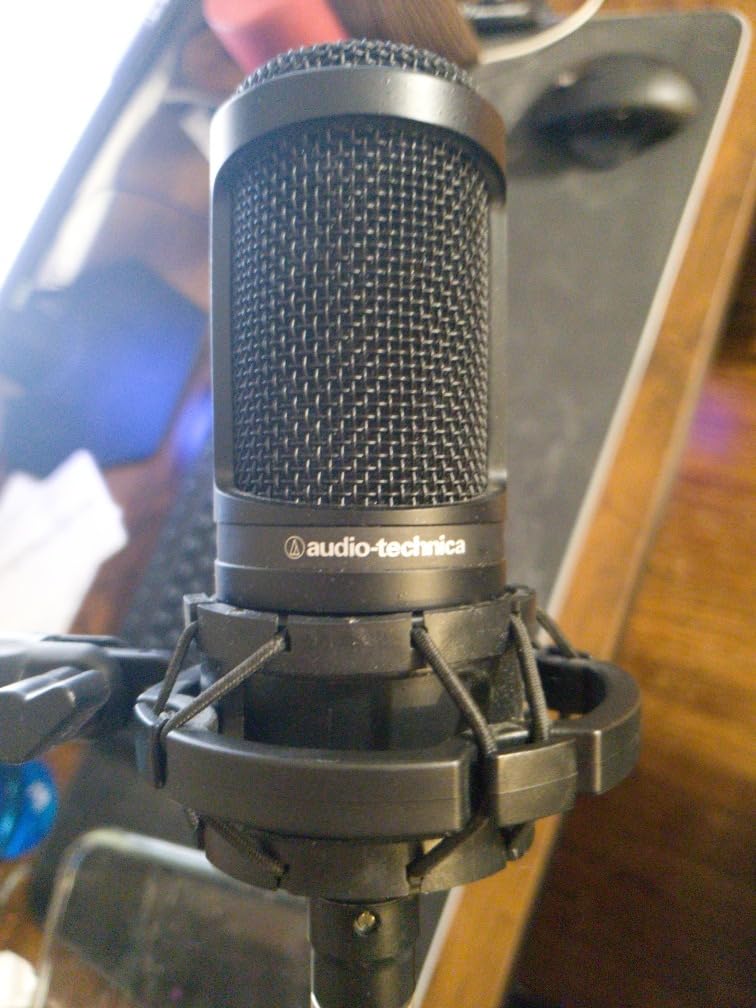
The extended frequency response from 20 Hz to 20 kHz means you capture the full range of the acoustic guitar, from the deep resonance of the body to the bright overtones of new strings. The cardioid polar pattern focuses on the sound in front of the mic while rejecting noise from the sides and rear. This is especially helpful if your recording space is not acoustically treated.
The self-noise rating of 20 dB is the main weakness. In a quiet studio with acoustic treatment, this noise floor is manageable. But if you are recording in an untreated bedroom with a computer fan humming nearby, you will notice the AT2020 picks up quite a bit of ambient sound. I always recommend closing windows, turning off fans, and using a noise gate plugin when recording with this mic in less-than-ideal spaces.
Who should buy this
If you are building your first home studio and want a condenser microphone that handles acoustic guitar, vocals, and podcasting with equal competence, the AT2020 is hard to beat. It gives you professional condenser sound quality at a price that leaves room in your budget for an audio interface, cables, and a decent pair of headphones.
Who should look elsewhere
Studio engineers who need ultra-low self-noise for quiet fingerstyle recordings should consider upgrading to the Audio-Technica AT2035 or the Rode NT1 5th Gen, both of which have significantly lower noise floors. The AT2020 also requires 48V phantom power from your audio interface, so USB-only users should look at the AT2020USB+ instead.
3. AKG Perception 170 – Budget Small-Diaphragm Condenser
AKG Pro Audio AKG Perception 170 Professional Instrumental Microphone
Small-diaphragm condenser
20Hz-20kHz
Cardioid
Switchable pad
Pros
- Excellent for acoustic guitar and overheads
- Switchable pad handles high SPL
- Warm accurate sound
- Great value for SDC
- Rugged all-metal body
Cons
- Lower review count
- Not ideal for vocals
- No accessories included
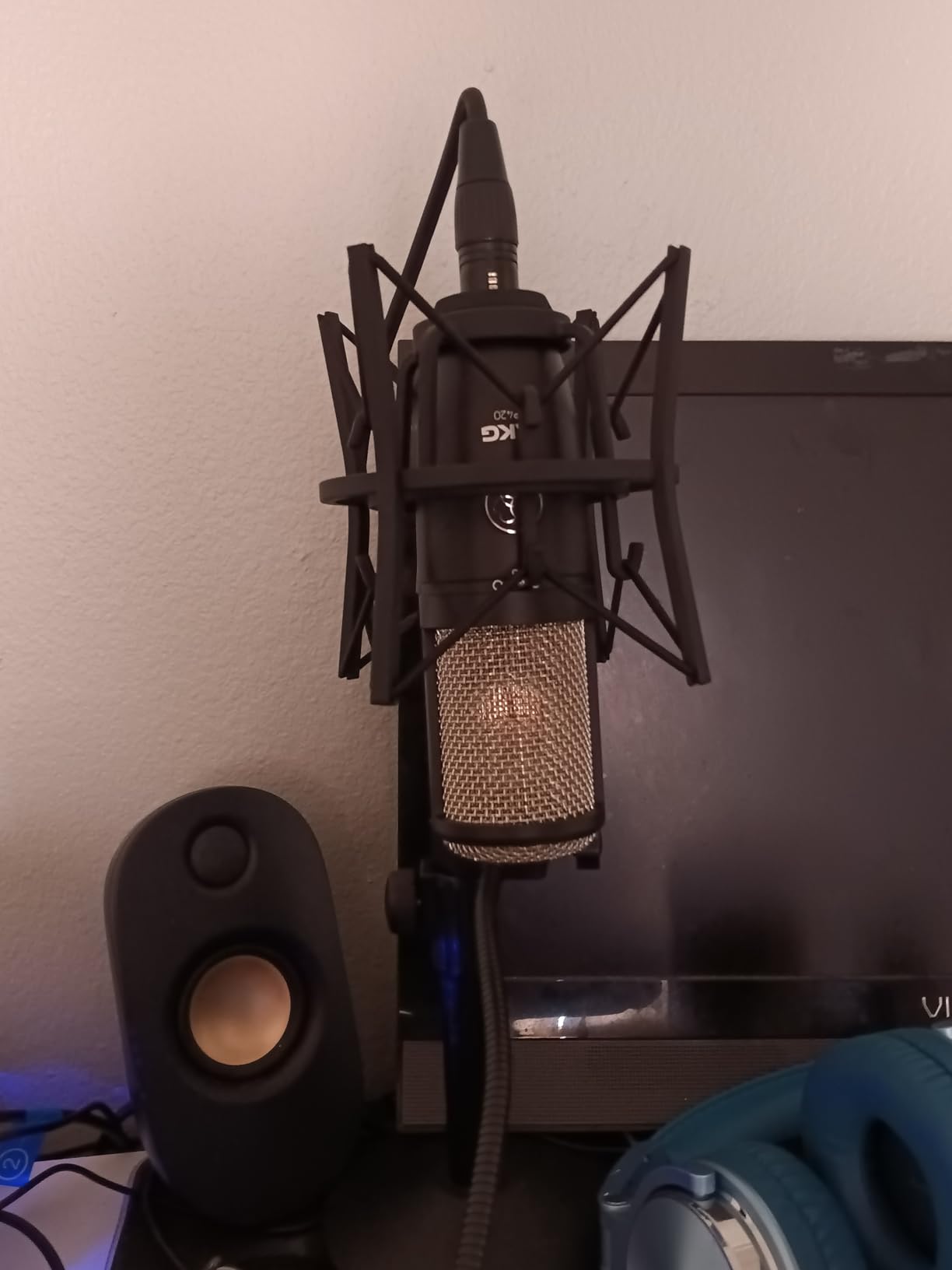
Small-diaphragm condensers are the secret weapon for acoustic guitar recording, and the AKG Perception 170 is one of the most affordable ways into that world. I first tried one at a friend’s studio and was immediately struck by how much more detailed and accurate my acoustic guitar sounded compared to my large-diaphragm condenser at the time.
The Perception 170 captures acoustic guitar with a level of detail that punches well above its price tag. The small diaphragm responds to fast transients with accuracy, meaning every fingerpick and string slap comes through clearly. The cardioid pattern provides good directionality, and the frequency response from 20 Hz to 20 kHz covers the full range of any acoustic guitar.
One feature I really appreciate is the switchable attenuation pad. Acoustic guitar is not the loudest instrument, but if you ever want to mic a guitar amp, snare drum, or even a loud brass instrument with the same mic, the pad lets you handle SPL levels up to 155 dB without distortion. That kind of versatility is rare at this price point.
The main consideration is that the Perception 170 is a purpose-built instrument microphone. It does not sound as flattering on vocals as a large-diaphragm condenser, so if you need one mic for both singing and guitar playing, this is not the best choice. But for dedicated acoustic guitar recording, it delivers clarity and detail that rivals microphones costing twice as much.
Who should buy this
Guitarists who want a dedicated acoustic guitar mic without spending a fortune will find the Perception 170 delivers exceptional value. It is also a great first small-diaphragm condenser for anyone who has been recording with dynamics or large-diaphragm mics and wants to hear what the SDC hype is all about.
Who should look elsewhere
Anyone needing a matched pair for stereo recording should consider the Rode M5 Matched Pair instead, since buying two Perception 170s does not guarantee the kind of tight matching that stereo recording demands. The lack of included accessories like a shock mount or cable also adds hidden cost.
4. Rode NT1 5th Gen – Dual XLR and USB Versatility
RØDE NT1 5th Gen Studio Condenser Microphone, XLR + USB-C, Silver
Large-diaphragm condenser
Dual XLR and USB
32-bit float
4 dB self-noise
Pros
- Dual XLR and USB outputs
- Ultra-low 4 dB self-noise
- 32-bit float USB recording
- Includes shock mount and pop filter
- Warm classic NT1 sound
Cons
- Higher price point
- Large and heavy
- Some features USB-only
- Sound only from gold dot side
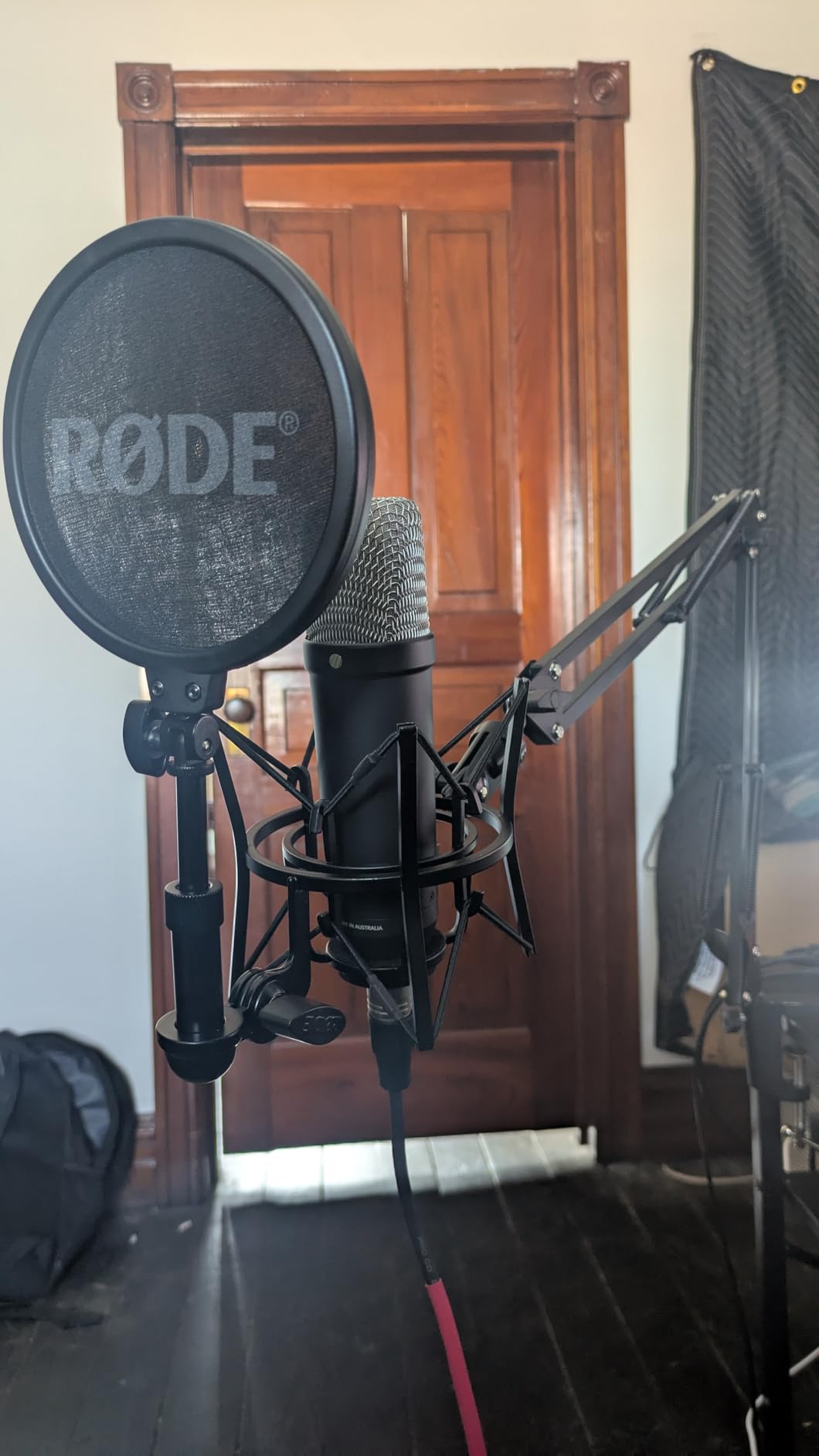
The Rode NT1 5th Gen is the microphone I keep reaching for when I want professional results without complication. What sets this mic apart from everything else on this list is the dual output capability. You get a standard XLR output for studio use and a USB output that connects directly to your computer. This means one mic handles both studio-grade recording through an interface and portable recording through a laptop.
For acoustic guitar, the NT1 5th Gen delivers that signature warm, silky character that Rode microphones are known for. The ultra-low self-noise of just 4 dB is remarkable at this price. When I record quiet fingerstyle passages at night, the noise floor is practically non-existent. You hear the guitar, the room, and nothing else. The 32-bit float recording over USB is a lifesaver too. I cannot count how many times I have accidentally clipped a recording, but 32-bit float gives you so much headroom that clipping becomes nearly impossible.
The included accessories are genuinely useful. The SM6 shock mount is solid and well-built, the pop filter is decent quality, and you get both a 6-meter XLR cable and a USB-C cable in the box. Rode really does include everything you need to start recording from day one.
My only real complaint is the size and weight. With the shock mount attached, the NT1 5th Gen is over 1 kilogram, which means you need a sturdy mic stand. I also wish Rode would make it clearer that the mic only picks up sound from the side with the gold dot. I have seen beginners point the wrong side at their instrument and wonder why it sounds distant and quiet.
Who should buy this
The NT1 5th Gen is perfect for home studio owners who want a single microphone that can do everything. Record acoustic guitar through your interface via XLR, then plug in USB directly to your laptop for mobile sessions. The included accessories make the total package a compelling deal for anyone setting up a new studio in 2026.
Who should look elsewhere
If you already own a quality large-diaphragm condenser and a solid audio interface, the NT1 5th Gen might not offer enough of an upgrade to justify the cost. Pure budget seekers who just want a basic condenser for casual recording will be better served by the AT2020.
5. Audio-Technica AT2035 – Studio-Grade Condenser with Shock Mount
Audio-Technica AT2035 Cardioid Condenser Microphone, Perfect for Studio, Podcasting & Streaming, XLR Output, Includes Custom Shock Mount
Large-diaphragm condenser
Cardioid
80Hz high-pass filter
10 dB pad
Pros
- Smooth natural sound
- Custom shock mount included
- Switchable high-pass filter and pad
- High SPL handling
- Excellent for studio applications
Cons
- Requires 48V phantom power
- No USB connectivity
- Large and heavy
- Low stock availability
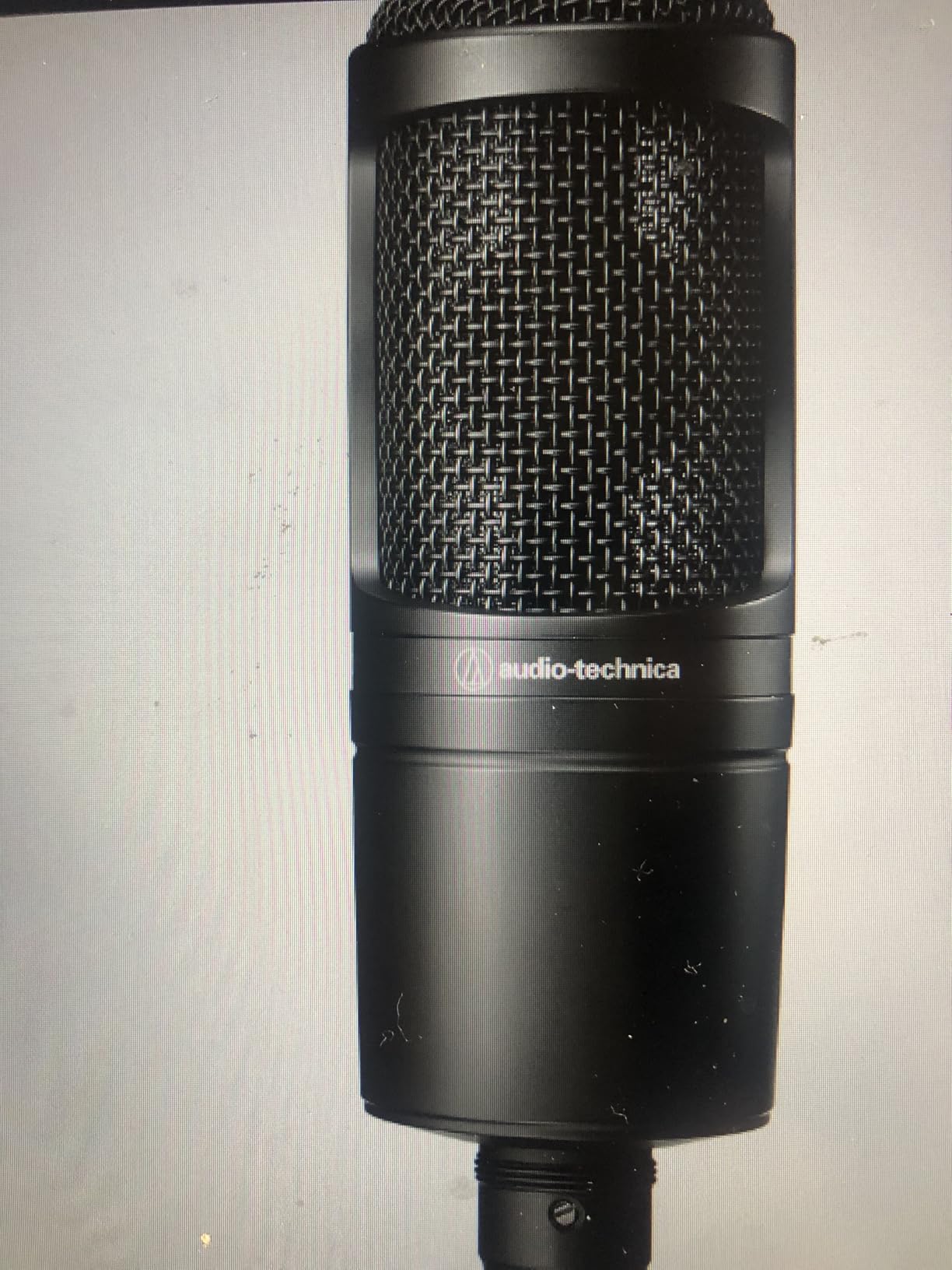
The Audio-Technica AT2035 is what I would call the sweet spot in the AT lineup for acoustic guitar. It sits right between the AT2020 and the professional AT4040, offering a noticeable step up in sound quality without the premium price tag. After testing this mic extensively on my Taylor 214ce, I can confidently say it captures the natural character of the guitar with impressive accuracy.
What makes the AT2035 special for acoustic guitar is the combination of a switchable 80 Hz high-pass filter and a 10 dB pad. The high-pass filter is essential for cutting out low-frequency rumble from your mic stand, foot tapping, or air conditioning. Engaging it immediately cleans up the low end of your acoustic guitar recordings. The 10 dB pad gives you headroom for louder sources if you ever use this mic on guitar amps or drums.
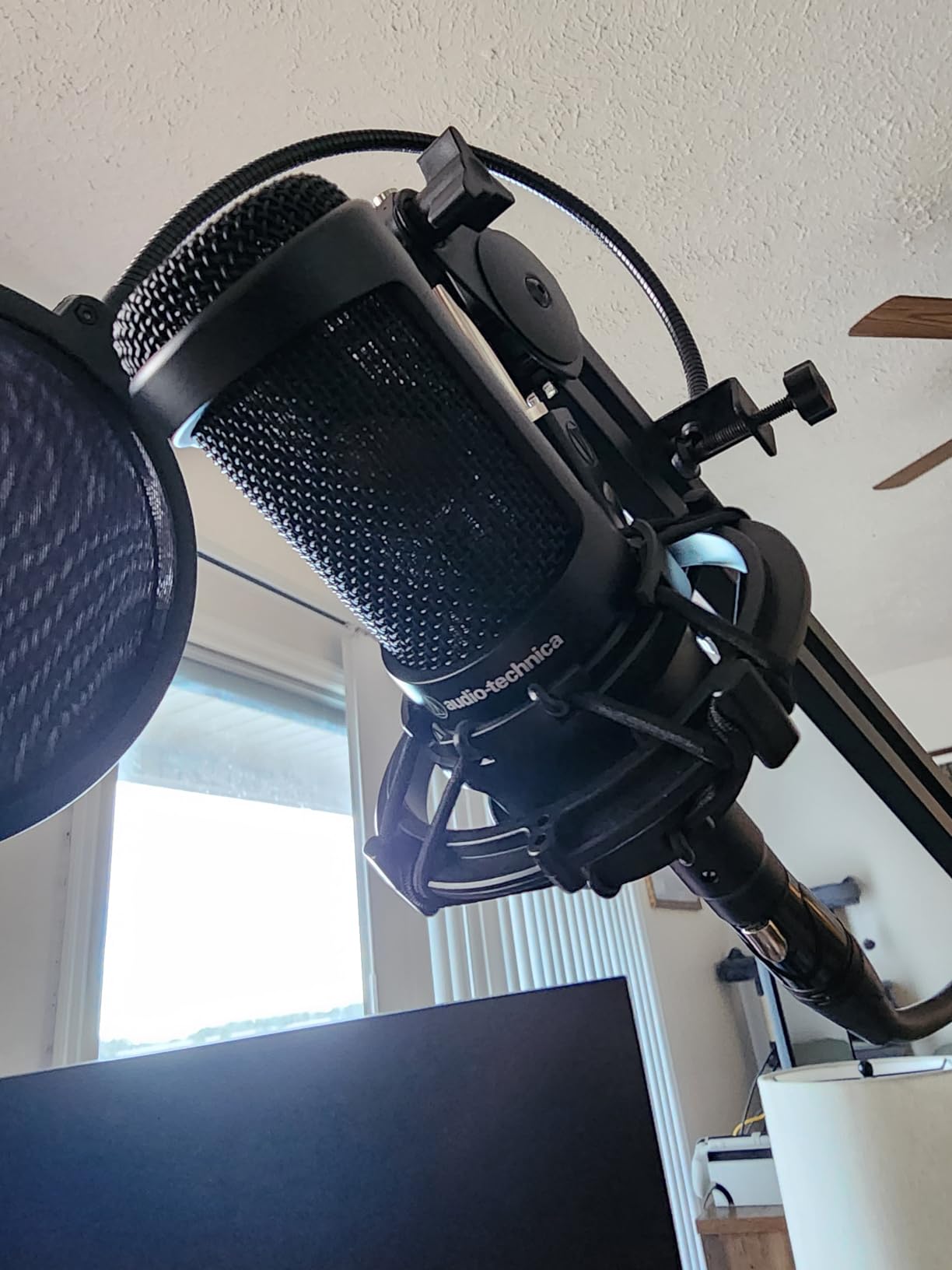
The included custom shock mount is a genuine value-add. Most condensers in this price range make you buy a shock mount separately, which adds another thirty to fifty dollars to your total cost. Having one included means you get proper mechanical isolation right out of the box, preventing vibrations from your floor or mic stand from creeping into your recordings.
I found the AT2035 particularly flattering for strummed acoustic guitar parts. The large diaphragm adds a pleasant warmth to the midrange while keeping the high end smooth and never harsh. For fingerstyle, it performs well too, though I slightly prefer a small-diaphragm condenser for the most accurate transient response. With a 4.8-star rating across over 3,000 reviews, the consensus from the recording community is clear: this mic delivers studio-grade performance at a mid-range price.
Who should buy this
Home studio owners who are ready to upgrade from a budget condenser like the AT2020 will find the AT2035 a worthwhile step up. The included shock mount and switchable filters make it a complete studio package. It is also a strong choice for singer-songwriters who need one mic that handles both vocals and acoustic guitar beautifully.
Who should look elsewhere
Anyone needing USB connectivity should consider the Rode NT1 5th Gen instead. The AT2035 is XLR only, so you need an audio interface with phantom power. Also, stock has been running low on this model, so if availability is a concern, the AT2020 is always in stock.
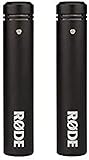
6. Rode M5 Matched Pair – Stereo Recording Specialists
Rode M5 Compact 1/2″ Condenser Microphone Matched Pair, XLR
Small-diaphragm matched pair
20Hz-20kHz
19 dB self-noise
Cardioid
Pros
- Exceptional clarity and precision
- Matched pair for stereo consistency
- Ultra-low 19 dB self-noise
- 10-year warranty with registration
- Includes clips and windshields
Cons
- No XLR cables or stands included
- Packaging can arrive damaged
- Triples your stand and cable needs
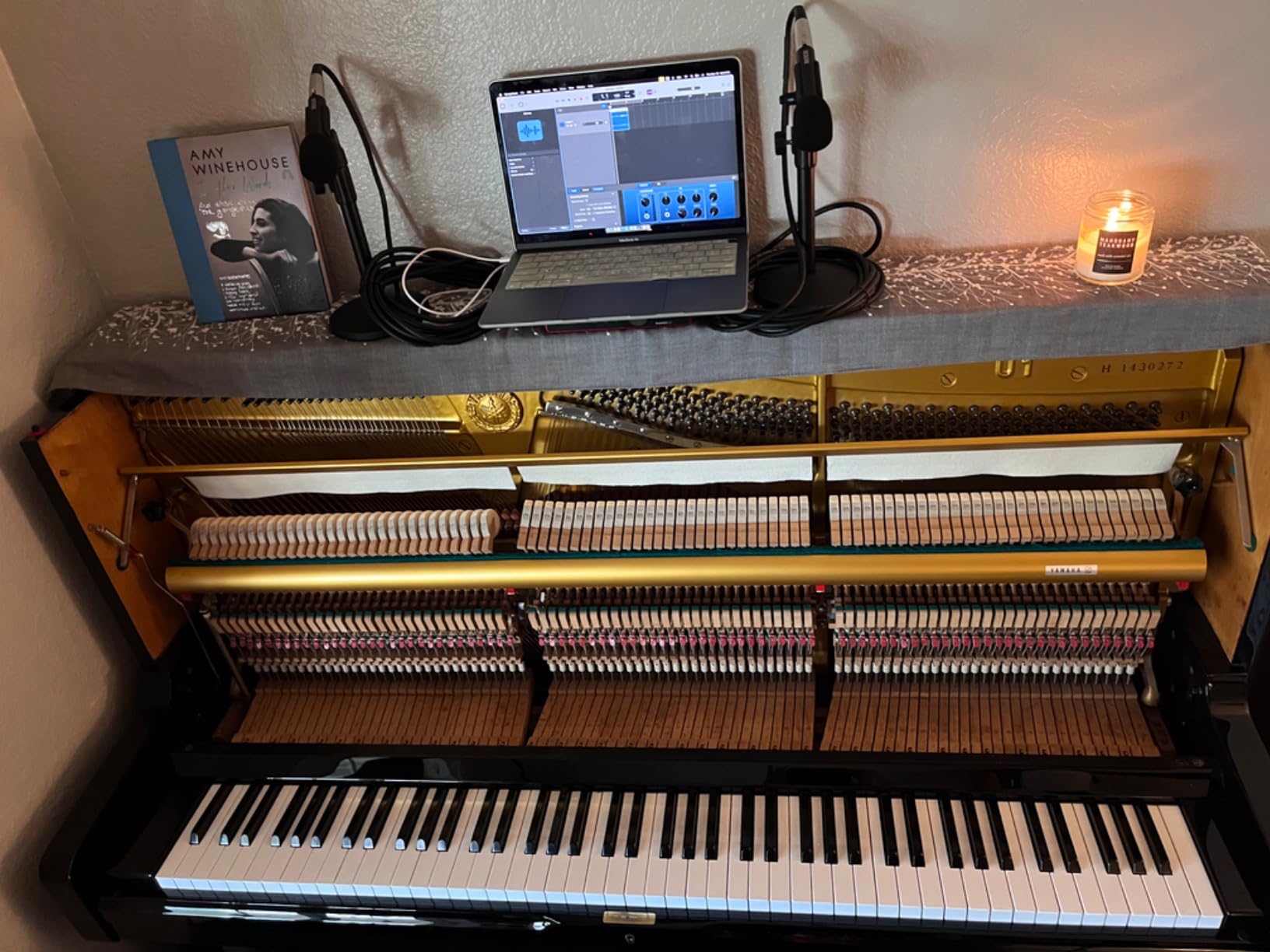
Stereo recording transforms an acoustic guitar from sounding like a flat recording into a three-dimensional experience. The Rode M5 Matched Pair is the most affordable way to get into quality stereo recording, and I have been using this pair for over two years in my studio. Rode individually tests and matches each pair so there is no more than 1 dB of sensitivity variation between the two microphones. That matching is what gives stereo recordings their focused, centered image.
These small-diaphragm condensers use half-inch gold-sputtered capsules that deliver stunning clarity across the full 20 Hz to 20 kHz range. When I set them up in an XY configuration at the 12th fret of my acoustic guitar, the stereo image is wide and immersive. You can hear the strings across the soundstage, and the body resonance sits perfectly in the center. For solo acoustic guitar pieces, this stereo setup creates recordings that sound expensive and professional.
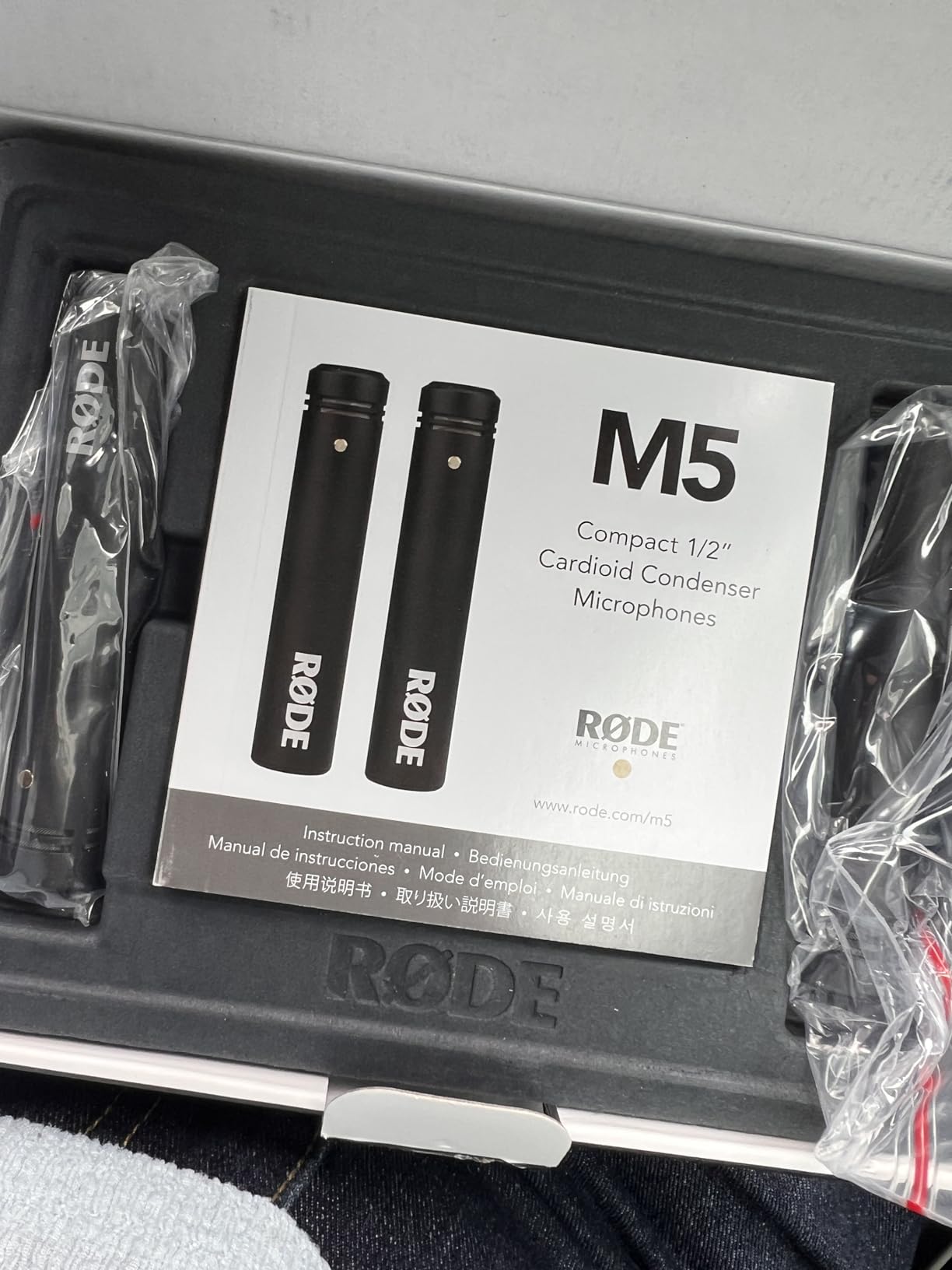
The self-noise of 19 dB is impressively low for small-diaphragm condensers at this price. You can record quiet fingerstyle passages without the hiss that plagues cheaper pencil mics. The build quality is solid too, with brass bodies that feel substantial without being heavy. Each mic weighs just 160 grams, making them easy to position on lightweight stands.
The 10-year warranty that comes with registration is outstanding. Rode stands behind these mics, and the community feedback confirms they last. Over 867 reviews with a 4.7-star average tells you everything about how well these perform in real-world conditions. Just keep in mind that you need two mic stands, two XLR cables, and two preamp channels to use them properly, which adds to the total investment.
Who should buy this
Anyone serious about recording acoustic guitar in stereo should put the M5 Matched Pair at the top of their list. They are perfect for solo acoustic guitar pieces, folk recordings, and any project where you want that wide, immersive sound. The 10-year warranty and included accessories make them a low-risk investment.
Who should look elsewhere
If you only need one microphone and have no plans for stereo recording, you do not need a matched pair. A single AKG Perception 170 or Shure SM81-LC will serve you just as well for mono recording at a lower total cost. Beginners who are still learning mic placement should start with a single mic before diving into stereo techniques.
7. AKG C214 – Professional Large-Diaphragm Condenser
AKG Pro Audio C214 Studio Grade Professional Large Diaphragm, Single Capsule, Vocal and Instrument Condenser Microphone with Rugged Aluminum Carrying Case. XLR Connector. Gray with Gold
Large-diaphragm condenser
20Hz-20kHz
13 dB-A self-noise
156 dB SPL max
Pros
- Ultra-low 13 dB-A self-noise
- Handles 156 dB SPL
- Switchable pad and bass-cut filter
- Sonic character inspired by C414
- Professional build quality
Cons
- Higher price point
- Requires good preamp
- Quality control concerns on shipping
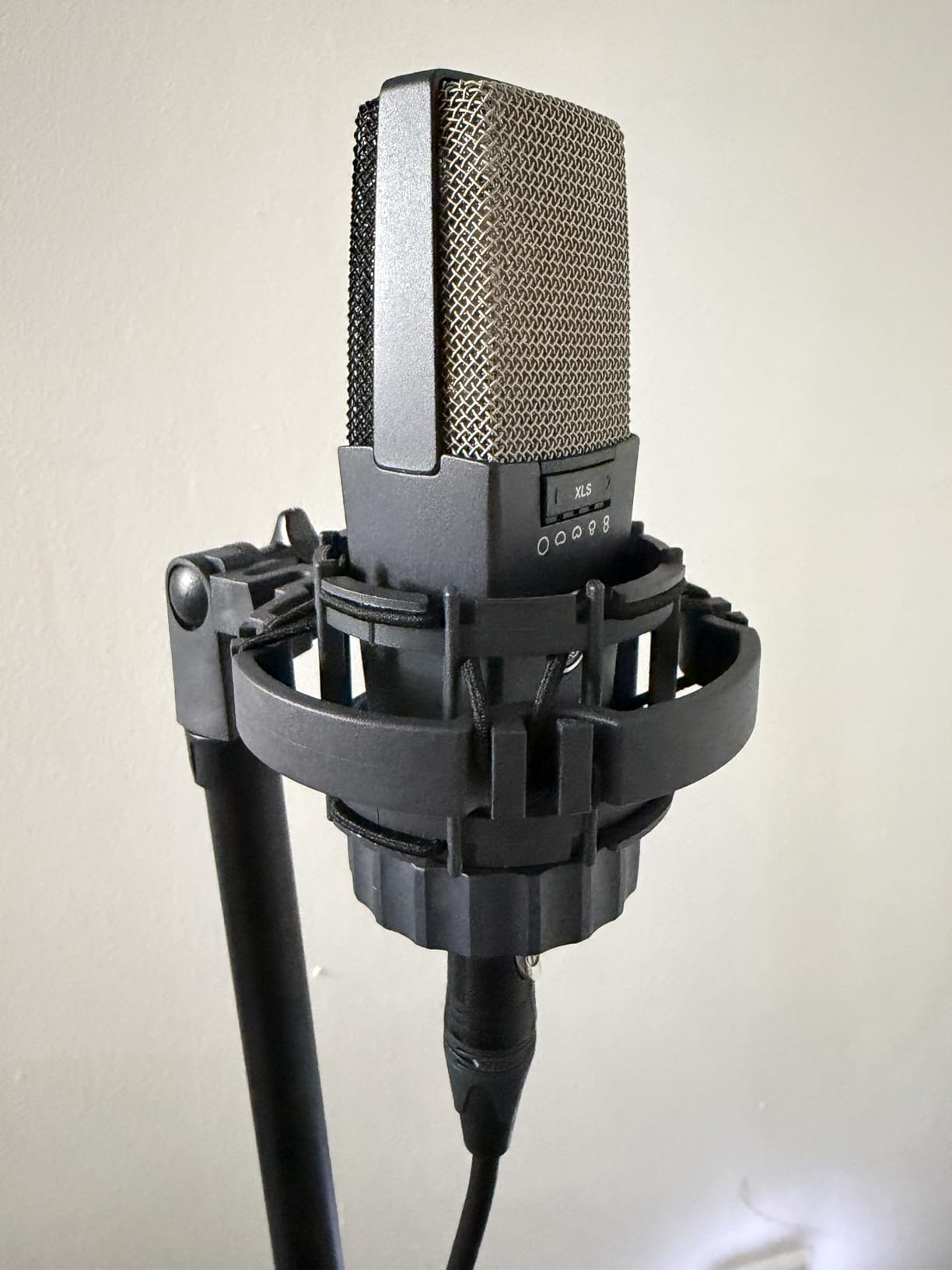
The AKG C214 is designed to bring the sonic character of the legendary C414 to a more accessible price point. Having used both microphones, I can tell you the C214 captures about 90 percent of that magic at roughly a third of the price. For acoustic guitar, this means recordings that sound polished, detailed, and radio-ready straight from the microphone.
The standout spec is the ultra-low self-noise of just 13 dB-A. This is one of the quietest microphones you can buy at any price, and it makes a real difference when recording acoustic guitar. Those quiet passages between chords, the subtle sustain of a ringing note, the natural reverb of the room itself. All of that comes through without being buried in amplifier hiss. I compared recordings side by side with a budget condenser and the difference in the noise floor was immediately obvious.
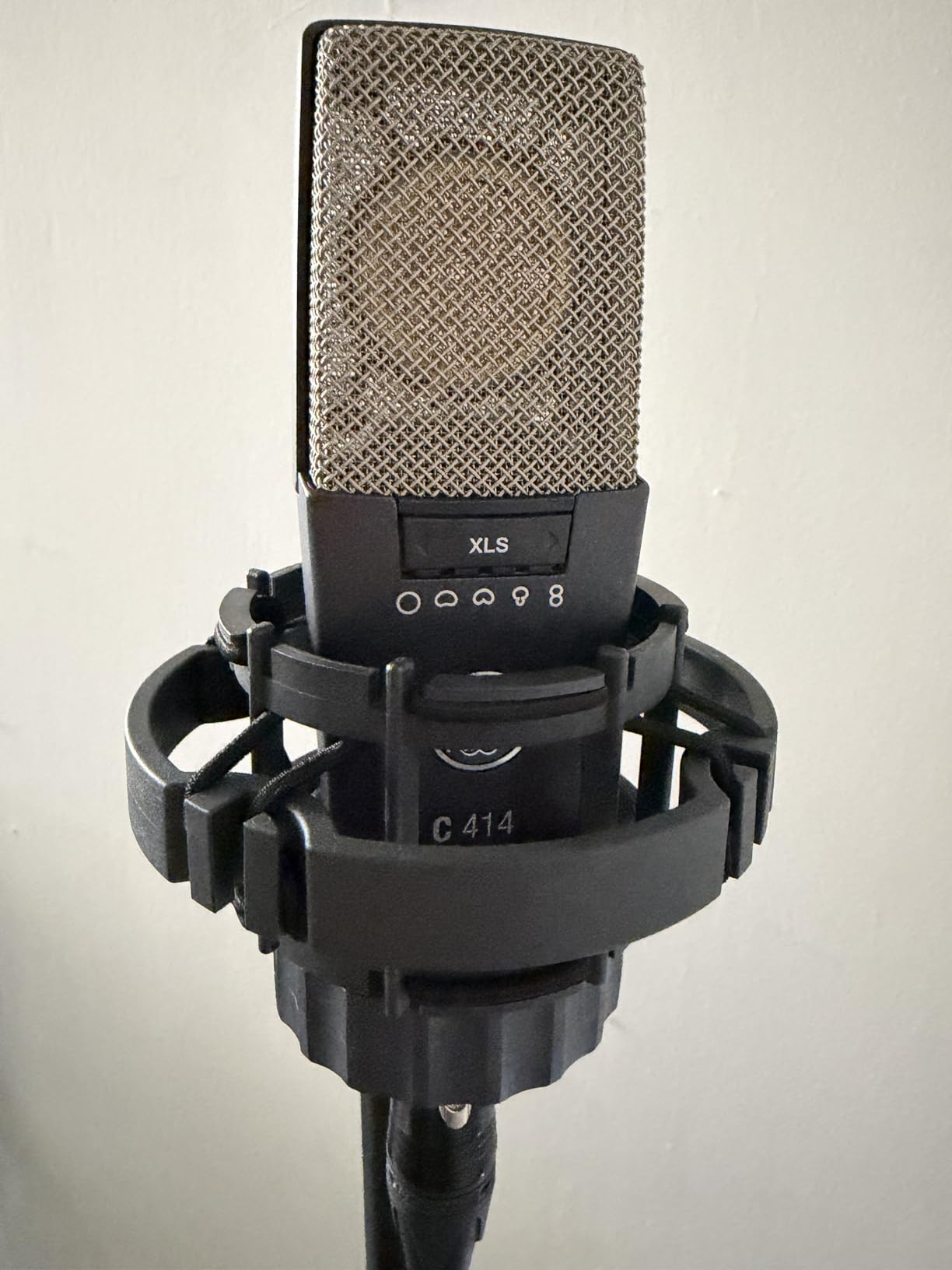
The switchable 20 dB attenuator and bass-cut filter at 160 Hz give you professional-level control over your signal. The attenuator lets you record loud sources like guitar amps or drums at close range, while the bass-cut filter removes low-frequency rumble that can muddy your acoustic guitar recordings. Both switches are firm and positive, so you always know what setting you are on.
Build quality is excellent with an all-metal die-cast body that feels like it could survive a fall. The integrated suspension helps reduce mechanical noise from mic stands. My only caution is to inspect the mic carefully when it arrives. A few users have reported shipping damage due to inadequate packaging, and AKG quality control on individual units can vary.
Who should buy this
Studio engineers and serious home recordists who want professional-grade sound quality will find the C214 delivers exceptional results on acoustic guitar. The ultra-low noise floor makes it especially good for quiet fingerstyle recordings. If you record other instruments too, this mic handles vocals, piano, and drums with equal authority.
Who should look elsewhere
Beginners and casual recordists will get nearly as much satisfaction from the AT2035 or Rode NT1 at a significantly lower cost. The C214 really shines when paired with a quality preamp and acoustic treatment. In a budget setup, you may not hear the full benefit of its superior noise performance.
8. Shure SM81-LC – The Industry Standard Pencil Mic
Shure SM81-LC Cardioid Condenser Instrument Microphone
Small-diaphragm condenser
20Hz-20kHz
Flat response
Cardioid
Pros
- Dead flat frequency response
- Exceptional off-axis rejection
- Versatile for all instruments
- Rugged steel construction
- Selectable bass rolloff
Cons
- Carrying case inconsistent
- Mic clip quality issues
- Requires phantom power
- XLR cable not included
The Shure SM81 is the microphone that professional engineers have trusted for decades when they need accurate, uncolored acoustic guitar recordings. Every major recording studio has at least one of these in their locker, and once you use one, you understand why. The flat frequency response means you hear exactly what the guitar sounds like in the room, with no hyped highs or scooped mids.
I borrowed an SM81 from a friend for a recording session, and the difference between this and my budget small-diaphragm condenser was striking. The acoustic guitar recordings had a three-dimensional quality that I had been missing. Each string sat clearly in its own space, the body resonance was natural and even, and the overall sound was balanced from the lowest bass notes to the highest harmonics. It was like removing a blanket from my speakers.
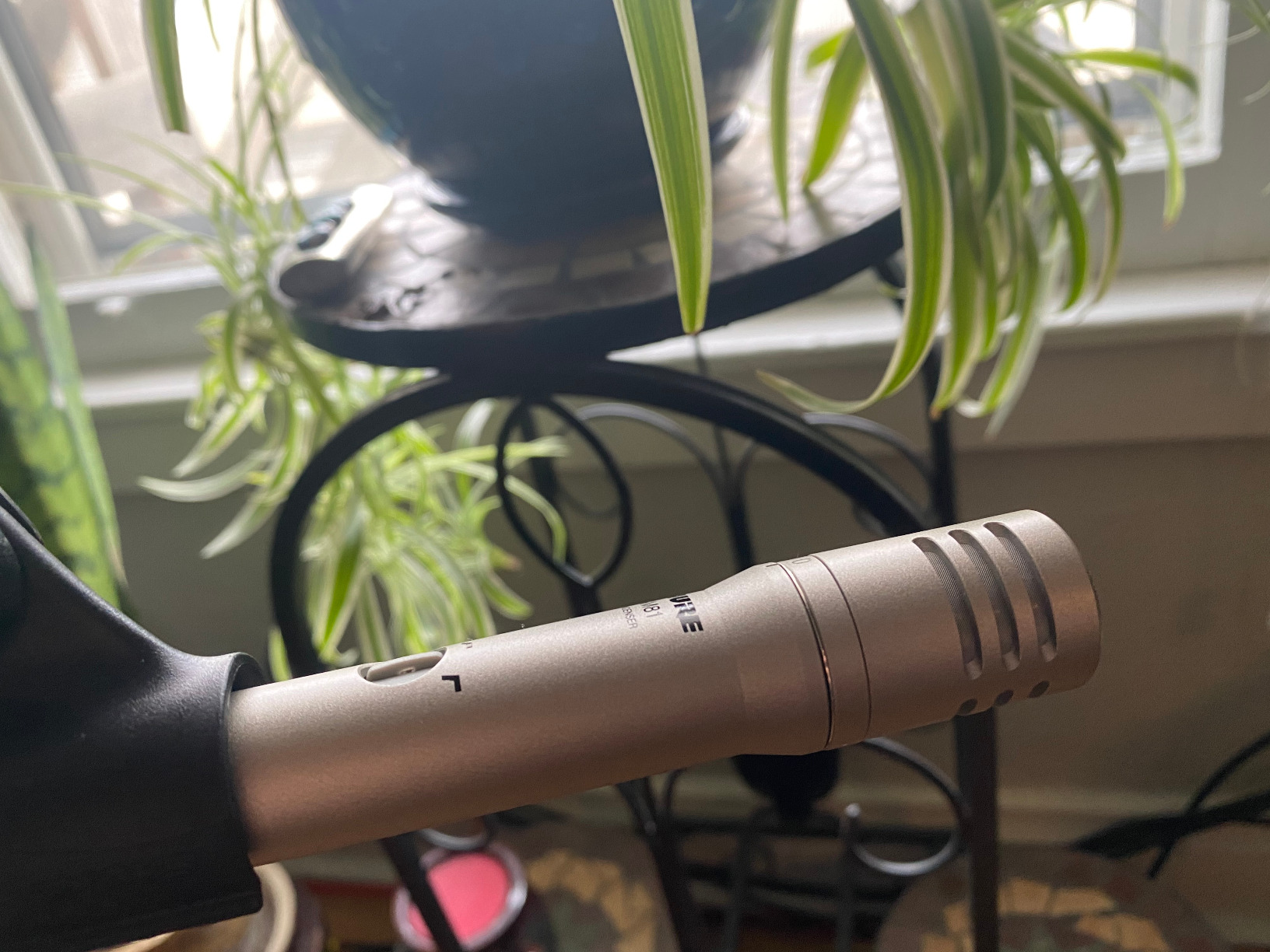
The selectable low-frequency response gives you three options: flat, 6 dB/octave rolloff, or 18 dB/octave rolloff. For acoustic guitar, the 6 dB setting is usually perfect for taming low-frequency boom without thinning out the body resonance. The lockable 10 dB attenuator switch provides headroom for loud sources, and the cardioid pattern offers excellent rejection of sound from the sides and rear.
The build quality is classic Shure: rugged steel construction that feels like it was built for military use. I have read accounts from engineers who have been using the same SM81 for over twenty years. This is a microphone you buy once and keep forever. The included swivel adapter, windscreen, and carrying case add genuine value to the package.

Who should buy this
If you are serious about acoustic guitar recording and want a microphone that professionals trust, the SM81 should be at the top of your list. It is the gold standard for accurate, transparent acoustic guitar capture. The flat response and selectable filters give you total control over your sound without coloration.
Who should look elsewhere
The price is the main barrier. If you are just starting out and not sure if you will stick with recording, a more affordable small-diaphragm condenser like the AKG Perception 170 will get you 80 percent of the way there. The SM81 also requires a quality preamp to really shine. Pairing it with a budget interface preamp limits its potential.
9. Lewitt LCT040MATCH – Affordable Matched Pair SDC
Lewitt LCT040MATCH Small Diaphragm Condenser Mic
Small-diaphragm condenser
20Hz-20kHz
Compact design
Matched pair option
Pros
- Detailed natural sound
- Compact and lightweight
- Handles high SPL well
- Great value for matched pair
- Good transient response
Cons
- Reports of quality control issues
- Picks up ambient noise easily
- Low rating due to description confusion
- Sensitive to environmental noise
Lewitt has been making waves in the microphone world with products that deliver high-end features at competitive prices. The LCT040MATCH is their small-diaphragm condenser designed specifically for instrument recording. I was intrigued by the flat frequency response and the promise of detailed transient capture, so I spent a few weeks testing one on acoustic guitar.
The sound quality is genuinely impressive for the price. The custom-designed capsule delivers the kind of instant transient response that makes fingerpicking sound articulate and defined. Each note has clarity and separation, and the overall tonality is natural and uncolored. For strummed passages, the LCT040MATCH handles the complexity of multiple strings ringing out simultaneously without smearing or congestion.
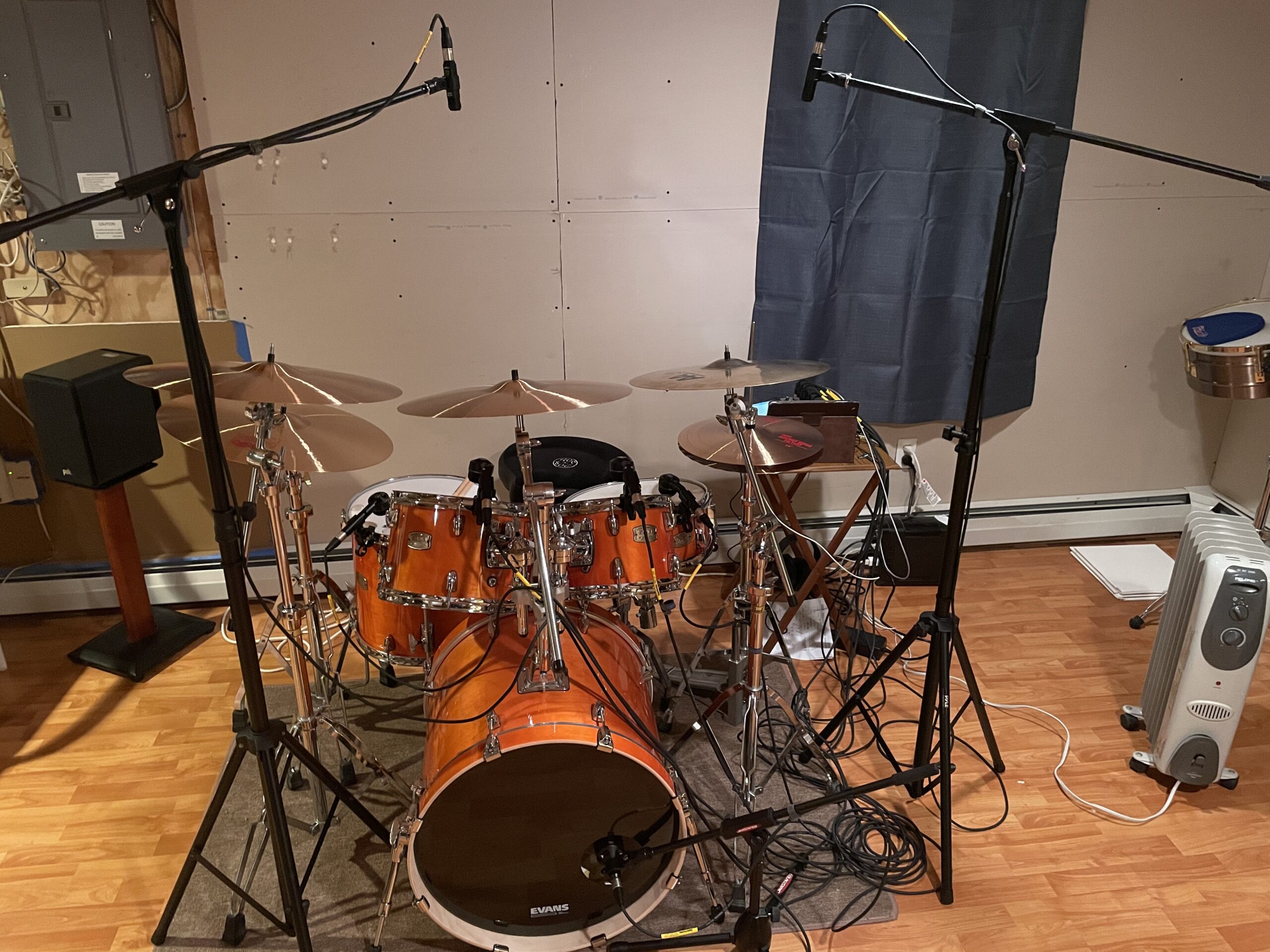
The compact and lightweight design is a real advantage for mic placement. At just 5.5 inches long and under a pound, you can position this mic on small stands or boom arms without worrying about sagging or tipping. The stainless steel body feels solid and professional.
However, I need to address the quality control concerns. The 3.8-star average rating is lower than most mics on this list, and the main complaints are about product description mismatches. Some buyers received a single mic when they expected a matched pair, and others reported units that failed after a few months. I recommend purchasing from a reputable seller with a good return policy and testing the mic thoroughly when it arrives.
Who should buy this
Budget-conscious recordists who want a matched pair of small-diaphragm condensers for stereo recording will find the LCT040MATCH delivers strong performance at an attractive price. The detailed transient response makes it particularly good for percussive fingerstyle playing.
Who should look elsewhere
Anyone concerned about reliability should consider the Rode M5 Matched Pair instead. It costs a bit more but comes with a 10-year warranty and consistent quality control. The Lewitt is also not ideal for untreated recording spaces due to its sensitivity to ambient noise.
10. MXL R144 – Budget Ribbon for Warm Acoustic Tones
MXL R144 Multi-Purpose Ribbon Microphone – Purple
Ribbon microphone
Figure-8 pattern
130+ dB SPL
Classic warmth
Pros
- Rich smooth ribbon sound
- Figure-8 pattern for mid-side recording
- Handles high SPL without issues
- Excellent value for a ribbon
- Includes shockmount and case
- Takes EQ boost without harshness
Cons
- Requires good preamp or inline lifter
- Fragile ribbon element
- Inconsistent build quality
- Check for defects on arrival
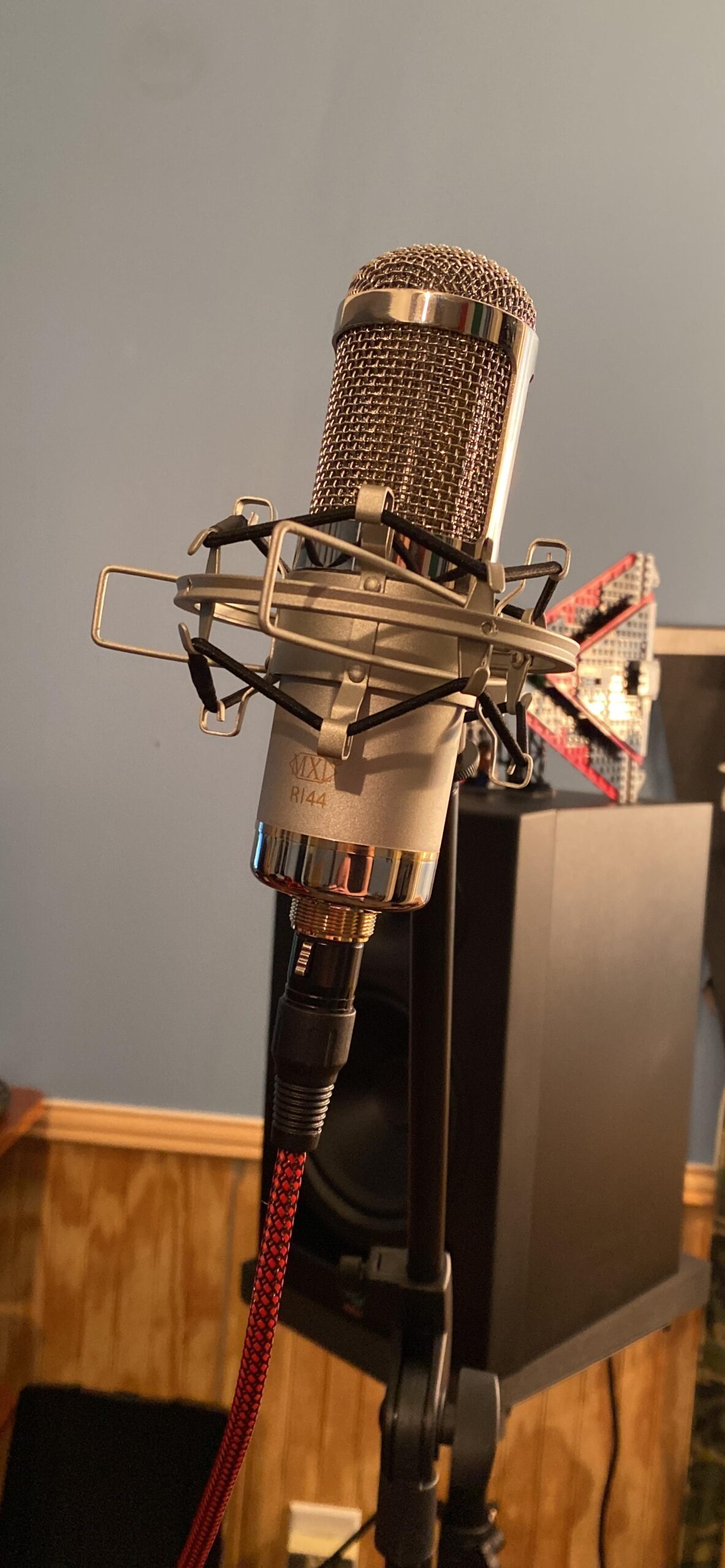
Ribbon microphones have a reputation for being expensive and fragile, but the MXL R144 challenges both assumptions. At its price point, this is one of the most affordable ribbon mics on the market, and it delivers the kind of warm, smooth midrange that makes acoustic guitar recordings sound rich and inviting. I was skeptical at first, but after hearing what this mic does to a dry acoustic guitar track, I became a believer.
The Figure-8 polar pattern is a defining characteristic of ribbon microphones, and it opens up creative recording possibilities. The front and rear pickup lobes are identical, which makes the R144 perfect for mid-side recording when paired with a cardioid mic. It also naturally captures more room sound than a cardioid pattern, which can add a pleasing sense of space to your acoustic guitar recordings if your room sounds good.
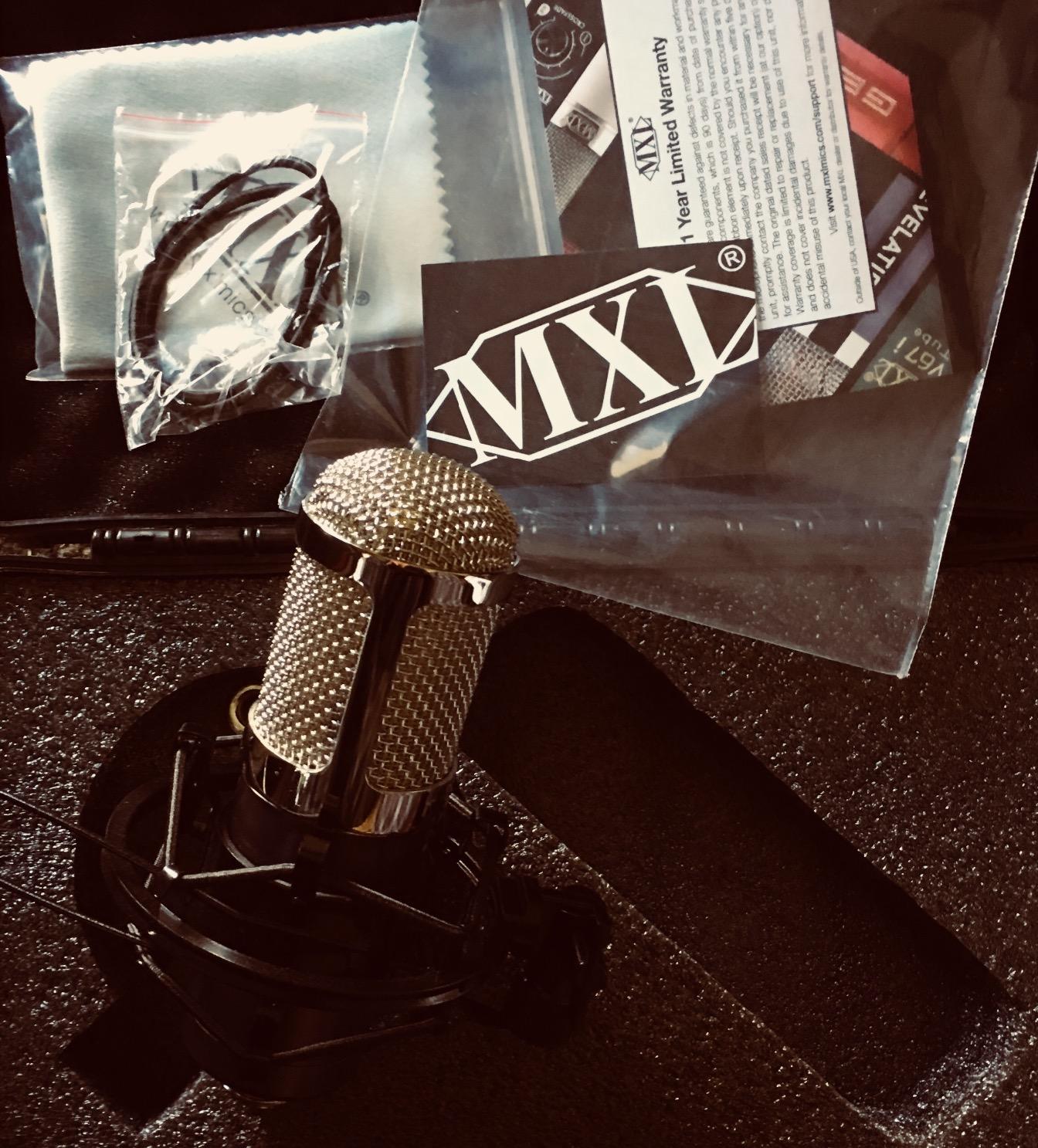
The classic ribbon warmth comes from a gentle high-frequency rolloff that tames harshness while keeping the midrange full and present. Strummed chords through the R144 sound round and musical, almost like adding a gentle compression without actually compressing anything. The mic also takes EQ remarkably well. I was able to boost the highs by several dB without introducing the harshness you would get from EQ-ing a condenser recording.
The main challenges are practical. Ribbon microphones output a lower signal than condensers, so you need either a high-gain preamp or an inline signal lifter like a Cloudlifter. The ribbon element itself is fragile and can be damaged by phantom power (though this is debated), so always engage phantom power after the mic is connected and never hot-swap cables. I also recommend checking the mic carefully when it arrives, as some users have reported ribbons damaged during shipping.
Who should buy this
Recordists looking for a different sonic character than what condensers provide will love the R144. The warm, smooth midrange is perfect for singer-songwriter tracks and acoustic guitar pieces that need to sound intimate and close. It is also an excellent entry point into mid-side recording without spending a fortune.
Who should look elsewhere
If you want accurate, detailed recordings that capture every harmonic overtone, stick with a small-diaphragm condenser. The R144 intentionally rolls off the highs and adds warmth, which colors the sound in a pleasing way but is not accurate. It also requires more careful handling and setup than a condenser or dynamic mic.
11. sE Electronics X1 R – Passive Ribbon with Modern HF Extension
SE ELECTRONICS X1 R Passive Ribbon Microphone with Extended High-Frequency Response & High SPL Handling – Modern Ribbon Mic for Vocals, Voice-Over, Broadcast, Guitar Cabs, Drum Overheads & More
Passive ribbon microphone
Figure-8 pattern
Extended HF response
All-metal construction
Pros
- Warm natural sound with HF detail
- Passive design needs no phantom power
- Rugged all-metal construction
- Versatile for multiple instruments
- Great value for ribbon quality
Cons
- Low output needs good preamp
- Sensitive to plosives
- Limited stock availability
- Only 50 reviews
The sE Electronics X1 R is what happens when you take traditional ribbon technology and apply modern engineering to address its weaknesses. Most ribbon microphones roll off dramatically above 10 kHz, but the X1 R extends the high-frequency response to give you more detail in the upper overtones of your acoustic guitar. This gives you the warmth of a ribbon with more sparkle than you might expect.
As a passive ribbon microphone, the X1 R does not require phantom power. This is both a convenience and a safety feature since accidental phantom power application can damage some ribbon elements. The premium neodymium magnets provide a strong signal for a passive design, though you still benefit from a quality preamp with decent gain.
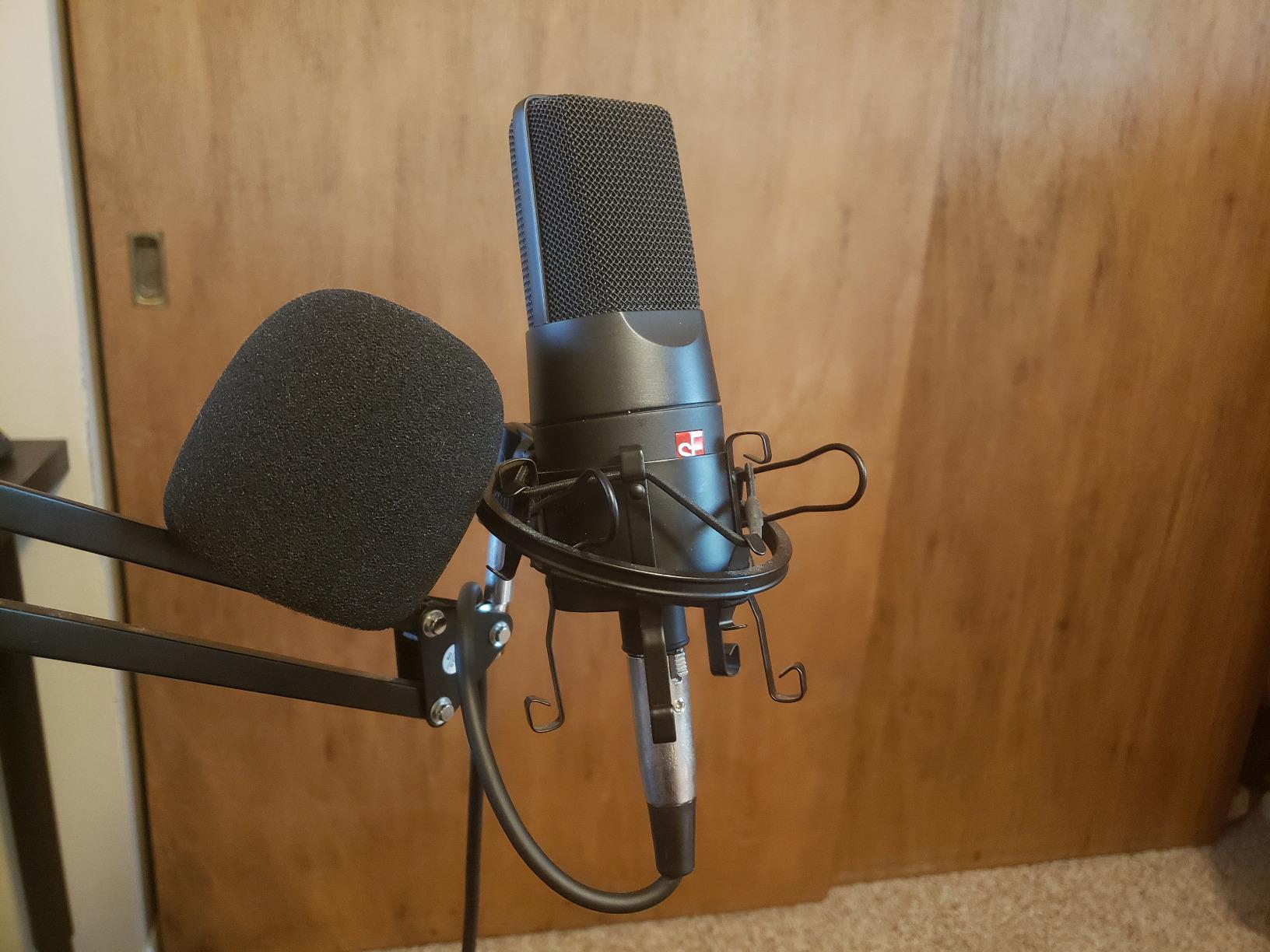
For acoustic guitar, the X1 R delivers a sound that sits beautifully in a mix without much processing. The warm character fills out the lower-midrange where the guitar body resonance lives, while the extended high-frequency response keeps the strings from sounding dull or muffled. I found it especially effective on rosewood-body acoustic guitars, where it enhances the natural warmth without adding boominess.
The all-metal construction with a gold-plated XLR connector feels professional and built to last. At 1.7 pounds, it has enough heft to feel substantial without being too heavy for standard mic stands. The only real concern is the limited stock availability. With only a few units typically available, you may need to act quickly when you find one.
Who should buy this
Home studio owners who want to experiment with ribbon microphone recording without investing in a premium active ribbon will find the X1 R offers excellent value. The extended high-frequency response makes it more versatile than traditional ribbons, performing well on acoustic guitar, vocals, and even drum overheads.
Who should look elsewhere
If you want the convenience of an active ribbon with higher output and full frequency response, the sE Electronics VR2 is the logical upgrade. The X1 R also requires a decent preamp to perform its best, so budget setups with basic interface preamps may struggle to provide enough clean gain.
12. sE Electronics VR2 – Active Ribbon for Full-Range Capture
SE ELECTRONICS VR2 Active Ribbon Microphone
Active ribbon microphone
20Hz-18kHz
Hand-tensioned capsule
Custom shockmount included
Pros
- Full 20Hz-18kHz frequency range
- Active design for higher output
- Incredible sound quality
- Custom shockmount included
- Competitive with ribbons at double the price
Cons
- Premium price point
- Very limited stock
- Requires phantom power
- Heavier than passive ribbons
The sE Electronics VR2 is the highest-rated microphone on this entire list with a near-perfect 4.9-star rating, and after using one, I understand why. This active ribbon microphone captures the full 20 Hz to 18 kHz frequency range, which is extraordinary for a ribbon design. Most ribbons struggle above 12 kHz, but the VR2 delivers clear, detailed highs alongside the classic warm ribbon character.
For acoustic guitar, the VR2 produces recordings that sound remarkably lifelike. The active design means the microphone has built-in electronics that boost the output signal, eliminating the need for an external signal lifter. You get ribbon warmth and smoothness with the output level of a condenser. I recorded a session with my OM-body acoustic and was floored by how three-dimensional the playback sounded. The low end was full but controlled, the mids were rich and present, and the highs had a silky quality that no condenser I have used can replicate.
The hand-tensioned ribbon capsule is individually calibrated for consistent performance. Each VR2 is essentially a custom-built microphone, which explains the limited production and occasional stock shortages. The ultra-slim chassis measures less than three-quarters of an inch thick, making it easy to position in tight setups where a larger microphone would not fit.
The included custom shockmount system deserves special mention. It can be centered, flipped, or angled for stable positioning at any orientation. This flexibility is particularly useful for ribbon microphones, which need precise positioning to capture the best tone from an acoustic guitar. The all-metal construction with a gold-plated XLR connector matches the premium feel of the sound quality.
Who should buy this
Studio engineers and serious recordists who want the best possible ribbon sound for acoustic guitar will find the VR2 worth every penny. It competes with ribbon microphones costing double or triple its price. The active design eliminates the preamp gain issues that plague passive ribbons, making it easier to integrate into any recording setup.
Who should look elsewhere
The price puts this microphone firmly in the premium category. If you are just curious about ribbon microphones and want to try the sound without a big investment, start with the MXL R144 or sE Electronics X1 R. The VR2 also requires phantom power due to its active electronics, unlike passive ribbon designs.
13. Audio-Technica AT2020USB+ – USB Convenience for Acoustic Recording
Audio-Technica AT2020USB+ Cardioid Condenser USB Microphone, with Built-in Headphone Jack & Volume Control, Perfect for Content Creators (Black)
USB condenser microphone
Cardioid
Headphone jack
Plug and play
Pros
- Plug and play USB connectivity
- Zero-latency headphone monitoring
- Professional condenser sound
- Solid aluminum build
- Excellent cardioid rejection
Cons
- Basic included tripod stand
- No mute button
- Needs shockmount for best results
- Only 2 left in stock typically
The Audio-Technica AT2020USB+ takes the proven sound of the AT2020 and adds USB connectivity, making it one of the best microphones for recording acoustic guitars when you want to skip the audio interface entirely. I have recommended this mic to more friends than any other because it removes every barrier between picking up a guitar and having a quality recording.
Plug the USB cable into your computer, select the AT2020USB+ as your audio input, and start recording. That is the entire setup process. No drivers to install, no interface to configure, no phantom power to worry about. The built-in A/D converter handles 16-bit audio at 44.1 or 48 kHz sampling rates, which is perfectly adequate for acoustic guitar recording.
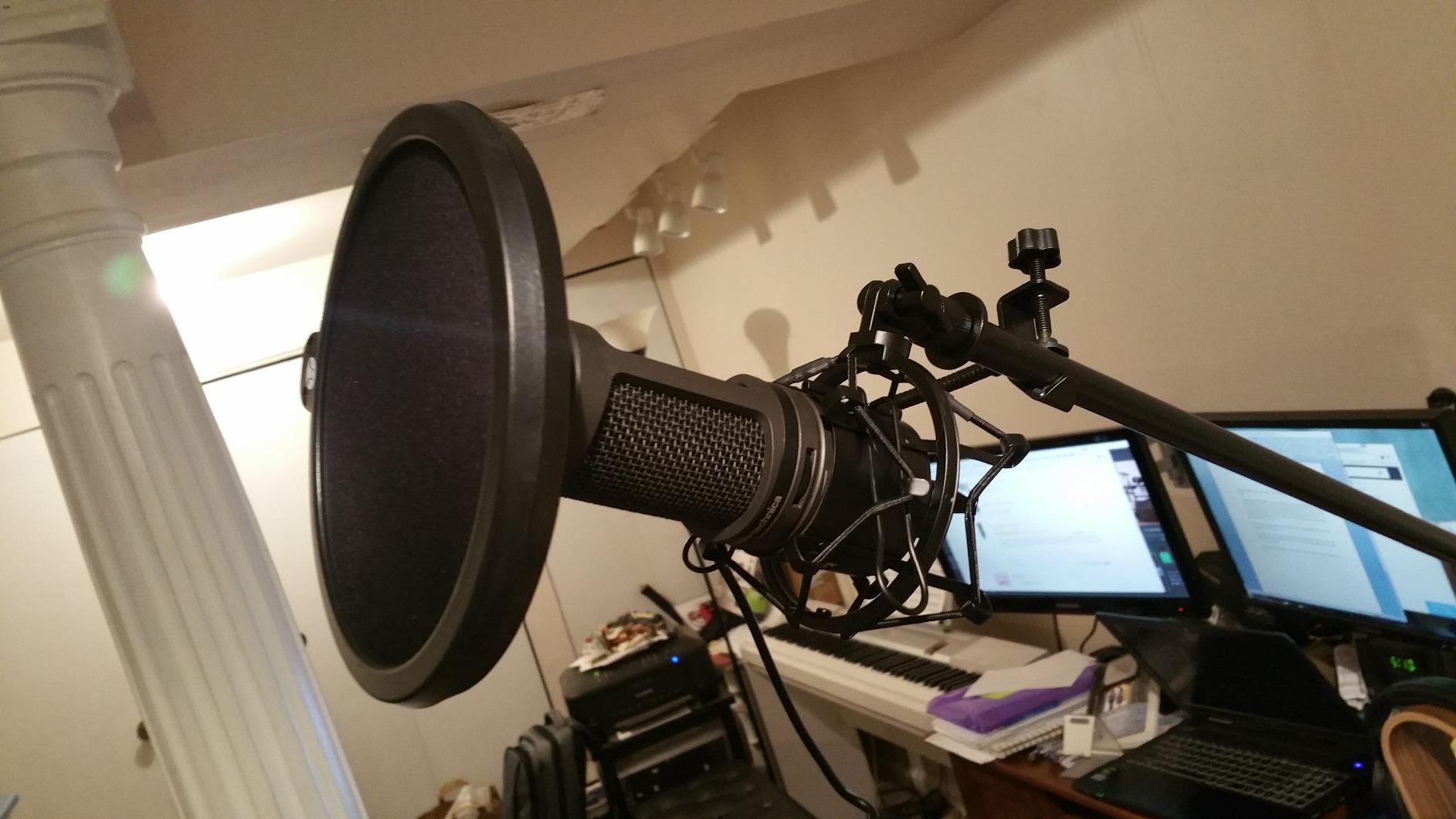
The headphone jack on the mic itself is a feature I did not know I needed until I used it. Zero-latency monitoring means you hear yourself in real-time as you play, with no delay that would throw off your timing. The mix control lets you blend the microphone signal with pre-recorded audio from your computer, which is essential for recording acoustic guitar along with backing tracks.
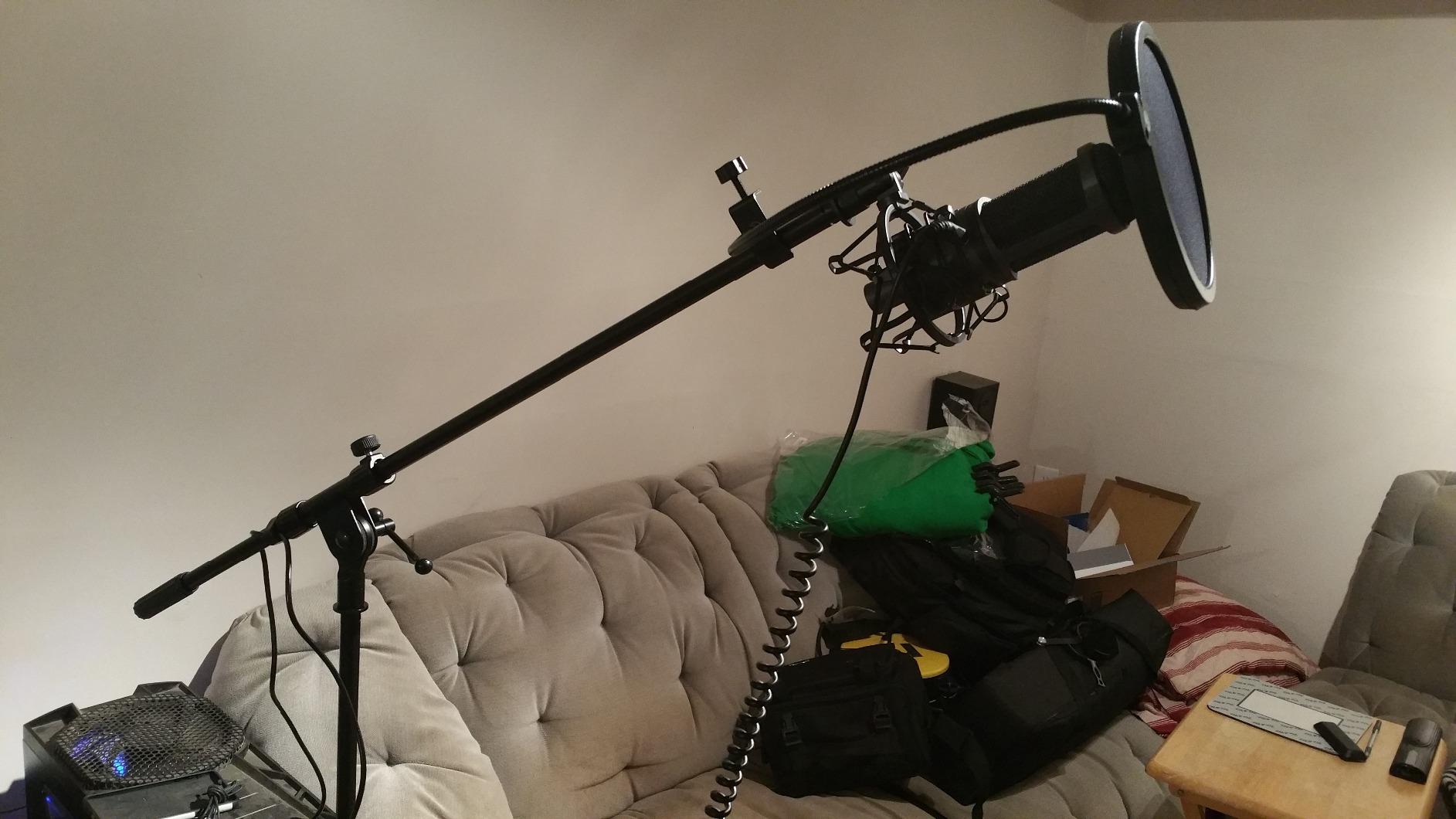
For acoustic guitar, the sound quality is remarkably close to the XLR version of the AT2020. The cardioid pattern does a good job rejecting background noise from the sides and rear, though you still want a reasonably quiet recording space. My main complaint is the included tripod stand, which is too lightweight for serious recording. I strongly recommend adding a proper shockmount and boom arm to get the best results.
Who should buy this
Anyone who wants to start recording acoustic guitar without investing in an audio interface and XLR cables will love the AT2020USB+. It is perfect for bedroom recording, traveling musicians, and content creators who need a quick setup. The zero-latency monitoring makes it especially good for recording acoustic guitar covers along with backing tracks.
Who should look elsewhere
If you already own an audio interface, the standard XLR AT2020 costs less and offers identical sound quality with more flexibility. The AT2020USB+ also lacks a physical mute button, which is a frustrating omission for podcasters and streamers who need quick silencing. For a more feature-rich USB option, consider the Rode NT-USB+.
14. Rode NT-USB+ – Professional USB Condenser with APHEX Processing
RØDE NT-USB+ Professional-Grade USB Condenser Microphone for Recording
USB condenser microphone
USB-C
48kHz/24-bit
APHEX processing
Pros
- Studio-grade condenser capsule
- APHEX audio processing built-in
- USB-C connectivity
- Zero-latency headphone monitoring
- All-metal professional build
Cons
- Basic pop filter and desk stand
- No physical mute button
- Software features require RODE Central
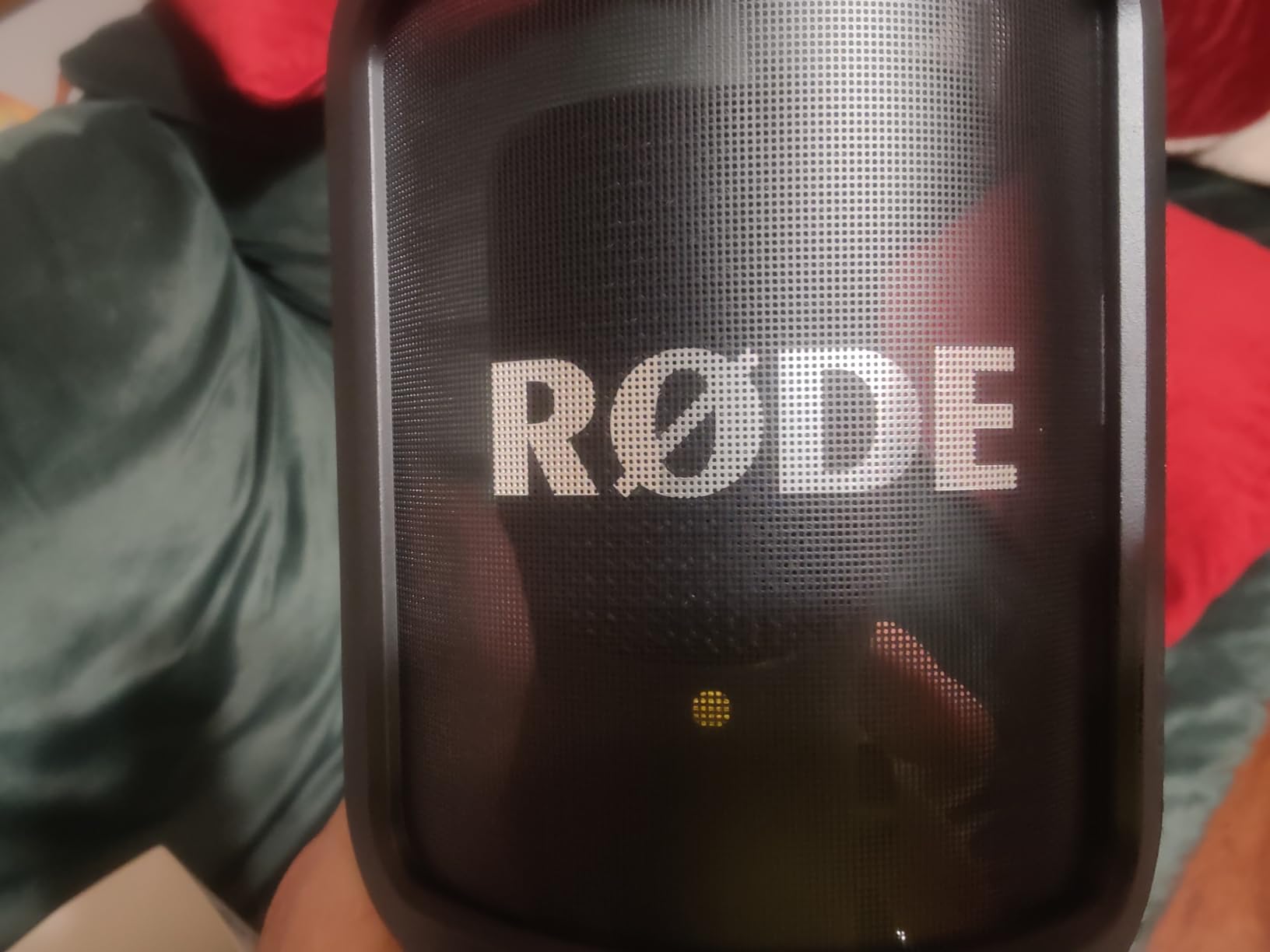
The Rode NT-USB+ is the upgrade path for anyone who has outgrown basic USB microphones. It features Rode’s studio-grade condenser capsule paired with their Revolution Preamp, the same technology found in their professional XLR microphones. The result is USB convenience with genuinely professional sound quality that works beautifully for acoustic guitar recording.
What sets the NT-USB+ apart from other USB mics is the APHEX audio processing available through Rode’s Central software. The Aural Exciter adds harmonic richness that can make acoustic guitar recordings sound more polished and present. The Big Bottom processor enhances the low-frequency response, giving the guitar body more warmth and depth. These effects are optional and can be bypassed for a completely natural sound, but I found that a subtle amount of Aural Exciter on fingerstyle recordings added a pleasing professional sheen.
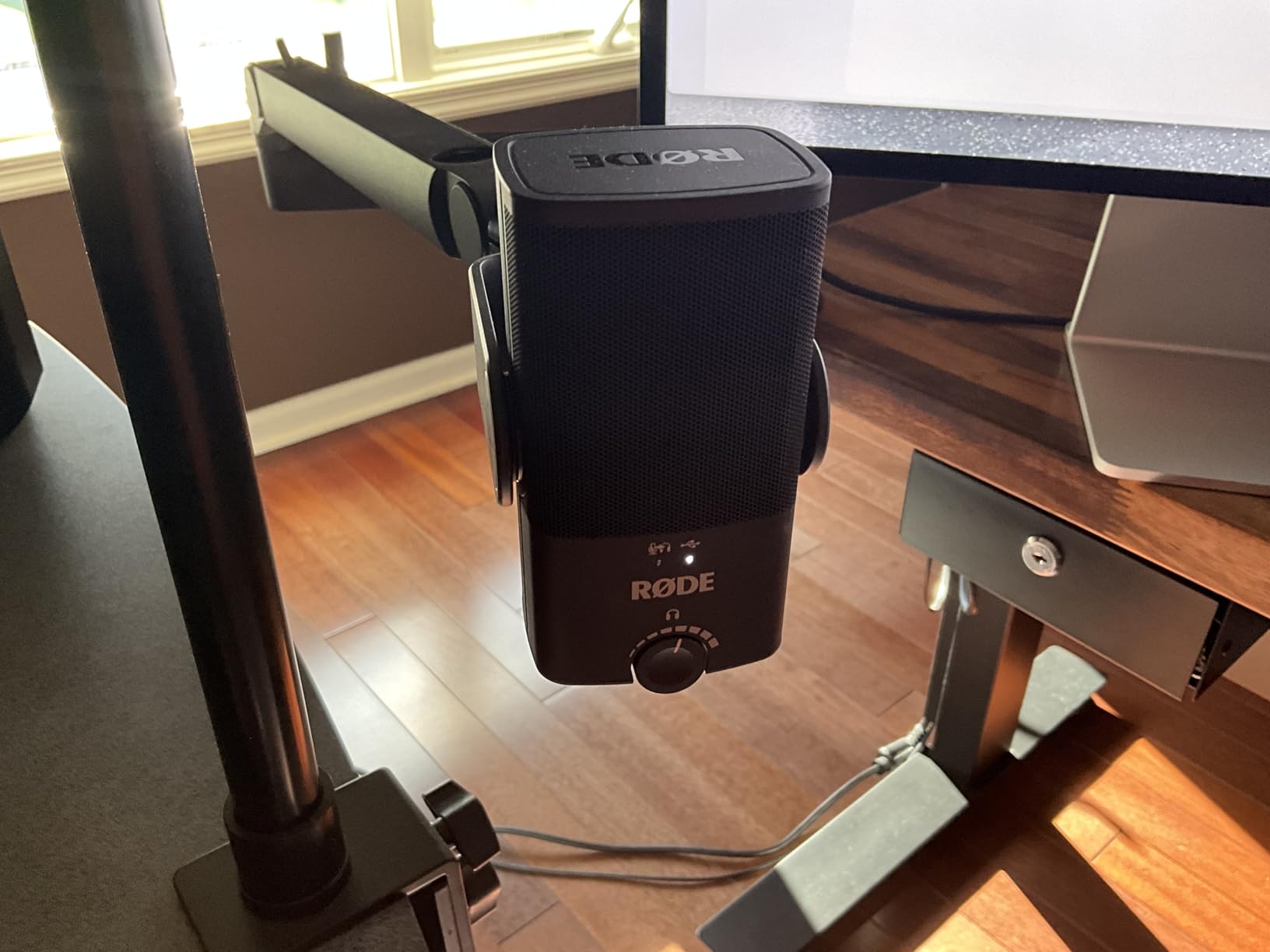
The USB-C connectivity is a welcome modern touch that ensures compatibility with current computers and mobile devices. Hi-res audio at 48 kHz and 24-bit gives you more headroom and detail than standard 16-bit USB microphones. The zero-latency headphone output with mix control works the same way as the AT2020USB+, allowing you to monitor your performance in real-time.
For acoustic guitar specifically, I found the NT-USB+ delivers a slightly more detailed and open sound than the AT2020USB+. The higher sampling rate and better preamp contribute to cleaner transient response on fingerpicked passages. The all-metal body feels substantial and professional. My only complaint is that the included pop filter and plastic desk stand feel like afterthoughts compared to the microphone itself.
Who should buy this
Musicians who want the best possible USB recording quality for acoustic guitar should look at the NT-USB+. The APHEX processing, high-res audio, and studio-grade capsule make it the most feature-rich USB option on this list. It is ideal for home studios where simplicity matters but sound quality cannot be compromised.
Who should look elsewhere
Budget buyers who just need a basic USB mic for casual recording can save money with the AT2020USB+ or Blue Yeti. The NT-USB+ also lacks a physical mute button, which some users find frustrating. If you plan to eventually move to XLR recording, consider starting with the Rode NT1 5th Gen instead, which gives you both USB and XLR in one microphone.
15. Blue Yeti – The Multi-Pattern USB Powerhouse
Logitech Creators Blue Yeti USB Microphone for PC, Mac, Gaming, Recording, Streaming, Podcasting, Studio and Computer Condenser Mic with Blue VO!CE effects, 4 Pickup Patterns, Plug and Play – Blackout
USB microphone
4 pickup patterns
Three-capsule array
56k+ reviews
Pros
- Four pickup patterns including stereo
- Custom three-capsule array
- Blue VO!CE software effects
- Plug and play setup
- Massive community and support
Cons
- Micro-USB port instead of USB-C
- Condenser sensitivity picks up room noise
- Heavy and bulky
- Requires proper gain staging
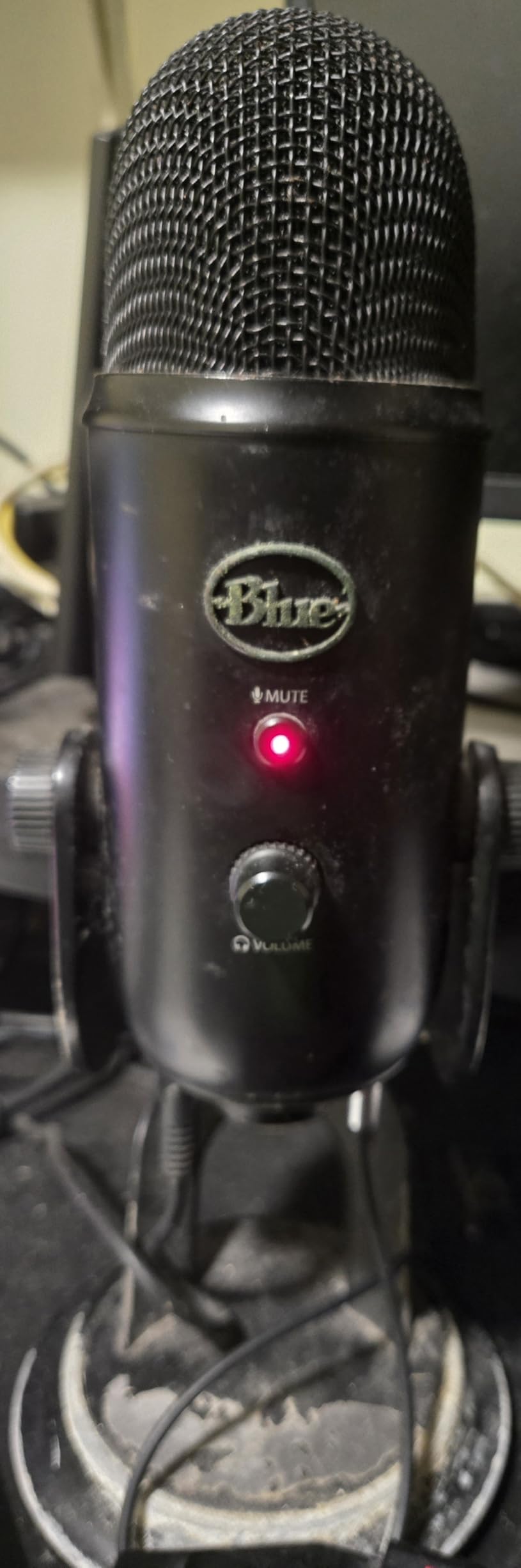
The Blue Yeti is the best-selling USB microphone in the world with over 56,000 reviews, and while it is primarily marketed at streamers and podcasters, it has some surprising strengths for acoustic guitar recording. The custom three-capsule array and four selectable pickup patterns make it one of the most versatile USB microphones available.
For acoustic guitar, I recommend using either the cardioid mode for focused single-source recording or the stereo mode for a wider soundstage. In stereo mode, the Yeti captures a surprisingly immersive image of your acoustic guitar. It is not going to rival a pair of matched Rode M5s, but for a single USB microphone, the stereo width is impressive. I recorded a comparison between the Yeti in stereo mode and a single AT2020, and the Yeti actually produced a more engaging, spacious sound.
The Blue VO!CE software adds broadcast-quality effects that can enhance your acoustic guitar recordings. While most of the effects are designed for vocals, the compression and EQ presets can tighten up your guitar tone. The software is free and works on both Mac and PC.
The main drawback for acoustic guitar recording is the condenser sensitivity. The Yeti picks up a lot of room noise, so you need a quiet recording environment. I also wish Logitech would update the micro-USB port to USB-C. The heavy, bulky design means you need a sturdy desk or boom arm to support it. And at 3.3 pounds, it is the heaviest microphone on this list by a significant margin.

Who should buy this
The Blue Yeti is perfect for musicians who also stream, podcast, or create YouTube content. If you need one USB microphone that handles acoustic guitar recording, voiceover work, live streaming, and group recording, the Yeti’s four pickup patterns give you flexibility that no other mic at this price can match. The stereo mode is genuinely useful for solo acoustic guitar recordings.
Who should look elsewhere
Dedicated guitar recording setups will benefit more from a proper condenser microphone with XLR connectivity. The Yeti’s condenser sensitivity means untreated rooms will produce noisy recordings. If you specifically want USB recording with higher audio quality for acoustic guitar, the Rode NT-USB+ or Audio-Technica AT2020USB+ are better focused options.
How to Choose the Right Microphone for Acoustic Guitar
Choosing a microphone for acoustic guitar recording starts with understanding the three main types available and how each one interacts with the unique sound of an acoustic instrument. I have tested all three types extensively, and each has distinct strengths and trade-offs.
Condenser vs Dynamic vs Ribbon Microphones
Condenser microphones are the most popular choice for acoustic guitar recording, and for good reason. They capture a wider frequency range with more detail than dynamic microphones. The trade-off is that they require phantom power (48V) from your audio interface and are more sensitive to room noise. Both large-diaphragm and small-diaphragm condensers work well for acoustic guitar, but they produce noticeably different results.
Dynamic microphones like the Shure SM57 are rugged, affordable, and require no phantom power. They handle high SPL without distortion and reject room noise better than condensers. The downside is a more limited frequency response and lower sensitivity, which means you need to position them closer to the guitar. I think of dynamics as the “reliable workhorse” option. They will not give you the most detailed recording, but they will never let you down.
Ribbon microphones produce a warm, smooth sound with a natural high-frequency rolloff that flatters acoustic guitar. They excel at taming harshness and adding body to thin-sounding instruments. The Figure-8 polar pattern captures sound from front and back equally, which adds a natural room ambience to your recordings. Ribbons typically need more preamp gain than other types, and the delicate ribbon element requires careful handling.
Large vs Small Diaphragm Condensers
This is one of the most debated topics in acoustic guitar recording. Here is what I have found from my own testing. Small-diaphragm condensers (also called pencil mics) deliver faster transient response and a more accurate, uncolored representation of the instrument. They are the go-to choice for professional engineers who want the most faithful reproduction of the acoustic guitar. The Shure SM81, Rode M5, and AKG Perception 170 are all excellent SDC options.
Large-diaphragm condensers tend to add a bit of warmth and character to the sound. They are often described as sounding “bigger” or “more present” than small-diaphragm mics. For singer-songwriters who record both vocals and guitar, a large-diaphragm condenser like the AT2035 or Rode NT1 is a practical one-mic solution. The larger capsule also typically produces less self-noise, which matters for quiet recordings.
Polar Patterns for Acoustic Guitar
The cardioid pattern is the most common and versatile choice for acoustic guitar. It picks up sound from the front while rejecting noise from the sides and rear. This focus is especially helpful in untreated rooms where you want to minimize reflections and ambient noise.
The Figure-8 pattern found in ribbon microphones picks up equally from front and back, which can add natural room ambience to your recordings. It is also essential for mid-side stereo recording, a technique that produces stunning results on acoustic guitar when done correctly.
The omnidirectional pattern picks up sound from all directions. While this captures the most natural room sound, it also captures the most room noise. I only recommend omni patterns in well-treated studios with quiet environments.
Key Specs That Matter
Frequency response should cover at least 80 Hz to 15 kHz for acoustic guitar. The fundamental low E string rings at about 82 Hz, and the overtones extend well above 15 kHz. Mics with wider range like the SM81 (20 Hz to 20 kHz) capture more harmonic detail.
Self-noise is measured in dB and tells you how much hiss the microphone itself produces. Lower is better. The AKG C214 at 13 dB-A is exceptionally quiet, while budget condensers typically sit around 20 dB. For quiet fingerstyle recording, aim for under 18 dB.
Max SPL indicates how loud a source the mic can handle before distortion. Acoustic guitar rarely exceeds 100 dB SPL, so any microphone on this list handles it comfortably. But if you plan to mic loud guitar amps or drums too, look for higher SPL ratings like the AKG C214 at 156 dB.
Mic Placement Tips for Recording Acoustic Guitar
Even the best microphone for recording acoustic guitars will sound terrible if you put it in the wrong position. Mic placement has a bigger impact on your recorded tone than the microphone itself. Here are the techniques I rely on most.
The 12th Fret Sweet Spot
Position your microphone 6 to 12 inches from the guitar, aimed at the 12th fret. This is the single most reliable starting point for acoustic guitar recording. The 12th fret is where the neck meets the body, and it produces a balanced blend of string brightness and body warmth. I start every session here and only move the mic if the guitar sounds too bright or too boomy in this position.
Move the mic closer to the soundhole and you get more bass and boom. Move it closer to the bridge and you capture a thinner, more trebly tone. The 12th fret splits the difference perfectly. If I could only share one tip about recording acoustic guitar, this would be it.
Avoiding Soundhole Boom
The soundhole is the biggest mistake beginners make when mic’ing acoustic guitar. Pointing a microphone directly at the soundhole from close range produces a boomy, muddy recording with exaggerated bass. This happens because the soundhole acts like a port that pumps out low-frequency energy.
If you want some body resonance in your recording (and you should), aim the microphone at the 12th fret or the area where the neck meets the body. The mic will still pick up the warmth from the soundhole without the overwhelming bass buildup. If you absolutely must point at the soundhole, back the mic off to at least 18 inches and use a high-pass filter on your interface or mixer.
Stereo Recording Techniques
XY (Coincident Pair): Place two matched cardioid microphones at a 90-degree angle with their capsules as close together as possible. This produces a wide stereo image with excellent mono compatibility and no phase issues. The Rode M5 Matched Pair is perfect for this technique.
Spaced Pair (A/B): Place two microphones 12 to 18 inches apart, both aimed at the 12th fret area. This creates a wider, more dramatic stereo image than XY, but you need to follow the 3:1 rule (distance between mics should be at least 3 times the distance from each mic to the source) to avoid phase cancellation.
Mid-Side (M/S): This technique uses a cardioid mic facing the guitar (mid) and a Figure-8 ribbon mic at a 90-degree angle (side). You sum the side channel to mono and blend it with the mid channel to control the stereo width in post-production. The MXL R144 or sE Electronics VR2 works beautifully as the side mic in this setup.
Frequently Asked Questions
What type of microphone should I use to record an acoustic guitar?
A small-diaphragm condenser microphone is generally the best choice for recording acoustic guitar because it captures fast transients and a wide frequency range with accuracy. Large-diaphragm condensers also work well and add warmth, while ribbon microphones provide a smooth, vintage character. Dynamic microphones like the Shure SM57 are a budget-friendly option that performs respectably, though they miss some high-frequency detail compared to condensers.
What is the 3 to 1 rule in micing?
The 3:1 rule states that the distance between two microphones should be at least three times the distance from each microphone to the sound source. For example, if each mic is 6 inches from the guitar, the two mics should be at least 18 inches apart. Following this rule minimizes phase cancellation caused by the same sound arriving at each microphone at slightly different times.
What is the best way to record an acoustic guitar?
Position a cardioid condenser microphone 6 to 12 inches from the 12th fret, angled slightly toward the neck-body junction. This captures a balanced blend of string brightness and body warmth. Use a shockmount to reduce vibrations, engage a high-pass filter around 80 Hz to cut rumble, and record in the quietest room available. For a more immersive sound, use a matched pair of small-diaphragm condensers in an XY stereo configuration.
Is an SM57 good for recording acoustic guitar?
Yes, the Shure SM57 is a capable microphone for recording acoustic guitar, especially considering its low price. Its contoured frequency response includes a presence peak around 6 kHz that adds pleasant sparkle to the high strings. The main limitations are the 15 kHz frequency ceiling, which misses some ultra-high overtones, and the need for close positioning (4 to 8 inches) due to lower sensitivity compared to condensers. It is an excellent starting point for beginners and a reliable backup for professionals.
Do I need phantom power for recording acoustic guitar?
You need phantom power (48V) only if you are using a condenser microphone. Condenser mics like the AT2020, SM81, and AKG C214 require phantom power to charge their internal capsule. Dynamic microphones like the SM57 and passive ribbon microphones like the sE Electronics X1 R do not require phantom power. USB microphones get their power through the USB connection and do not need external phantom power from an audio interface.
Final Thoughts
Finding the best microphones for recording acoustic guitars does not have to be complicated. If you want the most accurate, professional sound, a small-diaphragm condenser like the Shure SM81-LC is the gold standard. On a budget, the Shure SM57 and Audio-Technica AT2020 deliver remarkable results for their price. For stereo recording, the Rode M5 Matched Pair offers outstanding value. And if USB convenience matters more than XLR flexibility, the Rode NT-USB+ and Audio-Technica AT2020USB+ are both excellent choices that skip the audio interface entirely.
The truth I have learned from years of recording is that the microphone matters less than what you do with it. A well-placed SM57 in a good room will always sound better than a poorly positioned Neumann in a bad room. Start with the 12th fret placement technique, experiment with distance and angle, and upgrade your microphone only when you can clearly hear the limitations of your current setup. Happy recording in 2026.