
I have spent more hours than I care to admit chasing that one perfect tube sound. Over the past decade, our team has gigged, recorded, and practiced through dozens of premium tube guitar amplifiers, and the amps on this list are the ones that kept showing up in our sessions.
Premium tube guitar amplifiers sit in a different class than budget practice combos or solid-state modeling units. They use vacuum tubes to shape the signal path, and that design gives you the touch-sensitive response, natural compression, and harmonic complexity that define the sound of rock, blues, jazz, and country from the past six decades. Whether you are after sparkling Fender cleans, gritty British chime, or a roaring high-gain stack, there is a tube amp here that fits the bill.
In this guide, we break down 15 of the best premium tube guitar amplifiers you can buy right now in 2026. We cover everything from the legendary Vox AC30 to boutique-friendly options like the EVH 5150III and apartment-friendly picks like the Bugera V5. You will find detailed reviews, head-to-head specs, and a buying guide that explains the real differences between EL84, EL34, and 6L6 tubes, Class A versus Class AB circuits, and how to choose the right wattage for your situation.
If you are upgrading from a solid-state amp or your first practice combo, this article will help you spend your money on a tube amp you will still love 10 years from now.
Table of Contents
Top 3 Picks for Premium Tube Guitar Amplifiers (September 2026)

Fender Blues Deluxe Reissue
- 40W all-tube
- 2x6L6 power tubes
- Spring reverb
- 12-inch Eminence speaker

Vox AC15C1
- 15W all-tube
- EL84 power tubes
- Top Boost + Normal channels
- Built-in reverb and tremolo

Premium Tube Guitar Amplifiers in 2026
| Product | Specifications | Action |
|---|---|---|
| Fender Blues Deluxe Reissue |
|
Check Latest Price |
| Vox AC15C1 |
|
Check Latest Price |
 Fender Blues Junior Fender Blues Junior |
|
Check Latest Price |
 Fender Pro Junior IV Fender Pro Junior IV |
|
Check Latest Price |
 Fender Blues Junior IV Fender Blues Junior IV |
|
Check Latest Price |
 Orange OR15H Orange OR15H |
|
Check Latest Price |
 Bugera V22 INFINIUM Bugera V22 INFINIUM |
|
Check Latest Price |
 Bugera V5 INFINIUM Bugera V5 INFINIUM |
|
Check Latest Price |
| EVH 5150III 50W |
|
Check Latest Price |
 Monoprice Stage Right 30W Monoprice Stage Right 30W |
|
Check Latest Price |
 Vox AC30C2 Vox AC30C2 |
|
Check Latest Price |
 Fender 68 Custom Vibro Champ Fender 68 Custom Vibro Champ |
|
Check Latest Price |
 Fender Tone Master Deluxe Fender Tone Master Deluxe |
|
Check Latest Price |
 Fender Tone Master Twin Reverb Fender Tone Master Twin Reverb |
|
Check Latest Price |
 Fender Hot Rod Deluxe 30th Anniv. Fender Hot Rod Deluxe 30th Anniv. |
|
Check Latest Price |
1. Fender Blues Deluxe Reissue – The American Clean Standard
Fender Blues Deluxe™ Reissue, Tweed
40W all-tube
2x6L6
Spring reverb
12-inch Eminence
Pros
- Legendary Fender clean tone
- Lush spring reverb
- Punchy 6L6 power
- Stage-ready volume
Cons
- Rear-mounted controls
- Reverb tank quality varies
- Too loud for apartments
When I plug into the Blues Deluxe Reissue, I am reminded why the 6L6 Fender circuit has been the gold standard for clean American tone since the 1950s. The 40-watt push of the 6L6 power tubes pushes the 12-inch Eminence speaker with authority, and the clean channel is glassy and full before it ever starts to break up. Crank the drive channel a little past noon, and you get that blooming midrange grind that defined Stevie Ray Vaughan and countless Chicago blues records.
The spring reverb is a highlight. Fender’s tube-driven reverb circuits are still the best in the business, and the Blues Deluxe delivers a deep, drippy wash that sits beautifully behind any note you play. I tracked an entire rhythm guitar part using just the clean channel and a touch of reverb for a recent session, and the engineer commented on how little EQ he had to add.
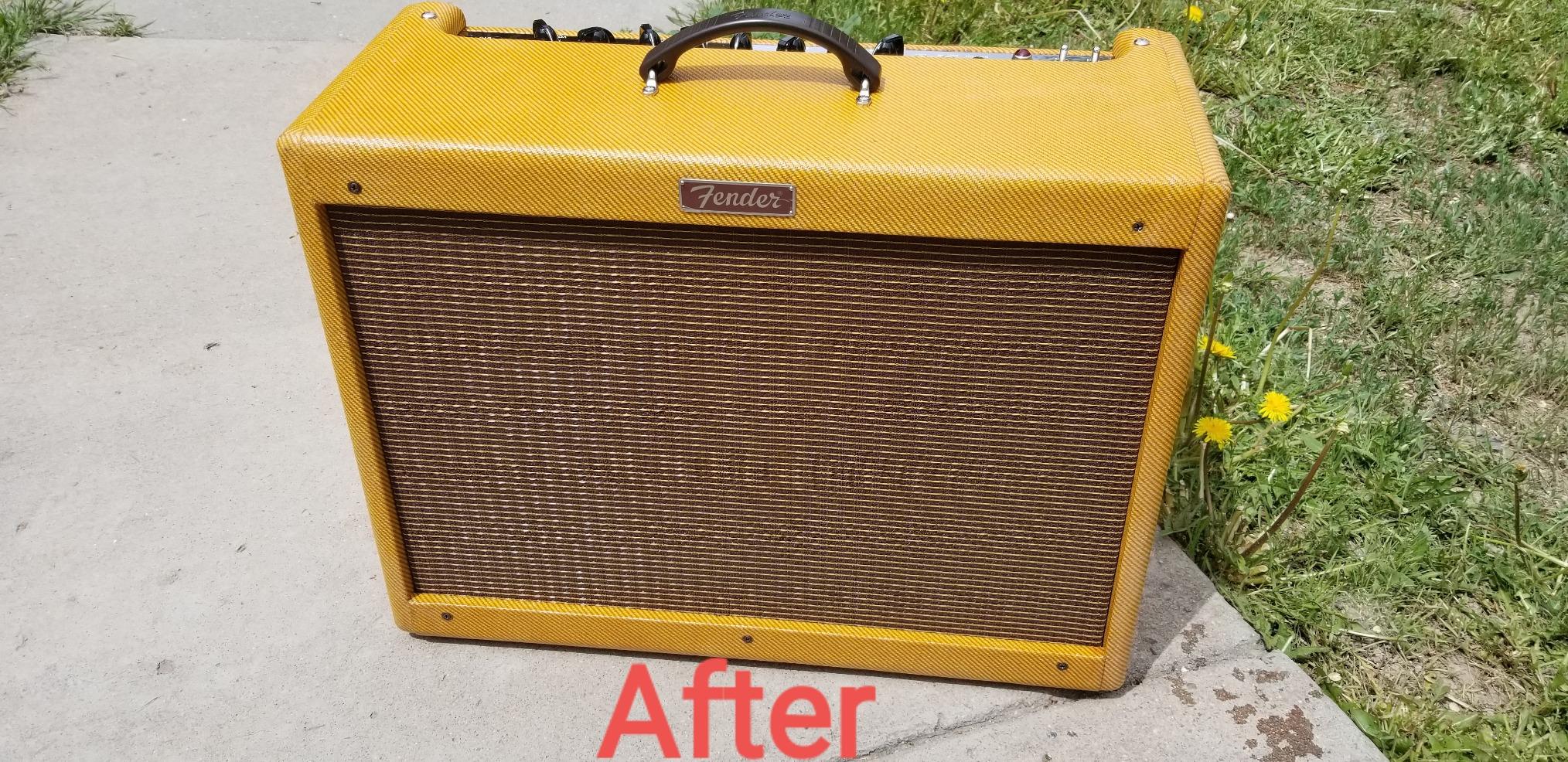
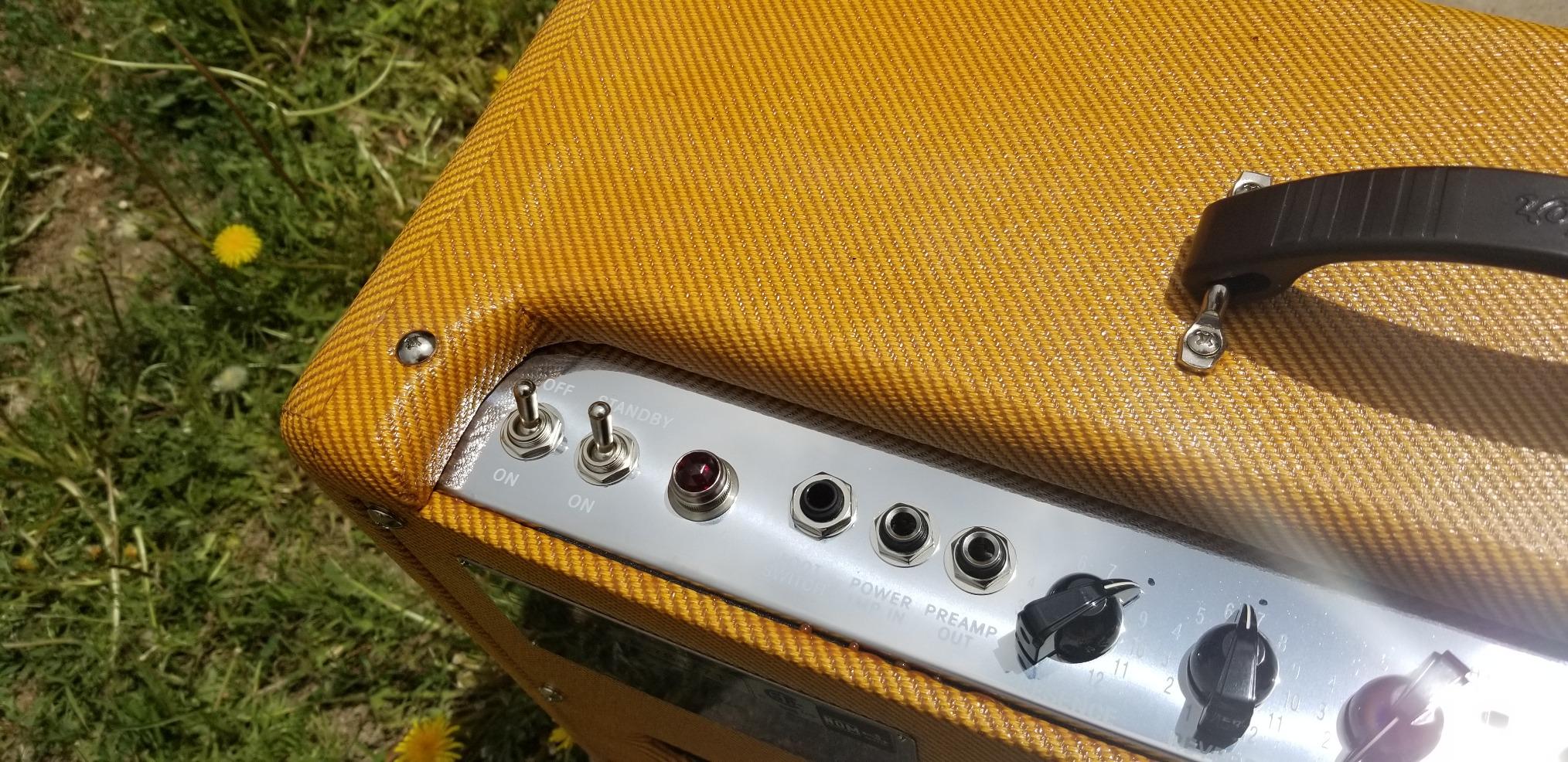
That said, this is not an amp for apartment dwellers. At 40 watts into a 12-inch speaker, even the lowest usable volume setting is enough to wake neighbors. The rear-mounted control panel is also a real annoyance if you tweak your tone mid-song. I found myself bending over the back of the amp more than once during a live set.
For players who gig regularly and want classic Fender tone without going fully boutique, the Blues Deluxe Reissue is hard to beat. It is also a strong step up from the Hot Rod Deluxe for purists who want the preamp and reverb circuit to feel more vintage. If you are looking at our full guide to the best tube amplifiers, this is a frequent recommendation.
Tone shaping and dynamics
The 2-channel design is well thought out. The clean channel stays sparkling until about 2 o’clock on the volume, then it begins to push into a soft compression that blues players will love. The drive channel runs through a separate gain stage and an Eminence speaker that adds midrange punch, giving the overdrive a more vocal, singing quality. I found that a Telecaster into the drive channel was the most expressive setup I have used in months.
Tube life and maintenance
Expect to retube the Blues Deluxe every 2 to 4 years depending on how hard you push it. A matched pair of JJ 6L6 tubes costs around $50, and the 12AX7 preamp tubes are even cheaper. Fender’s 5-year warranty is a nice safety net, though the rear control panel design has been known to be fragile if you are hauling the amp to gigs every week.
2. Vox AC15C1 – British Chime at Practical Volume
Vox AC15C1 1×12″ 15W Guitar Tube Combo Amp w/ 2 Channels, Tremolo, & Reverb
15W all-tube
EL84 power tubes
Top Boost + Normal
Reverb and tremolo
Pros
- Iconic Vox chime
- Top Boost circuit
- Built-in reverb and tremolo
- Takes pedals well
Cons
- May need tube replacement
- High-end rattle possible
- Not as loud as an AC30
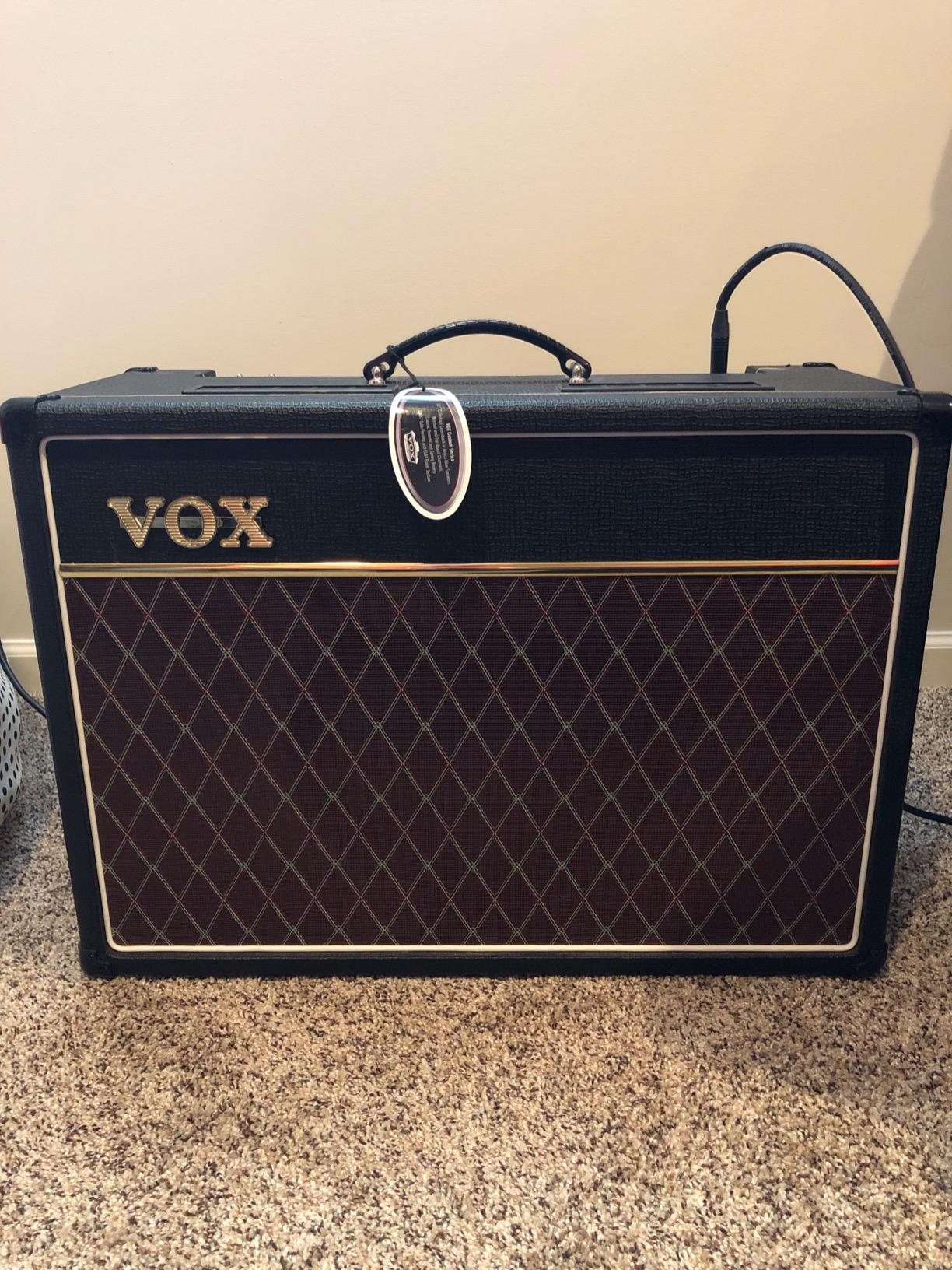
There is a reason the AC15 has been on countless stages and albums for over 60 years. The Top Boost circuit in the AC15C1 adds the famous cut and shimmer that defined The Beatles, The Rolling Stones, and The Kinks. Plug a Les Paul or a humbucker-loaded Strat into the Top Boost channel with the volume around 11 o’clock, and the tone practically plays itself.
The combination of EL84 power tubes and the 12AX7 preamp section gives the AC15 a chiming top end, a focused midrange, and a tight low end that sits perfectly in a band mix. The built-in reverb and tremolo are both warm and musical. I ran a Tele into the Normal channel and an SG into the Top Boost channel during a rehearsal, and both sounded incredible without touching any pedals.
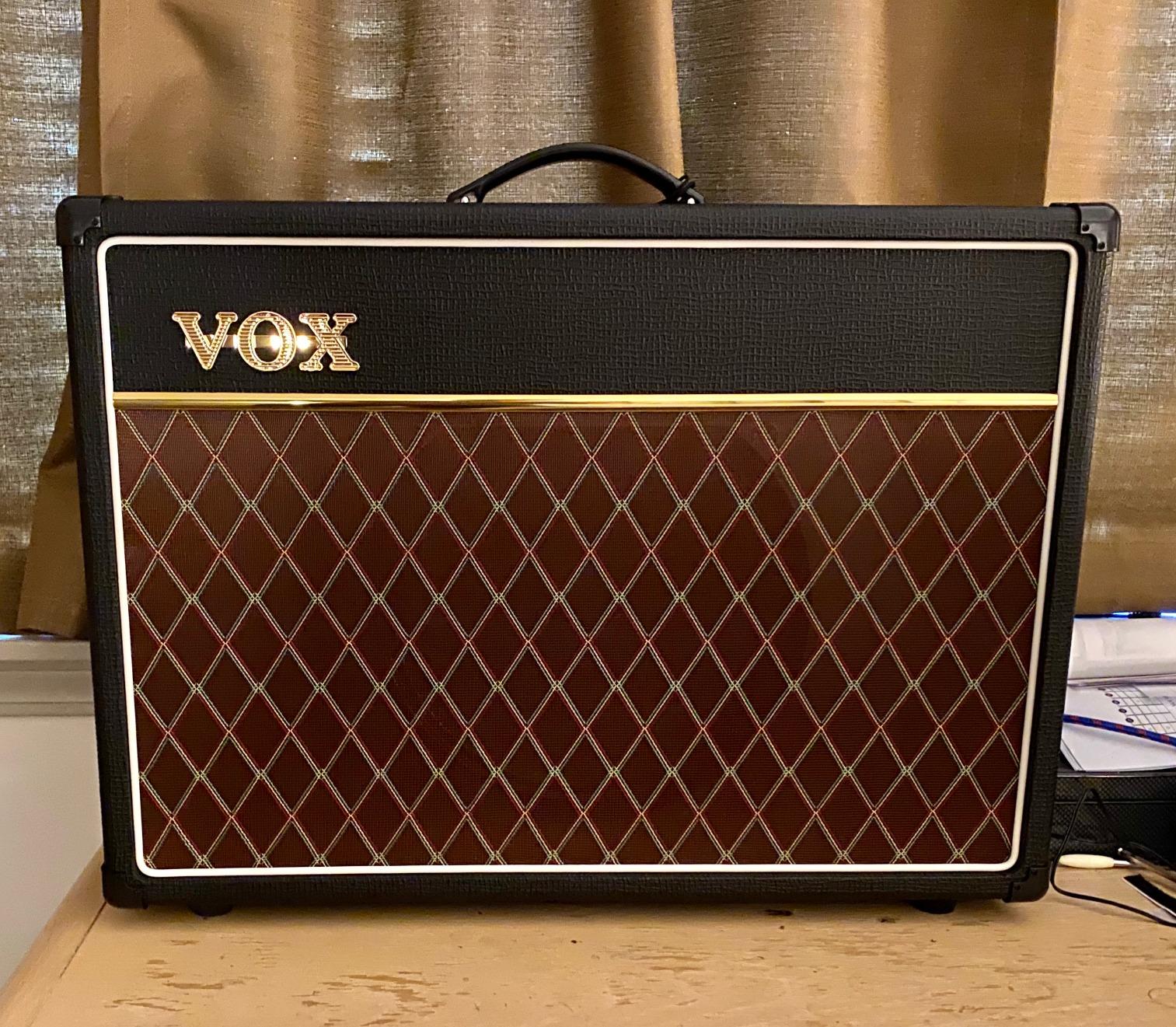
The 15-watt rating is a sweet spot. It is loud enough for small clubs and studio work but quiet enough that you can push it into overdrive without blowing the doors off. The custom Celestion VX10 speaker is voiced to deliver the classic Vox character at lower volumes, and it does a great job. The amp also has an extension speaker output if you want to add a 2×12 cabinet for bigger gigs.
One thing to watch for is the high-end rattle that some users report. It usually comes from a loose tube shield or a failing preamp tube, and it is fixable with a $20 tube swap. The 1-year parts and labor warranty covers everything except tubes and footswitches, which only get 90 days.
Pedal platform capability
The AC15C1 is one of the most pedal-friendly amps I have tested. Its relatively clean headroom means that overdrive, fuzz, and modulation pedals all retain their character. I ran a Klon-style overdrive and a tape delay into the Normal channel for a recording session, and the amp stayed articulate and defined. If you build your tone around pedals, the AC15 is a true workhorse.
Comparing to the AC30
Many players wonder if the AC15 is enough or if they need the AC30. I have owned both, and the honest answer is that the AC15 covers 80% of what the AC30 does at half the weight and a much lower price. Unless you regularly play large clubs without a PA, the AC15C1 is the smarter buy for most players.
3. Fender Blues Junior – Tweed Tone for Home Practice
Fender Blues Junior Guitar Amplifier, Lacquered Tweed, with 2-Year Warranty
15W all-tube
EL84 power tubes
Jensen P12N
Spring reverb
Pros
- Warm tweed tone
- Foot-switchable FAT boost
- Lightweight at 23 lbs
- Pedal-friendly clean platform
Cons
- No effects loop
- Limited amp-only overdrive
- Reverb less drippy than Deluxe Reverb
The Blues Junior is the amp I recommend to anyone who asks about a first serious tube amp. At 15 watts with a single EL84 power tube pair and a Jensen P12N speaker, it delivers genuine Fender tone at a weight most players can carry with one hand. The lacquered tweed covering looks the part, and the sound lives up to the looks.
What I love about the Blues Junior is the foot-switchable FAT boost. Tap it on, and the midrange thickens up and the gain stage pushes a little harder. It is a great way to add an extra layer of drive for solos without needing an overdrive pedal. I used it to track rhythm parts on a blues record last year, and the FAT boost was engaged for nearly every take.
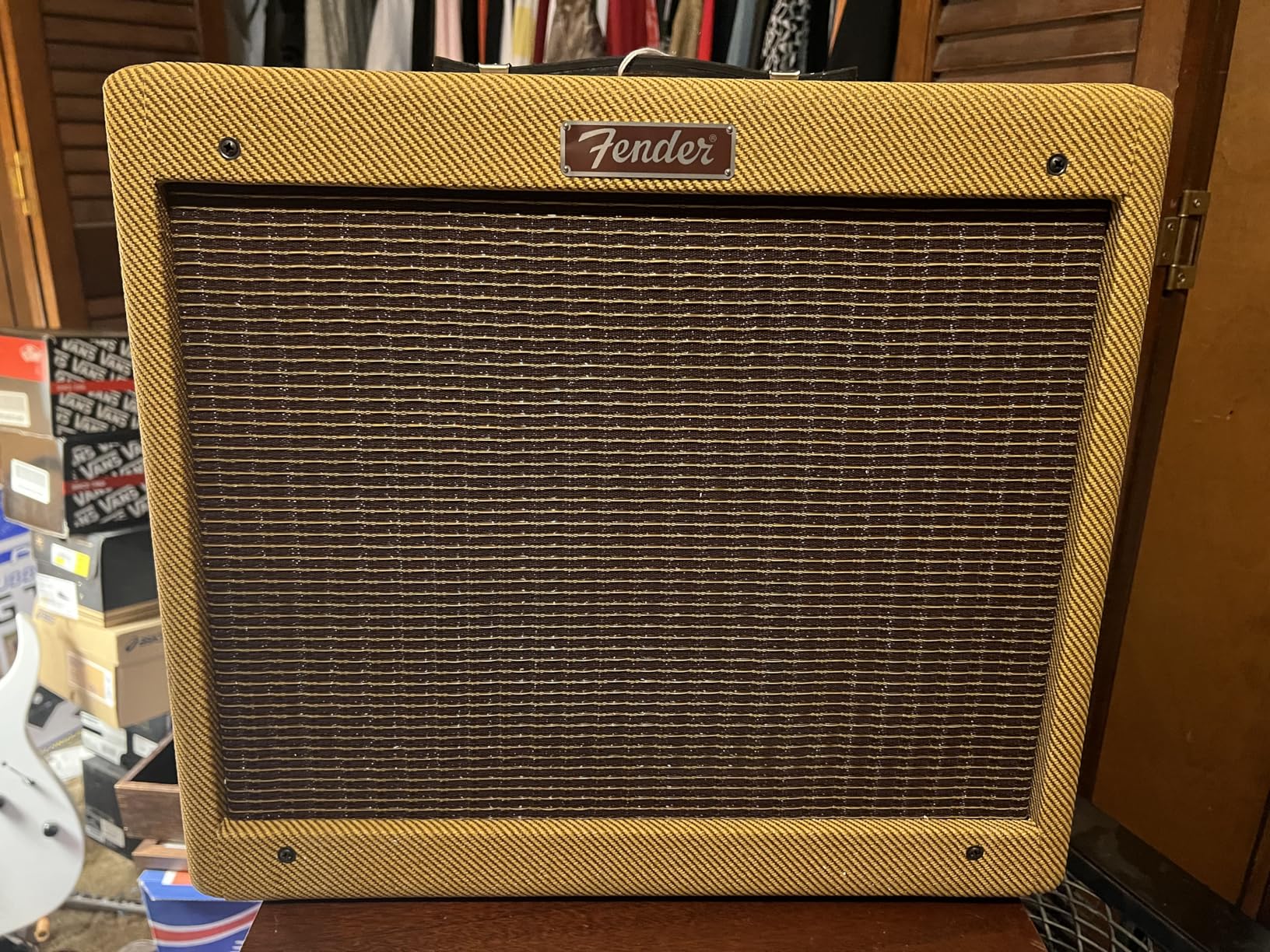
The clean channel is pure Fender. It sparkles at low volumes and stays articulate all the way up to gig volume. The spring reverb is good but not as lush as the Deluxe Reverb or Blues Deluxe. For players who want drippy Fender reverb, that is a real consideration. I usually run a small reverb pedal in front of the amp to compensate.
For a tighter budget, the Blues Junior is also a great choice in our guide to the best tube guitar amplifiers under $1000. The 144 reviews averaging 4.6 stars reflect how consistently this amp delivers.
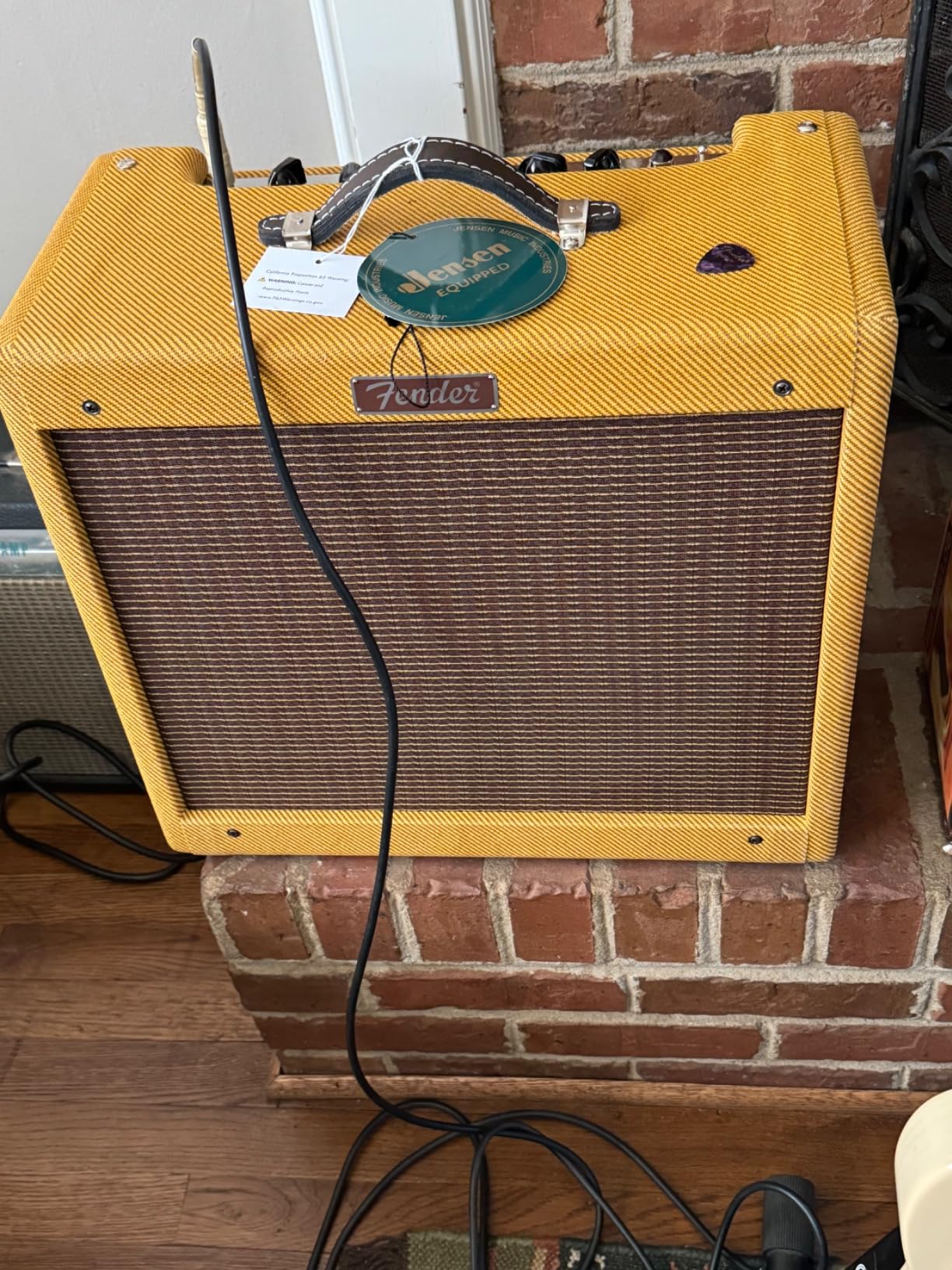
Home use and apartment settings
At 15 watts, the Blues Junior sits right at the edge of what is apartment-friendly. You can play at conversational volume and still hear the tube warmth, but the sweet spot starts at about 9 o’clock on the volume knob. Above that, and the walls start to shake. The FAT boost can push it into breakup at lower volumes, which is the secret to getting the most out of this amp at home.
Build quality and warranty
Fender’s 5-year transferable warranty on the amp, 1 year on the speaker, and 90 days on tubes is one of the best in the business. The lacquered tweed covering is more durable than the older tolex versions, but the corners can still chip if you bang the amp around. A protective cover is a smart investment if you gig with it.
4. Fender Pro Junior IV – Bedroom Volume Tube Magic
Fender Pro Junior IV Guitar Amplifier, Lacquered Tweed, with 2-Year Warranty
15W all-tube
EL84 power tubes
Jensen P10R alnico
No reverb
Pros
- Tube tone at bedroom volumes
- Gradual musical breakup
- Jensen P10R alnico speaker
- Great pedal platform
Cons
- No reverb
- Only 10-inch speaker
- Limited EQ section
The Pro Junior IV is the amp I keep coming back to when I want to practice at home without annoying the family. The 10-inch Jensen P10R alnico speaker combined with the modified volume circuit gives you that gradual, musical breakup that you usually only get from a much more expensive amp. The alnico speaker is the secret sauce here. It compresses and adds harmonic richness in a way that ceramic speakers just cannot match.
With no reverb, no effects loop, and only basic tone controls, the Pro Junior is a true blank canvas. I plugged in a Strymon Riverside overdrive and a Catalinbread Belle Epoch tape delay, and the amp let each pedal speak with its own character. The 4.8-star rating from 67 reviews reflects how well this little combo works as a pedal platform.
One of the things I appreciate is the tighter bass response when overdriven. Fender redesigned the volume circuit to keep the low end focused even at higher gain settings. That makes the Pro Junior IV a great choice for players who want a small, portable amp for home use that still has enough dirt for blues and classic rock.
Who should buy the Pro Junior IV
This is the perfect first tube amp for a player who wants real tube tone without the extra weight or cost of a larger combo. It is also a great backup or travel amp for a gigging musician. The 20-pound weight makes it easy to grab with one hand, and the lacquered tweed covering looks great in any room.
Limitations to be aware of
There is no reverb, no headphone jack, and the EQ is limited to bass and treble. If you rely on amp reverb, plan on adding a small reverb pedal. The 10-inch speaker is also less authoritative than a 12-inch, so the amp does not have the deep low end of the Blues Junior or Blues Deluxe. For bedroom practice and small gigs, that is rarely a problem.
5. Fender Blues Junior IV – The Modern Workhorse Combo
Fender Blues Junior IV Guitar Amplifier with Speaker, Black, 2-Yr Warranty
15W all-tube
EL84 power tubes
Celestion A-Type
Fat Mid boost
Pros
- Excellent Fender tone
- Celestion 12-inch A-Type speaker
- Improved spring reverb
- Includes FAT footswitch
Cons
- No headphone jack
- Some hiss reported
- Heavier than earlier models
The Blues Junior IV took everything good about the older Blues Junior and made it better. The biggest upgrade is the Celestion A-Type 12-inch speaker, which gives the amp a more refined top end and a tighter low end than the older Jensen. The preamp circuit was also modified for increased fullness, and the reverb was reworked to be smoother and more musical.
What I appreciate most is the included 1-button footswitch for the Fat Mid boost. Tapping it on adds a midrange bump that pushes solos through a mix without having to touch the amp. I used it on a gig last month and the boost gave my solos the extra bite they needed without a separate overdrive pedal.
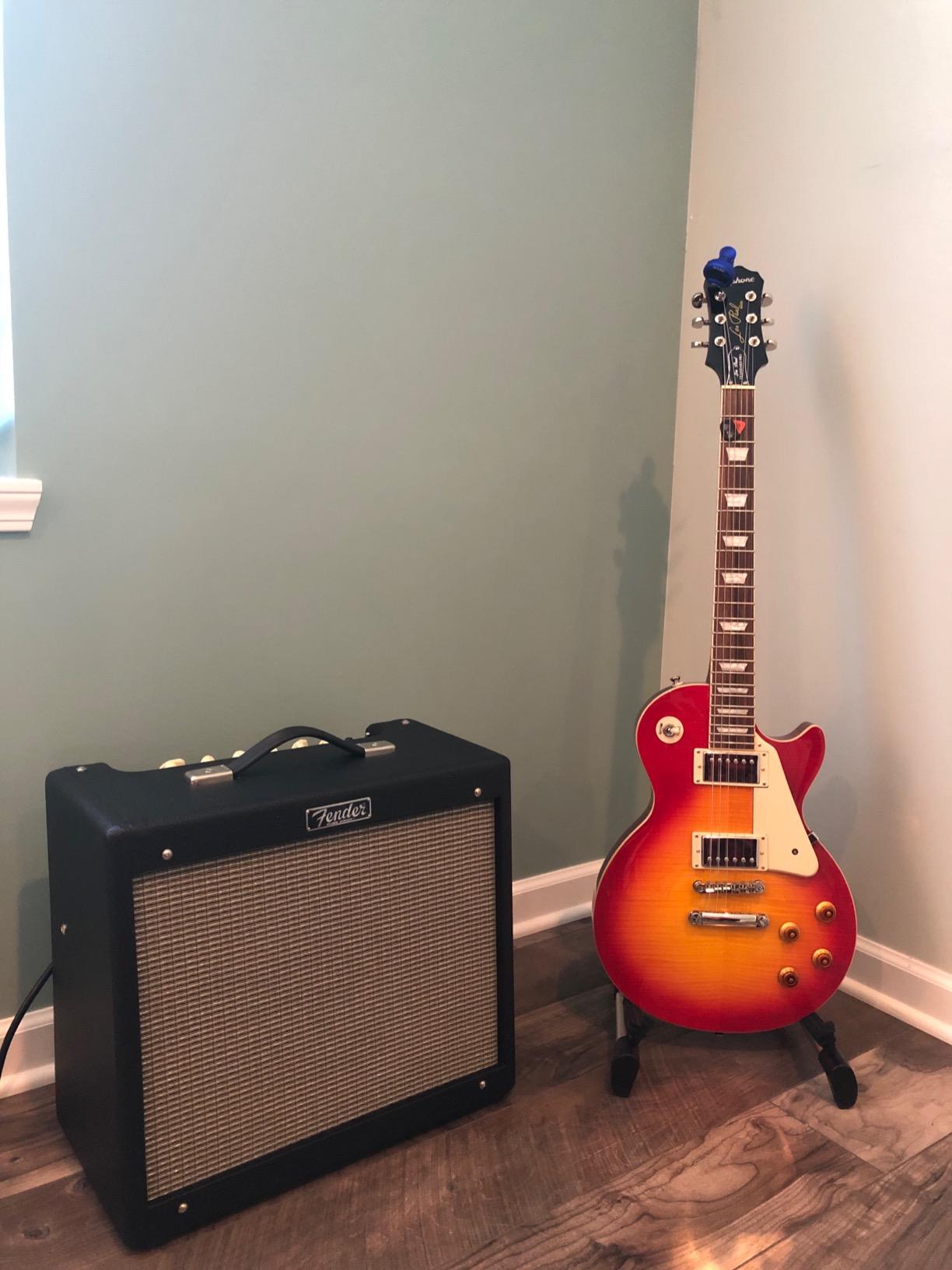
The 7-band EQ gives you more tone-shaping options than the original Blues Junior. I usually leave the EQ flat, but it is nice to have the option to scoop the mids for a heavier rock sound or push the treble for cutting through a dense mix. The 98 reviews averaging 4.6 stars confirm that this is one of Fender’s most popular tube combos.
For players who want classic Fender tone with modern features and the reliability of a 1-year limited warranty, the Blues Junior IV is a smart buy. The Prime shipping eligibility is a bonus for buyers who want fast delivery.
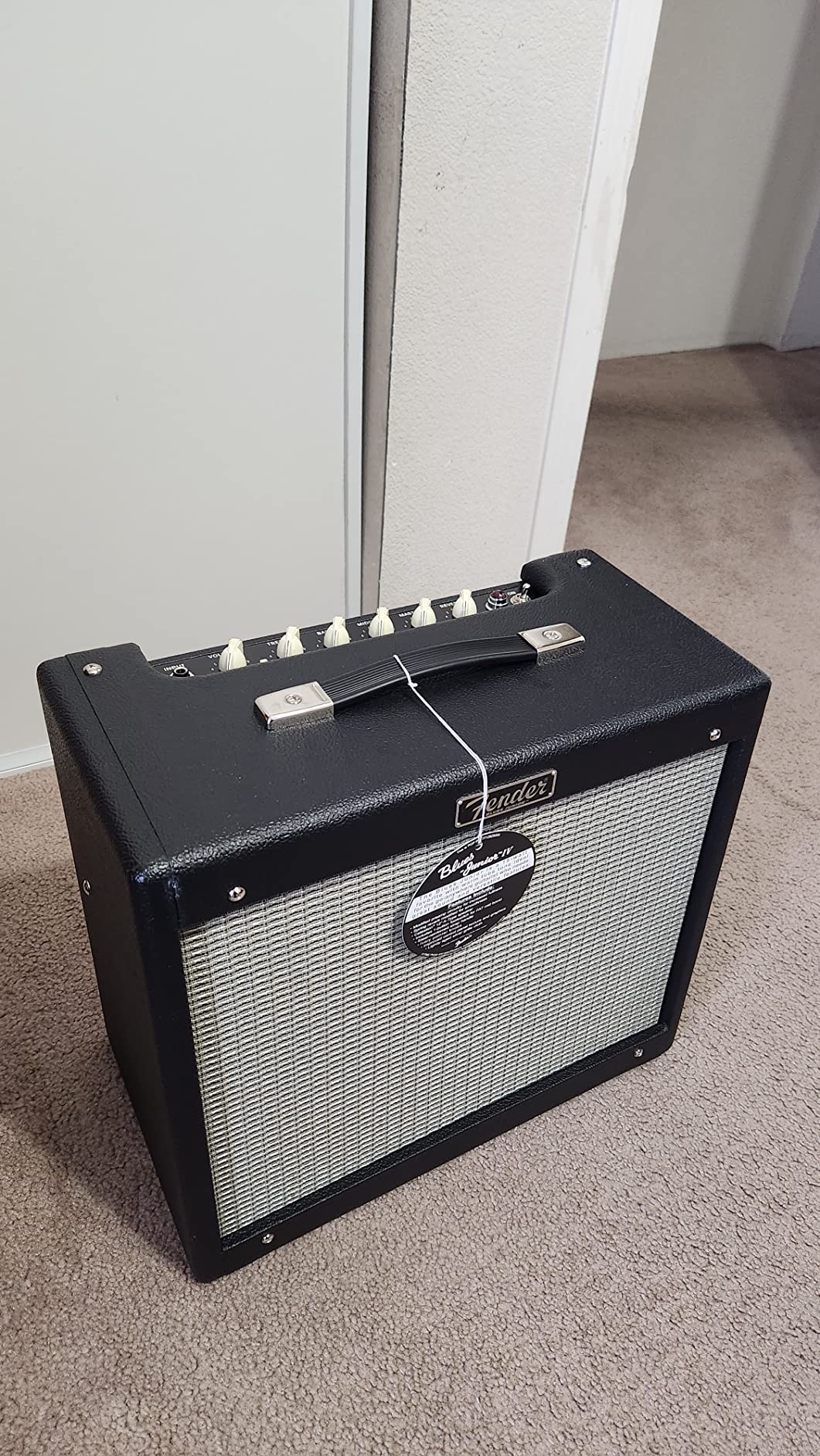
Speaker choice and tone
The Celestion A-Type is a British-voiced speaker that adds a touch of chime to the classic Fender clean. Compared to the Jensen P12N in the original Blues Junior, the A-Type is a bit more focused and articulate. Some players prefer the warmer Jensen, others the brighter Celestion. Both are excellent.
Gigging and portability
At 31 pounds, the Blues Junior IV is heavier than the original Blues Junior but still light enough to carry with one hand. The 15-watt output is loud enough for small clubs and coffeehouse gigs. For larger stages, you will want to mic it through the PA.
6. Orange OR15H – Classic Rock and Doom in a Head
Orange Amplifiers OR Series OR15H 15W Compact Tube Guitar Amp Head
15W tube head
Switchable 7W/15W
FX loop
3-band EQ
Pros
- Classic Orange rock tone
- Switchable power output
- Touch-sensitive response
- FX loop works well
Cons
- Limited clean headroom
- 7W mode not much quieter
- Single channel only
Orange amps have a sound that you either love or you do not. The OR15H delivers that iconic thick, midrange-heavy British tone that defined Black Sabbath, Led Zeppelin, and countless stoner rock bands. The 15-watt output with the switchable 7W mode gives you the core Orange sound at slightly more manageable volumes.
The touch sensitivity is what sets Orange apart. Dig into the strings, and the amp roars. Back off the volume, and the gain cleans up. I plugged in a Les Paul with humbuckers and the response was incredible. The FX loop works well with time-based effects, which is not always the case with single-channel tube heads.
That said, the OR15H is not an amp for everyone. The clean headroom is limited, so the amp is always at least slightly dirty at gig volume. If you want sparkling cleans, this is not the right amp. The 7W mode is also not as quiet as you might hope. It saves some wattage but does not dramatically reduce volume.
Head and cab pairing
Pairing the OR15H with a matching Orange PPC112 or PPC212 cabinet gives you the full Orange experience. I tested it with a PPC212 loaded with Celestion Vintage 30s, and the result was a thick, woody roar that worked beautifully for doom and stoner rock. The 19-pound head weight makes the rig easy to haul.
Best for players who love high gain
If you are a classic rock, doom, or stoner rock player, the OR15H will inspire you. If you are looking for cleans, jazz, or country tones, look elsewhere. The 30 reviews averaging 4.3 stars reflect a niche but loyal following.
7. Bugera V22 INFINIUM – Feature-Packed Vintage Combo
Bugera V22 INFINIUM 22-Watt Vintage 2-Channel Tube Combo with INFINIUM Tube Life Multiplier, Original Turbosound Speaker and Reverb
22W all-tube
2xEL84
INFINIUM tech
Pentode/Triode switch
Pros
- Great clean tones
- Excellent value
- Pedal-friendly
- Pentode/Triode switch
Cons
- Gain channel weak for metal
- Tube quality control issues
- No headphone jack
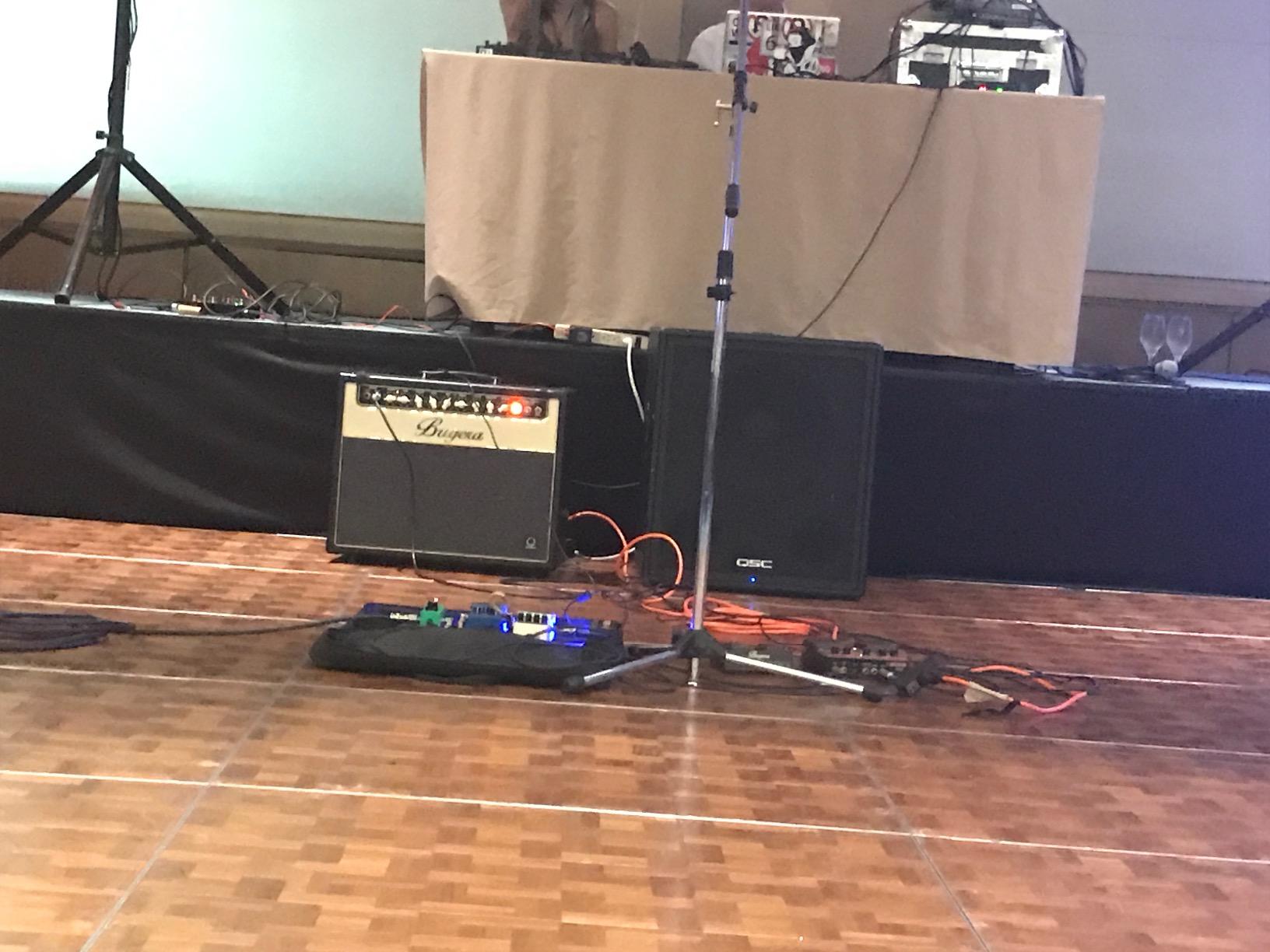
Bugera has built a reputation for delivering genuine tube tone at prices that undercut the big-name brands. The V22 INFINIUM is a 22-watt combo with two EL84 power tubes, three 12AX7 preamp tubes, and the INFINIUM Tube Life Multiplier that monitors tube health and balances output for longer tube life.
The Pentode/Triode switch is a feature you usually only find on much more expensive amps. Flip it to Triode mode, and the amp drops to around 11 watts, giving you a more compressed, vintage-voiced breakup at lower volumes. Flip it to Pentode mode, and you get the full 22 watts of clean headroom. I used the Triode mode for late-night practice and the Pentode mode for small gigs.
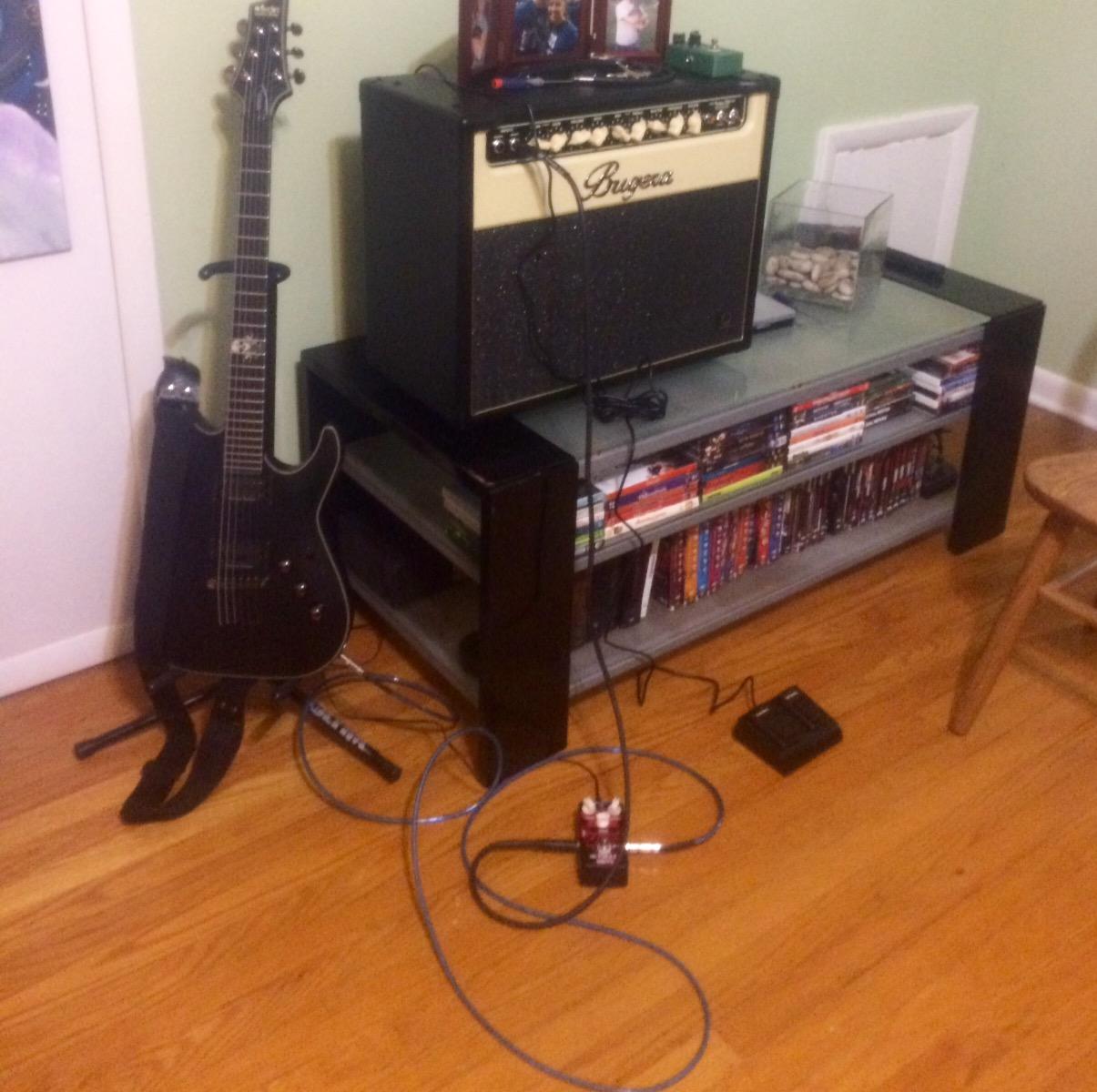
The clean channel is excellent. It has the kind of chime and 3D quality that makes a Tele or a Strat sing. The Turbosound 12-inch speaker is a great match for the circuit, and the spring reverb is warm and musical. The 89 reviews averaging 4.4 stars show that this amp consistently delivers more than its price suggests.
The main drawback is the gain channel. It is fine for classic rock and blues, but it does not have the tight, aggressive character needed for modern metal. There have also been some reports of tube quality control issues out of the box, so plan on budgeting for a tube upgrade if you want the best possible tone.
INFINIUM technology explained
The INFINIUM system constantly monitors the current draw of each power tube and adjusts the bias to keep them balanced. If one tube fails, the others keep running until you can replace it. This dramatically extends tube life and makes the amp more reliable for working musicians who cannot afford downtime.
Long-term value
At its price point, the V22 INFINIUM is one of the best values in tube amplification. You get a real 22-watt tube amp with high-end features like the Pentode/Triode switch and INFINIUM monitoring for less than many solid-state modeling amps. For players on a budget who want authentic tube tone, this is a serious contender.
8. Bugera V5 INFINIUM – Apartment-Friendly Tube Amp
Bugera V5 INFINIUM 5-Watt Class-A Tube Amplifier Combo with INFINIUM Tube Life Multiplier, Original Turbosound Speaker, Reverb and Power Attenuator
5W Class A
EL84 power tube
Power attenuator
Headphone jack
Pros
- Apartment-friendly power settings
- Warm tube tone
- Great pedal platform
- Headphone jack included
Cons
- 8-inch speaker lacks bass
- Stock tubes are weak
- No standby switch
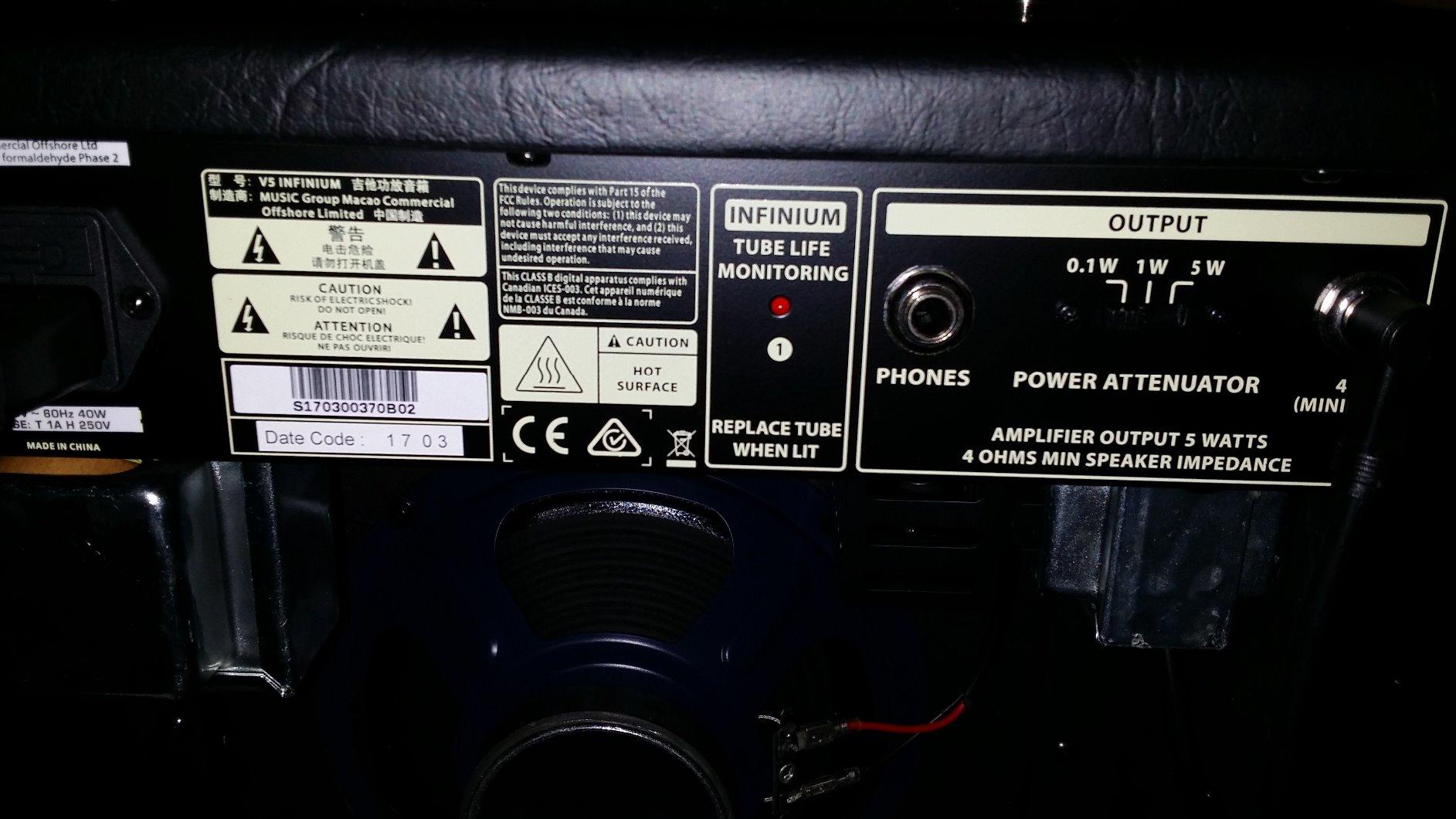
The V5 INFINIUM is one of the most popular practice amps in the tube amp world, and for good reason. The 5-watt Class A circuit with a single EL84 power tube gives you authentic vintage tone, and the built-in power attenuator lets you drop the output to 1 watt or even 0.1 watt for true bedroom playing.
The 0.1W setting is the killer feature. At that level, the amp is quieter than a conversation, but you still get the harmonic richness and touch sensitivity of a real tube circuit. I practiced with headphones for an hour using the 1W setting through the 8-inch Turbosound speaker, and the tone was far better than any solid-state practice amp I have used.
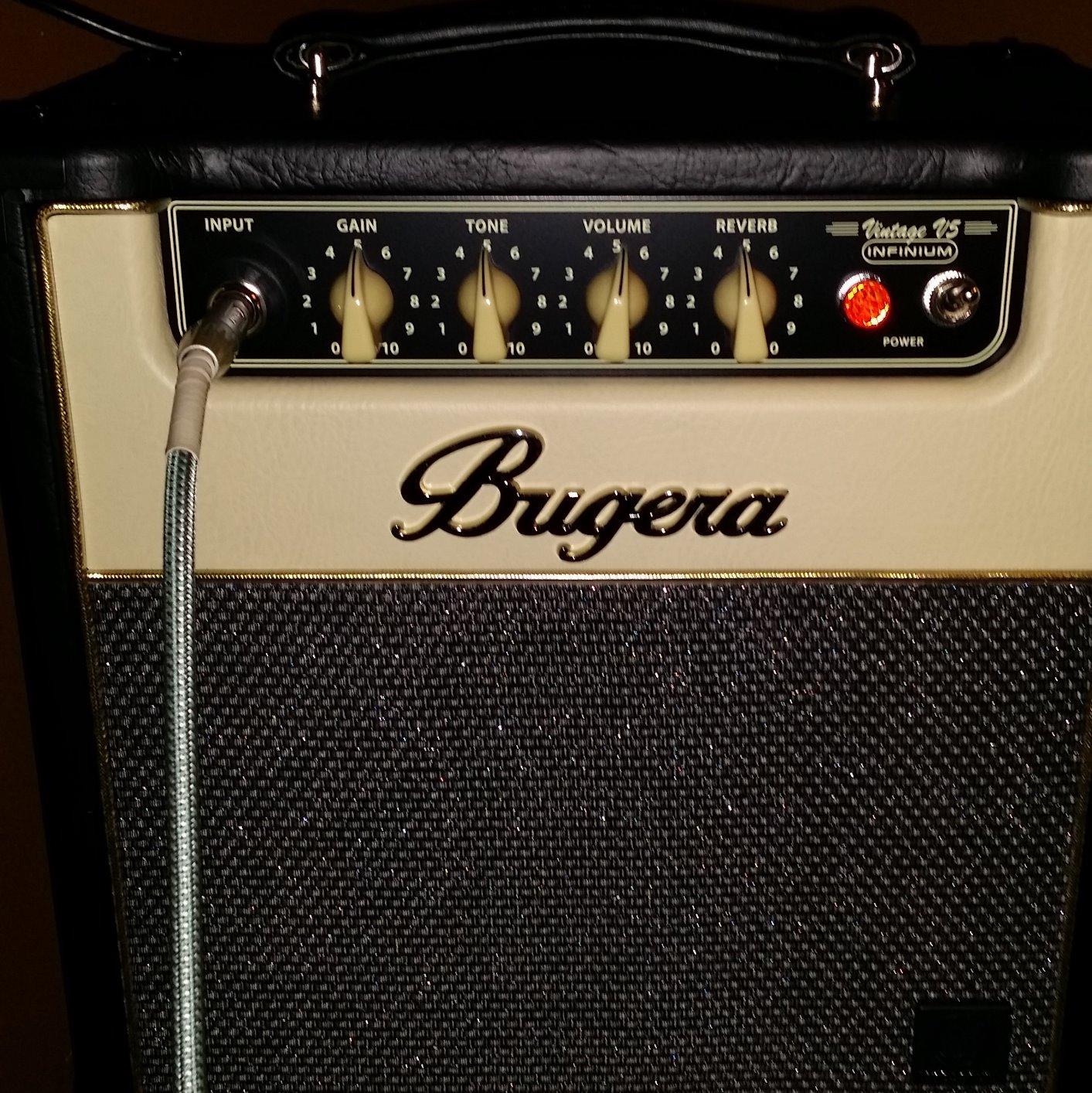
The 8-inch speaker is the main compromise. It does not have the bass response of a 10-inch or 12-inch, and the dark, vintage voicing is not for everyone. I usually run a 12-inch extension cabinet with this amp when I want a fuller sound. The 180 reviews averaging 4.6 stars make this one of the most consistently well-reviewed tube amps on the market.
The included headphone jack with speaker mute is a thoughtful touch. It lets you practice silently without worrying about disturbing neighbors. The INFINIUM tube monitoring system with LED indicator is also a nice feature at this price point.
Tube upgrade recommendations
The stock tubes in the V5 are functional but unremarkable. A $30 to $50 investment in a Tung-Sol or JJ EL84 and a JJ 12AX7 will dramatically improve the tone. The dark, vintage voicing of the stock amp becomes more open and detailed with better tubes. Many users consider a tube upgrade mandatory for getting the most out of this amp.
Best use cases
The V5 is perfect for apartment dwellers, bedroom players, and anyone who needs a small, portable tube amp for recording or practice. It is not loud enough for gigging without a PA, and the 8-inch speaker limits its usefulness as a primary amp. As a secondary practice amp or a recording tool, it is excellent.
9. EVH 5150III 50W – Eddie Van Halen’s High-Gain Legacy
EVH 5150III 1×12-inch 50-watt Tube Combo Amp with EL34 Tubes
50W all-tube
3 channels
EL34 power tubes
Resonance control
Pros
- EVH high-gain tone
- 3 channels for versatility
- Resonance control
- Headphone jack
Cons
- Limited review base
- Premium price
- Heavy at 79.6 lbs
The EVH 5150III is the amp that Eddie Van Halen spent years refining with Fender’s amp team. The 50-watt combo version packs three channels (Clean, Crunch, and Lead) into a single 12-inch combo, with the famous EL34-driven high-gain circuit that defined the sound of Van Halen, Machine Head, and countless modern metal bands.
The Lead channel is the star. It has the tight, aggressive character that you need for palm-muted metal riffing, but it cleans up beautifully when you roll back the guitar volume. I plugged in an EVH Wolfgang and an Ibanez RG with high-output pickups, and the response was incredibly tight and defined. The Crunch channel is great for classic hard rock, and the Clean channel is bright and articulate.
The resonance control is a feature borrowed from the high-end 5150III heads. It lets you tune the low-end response to match your cabinet, room, or playing style. The headphone jack and effects loop make this amp practical for silent practice and pedal integration. With a 5.0 rating from the small but enthusiastic review base, the EVH 5150III is a serious amp for serious players.
Channel switching and versatility
The three channels cover an enormous range of tones. The Clean channel is bright and Fender-like, the Crunch channel delivers British-style classic rock, and the Lead channel is pure high-gain aggression. The included footswitch lets you change channels hands-free during a set.
Weight and portability
At 79.6 pounds, this is not an amp you want to carry far. The weight is necessary for the 50-watt output and the heavy-duty transformers, but it is a real consideration for gigging musicians. Many players pair the 5150III combo with a cover and a dolly for transport.
10. Monoprice Stage Right 30W – Boutique Tone on a Budget
Monoprice 1×12 Guitar Stack Tube Amplifier – 30-Watt, With Celestion V30 and Reverb – Stage Right Series
30W all-tube
EL84 power tubes
Celestion V30
Head and cab bundle
Pros
- Exceptional value
- Celestion V30 speaker
- Complete bundle
- Matched JJ tubes
Cons
- Digital reverb is shallow
- Chrome plate hard to read
- Price has crept up
The Monoprice Stage Right 30W is one of the best values in tube amplification today. The complete bundle includes a 30-watt tube head, a 1×12 cabinet loaded with a Celestion Vintage 30, a 2-button footswitch, and a speaker cable. For a price that undercuts most boutique heads alone, you get a full rig that sounds genuinely professional.
The Celestion V30 is the same speaker that you find in amps costing three to four times as much. It delivers the classic British midrange bark that defined Marshall, Vox, and Orange amps for decades. Paired with two pairs of EL84 power tubes, the Stage Right 30W has the right combination of warmth, bite, and authority for rock, blues, and even some metal styles.
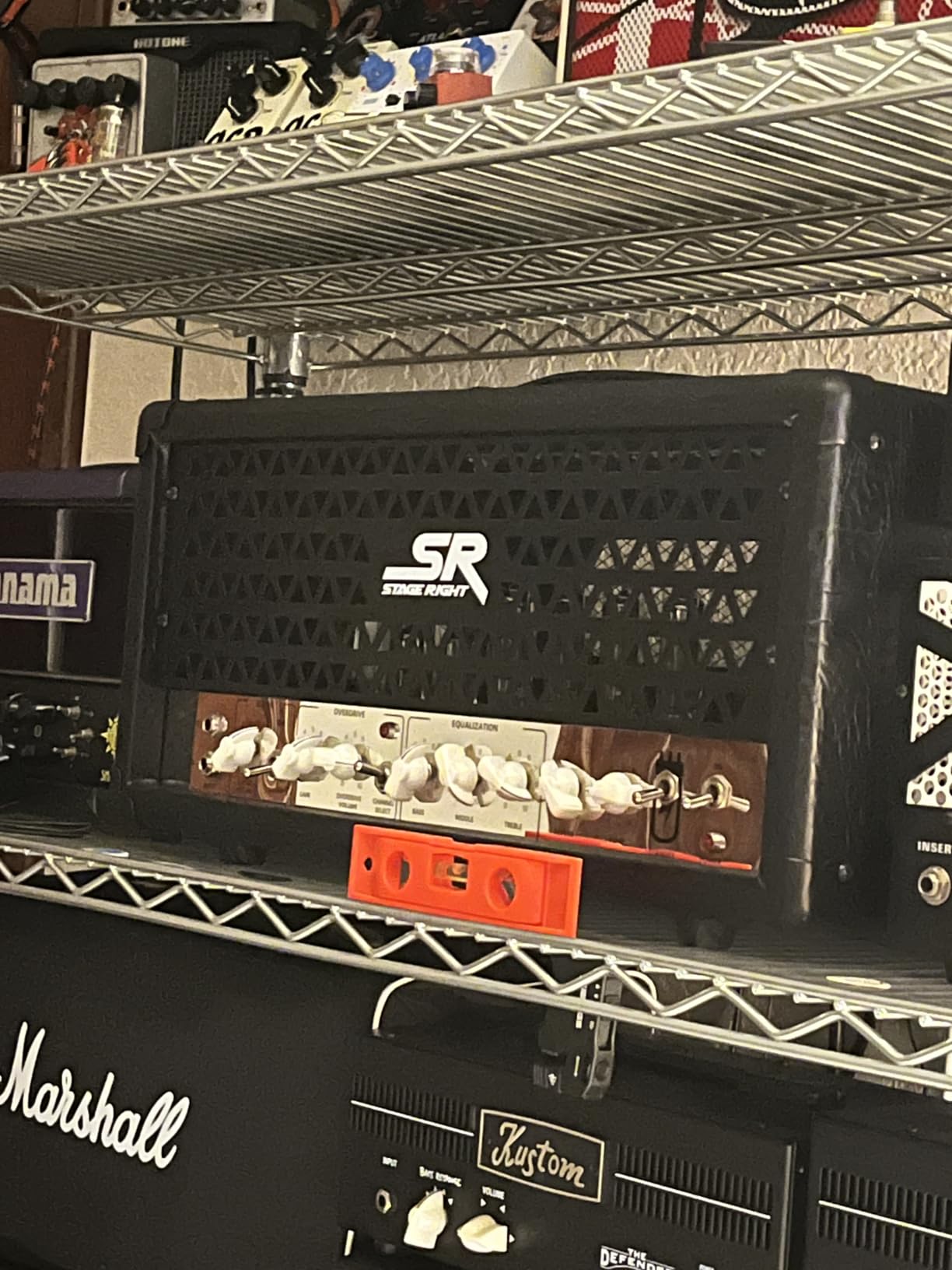
The 2-channel design with footswitchable clean and overdrive covers a wide range of tones. I used the clean channel with a Tele for country licks and the overdrive channel with a Les Paul for classic rock. Both sounded great. The matched JJ tubes in the preamp and power sections are a nice touch, and the build quality is solid for the price.
The main compromises are the digital reverb (which lacks the depth of a real spring reverb) and the chrome control plate (which can be hard to read under stage lighting). For a player who wants boutique tone on a budget, these are minor annoyances.
What you get for the money
The complete bundle approach is a smart move by Monoprice. Instead of selling the head alone and forcing buyers to find a matching cabinet, they give you everything you need to start playing. The 17 reviews averaging 4.6 stars suggest that buyers are consistently impressed with the value.
Pedal platform performance
The 30-watt output gives you plenty of clean headroom for pedals. I ran a Tube Screamer, a delay, and a reverb pedal into the clean channel, and the amp stayed clear and defined. The overdrive channel also stacks well with drive pedals for heavier tones.
11. Vox AC30C2 – The Legendary 30-Watt British Powerhouse
Vox AC30C2 2×12″ 30W Guitar Tube Combo Amp – Celestion Speakers
30W all-tube
2xEL84
2x12 Greenback
Top Boost
Pros
- Iconic Vox Top Boost tone
- Loud enough for big stages
- Master volume
- Master Cut control
Cons
- Heavy at 71.5 lbs
- Quality control issues reported
The Vox AC30 is the amp that defined the British Invasion. The AC30C2 keeps that classic circuit alive with two EL84 power tube pairs, two 12AX7 preamp tubes, and two 12-inch Celestion Greenback speakers. The Top Boost channel is the same circuit that powered The Beatles, The Rolling Stones, and The Kinks, and it still sounds incredible today.
There is something magical about an AC30 pushed into overdrive. The four EL84s compress and saturate in a way that no other amp can match. I plugged in a Gretsch with FilterTron pickups and the response was pure chime and bite. The Normal channel is darker and more midrange-focused, perfect for clean rhythm work and jazz.
The Master Volume and Master Cut controls are essential at this wattage. The 30-watt output is loud enough to fill a large stage, and without a master volume, you would have no way to push the power tubes into breakup at reasonable volumes. The True Bypass effects loop is a high-quality design that does not color your pedal tone.
Weight and transport
At 71.5 pounds, the AC30C2 is a serious amp to haul. The three sturdy handles help, but this is not an amp you want to carry up three flights of stairs to a rehearsal space. Many players use a dolly or a flight case for transport.
Comparing to the AC15
The AC30 has more clean headroom, more low-end authority, and the famous “wall of sound” that made it legendary. The AC15 has a tighter, more focused character that works better for smaller venues and recording. If you regularly play large clubs or need the iconic AC30 sound, the AC30C2 is the right choice.
12. Fender 68 Custom Vibro Champ Reverb – Vintage Vibes at 5W
Fender 68 Custom Vibro Champ Reverb Guitar Amplifier, with 2-Year Warranty
5W all-tube
6V6 power tube
Reverb and vibrato
8-inch speaker
Pros
- Bedroom-friendly volume
- Excellent tremolo
- Vintage Fender tone
- Reverb adds depth
Cons
- Digital reverb not spring
- 8-inch speaker limited
- Slight premium for the wattage
The 68 Custom Vibro Champ Reverb is one of the most charming amps in Fender’s catalog. The 5-watt output with a single 6V6 power tube is perfect for home practice, and the combination of tube-driven reverb and tremolo gives you the classic Fender sound in a package you can carry with one hand.
The tremolo is the star. It has the hypnotic, pulsing character that defined surf rock and classic Fender amps of the 1960s. I plugged in a Stratocaster and played a Ventures-style set, and the response was spot-on. The reverb is a digital hall reverb rather than a true spring reverb, which purists will notice, but it adds a nice depth to the tone.
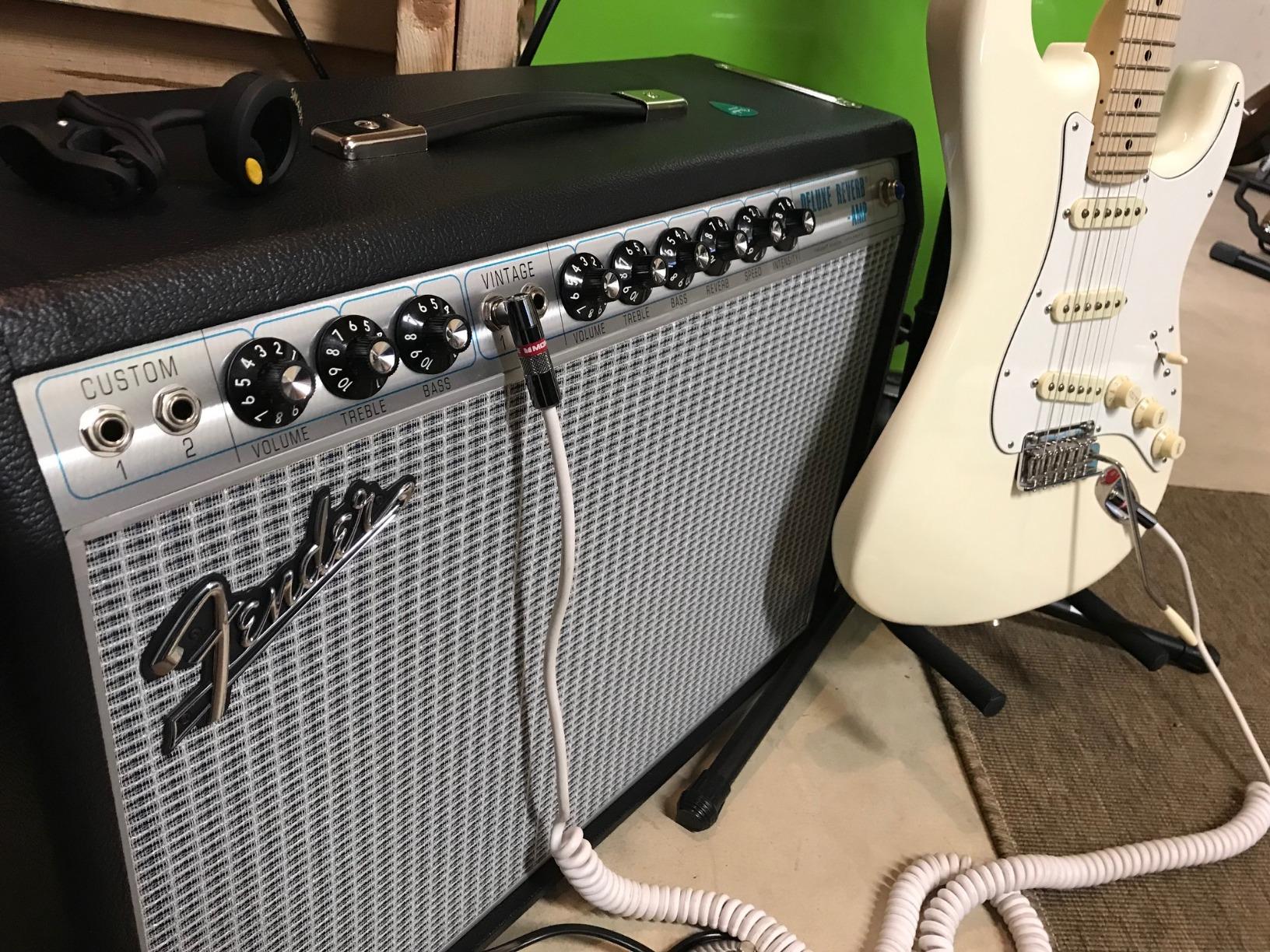
The 6V6 power tube gives the amp a warmer, rounder character than the EL84-powered Fender combos. The 8-inch speaker is a compromise, but it is voiced to deliver the classic Fender sound at low volumes. The 14 reviews averaging 4.4 stars reflect a small but enthusiastic following.
At this price point, the Vibro Champ is more of a specialty amp than a workhorse. It is perfect for bedroom players, recording, and anyone who wants the vintage Fender experience at a manageable volume. For serious gigging, you will want a larger combo.
Comparing to the Pro Junior
The Pro Junior has a 10-inch speaker and a more aggressive breakup character, while the Vibro Champ has an 8-inch speaker and the classic Fender reverb and tremolo. The Vibro Champ is more versatile for clean tones and classic styles, while the Pro Junior is better for players who want more amp-only overdrive.
Practical use and limitations
The 5-watt output is loud for a small room but quiet enough for most apartments. The 8-inch speaker lacks the bass response of a 12-inch, so you will want to use an extension cabinet for fuller sound. The 26.4-pound weight is manageable, and the wood cabinet is a nice touch.
13. Fender Tone Master Deluxe Reverb – Lightweight Modern Alternative
Fender Tone Master Deluxe Reverb Guitar Amplifier, Black, 2-Year Warranty
22W digital
100W digital amp
Jensen n-12k
Built-in attenuator
Pros
- Faithfully models Deluxe Reverb
- Lightweight at 23 lbs
- Attenuator for low volumes
- XLR direct out
Cons
- Not a true tube amp feel
- Purists prefer original
- XLR out can distort highs
The Tone Master Deluxe Reverb is not a traditional tube amp, but it deserves a place on this list because it solves one of the biggest problems with tube amps: weight. The original 22-watt Deluxe Reverb weighs around 42 pounds, and the Tone Master version drops that to 23 pounds while delivering the same essential tone.
Fender used massive digital processing to model the original Deluxe Reverb circuit, then paired it with a 100-watt digital power amp and a Jensen n-12k neodymium speaker. The result is an amp that sounds remarkably close to the original tube version at a fraction of the weight. The attenuator switch lets you drop the output from 22 watts to 0.5 watts, which is a game-changer for home use.
The XLR direct out is a serious recording tool. I tracked rhythm guitar parts for an entire album using just the XLR out into my interface, and the engineer could not believe it was a digital amp. The 114 reviews averaging 4.5 stars show that this amp has earned the respect of working musicians.
Who should consider the Tone Master
If you gig regularly and need the Deluxe Reverb sound without the back pain, the Tone Master is the answer. It is also a great option for players who live in apartments and need a quiet practice amp that still sounds like a real Deluxe Reverb. Purists will prefer the original tube version, but the Tone Master gets remarkably close.
Limitations of digital modeling
No digital amp perfectly replicates the touch sensitivity and harmonic complexity of a real tube circuit. Players who value that tube feel will notice the difference. The XLR direct out can also have high-frequency distortion issues with some interfaces, though a re-amp usually fixes it.
14. Fender Tone Master Twin Reverb – Stage-Ready Clean Power
Fender Tone Master Twin Reverb Guitar Amplifier, Black, with 2-Year Warranty
200W digital
Attenuator
Lightweight at 45 lbs
XLR and USB
Pros
- Massive clean headroom
- Lightweight for a Twin
- Attenuator works well
- Excellent reverb and tremolo
Cons
- No effects loop
- Cable management issues
- May need EQ adjustments for pedals
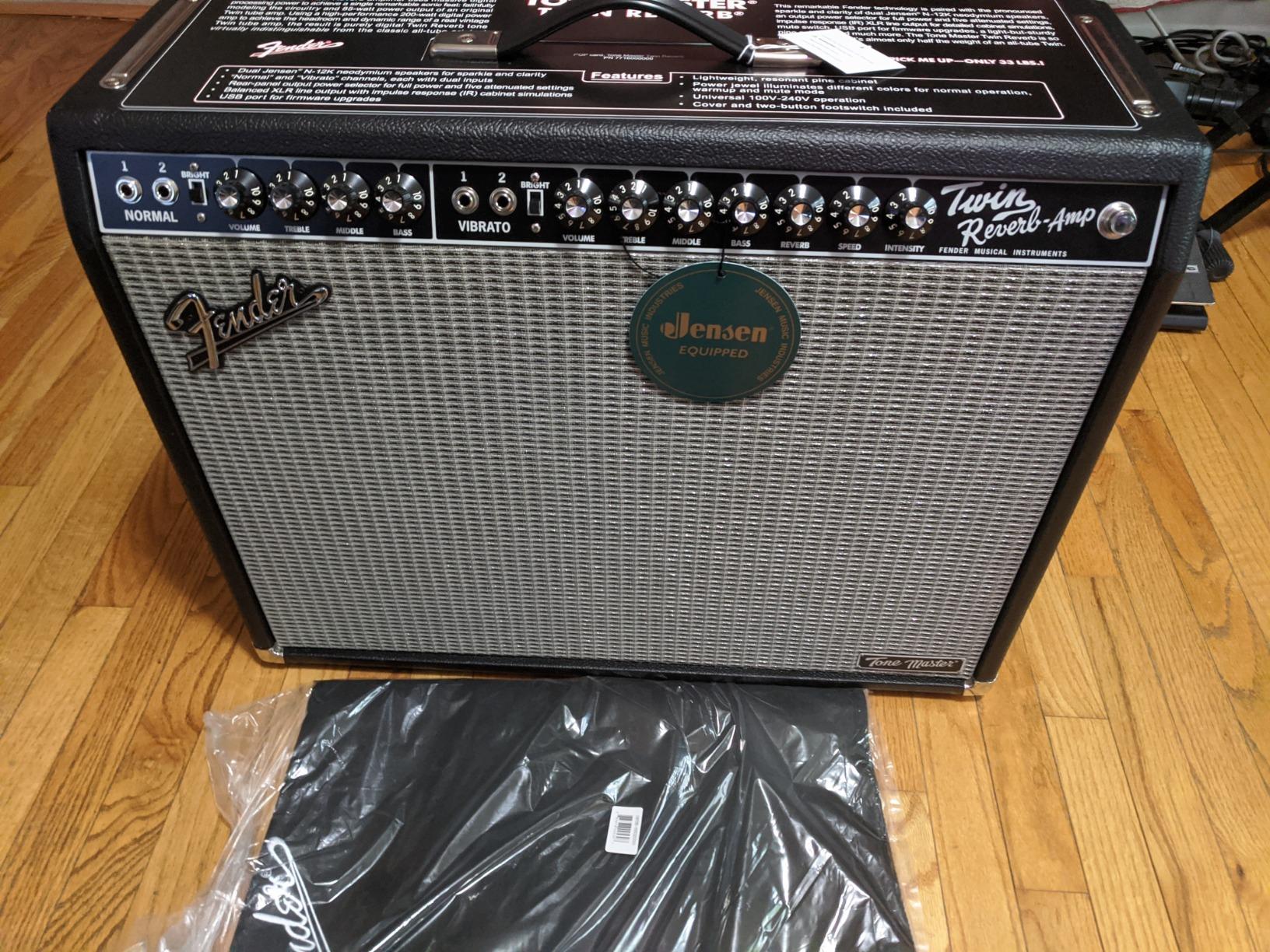
The Tone Master Twin Reverb brings the legendary Twin clean sound to players who cannot lift a 65-pound tube Twin. At 45.3 pounds, the Tone Master is about 20 pounds lighter than the original, and the 200-watt digital power amp gives you more clean headroom than any tube Twin ever could.
The attenuator is a real highlight. It lets you push the digital power amp into breakup at lower volumes, which is something the original tube Twin cannot do without serious volume. I practiced at the 5-watt setting and got the classic Twin breakup without disturbing anyone. The XLR and USB outputs make this a great amp for recording and live sound.
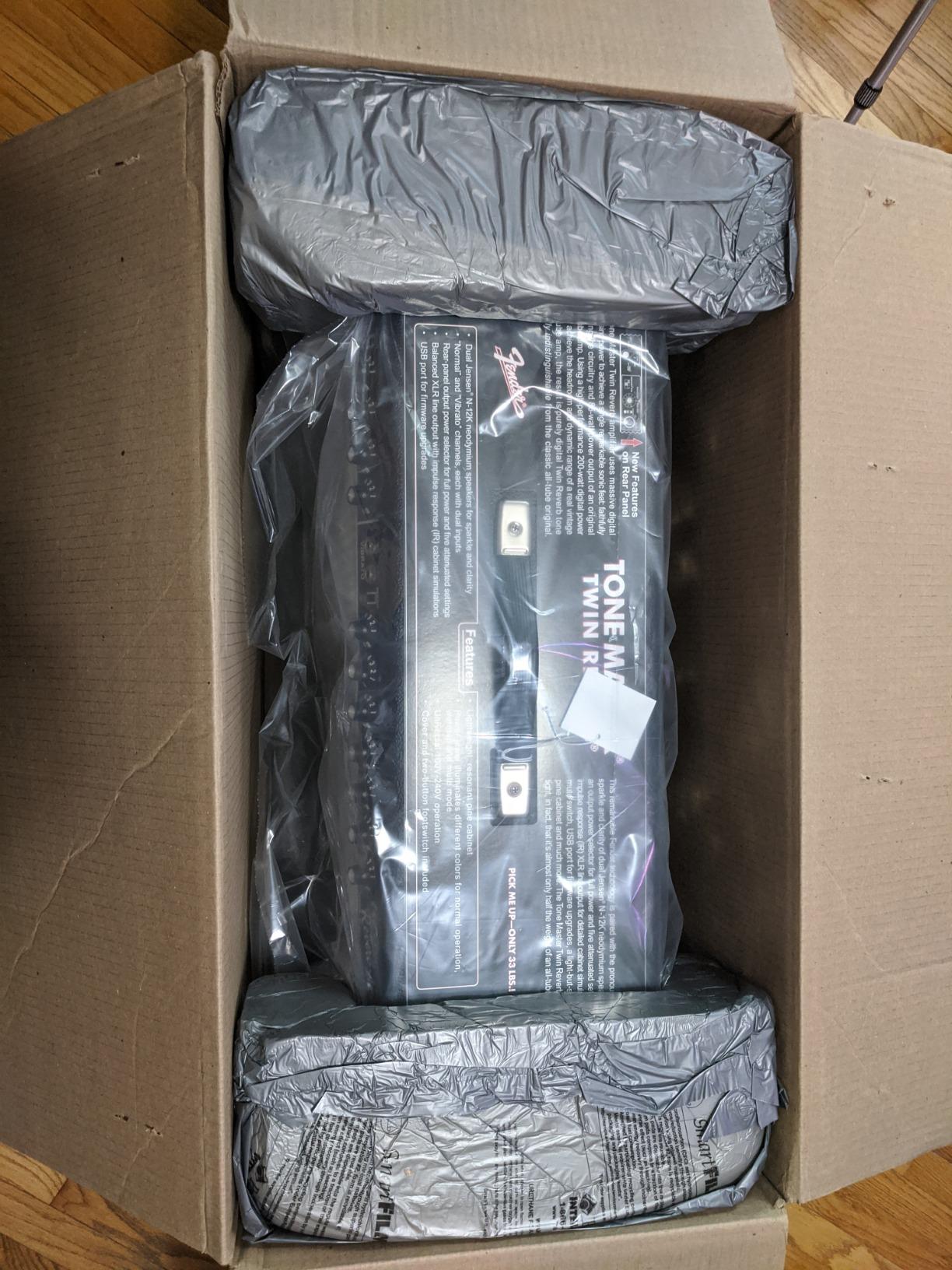
The two 12-inch Jensen n-12k neodymium speakers deliver the classic Twin chime and projection. The 200-watt digital power amp ensures that the speakers never run out of headroom, even at full volume. The 56 reviews averaging 4.4 stars show that this amp consistently satisfies players who want Twin tone without the weight.
Like the Tone Master Deluxe, this is a digital amp that approximates a tube circuit. Purists will prefer the original, but for working musicians who need the Twin sound in a giggable package, the Tone Master is the right choice.
Pedal integration
Some users report that the Tone Master Twin needs EQ adjustments to get the most out of drive pedals. The clean channel is pristine, but the response to overdrive and distortion can be different from a tube amp. I found that running a Tube Screamer with the tone control slightly rolled off worked well.
Live performance considerations
The 200-watt output is more than enough for any stage. The XLR direct out is a serious asset for live sound, and the lightweight design makes load-in and load-out much easier than with a tube Twin. The lack of an effects loop is a real limitation for players who rely on time-based effects.
15. Fender Hot Rod Deluxe 30th Anniversary – Limited Edition Tube Combo
Fender Hot Rod Deluxe 30th Anniversary 40-Watt Guitar Combo Amplifier
40W all-tube
2x6L6
Celestion Creamback
3 channels
Pros
- Limited anniversary edition
- Celestion Creamback speaker
- Modified preamp
- Authentic spring reverb
Cons
- Very few reviews available
- Premium price for a Hot Rod variant
The Hot Rod Deluxe 30th Anniversary is a limited edition that updates the classic Hot Rod Deluxe with premium features. The 40-watt output with two 6L6 power tubes delivers the same punchy American clean tone as the original, but the Celestion 12 G12M-65 Creamback speaker adds a British-voiced midrange that gives the amp more character.
The modified preamp circuitry offers better definition and clarity than the standard Hot Rod Deluxe, and the modified spring reverb is smoother and more musical. The Black Western tooled vinyl covering and brown grille cloth give the amp a distinctive look that stands out from the standard Hot Rod lineup.
As a newly released product, this amp has only one review, but it carries a 5-star rating and the legacy of the Hot Rod Deluxe line behind it. For collectors and players who want a unique version of an American classic, this is a great choice.
Comparing to the standard Hot Rod Deluxe
The 30th Anniversary version is essentially a Hot Rod Deluxe with upgraded cosmetics, a better speaker, and a refined preamp. If you already own a standard Hot Rod Deluxe, the upgrade is not necessary. If you are buying your first Hot Rod, the 30th Anniversary is the one to get.
Long-term value
Limited edition amps tend to hold their value better than standard models. If you buy the 30th Anniversary and decide to sell it later, the limited production run should help you recover most of your investment. For players who want a premium tube combo with a unique story, this amp is worth the premium.
Buying Guide: Choosing the Right Premium Tube Guitar Amplifier
Buying a premium tube guitar amplifier is a serious investment. The right amp will inspire you to play more, sound better, and last for decades. The wrong amp will collect dust in a corner. Here is what you need to know before you buy.
Tube Types Explained: EL84 vs EL34 vs 6L6
The power tubes in a tube amp define its core character. The three most common types are EL84, EL34, and 6L6, and each has a distinct sonic personality.
EL84 tubes are small, high-gain tubes that deliver a bright, chiming tone with a compressed breakup. They are the heart of classic Vox amps like the AC15 and AC30. EL84 amps have a focused midrange and a tight low end that works beautifully for British rock, indie, and blues.
EL34 tubes are larger and deliver a more aggressive, midrange-heavy tone with a looser low end. They are the signature tube of Marshall amps and define the sound of classic hard rock and metal. EL34 amps have more headroom than EL84 amps and a more aggressive breakup character.
6L6 tubes are the American counterpart to the EL34. They deliver a brighter, cleaner tone with more headroom and a tighter low end. 6L6 amps are the foundation of Fender’s clean American sound and work beautifully for country, blues, jazz, and classic rock. The Fender Blues Deluxe and Hot Rod Deluxe both use 6L6 power tubes.
Wattage and Use Case
Tube amp wattage is not a direct indicator of volume. A 15-watt tube amp can be louder than a 50-watt solid-state amp in many situations. The wattage rating tells you how much clean headroom the amp has before it starts to break up.
For home practice and apartment use, 1 to 15 watts is plenty. Look for amps with power scaling or attenuators that let you drop the output further. The Bugera V5 INFINIUM and Fender Pro Junior IV are excellent choices for quiet playing.
For small gigs and recording, 15 to 30 watts is the sweet spot. You get enough clean headroom for pedals and enough volume to compete with a drummer. The Vox AC15C1, Bugera V22, and Monoprice Stage Right 30W all fit this category.
For large gigs and stage use, 30 watts and up is appropriate. The Vox AC30C2, EVH 5150III, and Fender Hot Rod Deluxe 30th Anniversary are all stage-ready options.
Combo vs Head: Which Should You Buy?
A combo amp has the amplifier chassis and the speaker(s) in one cabinet. A head separates the amp from the speaker cabinet, and you need to buy both. Combos are more portable and simpler to set up, but heads give you more flexibility to mix and match speakers and cabinets.
If you gig regularly and need to transport your amp, a combo is usually the smarter choice. If you have a permanent space and want to experiment with different cabinets, a head gives you more options. The Orange OR15H and Monoprice Stage Right 30W head are good choices for players who want the head format.
Home Use and Power Scaling
One of the biggest challenges with tube amps is playing them at home without disturbing neighbors. Power scaling and built-in attenuators solve this problem by letting you drop the output wattage while keeping the tone.
The Bugera V5 INFINIUM, Fender Tone Master Deluxe, and Orange OR15H all have power scaling options. The Bugera V5’s 0.1W setting is genuinely apartment-friendly, and the Orange OR15H’s 7W mode gives you a useful reduction in volume for late-night practice.
For more on playing tube amps at home, our guide to the best tube headphone amplifiers covers silent practice options in detail.
Tube Replacement Costs and Biasing
Tube amps require periodic maintenance. Power tubes typically last 1 to 4 years depending on use, and preamp tubes can last 5 to 10 years. A full retube of a 6L6 amp costs around $50 to $100, and an EL84 or EL34 retube costs around $40 to $80.
Biasing is the process of setting the idle current draw of the power tubes. Some amps have fixed bias (set at the factory) and some have adjustable bias (user-serviceable). Fixed bias amps are easier to maintain but less flexible. Adjustable bias amps let you use a wider range of tubes, but you need to know what you are doing or take it to a technician.
The Bugera INFINIUM series automatically adjusts bias and monitors tube health, which dramatically reduces maintenance headaches. The Fender amps use fixed bias but use readily available tube types that are easy to find.
Pedal Platform Considerations
If you build your tone around pedals, you need an amp that stays clean and articulate at gig volume. The Fender Blues Junior IV, Vox AC15C1, and Bugera V22 INFINIUM are all excellent pedal platforms. Their clean headroom lets overdrive, fuzz, and modulation pedals retain their character.
High-gain amps like the EVH 5150III and Orange OR15H are not ideal for clean pedal platforms because they are designed to be the primary source of distortion. If you use a lot of gain pedals, look for a clean-sounding amp with plenty of headroom.
Frequently Asked Questions
What is the best premium tube guitar amplifier?
The best premium tube guitar amplifier depends on your needs. For classic American clean tone, the Fender Blues Deluxe Reissue is hard to beat. For British chime and crunch, the Vox AC15C1 delivers authentic Vox tone at a practical volume. For high-gain players, the EVH 5150III 50W combo is a serious amp. The Vox AC30C2 remains the legendary choice for players who want the iconic 30-watt British sound.
Which tube amp is best for home use?
For home use, look for amps with low wattage and power scaling. The Bugera V5 INFINIUM has a 0.1W setting that is genuinely apartment-friendly. The Fender Pro Junior IV delivers classic tube tone at bedroom volumes. The Fender Blues Junior IV offers a 12-inch speaker and FAT boost for home practice. All three deliver authentic tube tone without requiring a power attenuator.
What is the lifespan of a tube amp?
A well-maintained tube amp can last 30 years or more. Power tubes typically need replacement every 1 to 4 years depending on use. Preamp tubes can last 5 to 10 years. Capacitors and other components may need replacement every 15 to 20 years. Regular bias checks and proper ventilation will dramatically extend tube life. The INFINIUM technology in Bugera amps actively monitors tube health and extends tube life.
What is considered the holy grail of guitar amps?
The holy grail of guitar amps is subjective, but the Dumble Overdrive Special is often cited as the most coveted amp. Among production amps, the Vox AC30, Fender Bassman, and Marshall JTM45 are considered holy grails. The Mesa/Boogie Mark IIC+ is the holy grail for high-gain players. For most players, the holy grail is whichever amp inspired them to fall in love with guitar tone in the first place.
What is the most famous tube amp?
The Fender Deluxe Reverb is arguably the most famous tube amp. It defined the sound of countless country, blues, and rock recordings from the 1960s onward. The Vox AC30 is equally famous for its role in the British Invasion. The Marshall JTM45 and Plexi are the most famous British rock amps. The Mesa/Boogie Mark series defined modern high-gain tone.
EL84 vs EL34 vs 6L6 – what is the difference?
EL84 tubes are small, high-gain tubes that deliver a bright, chiming tone with compressed breakup. They power classic Vox amps. EL34 tubes are larger and deliver an aggressive, midrange-heavy tone with looser low end. They power Marshall amps and define classic hard rock and metal. 6L6 tubes are the American standard, delivering brighter, cleaner tone with more headroom. They power Fender amps and define American clean tone. Each tube type has a distinct character that shapes the amp’s personality.
Final Verdict: Which Premium Tube Guitar Amplifier Should You Buy?
After testing 15 premium tube guitar amplifiers, our team has clear recommendations for different types of players. If you want the best all-around American clean tone with classic Fender character, the Fender Blues Deluxe Reissue remains the editor’s choice. The 40-watt push, 6L6 power tubes, and lush spring reverb deliver the iconic Fender sound that has defined blues and rock for decades.
For British chime at a practical volume, the Vox AC15C1 is the best value. The Top Boost circuit, EL84 power tubes, and built-in reverb and tremolo give you the full Vox experience without the weight and cost of the legendary AC30.
For high-gain players, the EVH 5150III 50W combo is the premium pick. Eddie Van Halen’s signature circuit, three channels, and EL34 power tubes deliver the tight, aggressive tone that defined a generation of metal and hard rock.
For apartment dwellers and home players, the Bugera V5 INFINIUM with its 0.1W setting and headphone jack is the smartest buy. For budget-conscious players who want a complete rig, the Monoprice Stage Right 30W bundle delivers boutique tone at an unbeatable price.
Whichever amp you choose, you are investing in a piece of musical history. Tube amps have been the heart of guitar tone for over 70 years, and the best ones become lifetime companions. Take your time, play as many as you can, and choose the one that makes you want to keep playing. Your perfect premium tube guitar amplifier is waiting.