
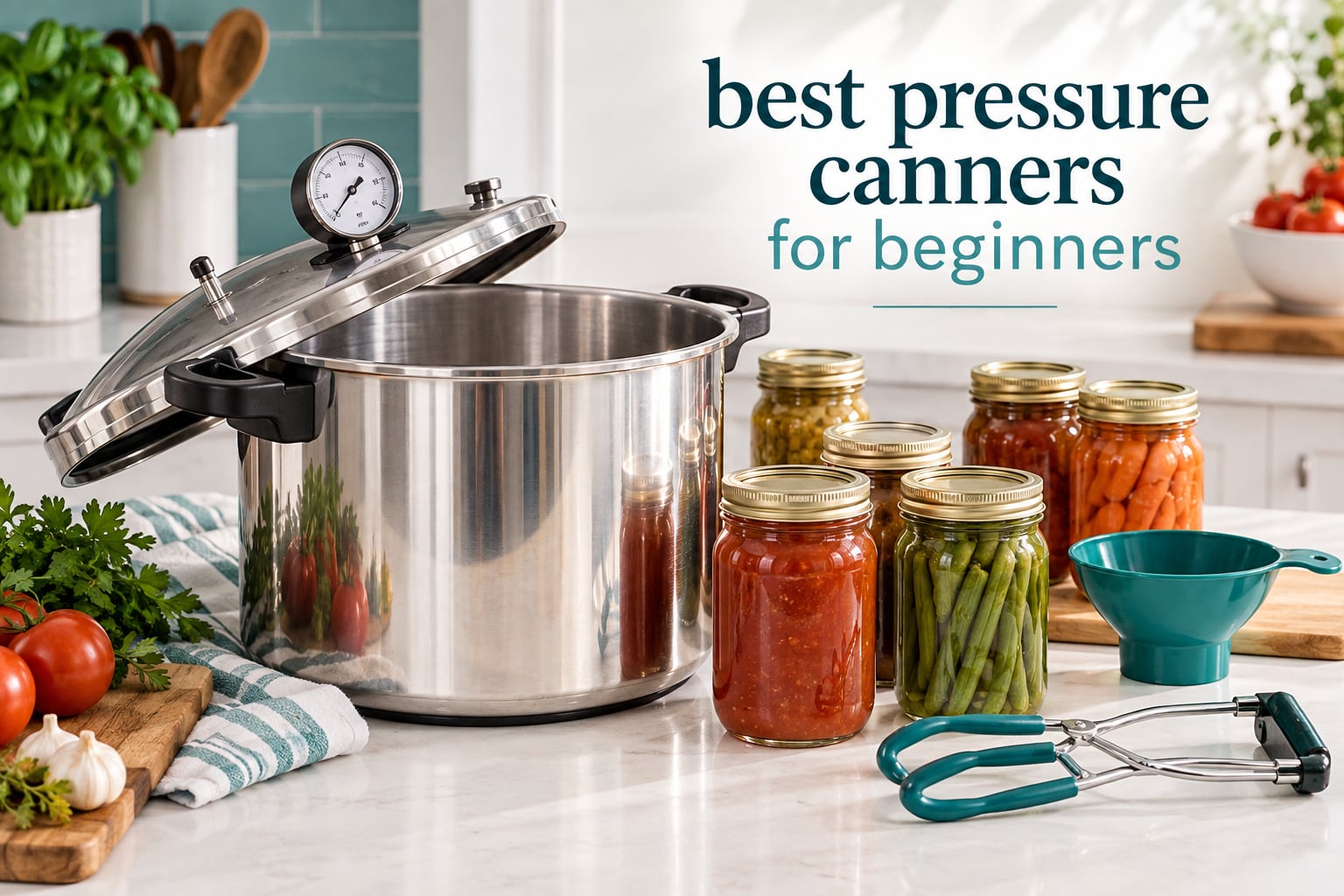
Pressure canning is the only method the USDA recommends for putting low-acid foods into a jar safely. Vegetables, meats, poultry, seafood, soups, beans and plain corn all need a canner that traps steam and pushes the boiling point of water well past 212 degrees Fahrenheit, high enough to destroy the spores that cause botulism.
A water bath canner simply cannot get there. If you have ever read that warning and thought about putting a jar of green beans on a shelf without refrigeration, this guide is for you. We compared twelve pressure canners side by side to find the best pressure canners for beginners, weighing the things that actually matter to a first-timer: how many jars fit, whether the gauge is easy to read, whether you will be replacing a rubber gasket every year, and whether the pot fits on your stove.
A few things shaped every pick below. The National Center for Home Food Preservation has not established safe processing times for very small pressure canners, so anything under about 8 quarts is out for serious canning work. Then there is weight: a loaded 22-quart canner is heavy to lift, and some glass-top stoves have limits. We also looked hard at electric and digital models, which are newer to this category and much friendlier to nervous beginners, just not the cheapest way to put up 20 quarts of tomatoes.
Everything in this roundup is a real canner you can buy and use for USDA-style pressure canning, and we note where the listing data is thin. If you want a broader look at the category first, our [guide to pressure canners tested and reviewed](https://vintagevinylnews.com/best-pressure-canners/) covers the general buying case, and this page narrows it to people canning for the first time.
Table of Contents
Top 3 Best Pressure Canners for Beginners in 2026

Presto 23-Quart Canner
- Holds 7 quarts per batch
- Deluxe dial gauge
- Works as water bath canner and cooker
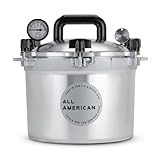
All American 10.5qt Cooker/Canner
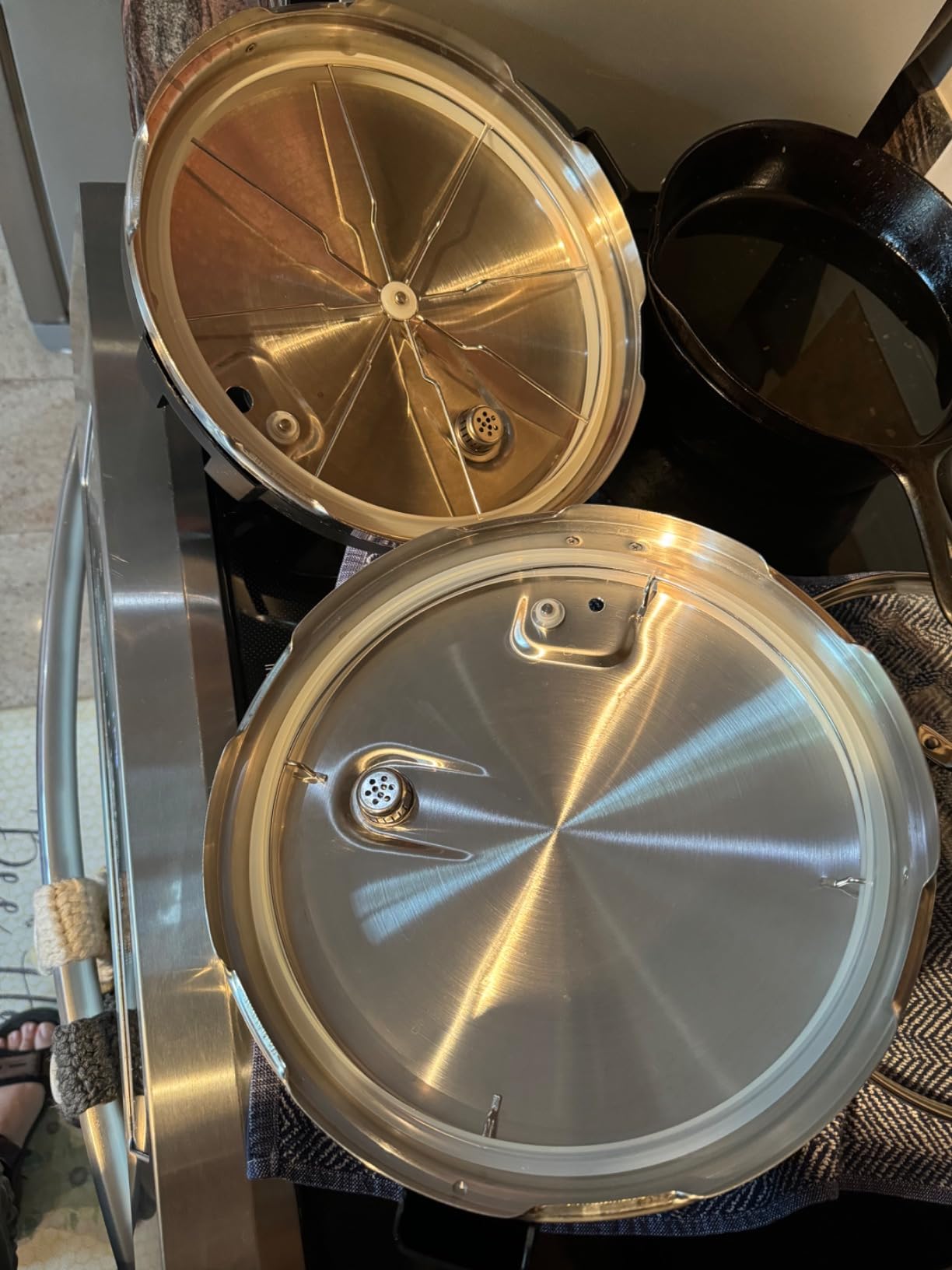
- Gasket-free metal-to-metal seal
- Holds 4 quarts or 7 pints
- Easy locking clamps
T-fal 22-Quart Canner
- 24 half-pints or 7 quarts
- Three PSI weight settings
- Two racks and canning guide
Those three cover the range most beginners fall into. The Presto 23-quart is the one we would buy first: the highest review volume in the group, a dial gauge that reads properly, and a batch size that lets you do a real week of food preservation in one run. The All American 910 is the one to buy if you plan to can for decades and never want to think about a gasket again. The T-fal 22-quart is the middle path, with a big pot and a very beginner-friendly weight system.
Quick Overview: 12 Pressure Canners Compared (October 2026)
| Product | Specifications | Action |
|---|---|---|
| Presto 01781 23-Quart Pressure Canner and Cooker |
|
Check Latest Price |
| All American 1930 10.5qt Cooker/Canner |
|
Check Latest Price |
| T-fal 22-Quart Aluminum Pressure Canner |
|
Check Latest Price |
 Presto 02144 12-Quart Digital Pressure Canner Presto 02144 12-Quart Digital Pressure Canner |
|
Check Latest Price |
 Presto 01755 16-Quart Aluminum Pressure Canner Presto 01755 16-Quart Aluminum Pressure Canner |
|
Check Latest Price |
 NESCO NPC-9 9.5-Quart Smart Electric Canner NESCO NPC-9 9.5-Quart Smart Electric Canner |
|
Check Latest Price |
 Granite Ware 20-Quart Pressure Canner Granite Ware 20-Quart Pressure Canner |
|
Check Latest Price |
 MIRRO 22 Qt Aluminum Pressure Canner MIRRO 22 Qt Aluminum Pressure Canner |
|
Check Latest Price |
 WantJoin 23-Quart Pressure Canner WantJoin 23-Quart Pressure Canner |
|
Check Latest Price |
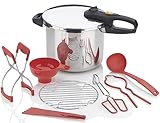 ZAVOR 8-Piece Pressure Canning Set ZAVOR 8-Piece Pressure Canning Set |
|
Check Latest Price |
 Granite Ware 12-Quart Pressure Canner Granite Ware 12-Quart Pressure Canner |
|
Check Latest Price |
 VEVOR 12-Quart Stainless Pressure Cooker VEVOR 12-Quart Stainless Pressure Cooker |
|
Check Latest Price |
Two things jump out of that table. First, capacity and weight do not track each other: the 10.5-quart All American weighs 14.8 pounds empty, while the 20-quart Granite Ware weighs 10.5. Second, every canner here falls into one of two families. Eight of them seal with a rubber ring, and four control pressure with a weighted or digital system instead of a dial.
1. Presto 01781 23-Quart Pressure Canner and Cooker
Presto 01781 23-Quart Pressure Canner and Cooker
21.8 liter capacity
Holds 7 quarts or 20 pints
12 pounds empty
Deluxe dial gauge
Pros
- Holds 26 half-pints 20 pints or 7 quarts
- Deluxe dial gauge reads the full processing range
- Warp resistant aluminum heats fast and even
- Includes canning rack and 76 page book
- 12 year limited warranty
Cons
- Requires a rubber gasket seal that eventually needs replacing
- Bulky footprint at 17.5 inches wide
This is the canner we run on our own garden batches, and it is the default recommendation for a first serious canner. The 23-quart body holds 26 half-pints, 20 pints or 7 quarts per load, which in practical terms means a full weekend of corn and beans comes out of one run.
The deluxe dial gauge is the reason it beats most of the field for beginners. It registers the complete processing range rather than a single set point, which matters if you ever can above sea level or want to see the difference between 5 and 10 PSI while the pot is working. A weighted canner tells you pressure through sound and rock weight; this one tells you through a needle.
It is a dual-use vessel too. The same pot boils water for fruits, jams, jellies, pickles and salsa, and it will pressure cook large quantities of beans or meat when you are not canning. We use the water bath mode far more often than we expected to.
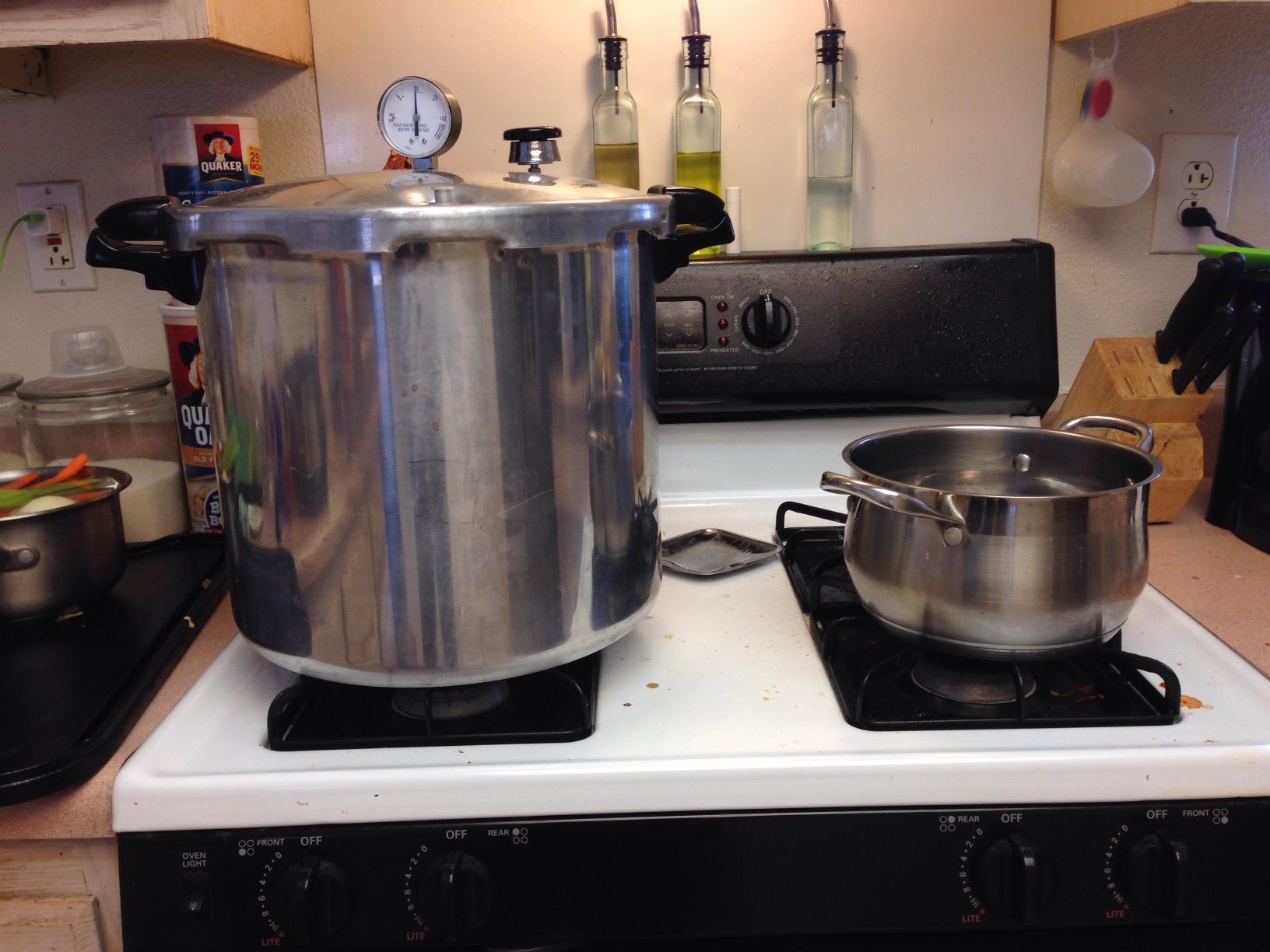
Construction is warp-resistant heavy-gauge polished aluminum, and it is listed for regular and smooth-top ranges. It weighs 12 pounds empty and measures 15.5 by 17.5 by 13.5 inches, so measure the cabinet before you commit, and check your range manual for a weight limit before loading it with water and jars.
The canning and cooking rack and a 76-page instruction and recipe book are included, which is genuinely useful because the learning curve for pressure canning is not in the canner, it is in the process. A 12-year limited warranty is the longest we found in this group and says something about how long this model is expected to run.
Only real drawback is the seal. The lid relies on a rubber gasket, and once you get into canning regularly you will replace it every year or two. If the idea of annual gasket spending bothers you, look at the All American further down.
How the Presto 01781 holds up for a first batch
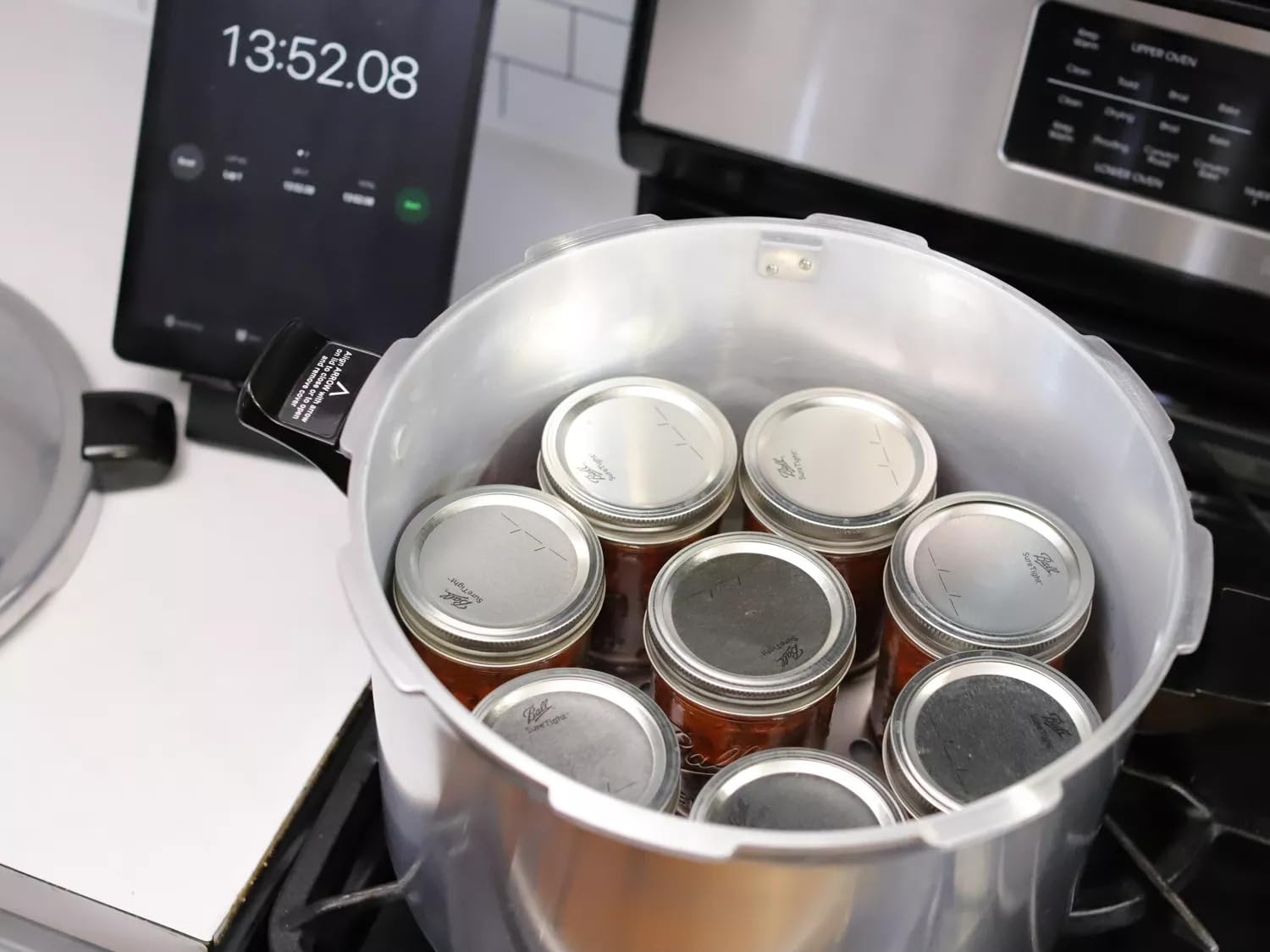
The 12-pound empty weight is manageable for most people, and adding water and seven quart jars still keeps it under what most adults can lift from a burner with two hands on the handles. The wide 17.5-inch base does want a real burner, not a small one. On a compact kitchen range you may need to move the pot to a larger element.
Cleaning is straightforward. Aluminum soap, warm water, and a non-abrasive pad. Just expect the interior to discolor over time, and never store tomato or vinegar-based foods in it after processing if you want the finish to hold up.
Who should skip the Presto 01781
Skip it if your stove is induction. This model is not listed for induction, and aluminum does not work on an induction surface. Skip it if you plan to can mostly acidic food, because aluminum reacts with tomatoes and vinegar.
Also skip it if you can only lift about 15 pounds comfortably. A 23-quart canner full of water and jars is a genuine two-hand lift, and a lighter 12 or 16-quart model may serve a one- or two-person household just as well.
2. All American 1930 10.5qt Pressure Cooker and Canner
All American 1930: 10.5qt Pressure Cooker/Canner (The 910) – Exclusive Metal-to-Metal Sealing System – Easy to Open & Close – Suitable for Gas, Electric, or Flat Top Stoves – Made in the USA
9.94 liter capacity
Holds 4 quart or 7 pint jars
14.8 pounds empty
Metal-to-metal seal
Pros
- No rubber gasket to ever replace
- Precision machined metal-to-metal sealing system
- Positive action clamps open and close easily
- Highest average rating in the group
- Made in the USA with domestic service
Cons
- Heaviest feel in the hand at 14.8 pounds empty
- Long heat up and cool down cycles
- Aluminum body reacts with acidic foods
If you ask a canning forum which canner is the benchmark, the answer is almost always this one. The 4.9 average across nearly 9,800 reviews is the highest in our test group, and the reason is a design decision no other canner here makes: a precision machined metal-to-metal seal instead of a rubber gasket.
Practical consequence: there is nothing to replace. No annual gasket, no reseating, no wondering whether the ring has gone hard. The cover locks with positive action clamping locks that form a steam tight seal on bare metal, and the same feature means the cover comes off far more easily once pressure is released.
It holds roughly 4 quart jars or 7 pints per batch, which sounds small next to a 23-quart pot until you remember a single person rarely eats 7 quarts of green beans in a week. For a household of two or three, 4 quarts is a realistic and manageable batch.
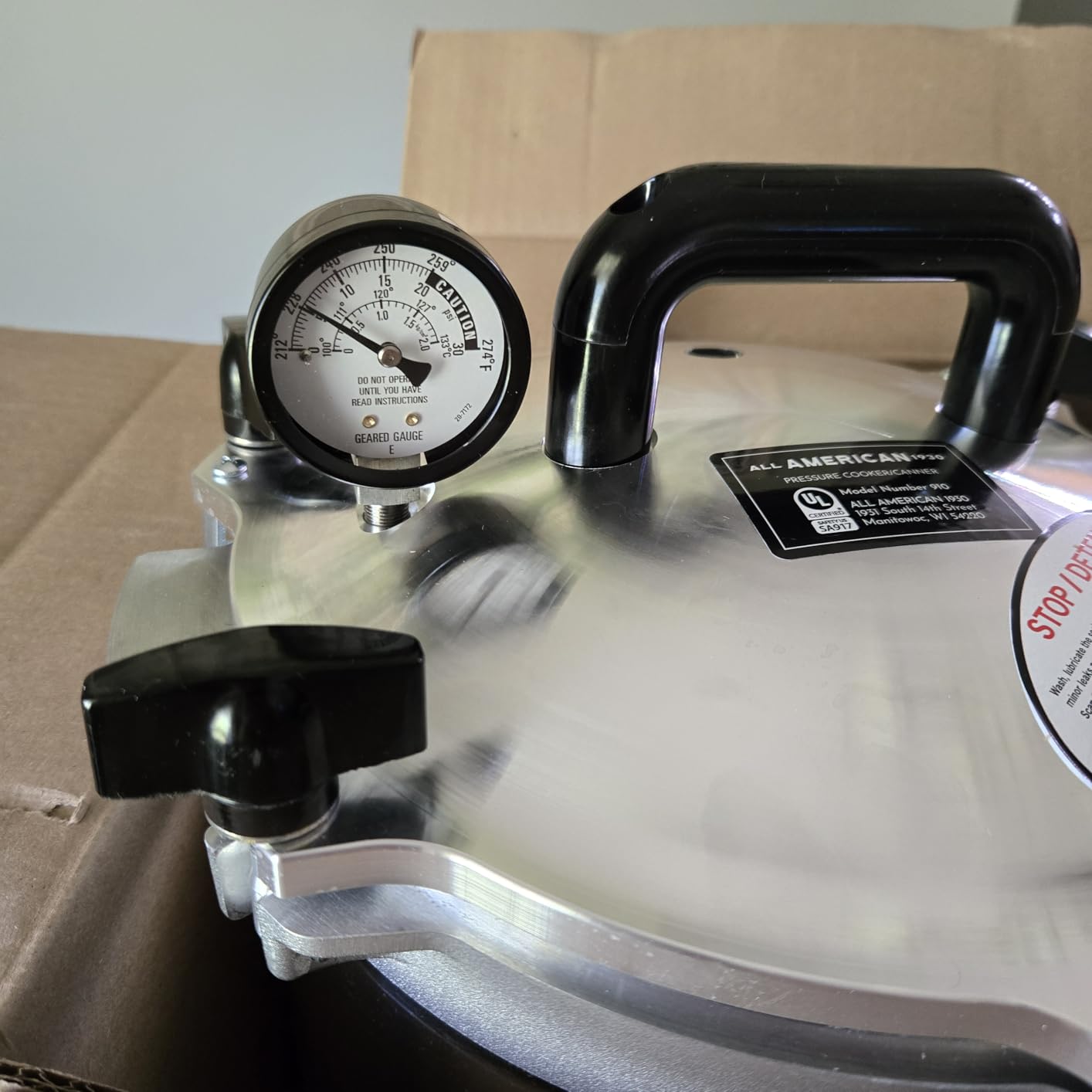
Pressure control comes from a precision machined regulator weight on top, and there is an easy to read steam gauge on the side for reference. The gauge is an indicator, not the control mechanism, and that trips up a lot of first-timers. On this canner the weight sets the pressure, exactly as it does on a Mirro or a T-fal.
The body is thick cast aluminum with double thickness edges at the points of heaviest wear, plus a sturdy phenolic top handle. The detailed manual doubles as a cookbook, and service and replacement parts come from a Wisconsin based manufacturer, which matters for a tool you might keep for twenty years.
Two cautions come up repeatedly in owner reviews. Aluminum reacts with acidic foods, so keep vinegar, pickles and tomatoes out of it if you want to protect the finish. And the larger models in this family take a long time to come to pressure and a long time to cool down, so plan your afternoon around it.
Why the metal-to-metal seal matters over the long run
A gasket canner asks you to add a recurring line item to your hobby. A gasket-free canner does not. If you expect to still be canning in 2036, the seal system is the part most likely to have outlived the rest of the appliance.
There is a trade. Metal-to-metal sealing is a tighter fit, and some owners report needing to run the clamping bolts down firmly each time to get a clean seal. That is a five second adjustment, and it is a small price for never hunting for a spare ring.
Where the All American falls short
Weight is the real drawback. At 14.8 pounds empty, this is the heaviest canner per quart of capacity in the group. A 10.5-quart body loaded with jars and water is a hard lift for anyone with back or shoulder issues, and it is genuinely awkward on a small burner.
It is also the most expensive canner here by a wide margin, and the 10.5-quart size means more trips to the stove for a big harvest. Buy this one if you are certain about a decades-long commitment to canning. Buy a larger aluminum model if you want to process a whole season in a weekend.
3. T-fal 22-Quart Aluminum Pressure Canner
T-fal 22-Quart Aluminum Pressure Canner, 3 PSI Settings, Home Canning, Includes Racks & Canning Guide, Large Capacity, Pressure & Water Bath Canning for Vegetables, Meats, Seafood & Fruits, Silver
22 quart capacity
Holds 7 quarts or 18 pints
14.8 pounds empty
Three PSI weight settings
Pros
- Large 22 quart capacity for 7 quart jars
- Three PSI settings with a readable gauge
- Two canning racks plus a step by step guide
- Praised by first time canners for simplicity
Cons
- Steam leaks reported around the handle and gasket
- Handle alignment must be set carefully to seal
- Some units auto vent before full pressure
The T-fal 22-quart sits in the middle of the field on every axis that matters, and that middle is exactly where most beginners should be. It holds up to 24 half-pint, 16 wide-mouth pint, 18 pint or 7 quart jars, and it is listed as compatible with gas and electric coil cooktops.
Pressure is handled by built-in weights with three PSI settings plus a readable gauge, so you get visual feedback and a simple weighted regulator in the same package. For a first timer that combination is easier to learn than a pure dial canner and more informative than a pure weighted one.
Two canning racks and a complete step by step canning guide are in the box, which is a better starter package than most competitors offer at this size. The aluminum is polished, the interior is a natural finish, and the whole thing comes with a one year warranty.
The 4.4 average and 6,700-plus reviews reflect real enthusiasm mixed with real friction. The most common complaint is steam escaping around the handle or from the gasket until the sealing surface is cleaned and reseated. The second is handle alignment: if the handle is not lined up correctly, the lid will not seal.
Both are habits, not defects. Get into the routine of checking the gasket seating and making sure the handle clicks into position before you apply heat, and most of the leak reports disappear. A few buyers also reported a damaged gauge or poor packaging on arrival, so inspect the box before you start.
At 16.26 inches tall it is one of the taller units here, so check the clearance under your kitchen cabinet before buying, especially if you have a vent hood hanging low.
Batch size and how it compares to the Presto 23-quart
On paper these two are close. The T-fal fits 7 quart jars, the same as the Presto 23-quart, and both weigh in the 12 to 15 pound range empty. The Presto is narrower and 3.5 inches shorter, which makes it easier to store and easier to lift.
The T-fal wins on included equipment, since it arrives with two racks and a full canning guide. The Presto wins on warranty length, review volume and gauge sophistication. If you have a low hood and a big harvest, the Presto is the better shape. If you want the most complete box, the T-fal is.
Who the T-fal 22-quart suits
This suits first-timers who want a large batch pot without moving up to a premium price, and it works on gas and electric coil ranges. It is not listed for induction, and it is not a glass-top specialist, so check your stove before buying.
Avoid it if you are very sensitive to the sound of a heavy aluminum pot being set down, or if you plan to store large quantities of tomatoes or vinegar products. Those belong in a stainless or enamel canner.
4. Presto 02144 12-Quart Digital Pressure Canner
Presto 02144 12-Quart Digital Pressure Canner
12 quart capacity
20.5 pounds empty
1485 watts
Programmable digital controls
Pros
- Automates pressure and water bath canning
- No altitude adjustment required
- LED icons and beeps guide each step
- Frees the stovetop entirely
Cons
- Fixed cycles cannot be shortened
- Small batches of about 4 to 5 quarts
- Quart jars will not water bath can in this size
This is the model we recommend to anyone whose main obstacle to pressure canning is fear of the pot. A 12-quart digital canner replaces the flame, the dial, the weight and the vent with a control knob and an LED display that tells you what step you are on.
It automates both pressure canning and water bath canning, and it is listed as needing no adjustment for high altitudes, which removes the single most common processing mistake made by new canners. Ten built-in safety features include a cover-locking system and a temperature sensor, and the control is a push-button panel rather than a mechanical lever.
Because it runs on 1,485 watts of electricity, it works on any countertop in the house. No burner, no glass-top weight limit, no venting steam into a hot kitchen in August. For a first batch this is a very low-stress way to learn the process.
The trade is capacity and time. The preprogrammed cycles cannot be shortened, so a load can take up to about three hours including cooling. Batches are limited to roughly 4 to 5 quarts, and quart jars cannot be water bath canned in the 12-quart unit because there is not enough water headroom above the jars.
At 20.5 pounds empty and 16 inches tall it is not a small appliance, so plan counter space. Some buyers reported jars failing to seal across several batches and a first-use nonstick liner that peeled, though Presto supplied replacement parts quickly in those cases. Electronics and warranty service outside the United States are worth checking before you buy if you are not in the US.
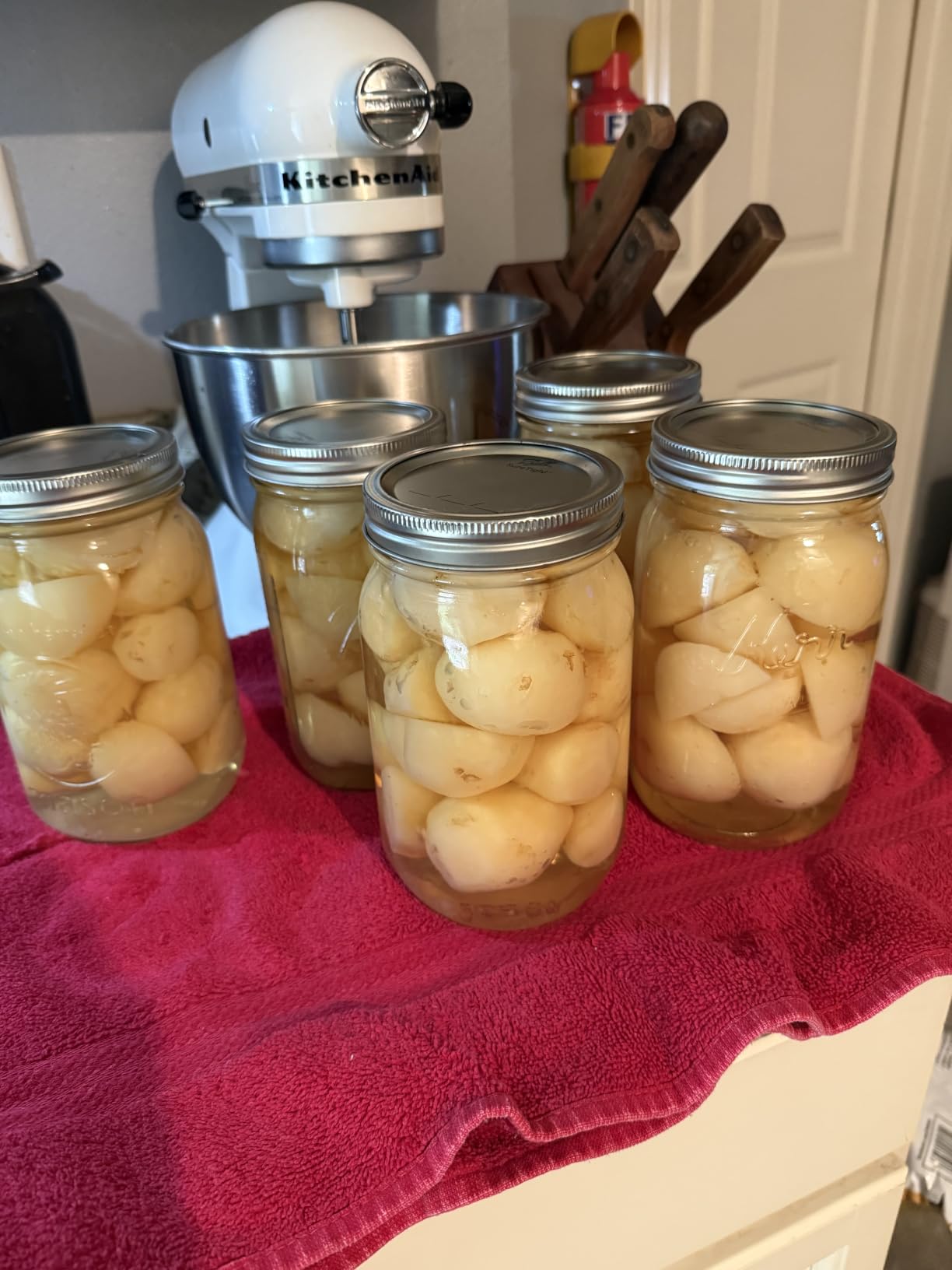
What digital control actually changes in the kitchen
The real change is attention. A stovetop canner needs a person watching the vent, the flame and the gauge. A digital canner announces each stage and holds the temperature itself, so you can be in another room. For someone learning, that removes the most common source of ruined batches.
The second change is consistency. Because the machine controls temperature rather than a burner setting, two runs of the same recipe produce the same heat history. That matters more to long-term seal quality than any single design detail on a stovetop model.
When a digital canner is the wrong tool
It is the wrong tool if you have a large garden and a free weekend. Four to five quarts per run and up to three hours per cycle will not keep up with 40 pounds of tomatoes. It is also the wrong tool if you want a canner that also works as a pressure cooker, since this one is a dedicated canning appliance.
Budget is the third factor. This is one of the most expensive units in the group, and you are paying a lot for the automation rather than for capacity.
5. Presto 01755 16-Quart Aluminum Pressure Canner
Presto 01755 16-Quart Aluminum Pressure Canner and Cooker
16 quart capacity
10.5 pounds empty
13.5 by 17.25 by 12 inches
Aluminum body
Pros
- Lightest large canner in the group
- Handles both pressure and water bath canning
- Compact footprint for small kitchens
- Established brand with a long service history
Cons
- Slimmer capacity than a 22 or 23 quart model
- Aluminum reacts with acidic foods
- Fewer bundled accessories than larger Presto kits
At 10.5 pounds empty, this is the lightest canner here that still processes quart jars, and that is the entire argument for it. If the 23-quart Presto is more pot than your arms and your kitchen want, this is the same brand and the same design language at a size you can actually move.
It does both jobs. Use it for pressure canning low-acid vegetables, meats and poultry, and use the same pot for boiling-water canning fruit, jams, jellies, pickles and salsa. The dimensions of 13.5 by 17.25 by 12 inches store easily and fit under most cabinets.
The 4.7 average across more than 4,200 reviews sits in line with the rest of the Presto line, and owners specifically call out the fast even heating of the warp-resistant aluminum body.
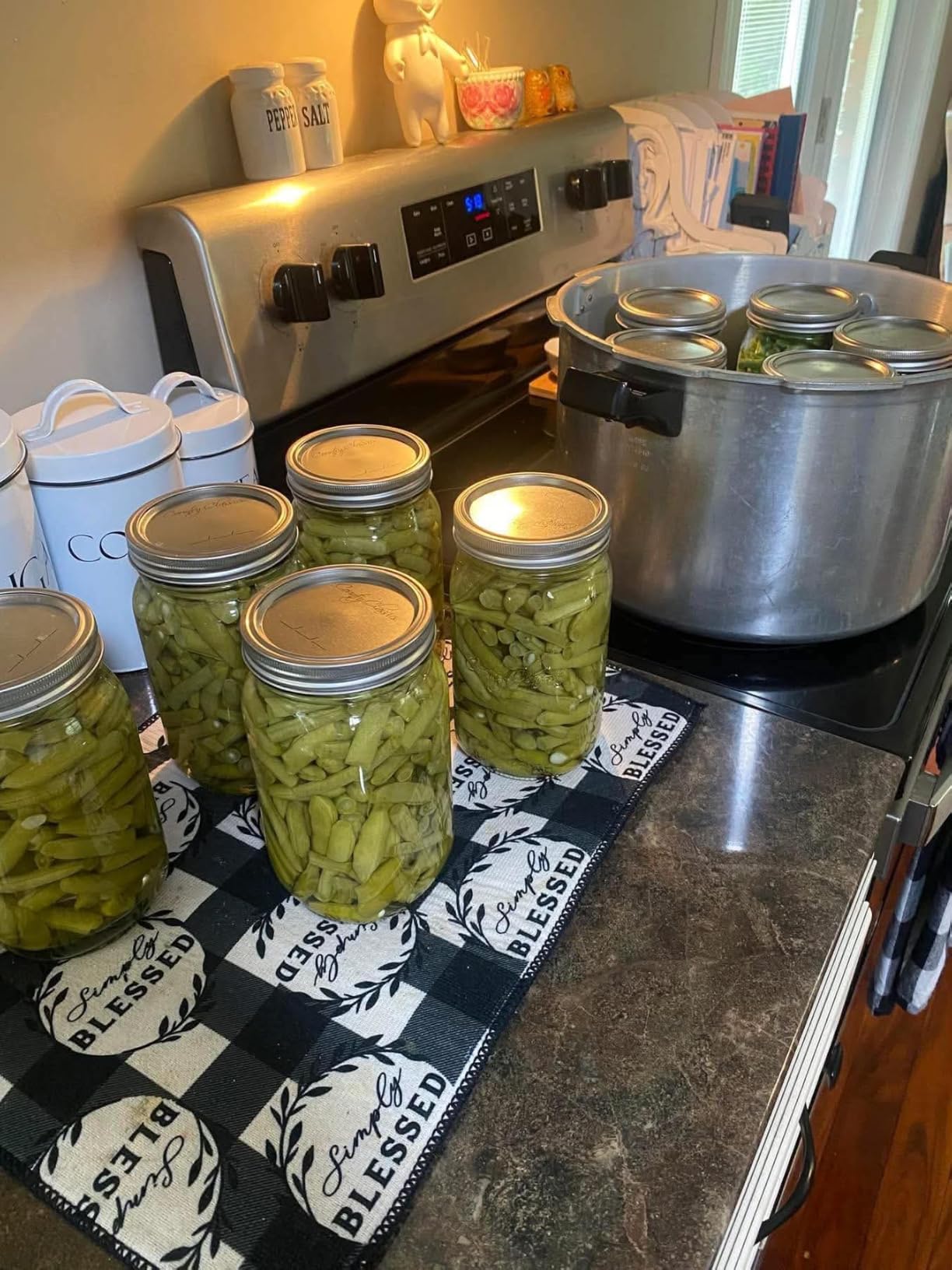
One thing to be aware of: the product page feature list for this model is sparse and does not describe the unit in detail. The same is true of the recipe and instruction book that ships with the larger Prestos, so plan to read a current NCHFP guide alongside it rather than relying on the paperwork alone.
The usual aluminum caution applies. Tomatoes, vinegar and other acidic foods will react with the interior, and the finish is not a cooking surface. The model also comes with fewer bundled accessories than the larger Presto kits, so budget for a rack and a jar lifter separately.
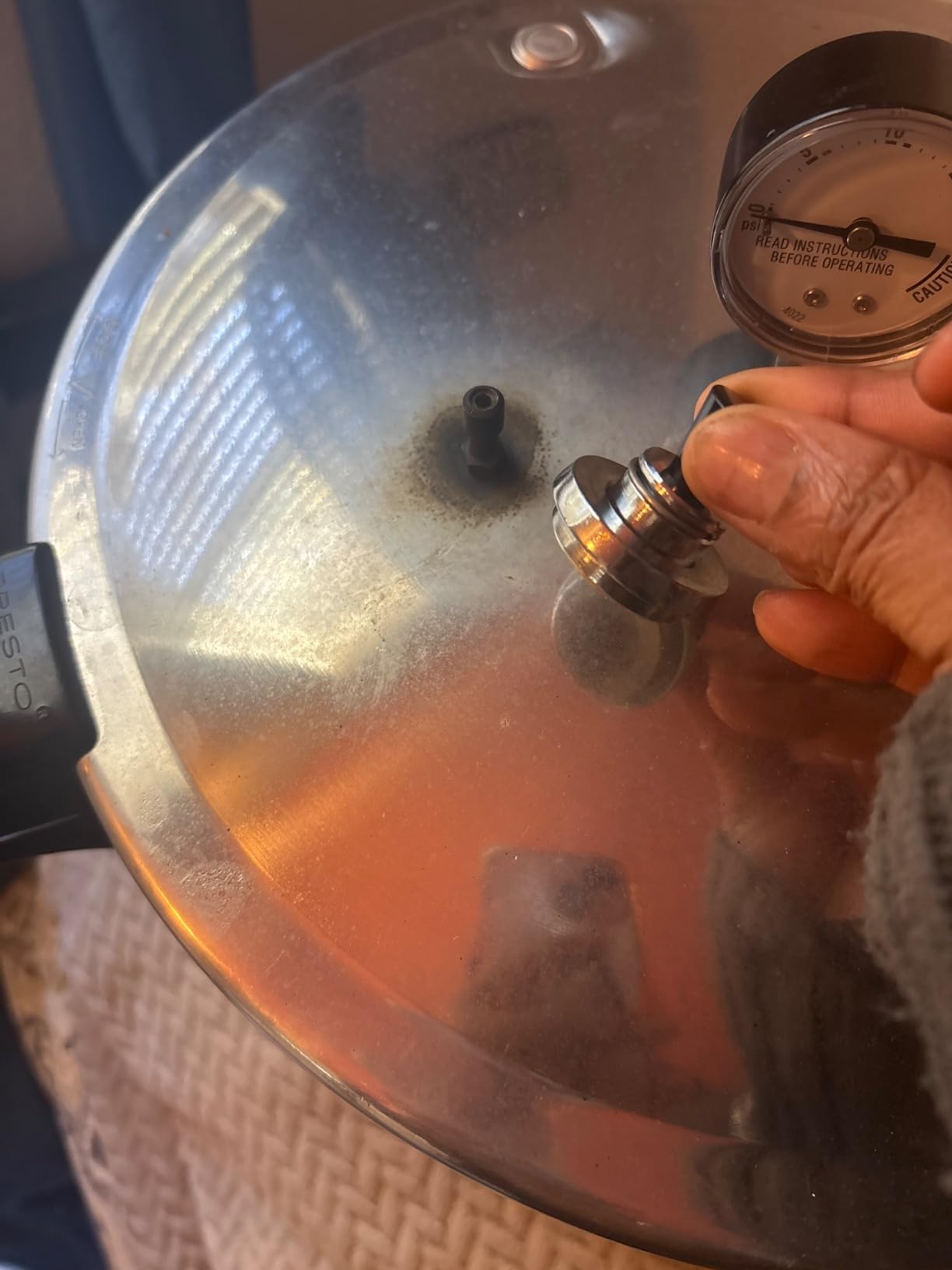
How a 16-quart batch compares to a 22-quart batch
Expect about four quart jars or a dozen pints per load, roughly half what the 22 and 23-quart models do. For a household of one or two, that is usually a full week of beans and still well within a manageable processing time.
The upside is that the heat up and cool down cycles are shorter, and a 10.5-pound pot full of jars is a realistic single-hand-and-one-hand lift for a lot of people. If you preserve a lot of food, the 16-quart will just mean more stove time.
Who should choose the Presto 01755
Choose it if you are a small household, an older canner, or anyone who has ruled out a larger pot on weight grounds. It is a sensible middle step between a 10-quart unit and a full-size 22 or 23-quart canner.
Skip it if your garden produces more than you can eat in two or three batches a month, and skip it if you can only cook on induction. A stainless or digital option serves those two cases better.
6. NESCO NPC-9 Smart Electric Pressure Canner and Cooker
NESCO NPC‑9 Smart Electric Pressure Canner and Cooker for Home Food Preservation, 9.5‑Quart Stainless Steel with Digital Controls
9.5 quart unit with 9 quart capacity
Digital display and preset programs
1000 watts
Standard and high altitude valves
Pros
- Removes the fear factor from first time canning
- Five cooking modes in one appliance
- Runs cool and keeps the kitchen comfortable
- Standard and high altitude limiting valves included
Cons
- Small batches of about 4 quarts or 5 pints
- Wide mouth pint jars are hard to grip and remove
- Instructions are wordy for new users
The NESCO NPC-9 is the most convincing answer to the question of what the easiest canning system for beginners actually is. It is an electric countertop canner with a digital display, preset programs and a timer, and the pressure and temperature are regulated automatically.
It is also a genuinely multi-function appliance. The same unit handles pressure cook, slow cook, steam and water bath modes, so it will make soups, stews, jams and batch meals when it is not canning. For a household that wants one appliance instead of three, that is a real argument.
In the box you get an aluminum inner pot, a canning rack, a steam rack, a removable condensation catcher, and both standard and high-altitude limiting valves. Having the high-altitude valve included removes another decision a first-timer would otherwise have to research.
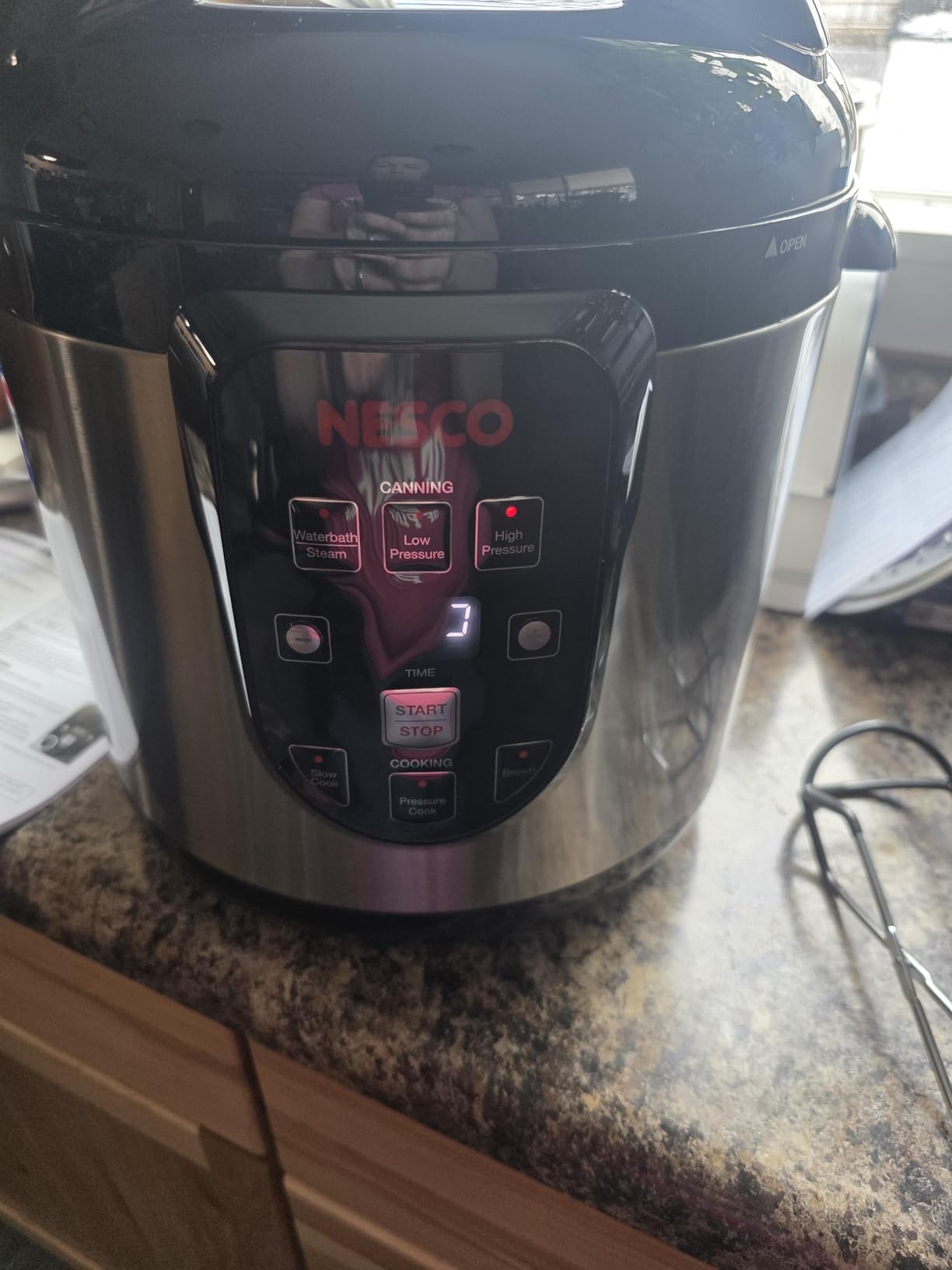
Because it runs on 1,000 watts of electricity, it works anywhere with a counter outlet. It also runs cool on the outside, which is a genuine advantage for a July batch of tomatoes, and owners frequently mention that the silent, self-sufficient operation lets you work on something else while it runs.
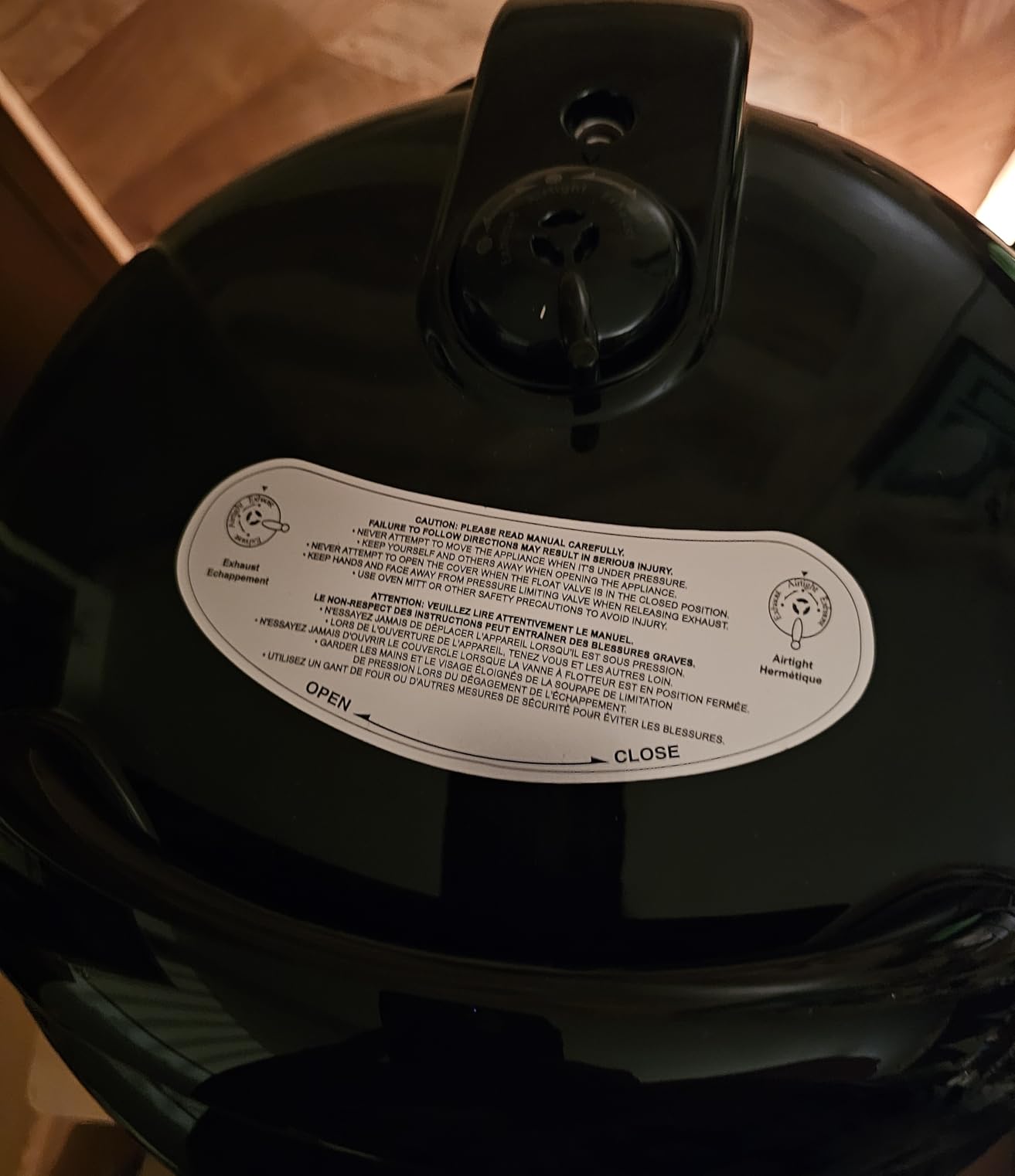
The compromises are real. Capacity is about 4 quarts or 5 pints per load, wide-mouth pint jars are awkward to grasp and remove from the unit, and the instructions are wordy enough that a few owners call the learning curve steeper than they expected. The audible beeps at plug-in, timer and pressure changes are loud and startle some people.
Why an electric canner suits a first-timer
There is no flame to manage and no vent to watch, which removes the two most common sources of anxiety for a new canner. Nothing on the stovetop is occupied while it runs, so you can keep cooking dinner through an entire processing cycle.
It also converts cleanly. Buyers who were hesitant about stovetop canning tend to describe it as the appliance that finally got them started, and the removable nonstick pot plus included racks make cleanup a short job rather than a chore.
Where the NESCO NPC-9 runs out of room
Four quarts per run is a small batch. Anyone preserving a large harvest will be running the machine many times, and a fixed-cycle appliance cannot be sped up. It is a household tool, not a harvest weekend tool.
It is also an electric canner only, so it does not double as a stovetop pressure cooker for a big pot of beans. If you want a multi-purpose cooking pot, our [water bath canner picks](https://vintagevinylnews.com/best-water-bath-canners/) and this category of stovetop canner cover that need better.
7. Granite Ware 20-Quart Pressure Canner, Cooker and Steamer
Granite Ware Pressure Canner/Cooker/Steamer, 20-Quart
20 quart capacity
10.5 pounds empty
15.75 by 15.5 by 12.75 inches
Hard anodized aluminum
Pros
- Hard anodized aluminum resists rust and staining
- Adjustable 3 piece regulator at 5 10 and 15 PSI
- Cooks steams and cans in one pot
- Light weight for its 20 quart capacity
Cons
- Smaller review base than the category leaders
- Aluminum reacts with acidic foods
- Manual operation needs constant attention
Granite Ware builds a canner that wants to be a pot. The 20-quart unit handles pressure canning, pressure cooking and steaming, and at 10.5 pounds empty it is the second-lightest canner in this group despite holding more than twice the All American’s capacity.
The body is heavy-gauge hard-anodized aluminum, which resists rust and staining better than bare natural aluminum and holds its shape under repeated heat cycles. The finish is non-stick, which is a nice bonus if you plan to use the pot for actual cooking.
Pressure comes from an adjustable 3-piece regulator system calibrated at 5, 10 and 15 PSI, so the same pot works for gentle and hard pressure. The dial-free weighted design means no gauge calibration, no test schedule and one less thing to worry about as a new owner.
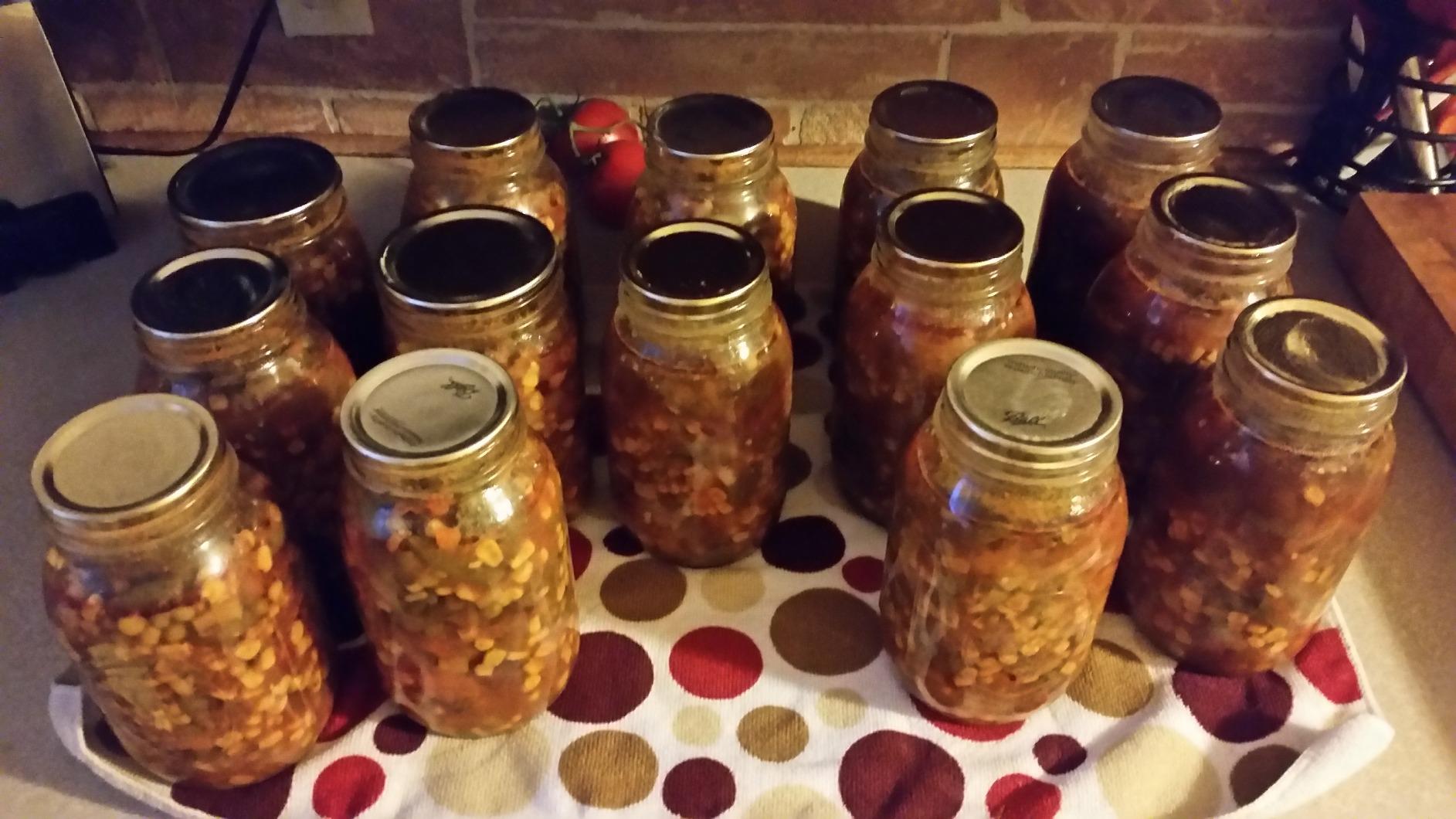
The trade is thinner social proof. With 801 reviews and a 4.6 average, this canner has a fraction of the feedback of the Presto and All American units, and there are fewer customer photos to compare. In a category where we recommend reading a decade of owner reports before buying, that is a real gap.
It is also fully manual. You manage the burner, the vent and the heat yourself from start to finish, which is more attention than the electric and digital models ask of you. And like the rest of the aluminum options, keep tomatoes and vinegar products out of it.
When a 20-quart canner is the sweet spot
Twenty quarts is the size that fits most kitchens and most families. It processes a real batch without the storage and lifting problem of a 23-quart unit, and it is large enough to be worth the trip to the stove for a big harvest weekend.
The 3-piece regulator is also a genuine convenience. Swapping weights is faster and less error-prone than reading a dial needle through a fogged-up lid window, and the fail-safe behaviour of a weighted regulator is easier to understand than a gauge for a first-timer.
Who should pass on the Granite Ware 20-Quart
Pass if you want the deepest parts bin in the house and the widest replacement parts network. Granite Ware is a smaller brand here and the review record is thinner, which makes it a slightly riskier bet for a first canner than a model with 20,000 reviews behind it.
Pass as well if you can only cook on induction. This model is aluminum with no induction base, so the whole class is off the table for you.
8. MIRRO 22-Quart Aluminum Pressure Canner
MIRRO 22 Qt Aluminum Pressure Canner with 3 Regulators, 5, 10 & 15 PSI
22 quart capacity
5 10 and 15 PSI regulators
Dual cool-touch handles
Two racks included
Pros
- Listen for the jiggle instead of watching a dial
- Heats quickly and holds temperature
- Reliable jar seals with little siphoning
- Dual cool-touch handles and two racks
Cons
- No pressure dial to read
- Staining around the steam vent after use
- Regulator must be pushed firmly onto the stem
The Mirro 22-quart is the one to pick if you dislike watching a gauge. It ships with three weighted regulators at 5, 10 and 15 PSI, and pressure control is entirely audible and tactile: you seat the correct weight, bring the pot to pressure, and wait for the steady rock that means the regulator is cycling.
That system is hard to get wrong. There is no needle to misread through steam and no gauge that needs periodic testing, and experienced canners consistently favor weighted regulators for sealing reliability. Owners of this model report steady temperature with little heat adjustment once it is up to pressure.
Two racks and dual cool-touch handles make a full load more manageable, and the aluminum interior has a natural finish with a mirror-polished exterior that wipes down easily.
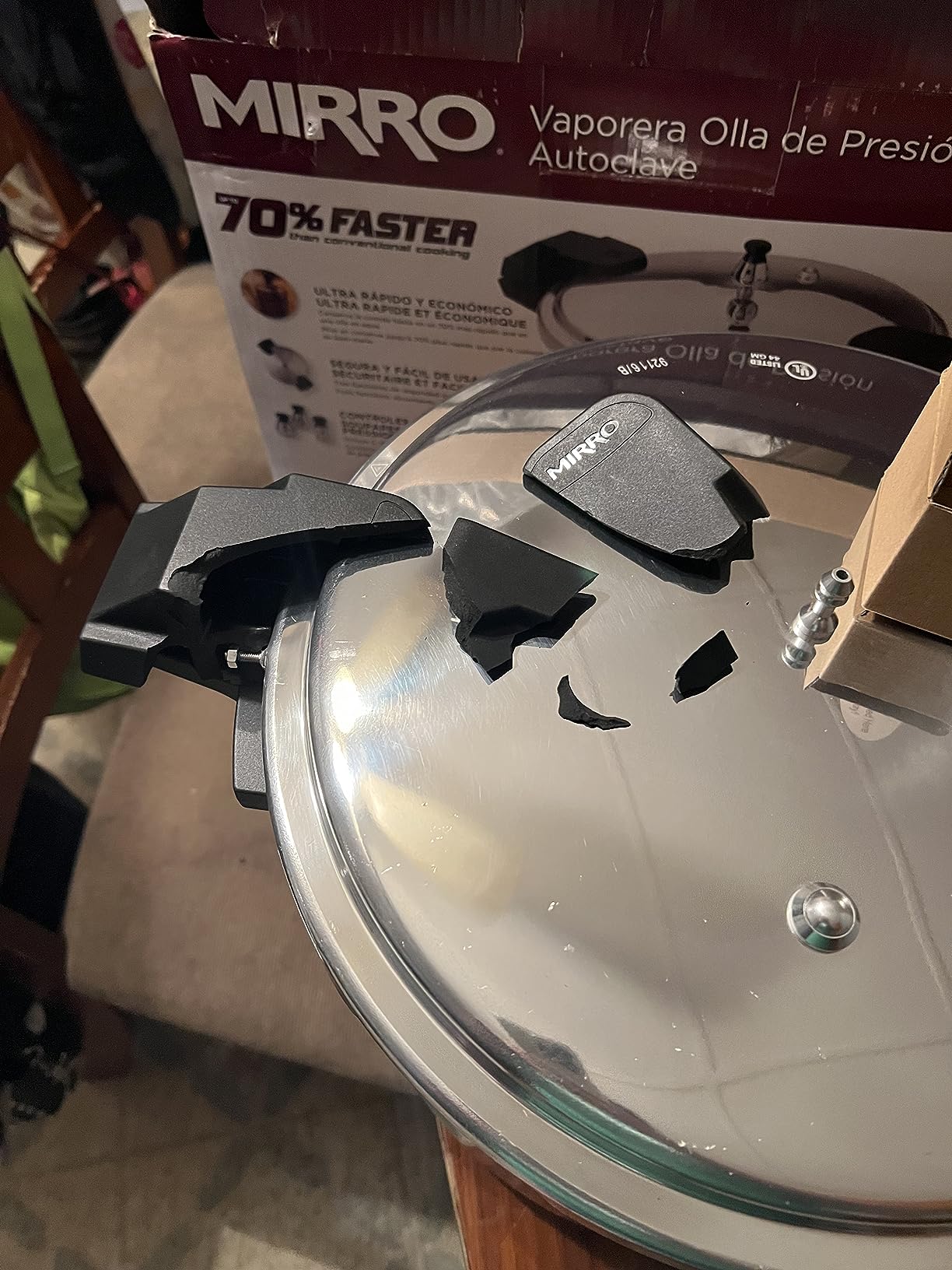
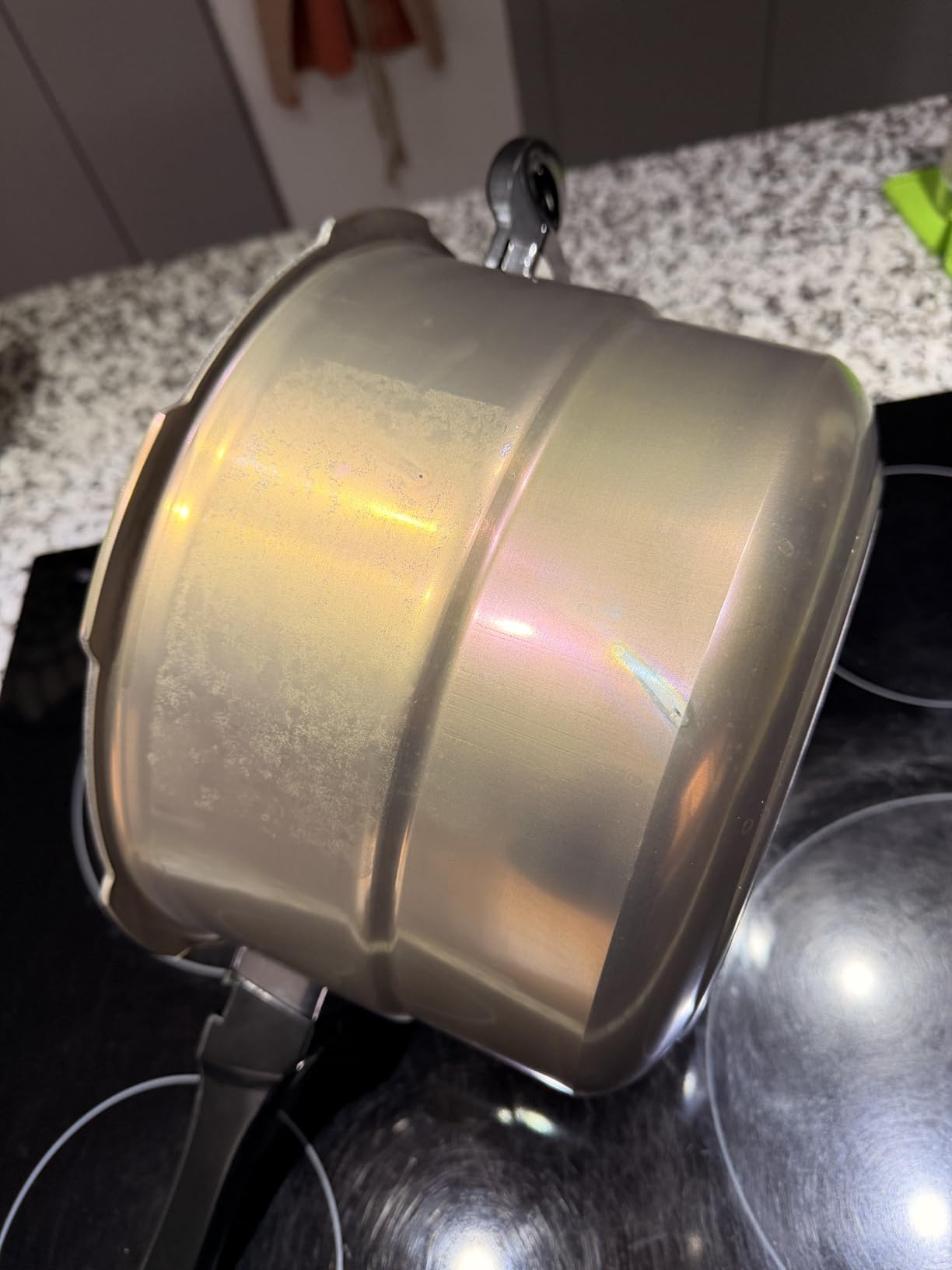
Honest trade-offs start with the missing dial. If you want to know the exact pressure, this is not the canner. Some owners also report rust-coloured staining around the steam vent after extended use, which is cosmetic but permanent, and you have to push the regulator firmly onto the stem to seat it properly, a step beginners occasionally skip.
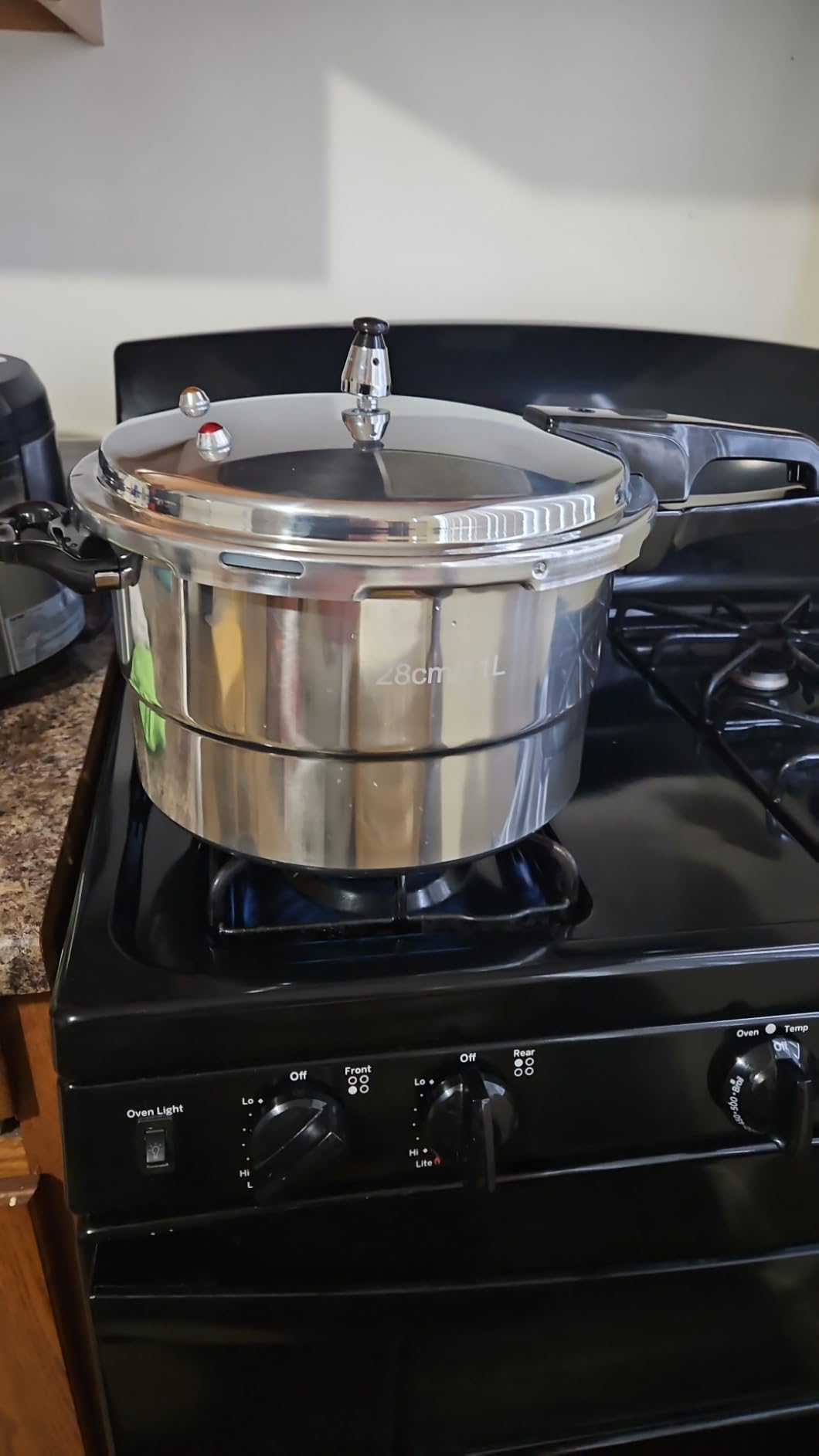
At 6.21 kilograms this is a heavy pot at 18.62 by 15.59 by 15.47 inches. A few owners avoid glass-top stoves with it, and we would check your range manual before loading it with water and jars.
How weighted gauge compares to a dial gauge in practice
A dial canner tells you what the pressure is. A weighted canner tells you the pressure is being held. For most home canners processing the same foods at the same elevations, that difference is academic, and the weighted system is one fewer failure point.
Where a dial genuinely wins is altitude. A weighted canner needs a different weight for each elevation band, while a deluxe dial reads the full processing range on one needle. If you live high, a dial canner is more flexible.
Who the Mirro 22-quart suits
It suits a canner who prefers listening over reading, and anyone who does not want to deal with gauge calibration or an annual test. It is also a good value pick for a mid-size batch of seven quart jars.
Skip it if you cannot easily lift a heavy loaded pot, if you need to know exact pressure readings, or if you can only cook on induction. The vent staining is worth knowing about before you buy, too.
9. WantJoin 23-Quart Pressure Canner
Wantjoin Aluminum Pressure Cooker 23Qt Pressure Canner, Pressure Pot with Pressure Control for Home Kitchen or Restraurant, Commercial Pressure Cooker with Gauge
23 quart capacity
6.03 kilograms
Induction compatible base
Six safety protections
Pros
- 23 quart capacity at a low price point
- Thickened composite base works on gas and induction
- Six safety valves and locks
- Uncoated food grade aluminum resists scratching
Cons
- Lowest average rating in this group at 4.3
- Aluminum interior reacts with acidic foods
- Thinner canning documentation than US made competitors
This is the one to look at if your only cooktop is induction and you have been told nothing on the market will do. The thickened composite base is listed as working on both gas and induction surfaces, which almost nothing else in this roundup offers at 23 quarts.
The safety engineering is unusually thorough for the price. The lid carries an automatic lock, a check valve, a pressure limiting valve, a safety valve, an alarm valve and an anti-blocking cover, six separate protections in one assembly. The interior is uncoated food grade aluminum described as high hardness and scratch resistant, and a storage bag is included.
At 23 quarts it matches the biggest Presto for raw capacity, and the product line covers a wide range of sizes if you want a smaller sibling later.
The 4.3 average with 777 reviews is the lowest in this group, and roughly 9 percent of reviews are one star. The recurring theme is inconsistent seal reliability, and the documentation for home canning is noticeably thinner than you will find with a US-made canner, which matters when a beginner needs to check a processing time.
It is also heavy to move loaded, at just over 13 pounds empty, and the aluminum interior reacts with acidic foods. If your garden is mostly tomatoes, this is the wrong canner for you regardless of the induction base.
Is induction compatibility worth the trade-offs
For most households, no. If you have a gas or coil range, you have better documented options at this capacity. If you cook on induction, the choice narrows sharply, and this canner is a legitimate answer to a real constraint.
The reason induction is rare in this category is physical. An aluminum body does not heat on an induction surface, so manufacturers add a layered steel base. That base works, but it adds weight, cost and a point of failure at the seam, which is where some of the mixed seal reports come from.
Who should buy the WantJoin 23-Quart
Buy it if induction is your only cooktop, you want maximum capacity, and you are willing to follow a current NCHFP processing guide rather than rely on the paperwork in the box. Check the gasket and base sealing surface carefully on arrival.
Skip it if you want the deepest owner record, if you are preserving mostly acidic food, or if you would rather pay more for a model with two decades of reviews and domestic parts support.
10. ZAVOR 8-Piece Pressure Canning Set
Zavor DUO 8-pc Pressure Canning Set – Pressure Cooker 10 Quart w/Complete Pressure Cooker Canning Kit, including Wide Mouth Canning Funnel, Canning Rack & 5 other Essential Canning Tools
10 quart stainless steel body
15 and 10 PSI levels
8 piece set
Induction compatible
Pros
- Eight piece bundle includes all the basic tools
- Stainless steel body works on induction and gas
- Handles four quart jars per batch
- Easy to clean and easy to learn
Cons
- Small four quart batch limit
- Pressure set by weight only with no gauge compatibility
- Long process times for the batch size
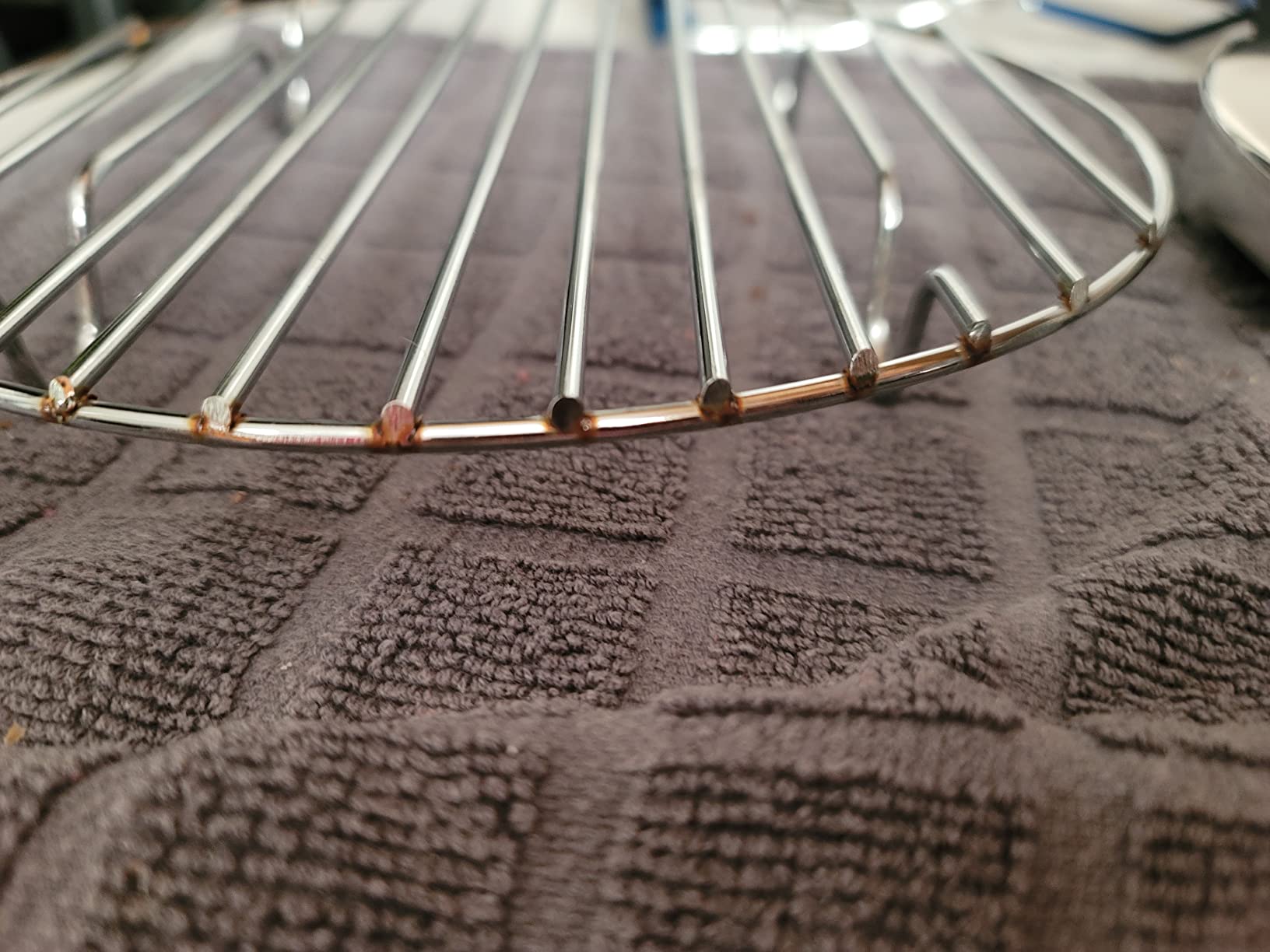
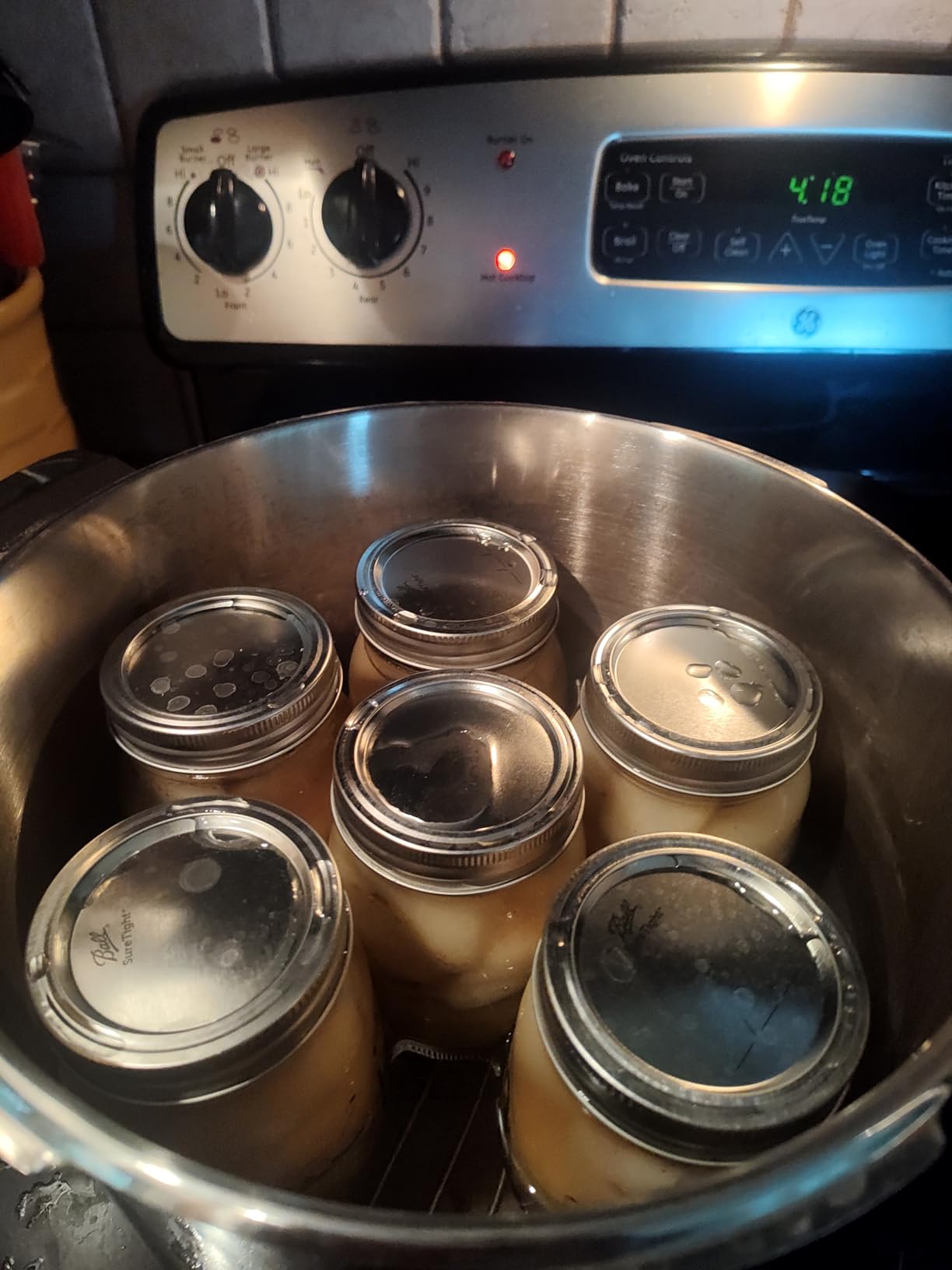
Most beginners underestimate the tool list. A canner, some jars, a lifter, a funnel, a bubble remover and a timer add up fast, and this set puts all of it in one box. The stainless steel pot is joined by an ergonomic jar lifter, a wrench, tongs, a 3-in-1 bubble freer and magnetic lid lifter and headspace measurer, a wide mouth funnel and a ladle.
That 3-in-1 tool alone removes three separate purchases most first-timers make by accident. The headspace measure in particular matters, because incorrect headspace is one of the leading causes of a jar that will not seal.
The pot body is stainless steel and works on gas, electric, ceramic and induction cooktops, and it has two pressure levels: 15 PSI for canning and tougher foods, 10 PSI for softer items. It handles up to four 1-quart jars per batch.
Two limits are worth knowing. It is not compatible with pressure gauges, so pressure is set by the weight alone, which removes the ability to monitor exact PSI. And the batch size of four quart jars, combined with long process times relative to that batch, makes this a household tool rather than a harvest weekend tool.
Jars are not included, and the 10-quart capacity is on the small side for anyone processing a real garden surplus. The red finish and chrome trim are also purely cosmetic, so do not expect the interior durability of a heavy cast aluminum canner.
Is a bundled set a good way to start
For a true beginner, yes. The tools in this set are the ones you would buy first anyway, and buying them as a kit is cheaper and less confusing than assembling them one at a time. It also gets you canning in one afternoon rather than one weekend.
For anyone past their first season, no. Once you know which tools you actually use, individual purchases let you replace the 3-in-1 tool or the funnel without replacing the pot. And a stainless steel 10-quart canner is a narrower tool than a 20-plus-quart aluminum canner.
How the ZAVOR set fits against a plain stovetop canner
The pot is the weakest part of the equation here. At 10 quarts, four quart jars, and a weight-only pressure system with no gauge compatibility, it does less than a Presto 16-quart or a Mirro 22-quart for the same money spent elsewhere.
What you get that the others do not is the toolbox. If you are buying your very first canner and would otherwise be hunting for a lifter and a funnel separately, this is a reasonable way to do both at once.
11. Granite Ware 12-Quart Pressure Canner
Granite Ware F0732-2 Pressure Canner and Cooker/Steamer, 12-Quart, Black by Granite Ware
11.36 liter capacity
Holds 4 quarts 7 pints or 8 half-pints
5 10 and 15 PSI adjustable
U/L certified
Pros
- U/L certified for canning confidence
- Adjustable 5 10 and 15 PSI for any elevation
- Fail safe weight control needs no gauge calibration
- Works as a pressure cooker and steamer
Cons
- Smallest review base in the group
- Aluminum construction reacts with acidic foods
- Hand wash recommended
The 12-quart Granite Ware is the compact option that still processes quart jars. It holds 4 quart jars, 7 pints or 8 half-pints per load, and the listed capacity is 11.36 liters, which makes it a realistic small-household canner rather than a cooker that happens to be near a jar.
Pressure is adjustable at 5, 10 and 15 PSI, which the manufacturer describes as assuring good results at any elevation. The fail-safe weight control works without constantly monitoring or calibrating a gauge, and that is the same reasoning behind every weighted canner in this roundup: fewer things to check means fewer ways to get a batch wrong.
It is U/L certified, which is a specific safety certification for canned goods and not a claim most listings in this category make. It also doubles as a steamer, and the hard anodized finish resists rust and staining.
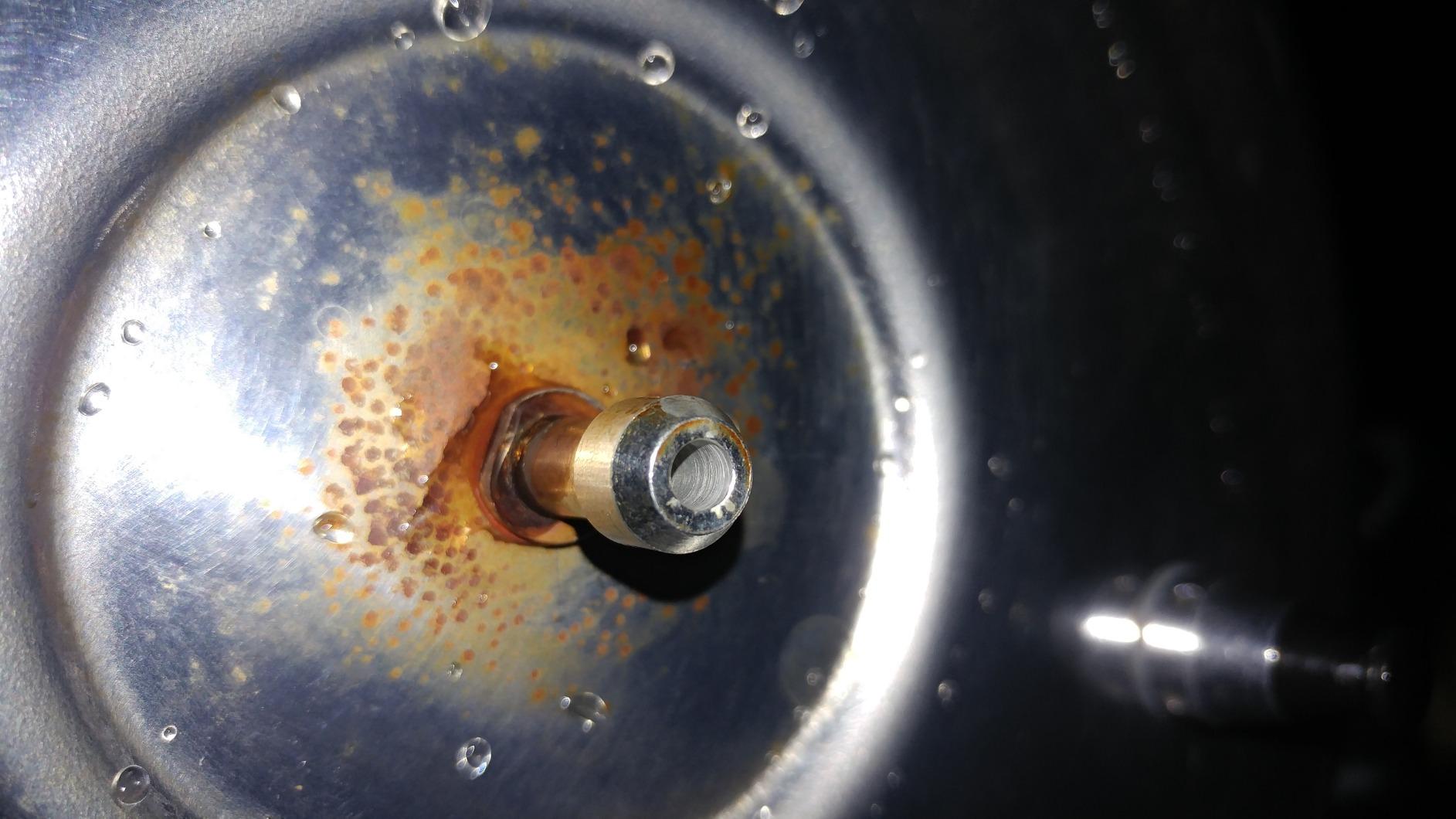
The limitation here is evidence, not design. One hundred and one reviews is a very small base, and no weight or dimension figure is published on the listing, so you will want to measure before buying. At a 4.5 average with 75 percent five-star ratings the sentiment is good, it is just not well sampled.
Hand washing is recommended rather than the dishwasher, and the aluminum interior reacts with acidic food. Four quarts per load also means a long harvest takes several runs.
What 12 quarts of capacity really means in jars
Four quart jars, seven pints or eight half-pints. For a household of one or two, four quarts of pressure-canned beans or corn is roughly two weeks of lunches, and it is a comfortable batch size for a first-timer to manage in one go.
It is also the smallest size we would consider for serious low-acid canning. Anything smaller and the headspace and water depth required by tested processing times become hard to achieve, which is why the NCHFP has not published times for the very small units.
Who the Granite Ware 12-Quart suits
It suits a one or two person household, an older or smaller cook, and anyone who wants a certified unit with an adjustable weighted system and a small footprint. The U/L certification is a genuine differentiator if safety documentation matters to you.
Skip it if you want a well documented owner history, if you plan on canning a large harvest, or if you only cook on induction. It is a manual aluminum canner with a modest review record.
12. VEVOR 12-Quart Stainless Steel Pressure Cooker
VEVOR Pressure Cooker, 12Qt Pressure Cooker Stainless Steel, Pressures Canner with Steaming Rack, Tempered Glass Lid, 3 Pressures Settings for Meat, Beans, Rice, Soup, Sauces, Cook up to 100 kPa
12 quart 11.3 liter capacity
304 stainless steel body
10.3 pounds empty
Triple layer base
Pros
- 304 stainless steel resists rust and marks
- Triple layer base works on every stovetop type
- Three settings including 100 kPa
- Accessories include spare seals and valves
Cons
- Some units do not reach full 15 PSI
- Too shallow for jars larger than 8 ounces
- Learning curve for traditional pressure cooker users
The VEVOR 12-quart is the most cooking-focused canner here rather than the most canning-focused. It is a 304 stainless steel pressure cooker with a removable tripod steamer rack and a tempered glass lid, so it doubles as a soup pot and steamer, and it cooks up to 70 percent faster than standard cookware at 100 kPa.
The triple-layer bottom is the standout feature. It is listed for induction, ceramic, electric and gas stovetops, which makes it the rare unit in this roundup that works on every surface type. Stainless also means no reaction with acidic foods, so tomatoes and vinegar are fine.
The box is unusually complete. You get the glass lid with its handle, a Phillips screwdriver, a removable tripod steamer rack, two handles, two silicone sealing rings, two weighted pressure valves and four handle screws, plus the cooker. Spare seals and valves in the box is a nice touch for a first-timer.
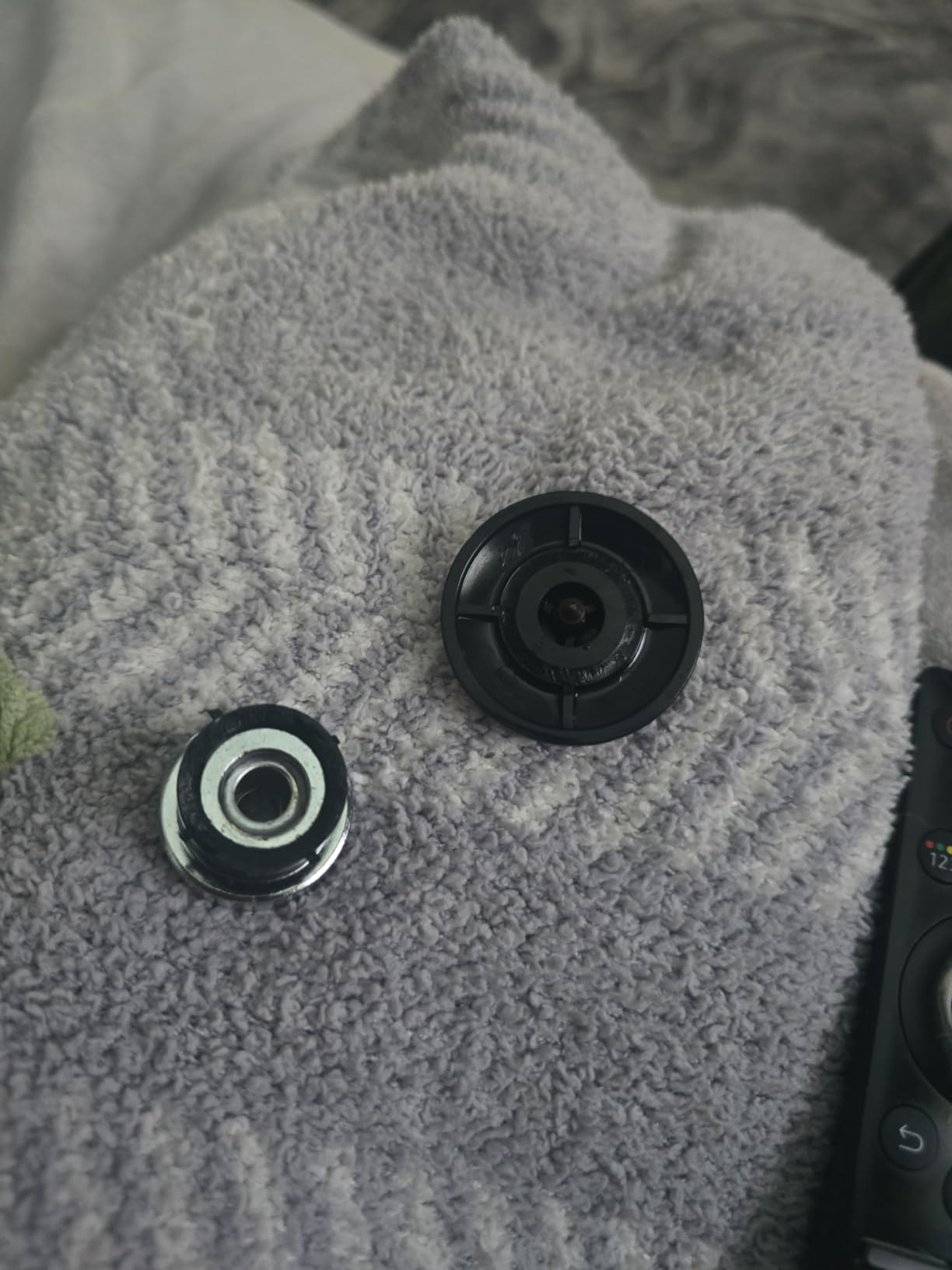
The 4.2 average and 126 reviews reflect some real concerns. Several buyers report the unit not reaching full 15 PSI because the relief valve may vent too early, which matters directly for canning safety. It is also not deep enough for jars larger than 8 ounces, so wide-mouth pints and quarts are a tight or impossible fit.
At 10.3 pounds it is heavier than the aluminium alternatives at similar capacity, and the three listed pressure settings are really two pressure levels plus a manual steam release. Owners accustomed to traditional pressure cookers report a learning curve with the locking behaviour.
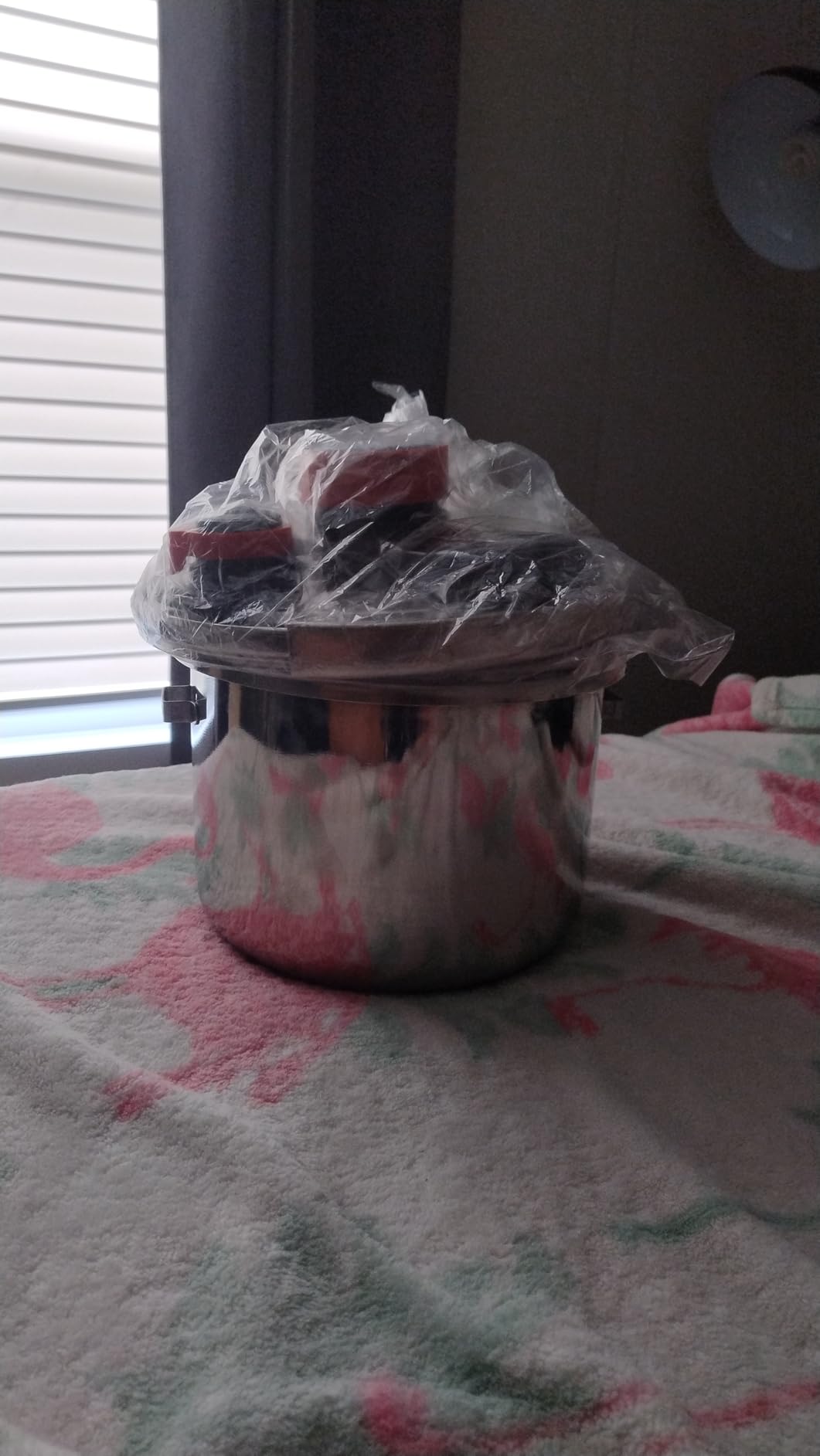
Stainless steel and where it fits among these picks
Stainless solves the acidity problem that limits almost every aluminium canner here. If you preserve a lot of tomatoes, pickles, jams or vinegar-based recipes, this is the only material choice in the roundup that removes the concern entirely.
The stainless units are all either small-batch or cooking-focused rather than bulk-canning focused. The VEVOR is the budget end of that trade: great material, limited canning capacity, and a pressure system that may not hold 15 PSI reliably.
Should a beginner buy the VEVOR 12-Quart
We would not start here. Verified pressure at 15 PSI is the one thing a canner cannot compromise on, and the reports of early venting make that a question to weigh carefully. It is better suited to a household that wants a stainless multi-cooker than to someone determined to put up a season of low-acid vegetables.
It is worth considering if your only cooktop is induction, if you mostly cook acidic foods, and if you will follow a tested processing guide rather than improvise. Check the canner with a pressure test before your first batch.
Dial Gauge vs Weighted Gauge: Which Is Easier for Beginners?
A dial gauge is easier to learn because you can see what the pot is doing. The Presto 01781 and the Presto 01755 use a deluxe dial that registers the full processing range, and a T-fal adds a readable gauge to its weighted system. If you like feedback, choose a dial.
A weighted regulator is easier to operate because there is nothing to interpret. Seat the right weight, listen for the steady rock, and start the timer. The Mirro 22-quart, the Granite Ware 20 and 12-quart, and the All American 910 all work this way, and no weighted canner needs periodic gauge calibration.
The one place a dial wins clearly is altitude. A weighted canner requires a different weight for each elevation band, while a deluxe dial reads multiple processing pressures on a single needle. If you live above 1,000 feet, that flexibility has real value.
Our take: begin with whichever system you will actually keep using. A canner that feels intuitive gets used, and a canner that sits in a cupboard because you dread checking the dial is a waste of money.
Gasket vs Metal-to-Metal Seal: What Maintenance Means
Eight of the twelve canners here seal with rubber. The Presto 01781 and 01755, the T-fal 22-quart, the Mirro 22-quart, both Granite Ware models, the WantJoin 23-quart, the ZAVOR set and the VEVOR all depend on a gasket or silicone ring holding steam in.
That is a real but manageable cost. Replace a gasket whenever it feels hard, cracked or misshapen, and expect a yearly replacement if you can several times a week. It is a ten dollar part and a two minute swap, and local hardware stores commonly carry Presto replacement parts.
Two canners break the pattern. The All American 1930 uses a precision machined metal-to-metal seal with no gasket at all, and the stainless units like the ZAVOR and VEVOR use silicone rings that are included as spares in the box. If you want a canner you never spend money on, the All American is the only clear answer.
Stovetop Compatibility and Glass-Top Weight Limits
Most of these canners are aluminum, which rules out induction entirely. Induction-compatible options here are the WantJoin 23-quart with its thickened composite base, the stainless ZAVOR 8-piece set, and the VEVOR 12-quart with its triple-layer bottom. If you cook on induction, those three are your shortlist.
Glass-top stoves are the other common trap. Published empty weights range from 10.5 pounds for the Presto 01755 and Granite Ware 20-quart up to 14.8 pounds for the All American 910 and the T-fal 22-quart, and a loaded canner with water and seven quart jars can approach 40 pounds.
Check your range manual for a maximum burner or cooktop weight before your first batch, and use a burner larger than the canner’s base. If your glass top has a low limit, an electric or digital canner removes the problem completely, and our [steam canner picks](https://vintagevinylnews.com/best-steam-canners/) cover the gentler preservation route.
Altitude Adjustment: What Changes When You Live High
Water boils at a lower temperature at altitude, so processing times increase as you go up. Below 1,000 feet no adjustment is needed. From 1,000 to 3,000 feet add 1 minute, 3,000 to 6,000 add 2 minutes, 6,000 to 8,000 add 3, 8,000 to 10,000 add 4, and above 10,000 feet add 5 minutes to the processing time printed in your tested recipe.
Weighted canners handle this with the weight, not the clock. That is the real meaning of the 5, 10 and 15 PSI adjustable regulators on the Mirro, the Granite Ware models and the T-fal: the 15 PSI weight is the correct weight for most inhabited elevations, while 10 and 5 serve higher or gentler situations.
Only one canner here removes the issue entirely. The Presto 02144 digital canner is listed as needing no adjustment for high altitudes, because it controls temperature rather than relying on a fixed clock.
How to Choose a Pressure Canner: 6 Decision Factors
1. Household size. A one or two person household is well served by a 12 to 16-quart canner holding 4 quart jars. A family or a serious gardener should target 20 to 23 quarts and 7 quart jars per batch.
2. Stove type. Gas and electric coil accept almost everything. Glass top needs a weight check. Induction narrows you to the WantJoin, the ZAVOR and the VEVOR, or an electric canner such as the NESCO NPC-9 or the Presto 02144.
3. Gauge type. Dial if you want to see pressure and live at altitude. Weighted if you want nothing to read and no gauge to test. The Presto 01781 is the clearest example of the dial camp, the Mirro 22-quart the clearest example of the weighted camp.
4. Seal type. A rubber gasket means a small annual cost. The All American 1930 has no gasket and is the better long-term buy for a committed canner.
5. Fear of pressure. If the process itself is the barrier, the NESCO NPC-9 or the Presto 02144 removes the flame, the vent and the gauge. Pay for the automation rather than the capacity.
6. Other food in the pot. If you will cook beans and stock in it as well as canning, weigh a multi-purpose unit like the Granite Ware 20-quart or the ZAVOR set. If you only can, prioritise jar capacity.
One rule overrides all of the others: do not buy a canner under about 8 quarts for low-acid canning. Tested processing times have not been established for those sizes.
Starter Accessories Checklist for Your First Batch
Beyond the canner, you need a small set of tools. Wide mouth or regular mouth mason jars in the size your canner fits, plain or with a two-piece lid set, are the foundation. Buy canning jars rather than repurposed grocery jars, because the rim dimensions matter for a reliable seal.
Then add a jar lifter, a wide mouth funnel, a bubble remover and headspace tool, a clean damp cloth, and a long handled tongs for hot lids. A timer and a towel complete the kit. The ZAVOR 8-piece set bundles most of these in one purchase if you would rather not assemble them piecemeal.
Two ongoing items people forget. Keep a spare gasket and regulator in the house, since a failed part at the start of a processing day stops everything. And if you buy a dial gauge canner, budget for periodic gauge calibration at a test kitchen or county extension office.
Your First Batch: A Seven-Step Walkthrough
1. Read the recipe from a tested source. Use a current NCHFP or extension service publication and note the processing time, pressure, jar size and headspace. Do not adjust times by feel.
2. Check your elevation and apply the adjustment. Under 1,000 feet means no change. Above it, add minutes to the printed time as described earlier in this guide.
3. Wash and prepare the food, then fill the jars. Pack the food, add the correct headspace, and run a bubble remover or a clean damp cloth across the rim to clear air pockets and food residue.
4. Wipe rims and screw on two-piece lids. Screw bands finger tight. Do not tighten them with a tool, because the metal-to-metal contact during processing does the sealing.
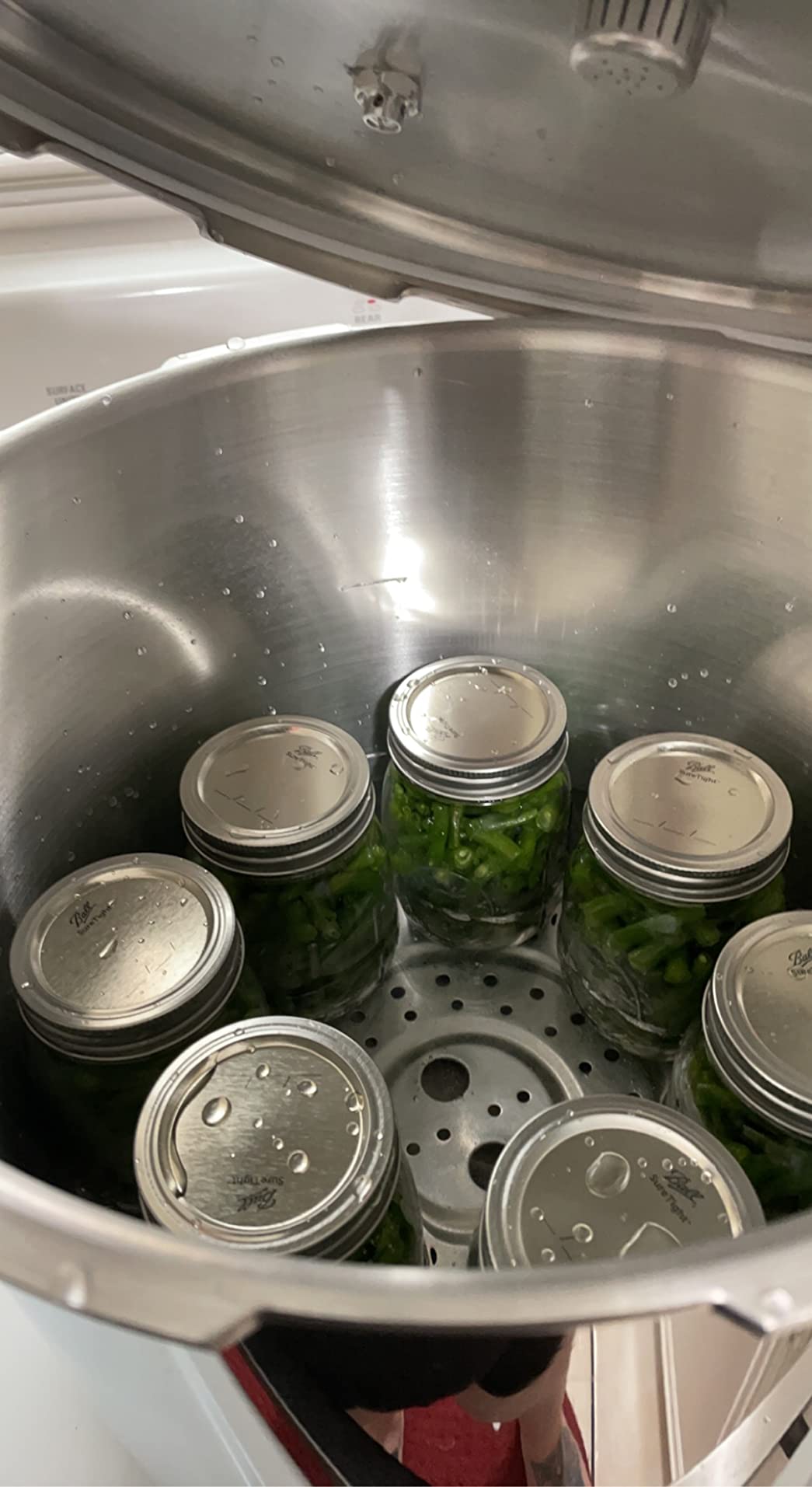
5. Load the canner. Use the canning rack so jars sit above the water. Fill with enough water to cover the jars by one or two inches, and never fill a pressure canner more than two-thirds full with food.
6. Seal, heat and vent. Lock the lid, bring the canner to pressure, then follow the venting procedure in your canner’s manual exactly. This venting step is the part beginners most often rush and the part that most often ruins a batch.
7. Process, cool and test. Hold the required pressure for the adjusted time, then let the canner cool fully before opening. Remove the jars, leave them undisturbed for 12 to 24 hours, and check each lid for a flat, sealed centre.
Wait with the canner open for several hours before using the food, and retest any jar that does not seal by reprocessing it with a fresh lid within 24 hours.
Frequently Asked Questions
Is there a pressure canner that does not require a gasket?
Yes. The All American 1930 uses a precision machined metal-to-metal sealing system with positive action clamping locks, so there is no rubber gasket to replace. Everything else in this roundup, including the Presto 01781 and 01755, the T-fal 22-quart, the Mirro 22-quart and both Granite Ware models, relies on a gasket or silicone ring. The ZAVOR set and the VEVOR include spare silicone rings in the box, which is the next closest thing.
What is the easiest canning system for beginners?
The easiest system is a large dial gauge stovetop canner for people who want to see pressure, such as the Presto 01781 23-quart, which holds 7 quart jars and carries the longest warranty here. If the process itself is the barrier rather than the equipment, an electric canner such as the NESCO NPC-9 or the Presto 02144 digital canner is easier, because it removes the flame, the vent and the gauge. A weighted gauge system such as the Mirro 22-quart is the easiest to operate, since there is nothing to read.
Do Amish people use pressure canners?
Yes. Amish and plain-dresser households have long canned their own garden produce and are among the most experienced home canners in the United States. The difference is in scale and tradition rather than technique. Many still rely on large stovetop canners, and the same USDA pressure canning guidance applies to them as to anyone else. For a look at the equipment those households favour, a dial gauge stovetop canner is the traditional choice.
What is the easiest pressure cooker to use for canning?
A canner rated for canning, not a standard pressure cooker. Standard cookers often lack a vent pipe, a rack and enough jar clearance, and the National Center for Home Food Preservation has not established safe processing times for very small canners. The easiest to use in practice is a weighted gauge canner such as the Mirro 22-quart, where pressure is controlled by a weight you can hear. If you want a multi-use cooker that is also USDA-style for canning, the Granite Ware 20-quart handles cooking, steaming and canning in one pot.
How many quart jars fit in a pressure canner?
It depends on capacity. The Presto 01781 23-quart holds 7 quart jars, 20 pints or 26 half-pints. The T-fal 22-quart fits up to 7 quart jars, 18 pints or 24 half-pints. The All American 1930 10.5-quart holds 4 quart jars or 7 pints, the Granite Ware 12-quart holds 4 quarts, 7 pints or 8 half-pints, and the ZAVOR 10-quart set fits 4 quart jars. For a household of one or two, 4 quarts per batch is realistic. For a family or a large harvest, target 7.
Conclusion
The Presto 01781 23-quart is our pick for the best pressure canners for beginners, because it combines the largest review base in the group with a dial gauge that shows you real pressure and a 7-quart batch size. Buy the All American 1930 if you want no gasket ever again, and the NESCO NPC-9 if the pressure process itself is what is holding you back.
Whichever you choose, start with one tested recipe from a current NCHFP guide and let one batch be a practice run before you plan a harvest weekend. That habit is worth more than any feature on any canner.