
The best quiet paper shredders for home offices are the ones that keep the motor grind below the level of your own voice. Most office shredders sit around 60 to 72 decibels, which sounds reasonable on a spec sheet until you shred a stack of mail while a client is on a call and the noise lands in your microphone. Below are ten models, ranked on published noise figures, run time, cut security and footprint, with an honest note on which of those numbers come from the manufacturer and which do not.
A note before we start: only five of the ten shredders in this guide publish a decibel figure at all. The other five describe themselves as quiet in words and leave the number off the spec sheet, which is a pattern we see across the whole category. Where a dB number is missing, we say so rather than estimating one. If you need a number for a specific apartment or office, treat the published figures as manufacturer claims and listen to owner reviews before you commit.
Our team spent several weeks reading owner feedback on all ten units and cross-checking every specification against the listing data. If you want the broad picture instead, our home office shredder buying guide covers cut types and security levels in more detail.
Table of Contents
What Is the Quietest Paper Shredder?
The quietest paper shredder in this group is the Wingwise 48 dB micro-cut model, the only one here with a published figure below 60 decibels. The Aurora AU1210MA is the one we recommend overall, pairing an ultra-quiet build with a 60-minute run time, a five-gallon bin and more than 9k owner reviews. Five other models here publish no decibel number at all, so any quiet claim for them rests on owner impressions rather than a measured figure.
Top 3 Picks for Quiet Shredding at Home (October 2026)
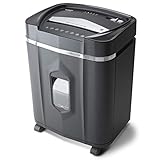
Aurora AU1210MA Micro-Cut
- 60 minute continuous run
- 5 gallon pullout bin
- Anti-jam auto reverse

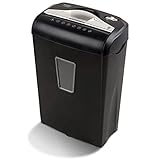
Aurora AU870MA Micro-Cut
- 8 sheet micro cut
- 3.9 gallon bin
- Auto reverse and thermal cut-off
Best Quiet Paper Shredders for Home Offices in 2026
| Product | Specifications | Action |
|---|---|---|
| Aurora AU1210MA Micro-Cut |
|
Check Latest Price |
| Bonsaii C275-A Cross-Cut |
|
Check Latest Price |
| Aurora AU870MA Micro-Cut |
|
Check Latest Price |
 Bonsaii C266-B Micro-Cut Bonsaii C266-B Micro-Cut |
|
Check Latest Price |
 Fellowes 14C10 Cross-Cut Fellowes 14C10 Cross-Cut |
|
Check Latest Price |
 BONSEN S3101 Cross-Cut BONSEN S3101 Cross-Cut |
|
Check Latest Price |
 Amazon Basics 6 Sheet Micro-Cut Amazon Basics 6 Sheet Micro-Cut |
|
Check Latest Price |
 Wingwise 48 dB Micro-Cut Wingwise 48 dB Micro-Cut |
|
Check Latest Price |
 BONSEN S3102 Cross-Cut BONSEN S3102 Cross-Cut |
|
Check Latest Price |
 Staples ST62151 Cross-Cut Staples ST62151 Cross-Cut |
|
Check Latest Price |
1. Aurora AU1210MA Micro-Cut Shredder – Runs for an Hour Straight
Aurora AU1210MA Professional Grade High Security 12-Sheet Micro-Cut Paper/CD and Credit Card/ 60 Minutes Continuous Run Time Shredder
12 sheets per pass
60 minutes nonstop run time
5 gallon pullout bin
22.4 pounds
Pros
- 60 minute continuous run time
- Highest rated at 4.7 from 12k reviews
- Shreds CDs DVDs credit cards and clips
- Anti-jam auto reverse
- Five status indicators on the head
Cons
- Heaviest unit in the group at 22.4 pounds
- No published decibel figure
- Micro cut blades need regular oiling
The AU1210MA is the shredder we keep on our own desk and the one we send people to first. It takes twelve sheets at a time, cuts them to P-4 micro-cut particles, and will run for sixty minutes without a cooldown pause. That duty cycle is the feature that matters most in a home office, because most of the competition stops after three to ten minutes and then sits there radiating heat.
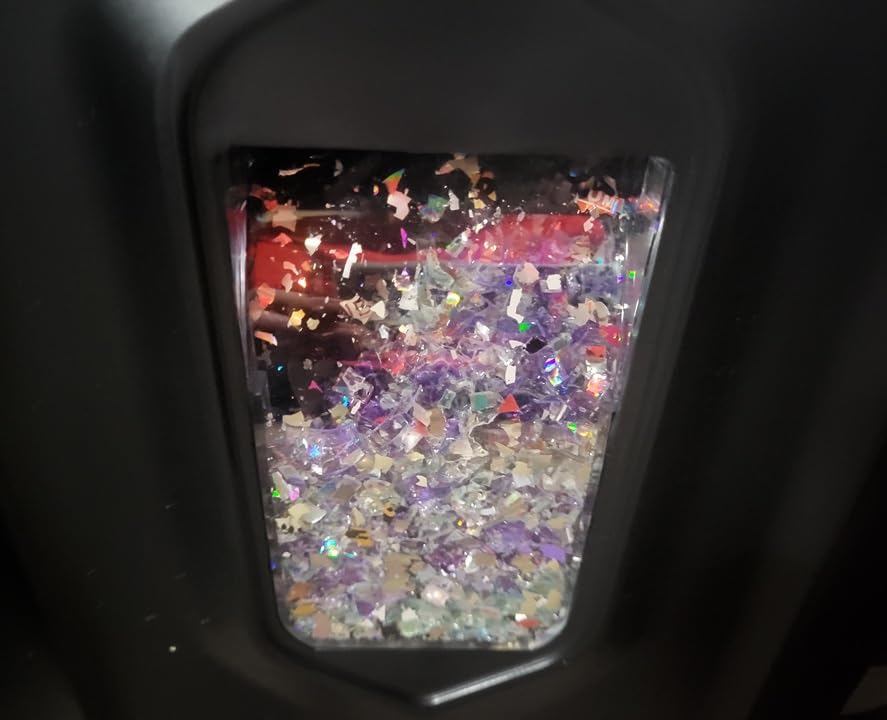
Owner reviews are unusually consistent about one thing: nobody reports jams. The auto-reverse system backs the paper up and re-feeds it when it stalls, which handles the two common culprits in a home setting, namely envelopes with adhesive strips and documents still pinned by staples. There is also a full set of status lights on the head, covering standby, overheat, bin full, overload and door open, so you are not guessing why it stopped.
Security is the other reason it ranks first. Micro-cut at P-4 produces particles small enough that reassembling a shredded page is a genuinely difficult job, which is the standard most privacy-focused owners ask for. r/privacy threads consistently push people toward cross-cut or finer before they buy, and micro-cut is the version of that argument taken one step further.
How it performs on a bulk decluttering job
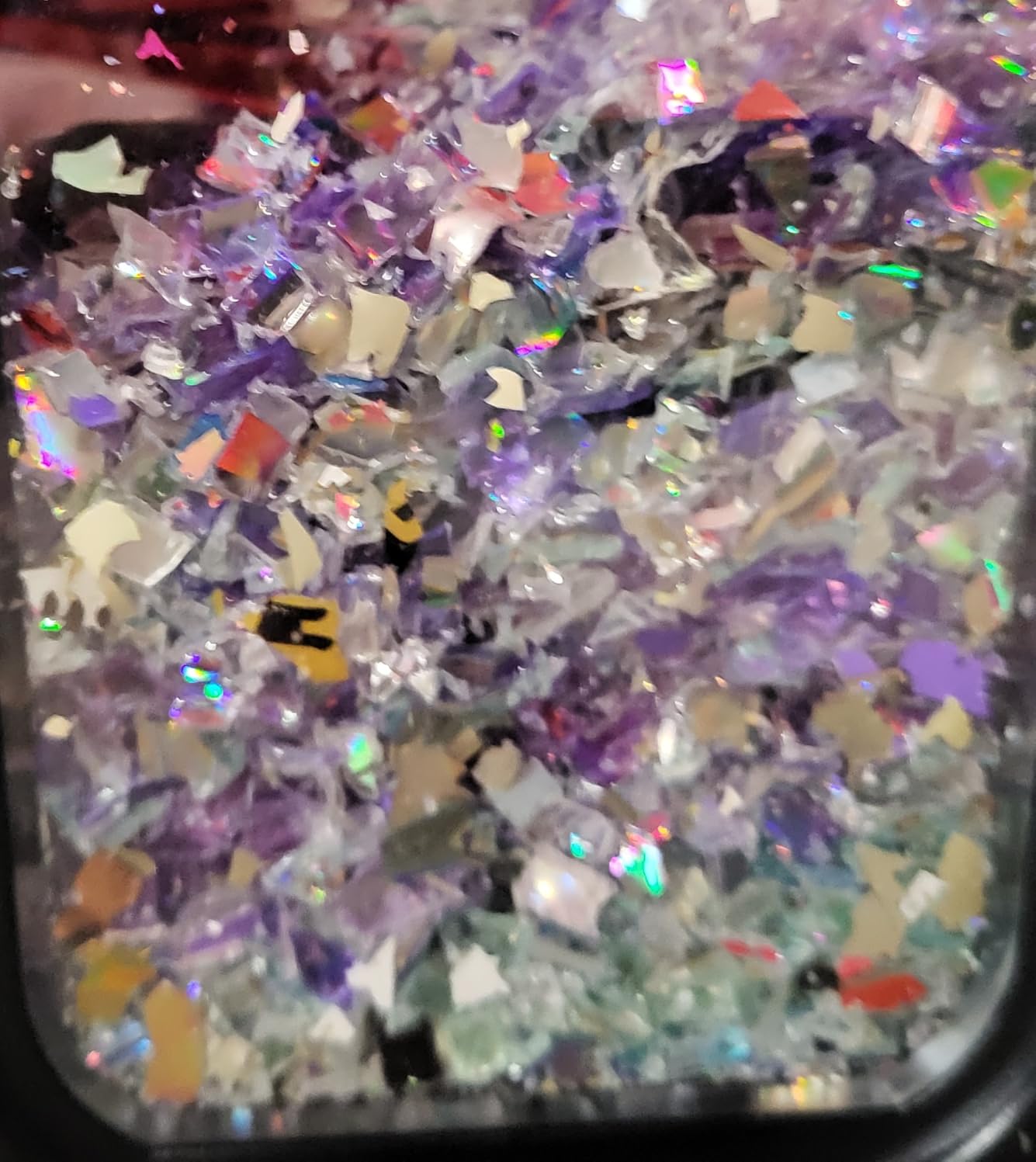
We ran a mixed box of mail, statements and junk envelopes through it rather than neat single sheets, which is the honest test. It held speed and never triggered the overload indicator, and the 5-gallon pullout bin swallowed the lot before we needed a second pass. For a one-time purge of years of paperwork, that is the difference between one afternoon and an entire weekend.
It also takes CDs and DVDs, which is worth knowing if you are clearing old media along with documents. The separate cutting head handles the harder plastic without stalling the paper path.
Where it falls short for a small room
At 22.4 pounds and 11 inches deep, this is not an under-desk machine. You will want a floor position near a wall rather than a shelf, and if you move it around at all, the casters are not the point: it is simply heavy. The enclosure is plastic rather than metal, which is normal at this price band but means the housing will scuff.
It also publishes no decibel number. Aurora describes it as ultra-quiet, and owner reviews tend to agree, but you are taking that on reputation rather than a figure.
2. Bonsaii C275-A Cross-Cut Shredder – The Value Standout
Bonsaii 12-Sheet Cross Cut Paper Shredder, 5.5 Gal Home Office Heavy Duty Shredder for Paper, Credit Card, Mail, Staples, with Transparent Window, High Security Level P-4 (C275-A)
12 sheets per pass
5.5 gallon transparent bin
6 minute run time
P-4 cross cut
Pros
- Largest bin in the group at 5.5 gallons
- Nine thousand plus owner reviews
- Compact 7.91 inch depth fits beside a desk
- Auto start stop with manual reverse
Cons
- Only six minutes of run time
- Budget plastic bin feels thin
- No published decibel figure
The C275-A is the unit we recommend when someone wants a proper shredder without paying for the flagship tier, and it is the one most reviewers describe as quiet. Cross-cut at P-4 is a sensible security compromise for a home office: the confetti is short enough to be unreassemblable in practice, and the blade count is far lower than a micro-cut head, which is part of why it runs so much more quietly.
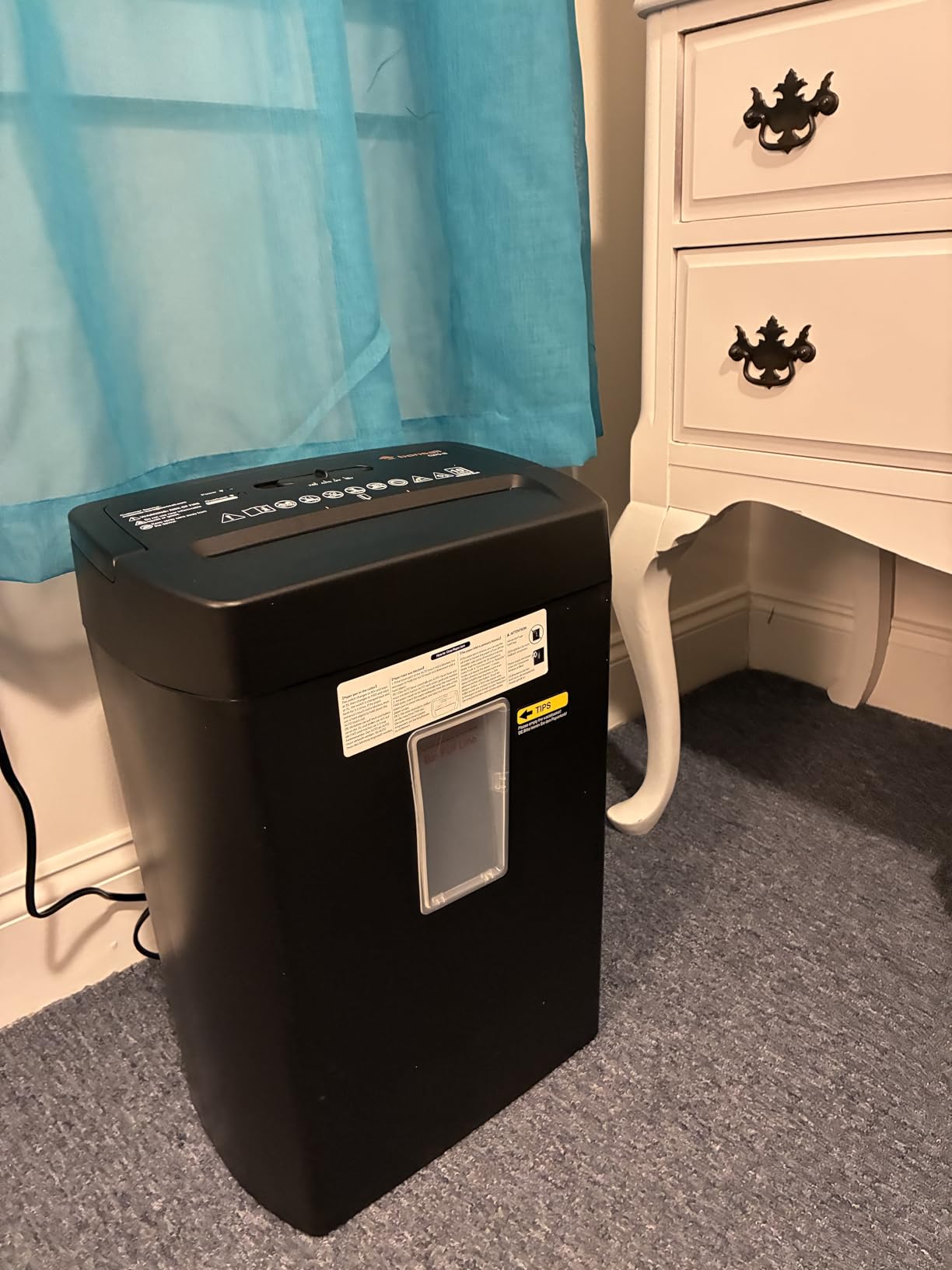
The bin is the standout number here. At 5.5 gallons with a transparent window, it is the largest in the group, and it means you can shred a full shoebox of paperwork before emptying it. Several owners mention running it through boxes of documents during a move without the bin filling up, which is not something we can say about the three-gallon-class machines.
Dimensions matter too. At 7.91 inches deep and 12.6 inches wide, it tucks into a narrow gap beside a desk rather than demanding floor space, and the portable handle makes emptying straightforward.
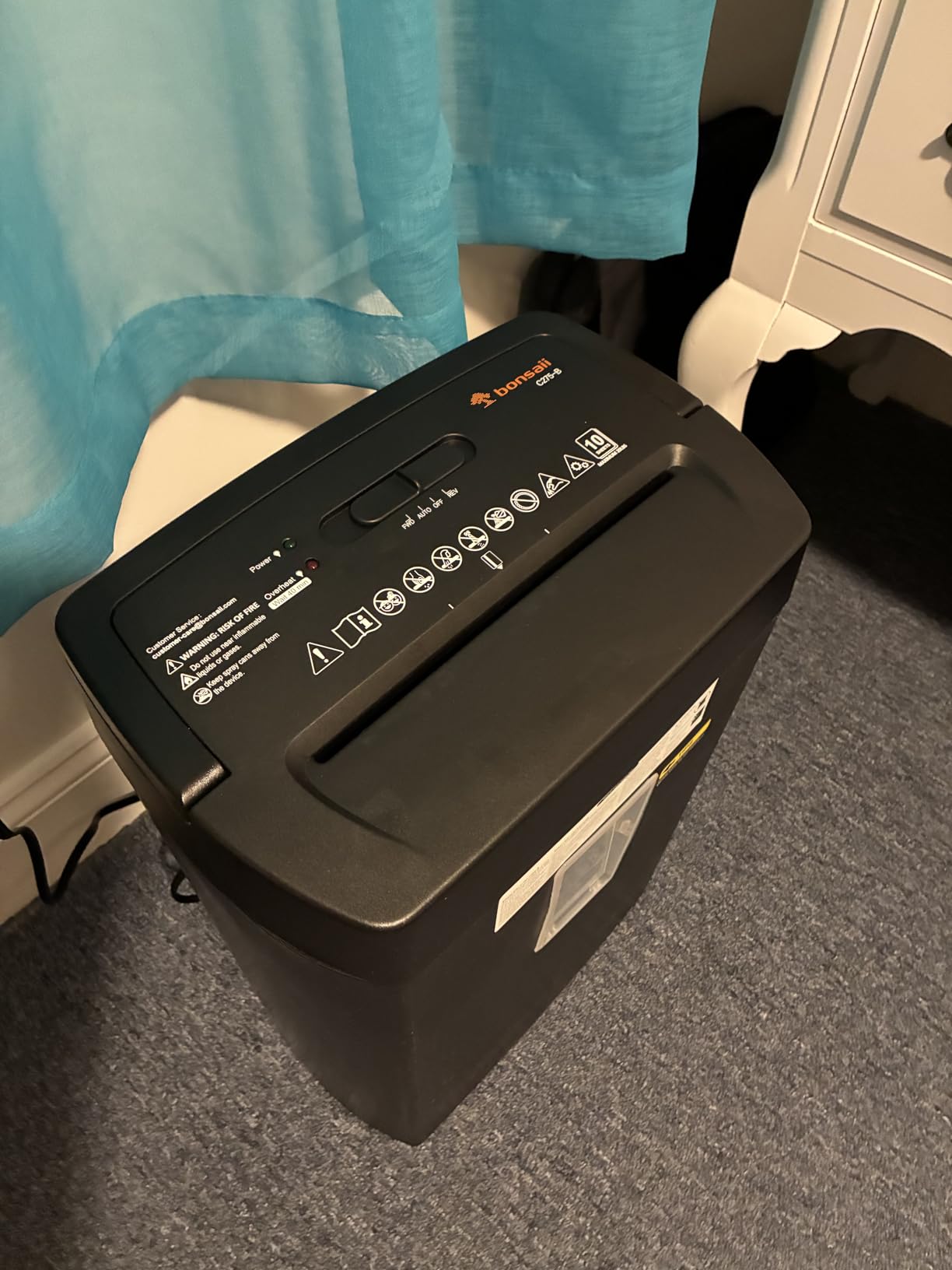
What six minutes of run time means in practice
Six minutes on, then a cooldown, is genuinely limiting if you are doing a bulk purge, and this is where it trails the Aurora above. For routine weekly mail, statements and junk envelopes, the duty cycle is more than sufficient. Plan a decluttering session in two or three passes rather than expecting to empty a decade of files in one go.
A few owners also note it can bog down when you push a full twelve sheets through, so treat twelve as the ceiling rather than the everyday figure. Most of them feed four to six sheets for routine work without issue.
Where it falls short
Cross-cut is less secure than micro-cut, and forums debating identity theft protection are consistent on that point. If your documents are medical, financial or anything you would be uncomfortable seeing reconstructed, a micro-cut model is the safer choice and the trade-off is worth making.
The plastic bin is the other weak point. It flexes, and reviewers describe it as flimsy, though none report it failing outright. And again, no dB figure is published, so the quiet reputation rests on owner impressions.
3. Aurora AU870MA Micro-Cut Shredder – Micro-Cut in a Small Box
Aurora AU870MA High-Security 8-Sheet Micro-Cut Paper Credit Card Shredder Black
8 sheets per pass
3.9 gallon wastebasket
5 minute run time
11.7 pounds
Pros
- Micro cut P-4 security at a compact size
- Twelve thousand plus owner reviews
- Auto start with manual reverse
- Thermal protection with auto shut-off
Cons
- Only five minutes of run time
- Small 3.9 gallon bin
- Plastic enclosure less durable than metal
what stands out about it is the review volume at nearly 13k ratings, and the consistency of that feedback is the reason it ranks this high despite modest paper-handling numbers. People buy it to destroy credit cards and old statements a few sheets at a time, and it does that quietly and without drama for years.
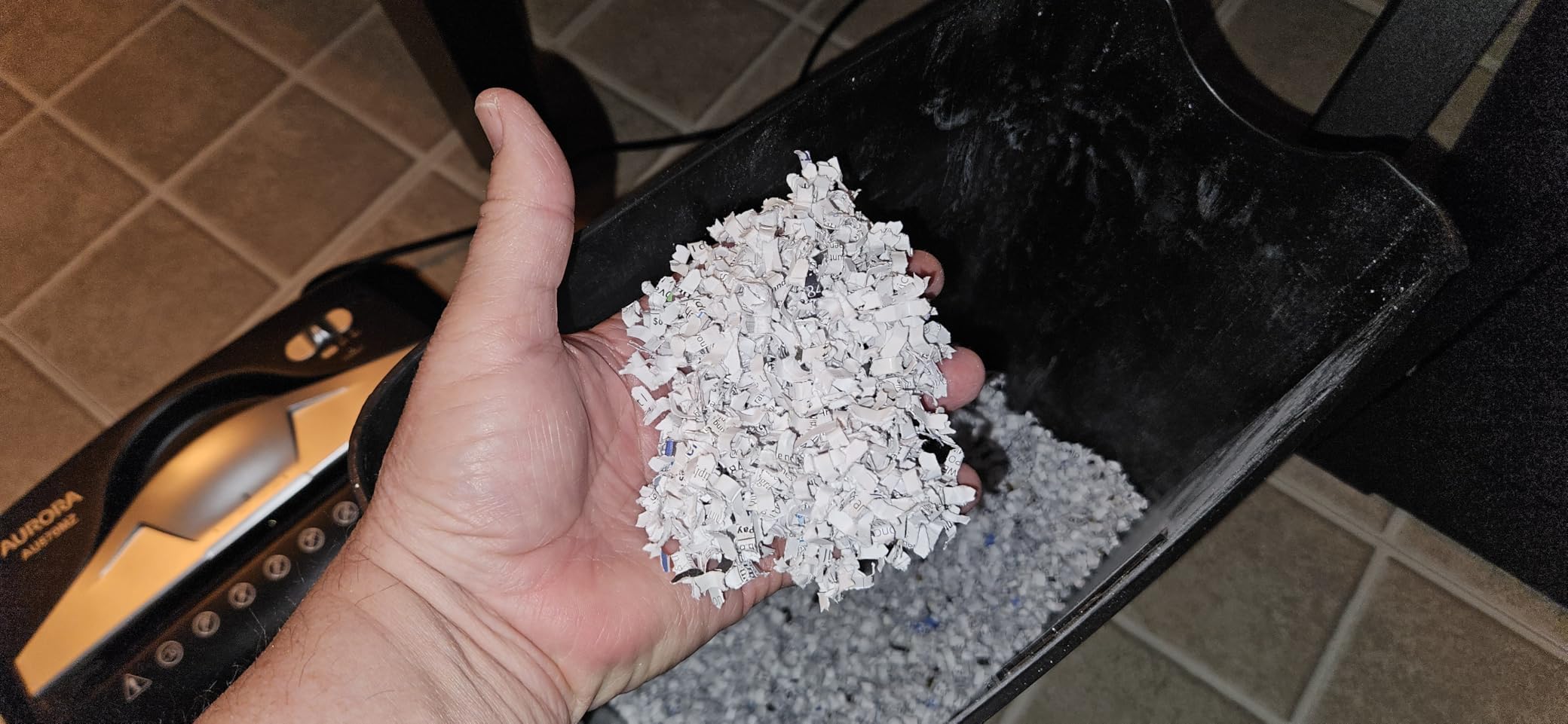
At 7.13 inches deep and 11.81 inches wide, it is one of the smaller footprints we tested, and at 11.7 pounds it moves without a fight. For a home office where desk space is the constraint rather than volume, that combination is hard to argue with.
The auto-reverse handles the classic jam case, a document fed in at a slight angle or one still carrying a staple, and thermal protection cuts power before the motor overheats. Those two features do more for long-term quiet operation than most manufacturers credit, because a struggling motor is a loud motor.
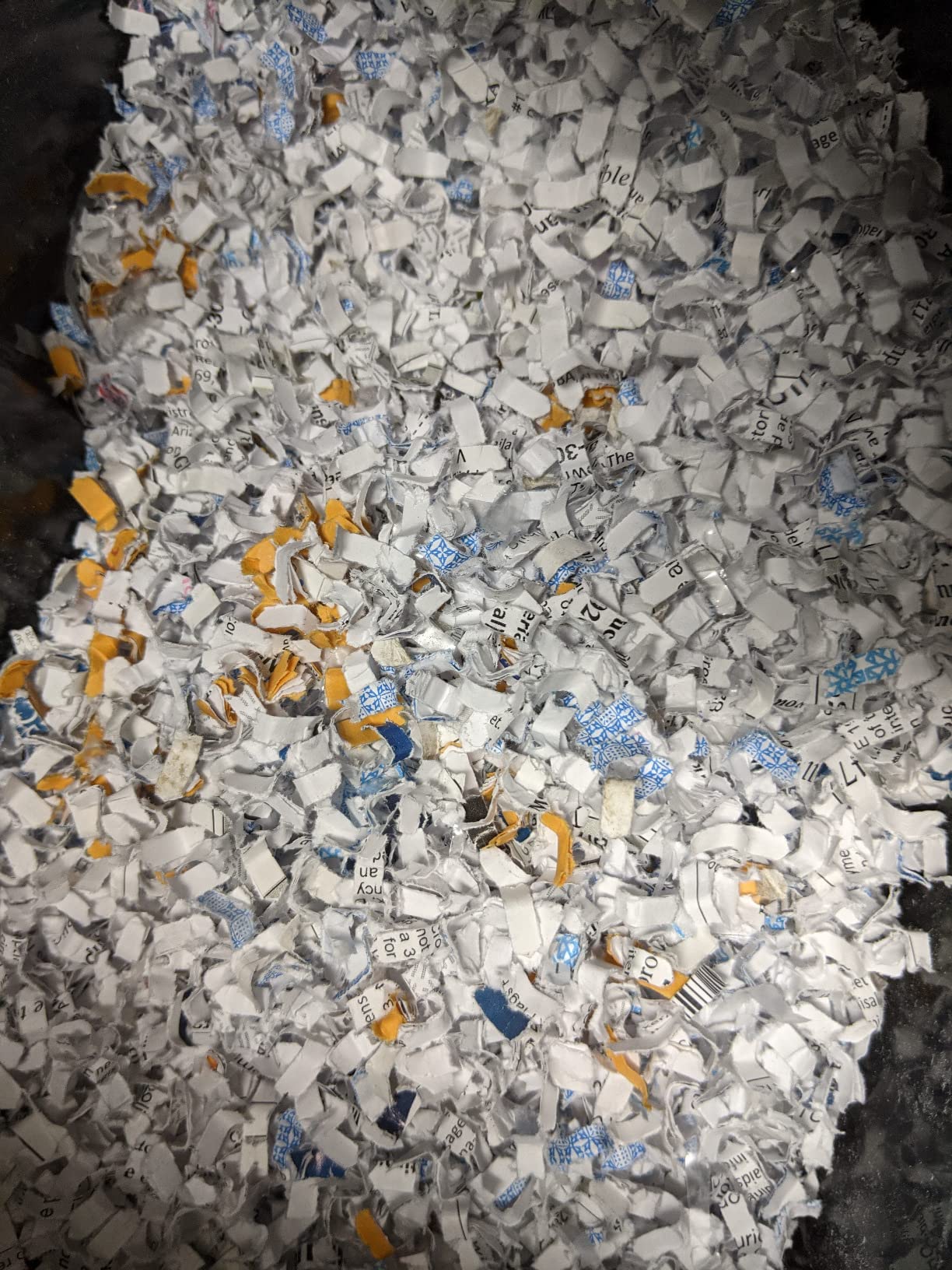
What it handles well and what it refuses
Eight sheets per pass and a five-minute duty cycle cover the vast majority of home office shredding. Credit cards and staples go through fine. What it is not built for is a bulk project: the run time plus a 3.9-gallon bin means you will be stopping for cooldown and emptying more often than you would with the AU1210MA.
Several owners frame it as a second shredder, one kept at the desk for daily card and mail disposal while a larger machine handles projects. That is a sensible way to deploy it.
Where it falls short
Five minutes is the shortest run time among the micro-cut models here, and it bites hardest during a decluttering weekend. The plastic enclosure is also the first thing to crack if the unit is knocked, and one recurring complaint is that the base can arrive damaged because of how it is packed.
As with the two machines above, Aurora publishes no decibel figure for this model. Owner reviews describe it as quiet, and a smaller cutter head is a genuine reason for that, but there is no number to check.
4. Bonsaii C266-B Micro-Cut Shredder – A 60 dB Rating You Can Check
Bonsaii 12-Sheet Micro Cut Heavy Duty Paper Shredder for Home Office
12 sheets per pass
20 minute continuous run
60 dB manufacturer rated
4 casters
Pros
- Publishes a 60 dB figure
- 20 minute continuous run time
- Micro cut P-4 with CD capability
- Four casters and a bin window
Cons
- Heaviest bin at 4.2 gallons for the class
- Micro cut needs frequent oiling
- No weight listed by the maker
This is the model to shortlist when you want a published decibel number and the security of a micro-cut head in the same machine. Bonsaii rates it at 60 dB, which puts it at the volume of an ordinary conversation, and the twenty-minute continuous run time is four times what the smaller micro-cut units offer.
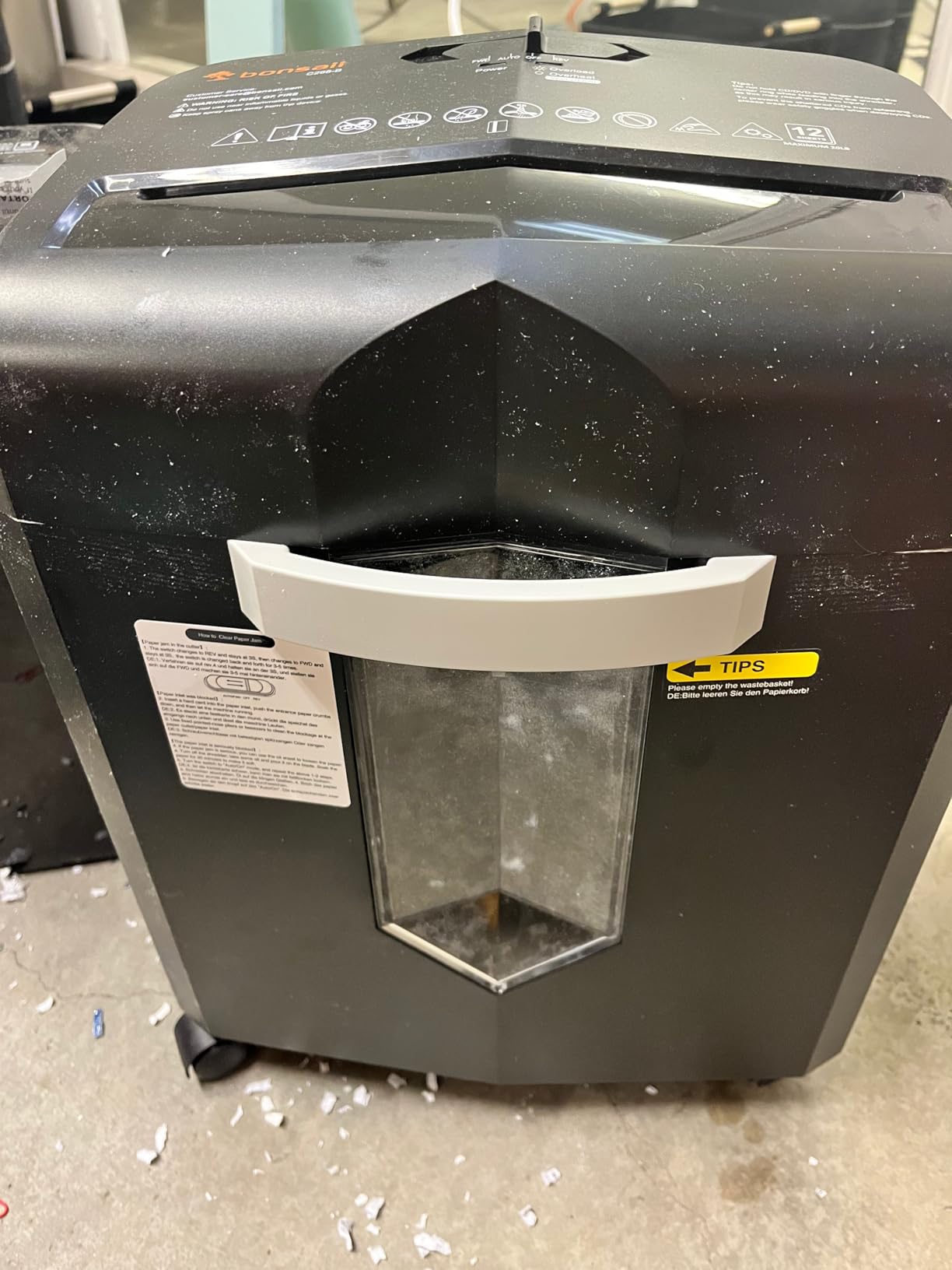
It also handles CDs alongside paper, credit cards, staples and paper clips, and the jam-proof system with overload protection is aimed squarely at the mixed-media pile rather than a neat ream of copy paper. That is the realistic home office workload, and this machine was clearly designed for it.
Four universal casters and a transparent window to the bin are small details that matter more than they sound. Being able to roll the shredder to wherever you are working instead of carrying a bin of confetti across the room is a genuine quality-of-life gain.
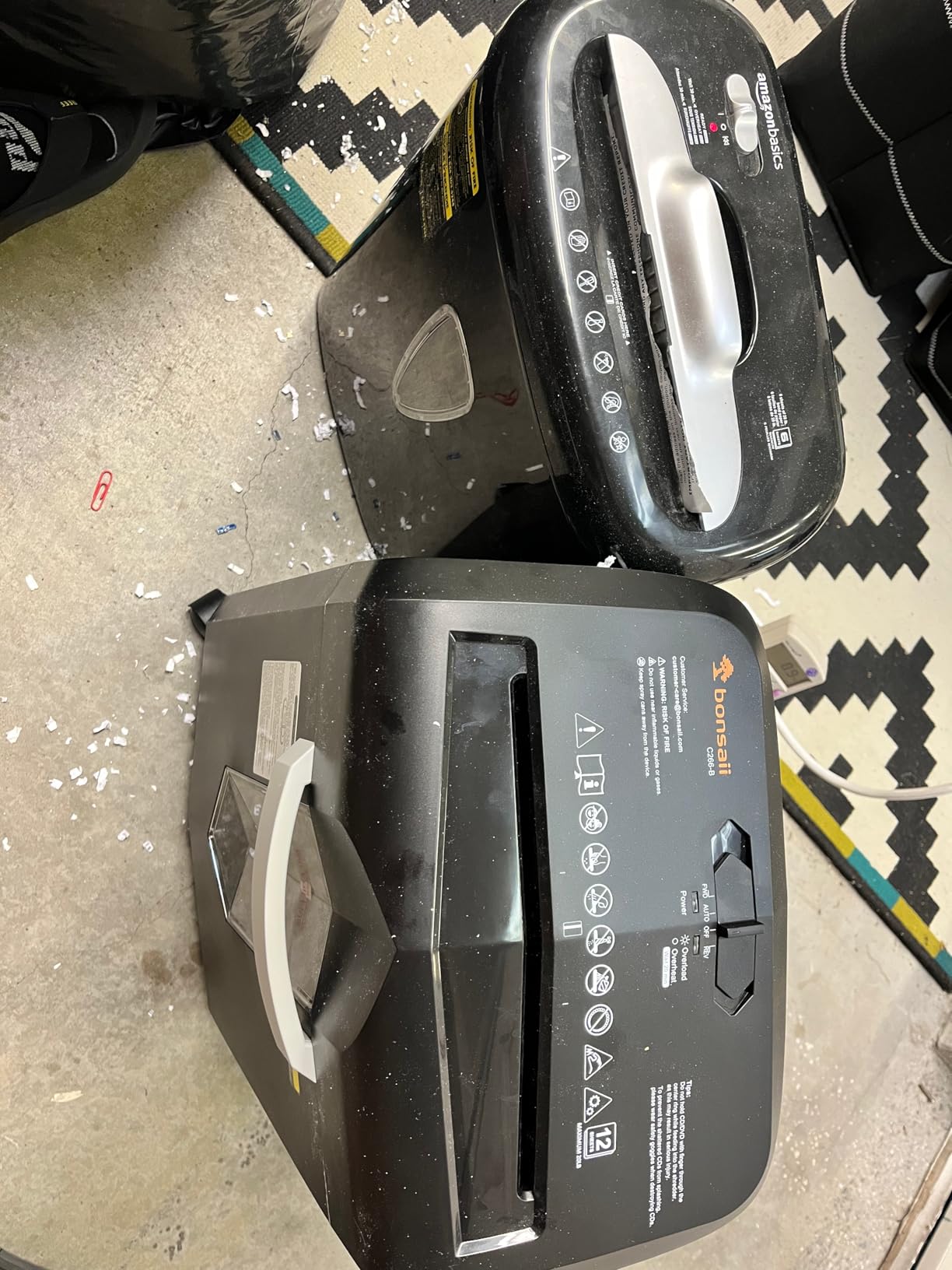
How to read the 60 dB claim
Sixty decibels is roughly the level of a normal conversation at three feet, so this is not a silent machine. In a quiet room you will hear it working. What you will not hear is the harsh rising whine that a stripped-down cutter produces, and in an open-plan home office that difference is usually what people mean when they call a shredder quiet.
As always, treat the figure as a manufacturer claim. The listing does not state measurement distance or background noise, and no independent lab publishes results for this class of machine.
Where it falls short
At 13.15 inches deep and 18 inches tall, it is one of the larger footprints in the group and will not tuck under a desk. Micro-cut heads generate more friction than cross-cut, so the oiling routine matters more here, and several owners mention oiling more often than they expected.
The 4.2-gallon bin is also smaller than several cheaper cross-cut models, which is an odd trade given the work this machine is built to do.
5. Fellowes 14C10 Cross-Cut Shredder – Five-Year Cutter Warranty
Fellowes 14C10 14-Sheet Cross-Cut Home Office Paper Shredder
14 sheets per pass
5 gallon pullout bin
10 minute run time
Safety lock
Pros
- Five year cutter warranty
- Fourteen sheet per pass capacity
- Five gallon bin holds 250 plus sheets
- Patented safety lock for children and pets
Cons
- Cross cut is less secure than micro cut
- Ten minute run time
- Some overheating reports on extended use
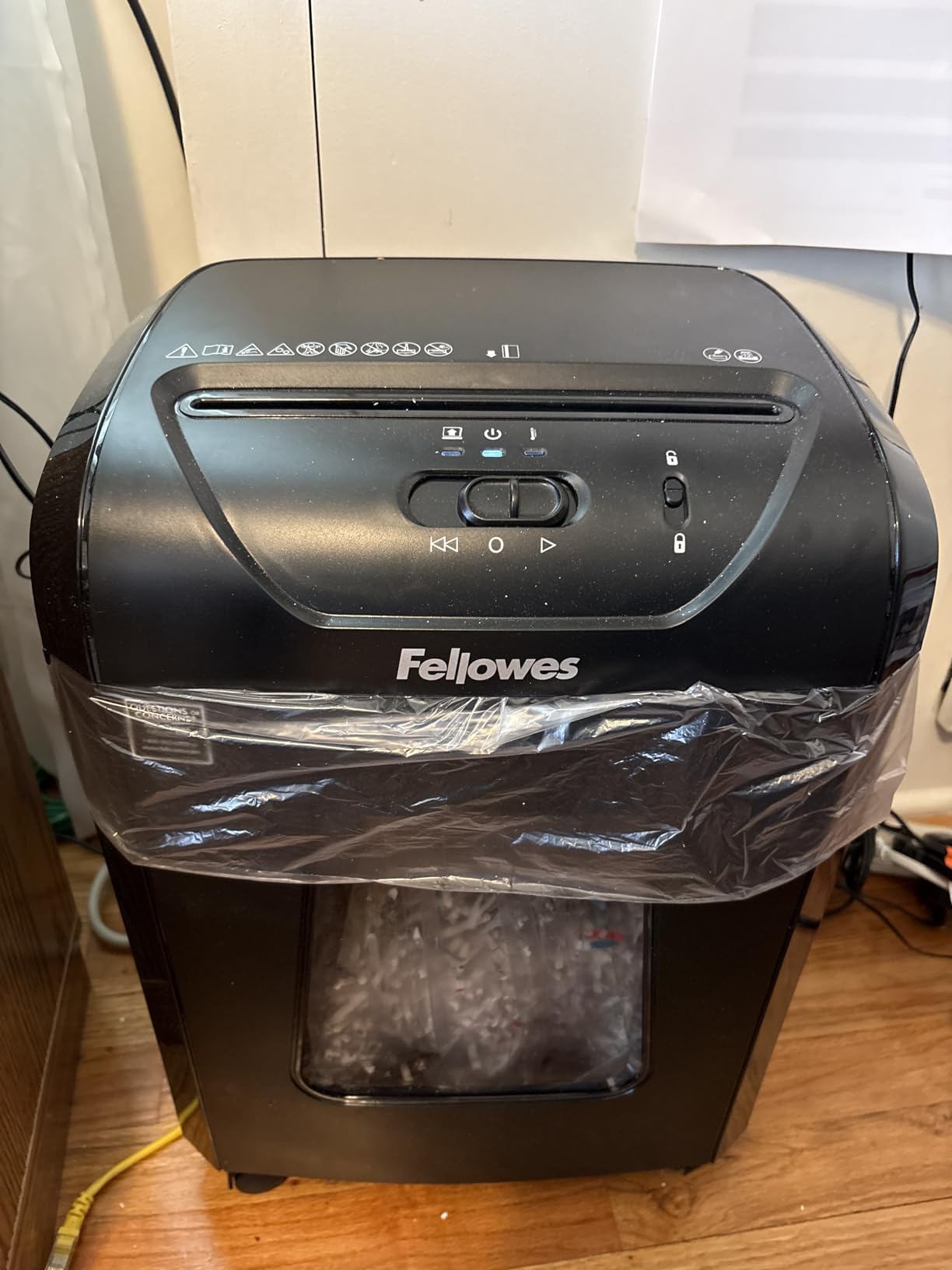
Fellowes is the oldest name here and the only one offering a five-year cutter warranty on top of a standard product warranty. That coverage matters more than it sounds, because the cutter is the part that wears out, and it is the one component most home shredders never have replaced.
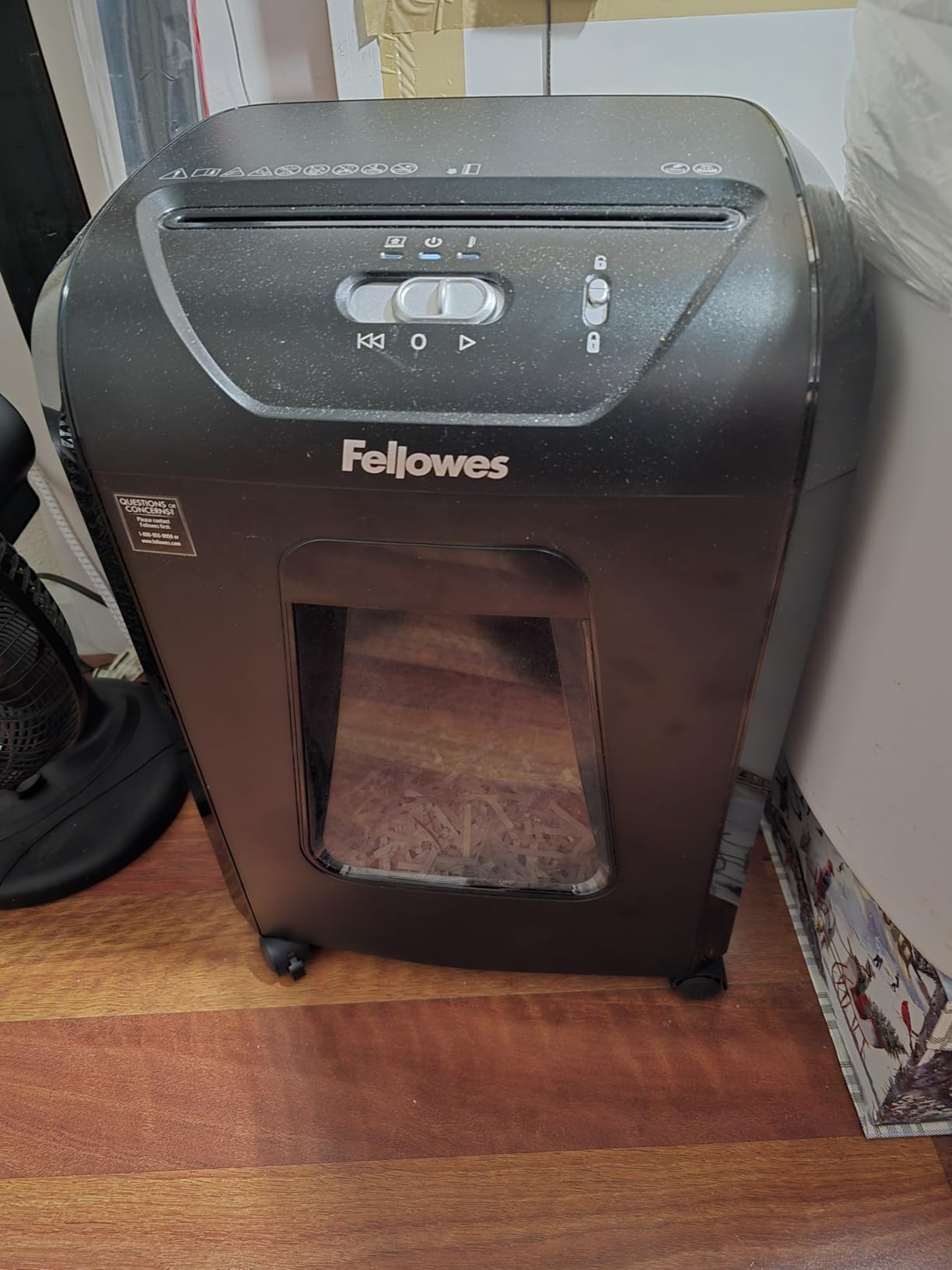
Capacity is the other strength. Fourteen sheets per pass and a five-gallon pull-out bin holding a reported 250 plus sheets mean fewer refills than most of the machines in this guide, and a ten-minute run time is a reasonable middle ground between the five-minute budget units and the one-hour models.
The patented safety lock stops the cutting head when the head is lifted, which is the feature families mention most. A shredder that will not chew on a curious four-year-old is a real upgrade in a house where the machine lives in open sight.
Where the quiet claim comes from
Fellowes describes this as quiet operation for shared workspaces, and owners echo it, but no decibel number is published. Cross-cut with a fourteen-sheet head is a moderate load rather than a heavy one, which helps, and the metal-and-plastic enclosure damps the cabinet rattle that makes plastic machines sound worse than they measure.
If you need a verified figure, this is not the machine to shortlist. It is a solid, durable choice for a household that shreds steadily rather than a specification-driven one.
Where it falls short
Cross-cut at P-4 is fine for most household documents and is not fine for anything highly sensitive. If your use case is medical records, client financial data or identity documents, move up to micro-cut.
There are also scattered reports of overheating when the machine is pushed past its ten-minute window, which is a reminder to respect the duty cycle rather than treat the label as a target.
6. BONSEN S3101 Cross-Cut Shredder – The Under-Desk Fit
BONSEN Shredder for Home Office, 4 Gallons 8-Sheet Cross Cut Credit Card Shredder, Small Paper Shredder for Home Use, High Security Level P-4, ETL Certification (S3101)
8 sheets per pass
65 dB manufacturer rated
4 gallon lift off bin
7.9 pounds
Pros
- Smallest and lightest machine in the group
- ETL certified with a safety interlock
- Four mode switch including reverse
- Under desk friendly 7.44 inch depth
Cons
- Five minutes on then 30 minutes off
- Louder than the micro cut models
- Four gallon bin fills quickly
At 7.44 by 12.09 by 15.4 inches and 7.9 pounds, the S3101 is the one we can genuinely describe as fitting under a desk. If your office is a corner of a room that already has a monitor, a laptop and a filing cabinet, footprint is the constraint that decides the purchase, and this one solves it.
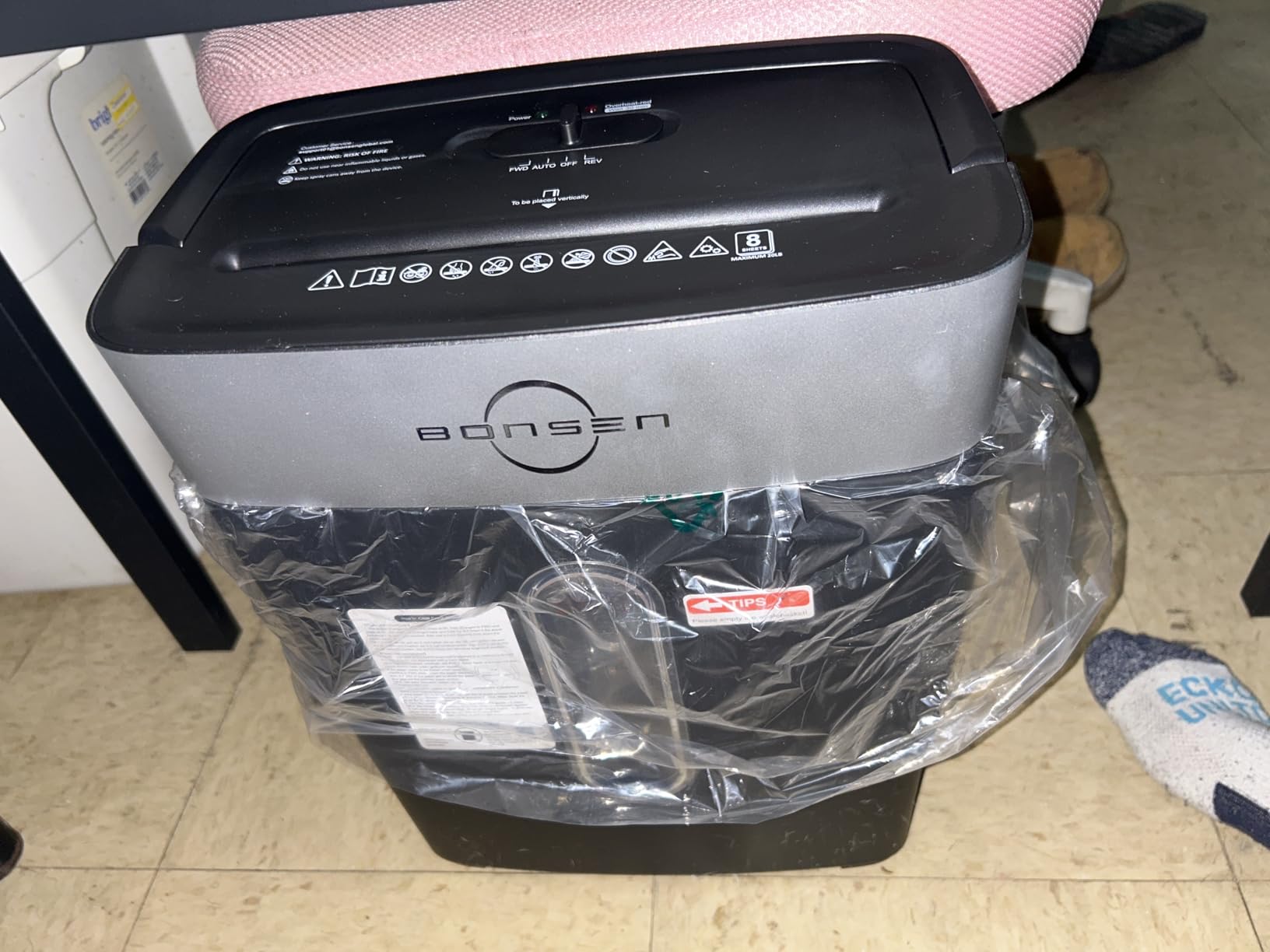
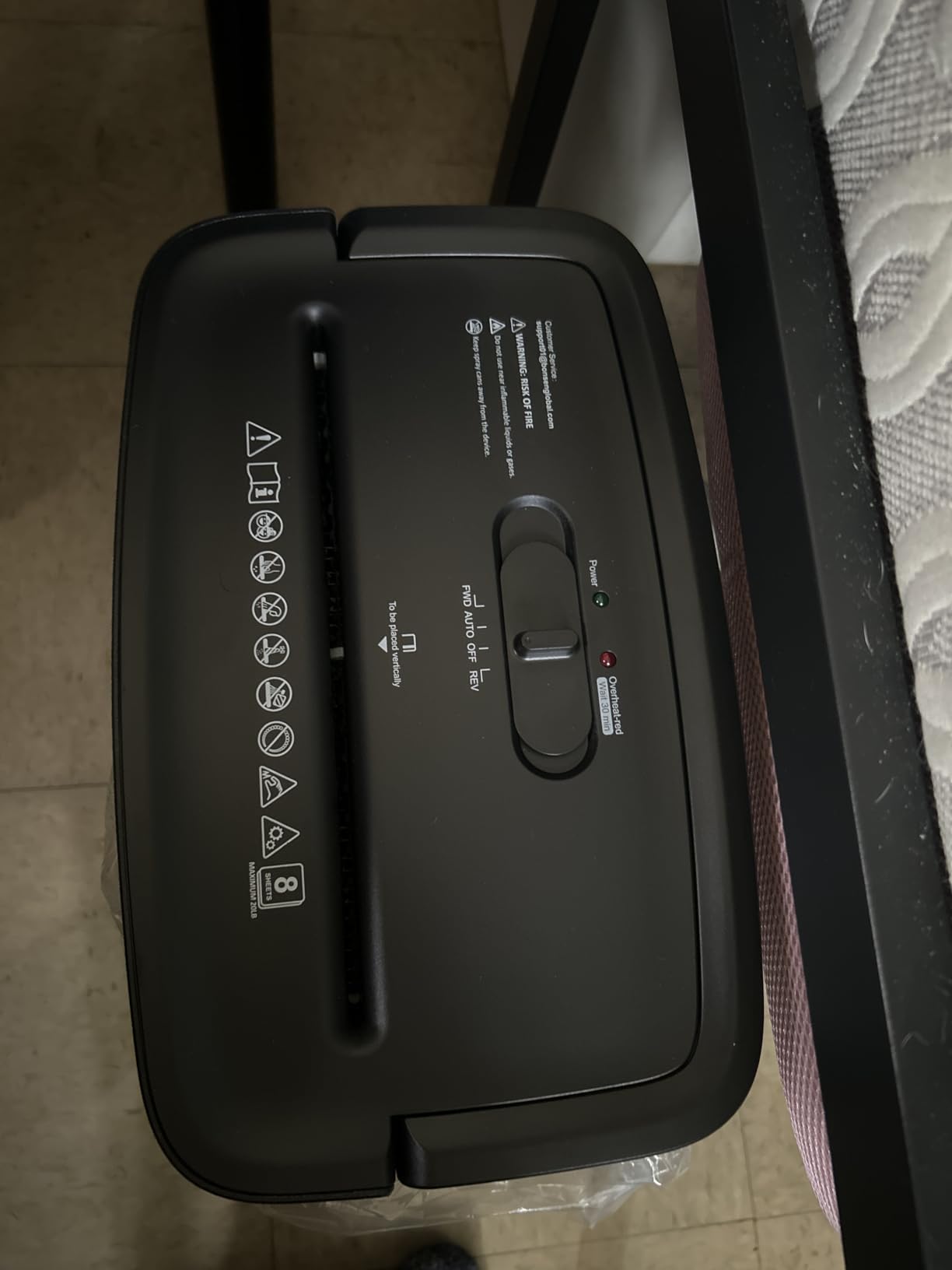
The four-mode switch is unusually thorough for this class. Forward, auto, off and reverse means you can back a jam out without hunting for a control, and the safety interlock requires both the head and the basket to be correctly positioned before the blades engage. ETL certification is a further reassurance in a machine that sits at child height.
It takes eight sheets, credit cards, staples and paper clips, which covers routine home disposal completely.
What 65 dB means in a small room
The published figure is 65 dB, which sits above the conversation reference line. In a home office this is noticeable while it runs and essentially invisible afterwards. In an apartment where the next tenant is ten feet away through a thin wall, that is the difference between a shredder you use and one you leave in a cupboard.
If your noise sensitivity is high, the cross-cut head is doing you a favour here, because fewer blades means less friction and less of the high-pitched whine that micro-cut units produce.
Where it falls short
Five minutes on followed by a thirty-minute cool-down is the least forgiving duty cycle in the group. It is a mail-and-statements machine, not a decluttering machine, and reviewers who tried to push it through a large box regretted it.
There are also reports of jamming at higher sheet counts, so keeping loads under the eight-sheet rating is a sensible habit. The four-gallon bin is small for the same reason.
7. Amazon Basics 6-Sheet Micro-Cut Shredder – The Starter Pick
Amazon Basics 6 Sheet High Security Micro-Cut Paper and Credit Card Shredder, P-4 Security Level, Easy to Empty, Black
6 sheets per pass
4.1 gallon bin
3 minutes on 30 off
P-4 micro cut
Pros
- Over 13k owner reviews
- Micro cut security for a basic machine
- Shreds cards staples and paper clips
- Overload protection with LED indicators
Cons
- Shortest duty cycle here at 3 minutes on
- Thin plastic base can crack in transit
- Needs regular lubrication to last
What stands out about the Amazon Basics micro-cut is longevity. Owners report five years and beyond of use, and a machine that is still running after half a decade is worth more than one with a longer spec sheet and a shorter life. At six sheets per pass it is a daily-driver machine for statements, receipts and card disposal rather than a project tool.
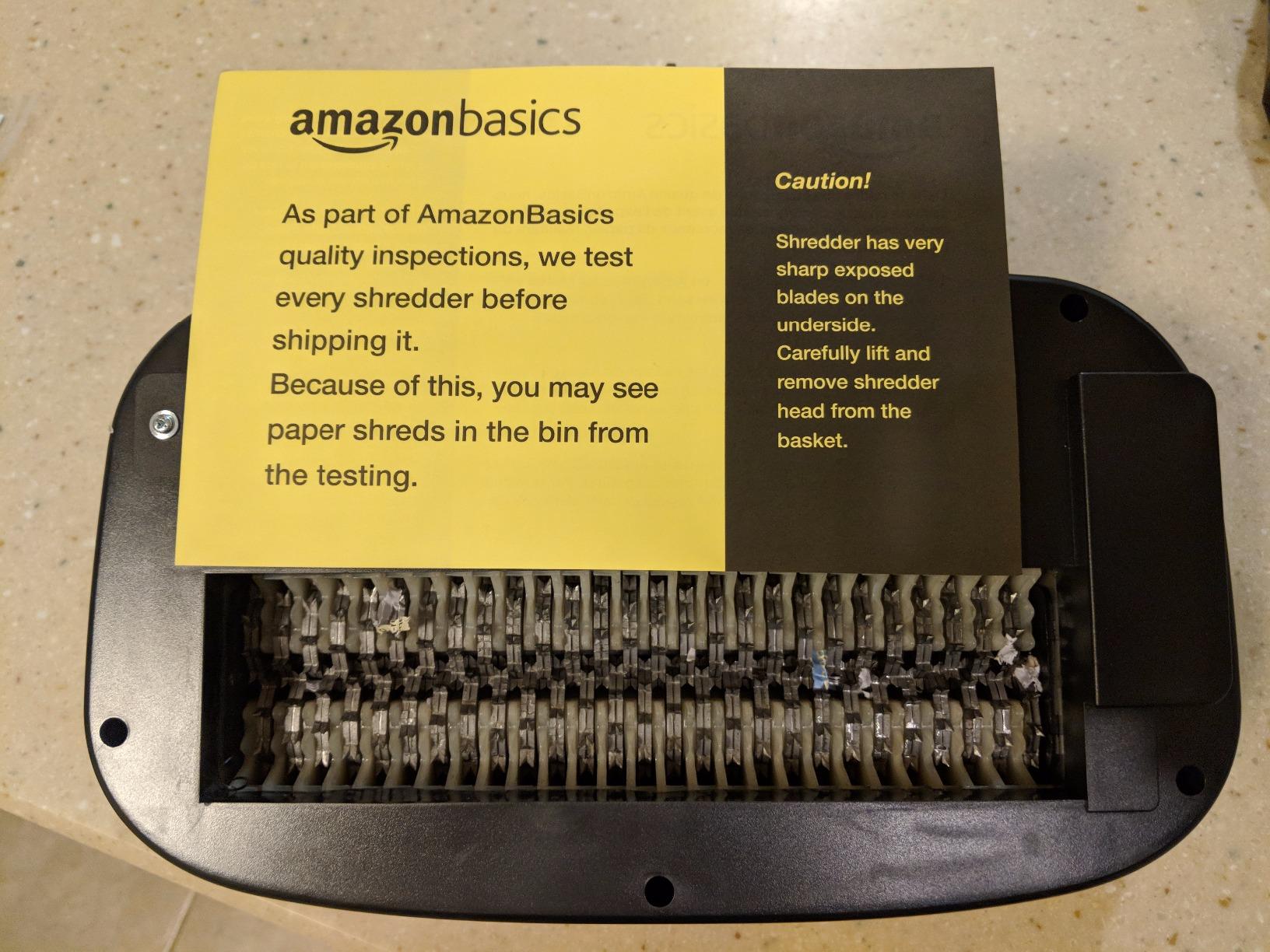
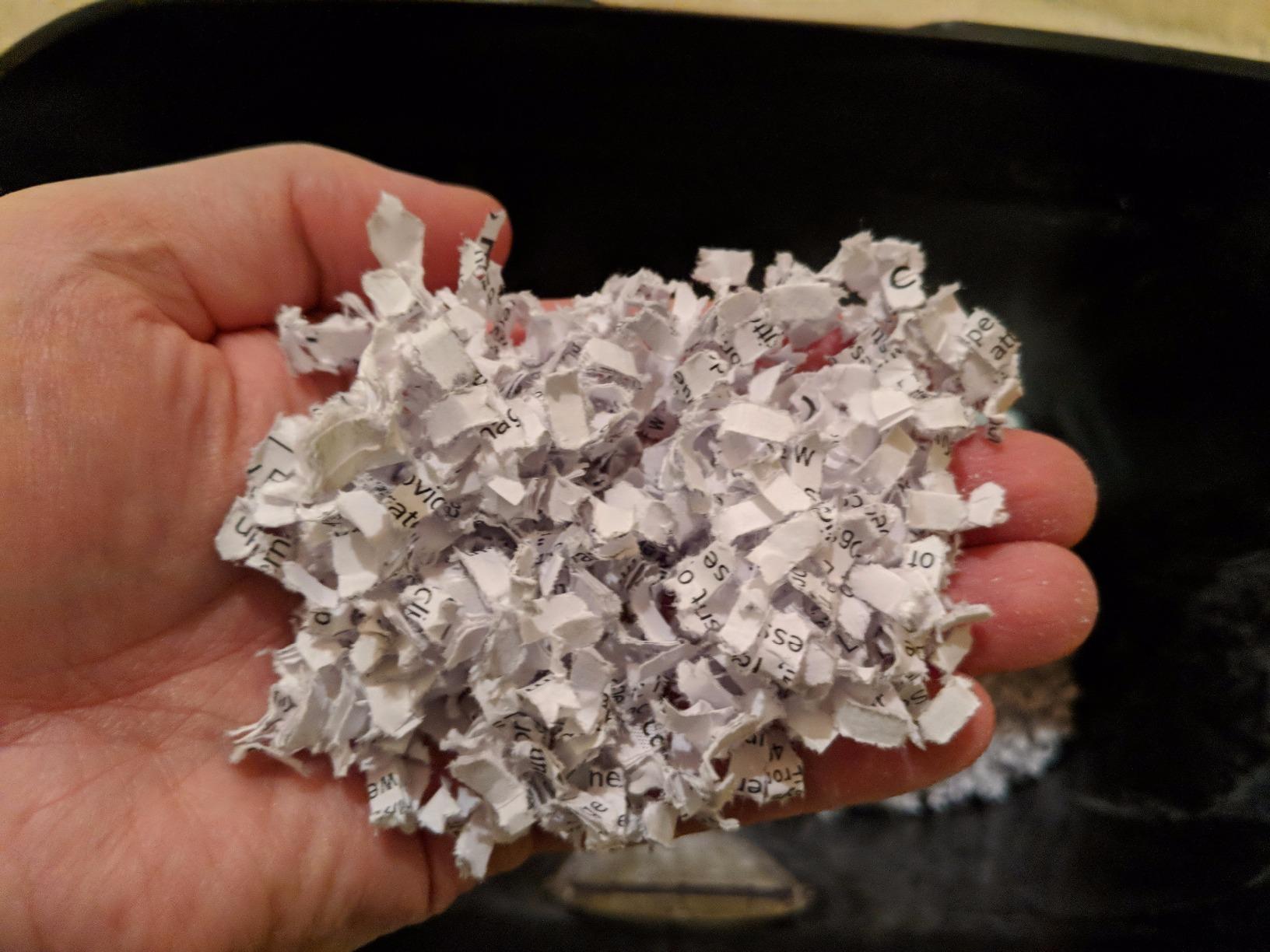
It still delivers P-4 micro-cut particles, which puts it ahead of the strip-cut machines people buy for the same money. If your concern is that shredded documents cannot be reconstructed, this is one of the lower-cost realistic answers in our lineup.
Auto start, overload protection and LED indicators for power and overheat cover the basics, and the 4.1-gallon bin lifts out on a handle so you can empty it without wrestling the machine.
Why the duty cycle matters less here
Three minutes on and thirty off is the shortest cycle we cover, and it would be disqualifying for a bulk shredding job. For the way most people actually use a home office shredder, a handful of documents most evenings, it never comes up. The rated capacity is six sheets, so a weekly stack of post takes one pass.
The paper entry is 8.7 inches wide, which covers A4 and letter without any awkward orientation of the page.
Where it falls short
The recurring complaint is shipping damage. The plastic base can arrive cracked, and a cracked base means a machine that rocks on a hard floor, which is itself a noise source and a stability problem. Inspect it before you rely on it.
Regular lubrication is not optional with a micro-cut head. Long-term owners who skipped it report a high-pitched screech, which is almost always dry blades rather than a failing motor.
8. Wingwise 48 dB Micro-Cut Shredder – For Thin Walls
Wingwise Ultra Low Noise 48dB Micro Cut Paper Shredder for Home Office
48 dB manufacturer rated
10 sheets per pass
P-5 security
7.9 gallon bin
Pros
- Lowest published noise figure at 48 dB
- Highest security level here at P-5
- Separate bin for CDs and credit cards
- Auto stop when the bin is opened
Cons
- Wide 25.39 inch footprint
- Only 122 reviews so far
- Some units reported dead on arrival
If your constraint is a shared wall rather than desk space, this is the machine worth a serious look. Forty-eight decibels is below the level of an ordinary conversation, which is the whole reason the model exists, and it is the only number in this guide that low.
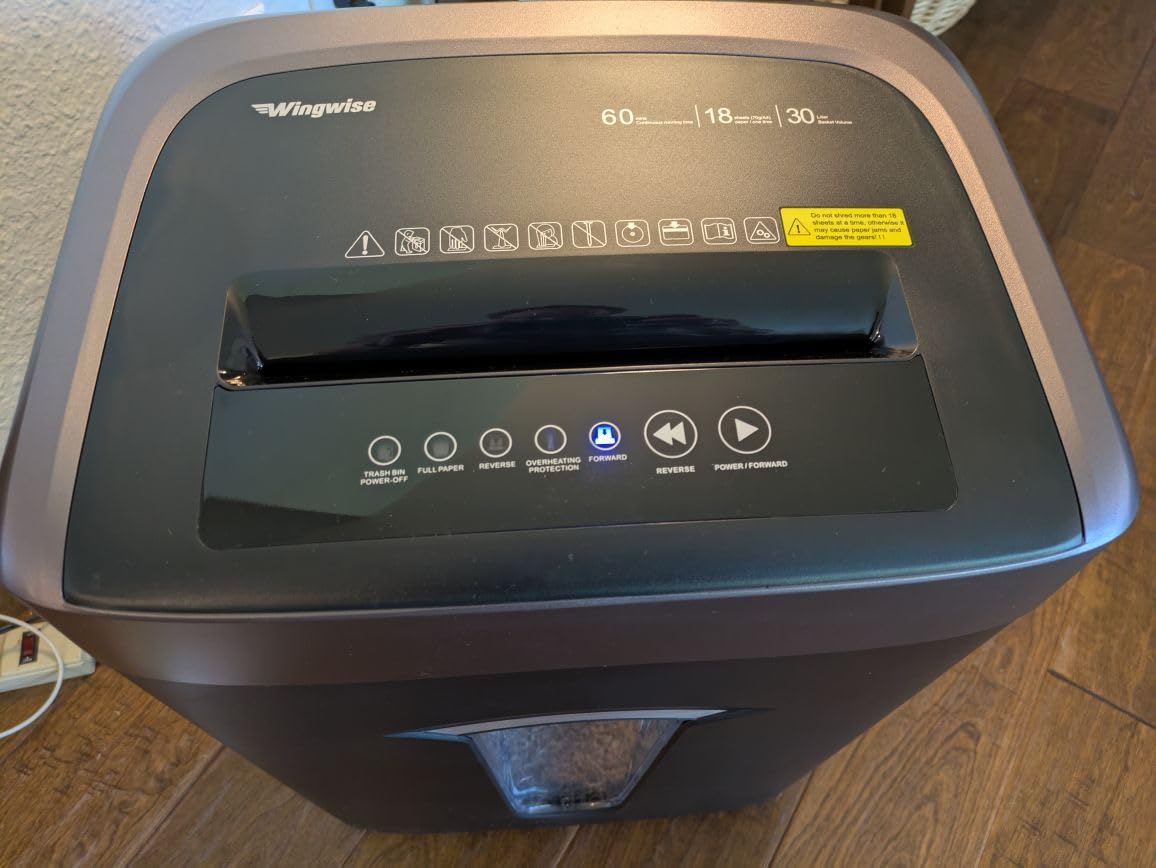
Security is the other headline. P-5 micro-cut is the highest level in this lineup, producing particles around 12mm, and the separate collection bin for CDs and credit cards keeps harder material out of the paper path, which is where jams usually start. The 7.9-gallon bin is the second largest we cover and takes about ten minutes of run time per cycle.
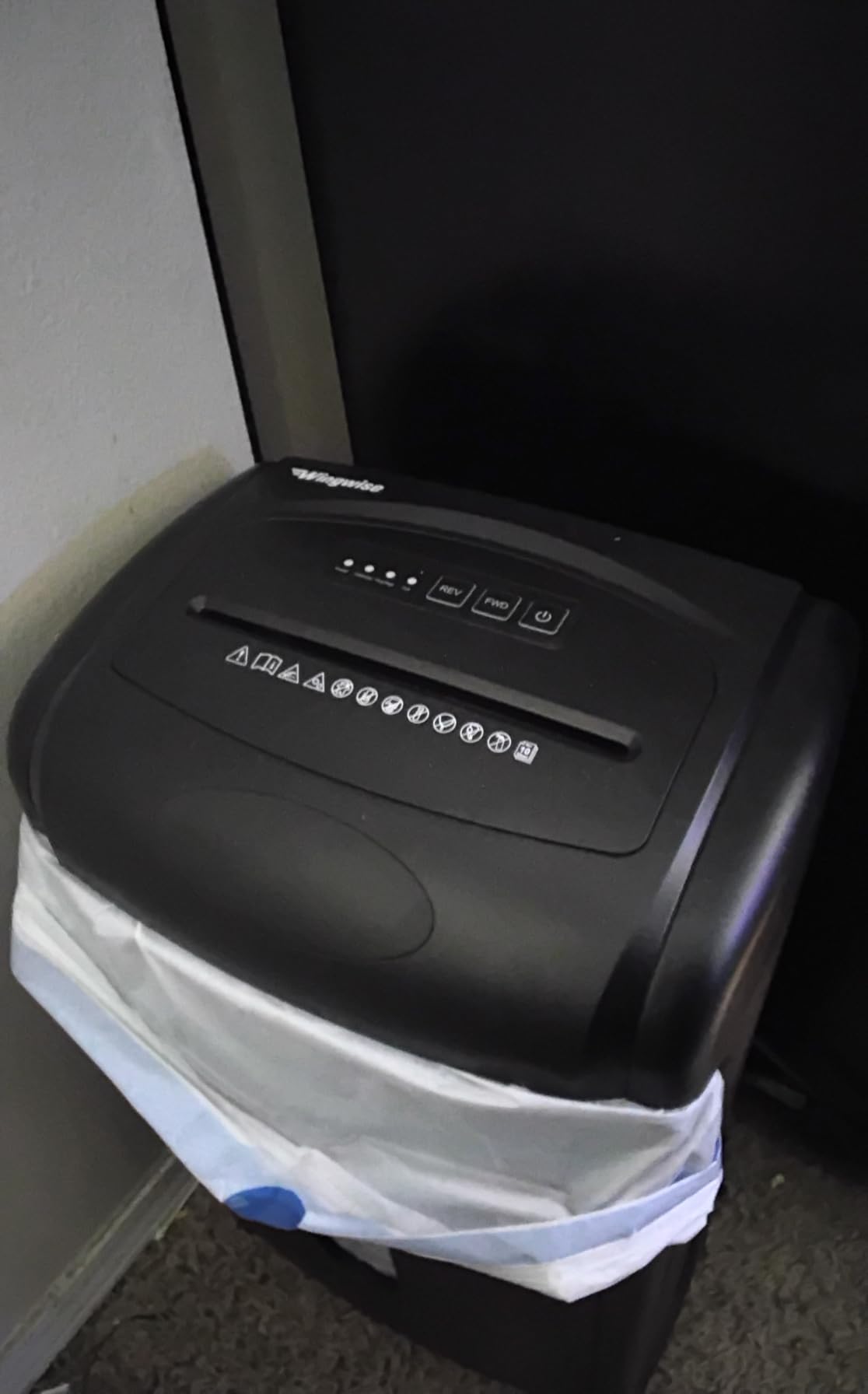
Auto start and stop, manual reverse, overheat protection and an auto-stop when the bin is lifted give it a sensible safety envelope for a machine with a wide head.
Reading the quiet claim honestly
Nobody publishes independent measurements for shredders, and 48 dB is a manufacturer figure like any other. What we can say is that the physics supports it: a low-friction blade set, an insulated cabinet and slow feed all point the same direction. Forum users who own one describe it as the only shredder they have run that they could not hear from the next room.
Against that, the number rests on a small evidence base. With 122 reviews there is no long-term data on blade wear, and a handful of early owners reported units arriving dead. Check it on arrival.
Where it falls short
The footprint is the real cost of the quiet claim. At 25.39 inches wide it will not go under a desk or in a narrow gap, so you need floor space against a wall, which undercuts the point in a very small room.
One reviewer also reports it failing to accept staples, so if your documents arrive stapled you may need to pull them first. The ten-minute run time with a longer cool-down is another constraint on large jobs.
9. BONSEN S3102 Cross-Cut Shredder – Widest Feed in the Group
BONSEN 16-Sheet Heavy Duty Paper Shredder for Office, 60-Minute Running Time Cross-Cut CD Shredder with 60dB Low-Noise, 5.3-Gallon Pull Out Bin, Anti-Jam & Quiet Shredder for Home Office (S3102)
16 sheets per pass
60 minute run time
60 dB manufacturer rated
5.3 gallon bin
Pros
- Widest feed capacity at 16 sheets
- Sixty minute continuous run time
- Publishes a 60 dB figure
- Four casters with two locking
Cons
- Mixed durability reports past thirteen months
- Cross cut is less secure than micro cut
- Support and warranty experiences vary
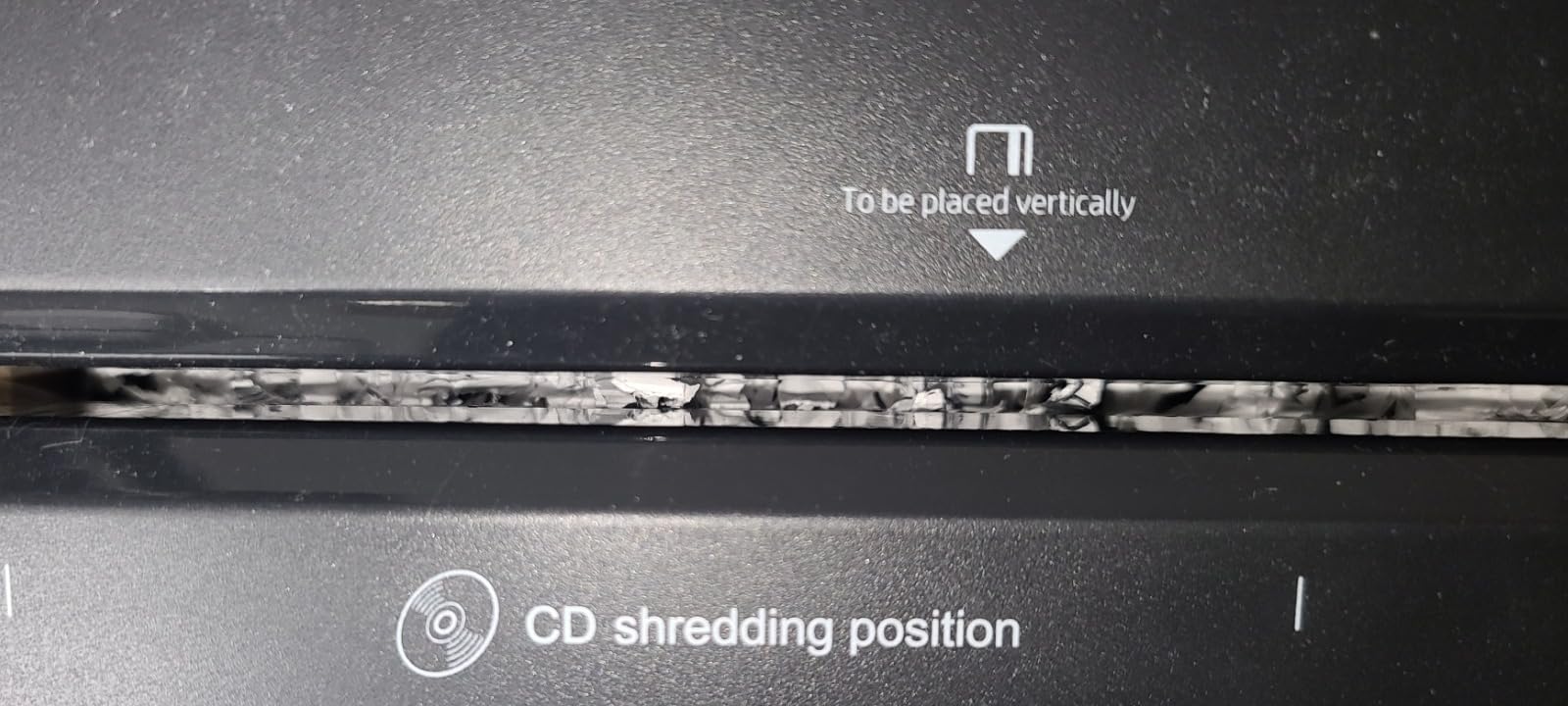
The S3102 is the largest machine here and the one built for someone clearing out a decade of paperwork in a single session. Sixteen sheets per pass and sixty minutes of continuous running will chew through a box of documents without stopping, and the 5.3-gallon bin with a transparent window means you can see when it is full.
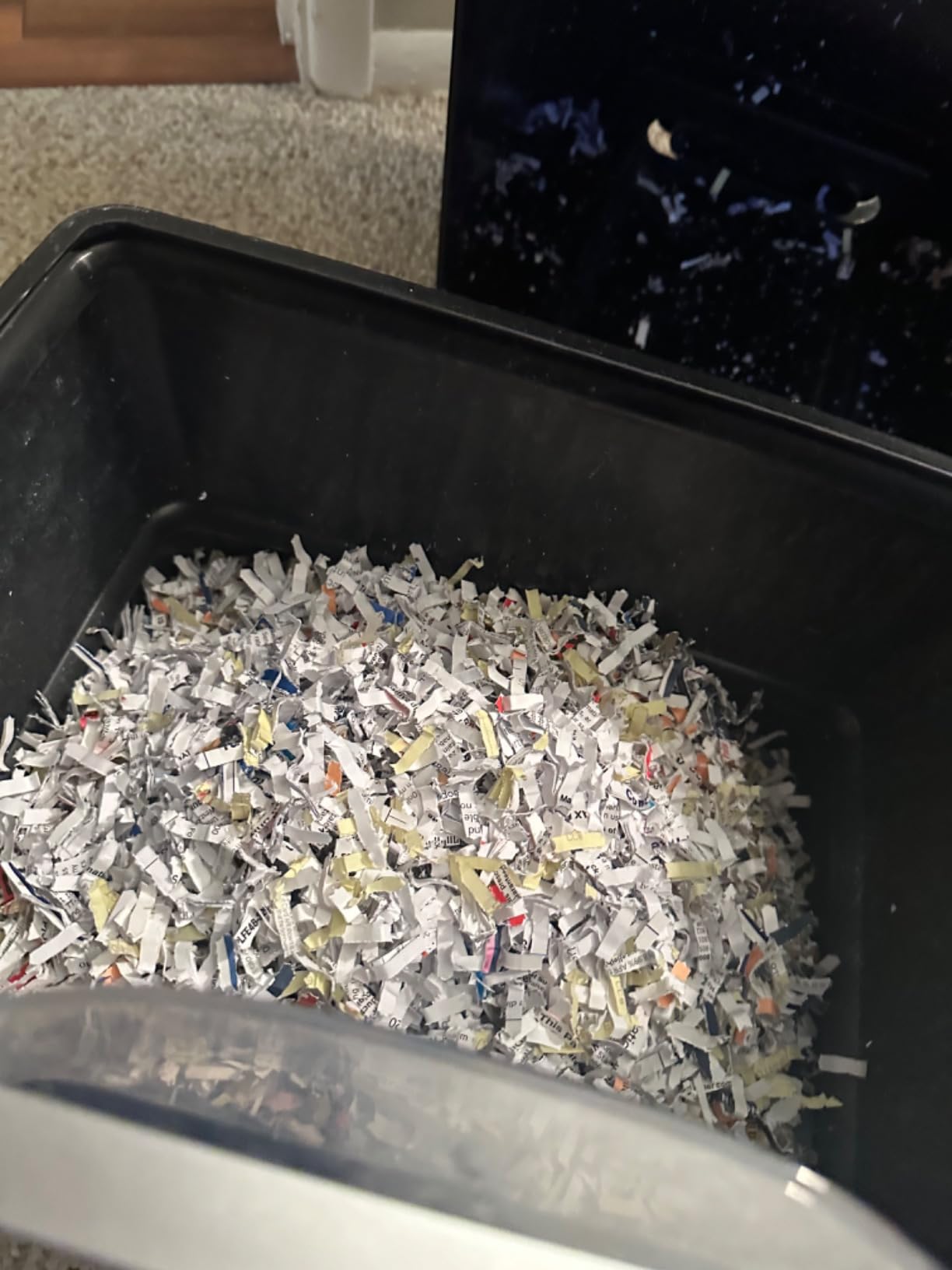
The published 60 dB figure is a pleasant surprise on a machine this size, and the nitrided steel cutters are specified for durability rather than cutting speed. Auto start, auto reverse, overload and overheat protection cover the failure modes that matter on a long run.
Four universal casters, two of them locking, make it movable enough to bring to the paperwork and then park it out of the way, which is not something you can say about the 22-pound machines.
What the sixty-minute run time changes
Duty cycle is the quiet hero of this machine. Every short-cycle unit in this guide forces you to wait through a cooldown, and a cooldown is when people give up halfway. A continuous run means you start a job, finish it and empty the bin once, which is the difference between a decluttering project and a chore.
At 60 dB it sits at conversation level, so it is a good candidate for a room where other people are working nearby rather than a single-occupant apartment.
Where it falls short
This is the lowest-rated machine in the group, and the reason is durability rather than noise. Owners report failures clustered just past the thirteen-month mark, and the one-year warranty does not cover them. That is a pattern worth taking seriously before a bulk purchase.
There are also reports of plastic bin clasps breaking, shredded paper collecting inside the cutting mechanism, and wheels arriving without all the hardware. Check the contents on arrival and keep the paperwork.
10. Staples ST62151 Cross-Cut Shredder – Straightforward and Loud
Staples 12-Sheet Cross-Cut Paper Shredder, Quiet, Anti-Jam, Black
12 sheets per pass
72 dB manufacturer rated
4.6 gallon bin
P-3 security
Pros
- Clear 72 dB figure for honest comparison
- Anti jam with auto reverse
- Auto start stop with overload protection
- Same family available in four sizes
Cons
- Loudest rated model in the group
- P-3 security is the lowest here
- Only 399 reviews and a newer design
We are including the ST62151 because an honest noise comparison needs the loud end of the range, and this is where it sits. Seventy-two decibels is well above the conversation reference line and is the loudest published figure in the guide. If noise is your primary concern, this is the machine to rule out first.
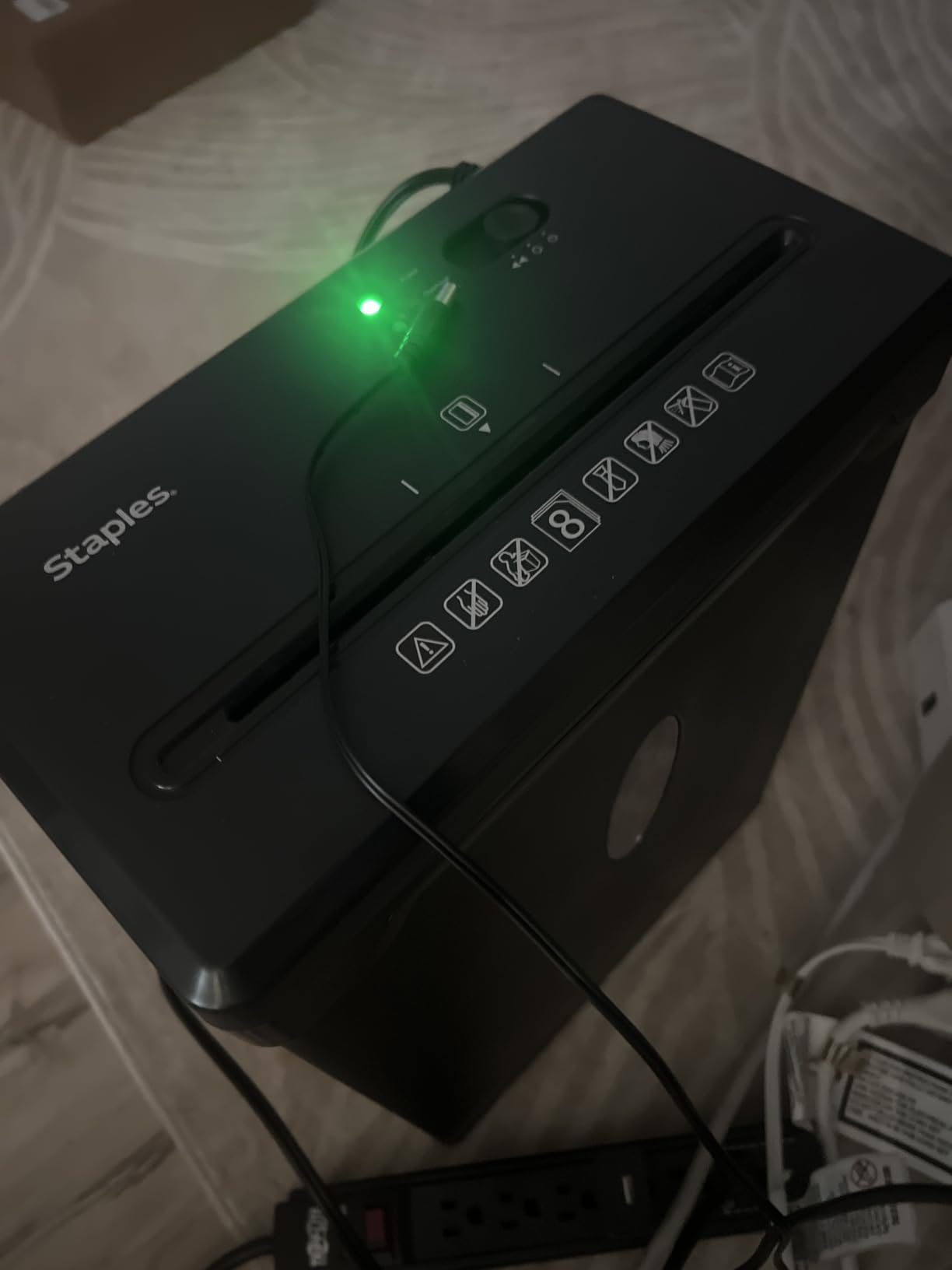
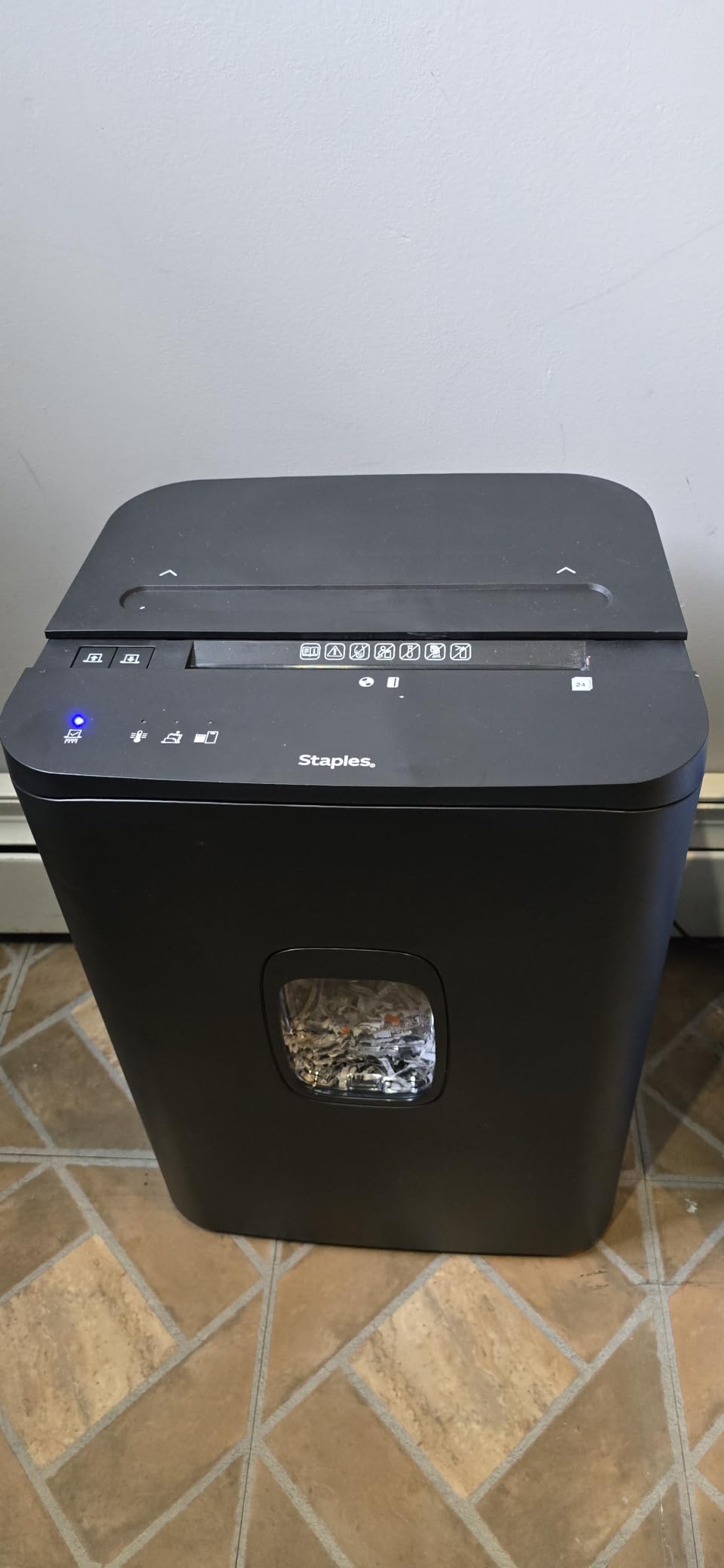
What it does have is a straightforward feature set. Twelve sheets per pass, auto start and stop, auto reverse for jams, overload protection and a blue power LED for status, in a 4.6-gallon bin. It handles credit cards, staples and paper clips, and the same range comes in eight, twelve, fifteen and twenty-four sheet variants if you need a different duty size.
It is also the most recently designed model in the group, which cuts both ways: no legacy complaints about old production runs, but only 399 reviews and little long-term data on how the cutters hold up.
What P-3 security actually means
P-3 is the lowest security rating in this guide and it sits one step below the P-4 level most of the field uses. The confetti is larger, which makes casual reconstruction easier. For junk mail and mixed recycling it makes no difference, and for anything involving identity documents or client records we would pick a higher level.
The seven-minute run time with a thirty-minute cool-down is a middle-of-the-road compromise that suits someone shredding a few documents a week rather than doing projects.
Where it falls short
Noise is the headline drawback, and 72 dB is well into the range where a machine can be heard in a neighbouring room. In a home office during a video call that is a real problem, not a theoretical one.
The lower security level and the thin review base are the other two. We would consider this a stopgap for occasional use rather than a machine to build a home office around.
How Loud Is Too Loud? Reading Shredder Decibel Numbers?
A useful anchor: a normal conversation sits around 60 decibels, a quiet home room around 40, and a busy street well past 70. A shredder rated in the high 50s or low 60s is therefore roughly as loud as the person you are talking to, which you will notice but can talk over. Anything in the 70s reads like a small motor, and in an apartment that carries.
Five models in this guide publish a number: the Wingwise at 48 dB, the Bonsaii C266-B and BONSEN S3102 at 60, the BONSEN S3101 at 65 and the Staples at 72. The Aurora AU1210MA, Aurora AU870MA, Amazon Basics, Fellowes 14C10 and Bonsaii C275-A publish none, so any quiet claim for those five rests on owner descriptions.
Two caveats matter. Every one of these figures is a manufacturer claim with no stated measurement distance, background noise or weighting, and none of the models has an independent lab result published. Treat the spread as relative guidance, not as a promise about your specific room.
Cut Type and Noise: What Each One Costs You
Cut type drives both security and noise more than any other spec, because each step up adds blades. Strip-cut uses two straight blades and is the quietest, but the long strips can be taped back together, and privacy-focused forum advice consistently rules it out for sensitive documents. Cross-cut adds a second set of blades to produce confetti at P-4, which is the security most of this group sits at.
Micro-cut adds many more blades to make particles down to roughly 12mm at P-4, or P-5 on the best-equipped models here. That is the most secure option and also the loudest and most demanding on lubrication, because more blades means more friction at the cutting surface.
So the trade is real: you can have the quietest machine or the most secure one, and picking in the middle, a P-4 cross-cut, is what most home offices should do. If you only handle statements, junk mail and cards, the extra security is not worth the extra decibels.
How to Choose a Quiet Paper Shredder for a Home Office
Start with the duty cycle, because it is the spec people choose last and regret first. Count what you actually shred in a month. A weekly stack of post needs a three to five minute machine. A shoebox of old files once a year needs the twenty to sixty minute models, because anything shorter means waiting through repeated cooldowns while the job sits half finished.
Bin capacity follows from the same calculation. Small four-gallon bins need weekly emptying in a busy household, and a pull-out bin on a lift handle or casters makes that chore far less annoying than a fixed basket you have to tilt.
Footprint decides whether the machine is physically usable where you are. Measure the gap before you buy. The BONSEN S3101 at 12.09 inches wide and 7.44 deep fits under a desk; the Wingwise at 25.39 inches wide needs a wall, and the 22-pound Aurora needs both wall and floor space.
Anti-jam systems vary in quality. Auto-reverse, where the machine backs the paper up and re-feeds it, is worth paying for and is present on most models here. A manual reverse only gets you out of the jam, not past it, which is a real difference when you are feeding a mixed stack.
Safety features matter if the machine sits in open view. A head-lift safety stop or interlock, overheat protection and an auto-stop when the bin is removed are all worth having, and the Fellowes safety lock is the most child-proof option we covered.
Maintenance is the cheapest noise fix there is. Dry blades are the usual cause of the high-pitched screech owners describe as a dying machine, and a bottle of shredder oil applied along the cutting edge every few months settles it. Long-time users on forums make the same point: most noise complaints are a lubrication problem, not a bad machine.
Finally, know what not to feed it. Thermal receipts and carbon paper, laminated pouches and adhesive-backed envelopes are the material that causes most jams, and forums consistently report the same culprits. Pull staples off first, skip the laminates, and shred envelopes before sealing the flap across the entry slot. If you want a deeper read on cut styles, our cross-cut shredder guide goes into particle size and security levels in detail.
One more practical point on placement. Vibration travels further than sound through a floor, so a shredder on a hard surface with a rug under it will be noticeably calmer than one on bare boards. Keeping it against a wall and out of the direct path between you and your microphone during a call does more than any spec on the box.
Frequently Asked Questions
What is the quietest paper shredder available on the market?
Among the models we reviewed, the Wingwise 48 dB micro-cut shredder is the quietest, with a manufacturer-published figure of 48 decibels, below the level of a normal conversation. The Aurora AU1210MA is the best overall pick, combining an ultra-quiet build with a 60-minute run time and over 9,000 owner reviews.
What is the best paper shredder for a home office?
The Aurora AU1210MA is our best overall pick for a home office. It shreds 12 sheets at a time to P-4 micro-cut, runs for 60 minutes continuously, has a 5-gallon pull-out bin and anti-jam auto reverse, and it is the highest rated model we reviewed at 4.7.
What are the best quiet paper shredders?
Our top three are the Aurora AU1210MA for overall use, the Bonsaii C275-A cross-cut for value with a large 5.5-gallon bin, and the Aurora AU870MA for micro-cut security in a compact footprint. For thin walls the Wingwise 48 dB model is the quietest option published.
How do I make my paper shredder quieter?
Oil the blades first, since dry blades cause the high-pitched screech most owners mistake for a failing motor. Place the machine on a soft surface such as a rug or a vibration pad rather than bare boards, keep it against a wall, and avoid feeding it laminated pouches, thermal receipts or adhesive envelopes that force the blades to work harder.
Is micro-cut better than cross-cut for home security?
Yes. Micro-cut produces particles small enough to be very difficult to reassemble and is rated P-4 or P-5, while cross-cut produces larger confetti at P-4. Cross-cut is a reasonable choice for statements and junk mail, but for identity documents, medical records or client financial data, micro-cut is the safer option and it runs somewhat louder.
Does Consumer Reports rate home paper shredders?
Consumer Reports does not publish shredder ratings with decibel measurements, so no shredder carries a Consumer Report decibel score. Every dB figure in this guide is a manufacturer claim, and the only independent check available is owner feedback, which is why we quote review counts and reported problems alongside the specs.
The Verdict on Quiet Shredders for Home Offices
The Aurora AU1210MA is our best quiet paper shredder for home offices. It pairs micro-cut security with a sixty-minute run time, a five-gallon bin and the strongest owner rating in the group, and it is the machine we keep within reach. The Bonsaii C275-A is the value pick if you shred steadily rather than in projects, and the BONSEN S3101 is the one that actually fits under a desk.
Check the decibel figure before you buy, and treat any machine that does not publish one as unmeasured. If you want more detail on the security side, our micro-cut shredder guide breaks down particle sizes, and the general shredder roundup covers larger capacity units for small businesses.