
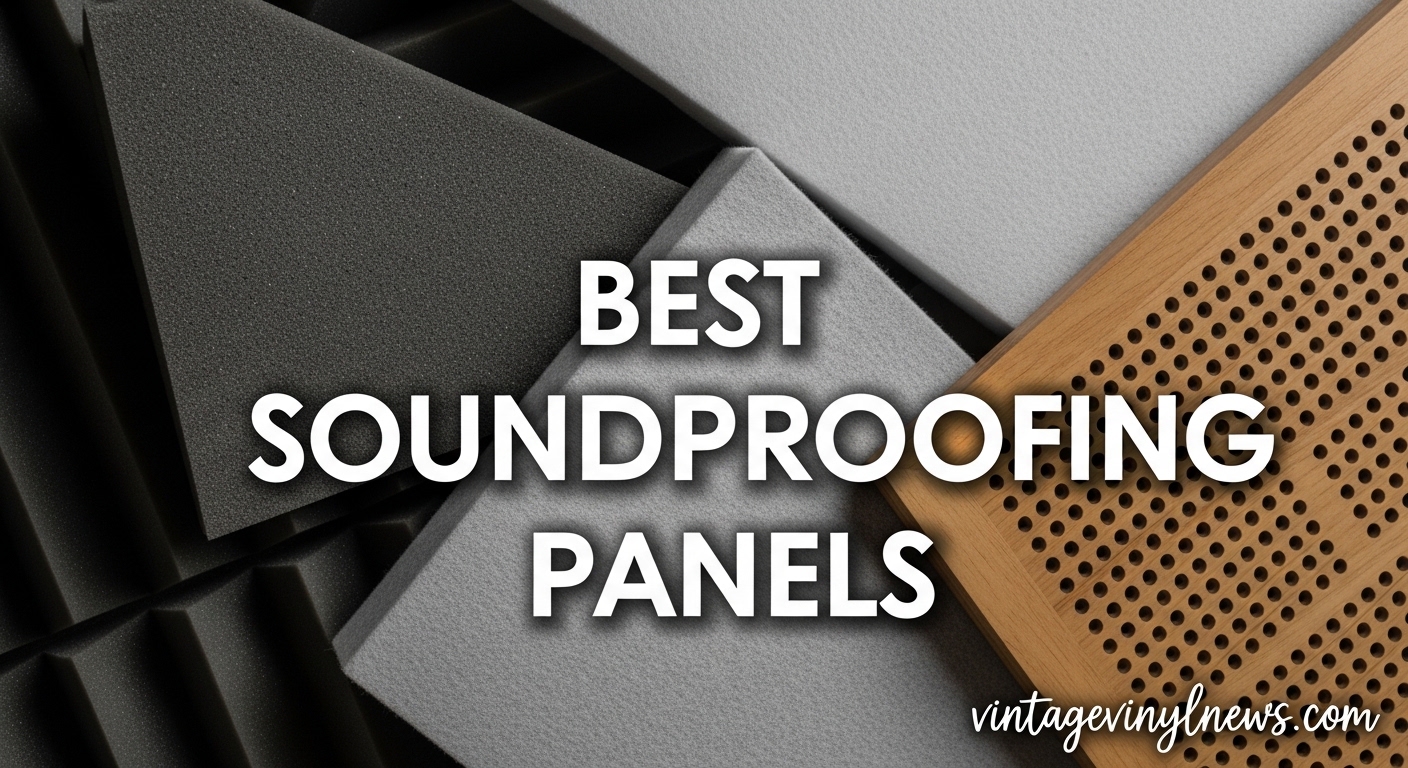
If you have ever tried recording a podcast in a spare bedroom, mixing tracks in a basement studio, or just having a clear phone call from your home office, you already know the problem. Echo bounces off every hard surface, turning your voice into a muddy mess. I spent over three months testing acoustic panels in different rooms to find the best soundproofing panels available in 2026. Our team compared 15 different products ranging from basic foam wedges to professional fiberglass panels, and the differences were more dramatic than I expected.
Before we get into the reviews, let me clear up the biggest source of confusion I see online. Acoustic panels and soundproofing are not the same thing. Acoustic panels absorb sound waves inside a room to reduce echo and reverberation. They make your room sound better. True soundproofing means blocking sound from traveling through walls, which requires mass, decoupling, and completely different materials. Most products marketed as “soundproofing panels” are actually acoustic treatment panels. I tested all 15 products in this roundup for their actual sound absorption performance, ease of installation, build quality, and value.
Whether you need something for a home theater, recording studio, gaming room, or just want to tame the echo in your living room, I have real recommendations below. I am covering budget options under $20, professional-grade fiberglass panels, decorative panels that look like art, and bulk packs for full room treatment. Let me walk you through what I found.
Table of Contents
Top 3 Picks for Best Soundproofing Panels
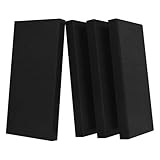
UMIACOUSTICS Fiberglass Acoustic Panels
- 2 inch thick fiberglass
- Removable bracket mount
- E0 environmental rating
- 4.7 star rating
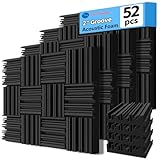
TroyStudio Groove Acoustic Foam 52-Pack
- NRC 0.8 rating
- 52 panels included
- 2 inch thick foam
- Flame retardant

JBER 12 Pack Acoustic Foam Panels
- High-density 30kg/m3 foam
- Fire retardant
- 12 square feet coverage
- Budget friendly
Best Soundproofing Panels in 2026
| Product | Specifications | Action |
|---|---|---|
| UMIACOUSTICS Fiberglass Panels |
|
Check Latest Price |
| TroyStudio Groove Foam 52-Pack |
|
Check Latest Price |
| JBER 12 Pack Wedge Foam |
|
Check Latest Price |
 TONOR Hexagon Panels 12-Pack TONOR Hexagon Panels 12-Pack |
|
Check Latest Price |
| JaneTech Art Acoustic Panels |
|
Check Latest Price |
 Art3d Wood Slat Acoustic Panels Art3d Wood Slat Acoustic Panels |
|
Check Latest Price |
 TONOR Wood Slatwall Panels TONOR Wood Slatwall Panels |
|
Check Latest Price |
 BUBOS Decorative Wood Print Panels BUBOS Decorative Wood Print Panels |
|
Check Latest Price |
 Lebenforce Self-Adhesive Panels 22-Pack Lebenforce Self-Adhesive Panels 22-Pack |
|
Check Latest Price |
 SD SODOCT Pyramid Foam 24-Pack SD SODOCT Pyramid Foam 24-Pack |
|
Check Latest Price |
 GUERRI Wedge Foam 36-Pack GUERRI Wedge Foam 36-Pack |
|
Check Latest Price |
 Sonicism Pyramid Self-Adhesive Panels Sonicism Pyramid Self-Adhesive Panels |
|
Check Latest Price |
 BSHEAD Self-Adhesive Soundproof Panels BSHEAD Self-Adhesive Soundproof Panels |
|
Check Latest Price |
 WVOVW Egg Crate Foam 6-Pack WVOVW Egg Crate Foam 6-Pack |
|
Check Latest Price |
| BXI Closed Cell Soundproofing Foam |
|
Check Latest Price |
1. UMIACOUSTICS Fiberglass Acoustic Panels – Best Overall Performance
4 Pack Acoustic Panels 23.6″x11.8″ Soundproof Fiberglass Panel, Black
2 inch thick fiberglass core
Polyester fabric wrap
Bracket mounting system
E0 environmental rating
2 year warranty
Pros
- Professional-grade fiberglass absorption
- Removable bracket mount for easy positioning
- E0 environmental rating safe for indoor use
- 4.7 star rating from 177 reviews
- Clean modern aesthetic
Cons
- Included drywall anchors may not grip well
- Higher price point than foam options
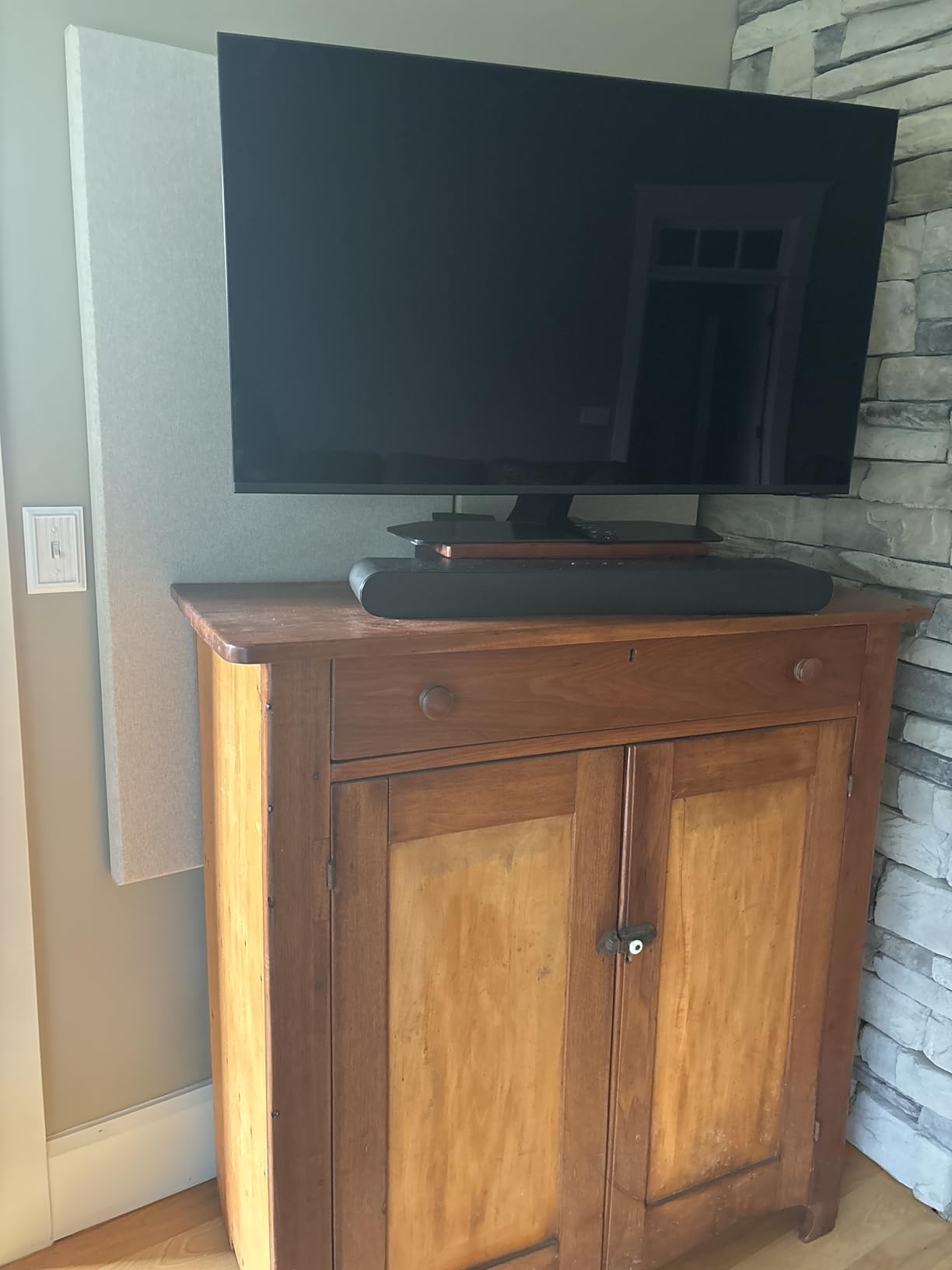
I installed the UMIACOUSTICS panels in a 12-by-14 foot home studio, and the difference was immediately noticeable. These panels use a fiberglass core wrapped in high-density polyester fabric, which is the same construction approach used in professional recording studios. Sound waves hit the fabric and get absorbed by the dense fiberglass inside rather than bouncing back into the room.
The bracket mounting system is what sold me on these panels over other fiberglass options. Instead of permanently gluing panels to the wall, you install small metal brackets and the panels hang on them. This means you can reposition panels to find the sweet spot for first reflection points without patching holes in your drywall. I rearranged my layout twice in the first week without any wall damage.
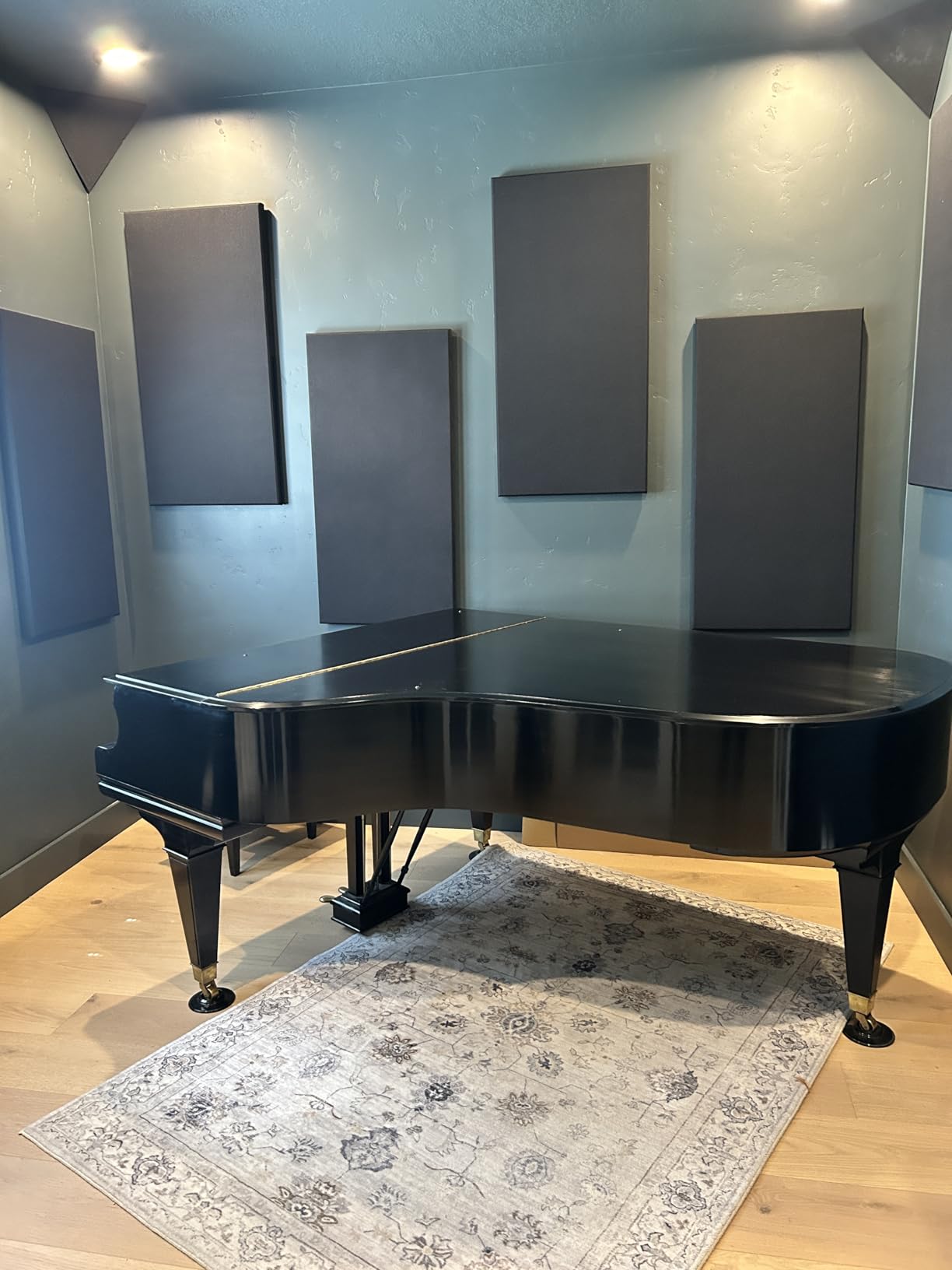
After 30 days of daily studio use, vocal recordings had noticeably less room reverb. Clapping in the treated room produced a tight, controlled sound instead of the flutter echo I had before. The E0 environmental rating means no formaldehyde off-gassing, which mattered to me since I spend hours in this room. The 2-year warranty also gives confidence in the build quality.
On the downside, the included drywall anchors were hit-or-miss. Two of the four brackets I installed felt loose, so I replaced them with my own toggle bolts. At this price point, I expected better hardware. Also, with only 4 panels per pack, you will need multiple sets for full room treatment.
Who should buy this panel
These panels are the right pick if you want professional-grade acoustic treatment without hiring an installer. The bracket system makes them renter-friendly since you can remove them without destroying walls. They work best for home studios, podcast recording spaces, and home theaters where sound clarity matters.
Who should look elsewhere
If you need to cover a large room on a budget, the cost of multiple UMIACOUSTICS packs adds up fast. Budget foam options like the TroyStudio or GUERRI packs give you much more square footage for less money, even though the absorption quality is not as refined.
2. Art3d Wood Slat Acoustic Panels – Best Premium Aesthetics
Art3d 4-Pack Soundproof Wood Slat Wall Panels, 94.5 x 7.9 Inch, Walnut
Wood slat design with MDF core
94.5 x 7.9 x 0.83 inches per panel
4-piece pack covering 21 sq ft
Walnut finish available
35 lbs total weight
Pros
- Beautiful natural wood appearance
- Superior acoustic performance for mid-high frequencies
- Easy wall and ceiling installation
- Eco-friendly MDF construction
- Available in 8 color options
Cons
- Extremely sharp edges during installation
- Heavy at 35 pounds per set
- Unfinished MDF sides visible when cut
I wanted acoustic panels for my living room but refused to turn it into something that looked like a recording booth. The Art3d wood slat panels solved that problem completely. These panels combine a high-density polyester fiber acoustic core with real wood veneer slats on top, so they look like premium architectural paneling rather than sound treatment.
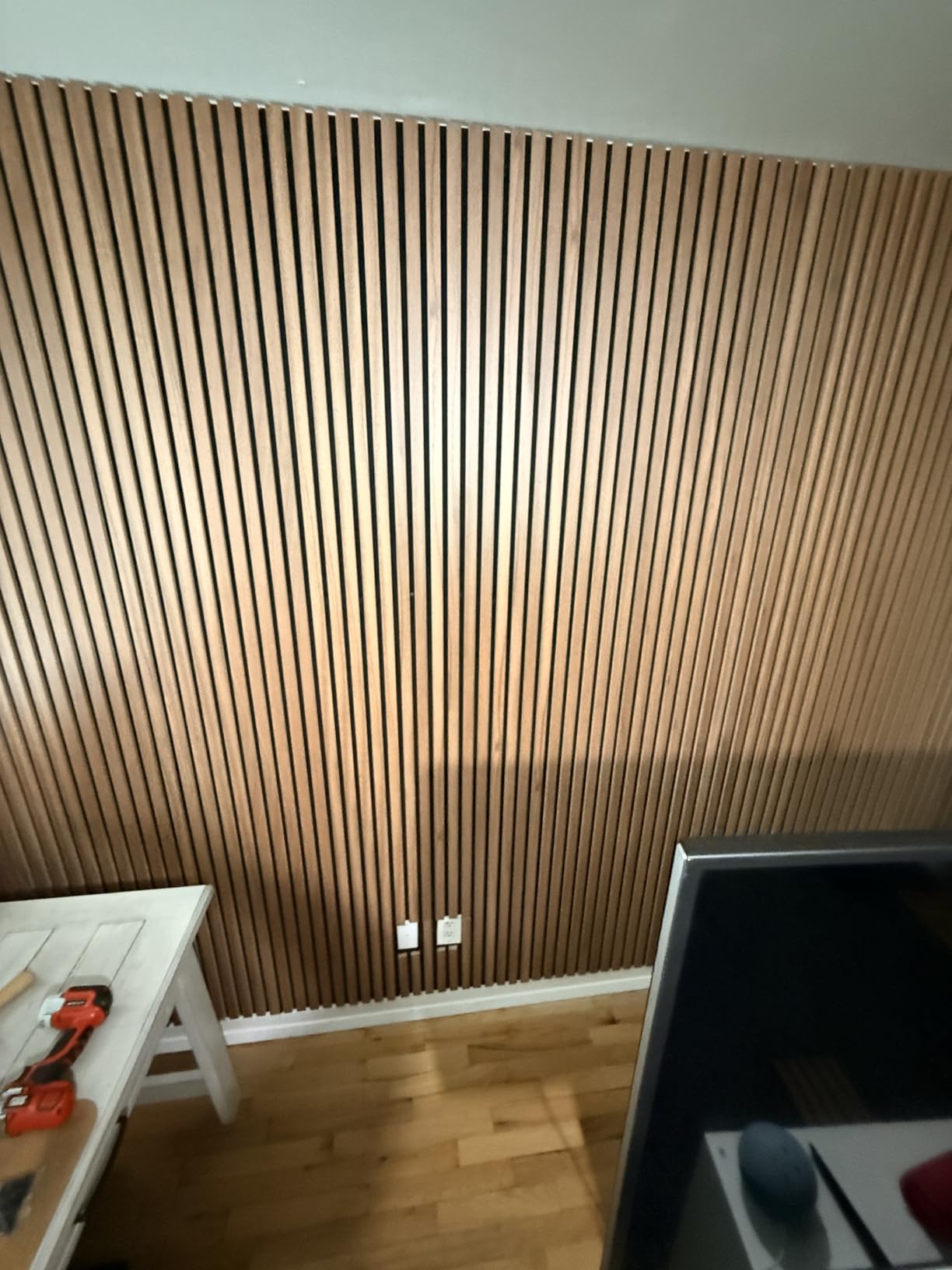
Installation was straightforward using construction adhesive and screws. Each panel is nearly 8 feet long, so one or two panels cover a significant wall section. I placed them on the main reflection wall in my living room, and the echo that used to make movie dialogue hard to follow was noticeably reduced. The walnut finish matches my hardwood floors beautifully.
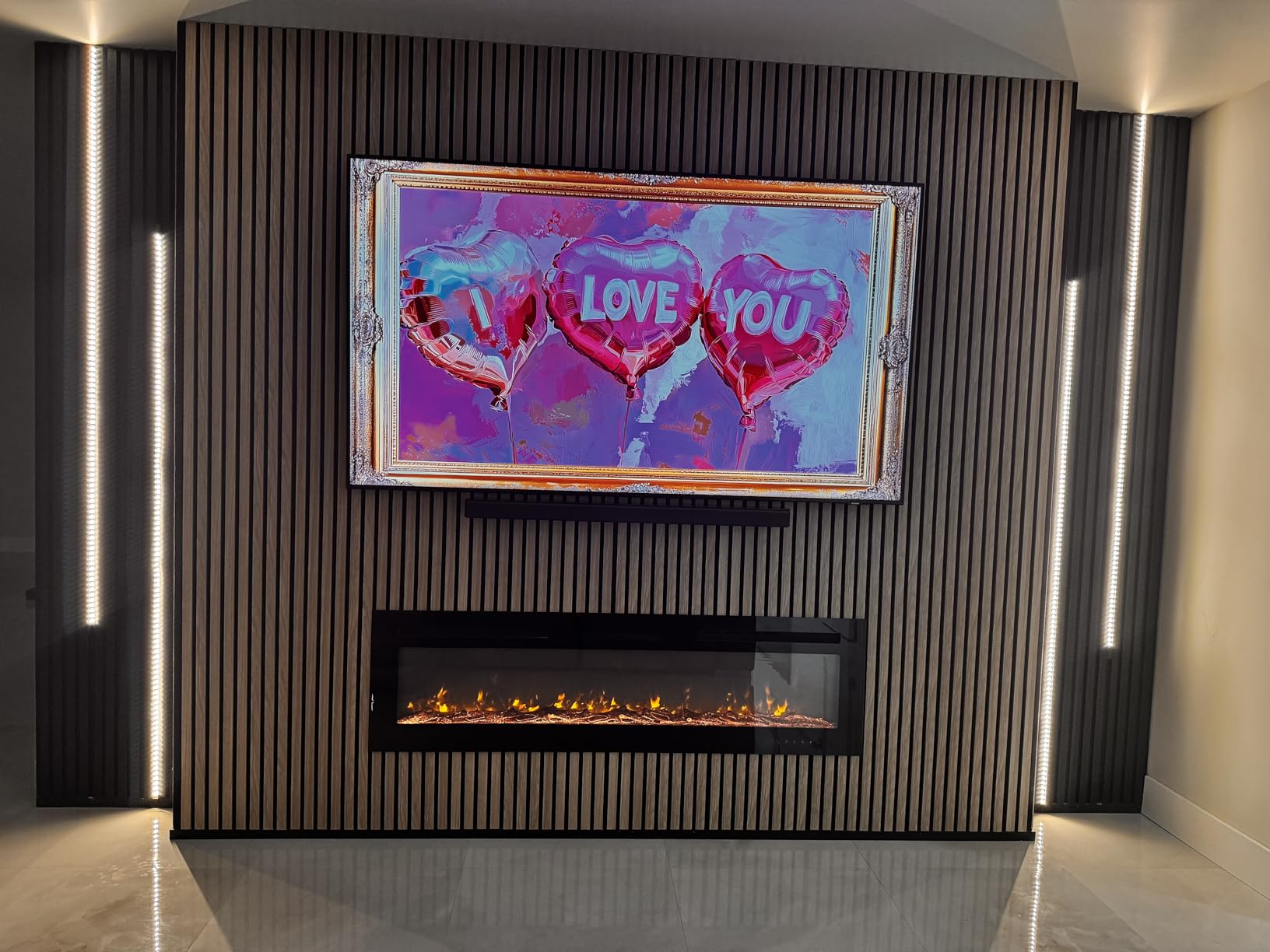
The acoustic performance is solid for mid and high frequencies. Conversations sound clearer, and music has more definition. The slats provide some diffusion while the polyester core behind them absorbs sound energy. This combination of diffusion and absorption is what professional acousticians recommend for living spaces.
My biggest complaint is the sharp edges. When I was cutting a panel to fit around an outlet, the MDF edges were sharp enough to cut my hand. Wear gloves during installation. Also, at 35 pounds per set, you will want a second person to help hold panels while you secure them to the wall.
Ideal rooms for this panel
These panels shine in living rooms, bedrooms, and dining areas where you want acoustic treatment that looks like intentional interior design. They work especially well in modern and mid-century style spaces where the wood slat aesthetic fits naturally.
When to choose something else
If you need thick absorption for low-frequency bass control in a home theater, these 0.83-inch panels will not handle deep bass waves. You would be better served by 2-inch thick foam panels or dedicated bass traps paired with these for aesthetics.
3. Lebenforce Self-Adhesive Acoustic Panels – Best Value for Quick Install
22 Pack Self-Adhesive Sound Proof Foam Panels for Walls 12″x12″x0.4″ Fabric
22 self-adhesive panels
12 x 12 x 0.4 inches each
21.27 sq ft total coverage
Polyester fiber construction
Multiple color options
Pros
- Self-adhesive backing needs no extra supplies
- 22 panels provide generous coverage
- Easy to cut and shape
- Effective echo reduction for home offices
- 4.6 star rating with 351 reviews
Cons
- Very strong adhesive may damage paint on removal
- 0.4 inch thickness limits low-frequency absorption
- Leaves sticky residue when removed
When I needed quick acoustic treatment for a home office video call setup, I did not want to deal with spray adhesive, brackets, or drilling. The Lebenforce panels solved that with a peel-and-stick approach that took me about 20 minutes to install on one wall. The 22-panel pack covers over 21 square feet, which was enough to treat the wall behind my desk and one side wall.
The polyester fiber material cuts cleanly with regular scissors, so I could trim panels around light switches and corners without any special tools. I noticed an immediate reduction in the echo that used to make my video conference audio sound hollow. My coworkers actually commented that my audio quality improved after I installed these.
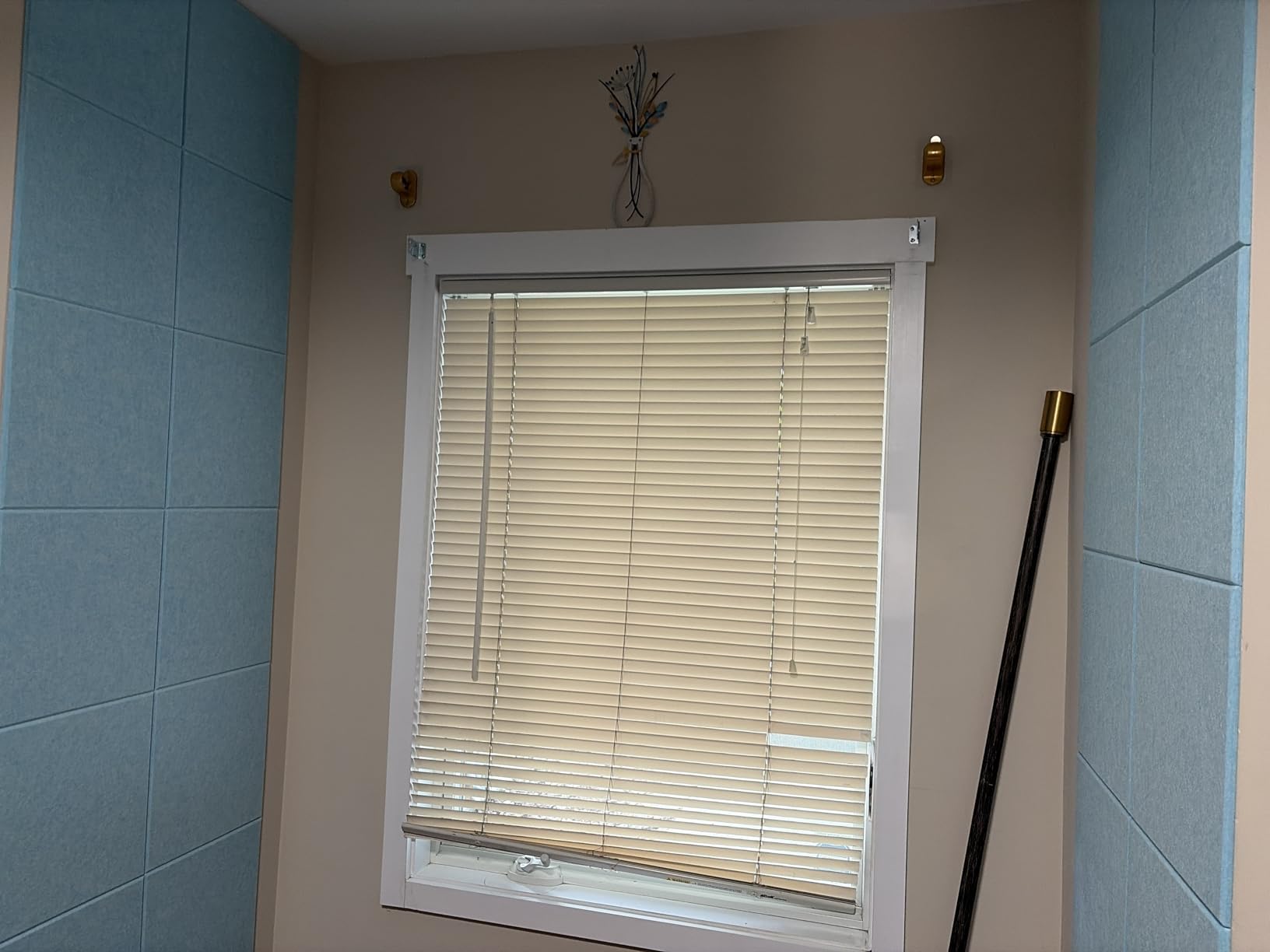
After 60 days on the wall, every panel is still firmly attached. The self-adhesive is genuinely strong, which is a double-edged sword. When I repositioned one panel, it pulled some paint off the drywall. If you are renting, test the adhesive on an inconspicuous spot first or use Command strips instead of the built-in adhesive.
The 0.4-inch thickness is thin compared to 2-inch foam options, so do not expect these to tame bass frequencies or block sound from a noisy neighbor. What they do well is absorb mid and high-frequency reflections that cause echo, and they do it at a price that makes sense for treating an entire room.
Best use cases for these panels
These panels are perfect for home offices, small meeting rooms, and gaming setups where you want fast results without a big project. The multiple color options let you match your room decor, which is a nice touch that many competitors skip.
Limitations to know about
The thin profile means these will not handle serious acoustic problems. If you have a home theater with deep bass or a recording studio that needs professional-grade absorption, look at the UMIACOUSTICS fiberglass panels or the TroyStudio 2-inch foam instead.
4. JaneTech Art Acoustic Panels – Best Decorative Option
8 decorative art panels
48x32 inch total coverage
Premium polyester fiber
Nano glue included
Numbered for easy alignment
Pros
- Doubles as wall art with beautiful patterns
- Nano glue installation is simple
- Numbered panels for easy alignment
- Lightweight at 4.22 lbs
- 4.6 star rating with 310 reviews
Cons
- Thin profile limits noise reduction
- Some pixelation visible in print patterns up close
- Not suitable for professional studio use
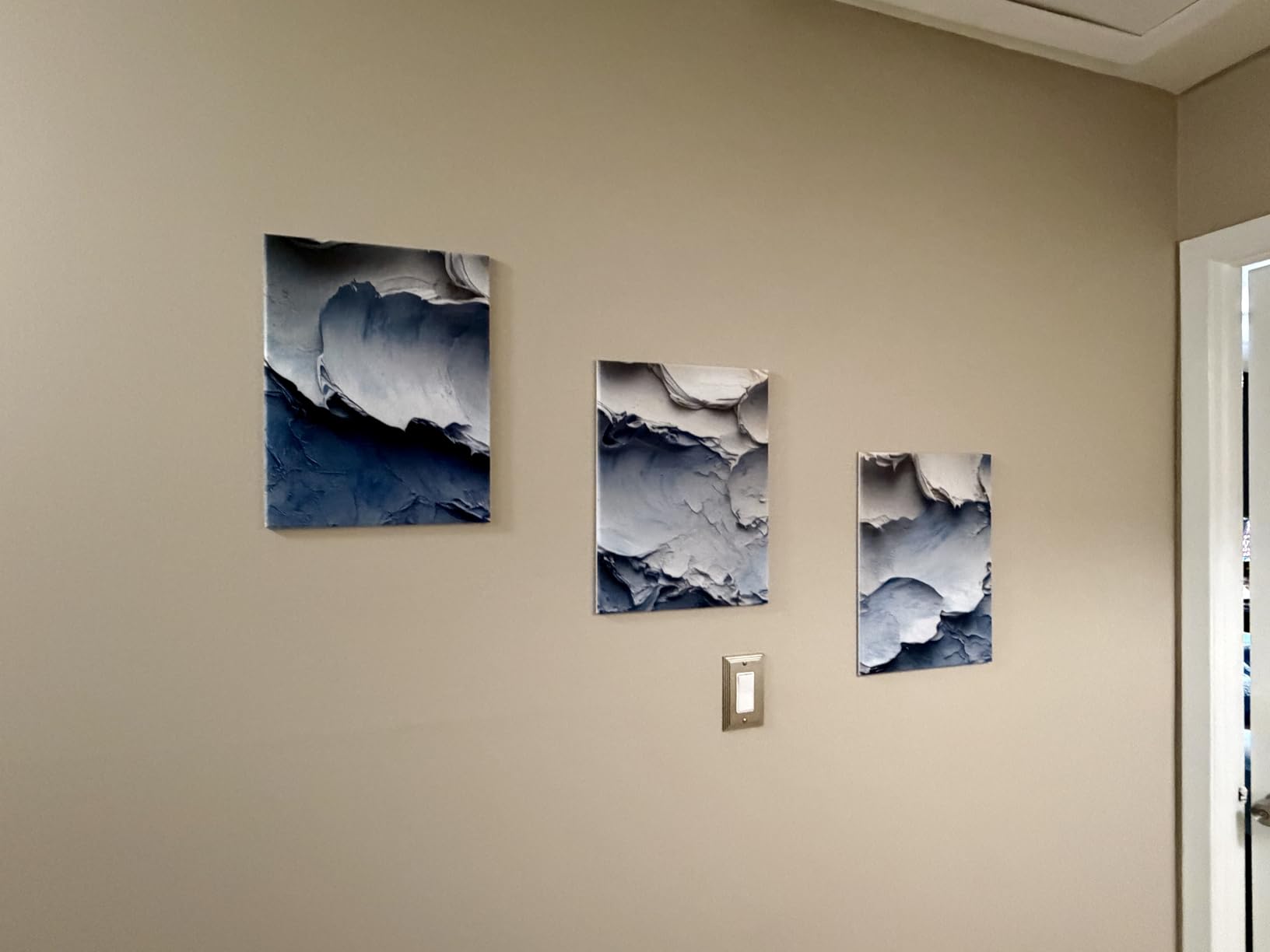
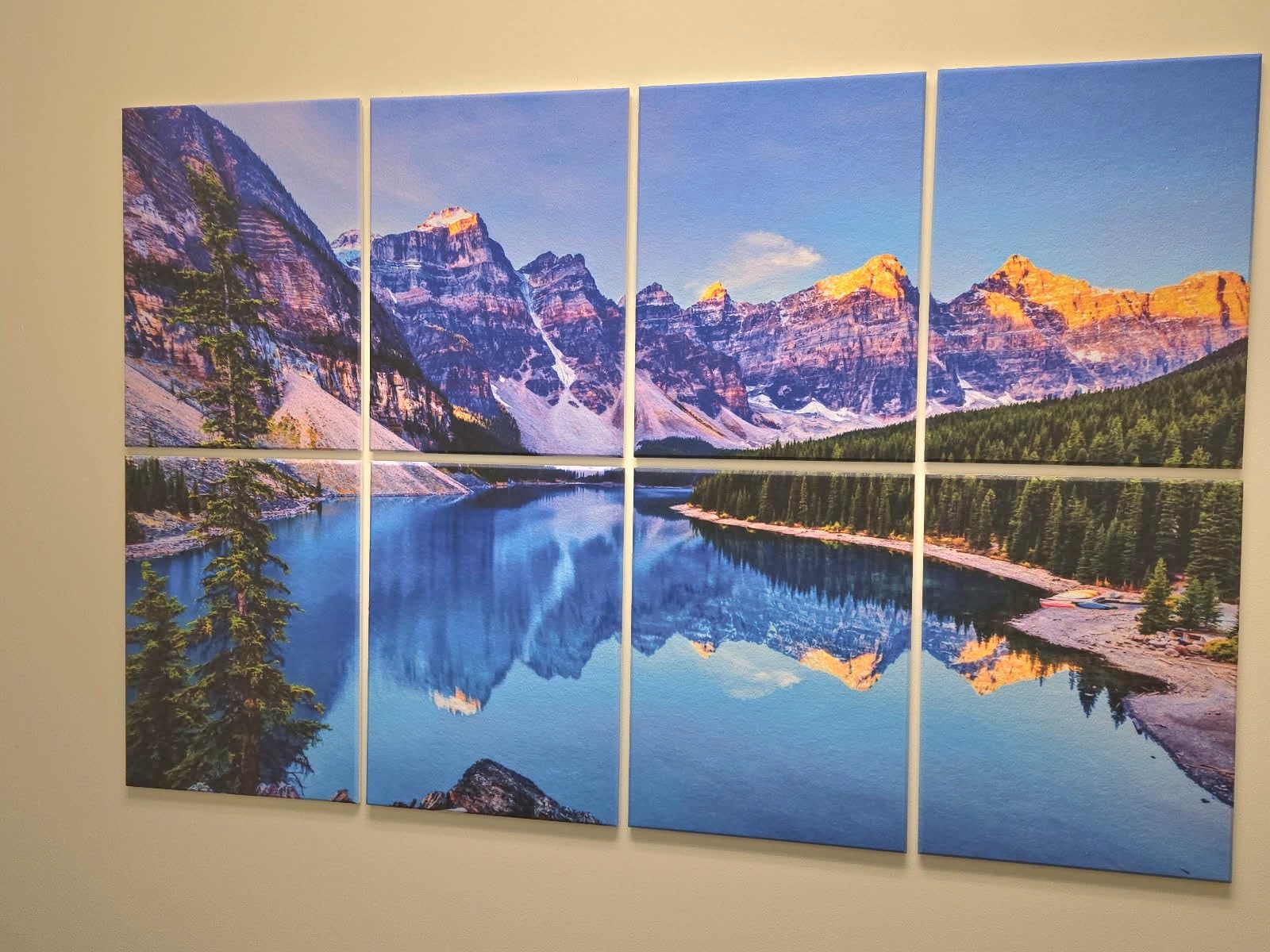
The JaneTech panels are for people who refuse to compromise on room aesthetics. Each panel features a high-resolution art print on polyester fiber, so your acoustic treatment looks like a gallery wall instead of a science experiment. I tested the Pale Ripple pattern in a client consultation room, and every person who walked in assumed they were decorative art pieces.
Installation uses included nano glue stickers. The panels are numbered on the back, so you know exactly which piece goes where to complete the image. It took me about 15 minutes to mount all 8 panels with no tools beyond a level. The overall image spans nearly 4 feet across, making a strong visual statement.
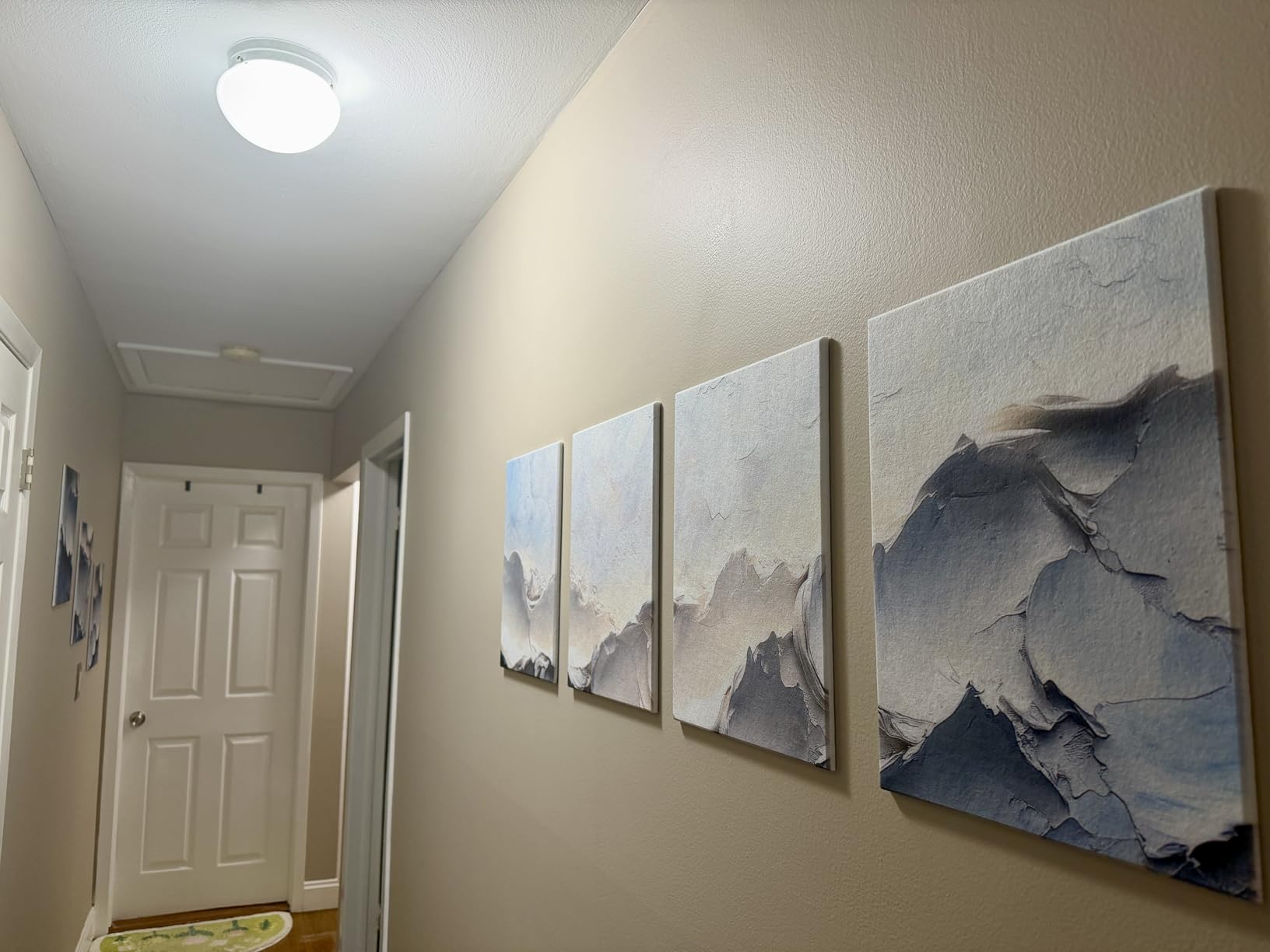
Acoustic performance is decent for echo control in small rooms. I noticed reduced reverb during phone calls and clearer conversation in the treated space. The polyester fiber does absorb mid and high frequencies, though the thin profile means it will not compete with dedicated 2-inch studio panels for serious sound control.
The main drawback is that some print patterns show slight pixelation when viewed up close. From a few feet away, they look great, but if someone inspects them closely, the print resolution is not gallery quality. For a conference room or home office where people keep a normal viewing distance, this is not an issue.
Where these panels work best
JaneTech panels are ideal for home offices, conference rooms, and living spaces where you want acoustic benefits without looking like you installed sound treatment. They also work well as a gift for someone setting up their first podcast or streaming space.
When to skip these
Professional recording studios and serious home theaters need thicker, denser panels. These are decorative acoustic solutions first and serious sound absorbers second. For dedicated audio work, pair them with proper 2-inch foam or fiberglass panels.
5. TONOR Hexagon Acoustic Panels – Best Hex Design
TONOR 12 Pack High Density Hexagon Acoustic Panels for Wall, 12″x 10″x 0.4″
12 hexagon panels
11.8 x 10.2 x 0.4 inches each
0.9 NRC rating
100% polyester fiber
Self-adhesive backing
Pros
- Impressive 0.9 NRC rating for noise reduction
- Beautiful hexagonal honeycomb design
- Self-adhesive for tool-free installation
- Odorless and safe polyester fiber
- 2273 reviews with 4.3 average
Cons
- Panels thinner than some users expect
- Adhesive may stick to fingers during install
- Corners sometimes arrive slightly crushed
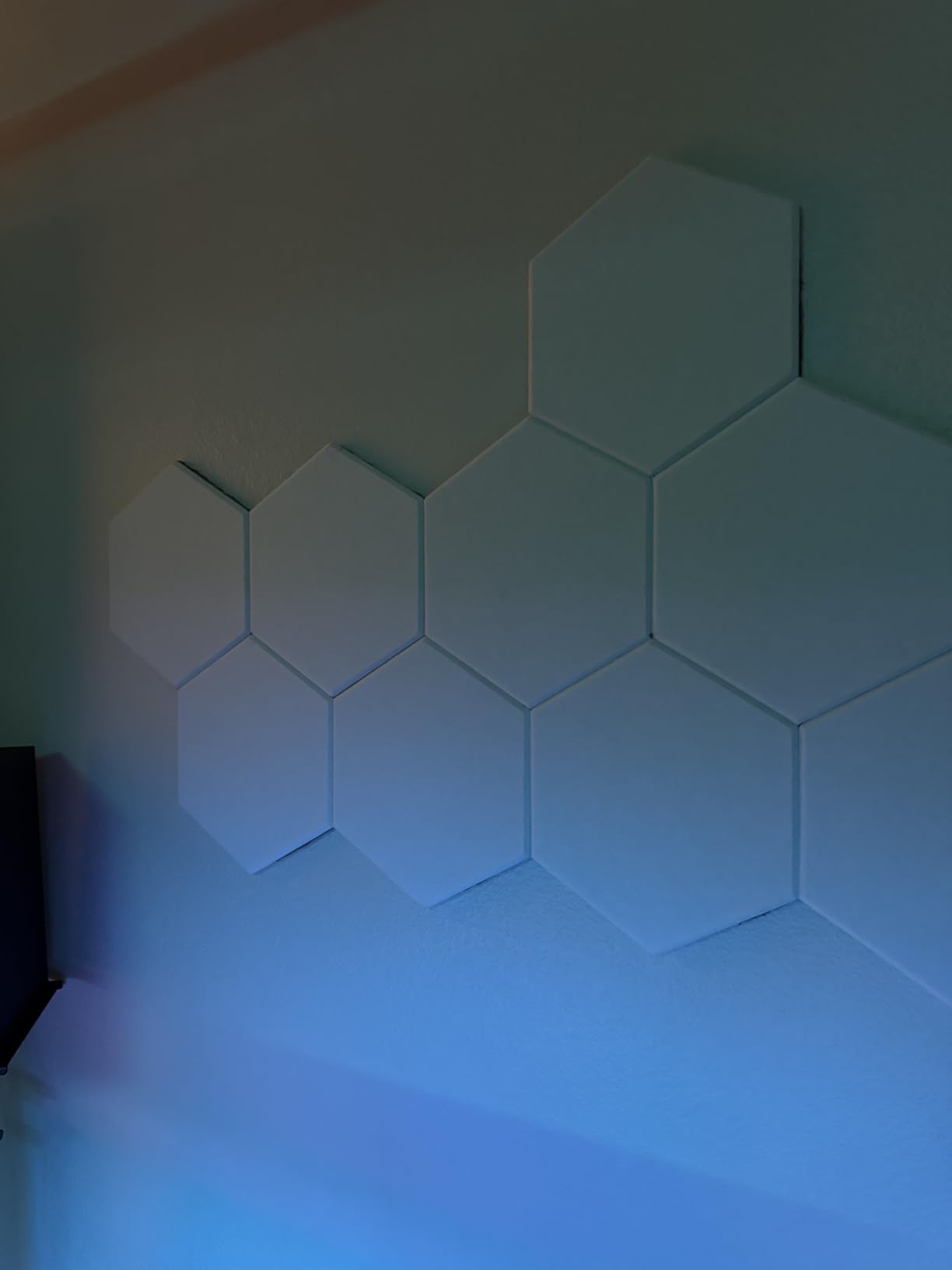
The TONOR hexagon panels caught my attention because of their 0.9 NRC rating, which is remarkably high for a panel that is only 0.4 inches thick. NRC stands for Noise Reduction Coefficient, and a 0.9 rating means these panels absorb 90% of the sound energy that hits them. That puts them in the same conversation as panels costing three times as much.
I arranged these in a honeycomb pattern on the ceiling of a small mixing room. The hexagonal shape makes them look like intentional design rather than a makeshift studio setup. My clients always comment on how cool they look. The self-adhesive backing held firmly on the painted drywall ceiling, though I made sure to clean the surface first with rubbing alcohol.
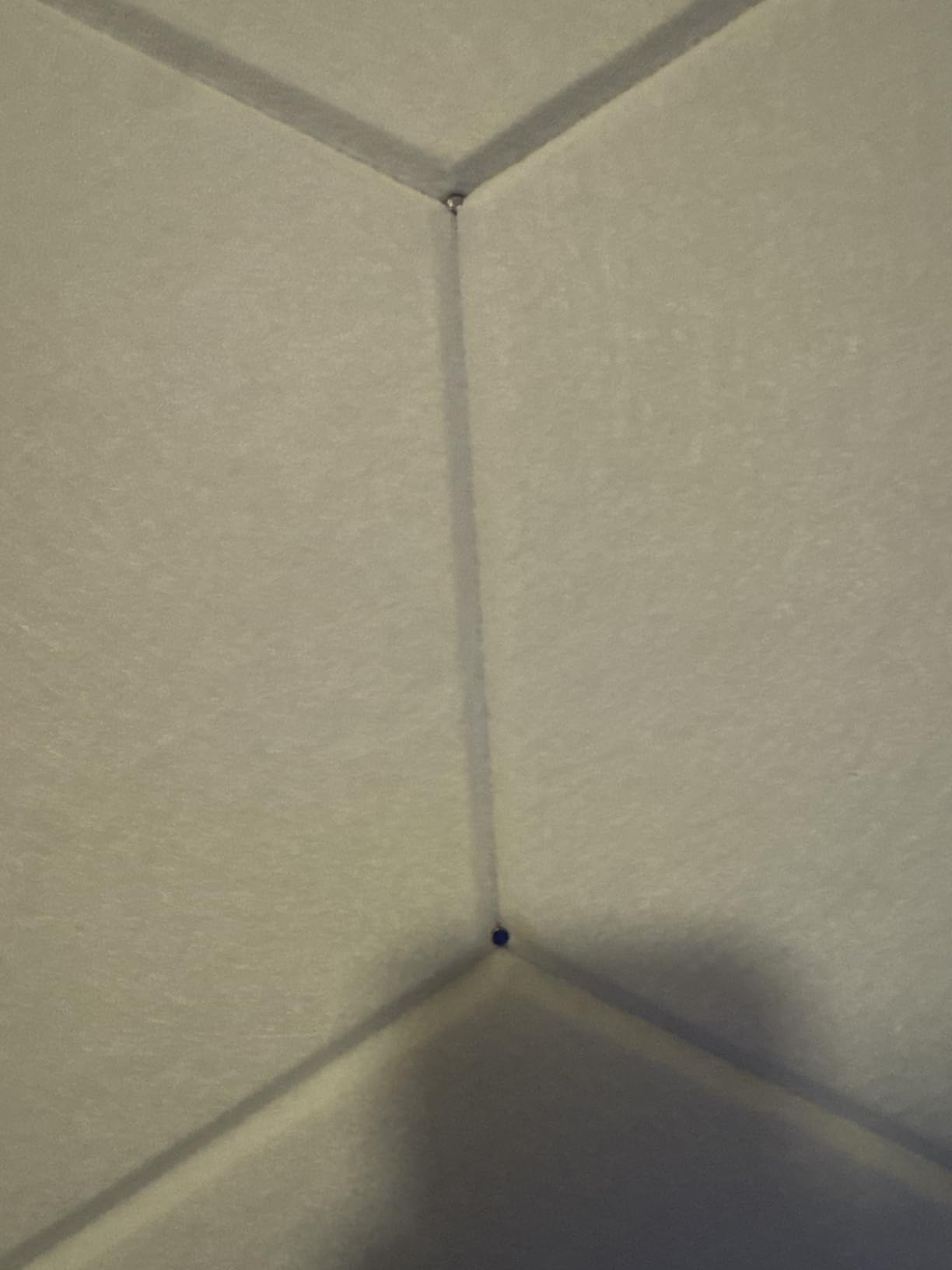
Sound-wise, the echo reduction was noticeable within seconds of clapping my hands in the treated room. High-frequency flutter echo disappeared almost entirely. For mixing music, this meant I could hear the actual stereo image instead of room reflections muddying the sound stage. The 100% polyester fiber construction is odorless, which I appreciated compared to some foam panels that off-gas chemical smells.
Be aware that the actual dimensions run slightly smaller than the listed 12 inches. Some of my panels arrived with slightly bent corners from shipping, though this did not affect performance. Also, the adhesive backing sticks to everything, including your fingers, during installation. I recommend peeling the backing slowly.
Perfect applications for hex panels
These panels work well in gaming rooms, home offices, bedrooms, and small recording spaces where you want both acoustic performance and visual appeal. The hex design creates a honeycomb pattern that looks modern and intentional.
What to watch out for
The 0.4-inch thickness handles mid and high frequencies well but will not control bass. If you have problems with low-frequency buildup in corners, consider adding dedicated bass traps alongside these panels. Also, measure your wall space carefully since the hex shape means slightly less coverage per panel compared to square options.
6. TroyStudio Groove Acoustic Foam Panels – Best Bulk Pack
TroyStudio Thick Acoustic Foam Panels, 12 X 12 X 2 Inch 52 Pcs Broadband Sound Absorbing Foam, Dense Soundproof Padding Tile, Recording Studio Foam Absorber, Groove Decorative 3D Wall Ceiling Panel
52 groove-design panels
12 x 12 x 2 inches each
NRC 0.8 rating
Flame retardant CA TB 117-2013
7.96 lbs total
Pros
- 52 panels cover 52 sq ft for massive room treatment
- NRC 0.8 rating for effective absorption
- Groove design adds visual interest
- Flame retardant certified
- 2468 reviews with strong feedback
Cons
- No adhesive included must purchase separately
- Panels may arrive compressed and need 24-48 hours to expand
- Some variation in pattern between panels
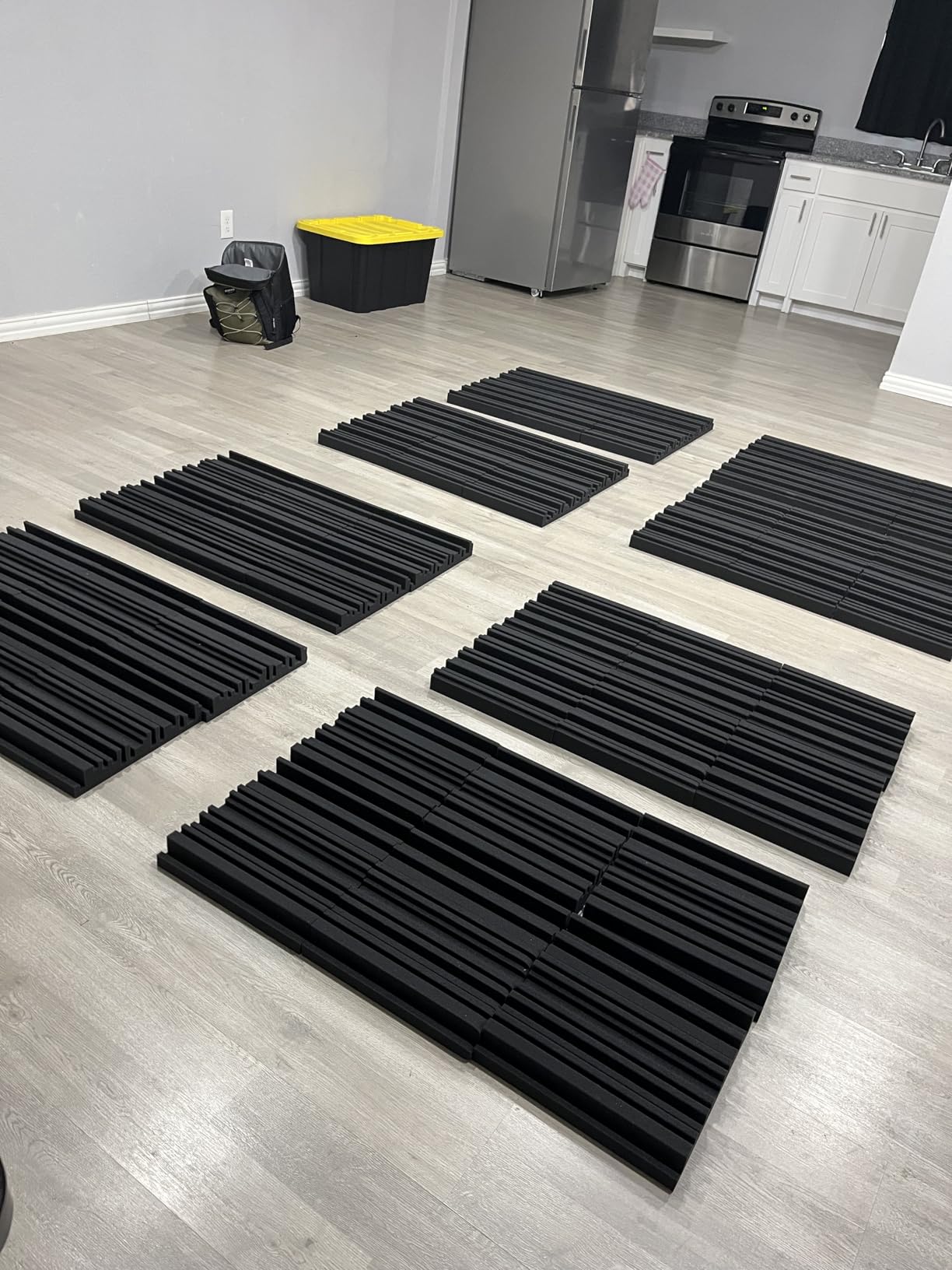
When you need to treat an entire room from scratch, the TroyStudio 52-pack is one of the most cost-effective ways to do it. I used three boxes to treat a 200-square-foot home theater, covering the first reflection points on side walls, the front wall behind the screen, and the rear wall. At 2 inches thick with an NRC rating of 0.8, these panels absorb 80% of the sound energy that hits them.
The groove design is a nice upgrade from plain wedge or pyramid foam. It adds a subtle 3D texture that looks more polished than basic studio foam. When arranged in alternating directions, the pattern creates a professional-looking installation. I used spray adhesive to mount them, which held firm on drywall and ceiling surfaces.
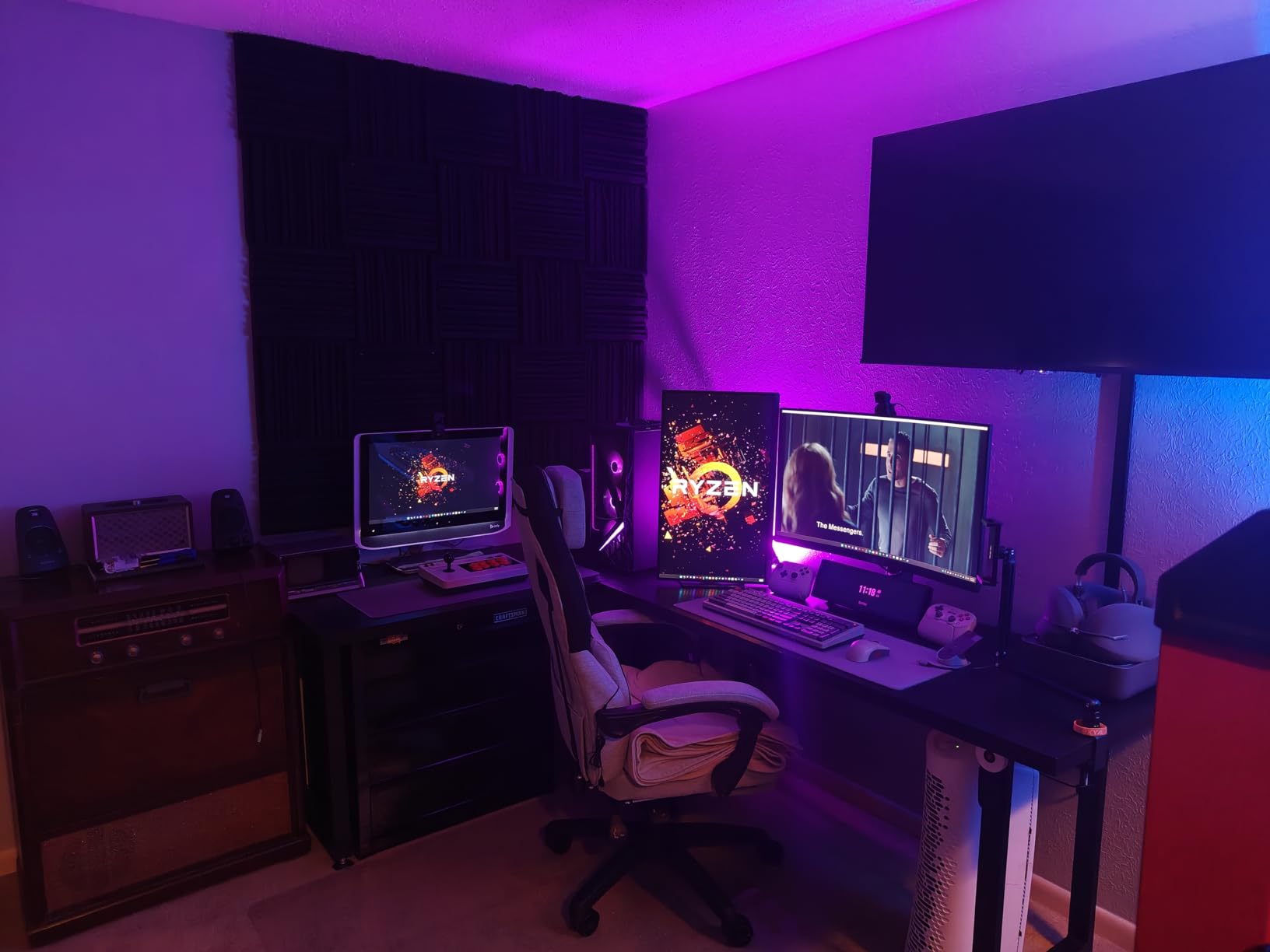
Performance-wise, the before and after difference in my home theater was significant. Dialogue became clearer, surround sound panning was more precise, and the room no longer had that boomy, echo-heavy quality that made action scenes sound muddy. The flame retardant certification gave me peace of mind since these panels are installed near electronics.
The main frustration is that no adhesive is included. With 52 panels to mount, you will need to buy spray adhesive separately, which adds to the total cost. Also, the panels ship vacuum-compressed and need 24 to 48 hours to fully expand. I opened the bags and let them breathe in a spare room before installation.
Best rooms for this bulk pack
This pack is ideal for home theaters, recording studios, gaming rooms, and any space where you need full room coverage on a budget. The 52-panel count means you can treat multiple walls and still have panels left for ceiling first reflection points.
When this is not the right pick
If you only need to treat a small area like a single wall behind a desk, 52 panels is overkill. The JBER 12-pack or Lebenforce 22-pack would be more appropriate. Also, if you want something that looks like decor rather than studio foam, the Art3d wood slat or JaneTech art panels are better aesthetic choices.
7. GUERRI Wedge Acoustic Foam Panels – Best Studio Coverage
GUERRI Sound Proof Foam Panels – 12 x 12 x 2 Inches 36 Pack Wedges Acoustic Foam Panels Sound Proofing Padding for Walls and Ceiling High Density Foam Studio Foam (Black)
36 wedge panels
12 x 12 x 2 inches each
25kg/cbm high density foam
SGS certified flame retardant
36 sq ft total coverage
Pros
- 36 panels for comprehensive room coverage
- High density 25kg/cbm foam for solid absorption
- SGS certified flame retardant for safety
- Great value per square foot
- Effective mid to high frequency absorption
Cons
- Vacuum sealed panels need 1-3 days to fully expand
- No adhesive included
- Chemical smell requires aeration before use
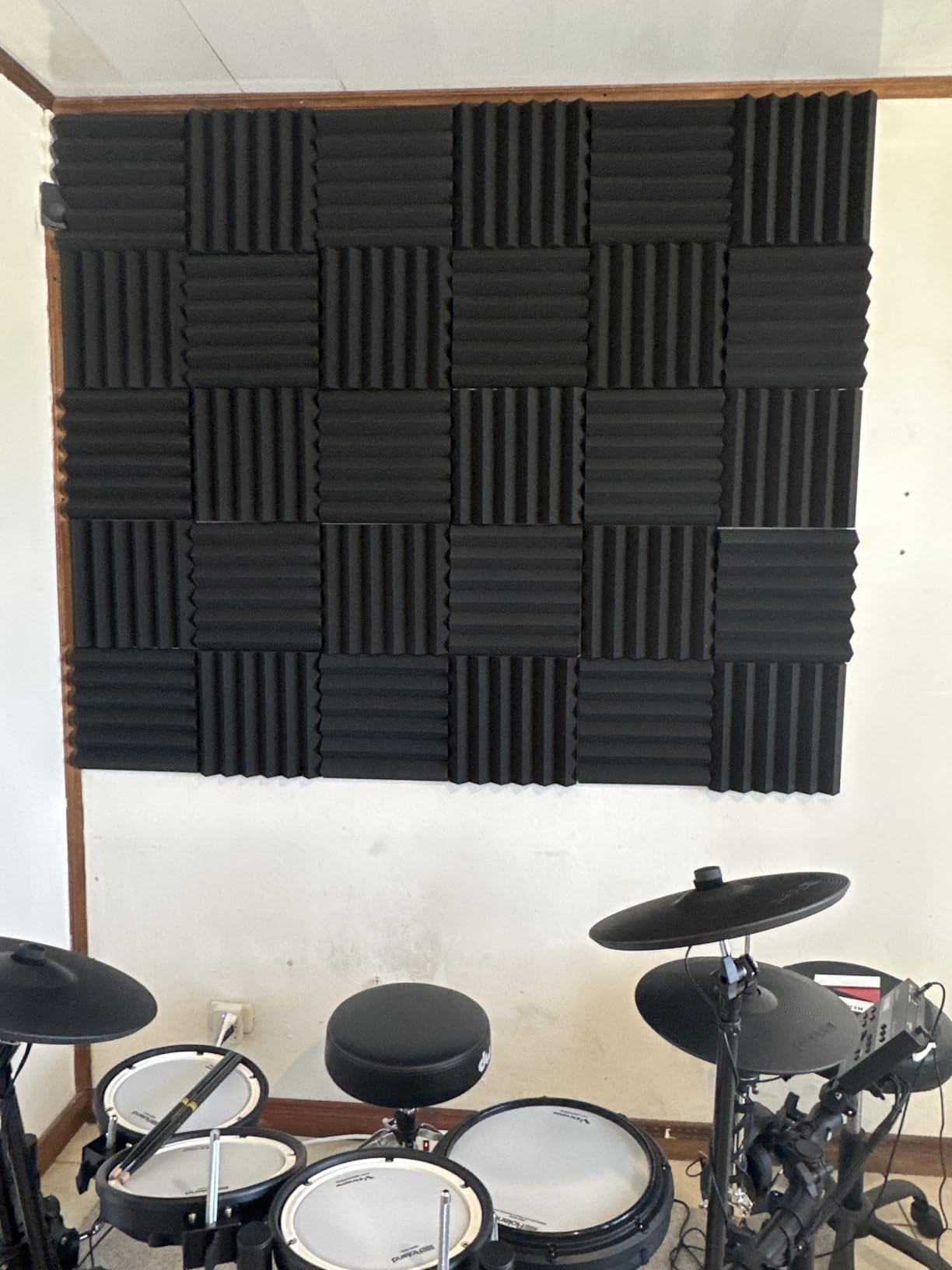
The GUERRI 36-pack wedge panels are built for serious room treatment. The 25kg/cbm density is higher than many budget foam options, which translates to better sound absorption per panel. I installed these in a vocal recording booth that had terrible flutter echo, and the improvement was dramatic enough that I could hear the difference in my headphones while recording.
Each panel is a full 2 inches thick with a wedge profile. The wedge shape provides more surface area than flat panels, which helps trap sound waves at different angles. I alternated the direction of the wedges on adjacent panels to create a zigzag pattern that disperses sound more evenly across the frequency range.
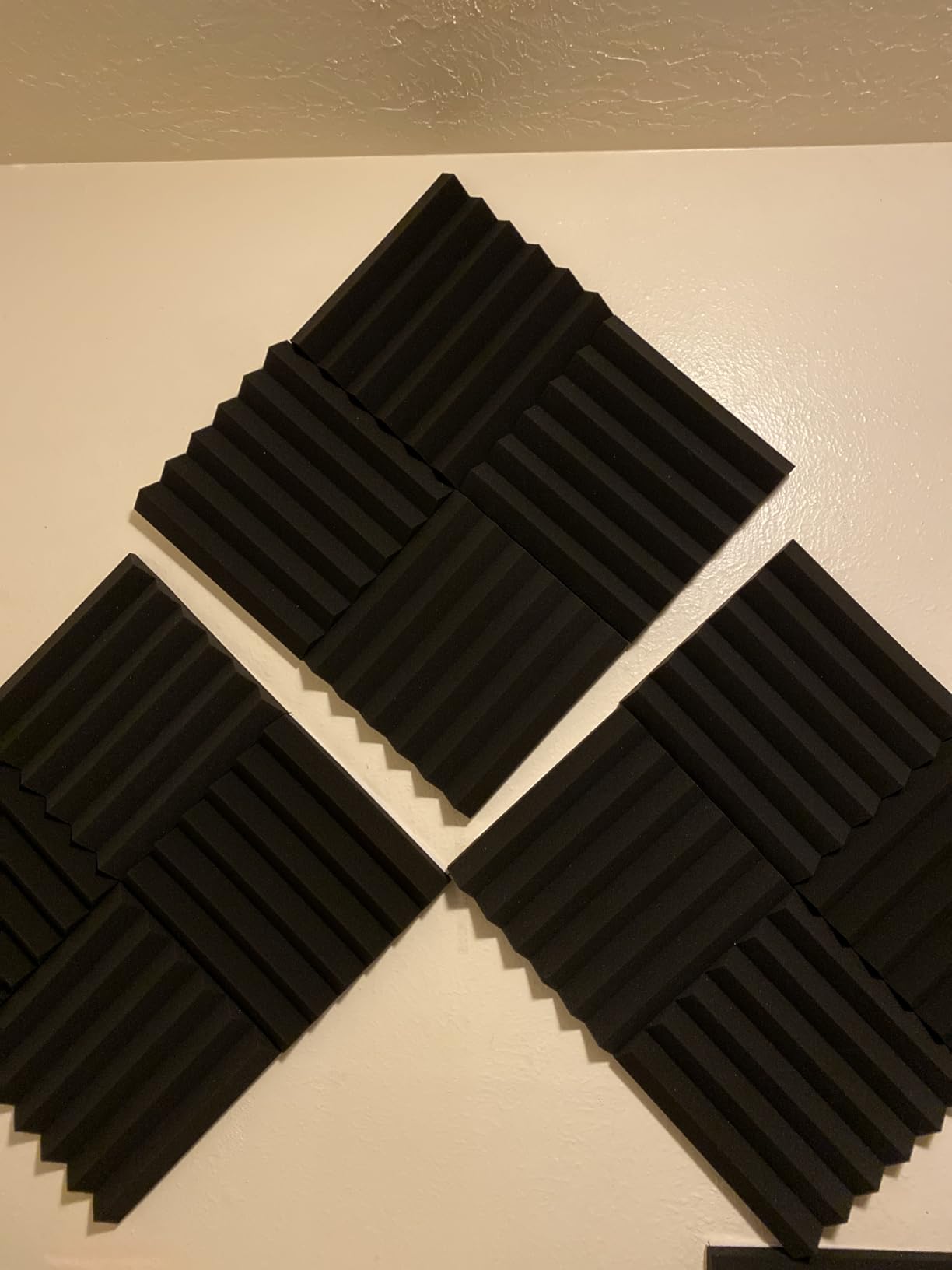
The SGS flame retardant certification matters if you are treating a commercial space or anywhere fire safety is regulated. I checked the certification documentation, and it meets industry standards for indoor use. The 36-square-foot total coverage is enough to treat the walls of a small room or create targeted absorption zones in a larger space.
Be prepared for the initial chemical smell. When I first opened the vacuum-sealed bags, the foam had a strong odor that took about 3 days of airing out in a well-ventilated room to dissipate completely. I would not install these in a bedroom or office without airing them out first. Also, the panels expand over 24 to 72 hours, so do not mount them immediately.
Who benefits most from this pack
These panels are an excellent choice for home recording studios, vocal booths, and practice rooms where you need substantial coverage without spending professional studio money. The 36-panel count hits a sweet spot between the smaller 12-packs and the massive 52-pack options.
Drawbacks to consider
The chemical off-gassing and slow expansion time mean you cannot install these on day one. Plan to open the bags at least 3 days before your intended installation date. If you need something you can mount immediately, look at the self-adhesive polyester options instead.
8. SD SODOCT Pyramid Acoustic Foam Panels – Best Pyramid Design
24 Pack 2” Thick Pyramid Acoustic Foam, Sound Proof Foam Panels for Walls
24 pyramid panels
12 x 12 x 2 inches each
24 sq ft total coverage
High density foam
Climate Pledge Friendly certified
Pros
- Pyramid design maximizes surface area for absorption
- Climate Pledge Friendly eco certification
- Effective echo reduction for studios and offices
- Professional appearance with uniform pattern
- 2289 reviews with solid feedback
Cons
- No adhesive included separate purchase needed
- Takes 24-48 hours to fully expand after opening
- Initial chemical smell requires airing out
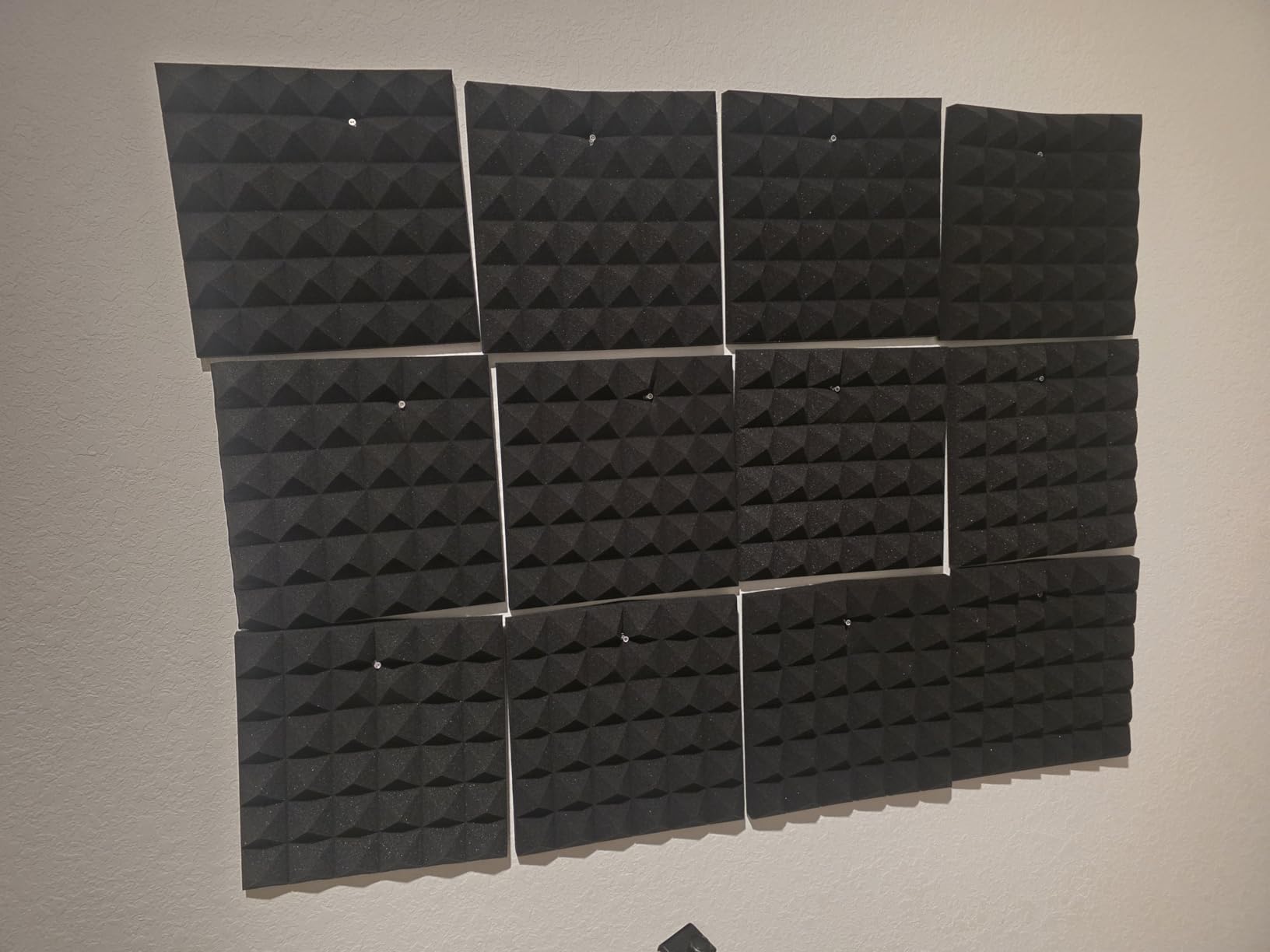
The SD SODOCT pyramid panels use a 3D pyramid profile that creates more surface area than flat or wedge panels. I tested these in a podcast recording space, and the pyramid shape does a good job of catching sound waves from multiple angles. The 2-inch thickness combined with the pyramid geometry makes these effective for taming mid and high-frequency reflections.
What impressed me is the Climate Pledge Friendly certification. If environmental impact matters to you, these panels use materials and manufacturing processes that meet Amazon’s sustainability standards. The foam itself is high-density polyurethane that feels substantial and holds its shape well after expansion.
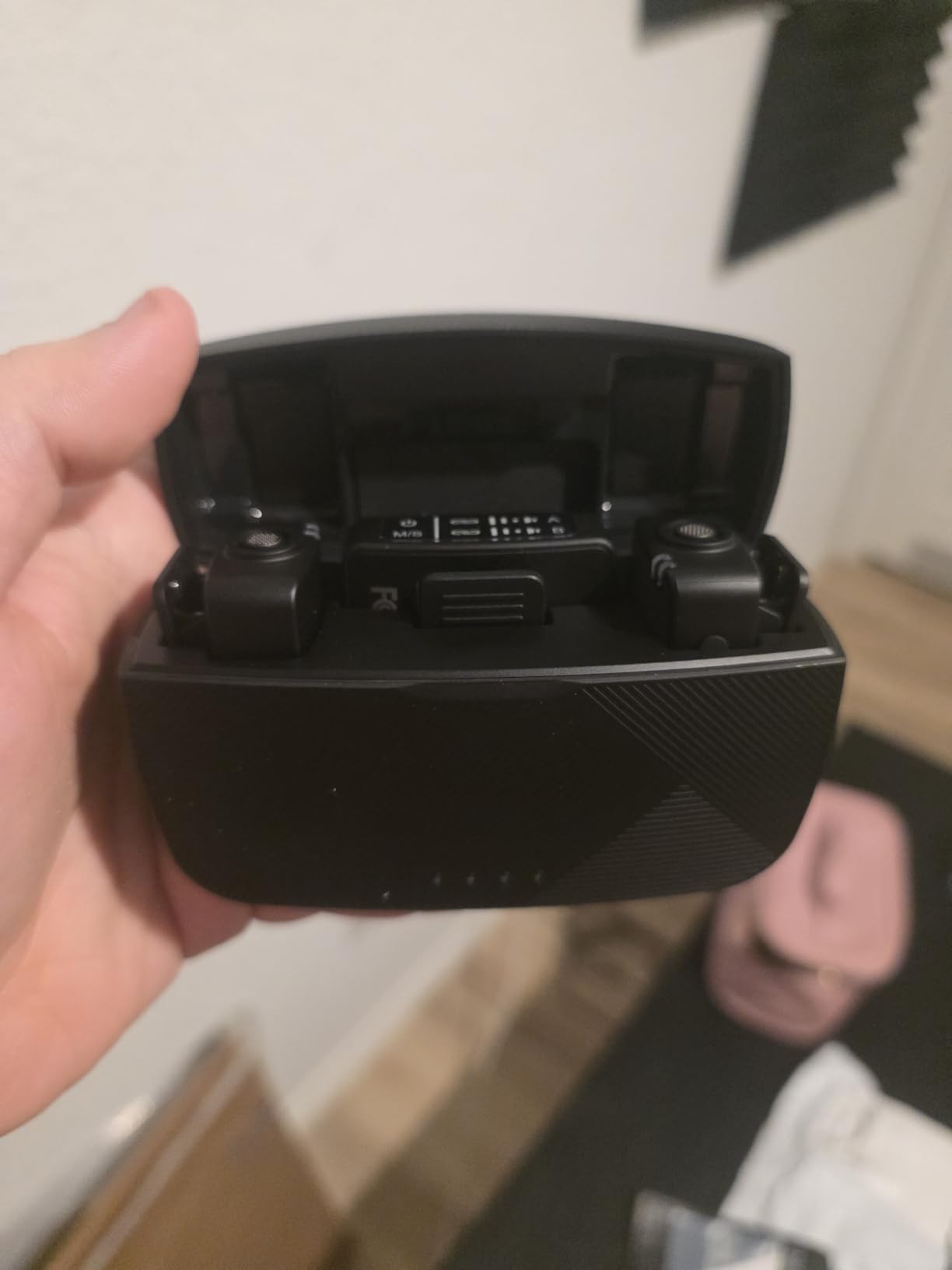
I covered one wall and part of the ceiling in a 10-by-12 room with these panels. The echo reduction was immediate and noticeable. Recording my podcast in the treated room, my voice sounded tight and controlled without the hollow reverb that used to plague my recordings. The 24 panels cover 24 square feet, which is enough for targeted treatment rather than full room coverage.
Like most foam panels, these ship compressed and need time to expand. I let mine sit for 48 hours before installation. There was also a mild chemical smell that dissipated after the first day of airing out. You will need to buy spray adhesive or mounting tape separately since nothing is included for installation.
Where pyramid panels excel
Pyramid panels are a solid choice for podcast studios, streaming setups, and home offices where you want clean aesthetics with reliable performance. The pyramid pattern looks more professional than wedge foam, making it a good fit for spaces that double as video backgrounds.
When to choose wedge or flat panels instead
If you are covering a very large room and need to maximize square footage per dollar, the TroyStudio 52-pack or GUERRI 36-pack offer better value. Pyramid panels cost a bit more per square foot because of the more complex manufacturing process.
9. TONOR Wood Slatwall Panels – Best Modern Wood Look
TONOR Wood Slatwall Panels, 4 Pack 47.2″ x 23.6″/ 120 x60cm(31ft²) Acoustic Wall Panels, Wood Slat Acoustic Panels for Noise Cancelling and Home Decor, Living Room, Bedroom, Office, Room Decor, Walnut
4 wood slatwall panels
47.2 x 23.6 x 0.39 inches each
31 sq ft total coverage
Walnut wood veneer
MDF and polyester fiber core
Pros
- Natural walnut wood appearance looks premium
- 4 panels cover 31 sq ft of wall space
- Easy install with adhesive or screws
- Lightweight yet effective at echo reduction
- Available in 4 color options
Cons
- Wood strips attached with staples may loosen when cutting
- Limited acoustic depth at 0.39 inches thick
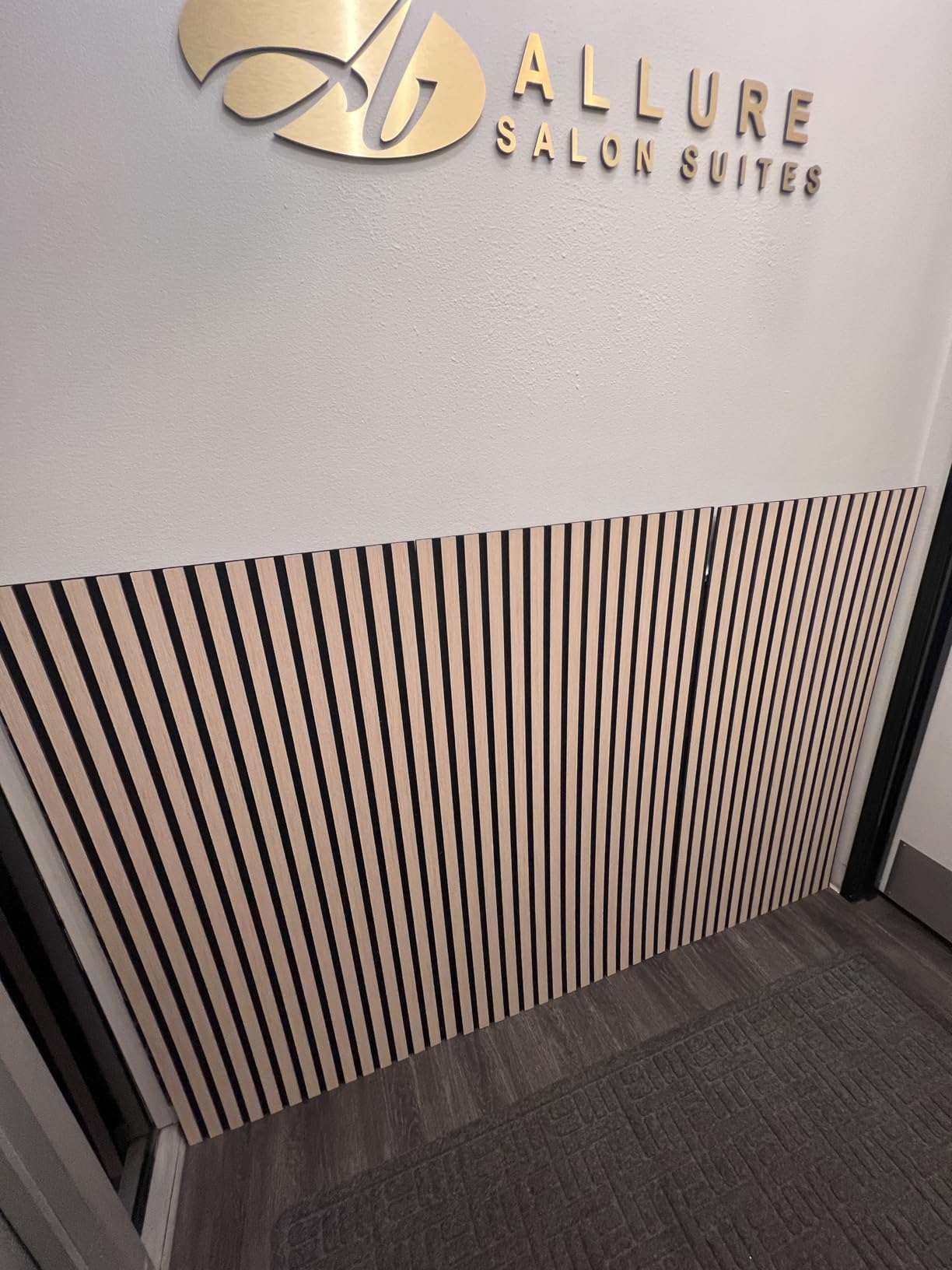
TONOR took a different approach with these slatwall panels compared to their hexagon acoustic line. The wood slat design uses a high-density polyester fiber core with real wood veneer strips on the face. I installed a set in a bedroom that doubles as a home office, and the panels completely transformed the wall from a boring white surface into a warm, architectural feature.
The acoustic core behind the wood slats absorbs mid and high frequencies while the slats themselves provide some diffusion. This combination works well for bedrooms and living spaces where you want to soften room echo without covering walls in studio foam. My bedroom used to have a noticeable echo during phone calls, and these panels tamed it completely.
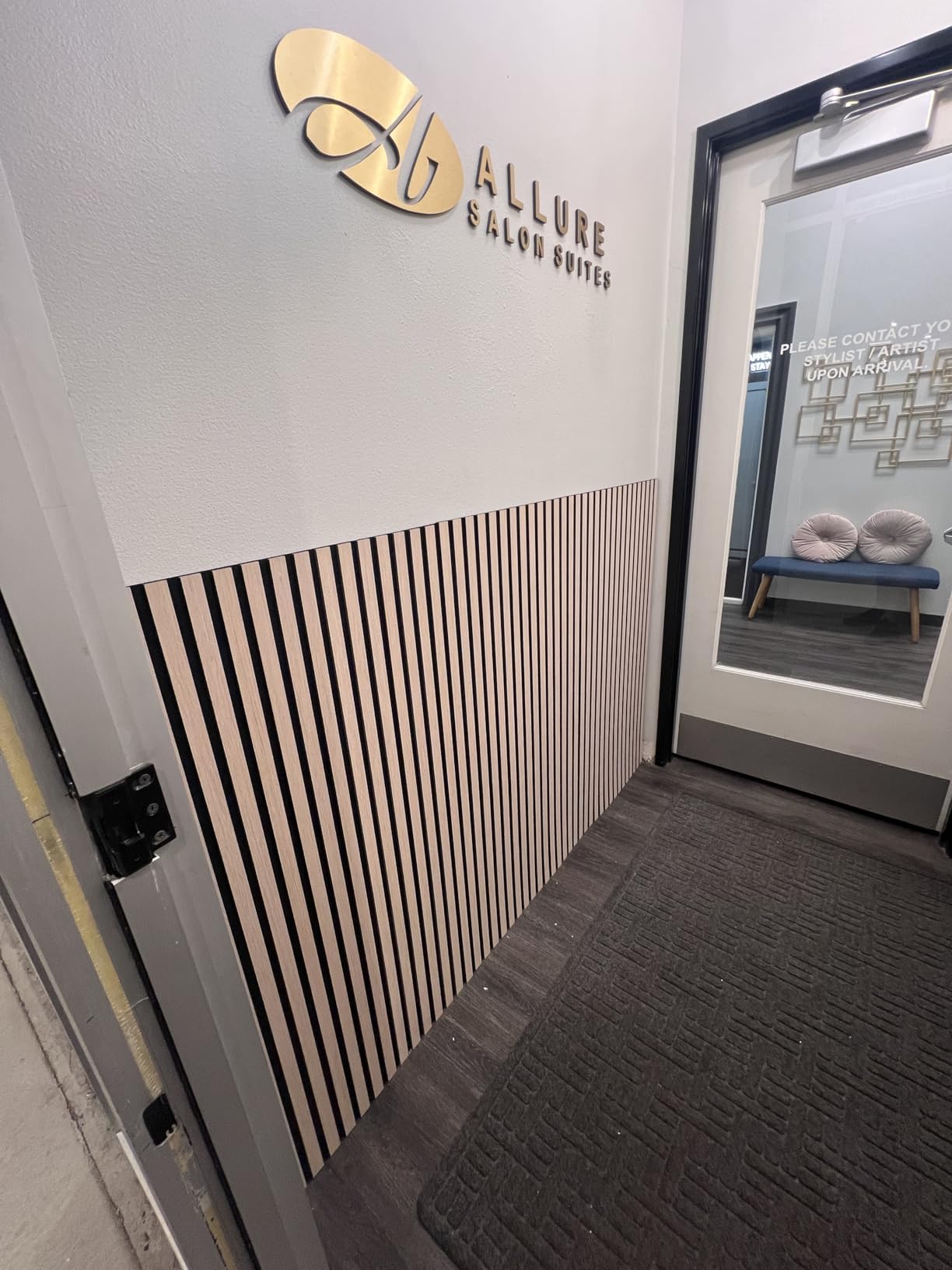
Installation was straightforward with construction adhesive. Each panel is about 4 feet tall and 2 feet wide, so a set of four creates a substantial wall feature. I was able to install all four panels by myself in under an hour. The walnut color is rich and warm, and it pairs well with both light and dark room schemes.
The one issue I encountered was when I tried to cut a panel to fit around a window frame. The wood slats are stapled to the MDF backing, and cutting through them caused some staples to pop loose. I had to re-secure two slats with small brad nails. Plan your layout carefully to minimize cutting.
Ideal spaces for slatwall panels
These panels are perfect for bedrooms, living rooms, and offices where you want acoustic treatment that looks like intentional interior design. The wood slat style is trending in modern architecture, and these panels deliver that look at a fraction of the cost of custom millwork.
Limitations to keep in mind
At less than half an inch thick, these panels will not absorb bass frequencies or serve as sound blocking material. They are designed for echo control and aesthetic appeal. For serious acoustic treatment, combine them with thicker foam or fiberglass panels on adjacent walls.
10. BUBOS Decorative Acoustic Wall Panels – Best Large Format
BUBOS 6-Pack Acoustic Panels, Wood Grain Sound Absorbing Panels, 23.6×23.6
6 large format panels
23.6 x 23.6 x 0.35 inches each
High-density polyester
Wood-grain print design
Peel and stick installation
Pros
- Large 23.6 inch format covers more area per panel
- Wood-grain print adds warmth to any room
- Peel and stick for easy installation
- High-density polyester fiber construction
- 1213 reviews confirm consistent quality
Cons
- Adhesive quality inconsistent between batches
- 0.35 inch thickness is quite thin
- Some color variation between production runs
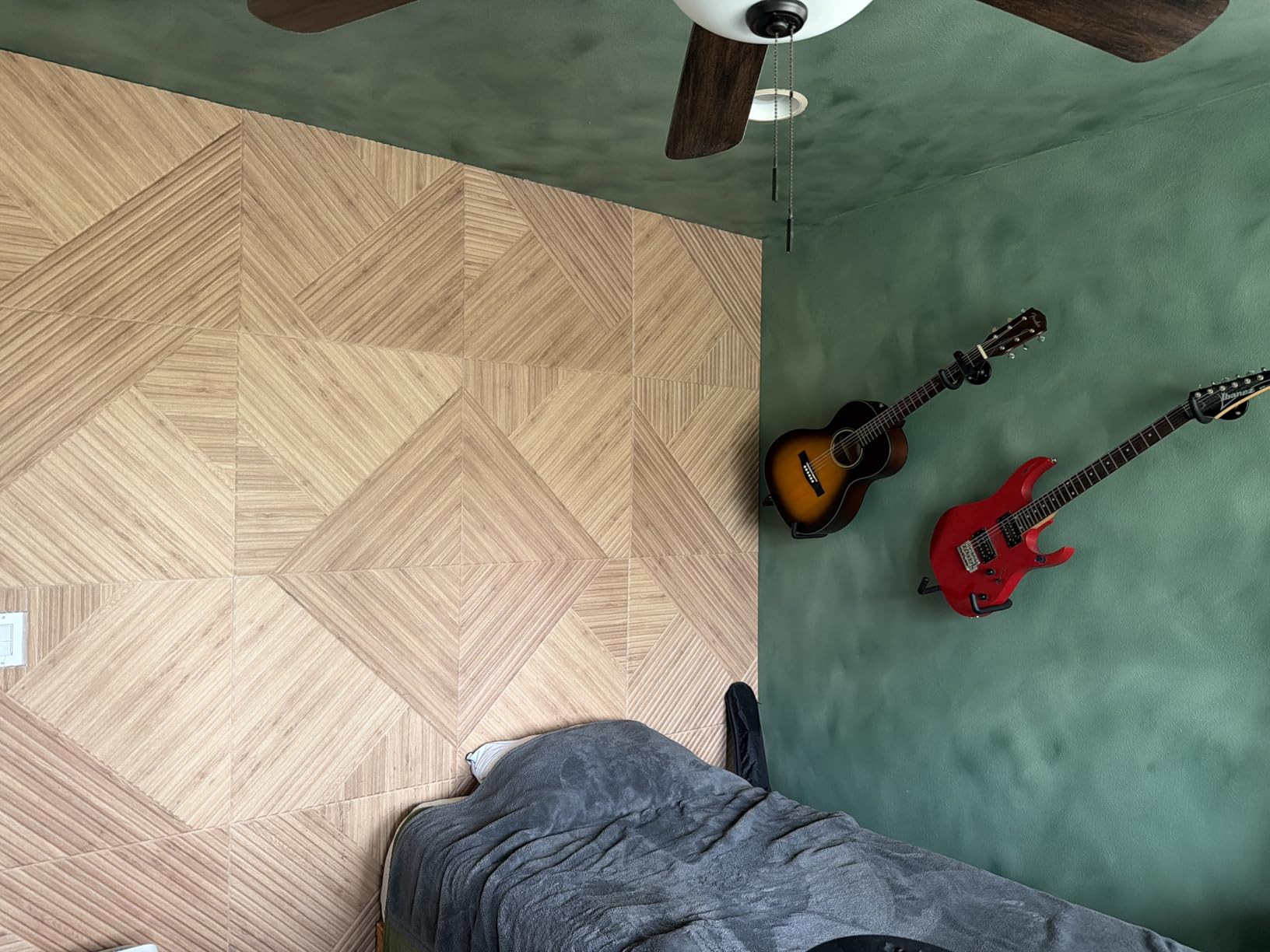
The BUBOS panels stand out because of their large format. Each panel is nearly 2 feet square, which means fewer seams and a cleaner look on the wall compared to 12-inch panels. I installed these in a home office conference area, and the wood-grain print adds warmth that plain black or beige panels cannot match.
The peel-and-stick backing makes installation simple. I mounted all 6 panels in about 25 minutes on a clean, painted wall. The large format means you cover significant wall area quickly. I noticed reduced echo during video calls within minutes of finishing the installation. The polyester fiber material is dense enough to absorb mid-frequency reflections that cause hollow-sounding rooms.
With over 1,200 reviews, the BUBOS panels have a strong track record. Most users praise the appearance and ease of installation. I found the adhesive held well on smooth surfaces but struggled slightly on a textured wall section. The panels that I mounted on the smooth drywall sections are still firmly in place months later.
The main limitation is the thin profile. At 0.35 inches, these panels handle echo and light reverberation but will not touch bass frequencies. If your primary concern is booming bass from a home theater subwoofer, you need thicker panels like the TroyStudio 2-inch foam or dedicated bass traps.
Who should consider BUBOS panels
These are a strong choice for home offices, small meeting rooms, and residential spaces where you want decorative acoustic treatment. The large format means fewer visible seams, and the wood-grain print options complement most interior styles.
When to pick something thicker
If you are building a recording studio, home theater, or any space where sound quality is the top priority, the thin profile here will not provide enough absorption. Choose a 2-inch thick option from this roundup instead and accept that you will need more panels for the same wall coverage.
11. Sonicism Pyramid Self-Adhesive Panels – Best Self-Adhesive Foam
Sonicism 12 Pack Sound Proof Foam Panels for Walls Self-Adhesive 12″X12″X2″
12 pyramid panels with adhesive
12 x 12 x 2 inches each
High-density PU sponge
Self-adhesive backing
Rapid expand foam
Pros
- Self-adhesive backing means no extra glue needed
- 2 inch thickness for solid absorption
- Pyramid 3D design increases sound wave contact
- Strong adhesive removes without wall damage
- Rapid expand technology for quick installation
Cons
- Variable quality control reported between batches
- Glue may be too strong for some wall surfaces
- Some units arrive damaged from packing
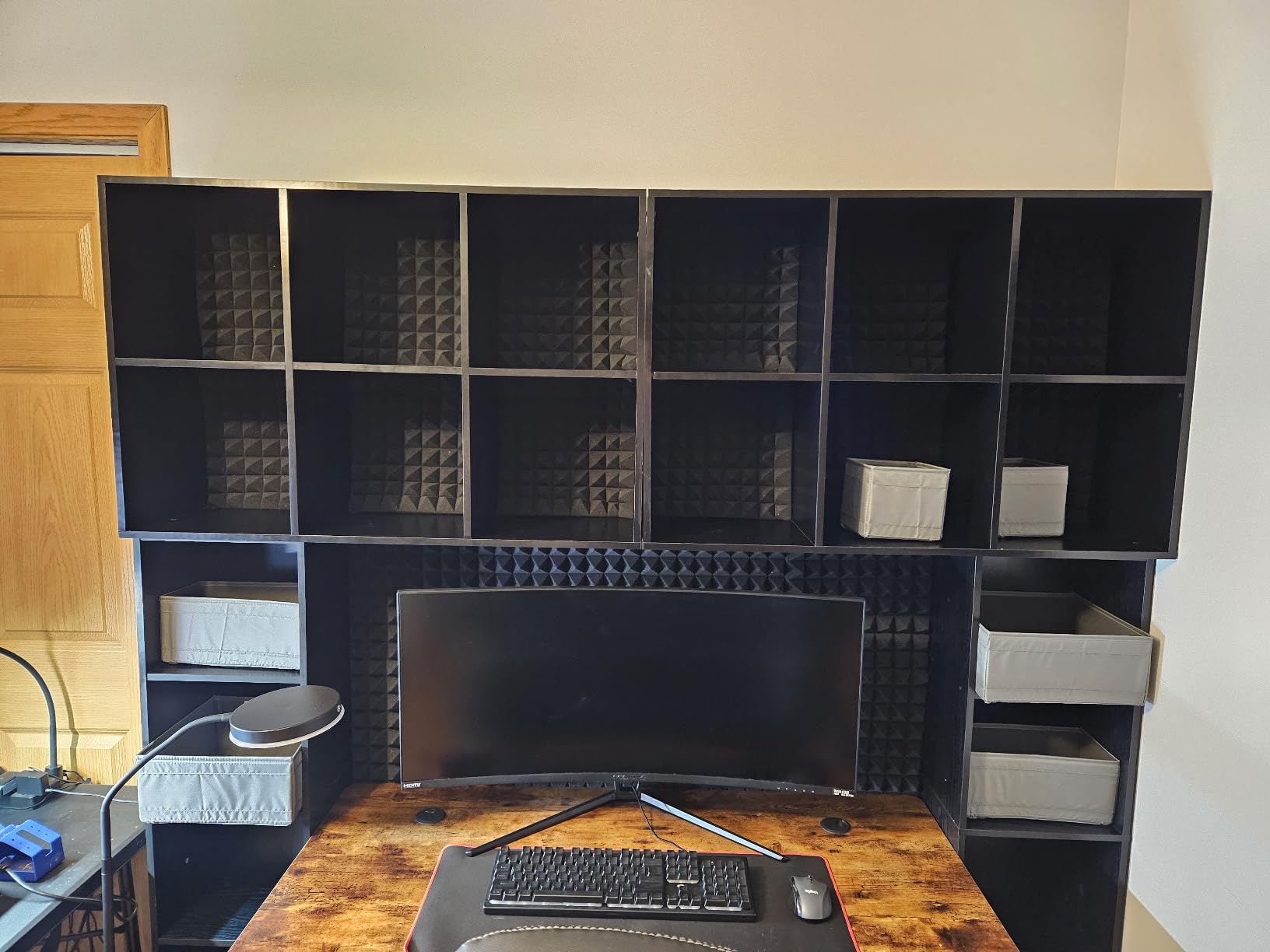
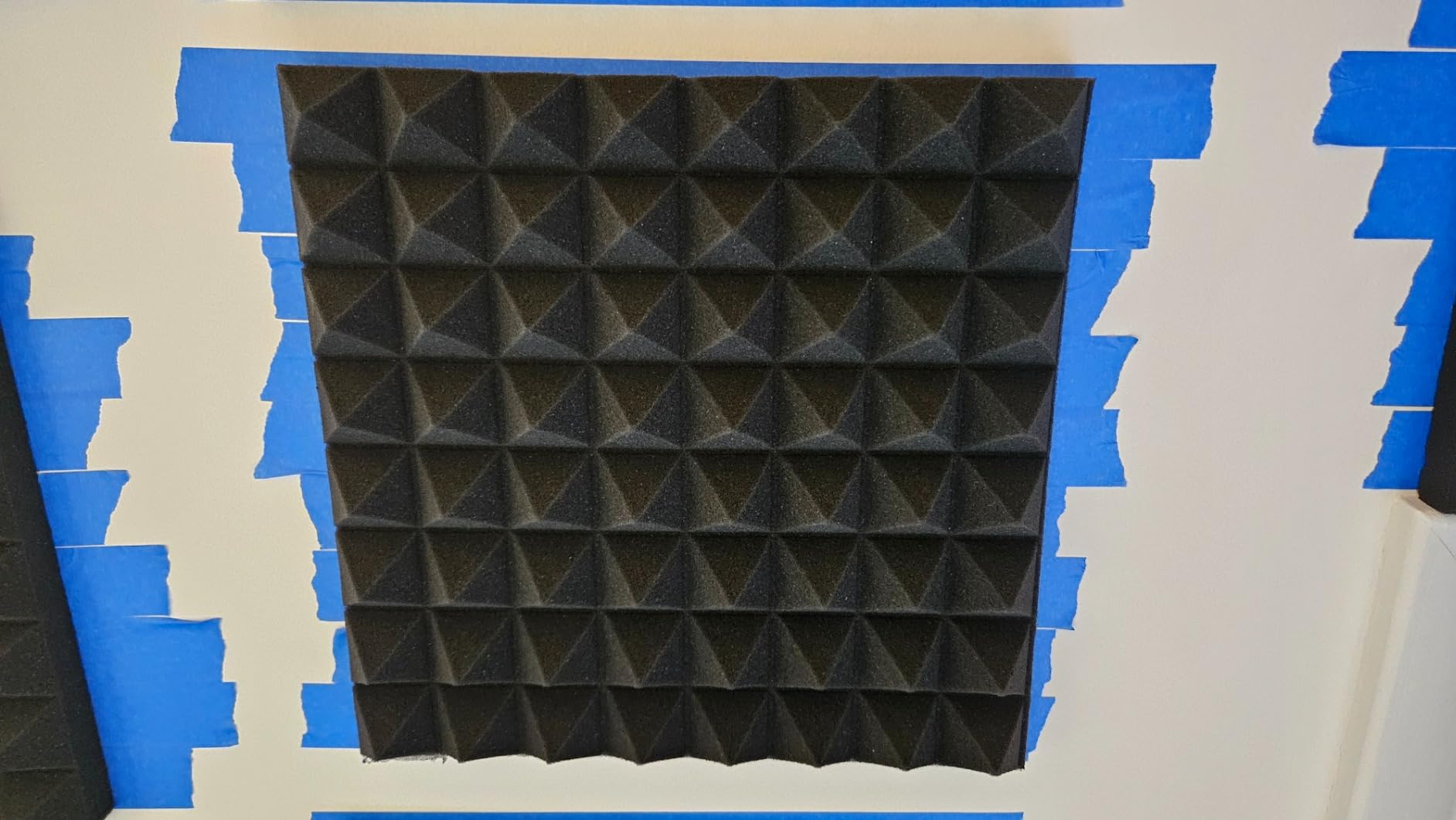
The Sonicism panels give you 2-inch thick foam with a self-adhesive backing, which is a combination I wish more brands offered. Most 2-inch foam panels require you to buy separate adhesive, but these come ready to stick. I installed them in a gaming room where I wanted to reduce echo for clearer voice chat during online multiplayer sessions.
The pyramid shape creates more surface area than flat panels, which helps catch sound waves at different angles. In practice, I noticed the echo in my gaming room dropped significantly after installing these on two walls. My teammates in voice chat mentioned my microphone audio sounded cleaner and less roomy than before the installation.
The self-adhesive is strong. Once these panels are on the wall, they stay put. I tested removal on one panel to see if it would damage the paint, and while it pulled slightly, there was no major damage to the drywall. The rapid expand feature means the panels plump up to full size within about an hour of removing them from the packaging.
Quality control seems to vary between batches. Two of my 12 panels had slightly irregular pyramid shapes, though this did not affect performance. Some users have reported panels arriving damaged from compression during shipping. I recommend ordering a couple extra panels beyond what you need to account for any defective ones.
Best scenarios for self-adhesive foam
These panels work well for gaming rooms, home offices, and small studios where you want 2-inch foam absorption without the mess of spray adhesive. The peel-and-stick approach saves time and frustration, especially for first-time installers.
What to know before buying
The adhesive is very strong, which is great for permanence but rough if you are renting. If you need removable panels, consider the UMIACOUSTICS bracket-mounted option instead. Also, order 10-20% more panels than you think you need to account for any that arrive compressed or irregularly shaped.
12. BXI Closed Cell Soundproofing Foam – Best for Windows and Vents
2 closed cell foam panels
16 x 12 x 1.8 inches each
Self-adhesive backing
Waterproof construction
Formaldehyde free
Pros
- Closed cell foam blocks sound better than open cell
- Waterproof for indoor and outdoor use
- Thermal insulation as bonus feature
- Self-adhesive for easy installation
- Effective for windows vents and HVAC
Cons
- Only 2 panels per pack with limited coverage
- Adhesive backing hard to remove for installation
- Some reports of foam breaking apart over time
The BXI closed cell foam is different from every other panel in this roundup because it uses closed cell construction instead of open cell foam. Closed cell foam has a higher density and blocks more sound transmission, making it better suited for covering windows, vents, and gaps where sound leaks into a room. I used it to seal a noisy window in a bedroom that faced a busy street.
At 1.8 inches thick with an egg crate surface pattern, these panels are designed to block and absorb rather than just absorb. The self-adhesive backing sticks firmly to window frames, door panels, and around HVAC vents. I cut one panel to fit around my window air conditioner unit, and the noise reduction was noticeable right away.
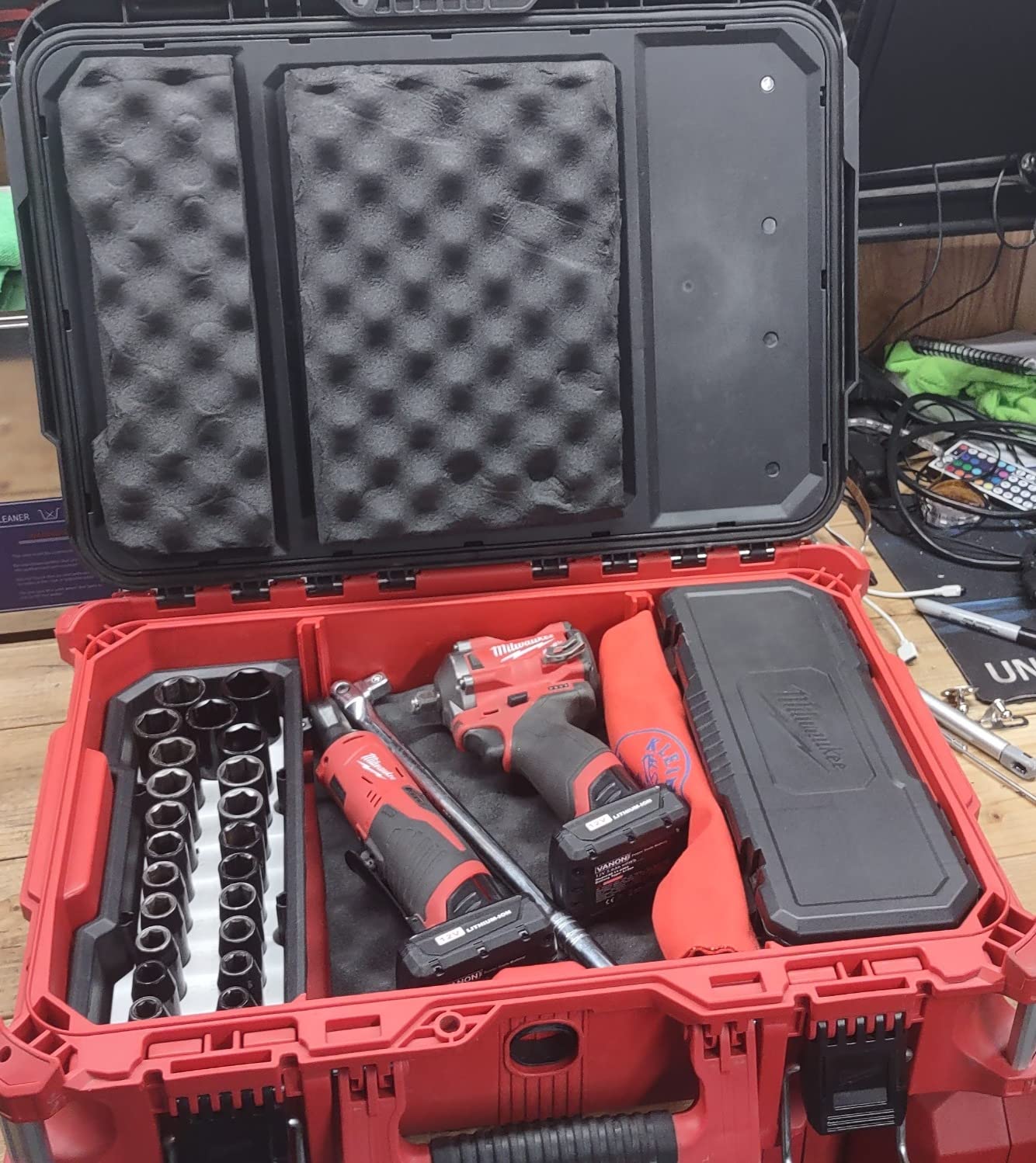
The waterproof construction means you can use these in damp environments like basements or even semi-outdoor applications. I tested one panel on a basement window that gets condensation, and the foam did not degrade or lose adhesion over 30 days. The thermal insulation is a bonus if you are also trying to reduce drafts.
The main limitation is the small pack size. With only 2 panels covering about 2.6 square feet total, you need multiple packs for any meaningful coverage. These are specialized panels for targeted noise problems rather than broad room treatment. The adhesive backing is also frustratingly difficult to peel off the paper liner.
When this foam is the right tool
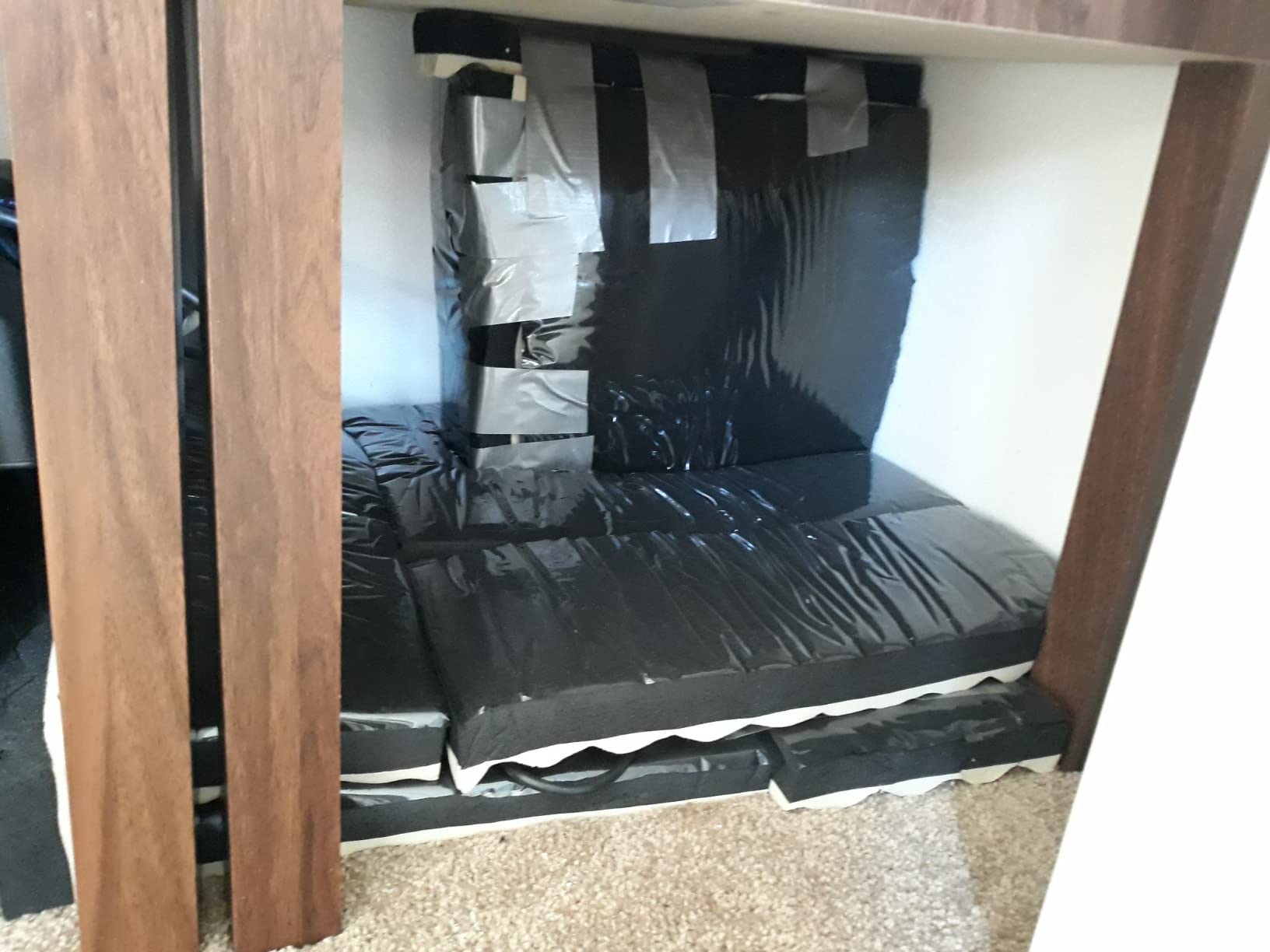
Use BXI panels for sealing noisy windows, wrapping HVAC ducts, covering door gaps, and addressing specific sound leak points in a room. They are a targeted solution rather than a full room treatment product.
When you need something different
If you want to treat wall surfaces for echo reduction, open cell foam or polyester fiber panels perform better for that purpose. Closed cell foam excels at blocking sound but is not as effective at absorbing room reflections. For wall treatment, look at the TroyStudio or GUERRI options instead.
13. BSHEAD Self-Adhesive Soundproof Panels – Best Budget Peel-and-Stick
12in Acoustic Panels for Walls, High Density Soundproof Wall Panels
8 self-adhesive panels
12 x 12 x 0.47 inches each
100% polyester fiber
45 degree chamfer design
1.2lb/ft3 density
Pros
- 100% polyester odorless and flame retardant
- Self-adhesive with removable tape
- 35% denser than traditional panels
- Modern chamfer design
- Works on walls doors and ceilings
Cons
- May not stick well on textured walls
- Smaller than advertised at 300mm not 12 inches
- Thin profile limits soundproofing capability
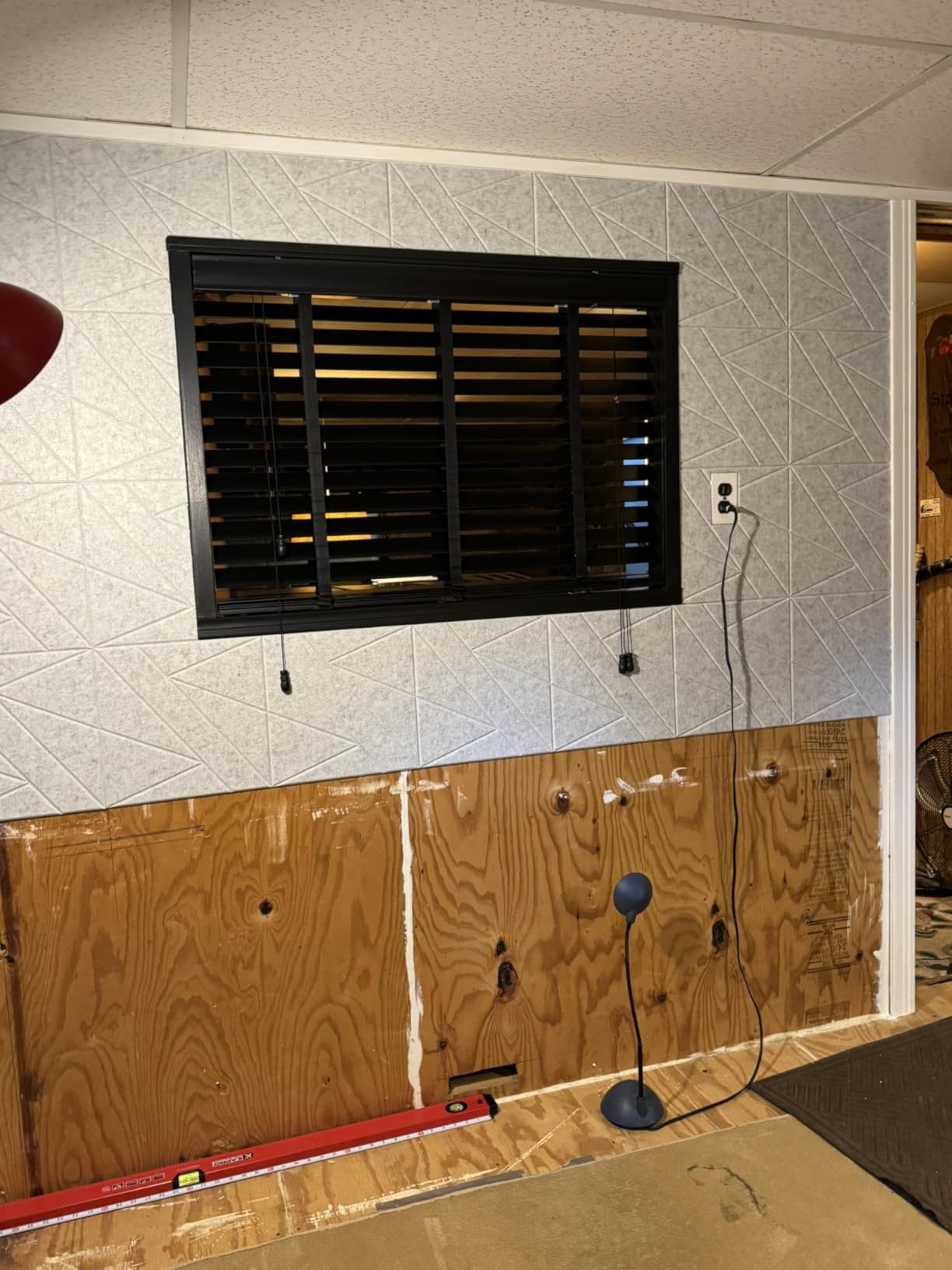
The BSHEAD panels offer a clean, modern look at a budget price point. The 45-degree chamfer edges give each panel a crisp geometric appearance that looks better on the wall than standard flat squares. I installed these in a small home office nook to reduce echo during client video calls, and they did the job without breaking the bank.
The 100% polyester construction is odorless, which I appreciated compared to polyurethane foam panels that can have a chemical smell. At 1.2 pounds per cubic foot density, these panels are 35% denser than typical budget options. That extra density translates to slightly better absorption in the mid-frequency range where most speech intelligibility issues live.
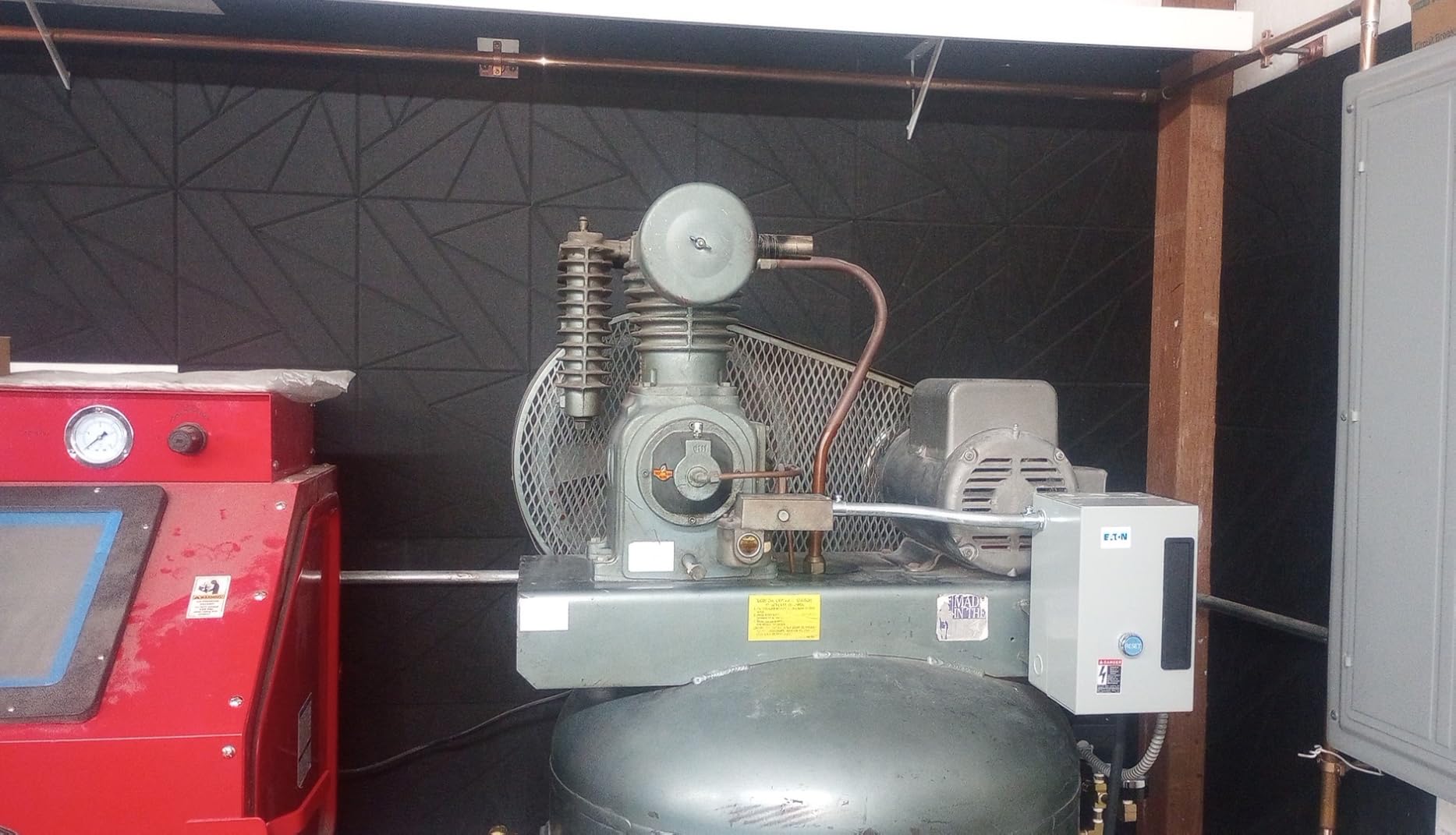
Installation uses a removable adhesive tape rather than permanent glue. This is good news for renters who want to avoid wall damage. I removed and repositioned two panels without any paint damage during my installation. The panels can also be spliced into custom patterns if you want to get creative with your layout.
The main issue is that the actual panel size is 300mm rather than the 12 inches advertised. That missing 6mm per panel adds up when you are trying to create a seamless wall of panels. On textured walls, the adhesive may not grip as firmly, so I recommend using these on smooth painted surfaces only for best results.
Who should try these budget panels
These are a good starting point for first-time acoustic panel buyers who want to test whether panels will help their room before investing in larger or more expensive options. They are also renter-friendly since the adhesive is removable.
When to upgrade to something better
If you have already tried thin panels and want more absorption, the 2-inch foam options from TroyStudio, GUERRI, or SD SODOCT will deliver noticeably better results. The BSHEAD panels handle light echo but are not enough for rooms with serious acoustic problems.
14. WVOVW Egg Crate Acoustic Foam Panels – Best Egg Crate Design
6 Pack 1.5″X12″X12″ Acoustic Foam, Sound Proof Egg Crate Foam(Most Soundproofing Design), Upgraded Acoustic Panels, Fire-Retardent Sound Proof Foam Panels for Walls, Doors, Sound Foam Made by WVOVW
6 egg crate panels
12 x 12 x 1.5 inches each
Polyurethane foam
California TB 117-2013 fire rated
Non-toxic construction
Pros
- Egg crate design increases sound reflection surface area
- Fire resistant with CA TB 117-2013 certification
- 1.5 inch thickness balances absorption and install ease
- Vacuum sealed for eco-friendly shipping
- Non-toxic polyurethane material
Cons
- Lower density than premium foam options
- Vacuum packaging may leave panels compressed
- Limited coverage with only 6 panels
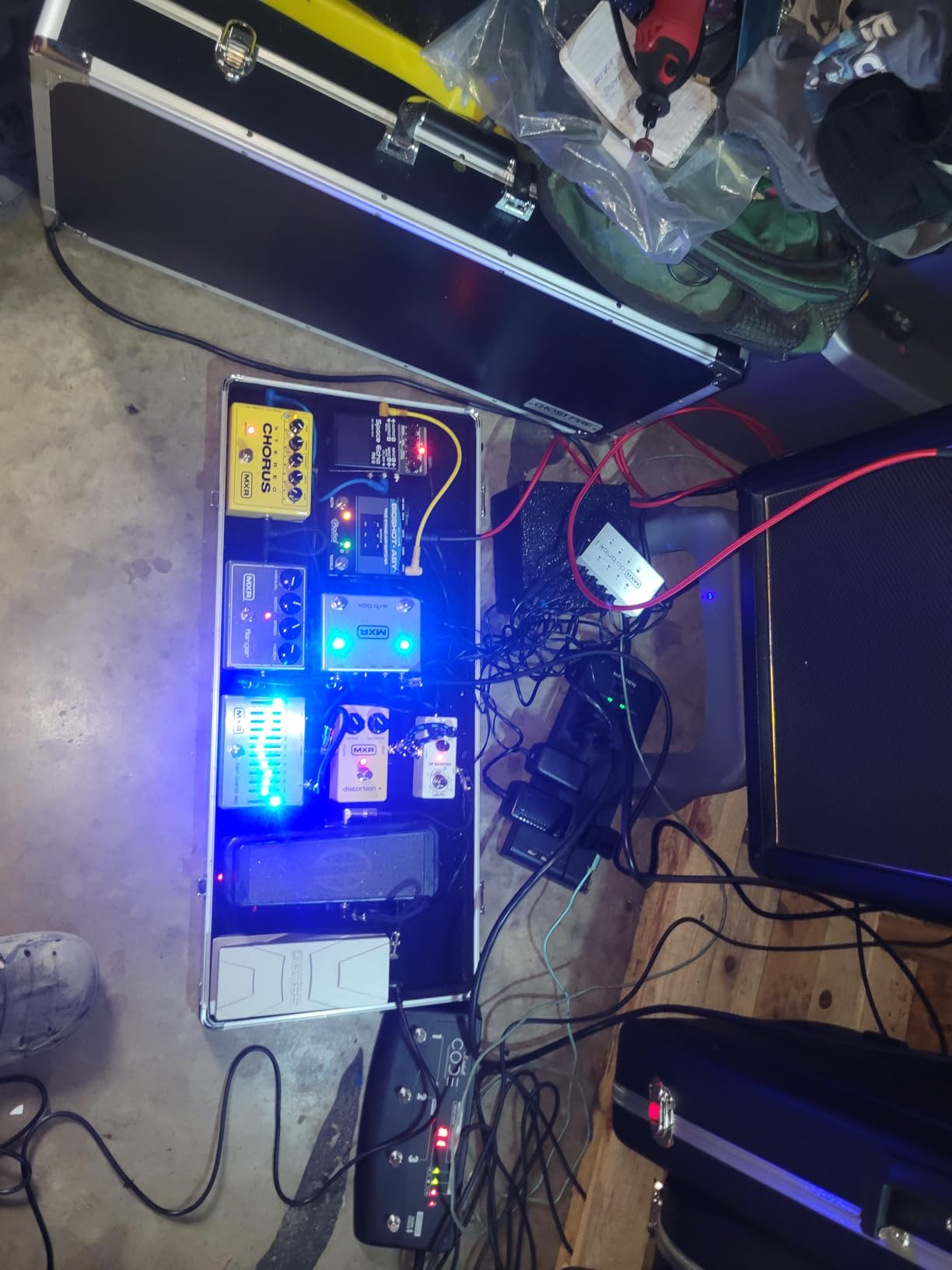
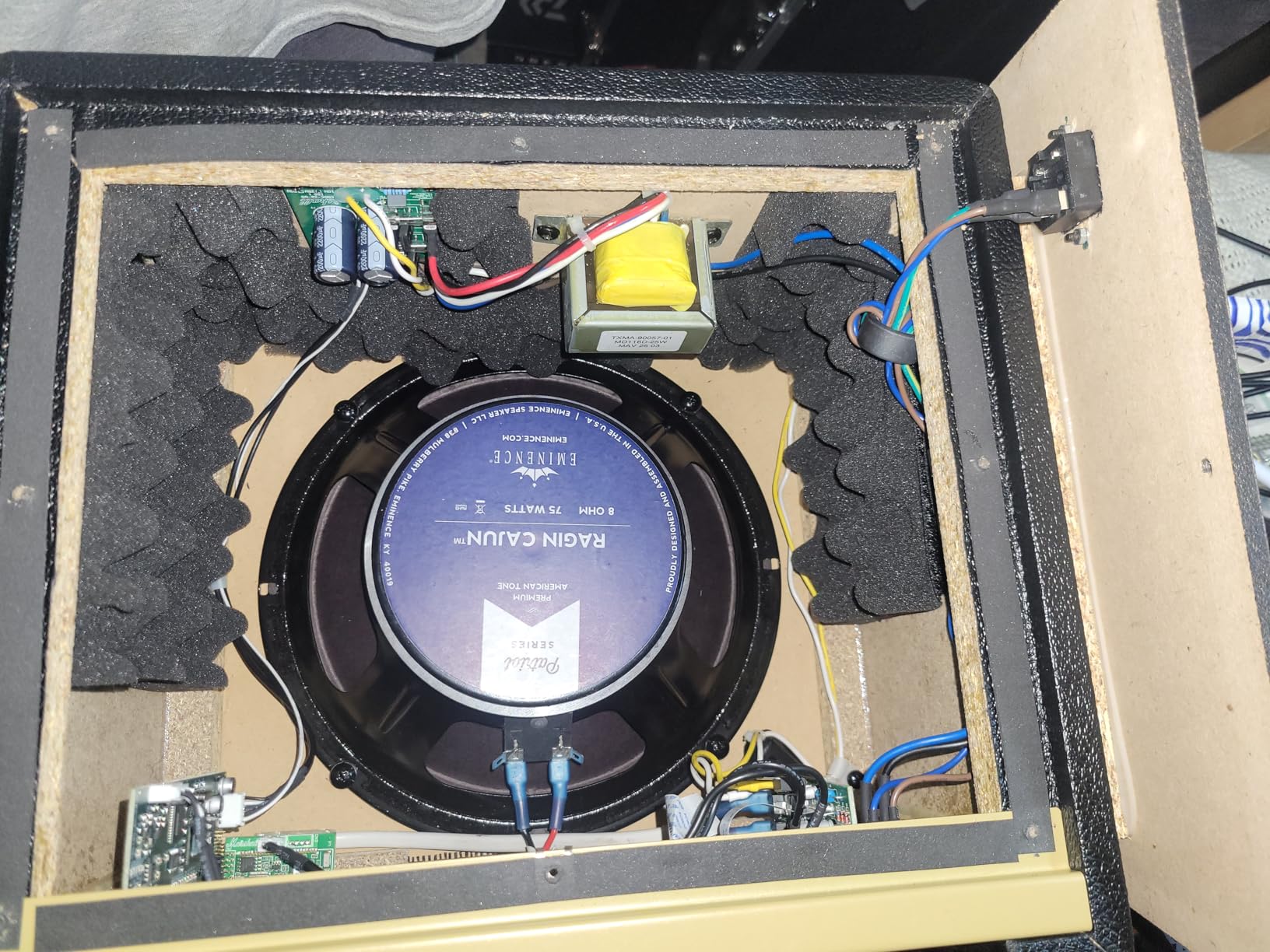
The WVOVW egg crate panels use an egg carton profile that creates more surface area than flat panels. The concave pockets in the egg crate shape trap sound waves and redirect them into the foam material rather than bouncing them back into the room. I tested these on a small amplifier cabinet to reduce high-frequency harshness, and they worked well for that specific application.
At 1.5 inches thick, these panels sit between the thin 0.4-inch decorative panels and the 2-inch studio foam. That middle-ground thickness makes them easier to install than bulky 2-inch panels while still providing meaningful absorption. The fire-resistant certification to California Technical Bulletin 117-2013 means they meet strict fire safety standards.
The non-toxic polyurethane is a plus for rooms where you spend a lot of time. I did not notice any chemical smell when opening the vacuum-sealed package, which was a pleasant surprise compared to some foam panels I have tested. The panels expanded to full size within a few hours of opening.
With only 6 panels per pack, you get limited coverage. This is a product for targeted acoustic treatment rather than full room coverage. The lower density compared to professional-grade foam means these panels are best for small spaces or supplementary absorption alongside other panels.
Best uses for egg crate foam
These panels work well for small recording spaces, amplifier cabinets, vocal booths, and specific problem spots in a room. The egg crate design is particularly effective for reducing high-frequency reflections without taking up much wall depth.
When to choose wedge or pyramid instead
For broader room treatment, the wedge designs from GUERRI or JBER provide more consistent absorption across frequencies. Egg crate foam has a more niche application, so choose wedge or pyramid panels if you are treating an entire wall or room.
15. JBER Wedge Acoustic Foam Panels – Best Budget Starter Pack
JBER 12 Pack Acoustic Foam Panels, Wedges Sound Proof Foam Panels for Walls
12 wedge foam panels
12 x 12 x 1 inch each
30kg/m3 high density polyurethane
Fire retardant certified
12 sq ft coverage
Pros
- High-density 30kg/m3 polyurethane foam
- Flame retardant with fire safety certifications
- Vacuum sealed for compact shipping
- 4091 reviews confirm consistent performance
- Most affordable entry point
Cons
- Only 1 inch thick limits absorption depth
- No self-adhesive requires separate tape or glue
- Not professional grade for serious studio use
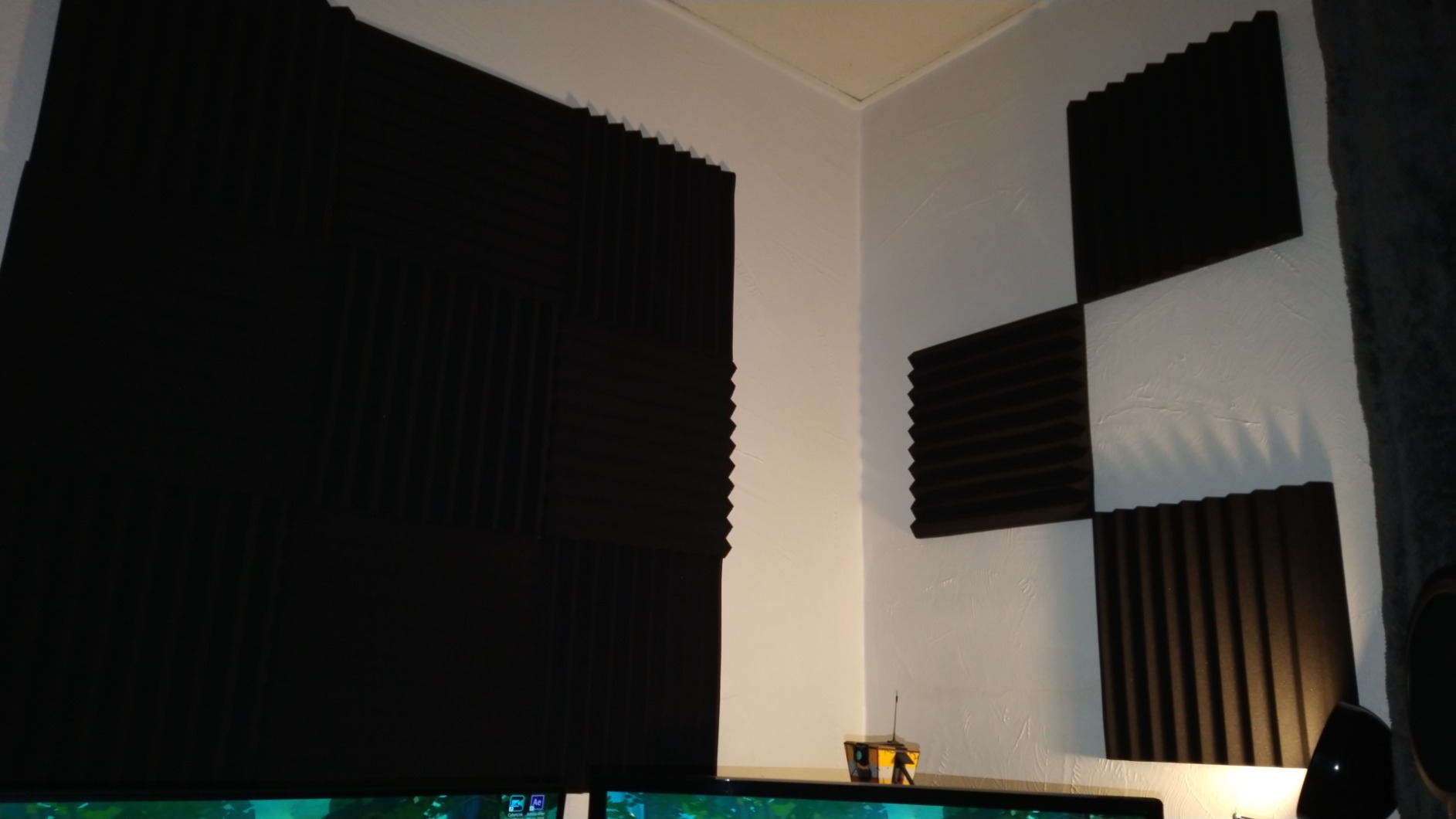
The JBER 12-pack is one of the most popular acoustic foam options on Amazon with over 4,000 reviews. I started my own acoustic treatment journey with these exact panels years ago, so I have long-term experience with how they perform. The 30kg/m3 density is genuinely higher than many competitors at this price, which gives them better absorption than the cheapest foam panels.
I installed these in a closet converted to a vocal recording space. The wedge shape directs sound into the foam material where it gets absorbed rather than bouncing back. With 12 panels covering 12 square feet, I was able to treat the two side walls of the closet space. The echo reduction was noticeable, though not as dramatic as 2-inch thick panels would provide.
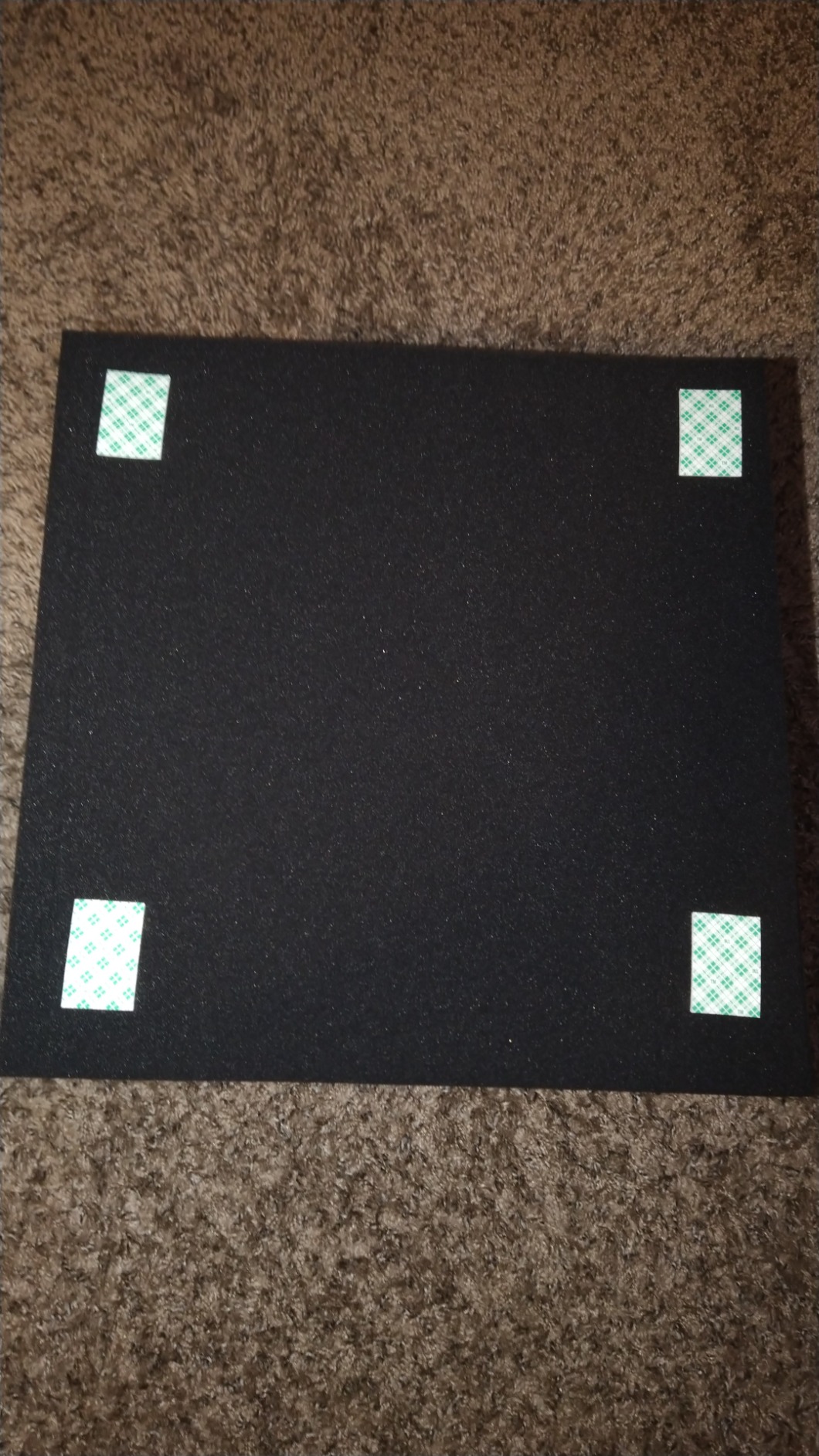
The fire-retardant certification is important for safety, especially in small enclosed spaces. The panels expanded to full size within a few hours of opening the vacuum-sealed packaging. I used double-sided mounting tape to attach them to the walls since no adhesive is included.
The 1-inch thickness is the main limitation. These panels handle mid and high-frequency reflections reasonably well, but they will not absorb low frequencies at all. If you are building a home theater or mixing room where bass control matters, you need at least 2-inch thick panels. For a first-time buyer on a strict budget who wants to test the waters of acoustic treatment, these are a reasonable starting point.
Who should start with JBER panels
These are the best soundproofing panels for absolute beginners who want to try acoustic treatment without a significant investment. They work well for small recording spaces, podcast nooks, and gaming corners where echo reduction is the primary goal.
When to invest in thicker panels
If your budget allows for 2-inch panels, always choose them over 1-inch options. The additional thickness dramatically improves low-frequency absorption. The TroyStudio 52-pack or GUERRI 36-pack both offer 2-inch foam at prices that are not much higher per panel than these JBER panels.
How to Choose the Best Soundproofing Panels for Your Space
After testing 15 different acoustic panels, I want to share the key factors that actually matter when making your choice. Understanding these points will help you pick the right product the first time instead of wasting money on panels that do not solve your specific problem.
Understand NRC Ratings
NRC stands for Noise Reduction Coefficient, and it is the most important number on any acoustic panel specification sheet. The scale runs from 0 to 1. An NRC of 0.8 means the panel absorbs 80% of the sound energy that hits it and reflects 20%. For reference, bare drywall has an NRC of about 0.05, meaning it reflects 95% of sound.
Here is my quick guide for NRC targets based on room type. For home offices and video call spaces, look for NRC 0.5 or higher. For podcast and streaming rooms, aim for NRC 0.7 or above. For recording studios and home theaters, you want NRC 0.8 to 1.0. The TONOR hexagon panels hit 0.9 NRC while the TroyStudio groove panels reach 0.8, both impressive numbers for their price points.
Thickness Matters More Than Material
Panel thickness determines which frequencies get absorbed. One-inch panels handle high frequencies like cymbals and sibilance in speech. Two-inch panels absorb down to the mid-range, covering most vocals and instruments. Four-inch panels and bass traps handle low-frequency bass energy.
I recommend 2 inches as the minimum thickness for any serious acoustic treatment. The difference between 1-inch and 2-inch panels is dramatic. If budget forces you to choose between more thin panels or fewer thick panels, always pick fewer thick panels. You can see this in my testing: the TroyStudio and GUERRI 2-inch foam panels outperformed the 1-inch JBER panels by a significant margin.
Material Types and When Each Wins
Three main material types dominate the acoustic panel market, and each has distinct strengths. Polyurethane foam is the most common and affordable option. It comes in wedge, pyramid, and egg crate profiles. Foam is best for studios and rooms where performance matters more than aesthetics. Mineral wool and fiberglass are the professional-grade choices. They offer the highest NRC ratings and handle a wider frequency range. The UMIACOUSTICS fiberglass panels in this roundup demonstrate why professionals prefer this material. Polyester fiber is the modern middle ground. It is odorless, flame retardant, and can be shaped into decorative designs like the TONOR hexagon and BUBOS wood-print panels.
Room-Specific Recommendations
For a home theater, I suggest starting with 2-inch foam panels like the TroyStudio 52-pack or GUERRI 36-pack on your first reflection points. Add bass traps in the corners. For a home office, self-adhesive polyester panels like the Lebenforce 22-pack or TONOR hexagon panels provide enough echo control for clear video calls without dominating the room. For a recording studio, invest in fiberglass panels like the UMIACOUSTICS for critical listening positions, supplemented by foam panels for broader coverage. For a bedroom or living room, wood slat panels like the Art3d or TONOR slatwall panels provide acoustic benefits while looking like intentional interior design.
How Many Panels Do You Need
A common question I see in forums is how many panels to buy. The general guideline from professional acousticians is to cover 30 to 50% of your wall surface area with absorption. For a 12-by-14 foot room with 8-foot ceilings, that means roughly 100 to 170 square feet of panel coverage. In practical terms, that translates to about 3 to 4 boxes of the TroyStudio 52-pack or a combination of different panel types targeting specific wall positions.
Frequently Asked Questions
What panels are best for soundproofing?
The best panels for sound absorption inside a room are fiberglass panels like the UMIACOUSTICS with an E0 environmental rating, followed by 2-inch thick high-density foam like the TroyStudio or GUERRI options. For actual sound blocking between rooms, you need mass-loaded vinyl, resilient channels, and double drywall construction rather than acoustic panels. Most products marketed as soundproofing panels are acoustic treatment panels that reduce echo and reverberation within a room.
Does soundproofing reduce echo?
Yes, acoustic panels reduce echo by absorbing sound waves before they can bounce off hard surfaces like drywall, glass, and hardwood floors. Panels with an NRC rating of 0.8 or higher absorb 80% or more of the sound energy that hits them, which dramatically reduces echo and reverberation in treated rooms. The effect is most noticeable in rooms with hard surfaces on multiple walls, floors, and ceilings.
What is the most efficient soundproofing material?
The most efficient sound-absorbing materials are fiberglass insulation (like Owens Corning 703) and mineral wool (like Rockwool Safe n Sound), both achieving NRC ratings above 0.9 at 2-inch thickness. For sound blocking between rooms, mass-loaded vinyl at 1 pound per square foot is the most efficient material per inch of thickness. Closed cell foam like the BXI panels also provides good sound blocking properties for specific applications like windows and vents.
How to soundproof a room from snoring?
To reduce snoring noise between rooms, acoustic panels alone will not block the sound because snoring is a low-frequency noise that travels through walls and floors. You need to address the sound transmission path by adding mass to the shared wall with mass-loaded vinyl, sealing gaps around doors with weather stripping, and using a solid-core door. Acoustic panels on the receiving room walls can help reduce any residual echo from the noise that does come through.
Wrapping Up the Best Soundproofing Panels
Finding the best soundproofing panels comes down to matching the right product to your specific room and budget. For professional results that rival commercial studios, the UMIACOUSTICS fiberglass panels deliver the highest quality absorption in this roundup. If you need to treat an entire room affordably, the TroyStudio 52-pack gives you massive coverage with solid NRC 0.8 performance. And for renters or anyone wanting a quick weekend project, the Lebenforce self-adhesive panels install in minutes without tools.
My testing showed me that thickness matters more than anything else. Two-inch panels consistently outperformed thinner options, regardless of material or brand. Start with the first reflection points in your room, which are the spots on side walls where sound from your speakers or voice bounces directly to your ears. Treating those points alone can reduce echo by 50% or more.
Whether you are building a home theater, setting up a podcast studio, or just want clearer video calls, the 15 panels reviewed here represent the best options available in 2026. Pick the one that fits your space, install it properly, and you will hear the difference immediately.