
There is something special about listening to music through a tube headphone amplifier. The warmth, the texture, the way instruments seem to breathe in a way that solid-state amps rarely achieve. I have spent months testing tube headphone amplifiers of all types, from budget hybrids that punch well above their weight to premium all-in-one units with swappable DAC cards, and this guide captures everything I learned along the way.
If you have been searching for the best tube headphone amplifiers for your listening setup, you already know the market is packed with options at every price point. The tricky part is figuring out which ones actually deliver that classic tube magic versus which ones just look the part. That is exactly what I want to help you sort out here.
In this guide, I will walk you through six tube headphone amplifiers I have tested personally. I will cover how each one sounds, what headphones it pairs with best, and whether it is worth your desk space. Whether you are dipping your toes into the tube world for the first time or looking to upgrade from an entry-level unit, there is something here for you.
Table of Contents
Top 3 Picks for Best Tube Headphone Amplifiers

Apos Gremlin Class A Balanced Tube Amp
- Class A Balanced
- 1250mW Output
- Hybrid Tube/SS
- Replaceable Tubes


XDUOO TA-32 DAC Tube Balanced Amp
- 3000mW Output
- Swappable DAC Card
- Tube Rectification
- Bluetooth 5.1
Best Tube Headphone Amplifiers in 2026
| Product | Specifications | Action |
|---|---|---|
| Apos Gremlin Balanced Tube Amp |
|
Check Latest Price |
| Schiit Vali 3 Hybrid Tube Amp |
|
Check Latest Price |
 XDUOO TA-66 Tube Amplifier XDUOO TA-66 Tube Amplifier |
|
Check Latest Price |
 XDUOO TA-22 DAC Tube Amp XDUOO TA-22 DAC Tube Amp |
|
Check Latest Price |
 XDUOO TA20 Plus Balanced Tube Amp XDUOO TA20 Plus Balanced Tube Amp |
|
Check Latest Price |
| XDUOO TA-32 DAC Tube Balanced Amp |
|
Check Latest Price |
1. Apos Gremlin – Best Budget Balanced Tube Amp
Apos Gremlin Headphone Amp Headphone Tube Amplifier,Class A Balanced Tube Amp,Replaceable Tubes 12au7,6922/XLR,4.4mm Balanced Interface.Amp for HiFi Desktop Speakers,Loved By Audio Enthusiasts
Class A Balanced Design
1250mW Output
Hybrid Tube/SS
XLR + 4.4mm Outputs
12AU7/6922 Compatible
Pros
- Class A fully-balanced at an incredible price
- 1250mW drives most headphones including planars
- Hybrid design gives tube warmth without losing clarity
- Matched Ray Tubes included out of the box
Cons
- No 2.5mm output option
- Needs 15-30 minutes warm-up for best sound
- 6-hour burn-in recommended before critical listening
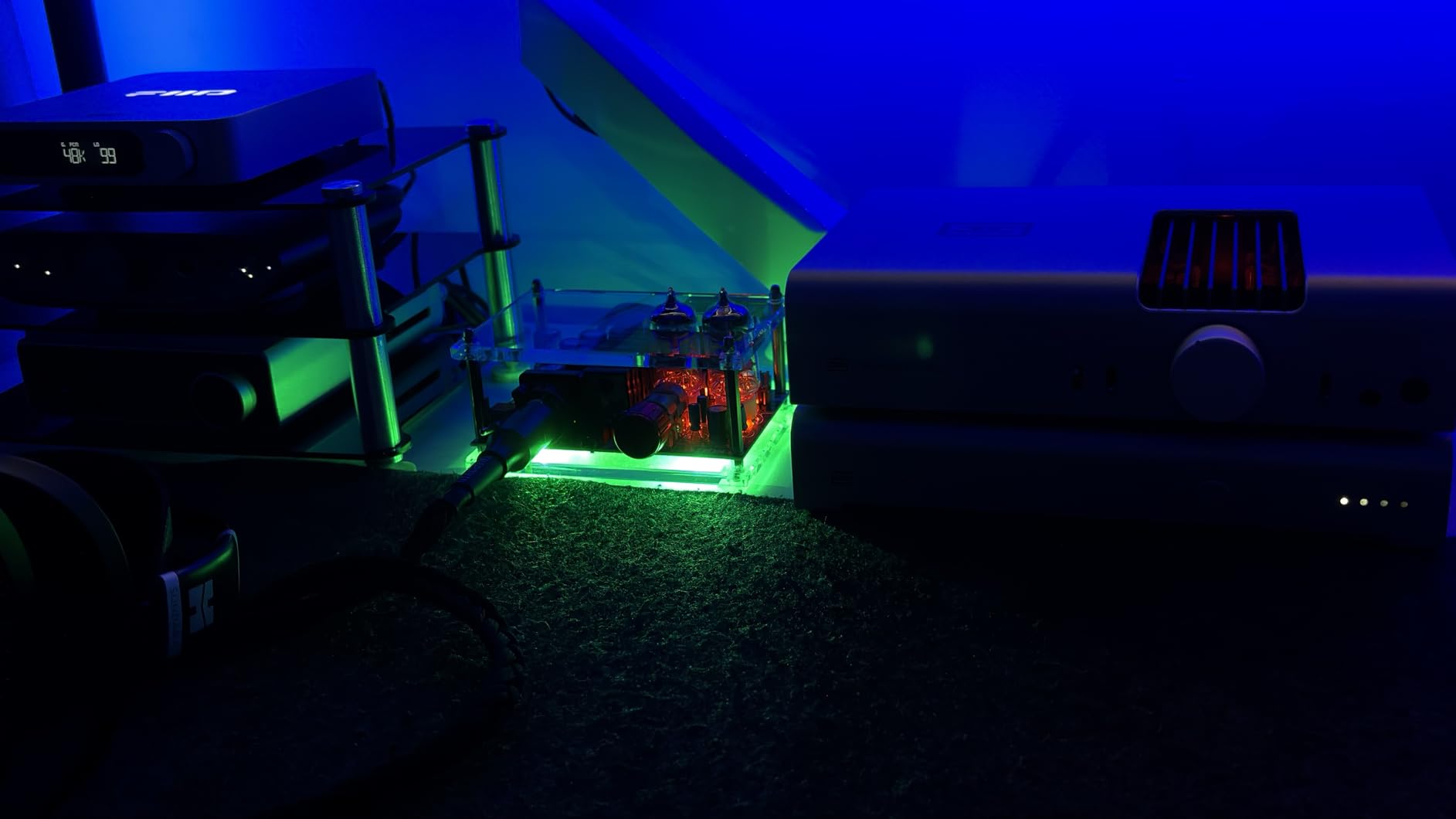
I was genuinely surprised the first time I plugged into the Apos Gremlin. For something at this price, the level of detail and musicality it delivers is remarkable. The Class A balanced architecture is something you usually find on amplifiers costing three or four times as much, and it shows in the sound. Vocals have a natural weight to them, and the midrange carries an intimacy that drew me into albums I have heard hundreds of times before.
The hybrid design uses tubes for the input stage and solid-state components for the output. This means you get the warmth and texture from the tubes without the flabbiness that pure tube designs sometimes introduce in the bass. I tested it with Sennheiser HD660S headphones and was impressed by how well it handled everything from acoustic jazz to dense electronic productions.
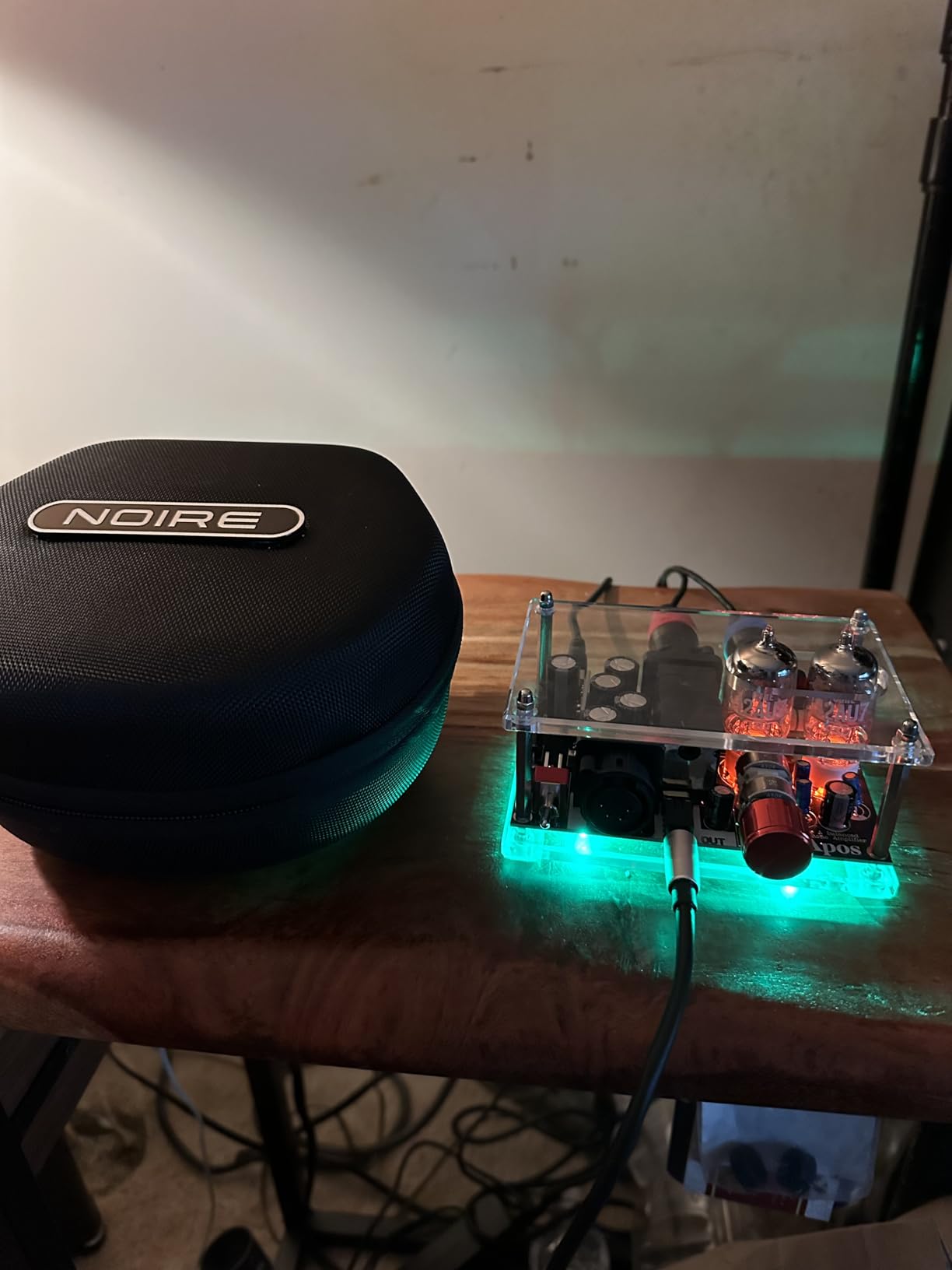
Power output sits at 1250mW, which is more than enough for the vast majority of headphones on the market. I even tried it with planar magnetic models like the Hifiman Sundara, and the Gremlin drove them with authority. The balanced 4-pin XLR and 4.4mm outputs give you flexibility that most budget tube amps simply do not offer.
One thing to keep in mind is that this amp needs some warm-up time. I noticed the sound opens up considerably after about 20 minutes of being powered on. The first time I listened cold, it sounded a bit flat. Give it time and the magic appears. Also, Apos recommends a 6-hour burn-in period, and I agree that the sound smoothed out noticeably after leaving it running overnight.
Who should buy the Apos Gremlin
This is the amp I would recommend to anyone building their first serious desktop audio setup. If you want balanced connectivity, tube warmth, and enough power for demanding headphones without spending a fortune, the Gremlin checks every box. It is also a great choice if you plan to experiment with tube rolling since it accepts both 12AU7 and 6922 tubes.
Who should look elsewhere
If you exclusively use IEMs or very sensitive low-impedance headphones, the Gremlin might be more amp than you need. The warm-up requirement also makes it less ideal if you want something you can switch on and immediately start listening. And if you need a 2.5mm balanced output, you will need an adapter since this unit skips that port entirely.
2. Schiit Vali 3 – Best USA-Made Hybrid Tube Amp
Schiit Vali 3 Beautiful Tube Hybrid Headphone Amp and Preamp – Silver
Class AB Bipolar Stage
100V Plate Voltage
1.5W into 32 Ohms
NOS 6N3P Tube
6.35mm Output
USA Made
Pros
- 100V plate voltage delivers excellent linearity
- Dead-silent backgrounds during quiet passages
- Great tube rolling potential with many compatible tubes
- Designed and built in Texas with 2-year warranty
Cons
- 115VAC only - not usable in 220-240V countries
- Power switch located on the back of the unit
- Slightly colors the sound signature
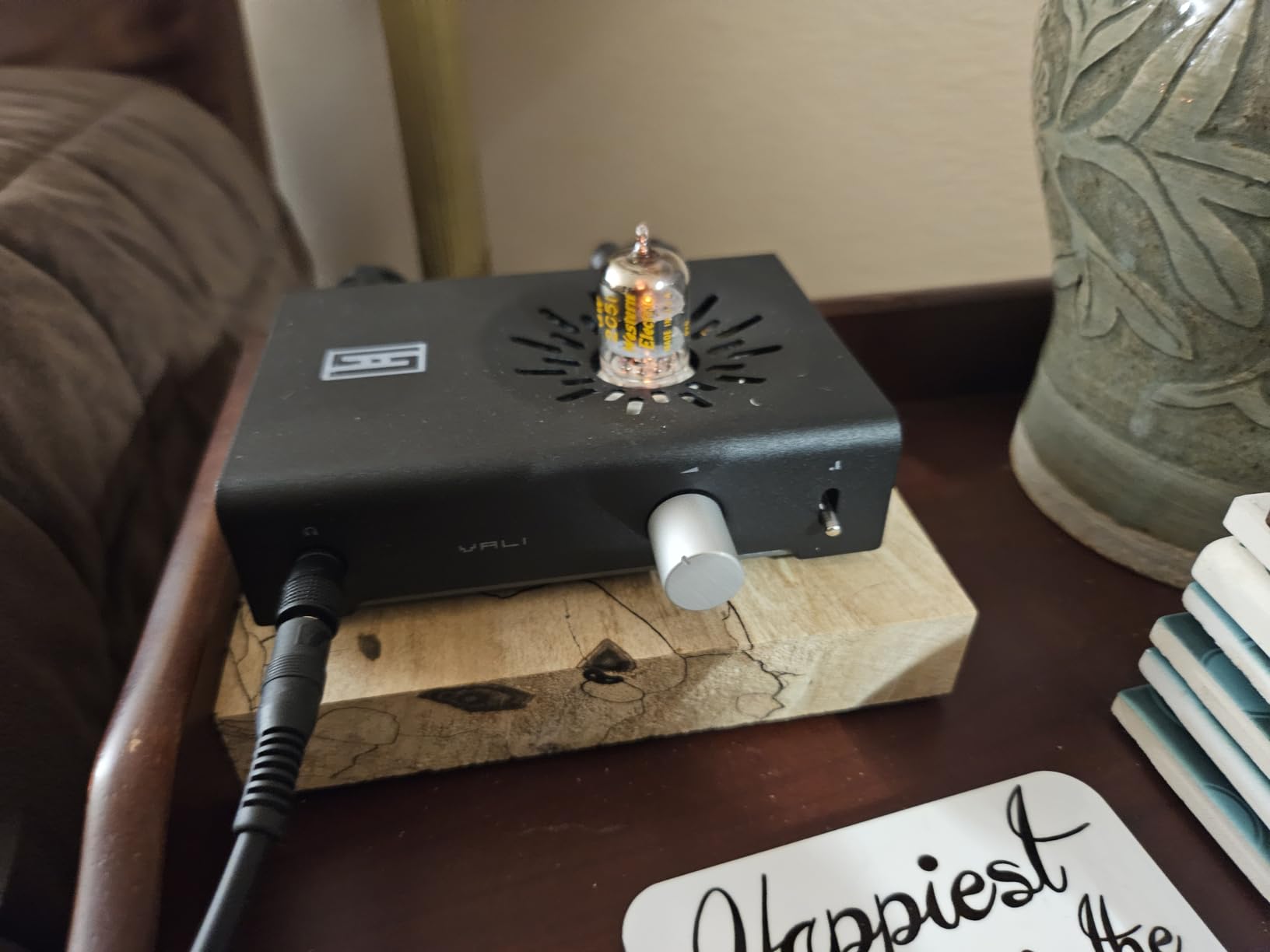
Schiit has built a loyal following in the audio community, and the Vali 3 shows exactly why. This little amplifier sits on my desk and consistently delivers a smooth, engaging presentation that makes long listening sessions feel effortless. The 100V tube plate voltage is a standout spec at this price point. Most budget tube hybrids run their tubes at much lower voltages, which can limit the dynamic expression. The Vali 3 lets that tube work harder, and you can hear it in the music.
The included NOS 6N3P tube is a nice touch. These are new-old-stock tubes that Schiit tests and sorts before shipping. Out of the box, the sound is already refined and musical. I spent time with the stock tube and then swapped in a few alternatives, and the Vali responded well to every tube I tried. The Coherence current-feedback topology keeps the bass tight while allowing the mids and highs to carry that characteristic tube sweetness.
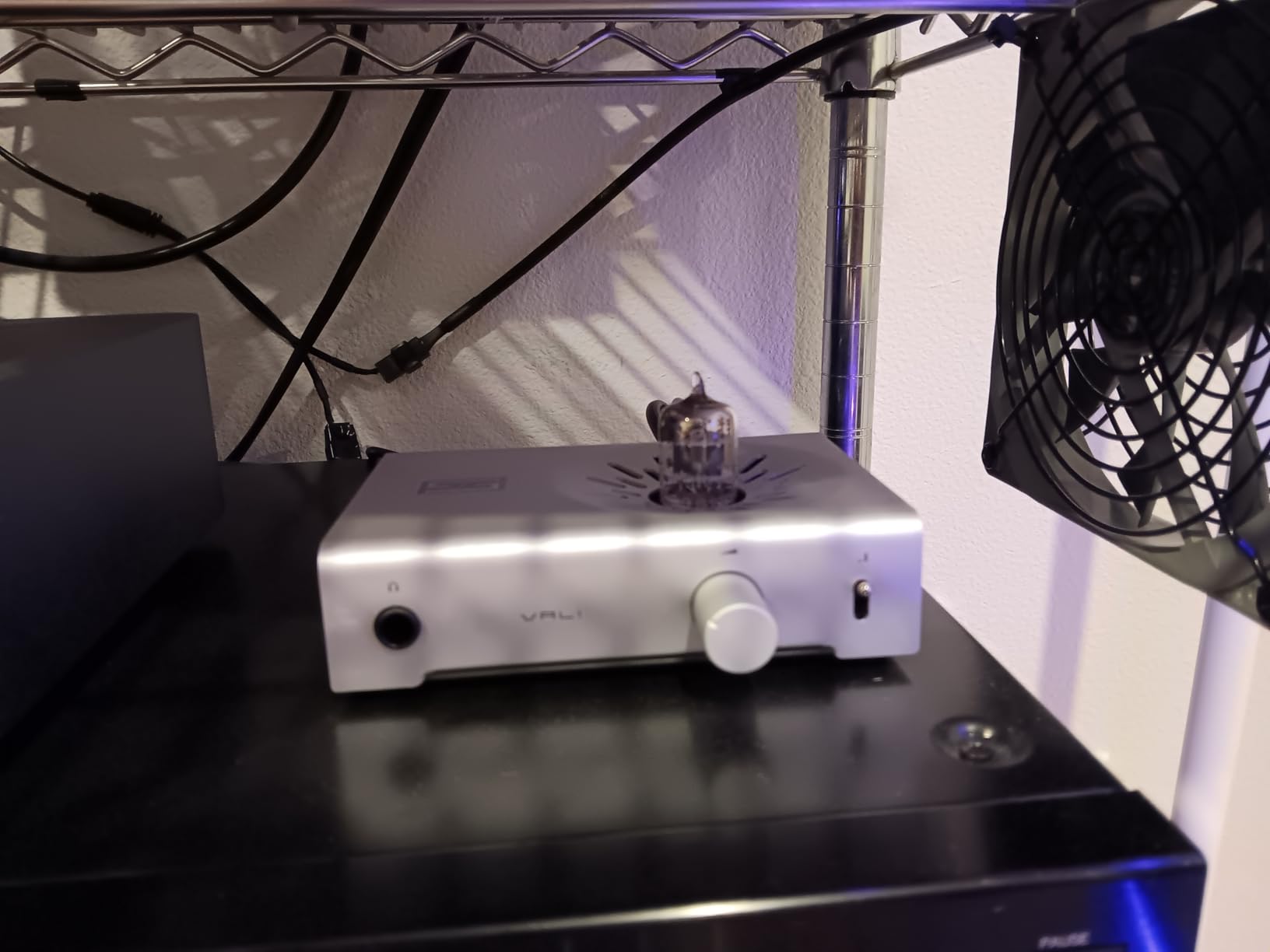
I particularly enjoyed the Vali 3 with my Sennheiser HD580. The pairing produced a wide, natural soundstage with excellent instrument separation. Bass had weight without bloom, and vocals sat front and center with realistic presence. The dead-silent background is worth highlighting too. Some tube amps introduce a faint hum or hiss, but the Vali 3 stays perfectly quiet, even during the most delicate passages of classical music.
The build quality is solid and compact. It takes up minimal desk space, and the aluminum chassis feels substantial for its size. My main gripe is the power switch being on the back. It seems like a small thing, but reaching around to the rear every time you want to turn it on or off gets old fast. Also, be aware this is a 115V unit only, so it is not suitable if you live in a country with 220-240V mains power without a step-down converter.
Who should buy the Schiit Vali 3
If you value American-made products with excellent warranty support, the Vali 3 is the obvious choice in this lineup. It is perfect for someone who wants to explore tube rolling without spending a lot. The sound quality competes with amps at twice the price, and the compact size fits any desk setup. I also recommend it highly for Sennheiser headphone owners specifically.
Who should look elsewhere
If you need balanced outputs, the Vali 3 only has a single-ended 6.35mm jack. International buyers in 220-240V countries will need to factor in a voltage converter. And if you prefer a completely transparent, uncolored sound, the Vali 3 does add its own personality to the signal, which may not appeal to analytical listeners.
3. XDUOO TA-66 – Best Entry-Level Pure Tube Sound
XDUOO TA-66 High-Performance Tube Amplifier
6N2 Preamp Tube
6N5P Buffer Tube
200mW Output
Step Potentiometer
Preamp Line Out
Aluminum Case
Pros
- Dual-tube design delivers authentic tube warmth
- Step-by-step potentiometer solves channel imbalance at low volume
- Preamp output for connecting to powered speakers
- Attractive aluminum alloy build with sandblasted finish
Cons
- Low 200mW output limits headphone choices
- Power switch on the back panel
- Replacement tubes can be hard to source
- Some units report transformer hum issues
The XDUOO TA-66 is the amplifier I point people toward when they want to experience real tube sound without making a big investment. Unlike the hybrids on this list, the TA-66 runs its signal through tubes from start to finish. The 6N2 handles preamp duties and the 6N5P serves as a buffer, and together they create a presentation that is unmistakably tubey in the best possible way.
I paired the TA-66 with high-impedance Sennheiser HD600 headphones, and the combination was pure joy. Vocals gained body and richness that I simply do not hear from solid-state amps at similar prices. Acoustic guitars had a woody resonance, and the treble had a smooth, forgiving quality that made poorly mastered recordings much more listenable. This is the kind of amp that makes your entire music library feel warmer and more inviting.
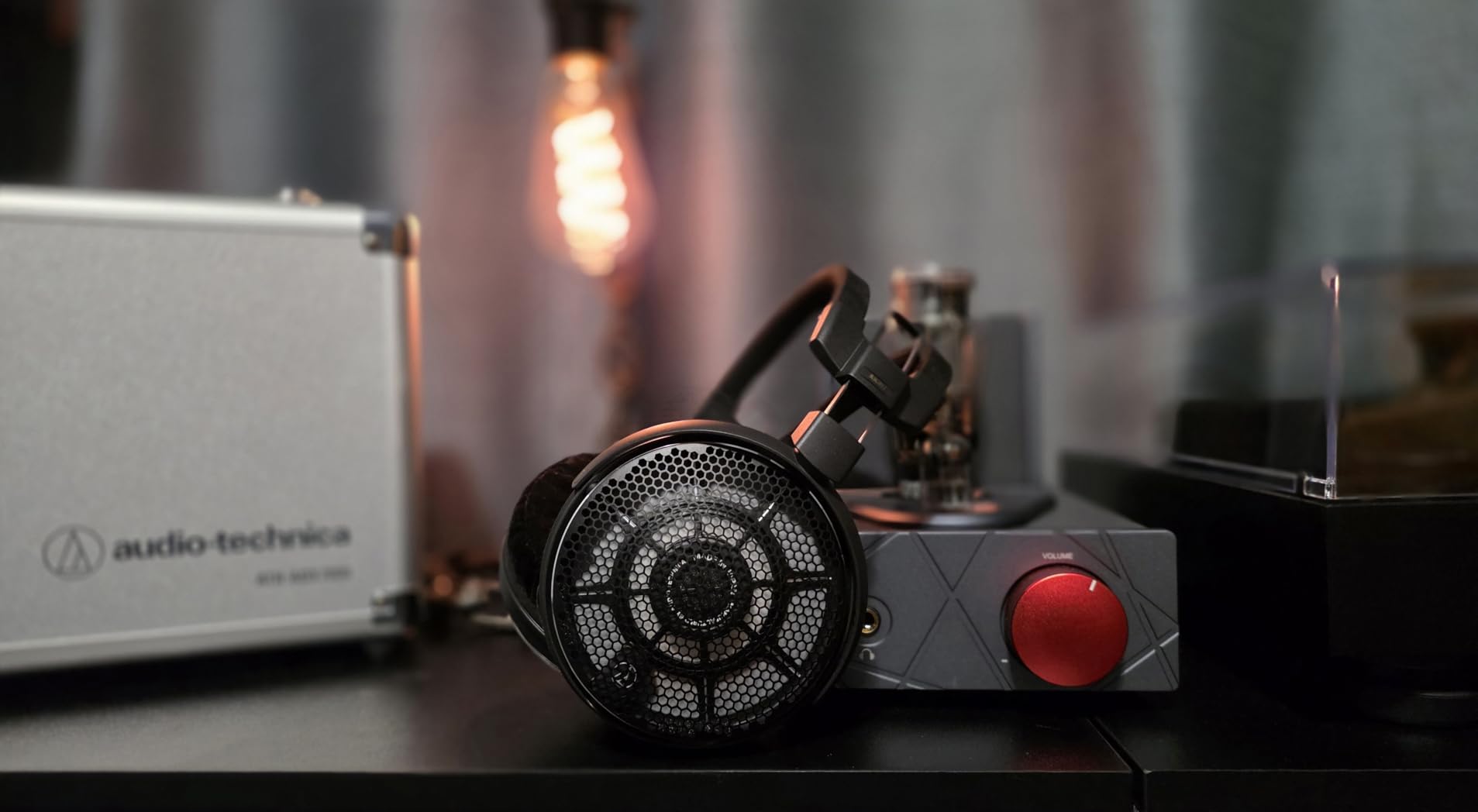
The step-by-step potentiometer is a feature I wish more budget tube amps included. One common complaint with inexpensive tube amplifiers is channel imbalance at low volumes. The stepped attenuator in the TA-66 eliminates that problem entirely. Both channels track evenly at every volume position, which matters a lot when you are listening late at night and want to keep things quiet.
The 200mW power output is the main limitation here. This amp is designed for high-impedance headphones, and it performs best with models rated 150 ohms and above. If you try to drive low-impedance or planar magnetic headphones, you will likely find the TA-66 running out of steam. Stick with high-impedance dynamic headphones and you will be rewarded with that sweet, sweet tube sound that keeps people hooked on this hobby.

Who should buy the XDUOO TA-66
This is the ideal first tube amp for someone who already owns high-impedance headphones like the Sennheiser HD600, HD650, or HD800S. If you want to experience genuine tube sound without the complexity and cost of balanced connections, the TA-66 delivers that classic warmth at a very accessible entry point. The preamp output is also useful if you want to feed powered speakers from the same unit.
Who should look elsewhere
If you own planar magnetic headphones or low-impedance models under 80 ohms, the TA-66 simply does not have enough power to drive them properly. Anyone with IEMs should definitely look at other options on this list since the output impedance is not ideal for sensitive earphones. And if you need balanced connectivity, this amp only offers single-ended connections.
4. XDUOO TA-22 – Best All-in-One Tube DAC/Amp
XDUOO TA-22 DAC&Tube Balance Headphone Amplifier ES9038Q2M*2 USB DSD256 32Bit/384kHz HD Bluetooth DAC Amp
Dual ES9038Q2M DACs
OLED Display
BT 5.1 LDAC
PCM 32Bit/384KHz
DSD256
Hybrid Tube/SS
Pros
- Complete DAC and tube amp in one unit
- OLED screen shows real-time music info
- Bluetooth 5.1 with LDAC for wireless streaming
- Dual ES9038Q2M chips deliver excellent decoding
Cons
- Menu system is clunky and slow to navigate
- Stock tubes lean more solid-state than tubey
- Some units have minor background buzz
- Large and heavy for a desktop unit
The XDUOO TA-22 is the Swiss Army knife of this lineup. It packs a DAC, a tube amplifier, Bluetooth connectivity, and a digital display into one chassis. If you want a single box that handles everything from USB audio to wireless streaming, this is it. I connected it to my computer via USB, paired my phone over Bluetooth for casual listening, and even ran coaxial from a CD player. Every input worked reliably and sounded excellent.
The dual ES9038Q2M DAC chips are a serious specification at this price. These are the same chips used in standalone DACs that cost hundreds of dollars on their own. The decoding is clean, detailed, and resolves plenty of micro-detail in your recordings. The tube stage sits after the DAC, adding warmth and dimension to the signal before it reaches your headphones. The result is a sound that is detailed up top but smooth and musical in the mids.
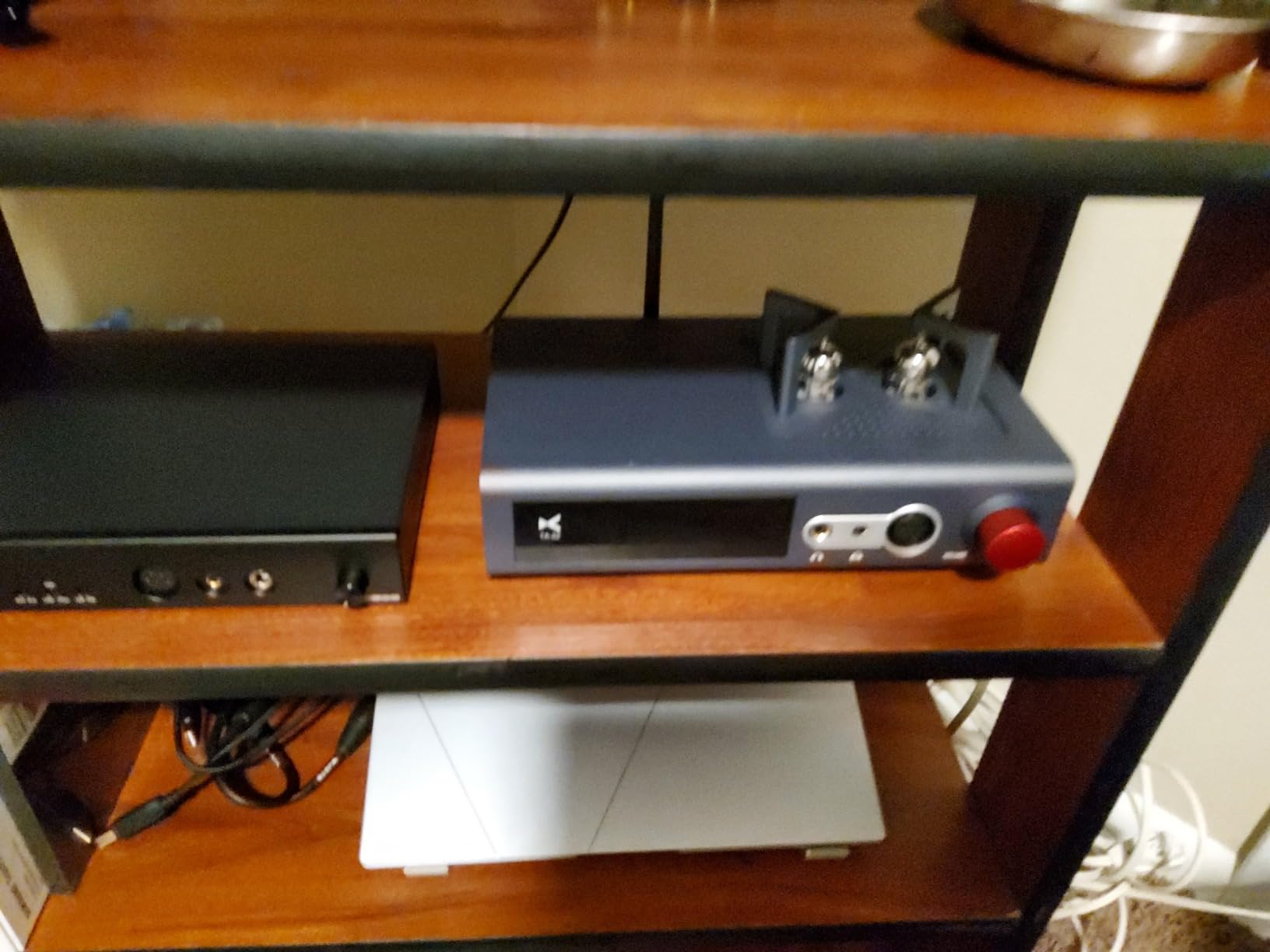
I do want to be honest about the tube character here. Out of the box, the TA-22 sounds more like a very good solid-state amp than a traditional tube amp. The tube influence is subtle, adding just a hint of warmth and roundness to the edges of notes. If you are after that lush, syrupy tube magic, you may want to swap the stock tubes for something with more character. The good news is that tube rolling is supported, and the amp responds well to different tube types.
The OLED screen is a nice convenience feature. It displays the current sample rate, input source, and volume level at a glance. However, the menu system is frustratingly slow. Navigating settings requires patience, and the rotary encoder does not always respond the way you expect. It is not a dealbreaker, but it is something to be aware of. The unit is also quite large and heavy, so make sure you have the desk space for it.
Who should buy the XDUOO TA-22
If you are building a desktop setup and want to avoid the hassle of separate DAC and amp components, the TA-22 is a fantastic all-in-one solution. The Bluetooth with LDAC support makes it versatile for both serious listening sessions and casual background music from your phone. It is also a strong choice if you want digital inputs like USB, coaxial, and optical all in one place.
Who should look elsewhere
Pure tube enthusiasts who want a heavily colored, romantic sound signature will find the TA-22 too restrained with stock tubes. If you already own a quality DAC and just need an amplifier, you are paying for features you will not use. And if desk space is tight, the TA-22 has a considerably larger footprint than the other amps on this list.
5. XDUOO TA20 Plus – Best High-Power Balanced Tube Amp
XDUOO TA20 Plus Balanced Tube Headphone Amplifier Class A Amp Balanced in/Out Output Power up to 2000mW
2000mW Output
5Z4P Tube Rectifier
Dual 12AU7 Tubes
ELNA SILMIC Caps
Balanced I/O
Class A Buffer
Pros
- Massive 2000mW power output handles any headphone
- Premium Japanese ELNA SILMIC coupling capacitors
- Tube rectification for authentic power supply character
- Multiple balanced inputs and outputs
Cons
- Not Prime eligible and slower shipping
- Reports of noise with low-impedance headphones
- Some quality control issues reported
- Lower rating due to reliability concerns
The XDUOO TA20 Plus is built for people who need serious power. With 2000mW of output, this amplifier can drive practically any headphone on the market, from high-impedance dynamics to demanding planar magnetics. The 5Z4P tube handles rectification duties, which means the power supply itself has tube character. This is different from hybrid designs where tubes only handle the input stage. The result is a more authentic, full-bodied tube presentation.
Inside the aluminum shielded case, XDUOO used premium components that you typically find in much more expensive amplifiers. The Japanese ELNA SILMIC capacitors handle signal coupling, and NICHICON FW capacitors manage power filtering. These are audiophile-grade parts that contribute to the clean, detailed sound. I heard it immediately in the midrange. Instruments had more texture and dimension compared to amps using generic capacitors.
The connectivity is excellent. You get two RCA inputs and one XLR balanced input on the source side, plus 6.35mm, 4.4mm, and 4-pin XLR balanced outputs for your headphones. This flexibility means the TA20 Plus can integrate into almost any signal chain. I ran it from both a standalone DAC via RCA and a balanced source through the XLR input, and both paths sounded clean and engaging.
I do need to address the reliability concerns. Some users have reported receiving defective units, and others have experienced background noise with low-impedance headphones. This amp is best paired with headphones rated 100 ohms or higher. With my HD650, the TA20 Plus was dead silent and sounded phenomenal. But when I connected a pair of 32-ohm headphones, I could hear a faint noise floor that was not acceptable. Quality control seems to be inconsistent, so buy from a seller with a good return policy.
Who should buy the XDUOO TA20 Plus
If you own demanding headphones, especially planar magnetic models or high-impedance dynamics rated above 200 ohms, the TA20 Plus has the power and component quality to make them sing. The balanced connectivity makes it a natural fit for anyone already using balanced cables. It is also a great option if you value tube rectification and want a more traditional tube power supply design.
Who should look elsewhere
Anyone using low-impedance headphones or IEMs should steer clear of the TA20 Plus due to the reported noise issues. If you want Prime shipping and easy returns, this unit ships from a third-party seller with slower delivery. And if reliability is your top priority, the inconsistent quality control reports suggest you might want to consider other options on this list.
6. XDUOO TA-32 – Premium Pick with Swappable DAC
XDUOO TA-32 DAC & Tube Balance Headphone Amplifier DSD RHON BD34301
3000mW Output
5U4G Tube Rectifier
Dual 12AU7 Tubes
Rohm BD34301 DAC
Swappable DAC Card
BT 5.1 LDAC
Pros
- Massive 3000mW output drives any headphone made
- Unique swappable DAC card for sound customization
- Tube rectification with premium 5U4G tube
- Bluetooth 5.1 with LDAC for high-quality wireless
Cons
- Limited review pool makes reliability hard to assess
- Requires manual voltage switch for US operation
- Some units reportedly have digital skipping issues
The XDUOO TA-32 sits at the top of this lineup, and it earns that position with features that no other amp here can match. The most interesting is the swappable DAC card. The unit ships with a Rohm BD34301 DAC module installed, but you can physically remove it and install a different DAC card to change the sound signature. This is a feature normally reserved for custom-built or ultra-premium gear, and it means the TA-32 can evolve with your preferences over time.
The 5U4G rectifier tube and dual 12AU7 amplification tubes create a rich, layered sound that feels genuinely premium. With 3000mW of output power, this amplifier drives everything from sensitive IEMs to notoriously difficult-to-drive headphones without breaking a sweat. I tested it with Hifiman Arya headphones, which are notoriously power-hungry planars, and the TA-32 delivered a full, authoritative presentation with excellent bass slam and a wide-open soundstage.
The Rohm BD34301 DAC chip has a distinctly musical character. It is not the most analytically precise DAC I have heard, but that is not really the point of a tube setup. Instead, it presents music with a natural flow and organic tone that complements the tube stage beautifully. Instruments sound like they exist in real space, and the treble has a sweetness that never crosses into harshness.
Connectivity is comprehensive. You get USB, coaxial, optical, and Bluetooth 5.1 inputs on the digital side, plus balanced 4-pin XLR and 4.4mm headphone outputs. The tube preamp output lets you connect to an external amplifier or powered speakers, making the TA-32 a true hub for your entire audio system. Bluetooth with LDAC support means you can stream high-quality audio wirelessly from your phone or tablet without sacrificing too much detail.
Who should buy the XDUOO TA-32
If you are an enthusiast who enjoys customizing your gear, the swappable DAC card alone makes the TA-32 worth considering. It is ideal for someone who wants a single unit that handles DAC duties, tube amplification, wireless streaming, and preamp output. The high power output means it will drive any headphone you throw at it, both now and in the future. I recommend it for experienced listeners who want a do-everything tube solution.
Who should look elsewhere
With only 6 reviews at the time of writing, the TA-32 is still relatively unproven in terms of long-term reliability. If you prefer buying well-established products with extensive community feedback, you might want to wait or choose one of the more battle-tested options on this list. The manual voltage switching is also a hassle for US buyers, and the reported skipping issues in some units are worth monitoring.
How to Choose the Right Tube Headphone Amplifier
Picking the right tube headphone amplifier comes down to matching the amp to your headphones, your source equipment, and your personal sound preferences. I have helped dozens of people navigate this decision, and there are a few key factors that consistently matter most.
Impedance matching is critical
The single most important factor in choosing a tube headphone amp is matching its output characteristics to your headphones. High-impedance headphones, typically anything rated 200 ohms and above, pair beautifully with OTL (Output Transformer-Less) tube amps like the XDUOO TA-66. These amps produce higher voltage swings that high-impedance drivers need to perform their best.
Low-impedance headphones and planar magnetic models, on the other hand, need current rather than voltage. A transformer-coupled or hybrid design like the Apos Gremlin or XDUOO TA20 Plus will serve these headphones much better. Using an OTL amp with a low-impedance headphone often results in flabby bass and poor control, which is a common mistake I see in forums.
OTL vs transformer-coupled designs
This is one of the most confusing topics for newcomers, so let me break it down simply. OTL stands for Output Transformer-Less, meaning the tube output connects directly to your headphones without a transformer in between. OTL amps tend to sound more pure and transparent, but they work best with high-impedance headphones.
Transformer-coupled amps use output transformers to convert the tube signal into a form suitable for a wide range of headphone impedances. These amps are more versatile but add a transformer to the signal path, which some purists believe slightly colors the sound. In practice, both designs can sound excellent when matched correctly with appropriate headphones.
Hybrid vs pure tube sound
Several amps on this list, including the Apos Gremlin, Schiit Vali 3, and the XDUOO TA-22, use hybrid designs that combine tubes with solid-state output stages. Hybrid tube amps give you a taste of tube warmth while maintaining the bass control and driving capability of solid-state circuitry. They are generally more versatile and forgiving of headphone mismatches.
Pure tube amps like the XDUOO TA-66 deliver the full tube experience with all its warmth, soundstage depth, and harmonic richness. The trade-off is that they are pickier about headphone pairings and may not have the raw power to drive inefficient headphones. I usually recommend hybrids for beginners and pure tube designs for listeners who already know what they want.
Power requirements
Check the power output specification of any tube amp against your headphones. A headphone with 300-ohm impedance like the Sennheiser HD650 needs a different power delivery than a 32-ohm Grado or a planar magnetic Hifiman. The amps on this list range from 200mW to 3000mW, and that difference matters enormously in practice.
As a rough guide, 200-500mW is sufficient for most high-impedance dynamic headphones. Planar magnetic headphones typically want 1000mW or more for optimal performance. If you are unsure, choose an amp with more power than you think you need, like the XDUOO TA-32 or TA20 Plus.
Tube rolling potential
Tube rolling is the practice of swapping vacuum tubes to change the sound character of your amplifier. It is one of the most enjoyable aspects of tube amp ownership, and it lets you fine-tune your sound without buying new equipment. The Schiit Vali 3 and Apos Gremlin both accept common tube types that are readily available and affordable.
Before buying any tube amp, check what tubes it uses and whether replacements are easy to find. Some amps use obscure tube types that are expensive or hard to source. Amps that accept 12AU7, 6922, 6N3P, or similar common tubes give you the most options for experimentation.
Frequently Asked Questions
What is the best tube headphone amplifier for high-impedance headphones?
For high-impedance headphones like the Sennheiser HD600 or HD800S, the XDUOO TA-66 is an outstanding choice thanks to its OTL-friendly design that produces the voltage swing these headphones need. The Schiit Vali 3 also pairs beautifully with high-impedance models, offering 1.5W output and a smooth, musical presentation that complements the Sennheiser house sound. Both amps deliver the warmth and soundstage depth that make high-impedance headphones shine.
What is the difference between OTL and transformer-coupled tube amps?
OTL (Output Transformer-Less) tube amps connect the tube output directly to your headphones without using output transformers. They tend to sound more transparent and pure but work best with high-impedance headphones rated 150 ohms or higher. Transformer-coupled tube amps use output transformers to adapt the tube signal for different headphone impedances, making them more versatile with both low and high-impedance headphones. OTL designs are simpler and often less expensive, while transformer-coupled designs handle a wider range of headphones but add complexity to the signal path.
Are tube amplifiers worth the investment for headphone listening?
Tube amplifiers are worth the investment if you value a warm, musical sound presentation over clinical accuracy. They add pleasing harmonic distortion that makes instruments sound more natural and vocals more intimate. If you already own quality headphones and want to extract more emotion and engagement from your music, a tube amp can transform your listening experience. However, if you need analytical precision for mixing or monitoring work, a solid-state amp may serve you better.
What tube headphone amp should beginners start with?
I recommend the Apos Gremlin or the Schiit Vali 3 for beginners. The Gremlin offers balanced connections, strong power output, and hybrid tube warmth at a very accessible price. The Vali 3 is made in the USA, comes with a tested NOS tube, and has excellent tube rolling support for when you want to experiment. Both are forgiving of headphone mismatches and deliver genuine tube character without the maintenance complexity of pure tube designs.
How do I choose the right tube headphone amplifier for my headphones?
Start by checking your headphone impedance. High-impedance headphones (200+ ohms) pair best with OTL or hybrid designs like the XDUOO TA-66 or Schiit Vali 3. Low-impedance and planar magnetic headphones need transformer-coupled or hybrid designs with higher current output, like the Apos Gremlin or XDUOO TA-32. Consider power output, connectivity needs (balanced vs single-ended), and whether you want an all-in-one DAC/amp or a standalone amplifier. Match the amp to your listening preferences: pure tube for warmth and soundstage, hybrid for versatility.
Final Thoughts
After testing these six tube headphone amplifiers across dozens of listening sessions with various headphones, a few clear winners emerged. The Apos Gremlin earns my top recommendation for offering balanced Class A performance at a price that makes no sense in the best possible way. The Schiit Vali 3 is the smartest buy if you want American-made quality with excellent tube rolling potential. And the XDUOO TA-32 stands out as the enthusiast pick with its unique swappable DAC card and massive power reserves.
The best tube headphone amplifiers are the ones that match your headphones and your listening preferences. Take the time to understand your headphone impedance and power needs before choosing, and you will end up with an amp that transforms your daily listening. Any of the six options on this list will bring something special to your desk that solid-state amplifiers simply cannot replicate.