
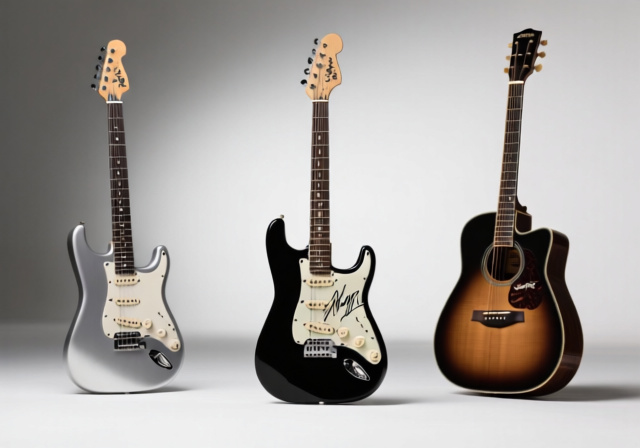
John Mayer has spent over two decades meticulously crafting what many consider the modern benchmark for blues-rock guitar tone. His journey from a teenage guitar enthusiast to a Grammy-winning artist with one of the most recognizable sounds in contemporary music showcases not just exceptional talent, but an obsessive dedication to finding the perfect gear.
John Mayer’s guitars and gear represent a carefully curated collection of instruments and equipment that create his signature blues-rock tone, spanning vintage-inspired electric guitars, high-end amplifiers, and boutique effects pedals. His setup combines vintage specifications with modern reliability, creating tones that are both familiar and innovative.
What sets Mayer apart isn’t just his technical proficiency—he’s known to practice 4-6 hours daily even at the height of his career—but his understanding of how each piece of equipment contributes to his overall sound. From his early days with vintage Fender Stratocasters to his current partnership with PRS, every gear choice reflects a specific tonal goal and playing need.
In this comprehensive guide, we’ll explore every aspect of John Mayer’s gear collection, from his signature PRS Silver Sky to the rare Dumble amplifiers that form the foundation of his clean platform approach. We’ll also examine how his choices have evolved throughout his career and provide budget-friendly alternatives for players looking to capture elements of his signature sound.
Table of Contents
The Evolution of John Mayer’s Guitar Philosophy
Mayer’s approach to gear has undergone significant transformations throughout his career, reflecting his musical growth and changing tonal preferences. His early years (2001-2006) were defined by vintage Fender Stratocasters, particularly the 2004 SRV signature model that became his primary instrument during his breakthrough pop-rock period.
The middle period (2007-2015) saw Mayer expanding his collection with various Fender Custom Shop models, including the “Black1” Stratocaster that would become one of his most famous instruments. This era also marked his deeper exploration into boutique amplifiers, particularly Dumble and Two-Rock, which would shape his signature clean platform approach to tone.
Since 2015, Mayer’s gear philosophy has matured to balance vintage specifications with modern reliability. His partnership with PRS resulted in the Silver Sky, a guitar that combines vintage-inspired appointments with contemporary playability. This period also shows his refined understanding of signal chain interactions and how each component contributes to his overall sound.
Throughout these changes, one constant remains: Mayer’s preference for “clean platform” amplification that allows his guitars and pedals to define the character of his tone. This approach emphasizes clarity, dynamics, and touch sensitivity over preamp distortion, making his gear choices particularly interesting for players seeking similar tonal characteristics.
Electric Guitars: The Core of Mayer’s Identity (September 2026)
PRS Silver Sky: The Modern Signature
The PRS Silver Sky represents the culmination of Mayer’s decades-long search for the perfect electric guitar. Introduced in 2018, this signature model combines vintage-inspired specifications with PRS’s renowned build quality. The guitar features a poplar body with figured maple top, 25.5″ scale length, and a 7.25″ radius rosewood fretboard with 22 frets.
What makes the Silver Sky special is its attention to vintage detail: 6350 frets, narrow “pattern vintage” neck profile, and custom-wound 635JM single-coil pickups. These pickups were developed through extensive testing to capture the chime and clarity of vintage Stratocasters while maintaining modern noise reduction and consistency.
Mayer uses the Silver Sky across all his musical contexts, from Dead & Company performances to solo work. The guitar’s versatility comes from its balanced tone that excels at both clean playing and overdriven sounds. The three-pickup configuration with 5-way switching provides the traditional Stratocaster voices that Mayer has relied on throughout his career.
The Silver Sky’s success has led to multiple variations, including the limited “Moc Sand” finish and models with maple fretboards. Each variant maintains the core specifications that make the guitar special while offering aesthetic options for different preferences. Check out our electric guitar guides for similar models with vintage-inspired features.
Black1: The Iconic Fender Custom Shop Stratocaster
Perhaps no guitar in Mayer’s collection is more famous than “Black1,” his heavily customized Fender Custom Shop Stratocaster. Built in 2004 by Master Builder John Cruz, this guitar started as a standard ’60s-style Stratocaster but underwent extensive modifications based on Mayer’s specifications.
The Black1 features an alder body with a thick black nitrocellulose finish, maple neck with rosewood fretboard, and custom-wound pickups based on 1963 specs. What makes this guitar unique is its aging process and play wear that makes it feel like a genuinely vintage instrument despite being built to Mayer’s exact specifications.
The guitar’s electronics include custom CTS pots and a “fat ’50s” wiring configuration that enhances its dynamic response. Mayer has used this guitar extensively throughout his career, particularly on his more blues-oriented recordings and during his Trio performances. The Black1 represents Mayer’s connection to vintage instruments while incorporating modern improvements for reliability and consistency.
While the exact Black1 remains unique to Mayer, Fender has released limited edition replicas that capture many of its specifications. These models offer players a chance to experience similar feel and tone, though Mayer’s personal connection to the original remains irreplaceable.
Stevie Ray Vaughan Signature: The Foundation
Mayer’s first major signature guitar was the Fender Stevie Ray Vaughan Stratocaster, which he used extensively during his early career (2001-2006). This guitar features an ash body with three-ply white pickguard, pau ferro fretboard, and custom Texas Special pickups designed to replicate SRV’s tone.
The SRV model’s 12″ radius fretboard and jumbo frets made it easier for Mayer to execute his signature bends and vibrato techniques. The guitar’s thick neck profile and heavy relic finish gave it the feel of a well-played vintage instrument, which appealed to Mayer’s vintage sensibilities.
While Mayer eventually moved away from the SRV model as his style evolved, this guitar represents an important foundation in his development as a player. The lessons learned from this instrument influenced his later collaborations with Fender and eventually his partnership with PRS.
For players looking to capture Mayer’s early tone, the SRV signature remains an excellent option, combining vintage specifications with modern reliability at a more accessible price point than many of Mayer’s later instruments.
Other Notable Electric Guitars
Beyond his signature models, Mayer’s collection includes numerous other electric guitars that have influenced his playing and tone. His “Hurricane” Stratocaster, another Fender Custom Shop creation, features distinctive finish and aging that makes it one of his most visually striking instruments.
Mayer also owns several vintage Fender instruments, including 1954 and 1957 Stratocasters that represent the golden era of Fender’s production. These guitars, while used more selectively, demonstrate his appreciation for truly vintage instruments and their unique tonal characteristics.
In recent years, Mayer has incorporated Gibson models into his collection, particularly Les Pauls and ES-335s used for specific tonal colors in the studio. These instruments show his expanding tonal palette and willingness to explore beyond Fender-based designs when the music calls for it.
For players interested in exploring similar guitar gear guides, understanding Mayer’s diverse collection provides insights into how different instruments can serve specific musical purposes.
Amplifiers: The Clean Platform Approach
Dumble Amplifiers: The Holy Grail
At the core of John Mayer’s tone lies his collection of Dumble amplifiers, among the rarest and most sought-after guitar amplifiers in the world. Built by Alexander “Howard” Dumble in extremely limited quantities, these amps represent the pinnacle of boutique amplifier design and are crucial to understanding Mayer’s clean platform approach.
Mayer’s primary Dumble models include the Steel String Stinger (SSS) and Overdrive Special (ODS), each serving different functions in his setup. The SSS provides exceptional clean tones with remarkable headroom and clarity, while the ODS offers natural overdrive that responds dynamically to playing technique.
What makes Dumble amplifiers special is their unique circuit design that combines extraordinary clean headroom with musical overdrive characteristics. The amps use custom transformers and carefully selected components that contribute to their distinctive voice. Mayer’s Dumble collection includes both original and modified examples, each with its own personality and tonal characteristics.
While Dumble amplifiers are virtually unobtainium for most players (prices often exceed $100,000), their design philosophy has influenced numerous other manufacturers. Understanding their role in Mayer’s tone provides valuable insights into clean platform amplification and boutique amp design principles. For those seeking similar tones, our amplifier guides offer alternatives with similar design philosophies.
Two-Rock: The Modern Alternative
Two-Rock amplifiers serve as Mayer’s modern alternative to vintage Dumble models, providing similar clean platform characteristics with contemporary reliability. Founded by former employees of Dumble, Two-Rock captures many of the same design principles while being more accessible to professional musicians.
Mayer primarily uses Two-Rock Custom Reverb and Classic Reverb models, which offer exceptional clean tones with lush reverb and sensitive overdrive. These amplifiers feature hand-wired construction, premium components, and point-to-point wiring that contribute to their exceptional sound quality and reliability.
What makes Two-Rock particularly appealing to touring musicians like Mayer is their consistency and durability. Unlike vintage amplifiers that require constant maintenance, Two-Rock provides similar tonal characteristics with modern reliability, making them practical for professional use.
For players seeking Mayer’s clean platform approach without vintage amplifier challenges, Two-Rock represents one of the best alternatives. Their amplifiers maintain the clarity and dynamic response that characterizes Mayer’s tone while offering modern features and reliability.
Fender Amplifiers: The Vintage Foundation
Before discovering boutique amplifiers, Mayer built his early sound using Fender amplifiers, particularly vintage and reissue models. His collection includes Blackface and Silverface Fenders that represent the foundation of American guitar amplification and continue to influence his tone.
The Fender Vibro-King, one of Mayer’s early favorites, combines vintage circuit design with modern features like tremolo and reverb. This 60-watt amplifier uses three 10″ speakers that provide exceptional clarity and definition, making it ideal for Mayer’s clean platform approach.
Mayer also uses various Fender reissue models, particularly the ’65 Twin Reverb and ’65 Deluxe Reverb, which represent the quintessential clean guitar amplifiers. These models provide the headroom and clarity that Mayer seeks in his amplification, with reverb and tremolo adding dimension to his sound.
For players seeking to understand Mayer’s approach to amplification, starting with quality Fender reissue models provides an excellent foundation. These amplifiers share the clean platform philosophy that characterizes his more expensive boutique choices while remaining accessible to most players.
Effects Pedalboard: Sculpting the Details
Overdrive and Distortion
Mayer’s approach to overdrive and distortion is characterized by stacking multiple pedals to create dynamic, responsive tones. His signal chain typically begins with a Klon Centaur, the legendary overdrive pedal that provides transparent boost and mild overdrive while preserving the guitar’s natural character.
The Klon’s role in Mayer’s setup is crucial—it pushes his clean amplifiers into musical overdrive without masking the guitar’s inherent tone. This pedal, along with its modern alternatives like the Klon KTR, forms the foundation of his overdrive section.
Following the Klon, Mayer typically uses an Ibanez Tube Screamer (usually a TS9 or TS808) for additional gain and midrange emphasis. The Tube Screamer’s distinctive mid-boost helps his guitars cut through the mix while adding harmonic complexity to his lead tones.
For higher gain situations, Mayer has been known to use various boutique overdrives, including models from Fulltone, Xotic, and Keeley Electronics. These pedals provide additional gain stages while maintaining the dynamic response that characterizes his playing style.
Players looking to replicate Mayer’s overdrive approach should focus on pedals that enhance rather than dominate their guitar’s natural tone. Our pedal effects coverage includes numerous options for building similar overdrive stacks.
Time-Based Effects
Mayer’s use of time-based effects is subtle but essential to his sound. His delay and reverb choices add dimension to his playing without overwhelming his core tone. The Strymon Timeline serves as his primary delay pedal, offering exceptional sound quality and versatility in a compact format.
The Timeline’s various delay modes allow Mayer to create everything from subtle slapback echoes to atmospheric ambient textures. Its tap tempo functionality and preset recall make it ideal for live performance where consistent delay times are crucial.
For reverb, Mayer relies on both his amplifiers’ built-in reverb and dedicated pedals when needed. The Strymon BlueSky provides studio-quality reverb algorithms that can add subtle ambience or dramatic spatial effects depending on the musical context.
Mayer’s approach to time-based effects emphasizes subtlety and musicality. Rather than using effects as crutches, he employs them to enhance his natural guitar tone and add emotional depth to his playing. This restrained approach is characteristic of mature musicians who understand when effects enhance rather than dominate their sound.
Signal Chain and Organization
The organization of Mayer’s pedalboard reflects his systematic approach to tone creation. His signal chain typically follows this order: tuner → compressor → overdrive pedals → modulation → delay → reverb → amplifier. This logical progression ensures each effect operates optimally and maintains signal integrity.
Mayer uses a Voodoo Lab Pedal Power 2 Plus to provide clean, isolated power to his effects, eliminating noise and ensuring consistent performance. This attention to power supply details demonstrates his understanding of how technical aspects contribute to overall tone quality.
For switching between different sounds, Mayer employs a programmable loop switcher that allows him to engage or bypass multiple pedals simultaneously. This approach enables complex pedal combinations while maintaining a clean stage setup and reliable operation during live performances.
Players building their first pedalboard can learn from Mayer’s organized approach. Starting with quality power supplies and logical signal chain organization prevents many common problems and ensures optimal performance from each effect.
Acoustic Guitars and Touring Setup
Martin Acoustic Guitars
John Mayer’s partnership with Martin Guitar Company represents one of his most significant endorsements outside of electric guitars. His signature Martin OMJM model combines traditional craftsmanship with modern design features optimized for his playing style.
The OMJM features an Orchestra Model body size with East Indian rosewood back and sides, Sitka spruce top, and modified low oval neck profile with ebony fretboard. The guitar’s 25.4″ scale length and 1-3/4″ nut width provide comfortable playability for both fingerstyle and pick playing.
What makes Mayer’s signature Martin special is its electronics system, which includes Fishman’s Prefix Premium Blend system. This allows Mayer to achieve consistent amplified acoustic tone during live performances while maintaining the natural character of the instrument.
Beyond his signature model, Mayer owns various vintage Martin guitars, particularly pre-war dreadnoughts and smaller-bodied models. These instruments represent his appreciation for traditional acoustic construction and serve specific musical purposes in his recordings.
For players interested in Mayer’s acoustic approach, the OMJM offers an excellent balance of traditional and modern features. Those seeking similar acoustic guitar recommendations can explore Martin’s Standard Series or other premium acoustic brands.
Acoustic Amplification and Touring Gear
Mayer’s acoustic touring setup reflects his commitment to quality sound regardless of venue size. His acoustic signal chain typically includes the Martin’s built-in electronics, a Radial JDI direct box, and a quality acoustic amplifier or PA system for larger venues.
The Radial JDI passive direct box ensures clean signal transfer from the guitar to the mixing console while providing phase reversal and ground lift options that solve common live sound problems. This attention to signal quality demonstrates Mayer’s understanding of technical aspects that contribute to overall performance quality.
For smaller venues and intimate performances, Mayer has been known to use acoustic amplifiers from companies like AER and Fishman. These systems provide natural acoustic tone reproduction with sufficient volume for solo performances or small group settings.
Mayer’s approach to acoustic amplification emphasizes clarity and natural tone reproduction. Rather than heavily processing his acoustic sound, he prefers systems that accurately capture the character of his Martin guitars. This approach ensures his acoustic performances maintain the intimacy and authenticity that define his acoustic playing.
Gear Evolution: A Journey Through Tonal Changes
| Era | Primary Guitars | Key Amplifiers | Notable Characteristics |
|---|---|---|---|
| 2001-2006 | SRV Stratocaster, vintage Strats | Fender Vibro-King, Twin Reverb | Pop-rock sensibility, brighter tones |
| 2007-2015 | Black1, Custom Shop Strats | Dumble SSS/ODS, Two-Rock | Blues-focused, mature tone development |
| 2015-Present | PRS Silver Sky, diverse collection | Two-Rock, modern alternatives | Vintage specs with modern reliability |
Understanding Mayer’s gear evolution provides insights into his musical development and changing tonal priorities. Each era represents different musical influences and technical requirements that shaped his equipment choices.
The early period shows Mayer developing his voice through vintage-inspired equipment while writing pop-rock songs that required bright, articulate tones. His choice of the SRV Stratocaster and Fender amplifiers provided the perfect foundation for this style of playing and songwriting.
The middle period demonstrates Mayer’s deeper exploration into blues and jazz, reflected in his move toward boutique amplifiers and customized guitars. The acquisition of Dumble and Two-Rock amplifiers coincided with his Trio project and deeper immersion in traditional blues styles.
The current era shows Mayer achieving balance between vintage specifications and modern reliability. His partnership with PRS represents the culmination of his guitar knowledge, while his continued use of boutique amplifiers demonstrates his commitment to quality tone regardless of musical context.
Achieving Mayer’s Tone: Budget-Friendly Alternatives
✅ Pro Tip: You can capture elements of Mayer’s tone without spending $100,000+ on vintage gear. Focus on clean platform amplification and quality overdrive pedals instead of specific brand names.
While John Mayer’s actual gear collection represents a significant investment, players can capture elements of his tone with more accessible alternatives. The key is understanding the principles behind his gear choices rather than seeking exact replicas of his equipment.
For guitars, the Fender Player Series Stratocaster provides vintage-inspired specifications at an affordable price point. Models with rosewood fretboards and single-coil pickups come closest to Mayer’s preferred configurations. PRS also offers the SE Silver Sky, a more accessible version of Mayer’s signature model that maintains many of its key specifications.
Amplification represents the most significant challenge for budget-conscious players, but excellent alternatives exist. The Fender ’65 Twin Reverb reissue provides exceptional clean tone with plenty of headroom, while brands like Quilter Audio offer modern alternatives that combine clean platform design with portability and reliability.
For overdrive pedals, the Ibanez Tube Screamer Mini provides Mayer’s mid-boost characteristic in a compact format. Klon-style pedals from companies like JHS and Mosky offer similar transparent boost characteristics at a fraction of the cost of vintage units.
The key to achieving Mayer’s tone on a budget is focusing on signal chain interactions rather than individual pieces of equipment. A quality guitar with good pickups into a clean amplifier and thoughtful pedal selection will get you closer to his sound than expensive vintage pieces used improperly.
Final Thoughts
John Mayer’s gear collection represents not just a pursuit of tone, but a lifetime dedication to understanding the relationship between player and instrument. His journey through vintage and modern equipment demonstrates how thoughtful gear selection can enhance rather than define musical expression.
What makes Mayer’s approach particularly valuable for other players is his emphasis on understanding why each piece of equipment works for his specific needs. Rather than collecting gear for its own sake, he builds systems that serve his musical voice across different contexts from solo performances to stadium shows with Dead & Company.
For players inspired by Mayer’s tone, the lessons extend beyond specific equipment choices. His clean platform approach to amplification, thoughtful signal chain organization, and understanding of how each component contributes to overall tone provide valuable insights regardless of musical style or budget.
Ultimately, John Mayer’s gear journey demonstrates that the perfect setup is one that serves your musical voice rather than dictates it. By understanding the principles behind his equipment choices, players can make informed decisions that enhance their own playing regardless of whether they’re using vintage Dumble amplifiers or modern practice amps.