
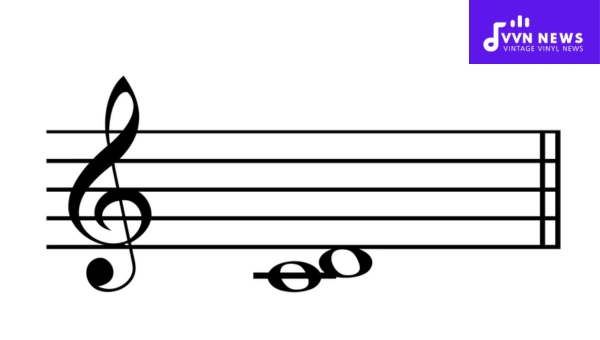
The magic of music often involves delving deep into the technicalities. One such aspect, often overlooked, yet crucial in defining the character of a melody is major 2nd intervals.
Intervals are more than just spaces between notes; they carry emotional weight and can evoke different feelings depending upon their application.
Navigating the intricacies of intervals can be a rewarding musical journey. Mastering major 2nd intervals opens up avenues to composing melodies that remain memorable, evocative, and profoundly impactful.
After all, it’s these creative nuances that transform a simple series of notes into soul-stirring symphonies, catchy hooks, or evocative chord progressions.
Table of Contents
What Are Major 2nd Intervals?
Major 2nd intervals are the bread and butter of music theory. In essence, a major 2nd is the distance between two notes that are two half steps apart on a musical scale.
For instance, if you look at a piano keyboard, the interval from C to D is a major 2nd because there’s one note (C sharp) in between them. When you play these two notes together, they produce a slightly dissonant but still harmonious sound.
This characteristic makes major 2nd intervals incredibly versatile in creating melodies or chord progressions that evoke a wide range of emotions in your music.
To identify the intervals faster and with greater ease on other instruments or sheet music, make it a point to learn both the sound and appearance of major 2nd intervals.
To do this, engage with as many examples as you can, across varied musical contexts. Familiarity with this core concept will prove helpful as we delve deeper into how to use these potent musical building blocks effectively in your compositions or performances.
Also Read: Harmony In Music [Enhance Your Compositions With These Tips]
How Are Major 2nd Intervals Used in Music?
One of the primary uses of major 2nd intervals lies in the fabrication of melodies and harmonies.

Major 2nds not only play a vital role in creating compelling musical compositions, but they also contribute to forging emotional connections with your listeners. Here are some ways how:
- Formation of Scales and Chords: You’ll observe that every major scale contains major 2nd intervals. For instance, the distance between C and D or E and F# in the C Major Scale are examples of major 2nds.
- Harmonic Progressions: Major 2nds can lend a hand in forming harmonic progressions – sequences of musical chords, or chord progressions. A conjunction of these often leads to a rich harmonic sound.
- Creating Tension & Resolution: An apt use of major 2nd interval aids in adding tension or anticipation right before resolving to a more stable note or chord. Musicians use this technique to surprise their audiences or evoke emotions.
- Baseline Movement: In jazz music, you’ll frequently come across walking bass lines crafted using the backbone of major 2nds.
As you perceive music, identifying these intervals will help you decode why certain melodies latch onto your mind while others just flit away.
What Is the Difference Between Major and Minor 2nd Intervals?
Before we delve into the differences, let’s establish a basic knowledge of what major and minor 2nd intervals are.
They both fall under the diatonic scale system, which forms one of the core building blocks in music theory.
Both major and minor 2nd provide a unique ability to shape melodies, creating desirable tension or resolution in your music. Now, let’s explore their distinctive features.
Sound
The most immediate difference between these two intervals lies in their sound quality.
A major 2nd interval usually gives off a consonant or harmonious sound, often used as a melodic stepping stone to other notes.
On the other hand, a minor 2nd generates dissonance or tension due to its proximity to the root note.
Pitch Distance
In terms of pitch distance, a major 2nd interval is equivalent to a whole step (two half steps), taking places like from C to D on your music scale.
Conversely, a minor 2nd has only a half-step distance, like taking a step from C to C-sharp or D-flat.
Notation
The notation for these intervals also differs significantly. A major 2nd is depicted as ‘M2’, whereas a minor second gets addressed as ‘m2’ on your music score.
Impact on Emotional Quality of Music
Major 2nd intervals contribute towards cheerful or distinctively “major” feelings while played within songs.
On the flip side, minor second intervals are often connected intimately with sorrowful moods and emotional tension.
Frequency of Usage
Conventionally, major 2nds appear more frequently than minor seconds in many musical genres owing to their consonance and relative stability within chord formations.
The differences elucidated above are crucial while learning and practicing music.
As you nurture a deeper relationship with your instrument or musical craft, these subtle differences in intervals can drastically elevate your music compositions’ flavor and depth.
Also Read: F Sharp Minor Pentatonic Scale [How To Use In Your Compositions]
How to Identify Major 2nd Intervals on the Staff?
Recognizing a major 2nd interval on a music staff is a straightforward task when you are aware of the key signifiers to search for:

Step 1: Spot The Distance
Firstly, in standard notation, take note of the distance between the two notes. Major 2nd intervals are simply one whole step apart. This means that there will be one line or space between the two notes on the staff.
Step 2: Check The Diatonic Scale
Diatonic major 2nd intervals fall within one diatonic scale. For instance, if you’re examining a C scale, a major 2nd would refer to the interval from C to D.
Step 3: Use Staff Visuals
A good visual indicator is that major seconds either lie on spaces or lines. For instance, from E (line note) to F# (line note), or B (space note) to C# (space note).
Constant practice with these indicators eventually leads you toward fluently recognizing and playing these integral intervals within any music piece.
What Is the Role of Major 2nd Intervals in Harmony?
We often underestimate the role of Major 2nd intervals in the realm of harmony.
Yet, they play a substantial part in molding the contour and mood of music pieces.
More than just steps between two notes, these intervals can narrate stories that touch hearts and move souls. Let’s delve into the nuances:
- Rhythmic Movements: Major 2nd intervals can be utilized to produce rhythmic movements in a chord progression or melody. Their use adds a dynamic pace that keeps the rhythm engaging.
- Building Chords: Major second intervals are indispensable when it comes to building chords —especially major and minor triads. In essence, these interval relationships form the backbone of harmonic structures.
- Textural Depth: Harmony isn’t just about playing notes together; it’s also about creating a soundscape. By including major 2nd intervals in your harmonization tricks, you add textural depth that makes compositions more immersive.
- Adding Tension & Release: In music, tension and release is a key principle. Major 2nd intervals, due to their proximity, can create a pull between notes or a sense of tension that can be resolved by moving to a more consonant interval — helping drive the narrative of the piece.
- Formulating Scales: Scales are foundation blocks in music composition. The characteristics of different scales owe heavily to the arrangement of major 2nd and other intervals. In major scales, for instance, major 2nd intervals feature prominently.
By wielding the power of major 2nd intervals in harmony, you welcome, into your compositions, elements like dynamism, depth, tonal color, and emotional narratives.
Despite being simple to overlook amidst complex chords and intricate rhythms, remembering their significant role will help improve your melodic creations substantially.
Also Read: How To Transpose Into The Tenor Clef? [Mastering In Notation]
How to Play Major 2nd Intervals on Different Instruments
Getting the hang of intervals across various musical instruments is a game-changer for both fledgling and seasoned musicians.

The major 2nd, a whole step spanning two half steps (or semitones), is a building block you’ll frequently encounter.
Here’s how you can identify and play it on some popular instruments.
On the Piano
In stark black and white keys, the piano offers a clear visual to spot intervals. To hit a major 2nd:
- Start by choosing any white key (let’s take C as an example).
- Move to the very next white key (this would be D).
- Voilà! You’ve played a major 2nd interval.
When starting on a black key, simply move to the adjacent black key above.
Guitar Novelties
For guitarists, frets are your guideposts for intervals.
- Begin by picking any string.
- Pluck the note (say, G on the 3rd fret of the high E string).
- Now, advance two frets up (to A on the 5th fret).
- You’ve strummed out a major 2nd interval.
Each step up represents one-half step; thus, two hops forward create your desired interval.
Winds of Change
On wind instruments like the flute or clarinet, fingerings can be unique.
- Find the fingering chart specific to your instrument.
- Fingerings often entail lifting or placing one finger to achieve a major second.
Violin Vibrations
With no frets, stringed instruments like violin require precise finger placements.
- Start with an open string (for example, A).
- Position your next finger closely but not too snugly next to the preceding one—around one inch apart.
This physical spacing will generally yield a major second interval.
Grasping these instructions boosts your ability to craft creative melodies across all these sound-producing devices.
Intervals form the bedrock of melodious structures; mastering them lets you compose with confidence and fluency across genres and styles.
Famous Songs Featuring Major 2nd Intervals
Major 2nd intervals often serve as the backbone of some of the most iconic melodies in music history.
While subtle, their presence carries a significant impact on the tonal journey of a piece.
Here are five songs where the major 2nd interval isn’t just a detail—it’s a star player in crafting these timeless tunes.
“Frère Jacques”
Perhaps one of the simplest yet profound examples is the nursery rhyme “Frère Jacques.”
The song begins with a succession of major 2nds as it moves from the root note up and then back down again.
“Happy Birthday to You”
Another universally recognized melody that utilizes major 2nds at its core is “Happy Birthday to You.”
The leap from “Happy” to “Birth-” exemplifies this interval perfectly. This melodic movement helps to create that uplifting feel we associate with celebration and joy.
“Silent Night”
In contrast, “Silent Night,” a classic Christmas carol, showcases major 2nds early in its melody, providing a sense of calm and serenity.
When you hear the transition from “All is calm” to “All is bright,” there it is—a melodic progression so comforting it has resonated during holiday seasons for centuries.
The Star-Spangled Banner
When singing or listening to The Star-Spangled Banner, notice how the phrase “Oh say can you see” ascends gently thanks to our friend, the major 2nd interval.
It’s these intervals that contribute significantly to both its anthemic quality and melodic contour.
Beethoven’s Symphony No. 7 – Allegretto
This might not be initially recognized by its title alone, but Beethoven’s hauntingly beautiful Allegretto from his Symphony No. 7 boasts major 2nd intervals that evoke deep emotion within each phrase.
Their role here creates tension and release—a dynamic element critical for building the movement’s compelling narrative.
Each song listed embodies how major 2nd intervals can shape an entire piece, leaving an indelible mark on our ears and hearts by weaving through dimensions of tone and feeling with grace and elegance.
Also Read: How To Transpose Treble To Bass Clef [Music Guide]
FAQs
What is a major 2nd interval?
A major 2nd interval is the distance between two notes that are two semitones apart on the musical scale, like C to D.
Can you hear a major 2nd in a scale?
Yes, if you play a major scale, the first step from the root to the next note (e.g., C to D in C major) is a major 2nd.
Why are they important for understanding music theory?
Major 2nd intervals form the basic building block for scales and melodies, making them fundamental to music theory.
Is there a shortcut for finding them on the piano?
Locate any key and then move to the immediate next white or black key to find its major 2nd interval.
Are there famous exercises to practice them?
Practicing scales and singing solfege syllables (do-re, re-mi, etc.) are excellent ways to get familiar with major 2nds.
Conclusion
In the tapestry of music, major 2nd intervals are akin to subtle yet striking brushstrokes that add vibrancy to the melody.
These intervals encapsulate a gentle leap, a step that introduces dynamic shifts in moods and narratives within compositions. As you explore music, either through listening or playing, keep an ear out for these intervals.
Recognizing them will not only deepen your musical appreciation but also enhance your creative expressions when you’re weaving your melodic tales.
It’s often the simplest elements that carry the quintessence of musical beauty.