
Low light punishes a camera in ways daylight never does. Every stop you lose forces the sensor to work harder, and that is where sensor size, pixel pitch and autofocus sensitivity decide whether you come home with photographs or with noise. Choosing among the best cameras for low light photography means looking past the resolution headline and checking how each body behaves when the only light is a street lamp or a candle.
We spent weeks comparing the ten bodies below across the same four questions: how clean are the files when ISO climbs, does autofocus lock on in near darkness, how many stops of stabilization do you get for handheld shots, and what does the body cost you in card slots and battery life. That framework shaped every ranking here.
One thing came up constantly in forums while we were researching. Shooters repeatedly pair an affordable body with a fast prime and get better night images than someone who spent everything on the camera and used a slow kit zoom. If you take one thing from this roundup, let it be that. The lens decides how much light reaches the sensor, and no amount of processing rescues an f/5.6 zoom in a dark venue.
Table of Contents
Top 3 Picks for Low Light Photography in 2026

Canon EOS R6 Mark II
- 24.2MP full-frame sensor
- 40 fps electronic burst
- 5-axis in-body stabilization

Best Cameras for Low Light Photography at a Glance (October 2026)
| Product | Specifications | Action |
|---|---|---|
| Canon EOS R6 Mark II |
|
Check Latest Price |
| Sony Alpha a7S III |
|
Check Latest Price |
 Nikon Z 6II Nikon Z 6II |
|
Check Latest Price |
 Sony Alpha 7 IV Sony Alpha 7 IV |
|
Check Latest Price |
 Canon EOS R5 Canon EOS R5 |
|
Check Latest Price |
 Sony Alpha 7C II Sony Alpha 7C II |
|
Check Latest Price |
 Nikon Z 7II Nikon Z 7II |
|
Check Latest Price |
 Sony Alpha a6700 Sony Alpha a6700 |
|
Check Latest Price |
 OM System OM-1 Mark II OM System OM-1 Mark II |
|
Check Latest Price |
 Nikon Z50 II two-lens kit Nikon Z50 II two-lens kit |
|
Check Latest Price |
1. Canon EOS R6 Mark II: The Best All-Rounder for Low Light
Canon EOS R6 Mark II Mirrorless Camera (Body Only)
24.2MP full-frame CMOS
DIGIC X processor
40 fps electronic
1.3 pounds
Pros
- Clean high ISO files from a 24.2MP sensor
- Dependable subject detection for people and animals in dim rooms
- 40 fps electronic burst at 20MP
- 6K oversampled uncropped 4K up to 60p
- 5-axis in-body stabilization
Cons
- Battery drains on long bursts and video
- Viewfinder is smaller than rivals in the same class
- Menus take adjustment after Canon DSLRs
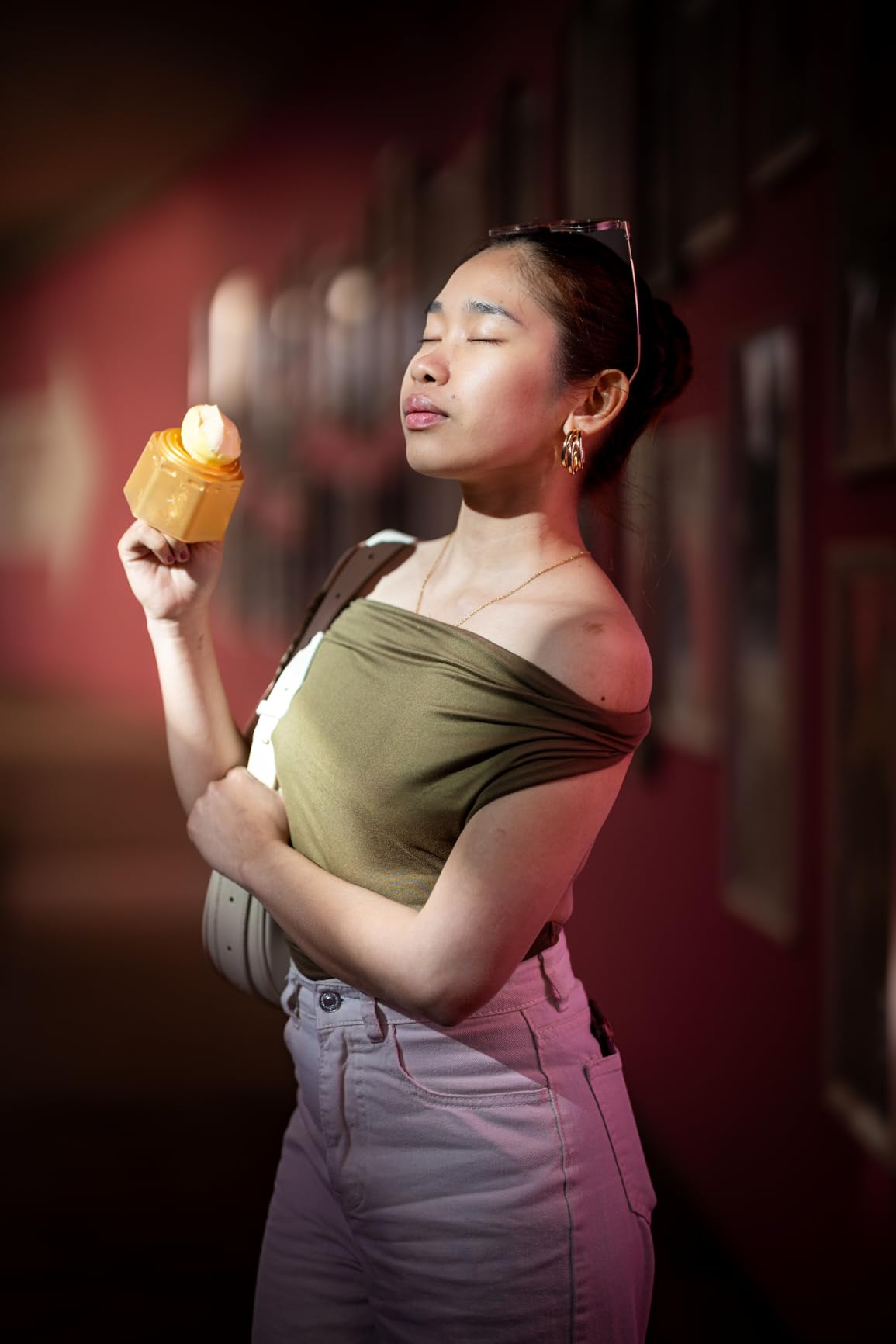
The R6 Mark II is the body I recommend to most people buying their first serious low light camera. The 24.2MP full-frame sensor is tuned for dim conditions, and the DIGIC X engine keeps noise controlled well past the ISO range where smaller sensors turn to mush.
Owner reviews describe files that hold shadow detail and stay usable when pushed hard. The same reviews note that autofocus subject detection is the reason the camera feels confident indoors, where people, small animals and vehicles are recognized without you fighting the focus system.
Where it truly separates itself is on video. SixK oversampled uncropped 4K up to 60p gives you a dense, sharp file with headroom to grade, and reviewers report that it runs cool through long sessions rather than throttling. The 3.69 million dot EVF refreshing at 120 fps makes framing dark scenes far less squinty.
The price to pay for all of that is battery life. Long 40 fps bursts and extended video recording chew through power, and the menu layout is a real adjustment period for anyone moving from a Canon DSLR. Neither issue touches image quality.
Who the R6 Mark II suits
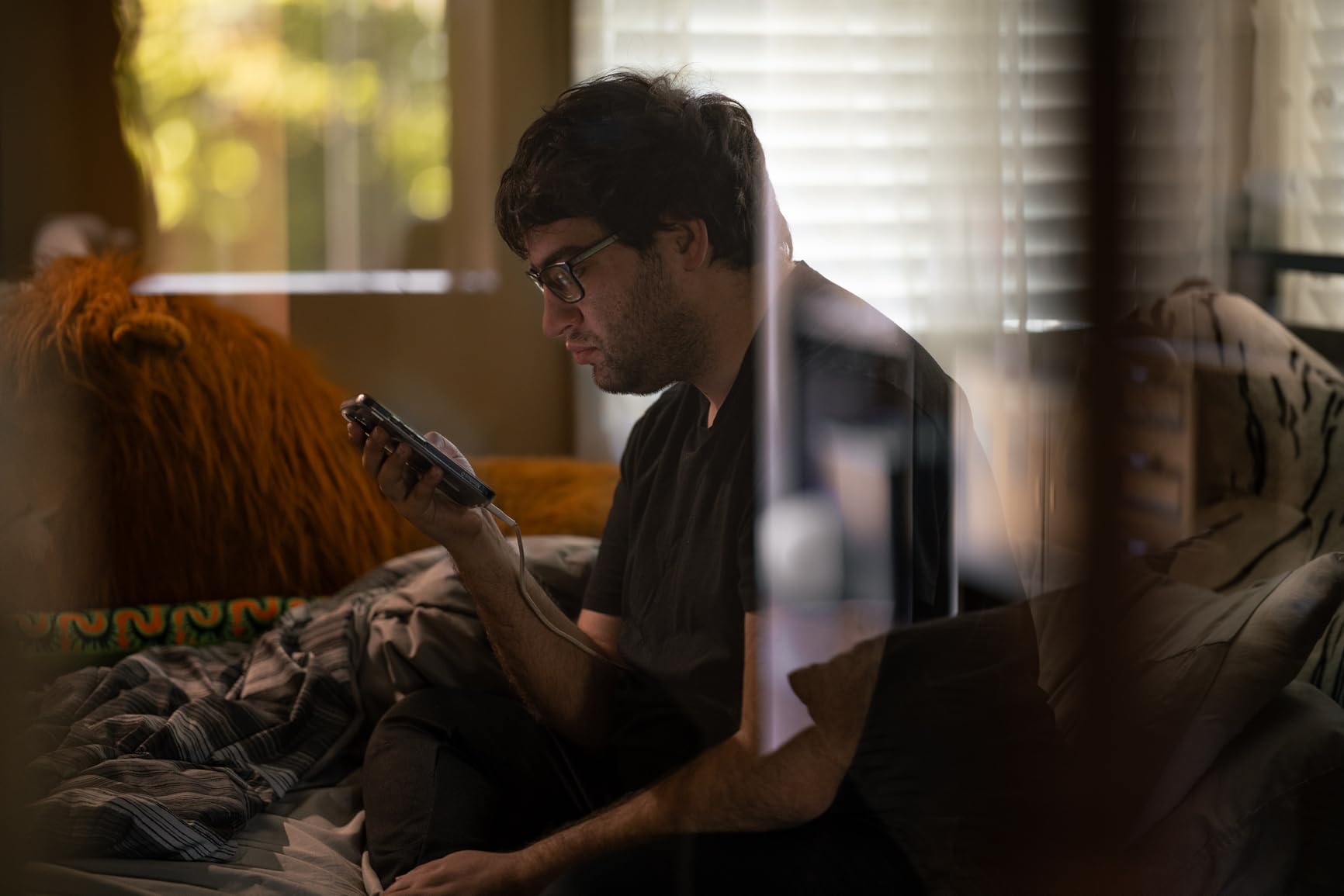
Wedding and event photographers working dim receptions will find the combination of 40 fps electronic burst, subject detection and clean high ISO hard to argue with. So will hybrid shooters who need serious stills and serious video from one body.
Anyone shooting concerts or indoor events also benefits from the autofocus breadth, since Canon’s detection covers head, face, eye and body rather than eyes alone.
Where it falls short
If your work is long multi-hour video takes on battery alone, the drain is a genuine nuisance and spare batteries are non-negotiable. The 0.5 inch OLED viewfinder is also small next to some competitors, which can feel cramped when you are framing stars or using manual focus at night.
2. Sony Alpha a7S III: Built Specifically for Darkness
Sony Alpha a7S III Full-Frame Mirrorless Camera Body Black
12.1MP Exmor R full-frame
BIONZ XR processor
ISO 40 to 409600
612 g
Pros
- Exceptional high ISO cleanliness
- 759-point fast hybrid AF with real-time eye tracking
- 4K 120p 10-bit 4:2:2 with no overheating
- Dual CFexpress Type A and SD UHS-II slots
Cons
- 12.1MP limits cropping and large prints
- High frame rate modes need V90 SD cards
- Software less polished than Canon equivalents
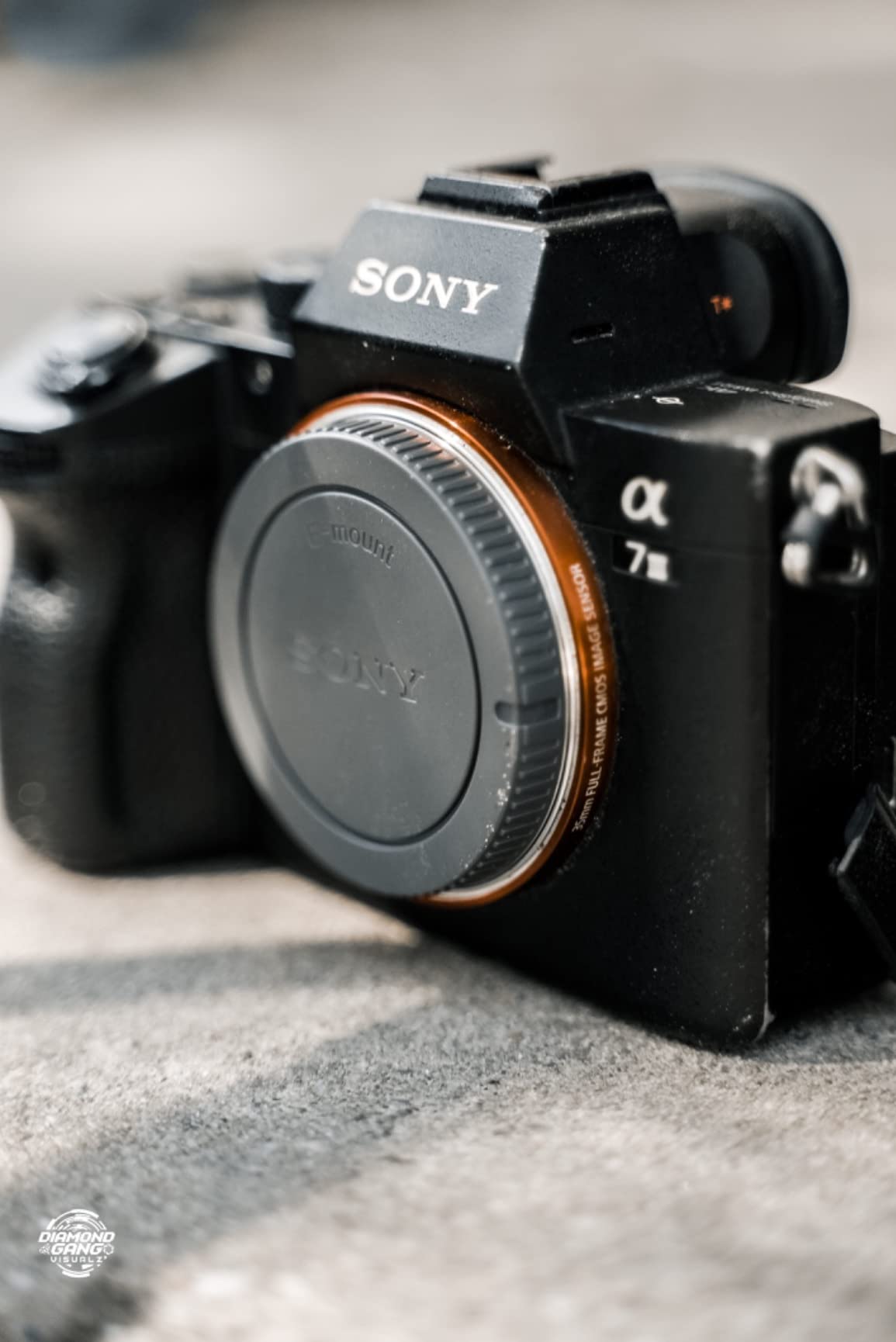
Nothing else in this list pushes ISO like the a7S III. The 12.1MP Exmor R sensor has enormous pixels with very little circuitry between them and the light, which is why the native sensitivity ceiling sits so far above the competition.
Reviewers routinely describe this as the premier low light hybrid camera available, pointing to super clean files and sticky autofocus that finds eyes in dim rooms without hunting. The 759-point fast hybrid system with real-time eye AF is the part that saves time on a night shoot.
For video, the full pixel readout at 4K 120p in 10-bit 4:2:2 is the headline. It records without overheating and without a crop, and the S-Cinetone profile gives you a usable look straight out of camera when there is no time for a full grade.
The compromise is resolution. Twelve megapixels is generous at ISO 100 and stingy the moment you want a heavy crop of a distant subject or a very large print. A stacking of pixels was the price paid for that sensitivity.
Who the a7S III suits
Videographers filming concerts, dim venues and night events get features no other body here matches, including uncropped high frame rate 4K. Astro and night landscape photographers will also appreciate the ability to push ISO without the noise that would normally force a longer exposure.
Anyone who shoots moving subjects in the dark benefits from the eye AF, which reviewers single out as industry leading. Dual CFexpress Type A and SD UHS-II slots also make it a sensible pro body.
Where it falls short
Stills shooters who crop aggressively will feel the 12MP limit immediately, and the 120p modes demand V90 SD cards that cost more per card than standard media. Battery life is average, and the bundled software is less refined than Canon equivalents.
3. Nikon Z 6II: The Best Value Full Frame for Night Work
Nikon Z 6II | Versatile Full-Frame mirrorless Stills/Video Hybrid Camera | Nikon USA Model
24.5MP BSI full-frame
Dual EXPEED 6
14 fps with deep buffer
1.4 pounds
Pros
- Strong low light sensor with low noise at high ISO
- 14 fps burst with a deep buffer
- Dual card slots add reliability
- Comfortable weather-sealed body
- 5-axis sensor-shift VR
Cons
- Subject tracking can lose the target versus Sony and Canon
- Rear screen does not flip forward
- Card slots use mismatched formats
The Z 6II is the value pick in this roundup, and the reason is straightforward. The 24.5MP BSI full-frame sensor handles dim scenes with low noise at high ISO, and it gives you enough resolution to crop without the anxiety that comes with a 12MP file.
Owners treat it as a complete, refined camera rather than a compromise. They single out the out-of-camera JPEG color, subject detection and eye AF, plus a buffer far deeper than the original Z 6, which matters when a night scene produces a burst of usable frames.

At 1.4 pounds with weather sealing, it is a body you can carry for a whole evening without fatigue. The 3.2 inch tilting LCD has 2.1 million dots, which is a real advantage when you are reviewing focus on a dark scene.
Video is a secondary strength rather than the main draw. Full pixel readout 4K UHD 60p is solid, and the vertical grip readiness with USB-C constant power means this body can be set up for long sessions without draining internal batteries.

Who the Z 6II suits
Event and wedding photographers who need dual card slots for client work will like the redundancy. The 273-point phase-detect AF with subject detection is dependable enough for indoor receptions and stage lighting, and 14 fps gives you options in bursts.
It is also a strong match if you already own F-mount glass and want to use the FTZ adapter, since the Z mount inherits a deep catalogue of fast primes.
Where it falls short
The most common owner complaint is tracking reliability, with the focus system occasionally losing a subject compared with Sony and Canon. The rear screen does not flip forward, and the mismatched card formats in the two slots are mildly annoying. Fast telephoto options in the mount are still thinner than the competition.
4. Sony Alpha 7 IV: Balanced Hybrid With Class Leading Autofocus
Sony Alpha 7 IV Full-frame Mirrorless Interchangeable Lens Camera
33MP BSI full-frame
BIONZ XR processor
10 fps
0.99 kg
Pros
- 33MP sensor with strong low light capability and clean high ISO
- Best-in-class real-time eye and subject autofocus
- 4K 60p 10-bit 4:2:2 with S-Log3
- Fully articulating screen and dual card slots
- Good battery life
Cons
- 60 to 120p video modes apply a noticeable crop
- Menu system has a steep learning curve
- Autofocus can miss on fast erratic subjects
The a7 IV is one of the most-reviewed cameras in this roundup, and owners switching from a DSLR frequently call it the best value full-frame hybrid they have owned. The 33MP back-illuminated Exmor R sensor produces clean high ISO files while keeping enough detail for large prints.
What reviewers praise most is autofocus. Real-time eye and subject tracking holds on in tricky lighting where lesser systems wander, and that reliability is exactly what night and event work demands.

Video is class leading for a stills-first body, with 4K 60p in 10-bit 4:2:2 and 7K oversampled 4K 30p that uses no pixel binning. S-Log3 and S-Cinetone profiles give you grading flexibility without buying a separate cinema camera.
Watch the high frame rate modes. Reviewers note that 60 to 120p applies a noticeable crop, which changes framing when you are already working in a dark venue with limited room to back up.

Who the a7 IV suits
Hybrid shooters who want one body for stills and graded video will feel the benefit of 10-bit 4:2:2 capture. The fully articulating screen also makes it a natural fit for anyone filming themselves in dim rooms.
Travel and documentary photographers get a sensor that performs at dusk and after dark, plus dual card slots for redundancy. Battery life is strong enough that a night outing does not require a second set of batteries.
Where it falls short
The menu system carries a steep learning curve if you come from Canon or Nikon, and autofocus still occasionally misses on fast or erratic subjects. There is no custom LUT support or external RAW output, which cinema-minded users notice.
5. Canon EOS R5: Maximum Detail and 8K in a Stacked Sensor
Canon EOS R5 Mirrorless Camera (Body Only)
45MP stacked BSI sensor
DIGIC X
ISO 100-51200 native
1.6 pounds
Pros
- 45MP stacked sensor with usable high ISO levels
- 1053 AF points with deep learning tracking
- 8K RAW and 4K up to 120p internal
- In-body stabilization makes adapted lenses usable in dim light
Cons
- Battery weaker than earlier Canon DSLRs
- Overheating during long 8K sessions
- CFexpress Type B media is costly
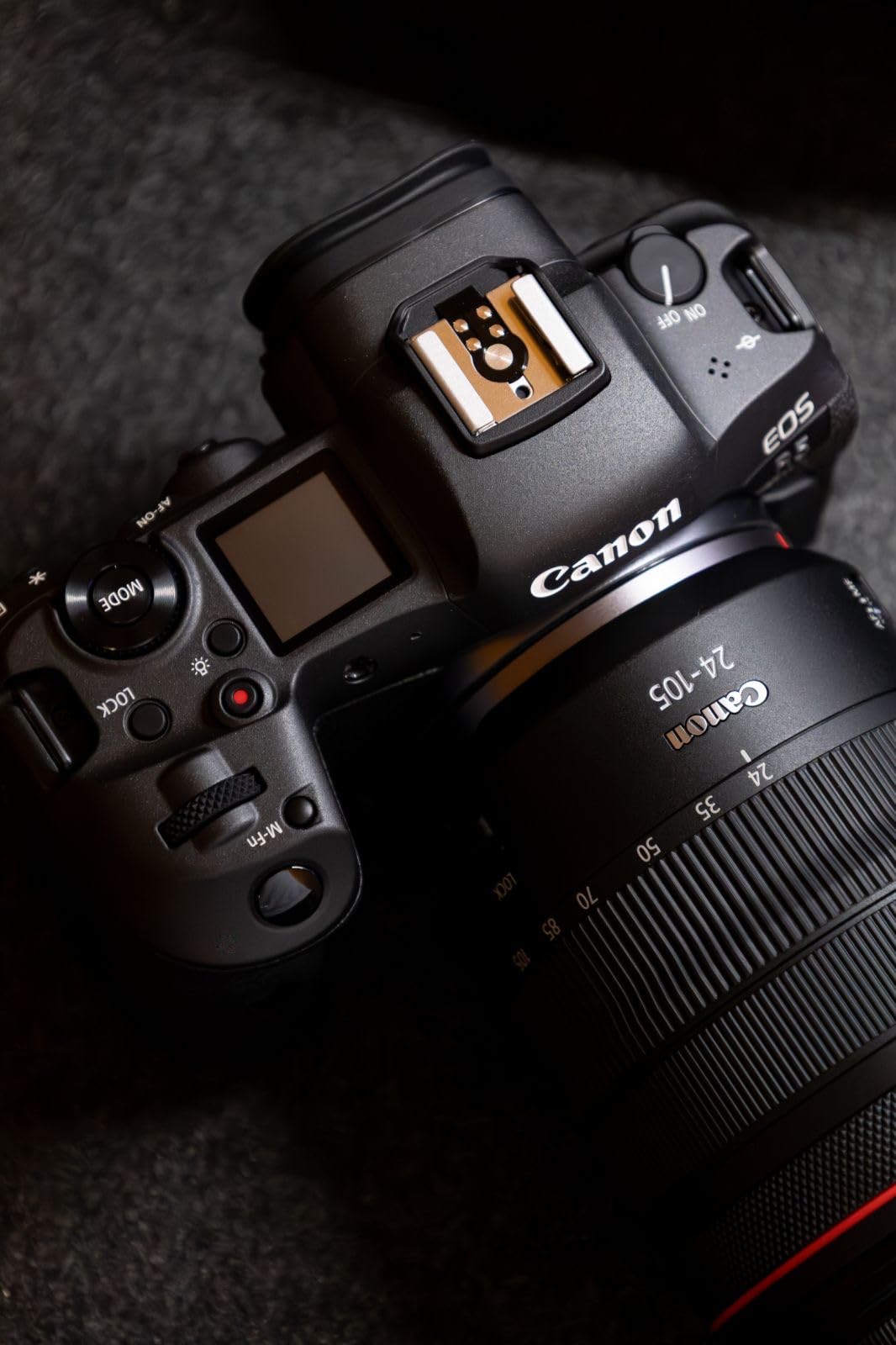
The R5 is for the shooter who wants resolution and low light in the same body. The 45MP stacked back-illuminated sensor was designed for both, and long-term owners describe excellent detail, strong dynamic range and usable high ISO levels from a single file.
Stacking the sensor is what makes the video side possible, since data clears fast enough for 8K RAW and 4K up to 120p recorded internally. Shadow detail recovery is another quality reviewers highlight, which matters when you are lifting a night scene in post.
Autofocus is the other headline. One thousand fifty-three Dual Pixel CMOS AF points cover essentially the whole frame with deep learning tracking, and Eye Control AF lets you move the focus point by looking at it, which is genuinely useful when your hands are cold and your subject is moving in dim light.
Five-axis sensor-shift stabilization also means adapted non-IS lenses become usable handheld in the dark, opening up cheap fast glass from other mounts.
Who the R5 suits
Wedding and event shooters will like the combination of high resolution crops and reliable subject detection. Landscape and astro photographers benefit from the ability to recover shadow detail in files captured at night.
Filmmakers who need 8K RAW from a stills body will find little to complain about in the output, particularly for long slow moves at night.
Where it falls short
Battery life is weaker than earlier Canon DSLRs, especially with the viewfinder running at its higher refresh setting, and heat can build during extended 8K recording. CFexpress Type B media adds a meaningful ongoing cost, and anyone coming from a Canon DSLR needs to relearn the button layout.
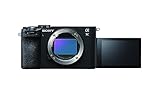
6. Sony Alpha 7C II: Full Frame You Can Actually Carry
Sony Alpha 7C II Full-Frame Interchangeable Lens Camera – Black
33MP full-frame Exmor R
BIONZ XR with AI processor
15.2 ounces
0.70x EVF
Pros
- Full-frame 33MP quality with excellent high ISO performance
- Compact 15.2 oz body
- Fast autofocus with AI subject recognition
- Effective in-body stabilization for handheld night shooting
- 10-bit 4:2:2 4K up to 60p
Cons
- Single SD card slot with no redundancy
- Low-resolution 0.70x viewfinder and modest rear screen
- Noticeable rolling shutter and 4K 60p crop
The a7C II exists to solve a specific problem, and it solves it well. You get a 33MP full-frame sensor with excellent high ISO performance inside a body weighing 15.2 ounces, which is roughly half a pound lighter than most full-frame cameras in this roundup.
Owners describe the tradeoff as liberating. Image quality, low light capability and autofocus match larger Sony bodies, and the money you do not spend on the body can go toward fast glass that actually improves your night images.

The dedicated AI processor drives subject recognition that rivals larger bodies, and 5-axis in-body stabilization makes handheld low light shooting genuinely effective. The built-in flash is a small convenience for close-range night frames.
Video is 10-bit 4:2:2 up to 60p with unlimited recording, which covers most night work. Rolling shutter shows up in fast handheld moves, and there is a crop at 4K 60p worth knowing about before a shoot.

Who the a7C II suits
Travel and street photographers who shoot at night will value carrying a full-frame body all day without fatigue. Night landscape photographers pairing it with a fast wide prime get a genuinely portable low light kit.
The articulating touchscreen and improved menu system also make it approachable if you are moving from a smaller camera, and the viewfinder is bright enough to compose dark scenes comfortably.
Where it falls short
The single SD card slot means no redundancy for paid shoots, and the 0.70x viewfinder plus modest rear screen resolution feel dated beside competitors. Large, fast lenses can unbalance the small grip, and the USB port sits awkwardly with the screen flipped out.
7. Nikon Z 7II: Resolution and a Built-In Intervalometer
Nikon Z 7II | Ultra-high Resolution Full-Frame mirrorless Stills/Video Camera | Nikon USA Model
45.7MP full-frame CMOS
Dual EXPEED 6
5-axis in-body VR
1.9 pounds
Pros
- 45.7MP sensor produces sharp files with low noise
- 5-axis stabilization supports adapted lenses in dim light
- Autofocus stays responsive in dark conditions
- Built-in intervalometer with exposure smoothing
Cons
- Weak for small fast-moving wildlife subjects
- No HEVC compression so video files are large
- Battery life below average
- Older generation body compared with current flagships
The Z 7II is the odd one out in this list because of one feature. Its built-in intervalometer with exposure smoothing handles star trails, Milky Way sequences and long cityscape time-lapses without a trigger, and that is exactly the work most other bodies make you solve with an accessory.
Reviewers upgrading from Nikon DSLRs find it a lightweight, high-resolution replacement that is exceptionally sharp and performs well in dark conditions, with responsive autofocus even in low contrast scenes.

The 45.7MP sensor delivers detail that survives heavy cropping, which helps when you are reframing a night shot rather than reshooting it. Five-axis in-body vibration reduction also makes handheld shooting with adapted lenses viable, a genuine benefit at high ISO.
Video is 4K UHD up to 60p, and the vertical grip readiness with USB-C constant power suits long sessions. Note that there is no HEVC compression, so files are large compared with modern bodies.
Who the Z 7II suits
Astrophotographers and landscape shooters running long exposures will appreciate the intervalometer with exposure smoothing, which avoids the flicker you get when auto ISO hunts between frames. Compatibility with roughly 360 F-mount NIKKOR lenses through the FTZ adapter widens your fast prime options.
Anyone who needs resolution for large prints and works in dim locations will like how much detail survives a push to high ISO.
Where it falls short
Autofocus is weak for small, fast-moving subjects, and wildlife shooters report struggles with low-contrast birds in shaded cover. Battery life is below average, so spare batteries are advisable, and the body sits a generation behind current Z-series flagships.
8. Sony Alpha a6700: The Best APS-C for Hybrid Work
Sony Alpha a6700 APS-C Mirrorless Camera Body 26MP 4K Black
26.0MP APS-C Exmor R
BIONZ XR with AI unit
759-point AF
14.5 ounces
Pros
- 26MP APS-C sensor stays sharp at elevated ISO
- AI processing unit gives accurate real-time tracking
- 14.5 oz articulating body suits travel and vlogging
- 6K oversampled 10-bit 4K 60p plus 4K 120p
Cons
- 10-bit pipeline with no raw video output limits grading headroom
- Single SD card slot with no backup
- Small 1.03 million dot rear screen
- APS-C less forgiving than full frame at very high ISO
The a6700 is the sensible answer for someone who wants most of a full-frame system in a smaller package. The 26MP APS-C Exmor R sensor is backside-illuminated, so it stays sharp with good performance at elevated ISO despite collecting less light than a full-frame chip.
Reviewers favor it as a compact, light, high-resolution hybrid. The dedicated AI processing unit and 759-point AF system give very accurate real-time subject tracking, and the fully articulating touchscreen works well for filming yourself in dim rooms.

Video output is a genuine strength for the class. SixK oversampled 10-bit 4K 60p plus 4K 120p high frame rate recording gives you flexible files, and 11 fps continuous shooting handles action without a deep buffer.
At 14.5 ounces, this is the body you will actually carry to a night shoot. Five-axis sensor-shift stabilization smooths handheld movement when the light drops.

Who the a6700 suits
Travellers and content creators who shoot indoors and at dusk get a capable sensor in a body that disappears in a bag. The E-mount lens library gives access to fast primes that make up for the smaller sensor.
Anyone moving up from a phone or an older kit will find the jump in usable high ISO dramatic, particularly for indoor events and evening street photography.
Where it falls short
The 10-bit pipeline with no raw video output limits grading headroom compared with larger bodies. There is a single SD card slot, and the 1.03 million dot rear screen is modest by current standards. At very high ISO the sensor is less forgiving than full frame.
9. OM System OM-1 Mark II: The Lightest Body With Real Stabilization
OM SYSTEM Olympus OM-1 Mark II Micro Four Thirds System Camera 20MP BSI Stacked Sensor Weather Sealed Design (US Manufacturer Warranty)
20.4MP stacked BSI Live MOS
TruePic X processor
1.1 pounds
IP53 sealing
Pros
- Very clean high ISO files for a Micro Four Thirds sensor
- Class-leading in-body stabilization for handholding super-telephoto
- Roughly half a pound lighter than full-frame rivals
- Computational features reduce tripod and filter needs
- Compact weather-sealed lens lineup
Cons
- 20MP sensor limits detail and heavy cropping
- Autofocus trails the best full-frame systems
- Only accepts a single battery
- Menu system and card switching need a learning curve
The OM-1 Mark II is the outlier here, and its argument is size and stabilization rather than sensor area. At 1.1 pounds it is the lightest body in this roundup, and its 5-axis sensor-shift system is class leading, letting you handhold far slower shutter speeds than any competitor listed.
Owners emphasize unusually clean high ISO performance for a Micro Four Thirds sensor, usable well past ISO 3200, and the computational features that quietly remove gear from your bag. Live GND, Live ND and focus stacking handle gradients, filtering and depth of field in camera.

There is 1053 all cross-type autofocus points with full frame coverage on a stacked 20.4MP BSI Live MOS sensor, and the electronic shutter can reach 120 fps. The TruePic X engine delivers up to three times faster processing than the previous generation.
Weather sealing is rated IP53 and the body is freeze proof to minus 10 degrees Celsius, which matters more than it sounds when you are shooting a winter night sky.

Who the OM-1 Mark II suits
Astro and landscape photographers who want a complete kit they can carry on a long walk will appreciate the weight saving and the stabilization that lets you avoid a tripod for shorter exposures. The compact lens lineup keeps the whole system small.
Anyone who shoots cold outdoor nights will like the freeze proof rating, and the computational tools reduce the need to carry ND filters and focusing rails.
Where it falls short
Twenty megapixels limits detail and heavy cropping compared with full-frame rivals, and autofocus trails the leading systems on small, erratic subjects. The body takes a single battery, and the menu system plus card switching behavior need a learning curve.
10. Nikon Z50 II Two-Lens Kit: The Easiest Way Into Night Photography
Nikon Z50 II with Two Lenses | Compact mirrorless Stills/Video Camera with Easy Color presets and Wireless Photo Sharing | USA Model
20.9MP DX APS-C CMOS
Two VR lenses included
Built-in Night Portrait flash
4K 60p
Pros
- Compact kit includes two stabilized DX lenses
- APS-C sensor usable well beyond phone quality at dusk and indoors
- Built-in flash with Night Portrait mode for dim situations
- 31 Picture Control presets and wireless sharing
Cons
- Smaller sensor limits extreme high ISO flexibility
- 5 fps continuous shooting is modest
- Single SD card slot with no redundancy
- Entry-level video bit depth
The Z50 II two-lens kit is the least demanding way to get started with night photography. The 20.9MP DX sensor is several times larger than a typical smartphone sensor, and buyers report usable files well beyond phone quality at dusk and indoors.
What stands out is practical thinking. The built-in pop-up flash has a Night Portrait mode, which is exactly the tool you need for dim indoor events and candlelit scenes, and the 31 built-in Picture Control presets keep color simple.

The kit also includes NIKKOR Z DX 16-50mm f/3.5-6.3 VR and 50-250mm f/4.5-6.3 VR, both stabilized. Be realistic about the apertures though. Forum advice is consistent that kit lenses at f/3.5-5.6 are too slow for serious night work, so plan to add a fast prime early.
Subject detection covers people, dogs, cats, birds and vehicles, and SnapBridge handles wireless sharing to a phone without cables.
Who the Z50 II kit suits
Beginners and travel photographers get a compact, lightweight package that covers both wide and telephoto without a shopping decision. Anyone shooting family gatherings, indoor parties and evening street scenes will find the sensor and flash combination workable.
It is also a good first body while you work out which low light genre you actually enjoy, which is a cheaper experiment than committing to a full-frame system.
Where it falls short
The APS-C sensor has less flexibility at very high ISO than full-frame rivals, 5 fps is modest for action, and there is a single SD card slot with no redundancy. Video bit depth is entry level compared with higher-tier bodies.
How to Choose a Low Light Camera in 2026
Sensor size and pixel pitch decide how far you can push ISO
More sensor area collects more light, which is why full-frame bodies tolerate higher ISO before noise becomes objectionable. Within a sensor size, larger pixels gather more light each, which is the entire logic behind the a7S III and its very high ISO ceiling.
A practical compromise is a 24MP or 33MP full-frame sensor, where each pixel is still large enough to perform well in dim conditions while leaving room to crop. The 45MP sensors here recover more detail but pack smaller pixels, so they reach their noise limit sooner.
In-body image stabilization buys you handheld stops
Every body in this roundup offers 5-axis in-body stabilization, and it is the difference between a blurred frame and a usable one when you are shooting at 1/15 second. The OM-1 Mark II is the standout for handholding long focal lengths, while the Canon and Sony full-frame bodies deliver solid multi-stop performance.
Stabilization does not freeze a moving subject, though. It stabilizes the camera, not the person walking toward you, so concert and event shooters still need a shutter speed the action can tolerate.
Autofocus sensitivity rating in EV explains focus hunting
Low light autofocus problems show up as hunting or failure to lock. A lower EV rating means the camera can focus in darker conditions, and phase-detect systems with deep learning subject recognition generally find a face faster than contrast-detect ones in a dim room.
All ten bodies here use phase-detect autofocus, and most add subject detection that recognizes eyes across people and animals. The practical difference shows up in candid shots at events, where a missed focus point is a lost frame.
Lens aperture often matters more than the body
Aperture sets how much light enters before the sensor is even involved, and this is where budgets get stretched wisely or foolishly. Shooters across photography forums consistently recommend pairing a budget body with fast primes such as f/1.4 or f/1.8 glass over an expensive body with a slow zoom.
For wide night scenes, a fast wide angle lens is the standard choice. Sigma Art primes in 14mm, 20mm and 24mm are frequent recommendations for astro work across mounts, and fast primes matter equally for concert and indoor event work.
Dual card slots and card formats for paid night work
Professional night shoots run long, and a single card slot is a real risk. The Canon R6 Mark II, Nikon Z 6II, Z 7II, Sony a7 IV and OM-1 Mark II all offer dual slots, while the Sony a6700, a7C II and Nikon Z50 II kit do not.
Card format matters too. CFexpress Type A and Type B media run faster and cost more per card, which is a line item that shows up again with every shoot on bodies like the R5 and a7 IV. A spare battery or two is cheap insurance, since cold night air cuts battery life.
A settings cheat sheet for common low light scenarios
For indoor events, set the widest aperture your lens offers, use auto ISO with a ceiling around 6400, and keep the shutter speed above 1/125 second to hold a standing subject sharp. Night street photography is similar, with aperture priority and stabilization handling the rest.
For astro and Milky Way work, go manual: the widest aperture available, ISO between 1600 and 3200, a shutter speed near the 500 rule, and manual focus set on a bright star. Use the intervalometer with exposure smoothing for star trails so auto ISO does not pulse between frames.
Concert work is the hardest case, because light changes frame to frame. Shoot RAW, check the histogram often, and raise your ISO ceiling knowing the bodies here handle high ISO better than anything you owned five years ago. If you also shoot small, fast subjects in dim cover, our cameras for wildlife photography guide covers the tracking and burst trade-offs, and our cameras for sports photography guide goes deeper on shutter speed in dim venues.
Frequently Asked Questions
Which camera is best for photography in low light?
The Canon EOS R6 Mark II is the best all-round choice, pairing a 24.2MP full-frame sensor that stays clean at high ISO with subject detection that locks on in dim rooms and 5-axis in-body stabilization. The Sony a7S III goes further on sensitivity, with an ISO ceiling of 409600 expanded and 4K 120p video, at the cost of a 12.1MP sensor that limits cropping.
What is the best full-frame camera for low light?
Sensor quality, autofocus sensitivity and stabilization decide this. The Canon EOS R6 Mark II is the strongest all-rounder, the Sony a7S III has the highest sensitivity ceiling, the Nikon Z 6II offers the best value with a 24.5MP BSI sensor, and the Sony a7 IV pairs clean high ISO files with class leading real-time eye autofocus.
Is DSLR or mirrorless better for low light?
Mirrorless is the better choice today. Every camera in this roundup uses a modern back-illuminated or stacked sensor with phase-detect autofocus and in-body stabilization, and DSLRs still rely on optical viewfinders that do not brighten in darkness. If you already own a DSLR, existing lenses often work through an adapter.
Do full-frame cameras work better in low light?
Yes, because a larger sensor collects more light at the same ISO, which produces cleaner files before noise reduction has to be applied. The APS-C bodies here, such as the Sony a6700 and Nikon Z50 II, still produce good results at moderate ISO but lose flexibility at the extreme high settings needed for night work.
What are the best camera settings for low light photography?
Use the widest aperture your lens allows, raise ISO rather than shutter speed when the subject is still, and keep shutter speed fast enough to freeze movement. For astro, shoot manual at around ISO 1600 to 3200 with manual focus on a bright star and use an intervalometer for star trails. Shoot RAW so you can recover shadow detail later.
Which Low Light Camera Should You Buy?
For most people, the Canon EOS R6 Mark II is the pick. It handles dim receptions, night streets and handheld video without a single glaring weakness in image quality, and the subject detection does the thinking for you in rooms with bad lighting.
Choose the Sony a7S III if video at very high ISO is your priority or you need uncropped 4K 120p, and accept the 12MP limit. The Nikon Z 6II is the value route, offering a 24.5MP BSI sensor and dual card slots at a tier below the others. The OM-1 Mark II wins on weight and stabilization, and the Nikon Z50 II two-lens kit is the least risky first step into night photography.
Whatever you choose, spend your remaining budget on a fast prime lens. The best cameras for low light photography are only as good as the glass in front of the sensor, and a dedicated light meter for photography will help you meter those dim scenes properly before you head out.