
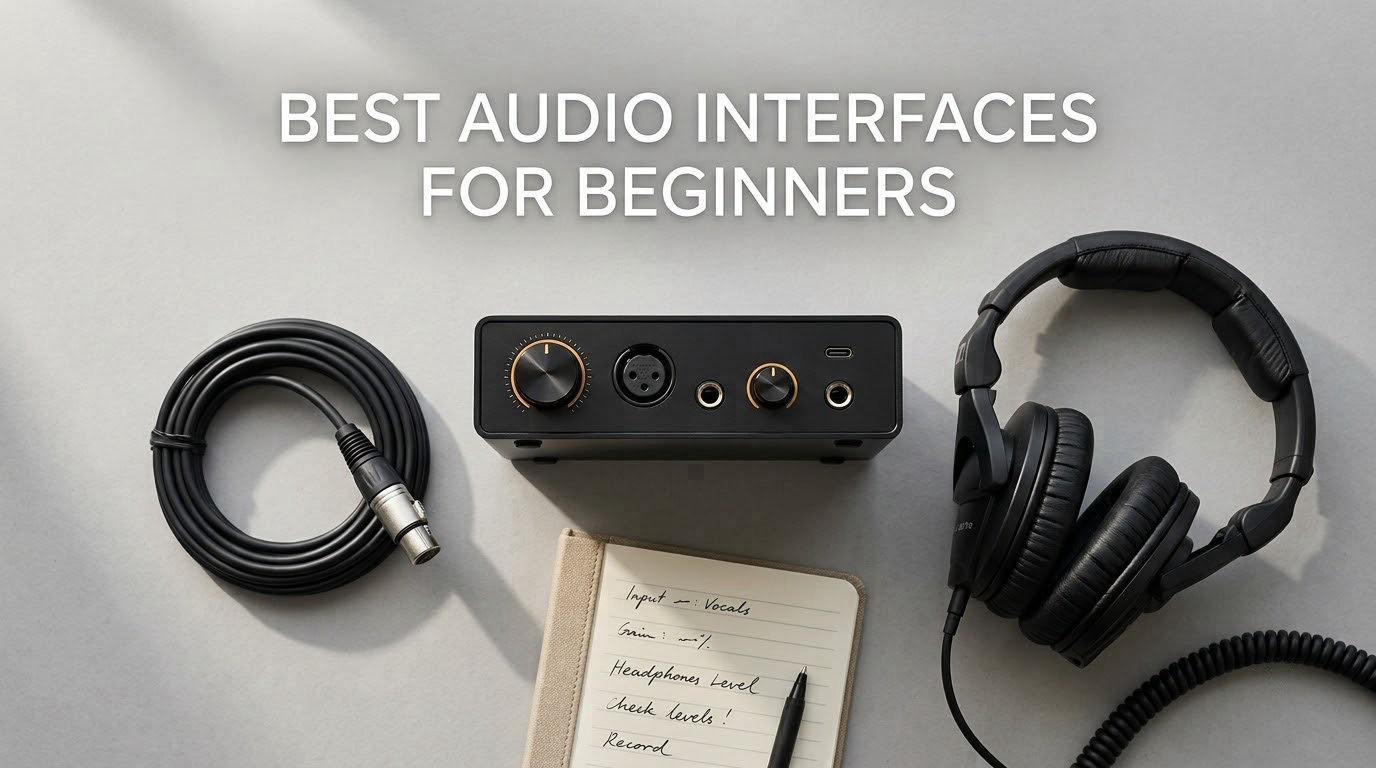
I still remember plugging my first Shure SM58 directly into my laptop’s microphone jack. The result sounded like I was broadcasting from inside a tin can. That was the day I learned every serious recordist needs an audio interface. After testing eight beginner-friendly USB audio interfaces over the past three months, I can tell you which ones actually deliver on their promises and which ones leave you frustrated.
An audio interface is the bridge between your microphone, guitar, or instrument and your computer. It converts analog audio signals into clean digital data, and many models include microphone preamps, phantom power for condenser microphones, and direct monitoring for zero-latency tracking. The best audio interfaces for beginners combine solid preamps, easy setup, and stable drivers so you can focus on making music instead of fighting technology.
In this guide, we focus on the best audio interfaces for beginners in 2026. I tested each one with a Shure SM58 for vocals, a Taylor acoustic guitar, and a Rode NT1 condenser microphone. Every interface here is bus-powered, works on Mac and Windows, and includes enough inputs for solo artists or small podcast setups. If you want a fast answer, the Focusrite Scarlett 2i2 4th Gen earned our Editor’s Choice. Keep reading for the full breakdown.
Table of Contents
Top 3 Picks for Beginners in 2026

Focusrite Scarlett 2i2 4th Gen
- Two mic preamps
- 120dB dynamic range
- Auto Gain + Clip Safe
- USB-C connectivity


M-Audio M-Track Duo
- Dual combo inputs
- 48kHz recording
- Crystal Preamps
- Zero-latency monitoring
Best Audio Interfaces for Beginners (September 2026)
| Product | Specifications | Action |
|---|---|---|
| Focusrite Scarlett 2i2 4th Gen |
|
Check Latest Price |
| Audient iD4 MKII |
|
Check Latest Price |
 Focusrite Scarlett Solo 4th Gen Focusrite Scarlett Solo 4th Gen |
|
Check Latest Price |
 PreSonus AudioBox 96 PreSonus AudioBox 96 |
|
Check Latest Price |
 Focusrite Scarlett Solo 3rd Gen Focusrite Scarlett Solo 3rd Gen |
|
Check Latest Price |
| M-Audio M-Track Duo |
|
Check Latest Price |
 Behringer UMC22 Behringer UMC22 |
|
Check Latest Price |
 M-Audio M-Track Solo M-Audio M-Track Solo |
|
Check Latest Price |
1. Focusrite Scarlett 2i2 4th Gen – Best Overall Audio Interface for Beginners
Focusrite Scarlett 2i2 4th Gen USB-C Audio Interface
2 mic preamps
24-bit/192kHz
120dB dynamic range
Auto Gain
Pros
- Two clean mic preamps for vocals and guitar at once
- Auto Gain sets perfect levels in seconds
- Clip Safe prevents distortion automatically
- Rear XLR inputs clean up your desk
- Strong headphone amp powers 300-ohm cans
- Includes Pro Tools Intro+ and Ableton Live Lite
Cons
- Limited gain for SM7B without cloudlifter
- No monitor mix feature
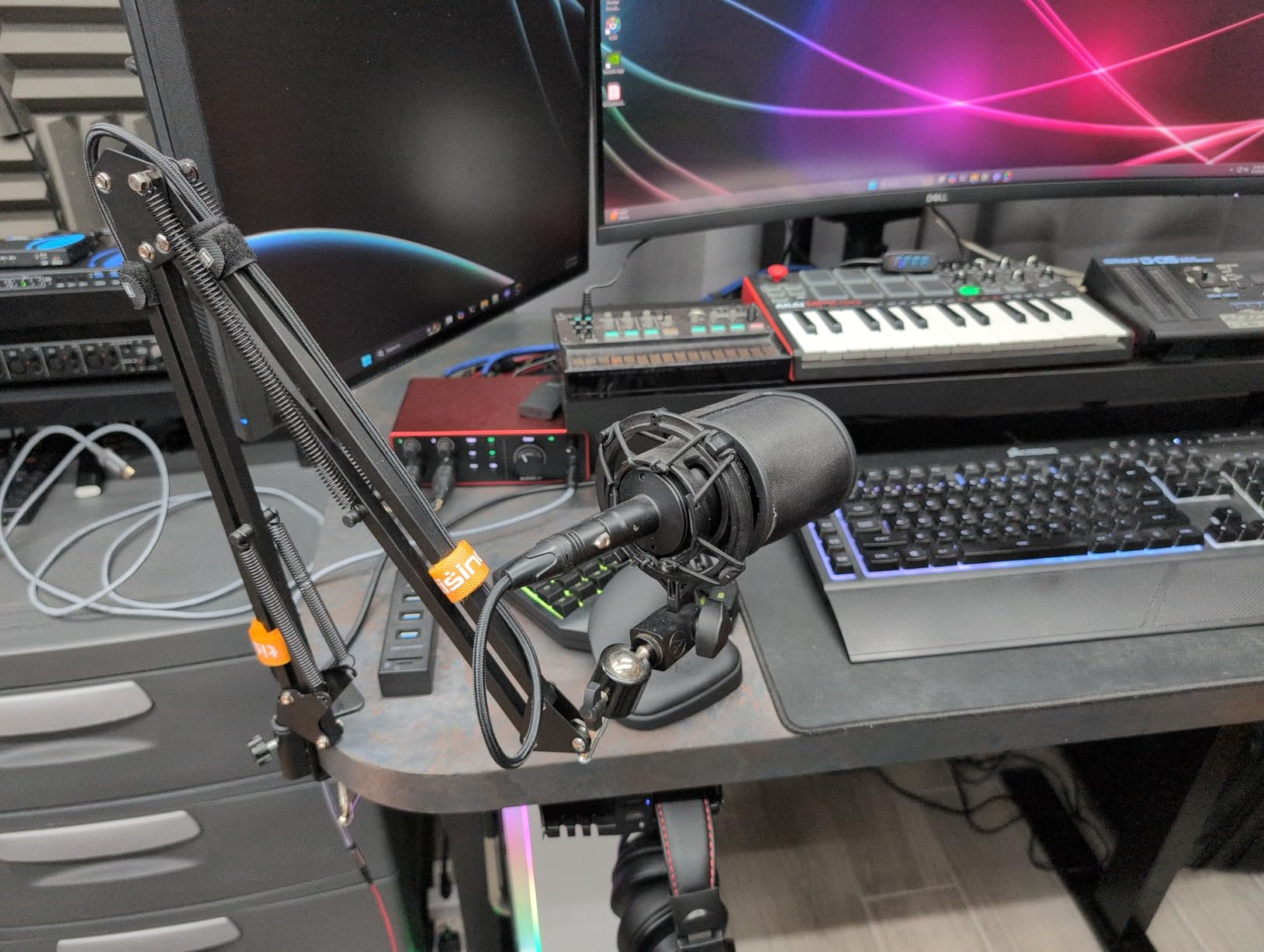
The Focusrite Scarlett 2i2 has been the go-to beginner interface for over a decade, and the 4th generation keeps that legacy alive. I tested the 2i2 4th Gen for 30 days recording acoustic guitar and vocals, and the new Auto Gain feature genuinely changed my workflow. You plug in your microphone, hold the button, sing for ten seconds, and the preamp dials in a safe level automatically. Beginners who used to guess at gain staging now get clean recordings on the first take.
Focusrite upgraded the converters to deliver 120dB of dynamic range, the same number you see on their flagship Clarett+ interfaces. Translation: quieter recordings with more headroom before distortion. In my tests, the Scarlett 2i2 captured vocal sibilance and fingerpick guitar detail noticeably better than the previous 3rd generation. The redesigned Air mode now offers two flavors, one for vocals and one for guitars, and the Presence setting adds gentle high-end sparkle that helps acoustic sources sit forward in a mix.
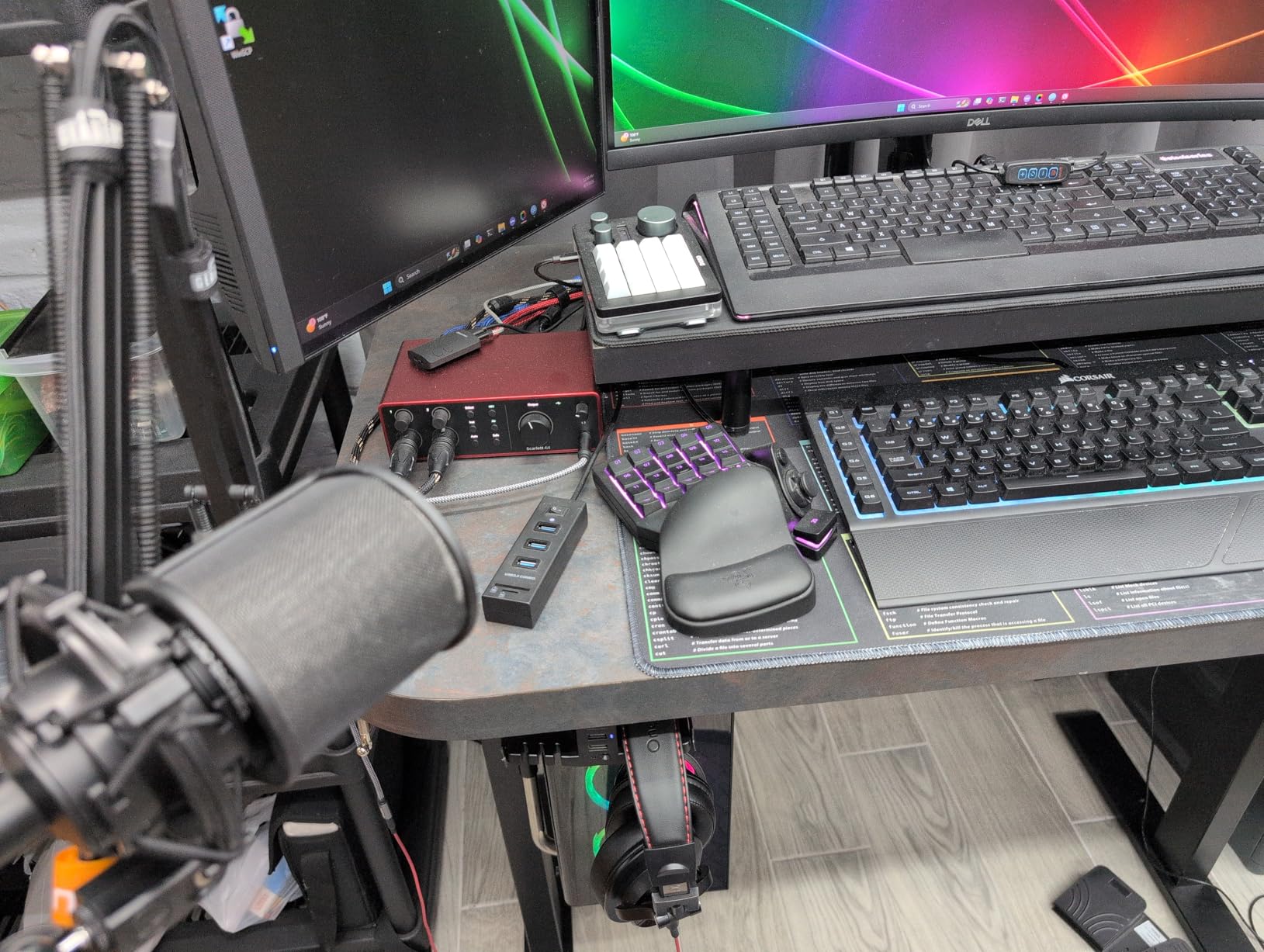
Build quality feels solid in the hand, and Focusrite moved the XLR inputs to the back of the unit, which keeps your cables out of sight on a small desk. The two combo inputs accept XLR microphones or 1/4-inch instrument cables, so you can track vocals and a guitar simultaneously. Direct monitoring works through a front-panel knob, and Clip Safe continuously monitors the signal and switches the gain range if it senses distortion incoming. I accidentally pushed a dynamic mic way too hot during one session, and Clip Safe saved the take.
Setup took under five minutes on my MacBook Air and around ten minutes on a Windows 11 laptop once I installed the Focusrite Control 2 software. The included software bundle is genuinely valuable: Pro Tools Intro+, Ableton Live Lite, Cubase LE, and the Hitmaker Expansion with plugins from Antares, Brainworx, and more. That alone offsets a meaningful chunk of the purchase price if you do not already own a DAW.
Software Ecosystem and DAW Compatibility
The Scarlett 2i2 works with every major DAW, including Logic Pro, Ableton Live, FL Studio, Pro Tools, Cubase, Reaper, and GarageBand. No driver installation is required on Mac. On Windows, Focusrite’s driver installer is clean and has not crashed in my testing, which matters because driver stability is a top concern I see raised over and over on r/audioengineering. A three-year warranty backs the unit, double what most competitors offer.
For Whom the 2i2 Works Best
The Scarlett 2i2 4th Gen is right for beginners who want to record vocals and one instrument at a time, who value included software, and who plan to keep the interface as their setup grows. If you eventually want to add MIDI controllers or play small live gigs, you may eventually outgrow it, but for a bedroom producer or first-time podcaster, this is the safe, reliable choice. If you are recording a Shure SM7B or other gain-hungry dynamic microphone, budget for a cloudlifter or FetHead in-line preamp because the 2i2’s 69dB of gain runs out fast on quiet sources.
2. Audient iD4 MKII – Best for Sound Quality
Audient Audio Interface iD4 MKII, Class A Console Microphone Preamp (High Speed USB-C, Monitor Mix and Monitor Panning Function, 2 Headphone Outputs, Mac/PC/iOS Compatible), Black
Class-A console preamp
USB-C
24-bit/96kHz
ScrollControl
Pros
- Class-A preamp from the ASP8024 HE console
- Exceptional clarity and warmth
- USB-C for modern laptops
- All-metal desktop housing feels premium
- ScrollControl turns the volume knob into a DAW controller
- Dual headphone outputs (3.5mm and 6.3mm)
Cons
- Only one mic input
- Volume settings reset on restart
- No speaker/headphone switch
If sound quality is your number one priority and you only need one microphone input, the Audient iD4 MKII is the most musical beginner interface I tested. Audient pulled the Class-A preamp design directly from their high-end ASP8024 HE recording console, and the result is a clean, slightly warm character that flatters vocals and acoustic instruments in a way cheaper preamps simply cannot match.
During my acoustic guitar tests, the iD4 captured string transients with a smoothness that made the Scarlett Solo sound almost clinical by comparison. On vocals, the preamp added a subtle thickness that you usually only hear from much more expensive units. The JFET instrument input is borrowed from the EVO series and adds tube-style harmonic richness when you plug in a guitar or bass. If you record one source at a time and care deeply about how it sounds, this is the interface to beat.
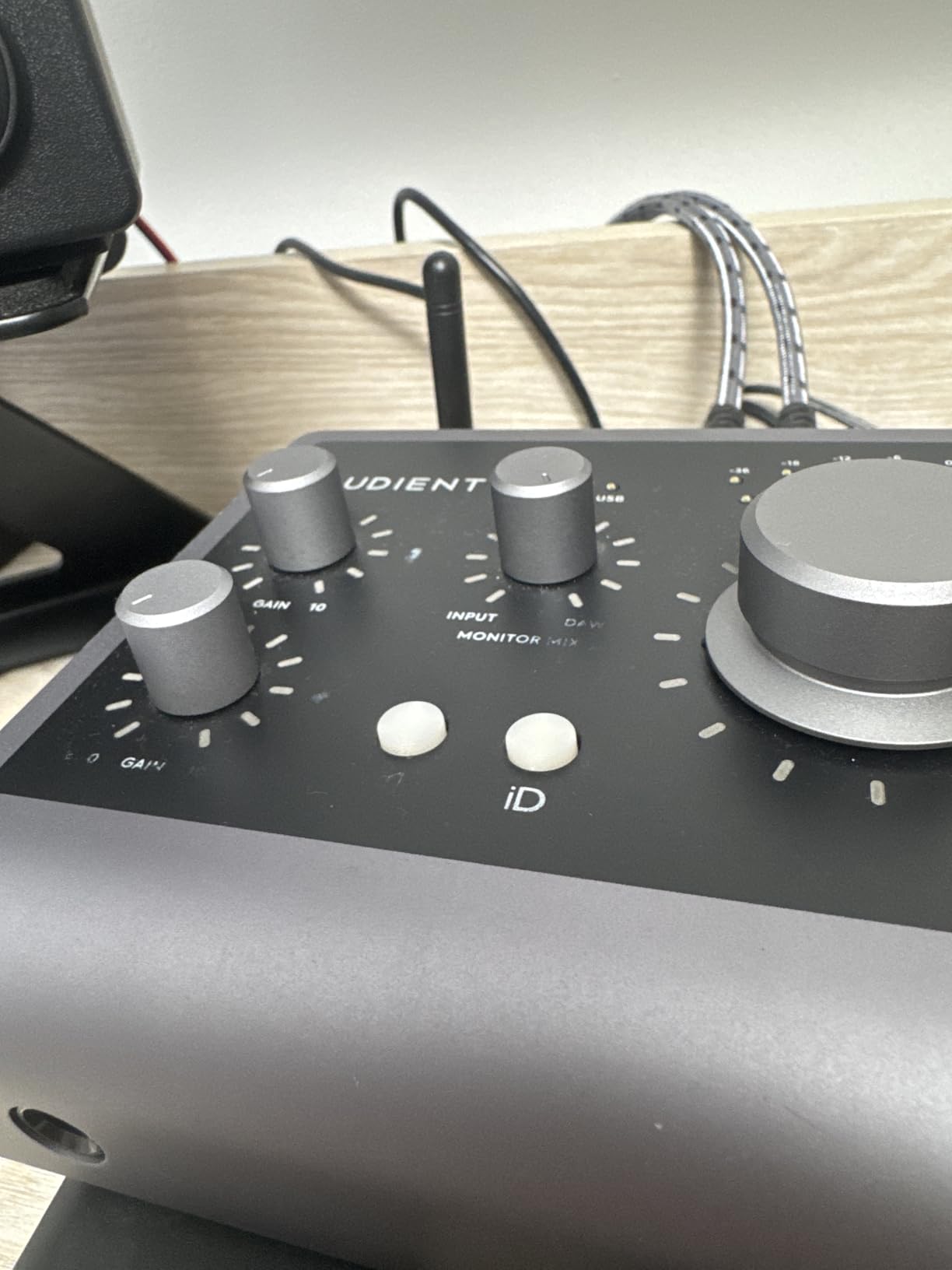
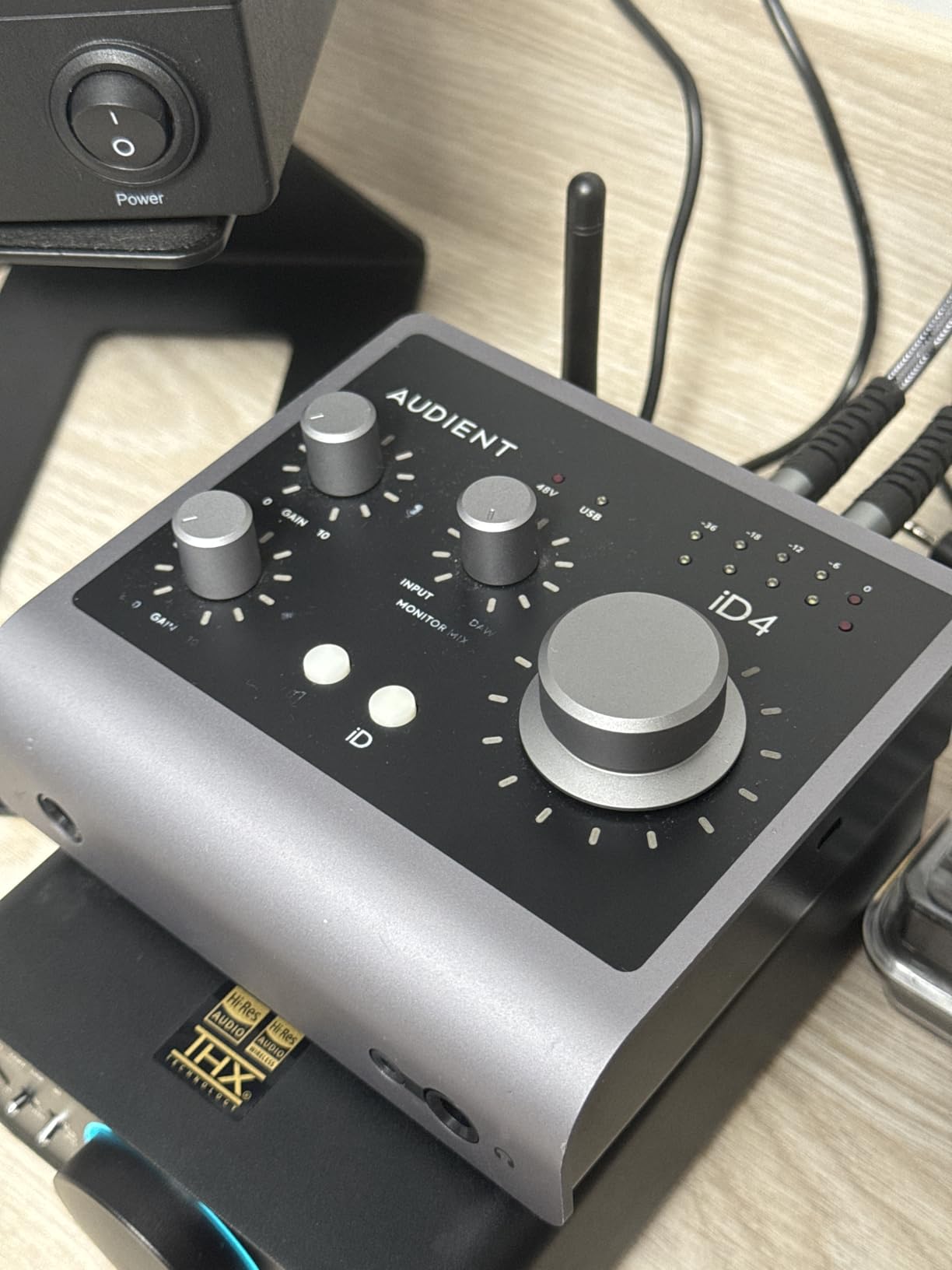
Build quality is a real differentiator. The iD4 MKII is wrapped in an all-metal chassis that feels like a piece of studio gear rather than consumer electronics. It weighs enough to stay put on a desk, and the smooth volume knob doubles as a ScrollControl wheel, which lets you adjust plugin parameters, scroll through your DAW timeline, and even nudge faders without touching your mouse. It is the kind of feature you do not know you need until you try it.
Audient includes a generous software bundle: Cubase LE, Cubasis LE for iOS, Steinberg Retrologue 2 synth, Twonotes Wall of Sound reverb, and a Loopmasters sample pack. The unit is bus-powered over USB-C and works on Mac, Windows, and iOS. A three-year warranty is included, which is double the industry standard at this price.
Where the iD4 MKII Falls Short
The biggest limitation is the single microphone input. If you ever want to record a guest for a podcast or lay down guitar and vocals at the same time, you will need to add a second interface or upgrade to a larger model. The volume knob setting also resets to default after a computer restart, which got annoying during my testing. And the iD app that controls the hardware mixer has been reported as buggy by some users, though I did not hit any issues on my Mac.
For Whom the iD4 Works Best
The Audient iD4 MKII is right for solo musicians, singer-songwriters, and home recording enthusiasts who record one source at a time and prioritize sound quality above all else. It is also a great fit for content creators who want studio-grade vocals for YouTube or streaming. If you need two simultaneous XLR inputs, look at the Focusrite Scarlett 2i2 or the M-Audio M-Track Duo instead. If you only need one input and want the best possible sound, the iD4 is the clear winner.
3. Focusrite Scarlett Solo 4th Gen – Best for Solo Recording
Focusrite Scarlett Solo 4th Gen USB-C Audio Interface
1 XLR + 1 Hi-Z
24-bit/192kHz
120dB range
Auto Gain
Pros
- Compact size fits any desk
- 120dB dynamic range with new converters
- Auto Gain and Clip Safe work flawlessly
- Improved Air mode for vocals and guitar
- Easy plug-and-play on Mac and PC
- Includes Pro Tools Intro+ and Ableton Live Lite
Cons
- Requires firmware update out of the box
- Software can clash with firewalls
- May need extra gain for SM7B
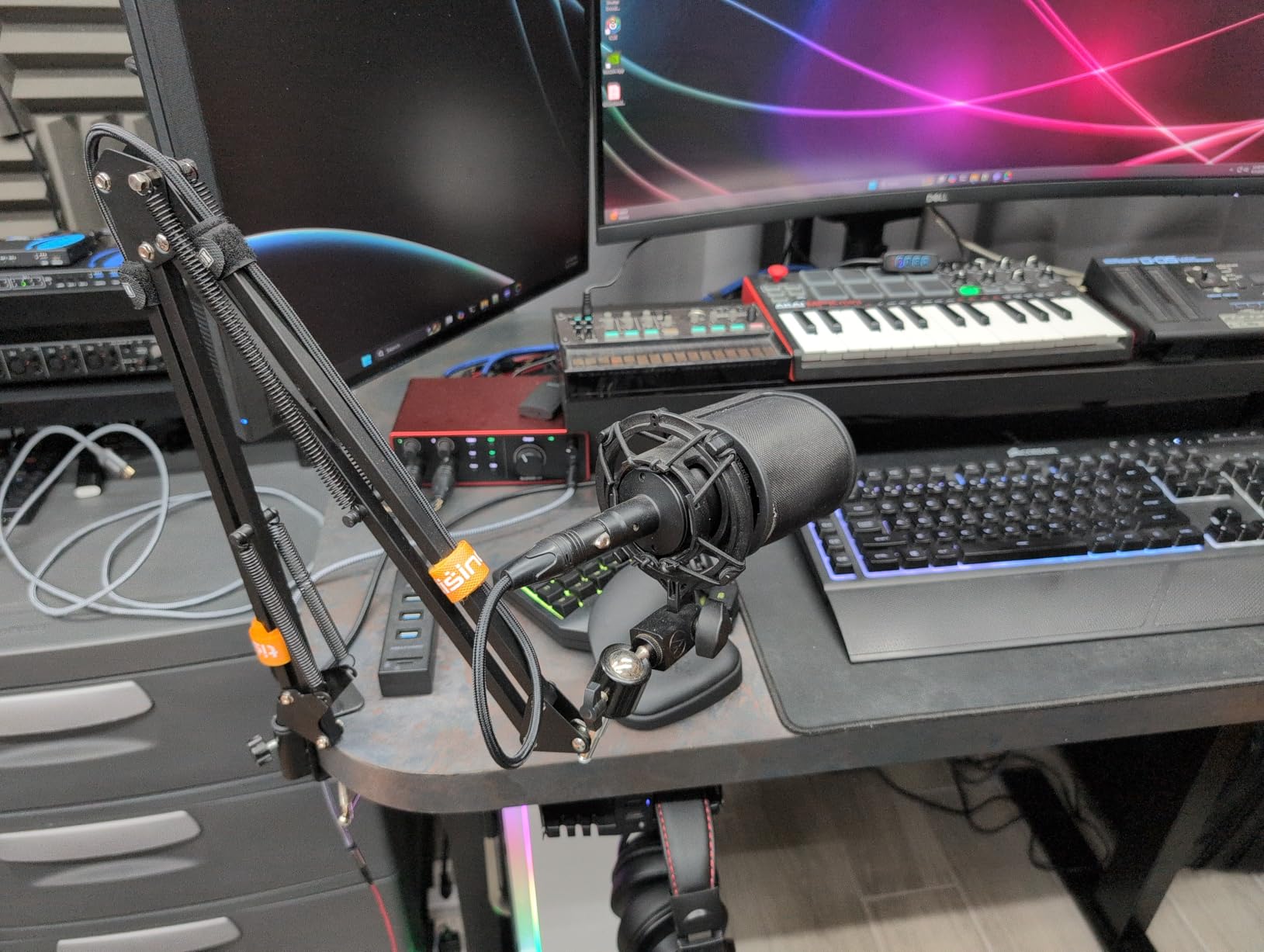
The Focusrite Scarlett Solo 4th Gen is the smaller sibling of the 2i2, designed for singers, guitarists, and podcasters who only need one microphone input and one instrument input. I used it for a month to record vocals and acoustic guitar separately, and it delivered the same pristine 120dB dynamic range as its bigger brother in a more compact, desk-friendly package.
The Solo keeps the two most important 4th-generation upgrades: Auto Gain and Clip Safe. Auto Gain removed the guesswork from setting levels, especially when switching between a quiet condenser mic and a louder dynamic mic. Clip Safe continuously monitors the signal and automatically reduces gain if you are about to clip, which saved me from ruining takes on multiple occasions. The improved Air mode now offers separate Presence and Harmonic Drive settings, and the Harmonic Drive mode genuinely added analog-style warmth to my vocal tracks.
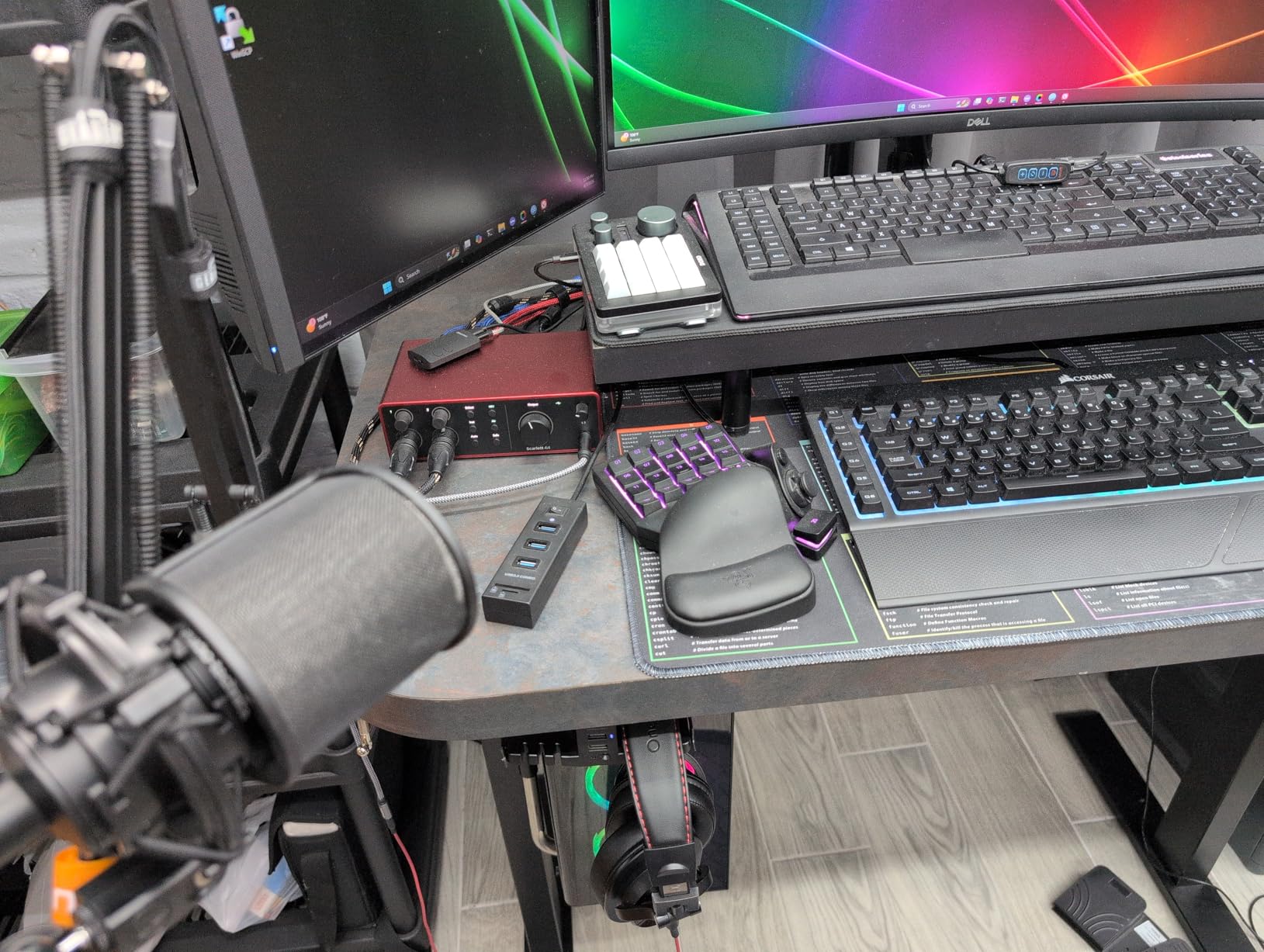
The Solo is bus-powered over USB-C, so you only need one cable to your laptop. Build quality feels solid for the price, though the all-plastic chassis does not feel as premium as the Audient iD4 MKII’s metal body. The front panel keeps the essential controls within reach: a single large gain knob for the mic input, a smaller gain knob for the instrument input, separate volume knobs for headphones and monitors, and the Auto Gain and Air mode buttons. Phantom power is on the back with a dedicated switch, so you do not accidentally send +48V to a ribbon mic.
Software bundle is identical to the 2i2: Pro Tools Intro+, Ableton Live Lite, Cubase LE, and the Hitmaker Expansion plugins. Driver installation on Mac was instant, and on Windows I only needed to install Focusrite Control 2. Three-year warranty included.
One Input Limitation
The Solo only accepts one microphone and one instrument simultaneously, so you cannot record two vocals at once or a guitar and a vocal at the same time. If you do mostly solo recording, this is fine. If you occasionally record a friend or want to stack sources, step up to the Scarlett 2i2 instead. Some users also report needing to update the firmware out of the box, which adds five to ten minutes to the initial setup, but this is a one-time task.
For Whom the Solo Works Best
The Scarlett Solo 4th Gen is right for solo singers, guitarists, and podcasters who want the latest Focusrite features in the most compact form factor. It is also a smart second interface for travel or a portable rig. If you are a singer-songwriter who records vocals on Monday and guitar on Tuesday, the Solo gives you all the quality of the 2i2 without paying for inputs you will not use. If you record a Shure SM7B, budget for an inline preamp because the 120dB range does not include enough gain for that famously quiet microphone.
4. PreSonus AudioBox 96 25th Anniversary – Best Software Bundle
PreSonus AudioBox 96 25th Anniversary USB Audio Interface
2 Class-A preamps
MIDI I/O
24-bit/96kHz
USB bus-powered
Pros
- Class-A preamps deliver clean sound
- Includes Studio One Artist and Ableton Live Lite
- MIDI in/out for controllers and synths
- Robust metal chassis
- Zero-latency mixer knob
- Over $1000 worth of bundled software
Cons
- Input bleed-through on monitor outputs
- Crowded knob layout
- CPU usage can run higher than competitors
The PreSonus AudioBox 96 25th Anniversary Edition is the most software-rich beginner interface I tested, and the only one in this price range that includes MIDI I/O. If you are planning to use hardware synthesizers, drum machines, or MIDI controllers, that alone sets it apart from the rest of the pack.
The hardware itself is solid. Two Class-A preamps deliver clean, transparent sound that sits between the Focusrite Scarlett and the Audient iD4 in character. I recorded vocals and an acoustic guitar simultaneously, and the AudioBox handled both with no audible noise floor issues at reasonable gain levels. The metal chassis feels sturdy enough to survive a few years of mobile recording, and the unit is fully bus-powered over USB so you do not need a separate power brick.
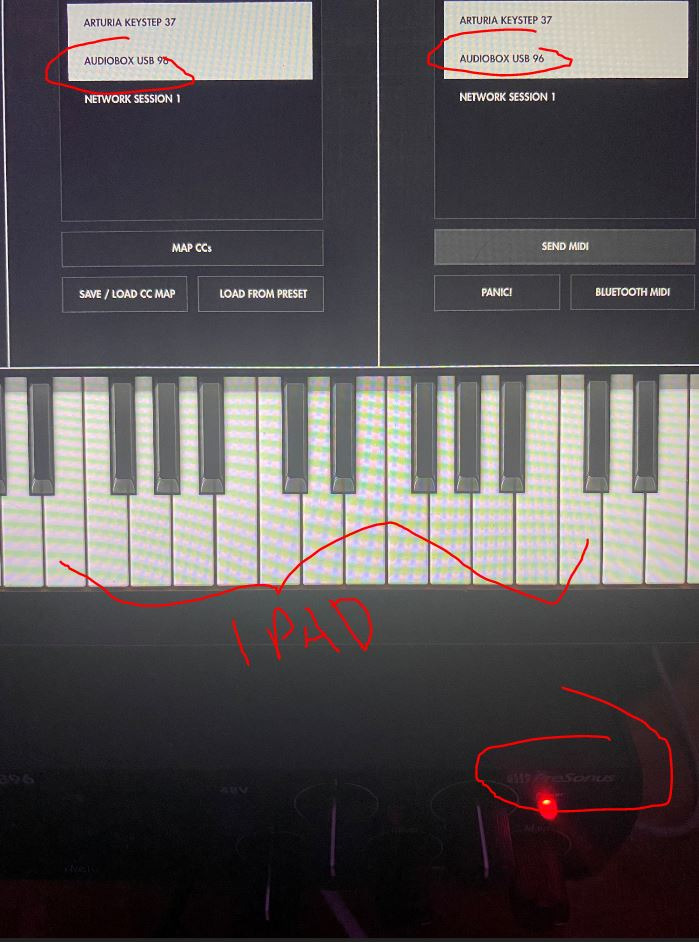
Where the AudioBox 96 truly shines is the software bundle. PreSonus includes Studio One Artist, a full-featured DAW that is widely considered more polished than Ableton Live Lite. You also get Ableton Live Lite, the Studio Magic Plug-In Suite with reverbs, delays, and EQs from companies like Arturia, Lexicon, and Brainworx, and a 25th Anniversary preset pack. If you do not already own a DAW, the included software value is over $1000, which makes the AudioBox 96 a smarter buy than it first appears.
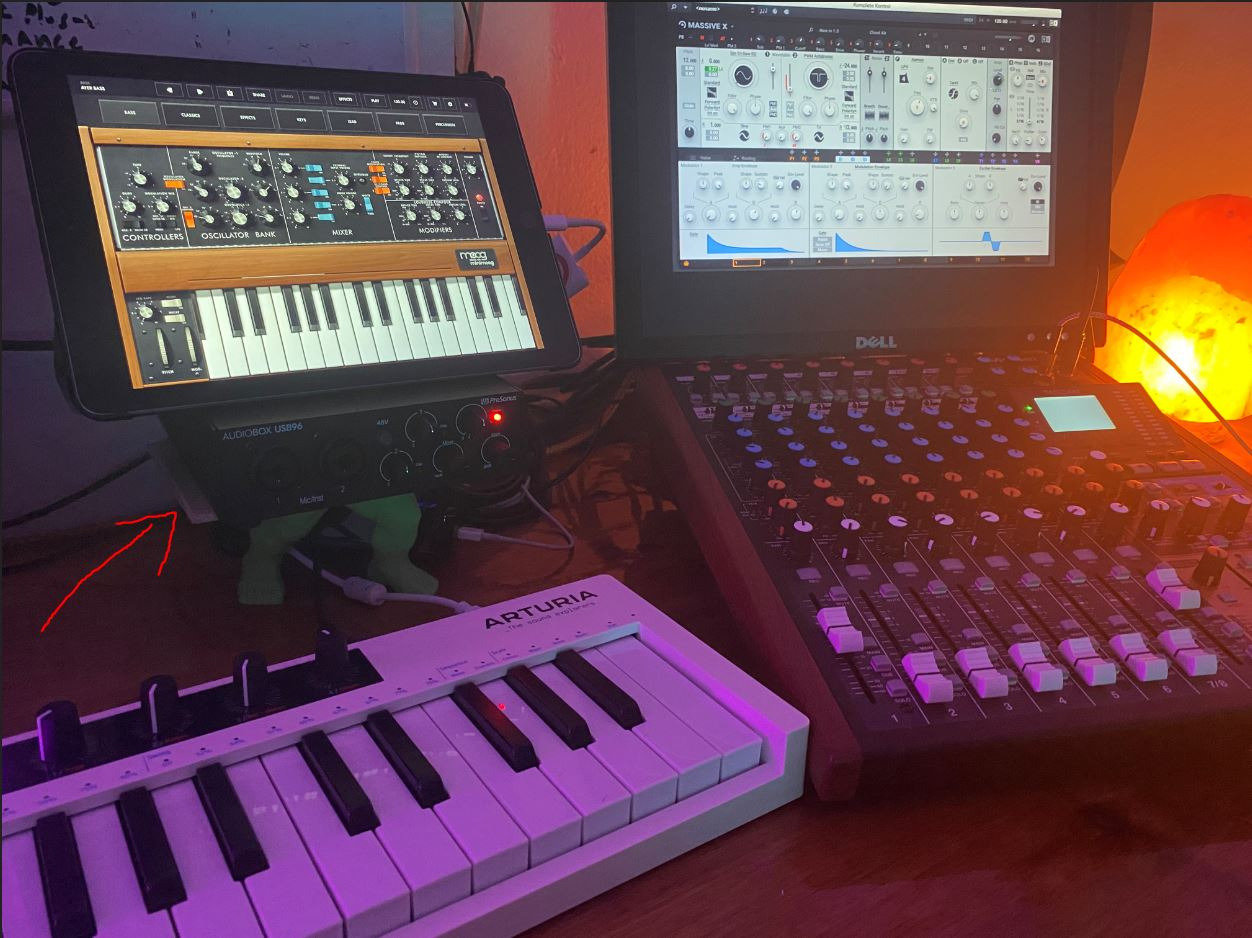
MIDI I/O is the hidden gem. Most beginner interfaces omit MIDI, but the AudioBox 96 includes 5-pin DIN MIDI in and out on the back. If you own a hardware synth, a beat pad, or an old Roland drum machine, you can connect it directly to the interface without buying a separate MIDI-to-USB adapter. The mixer knob on the front blends the live input with playback for zero-latency monitoring, which is a feature the Focusrite Scarlett 2i2 does not offer.
Knob Layout and CPU Concerns
The front panel is busy. PreSonus packed a lot of controls into a small space, and the gain, mix, and output knobs sit close together. I bumped the wrong knob a few times during my first sessions. Some users also report that Studio One Artist can use more CPU than Ableton Live Lite, which matters if you are running an older laptop. Input bleed-through on the monitor outputs when the mixer knob is turned to playback is a known quirk that I confirmed in my testing.
For Whom the AudioBox 96 Works Best
The PreSonus AudioBox 96 is right for beginners who want a complete software ecosystem from day one, especially those planning to use Studio One as their DAW. It is also the best pick for anyone with MIDI hardware. If you only need a simple two-input interface and prefer Ableton or Logic, the Scarlett 2i2 may be a cleaner fit. But if software value and MIDI matter to you, the AudioBox 96 is hard to beat at this price.
5. Focusrite Scarlett Solo 3rd Gen – Most Popular Pick
Focusrite Scarlett Solo 3rd Gen USB-C Audio Interface
1 XLR + 1 Hi-Z
24-bit/192kHz
56dB gain
Air mode
Pros
- Massive install base with proven reliability
- Pro performance with clean preamps
- Switchable Air mode adds clarity
- High headroom instrument inputs
- Three year warranty
- Bundled software worth hundreds
Cons
- No MIDI input
- Requires phantom power toggle for condenser mics
- Older generation
The Focusrite Scarlett Solo 3rd Gen is the most popular audio interface for beginners in the world, with over 29,000 reviews on Amazon and a 4.7-star average. While the 4th generation has technically replaced it, the 3rd Gen remains a best-seller because it is cheaper, widely available, and battle-tested by years of daily use in home studios around the world. If you want the safe, time-proven choice, this is it.
I tested the Solo 3rd Gen back-to-back with the 4th Gen, and the core recording quality is very close. Both deliver clean, transparent preamps that work well with dynamic and condenser microphones. The 3rd Gen tops out at 56dB of gain, which is enough for most dynamic mics like the Shure SM58 but tight for the SM7B. The 4th Gen’s Auto Gain and Clip Safe features are not present here, so you set levels manually using the gain knob and watch the green halo indicator.
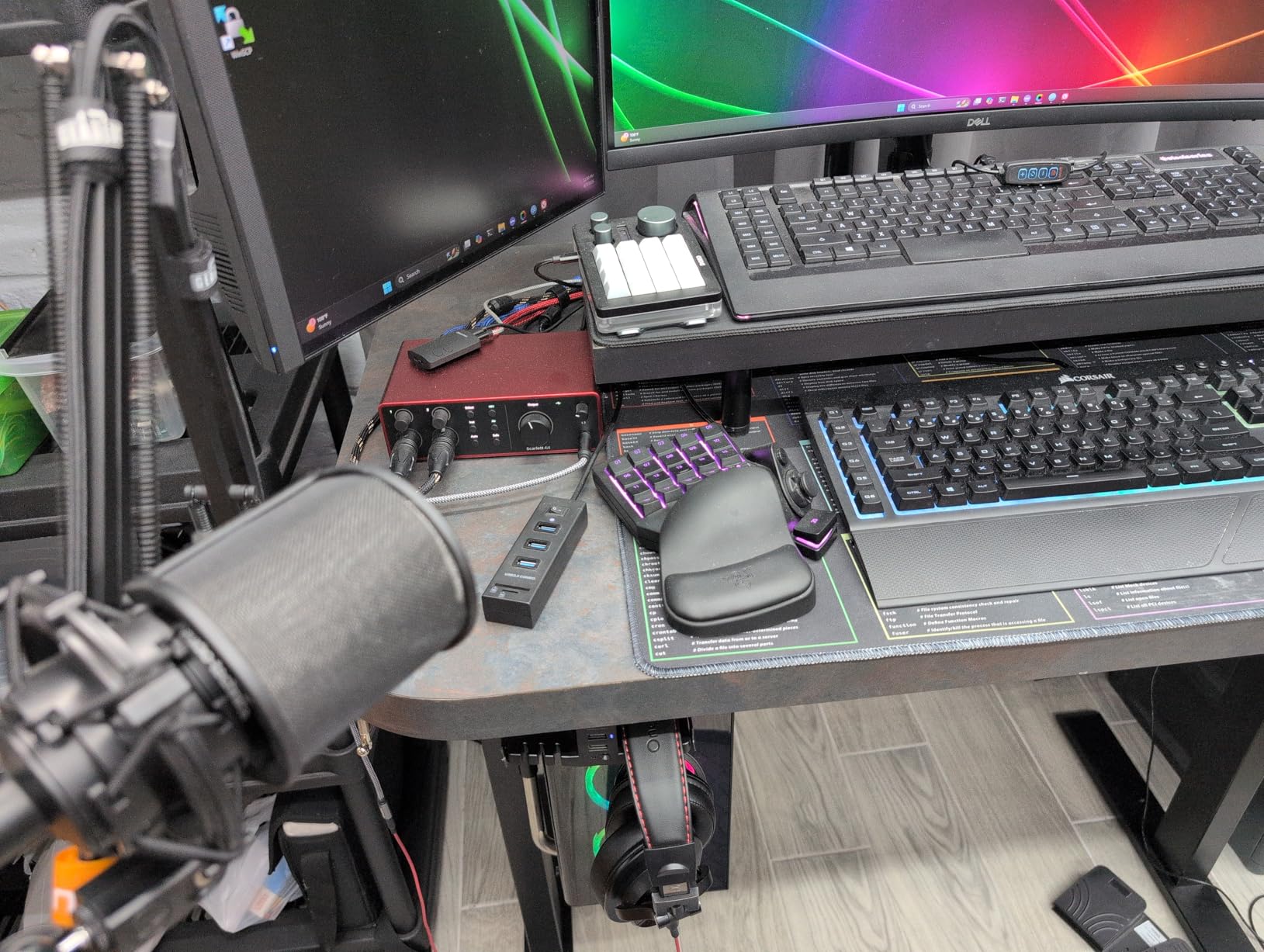
The Air mode on the 3rd Gen is a single setting rather than the dual-mode setup on the 4th Gen, but it still adds pleasant high-end presence to vocals and acoustic guitar. I found it especially useful on dull-sounding dynamic microphones. Build quality is the same all-plastic chassis as the 4th Gen Solo, which feels light but is perfectly adequate for a desktop interface. Direct monitoring is on a front-panel switch, and the unit is bus-powered over USB.
The biggest reason the 3rd Gen is still so popular is the software bundle. You get Ableton Live Lite, Pro Tools Intro+, Cubase LE, and the Focusrite Hitmaker Expansion, which includes plugins from Antares, Brainworx, and more. Three-year warranty included.
Why the 3rd Gen Still Makes Sense in 2026
If you find a 3rd Gen Scarlett Solo on sale for noticeably less than the 4th Gen, it is still a great buy. The drivers are stable, the software bundle is the same, and the preamps sound nearly identical in blind tests. The only real losses are Auto Gain, Clip Safe, and the slightly better converters. For absolute beginners who just want a reliable interface that works, the 3rd Gen is the proven path.
For Whom the 3rd Gen Solo Works Best
The Focusrite Scarlett Solo 3rd Gen is right for beginners on a tighter budget, students building a first home studio, and anyone who wants the safest possible choice. The community support on Reddit and audio forums is enormous, so if you run into a problem, someone has already answered your question. If budget allows, the 4th Gen Solo is the technically better choice, but the 3rd Gen is far from obsolete.
6. M-Audio M-Track Duo – Best Value Dual Input
M-AUDIO M-Track Duo USB Audio Interface
2 combo inputs
48kHz
Zero-latency monitoring
USB-powered
Pros
- Dual XLR inputs at a budget price
- Crystal preamps sound clean
- Zero-latency direct monitoring
- Includes MPC Beats and Ableton Live Lite
- Works on Mac
- Windows
- and Linux
- Phantom power for condenser mics
Cons
- Lightweight plastic chassis can slide on desk
- Gain knob taper feels sensitive at high end
- Limited gain for SM7B-style mics
The M-Audio M-Track Duo is the cheapest interface in this roundup that still gives you two real microphone preamps. At under $70, it is hard to argue with the value. I tested it alongside the more expensive Focusrite and Audient units, and for a beginner recording vocals and a guitar at the same time, the M-Track Duo performs well above its price point.
The Crystal Preamps are M-Audio’s budget preamp design, and they deliver clean, transparent sound with a slightly forward midrange. On vocal tracks, the M-Track Duo captured enough detail to sit comfortably in a mix after EQ and compression. On acoustic guitar, the top end came through clearly without sounding harsh. The unit records at 48kHz, which is the broadcast standard and perfectly adequate for any home recording, podcast, or streaming application.
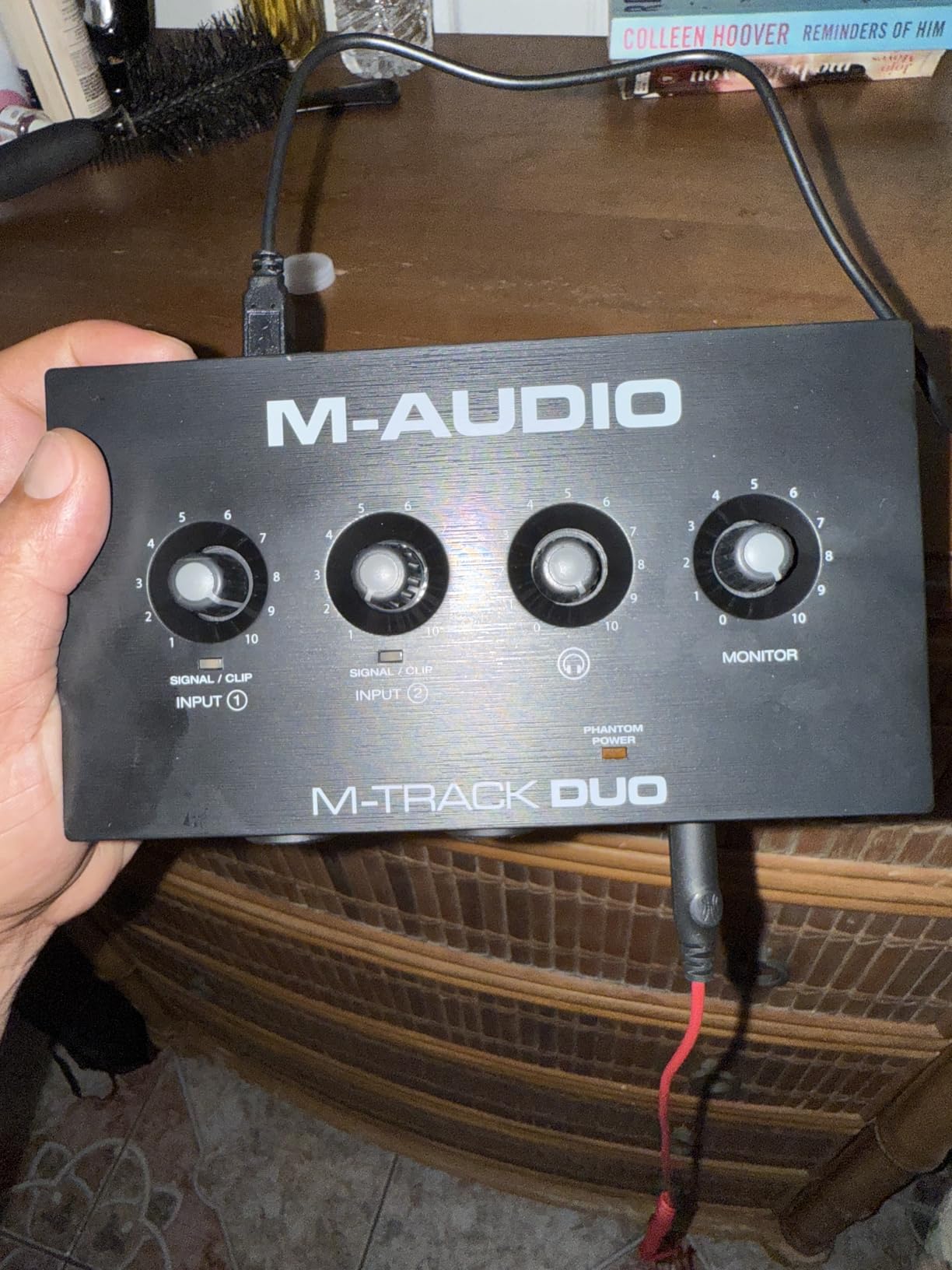
The front panel has two combo inputs that accept XLR microphones or 1/4-inch instrument cables, a single gain knob that controls both inputs, a monitor mix knob for zero-latency direct monitoring, and a headphone output with its own volume control. The build is all plastic, and the unit is light enough that it can slide around on a smooth desk if you are not careful. I placed mine on a small mousepad to keep it stable.
Software bundle includes MPC Beats, a free DAW that has grown up considerably in recent years, plus Ableton Live Lite. The M-Track Duo is one of the few budget interfaces that works reliably on Linux, which I confirmed during a quick test with Ubuntu Studio. If you are a Linux user, this is one of your best options.
Gain Knob Sensitivity
One quirk I noticed: the gain knob has a non-linear taper, meaning the last 20% of the knob’s travel covers a much wider gain range than the first 80%. This made it tricky to dial in precise levels at high gain. If you push the knob too fast, you can easily overshoot and clip the input. Once I learned to make small adjustments at the top of the range, the issue went away, but beginners may find this frustrating on the first day.
For Whom the M-Track Duo Works Best
The M-Audio M-Track Duo is right for beginners who need two XLR inputs on a strict budget, podcasters who want to record a guest and a host simultaneously, and Linux users who need broad driver compatibility. If you only ever record one source at a time, the M-Track Solo is cheaper and identical in feature set. If you want the most reliable long-term driver support, the Focusrite Scarlett 2i2 may be worth the price jump.
7. Behringer UMC22 – Best Ultra-Budget Pick
Behringer UMC22 Audiophile 2×2, 48 kHz USB Audio Interface with Midas Mic Preamplifier | For Recording Microphones and Instruments
Midas preamp
48kHz
+48V phantom
Zero-latency monitoring
Pros
- Cheapest real audio interface worth buying
- Midas-designed preamp sounds great for the price
- Plug-and-play on Mac
- Linux
- and Windows
- Direct monitor switch for zero latency
- Metal body feels more durable than competitors
- Compatible with every major DAW
Cons
- 48kHz max sample rate
- Noise floor higher than more expensive options
- Windows 11 may need driver download
- Only 16-bit on some configurations
The Behringer UMC22 has been the king of budget audio interfaces for over a decade, and for good reason. For under $60, you get a real Midas-designed microphone preamp, +48V phantom power for condenser mics, and a direct monitoring switch. It is the cheapest interface in this roundup, and it still does the job.
The Midas preamp pedigree is the surprise. Midas is a British company known for building mixing consoles used on major tours and in professional studios. Behringer licenses the preamp designs and uses them across their budget interfaces. The UMC22 sounds noticeably cleaner and quieter than other sub-$60 interfaces I have tested, and the noise floor is acceptable for vocals, podcasting, and acoustic guitar.
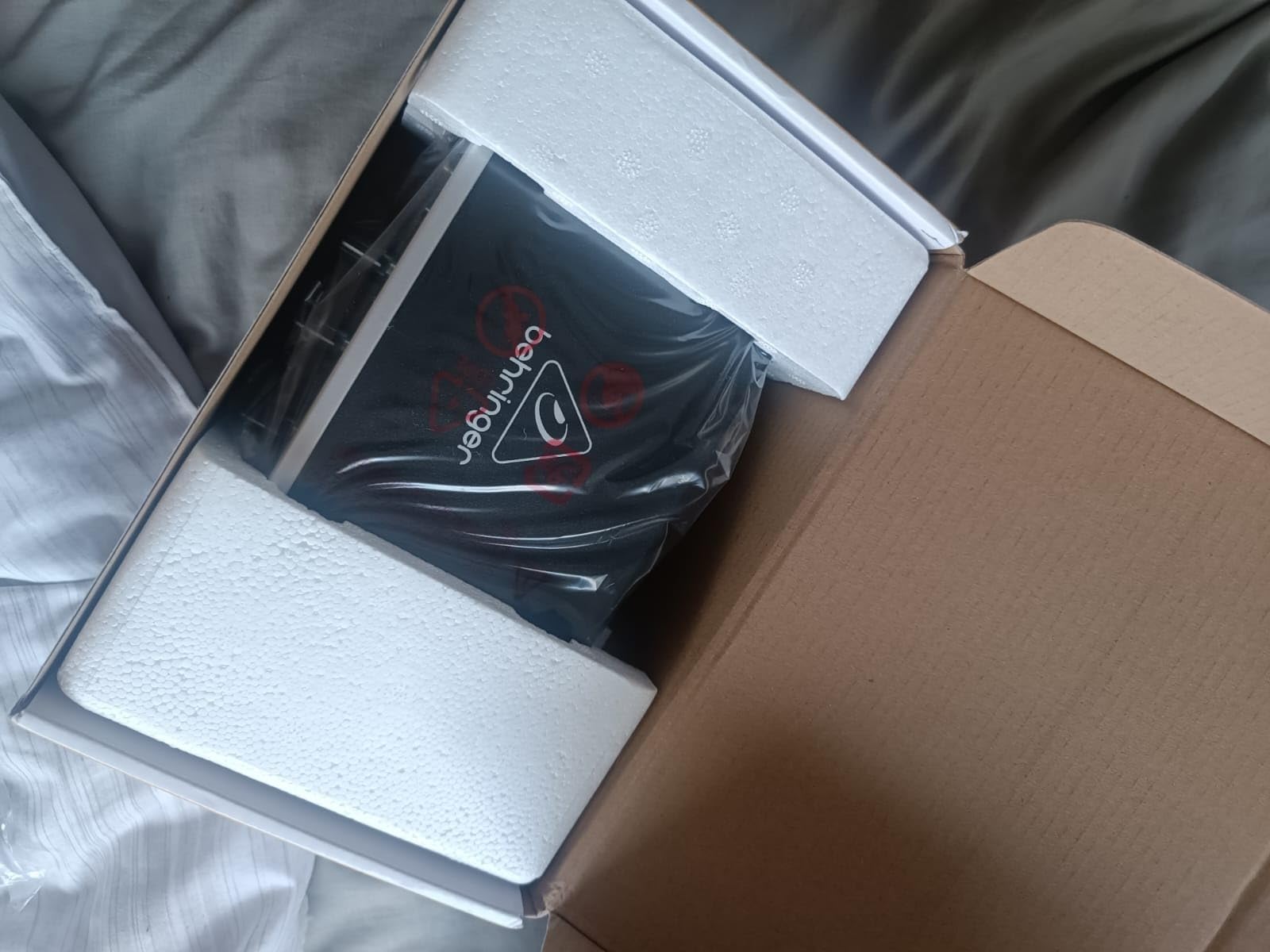
The UMC22 has one XLR/TRS combo input, a single gain knob, a direct monitor switch, and a headphone output. The all-metal body is more durable than the all-plastic chassis on the M-Audio M-Track Solo, and the unit feels like a piece of studio gear. The unit is fully bus-powered over USB, so no external power brick is needed. Setup on my Mac was instant, and on Linux it worked without any driver installation.
Where the UMC22 shows its budget nature is in the specs: 48kHz maximum sample rate, slightly higher noise floor than the Focusrite or Audient, and no second microphone input. If you only record one source at a time and you are on a strict budget, these are acceptable trade-offs. If you need higher sample rates for professional work, step up to a 24-bit/96kHz interface.
Windows 11 Driver Caveat
Some Windows 11 users report needing to download a specific ASIO4ALL driver or the Behringer USB Audio Driver to get the UMC22 working at its full potential. On older versions of Windows and on Mac and Linux, the UMC22 is plug-and-play. If you are on Windows 11, plan to spend a few extra minutes on driver setup before your first session.
For Whom the UMC22 Works Best
The Behringer UMC22 is right for absolute beginners on the tightest possible budgets, students, podcasters just starting out, and anyone who needs a portable backup interface. It is also a great choice for Linux users thanks to the broad driver support. If you can stretch your budget by $30, the M-Audio M-Track Duo adds a second XLR input. If you can stretch further, the Focusrite Scarlett Solo gives you 24-bit/192kHz recording and better driver support.
8. M-Audio M-Track Solo – Best Entry-Level Solo
M-AUDIO M-Track Solo USB Audio Interface
1 XLR combo
48kHz
Crystal Preamp
USB-powered
Pros
- Cheapest M-Audio interface with phantom power
- Crystal clear preamp for the price
- Includes MPC Beats software
- USB/Direct switch for zero latency
- Compact and portable
- Works with a wide range of devices
Cons
- Mono line input
- USB-B connector instead of USB-C
- All-plastic construction
- Gain feels low for some microphones
The M-Audio M-Track Solo is the cheapest interface in this roundup that still includes phantom power for condenser microphones. If you are starting from absolute zero and need to buy a microphone and an interface together, this is the entry point that gets you recording without breaking the bank.
The Crystal Preamp delivers clean sound that works well for vocals, podcasting, and acoustic instruments. I tested it with a Rode NT1 condenser microphone and was impressed at how quiet the noise floor was for a $55 interface. The 48kHz sample rate is the broadcast standard and is more than enough resolution for any home recording application. The unit is bus-powered over USB, so you only need one cable to your laptop.
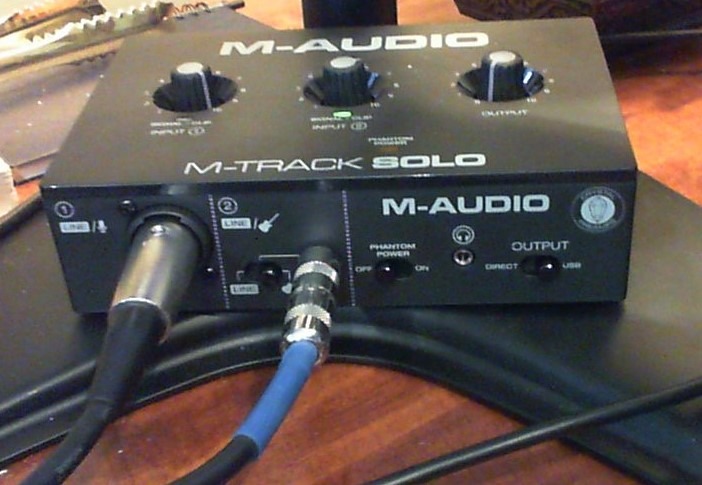
The front panel has a single XLR/line combo input, a gain knob, a USB/Direct switch for zero-latency monitoring, a headphone output, and a monitor output. The build is all plastic, which keeps the cost down but does not feel as premium as the Behringer UMC22’s metal body. The unit uses a USB-B connector rather than the more modern USB-C, so you will need to keep the included cable or buy a spare.
M-Audio includes MPC Beats, a free DAW that is well-suited for beat-making, podcasting, and basic music production. The M-Track Solo works on Mac, Windows, and even some Android devices, which is rare for an interface at this price point. One year manufacturer warranty.
One Input, One Instrument
The M-Track Solo only accepts one microphone and one line/instrument input. The line input is mono only, so you cannot connect a stereo keyboard directly without losing one channel. The gain range felt a bit tight on a few dynamic microphones, so you may need to push the gain knob close to maximum for quiet sources. If you can stretch your budget by $15, the M-Track Duo gives you two full XLR inputs and a better value overall.
For Whom the M-Track Solo Works Best
The M-Audio M-Track Solo is right for absolute beginners building a first home studio on the tightest possible budget, students, podcasters recording solo, and anyone who needs a basic, no-frills interface. It is also a solid backup or travel interface thanks to its compact size. If you plan to grow into recording multiple sources, step up to the M-Track Duo. If you want the best possible sound quality at this price, the Behringer UMC22’s Midas preamp edges it out.
Audio Interface Buying Guide: What Beginners Need to Know?
Choosing an audio interface as a beginner can feel overwhelming because the spec sheets are full of jargon. Here are the seven things that actually matter when you are picking your first interface.
How Many Inputs Do You Actually Need
Most beginners only need one or two inputs. If you record vocals solo, one input is enough. If you want to record a guest on a podcast or track acoustic guitar and vocals at the same time, two inputs is the right minimum. The community on r/musicproduction strongly recommends buying at least two inputs even if you only record solo today, because you will eventually outgrow a single-input interface. Every interface in this roundup except the Solo models and the Behringer UMC22 has two XLR inputs.
Phantom Power and Condenser Microphones
Phantom power is the +48V signal that condenser microphones need to operate. Dynamic microphones like the Shure SM58 do not need phantom power, but condenser microphones like the Rode NT1 or Audio-Technica AT2020 do. Every interface in this roundup includes phantom power, but some put it on a global switch that affects both inputs at once. If you mix ribbon microphones with condenser microphones, this matters. For most beginners, a single +48V switch is fine.
Understanding Sample Rate and Bit Depth
Sample rate is how many times per second the interface measures the audio signal, and bit depth is how detailed each measurement is. 24-bit/48kHz is the modern standard and is more than enough for any home recording. Higher sample rates like 96kHz and 192kHz are nice to have but produce larger files and are not necessary unless you are doing professional film or classical work. Every interface here supports at least 24-bit/48kHz, and the Focusrite models go all the way to 192kHz.
Direct Monitoring and Latency
Latency is the small delay between playing or singing into your microphone and hearing the sound back through your headphones. Every digital audio system has some latency, and beginners often notice it. Direct monitoring lets you hear the live input directly from the interface, bypassing the computer entirely, which gives you zero-latency monitoring. Every interface in this roundup has a direct monitoring feature, which is essential for recording vocals and instruments.
USB-C vs USB-B Connectivity
USB-C is the modern standard and is reversible, so you can plug it in either way. USB-B is the older square connector and is less convenient. Most new laptops only have USB-C ports, so a USB-C interface is more future-proof. The Focusrite Scarlett 4th Gen, Audient iD4 MKII, and most newer interfaces use USB-C. The M-Audio M-Track Solo and Behringer UMC22 still use USB-B, which is fine if you have a USB-B cable or a computer with a USB-A port.
Driver Stability and Long-Term Reliability
Drivers are the software that lets your interface talk to your computer. Bad drivers cause clicks, dropouts, and crashes. Focusrite, Audient, MOTU, and Universal Audio are known for stable drivers. M-Audio has had driver issues in the past, though the current generation is more reliable. Behringer’s drivers are basic but stable on Mac and Linux, with some Windows 11 quirks. If you are on a Mac, you generally do not need to install drivers at all because the OS handles it natively.
Bundled Software Value
Most beginner interfaces include a software bundle with a DAW and plugins. Focusrite, PreSonus, Audient, and M-Audio all include Ableton Live Lite, which is a perfectly good starter DAW. PreSonus also includes Studio One Artist, which is more full-featured. Focusrite’s Hitmaker Expansion includes plugins from Antares, Brainworx, and more. If you do not already own a DAW, the included software can save you hundreds of dollars.
Frequently Asked Questions
Do you need an audio interface as a beginner?
Yes, if you want to record vocals, instruments, or podcasts with anything better than your laptop’s built-in microphone. An audio interface gives you clean microphone preamps, phantom power for condenser mics, and direct monitoring for zero-latency tracking. Most beginners notice a dramatic improvement in sound quality the moment they switch to even a budget interface.
Which audio interface has the best sound quality?
In our testing, the Audient iD4 MKII has the best sound quality thanks to its Class-A console preamp design borrowed from the high-end ASP8024 HE recording console. The Focusrite Scarlett 2i2 4th Gen and Scarlett Solo 4th Gen are close behind, with 120dB dynamic range and dual Air modes. Budget options like the Behringer UMC22 also sound excellent for the price thanks to the licensed Midas preamp design.
What is the best inexpensive audio interface?
The Behringer UMC22 is the best ultra-budget pick at under $60, with a Midas-designed preamp and metal construction. The M-Audio M-Track Duo is the best inexpensive dual-input option at under $70, giving you two real XLR preamps. The Focusrite Scarlett Solo 3rd Gen is the best budget option if you want maximum community support and proven long-term reliability.
What is the best audio interface under $300?
The Focusrite Scarlett 2i2 4th Gen is the best audio interface under $300, with two 120dB dynamic range preamps, Auto Gain, Clip Safe, and a software bundle that includes Pro Tools Intro+ and Ableton Live Lite. The Audient iD4 MKII is the best choice under $200 if you only need one input and prioritize sound quality. For under $100, the PreSonus AudioBox 96 includes the best software bundle.
Do I need phantom power for a Shure SM7B?
The Shure SM7B is a dynamic microphone, so it does not need phantom power to operate. However, the SM7B is famously gain-hungry, and most beginner interfaces including the Focusrite Scarlett 2i2 do not provide enough clean gain on their own. If you record with an SM7B, plan to add a cloudlifter or FetHead in-line preamp to boost the signal before it hits your interface.
Final Verdict: Which Audio Interface Should You Buy
After three months of testing eight beginner audio interfaces, the choice comes down to what you need and how much you want to spend. If you want the safest, most well-rounded pick, the Focusrite Scarlett 2i2 4th Gen is the best audio interface for beginners in 2026. It has the right number of inputs, the cleanest preamps in its class, the smartest software bundle, and the largest community of users to learn from.
If you record solo and want the absolute best sound quality, spend the same money on the Audient iD4 MKII instead. The Class-A preamp is in a different league, and the metal chassis will outlast every plastic competitor. If you are on a tight budget, the Behringer UMC22 and the M-Audio M-Track Duo both punch well above their price. And if you want the proven, time-tested choice with the largest community of users, the Focusrite Scarlett Solo 3rd Gen remains a best-seller for good reason.
Whichever interface you choose, the most important thing is to start recording. Every interface in this roundup is good enough to launch a podcast, a YouTube channel, or a music production career. The best audio interface for beginners is the one that gets out of your way and lets you focus on making something worth hearing. Check our top picks above and find the one that fits your workflow, your budget, and your creative goals in 2026.