
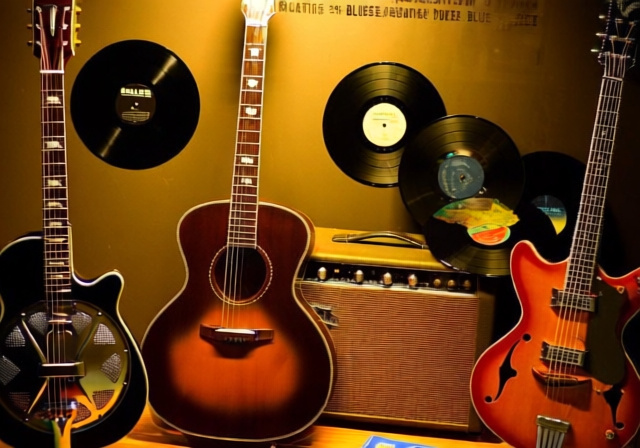
Blues guitar isn’t just music—it’s the raw, emotional language of the American experience, born from hardship and transformed into art through six strings and amplifiers. The best guitarists of all time often draw their deepest inspiration from blues masters who pioneered techniques that define modern guitar playing.
While there’s no single “best” blues guitarist—music remains subjective—Robert Johnson, B.B. King, Muddy Waters, and Stevie Ray Vaughan consistently top lists of influential players. Each brought unique innovations that shaped not just blues, but rock, jazz, and virtually all modern guitar music.
This guide spans from the Mississippi Delta’s dusty fields to Chicago’s electric clubs, from the genre’s acoustic beginnings to today’s living legends. You’ll discover 24 guitarists who defined, revolutionized, and continue to evolve blues guitar through distinctive techniques, emotional depth, and cultural impact.
| Artist | Era | Style | Key Contribution | Must-Hear Recording |
|---|---|---|---|---|
| Robert Johnson | 1911-1938 | Delta Blues | Complex fingerstyle & bottleneck | Cross Road Blues |
| B.B. King | 1925-2015 | Electric Blues | Sophisticated phrasing & vibrato | The Thrill Is Gone |
| Muddy Waters | 1913-1983 | Chicago Blues | Electrified delta sound | Hoochie Coochie Man |
| Albert King | 1923-1992 | Texas Blues | Aggressive string bending | Born Under a Bad Sign |
| Freddie King | 1934-1976 | Texas/Chicago | Instrumental blues hits | Hide Away |
| Stevie Ray Vaughan | 1954-1990 | Blues Rock | 1980s blues revival | Pride and Joy |
| Eric Clapton | 1945-present | Blues Rock | Blues mainstream success | Crossroads |
| Jimi Hendrix | 1942-1970 | Psychedelic Blues | Expanded blues vocabulary | Red House |
Table of Contents
The Foundations: Delta Blues Pioneers Who Started It All
Delta blues emerged in the early 1900s from Mississippi’s cotton fields and juke joints, creating the foundation for virtually all American popular music. These pioneers developed signature techniques using acoustic guitars and bottleneck slides that still influence players today.
Robert Johnson (1911-1938)
Robert Johnson stands at the crossroads of blues mythology and musical innovation. In just 29 recordings made between 1936-1937, he established guitar techniques that would define the genre for decades. His complex fingerstyle patterns, simultaneous bass and melody lines, and innovative use of open tunings created a blueprint for acoustic blues playing.
Johnson’s legendary “crossroads” myth—selling his soul to the devil for musical talent—overshadows his genuine innovations. His rapid-fire triplets, slide guitar mastery, and emotionally charged vocals influenced generations of guitarists from Muddy Waters to Eric Clapton and The Rolling Stones.
Son House (1902-1988)
Son House brought intense spiritual passion to secular blues music. As a former preacher, his slide guitar playing reflected gospel’s emotional intensity combined with blues’s worldly concerns. His powerful, percussive style—hitting the guitar body for rhythmic effect—and bottleneck mastery created a template for electric blues players.
House directly influenced Robert Johnson, Muddy Waters, and countless blues rock guitarists. His 1930 recordings for Paramount and his 1960s rediscovery recordings showcase how slide guitar can weep, moan, and shout without saying a word.
Charley Patton (1891-1934)
Widely considered the “Father of the Delta Blues,” Charley Patton was the first to record blues music commercially. His rough, expressive voice and innovative guitar techniques established patterns that would define the genre. Patton’s rhythmic complexity, use of guitar as percussion, and showmanship set standards for live blues performance.
His influence extends beyond technique to business—Patton reportedly earned good money as an entertainer, proving blues could be commercially viable. Songs like “Pony Blues” and “High Water Everywhere” display his mastery of themes ranging from relationships to natural disasters.
Blind Lemon Jefferson (1893-1929)
The first commercially successful blues guitarist, Blind Lemon Jefferson brought blues to national audiences through his 1920s recordings. His complex single-string melodies, high-pitched voice, and improvisational skills influenced T-Bone Walker and countless electric blues players.
Jefferson’s success—reportedly earning thousands of dollars at a time when most musicians made pennies—opened doors for other blues artists. His “Matchbox Blues” and “Black Snake Moan” remain essential listening for understanding blues guitar’s evolution.
The Electric Revolution: Chicago Blues Masters
The Great Migration brought Mississippi blues to northern cities, where electricity transformed the sound. Chicago blues guitarists plugged in, turned up, and created the foundation for rock and roll. These artists adapted acoustic techniques to electric instruments, adding sustain, distortion, and power while maintaining blues’s emotional core.
Muddy Waters (1913-1983)
Muddy Waters single-handedly transformed acoustic delta blues into electric Chicago blues. His move to Chicago in 1943 marked a pivotal moment in music history—by plugging in his slide guitar, he created the template for electric blues that would define Chicago sound and influence rock and roll.
Waters’s slide guitar work combined delta authenticity with electric innovation. His use of full bands, driving rhythms, and electric amplification created a powerful sound that inspired The Rolling Stones, Led Zeppelin, and countless rock artists. His Chess Records recordings from the 1950s remain the blueprint for electric blues.
Howlin’ Wolf (1910-1976)
Howlin’ Wolf brought intimidating power and raw emotion to Chicago blues. His massive stage presence and distinctive guitar style—he often played simple but effective riffs that supported his vocals—created some of blues’s most enduring recordings. His guitar work prioritized feel and rhythm over technical complexity.
Wolf’s collaborations with Hubert Sumlin created some of blues’s most iconic guitar parts. Songs like “Smokestack Lightnin'” and “Spoonful” showcase how sparse, powerful guitar playing can support emotional vocals while creating atmospheric tension.
John Lee Hooker (1917-2001)
John Lee Hooker developed a distinctive one-chord boogie style that became instantly recognizable. His hypnotic, driving rhythms and talking blues approach influenced garage rock, punk, and beyond. Hooker’s minimalist guitar work—often just one chord repeated with percussive variations—proved that feel matters more than complexity.
His 1948 hit “Boogie Chillen'” launched his career, but songs like “Boom Boom” and “One Bourbon, One Scotch, One Beer” became standards through countless cover versions. Hooker’s influence extends to artists as diverse as The Doors, ZZ Top, and The White Stripes.
The Three Kings: Royal Figures of Blues Guitar
Though unrelated by blood, B.B. King, Albert King, and Freddie King earned the title “The Three Kings of Blues Guitar” through their revolutionary playing styles and massive influence. Each developed a distinctive approach that expanded blues guitar vocabulary and inspired generations of players across genres.
B.B. King (1925-2015)
B.B. King earned his title “The King of the Blues” through sophisticated phrasing, impeccable taste, and revolutionary vibrato technique. His playing philosophy—”less is more”—created space between notes that made each bend and vibrato count profoundly. King’s use of the C sharp major blues scale became his signature sound.
King’s vibrato technique—wide, controlled oscillations using his entire hand—remains the standard by which all others are measured. His guitar “Lucille” (a Gibson ES-355) became as famous as its owner, with its distinctive tone and King’s custom modifications. Songs like “The Thrill Is Gone” brought blues to mainstream audiences without sacrificing authenticity.
Albert King (1923-1992)
Albert King’s aggressive string bending and unorthodox left-handed, upside-down playing style created some of blues’s most powerful sounds. His use of a Flying V guitar played left-handed without restringing created unique bends and tensions impossible for right-handed players.
King’s minor pentatonic mastery and massive string bends influenced Stevie Ray Vaughan, Jimi Hendrix, and Eric Clapton. His Stax Records recordings, particularly “Born Under a Bad Sign,” became blues standards and rock favorites through Cream’s cover version.
Freddie King (1934-1976)
Freddie King blended Texas and Chicago blues styles to create instrumental hits and powerful vocal performances. His aggressive attack, fingerstyle technique, and songwriting ability made him a complete musician who influenced Eric Clapton, Peter Green, and countless blues-rock players.
King’s instrumental hit “Hide Away” created a template for blues instrumentals that remains popular today. His ability to sing with emotional power while playing complex guitar parts influenced the dual-threat approach of artists like Stevie Ray Vaughan and Joe Bonamassa.
Beyond Blues: Artists Who Brought Blues to the World
These artists took blues foundations and expanded them into new territories, bringing blues to rock audiences worldwide while maintaining deep respect for the tradition. Their innovations expanded blues guitar vocabulary and created new genres while keeping blues’s emotional core intact.
Eric Clapton (1945-present)
Eric Clapton introduced blues to mainstream rock audiences through bands like The Yardbirds, Cream, and as a solo artist. His tasteful phrasing, “woman tone” (created by overdriving his amp and using his wah pedal), and songwriting brought blues sophistication to rock without losing authenticity.
Clapton’s dedication to blues traditions—covering Robert Johnson, Albert King, and Freddie King—educated rock audiences about blues history. His albums “From the Cradle” and collaborations with B.B. King (“Riding with the King”) demonstrate his lifelong commitment to blues preservation.
Jimi Hendrix (1942-1970)
Jimi Hendrix expanded blues guitar vocabulary through revolutionary use of feedback, wah-wah, and experimental techniques while maintaining deep blues roots. His ballads like “Red House” and “Voodoo Child (Slight Return)” showcase his understanding of blues tradition within experimental frameworks.
Hendrix’s innovations—playing guitar with his teeth, behind his back, using feedback as musical expression—created new possibilities for blues guitar. His influence extends beyond technique to showmanship and artistic presentation.
Duane Allman (1946-1971)
Duane Allman revolutionized slide guitar playing through his work with The Allman Brothers Band and as a session musician. His slide technique—using a glass Coricidin bottle—created singing, vocal-like melodies that expanded slide guitar possibilities.
Allman’s slide work on “Statesboro Blues” and his legendary solo on Derek and the Dominos’ “Layla” showcase his ability to blend blues feeling with rock power. His harmonized slide lines with Dickey Betts created the Allman Brothers’ signature sound.
Stevie Ray Vaughan (1954-1990)
Stevie Ray Vaughan sparked a blues revival in the 1980s through virtuosic technique, passionate playing, and dedication to blues tradition. His aggressive attack, heavy strings (13-56 gauge), and powerful vibrato created a modern sound rooted in Albert King and Texas blues traditions.
Vaughan’s 1983 album “Texas Flood” reignited interest in blues guitar and inspired a new generation of players. His ability to play with technical precision while maintaining emotional authenticity made him a bridge between blues tradition and rock virtuosity.
Keeping the Flame Alive: Contemporary Blues Guitarists
These modern masters continue evolving blues guitar while honoring its traditions. They blend contemporary influences with classic techniques, proving blues remains vibrant and relevant in the 21st century.
Joe Bonamassa (1977-present)
Joe Bonamassa keeps blues commercially viable through technical mastery, prolific output, and respectful innovation. His blend of blues, rock, and country influences creates a modern sound that appeals to traditionalists and newcomers alike. Bonamassa’s dedication to vintage gear and tone preservation connects modern blues to its historical roots.
With over 30 albums and annual world tours, Bonamassa has created sustainable blues success in the digital age. His collaboration with successful guitarists like Paul Rodgers and his Black Country Communion project demonstrate blues’s continued relevance.
Buddy Guy (1936-present)
Buddy Guy represents a living connection to Chicago blues’s golden era. His dynamic playing style—from gentle whispers to fierce attacks—and showmanship influenced Jimi Hendrix, Eric Clapton, and Stevie Ray Vaughan. Guy’s ability to balance tradition with innovation keeps blues fresh while honoring its history.
At age 87, Guy continues touring and recording, proving blues has no age limit. His club Buddy Guy’s Legends in Chicago remains a mecca for blues fans worldwide, providing a venue for both legends and newcomers.
John Mayer (1977-present)
John Mayer brings blues to younger audiences through pop success and dedicated blues albums. His technical proficiency, songwriting ability, and respect for blues tradition make him an ambassador for the genre. Mayer’s “Born and Raised” and “The Search for Everything” phases show his blues evolution.
Mayer’s guitar playing—particularly his understanding of B.B. King’s phrasing and Albert King’s bending—demonstrates deep study of blues tradition. His collaborations with dead & Company and solo work create bridges between jam band audiences and blues traditions.
Derek Trucks (1979-present)
Derek Trucks continues the slide guitar tradition pioneered by Duane Allman while incorporating world music influences. His fingerstyle slide technique—playing without a pick—creates unique phrasing and tonal possibilities. Trucks’s work with The Allman Brothers Band and his Tedeschi Trucks Band keep slide guitar relevant.
Trucks’s blend of blues, jazz, Indian, and African music creates a global sound rooted in American blues traditions. His ability to play both traditional blues and experimental fusion demonstrates blues’s continuing evolution.
Samantha Fish (1989-present)
Samantha Fish represents the new generation of blues guitarists bringing fresh energy to the genre. Her energetic playing, songwriting ability, and genre-blending approach attract younger audiences while respecting blues traditions. Fish’s albums “Black Wind Howlin'” and “Kill or Be Kind” showcase blues’s contemporary possibilities.
Fish’s ability to balance technical prowess with emotional connection makes her a bridge between traditional blues and modern rock audiences. Her success demonstrates blues’s continued appeal across generations and genders.
The Soul of Blues: Essential Guitar Techniques
Blues guitar techniques create the genre’s characteristic emotional expression. These techniques, developed over decades, allow guitarists to make their instruments “sing” with human-like emotion.
String bending—the art of pushing or pulling strings to change pitch—creates the vocal-like phrasing that defines blues guitar. Masters like B.B. King and Albert King could bend notes with precise control, creating microtonal variations that express emotions beyond words. To develop your bending skills, start with the C minor blues scale and practice bending whole steps.
Vibrato—controlled oscillations of a sustained note—adds life and emotion to blues playing. Different players create distinctive vibrato styles: B.B. King used wide, hand-based vibrato, while Albert King preferred wrist-based movement. Developing your own vibrato style is essential for finding your blues voice.
Slide guitar—using a metal, glass, or ceramic tube to glide between notes—creates weeping, vocal-like melodies characteristic of blues. Early players used bottleneck slides (literally the neck of a bottle), while modern players prefer specialized glass or metal slides. Learning slide guitar requires precise intonation and control over pressure to avoid buzzing.
The 12-bar blues progression forms the foundation of blues music. This I-IV-V chord progression creates the familiar structure that supports blues improvisation. Understanding turnarounds, variations, and substitutions within the 12-bar framework is essential for blues players.
Blue notes—flattened 3rd, 5th, and 7th scale degrees—give blues its distinctive sound. These “wrong” notes create tension and release that expresses blues’s emotional depth. Mastering blue notes and their placement within scales like the G major blues scale or B major blues scale is fundamental to blues playing.
For comprehensive understanding of blues theory, explore various blues scales including the A sharp minor blues scale, F sharp major blues scale, C sharp major blues scale, D sharp minor blues scale, and A sharp major blues scale.
Often Overlooked: Women Who Shaped Blues Guitar
Women have played crucial roles in blues guitar history despite facing significant barriers. These pioneers broke gender norms and created lasting contributions that deserve recognition alongside their male counterparts.
Memphis Minnie (1897-1973)
Memphis Minnie was the most prolific female blues guitarist with over 200 recordings spanning four decades. Her fingerstyle technique, songwriting ability, and versatile playing styles influenced countless players. Songs like “Me and My Chauffeur Blues” and “When the Levee Breaks” (later covered by Led Zeppelin) showcase her mastery.
Minnie’s ability to compete with male guitarists in an era when women rarely played lead guitar demonstrated extraordinary talent and determination. Her longevity and adaptability—accompanying the blues from acoustic country to electric urban styles—prove her significance.
Sister Rosetta Tharpe (1915-1973)
Sister Rosetta Tharpe pioneered gospel blues and was among the first electric guitarists regardless of gender. Her innovative use of distortion, aggressive attack, and charismatic showmanship influenced Chuck Berry, Elvis Presley, and countless rock and rollers. Her 1944 recording “Strange Things Happening Every Day” is considered a precursor to rock and roll.
Tharpe’s ability to blend sacred and secular themes through virtuosic guitar playing created a template for rock and roll. Her influence extends beyond guitar to showmanship—she played stadiums when most guitarists played small clubs.
Bonnie Raitt (1949-present)
Bonnie Raitt brought blues to mainstream audiences through slide guitar mastery and songwriting ability. Her tasteful slide work, influenced by Mississippi Fred McDowell and Lowell George, created a distinctive voice within blues traditions. Raitt’s 1990 album “Nick of Time” brought blues sophistication to pop audiences.
Raitt’s ability to balance commercial success with blues authenticity demonstrates the genre’s continued relevance. Her slide guitar playing—particularly her open tunings and slide technique—inspires a new generation of female players.
The Enduring Legacy of Blues Guitar
Blues guitar’s influence extends far beyond the genre itself, forming the foundation of virtually all modern popular music. From rock and roll to hip hop samples, blues guitar techniques and emotional approach continue shaping contemporary music.
The blues guitar tradition lives through players who study the masters while finding their own voices. Whether you’re drawn to Robert Johnson’s mysterious delta slides, B.B. King’s sophisticated phrasing, or Joe Bonamassa’s modern virtuosity, blues guitar offers endless pathways for expression.
Start your journey with essential recordings: Robert Johnson’s “King of the Delta Blues Singers,” Muddy Waters’s “The Best of Muddy Waters,” B.B. King’s “Live at the Regal,” and Stevie Ray Vaughan’s “Texas Flood.” These albums showcase blues guitar’s evolution while providing a foundation for deeper exploration.
Remember: blues guitar isn’t about technical perfection—it’s about emotional truth. As you study these masters, focus on feeling and expression over complexity. The blues speaks most clearly when it speaks from the heart, just as these legendary guitarists have done for over a century.