
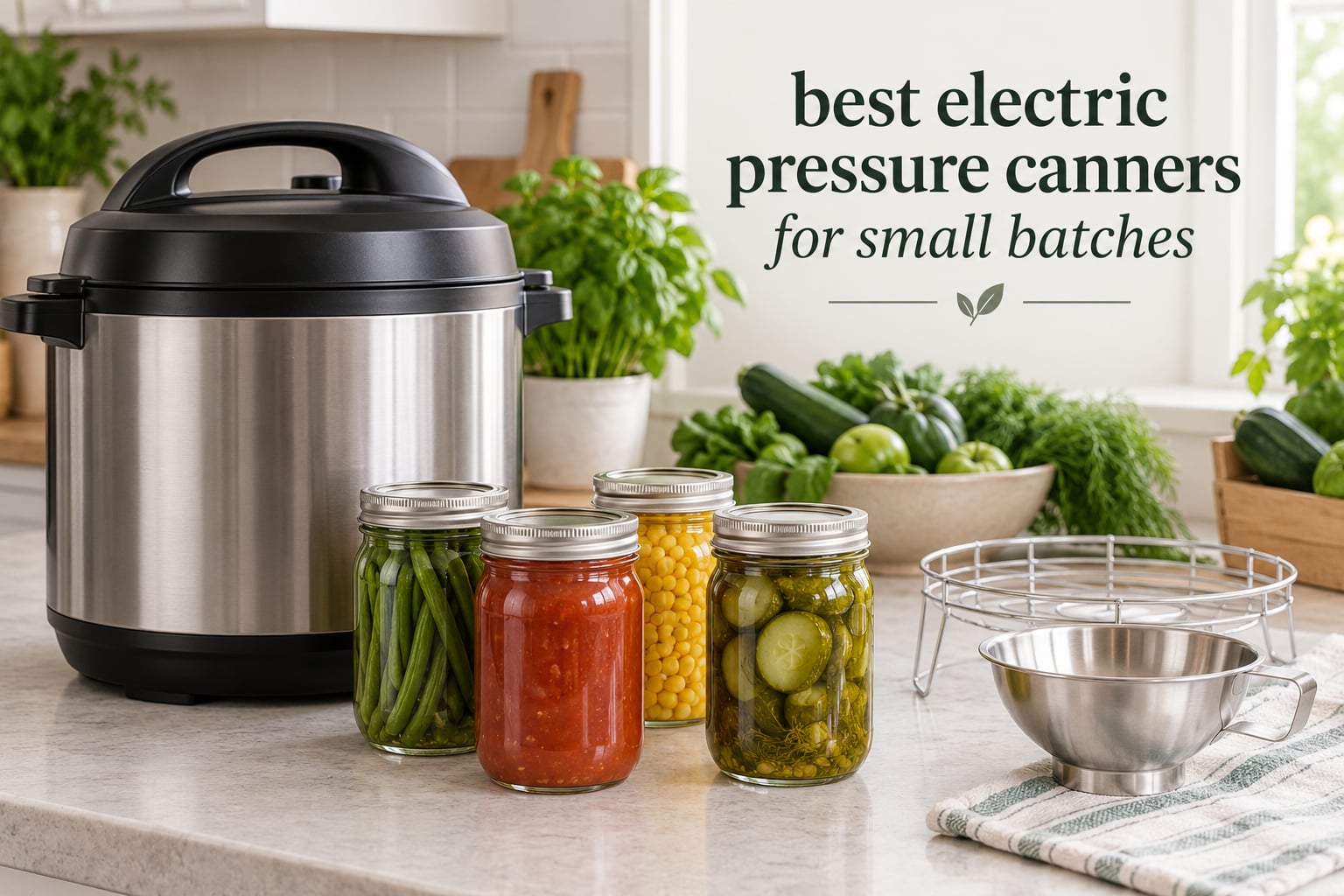
If you only want to can two to eight jars at a time, the NESCO NPC-9 9.5-Quart Smart Electric Pressure Canner and Cooker is the pick. It holds about four quart jars or five pint jars per load, reaches and holds canning pressure on its own, and never asks you to babysit a dial gauge. Six models made our list this year, and this is the one we would put on a small kitchen counter.
That answer comes with a safety condition that we are putting at the top of this page rather than in a footnote. A pressure canner is only safe for low-acid foods if it actually reaches and holds the pressure and temperature the National Center for Home Food Preservation specifies. A generic electric pressure cooker with a canning button is not the same thing, and extension researchers have been clear that consumer multi-cookers are not recommended for canning processes.
Small-batch electric canning is mostly about convenience rather than capacity. You trade a hot kitchen and a heavy stovetop pot for a countertop appliance that heats the kitchen less and runs itself. In exchange you give up jar capacity, and for many households that is a reasonable trade. For a one or two person home, four or five jars a cycle is genuinely enough.
Over the past season our team worked through the current electric pressure canner lineup, compared the control interfaces, checked published jar counts, and read thousands of owner reviews on each model. Everything below reflects what the appliance data and owner reports actually say. We also cover the appliances that get mistaken for pressure canners, and we are honest about when a small batch canner is not worth buying at all.
Table of Contents
Top 3 Best Electric Pressure Canners for Small Batches In 2026
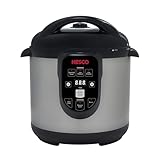
NESCO NPC-9 9.5-Quart
- 4 quart or 5 pint jars per load
- Dedicated pressure canning mode
- Digital controls with presets
- Canning and steam rack included

Presto 12-Quart Digital
- About 5 quarts or 7 pints per load
- No altitude adjustments required
- Automatic jar pre-warming
- LED stage indicators

Presto 16-Quart Digital
- Step-by-step guided prompts
- Temperature sensor holds heat
- Automatic altitude adjustments
- Locking lid and auto shut-off
Every Pick at a Glance (October 2026)
| Product | Specifications | Action |
|---|---|---|
| NESCO NPC-9 9.5-Quart Smart Electric Pressure Canner |
|
Check Latest Price |
| Presto 02144 12-Quart Digital Pressure Canner |
|
Check Latest Price |
| Presto 02154 16-Quart Digital Pressure Canner |
|
Check Latest Price |
 Presto 12-Quart Canner with 09509 Five-Piece Kit Presto 12-Quart Canner with 09509 Five-Piece Kit |
|
Check Latest Price |
 CAREY DPC-9SS 9.5-Quart Smart Pressure Cooker and Canner CAREY DPC-9SS 9.5-Quart Smart Pressure Cooker and Canner |
|
Check Latest Price |
 Vorchef 15.9-Quart Commercial Electric Pressure Cooker Vorchef 15.9-Quart Commercial Electric Pressure Cooker |
|
Check Latest Price |
1. NESCO NPC-9 9.5-Quart Smart Electric Pressure Canner and Cooker – Best Overall for Small Batches
NESCO NPC‑9 Smart Electric Pressure Canner and Cooker for Home Food Preservation, 9.5‑Quart Stainless Steel with Digital Controls
9.5-quart capacity
4 quart or 5 pint jars per load
1000 watts
Touch digital controls
Pros
- Dedicated pressure canning mode with built-in safety controls
- Removes the intimidation of stovetop pressure canning
- Multi-function appliance for pressure canning and water-bath canning
- Removable condensation catcher and hinged lid
- Compact 9.5-quart size suits small households
Cons
- Small jar capacity of about 4 quarts or 5 pints per cycle
- Wide-mouth pint jars are hard to grip and remove
- Wordy instructions with a slightly steep learning curve
The NPC-9 is the unit I recommend to almost anyone who asks. It measures 14.17 inches deep by 15.27 inches wide by 16.53 inches tall, so it claims a real piece of counter, and it runs at 1000 watts on standard household current. The pot is a removable 9.5-quart stainless unit with a nonstick inner pot, and the whole thing is driven by a touch panel with preset programs rather than a mechanical dial.
What separates it from a multi-cooker is the canning mode itself, with a float valve, a safety lock lid, and pressure regulation built in. Reviewers report that once the jars are in, the unit does the work and they are not standing over a stove watching a needle. That is the whole small-batch argument, and the NPC-9 makes it well.
The box is unusually complete for an electric canner. You get the aluminum inner pot, a canning rack, a steam rack, a removable condensation catcher, and both the standard and the high-altitude limiting valves. Having the high-altitude valve in the box matters if you live above 1000 feet, and it is one fewer part to hunt for later.
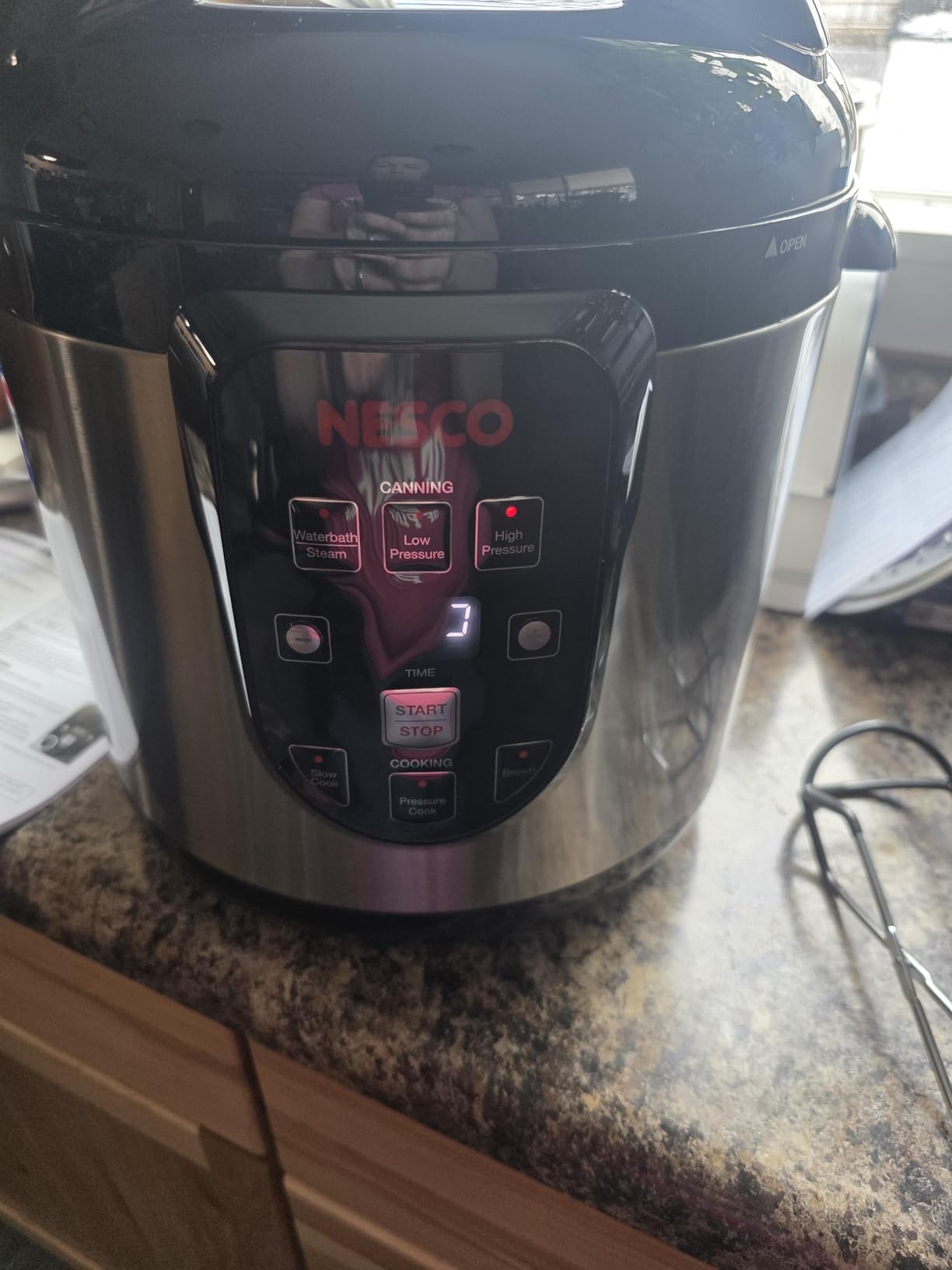
Capacity is the trade. Roughly four quart jars or five pint jars per load is about half what a mid-size stovetop pressure canner holds. Owners in r/MushroomGrowers describe switching over from a large stovetop canner and simply not missing the bigger batches, and one home canner posted that four quarts and five pints with stackable jars is exactly right for a small household.
Ratings sit at 4.7 across more than 3300 owner reviews, and 86 percent of those are five star. The long-term reports are the interesting part. People describe years of continuous use without failures, and the recurring reservation is not a defect, it is simply that the batch is small. That is a fair trade for a one or two person kitchen and a poor trade for a family of six.
One thing I would plan around is jar handling. Wide-mouth pint jars are genuinely awkward to grip coming out of a tall, narrow pot. If your garden leans toward wide-mouth jars, budget a jar lifter or a folded towel. The condensation catcher also pulls out for cleaning, which is the part most electric pressure cookers get wrong.
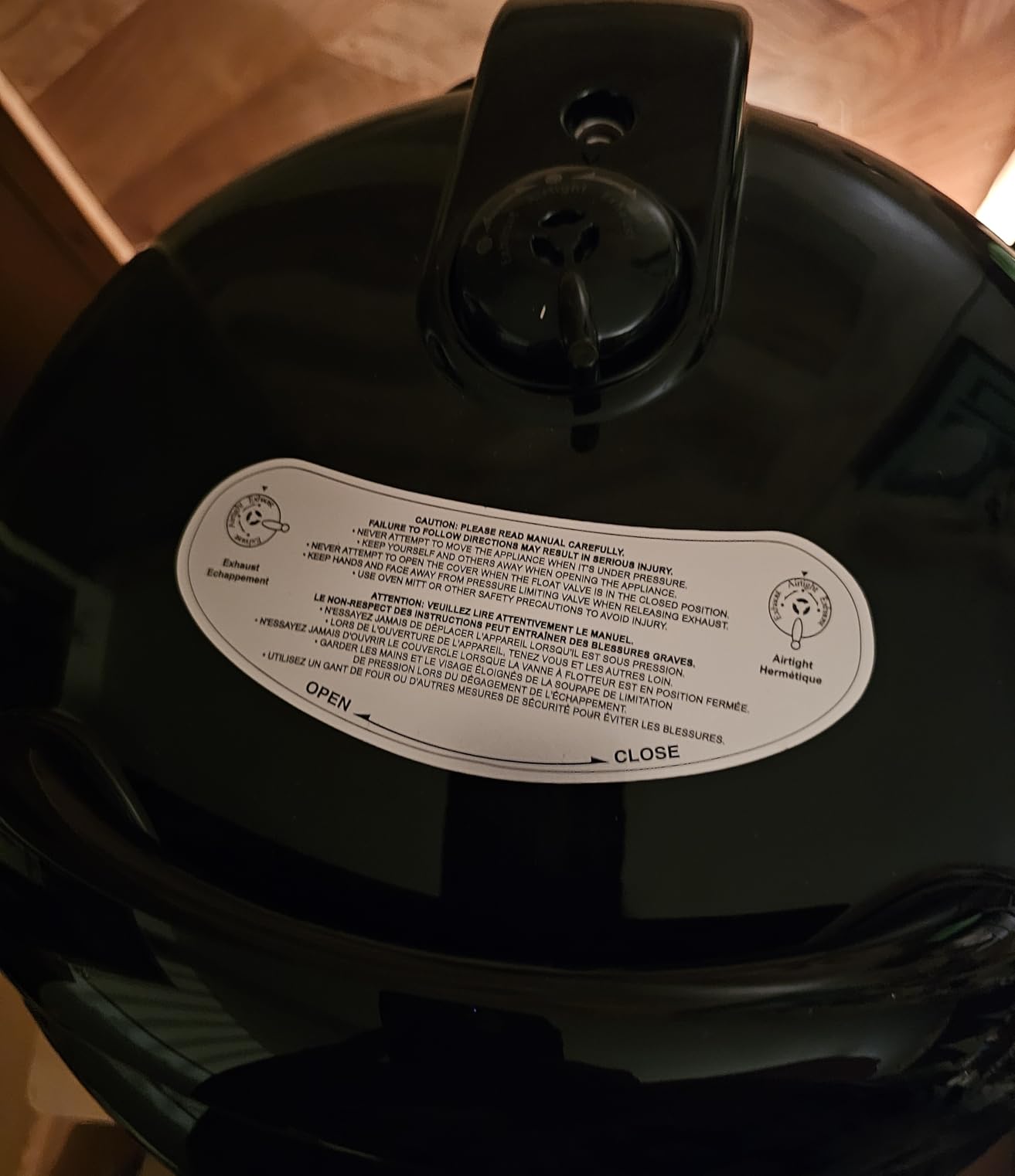
What you get with the NPC-9
The safety architecture is the reason to pay for a purpose-built canner rather than a multi-cooker. An automatic float valve, a safety lock lid, and a pressure regulation system mean the unit will not let you open a pressurized pot, and it manages pressure on its own once you select a program.
It also doubles as a water-bath canner, a steam canner, a slow cooker, and a pressure cooker. For a small kitchen, that is a lot of function in one appliance footprint, and it is a genuine argument for buying electric over a dedicated stovetop pot.
Where the NPC-9 falls short
Four or five jars per cycle is the limit, and if you put up more than about 20 pounds of green beans in a week, you will run many cycles. The alternative is a bigger stovetop canner, which you can see in our roundup of the best pressure canners for large batches.
You also have to stay nearby for the initial heat-up stage. Some owners find the audible beeps at plug-in and at timer steps startling, and the instructions are wordy enough that the first batch is a learning exercise rather than a smooth glide.
2. Presto 02144 12-Quart Digital Pressure Canner – Best Guided Hands-Off Canning
Presto 02144 12-Quart Digital Pressure Canner
12-quart capacity
About 5 quarts or 7 pint jars
1485 watts
USDA-approved canning
Pros
- USDA-approved pressure canning with no altitude adjustments needed
- Guided digital interface beeps at each stage
- Pre-warms jars automatically as part of the program
- Outer housing stays cool and does not heat the kitchen
- Doubles as a water bath canner
Cons
- Heavy at 20.5 pounds and awkward to lift
- Some reports of nonstick liner coating chipping
- 12-quart model cannot water-bath quart jars for lack of headroom
The Presto 02144 is the most hands-off canner in this group, and it holds the largest review pool we analyzed. At 4.6 stars across more than 5700 ratings, it is the unit with the deepest owner history, and that history is overwhelmingly about how little attention the machine demands.
It measures 14 inches deep by 17 inches wide by 16 inches tall and pulls 1485 watts, the highest draw of our certified picks. The body is black stainless steel, the controls are touch with a knob, and a canning rack is included. The interesting claim on this one is that Presto says the pressure canning process is USDA-approved with no altitude adjustments required, which removes the single most common safety worry for anyone living up in the mountains.
Capacity lands around five quart jars or seven pints per load in the 12-quart model, which is the best per-cycle number among the certified units here. It is still small, but it moves noticeably more food than the 9.5-quart bodies for the same counter footprint.
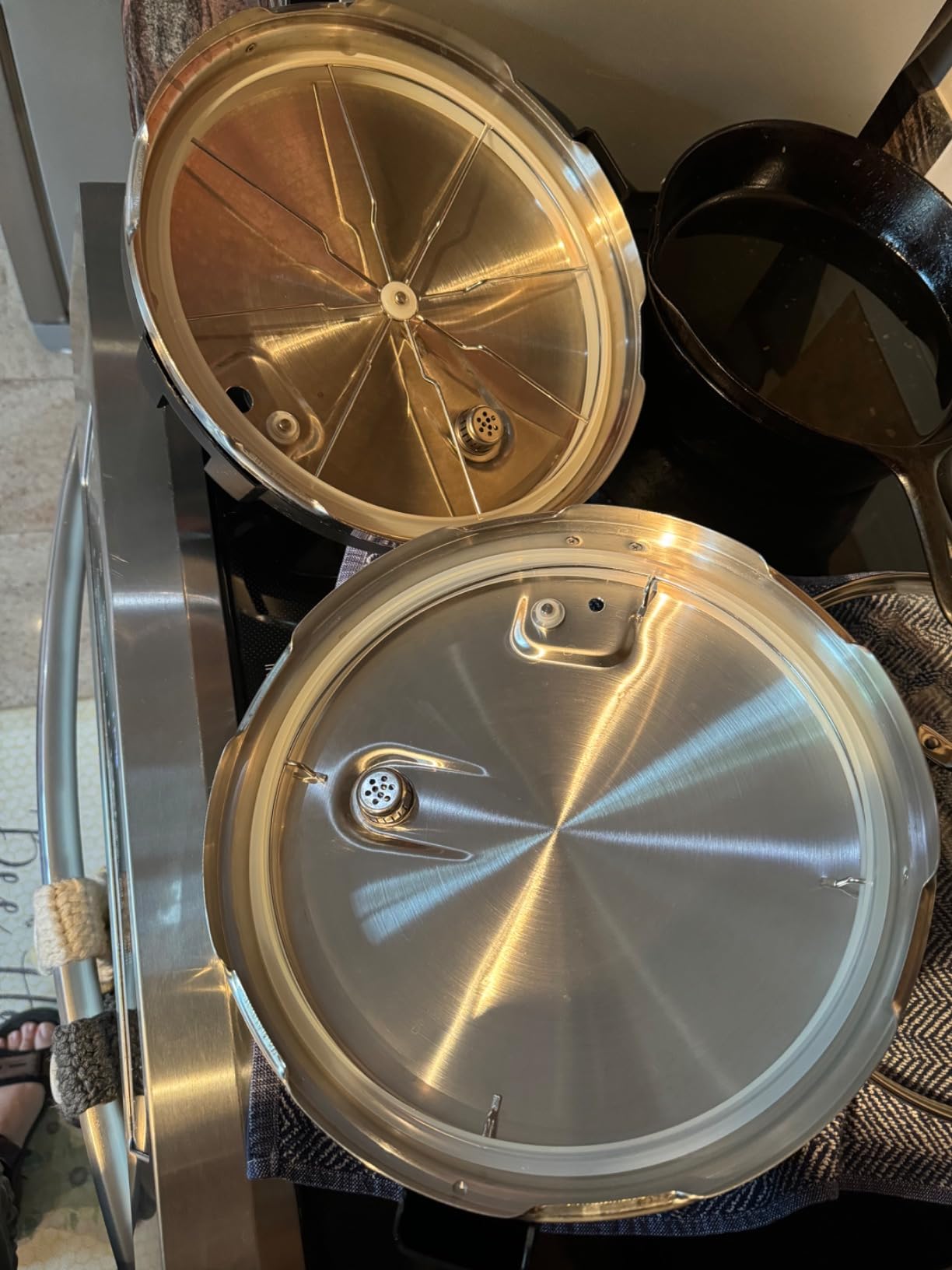
The guided interface beeps at each stage, which means a first-time canner does not have to guess when to set the regulator or when the pressure is ready. Jars are pre-warmed automatically as part of the canning program, a detail that reduces siphoning and lost headspace and that you will appreciate if you have ever had a batch of tomato sauce pull water out from under the lid.
It also functions as a boiling water canner, so jams, jellies, and fruit spreads go in the same appliance. The outer housing stays cool, which is a meaningful difference from a stovetop canner that radiates heat into the room for an hour or more. Owners consistently describe the kitchen staying noticeably cooler during a cycle.
The weaknesses are physical rather than electronic. At 20.5 pounds empty, this is the heaviest certified canner on the list, and owners with back or grip issues mention it directly. There is also a small but persistent cluster of reports about the removable nonstick liner coating peeling or chipping within the first months of use, plus a handful of fuse and mid-cycle malfunction reports.
Why the altitude claim matters
Most stovetop pressure canners require you to increase processing time above 1000 feet, and the exact adjustment depends on how high you live. This model sidesteps the whole calculation. The unit manages the pressure itself, so the process time in your recipe applies without a lookup table.
That is the single strongest argument for this model over the NESCO for anyone in a mountain state. It also explains why owners in growingfruit forums, who flagged the wide cost gap between the two lines, tend to stay with it once they own it.
Where the 12-quart model disappoints
The 12-quart version cannot water-bath quart jars, because there is not enough headroom between the water line and the lid. If your canning plan centers on quarts rather than pints, either use pints for water-bath work or step up a size.
It does not stack and it does not double-batch, so a large harvest means repeated cycles. The weight is the daily annoyance. And Presto’s warranty is described in the listing only as a warranty, with some international buyers reporting no manufacturer coverage outside the US, so if you are outside the country, confirm that first.
3. Presto 02154 16-Quart Digital Pressure Canner – Most Versatile for Beginners Who Want Step-by-Step Prompts
Presto 02154 16-Quart Digital Pressure Canner
16-quart capacity
1100 watts
13 pounds
Automatic altitude adjustment
Pros
- Guided digital controls with step-by-step prompts
- Sensor holds precise processing temperature automatically
- Automatic altitude adjustments
- Locking lid and automatic shut-off
- Compact footprint for 16-quart capacity
Cons
- Newer model with a much thinner long-term review history
- 16 quarts is large for one or two person households
- Aluminum body rather than stainless steel
The 02154 is the newer sibling to the 12-quart, and it is the most beginner-friendly unit in the group. Where the 12-quart beeps at each stage, this one narrates each stage with step-by-step prompts on the LED display. For someone who has never canned anything, that removes almost all of the anxiety from the first three batches.
It measures 15.5 inches deep by 17.3 inches wide by 13.5 inches tall and weighs 13 pounds, so it is both larger in capacity and slightly easier to lift than the 12-quart. It runs at 1100 watts. A temperature sensor automatically maintains the processing temperature, which means no burner monitoring and no guessing whether the pot came up to pressure.
Automatic altitude adjustments are built in, so the same process times apply whether you are at sea level or up a mountain road. The canner lid assembly, canning rack, body, and cord are all in the box.
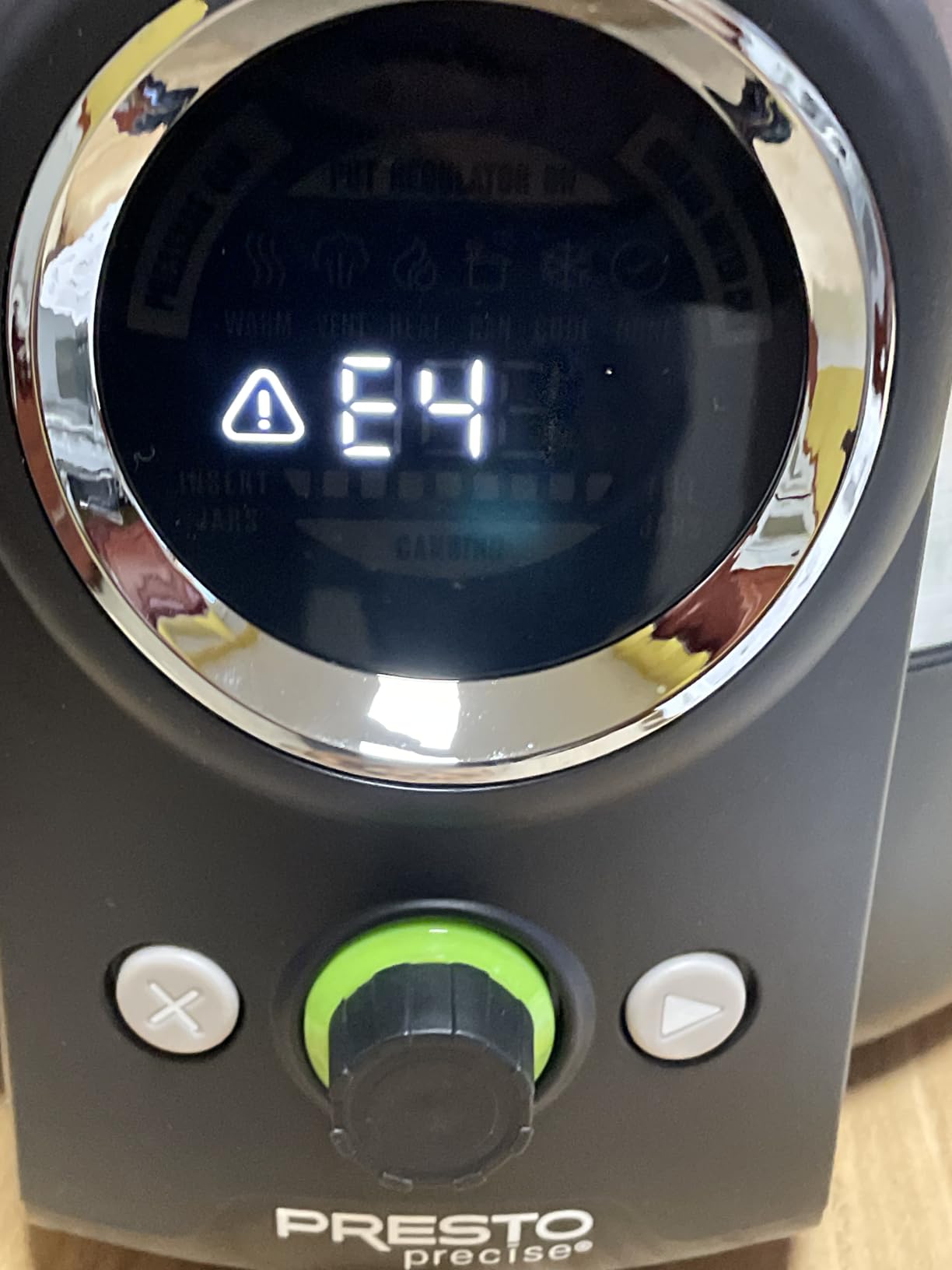
Owners credit three things consistently: the guided prompts, the temperature sensor, and the fact that you can walk away once the cycle starts. The locking lid and automatic shut-off handle the failure cases, and the outer shell keeps heat out of the room the way the 12-quart does. For a kitchen that does not want a stovetop canner taking over the burner for an hour, that is a real quality of life difference.
The trade is that 16 quarts is more capacity than most small-batch canners need. If you are canning for one or two people, you will run a small load in a large pot, which costs you energy and time without buying you anything. Where the 12-quart suits someone who wants to preserve a moderate garden surplus, the 16-quart suits someone who occasionally wants to process a bigger batch in one go.
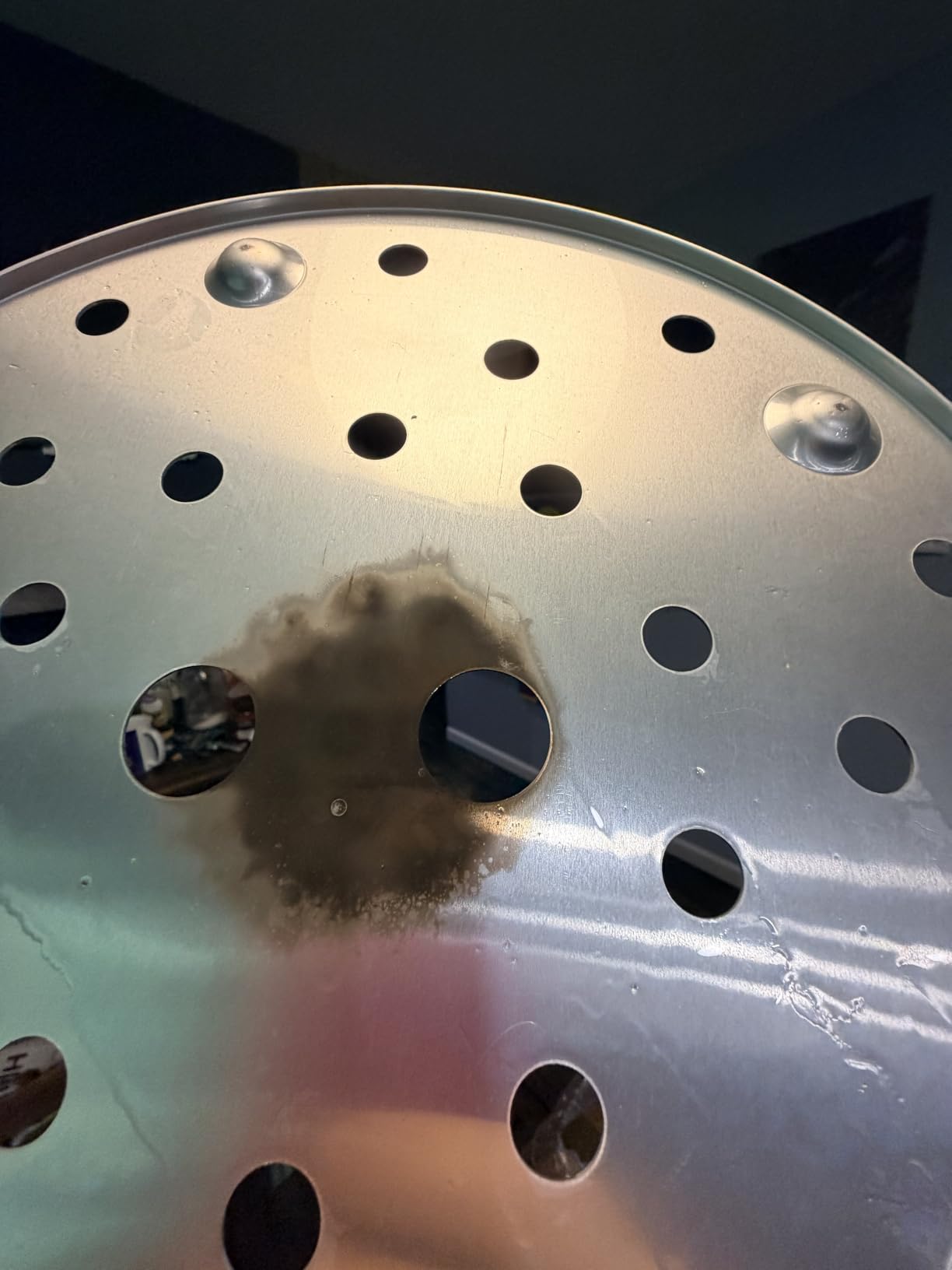
Construction is the other difference. The body is aluminum rather than the stainless steel used on the older Presto Precise models, with a glossy black and silver finish and a clip-on closure. Aluminum is lighter and cheaper to produce, and it will not rust, but it is not the premium material.
What makes it the easiest to learn on
Digital prompts and a temperature sensor solve the same problem from two directions. The prompts tell you what to do next, and the sensor makes sure the machine is actually doing it. A canner that fails to reach temperature quietly is the failure mode that worries most beginners, and this design removes it.
Owners also note that the footprint is compact for a 16-quart capacity, which matters more in a small kitchen than the capacity figure does on paper. Buyers on a budget shopping for a first appliance are covered in our best pressure canners under 200 guide, where the tradeoffs between appliance types are laid out in more detail.
Where the 16-quart falls short
The review history is thin. At 337 ratings, it does not yet have the multi-year ownership reports that the 12-quart and the NPC-9 have, and that is exactly the data you want for a safety-critical appliance. Newer models can also carry early hardware revisions that get ironed out later.
For a genuine small-batch household, 16 quarts is oversized. And the aluminum body is a step down from the stainless steel on the Precise line if you care about longevity or about canning highly acidic foods where metal surface quality can matter.
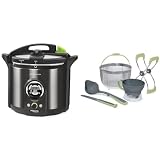
4. Presto 12-Quart Canner with 09509 Five-Piece Kit – Best All-in-One Starter Bundle
12 Qt Electric Pressure Canner & 09509 5 Piece Deluxe Canning, 5 Peice Kit, Green
12-quart electric pressure canner
Bundled 09509 five-piece canning kit
Sensor holds processing temperature
Pros
- Canner and canning accessory kit in one listing
- Automated canning with no pressure adjustment at altitude
- Doubles as a boiling water canner for jams and jellies
- Funnel fits regular and wide mouth jars
- Funnel collars measure headspace and keep rims clean
Cons
- Only four reviews so there is no long-term history
- Listed capacity of 5 quarts conflicts with the 12-quart title
- Reviews mix the appliance and the accessory kit
- Very low sales rank for a category leader
This listing pairs a 12-quart electric pressure canner with the Presto 09509 deluxe eight-function canning kit in a single bundle. That is the practical appeal. A first-time canner needs a funnel, jar lifter, bubble remover, and lid wipers, and buying them separately is a second trip to a store you probably do not have near.
The canner itself is described as automated, with a sensor that detects and holds the exact processing temperature for the required time and no pressure adjustment needed at high altitude. It doubles as a boiling water canner for fruits, jams, jellies, and salsa, so the same pot handles both methods from your first jam through to your first batch of green beans.
The kit is the more interesting half. The canning funnel fits both regular and wide mouth jars, and its inner and outer collars serve two purposes: they keep the jar rim clean when you fill, and they give you a headspace measure built into the tool you are already holding. Small details like that are the difference between a clean seal and a messy counter.
I want to be direct about the weakness here, because the rating on this listing is misleading. It shows 5.0 stars, but that average comes from four reviews, and those reviews are split between the canner and the accessory kit rather than isolating the appliance. A five-star average across four reviews tells you almost nothing about long-term reliability.
There is also a data inconsistency worth flagging. The title says 12-quart, while the specifications section lists a capacity of 5 quarts, and the model number is not listed. When the specification sheet and the title disagree, treat the title as the intent and confirm the actual pot size with the manufacturer before you plan a canning schedule around it.
The sales rank is also unusually low for a brand that leads the category. None of that makes the bundle bad. It makes it a listing to buy with your eyes open, and to expect accessories rather than a known appliance history.
What the kit adds to the canner
Eight functions in one kit usually means a funnel, a jar lifter, a bubble remover and headspace gauge, a lid lifter, and a band wrench or wiper. Owners who start with one generally stop improvising. The collar on the funnel is the piece people mention most, because it keeps food off the rim where a wiped rim means a reliable vacuum seal.
Because the canner doubles as a boiling water canner, the kit also covers fruit preserves. The funnel and headspace tool are exactly what you need for jam and jelly, where headspace error is the usual reason a jar does not seal.
Where this bundle falls short
There is no long-term ownership data. Four reviews, no model number, a capacity that contradicts itself, and a sales rank that suggests this is not a widely proven configuration. If you want the confidence of an established review history, buy the bare canner instead.
The listing is also not a way to get a canner for less. You are paying for an appliance and a toolkit together, and if you already own a funnel and a lifter, half of that spend is wasted. If you are starting from an empty kitchen drawer, the bundle makes sense. If you have been canning for a season, it does not.
5. CAREY DPC-9SS 9.5-Quart Smart Pressure Cooker and Canner – Best for Cold-Pack and Raw-Pack Work
CAREY DPC-9SS Smart Electric Pressure Cooker and Canner, Stainless Steel, 9.5 Qt
9.5-quart capacity
4 quart or 5 pint jars per cycle
1200 watts
Second limiting valve above 1000 feet
Pros
- Almost entirely hands-off once the 10-minute exhaust cycle completes
- Very simple plain-language instructions
- Hinged lid lifts off for cleaning and stays out of the way
- Emits far less heat and humidity than a stovetop canner
- Second limiting valve included for elevations above 1000 feet
Cons
- Small jar capacity of about 4 quarts or 5 pints per cycle
- Nonstick inner pot scratches easily and is disliked by some for canning
- Water-bath mode lets pint jars tip over
- Condensation catcher is very hard to clean
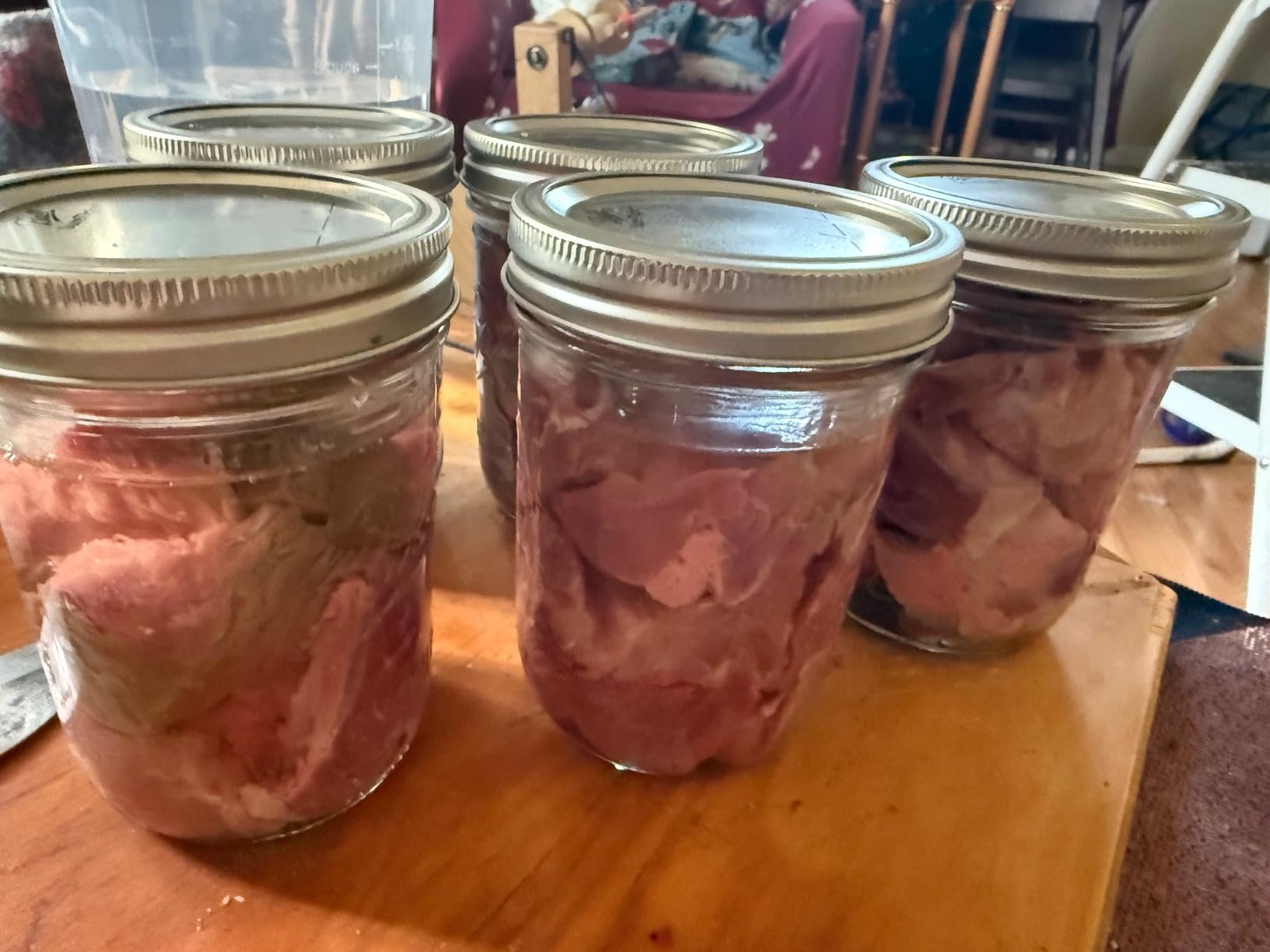
The DPC-9SS sits in the same 9.5-quart class as the NPC-9 and shares a very similar feature set, with a few differences that matter for specific kinds of canning. It is the unit to look at if cold-pack and raw-pack work, particularly meat, stocks, and soups, is part of your plan. Home canners who came from stovetop canning often prefer this line specifically for that reason.
One thing to know before you buy, and we would rather you hear it here than discover it later. This listing and the NPC-9 are the same 9.5-quart design sold under two brand names, and the two listings share a single review pool of roughly 3300 ratings. The feature lists overlap almost exactly, and if you are choosing between them, decide on the features you specifically need rather than assuming you are comparing two different machines. For most small-batch households the NESCO is the one we would buy.
It measures 14.17 inches deep by 13.78 inches wide by 14.96 inches tall, weighs 17.6 pounds, and runs at 1200 watts. Controls are touch and push button with a digital LED display and preset programs, and the included components are the aluminum inner pot, a canning rack, and a steam rack. A second limiting valve is included for use above 1000 feet of elevation.
The workflow is the selling point. Once the 10-minute exhaust cycle finishes, the machine is essentially hands-off for the rest of the process. Experienced canners describe the instructions as plain-language and easy to follow, which is interesting for an appliance that most people approach with some fear.
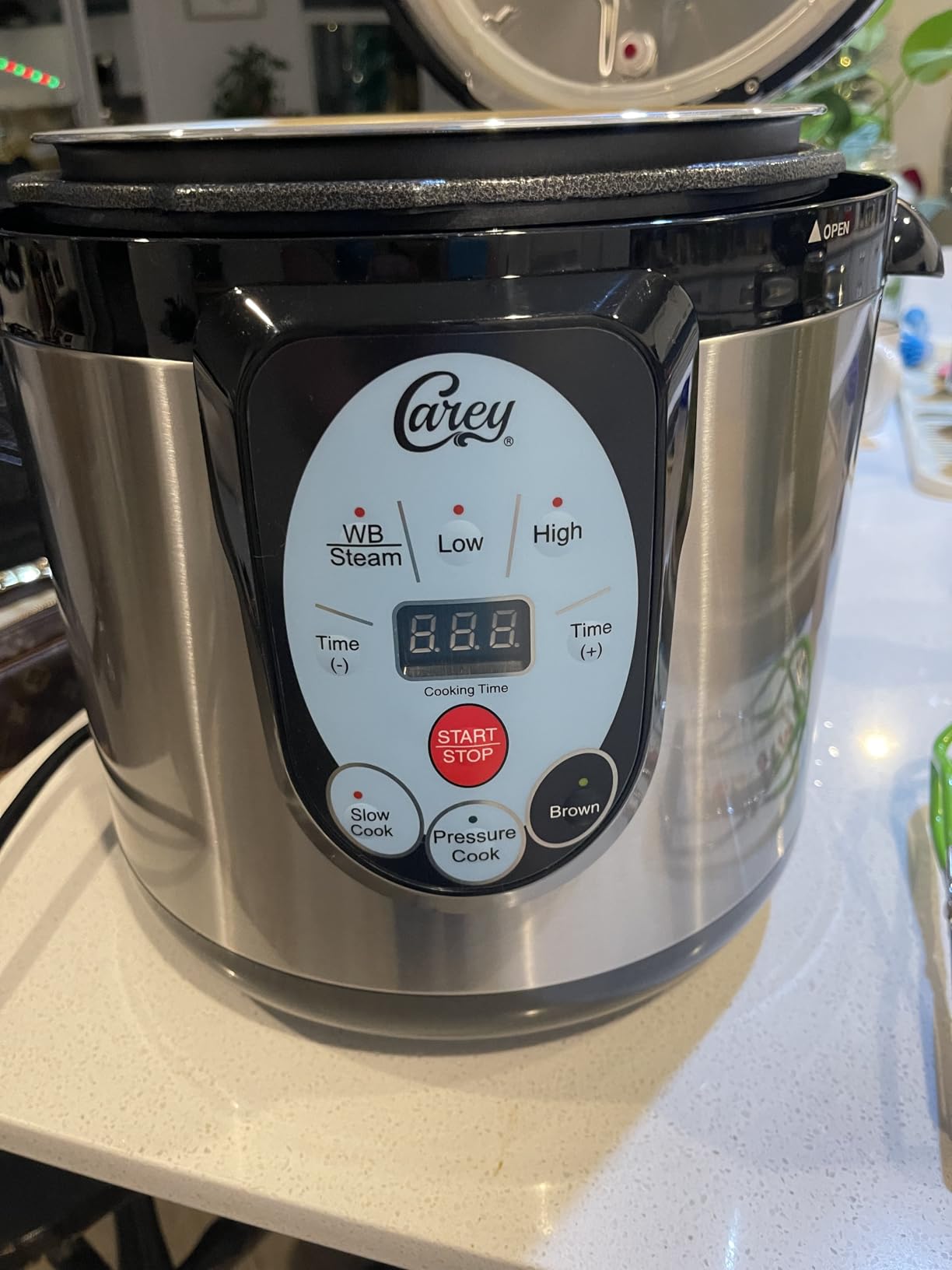
Heat output is far lower than a stovetop canner, and owners specifically call out how much cooler and less humid the kitchen stays. For a summer batch of green beans in a small apartment, that is not a minor benefit. The hinged lid lifts off entirely for cleaning rather than being set aside and taking up counter, which is a small design decision that pays off every week if you can often.
Jar capacity is the same roughly four quarts or five pints per cycle, and that is the drawback that owners mention most often. They also dislike the nonstick inner pot, which scratches easily, and some experienced canners simply prefer a bare aluminum or stainless pot for canning. Water-bath mode on this model lets pint jars tip over and produces noticeable siphoning and extra steam, so it is a pressure canning tool first.
The E10-to-E0 exhaust countdown confuses first-time users, who read it as an error code. And there is a loud beep when you set the timer that owners consistently describe as uncontrollable. Both are adjustment issues rather than defects, and both resolve after the second batch.
What makes it different from the NPC-9
The practical difference is the second limiting valve and the shape of the machine. That valve makes elevation use straightforward, and the dimensions are a touch narrower than the NPC-9, which matters on a counter where width is the constraint.
Its multi-use list is also wider on paper: pressure canner, water-bath canner, steam canner, pressure cooker, and slow cooker. For someone who wants one appliance for a small kitchen and plans to cold-pack meat in the off-season, that combination is the reason to choose it.
Where the DPC-9SS falls short
The condensation drip catcher is genuinely hard to clean, and condensation can drip toward the heating element. That is the maintenance complaint that comes up most often and it is a real, if minor, long-term annoyance.
Reliability sentiment is mixed, which is worth knowing given the size of the review pool. Some owners report repeated error codes that eventually ended their ownership, and a shared complaint in canning groups is that the unit threw codes often enough to be replaced. The 4.7 average across more than 3300 ratings is strong, but the negative tail is heavier here than on the NESCO.
Owners with a long history of stovetop canning report that the small load and the tight, tall shape make the pot hard to grip. If wide-mouth jars are your preference, plan for a jar lifter.
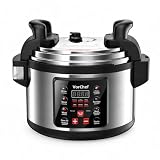
6. Vorchef 15.9-Quart Commercial Electric Pressure Cooker – Not a Home Canner, Here for Completeness
VorChef 15L/15.9 QT Commercial Electric Pressure Cooker, 5-in-1 Multifunctional Large Pressure Cookers,2000W Electric Pressure Canner with Non-stick Inner Pot Use for Restaurant,Canteen and Hotel
15L / 15.9-quart capacity
2000 watts on 110V
Feeds 25 to 35 diners
Delay start up to 24 hours
Pros
- Very large 15L capacity for restaurant
- canteen and hotel cooking
- Food-grade nonstick inner pot inside a thickened stainless body
- 24-hour delay start for overnight prep
- Detachable lid and gasket with a removable drip tank
- Multi-layer safety protection including overheat and over-current cutoffs
Cons
- Not certified or marketed for home canning
- Only 10 reviews behind a 5.0 average
- 15.9 quarts is the opposite of small-batch
- Bulky footprint and a 2000W draw on a standard 110V circuit
- No canning rack or jar-processing program listed
This one is here for completeness rather than as a recommendation, and I want the framing to be unambiguous. The Vorchef 15L is a commercial multifunction pressure cooker aimed at restaurants, canteens, and hotels. It is not certified for home canning, no canning rack or jar-processing program is listed, and nothing in the product data indicates home-canning approval. Do not use it to process low-acid foods in mason jars.
On its own terms it is a capable cooker. Fifteen liters, or about 15.9 quarts, at 2000 watts on 110 volts, with a stated feed of 25 to 35 diners per load. The body is thickened stainless steel around a food-grade nonstick inner pot, and the lid, gasket, pressure valve, and inner pot all detach, with a removable drip tank for cleaning.
Safety hardware is extensive for commercial use: overheat, over-current, and over-voltage cutoffs, automatic pressure release, and a locking lid. A 24-hour delay start handles overnight or early-morning meal prep, which is the kind of feature a restaurant kitchen values and a home kitchen rarely needs.
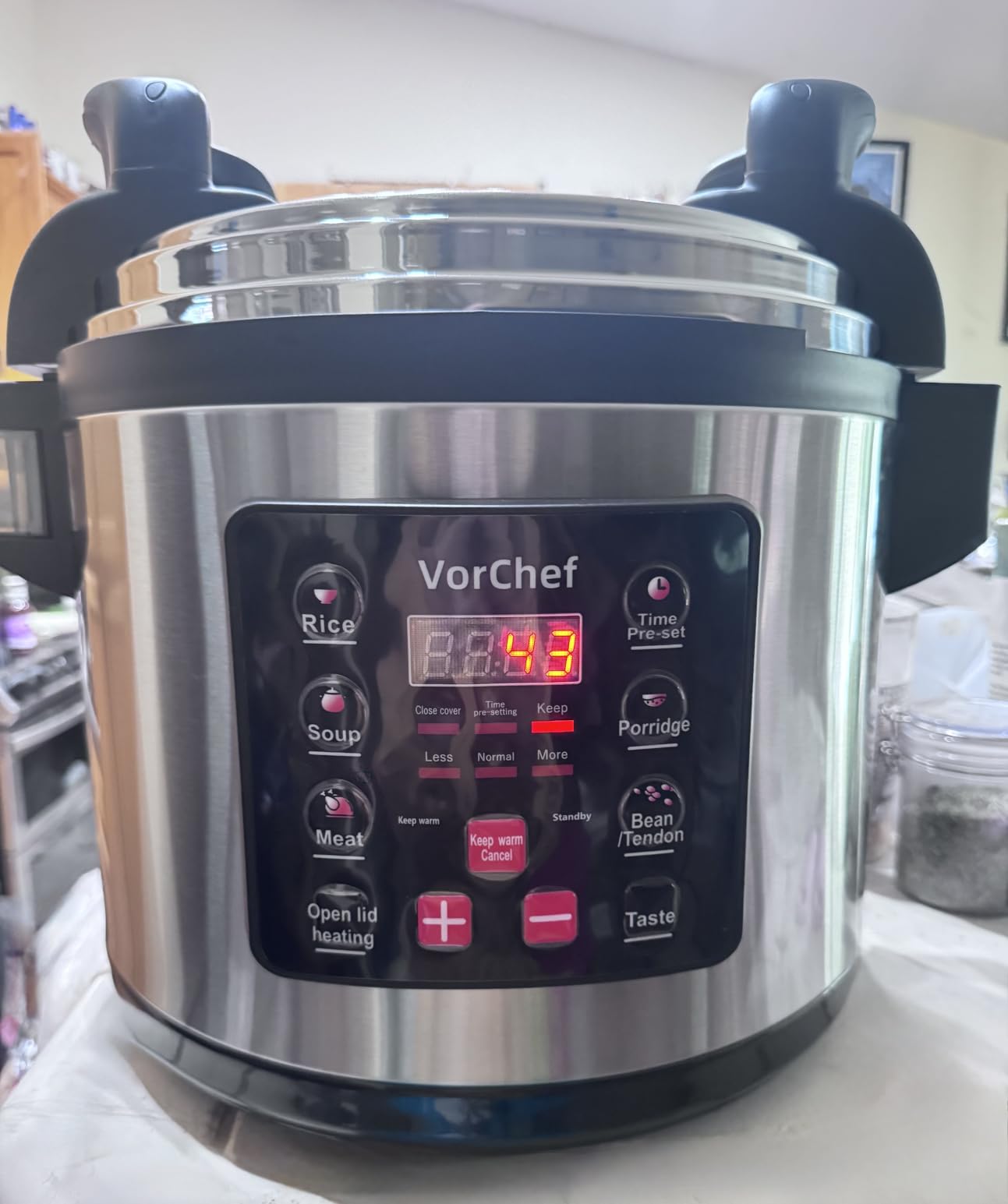
The dimensions tell the story. At roughly 19.4 inches on each side, it is a cube that needs its own counter corner, and the 2000W draw is heavy for a standard household circuit that may also be running an oven or a microwave. The weight is not listed, which on an appliance this size is itself a flag for anyone who might need to move it.
It rates 5.0 stars, but that figure comes from ten reviews with no substantive written feedback. There is effectively no verified long-term data here, and the product sits in a category where the difference between a tested canner and an uncertified cooker is a safety matter rather than a preference.
There is one small piece of good news in that. Because the same ASIN family is built for commercial kitchens, the safety suite is more complete than most consumer appliances of this size. But none of that transfers to canning. The only safe way to preserve low-acid food is an appliance tested for that specific process.
Who this appliance is actually for
If you run a small cafe, a canteen, or a community kitchen, a unit of this size with a 24-hour delay start and a removable drip tank is a real tool. The detachable gasket and pressure valve mean it can be serviced rather than replaced, which matters when you need it working tomorrow.
For home canning, the correct answer is a purpose-built canner. A unit with a locking lid and pressure cutoffs is still a pressure cooker. The canning process requires verified pressure and temperature over a specified time, and only a unit tested for that process gives you published process times you can rely on.
Why it is not a small-batch pick
Capacity is the first problem. Nearly sixteen quarts is roughly triple what a small household needs per cycle, and the time cost of heating that much water for four jars is steep. The footprint is the second problem. A 19.4-inch cube does not share a counter with much.
And the certification gap is the real disqualifier. Extension research is explicit that consumer and commercial pressure cookers are not recommended for canning processes. This listing does not claim otherwise, but it appears in the same search results as certified canners, and that is exactly how people end up with a dangerous appliance on the counter.
Certified Electric Pressure Canners vs. Everything Else
Most electric appliances sold under the word canner are not pressure canners. In the search results for this query, the majority of items are electric water-bath canners or repurposed multi-cookers, and confusing the two is the most common safety error in this entire category. A water bath tops out at 212 degrees Fahrenheit, which is fine for high-acid foods like jams and pickles and completely inadequate for low-acid foods.
The distinction matters because low-acid foods are the ones people want to preserve. Green beans, corn, potatoes, carrots, tomatoes with low acid content, soups, and every meat product fall above pH 4.6, and the spores that cause botulism survive a boiling water bath. Those foods require 10 to 11 psi and roughly 240 to 250 degrees Fahrenheit for the process time specified in the tested recipe. A unit that under-pressures is not slow or cautious. It is unsafe.
Ball Freshtech and Ball EasyCanner are electric water-bath canners. Roots & Harvest is an electric bath canner. Kitchen365hub sells a 24.5-quart electric water-bath machine with a temperature knob. All of them are legitimate appliances for high-acid foods, and none of them can process low-acid foods. If a listing does not state that it is tested for pressure canning, assume it is not.
Multi-cookers are the other trap. The repeated correction in canning forums is that electric pressure cookers are not for canning because they do not reach or hold a high enough pressure reliably. A canning button on a multi-cooker is a cooking program, not a tested canning process, and extension researchers have stated plainly that consumer multi-cookers are not recommended for canning.
There is also a marketplace problem. No-name steam and canning units sold through third-party marketplaces with implausible specifications are not substitutes for a certified canner, and a small-batch appliance is a poor place to gamble on a safety claim. Buy from a channel that lists the manufacturer, so a warranty and a replacement gasket are actually reachable.
For a fuller treatment of the non-electric side, our guide to the best pressure canners overall covers dial gauge and weighted gauge stovetop models, and the best pressure canners for beginners walks through the canning process itself.
How to Use an Electric Pressure Canner Step by Step
Every certified unit follows the same sequence, and the controls only change how you start it. Learn the sequence on any certified canner and you can move between brands without relearning the craft.
First, wash your jars, lids, and canning tools in hot soapy water and keep them hot until you fill them. A warm jar filled with hot food will not thermal-shock. Never use a towel that has been used on raw food to dry a canning lid.
Second, fill the jars with the food and leave the headspace. For most low-acid vegetables it is one-half inch, and for meats it is three-quarters inch. Headspace is the gap that lets a vacuum form; seal a jar with no headspace and the pressure change will either crack the jar or break the seal.
Third, place the lids on and screw the band down until it is fingertight. You want resistance, not force. Overtightening bands is a common mistake and it can prevent a proper seal.
Fourth, set the jars on the canning rack inside the pot. A rack keeps jars off the element and lets water circulate under them, which is what prevents scorching and uneven processing.
Fifth, add hot water to the fill line inside the canner. The water creates the steam environment that drives the pressure, and jars should not float or sit in standing water.
Sixth, program the food, the jar size, and the processing time from a tested recipe, then set the pressure. Let the unit come up to pressure on its own. Stay nearby during this stage, since the first minutes are where a problem would show up.
Seventh, when the cycle ends, let the canner depressurize on its own and leave the jars undisturbed for 12 to 24 hours. A jar that is moved or tested too early often fails to seal even though the process was correct. Remove the bands the next day, wipe the jar rims, and store the jars in a cool, dark place.
Two habits separate people who get consistent results from people who get occasional failures. Use a current tested recipe every time rather than one from memory, and write down the food, jar size, and processing time for each batch. Both take seconds and both prevent the mistakes that destroy a season of work.
Buying Guide: Seven Things That Matter for Small Batches
Capacity is the first filter, and the number to check is jars per load, not advertised quart capacity. The 9.5-quart units hold about four quart jars or five pints. The 12-quart Presto holds about five quarts or seven pints. A 16-quart capacity is real but rarely necessary for a household of one or two. If your typical week produces ten jars or fewer, the 9.5-quart body is the right size and the larger pots are wasted energy.
Certification is the second filter and it is not negotiable. Look for a statement that the unit is tested for pressure canning by the National Center for Home Food Preservation or approved by the USDA for the process it claims. A certification that is missing from the listing is a reason to look at a different appliance, not a reason to assume it is fine.
Altitude handling is the third. If you live above 1000 feet, you want either a unit with automatic altitude adjustment or a high-altitude limiting valve in the box. The NPC-9 and the DPC-9SS both ship with the extra valve. The Presto digital models handle it in software. Units that make you calculate your own adjustment are the most common source of forum anxiety in mountain states.
Controls are the fourth consideration, and the question is how much the machine tells you. The 02154 narrates each stage. The 12-quart beeps at each stage. The 9.5-quart units run an exhaust countdown that first-time users misread as an error. None of these are dealbreakers, but beginners should pick the model with the clearest prompts, and experienced canners should pick the one with the fewest.
Cleaning and maintenance are the fifth. Look for a removable inner pot, a removable condensation catcher, and a lid that lifts off rather than hinging over your counter. Gasket-based designs need a spare gasket eventually, and that is a long-term consumable to think about before you buy, not after.
Footprint and weight are the sixth. Measure the counter before you order. These units are wide and tall, and the 12-quart at 20.5 pounds is heavy even when empty. If your counter is a rental or a shared kitchen surface, a large appliance is an imposition on everyone.
Cycle time and energy are the seventh. A batch is not ten minutes. It is heat-up to pressure, the full process time, a natural depressurization period, and then 12 to 24 hours of undisturbed cooling before the jars are even touched. Electric units are more convenient than stovetop but not faster, and planning a canning day around a single four-jar load is a common source of frustration.
Finally, buy from a channel with a real return policy and a reachable manufacturer. If a listing has a handful of reviews and no model number, the warranty conversation you may need becomes much harder. That is not a reason to skip a good appliance, but it is a reason to ask first.
Do You Even Need a Pressure Canner for Four Jars?
Sometimes the honest answer is no, and I would rather say so than sell you an appliance you do not need. A pressure canner makes sense when you have a recurring supply of low-acid produce, a household that eats a lot of beans, corn, potatoes, or meat, and a willingness to spend a couple of hours a week on it. It is a poor purchase if you might can twice a year and want to try the hobby.
Freezing handles most of what small-batch canners want to do. Flash-freeze green beans, corn, and berries in the quantities you actually eat, and you keep the same food with none of the processing time and none of the safety stakes. Canning genuinely wins on shelf stability, on flavor that develops over months, and on the fact that a sealed jar needs no freezer space.
There is also a middle path. If you mostly want high-acid preserves, jams, jellies, and pickles, an electric water-bath canner does that safely at a lower cost, and you avoid the pressure question entirely. That is a completely legitimate choice. It is only a mistake if you then reach for it with green beans or meat.
Where small-batch pressure canning does earn its counter space is variety. A four-jar load lets you run a small batch of one thing often instead of a large batch of many things once, which works well when your garden, your diet, or your household changes. If your preserves are mostly gifts or mostly one crop, a stovetop canner you pull out twice a year is the cheaper answer.
How we chose these picks
We weighed three things. First, whether the unit is tested for pressure canning rather than merely able to cook under pressure. Second, the real jar count per load, because advertised quart capacity overstates usable jar capacity. Third, the controls, because for a first-time canner the difference between guided prompts and a bare display is the difference between a fun first batch and an abandoned hobby.
We also read the long-term ownership reports, not just the five-star summaries. An appliance that raises error codes in year two is a different recommendation than one described as running for years without a failure, and that distinction only shows up in reviews. Owner patterns on jar handling, cleaning, and weight are reflected in the notes above, and so are the clusters of complaints around nonstick liner durability and error codes on the CAREY line.
Frequently Asked Questions
What is the best electric pressure canner on the market?
For small batches, the NESCO NPC-9 9.5-Quart is the strongest overall pick, holding about four quart or five pint jars per load with a dedicated pressure canning mode, safety lock lid, and automatic float valve. The Presto 02144 12-Quart offers more capacity at about five quarts or seven pints and needs no altitude adjustment, at the cost of a 20.5-pound body.
Is there a USDA approved electric pressure canner?
Yes. The USDA and the National Center for Home Food Preservation test canners against specific canning processes. Look for a listing that states the unit is tested for pressure canning rather than one that merely includes a canning button. Multi-cookers and most electric water-bath canners are not approved for low-acid foods, which require 10 to 11 psi and roughly 240 to 250 degrees Fahrenheit.
Are electric pressure canners any good?
For households canning two to eight jars at a time, they are genuinely good. They reach and hold canning pressure without a burner or a dial gauge, run a set-and-forget cycle, and heat the kitchen far less than a stovetop canner. The costs are small per-cycle capacity, a permanent counter footprint, and the need to stay nearby during the initial heat-up stage.
Which electric pressure canner is better, the Nesco or the Presto?
The NESCO NPC-9 is smaller at about four quart or five pint jars per load and includes a high-altitude limiting valve, which home canners who cold-pack meat often prefer. The Presto 02144 12-Quart holds about five quarts or seven pints, pre-warms jars automatically, and needs no altitude adjustment, but weighs 20.5 pounds and cannot water-bath quart jars.
What are some common problems with Presto pressure canners?
The recurring complaints on the Presto digital canners are physical rather than electronic: a 20.5-pound weight that is awkward to lift, reports of the removable nonstick liner coating peeling within the first months, and a 12-quart model that cannot water-bath quart jars because of limited headroom. A small cluster of reviews also reports fuse failures or a mid-batch malfunction.
Can you use an electric pressure cooker or Instant Pot for canning?
No. Extension researchers have stated that consumer electric pressure multi-cookers are not recommended for canning processes, and forum canners repeat that multi-cookers do not reliably reach and hold a high enough pressure. A canning button is a cooking program, not a tested canning process. Use a unit the National Center for Home Food Preservation has tested for pressure canning.
Is the Ball electric canner worth it?
It is worth it for high-acid foods and nothing more. The Ball Freshtech and Ball EasyCanner are electric water-bath canners that top out around 212 degrees Fahrenheit, which is correct for jams, jellies, pickles, and fruit. They cannot process low-acid vegetables, soups, or meat, so for a small household that wants to can green beans or stock, a certified pressure canner is the only safe option.
How long does an electric pressure canner take per batch?
Budget for the whole day rather than the process time. Add time to heat up to pressure, the recipe’s processing time, a natural depressurization period, and 12 to 24 hours of undisturbed cooling before the jars are handled. Electric units are more convenient than stovetop canners but not faster, and one small load of four or five jars is usually a half-day project.
The Verdict on Small-Batch Electric Pressure Canners in 2026
The NESCO NPC-9 9.5-Quart is the electric pressure canner to buy for small batches in 2026. Four quart jars or five pints per load, a dedicated canning mode with a safety lock lid and float valve, a high-altitude limiting valve in the box, and a 4.7 rating across more than 3300 owner reviews. If you want more per cycle and do not mind 20.5 pounds, the Presto 02144 12-Quart is the step up.
Skip anything that is only a water-bath canner or a multi-cooker with a canning button, however many jars it claims to hold. Verify certification first, capacity second, controls third, and pick a unit you will actually leave on the counter and use every week. If your surplus is small and infrequent, our electric pressure canner home canning guide covers the broader setup, and freezing is still a perfectly good answer for a handful of jars.