
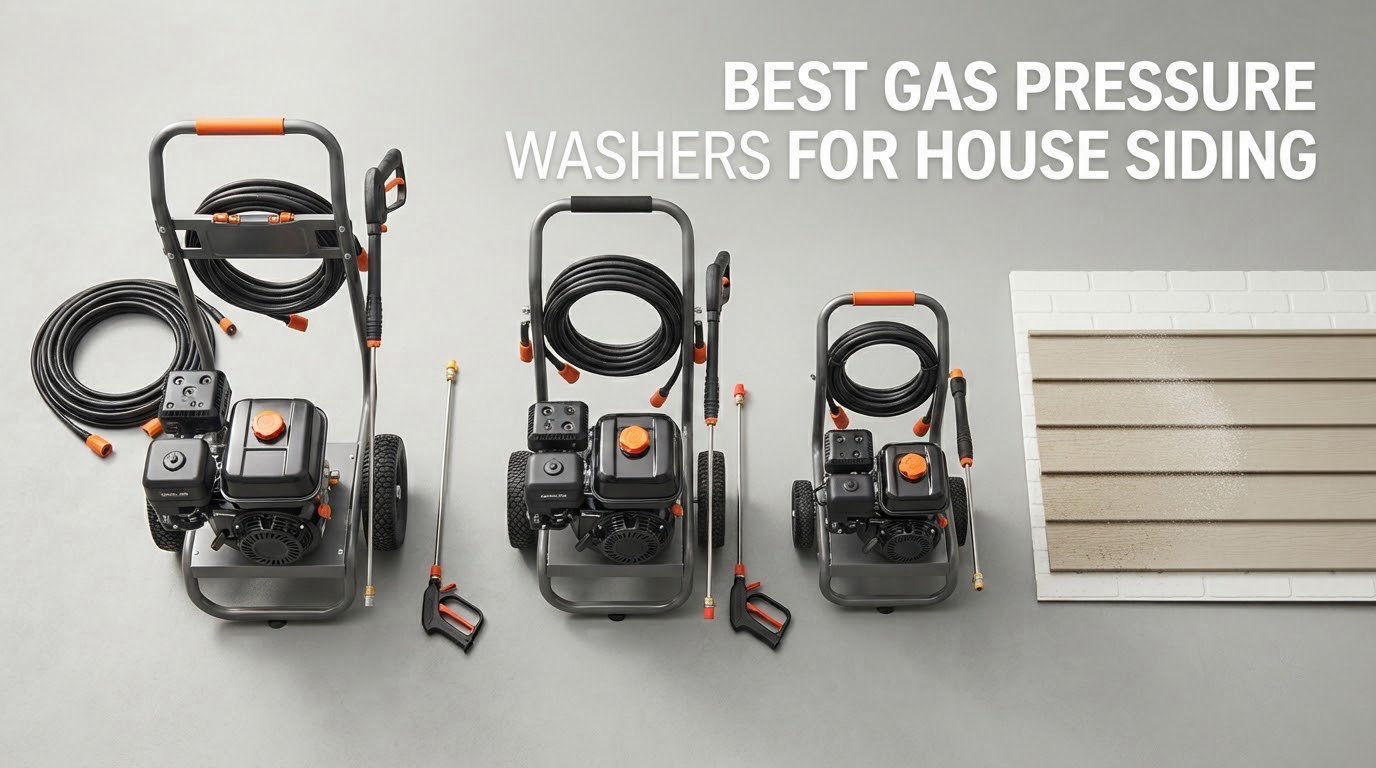
Most guides answer the PSI question with a range and then move on. We spent weeks reading spec sheets and owner feedback across ten gas pressure washers, and the number that actually matters is simpler than the marketing suggests: on vinyl, fiber cement, and painted wood siding, keep working pressure at or below about 1600 PSI no matter how much more the machine can produce.
That is the whole reconciliation. Sources disagree because they are quoting two different numbers — the machine’s maximum output and the pressure you should put on a wall. A 3400 PSI washer running through a 40-degree nozzle from 12 to 18 inches is comfortably inside the safe band. The same washer with a red 0-degree nozzle held against a lap board will punch through it, and that is a technique failure rather than a machine failure.
We compared ten gas pressure washers for siding, weighing pump type, flow rate, hose length, warranty, and the honest complaints owners report after a season of use. The picks below cover a two-story home, a rental property, a small cottage, and anyone who wants one machine for siding plus a driveway.
Table of Contents
Top 3 Best Gas Pressure Washers for House Siding in 2026

SIMPSON PowerShot PS3228
- Honda GX200 engine
- 3300 PSI at 2.5 GPM
- AAA triplex plunger pump
- 25 ft MorFlex hose

Simpson Clean Machine 3400 PSI
- 3400 PSI at 2.5 GPM
- Maintenance-free axial cam pump
- 25 ft MorFlex hose
- 2 yr engine warranty

DeWalt 3300 PSI Gas Washer
- 3300 PSI at 2.4 GPM
- 5 yr frame and 3 yr pump warranty
- 25 ft hose
- 5 quick-connect nozzles
Best Gas Pressure Washers for House Siding at a Glance (October 2026)
| Product | Specifications | Action |
|---|---|---|
| SIMPSON PowerShot PS3228 |
|
Check Latest Price |
| Simpson Clean Machine 3400 PSI |
|
Check Latest Price |
| DeWalt 3300 PSI Gas Washer |
|
Check Latest Price |
 Ezasin 3500 PSI Gas Washer Ezasin 3500 PSI Gas Washer |
|
Check Latest Price |
 PowerSmart 3800 PSI Gas Washer PowerSmart 3800 PSI Gas Washer |
|
Check Latest Price |
 VEVOR 3400 PSI Copper Pump VEVOR 3400 PSI Copper Pump |
|
Check Latest Price |
 Westinghouse WPX3000 Westinghouse WPX3000 |
|
Check Latest Price |
 VEVOR 3600 PSI Gas Washer VEVOR 3600 PSI Gas Washer |
|
Check Latest Price |
 PowerSmart 3400 PSI Compact PowerSmart 3400 PSI Compact |
|
Check Latest Price |
 Simpson ALH3228-S Commercial Simpson ALH3228-S Commercial |
|
Check Latest Price |
What PSI Is Actually Safe for House Siding
Safe working pressure on house siding tops out around 1600 PSI for vinyl, and 1200 to 1500 PSI is where most of us actually set the gun. Fiber cement and painted wood sit in the same band. Brick and stucco tolerate more, up to roughly 2000 PSI, because the surface is masonry rather than a thin panel.
Two numbers get confused in almost every article on this topic. The first is maximum pressure, which is what the spec sheet advertises and what the pump can reach through a 0-degree nozzle at close range. The second is working pressure, which is what leaves a fan nozzle at your chosen distance, and that is the number you actually use on siding.
Vinyl is a thin, slightly flexible panel with no backing, so it is the material most often damaged and gets the most conservative number. Fiber cement is thicker and more rigid but chips at the edges if you aim a narrow jet at a seam. Wood takes the least pressure of all once its paint has aged and gone chalky, because the surface layer itself can lift. Brick and stucco are masonry rather than panels, which is why they sit in a higher band.
Use a 40-degree fan nozzle as your default on anything above the foundation line, dropping to a 25-degree nozzle only where grime is stubborn, and keep the wand moving in overlapping sweeps at 12 to 18 inches. A surface cleaner attachment is even better because it holds a fixed distance and spreads the pressure evenly, which is the single most effective guard against the streaking and etching people blame on gas power.
Beyond the wall itself, there is a second risk that has nothing to do with pressure: water getting behind the panels. Every butt joint, window trim, and vent opening is an entry point. Working bottom-to-top means dirty water runs down over clean panels instead of into them, and it is the cheapest insurance in this entire article.
1. SIMPSON PowerShot PS3228 – Honda Engine for Two-Story Siding
SIMPSON Cleaning PS3228 PowerShot 3300 PSI Gas Pressure Washer, 2.5 GPM, Honda GX200 Engine, Includes Spray Gun and Extension Wand, 5 QC Nozzle Tips, 5/16-inch x 25-foot MorFlex Hose, 49-State
3300 PSI at 2.5 GPM
Honda GX200 engine
AAA triplex plunger pump
25 ft MorFlex hose
74.8 lb
Pros
- Honda GX200 starts on the first pull and carries low-oil shutdown
- AAA triplex pump holds consistent pressure across a long session
- Five quick-connect nozzles including 25 degree and 40 degree
- Owners report cleaning a full house patio and driveway in one run
- Easy assembly with all the accessories needed in the box
Cons
- Some owners report pump seal or piston failure near the two-year mark
- Loud enough that reviewers recommend foam earplugs
- 25 ft hose is short for reaching upper stories without an upgrade
- 16 in wand feels short for taller users
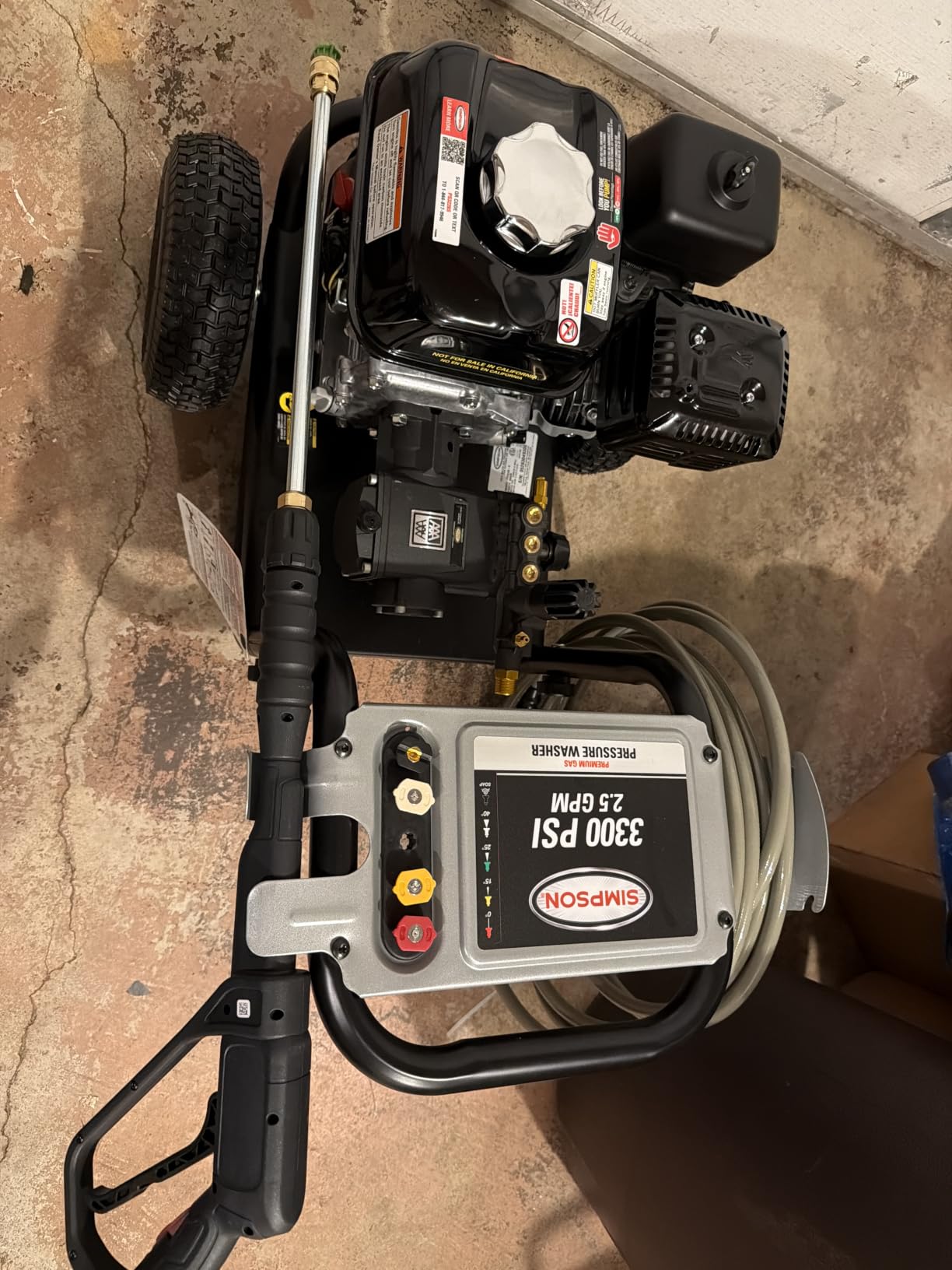
This is the machine I keep coming back to for a full two-story exterior. The Honda GX200 is the reason: owners with a decade of service describe it as the part that will outlive everything else on the frame, and the low-oil shutdown protects it when the machine sits idle between passes.
For siding work, the AAA triplex plunger pump is the deciding factor. Triplex pumps are rated for intermittent duty and recover from thermal stress far better than an axial cam pump, which matters on a long afternoon of back-and-forth passes along a north-facing wall that stays damp.
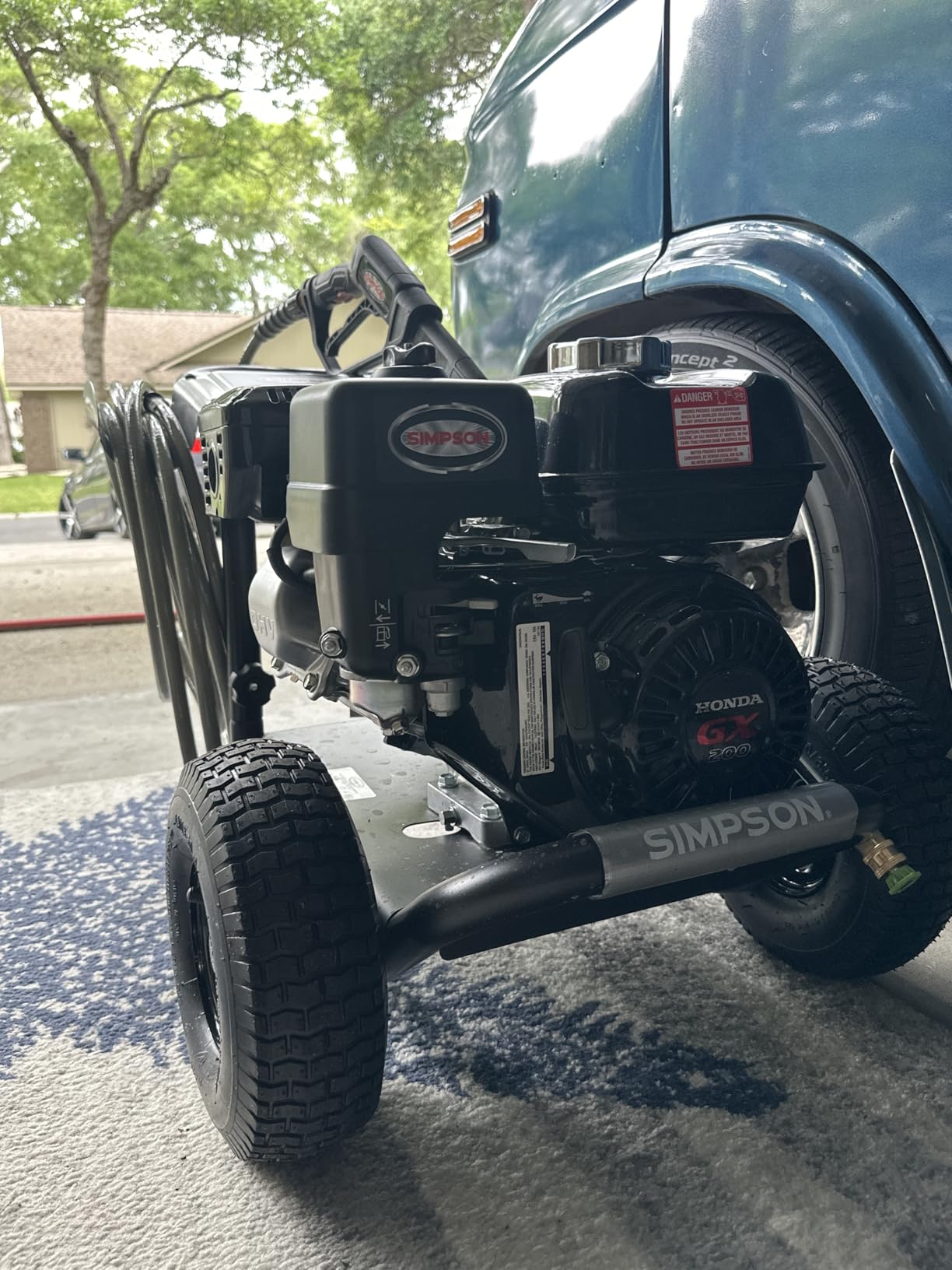
Owner feedback across more than two thousand reviews is consistent. The engine starts easily, the pressure stays steady through detergent and rinse cycles, and the machine has handled houses, patios, driveways, and piers without complaint. Several reviewers also describe it as quiet enough for residential neighborhoods.
The honest downsides are the ones you should plan around. Noise is real, and a minority of owners report pump seal or piston trouble around the two-year mark, with seals treated as a wear item rather than a covered component. The included 25 foot hose is the most common upgrade owners make immediately.
How the Honda engine holds up on a full house day
The GX200 is a commercial-series engine that manufacturers put on rental fleets and contractor trailers, which is a fair proxy for what a weekend user sees. It is easy to start, easy to keep serviced, and it does not stall when the trigger is released mid-pass. That last point matters more than it sounds, because a machine that surges every time you lift the wand is tiring to use on a two-story wall.
Where it is not the right answer is if you have nowhere to store gasoline. A gas engine that lives in a shed with a fuel stabilizer is fine; one that has to move through a shared closet twice a year is not worth the fuel handling.
When this is the wrong washer for your house
Skip it if your siding is soft or chalky and you plan to pressure wash it hard rather than soft wash it, because the extra power will tempt you past the safe band. It is also more machine than a single ground-floor wall needs, and the 74.8 lb frame is genuinely heavy to lift into a vehicle alone.
There is a fair durability caveat worth stating plainly: reported pump seal failures mean that the triplex pump advantage over a good axial cam pump is smaller than the spec sheets imply, unless the machine gets oil changes and winter storage discipline.
2. Simpson Clean Machine 3400 PSI – The Homeowner Workhorse
Simpson Clean Machine 3400 PSI Gas Pressure Washer, 2.5 GPM, CRX engine
3400 PSI at 2.5 GPM
208cc CRX engine
Axial cam pump
25 ft MorFlex hose
61 lb
Pros
- 3400 PSI at 2.5 GPM rated highly for siding decks driveways and cars
- CRX engine starts easily and has low-oil shutdown
- Maintenance-free axial cam pump reduces upkeep
- MorFlex hose resists kinks and protects siding finishes
- Low-profile layout with 10 in tires rolls over gravel and curbs
- 2 yr engine and 1 yr pump warranty included
Cons
- No 25 degree nozzle in the four-nozzle set
- Axial cam pump has a shorter service life than the pro triplex pumps
- 25 ft hose limits reach on tall siding
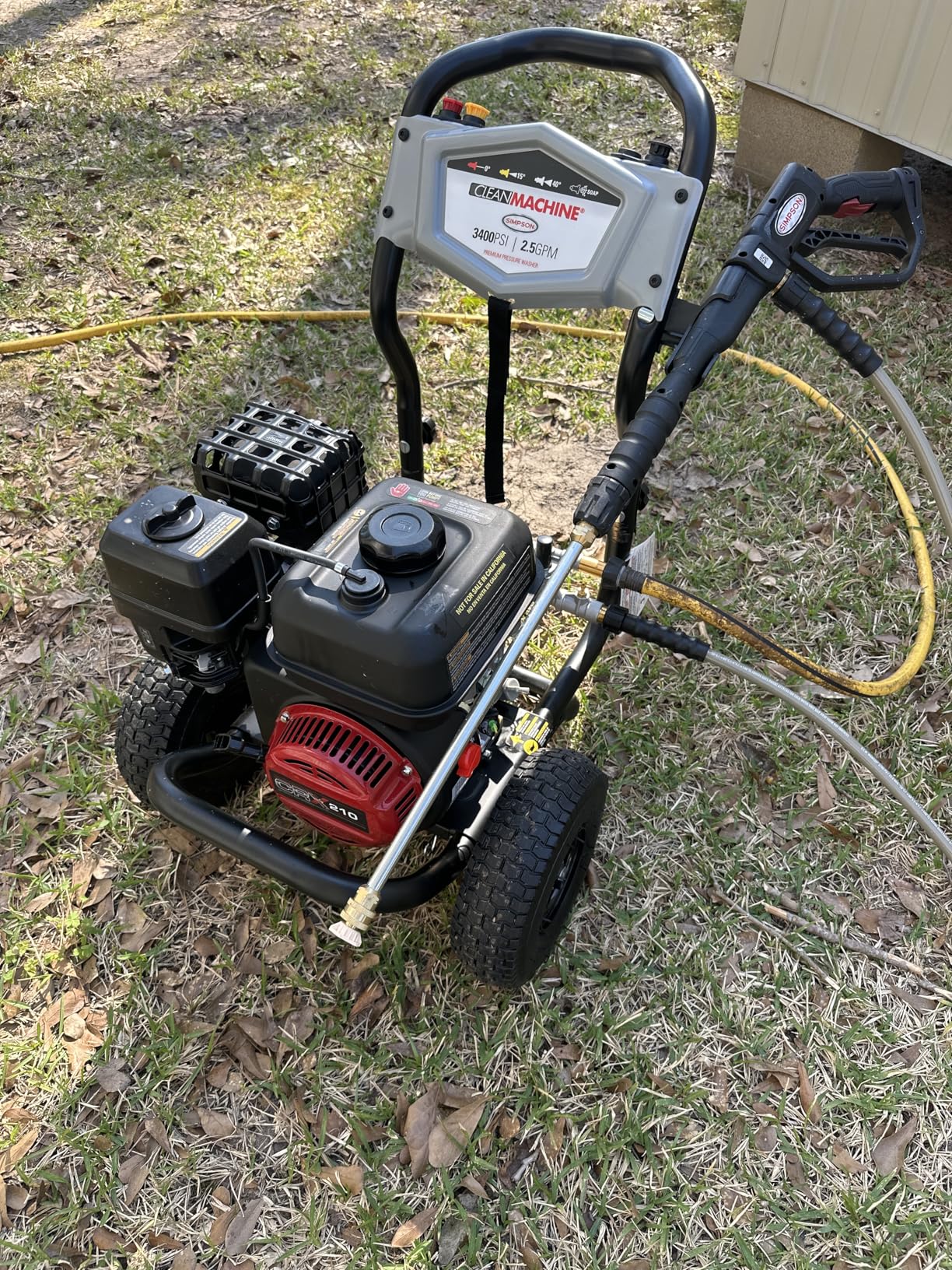
This is the one most homeowners end up buying, and owner ratings consistently describe it as plenty for siding, driveways, and vehicles. The 208cc CRX engine starts without fuss and carries low-oil shutdown, and the whole machine weighs 61 pounds, which is a meaningful difference from a 74 pound contractor frame when you are moving it up a curb cut.
It comes with a 25 foot MorFlex hose with quick-connect fittings, a front-load M22 spray gun, and a 16 inch wand. That hose is worth calling out because kink-resistant construction is what stops you from kinking a line while you drag it along a wall, and kinked hoses are where inconsistent pressure usually starts.
Its pump is an OEM Technologies axial cam unit with a thermal relief valve, and owners like not having to maintain it. The trade is longevity: an axial cam pump does not live as long as a triplex plunger pump under sustained daily use, so this suits someone washing a house once or twice a season rather than someone running a business out of it.
One detail catches our eye for a siding-specific roundup. The four quick-connect nozzles are 0, 15, 40, and soap. There is no 25-degree nozzle in the box, so if you want the gentler intermediate spray, you will want to pick one up separately.
Whether the 25 foot hose is a real limitation
For a one-story home, no. For a two-story exterior, yes, and this is the most common complaint in the review base. A 25 foot hose plus a 16 inch wand puts the working end about 26 feet from the machine, which covers the first floor easily and a second floor with some repositioning.
It also comes with only four quick-connect nozzles, so the 25 degree that sits between the 15 and the 40 has to be added separately if your siding needs a middle setting. A longer hose is the other cheap upgrade worth budgeting for.
Where the warranty falls short
The 2 year engine, 1 year pump, 1 year frame coverage is thinner than the DeWalt further down this list, and thinner than the Simpson on the previous entry. If you plan to keep this machine for a decade, the pump year is the number to think about.
It is also the wrong pick if you plan to use detergent often, since the four-nozzle set has no low-pressure pre-rinse beyond the 15 degree. That is workable — plenty of owners do exactly that — but it is an extra step to plan for.
3. DeWalt 3300 PSI Gas Pressure Washer – Strongest Warranty Terms
DeWalt 3300 PSI Gas Pressure Washer, 2.4 GPM, Residential Model DXPW3300-S
3300 PSI at 2.4 GPM
208cc DeWalt engine
Axial cam pump
5 yr frame 3 yr pump 2 yr engine
64 lb
Pros
- Only 5 year frame coverage here
- paired with 3 yr pump and 2 yr engine
- Full 5 quick-connect nozzle set including 25 degree and 40 degree
- Compact 64 lb design that is easy to load and store
- Ten inch pneumatic tires roll well over uneven ground
- Simple assembly for a first-time gas washer owner
- Thermal relief valve protects the pump on long jobs
Cons
- 2.4 GPM moves less water than most machines in this roundup
- Axial cam pump service life is shorter than a triplex commercial pump
- Gas engine noise is a common complaint during operation
The DeWalt earns its place on warranty terms rather than spec-sheet terms. Five years on the frame is the longest frame coverage in this group, and for someone buying a gas washer to keep for a decade rather than to survive one summer, that is a rational reason to pick it first.
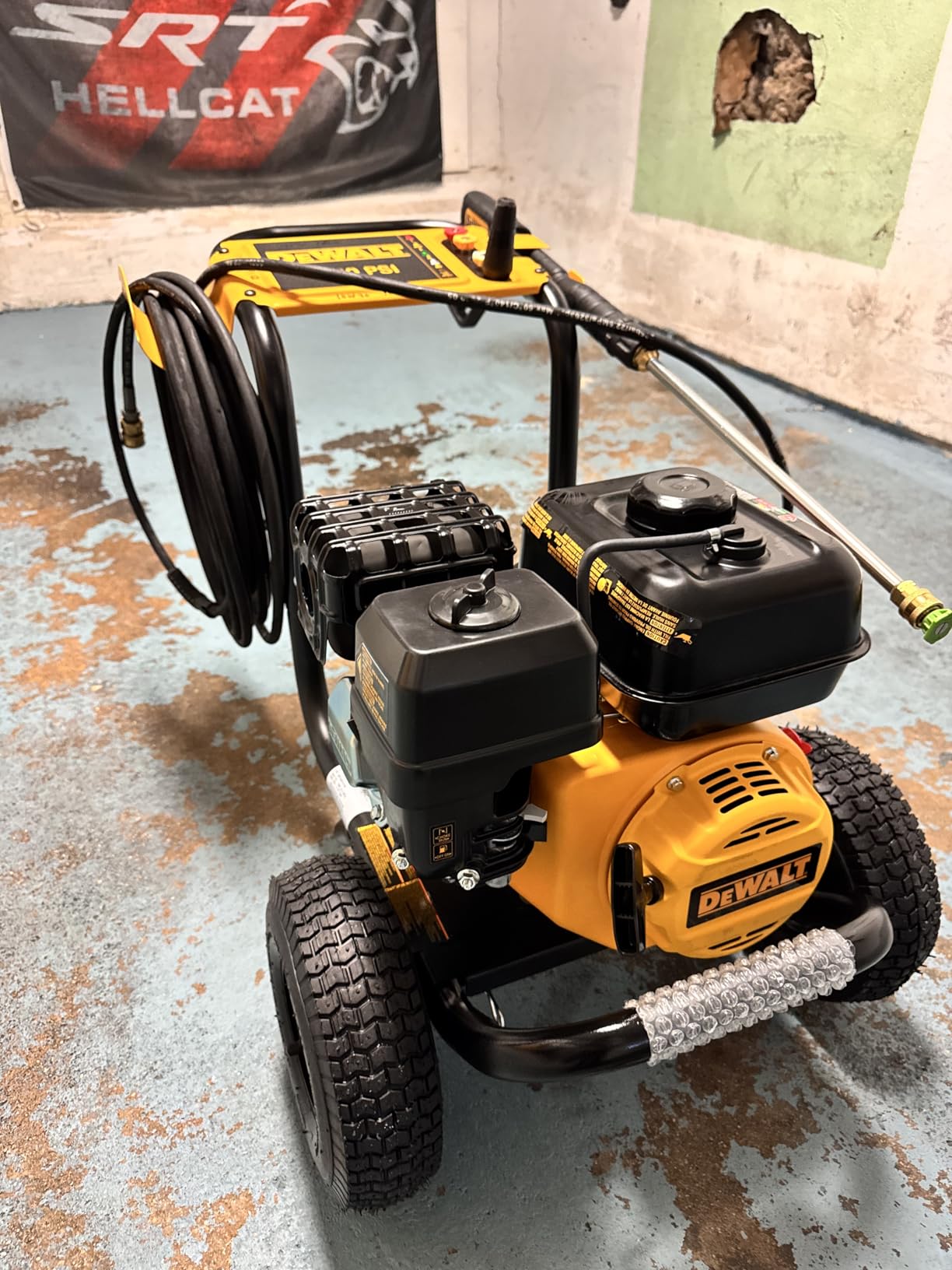
Power is 3300 PSI at 2.4 GPM from an OEM Technologies axial cam pump with a thermal relief valve, driven by a 208cc DeWalt gas engine. The spec is well matched to exterior cleaning, and the five-nozzle set includes both 25 degree and 40 degree fans, which makes it the most straightforward box for a siding job in this roundup.
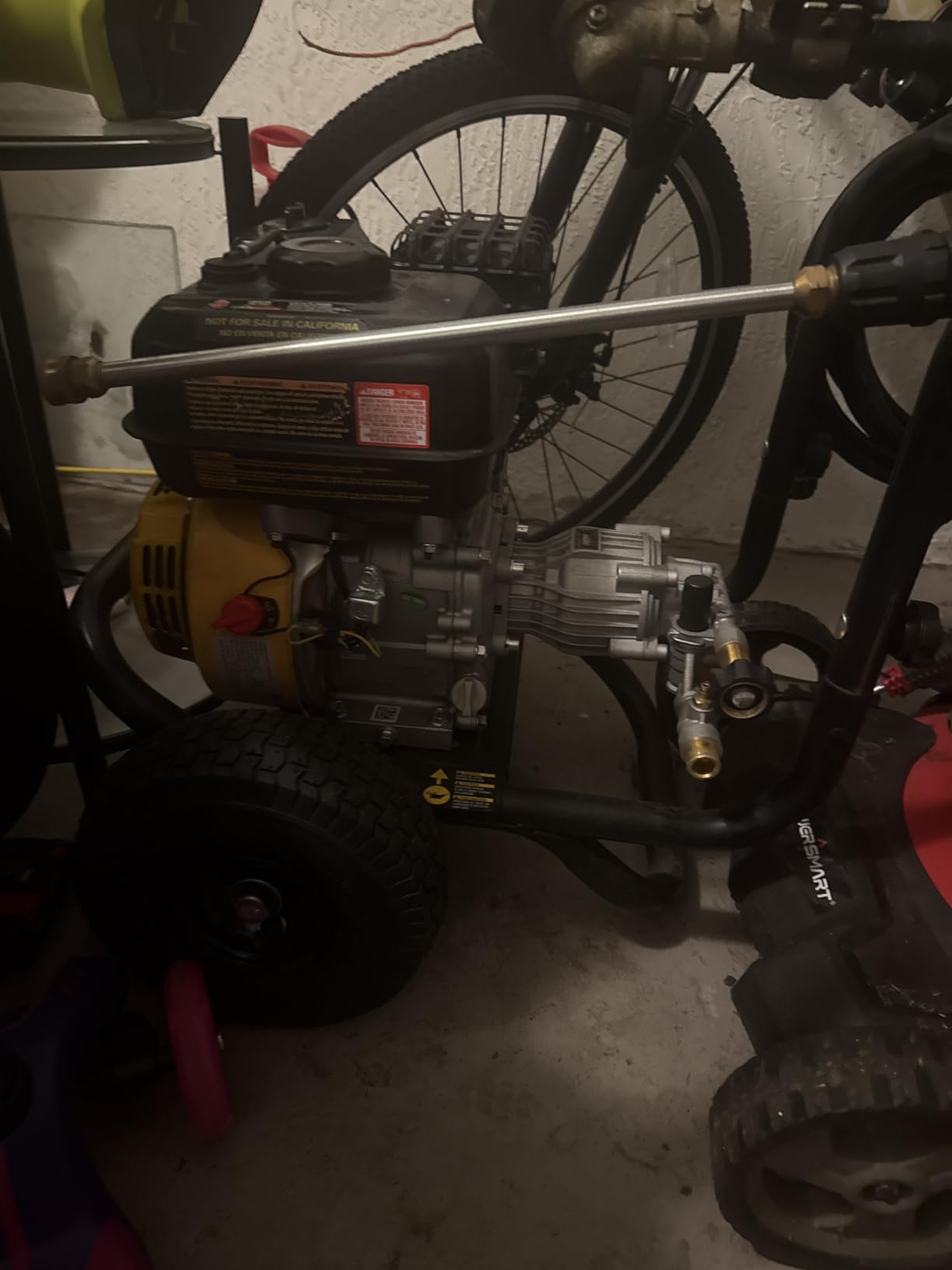
At 64 pounds with 10 inch pneumatic tires, it moves across a lawn and up a driveway ramp without much complaint, and reviewers call assembly simple enough for someone who has never owned a gas pressure washer. The 25 foot abrasion-resistant hose and 16 inch steel wand are standard for the class.
The candid limitation is flow. At 2.4 GPM, you are moving about a fifth of a gallon less per minute than the 2.6 GPM machines here, and on a large two-story exterior that difference shows up as more time spent rinsing than you would like.
Whether warranty coverage beats raw flow for you
If you wash siding once a year, the flow difference is a minor time cost. If you own a rental portfolio or clean exteriors before painting every couple of seasons, you will feel the difference on a full afternoon of work, and you will feel it most on the rinse pass when detergent needs to move off the wall.
One more practical point: a warranty is only as good as the paper it came with, so keep the receipt and the model number, 61147S, on file. Owners do report positive experiences getting warranty service on this model.
When the lower flow becomes a problem
Skip this one if your plan is whole-house soft washing, where detergent and rinse volume dominate the job. A higher-flow machine handles a large surface area faster because the chemistry needs a certain volume of water to carry it off, not because the pressure was insufficient.
It is also worth noting that an axial cam pump gives you fewer pressure adjustments than a pump with a built-in regulator, so if a surface cleaner is central to your plan, confirm the pump can be regulated before you commit.
4. Ezasin 3500 PSI Gas Washer – Strong Pressure, Uneven Reliability
Ezasin Gas Powered Pressure Washer 3500 PSI – 2.3 GPM Heavy Duty High Power Washer,209CC 7HP Engine with 25Ft Pressure Hose, Axial Aluminum Pump, Soap Tank, 4 Quick Connect Nozzle (Blue)
3500 PSI at 2.3 GPM
7HP 209cc 4-stroke engine
Axial cam aluminum pump
Onboard soap tank
63 lb
Pros
- A 4.4 star average on a fast-growing review base
- Starts on the first or second pull and runs relatively quietly
- Owners report stripping old paint and cutting through decades of grime
- Assembles in about half an hour with clear instructions
- Onboard soap tank and 25 ft hose included
- 10 in tires and rear hose storage make maneuvering simple
Cons
- Several reviews report machines failing after a very short service life
- Thermal cutoff blocks hot-weather starts until the machine cools
- Tip sensor shuts the engine off when the unit is nudged while running
- Wand brackets can snap under vibration
The Ezasin earns its rating. At 4.4 stars across more than two hundred reviews, it matches the highest rating average in this group, and owners describe genuine pressure rather than inflated numbers. Several report stripping old paint and cutting through grime that had been on siding for years.
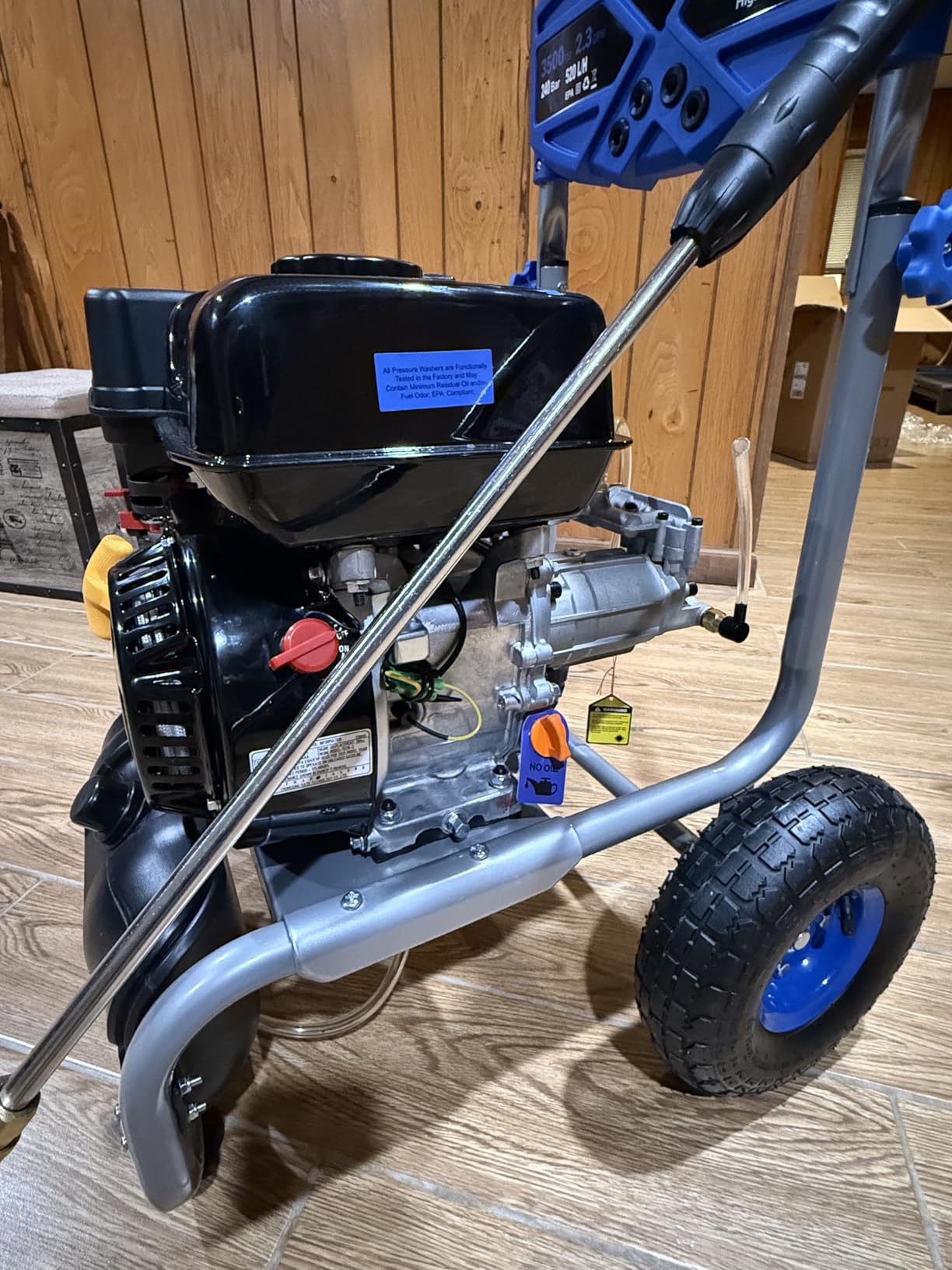
Specification-wise it is a 7HP 4-stroke OHV engine of roughly 209cc, an axial cam aluminum pump, 3500 PSI at 2.3 GPM, a 25 foot high-pressure hose with an M22 fitting, and four quick-connect nozzles covering 0, 25, 40, and soap. The onboard soap tank is a genuine convenience for detergent work on siding.
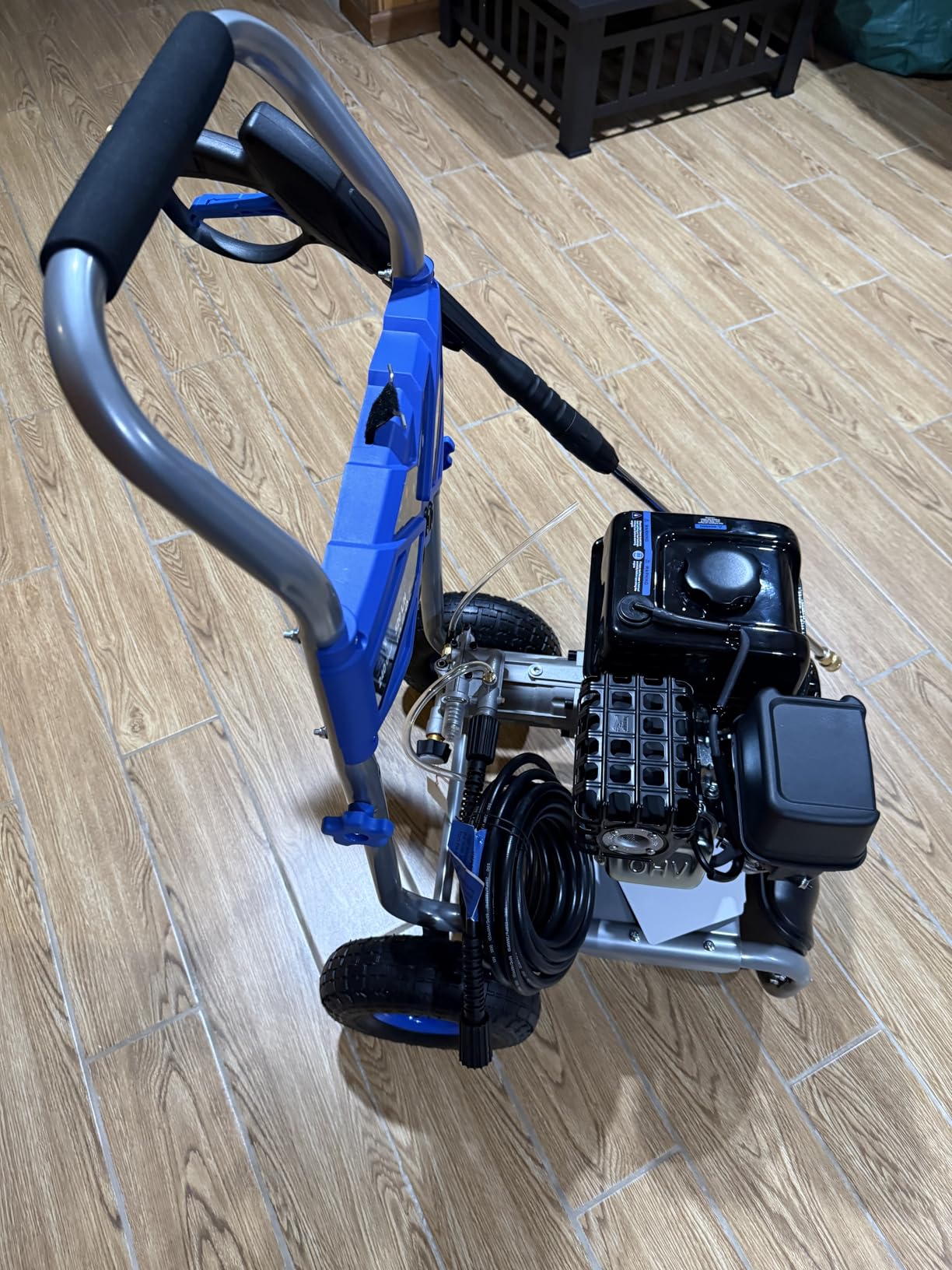
Assembly takes about half an hour, it starts on the first or second pull, and one owner reported washing three cars on a single tank of fuel. Owners also praise the 10 inch tires and the hose storage behind the handle, both of which show up when you are moving the machine alone.
What gives us pause is durability, and it is not a small concern. Reviews include several reports of machines failing after a very short service life, including a no-spark machine that would not start at all. On a machine you plan to keep across many seasons, that is the deal-breaker to weigh.
How the tilt and thermal sensors behave in daily use
These sensors are a safety feature that owners find intrusive. The thermal cutoff prevents starting when the machine is hot or sitting in direct sun, which is realistic in July. The tip sensor shuts the engine down if the unit is nudged while running, and several reviewers describe it firing during ordinary repositioning on gravel or grass.
Neither is a defect in the usual sense, but both add friction to a job where you are constantly dragging a machine around a house. Know about them before you interpret the first shutdown as a breakdown.
Who should accept the durability risk
This machine makes the most sense for someone who cleans a house or two a season and wants strong pressure from a simple package, and who can accept replacing a failed engine rather than repairing one. It is a poor match for anyone who wants a machine to sit for a decade and still start on the first pull.
It is also worth pairing the reading with the volume data. The 2.3 GPM flow is at the low end here, so on a very large exterior you get the pressure without the rinse volume, which is the same trade-off the Westinghouse makes.
5. PowerSmart 3800 PSI Gas Washer – Longest Hose for High Reach
PowerSmart Gas Pressure Washer, 3800 PSI and 2.5 GPM for House Cleaning
3800 PSI at 2.5 GPM
212cc 4-stroke OHV engine
35 ft super-flex hose
PWMA and EPA certified
Pros
- 35 ft super-flex hose gives far more reach than the 25 ft hoses common in this class
- 3800 PSI at a full 2.5 GPM
- PWMA certified and UL 1776 and EPA compliant
- 212cc engine rated to reach second-story surfaces
- Onboard soap tank with hook and sling storage
- 10 in pneumatic tires for uneven ground
Cons
- Small 0.79 gallon fuel tank means frequent refilling
- Light-duty warranty compared with the nameplate brands
- Generic-brand build carries more variability than established makers
Hose length is the quiet advantage here. At 35 feet, that is far more reach than the 25 foot hoses most of the rest of this list come with, and reach is exactly what a two-story vinyl wall asks for. The hose alone can cover most of a second-floor wall, which is the difference between working from the ground and reaching for a ladder. The trade is a 0.79 gallon fuel tank that needs refilling more often than the larger tanks here.
Power is 3800 PSI at 2.5 GPM from a 212cc 4-stroke OHV engine, which is the full flow rating rather than a trimmed one. Reviewers note the engine spec is strong enough to reach second-story siding, and the 10 inch pneumatic tires handle uneven ground without complaint.
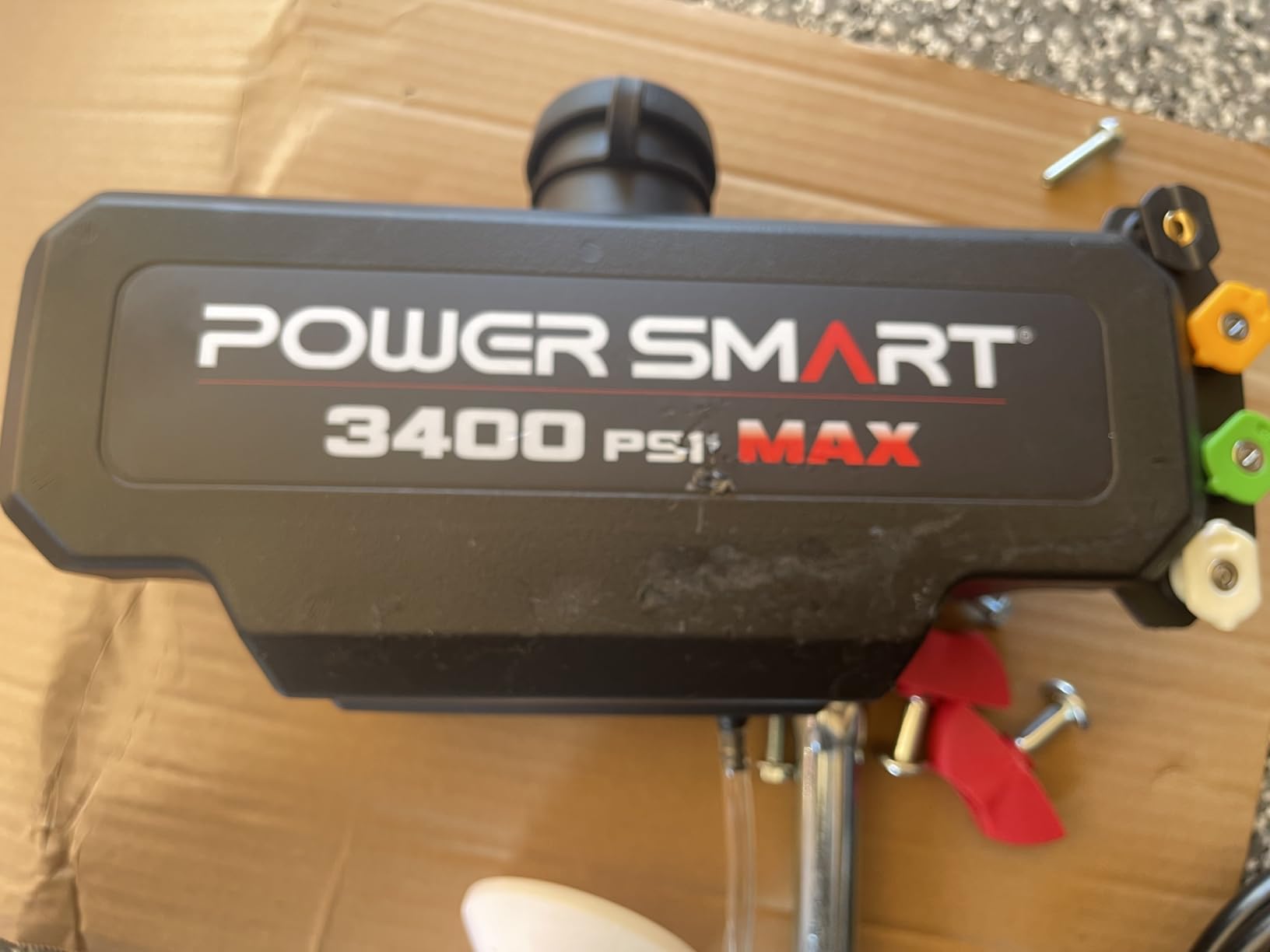
The certification marks are worth a look at this level. PWMA performance certified, UL 1776 compliant, and an EPA-certified engine tell you the pressure rating was measured against an external standard rather than self-reported, which is more than most listings in this category offer.
Five quick-connect nozzles, an onboard soap tank, and hook and sling accessory storage round out a well-equipped package. At 61 pounds it is mid-weight in this group and easy to move between the driveway and the side yard.
Whether a 35 foot hose actually changes the job
It does, and more than the spec sheet suggests. A longer hose means fewer machine relocations, and every relocation on a wet lawn is a chance to drag the frame across mud or tip the machine while it is running. On a tall house it also means less ladder work, which is where the real safety gain is.
The counterpoint is that long hoses are harder to control when you are whipping around a corner, and they are more likely to be pinched under a wheel. Keep it fed to one side of the machine and you will avoid that.
Where refilling interrupts the rhythm
The 0.79 gallon fuel tank is the practical gripe. On a full exterior job, owners note it needs refilling more often than larger-tank machines, and each refill is a shutdown, a cooldown, and a restart. Plan your fuel breaks around the detergent dwell windows so the machine is not running while you wait anyway.
Build variability is the other factor. At a 4.3 average across 192 reviews the sentiment is broadly positive, but the sample is small enough that individual experiences vary more than on a Simpson or Westinghouse.
6. VEVOR 3400 PSI Copper Pump Washer – Quickest Setup
VEVOR Gas Powered Pressure Washer 3400 PSI 2.6 GPM, with Spray Gun and Extension Wand, 5 Quick Connect Nozzles, Copper Pump
3400 PSI at 2.6 GPM
210cc gas engine
Copper pump
26 ft hose
5 metal nozzles
57 lb
Pros
- 2.6 GPM is among the higher flow ratings in this roundup
- Copper pump is widely described as feeling solid and durable
- Assembly is essentially attaching a handle wheels hose oil and gas
- Extension wand and spray gun make siding and gutters easy to reach
- Onboard storage keeps the gun wand and nozzles from getting lost
- Light at 57 lb for a full-size gas machine
Cons
- Lowest star average of the machines we compared
- Factory engine switch can vibrate to the off position and crumbles
- Some machines arrived leaking engine oil or would not spark
- Instructions are thin on oil type quantity and idle adjustment
- Supplied hose can develop pinholes
This is the one we want to talk about candidly, because it splits opinion more than any other machine here. When it is running, owners rate it well above the electric machines they replaced, and the copper pump plus 2.6 GPM flow is a genuinely strong combination for exterior work.
The specification is 3400 PSI at 2.6 GPM, a 210cc four-spoke gas engine with a 0.8 gallon tank, a copper pump, and a 26 foot abrasion-resistant hose. The five quick-connect metal nozzles cover 0, 15, 25, 40, and soap, and the 2.6 foot extension wand reaches gutters and soffits without much bending.
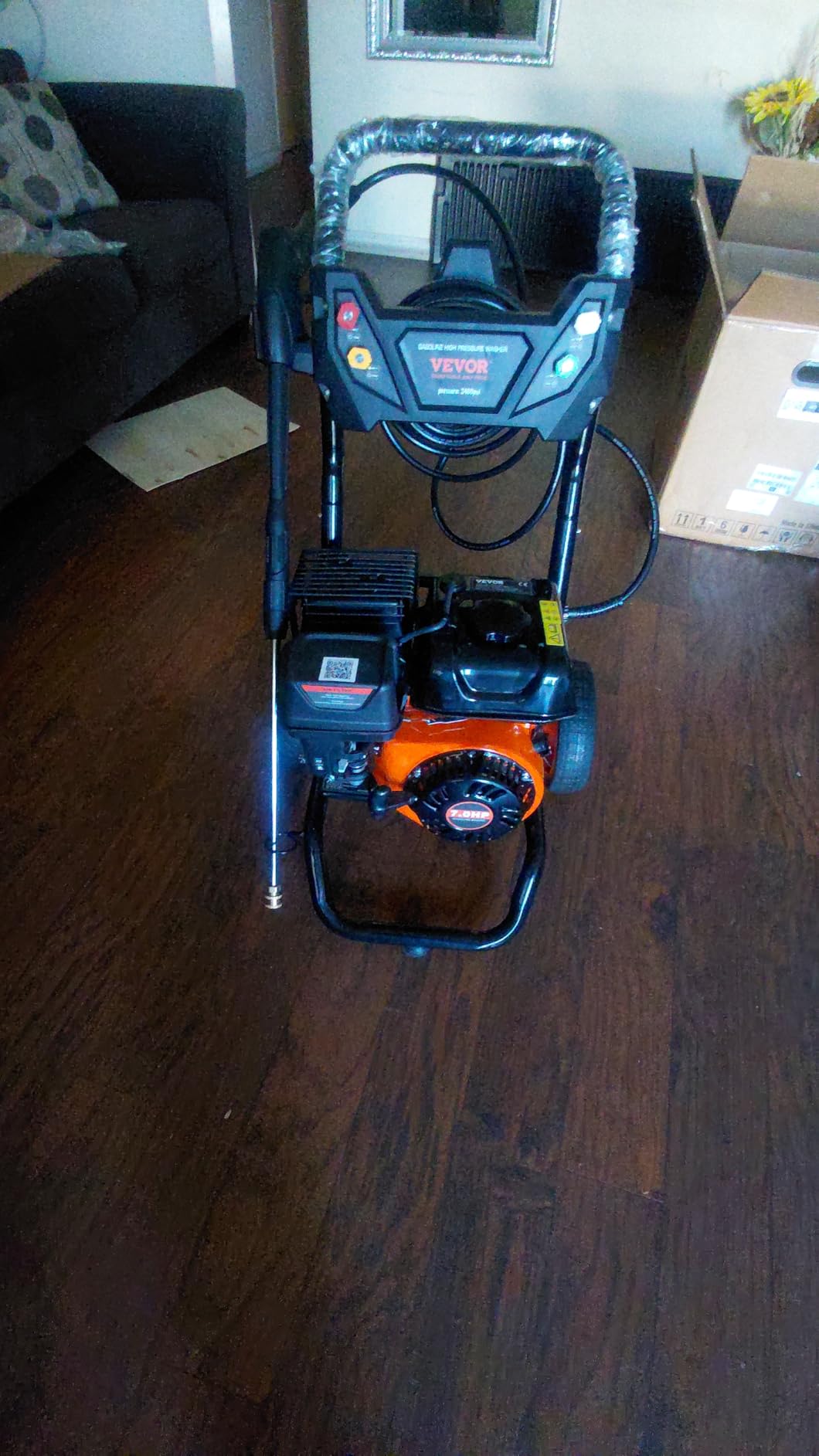
Assembly is the part people like best. Reviews describe it as essentially attaching a handle, wheels, hose, oil, and gas, and the onboard storage for the gun, wand, and nozzles means nothing goes missing between uses. At 57 pounds it is light for a machine in this class.
The 4.0 average is the lowest among the ten, and roughly a fifth of reviews are one star. The complaints cluster around quality control rather than cleaning ability: a cheap engine switch that vibrates off position and crumbles when handled, machines arriving with engine oil leaks, and some that would not spark at all.
How to buy this one without regretting it
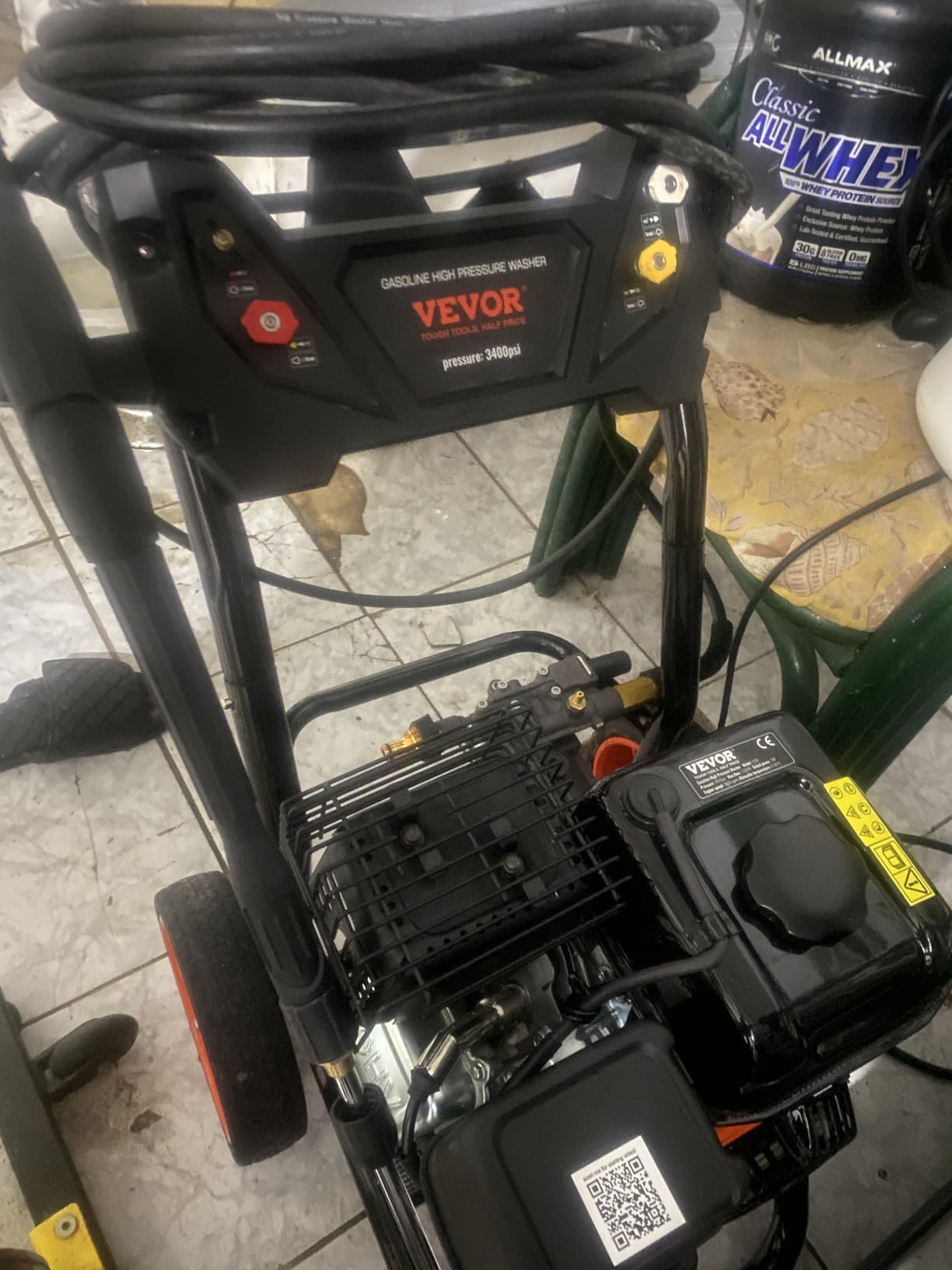
Inspect the machine the day it arrives. Run it for ten minutes on a driveway, check the oil line and the switch position repeatedly, and test the hose end near the wand where pinholes show up. Most of the reported failures show up in that first session, which makes them cheap to catch.
Have a replacement plan for the hose. A pinhole in a 26 foot high-pressure hose ends the job until you fit a new one, and this is the single most repeated complaint in the review base for this model.
When a low rating is still a reasonable buy
If you want one of the highest flow ratings available here, want a metal nozzle set rather than plastic, and will do a first-hour check, the machine earns its place. The cleaning performance is not in question in the reviews.
It is the wrong choice for someone who wants to buy once and forget, or who will be upset by an engine that will not start cold on the first pull. A better-known brand with a longer warranty is the safer route for that buyer.
7. Westinghouse WPX3000 – Easy to Move and Backed for Three Years
Westinghouse WPX3000 Gas Pressure Washer, 3000 PSI and 2.3 GPM, Spray Gun and Wand, 4 Nozzle Set, for Cars/Fences/Driveways/Homes/Patios/Furniture
3000 PSI at 2.3 GPM
212cc OHV engine
Axial cam pump
Never-flat 12 in wheels
50.7 lb
Pros
- About 50.7 lb so it is easy to lift and reposition
- Never-flat 12 in wheels roll smoothly with nothing to maintain
- 3-year limited warranty on parts service and labor
- Onboard soap tank and foam cannon compatibility
- Nationwide service network
- Effective on siding grime driveways and concrete
Cons
- No throttle control so it runs at full speed while not spraying
- Several owners report hot restart problems after a 30 minute cooldown
- Over-filling the oil can foul the spark plug and stop it cranking
- Side-mounted garden hose connection wore a hole in a hose in 30 minutes
Handling is the story with this machine. At 50.7 pounds on never-flat 12 inch wheels, owners describe it as far lighter than the 60 to 74 pound frames elsewhere in this roundup, which is the difference that decides whether you move the machine alone or wait for help.
The spec is 3000 PSI at 2.3 GPM from a 212cc 4-stroke OHV horizontal-shaft engine with recoil start, driving a maintenance-free axial cam pump. You get a 25 foot super-flex hose, four quick-connect nozzles covering 0, 25, 40, and soap, a detergent siphon hose, and a three-year limited warranty on service, labor, and parts.
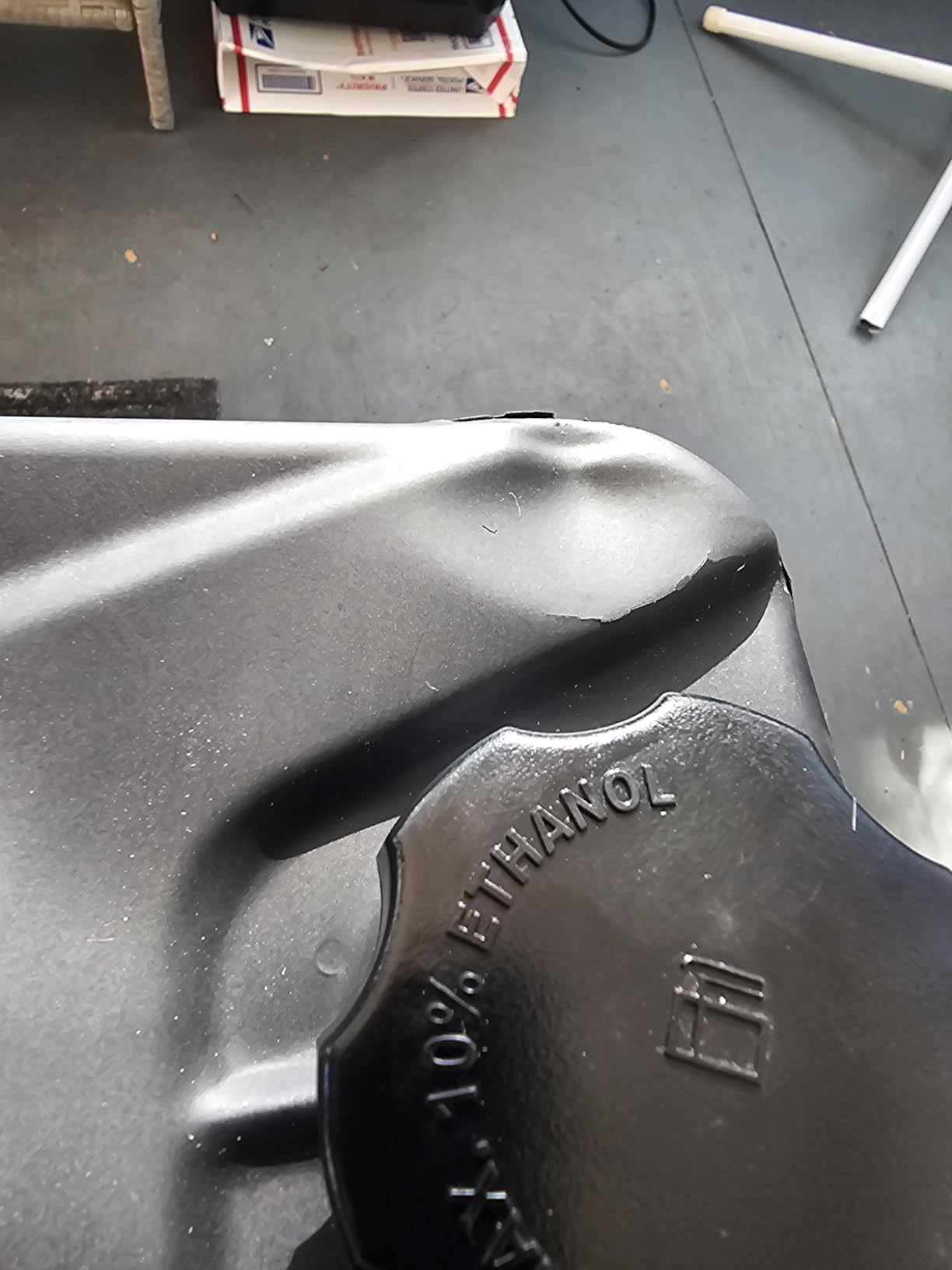
Owners describe it as cutting through dirt, grime, and old stains on siding, driveways, and concrete effectively, and the onboard soap tank works for vehicle washing with a foam cannon if you add one. The EPA-compliant engine and factory function testing are the kind of detail that shows up in the spec sheet but rarely in the warranty.
Two operating quirks are worth planning around. There is no throttle control, so the engine runs at full speed whenever the trigger is released, which is hard on fuel and on your ears. And several owners report it will not restart until it has cooled for 30 minutes or more, which is a genuine annoyance on a long job.
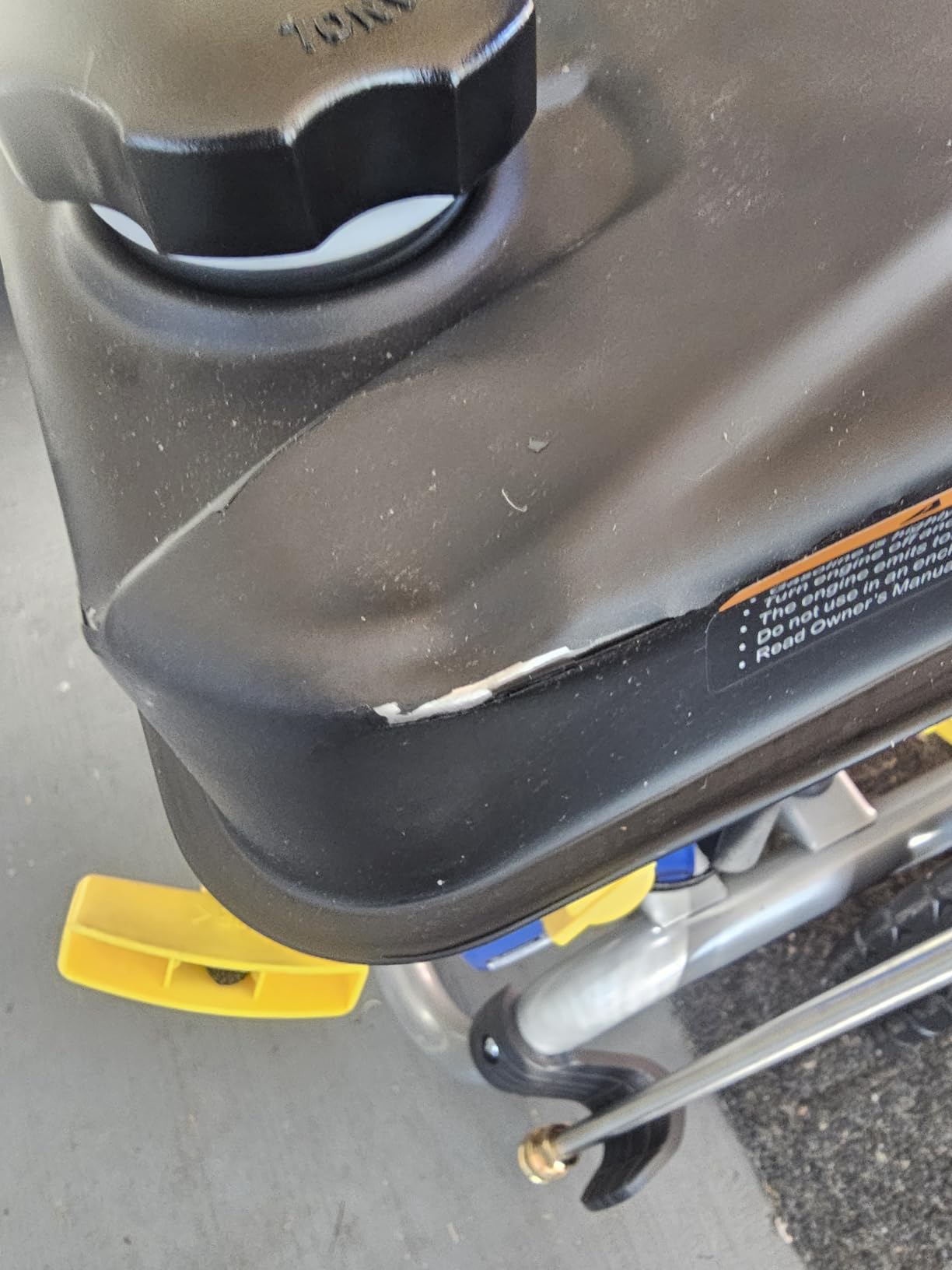
Why the oil level decides whether it starts
The most repeated starting complaint traces to over-filling the engine oil at the first setup, which fouls the spark plug and leaves the engine refusing to crank. The quick install guide is printed very small, and oil was not always included in the box, so the first fill is exactly where mistakes happen.
Check the oil dipstick before the first start and once more after the first ten minutes. Owners who do this report the starting problem largely disappears, which makes it a five-minute task that saves an afternoon.
When 3000 PSI and 2.3 GPM is genuinely enough
It is enough for vinyl siding, which is the whole point of this roundup. A 40-degree nozzle with detergent doing the cleaning means you rarely need more than 1200 to 1600 PSI on the wall, so the 3000 PSI ceiling is headroom rather than a requirement.
Choose a different machine if you plan heavy concrete and paint-stripping work, where the 2.3 GPM flow will leave you rinsing longer than you would like, or if you work in heat where the hot-restart behavior becomes the bottleneck.
8. VEVOR 3600 PSI Gas Washer – Copper Pump at High Flow
VEVOR Gas Pressure Washer, 3600 PSI 2.6 GPM, Gas Powered Pressure Washer with Copper Pump, Spray Gun and Extension Wand, 5 Quick Connect Nozzles, for Cleaning Cars, Homes, Driveways, Patios
3600 PSI at 2.6 GPM
Gas engine with 0.8 gal tank
Full copper pump
26 ft hose
58.2 lb
Pros
- 3600 PSI at 2.6 GPM is plenty of flow for full siding jobs
- Full copper pump highlighted as the reason for long service life
- Build quality repeatedly described as better than the price suggests
- Large 10 inch never-flat wheels make maneuvering easy
- Handles paint stripping and heavy grime on vehicles and sheds
- All accessories store on the machine
Cons
- Supplied hose is a weak point with reported pinholes near the wand
- Often will not start on the first or second pull
- No explicit warranty coverage listed in the specifications
- A hose failure ends the task until a replacement is fitted
This is the step up from the other VEVOR in this list: 3600 PSI at 2.6 GPM on a full copper pump, which is the configuration owners credit with its longer service life under sustained high-pressure use. A 4.2 average across 106 reviews is a positive signal for a machine in this category.
It runs a gas engine with a 0.8 gallon fuel capacity, carries a 26 foot abrasion- and high-pressure-resistant hose, and comes with five quick-connect metal nozzles at 0, 15, 25, 40, and soap plus a quick-connect spray gun and extension wand. The steel frame has two 10 inch never-flat wheels and an ergonomic handle.
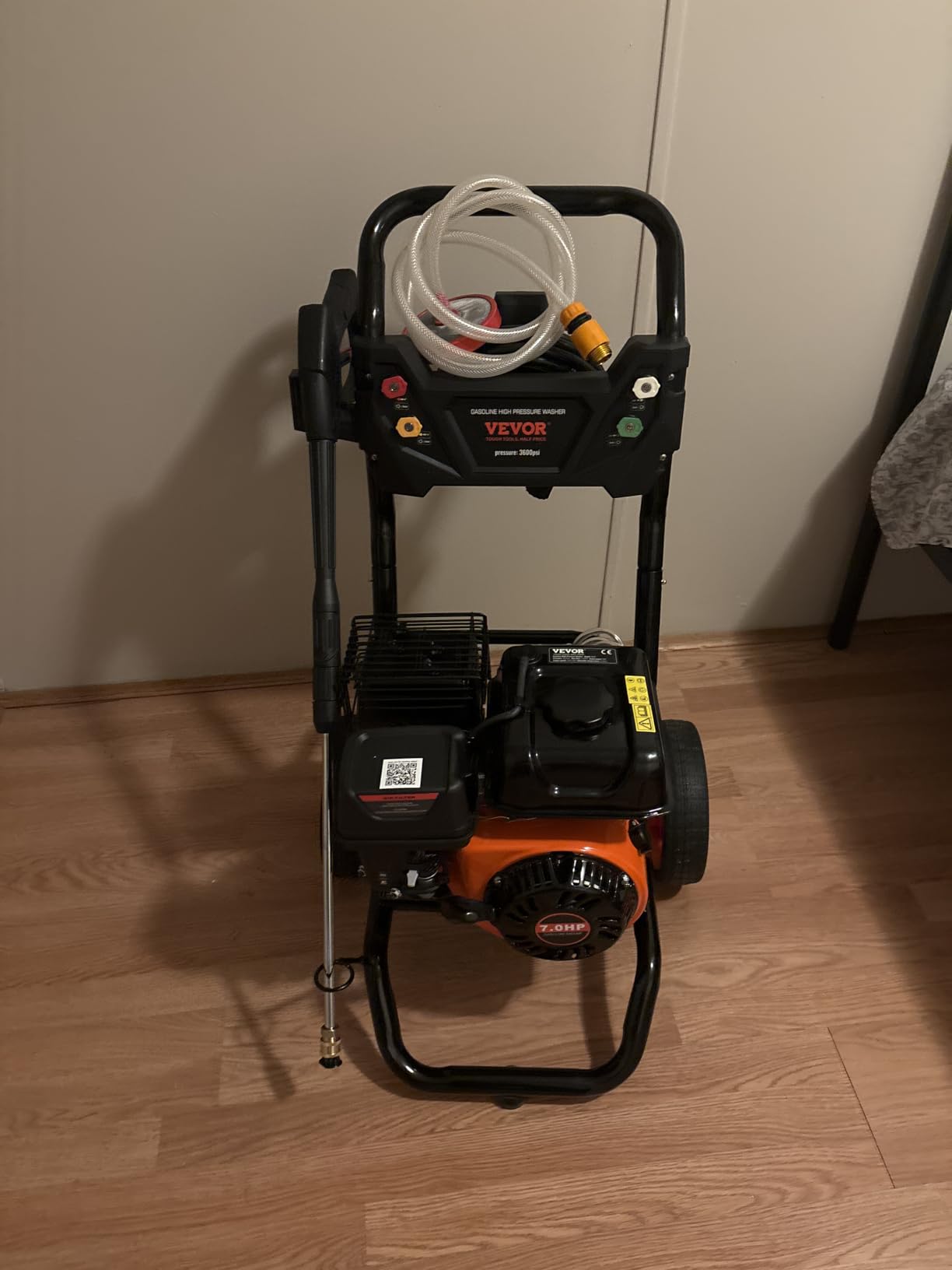
Owners like the build quality relative to what it costs, and the flow rating means detergent and rinse move off a wall quickly, which is the practical advantage over the 2.3 and 2.4 GPM machines. Paint stripping and heavy vehicle grime are reported as handled comfortably.
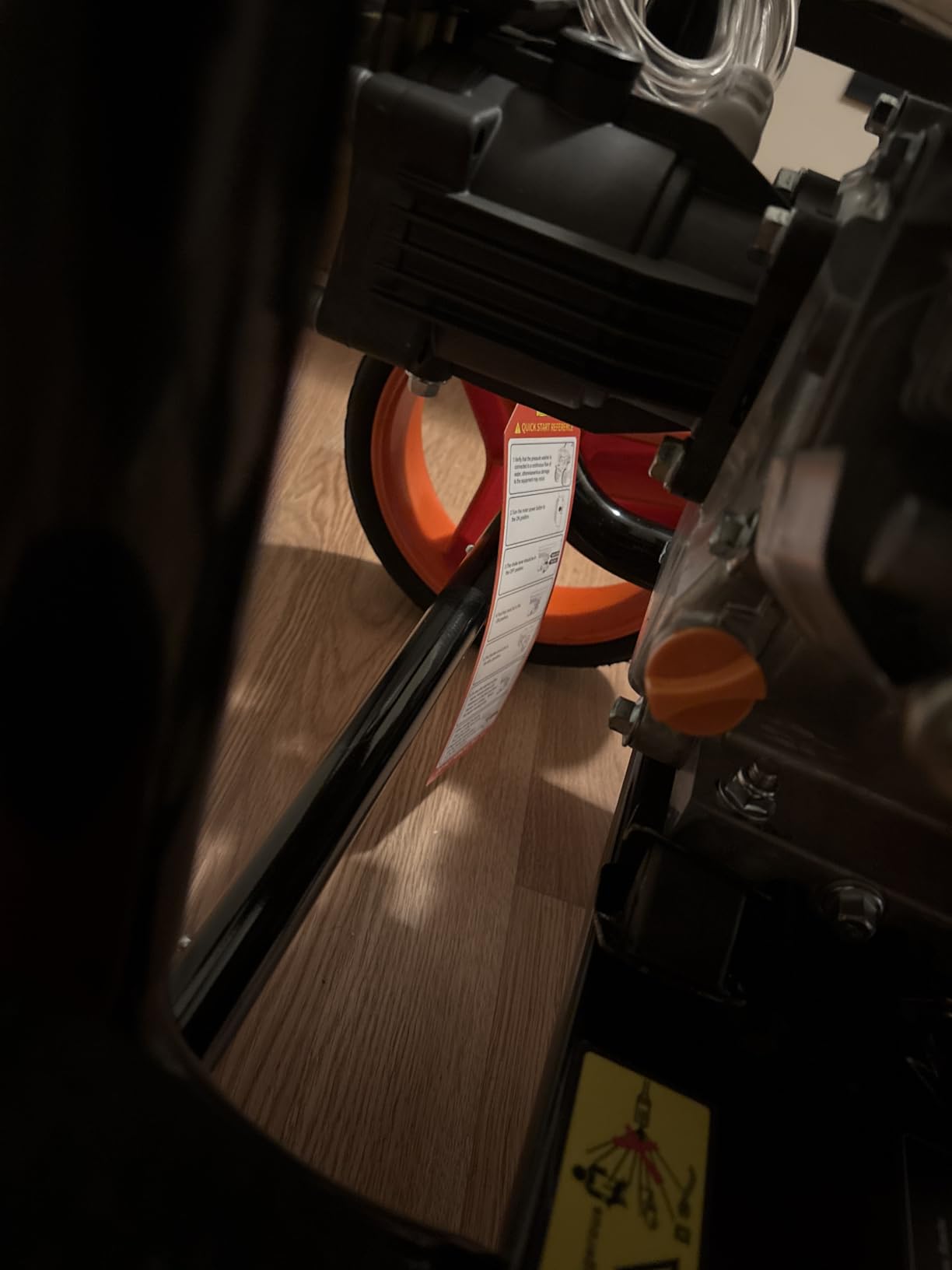
The hose is the recurring weak point, and the failure mode is specific: multiple reviews describe pinholes developing near the wand end. A pinhole at high pressure means the job stops until a hose is fitted, so this is the item to inspect before every large project rather than once at delivery.
What a copper pump does and does not buy you
Copper pump heads hold up well against heat and resist the pressure fluctuation that wears cam-type housings, and owners here specifically credit them for service life. That is a real advantage over an aluminum axial cam housing in sustained use.
It is not the same as a triplex plunger pump with a multi-year pump warranty, and this machine’s specifications list no explicit warranty coverage at all. The pump may outlast an axial cam unit, but you are buying the pump without a paper guarantee behind it.
When the cold-start behavior will get on your nerves
Reviewers frequently note that it does not start on the first or second pull and needs several attempts, which matters when you are trying to restart mid-job for detergent. The first start of the day is the part to allow time for.
Skip it if warranty terms matter to you, and weigh the alternative VEVOR on the previous entry, which has a slightly lower pressure figure but carries far more review feedback overall, including reports of no-spark machines and oil leaks that you could screen for on delivery.
9. PowerSmart 3400 PSI Compact – Best for Tight Garage Storage
PowerSmart Gas Pressure Washer 3400 PSI, 2.5 GPM Gas Powered Pressure Washer, 212CC Engine, 10″ Wheels, 5 Nozzles for Patio, Car, Driveway, Fence & Home Cleaning
3400 PSI at 2.5 GPM
212cc 4-stroke OHV engine
Foldable handle
10 in wheels
31 lb
Pros
- Lightest machine here at 31 lb
- Foldable handle stores it in a tight garage corner
- Genuinely gas powered so there is no cord to drag
- Starts on the first pull for most owners
- Owners call it a massive time saver on exterior cleaning
- Handles siding truck washing and pre-paint prep
Cons
- Smallest review base among the machines compared
- Some machines arrived with broken or missing parts and oil leaks
- Oil filler and hose hookup sit in awkward positions beside the tires
- At least one detailed review describes it as underpowered and noisy
Storage space is the reason to buy this one. At 31 pounds with a foldable handle and 10 inch wheels, it stores in a shallow garage corner in a way the rigid frames in this roundup cannot, which matters for anyone who will not dedicate floor space to a 60 pound machine for eight months of the year.
The performance is genuinely full size: 3400 PSI at 2.5 GPM from a 212cc 4-stroke OHV engine, with five quick-connect nozzles at 0, 15, 25, 40, and soap and a 27 inch wand. Owners report it handling exterior home pre-paint cleaning, siding, and truck washing, and calling it a substantial time saver over an electric unit.
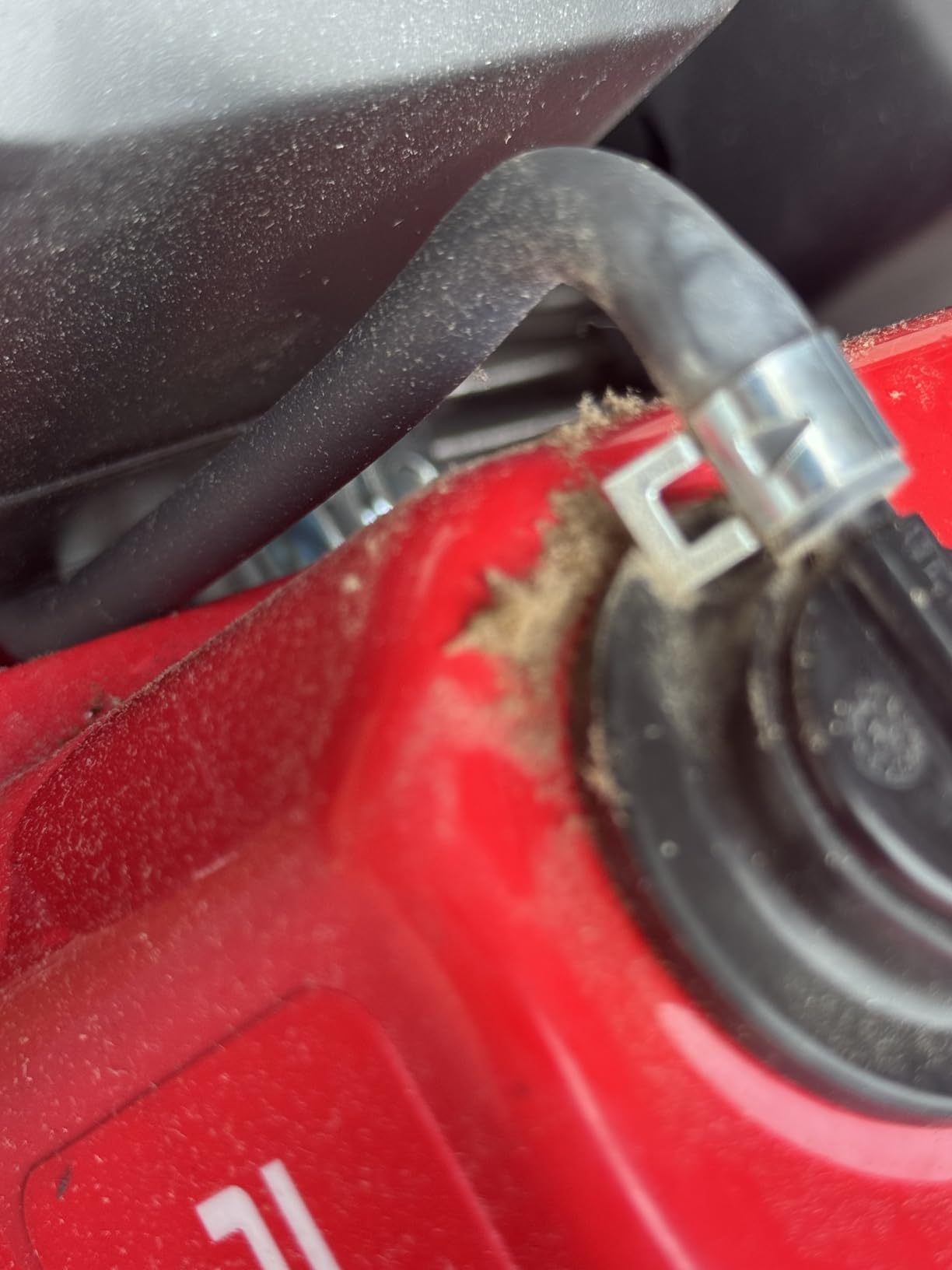
Being genuinely gas powered is the quiet benefit. Electric washer owners complain constantly about dragging a cord across a lawn and around corners, and this machine removes that entirely while keeping the weight low enough for one person to move.
It starts on the first pull for most owners and runs quietly for a gas engine while burning little fuel. The 4.2 average sits mid-pack, but the 97-review base is the smallest here, so treat the rating as less settled than the machines with more than two thousand reviews behind them.
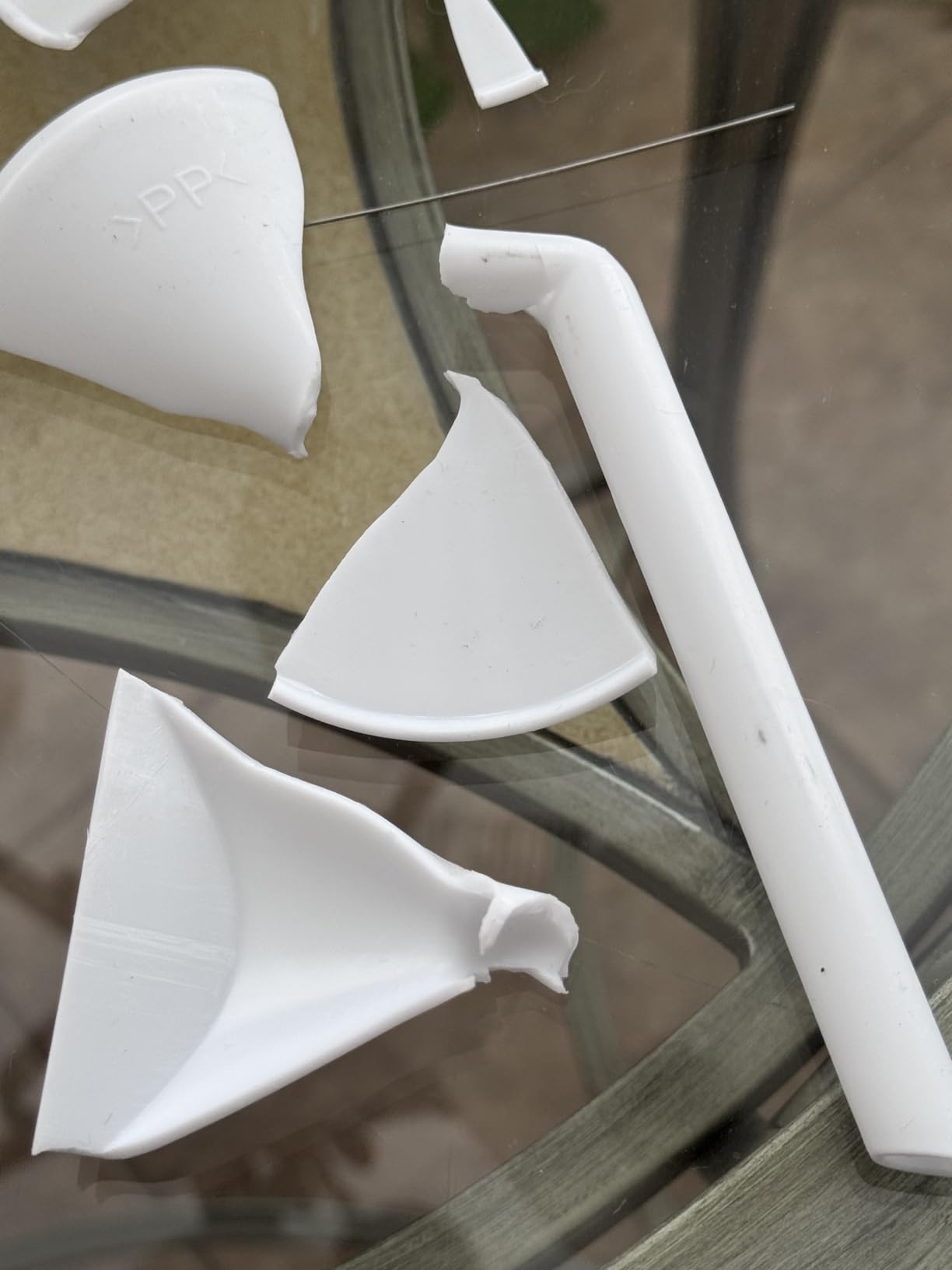
Whether 31 pounds is too light for the job
Lightness has a cost in stability. A 31 pound frame is easier to shift while it is running, and a foldable handle needs a level surface to sit stable on. On gravel or a sloped driveway, set the machine down fully before pulling the trigger.
The awkward placement of the oil filler and the hose hookup beside the tires is a small but real irritation, and one detailed review describes the machine as underpowered. At 2.5 GPM the flow figure is healthy, so that complaint is more likely about technique and expectation than about the spec.
When this is the right pick and when it is not
Pick it if storage space is the binding constraint, you are cleaning a single family home, and you want cord-free gas power you can lift with one arm. It is a strong match for a cottage, a rental, or a house with a narrow side yard.
Look elsewhere if you plan to run a surface cleaner continuously, strip paint, or work a very large exterior, because the light frame and modest warranty position make it a better fit for occasional clean-and-rinse jobs than sustained heavy work.
10. Simpson ALH3228-S Commercial – the Durability Benchmark
Simpson Cleaning 3400 PSI Gas Pressure Washer, 2.5 GPM Power Washer for Commercial Use, Honda GX200 Engine, 25-Foot Hose, Aluminum Series, 49-State (ALH3228-S)
3400 PSI at 2.5 GPM
Honda GX200 commercial engine
CAT Industrial triplex pump
5 yr pump warranty
73 lb
Pros
- CAT Industrial triplex pump carries a 5 year pump warranty
- Honda GX200 engine with a 3-year limited commercial warranty
- Aircraft-grade aluminum platform resists corrosion and job-site abuse
- Monster 25 ft hose is genuinely kink and abrasion resistant
- Professional spray gun with safety lock-out and 16 in steel wand
- Easy to assemble and starts on the first pull
Cons
- 49-State compliant so it is not sold in California
- Barely more flow than the entry-level machines here at 2.5 GPM
- Gas engines of this class are loud enough to need hearing protection
This is the durability benchmark of the ten, and the reason is the pump. A CAT Industrial triplex plunger pump rated at 3400 PSI and 2.5 GPM with thermal relief is a different class of component from the axial cam pumps in the residential machines above it, and it is backed by a five-year limited pump warranty — the longest pump coverage in this roundup.
The engine is a Honda GX200 commercial series unit with a three-year limited commercial warranty. The frame is an aircraft-grade aluminum platform built from brushed extruded aluminum tubing, which resists corrosion and shrugs off the abuse that bends a powder-coated steel frame.
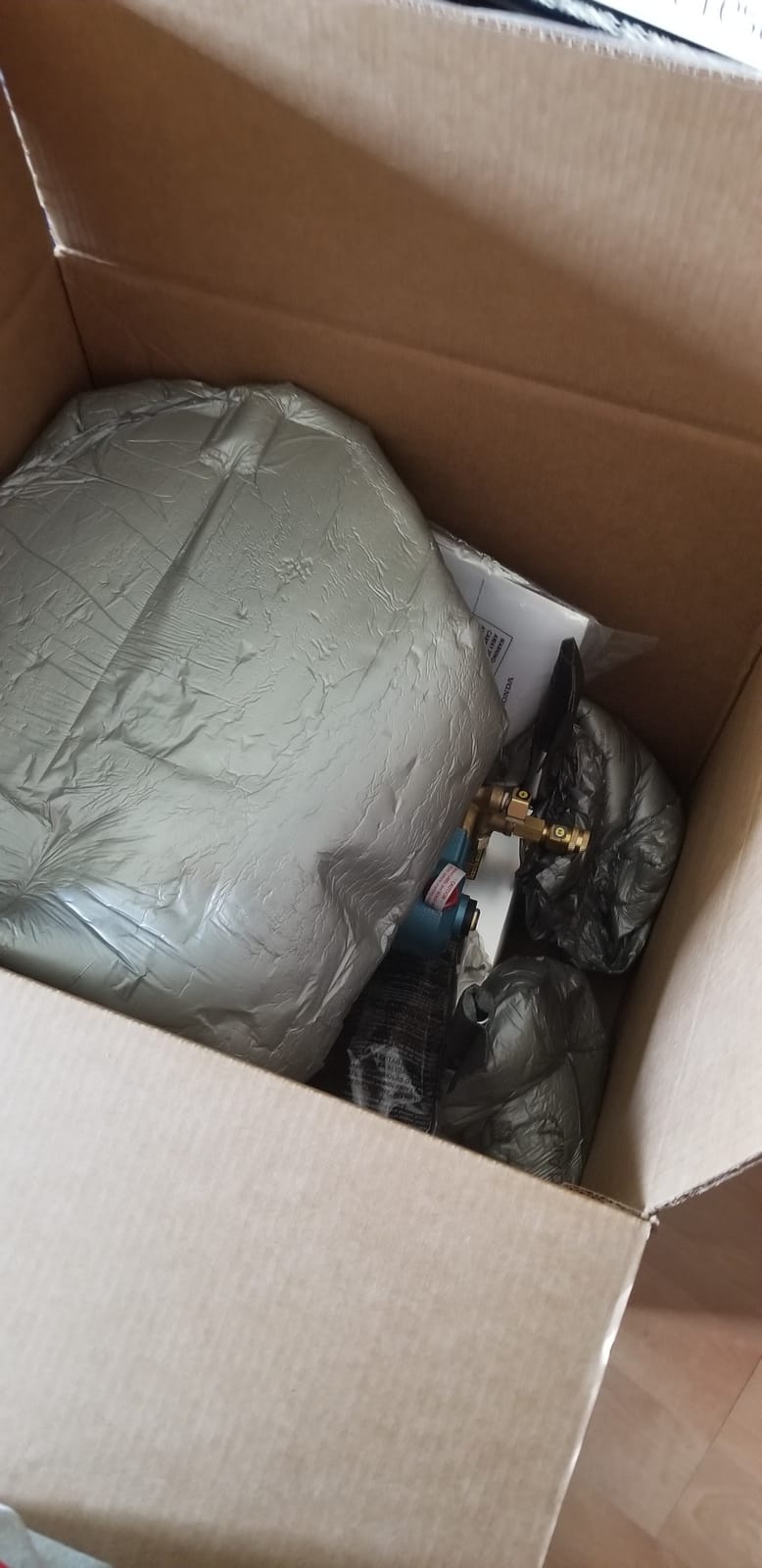
The Monster 5/16 inch by 25 foot hose is specified as kink- and abrasion-resistant, and that specification matters on a job where you drag the line around corners all afternoon. You also get five quick-connect nozzles, a 16 inch steel wand, and a professional spray gun with a safety lock-out, which is a genuinely useful feature on a machine this powerful.
Owners running it commercially or on demanding restoration work consistently point to the pump and engine combination, and report easy assembly and a first-pull start. The 10 inch pneumatic tires handle uneven ground for a 73 pound machine.
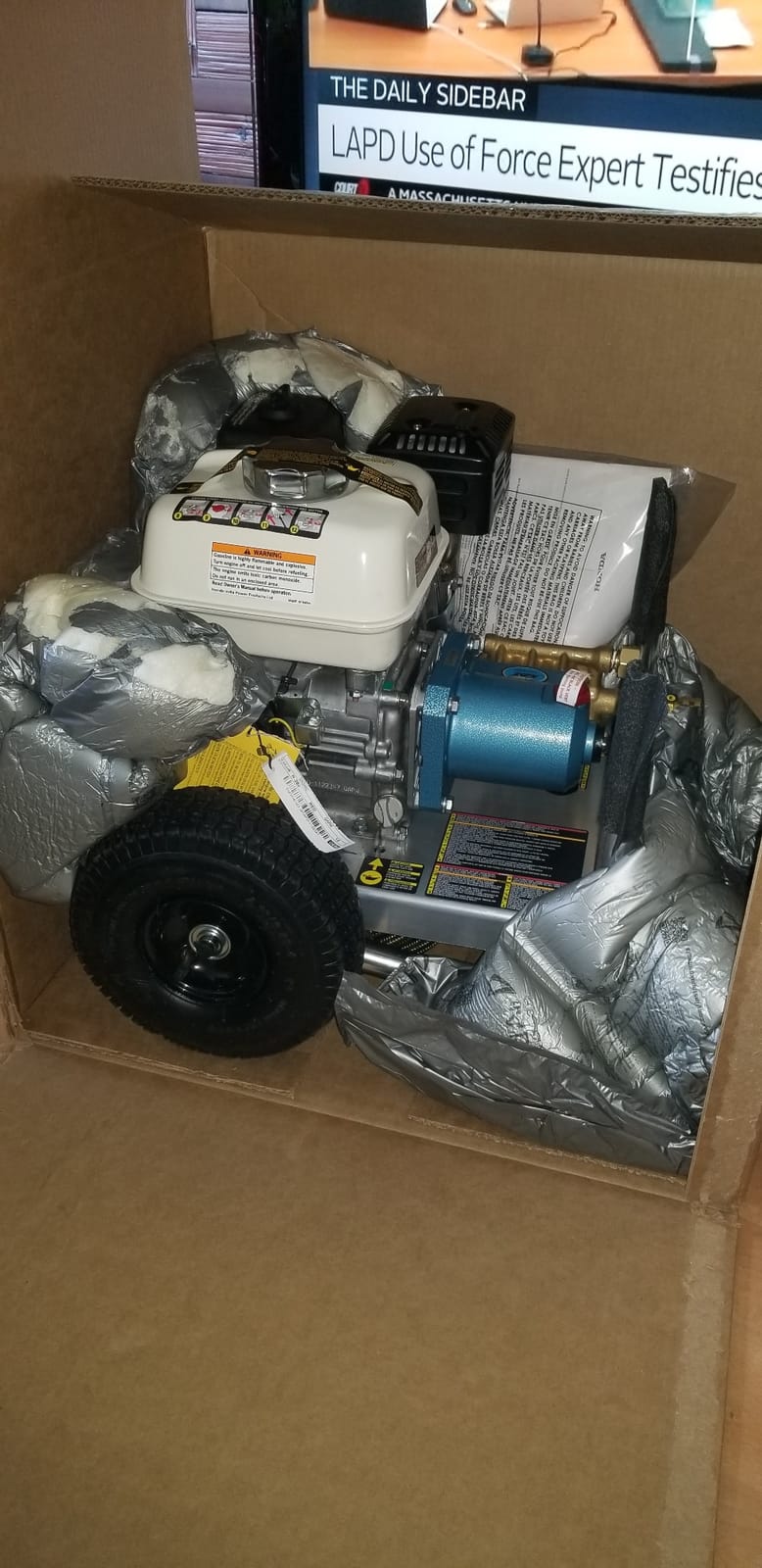
What the five-year pump warranty really means for a homeowner
It means the failure mode that ends most gas washers is covered for five years instead of one. Pump seals and pistons are the components that give out first, and on a residential machine those repairs are frequently treated as wear items outside the warranty. Here they are covered.
The second benefit is the Honda commercial engine warranty. Combined with the aluminum frame, this is the configuration that survives being stored outside, rained on, and started again the following spring without complaint.
When the extra capability is wasted
If your plan is to wash siding once a year, a machine built for commercial restoration work is more capability than the job requires, and the 2.5 GPM flow is barely more than the entry-level machines here deliver. You are paying for pump longevity and warranty terms rather than for pressure or volume.
It is also 49-State compliant, so it is not sold in California. If you are on the West Coast, the residential Simpsons earlier in this list are the same brand without that restriction.
How to Wash House Siding Without Damaging It
The safe pressure band is only half of the job. Technique is the other half, and it costs nothing to get right. The sequence below is the one we recommend regardless of which machine you choose.
Start low and work upward, always. Pre-rinse the bottom three feet of the wall with plain water to knock off loose dirt, then apply detergent from the bottom up with the soap nozzle. This ordering matters more than any spec: dirty water running down over clean panels causes the streaking people blame on gas power.
Let the detergent dwell for five to ten minutes. The chemistry does the cleaning during this window, and the machine’s job is only to rinse. Scrub stubborn algae and mildew with a soft-bristled brush while the solution is still wet rather than reaching for more pressure.
Then rinse with a 40-degree fan nozzle held 12 to 18 inches from the wall, sweeping in overlapping passes from bottom to top. Where a surface cleaner attachment is available, use it — it holds a constant distance and spreads the pressure evenly, which is the most effective guard against etching and striping. Keep the wand moving; standing still with the trigger pulled is what actually damages siding.
Finish with a garden hose rinse from the top down, which flushes detergent out of every butt joint rather than pushing it behind the panels. This final step is the real answer to the fear that washing vinyl forces water where it does not belong.
Gas vs Electric Pressure Washer for House Siding
For a single small wall or a rental every few years, electric wins on convenience. There is no fuel to store, no pull cord, no oil change, and no cold-start problem, and the lighter machines are easy to move. If your total cleaning time is a couple of hours a year, that is the whole calculation.
For a two-story exterior plus a driveway, gas wins decisively. Sustained runtime matters when you are cleaning several hundred square feet, and gas units deliver that without a power cord to drag across a lawn. They also carry enough flow to move detergent and rinse volume, which electric residential machines at the same pressure often cannot.
The costs of gas are real and should be named. Fuel storage and stabilization, oil changes, exhaust ventilation, noise, and a machine that will not start after a winter are the recurring costs. If you will not run fuel stabilizer in the tank, buy electric.
One common misconception deserves clearing up. Gas power does not inherently damage siding. What damages siding is concentrated pressure at close range with a narrow nozzle, and any gas machine — or electric one — will do it. The forum warnings about powerful gasoline units removing siding are correct about the risk and misleading about the cause.
How to Buy a Gas Pressure Washer for House Siding
Start with flow, not pressure, because flow is what you will feel. For siding, anything at or above 2.3 GPM moves detergent and rinses properly, and 2.5 to 2.6 GPM is comfortable. Peak PSI above 2000 is headroom for concrete and paint prep, not a siding requirement.
Check the nozzle set before you buy. A proper siding kit includes a 25-degree and a 40-degree fan plus a soap nozzle, and one machine in this roundup comes with only four nozzles and no 25-degree. If you plan to buy a surface cleaner, confirm the pump can be regulated.
Pump type predicts service life. A triplex plunger pump with a multi-year pump warranty is built for sustained work, while a maintenance-free axial cam pump is fine for occasional use and cheaper. Judge warranty length as a proxy for how the manufacturer expects the pump to be used.
Hose length decides whether you need a ladder. Twenty-five feet plus a 16 inch wand puts the working end about 26 feet from the machine, so a two-story wall means either a longer hose or working from a ladder. Our general pressure washer picks and the broader pressure washer guide cover the electric side of the same decision if a cord is acceptable.
Warranty terms deserve as much attention as the spec sheet. Compare our general gas pressure washer roundup and our picks for heavy duty work to see how coverage varies across price points, and read the pump term specifically rather than the frame term.
Finally, plan the off-season. Gas washers get written off and rusted over fuel sitting in the tank, so drain or stabilize the fuel, run the detergent line clear, disconnect the battery if the engine has one, and store the machine off bare concrete. Our picks among the lower-cost gas washer options are easier to let sit through a winter, and electric is better still.
If you only need the machine for a day or two every couple of years, renting is the better economics, and the driveway washing guide covers the same technique on a rented unit. Buy once you are washing exteriors several times a year, which is where a machine like this starts paying for the fuel and maintenance it demands.
Frequently Asked Questions
What PSI pressure washer do I need for house siding?
For vinyl, fiber cement, and painted wood siding, keep working pressure at or below about 1600 PSI and stay in the 1200 to 1500 PSI range for most jobs. Use a 25 or 40 degree fan nozzle held 12 to 18 inches away. This is the pressure leaving the nozzle, not the machine’s maximum rating, which is why a 3400 PSI washer is safe on siding when used correctly.
Is 2500 psi too much for siding?
Only if you put it on the wall. A 2500 PSI machine with a 40-degree nozzle at a proper distance delivers far less than 2500 PSI at the surface, so it is fine. It becomes a problem with a red or 15-degree nozzle held close to the panel, where the concentrated jet can etch vinyl and shoot water behind butt joints.
Is 3000 PSI too much for a house?
The same answer applies as at 2500 PSI. The risk on siding is technique, not machine capacity. Most of a gas washer’s rated pressure is never reached on a wall because a fan nozzle and distance reduce it substantially. Keep the wand moving, stay at 12 to 18 inches, and use a surface cleaner if you have one.
What PSI will damage vinyl siding?
Vinyl starts showing etching and dull streaks in the 2000 to 2500 PSI range at close range with a narrow jet. Chalky or oxidized vinyl is more vulnerable still because the surface layer has degraded. Below 1600 PSI with a 25 or 40 degree fan, vinyl siding will not etch under any technique worth using.
Can power washing ruin vinyl siding?
It can, but usually through water getting behind the panels rather than surface damage. Washing bottom to top, rinsing top down with a garden hose afterward, and avoiding a narrow jet at butt joints, window trim, and vents prevents most of it. Aged, brittle, or chalky vinyl is the case where skipping pressure washing entirely is the right call.
Do I need a soft wash system for siding?
For mildew and algae on vinyl, a soft wash approach works better than pressure alone because the detergent does the work while you rinse. An onboard soap tank plus a 25 or 40 degree nozzle is enough for most homeowners. A dedicated soft wash system with a metering wand is worth it if you have large north-facing walls that stay damp.
Is gas or electric better for washing a house?
Gas is better for a two-story exterior or a full property because it gives sustained runtime and higher flow without a cord. Electric is better for one wall or a small rental cleaned occasionally, since there is no fuel to store or stabilize. Gas power does not itself damage siding; concentrated pressure at close range does.
The Best Gas Pressure Washer for House Siding in 2026
For most homeowners cleaning a full exterior, the SIMPSON PowerShot PS3228 is the best gas pressure washer for house siding: the Honda GX200 and AAA triplex pump combination carries the largest review base in this roundup. If warranty length matters more to you than power, the DeWalt 3300 PSI with five years on the frame and three on the pump is the more rational decade-long purchase.
For a rental or a single wall, the Westinghouse WPX3000 is the easiest machine here to move and the simplest decision to get right, and for tight garage storage the 31 pound PowerSmart compact solves a problem the bigger frames cannot. Commercial restoration work belongs to the Simpson ALH3228-S with its CAT triplex pump and five-year pump coverage.
Whichever one you pick, remember the number that actually protects your siding: 1600 PSI, through a 40-degree fan nozzle, from 12 to 18 inches, sweeping bottom to top. Check the machine’s latest details before you buy, and the rest of the job takes care of itself.