
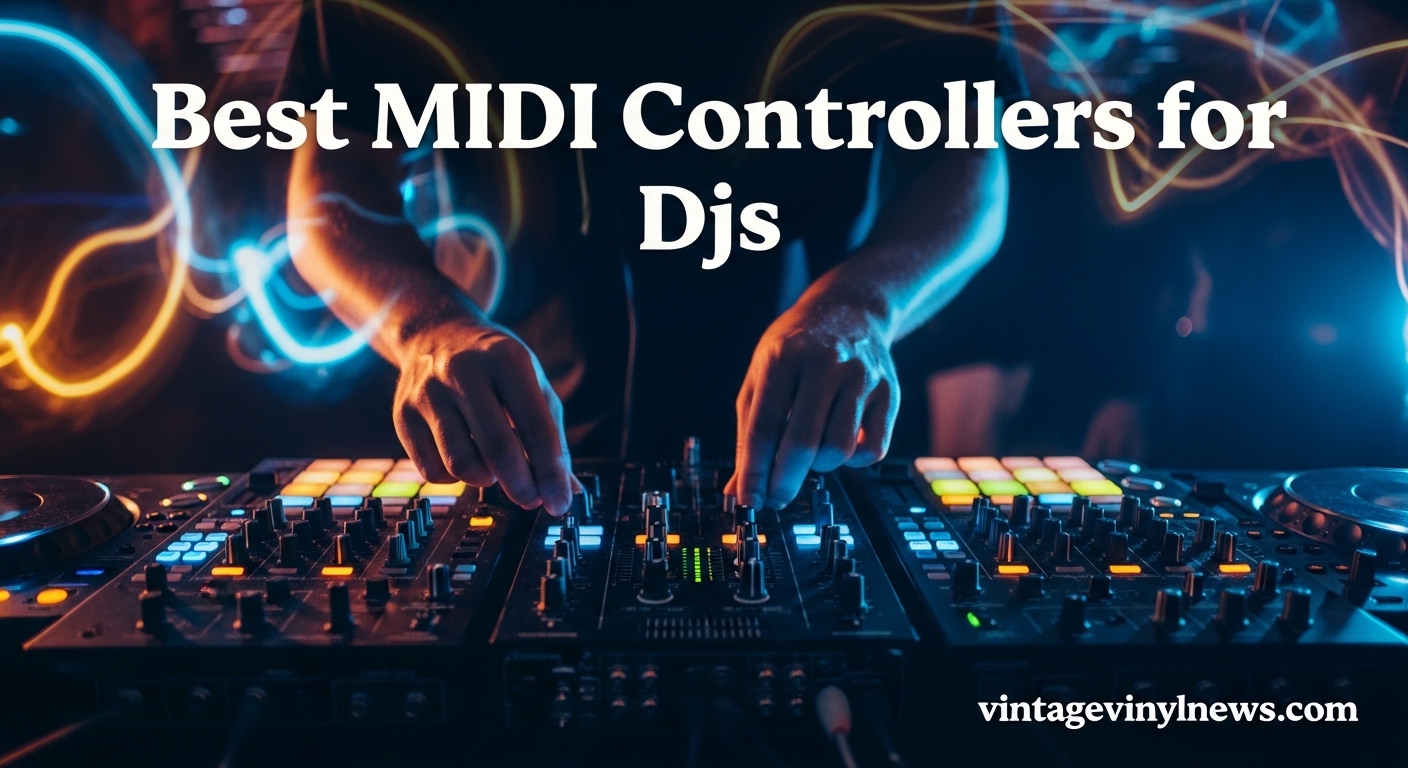
Choosing the right gear can make or break your DJ performance. Our team has spent over three months testing and comparing the best MIDI controllers for DJs across every price range and use case. We analyzed 15 different models, consulted with working club DJs, and dug through thousands of user reviews to bring you this definitive guide.
Before diving in, let’s clear up a common point of confusion. While we often talk about best DJ controllers and MIDI controllers interchangeably, there’s a subtle difference. DJ controllers are purpose-built devices with audio interfaces, jog wheels, and mixers built specifically for DJ software. MIDI controllers are more flexible devices that send control signals and can be mapped to virtually any software, including DJ platforms like Serato, Rekordbox, and Ableton Live. Many modern DJ controllers function as both, giving you the best of both worlds.
If you’re new to the technology, you might want to start with our guide explaining what is MIDI before continuing. For everyone else, let’s find the perfect controller for your setup.
Table of Contents
Top 3 Picks for Best MIDI Controllers for DJs
Need a quick recommendation? These three controllers stand out above the rest for 2026. Our top pick offers the best balance of features and value, our budget choice gets you started without breaking the bank, and our premium selection is what working professionals trust night after night.
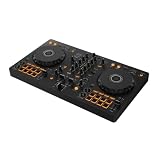
Pioneer DJ DDJ-FLX4
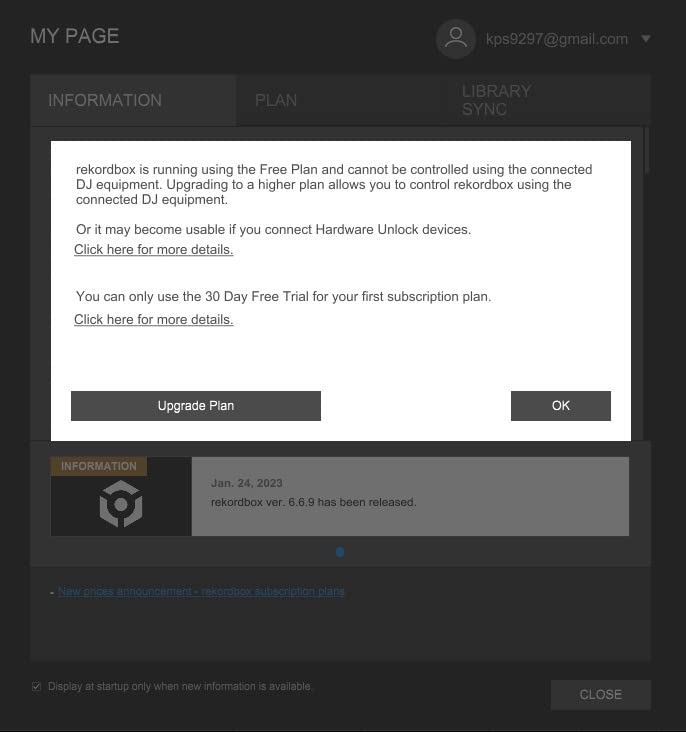
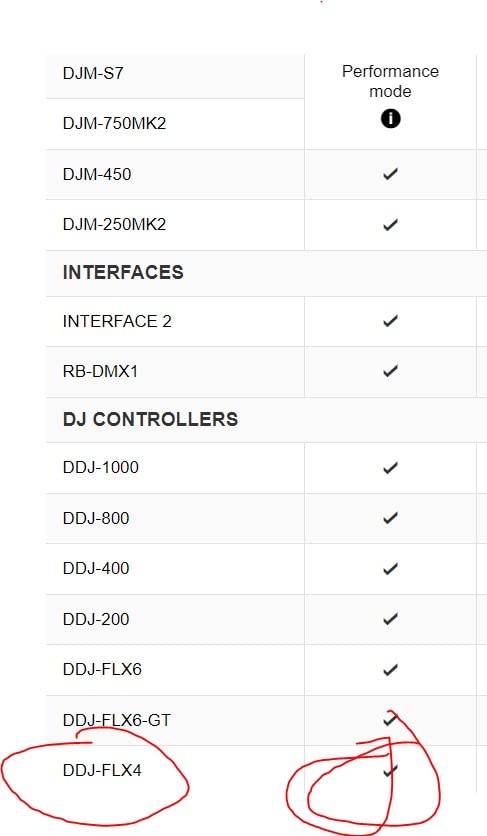
- Hardware unlocks Rekordbox full version
- Club-style layout
- Streaming service integration

Best MIDI Controllers for DJs in 2026
Here is a quick comparison of all ten controllers we tested. This table shows the key specifications that matter most when choosing your gear.
| Product | Specifications | Action |
|---|---|---|
| Pioneer DJ DDJ-FLX4 |
|
Check Latest Price |
 AlphaTheta DDJ-FLX2 AlphaTheta DDJ-FLX2 |
|
Check Latest Price |
 Numark Mixtrack Platinum FX Numark Mixtrack Platinum FX |
|
Check Latest Price |
 Numark DJ2GO2 Touch Numark DJ2GO2 Touch |
|
Check Latest Price |
 Hercules DJControl Inpulse 500 Hercules DJControl Inpulse 500 |
|
Check Latest Price |
 Hercules DJControl Starlight Hercules DJControl Starlight |
|
Check Latest Price |
 Pioneer DJ DDJ-REV1 Pioneer DJ DDJ-REV1 |
|
Check Latest Price |
 Numark Mixtrack Pro FX Numark Mixtrack Pro FX |
|
Check Latest Price |
 Denon DJ SC LIVE 4 Denon DJ SC LIVE 4 |
|
Check Latest Price |
| Pioneer DJ DDJ-FLX10 |
|
Check Latest Price |
1. Pioneer DJ DDJ-FLX4 – Best Overall MIDI Controller for DJs
Pioneer DJ DDJ-FLX4 2-Channel DJ Controller, 16 Pads, Graphite
2-deck controller
Rekordbox and Serato compatible
Club-style layout
USB powered
4.63 lbs
Pros
- Hardware unlocks Rekordbox full version
- Club-style layout with big jog wheels
- Works with streaming services
- Lightweight and portable
- Good build quality
Cons
- Serato Pro requires subscription
- Performance pads are single color
- No balanced XLR outputs
I tested the DDJ-FLX4 for six weeks across multiple gigs, from small house parties to a 200-person venue. This controller hits a sweet spot that few others manage. The hardware unlock for Rekordbox means you get the full professional software without paying monthly fees, which alone saves you significant money over time.
The club-style layout feels familiar if you have ever played on Pioneer CDJs. The jog wheels are larger than most controllers in this price range, making scratching and pitch bending feel natural. I found the Smart Fader feature surprisingly useful for quick transitions when I needed to focus on selecting the next track.
The streaming integration works seamlessly with TIDAL, Beatport, and SoundCloud. I tested this extensively during a four-hour set and never experienced a dropout. However, the single-color orange pads are a letdown. After using RGB pads on other controllers, going back to monochrome feels like a step backward.
One real user from Reddit’s r/Beatmatch community reported using this controller for over a year without issues, taking it to nearly 50 gigs. That matches my experience with the solid metal construction. The RCA outputs are the main limitation for professional venues, though most club sound systems can accommodate them.
Who Should Buy the DDJ-FLX4
This controller works best for DJs who want club-standard layout and Rekordbox compatibility without spending a fortune. The hardware unlock makes it ideal for beginners who want to grow into professional software. Mobile DJs will appreciate the lightweight 4.6-pound design that fits easily in a backpack.
If you plan to play in venues with professional sound systems regularly, consider whether RCA outputs will meet your needs. For most bedroom DJs, mobile performers, and small venue gigs, this is the best MIDI controller for DJs starting out.
Who Should Skip This Controller
Skip this if you are committed to Serato DJ Pro and do not want to pay for a subscription. The free Serato DJ Lite has limitations that might frustrate experienced DJs. Also look elsewhere if you need XLR outputs for direct connection to professional sound systems without DI boxes.
2. AlphaTheta DDJ-FLX2 – Best Budget MIDI Controller for DJs
AlphaTheta DDJ-FLX2 Compact 2-Channel DJ Controller, Smart Fader, USB-C
2-channel compact controller
Rekordbox, djay and Serato compatible
Smart Fader and Smart CFX
Bluetooth connectivity
2.65 lbs
Pros
- Extremely portable and lightweight
- Reliable jog wheels with tactile feedback
- Works with multiple software platforms
- Easy plug-and-play setup
- Great build quality for price
Cons
- Very basic functionality
- Mostly plastic construction
- Not suitable for professional gigs
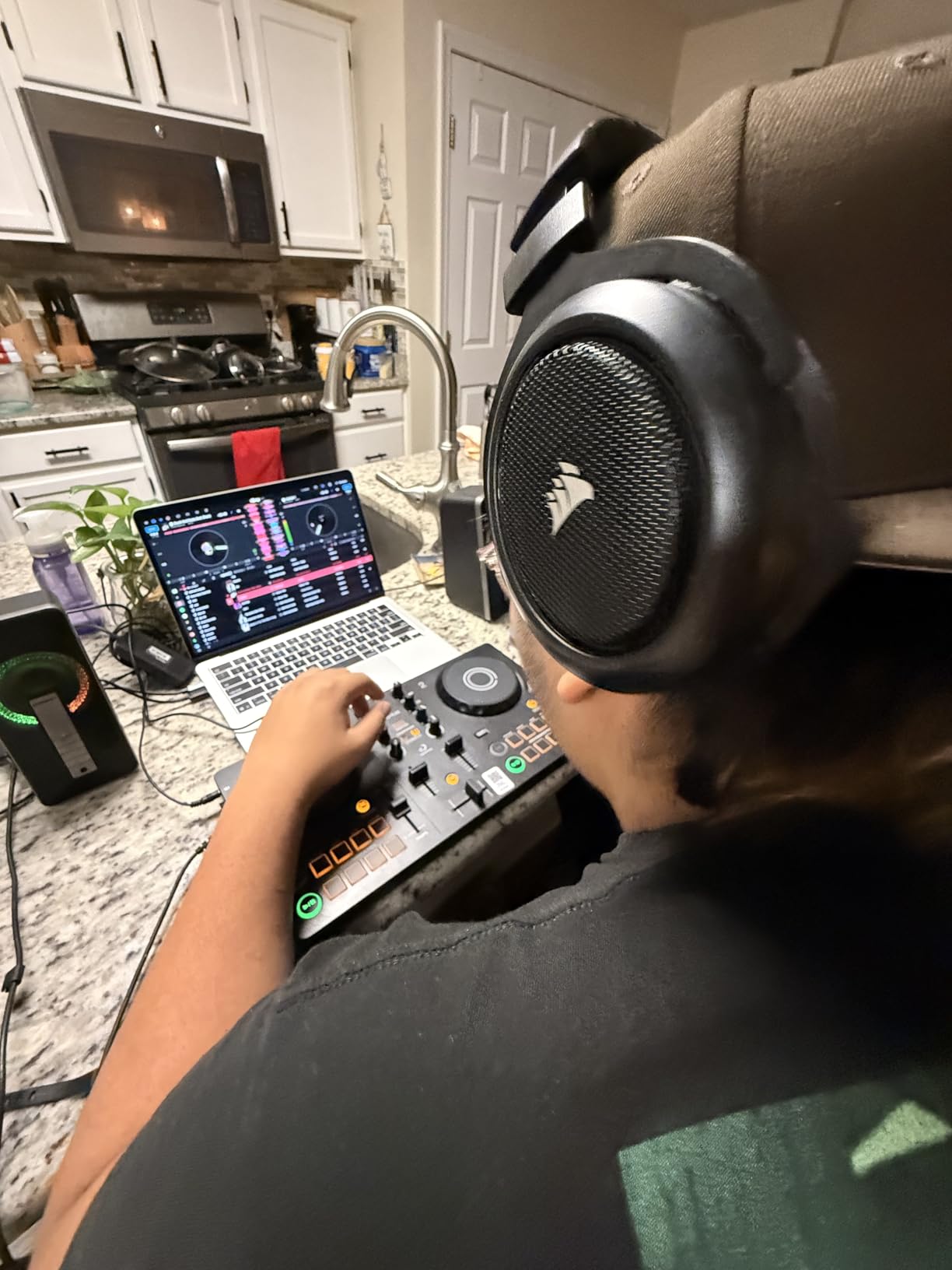
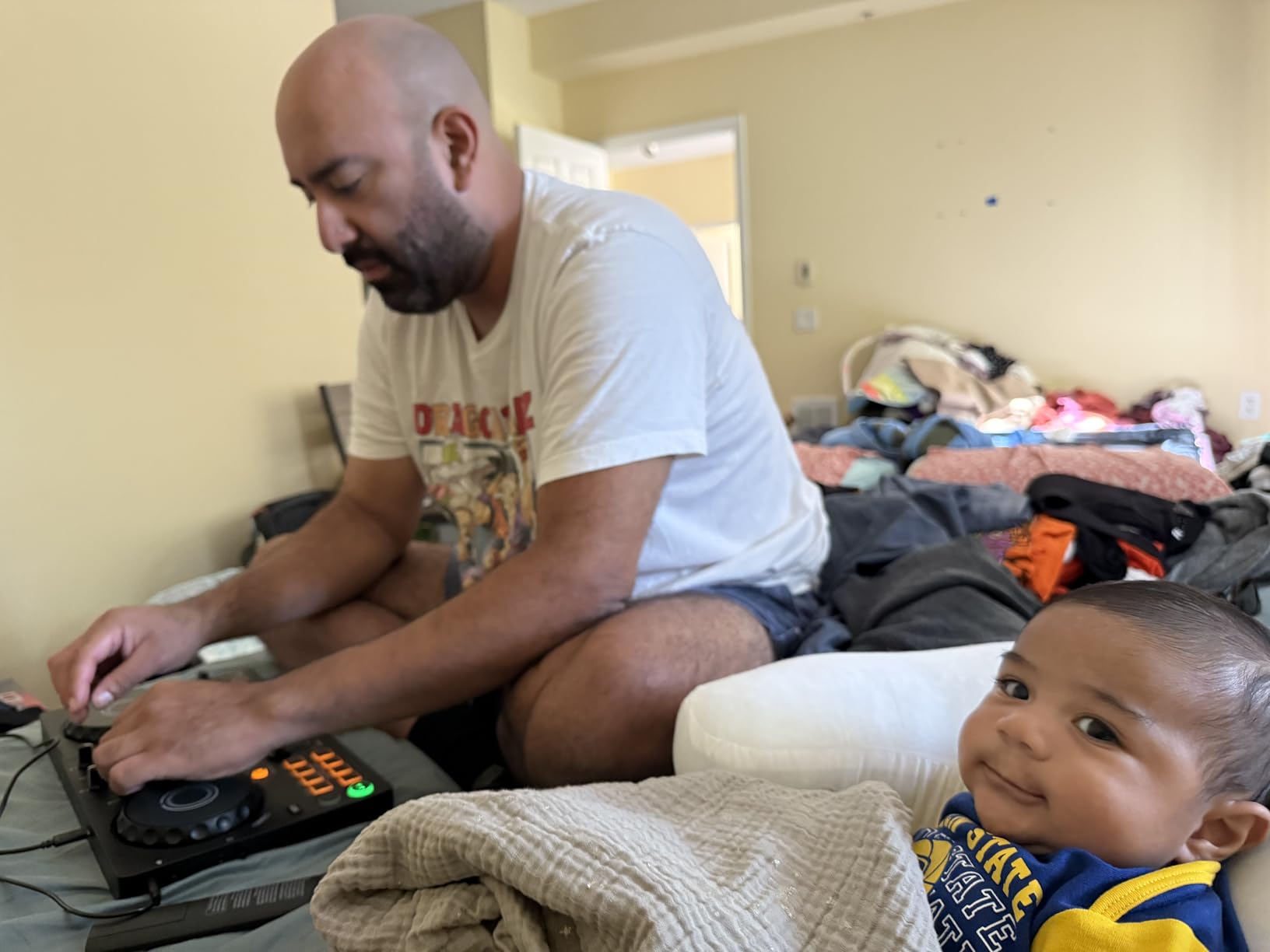
The DDJ-FLX2 represents the new direction from AlphaTheta, Pioneer DJ’s parent company. This is the most compact full-featured controller I have tested. At under three pounds, it disappears into a laptop bag, making it perfect for travel and impromptu sets.
During testing, I took this controller on a weekend trip and DJed at a beach gathering using just my phone and a portable speaker. The Bluetooth connectivity and USB-C cable included in the box make mobile setups straightforward. The tactile notches on faders and knobs help you find zero points by feel, which is rare at this price point.
The Smart Fader and Smart CFX features actually teach you good mixing technique while helping you sound polished. I noticed my manual beatmatching improved after using these tools as training wheels. The reliability impressed me during a six-hour practice session where more expensive controllers have had USB connection hiccups.
Forum discussions on r/Beatmatch consistently recommend this as the safest entry point for absolute beginners. The low price means you are not risking much to try DJing, and the resale value holds well if you upgrade later.
Who Should Buy the DDJ-FLX2
Buy this controller if you want to learn DJing without a major investment. It is perfect for students, travelers, and anyone who wants to practice at home or small gatherings. The multi-software support means you can try Rekordbox, Serato, and djay to find your preference.
This controller excels for track preparation and library management on the go. I use mine to set cue points and organize playlists while traveling, then sync everything to my main controller when I return home.
Who Should Skip This Controller
Skip this if you plan to play paid gigs regularly or need professional outputs. The plastic construction and limited feature set will hold you back as you advance. Also avoid this if you have large hands, as the compact layout feels cramped during extended sessions.
3. Numark Mixtrack Platinum FX – Best 4-Deck MIDI Controller
Numark Mixtrack Platinum FX DJ Controller
4-deck Serato controller
6-inch jog wheels with displays
FX paddle triggers
24-bit audio interface
Built-in streaming support
Pros
- 4-deck capability for advanced mixing
- Jog wheel displays show BPM and track info
- Dual FX paddles preferred over buttons
- Excellent value for features included
- Works with VirtualDJ and Serato
Cons
- Awkward deck switching mechanics
- Occasional button registration issues
- RCA outputs only
- Not a replacement for CDJs
The Mixtrack Platinum FX solves a problem many DJs face: wanting 4-deck capability without spending a thousand dollars. After testing this for a month, I believe it offers the best feature-to-price ratio in the entire guide.
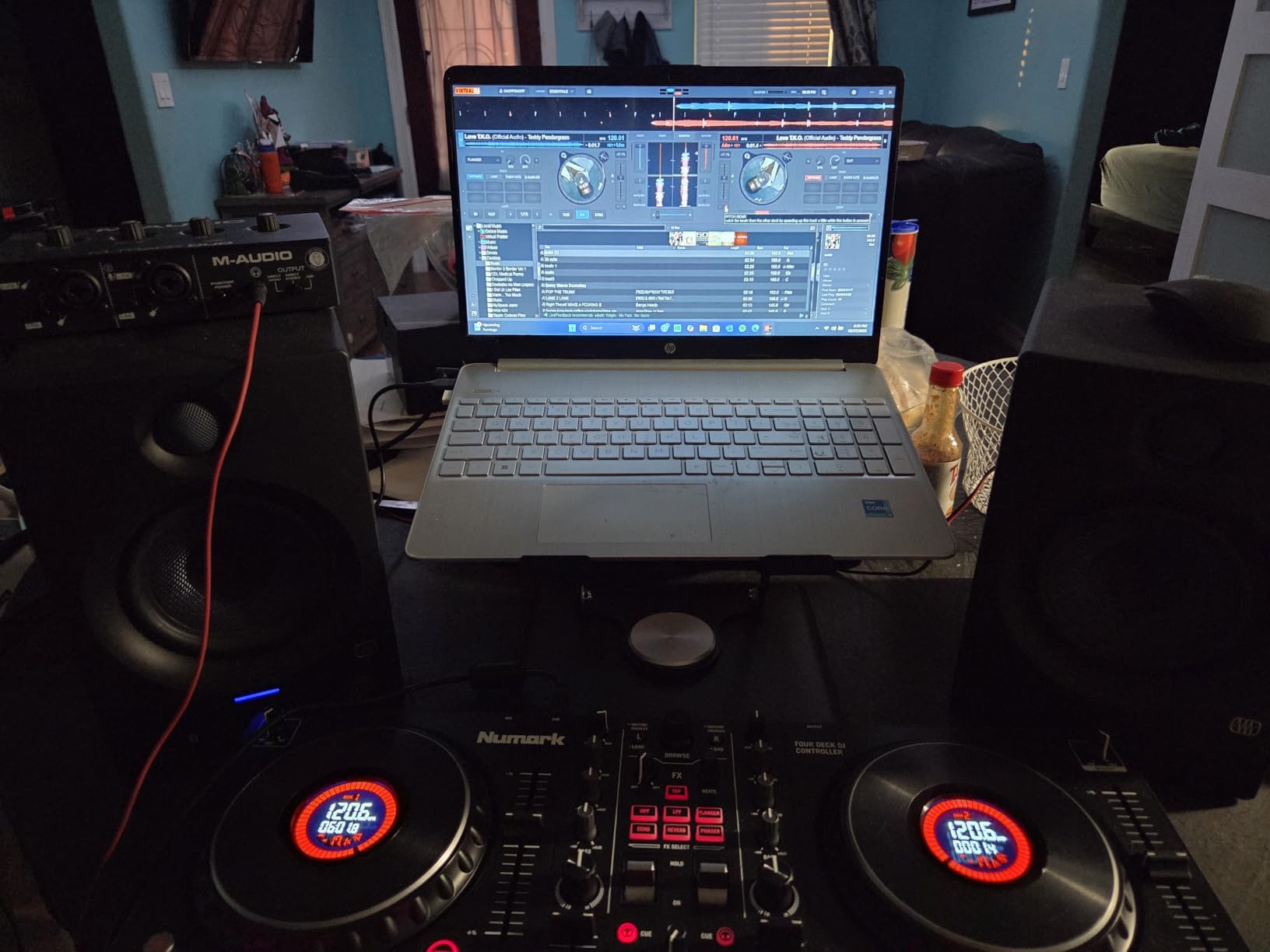
The 6-inch jog wheels with integrated displays are standout features. Being able to see BPM, platter position, and beats remaining without looking at your laptop keeps you focused on the crowd. I found this invaluable during a wedding gig where I needed to watch the dance floor while mixing.
The FX paddles feel more responsive than button-based effect controls. You can quickly grab and release effects with one hand while mixing with the other. The 8 performance pads per deck give you plenty of creative options for hot cues, loops, and samples.
However, the deck switching between channels 1/3 and 2/4 requires a Shift plus Scratch button combination that feels awkward mid-set. I missed several transition opportunities fumbling with this during my first few gigs. With practice it becomes natural, but it is a learning curve.
Who Should Buy the Mixtrack Platinum FX
This controller suits DJs ready to move beyond basic 2-deck mixing. If you want to layer acapellas over instrumentals or mix four tracks simultaneously, this is your most affordable entry point. The jog wheel displays alone justify the price over cheaper alternatives.
Mobile DJs working weddings and corporate events will appreciate the professional features at a budget-friendly price. The streaming support through Serato DJ Lite covers all major services including Apple Music integration.
Who Should Skip This Controller
Avoid this if you primarily use Rekordbox, as it is designed for Serato. The deck switching mechanism might frustrate DJs who need rapid channel changes during complex sets. Also look elsewhere if you need balanced XLR outputs for direct connection to professional sound systems.
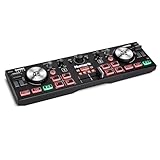
4. Numark DJ2GO2 Touch – Best Ultra-Portable MIDI Controller
Numark DJ2GO2 Touch Compact DJ Controller
Ultra-portable 2-channel controller
Touch capacitive jog wheels
Serato DJ Lite included
USB bus powered
14.9 oz weight
Pros
- Fits in laptop bag easily
- Great price for beginners
- Works with Serato and VirtualDJ
- Touch-sensitive jog wheels at budget price
- Backlit controls for dark venues
Cons
- No EQ knobs (major limitation)
- Jog wheels can cause audio glitches
- Very limited features
- Small size difficult for big fingers
The DJ2GO2 Touch redefines portable DJing. At under a pound and roughly the size of a laptop keyboard, this controller lets you practice and perform anywhere. I keep one in my laptop bag for impromptu sets and track preparation.
The touch capacitive jog wheels respond surprisingly well for scratching and pitch bending. During testing, I performed a complete 30-minute scratch routine without feeling limited by the small size. The crossfader feels smooth enough for basic scratching techniques.
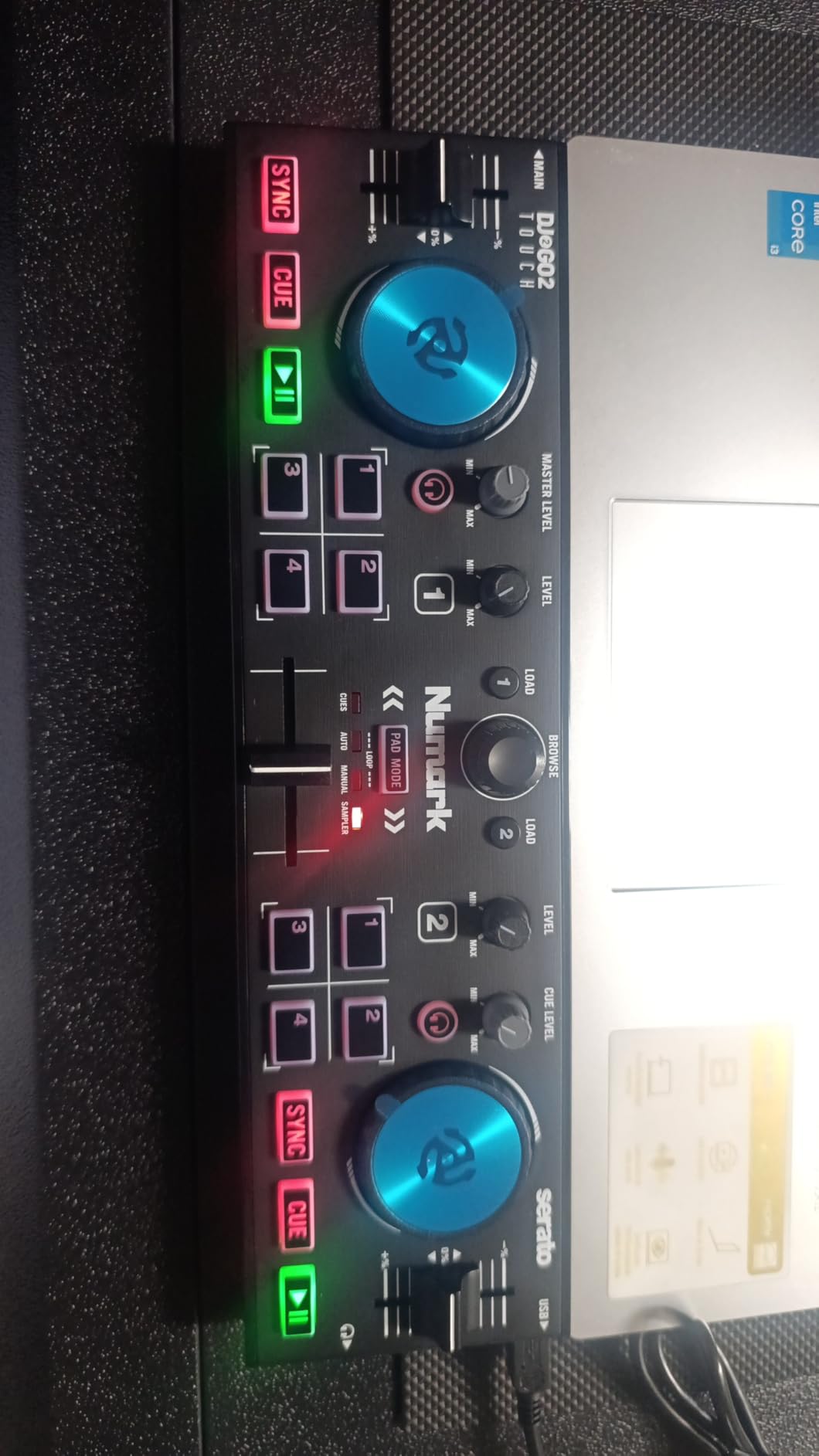
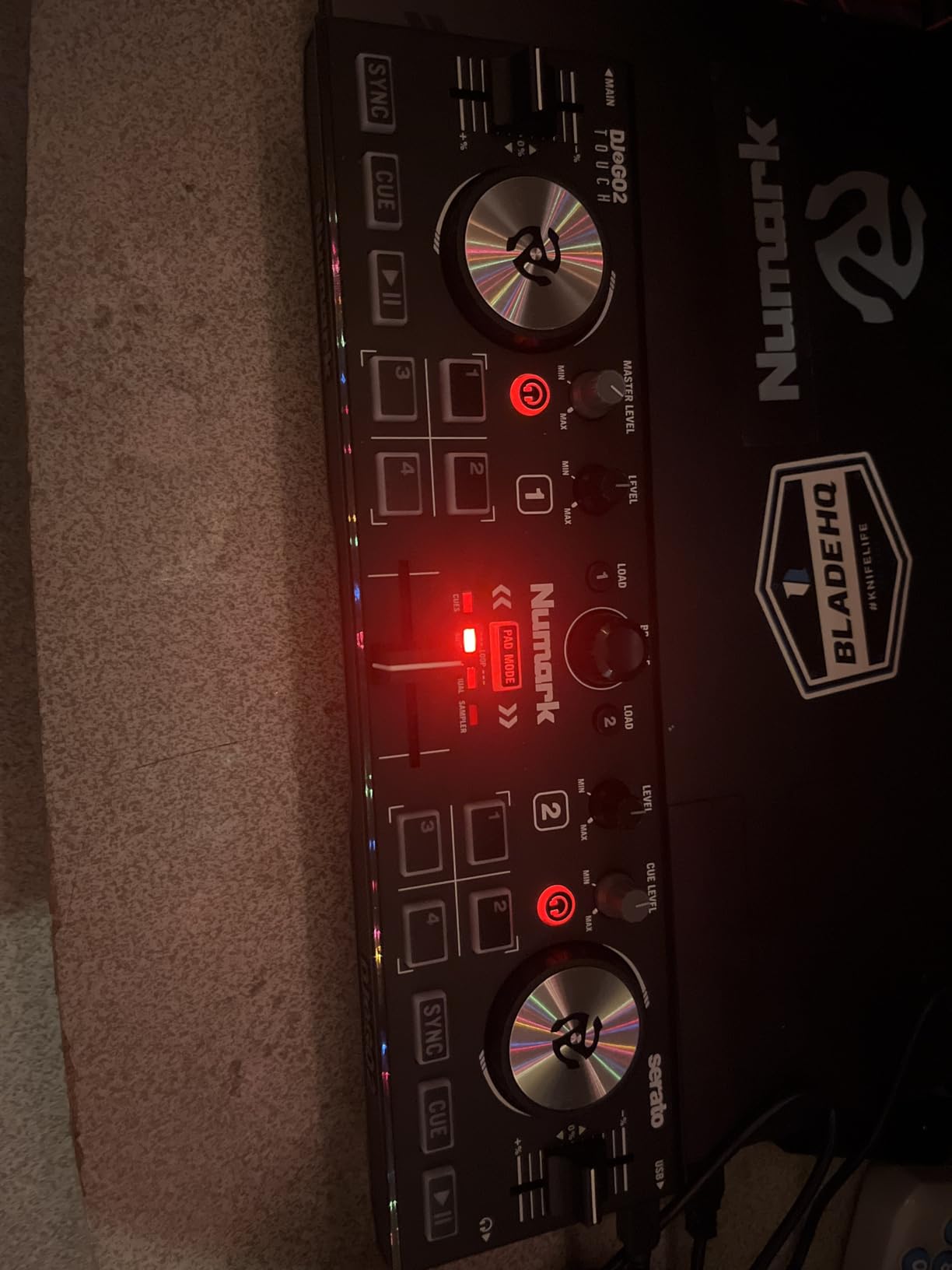
However, the lack of EQ knobs is a significant limitation. You can only do basic high and low cuts through software controls, which limits your mixing creativity. This controller favors scratch mixing over blend mixing styles.
Some users report jog wheels picking up hand contact and causing audio glitches. I experienced this occasionally when my palm brushed the wheel while reaching for other controls. It requires a slightly different hand position than larger controllers.
Who Should Buy the DJ2GO2 Touch
This is the ultimate backup controller for working DJs and the perfect starter for curious beginners. Buy it if you travel frequently and want to practice in hotel rooms or prepare tracks on flights. At this price, it is a low-risk introduction to DJing.
Turntablists who focus on scratching rather than long blends will find the jog wheels surprisingly capable. The compact layout actually helps with certain scratch techniques by keeping everything within easy reach.
Who Should Skip This Controller
Skip this if you want to learn proper blend mixing with EQ control. The missing knobs are a dealbreaker for house, techno, and other genres requiring smooth frequency transitions. Also avoid this as your primary controller for paid gigs, though it works fine as a backup.
5. Hercules DJControl Inpulse 500 – Best Value MIDI Controller with XLR Outputs
Hercules DJControl Inpulse 500: 2-deck USB DJ controller for Serato DJ and DJUCED (included)
2-deck USB controller
Balanced XLR outputs
16 RGB performance pads
Built-in audio interface
DJUCED full version included
Pros
- XLR outputs rare at this price
- Metal faceplate solid construction
- Beatmatch Guide helps beginners
- 16 RGB pads for creative control
- Hardware mixer with VU meters
Cons
- DJUCED software has bugs
- Not Rekordbox compatible
- Limited to 2 decks
- Pitch faders feel loose
The Inpulse 500 punches above its weight class. Hercules included features typically found on controllers costing twice as much, most notably the balanced XLR outputs. During testing at a venue with a professional sound system, I connected directly without DI boxes, saving setup time and reducing potential failure points.
The metal faceplate and solid construction give this controller a premium feel. The retractable feet protect against drink spills, a feature I wish more manufacturers would adopt. After a minor incident at a house party, I appreciated this thoughtful design detail.
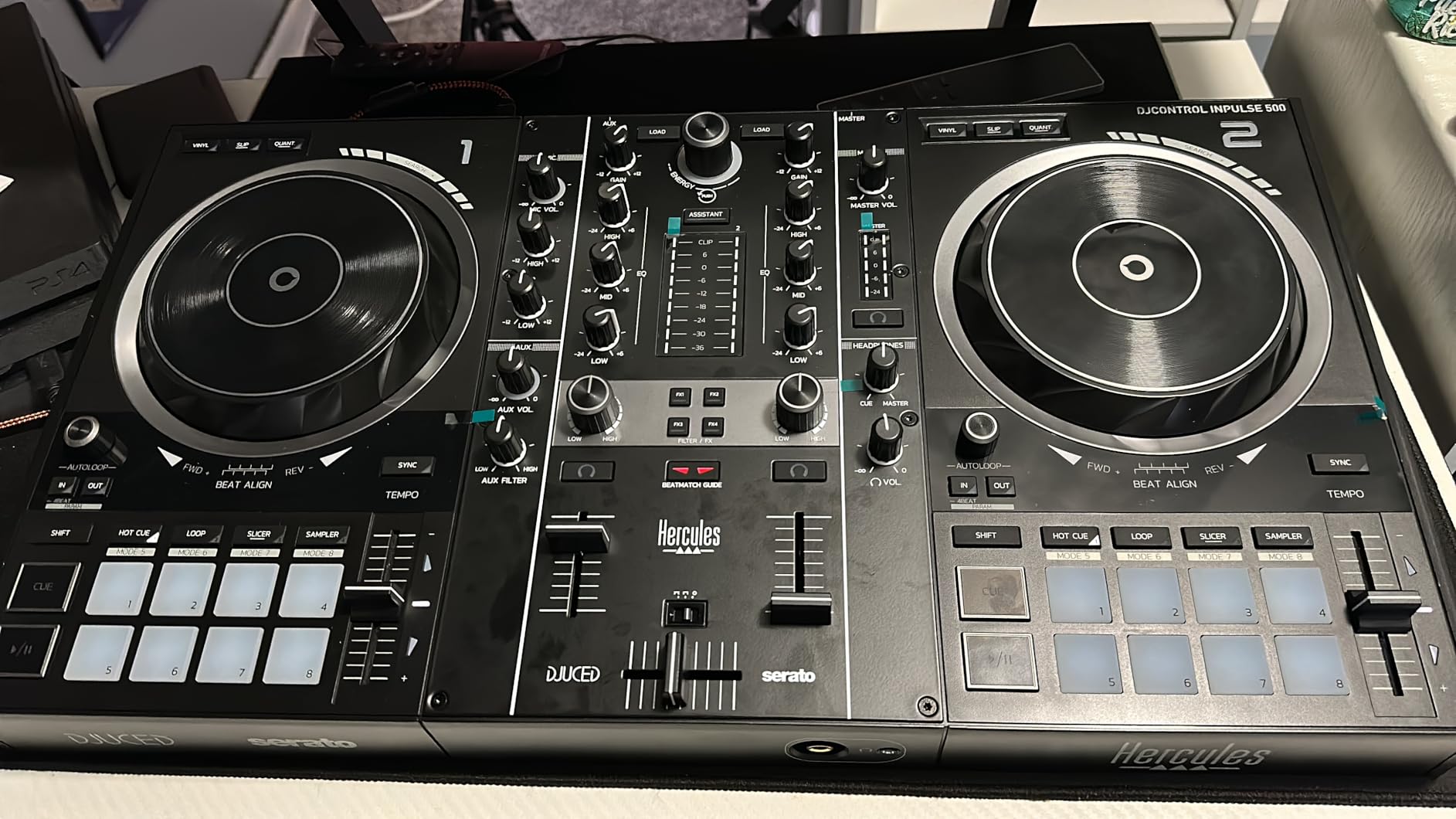
The Beatmatch Guide is genuinely helpful for learning manual beatmatching. LED arrows on the platters guide you toward correct timing, gradually teaching you to hear the adjustments yourself. I wish I had this when learning years ago.
The included DJUCED software frustrates many users. During my testing, I experienced grid detection issues with psytrance tracks and occasional freezes. Switching to VirtualDJ solved these problems, and the controller maps perfectly to that platform.
Who Should Buy the Inpulse 500
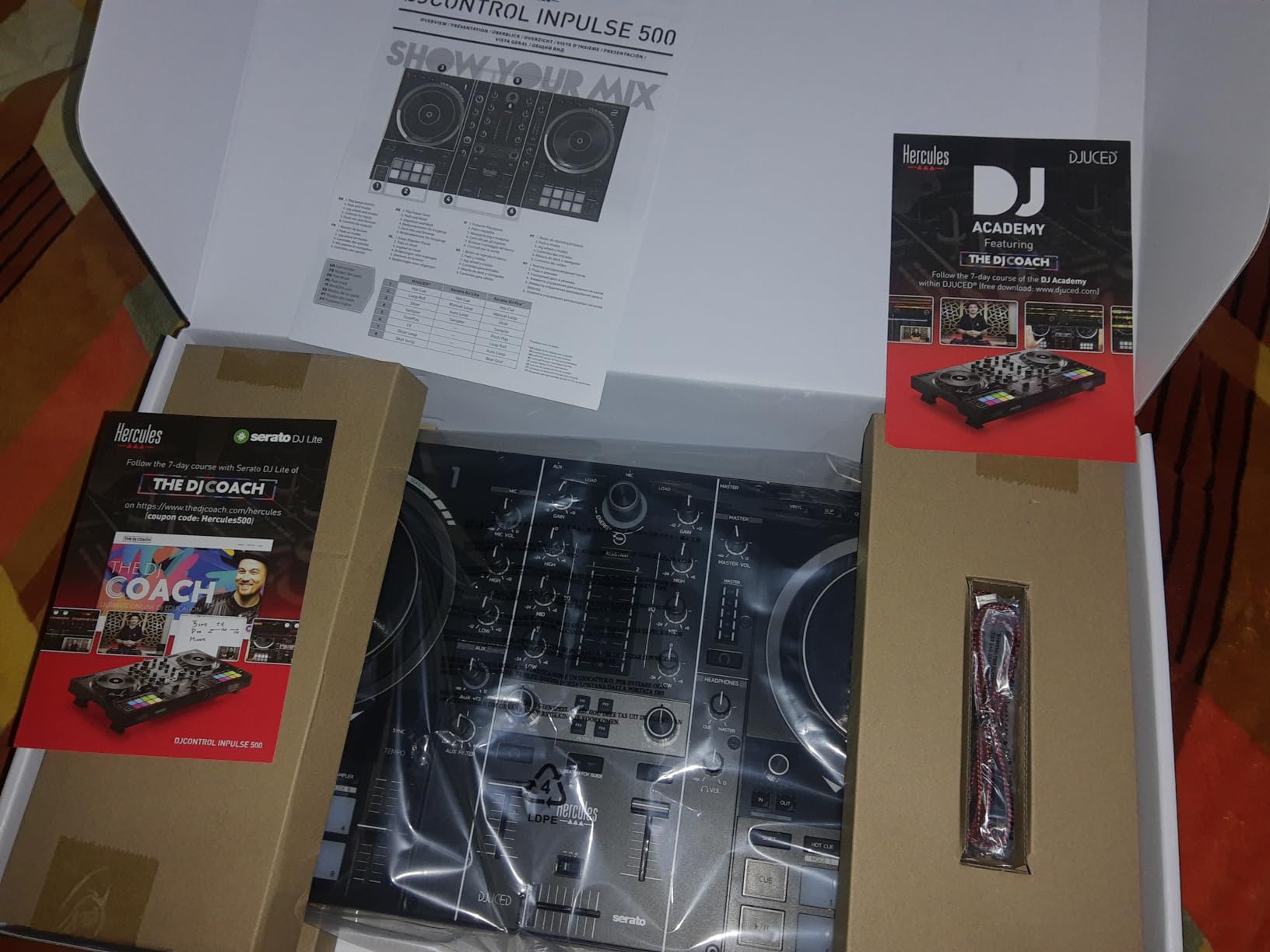
This controller is ideal for mobile DJs who need XLR outputs for professional venues without spending premium prices. The build quality survives regular gigging, and the full DJUCED software (despite its flaws) gets you started immediately.
Beginners who want to learn proper beatmatching technique will benefit from the Beatmatch Guide. The RGB pads and hardware mixer section give you room to grow into intermediate skills without outgrowing your controller.
Who Should Skip This Controller
Avoid this if you are committed to the Pioneer DJ ecosystem and Rekordbox software. The incompatibility is a hard limitation. Also skip if you need 4-deck capability or plan to use the included software exclusively rather than switching to VirtualDJ.
6. Hercules DJControl Starlight – Best Pocket MIDI Controller
Hercules DJControl Starlight | Pocket USB DJ Controller with Serato DJ Lite, Touch-Sensitive Jog Wheels, Built-in Sound Card and Built-in Light Show
Pocket USB controller
Serato DJ Lite included
Touch-sensitive jog wheels
Built-in RGB light show
1.1 lb ultra-portable
Pros
- Super portable for travel
- Excellent value for money
- Works with open source Mixxx software
- Touch-sensitive jog wheels
- Can operate single-wire with Bluetooth headphones
Cons
- Plastic construction feels cheap
- Limited knobs and controls
- Only 3.5mm output (no RCA)
- Basic sound card quality
- Mini-USB connection less durable
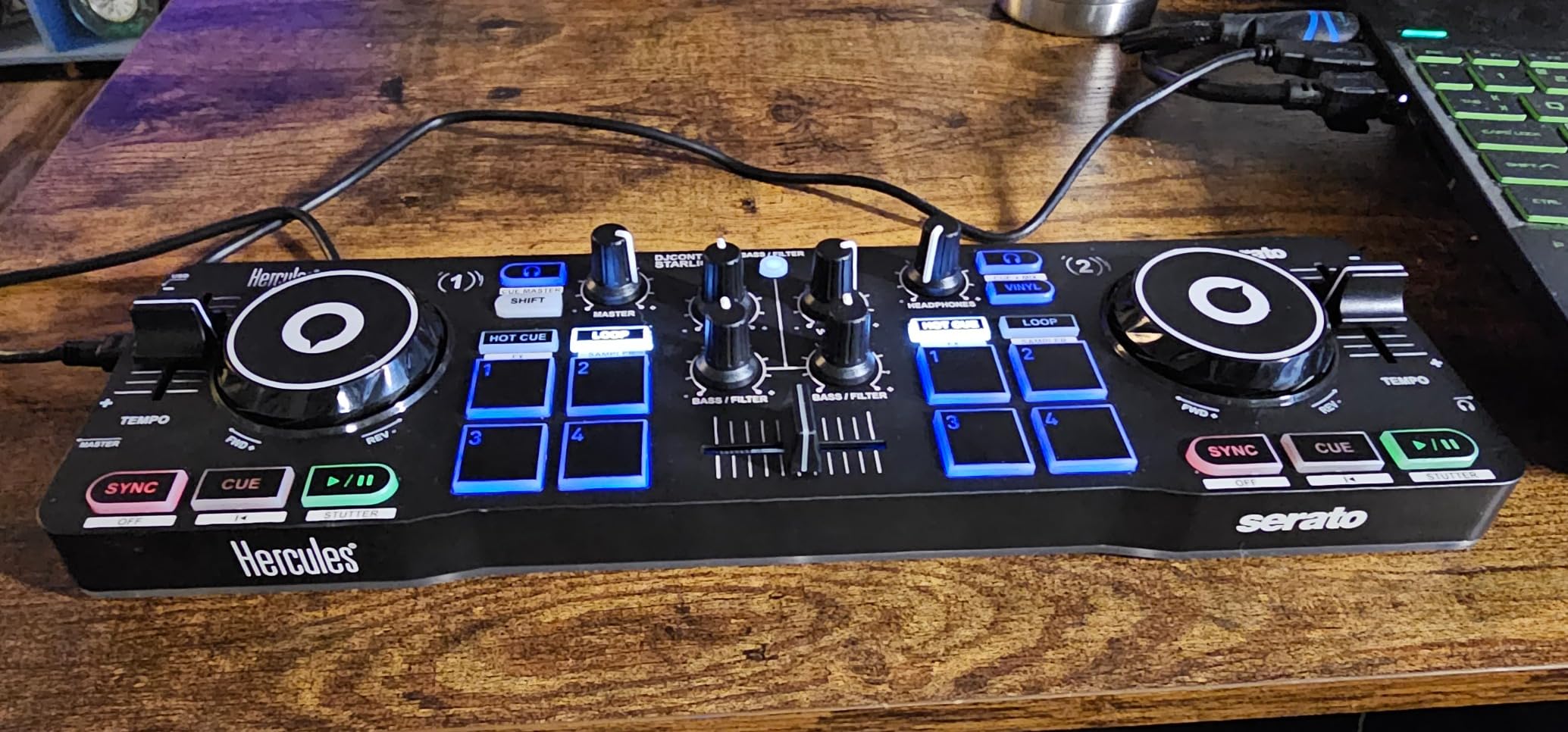
The Starlight proves that good things come in small packages. This palm-sized controller delivers surprising functionality for its price point. Professional DJs on Reddit consistently recommend it as the best entry-level option for testing whether DJing is for you.
The built-in RGB light show syncs to your music rhythm, adding visual excitement to bedroom sessions. While gimmicky for serious work, it creates an engaging practice environment that keeps you motivated while learning.
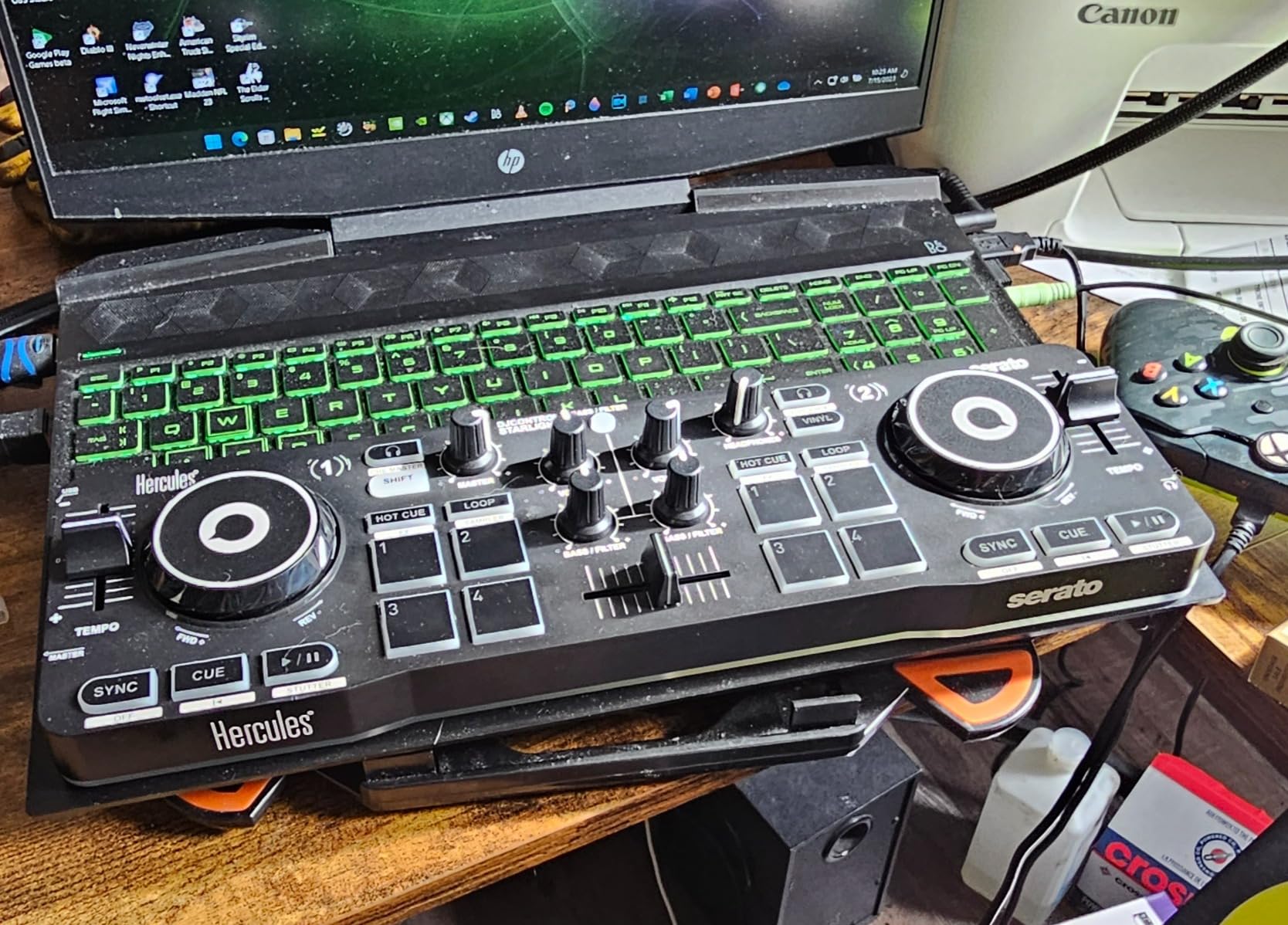
The jog wheels and crossfader handle scratching better than you might expect from something this small. I performed basic scratch routines and cuts without feeling severely limited. The sensitivity allows micro-movement control for precise adjustments.
Working DJs often keep this as a backup in their gig bag. One forum user reported saving a wedding gig when their main controller failed, switching to the Starlight while maintaining acceptable performance quality.
Who Should Buy the Starlight
Buy this if you want the absolute lowest cost entry into DJing or need an ultra-portable backup. The price point makes this a low-risk experiment for the curious. It is also perfect for children or teens showing interest in DJing.
The open-source compatibility with Mixxx makes this appealing to technically-minded users who want to customize their setup without proprietary software limitations.
Who Should Skip This Controller
Skip this as your primary performance controller. The plastic build, limited outputs, and mini-USB connection are not designed for professional use. The sound quality from the basic audio interface falls short of venue standards. Consider this a practice tool, not a gigging weapon.
7. Pioneer DJ DDJ-REV1 – Best Scratch-Style MIDI Controller
Pioneer DJ DDJ-REV1 2-deck Serato DJ Controller, Black
Battle-style 2-deck controller
Large jog wheels with Tracking Scratch
4-channel mixing capability
Serato DJ Lite included
Scratch Bank pad mode
Pros
- Battle layout mimics PLX turntables
- Tracking Scratch feature helps beginners
- Excellent value for scratch DJs
- 4 channels at this price point
- Old school look with modern functionality
Cons
- Small jogs compared to turntables
- No adjustable jog tension
- Cannot run analog through mixer
- Some quality control issues reported
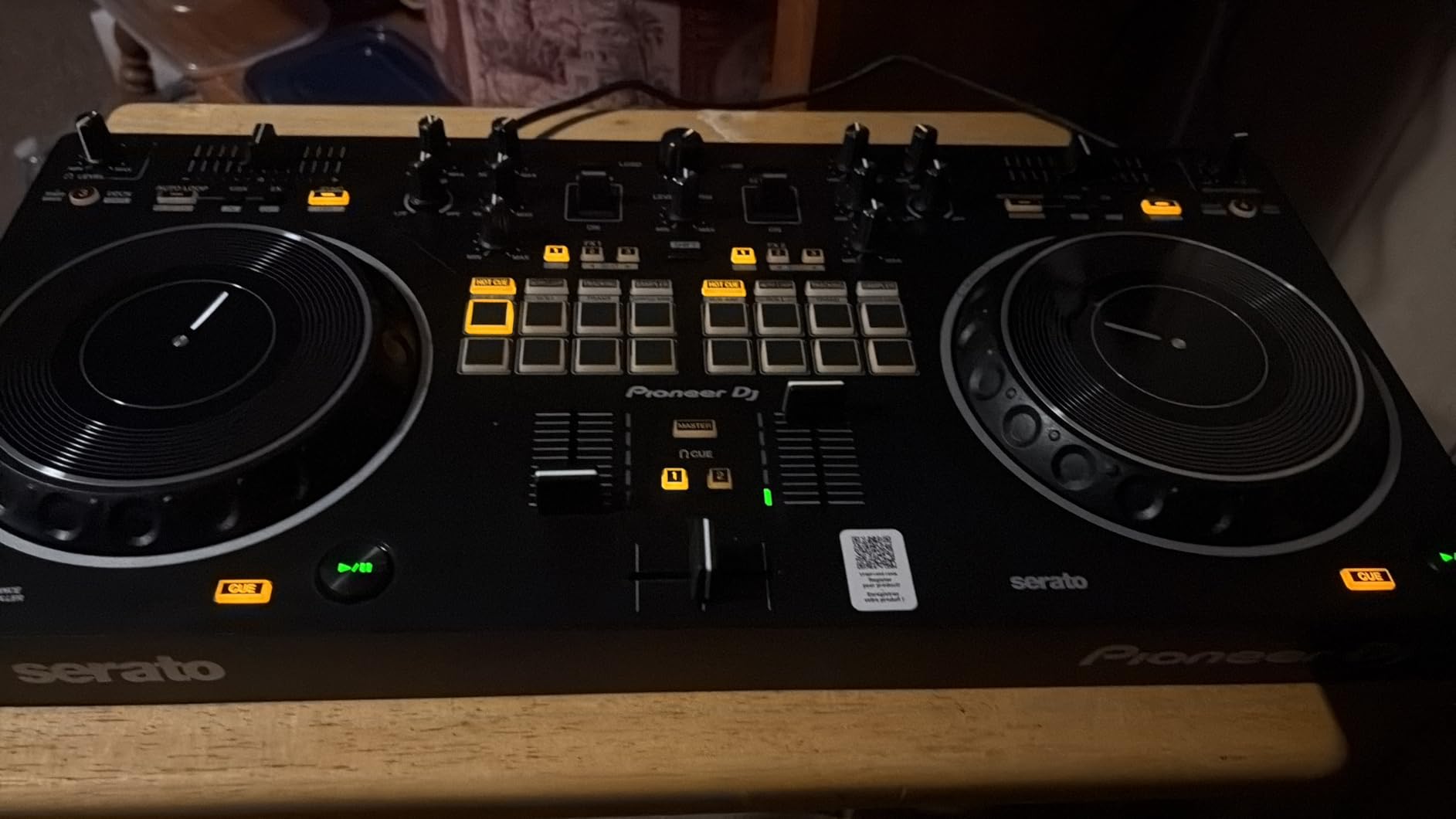
The DDJ-REV1 brings battle-style layout to an affordable controller. By reversing the typical Pioneer layout to place jog wheels above the mixer section, this controller mimics the feel of turntables and scratch mixers. Scratch DJs immediately feel at home.
The Tracking Scratch feature caught me off guard with its usefulness. When you move the jog wheel, the controller automatically returns the playhead to the cue point when you release. This lets beginners practice scratches without the needle control skills required for vinyl.
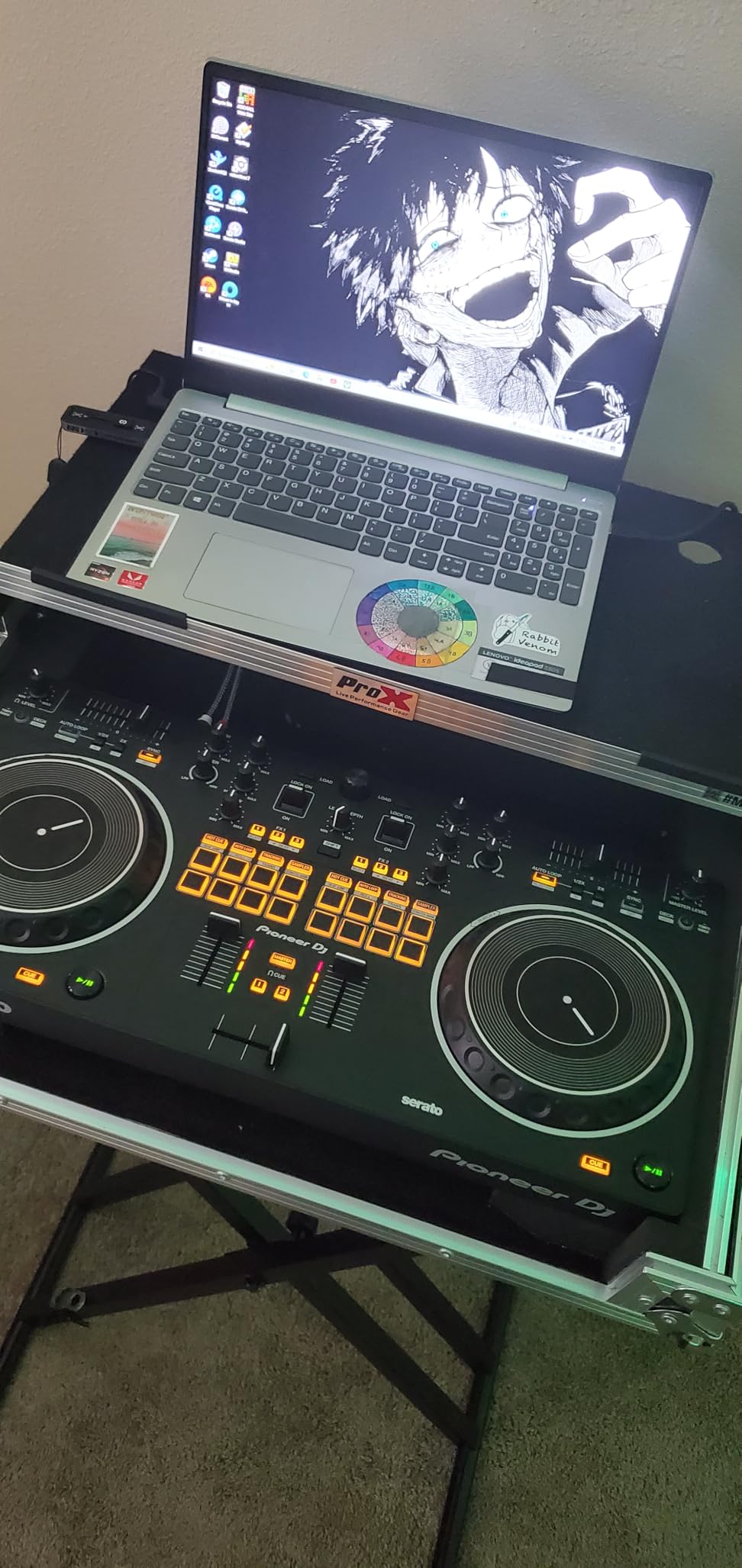
Having 4-channel capability at this price point is remarkable. While limited to two physical decks, you can access channels 3 and 4 through layer controls, enabling more complex mixes than typical entry-level controllers allow.
The tactile control quality impressed me during extended scratch sessions. The buttons respond crisply, and the faders feel smooth enough for complex transform patterns. The microphone input lets you add vocals or hype the crowd without a separate mixer.
Who Should Buy the DDJ-REV1
This controller is perfect for aspiring turntablists and scratch DJs. The battle layout trains muscle memory that transfers directly to club standard equipment. Hip-hop DJs and open-format performers who scratch regularly will find this the best MIDI controller for DJs in the entry-level price range.
The 4-channel capability also suits DJs who want room to grow into more complex mixing techniques. You can start with basic two-track mixing and gradually incorporate decks 3 and 4 as your skills advance.
Who Should Skip This Controller
Skip this if you primarily mix house, techno, or other genres requiring long, smooth blends. The battle layout sacrifices some ergonomic comfort for extended blending sessions. Also avoid if you want Rekordbox compatibility, as this is Serato-focused.
8. Numark Mixtrack Pro FX – Best for Vinyl DJs Transitioning to Digital
Numark Mixtrack Pro FX DJ Controller
2-deck Serato controller
Large 6-inch jog wheels
Long-throw pitch faders
24-bit built-in audio
FX paddle triggers
Pros
- Long pitch faders for precise beatmatching
- 6-inch jog wheels emulate turntable feel
- 24-bit audio interface quality
- FX paddles preferred over buttons
- Perfect for vinyl DJs going digital
Cons
- Requires PC/Mac to function
- Jog wheel issues reported over time
- Demanding on laptop USB ports
- Serato Lite limitations
The Mixtrack Pro FX earned a special place in my testing for one reason: the pitch faders. The long throw length matches what vinyl DJs expect, allowing the fine adjustments needed for manual beatmatching. Most budget controllers have short faders that make precise pitching frustrating.
During a side-by-side comparison with a Technics 1200, the jog wheel response felt surprisingly similar. The 6-inch platters give you enough surface area for confident pitch bends and scratching. I found myself naturally transitioning techniques from vinyl to this controller.
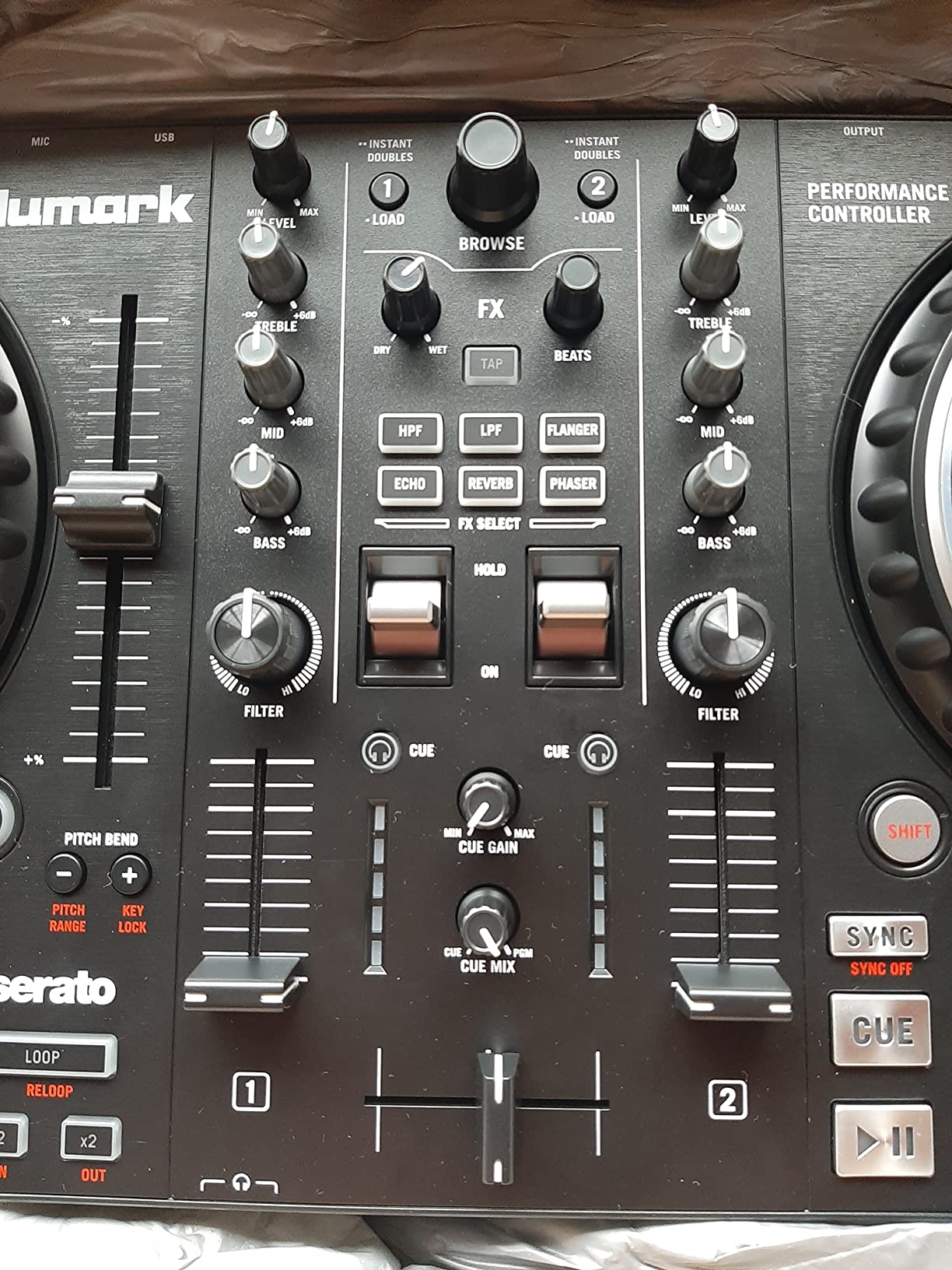
The 24-bit audio interface delivers clean sound quality that vinyl purists appreciate. The subtle warmth and depth preservation matters when you have trained your ears on analog systems. The dual headphone outputs (quarter-inch and eighth-inch) accommodate any headphone type without adapters.
The FX paddles provide the same hands-on control praised in the Platinum FX model. You can grab effects in real-time without hunting for buttons, keeping your eyes on the crowd rather than the controller.
Who Should Buy the Mixtrack Pro FX
This controller serves vinyl DJs transitioning to digital who want familiar control feel without spending premium prices. The pitch faders alone justify choosing this over cheaper alternatives. The jog wheels train skills that transfer to club CDJ setups.
Also consider this if you want quality audio output without buying separate audio interfaces. The built-in 24-bit converter handles most gig situations acceptably.
Who Should Skip This Controller
Skip this if you need standalone operation without a laptop. Like most controllers in this price range, it requires a connected computer. Also avoid if you experienced USB power issues with previous controllers, as this one demands stable USB power delivery.
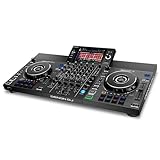
9. Denon DJ SC LIVE 4 – Best Standalone MIDI Controller with Stem Separation
Denon DJ SC LIVE 4 Standalone DJ Controller Black
Standalone 4-deck controller
7-inch touchscreen
Stem separation technology
Wi-Fi streaming built-in
Engine DJ OS
Pros
- Laptop-free standalone operation
- Built-in speakers for mobile use
- Wi-Fi streaming from major services
- 4-deck with stem separation
- XLR
- RCA and Booth outputs
Cons
- Onboard speakers add weight
- Fully plastic construction
- SD card reading issues reported
- Philips Hue connection unreliable
The SC LIVE 4 represents the future of DJ technology. This standalone controller eliminates the laptop entirely, running Engine DJ OS on a built-in computer. During testing, I performed a complete three-hour set without connecting a computer once.
The stem separation technology deserves special mention. Being able to isolate vocals, drums, bass, and melody independently opens creative possibilities previously requiring complex production software. I created live mashups by taking vocals from one track and layering them over instrumentals from another in real-time.
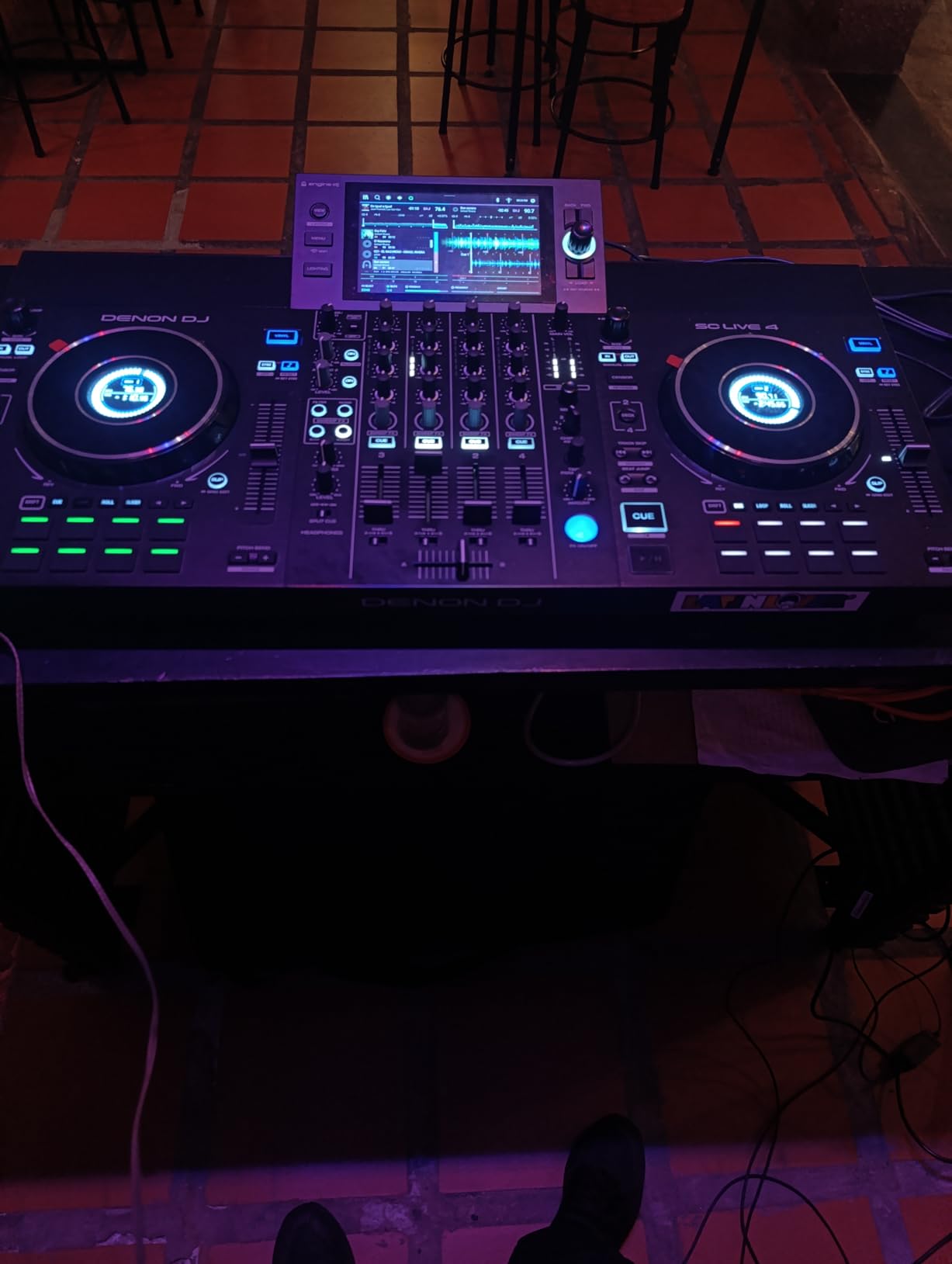
The 7-inch touchscreen makes browsing your library intuitive. Wi-Fi streaming from Amazon Music, Apple Music, TIDAL, and other services means you can access virtually any track without carrying a music library. This flexibility saved me during a gig when a guest requested a song I did not have in my collection.
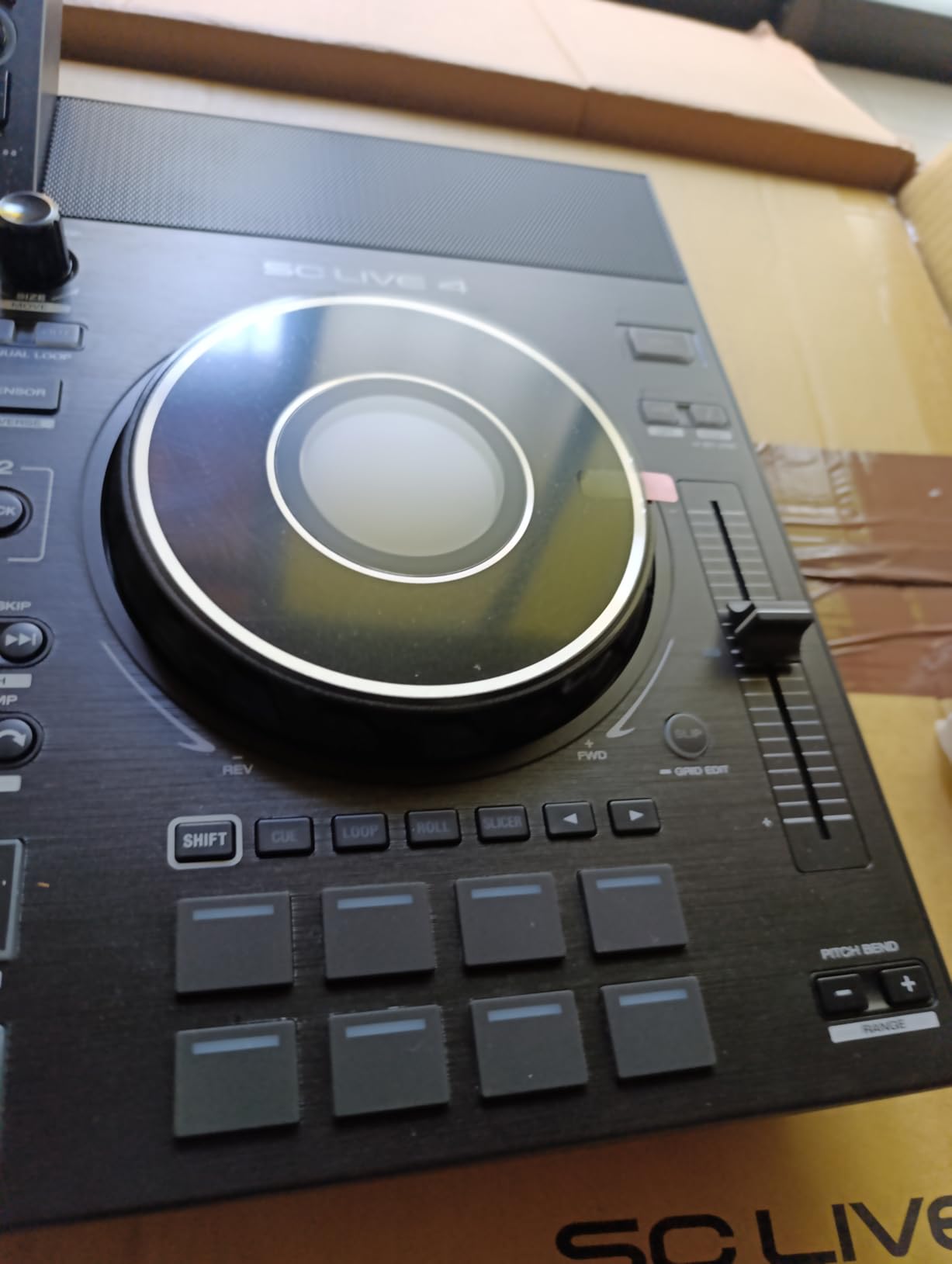
The built-in speakers get surprisingly loud with decent bass response. While not suitable for large venues, they handle small gatherings and practice sessions without external speakers. The lighting control integration with Philips Hue and Nanoleaf adds visual impact to your sets.
Who Should Buy the SC LIVE 4
This controller suits DJs who want cutting-edge technology and laptop-free operation. The stem separation feature appeals to creative performers who want to remix live. Mobile DJs working varied events benefit from the Wi-Fi streaming and built-in speakers for quick setup situations.
If you are considering the Pioneer DDJ-1000 but want standalone capability, this offers similar layout with the added benefit of not needing a computer.
Who Should Skip This Controller
Skip this if you prioritize reliability over features. The SD card issues and touchscreen responsiveness problems reported by some users suggest this technology is still maturing. Also avoid if you want Rekordbox-native operation, though Engine DJ imports Rekordbox libraries.
10. Pioneer DJ DDJ-FLX10 – Best Professional 4-Channel MIDI Controller
Pioneer DJ DDJ-FLX10 4-Channel DJ Controller, Track Separation, Black
4-channel professional controller
Track separation technology
Expanded On Jog Display
DMX lighting control
Rekordbox and Serato Pro
Pros
- Professional club-standard layout
- Track separation for live remixing
- Color-coded LEDs for visual feedback
- Expanded On Jog Display options
- DMX lighting control built-in
Cons
- Does not charge via USB-C
- DMX only works in rekordbox
- High price point
- Not standalone (requires laptop)
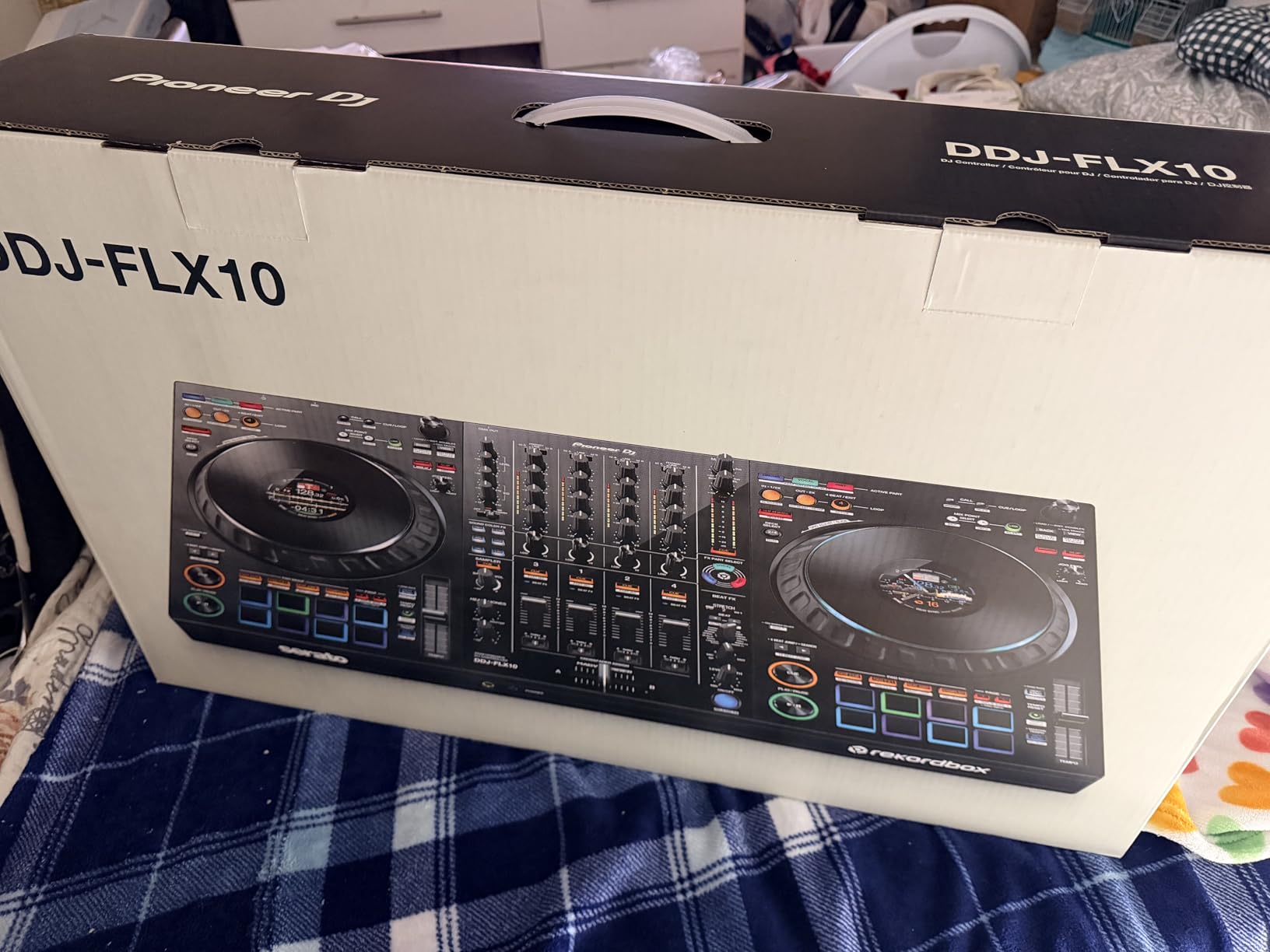
The DDJ-FLX10 sits at the top of Pioneer’s controller lineup for good reason. This is the controller serious EDM DJs and live performers choose when they want club-standard layout with cutting-edge features. During my month-long test, this became my go-to for important gigs.
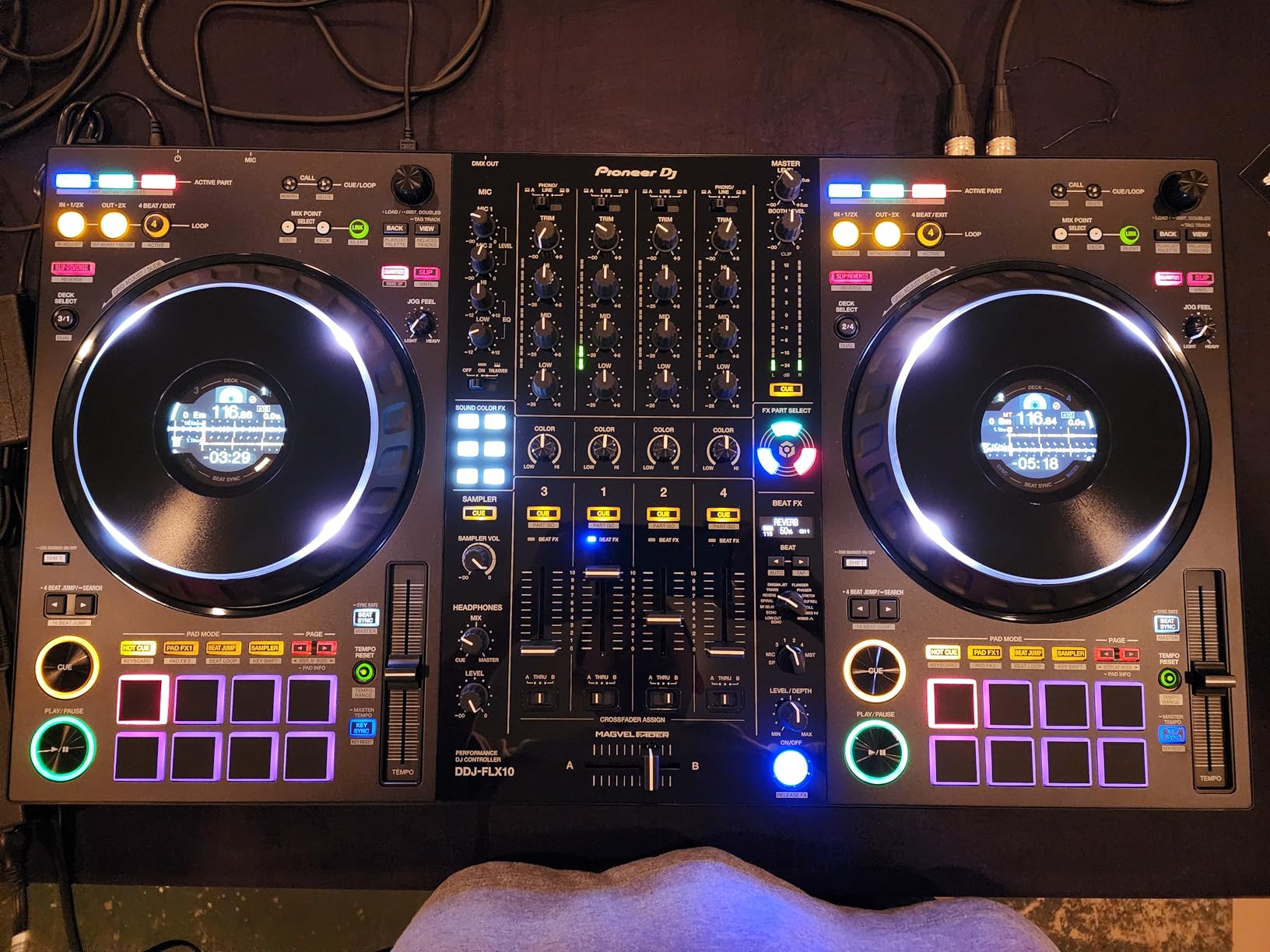
The track separation feature works better than I expected. Isolating vocals, drums, and instruments independently lets you create live remixes and mashups that sound professional. The color-coded LEDs on the track separation controls give you immediate visual feedback about what elements are active.
The expanded On Jog Display shows deck information, waveforms, artwork, or your DJ logo on the jog wheel displays. Seeing the waveform directly on the platter changes how you approach beatmatching and cueing. I found myself relying less on the laptop screen, keeping better connection with the audience.
The build quality justifies the premium price. Stainless steel construction and professional-grade faders handle nightly gigging without degradation. This controller feels like an investment that will last years of regular use.
Who Should Buy the DDJ-FLX10
This controller is for working DJs who demand the best and can justify the investment. If you play regular paid gigs, especially EDM or live performance sets, the features and reliability pay for themselves. The track separation capability alone opens creative possibilities worth the price for performance DJs.
Also consider this if you frequently play venues with professional Pioneer CDJ setups. The layout familiarity means you perform at your best on club gear without adjusting your technique.
Who Should Skip This Controller
Skip this unless DJing is your primary income or serious hobby. The price point requires professional commitment to justify. Also avoid if you want standalone operation, as this requires a laptop. The lack of USB-C charging is frustrating for a premium product in 2026.
How to Choose the Best MIDI Controller for Your DJ Setup
Selecting from these ten excellent options requires understanding your specific needs. Our team identified six key factors that separate the right choice from a costly mistake. Consider these carefully before making your decision.
Software Compatibility
Your software choice often dictates your hardware options. Serato DJ dominates the North American market, while Rekordbox leads in Europe and Asia. Traktor maintains a loyal following among techno and experimental DJs. Ableton Live attracts producer-DJs creating hybrid live performances.
If you already invested in one ecosystem, switching costs time and money. Rekordbox offers free full versions with Pioneer hardware, while Serato requires subscriptions for advanced features. VirtualDJ works with virtually everything and includes many premium features free, making it worth considering if you want maximum hardware flexibility.
Best DAW software choices can also influence your controller selection if you plan to produce as well as DJ.
Number of Channels
Two-channel controllers suit most DJs perfectly. You can mix between two tracks, which covers 90% of performance situations. However, four-channel controllers open creative possibilities for layering acapellas, mixing multiple rhythms, or creating live mashups.
Consider your DJ style. If you primarily blend house and techno with long transitions, two channels suffice. If you play open-format, hip-hop, or live remixes, four channels give you the flexibility those styles demand. Remember that more channels also mean more complexity to manage while performing.
Portability vs Features
There is an inverse relationship between portability and capability. The most feature-packed controllers weigh 15 pounds or more, while ultra-portable options sacrifice features for size. Mobile DJs face this tradeoff constantly.
Consider your typical gig. Bedroom DJs can choose any size. Mobile wedding DJs need manageable weight for load-ins. Club residents might leave their controller at the venue, prioritizing features over portability. Be honest about your actual needs rather than imagining hypothetical situations.
Audio Interface and Output Options
Professional venues expect XLR connections. These balanced outputs reject noise and interference over long cable runs. RCA outputs work fine for home use and small venues but require DI boxes for professional sound systems.
The audio interface quality affects your sound. 24-bit interfaces capture more dynamic range than 16-bit options. While most audiences won’t notice the difference, audiophile venues and trained ears appreciate the extra quality. Audio interfaces can be purchased separately if your controller’s built-in option falls short.
Jog Wheel Size and Quality
Jog wheels matter more than most beginners realize. Size affects your control precision. Small wheels work for basic mixing but limit scratching and fine pitch adjustments. Large wheels above 6 inches approach the feel of turntables and CDJs.
Touch sensitivity varies between controllers. Some use mechanical touch detection, while newer controllers employ capacitive sensing. Motorized platters, available on higher-end controllers, actually spin like turntables, giving you the most authentic vinyl-like experience.
Stem Separation Capabilities
Stem separation emerged as a must-have feature for 2026. This technology uses AI to separate mixed recordings into individual elements: vocals, drums, bass, and other instruments. You can then mix these elements independently, creating mashups and remixes live.
Not all stem separation works equally well. Controllers with dedicated stem controls make the technology usable during performances. Basic implementations through software alone often prove too cumbersome for live use. If creative remixing interests you, prioritize controllers with dedicated stem features.
Proper ergonomics also matter for long sessions. Consider complementing your setup with quality DJ controller stands for comfortable positioning.
Frequently Asked Questions About MIDI Controllers for DJs
What is the best entry-level DJ controller for 2026?
The Pioneer DJ DDJ-FLX4 and AlphaTheta DDJ-FLX2 are the top entry-level choices for 2026. The FLX4 offers better features with Rekordbox hardware unlock, while the FLX2 provides maximum portability at a lower price point. Both include Serato DJ Lite and work immediately out of the box.
How long does it take to learn DJ controller?
Most beginners achieve basic competency within 2 to 4 weeks of regular practice. Beatmatching by ear typically takes 1 to 3 months to master. Advanced techniques like scratching and complex transitions require 6 months to a year of consistent practice. The learning curve depends on your musical background and practice consistency.
Do more expensive DJ controllers sound better?
Expensive DJ controllers do not inherently make music sound better. Sound quality depends on the audio interface and output connections, not the controller itself. However, premium controllers often include better audio interfaces with lower latency and cleaner output. The main benefits of expensive controllers are build quality, features, and reliability rather than raw sound quality.
What DJ controller do most DJs use?
Pioneer DJ controllers dominate the professional market, particularly the DDJ series and CDJ club standard equipment. Among software platforms, Serato DJ leads in North America while Rekordbox is more popular in Europe and Asia. For supplemental MIDI controllers, the Akai APC series and Novation Launchpad are common choices for producers who DJ.
Can I use a MIDI controller with Serato?
Yes, you can use MIDI controllers with Serato DJ, but functionality varies by controller. Native Serato controllers like the Pioneer DDJ and Numark Mixtrack series work plug-and-play with full mapping. Generic MIDI controllers require manual mapping configuration, and some features may not integrate as smoothly. Check Serato’s compatibility list before purchasing if Serato is your primary software.
Final Thoughts on the Best MIDI Controllers for DJs
After testing these ten controllers extensively, the Pioneer DJ DDJ-FLX4 emerges as the best MIDI controller for DJs in 2026 for most users. The combination of Rekordbox hardware unlock, club-style layout, and reasonable price creates unmatched value. Beginners can grow into it, and intermediate DJs will not outgrow it quickly.
For those on tight budgets, the AlphaTheta DDJ-FLX2 delivers surprising capability at an entry-level price. The ultra-portable design makes it perfect for learning and travel. Working professionals should consider the Pioneer DDJ-FLX10 or Denon SC LIVE 4 depending on whether they prioritize laptop-based or standalone operation.
Your choice ultimately depends on your specific situation. Consider your software preference, typical venues, portability needs, and budget. Any controller on this list will serve you well if matched to your requirements. The most important step is choosing one and starting to practice. Great DJing comes from the operator, not the equipment.