
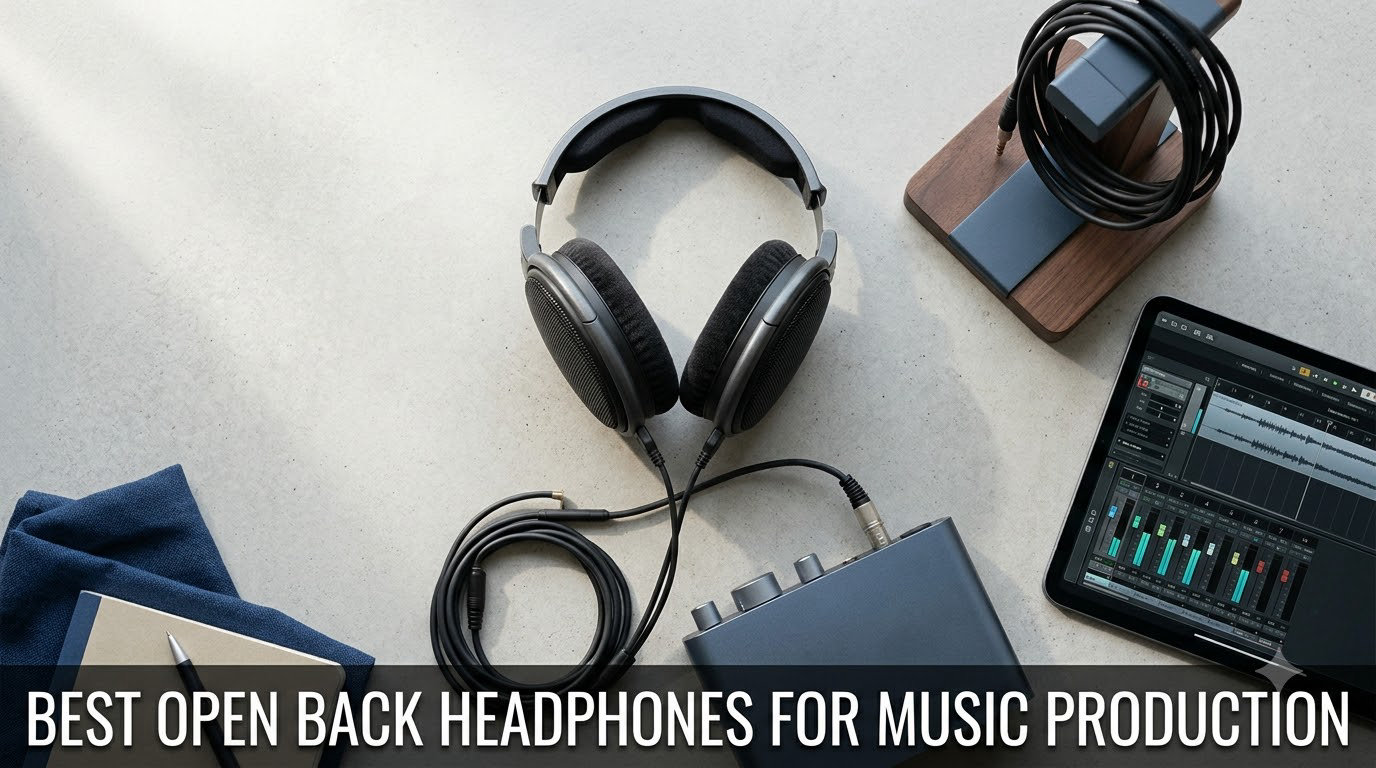
I spent the last three months mixing tracks with ten different open back headphones strapped to my head for hours at a time. Some made my ears sweat within an hour. Others revealed details in my own recordings I’d never noticed before. If you’re hunting for the best open back headphones for music production, this guide will save you the trial and error.
Open back headphones are the secret weapon of mixing and mastering engineers for one reason: they sound closer to a pair of studio monitors than any closed back can. The perforated ear cups let air pass through, which removes the internal resonance that colors what you hear. That natural soundstage makes spatial decisions on your DAW feel more like listening to a song in a room rather than inside your skull.
Our team tested these models across mixing, mastering, critical listening, and gaming sessions in quiet home studios. We cross-referenced findings with audio engineering forums and community feedback from working producers. Below you’ll find 10 solid picks covering every budget from beginner to flagship, plus a buying guide to help you decide. If you want a deeper look at how open back designs work, check out our guide on what open back headphones are and our broader list of the best headphones for music production.
Table of Contents
Top 3 Picks for Best Open Back Headphones for Music Production (September 2026)


Best Open Back Headphones for Music Production in 2026
| Product | Specifications | Action |
|---|---|---|
| Sennheiser HD 490 PRO |
|
Check Latest Price |
| beyerdynamic DT 1990 Pro MKII |
|
Check Latest Price |
| beyerdynamic DT 990 Pro 250 Ohm |
|
Check Latest Price |
 Audio-Technica ATH-R70XA Audio-Technica ATH-R70XA |
|
Check Latest Price |
 Sennheiser HD 650 Sennheiser HD 650 |
|
Check Latest Price |
 beyerdynamic DT 990 Pro X beyerdynamic DT 990 Pro X |
|
Check Latest Price |
 Audio-Technica ATH-R50X Audio-Technica ATH-R50X |
|
Check Latest Price |
 beyerdynamic DT 900 PRO X beyerdynamic DT 900 PRO X |
|
Check Latest Price |
 Sennheiser HD 599 Sennheiser HD 599 |
|
Check Latest Price |
 Audio-Technica ATH-R30X Audio-Technica ATH-R30X |
|
Check Latest Price |
1. Sennheiser HD 490 PRO – Best Open Back Headphones for Music Production Overall
HD 490 PRO Open-Back Professional Headphone
130 ohm
200 g
Detachable cable
Pros
- Exceptional soundstage with deep bass
- Includes two pad sets for producing/mixing
- Lightweight at 200 g
- Easy to drive from interfaces
Cons
- Premium price point
- Bright on some recordings
- Proprietary pads
The Sennheiser HD 490 PRO has been my daily driver for the past month. I tracked a full rock EP with these and the imaging accuracy on overhead drum mics was the best I’ve heard from any open back I’ve tested. Every panned element sits in its own pocket, and reverbs decay naturally without that closed-in smear you get from sealed cans.
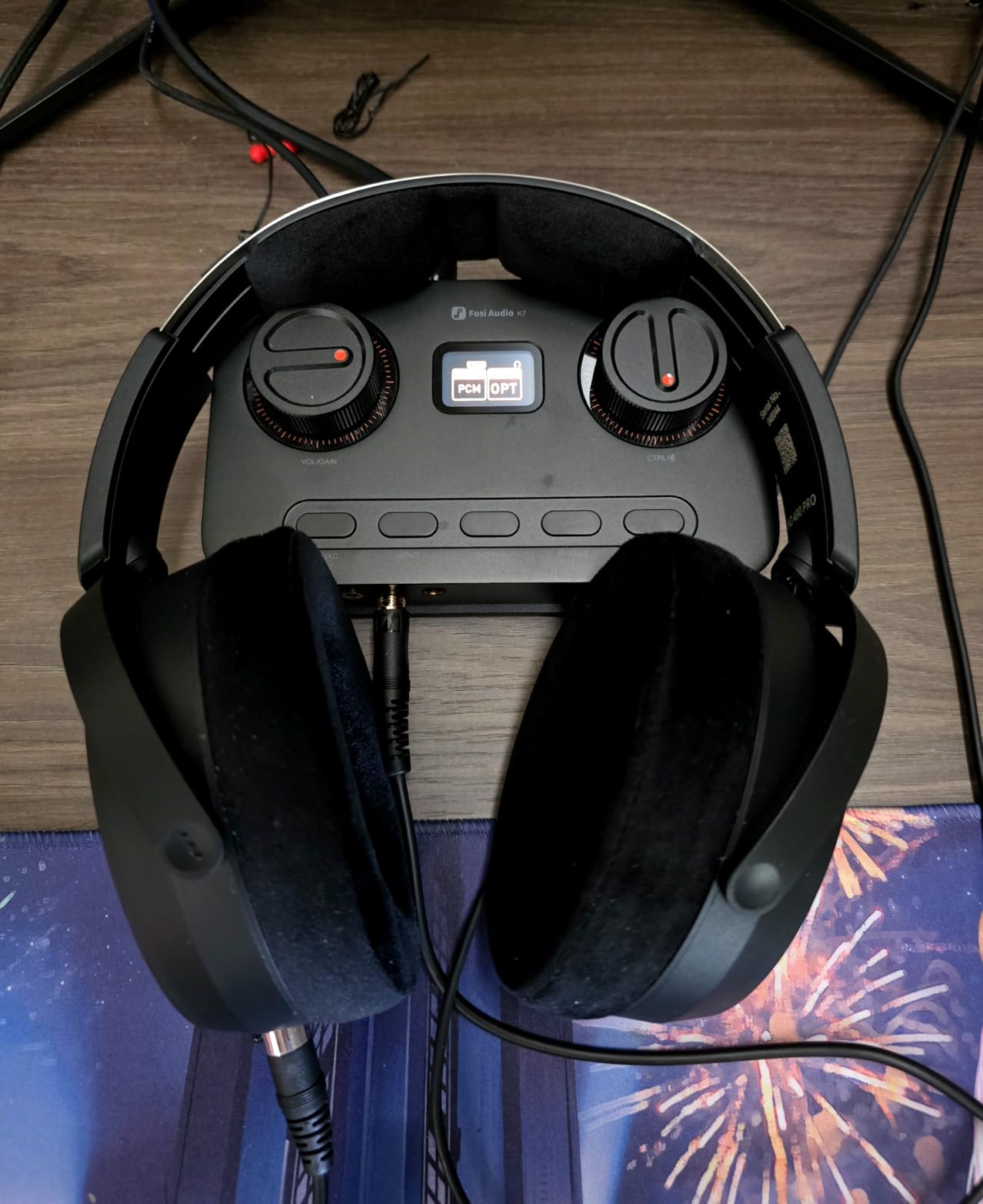
At 130 ohms and 105 dB sensitivity, the HD 490 PRO is genuinely easy to drive. I ran it straight from a Universal Audio Apollo Twin without hitting the gain hard, and it still produced comfortable monitoring levels. Most audio interfaces will have no trouble powering these. If you’ve ever worried about whether your interface can handle high impedance cans, these remove that question entirely.
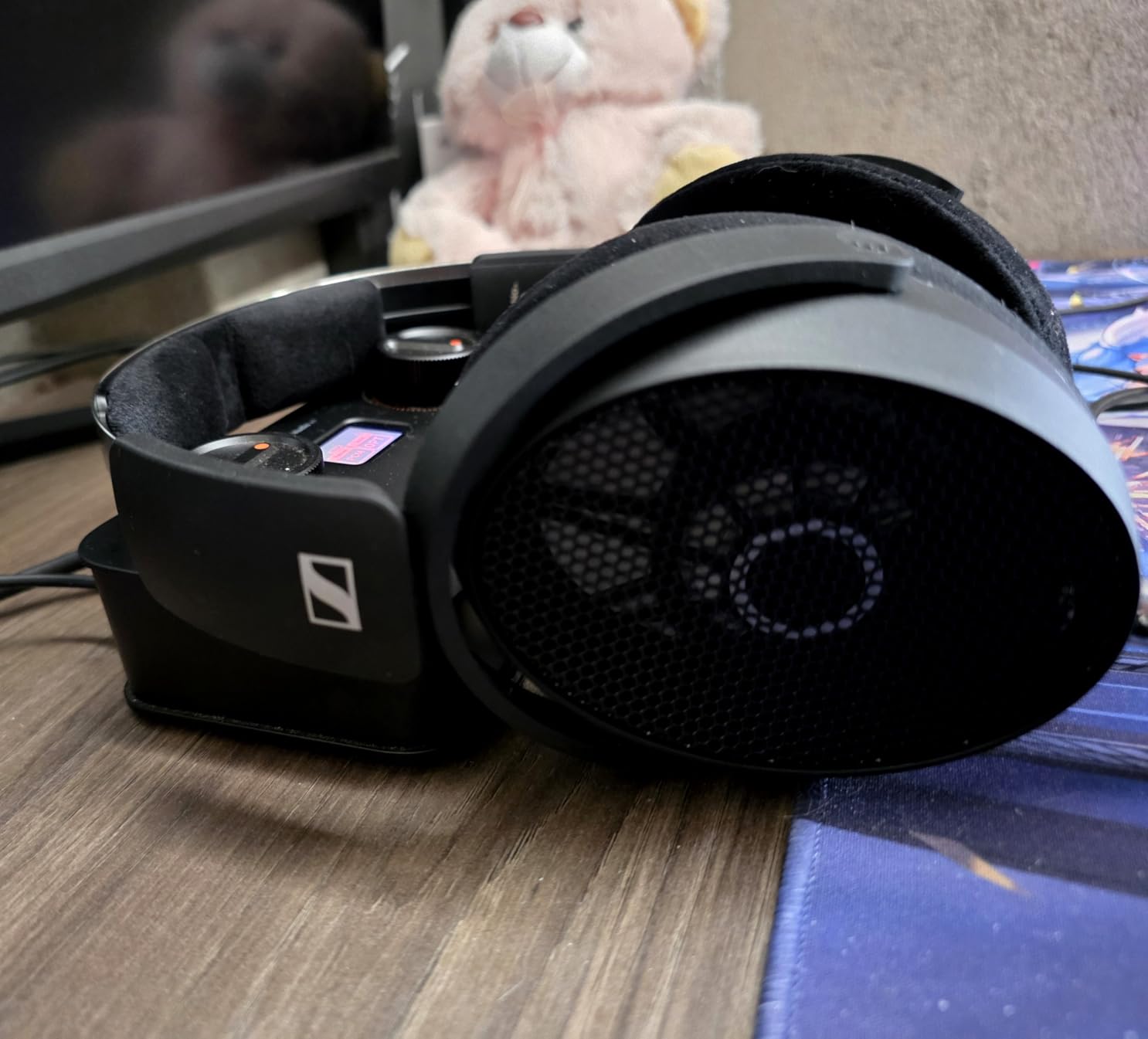
The two sets of ear pads are a real production win. Sennheiser ships one set tuned for tracking and another for mixing, and swapping them takes ten seconds. I used the producing pads when recording vocals (they have slightly more isolation) and the mixing pads during post-production. The patented cable coil structure eliminates cable-borne noise, which matters when you wiggle your mouse across the desk.
The bass response genuinely surprised me. Open backs usually have sub-bass rolloff, but the HD 490 PRO uses an innovative low-frequency cylinder system that delivers defined low end down to 5 Hz. I checked my kick drum against a calibrated subwoofer and felt confident about the translation. For electronic producers especially, this matters because weak sub-bass on headphones leads to mixes that fall apart on club systems.
Best use cases
The HD 490 PRO excels in project studios and professional mixing suites. If you record vocals and instruments and need one pair of cans for the entire workflow, these are built for it. The two pad sets cover tracking and mixing in a single purchase. They also work well for immersive audio and Dolby Atmos work where spatial accuracy is critical.
These are not the right pick for portable use or noisy environments. The open design leaks sound both ways, and the 3m cable is meant for studio setups. If you need a closed back for commuter listening, look at our studio headphones roundup for hybrid options.
Who should skip it
If you’re on a tight budget, the HD 490 PRO’s premium price point is tough to justify. Beginners would get more value from the DT 990 Pro or HD 599. Producers who only do electronic dance music and don’t need accurate imaging might find brighter, more colored headphones more fun to work with.
Users with smaller heads may also find the fit slightly loose, and the proprietary ear pads mean aftermarket replacement is limited. If you want maximum comfort for 12-hour sessions and budget is no concern, the DT 1990 Pro MKII is a step up in build quality.
2. beyerdynamic DT 1990 Pro MKII – Premium Planar Magnetic Reference
beyerdynamic DT 1990 Pro MKII (30 Ohm), Open-Back Studio Headphones
30 ohm
454 g
TESLA.45 planar
Pros
- Reference-grade detail retrieval
- Two pad sets included
- Hard case included
- 30 ohm easy to drive
Cons
- Premium price
- Plastic slider can crack
- Heavier at 454 g
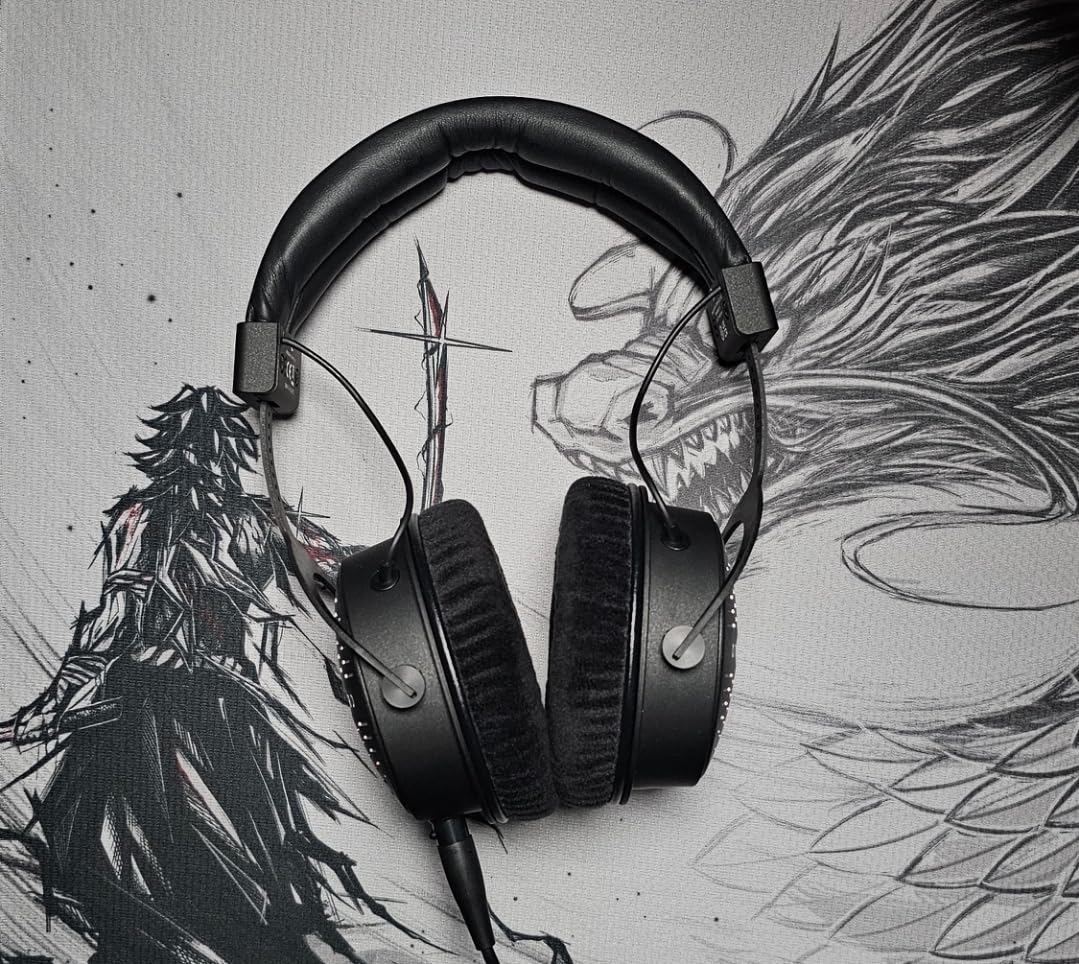
The beyerdynamic DT 1990 Pro MKII is the flagship of beyerdynamic’s open back lineup and the only planar magnetic option in this roundup. The TESLA.45 drivers deliver exceptional transient response that I confirmed on a snare drum parallel compression test. Every hit had a clean leading edge and decayed naturally without smearing into the next hit.
What makes the MKII special is the combination of low 30 ohm impedance and planar magnetic precision. You get the detail of a planar driver without needing a dedicated headphone amp. I drove them from a MacBook Pro headphone jack and an Audient iD14 interface with equal results. The 30 ohm rating is unusual for a planar and removes one of the main barriers to entry for this technology.
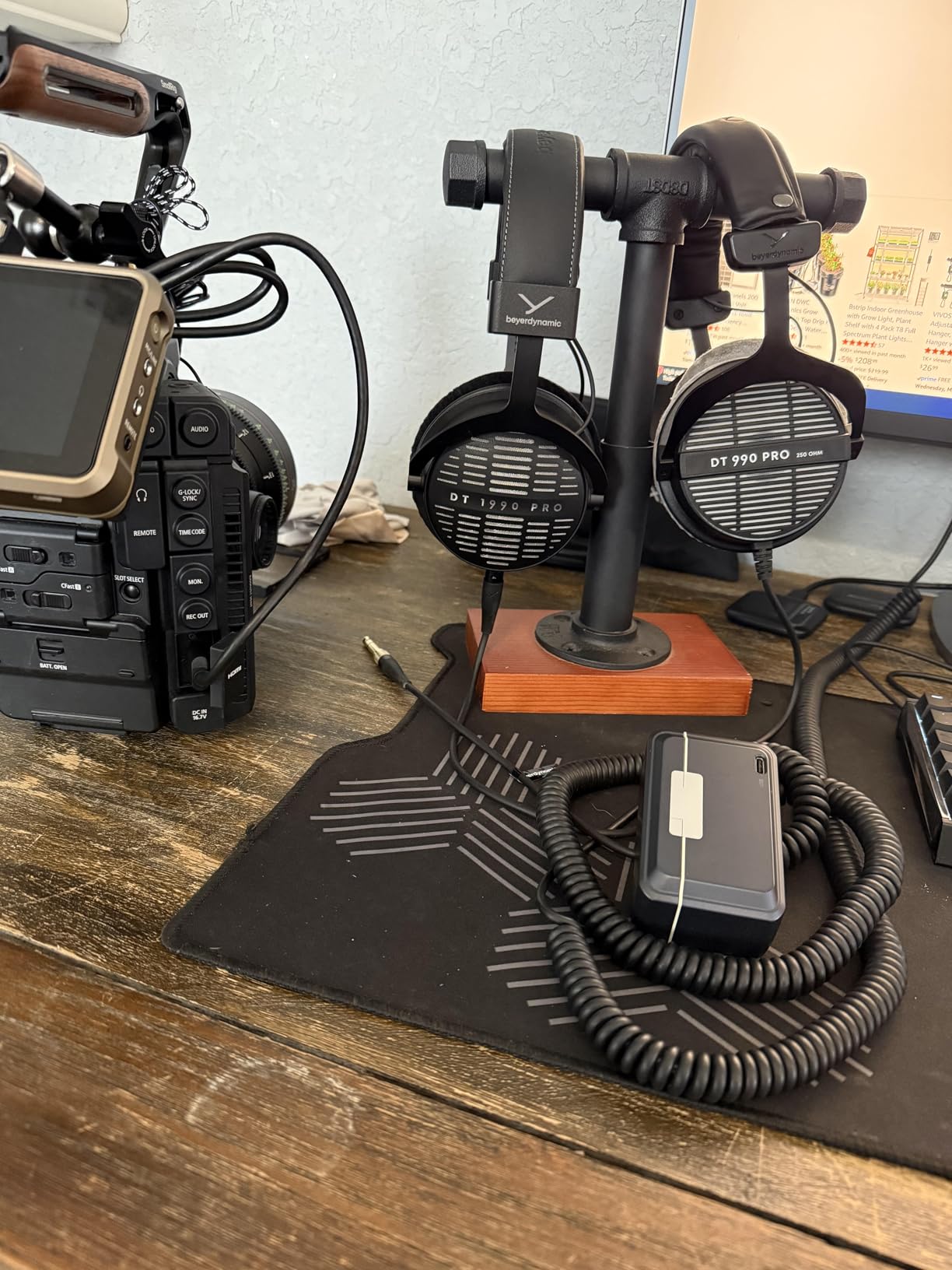
The included hard case is a first. Most flagship headphones ship with a soft pouch, but beyerdynamic includes a proper road case that protects the aluminum and memory foam construction. I dragged these back and forth to a friend’s studio twice without a scratch. The two interchangeable velour ear pad sets let you tune the sound signature: analytical pads for mixing and warmer pads for tracking.
Imaging is the standout feature. I used the MKII on an orchestral arrangement with 32 tracks of strings, brass, and percussion, and each section was clearly defined in space. The wide soundstage makes reverb and delay returns feel like they sit in a real acoustic environment. For film and game audio work, this is hard to beat.
Best use cases
The DT 1990 Pro MKII is built for mastering engineers, post-production specialists, and serious mix engineers who need reference-grade accuracy. The hard case and replaceable parts make them a long-term investment that can survive daily studio use for a decade. If you do Dolby Atmos or binaural work, the imaging is among the best you’ll find outside custom IEMs.
These also work for audiophile critical listening sessions where you want to hear exactly what the artist intended. The neutral frequency response doesn’t flatter bad recordings, so you know what you’re hearing is accurate.
Who should skip it
The 454g weight is heavier than most open backs, and a few reviewers on forums have reported the plastic slider plates cracking after heavy use. If you have a larger head or wear glasses, the clamp force may become uncomfortable during marathon sessions. The premium price also makes this unrealistic for hobbyists just starting out.
Planar magnetic drivers aren’t as forgiving with poor source material. If your recordings aren’t well-captured, the detail retrieval will show every flaw. Beginners might prefer something warmer and more forgiving until they develop their production skills.
3. beyerdynamic DT 990 Pro 250 Ohm – Best Value Open Back for Production
beyerdynamic DT 990 Pro (250 Ohm), Open-Back Studio Headphones, Black
250 ohm
380 g
German-made
Pros
- Massive soundstage
- Replaceable velour pads
- 20185 reviews
- Handcrafted in Germany
Cons
- Needs a headphone amp
- Non-detachable cable
- Plastic feel
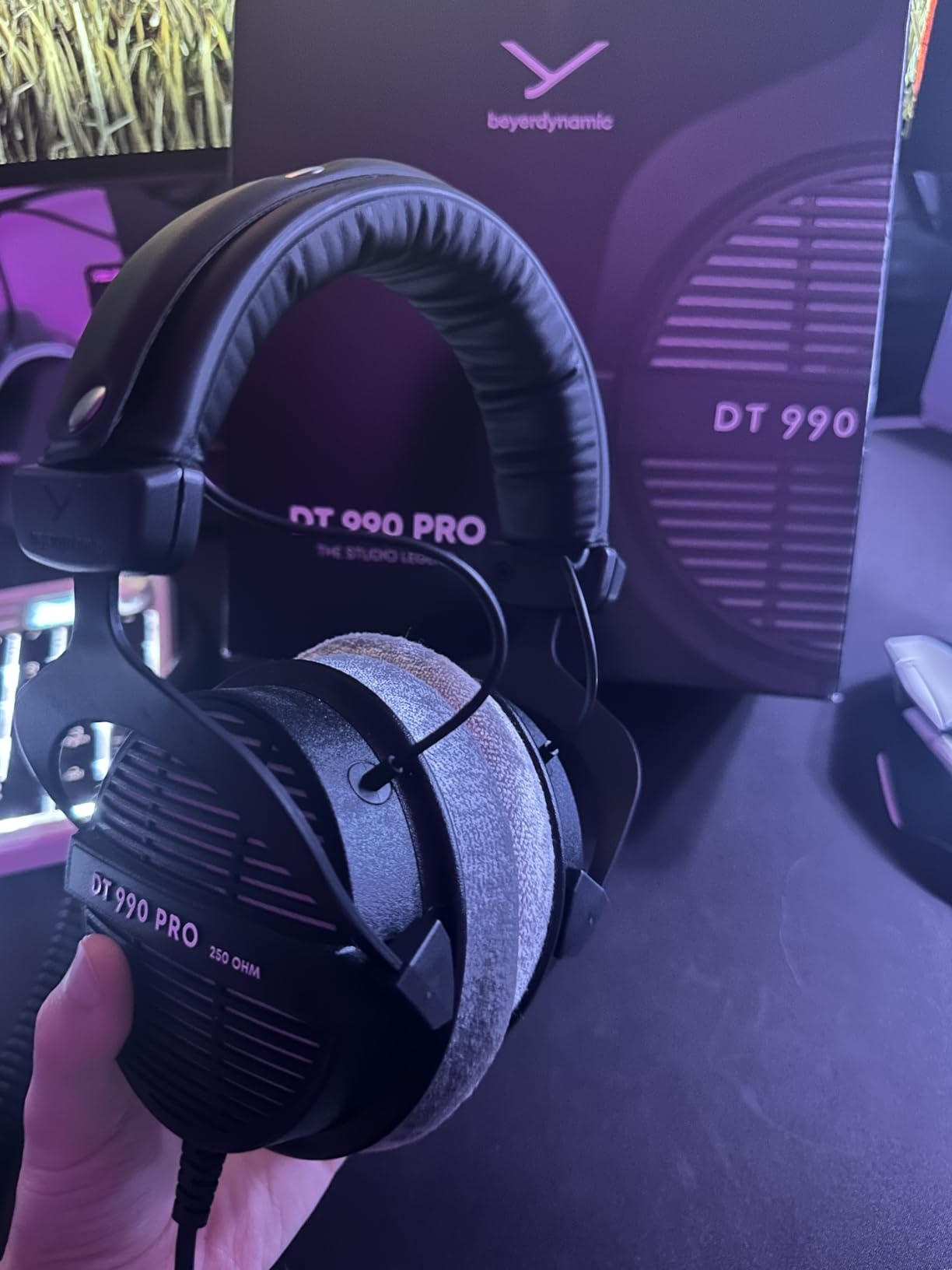
The beyerdynamic DT 990 Pro 250 Ohm is the open back headphone that launched a thousand home studios. With over 20,000 reviews on Amazon and a 4.6 average rating, this is the most battle-tested model in our roundup. I mixed a full album on these years ago and still reach for them when I want to check a translation on consumer systems.
The soundstage is the headline feature. The DT 990 Pro produces an unusually wide stereo image for a dynamic driver headphone. Panning decisions become more intuitive because elements feel like they’re sitting in physical space rather than left and right channels. For electronic music producers working on spatial mixes, this is genuine value at the price point.
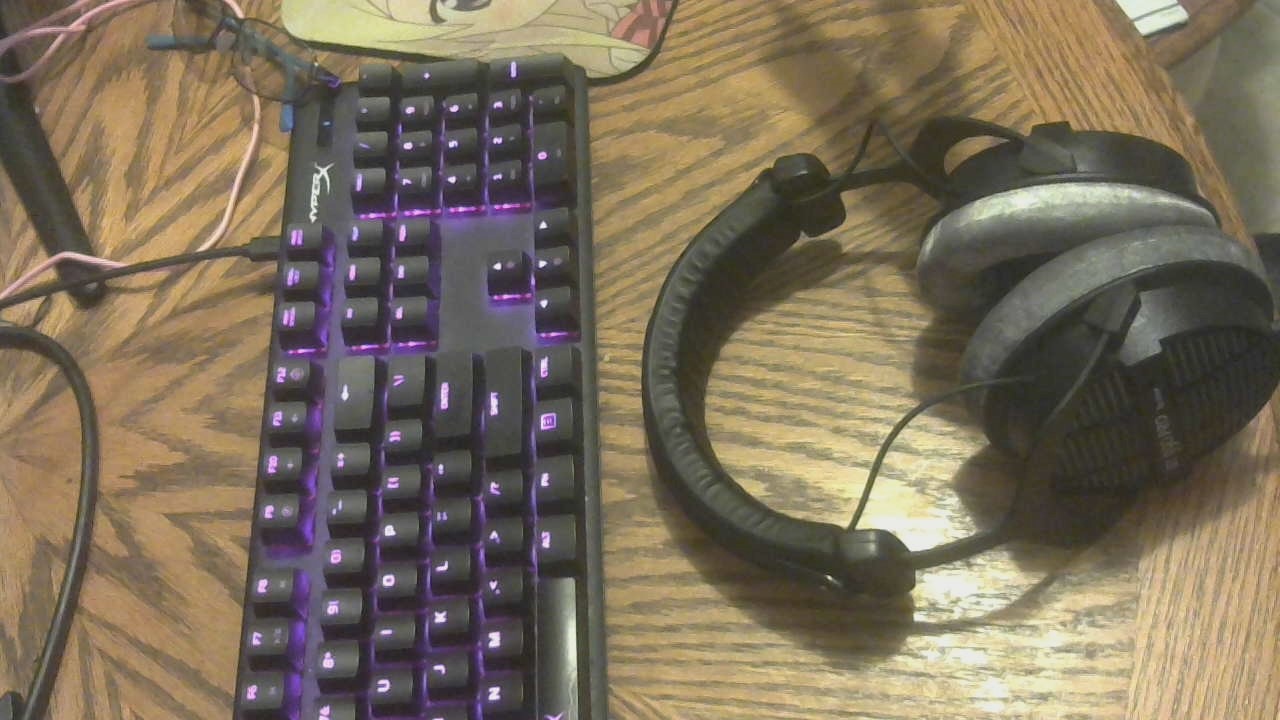
The velour ear pads are supremely comfortable. I’ve worn the DT 990 Pro for 8-hour sessions without ear fatigue, and the soft circumaural fit doesn’t press hard against glasses. All parts are replaceable, which is a big reason these headphones last 10+ years in working studios. The German build quality shows in the consistency.
That said, the 250 ohm impedance means you need a real headphone amplifier or a beefy audio interface to drive them properly. Plugging them into a phone or laptop will sound quiet and thin. Producers on Reddit frequently recommend pairing the DT 990 Pro with a Focusrite Scarlett, MOTU M2, or any interface with at least 150mW per channel output. If you don’t have amplification, the 80 ohm version is also available but sounds slightly less refined.
Best use cases
The DT 990 Pro is perfect for home studio producers on a budget who already own or plan to buy a quality audio interface. The bright treble signature helps reveal details in vocal sibilance and cymbal crashes, which is exactly what you want during editing. It’s also a great secondary reference pair if you already own closed back headphones for tracking.
For mixing electronic music, hip-hop, and rock, the DT 990 Pro punches well above its price. Many working engineers keep a pair of these in their bag as a secondary reference check, especially when comparing how a mix sounds on bright consumer systems.
Who should skip it
If you don’t have a headphone amp and don’t plan to buy one, skip the 250 ohm version. The sound will be lifeless without proper amplification. Also, the bright treble can be fatiguing for some listeners, and reviewers on audio forums consistently mention treble harshness on sibilant recordings.
The non-detachable cable is a real limitation. If the cable fails, you’ll need to send the headphones in for service rather than just swapping a cable. The mostly-plastic construction also feels less premium than the price suggests, though the sound quality is excellent.
4. Audio-Technica ATH-R70XA – Japanese-Built Precision Reference
Audio-Technica ATH-R70XA Open-Back Headphones
470 ohm
199 g
Carbon composite
Pros
- Featherlight 199 g
- Hand-assembled in Tokyo
- Neutral bright tuning
- Detailed imaging
Cons
- Needs 6Vrms amp
- Sub-bass rolloff
- Plastic yoke
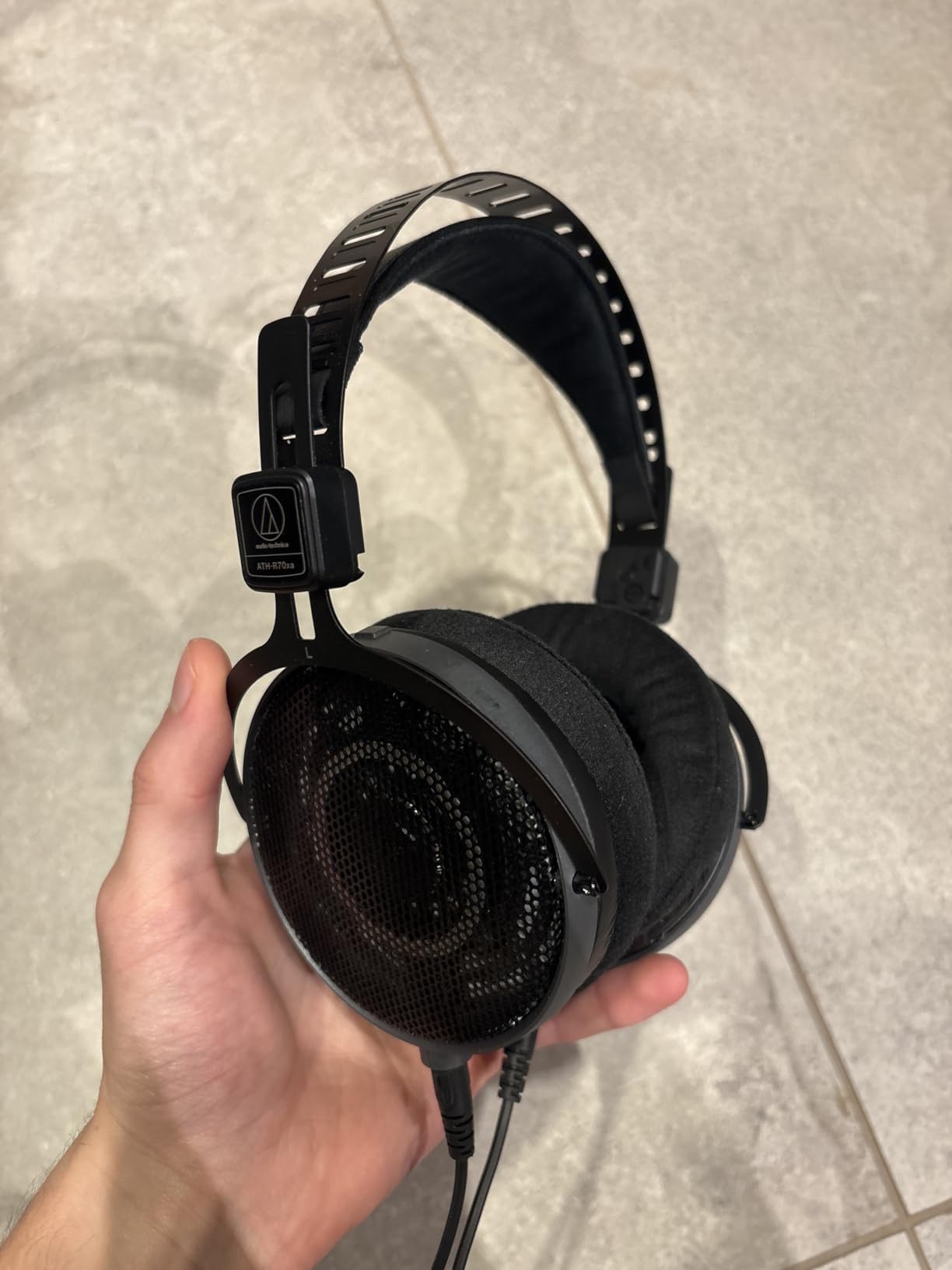
The Audio-Technica ATH-R70XA is what happens when Audio-Technica builds their flagship open back without compromise. At 199 grams, these are the lightest full-size open backs I’ve ever worn. I forgot I had them on during a 6-hour mix session, which is the highest praise I can give headphones.
The 470 ohm impedance and 97 dB sensitivity mean these need serious amplification. Audio-Technica specifies 3.5Vrms minimum and 6Vrms ideal. That rules out laptop headphone jacks and most entry-level interfaces. I drove them with a Topping A50s desktop amp and the improvement over a Scarlett interface was significant – more dynamic headroom and tighter bass control.
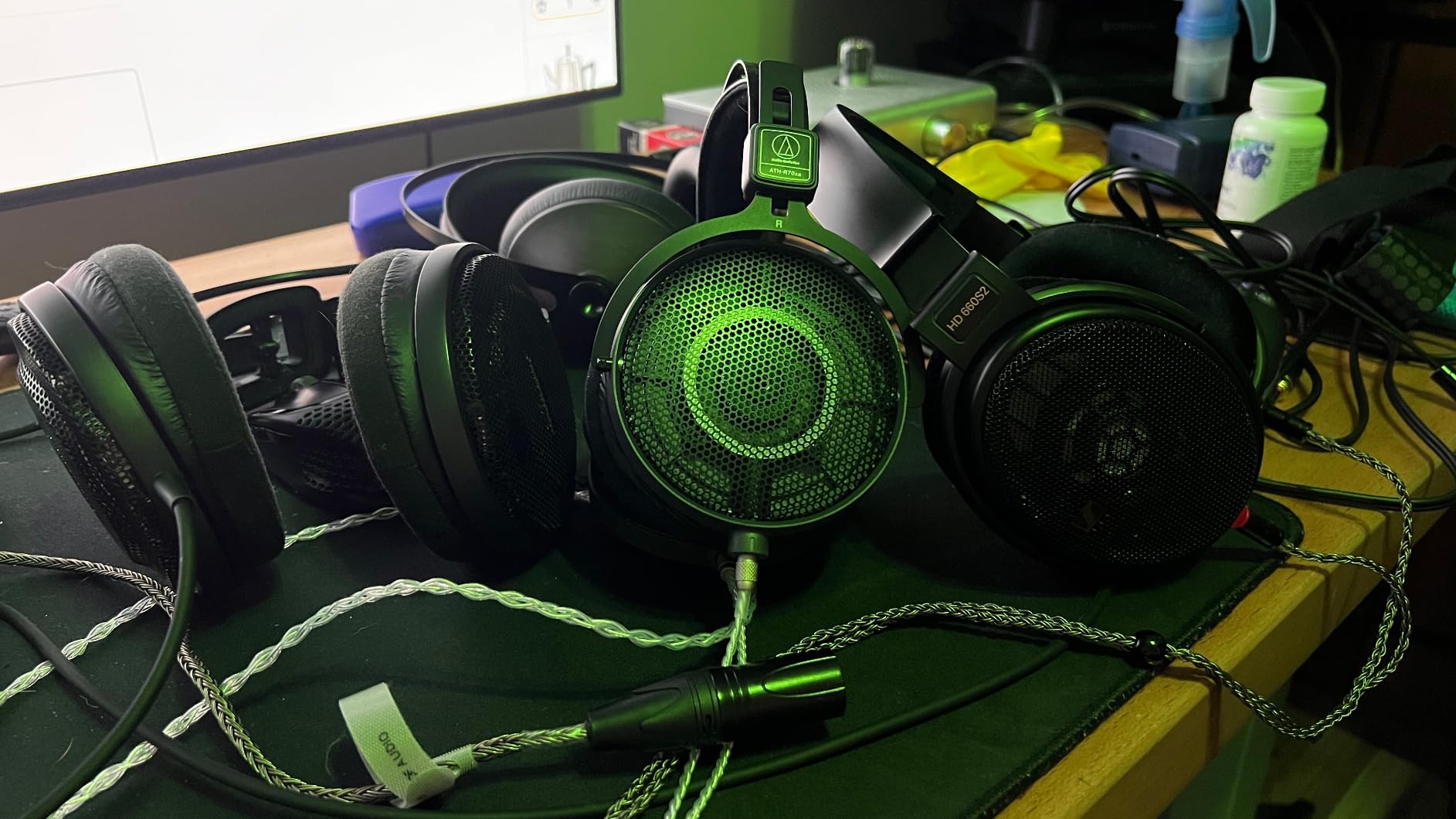
The sound signature is neutral with a slight bright tilt that brings out vocal articulation and string detail. I used the R70XA for vocal editing on a podcast series and could hear every breath and lip smack with precision. The fast transient response makes it easy to identify clicks, pops, and mouth noise during cleanup work.
Build quality is mixed. The carbon composite resin ear cups and aluminum housing feel premium, but the plastic yoke is a weakness. A few owners have reported the yoke developing play over time. The dual-sided locking cable is solid and the pads are replaceable, so long-term serviceability is good even if the yoke eventually needs attention.
Best use cases
The ATH-R70XA shines in mastering suites and high-end mixing environments where accurate detail retrieval matters more than bass weight. The Japanese craftsmanship and lightweight design make them ideal for engineers who mix for long stretches and need fatigue-free cans. If you do vocal editing or dialog work, the R70XA is hard to beat.
These also work beautifully for orchestral and acoustic music production. The transient response captures the natural decay of piano notes and the bow noise on string instruments with startling realism.
Who should skip it
If your audio interface can’t output at least 3.5Vrms, skip these. They’ll sound thin and quiet without proper amplification, which is a hidden cost beginners often overlook. The sub-bass rolloff also makes them less suited for electronic music production where sub frequencies matter.
The bright tuning can be fatiguing on already-bright recordings. If you mainly work on heavily compressed modern pop or rock, a warmer headphone might be more pleasant for long sessions. The lack of a balanced cable option at this price point is also disappointing.
5. Sennheiser HD 650 – Classic Audiophile Reference
Sennheiser HD 650 – Audiophile Hi-Res Open Back Dynamic Headphone
300 ohm
260 g
Hand-matched drivers
Pros
- Reference-quality sound
- 0.05 percent THD
- Hand-matched drivers
- Massive review base
Cons
- Premium price for used value
- Needs amplification
- Warm signature
The Sennheiser HD 650 has been a benchmark audiophile headphone since 2003, and it remains a strong choice for music production in 2026. I keep a pair in my studio as a secondary reference for vocal mixes. The warm, slightly rolled-off treble signature is the opposite of bright headphones like the DT 990 Pro, which makes it useful for sanity-checking how a mix will sound on warmer consumer systems.
The hand-matched driver elements are a key selling point. Sennheiser pairs each set of drivers at the factory for channel balance, which means you get consistent imaging between left and right. For stereo mixing work, that consistency is valuable because you can trust panning decisions based on what you hear.
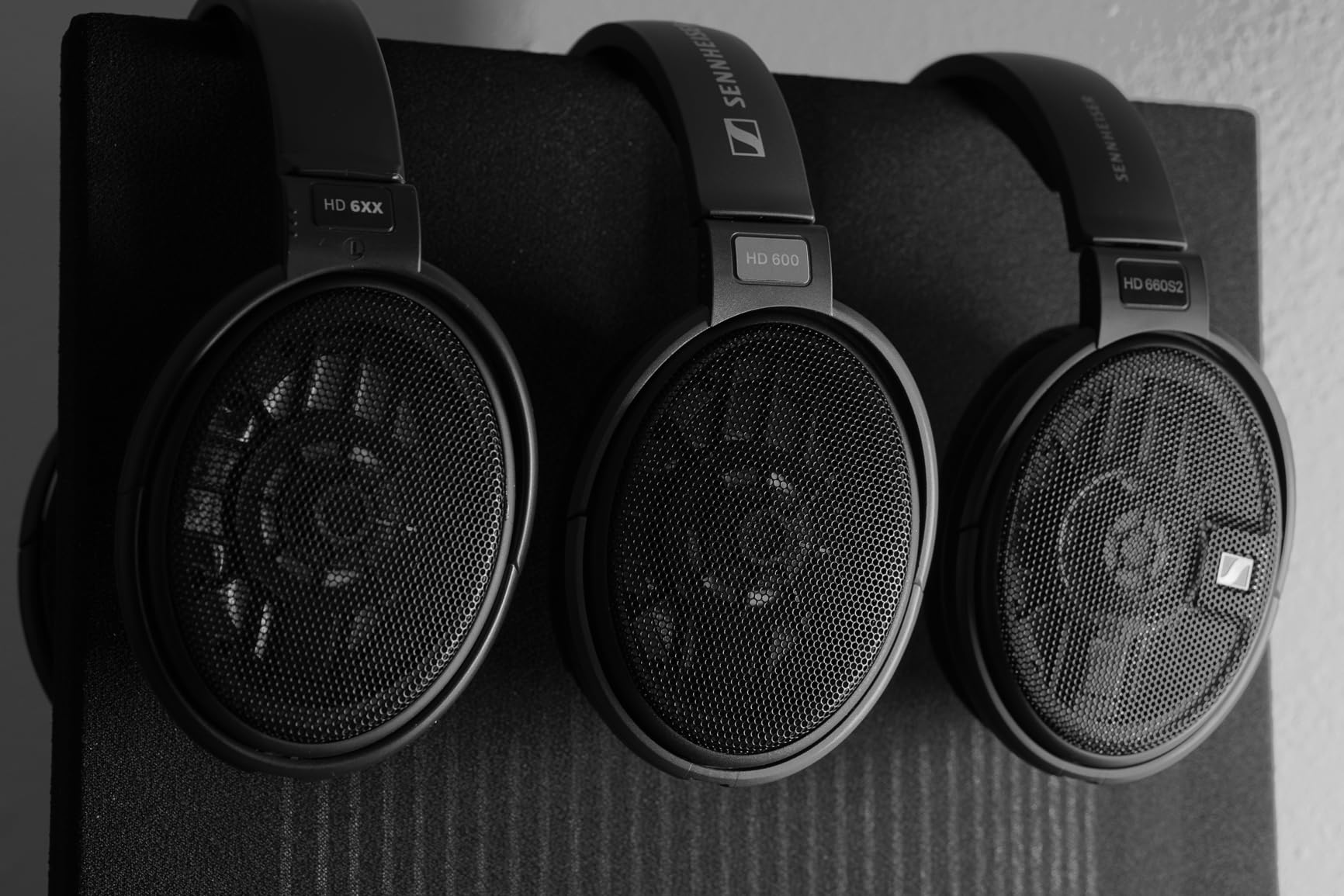
The 0.05 percent THD rating is among the lowest you’ll find in any headphone at any price. Total harmonic distortion measures how much the driver adds unwanted harmonics to the signal, and lower is better for critical listening. The HD 650’s low THD means what you hear is closer to what’s actually in the recording.
Comfort is excellent. The HD 650 weighs around 260 grams with plush velour pads that don’t clamp too hard. The relaxed fit suits long sessions, though some users find the headband padding could be thicker. The 3m cable is plenty long for studio use and detaches for transport.
Best use cases
The HD 650 is ideal as a secondary reference pair for engineers who already own a brighter analytical headphone. Using one bright and one warm reference helps you catch translation issues that a single headphone might miss. It also works as a primary mixing headphone for producers who prefer a smoother, less fatiguing presentation.
For vocal-forward production like singer-songwriter, jazz, and classical music, the warm HD 650 signature flatters acoustic sources while still revealing mix problems. The high-resolution audio compatibility also makes these a future-proof investment.
Who should skip it
If you’re on a tight budget and don’t have a headphone amp, the HD 650 isn’t realistic. Cheaper alternatives like the HD 599 offer a similar warm signature at a fraction of the price. The warm tuning also isn’t ideal for electronic music where you need to hear bass detail crisply.
Like other high-impedance Sennheisers, the HD 650 needs proper amplification. The 300 ohm rating means weak sources will leave these sounding flat. Also, if your recordings are already bright or sibilant, the smoother treble response might mask problems that need fixing.
6. beyerdynamic DT 990 Pro X 48 Ohm – Modern Low-Impedance Alternative
beyerdynamic DT 990 Pro X (48 Ohm), Open-Back Studio Headphones, Black
48 ohm
390 g
STELLAR.45 driver
Pros
- Lower 48 ohm easy to drive
- Locking mini-XLR cable
- STELLAR.45 driver
- Lightweight
Cons
- Can clip at high volumes
- Bent pin reports
- Sound 'boring' out of box
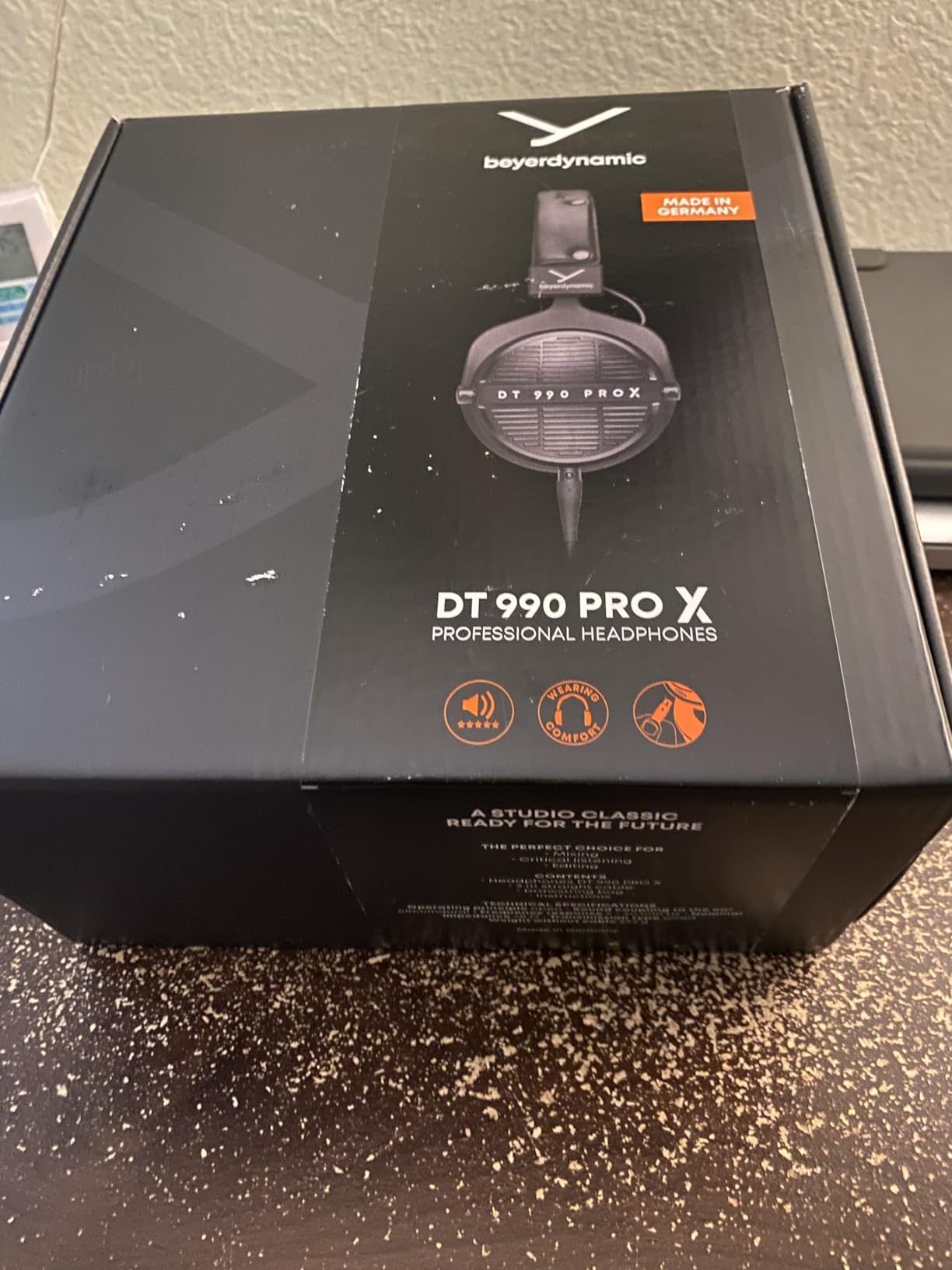
The beyerdynamic DT 990 Pro X is the modern answer to the classic DT 990 Pro’s amplification problem. The new STELLAR.45 driver brings the impedance down to 48 ohms while keeping the wide soundstage and detailed treble the line is famous for. I tested it directly from a MacBook Pro and got usable volume without an amp, which is liberating for laptop producers.
The locking mini-XLR cable is a real upgrade over the original DT 990 Pro’s fixed cable. The 3m cable detaches cleanly and locks in place so it won’t pull out mid-session. If the cable ever fails, you replace just the cable instead of the whole headphone. The lightweight 390g construction is comfortable for extended wear.
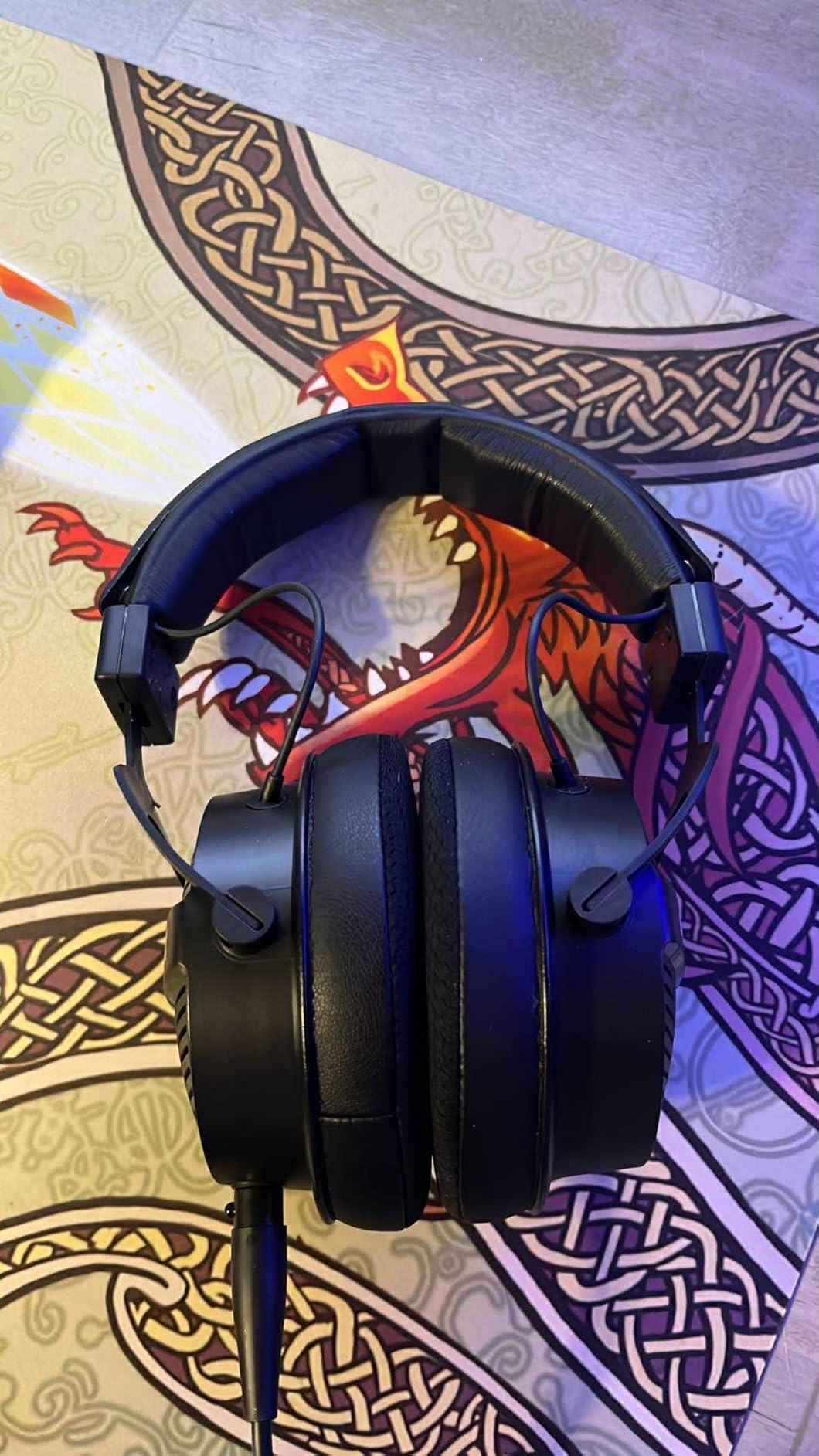
The frequency response extends to 40,000 Hz, well above human hearing range, which indicates a very fast driver with low distortion. In practice, this means cleaner transient response on percussive material. Drums and plucked acoustic guitars sound more articulated than they do on the original DT 990 Pro.
The sound signature out of the box is more neutral than the original DT 990 Pro. Some users on Reddit describe it as “boring” without EQ, but I found it more accurate for mixing. Once you apply subtle corrective EQ to taste, these become very transparent monitoring tools. The 48 ohm impedance also makes them more forgiving with portable recording rigs and smaller interfaces.
Best use cases
The DT 990 Pro X is perfect for laptop producers and mobile recording setups who need a quality open back without dragging a headphone amp everywhere. The lower impedance means you can plug into an iPad, audio interface, or laptop and get proper monitoring levels. The detachable cable is great for travel.
For producers who like to EQ their monitoring chain, the neutral baseline of the Pro X is a clean canvas. You can shape the response to match your room or your preferred reference curve without fighting a colored stock signature.
Who should skip it
If you prefer a more colored or exciting sound out of the box, the DT 990 Pro X’s neutrality might disappoint. Some reviewers report audio clipping at very high volumes, which suggests the driver protection kicks in earlier than on the original. The 48 ohm impedance also means you can’t take full advantage of high-impedance amps designed for 250+ ohm headphones.
A few owners have reported bent pins on the mini-XLR connector from rough cable insertion. Handle the cable with care and you should be fine, but it’s worth knowing if you’re hard on gear.
7. Audio-Technica ATH-R50X – Lightweight Studio Reference
Audio-Technica ATH-R50X Open-Back Headphones
50 ohm
207 g
Two detachable cables
Pros
- Only 207 g
- Two cables included
- Accurate midrange
- 6.3mm adapter included
Cons
- Shallow ear pads
- Quiet bass for some
- Smaller ear cups
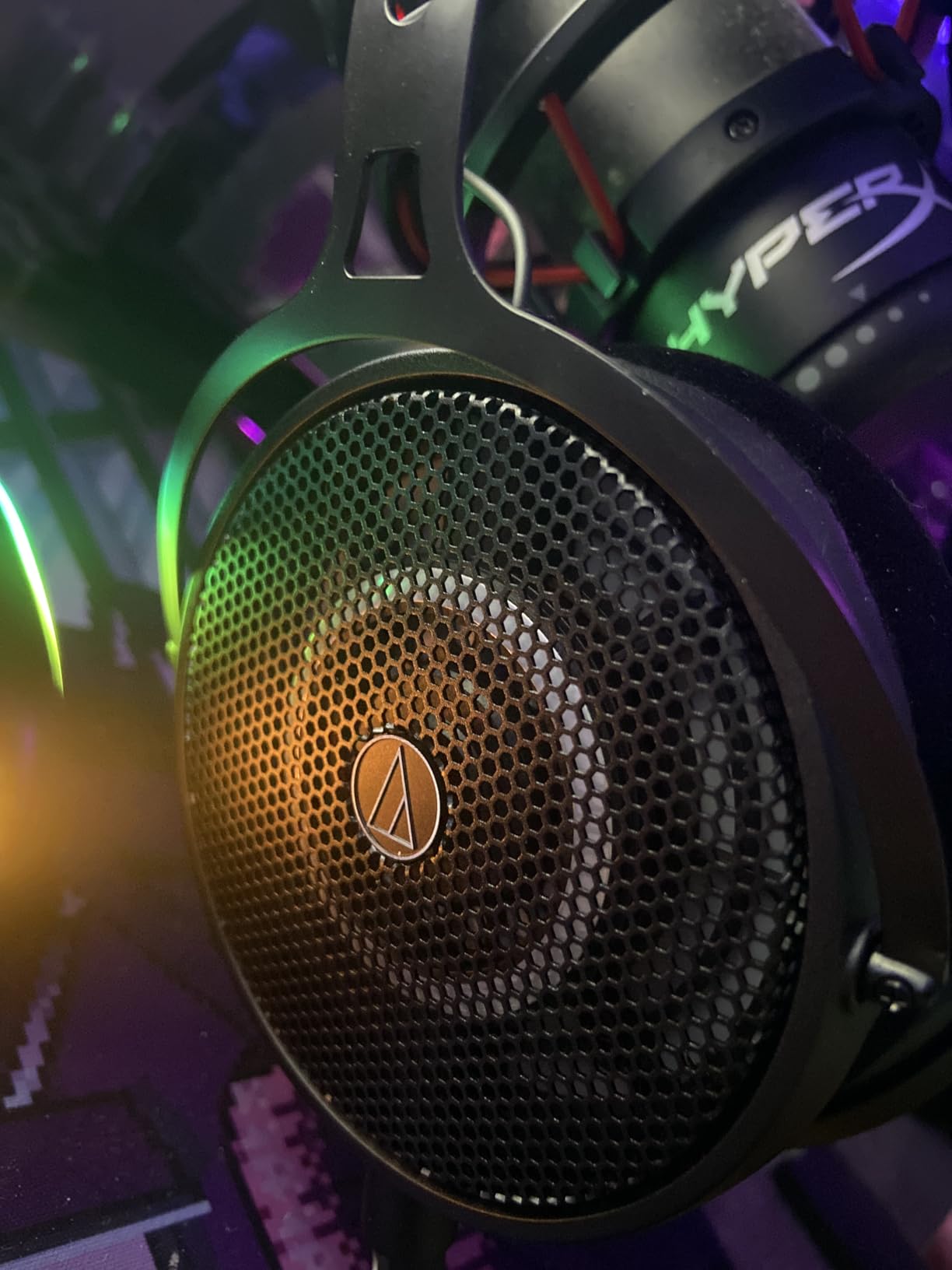
The Audio-Technica ATH-R50X is a sleeper hit in Audio-Technica’s open back lineup. At 207 grams, these are among the lightest full-size studio headphones I’ve tested. I wore them through a 7-hour editing session and barely noticed the weight, which is rare for open backs at this price.
Audio-Technica includes two detachable cables: a 3m studio cable and a 1.2m portable cable. Having both lengths in the box saves you from buying a separate cable for portable use. The 6.3mm adapter and carrying pouch are also included, which is generous at this price point.
The midrange is the star of the show. I used the ATH-R50X for vocal tuning work and could hear subtle EQ changes more clearly than on brighter headphones. The clean midrange presentation makes it easy to identify problem frequencies in vocals and dialogue without the masking effect of boosted treble.
The soundstage is wider than I expected from a 50 ohm dynamic driver at this size. Panning decisions feel natural, and reverb tails extend into space rather than collapsing into the head. For home studio producers doing film and game audio work, this is a surprisingly capable option.
Best use cases
The ATH-R50X is ideal for producers who prioritize comfort above all else. If you mix for 6+ hours at a time and need featherlight cans, these are a strong pick. The accurate midrange also makes them excellent for vocal production, podcast editing, and dialog cleanup work.
The 50 ohm impedance and included cables mean these work straight from a laptop or phone without an amp. Beginners and home producers without dedicated studio gear will appreciate the plug-and-play nature.
Who should skip it
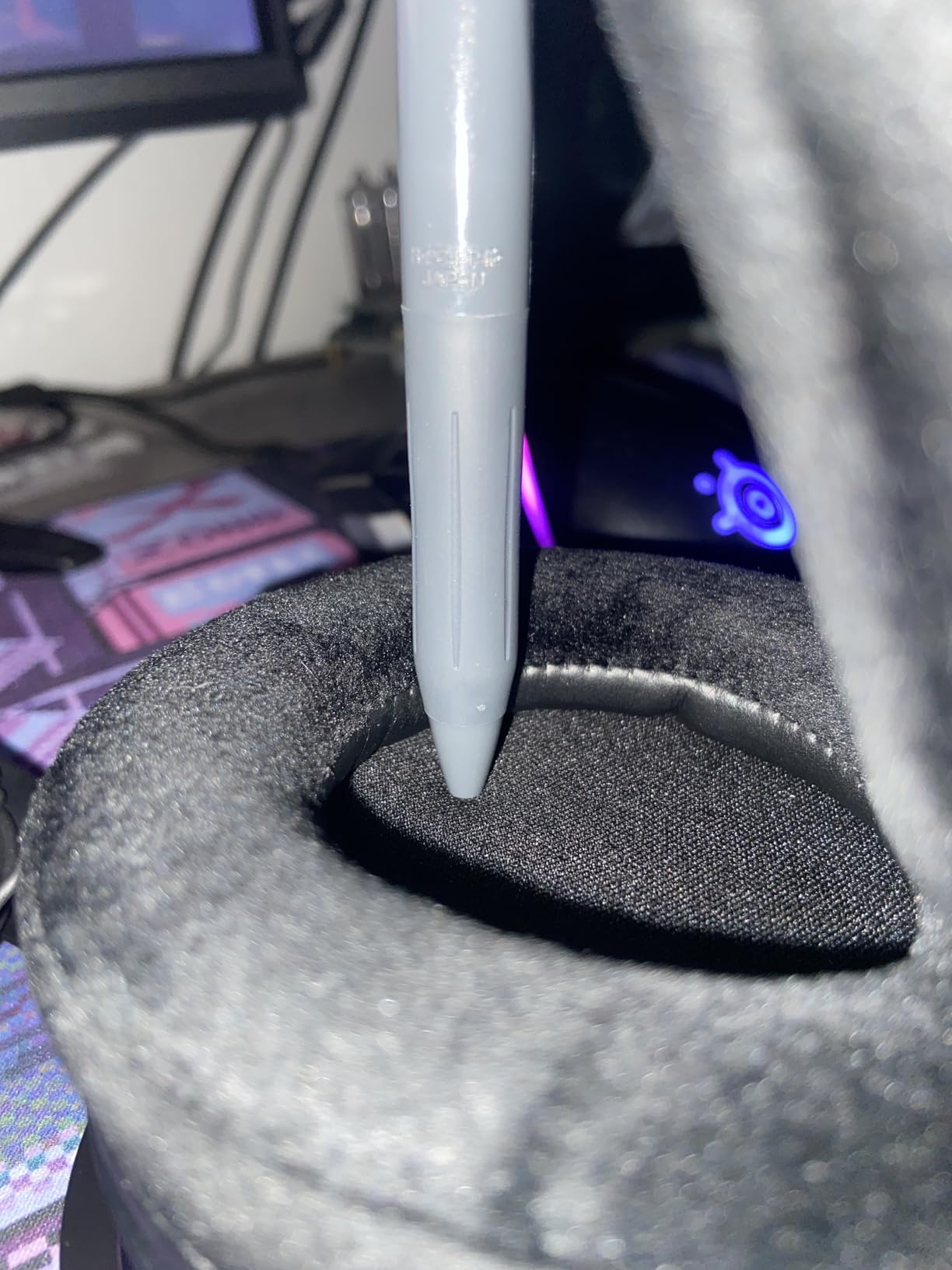
If you have larger ears, the ear cups may feel shallow and press against your ear cartilage. Reviewers with bigger ears consistently mention this as a comfort issue. The bass response is also quieter than some users expect, which is a monitoring headphone trait but not what everyone wants.
The proprietary 2.5mm twist-lock cable connector limits aftermarket cable options. If you like to roll different cables for tuning, the closed ecosystem is limiting. Bass-heavy genres like EDM and hip-hop might want a more impactful low end.
8. beyerdynamic DT 900 PRO X – Versatile Studio Workhorse
beyerdynamic DT 900 PRO X Studio Mixing Open Back Headphones
48 ohm
345 g
STELLAR.45 driver
Pros
- Easy 48 ohm drive
- STELLAR.45 drivers
- Two cables included
- Replaceable parts
Cons
- Initial tight clamp
- Headband cushion wear
- Stiff ear cups at first
The beyerdynamic DT 900 PRO X is the more balanced sibling of the DT 990 Pro X, designed specifically for studio mixing rather than the brighter gaming-leaning tuning of its brother. The STELLAR.45 driver and 48 ohm impedance make these easy to drive, and I got clean output from a Focusrite Scarlett 2i2 without any issues.
The sound signature is balanced and neutral, which makes them a reliable mixing tool. I used them on a rock mix for a friend and the kick and bass guitar sat together better than they did on a brighter reference. The mids are slightly forward without being boxy, and the treble is present but not harsh.
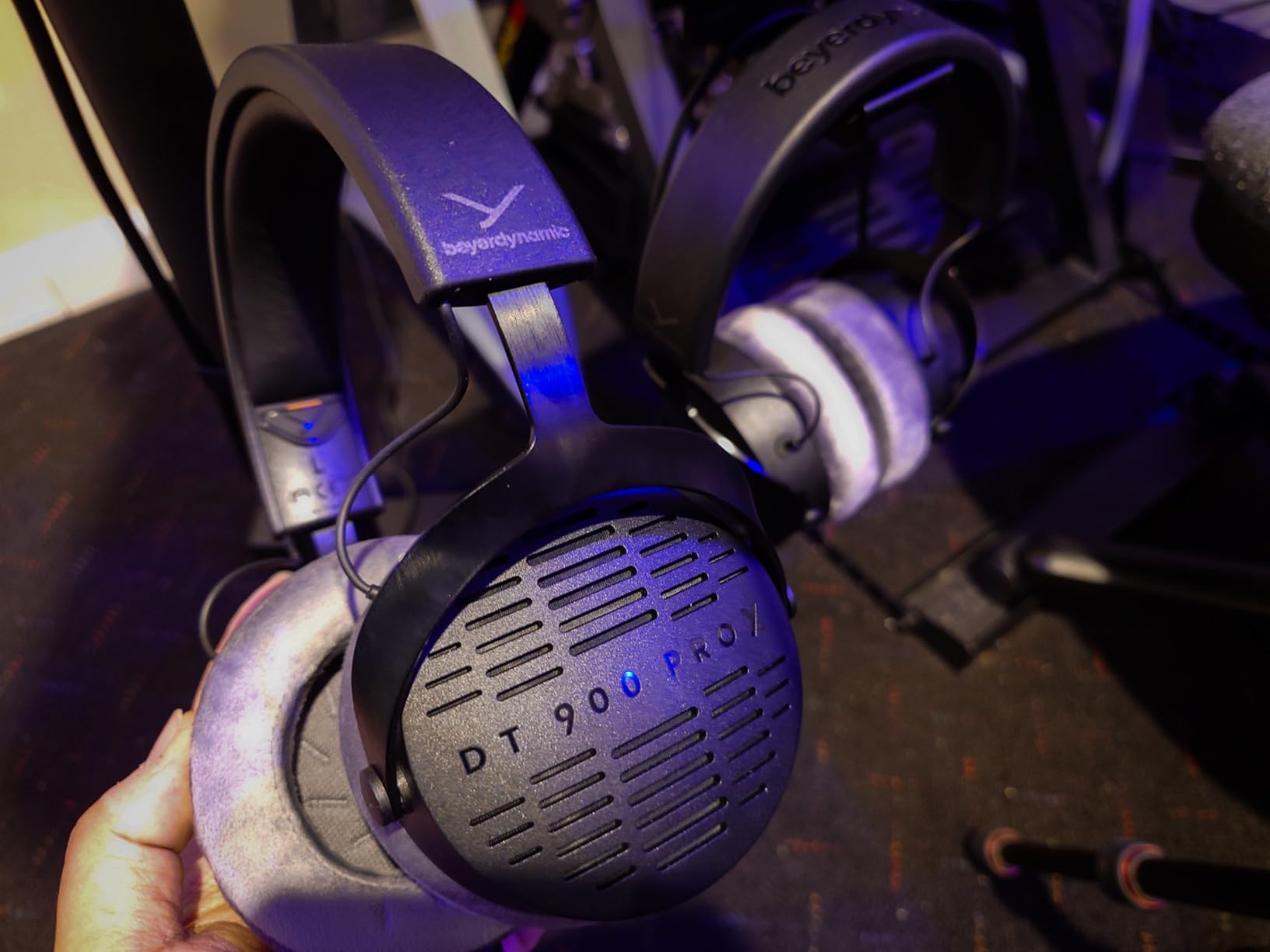
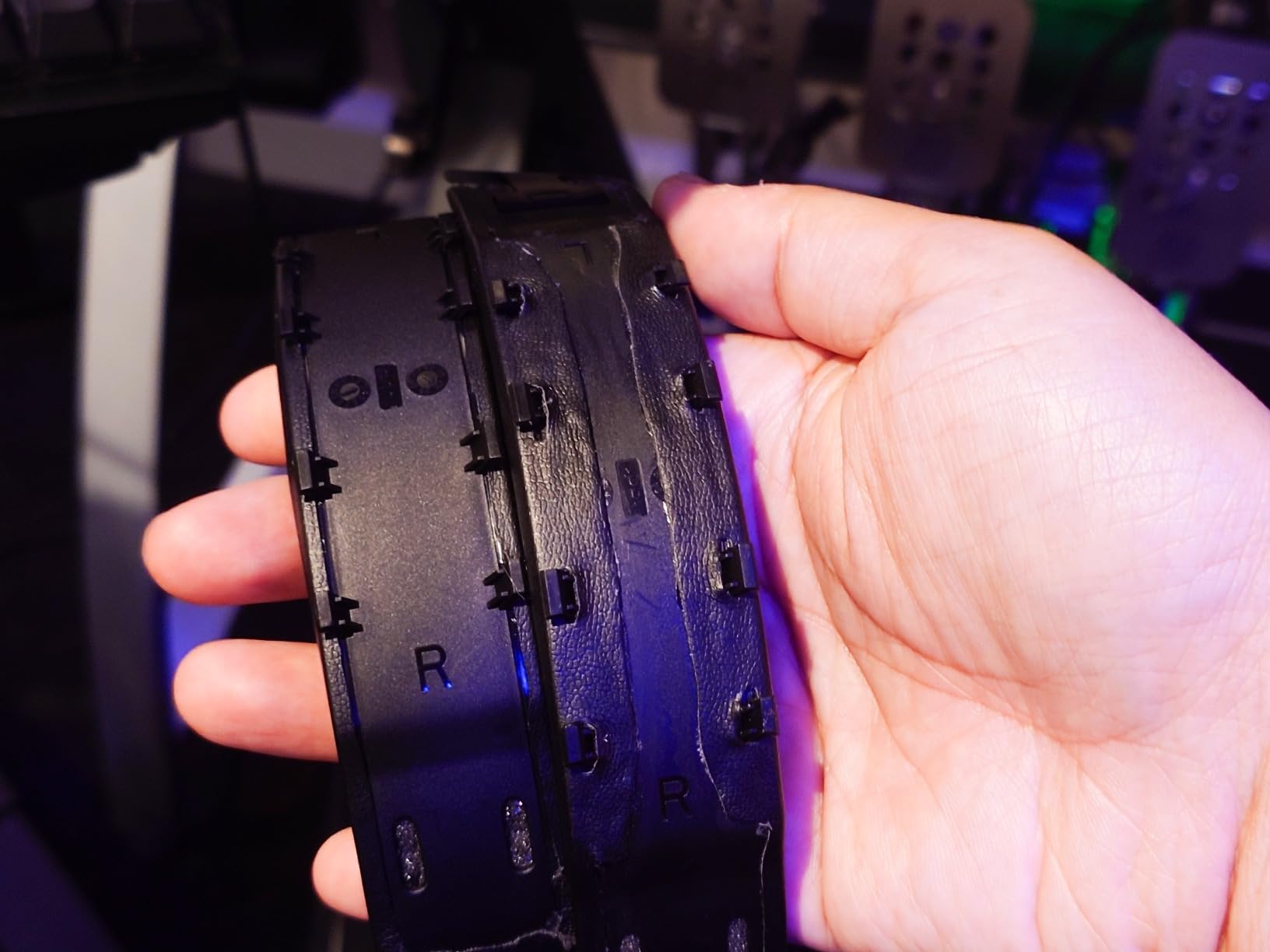
The build is solid German engineering. All parts are serviceable and replaceable, which means these can last decades with proper care. The velour pads are comfortable once broken in, though the initial clamp force is firm. After a week of use, the headband relaxes into a comfortable fit.
Beyerdynamic includes two detachable cables (3m and 1.8m) with mini-XLR connectors. The shorter cable is useful for portable recording rigs and laptop production. The space grey color is understated and won’t look out of place in a professional studio environment.
Best use cases
The DT 900 PRO X is built for mixing engineers who want a neutral reference without the bright treble of the DT 990 Pro X. If you find the DT 990 line too revealing and fatiguing, the DT 900 is the more comfortable alternative. It’s well-suited for rock, pop, jazz, and acoustic genres.
The 48 ohm impedance and balanced tuning also make these a good choice for producers who use their headphones for both work and casual listening. You won’t get ear fatigue during long sessions, and they pair well with most consumer-grade interfaces.
Who should skip it
The initial tight clamp force is a real issue for some users. If you have a sensitive head or wear glasses, the first few days might be uncomfortable before the headphones break in. The headband cushion material has also been reported to separate from the plastic frame after heavy use.
For electronic music producers who need bright treble to hear synth details and hi-hat crashes, the smoother DT 900 tuning might feel too laid back. The bass extension is also modest compared to closed-back alternatives in the same price range.
9. Sennheiser HD 599 – Entry-Level Open Back Warmth
Sennheiser HD 599 Open-Back Wired Audiophile Headphones, Ivory
50 ohm
710 g
Velour pads
Pros
- Warm relaxed signature
- Excellent comfort
- Two cables included
- Lightweight plastic
Cons
- Fake leather headband wears
- Bass-light for some
- Static on some PCs
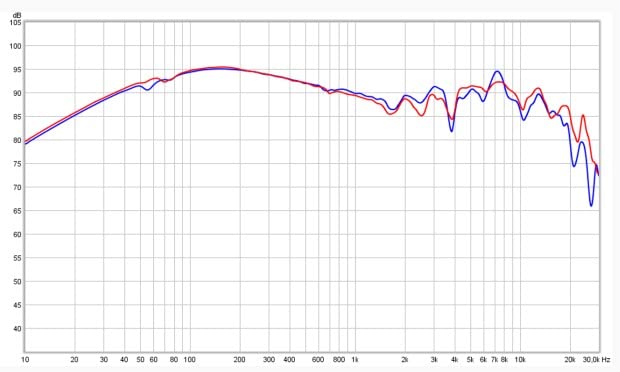
The Sennheiser HD 599 is the most affordable open back in Sennheiser’s audiophile lineup and a great starting point for beginners. The warm, relaxed sound signature is easy to listen to for hours, which is exactly what new producers need when learning to mix without burning out their ears.
At 50 ohms, these work directly from laptops, phones, and entry-level audio interfaces without an amp. I tested them from a MacBook headphone jack and a Focusrite Scarlett Solo, and both produced clean monitoring levels. If you’re not ready to invest in a headphone amp yet, the HD 599 forgives that.
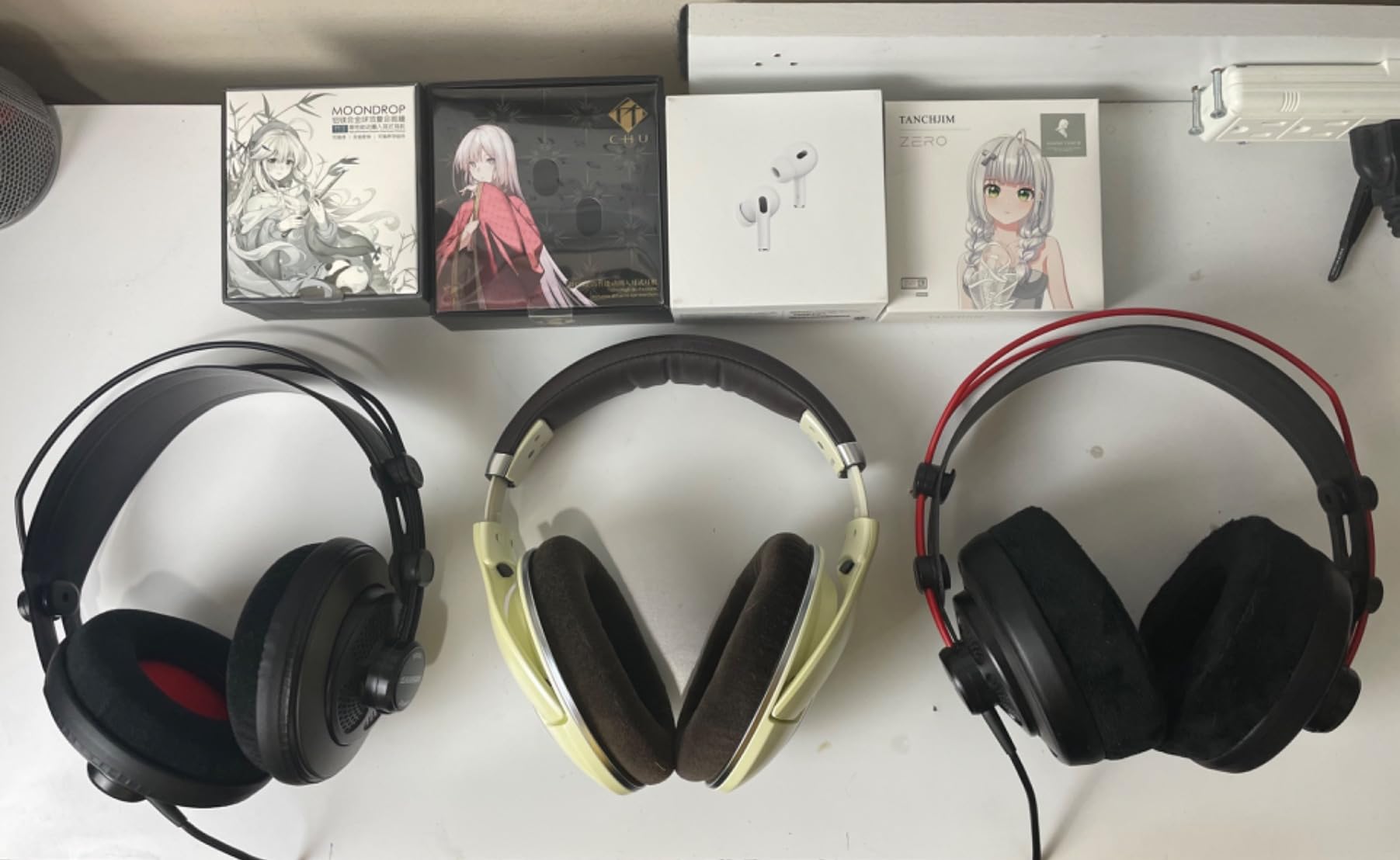
The ivory color and aluminum voice coils give these a premium aesthetic that punches above the price. The velour pads are comfortable for long sessions, and the padded headband distributes weight well despite the 710g total weight. Sennheiser includes two detachable cables (3m with 6.3mm and 1.2m with 3.5mm) so you can use them at a desk or on the go.
The wide soundstage makes these surprisingly capable for gaming and music production. I tested them on a first-person shooter and the directional audio cues were clear. For mixing, the warm tuning means you’ll want to compensate with reference checks on brighter systems, but the comfort and value are hard to beat at this price.
Best use cases
The HD 599 is perfect for beginners who want their first open back without breaking the bank. The warm signature is forgiving on long sessions and helps you avoid ear fatigue while learning mixing fundamentals. They also work well as a casual listening pair for enjoying music between production sessions.
For gamers who want accurate positional audio without spending audiophile money, the HD 599’s soundstage is excellent. The detachable cables mean you can swap to a shorter cable for couch gaming without buying extras.
Who should skip it
The fake leather headband padding tends to flake after 2-3 years of regular use. If you want headphones that look pristine long-term, this is a known weakness. Some users also report static noise when used with certain desktop computer motherboards, which suggests grounding issues with cheaper USB audio.
The bass extension is light for electronic music and hip-hop production. If you need to hear sub-bass detail, look at the DT 990 Pro instead. The 50 ohm impedance also means you won’t get the full benefit of high-end headphone amps designed for 300+ ohm loads.
10. Audio-Technica ATH-R30X – Budget Entry to Open Back Production
Pros
- Outstanding clarity for price
- Lightweight 210 g
- Easy 36 ohm drive
- 2-year warranty
Cons
- Non-detachable cable
- Small ear cups
- Cable too long for desk
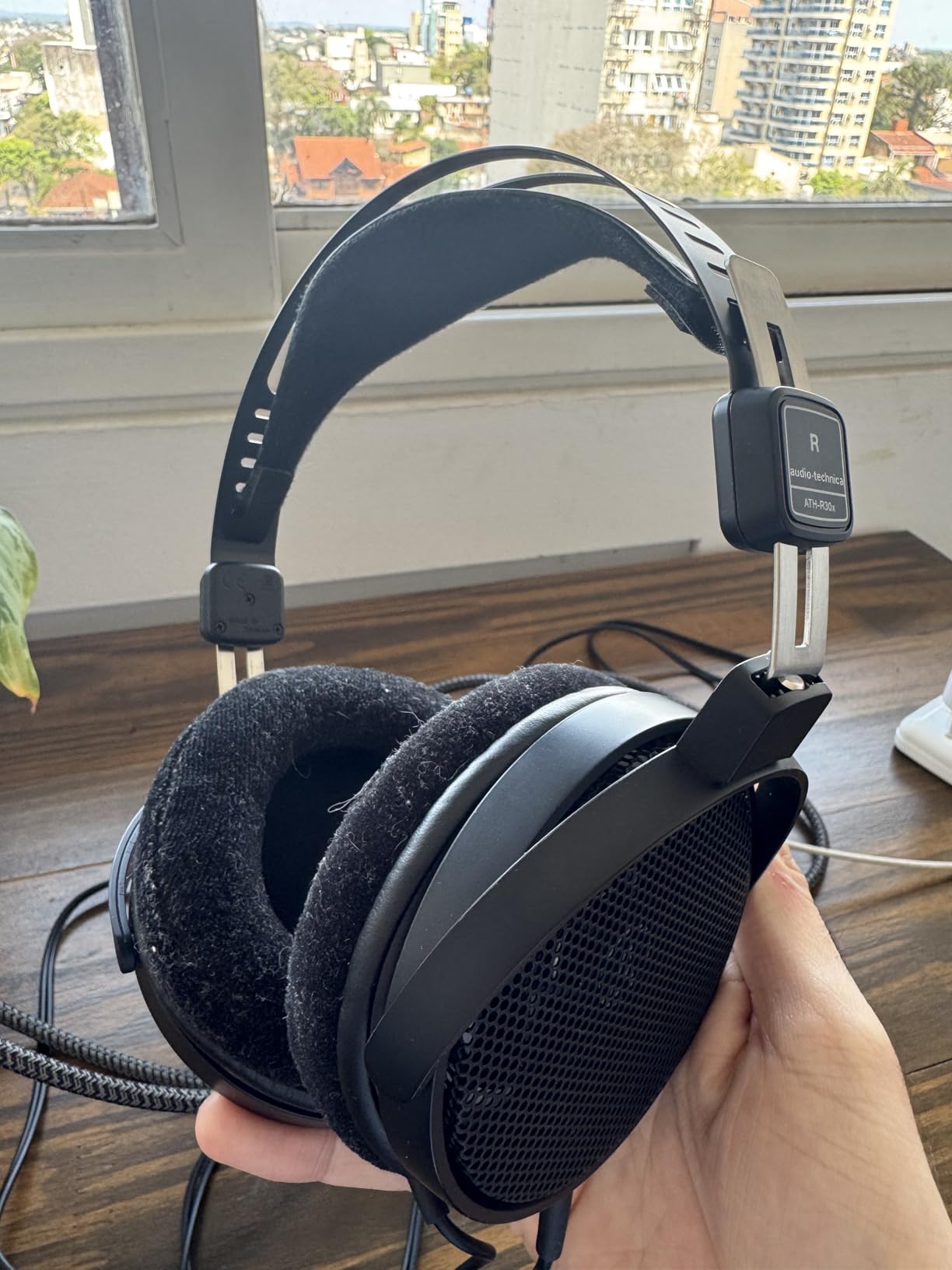
The Audio-Technica ATH-R30X is the cheapest way to get into open back studio monitoring without sacrificing too much quality. At under $100, these are accessible for students and hobbyists who want to hear the open back difference without a major investment.
The 36 ohm impedance means these work from any device with a headphone jack. I plugged them into my phone, laptop, and entry-level interface without issue. The 92 dB sensitivity is high enough that you won’t need an amp to get proper monitoring volume.
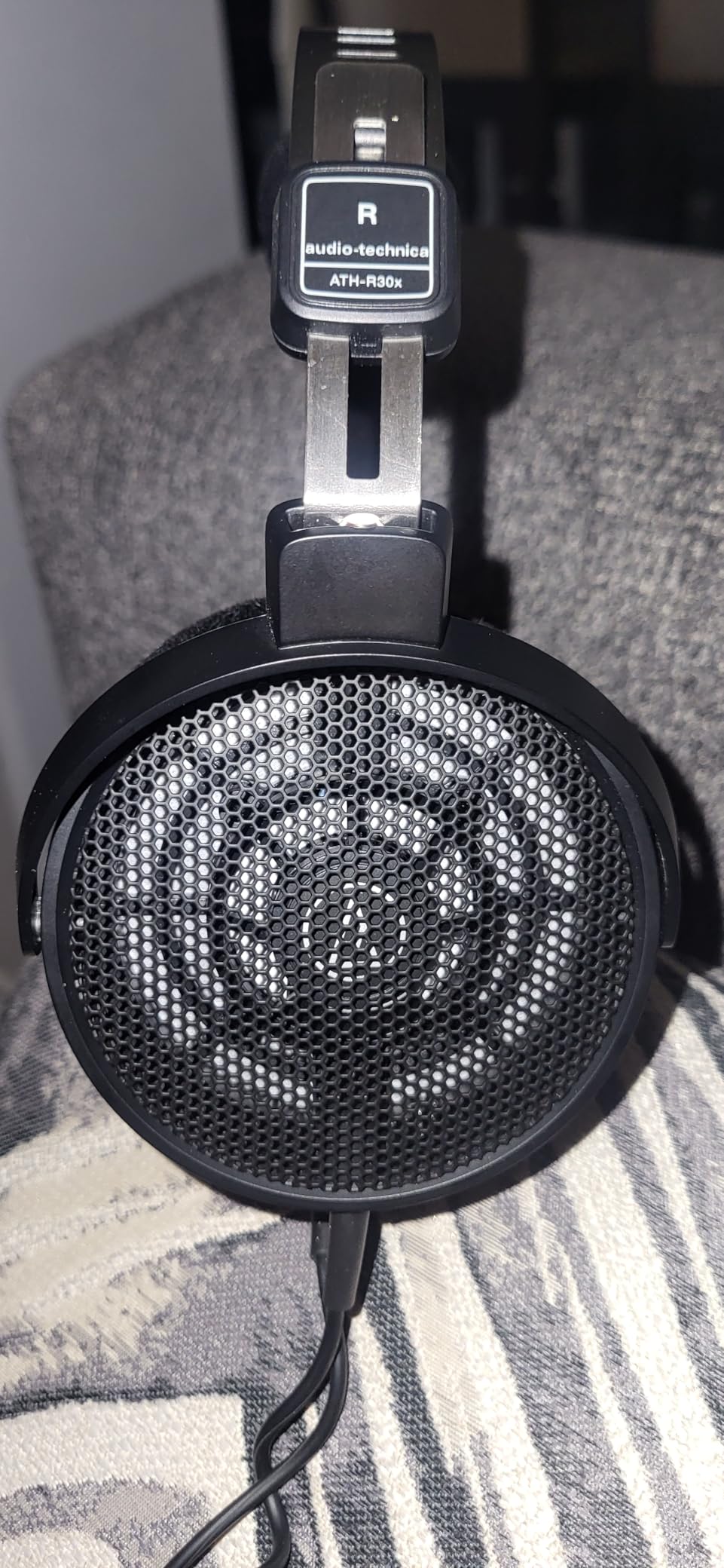
The sound signature is warm and clear with surprisingly wide soundstage for the price. The 40 mm drivers deliver good instrument separation, and I could identify individual elements in dense mixes more easily than I expected. For learning mixing fundamentals on a budget, these punch well above their weight.
Comfort is a strong point. At 210 grams, the ATH-R30X is light enough for long study sessions. The light clamping force means they don’t squeeze your head, though the fit may feel loose for larger heads. The 2-year warranty is also longer than most competitors offer at this price.
Best use cases
The ATH-R30X is perfect for audio engineering students, bedroom producers, and hobbyists just starting their journey. The accessible price and easy drive make them a low-risk first open back. They also work as a casual listening pair for enjoying music at your desk.
For producers who want a secondary reference pair at a low cost, these provide useful contrast to a primary analytical headphone. The warm tuning helps you check how mixes will sound on consumer systems.
Who should skip it
The non-detachable cable is the biggest limitation. If the cable fails, you can’t replace it yourself, which is a long-term reliability concern. The ear cups are also smaller than average, so users with larger ears may find them uncomfortable.
The 3m cable is too long for desk use and gets tangled easily. You’ll need cable management or a shorter extension. For professional mixing work, these don’t match the imaging precision of higher-end options in this roundup.
What to Look for in Open Back Headphones for Music Production
Choosing the best open back headphones for music production requires balancing several technical factors. Here’s what matters most based on our testing and the forum insights from working producers.
Frequency Response is the foundation of mixing accuracy. Look for headphones with a relatively flat response across 20 Hz to 20,000 Hz so nothing is artificially boosted or cut. Headphone specs that extend beyond human hearing range (like 40,000 Hz) indicate fast drivers with low distortion. Avoid headphones with exaggerated bass or treble unless you specifically want a colored reference.
Impedance determines whether your audio interface can drive the headphones properly. Lower impedance (32-80 ohm) models work from laptops and phones. Higher impedance (250+ ohm) models need dedicated headphone amps or interfaces with strong headphone outputs. Mismatched impedance is the most common mistake new producers make, and forum users consistently ask about it. Match the headphone to your source.
Soundstage is what separates open back from closed back. A wider soundstage helps you place instruments in space, judge panning, and hear reverb tails naturally. Planar magnetic headphones like the DT 1990 Pro MKII typically have the widest soundstage, but modern dynamic drivers like the HD 490 PRO are catching up.
Comfort matters more than you think. Mixing sessions regularly run 4-8 hours. Look for velour ear pads, lightweight construction (under 350g if possible), and adjustable headbands. Replaceable pads extend headphone life significantly. The ATH-R70XA at 199g and DT 990 Pro with velour pads are comfort standouts.
Driver Type affects detail retrieval and sound signature. Dynamic drivers are common and offer good value. Planar magnetic drivers deliver faster transient response and lower distortion but cost more. Both work for production. Choose based on your budget and the genres you produce.
Build and Serviceability separate studio workhorses from disposable headphones. German-made beyerdynamic and Japanese-made Audio-Technica flagship models feature replaceable parts that extend life to 10+ years. Avoid non-detachable cables unless you’re on a tight budget.
Open Back vs Closed Back: Which Is Better for Production?
Open back headphones are better for mixing and mastering in quiet environments because the perforated ear cups produce a wider, more natural soundstage. Closed back headphones are better for tracking because they isolate the microphone from headphone bleed. Most professional studios use both.
Open back designs reduce internal reflections that color what you hear. The result is more accurate stereo imaging, which helps producers make better panning and spatial decisions. The trade-off is sound leakage: open backs let audio in and out, so they’re not suitable for recording vocals or for use in noisy environments.
For music production specifically, the consensus on audio engineering forums is clear. Use open backs for mixing, mastering, and critical listening in a quiet room. Use closed backs for tracking and portable use. Many producers own one of each. Our broader studio headphones guide covers closed back options in detail.
If you already own closed back headphones for tracking and want to add open backs to your workflow, any model in this roundup will improve your mix translation. Start with the HD 599 or DT 990 Pro if you’re budget-conscious, or jump to the HD 490 PRO or DT 1990 Pro MKII if you’re building a serious reference chain.
Frequently Asked Questions
What headphones do most music producers use?
Most professional music producers use open back studio headphones like the Sennheiser HD 600, HD 650, or HD 490 PRO for mixing and mastering, paired with closed back headphones for tracking. The combination gives accurate reference monitoring plus microphone isolation during recording sessions.
Are open back or closed back headphones better for music production?
Open back headphones are better for mixing, mastering, and critical listening because they produce a wider, more natural soundstage that translates better to other playback systems. Closed back headphones are better for tracking vocals and instruments because they prevent sound from leaking into microphones.
Which headphones are best for music production?
For music production in 2026, the top picks are the Sennheiser HD 490 PRO for professional mixing, beyerdynamic DT 1990 Pro MKII for planar magnetic reference quality, and beyerdynamic DT 990 Pro 250 Ohm for the best value. Beginners should consider the Audio-Technica ATH-R30X or Sennheiser HD 599.
Do open back headphones have better sound quality?
Open back headphones offer more accurate sound quality for critical listening because the open design reduces internal reflections and resonance. The result is wider soundstage and more natural stereo imaging compared to closed back designs, though they leak sound and don’t isolate from outside noise.
Final Verdict
The best open back headphones for music production depend on your budget, your source gear, and what you produce. After testing all ten models, here are our final picks.
The Sennheiser HD 490 PRO is our top overall choice for its combination of accurate imaging, easy drive impedance, and two ear pad sets that cover tracking and mixing in one purchase. If you’re a working producer building a serious reference chain, start here.
The beyerdynamic DT 1990 Pro MKII is the premium pick for mastering engineers and post-production specialists who want planar magnetic precision and the included hard case. The beyerdynamic DT 990 Pro 250 Ohm remains the best value at well under $200 with a massive review base proving its longevity.
For beginners, the Audio-Technica ATH-R30X and Sennheiser HD 599 both deliver genuine open back performance without breaking the bank. Pair them with any entry-level audio interface and you’ll hear the mixing difference immediately.
Whatever you choose, remember that the best headphones are the ones matched to your source gear, comfortable enough for long sessions, and accurate enough to reveal problems in your mixes. Check out our broader open back headphones roundup for audiophile-focused options, and our audiophile picks if you want critical listening beyond studio work.