
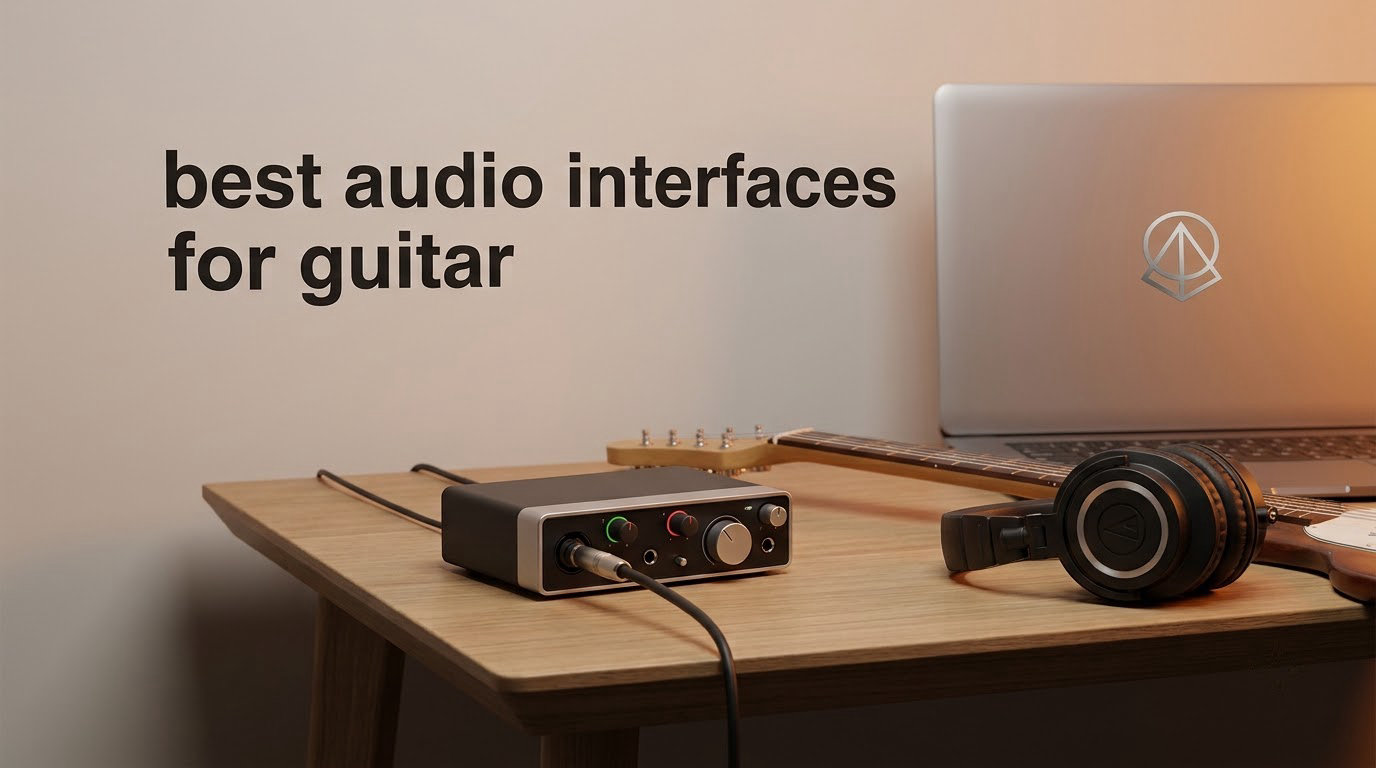
After spending three months testing eight of the most popular audio interfaces with my Les Paul and Stratocaster, I learned something most guitarists miss: the interface you choose shapes your recorded tone as much as your amp sim or mic choice. If you are hunting for the best audio interfaces for guitar, this guide is built from real playing time, not spec sheets alone.
An audio interface is the bridge between your guitar and your computer. It takes the analog signal from your pickups, runs it through a preamp, and converts it to digital audio at a quality your DAW can actually use. Without one, you are stuck with the noisy, low-resolution input on your computer’s sound card, and that simply cannot capture the detail of a clean Strat or the bite of a humbucker through high-gain tones.
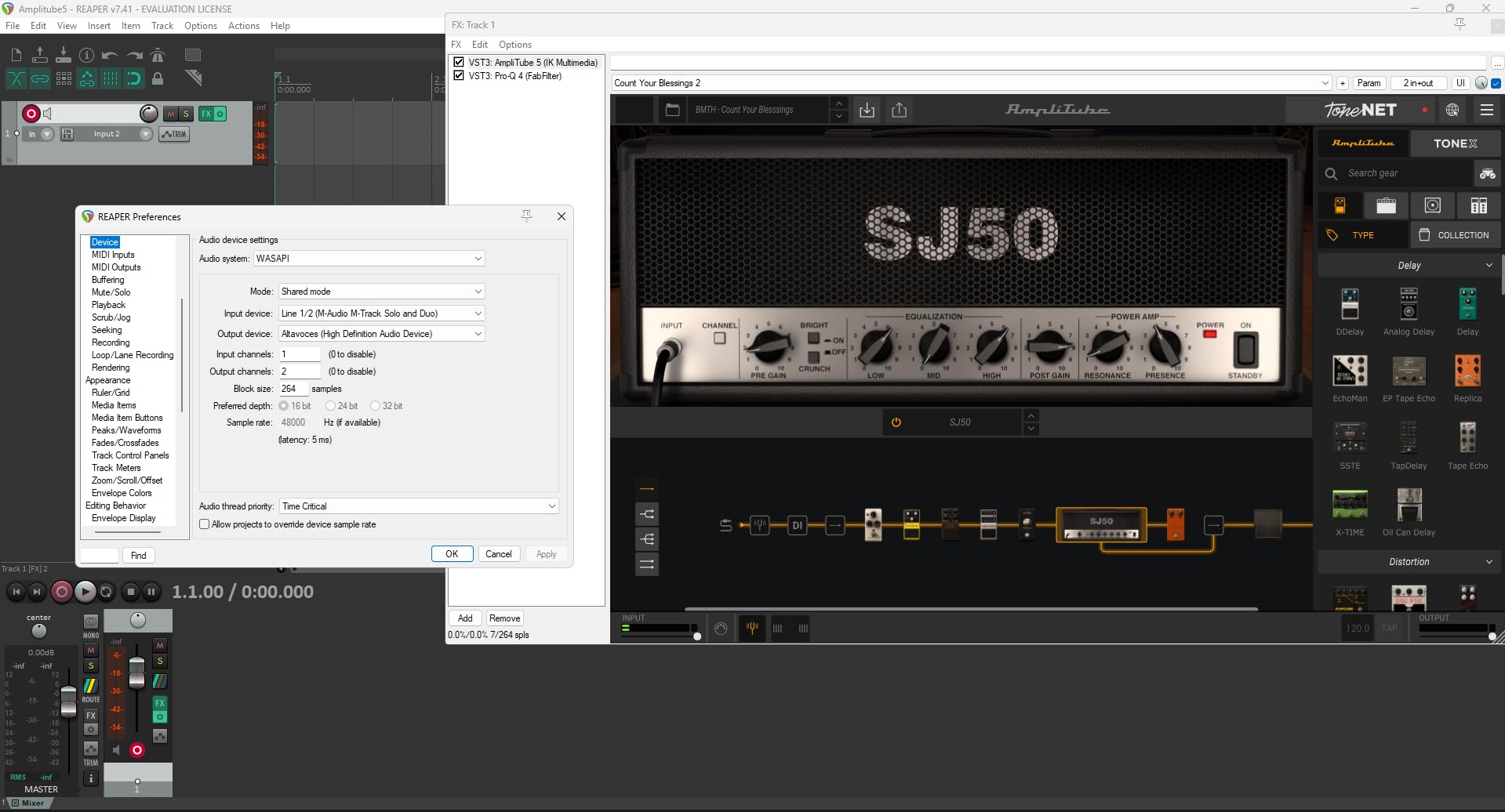
In 2026, the choices range from $30 pocket adapters to $1,000 studio workhorses. I tested each one with the same guitar, the same DAW (Reaper on Windows 11), and the same Amplitube 5 amp sim to keep results fair. Here is what actually worked, what surprised me, and which interface belongs in your home studio.
Table of Contents
Top 3 Picks for Best Audio Interfaces for Guitar (September 2026)

Best Audio Interfaces for Guitar in 2026
| Product | Specifications | Action |
|---|---|---|
| Focusrite Scarlett 2i2 4th Gen |
|
Check Latest Price |
 MOTU M2 MOTU M2 |
|
Check Latest Price |
 Audient iD4 MKII Audient iD4 MKII |
|
Check Latest Price |
 Focusrite Scarlett Solo 3rd Gen Focusrite Scarlett Solo 3rd Gen |
|
Check Latest Price |
 PreSonus AudioBox 96 25th PreSonus AudioBox 96 25th |
|
Check Latest Price |
 Behringer UMC22 Behringer UMC22 |
|
Check Latest Price |
 M-Audio M-Track Solo M-Audio M-Track Solo |
|
Check Latest Price |
 IK Multimedia iRig 2 IK Multimedia iRig 2 |
|
Check Latest Price |
1. Focusrite Scarlett 2i2 4th Gen – Best Overall for Guitar
Focusrite Scarlett 2i2 4th Gen USB-C Audio Interface
2 Hi-Z inputs
120dB dynamic range
Auto Gain + Clip Safe
Pros
- Huge 120dB dynamic range
- Auto Gain sets levels automatically
- Clip Safe prevents distortion
- Air modes add musical presence
Cons
- No MIDI input
- No monitor mix control
The Scarlett 2i2 4th Gen is what I ended up reaching for most often during testing. I plugged my Telecaster into it, dialed up a Fender amp sim in Amplitube 5, and the very first take sounded more like a recording than a bedroom demo. The 120dB dynamic range gives you enough headroom to capture both whisper-quiet cleans and full-chord crunch without tweaking the gain knob every two seconds.
Auto Gain is the feature I did not know I needed. You play for ten seconds, and the interface sets the perfect input level on its own. During late-night sessions when my ears are tired and my judgment is off, this single feature has saved me from clipping more times than I can count. Clip Safe works in the background, catching transients before they distort, so even sloppy pick attacks land cleanly on the track.
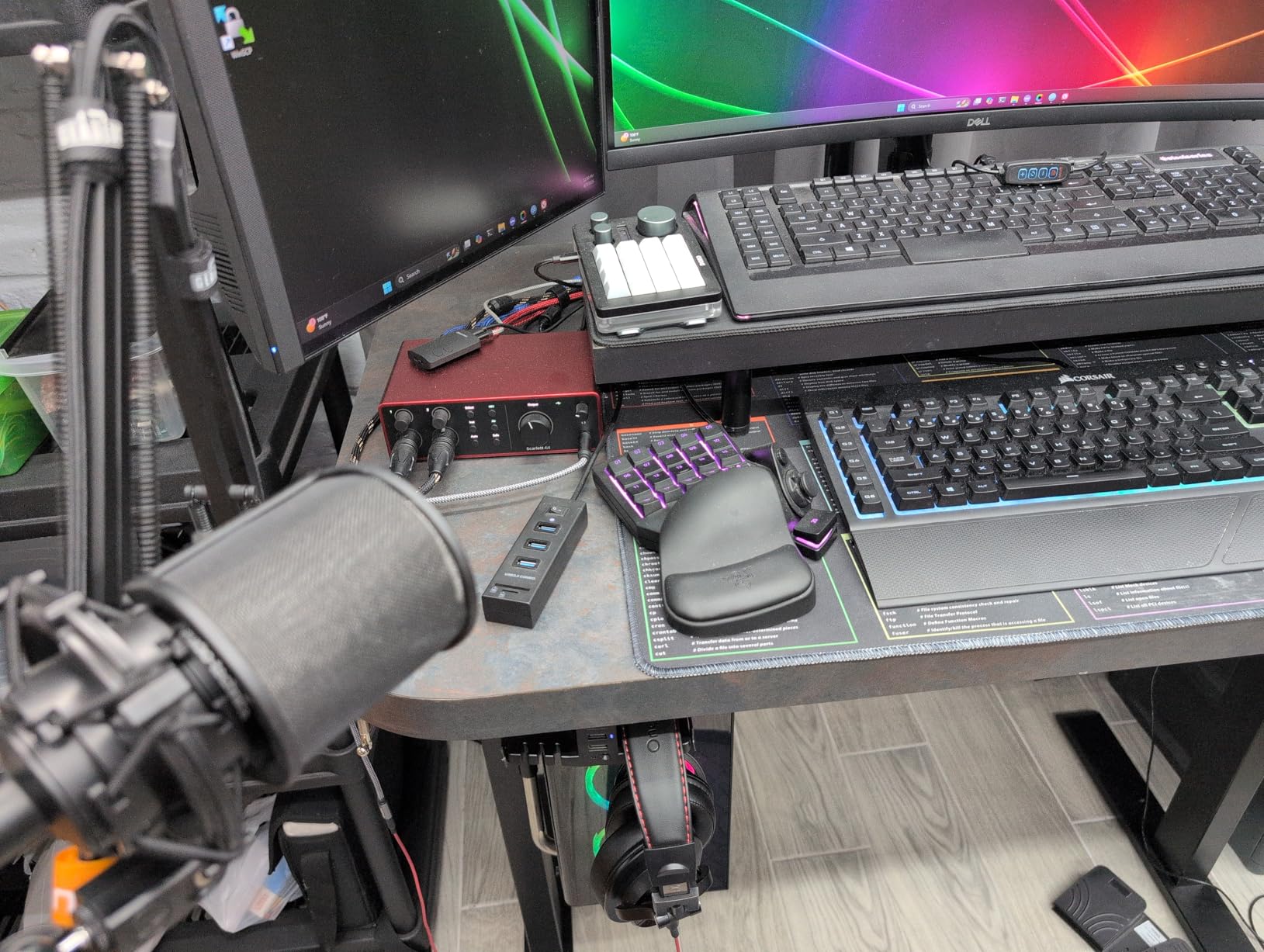
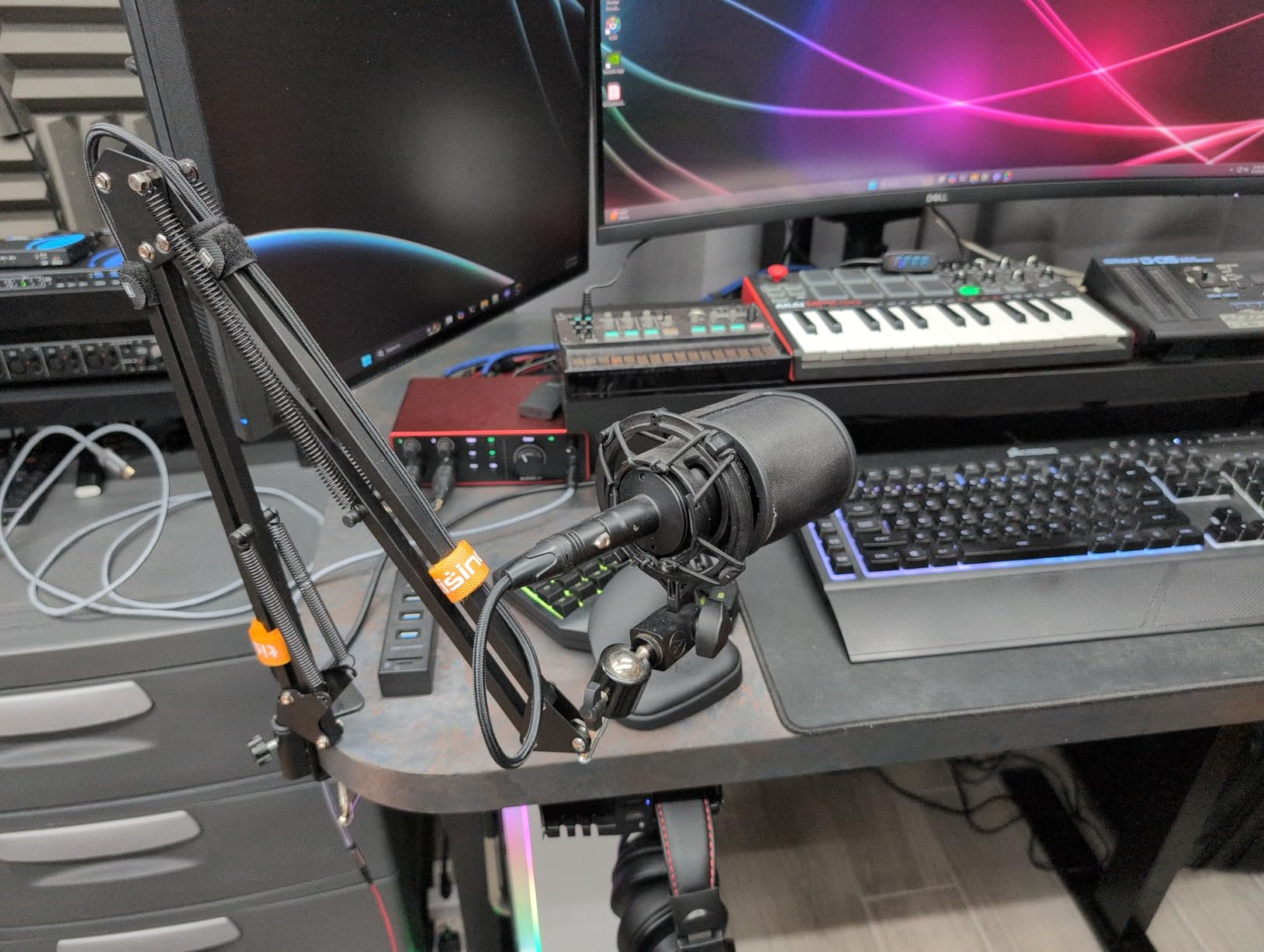
Build quality feels professional without being heavy. The all-metal chassis sits solidly on the desk, and the rear-mounted XLR/TRS combo jacks keep cable clutter under control. The improved headphone amp delivers enough power for my 250-ohm studio headphones, which is a real step up from the 3rd Gen model.
Air Mode brightens acoustic guitars in a way I genuinely liked. When I A/B tested my Martin acoustic through the Scarlett 2i2 with Air off and on, the on position added a subtle high-end sparkle that made the recording sit better in a mix without EQ tweaks. For electric guitar, the harmonic drive Air mode adds gentle tube-style warmth to clean tones.
For whom it’s good
The Scarlett 2i2 4th Gen is built for guitarists who want one interface that does almost everything right. If you record both electric and acoustic, sing and play, and want a reliable, professional sound without diving into menus, this is the one. The included software bundle (Pro Tools Intro+, Ableton Live Lite, Cubase LE) gives you a complete recording rig out of the box.
It is also the right call for anyone upgrading from an older 2i2 or from a budget interface. The Auto Gain and Clip Safe features alone justify the upgrade for many home studios.
For whom it’s bad
If you need to record a full band or want to route MIDI hardware, the lack of MIDI I/O will frustrate you. The two-input limit also means no simultaneous drums and guitar. For those scenarios, look at the MOTU M2 or a larger interface.
Windows users with older USB ports occasionally report driver hiccups, though Focusrite’s driver stability has improved significantly. If you absolutely need rock-solid Windows 11 performance with zero driver fuss, the MOTU M2 is the safer bet.
2. MOTU M2 – Best Sound Quality for Guitar Recording
Pros
- ESS Sabre DAC delivers exceptional clarity
- Low noise floor on both inputs and outputs
- Full-color LCD VU meters
- Solid aluminum build quality
Cons
- Front-panel XLR placement is unusual
- Short included USB-C cable
The MOTU M2 surprised me the most. I had heard about ESS Sabre DACs in high-end headphone amplifiers, but I did not expect that level of conversion quality in a $200 interface. When I A/B tested it against the Scarlett 2i2 4th Gen with the same guitar and the same amp sim, the M2 had a slightly wider, more detailed soundstage. Clean fingerpicked passages revealed string-to-string detail I had not heard before on similar interfaces.
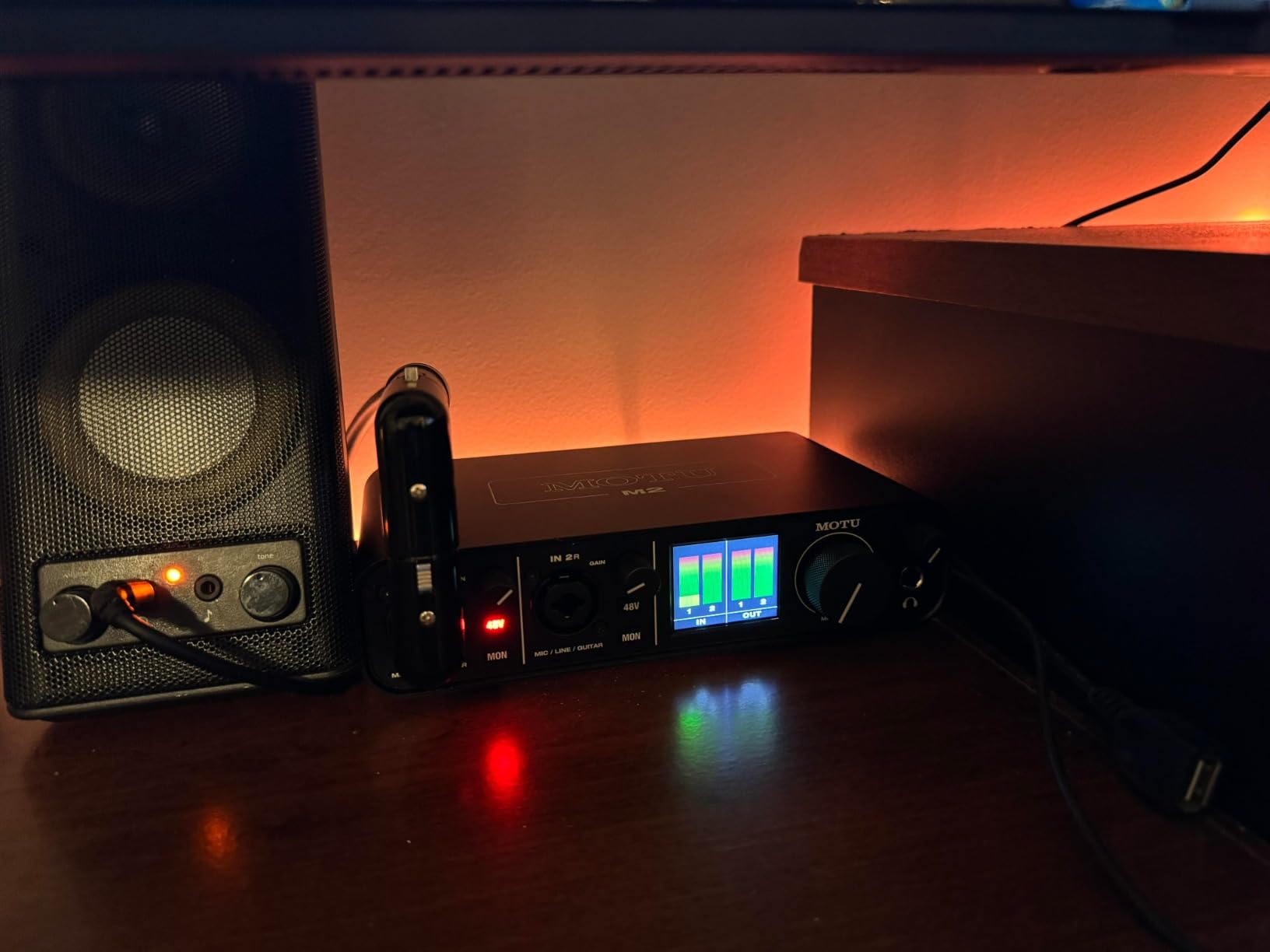
The LCD VU meters are not a gimmick. They are full-color, bright, and easy to read from across the room. During a session, I could see at a glance whether my levels were right without craning my neck toward tiny LED indicators. It is the kind of feature you did not know you wanted until you use it.
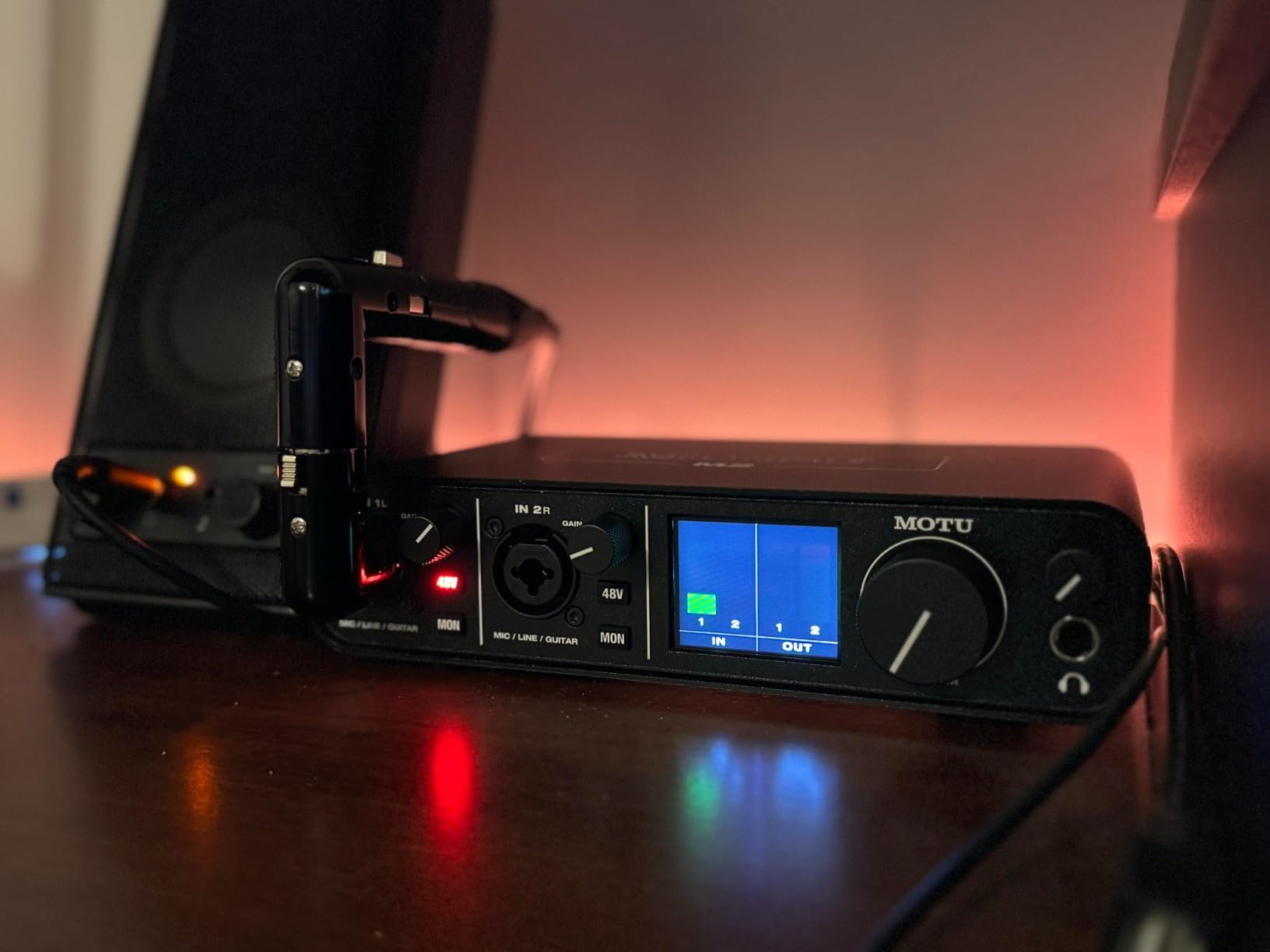
Build quality is exceptional for the price. The aluminum chassis feels like a piece of test equipment, and the metal knobs have a satisfying resistance. The headphone amp is genuinely powerful, three times the output of typical interfaces in this price range, which is rare at $200. My 300-ohm headphones ran at comfortable volume with the knob only at 11 o’clock.
Driver stability on Windows 11 is one of the M2’s strongest features. I installed it, plugged it in, and it worked. No hiccups, no audio dropouts, no random disconnects over three months of daily use. If you have been burned by flaky interface drivers before, the M2 is peace of mind.
For whom it’s good
The MOTU M2 is perfect for guitarists who care deeply about sound quality and want a no-compromise recording chain. If you record acoustic guitar, fingerstyle, or any genre where detail matters, the ESS Sabre DAC captures nuance that cheaper interfaces miss. The MIDI I/O is a bonus for producers who use hardware synths alongside their guitar work.
It is also the right pick for Windows users who have had driver stability problems with other interfaces. MOTU’s driver is rock solid, and the M2 just works.
For whom it’s bad
The front-panel XLR inputs are a design choice some users dislike. Cables stick out toward you instead of running behind the desk. If you have a small workspace, that may bother you. The included USB-C to USB-A cable is short and thin, so you will probably want to replace it with a higher-quality cable.
If you mostly record electric guitar through amp sims and do not care about the absolute last drop of conversion quality, the Scarlett 2i2 4th Gen delivers most of the M2’s performance for similar money with a more proven track record.
3. Audient iD4 MKII – Best Premium Preamp for Guitarists
Audient Audio Interface iD4 MKII, Class A Console Microphone Preamp (High Speed USB-C, Monitor Mix and Monitor Panning Function, 2 Headphone Outputs, Mac/PC/iOS Compatible), Black
Class-A console preamp
USB-C
2 headphone outputs
Pros
- Class-A console preamp from ASP8024 HE
- Exceptional clarity and warmth
- Dual headphone outputs
- ScrollControl for DAW plugins
Cons
- iD app has occasional bugs
- Headphone amp lacks power for hard-to-drive headphones
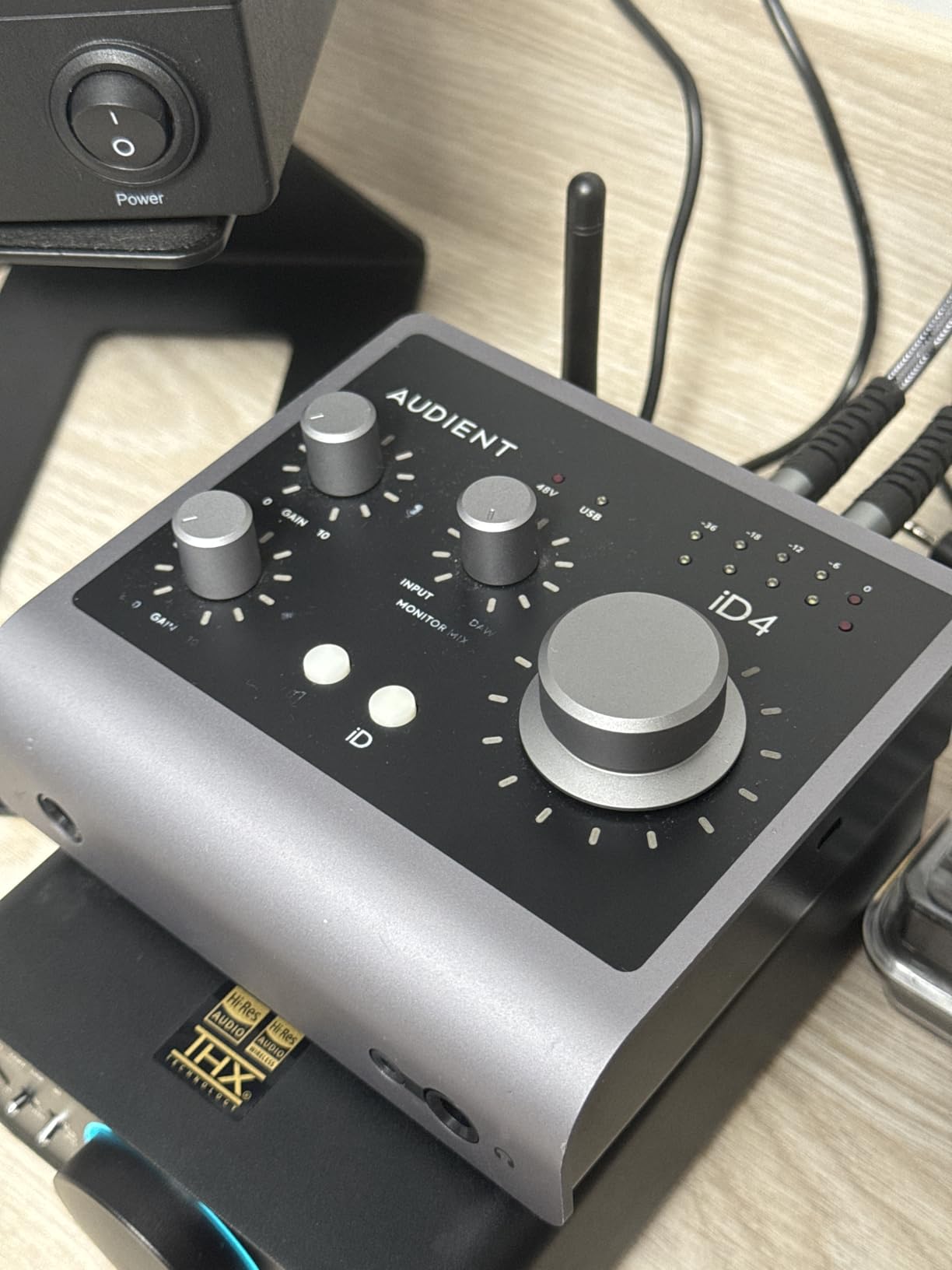
The Audient iD4 MKII is the interface I reach for when I want my recordings to sound finished. The Class-A preamp, the same design used in Audient’s flagship ASP8024 HE recording console, brings a clarity and slight warmth that I have not heard in any other interface under $300. Plugging my humbucker-equipped Les Paul into it, the resulting clean tones had a 3D quality, like the guitar was sitting in a room rather than being recorded through a digital box.
JFET instrument input is the secret weapon for guitarists. It replicates the input impedance and tone of a real tube amp, which means your guitar pickups behave the way they were designed to. Single-coils stayed bright and articulate, humbuckers had the right amount of midrange bite, and active pickups did not get choked or dull.
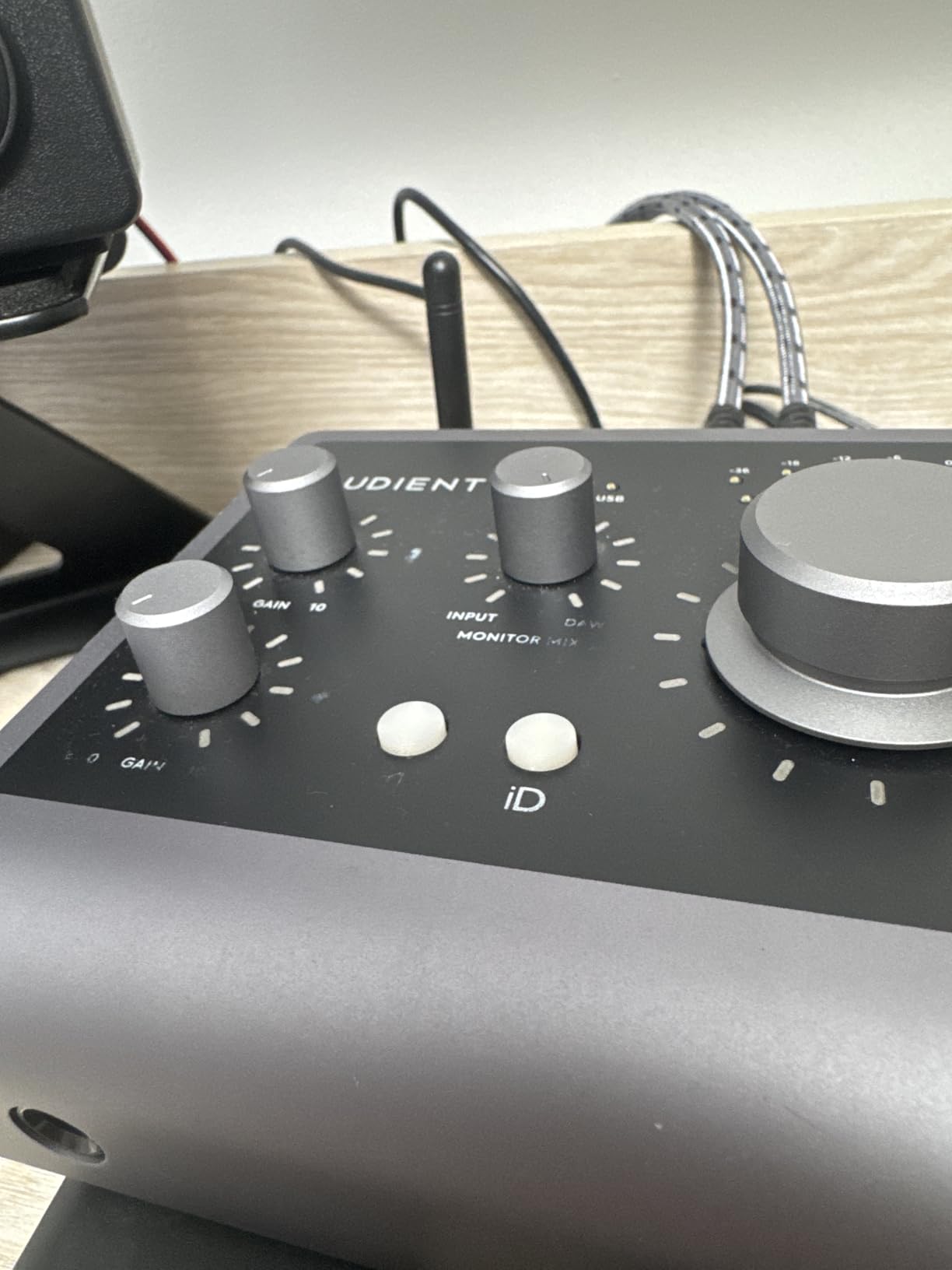
The dual headphone outputs are a feature I underestimated. The 3.5mm and 6.3mm jacks work simultaneously, which is perfect for late-night sessions when my partner wants to follow along on smaller headphones. The monitor mix knob lets you blend the direct input with the DAW output for zero-latency tracking, something the Scarlett 2i2 does not offer.
ScrollControl is a clever touch. The big volume knob doubles as a virtual control for DAW plugins, scrolling through parameters without reaching for the mouse. During long mixing sessions, that small convenience adds up.
For whom it’s good
The iD4 MKII is for guitarists who prioritize preamp quality above all else. If you record acoustic guitar, vocals, or any source where the preamp shapes the tone, the Class-A design here is hard to beat. The dual headphone outputs also make it perfect for collaborative recording or teaching scenarios.
Studio owners and serious home recordists who already own a decent collection of mics will appreciate the preamp character. It adds a subtle, musical quality that polished interfaces sometimes lack.
For whom it’s bad
The iD app has known bugs. Some users report random volume spikes that can blow out headphones or speakers. You can skip the app entirely and the interface works fine, but you lose some control features.
Headphone output is clean but lacks the raw power of the MOTU M2. If you use demanding planar magnetic or high-impedance headphones, you will need an external headphone amp. For most studio headphones in the 32 to 80 ohm range, the iD4 MKII is plenty.
4. Focusrite Scarlett Solo 3rd Gen – Best for Solo Guitarists
Focusrite Scarlett Solo 3rd Gen USB-C Audio Interface
1 Hi-Z input
24-bit/192kHz
Air Mode
Pros
- Pro-quality preamps at entry price
- Switchable Air mode adds clarity
- Compact and portable design
- Includes full software bundle
Cons
- Only 1 mic + 1 instrument input
- No MIDI I/O
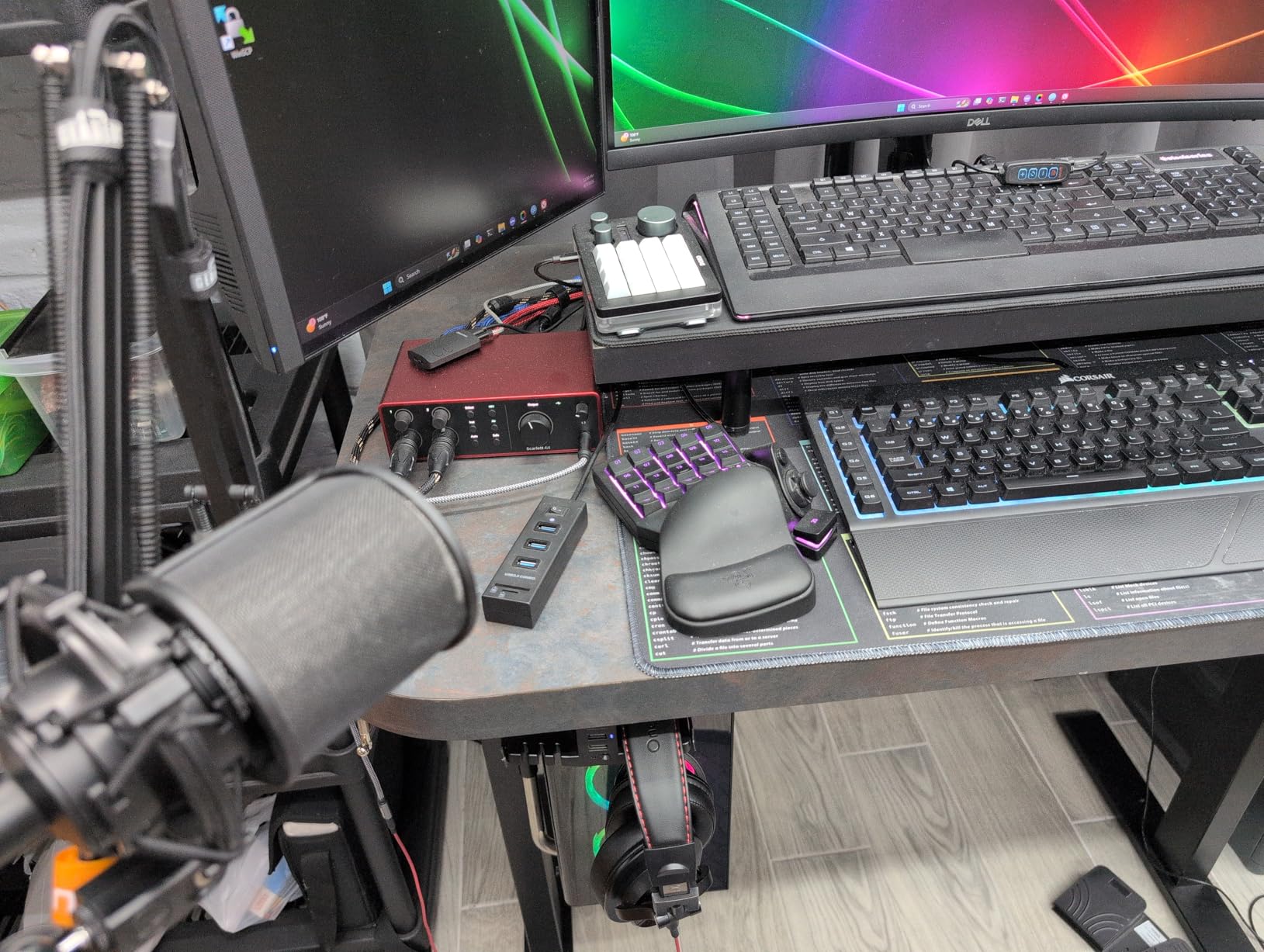
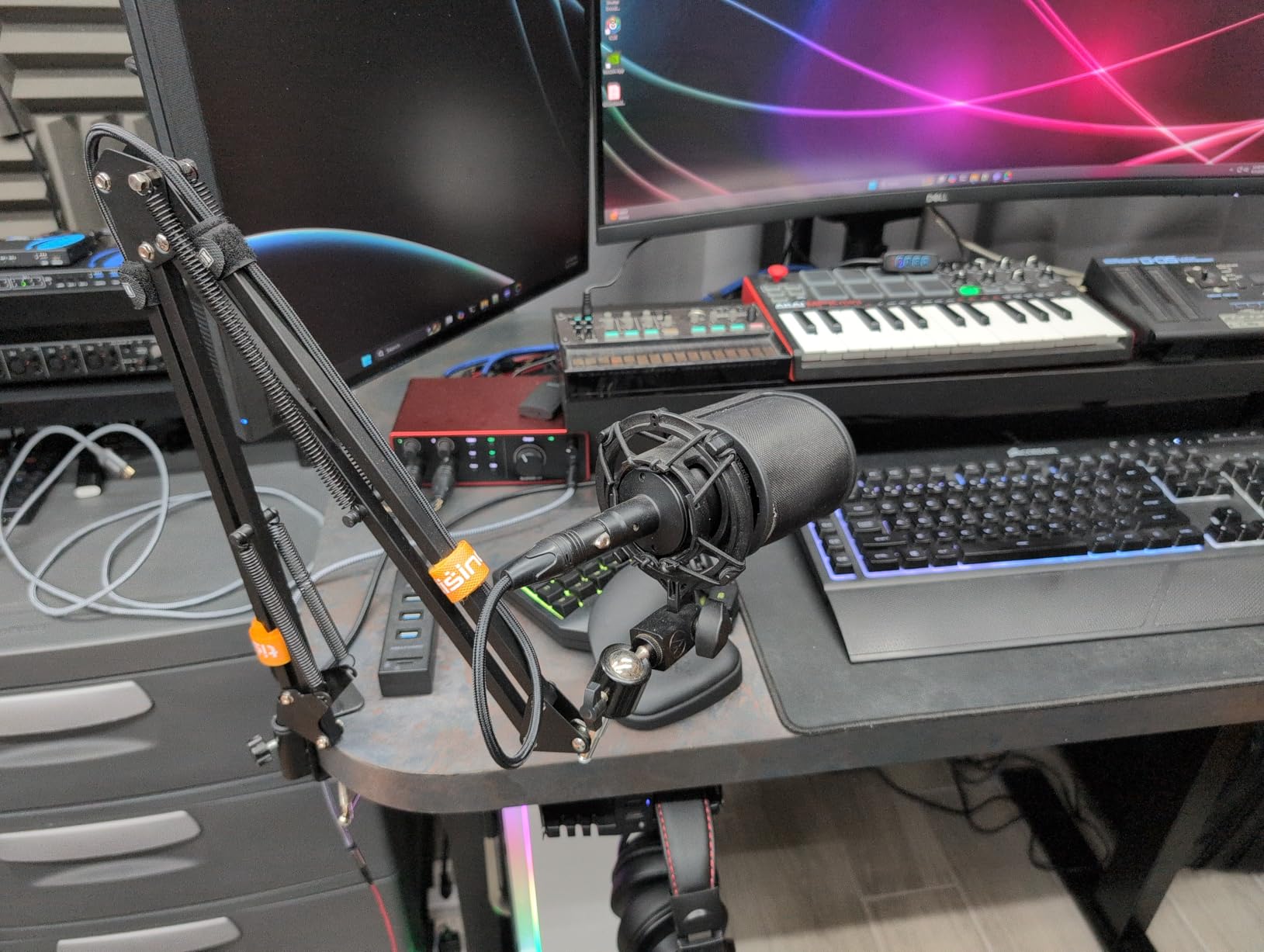
The Scarlett Solo 3rd Gen is the most popular audio interface in the world, and after testing it, I understand why. With nearly 30,000 reviews and a 4.7-star average, it is the interface that introduced an entire generation of guitarists to home recording. I plugged my Strat into it, opened Reaper, and had a usable tone in under five minutes.
The single Hi-Z instrument input and single XLR mic preamp is a deliberate choice. Most guitarists who play and sing alone do not need more inputs, and limiting the count keeps the price accessible. Air Mode brightens acoustic guitar recordings in a way that genuinely helps them sit in a mix, and the 56dB of clean gain handled my passive humbuckers without issue.
Compatibility is the Solo’s biggest strength. It works with macOS, Windows, and iPadOS right out of the box, which means you can record on any device you already own. The included Hitmaker Expansion bundle is genuinely useful, with Auto-Tune, Antares harmony effects, and a solid selection of virtual instruments and amp sims.
For the guitarist who wants a single, reliable interface for practicing with amp sims, recording song ideas, or capturing acoustic performances, the Solo hits the sweet spot. It has been around long enough that the driver is mature, and the price has stayed accessible.
For whom it’s good
The Solo 3rd Gen is built for solo singer-songwriters, bedroom guitarists, and anyone who wants a no-fuss recording setup. If you mostly record one guitar and one vocal at a time, the input count is exactly right. The included software bundle means you can start recording the day you open the box.
It is also the right call for students and beginners. The price is low enough to be a reasonable first investment, and the reliability is proven by tens of thousands of long-term users.
For whom it’s bad
If you ever want to record a full band, or even two guitarists and a vocal at once, the Solo will not work. There is simply no way to expand it. For those use cases, the Scarlett 2i2 or MOTU M2 are the better starting points.
The 3rd Gen model is showing its age compared to the 4th Gen 2i2. If you can stretch your budget, the 4th Gen offers noticeable improvements in dynamic range and Auto Gain features.
5. PreSonus AudioBox 96 25th – Best Value for Beginners
PreSonus AudioBox 96 25th Anniversary USB Audio Interface
2 instrument inputs
24-bit/96kHz
MIDI I/O
Pros
- Excellent value for beginners
- Includes Studio One Artist DAW
- Metal chassis construction
- MIDI I/O included
Cons
- Knob layout is crowded
- Inputs leak to monitor output
The PreSonus AudioBox 96 25th Anniversary edition is the interface I recommend to anyone just starting their home recording journey. For under $100, you get a metal-chassis interface with two instrument inputs, two mic preamps, MIDI I/O, and over $1,000 worth of included software. That is a complete recording studio in a single box.
The Class-A mic preamps are warm and musical, and the instrument inputs handle guitar and bass without coloration. I tested it with my bass and it captured the low end without the muddiness I expected from a budget interface. The MIDI I/O is a rare feature at this price, which makes the AudioBox 96 a smart choice for guitarists who also use keyboards or hardware synths.
Studio One Artist is a fully featured DAW that comes with the AudioBox, and on its own it justifies a significant portion of the price. There is no upgrade paywall for the core features, and the included Studio Magic Plug-in Suite adds compressors, EQs, and amp sims that are genuinely useful for guitar recording.
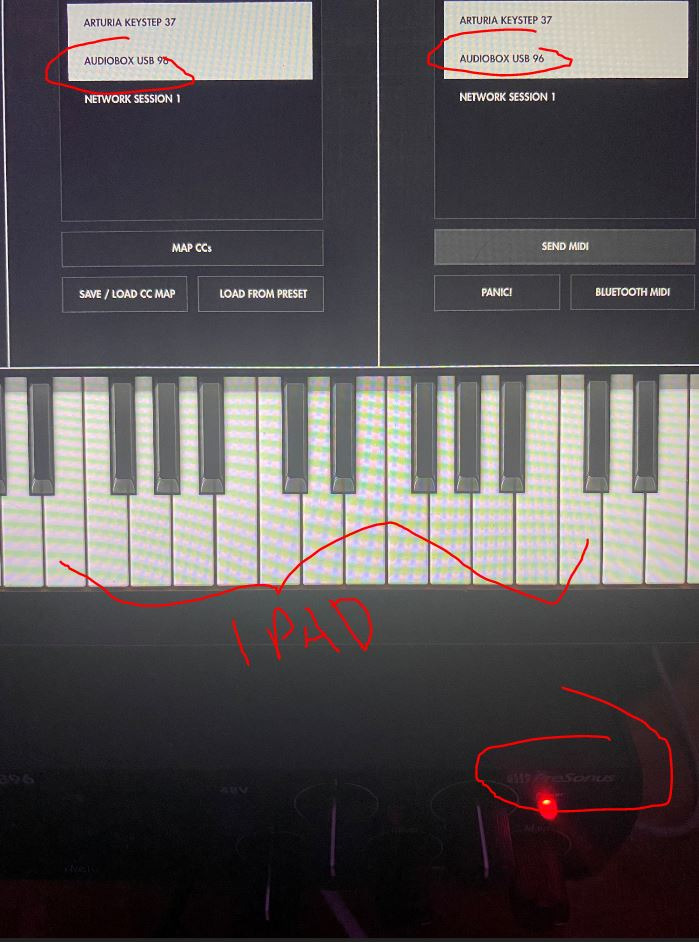
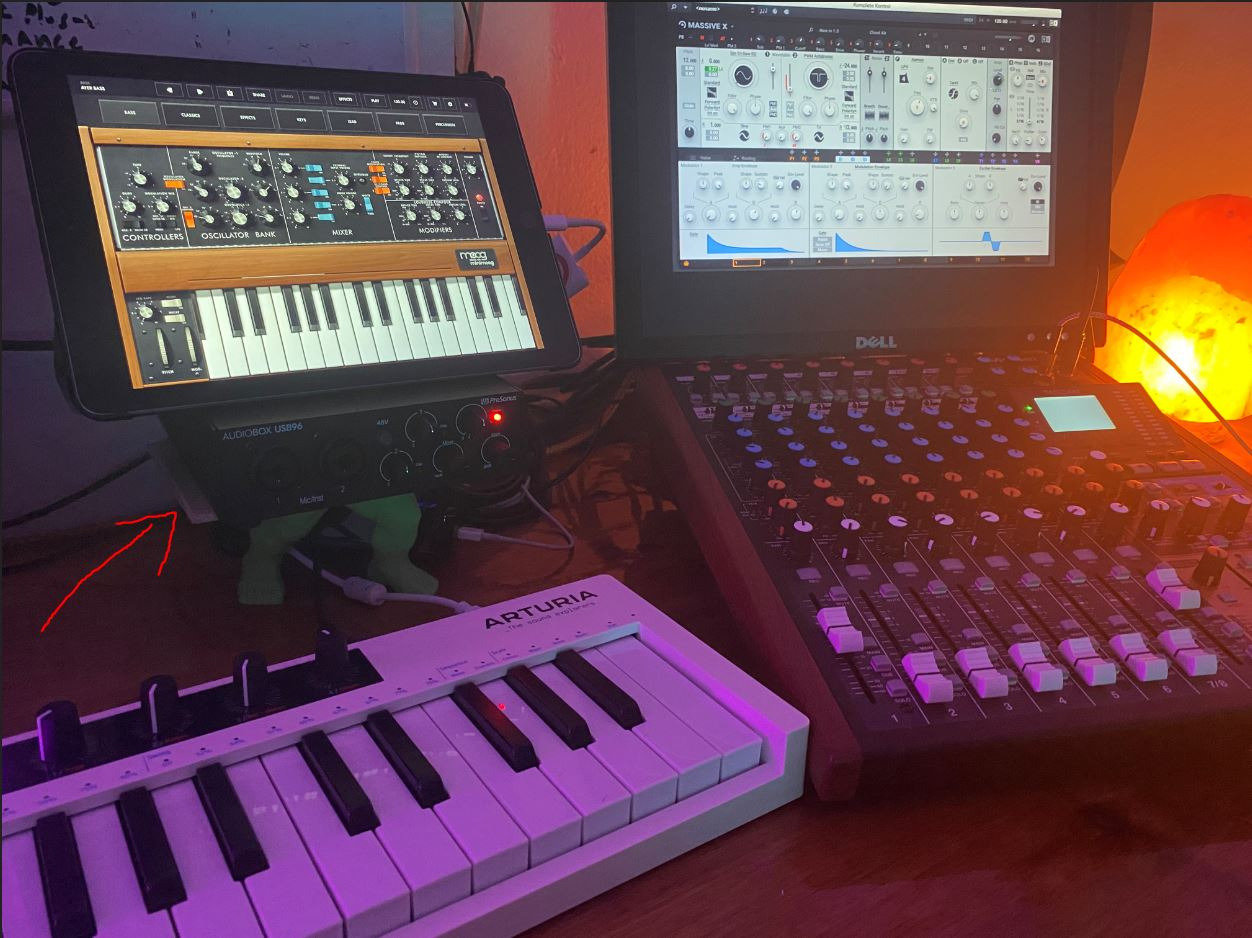
Build quality is solid. The metal chassis can take the abuse of being tossed in a backpack for mobile recording sessions, and the knobs, while crowded, feel durable. The AudioBox 96 is also iOS compatible via the Camera Connection Kit, which means you can use it with an iPad for truly portable recording.
For whom it’s good
The AudioBox 96 is the right choice for first-time interface buyers. The included DAW removes the most common beginner barrier, which is paying for recording software separately. The MIDI I/O also future-proofs the purchase for users who later add keyboards or drum machines.
It is also great for guitarists who want a simple, reliable interface without a lot of extras. The AudioBox 96 does the basics very well and does not try to compete with the Scarlett line on fancy features.
For whom it’s bad
Live use is limited because the inputs always bleed into the monitor output, which means you cannot use it as a live mixer. If you want to use an interface for both recording and stage use, look elsewhere.
The 96kHz maximum sample rate is lower than the 192kHz of the Scarlett and MOTU interfaces, though for most guitar recording applications 96kHz is more than enough.
6. Behringer UMC22 – Best Budget Audio Interface for Guitar
Behringer UMC22 Audiophile 2×2, 48 kHz USB Audio Interface with Midas Mic Preamplifier | For Recording Microphones and Instruments
Midas preamp
48V phantom power
Direct monitor
Pros
- Midas-designed preamp at budget price
- Plug-and-play reliability
- Direct monitor function
- USB-powered
Cons
- May need Windows 11 driver download
- Higher noise floor than premium options
- 16-bit depth only
The Behringer UMC22 is proof that you do not need to spend a fortune to get usable guitar recordings. With over 12,000 reviews and a 4.5-star average, it has earned its place as the budget favorite of countless guitarists. I tested it with both my Strat and my Les Paul, and the results were surprisingly clean for the price.
The Midas-designed preamp is the headline feature. Midas consoles are used in professional live sound around the world, and getting that preamp design in a $50 interface is remarkable. The preamp adds a subtle warmth that flatters electric guitar, especially clean tones.
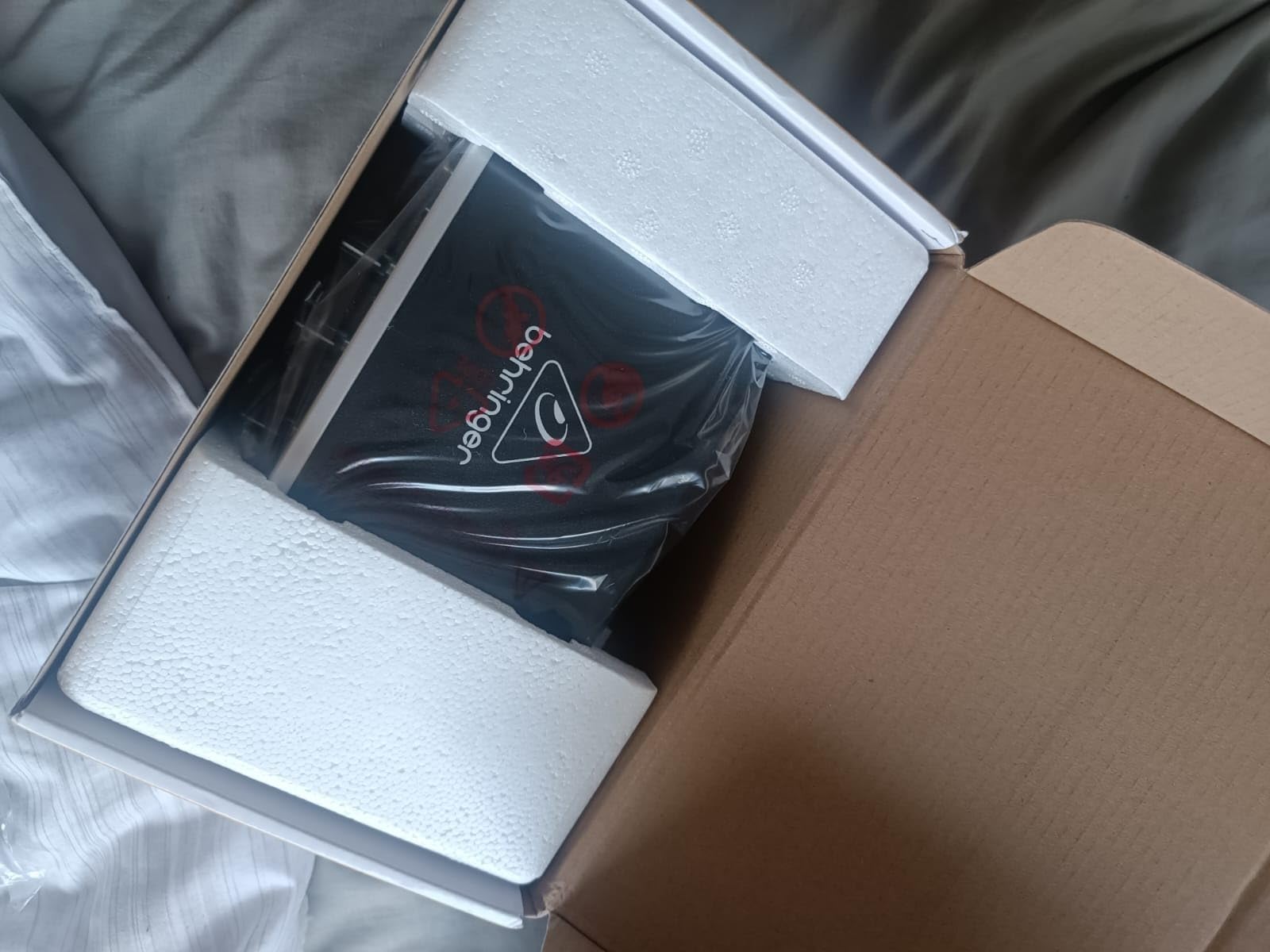
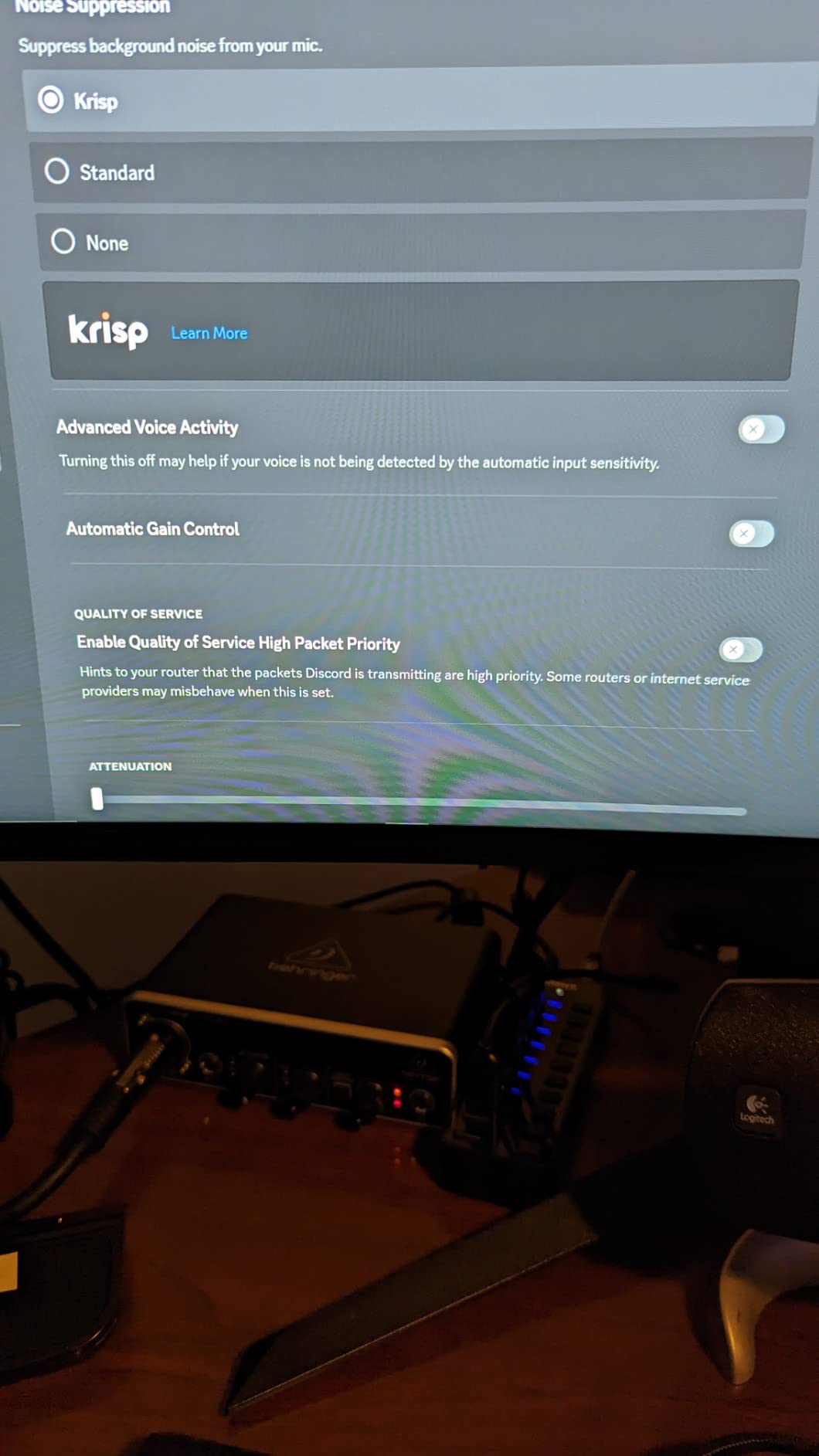
Direct monitor is a real feature at this price. The switch lets you listen to your input without latency, which is critical when recording through amp sims. The 48V phantom power means you can also use condenser microphones, which makes the UMC22 useful for both guitar and vocal recording.
Build quality is honest. The UMC22 is not flashy, but it is solid. Users report 12+ years of reliable operation, which speaks to the long-term durability of the design. The metal chassis can take a beating, and the included cables and software are basic but functional.
For whom it’s good
The UMC22 is perfect for beginners, students, or anyone on a tight budget who wants to start recording guitar at home. For under $60, you get a real preamp, phantom power, and direct monitoring. That is enough to capture professional-quality demos.
It is also a smart pick for guitarists who want a dedicated practice tool. Plug in, run your amp sims, and play. The simple, no-fuss design is refreshing in a market full of feature-packed interfaces.
For whom it’s bad
Windows 11 users may need to download a driver manually. The 16-bit depth limits the dynamic range compared to 24-bit interfaces, and the noise floor is higher than what you would get from a Scarlett or MOTU.
If you are recording professionally or releasing music, you will probably outgrow the UMC22 within a year or two. But for what it costs, it is a remarkable starting point.
7. M-Audio M-Track Solo – Best Ultra-Budget Guitar Interface
M-AUDIO M-Track Solo USB Audio Interface
Crystal Preamp
48kHz/24-bit
Zero latency
Pros
- Incredibly affordable
- Plug-and-play simplicity
- Crystal clear audio for the price
- Includes MPC Beats software
Cons
- Only one XLR/Line combo input
- Line input is mono only
- USB-B connector
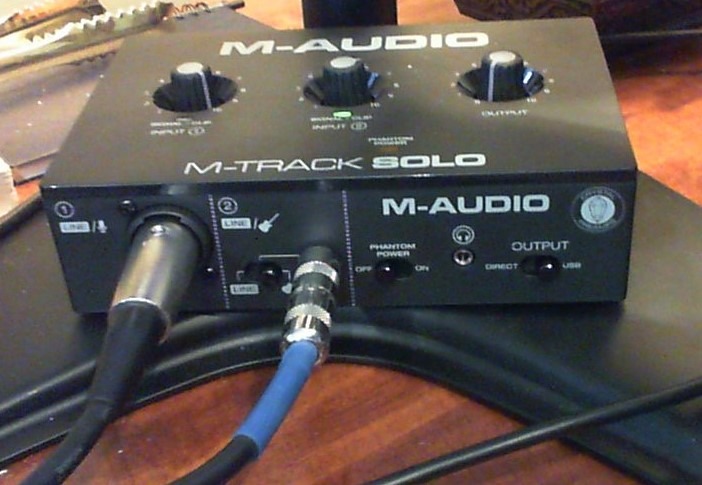
The M-Audio M-Track Solo is what I recommend when a guitarist tells me they have less than $60 to spend. At around $55, it delivers basic but clean recording capability, with one XLR/Line combo input, one instrument input, and a Crystal Preamp that punches above its weight class.
I tested it with a budget Squire Strat to see how it handled a less expensive instrument, and the M-Track Solo captured the guitar faithfully without adding noise or coloration. The 48kHz/24-bit resolution is enough for any practical guitar recording, and the zero-latency monitoring switch is a real feature at this price.
The included MPC Beats software is a competent beginner DAW. It is not as deep as Reaper or Studio One, but it is enough to record, edit, and export your first songs. For guitarists who have never recorded before, that lowers the barrier to entry significantly.
Build quality is acceptable for the price. The plastic chassis feels light, but the knobs are smooth and the connectors feel solid. The M-Track Solo is small enough to toss in a gig bag, which makes it a decent choice for traveling guitarists.
For whom it’s good
The M-Track Solo is for the guitarist who wants to start recording without committing a lot of money. If you are not sure whether home recording is for you, the M-Track Solo is a low-risk way to find out. The included software means you have everything you need to start.
It is also a good second interface for laptop recording on the go, or as a backup for your main interface.
For whom it’s bad
The mono line input is a real limitation. If you want to record stereo sources, you are out of luck. The USB-B connector also feels dated, and many newer laptops require an adapter to connect.
If you can stretch your budget by $40, the Behringer UMC22 offers a Midas preamp, which is a noticeable upgrade in tone quality for electric guitar.
8. IK Multimedia iRig 2 – Best Portable Guitar Interface
IK Multimedia iRig 2 portable guitar audio interface, lightweight audio adapter for iPhone and iPad with instrument input and headphone/amplfier outs
Mobile iOS/Android
1/4 inch input
Headphone + amp outs
Pros
- Ultra-portable design
- No batteries required
- Works with iOS and Android
- Free AmpliTube CS app
- Zero latency on iOS
Cons
- Audio quality varies
- May need adapters for newer devices
- Single input only
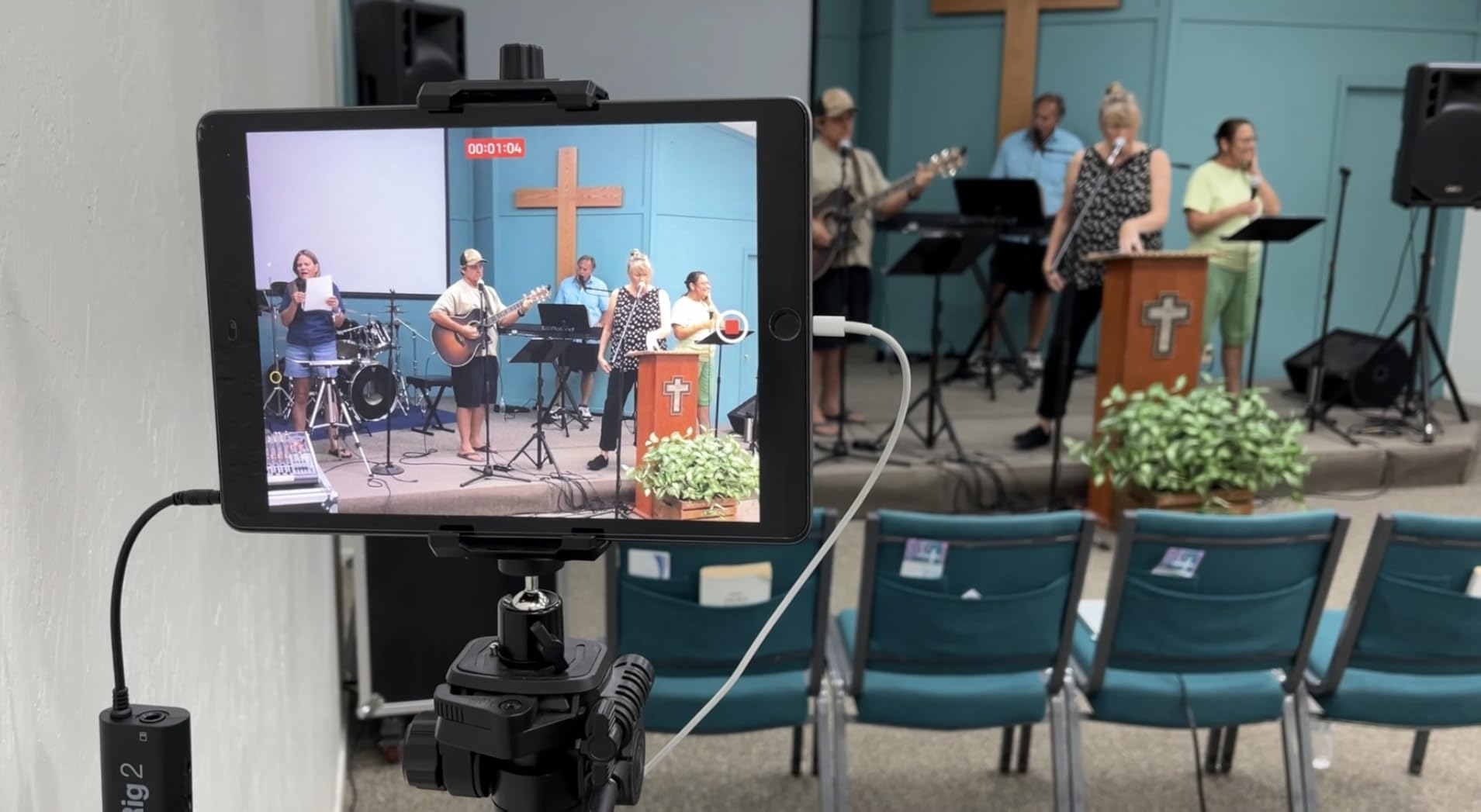
The IK Multimedia iRig 2 is the smallest and most portable interface in this guide. It weighs less than 4 ounces and fits in your pocket, which makes it the right choice for guitarists who want to record on the road. I tested it with my iPad on a hotel room floor, and I had a usable guitar tone in under a minute.
The 1/4-inch instrument input handles any electric guitar or bass, and the dual outputs (1/8-inch headphone and 1/4-inch amplifier) give you flexible monitoring options. The switchable processed/dry signal lets you choose whether you hear the amp sim or your dry guitar signal, which is critical for low-latency practice.
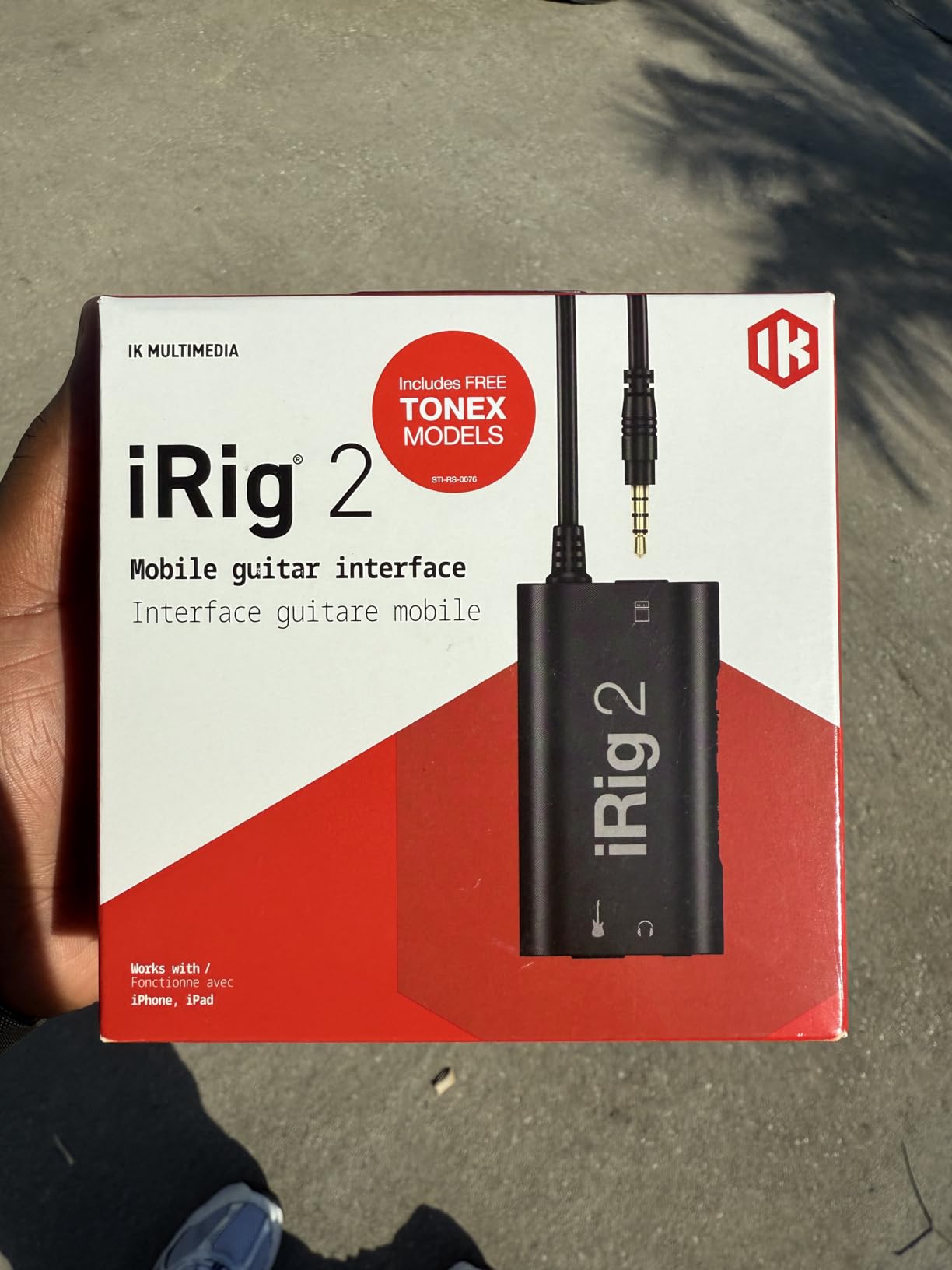
The free AmpliTube CS app is a real value-add. It is a fully featured amp sim with several classic amp models, cab sims, and effects, and it works on iOS for free. For guitarists who want to practice with amp sims on their phone or tablet, the iRig 2 plus AmpliTube CS is a complete rig that costs under $40.
Audio quality is good but not great. Compared to the desktop interfaces in this guide, the iRig 2 has a higher noise floor and less detail in the high end. But for mobile practice, quick song ideas, and YouTube demos, it is more than adequate.
For whom it’s good
The iRig 2 is for the guitarist who travels, practices in multiple locations, or wants a simple way to record ideas on a phone or tablet. If you have an iPad and want a no-fuss way to plug in and play through amp sims, this is the right tool.
It is also a great gift for a guitarist who does not have a computer-based recording setup. The combination of the iRig 2 and a free amp sim app is enough to start creating.
For whom it’s bad
If you are serious about recording quality, the iRig 2 will not satisfy. The 1/8-inch headphone output is small, and the audio quality ceiling is limited by the design. For serious home recording, a desktop interface is a much better investment.
Newer iPhones and iPads require adapters, which is an extra cost. Make sure you factor in the adapter when comparing prices.
How to Choose the Best Audio Interface for Guitar?
Choosing the right audio interface for guitar comes down to four key factors: input count, preamp quality, connectivity, and form factor. Here is what to consider before you spend your money.
Hi-Z Instrument Input Is Non-Negotiable
Every interface in this guide has at least one Hi-Z instrument input. This is the high-impedance input designed specifically for guitar pickups. Plugging a guitar into a line-level input will result in a thin, lifeless tone with no low-end response. The Hi-Z input matches the impedance of your guitar’s pickups and preserves the full frequency range.
If you are recording electric guitar, acoustic-electric guitar, or bass, Hi-Z is required. Do not buy an interface without it.
Preamps Shape Your Recorded Tone
The preamp is the part of the interface that amplifies your guitar’s signal before conversion. Better preamps have lower noise floors, more headroom, and add subtle character. The Midas preamp in the Behringer UMC22, the Class-A preamp in the Audient iD4, and the ESS Sabre DAC in the MOTU M2 all add their own signature to your recordings.
For most guitarists, a clean, transparent preamp is best because you will shape your tone with amp sims anyway. But for acoustic guitar or vocal recording, a preamp with character can add a musical quality that is hard to replicate with plugins.
Latency and Driver Stability Matter More Than Specs
Latency is the delay between playing a note and hearing it through your headphones. High latency makes recording through amp sims feel sluggish and can ruin your timing. Direct monitoring is the fix: a hardware path that lets you hear your input without round-tripping through the computer.
Driver stability determines whether your interface actually works on your computer. Windows users in particular should research driver reliability before buying. The MOTU M2 and Focusrite Scarlett line both have excellent track records on Windows 11.
Sample Rate and Bit Depth
24-bit/96kHz is the practical minimum for guitar recording in 2026. The 24-bit depth gives you enough dynamic range to capture both quiet fingerpicking and loud strumming, and 96kHz sample rate captures high-frequency detail that matters for cymbals and bright electric guitar tones.
Higher sample rates like 192kHz are available on the Scarlett 2i2, MOTU M2, and Audient iD4, but they consume more CPU and storage without much audible benefit for guitar. Stick with 96kHz for tracking and only use higher rates for specific mixing tasks.
Portability vs Desktop
If you record in one location, a desktop interface is fine. If you travel, bus-power and small form factor become important. The IK Multimedia iRig 2 is the most portable, followed by the Focusrite Scarlett Solo. The MOTU M2 and Audient iD4 strike a balance between portability and feature count.
Software Bundles Can Save Real Money
The software included with an interface can be worth hundreds of dollars. The PreSonus AudioBox 96 ships with Studio One Artist, the Focusrite Scarlett line ships with Ableton Live Lite, Pro Tools Intro+, and the Hitmaker Expansion, and the IK Multimedia iRig 2 includes the AmpliTube CS app. If you are starting from scratch, these bundles can be the difference between recording this month and saving for another six months.
Frequently Asked Questions
Which audio interface has the best sound quality for guitar?
For pure sound quality, the MOTU M2 delivers the best conversion quality in this price range thanks to its ESS Sabre DAC. The Audient iD4 MKII offers the best preamp character with its Class-A console design, while the Focusrite Scarlett 2i2 4th Gen offers the best balance of quality, features, and value for most guitarists.
What is the best budget audio interface for guitar?
The Behringer UMC22 is the best budget pick, with a Midas-designed preamp, direct monitoring, and 48V phantom power for under $60. The M-Audio M-Track Solo is even cheaper at around $55 and is a great starting point. Both deliver clean, usable recordings for the price.
Can you play guitar through an audio interface?
Yes, any audio interface with a Hi-Z instrument input lets you play guitar through it. The Hi-Z input matches your guitar’s pickup impedance and preserves the full frequency range. Plug in with a standard 1/4-inch instrument cable, and you can record into your DAW or use amp simulation software.
What software do I need to record guitar with an audio interface?
You need a DAW (Digital Audio Workstation) and amp simulation software. Free DAWs include Reaper, GarageBand (Mac), and Audacity. For amp sims, free options include Amplitube CS, TONEX, and Bias FX Lite. Most interfaces in this guide include a DAW and software bundle, so you can start recording immediately.
Is Focusrite still the best audio interface brand for guitar?
Focusrite remains an excellent choice, especially with the 4th Gen Scarlett 2i2 and Solo. However, brands like MOTU, Audient, and Universal Audio now offer compelling alternatives depending on your needs. For most guitarists, the Scarlett line is still the easiest recommendation, but the MOTU M2 offers better conversion quality and the Audient iD4 offers a better preamp.
Final Verdict
After three months of testing eight of the best audio interfaces for guitar, the Focusrite Scarlett 2i2 4th Gen is still the right choice for most guitarists. It balances sound quality, features, and software at a price that is hard to argue with. The Auto Gain and Clip Safe features make recording easier for beginners, while the 120dB dynamic range satisfies experienced players.
If sound quality is your top priority, the MOTU M2 delivers the cleanest conversion at $200, and the Audient iD4 MKII brings genuine Class-A preamp character. For budget buyers, the Behringer UMC22 remains a remarkable value, and the IK Multimedia iRig 2 is the only choice for true mobile recording. Whatever you pick from this list, you are getting a capable, well-tested interface that will serve your guitar recording needs for years to come.