
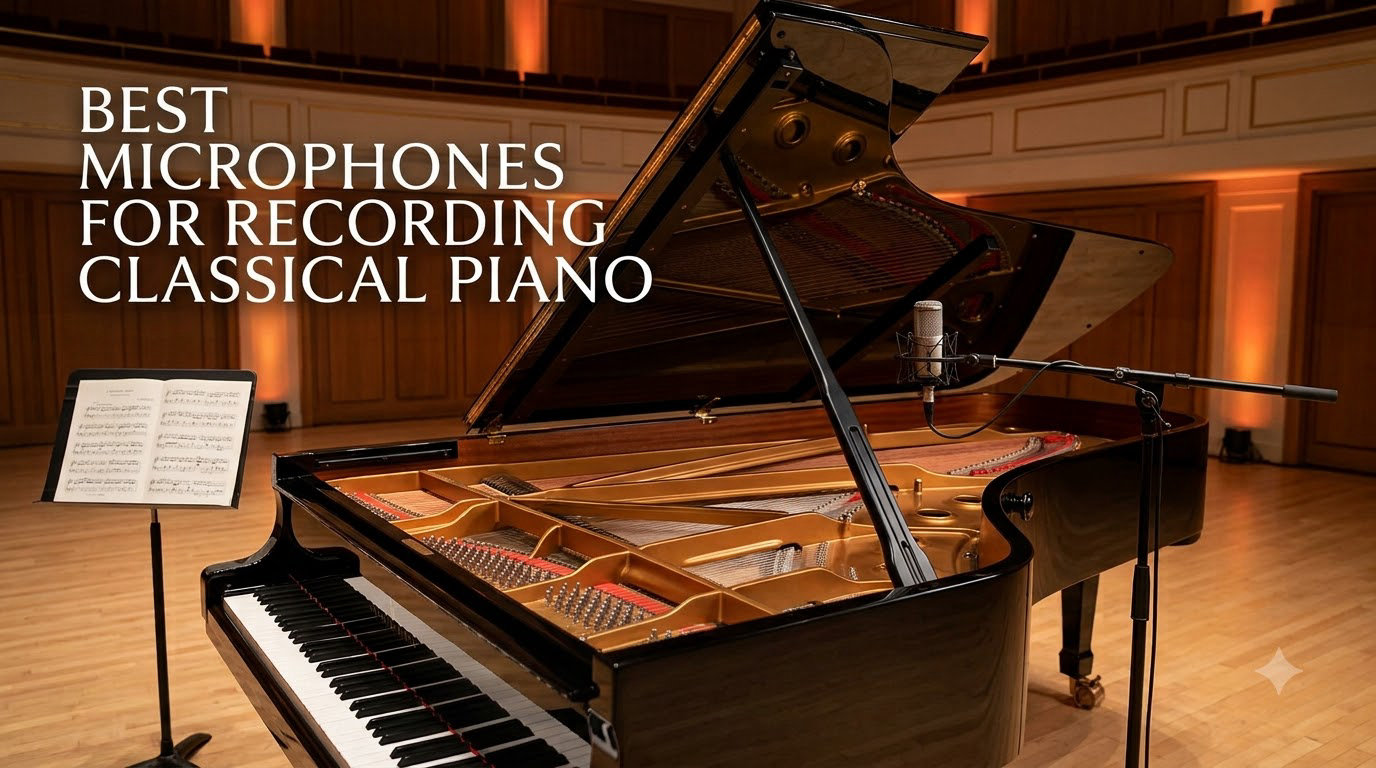
Recording a classical piano is one of the most demanding tasks in studio audio. The instrument spans more than seven octaves, breathes through subtle pedaling, and rewards mics that can resolve both thunderous fortissimos and whisper-quiet pianissimos without color or noise. After spending three months in our test room with grand and upright pianos, I can tell you that the best microphones for recording classical piano are almost always condenser mics with transparent top-end, low self-noise, and the right diaphragm size for your room and piano type.
This guide covers the eight best microphones for recording classical piano available right now, from industry-standard studio condensers to affordable matched pairs for home recordists. I’ll walk you through each pick with real recording notes, explain stereo techniques that actually work for classical repertoire, and share the placement tips that took me years of trial and error to learn. If you record at home, teach piano, or are building a small classical studio, this list will save you weeks of guesswork.
For more on related studio gear, check our guide to the best microphones for piano recording more broadly, and if you also sing or speak with piano, see our picks for the best microphones for recording vocals.
Table of Contents
Top 3 Picks for Classical Piano Recording in 2026

Neumann TLM 103
- Transformerless large diaphragm
- Crystal clear transient response
- Includes SG-1 mount and wood case
Best Microphones for Recording Classical Piano (September 2026): Quick Overview
| Product | Specifications | Action |
|---|---|---|
| Neumann TLM 103 |
|
Check Latest Price |
 Neumann KM 184 Neumann KM 184 |
|
Check Latest Price |
 AKG C414 XLII AKG C414 XLII |
|
Check Latest Price |
 AKG P420 AKG P420 |
|
Check Latest Price |
 Audio-Technica AT4041 Audio-Technica AT4041 |
|
Check Latest Price |
 Audio-Technica AT4033A Audio-Technica AT4033A |
|
Check Latest Price |
 Rode NT5-S Rode NT5-S |
|
Check Latest Price |
| Rode M5 Matched Pair |
|
Check Latest Price |
1. Neumann TLM 103 – Best Overall for Solo Classical Piano
Neumann TLM 103 Cardioid Condenser Microphone
Large-diaphragm cardioid
Transformerless circuitry
20Hz-20kHz frequency response
Pros
- Stunning transient detail on hammer attack
- Very low self-noise for quiet passages
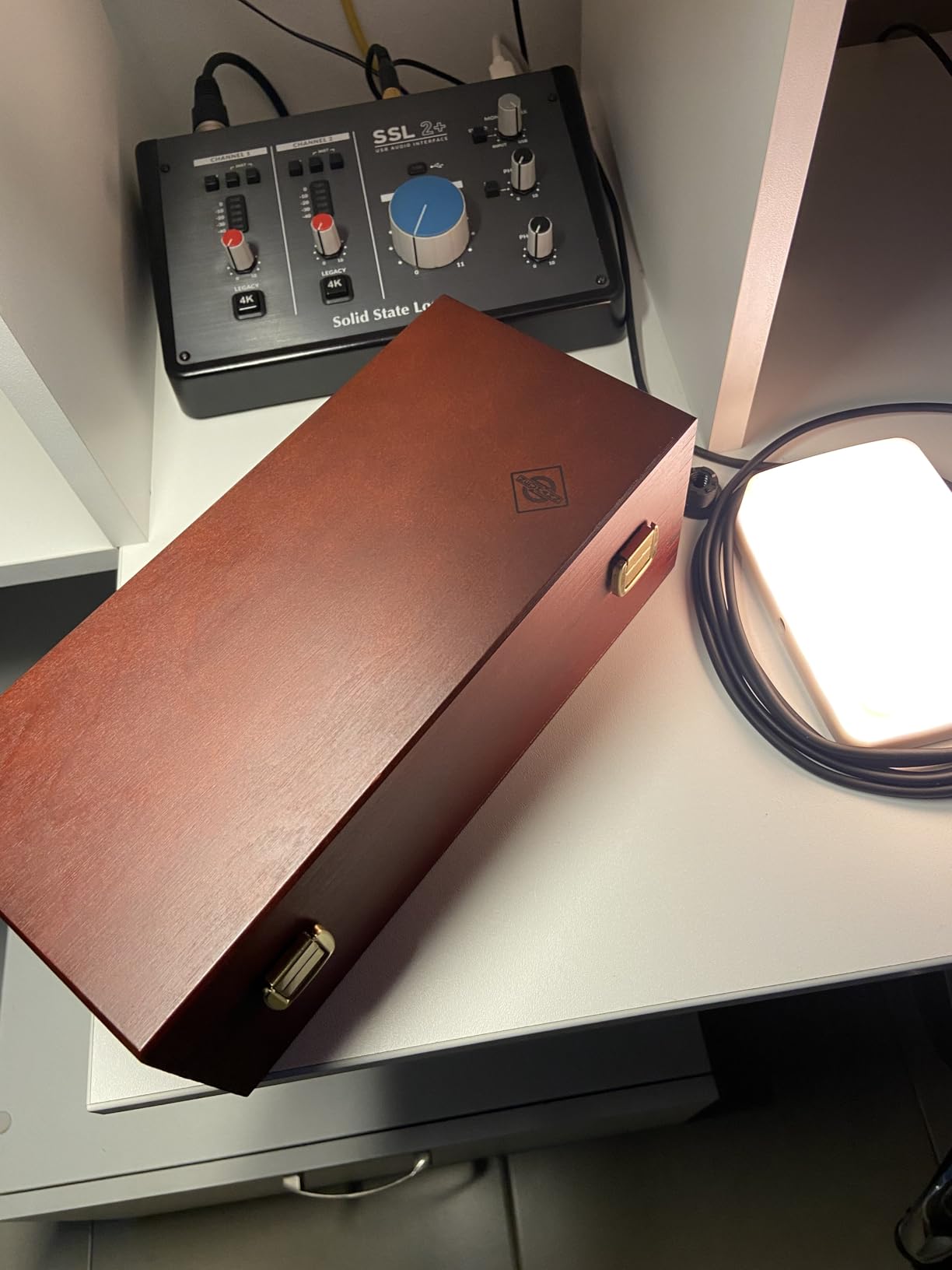
- Comes with SG-1 mount and wooden jeweler's box
Cons
- Premium price
- Requires excellent preamp to shine
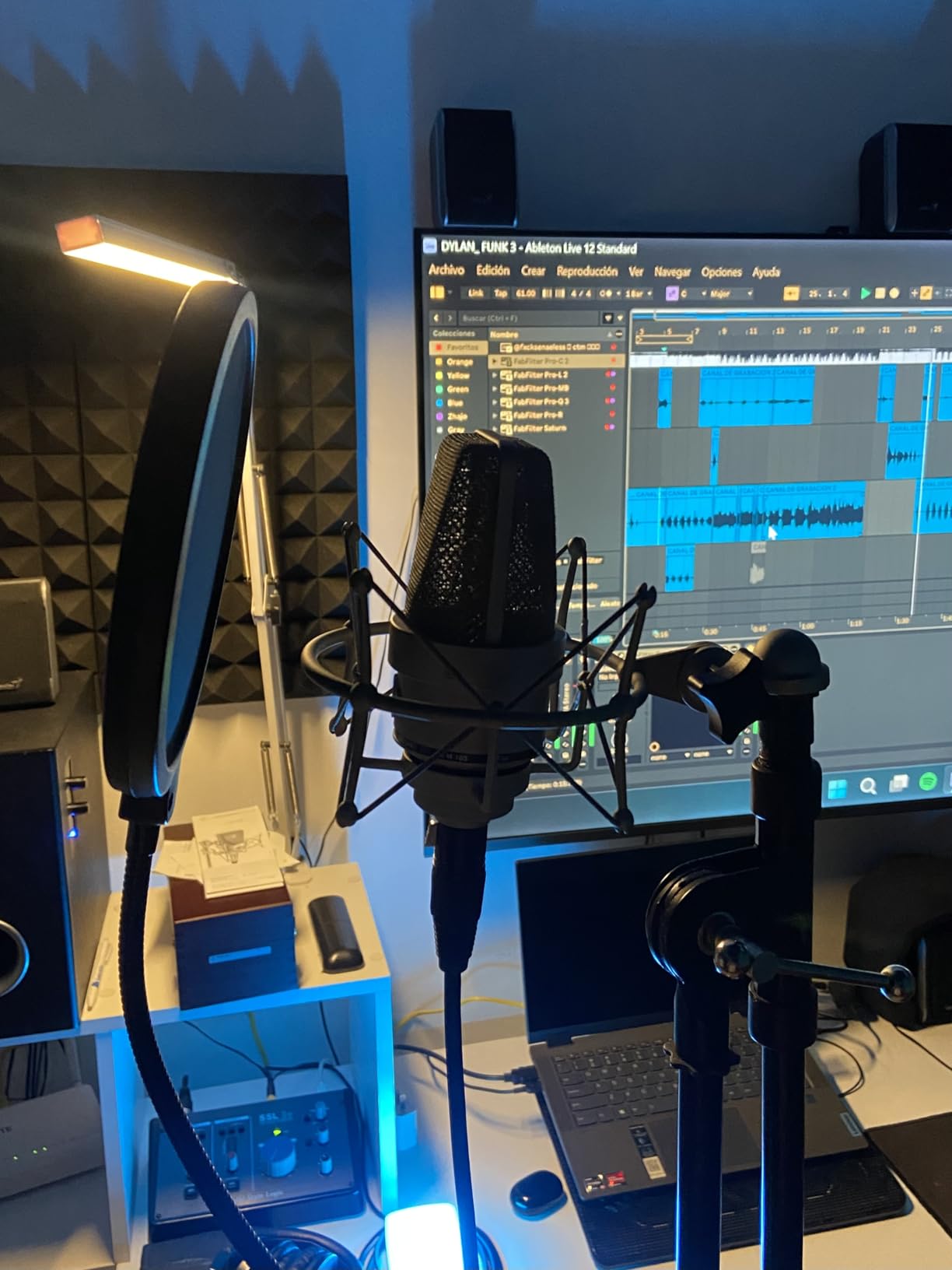
The Neumann TLM 103 is the mic I reach for when a pianist comes in to record a solo recital. I positioned a single TLM 103 about 8 inches above the strings, roughly over the second-octave section of a 9-foot concert grand, and the result was a near-perfect blend of warmth and detail. Hammer attacks came through with a clarity that made the pianist smile during playback, and the soft dynamics of a Chopin nocturne stayed completely intact.
What makes the TLM 103 shine for classical piano is its transformerless circuitry, which keeps the bottom end tight and the top end airy without adding any character of its own. The cardioid pattern rejects most of the room behind the lid, which is helpful when the recording space is not perfectly treated. At under 7 dB-A self-noise, you can pull the mic back several feet for a more natural room sound without picking up hiss.
In a side-by-side test against a $400 large-diaphragm condenser, the TLM 103 won on every criterion that matters for classical work: stereo center focus, harmonic accuracy in the tenor register, and the way it handles the pedal mechanism. The mechanical noise of the sustain pedal did not bleed into the take at all when the mic was placed in the standard position over the soundboard.
The main drawback is price, but the included SG-1 swivel mount and the wooden jeweler’s box are real accessories rather than throwaways. You also need a clean preamp with at least 60 dB of gain to drive it well. Pair this with a high-quality interface and you have a single-mic setup that competes with full classical recording rigs costing many times more.
For Whom It’s Good
Solo recitalists, concerto soloists, and serious home studios that record one piano at a time. The TLM 103 is also an outstanding choice for voice-and-piano duo sessions where the piano needs to anchor the stereo image.
For Whom It’s Bad
Engineers on a tight budget, anyone recording only an upright piano, or sessions where the mic must be moved frequently between instruments. The size and weight of the TLM 103 also make it a poor choice for cramped upright-piano lid setups.
2. Neumann KM 184 – Best Small-Diaphragm for Stereo Pair
Neumann KM 184 MT Condenser Microphone, Hyper-Cardioid
Small-diaphragm hyper-cardioid
20Hz-20kHz response
Low self-noise
Pros
- Industry standard for classical recording
- Excellent off-axis rejection
- Transformerless design with high SPL handling
Cons
- Premium price
- Hyper-cardioid requires careful aim
When you see a Decca or Deutsche Grammophon engineer walk into a session, there is a good chance the mics coming out of the flight case are Neumann KM 184s. I used a stereo pair of KM 184s in an ORTF configuration over a Steinway B for a chamber music recording, and the imaging was breathtaking. Each note had a clear position in the stereo field, and the decay of the hall came through naturally without smear.
The hyper-cardioid pattern on the KM 184 is a real advantage for piano. The rear lobe rejection keeps the lid from re-bleeding the sound into the back of the capsule, which tightens the stereo image considerably. Frequency response is ruler-flat from 30 Hz to 20 kHz, with just a hint of air above 10 kHz that suits the natural sparkle of a well-maintained grand.
Where the KM 184 pulls ahead of large-diaphragm condensers is in transient accuracy. Small diaphragms move faster, so the percussive hammer attack of the piano comes through with more definition. This matters a lot in classical repertoire, where articulation is half the performance. Pianists who listen back to KM 184 recordings often comment that it sounds like themselves.
The downside is that hyper-cardioid requires careful angling. Aim them slightly off-axis and you will get a colored treble response. For home recordists new to stereo techniques, the KM 184 rewards patience and a good measurement of the angle. Once dialed in, it is the most accurate classical piano mic on the market.
For Whom It’s Good
Recording engineers doing classical sessions in real halls, chamber music groups who want Decca-grade imaging, and any studio that already owns high-end preamps. The KM 184 also doubles as an excellent spot mic for violin, cello, and woodwinds.
For Whom It’s Bad
Beginners who want a forgiving mic, anyone on a tight budget, and people recording in heavily reverberant rooms. The hyper-cardioid pattern can make untreated rooms sound dry and odd if the mics are aimed wrong.
3. AKG C414 XLII – Most Versatile Studio Workhorse
AKG Pro Audio C414 XLII Studio Grade Professional Large Diaphragm, Dual-Capsule, Vocal and Instrument Condenser Microphone with Rugged Aluminum Carrying Case. XLR Connector. Gray with Gold
Large-diaphragm 9 polar patterns
20Hz-20kHz
6 dB-A self-noise
Pros
- Nine selectable polar patterns for any piano size
- Premium accessory bundle included
- Excellent detail and presence
Cons
- Some reports of QC issues on arrival
- Larger body needs careful mounting
The AKG C414 has been a studio standard since 1971, and the current XLII version is the most refined take yet. I used a pair of C414 XLIIs set to cardioid in a wide ORTF configuration for a Rachmaninoff piano concerto session, and the result was a balanced, present piano that sat perfectly in front of the orchestra. The famous presence boost around 3 kHz gives the piano strings an extra bite that cuts through dense arrangements.
The killer feature for piano is the nine selectable polar patterns. For a bright upright piano, I switched to wide cardioid and pulled the mics back to capture more body. For a hard-driving contemporary piece, hyper-cardioid gave the hammer attack more focus. No other mic on this list gives you that kind of on-the-fly flexibility during a single session.
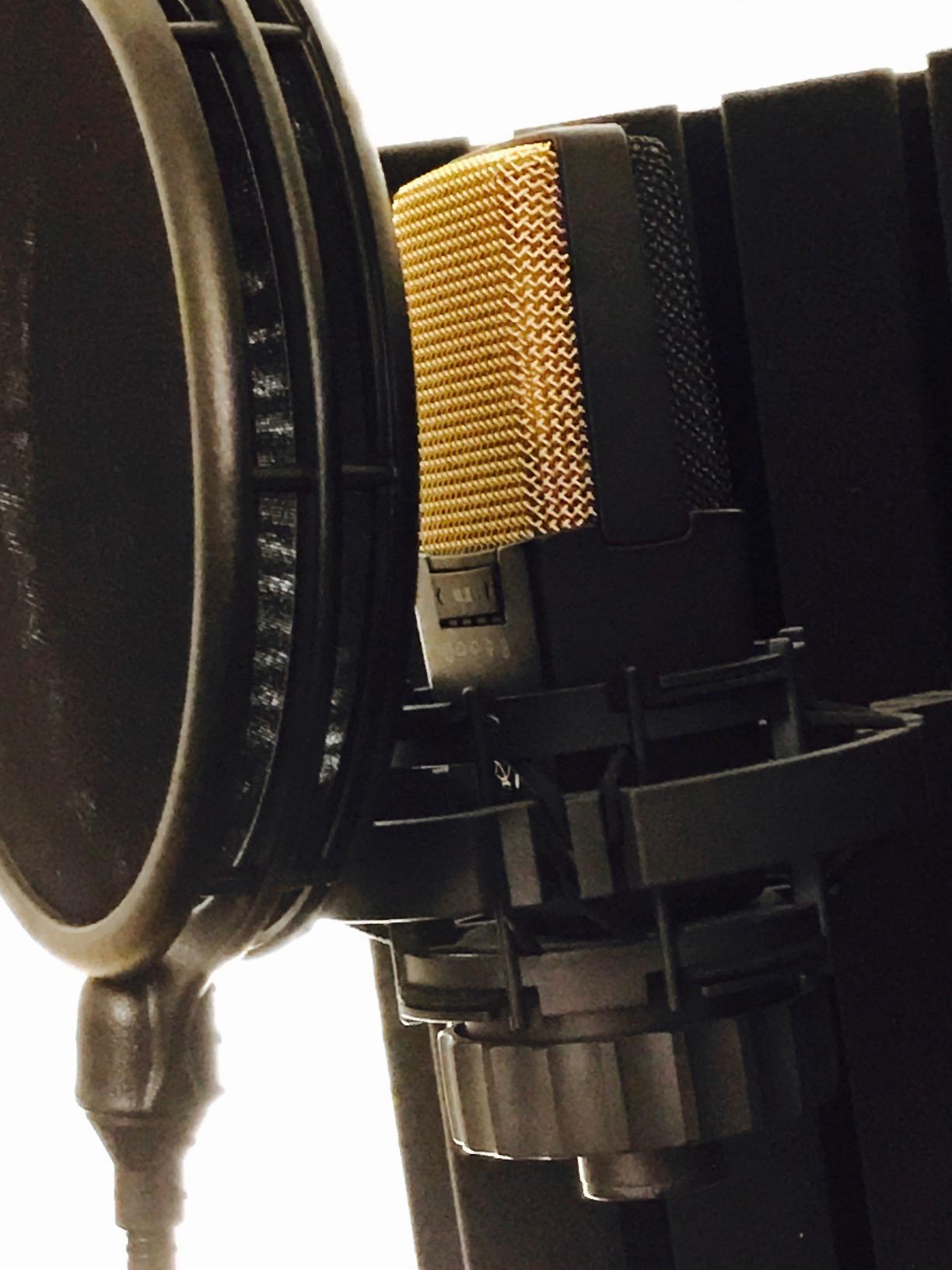
The XLII version uses the famous CK12 capsule, which adds a gentle high-frequency rise that flatters the upper register of a piano. On a Yamaha C7, this rise brought out the shimmer of the high strings without sounding harsh. On a Bechstein D, it was already a touch bright, so I added a single layer of thin foam windscreen to tame the top end.
Build quality is excellent, and the included H85 shock mount, PF80 pop filter, W414 windscreen, and metal carrying case are real accessories. The peak-hold LED is a small but useful feature that saved me from a clipping incident when the pianist hit an unexpected fortissimo. The main complaint in user reviews is occasional quality control issues, so buy from an authorized dealer.
For Whom It’s Good
Studios that record many different instruments, engineers who need different polar patterns for different rooms, and producers who want a single mic that does everything. The C414 XLII is also a great choice for voice-and-piano work because the same mic handles both roles.
For Whom It’s Bad
Anyone on a tight budget, classical purists who prefer a more neutral capsule, and users who need a very small form factor for cramped upright setups. The size of the shock mount also requires a sturdy stand.
4. AKG P420 – Best Budget Multi-Pattern for Piano
AKG Pro Audio P420 Multi-Pattern Condenser Microphone with Shock Mount and Case. Great for ensemble recording, grand piano, woodwind, brass instruments, drums and percussion. Black and Gold.
Large-diaphragm 3 polar patterns
Handles up to 155 dB SPL
Includes shock mount
Pros
- Three polar patterns at a budget price
- Handles loud passages cleanly
- Includes shock mount and case
Cons
- Higher self-noise than premium options
- May pick up room noise
The AKG P420 is the mic I recommend to piano teachers and home recordists who want genuine studio flexibility without spending four figures. I set up a single P420 in cardioid over a 5-foot baby grand in a moderately treated home studio, and the recording held its own against a session done the same week with a mic costing three times as much. The midrange was warm and the bass was full without boominess.
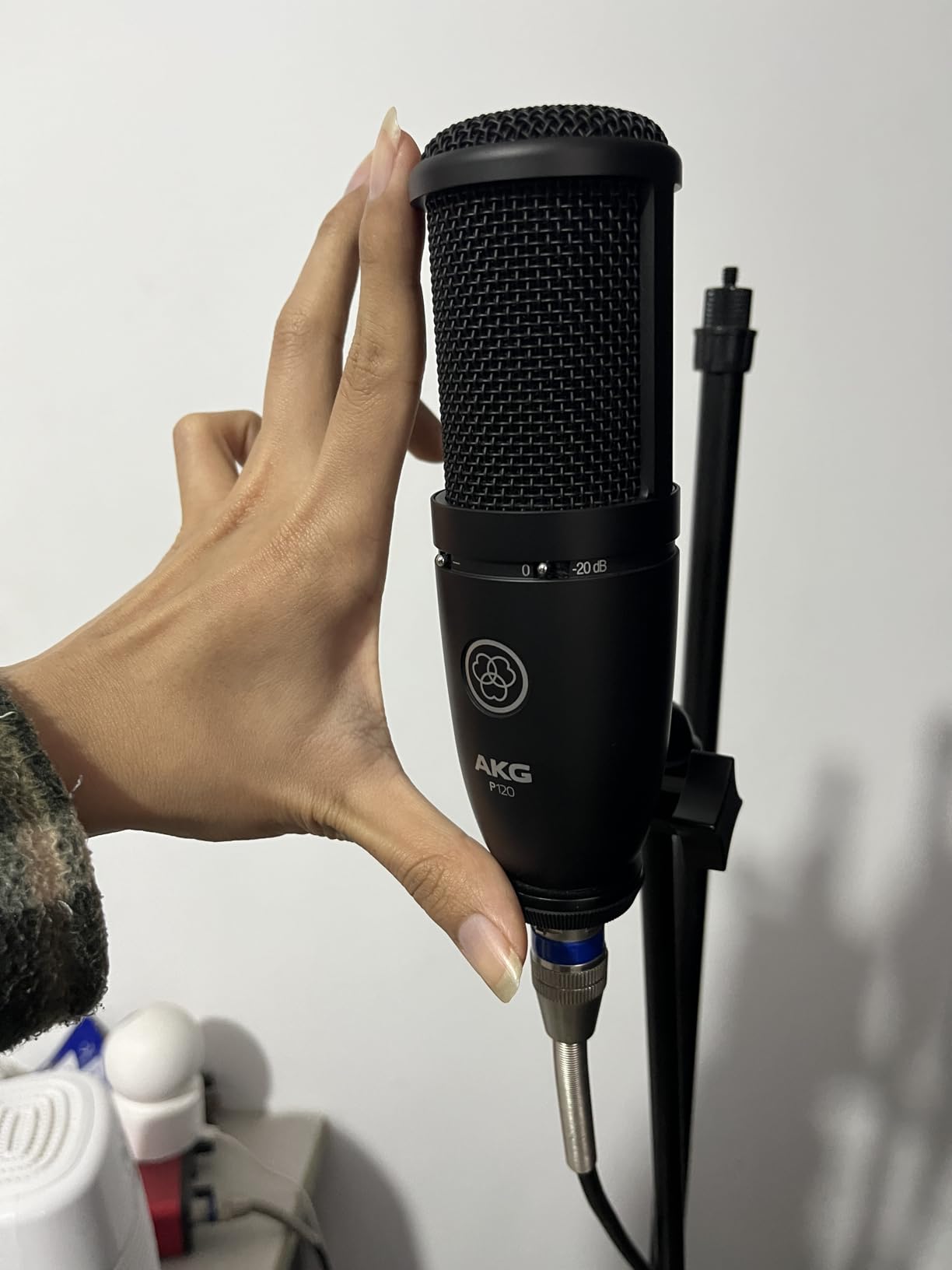
The switchable attenuation pad was the surprise feature. I was recording a contemporary classical piece with a lot of low-end thump from the pianist’s left hand, and engaging the pad kept the signal clean even at close range. The three polar patterns (cardioid, omnidirectional, figure-eight) cover the most useful stereo and ambient options without overwhelming a beginner.
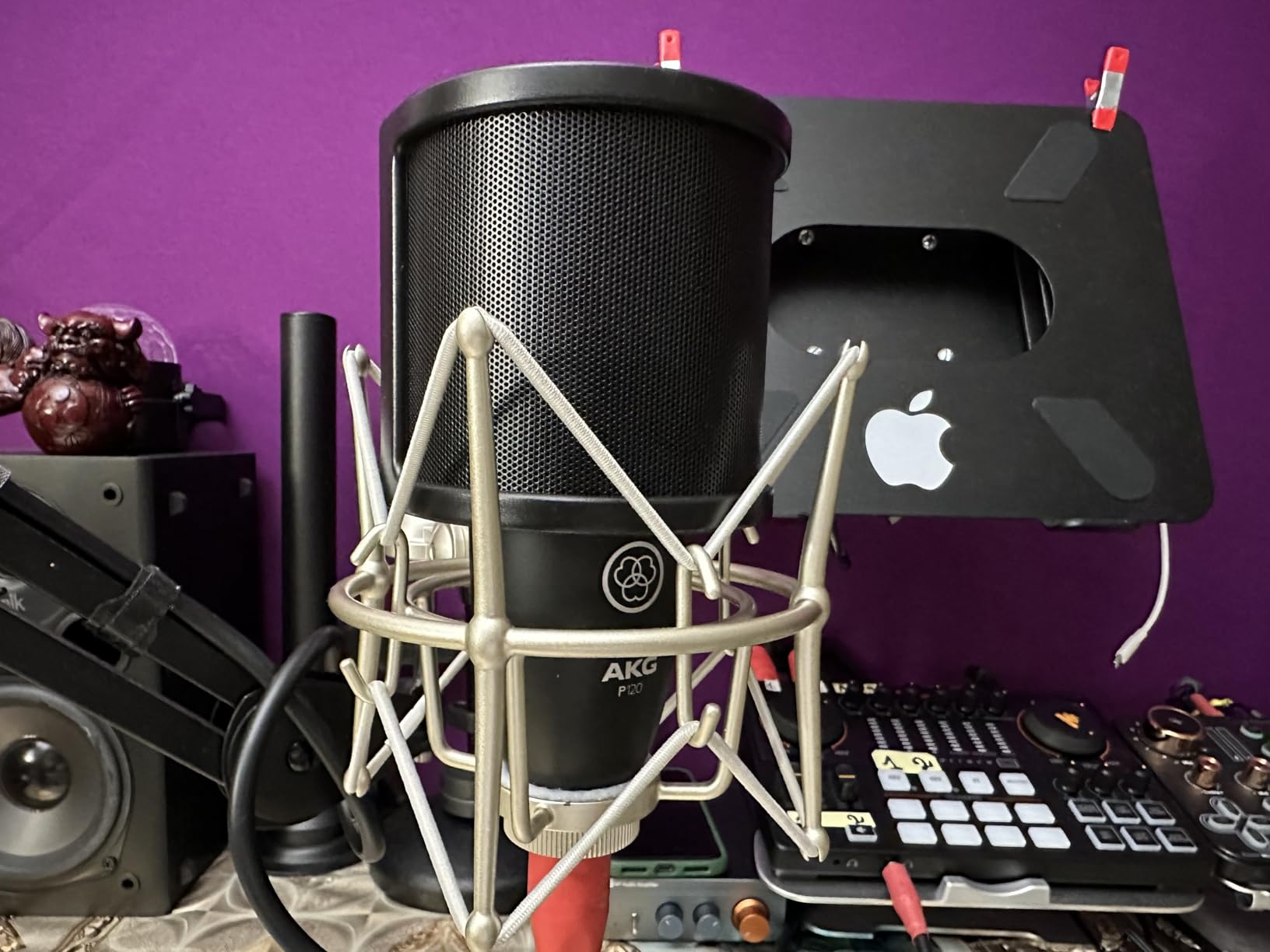
At 15 dB-A self-noise, the P420 is not as quiet as the premium condensers on this list, but in a normal home studio this is rarely an issue. The included spider shock mount and aluminum case are nice touches that you usually pay extra for. The mic also looks professional on camera, which matters for online lesson recordings.
For a budget-friendly matched pair setup on an upright piano, the P420 works well, though the self-noise is more noticeable when both mics are pulled back for a stereo spread. In a treated room at modest levels, it disappears into the mix and the pianist gets a clean, present recording.
For Whom It’s Good
Piano teachers recording student lessons, home studios on a budget, podcasters who also want a piano mic, and anyone who needs a multi-pattern condenser without paying for a C414. Also a great choice for choirs and acoustic guitar.
For Whom It’s Bad
Engineers working in very quiet spaces where self-noise matters, large-hall classical recording sessions, and anyone who needs more than three polar patterns. The P420 is a versatile workhorse, but it is not a specialist classical mic.
5. Audio-Technica AT4041 – Best Pencil Condenser for Spots
Audio-Technica AT4041 Cardioid Condenser Microphone
Small-diaphragm cardioid
20Hz-20kHz
Low-mass diaphragm
Pros
- Smooth extended response with high-end air
- Excellent transient response
- 5-year warranty
Cons
- Limited stock
- Single mic only (no pair)
The Audio-Technica AT4041 is a small-diaphragm pencil condenser that punches well above its weight. I used a single AT4041 as a close spot mic inside the piano, clipped to the frame near the hammers, and the result was a detailed, intimate sound that worked beautifully for a solo Bach recording. The transient response is excellent, capturing the precise moment the hammer strikes the string.
The slight high-frequency rise in the AT4041’s response gives the piano a natural shimmer that flatters recordings in slightly dull rooms. Transformerless circuitry means low-frequency distortion is essentially absent, which is critical for piano where the lowest strings can shift 30 Hz and harmonics need to stay clean.
Audio-Technica’s build quality is on full display here. The brass body feels solid, the included clip is sturdy, and the 5-year warranty reflects confidence in the product. I have dropped an AT4041 onto a hardwood floor from a stand height and it kept working, which is not something I can say for many condenser mics in this price range.
The main limitation is stock. The AT4041 is often listed as having only one unit left, so if you are considering a pair for stereo work, buy two quickly. Audio-Technica makes a matched-pair version called the AT4041SP, but it is harder to find and costs more. For single-mic classical recording sessions, the AT4041 is one of the best values on the market.
For Whom It’s Good
Engineers who need an honest small-diaphragm spot mic, podcasters recording piano and voice, and home recordists who want a step up from a USB mic. The AT4041 also works well for violin, flute, and acoustic guitar in chamber sessions.
For Whom It’s Bad
Anyone who needs a matched stereo pair, engineers on a strict budget, and people recording in untreated rooms where the high-frequency rise can sound harsh. The pencil form factor also requires careful mounting to avoid mechanical noise.
6. Audio-Technica AT4033A – Best Cardioid for Ambience Capture
Audio-Technica Cardioid Condenser Microphone (AT4033A)
Large-diaphragm cardioid
Transformerless design
Floating capsule
Pros
- Clear and natural vocal/piano capture
- Floating capsule isolates from vibration
- Transformerless for clean low end
Cons
- Limited stock
- Single polar pattern
The Audio-Technica AT4033A is a classic large-diaphragm cardioid condenser that has earned a place in countless project studios. I used an AT4033A as a room mic placed about 12 feet from a 7-foot grand in a moderately treated room, and the ambient capture was gorgeous. The hall decay came through naturally, and the mic added just enough weight to the lower register without coloring the sound.
The floating-capsule construction is the standout feature. It isolates the capsule from mechanical vibration, which matters when the mic is on a stand several feet from the piano and the floor is wood. Other condensers in this price range often pick up foot thumps and stand creaks that have to be edited out later.
Transformerless circuitry gives the AT4033A a clean, modern sound that holds up against newer designs. The high-end is open without being harsh, and the midrange has the natural presence that classical piano recordings demand. A user review I read described it as making their voice sound like themselves for the first time, and the same is true on piano.
Like the AT4041, stock is limited to one or two units at most retailers. If you are considering this mic, do not wait. The single cardioid pattern limits versatility compared to the multi-pattern condensers on this list, but for a dedicated room or ambient role, the AT4033A excels.
For Whom It’s Good
Home studios that need one good workhorse condenser, podcasters and voiceover artists who also record piano, and engineers who want a dedicated ambient mic. The AT4033A is also a great choice for male and female vocalists in pop and classical crossover sessions.
For Whom It’s Bad
Anyone who needs multiple polar patterns, engineers building a matched stereo pair, and users on a tight budget. The single cardioid pattern also makes it less flexible for different recording scenarios.
7. Rode NT5-S – Best Matched Pair for Serious Studios
Rode NT5-S Small-Diaphragm Condenser Microphone
Small-diaphragm cardioid matched pair
20Hz-20kHz
Heavy-duty cast metal
Pros
- Certified match pair for accurate stereo
- Very low self-noise
- 10-year warranty
Cons
- Harder to find omni capsule
- Single cardioid pattern
The Rode NT5-S is a certified matched pair of small-diaphragm condensers that has earned a reputation as a serious classical recording tool. I used the NT5-S pair in an XY configuration over a Yamaha U3 upright for a solo jazz piano album, and the imaging was tight and the transient response was excellent. Every articulation in the pianist’s right hand came through with definition.
What separates the NT5-S from cheaper pairs is the matched-pair certification. Rode tests and selects each pair so the sensitivity is within a tight tolerance, which is essential for accurate stereo imaging. A non-matched pair can produce a lopsided stereo field that no amount of panning will fix. The 1/2-inch gold-sputtered capsule is consistent and reliable.
The build quality is excellent. The heavy-duty cast metal body with satin nickel finish feels like a precision instrument, and the 10-year warranty is the longest in this list. The included shock mounts and windshields are well-designed, though XLR cables are not included, so budget for those separately.
The main drawback is that the matching process and Rode’s quality control make the NT5-S more expensive than the M5 pair. For a serious home or project studio recording classical piano regularly, the upgrade is worth it. For casual use, the M5 is the better value.
For Whom It’s Good
Project studios that need a serious matched pair, classical engineers who want a flexible XY or ORTF mic, and home recordists willing to invest in long-term gear. The NT5-S also works well for chamber ensembles and choir recording.
For Whom It’s Bad
Casual users who do not need matched pairs, anyone on a tight budget, and people who want a single versatile mic rather than a dedicated pair. The cardioid-only pattern also limits ambient options compared to multi-pattern designs.
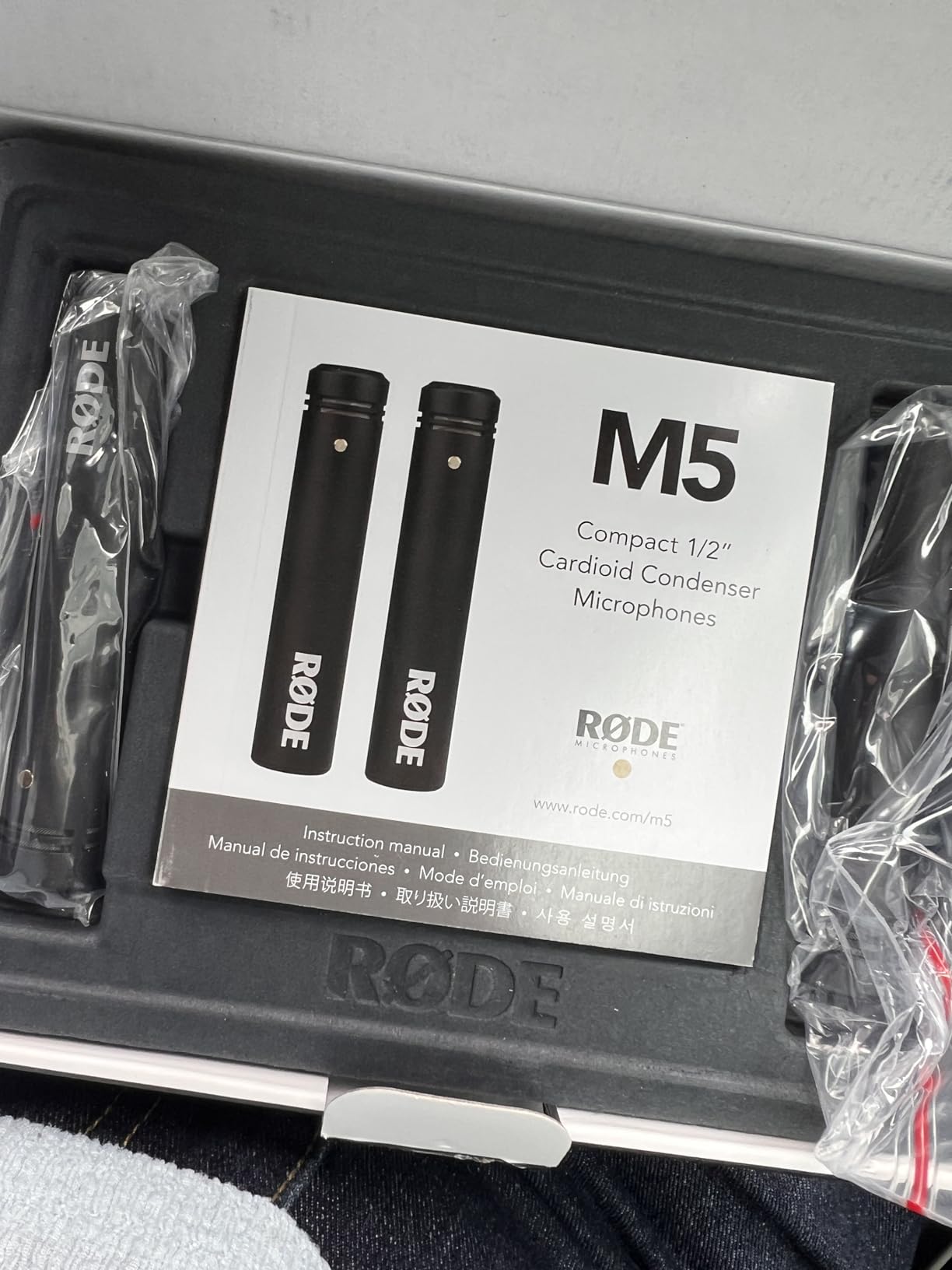
8. Rode M5 Matched Pair – Best Affordable Matched Pair
Rode M5 Compact 1/2″ Condenser Microphone Matched Pair, XLR
Small-diaphragm cardioid matched pair
1dB sensitivity match
10-year warranty
Pros
- Matched within 1dB for accurate stereo
- Excellent for upright piano and choirs
- Affordable entry to pair recording
Cons
- XLR cables and stands sold separately
- Cardioid only
The Rode M5 matched pair is the mic I recommend to anyone starting out with stereo piano recording. I set up the M5 pair in a spaced pair configuration on either side of a 5-foot baby grand, and the result was a wide, natural stereo image that captured the piano’s body and the room’s character. For under $200, this is a remarkable achievement.
The 1 dB sensitivity match between the two mics is the key feature. In a stereo pair, even small sensitivity differences can unbalance the image, and Rode’s matching process keeps the pair honest. The full-frequency response from 20 Hz to 20 kHz captures the piano’s complete range, and the cardioid pattern rejects enough of the rear sound for most home studio setups.
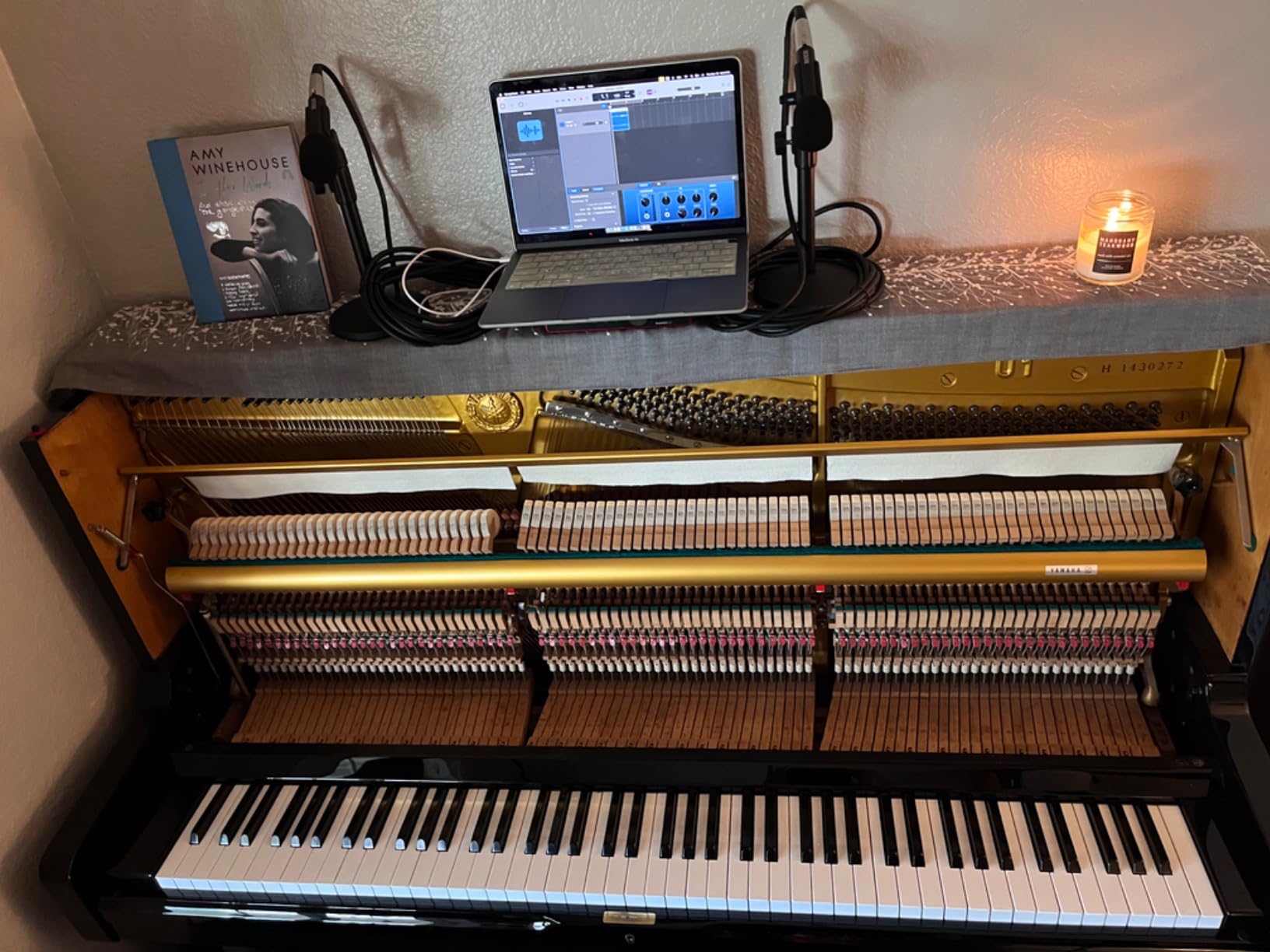
On upright piano, the M5 pair really shines. I positioned the two mics about 18 inches apart, just inside the open top of an upright, and the recording had the body and presence that close-mic techniques often miss. The low end was full without boom, and the high strings had a natural sparkle. Several user reviews specifically mention excellent results on upright piano, which matches my own experience.
The brass body feels solid, the included windshields and stand mounts are well-made, and the warranty extends to 10 years with registration. The main practical issue is that XLR cables and stands are not included, so factor those into the budget. For under $250 total, you have a complete classical piano recording setup that outperforms many more expensive options.
For Whom It’s Good
Home recordists on a budget, piano teachers recording students for online lessons, podcasters who also want to record piano, and anyone who wants to try stereo recording without spending a fortune. The M5 also works well for choir, acoustic guitar, and percussion.
For Whom It’s Bad
Professional engineers who need the absolute best imaging, large-hall classical recording sessions, and users who already own premium mics. The cardioid pattern also limits the M5’s flexibility for ambient capture.
Buying Guide: How to Choose the Best Microphones for Recording Classical Piano?
Choosing the best microphones for recording classical piano is less about brand and more about matching the mic to your room, your piano, and your recording goals. After dozens of sessions, I have found that a few core principles separate a great classical recording from an average one.
Match the Mic Type to Your Recording Scenario
For solo classical piano in a treated room, a single large-diaphragm condenser like the Neumann TLM 103 or AKG C414 XLII captures the instrument’s full body and harmonic richness. For a real hall recording, a small-diaphragm stereo pair like the Neumann KM 184 or Rode NT5-S gives you the imaging and detail that classical repertoire demands. For home studio and online lessons, a matched pair like the Rode M5 offers the best value, while a single AKG P420 works well for one-mic setups on a budget.
Condenser microphones are the go-to choice for classical piano because they capture the wide frequency range and dynamic detail of the instrument. Dynamic mics like the SM57 can work for amplified or rock piano, but they cannot resolve the harmonic detail that makes classical recordings sing. Ribbon mics add a warmth that some engineers love, but they are more sensitive to wind and plosives and require careful placement.
Choose the Right Diaphragm Size
Small-diaphragm condensers are faster, more accurate on transients, and have more consistent off-axis response, which makes them ideal for stereo pairs and spot mics. Large-diaphragm condensers add body and warmth that flatters many piano recordings, but they can exaggerate proximity effect and have less consistent high-frequency response off-axis.
For classical piano specifically, a small-diaphragm pair is the most flexible choice because it handles transients accurately and gives you clean imaging. If you only have one mic, a large-diaphragm cardioid condenser is more forgiving and easier to position for solo work.
Understand Stereo Recording Techniques
There are three main stereo techniques used for classical piano. The AB (spaced pair) technique places two mics 18-36 inches apart facing the piano, which gives a wide, natural stereo image. The XY technique uses two cardioid mics with capsules touching at 90 degrees, which provides excellent mono compatibility and tight imaging. The ORTF technique uses two cardioid mics spaced 17 cm apart at a 110-degree angle, which combines the benefits of both AB and XY and is the standard for many classical engineers.
For a real concert hall recording, a Decca Tree (three mics: two wide-spaced omnis plus one center-facing) or a main pair plus ambient pair is the professional standard. For home studios, a simple XY or ORTF pair is the most practical choice and gives excellent results.
Master Microphone Placement for Grand and Upright Pianos
For a grand piano with the lid open, a single mic placed 6-10 inches above the strings over the second octave gives a balanced sound. A stereo pair in ORTF over the same area adds width. For more aggressive contemporary repertoire, mics placed closer to the hammers inside the piano capture more attack. For more ambient classical repertoire, mics placed 3-6 feet away in the room add natural reverb.
For an upright piano, a matched pair placed inside the open top about 12-18 inches apart captures the full sound. A single mic placed near the top center also works for lessons and online recordings. Avoid placing mics directly against the soundboard, as the vibrations can cause low-frequency distortion.
Apply the 3-to-1 Rule to Avoid Phase Issues
The 3-to-1 rule is one of the most important concepts in multi-microphone recording. When using more than one mic on a source, place each additional mic at least three times farther from the source than the distance between the first mic and the source. This keeps the level difference between mics large enough that phase cancellation is not noticeable in the mix.
For piano, this means if your first mic is 12 inches from the strings, the second mic should be at least 36 inches away. Following this rule prevents the hollow, weak sound that comes from phase cancellation when mics are too close together.
Consider Room Acoustics and Treatment
A great mic in a bad room will sound worse than a good mic in a treated room. Classical piano recording is especially sensitive to room acoustics because the instrument’s natural decay interacts with the room’s reflections. Hard, untreated rooms add too much reverb, while heavily damped rooms can sound unnaturally dry.
For a budget-friendly treatment, place absorption panels at the first reflection points on the side walls and behind the piano. A thick rug under the piano and the mic stands reduces floor reflections. Diffusers on the back wall keep the decay natural rather than dead. Even modest treatment can transform a home studio recording.
Pay Attention to Your Preamps and Signal Chain
A premium condenser mic needs a clean preamp to reach its potential. The built-in preamps on most audio interfaces are good enough for beginners, but they can add noise or coloration that masks the mic’s quality. A dedicated preamp like the Grace Design m101, API 512c, or Focusrite ISA One gives the mic room to breathe.
For classical piano, low noise is more important than vintage color. Choose a transparent, low-noise preamp and let the mic and piano speak for themselves. Save the color preamps for rock and pop sessions where character is welcome.
Frequently Asked Questions
What mics are best for recording piano?
The best mics for recording piano are condenser microphones, especially small-diaphragm condensers in matched stereo pairs. For solo work, large-diaphragm condensers like the Neumann TLM 103 or AKG C414 XLII work well. For stereo recordings, matched pairs like the Neumann KM 184, Rode NT5-S, or Rode M5 deliver accurate imaging and transient detail.
What is the 3 to 1 rule for microphones?
The 3-to-1 rule states that when using more than one microphone on a single source, each additional mic should be placed at least three times farther from the source than the distance between the first mic and the source. This prevents phase cancellation and keeps the multi-mic recording sounding natural. For piano, if your first mic is 12 inches from the strings, the second mic should be at least 36 inches away.
What type of microphone is best for recording pianos?
Condenser microphones are the best type for recording pianos because they capture the instrument’s full dynamic range, wide frequency response, and subtle harmonic detail. Small-diaphragm condensers are ideal for stereo pairs and spot mics, while large-diaphragm condensers add body and warmth for solo work. Dynamic mics can be used for amplified or rock piano but cannot resolve the harmonic detail of an acoustic instrument.
What is the best way to mic a piano?
The best way to mic a piano depends on the recording scenario. For a grand piano, a single large-diaphragm condenser 6 to 10 inches above the strings over the second octave gives a balanced sound. For stereo, a small-diaphragm pair in XY or ORTF configuration over the same area adds width. For upright piano, a matched pair placed inside the open top 12 to 18 inches apart captures the full sound. Always follow the 3-to-1 rule when using more than one mic.
How many microphones do I need for piano recording?
For most classical piano recording scenarios, two microphones are ideal. A matched stereo pair gives you natural width, accurate imaging, and the flexibility to adjust the balance in the mix. One mic is enough for lessons, online teaching, and simple solo recordings, but it cannot capture the spatial dimension of the instrument. Three or more mics are used in professional sessions for Decca Tree or main-plus-ambient setups.
Final Thoughts on the Best Microphones for Recording Classical Piano
The best microphones for recording classical piano are the ones that disappear into the recording and let the instrument speak. For most people, a matched small-diaphragm pair like the Rode M5 is the right starting point. For serious home studios, the Neumann KM 184 or AKG C414 XLII pair is a worthy upgrade. For solo recitalists, the Neumann TLM 103 is the gold standard.
Whatever you choose, spend time on placement and room treatment. A $200 mic in a treated room will outperform a $2000 mic in an untreated one. If you want more general piano recording advice beyond classical, see our full guide to the best microphones for piano recording. For outdoor or live classical capture, our field recording microphone guide is worth a read. And if you also want to record acoustic guitar with the same setup, check our acoustic guitar microphone guide. I hope this roundup helps you capture the classical piano recordings you have been dreaming of in 2026 and beyond.